Beyond the Mouse: Addressing Species Mismatch in Animal Models with Human-Relevant New Approach Methodologies
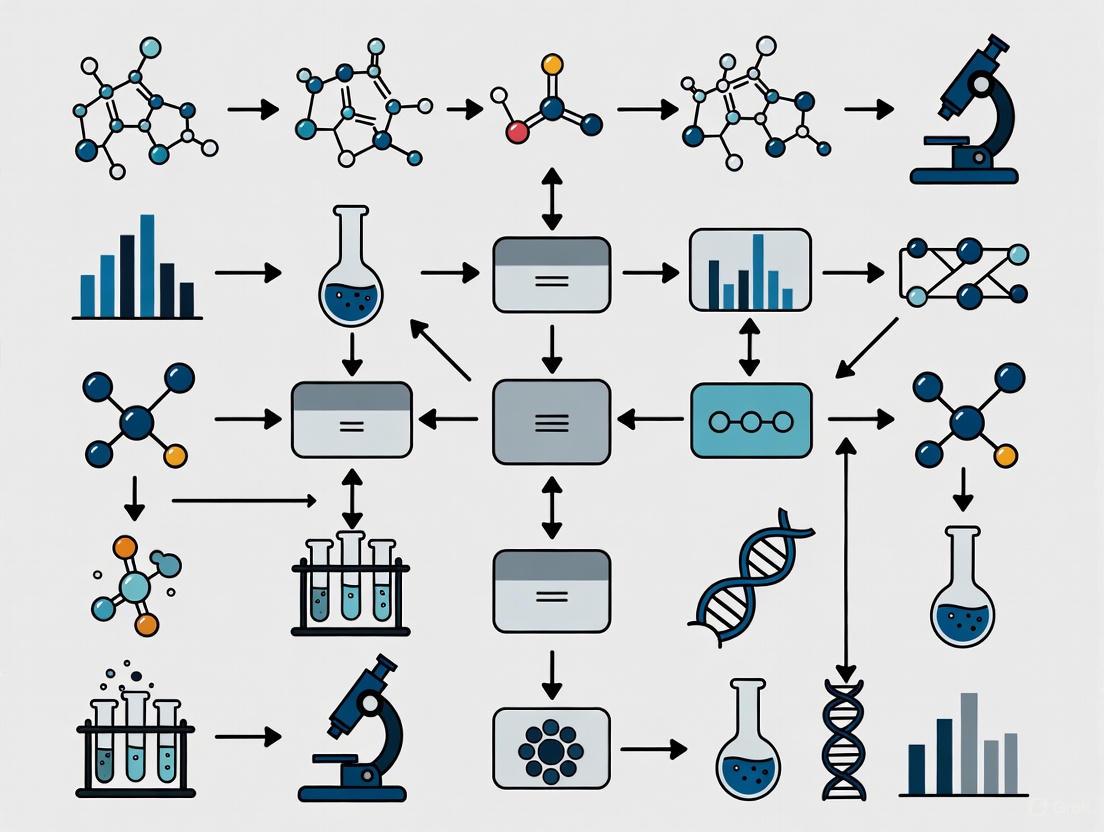
This article examines the critical challenge of species mismatch in biomedical research, where traditional animal models often fail to accurately predict human responses.
Beyond the Mouse: Addressing Species Mismatch in Animal Models with Human-Relevant New Approach Methodologies
Abstract
This article examines the critical challenge of species mismatch in biomedical research, where traditional animal models often fail to accurately predict human responses. It explores the scientific and regulatory drivers, led by recent FDA initiatives, that are accelerating a paradigm shift toward New Approach Methodologies (NAMs). The scope includes a foundational review of the limitations of animal models, a methodological guide to implementing advanced tools like organ-on-chip and organoids, strategies for troubleshooting and validating these systems, and a comparative analysis of their predictive power versus conventional approaches. Tailored for researchers and drug development professionals, this resource provides a comprehensive roadmap for adopting human-relevant research models to enhance drug discovery and development.
The Problem of Species Mismatch: Why Animal Models Are Failing Drug Development
Welcome to the Technical Support Center for Species Mismatch Research. This resource is designed for researchers and drug development professionals navigating the critical challenge of low predictability in biomedical research. A foundational thesis in our field is that a widespread mismatch between traditional animal models and human biology is a primary contributor to this crisis, leading to failed clinical trials, wasted resources, and delayed treatments.
This guide provides direct, actionable troubleshooting advice and FAQs to help you identify, understand, and overcome the specific issues posed by species mismatch in your experiments.
Frequently Asked Questions (FAQs)
What is species mismatch, and how does it impact my research?
Answer: Species mismatch refers to the fundamental biological differences between animal models and humans that undermine the external validity of preclinical research. These differences can be genetic, immunological, physiological, or related to disease presentation.
The impact is significant and quantifiable. It directly leads to the poor translation of findings from the bench to the bedside. For example, despite over a thousand drugs showing promise in animal models of stroke, only one has translated to clinical use, with its benefits still being controversial [1]. This high failure rate demonstrates the costly "predictability gap" created by species mismatch.
My drug candidate works perfectly in animal models but fails in human trials. What went wrong?
Answer: This is a classic symptom of species mismatch. The problem likely occurred at one or more of these stages:
- Unrepresentative Animal Samples: Laboratory animals are often young, genetically identical, and healthy, lacking the comorbidities (e.g., hypertension, obesity) and genetic diversity of human patient populations [2] [1]. Your drug may not work in older, genetically diverse humans with multiple health conditions.
- Fundamental Physiological Differences: Key systems may operate differently. For instance, the immune system of a mouse is adapted to deal with ground-level pathogens, while the human system is better at managing airborne viruses [3]. A therapy targeting an immune pathway might not engage the same way in humans.
- Poorly Modeled Disease Complexity: Animal models often induce a disease state rapidly in a controlled setting, failing to capture the slow, progressive, and complex nature of many human chronic diseases [1].
How can I improve the translatability of my preclinical findings?
Answer: You can take several steps to mitigate the risk of species mismatch:
- Incorporate Human-Relevant Models Early: Integrate New Approach Methodologies (NAMs) like organ-on-chip (OOC) systems or organoids into your workflow before moving to complex animal models [4] [5]. These systems use human cells and can provide more human-relevant data on efficacy and toxicity.
- Use Humanized Mouse Models: For research requiring an in vivo context, consider "humanized" mouse models. These are immunodeficient mice engrafted with human hematopoietic stem cells (HSCs) or peripheral blood mononuclear cells (PBMCs) to create a more accurate model of the human immune system for studying cancer, autoimmune diseases, and infections [3].
- Rigorously Design Animal Studies: Ensure your animal studies are both internally and externally valid. This includes using animals of appropriate age and sex, modeling comorbidities, and aligning treatment timelines with clinically relevant scenarios (e.g., treating after disease onset, not just prophylactically) [2] [1].
Troubleshooting Guides
Problem: Unexpected Immune Response or Lack of Efficacy
Symptoms: A therapeutic shows no effect or causes an adverse immune reaction in a humanized model or in clinical trials, despite success in standard animal models.
Diagnosis: This is frequently due to immunological species differences. The mouse and human Major Histocompatibility Complex (MHC) / Human Leukocyte Antigen (HLA) systems have important functional differences; for example, HLA molecules in humans can bind to a broader range of pathogen-derived peptides [3]. A treatment designed around a mouse-specific immune pathway is likely to fail in humans.
Solution:
- Verify Your Model: If using a humanized mouse model, confirm successful engraftment and reconstitution of the human immune system. A failed or low-efficiency engraftment will not provide useful data [3].
- Check Cell Quality: The quality of the starting human cells (HSCs or PBMCs) is critical. Use a reliable vendor to ensure accurate cell counts and high cell viability to avoid underpowered or failed experiments [3].
- Switch to a Human-Based System: For early-stage screening, use human immune cell cultures or immune-compatible OOC models to de-risk your pipeline before proceeding to in vivo studies [6] [4].
Problem: Inability to Model Complex Human Disease Pathology
Symptoms: Your animal model does not replicate the key cellular or molecular hallmarks of the human disease you are studying.
Diagnosis: The animal model lacks the complexity of the human condition. Many animal models are acute and do not capture the chronic, multi-factorial progression of human diseases like neurodegenerative disorders or complex metabolic syndromes [1].
Solution:
- Adopt a Multi-Model Approach: Do not rely on a single animal model. Use a tiered strategy combining several NAMs to answer specific biological questions [4]. For example, use inner ear organoids to study hair cell differentiation and in vitro synapse models to study functional neuronal connections, rather than a single complex animal model [4].
- Utilize Patient-Derived Organoids: Create disease-specific models using induced pluripotent stem cells (iPSCs) derived from patients. These organoids can reflect the underlying human biology and disease mechanisms in a reproducible, patient-specific manner without the confounding variables of species differences [6].
- Leverage Computational Models: Use artificial intelligence (AI) and machine learning to create "digital twins" that simulate disease progression or drug effects in human biological systems, helping to prioritize the most promising candidates for further testing [5].
Key Quantitative Data on the Translation Crisis
The following table summarizes the stark reality of the predictability gap in preclinical research, highlighting why addressing species mismatch is urgent.
Table 1: The Preclinical Translation Crisis at a Glance
| Aspect of Crisis | Quantitative Evidence | Implication for Researchers |
|---|---|---|
| Overall Drug Development Success | Only ~500 of several thousand human diseases have any approved treatments [1]. | High unmet medical need; current models are failing to produce cures. |
| Clinical Trial Failure Rates | 52% of failures in Phase II/III trials are due to efficacy issues; 24% due to safety[cite [1]]. | Animal models are poor predictors of both whether a drug will work in humans and if it is safe. |
| Specific Example: Stroke Research | Over 1,000 drugs successful in animal models; only 1 translated to clinical use [1]. | The predictive value of traditional animal models for neurology is exceptionally low. |
| Specific Example: Liver Toxicity | Liver chips detected 87% of drugs that were hepatotoxic in humans but not in animal models [4]. | Human-based OOC models can outperform animals in critical safety assessments. |
Experimental Protocols & Workflows
Protocol: Establishing a Humanized Mouse Model for Immunological Studies
This protocol outlines the key steps for creating a humanized mouse model via CD34+ hematopoietic stem cell (HSC) engraftment, a common method for studying the human immune system in vivo [3].
1. Principle: Immunodeficient mice are preconditioned to create space in the bone marrow and then injected with human HSCs. These cells engraft and reconstitute a human immune system within the mouse, allowing for the study of human-specific pathogens, cancer immunotherapies, and autoimmune diseases.
2. Reagents and Materials:
- Immunodeficient mice (e.g., NSG strain)
- Source of human CD34+ HSCs (e.g., umbilical cord blood, bone marrow)
- Irradiation equipment (for preconditioning)
- Myeloablative chemotherapeutic agent (alternative preconditioning)
- Sterile PBS for cell resuspension
- Flow cytometry reagents for immune phenotyping (e.g., antibodies against human CD45, CD3, CD19)
3. Procedure:
- Step 1: Preconditioning. Subject immunodeficient mice to sublethal irradiation or myeloablative chemotherapy. This eliminates the mouse's own bone marrow cells, creating a niche for the human cells to engraft [3].
- Step 2: Cell Preparation. Isolate or thaw a high-quality, viable batch of human CD34+ HSCs. Critical Step: The entire sample size for the experiment should ideally come from the same donor to minimize batch effects. Ensure cell count is accurate and viability is high [3].
- Step 3: Engraftment. Intravenously inject the prepared CD34+ HSCs into the preconditioned mice.
- Step 4: Reconstitution and Validation. Allow 12-16 weeks for the human immune system to reconstitute. Validate successful engraftment by periodically testing mouse peripheral blood via flow cytometry for the presence of human immune cells (e.g., human CD45+ cells) [3].
4. Key Troubleshooting:
- Low Engraftment: This is often due to inadequate preconditioning, low quality/viability of the starting HSCs, or an insufficient number of cells injected [3].
- Graft-versus-Host Disease (GvHD): More common when using peripheral blood mononuclear cells (PBMCs). Using naïve CD34+ cells from cord blood can reduce this risk [3].
The workflow for creating and validating a humanized mouse model can be visualized as follows:
Workflow: Integrating New Approach Methodologies (NAMs) in Drug Discovery
This workflow describes a strategy to reduce reliance on animal models by front-loading human-relevant testing, thereby mitigating species mismatch early in the discovery process [4] [5].
1. Principle: Use a combination of AI, organ-on-chip (OOC), and organoid technologies to create a more predictive, human-relevant pipeline for evaluating drug safety and efficacy before considering animal studies.
2. Procedure:
- Step 1: AI-Powered In Silico Screening. Use machine learning models to screen virtual compound libraries for desired activity and predict potential absorption, distribution, and toxicity profiles [5].
- Step 2: Human Organoid Testing. Take hits from the AI screen and test them on patient-derived organoids. This provides a 3D, human-cell-based model for initial efficacy and mechanistic studies [6] [4].
- Step 3: Single-Organ Chip Validation. Progress the most promising candidates to single-organ chips (e.g., liver-chip, heart-chip) for more sophisticated safety and toxicity profiling under dynamic fluid flow conditions [4].
- Step 4: Multi-Organ Chip Analysis. For candidates requiring systemic understanding, use multi-organ chips (e.g., liver-heart-chip) to study inter-organ cross-talk and detect off-target effects [4].
- Step 5: Targeted, Hypothesis-Driven Animal Testing. Only after successful passage through previous stages, use animal models for final, specific questions that require a whole-body context (e.g., systemic toxicity, behavior), with study designs informed by the human-relevant NAM data [4].
The following diagram illustrates this integrated, human-first workflow:
The Scientist's Toolkit: Key Research Reagent Solutions
Table 2: Essential Materials for Overcoming Species Mismatch
| Item | Function & Rationale |
|---|---|
| CD34+ Hematopoietic Stem Cells (HSCs) | The starting material for creating humanized mouse models. Sourced from umbilical cord blood or bone marrow, these cells reconstitute the human immune system in immunodeficient mice, allowing for the study of human-specific immunology [3]. |
| Induced Pluripotent Stem Cells (iPSCs) | Patient-derived cells that can be reprogrammed into any cell type. Used to create patient-specific organoids that model human disease without species differences, ideal for drug screening and mechanistic studies [6]. |
| Organ-on-Chip (OOC) Systems | Microfluidic devices lined with human cells that simulate organ-level physiology and mechanics (e.g., blood flow, breathing motions). They provide human-relevant data on drug efficacy, toxicity, and disease mechanisms that animal models often miss [4]. |
| AI/ML Software for Digital Twins | Computational models that simulate a biological process or entire organ. They use AI to predict drug safety and efficacy in a human context based on existing data, helping to prioritize experiments and reduce animal testing [5]. |
| High-Quality Cell Culture Matrices | Advanced hydrogels and extracellular matrix (ECM) substitutes that provide a human-relevant 3D microenvironment for growing organoids and OOC systems, crucial for maintaining realistic cell function and morphology [6]. |
FAQs: Troubleshooting Preclinical Development
Q1: Why do monoclonal antibodies (mAbs) that show promise in preclinical models often fail in late-stage human trials?
Several key factors, often related to translational gaps between animal models and human biology, contribute to this failure:
- Incomplete Understanding of Mechanism of Action (MOA): Proceeding to Phase III trials without a complete understanding of the drug's MOA and its interaction with the human disease pathway is a common reason for failure. For instance, a failure to fully understand the biology of targets previously thought to be essential for cancer has led to late-stage trial termination [7].
- Suboptimal Dosing Strategies: Initial dosing regimens established in clinical trials are often refined post-approval as real-world data is gathered. A review of FDA-approved mAbs found that 21% underwent dosing changes for their initial indication, with a median time to change of 37.5 months. These changes include dose increases or decreases, and adjustments for specific patient populations [8].
- Limitations of Animal Models: Neurotoxin-based animal models (e.g., using MPTP, rotenone for Parkinson's disease, or scopolamine for Alzheimer's disease) may not fully recapitulate the complex, systemic pathology of human neurodegenerative diseases. While useful for screening, they often cannot beat the predictive value of newer genetic models for diseases like Alzheimer's [9] [10].
Q2: What are the common pitfalls in modeling neuroinflammation for drug discovery?
The primary pitfall is the failure of a single model to capture the entirety of human disease pathology.
- Over-Reliance on Single Models: Animal models of Alzheimer's disease (AD) based on specific frameworks like amyloid-β plaques or neurofibrillary tangles may not accurately represent the disease in people. This has contributed to the poor translation of preclinical results to the clinic [10].
- Species-Specific Immune Responses: The immune response in rodents can differ significantly from humans. For example, the first AD vaccine, AN-1792, showed promise in mouse models but caused encephalitis in human trials. The immune response was inconsistent among patients and varied drastically from the murine models, highlighting a critical species mismatch [11].
- Model Selection: For neuroinflammation, different inductors like Lipopolysaccharide (LPS) and poly I:C are used to mimic bacterial or viral infections, respectively. However, the resulting neuroinflammation might only represent an acute response, not the chronic, low-grade inflammation seen in many human diseases [12].
Q3: How can we better validate the translational relevance of our animal models?
A multi-faceted approach is necessary:
- Use Multiple Models: No single model is perfect. Research should utilize a spectrum of models (e.g., neurotoxin-based, genetic, and neuroinflammation-induced) to test therapeutic candidates. The field is encouraged to use all available tools, including in vivo, in vitro, and in silico models [9] [10].
- Incorporate Human Biomarkers: Where possible, validate findings against human biomarkers. In Alzheimer's research, the hypothetical biomarker model posits that Aβ accumulation is an early event, followed by tau pathology and neuroinflammation, which are more closely correlated with clinical symptoms. Effective therapies should demonstrate target engagement on these relevant biomarkers [11].
- Focus on Patient Selection in Model Design: Models should be evaluated based on how well they inform patient selection for clinical trials. Factors like genetic risk (e.g., APOE ε4 status in AD), stage of disease, and presence of comorbidities are critical for trial success and should be reflected in modeling strategies [13] [11].
Troubleshooting Guide: Late-Stage Failures
This guide analyzes specific failure cases to identify root causes and preventive strategies.
Table: Analysis of Late-Stage Monoclonal Antibody Failures
| Case Study (Therapeutic Area) | Agent (Company) | Reported Failure Reason | Root Cause & Lessons Learned |
|---|---|---|---|
| Small Cell Lung Cancer (Oncology) [7] | Rovalpituzumab tesirine - Rova-T (AbbVie) | Did not improve overall survival compared to standard chemotherapy; toxicity issues. | • Strategic/Commercial Factors: Proceeded to Phase III based on poor-quality Phase II data.• Toxicity: Off-target toxicities were a major limiting factor.• Trial Design: Incomplete understanding of the drug's mechanism and the biological context of its target (DLL3). |
| Recurrent Glioblastoma (Oncology) [7] | Depatuxizumab mafodotin - Depatux-M (AbbVie) | Lack of survival benefit compared to placebo. | • Efficacy: Despite targeting a relevant receptor (EGFR), the antibody-drug conjugate did not provide a survival advantage in a difficult-to-treat cancer.• Toxicity: Ocular toxicity was a noted adverse event, highlighting the importance of a favorable risk-benefit profile. |
| Alzheimer's Disease (Neuroscience) [11] | Bapineuzumab (Early anti-amyloid mAb) | Failed to demonstrate clinical efficacy. | • Dosing: Concerns over adverse events (ARIA) led to inadequate drug exposure (<3% the amount of later mAbs).• Patient Selection: ~25% of the trial sample did not have the target amyloid pathology, diluting the potential treatment effect. |
Experimental Protocols for Model Validation
Protocol 1: Establishing a Neuroinflammation Model using Systemic LPS Administration
Purpose: To induce systemic and central neuroinflammation in rodents, mimicking aspects of sickness behavior and neuroinflammation seen in conditions like ME/CFS [12].
Materials:
- Lipopolysaccharide (LPS) from E. coli (e.g., serotype 055:B5).
- Sterile phosphate-buffered saline (PBS).
- Adult C57BL/6 mice or Sprague-Dawley rats.
- Syringes and needles for intraperitoneal (i.p.) injection.
Procedure:
- Preparation: Reconstitute LPS in sterile PBS to a working concentration. Prepare a vehicle control of PBS alone.
- Dosing: Administer LPS via i.p. injection. A typical dose for mice is 0.5-1 mg/kg. Control animals receive an equal volume of PBS.
- Post-Injection Monitoring:
- Behavioral Analysis: Measure locomotor activity and exploratory behavior in an open field apparatus at 2-4 hours and 24 hours post-injection. A significant decrease in activity is expected in the LPS group.
- Tissue Collection: At the peak of the cytokine response (e.g., 2-4 hours post-injection), euthanize animals and collect brain regions of interest (e.g., hippocampus, cortex) and blood plasma.
- Biomarker Analysis:
- Cytokines: Measure pro-inflammatory cytokines (IL-1β, IL-6, TNF-α) in brain homogenates and plasma using ELISA.
- Microglial Activation: Analyze brain sections using IBA-1 immunohistochemistry to assess microglial morphology and activation state.
Troubleshooting: If the inflammatory response is too severe or lethal, titrate the LPS dose downward. Ensure all solutions are prepared endotoxin-free to avoid unintended activation.
Protocol 2: Validating a Parkinson's Disease Model using Systemic Rotenone Administration
Purpose: To create a rodent model that reproduces dopaminergic neurodegeneration and key pathological features of Parkinson's disease [9].
Materials:
- Rotenone (e.g., dissolved in DMSO and then mixed with a carrier like sunflower oil).
- Sunflower oil (vehicle).
- Osmotic minipumps or equipment for daily subcutaneous (s.c.) injections.
- Adult C57BL/6 mice.
Procedure:
- Preparation: For continuous infusion, load rotenone solution into osmotic minipumps. For intermittent dosing, prepare daily s.c. injection solutions.
- Dosing: Systemically administer rotenone. A common regimen for mice is a continuous s.c. infusion at 2-3 mg/kg/day for 2-4 weeks via minipump. Control animals receive the vehicle.
- Post-Treatment Validation:
- Motor Function: Conduct behavioral tests such as the rotarod test, pole test, and open field assay to quantify motor deficits.
- Post-Mortem Analysis:
- Immunohistochemistry: Process brain sections (substantia nigra and striatum) for tyrosine hydroxylase (TH) to quantify the loss of dopaminergic neurons and terminals.
- Biochemistry: Assess markers of oxidative stress and mitochondrial complex I inhibition in brain tissues.
Troubleshooting: The model is sensitive to rotenone batch and animal strain. Monitor animals closely for weight loss and general health. Adjust the dose or duration if mortality is high.
Signaling Pathways & Failure Analysis
The following diagram illustrates the complex pathway from therapeutic concept to market, highlighting key failure points discussed in the case studies.
Therapeutic Development Pathway and Failure Points
The Scientist's Toolkit: Research Reagent Solutions
This table details key reagents and their functions in the experiments and case studies discussed.
Table: Essential Research Reagents for mAb and Neuroinflammation Research
| Reagent / Material | Function / Application | Considerations for Species Mismatch |
|---|---|---|
| Lipopolysaccharide (LPS) [12] | A TLR4 ligand used to induce systemic and central neuroinflammation in rodent models, mimicking bacterial infection. | Rodent immune responses to LPS can differ in sensitivity and cytokine profile from humans. Results may not translate directly. |
| Poly I:C [12] | A synthetic double-stranded RNA that acts as a TLR3 ligand, used to model viral infection-induced neuroinflammation. | As with LPS, the neuroinflammatory cascade and subsequent behavioral changes in rodents may not fully represent human conditions. |
| Rotenone [9] | A natural toxin that inhibits mitochondrial complex I, used to create a rodent model of dopaminergic neurodegeneration for Parkinson's disease. | The systemic administration in rodents produces a model with key features of PD, but may not replicate the slow, progressive etiology of the human disease. |
| Anti-Aβ Monoclonal Antibodies (e.g., Aducanumab, Lecanemab) [13] [11] | Passive immunotherapies designed to target and facilitate the clearance of amyloid-β in Alzheimer's disease. | Early failures (e.g., Bapineuzumab) highlight that target engagement in mouse models does not guarantee clinical efficacy without optimal dosing and patient selection. |
| Single Antigen Beads (SAB) [14] | Luminex-based beads used for highly sensitive detection of HLA antibodies, crucial in transplant immunology. | Discrepancies in antigen quantity on these beads versus human cell surfaces can lead to false positives/negatives, impacting clinical decisions. |
Conceptual Foundations of Mismatch
What is evolutionary mismatch and why is it relevant to animal model research?
Evolutionary mismatch describes a state of disequilibrium whereby an organism that evolved in one environment develops a phenotype that is harmful to its fitness or well-being in another environment [15]. In translational biomedical research, this concept is crucial because it explains how physiological and behavioral traits adapted to a species' ancestral environment may become maladaptive in laboratory settings, potentially compromising research validity [16]. For animal models, this means that species-specific adaptations to their natural evolutionary environments may create significant divergences when these animals are used to model human conditions [17].
How does developmental mismatch differ from evolutionary mismatch?
Developmental mismatch occurs at the individual level when there's a discrepancy between the environment experienced during early development and the environment encountered later in life [17]. This contrasts with evolutionary mismatch, which operates across generations and involves adaptations to ancestral environments becoming maladaptive in modern environments [18]. Both concepts are relevant to animal research: evolutionary mismatch affects species selection, while developmental mismatch can impact how laboratory conditions (e.g., early life stress vs. standard housing) influence experimental outcomes [17].
Troubleshooting Guides for Species Mismatch
How to identify potential species mismatch in experimental design?
Table 1: Common Indicators of Species Mismatch in Preclinical Research
| Indicator | Description | Potential Impact |
|---|---|---|
| Differential Drug Metabolism | Significant variations in metabolic pathways or rates compared to humans | Incorrect dosing predictions, toxicology misses |
| Immune System Divergence | Fundamental differences in immune cell populations or response patterns | Failed translation of inflammatory or immunology findings |
| Physiological Process Variation | Different mechanisms for similar biological functions (e.g., bone healing, neural repair) | Misidentification of therapeutic mechanisms |
| Behavioral Response Disparity | Species-specific behaviors that confound behavioral tests | Invalid assessment of neuroactive compounds or interventions |
What strategies can minimize mismatch-related experimental bias?
- Implement Rigorous Controls: Always include appropriate positive and negative control groups, and consider using littermate controls for genetically modified strains to maintain consistent genetic background [19].
- Standardize Environmental Factors: Control for variables such as diet type, light cycles, housing density, and noise levels that may interact with species-specific adaptations [20] [19].
- Account for Developmental Stage: Recognize that age impacts major biological changes; ensure consistent age matching across experimental groups [20].
- Monitor Microbiome Effects: Be aware that pathogen exclusion status and microbiome composition can significantly influence experimental outcomes, particularly in metabolic and immunological studies [19].
- Validate Across Multiple Species: When possible, confirm critical findings in multiple species with different evolutionary trajectories to identify conserved biological mechanisms [20].
Experimental Protocols for Mismatch Evaluation
Protocol: Assessing Metabolic Mismatch in Animal Models
Background: Modern humans experience metabolic diseases like diabetes and heart disease that may result from mismatch between evolved physiology and modern environments [16]. This protocol helps evaluate similar mismatches in animal models.
Materials:
- Research species (e.g., mice, rats, non-human primates)
- Control diet (approximating evolutionary diet)
- Challenge diet (high fats/sugars, representing modern diet)
- Metabolic cages for energy expenditure measurement
- Body composition analyzer (DEXA, MRI)
- Glucose and insulin tolerance test supplies
- Tissue preservation reagents
Methodology:
- Acclimatization Phase: House animals under standardized conditions for 2 weeks with control diet.
- Baseline Measurements: Record body weight, body composition, fasting glucose, and insulin levels.
- Dietary Intervention: Randomize animals into control diet and challenge diet groups using proper randomization methods.
- Monitoring Phase: Track food intake, body weight, and energy expenditure weekly for 8-12 weeks.
- Endpoint Assessments: Perform glucose and insulin tolerance tests, collect tissues for histological analysis.
- Data Analysis: Compare metabolic parameters between groups, specifically looking for exaggerated responses in challenge diet groups that may indicate evolutionary mismatch.
Table 2: Research Reagent Solutions for Mismatch Studies
| Reagent/Resource | Function in Mismatch Research | Validation Requirements |
|---|---|---|
| Genetically Defined Animal Strains | Controls for genetic background effects on phenotypic expression | Regular backcrossing to defined background; genetic monitoring every 4 generations [19] |
| Species-Appropriate Diets | Mimics ancestral or modern nutritional environments for metabolic mismatch studies | Macronutrient analysis; consistency across batches |
| Behavioral Test Apparatus | Quantifies species-specific behavioral responses to experimental conditions | Calibration against known pharmacological controls; environment standardization |
| Pathogen Monitoring Systems | Controls for microbiome and immune status differences affecting experimental outcomes | Regular serological and molecular screening; barrier facility maintenance |
Visualization of Mismatch Concepts
Evolutionary Mismatch Mechanism
Species Selection Decision Framework
Frequently Asked Questions
How can we distinguish true evolutionary mismatch from poor experimental design?
True evolutionary mismatch manifests as consistent, biologically plausible divergences that align with known species-specific evolutionary histories. Poor experimental design typically produces random or inconsistent results that improve with methodological refinements. To distinguish between them:
- Conduct systematic literature reviews to establish consistent patterns across studies [21]
- Compare results across multiple species with different evolutionary trajectories
- Verify that environmental conditions appropriately match the research question
- Consult with evolutionary biologists when interpreting species-specific responses
The most prevalent mismatch issues in rodent research include:
- Metabolic mismatches: Laboratory diets versus evolutionary diets leading to altered metabolic responses [16]
- Social structure disruptions: Artificial housing conditions that disrupt natural social hierarchies and stress responses [17] [16]
- Immunological differences: Divergent immune system development and function due to pathogen-controlled environments [19]
- Circadian rhythm disruptions: Artificial light cycles interfering with natural circadian biology [17]
How does developmental plasticity contribute to mismatch in animal models?
Developmental plasticity allows organisms to adjust their phenotype based on early environmental cues, preparing them for similar conditions in adulthood [18] [17]. In research settings, when early life conditions (e.g., standard laboratory housing) differ dramatically from experimental conditions later in life, this can create developmental mismatches that confound results. For example, animals raised in enriched versus deprived environments may respond differently to the same experimental intervention later in life [17].
What documentation practices help identify mismatch issues?
Implement comprehensive documentation of:
- Genetic background: Complete breeding records and genetic monitoring procedures [19]
- Environmental conditions: Detailed records of housing, diet, light cycles, and environmental enrichment [22] [20]
- Developmental history: Early life experiences and any pre-experimental manipulations
- Procedure variations: Any deviations from standardized protocols that might interact with species-specific traits [20]
- Unexpected responses: Careful documentation of anomalous findings that might indicate mismatch phenomena
The journey from a promising discovery in an animal model to an approved human therapy is a long and complex one. A foundational analysis of this pipeline, published in PLOS Biology, examined 122 systematic reviews encompassing 367 therapeutic interventions across 54 human diseases [23]. The study quantified the transition rates at key stages, revealing that only 5% of therapies that show efficacy in animal studies ultimately achieve regulatory approval for human use [23]. This low rate has become a central concern in biomedical research.
However, this figure tells only part of the story. The same analysis found that the transition rate from animal studies to human trials is much higher, at 50%, and 40% of interventions advance to randomized controlled trials (RCTs) in humans [23]. Furthermore, a meta-analysis showed an 86% concordance between positive results in animal studies and subsequent positive results in human clinical trials [23] [24]. This indicates that when an animal study is well-designed and shows a clear benefit, those findings are very often replicated in human studies. The core problem, therefore, is not necessarily that animal findings are universally wrong, but that the entire path from bench to bedside is fraught with challenges, many of which stem from a fundamental species mismatch [1].
Table: Key Transition Rates in the Drug Development Pipeline
| Development Stage | Transition Rate | Typical Timeframe (Years) |
|---|---|---|
| From animal studies to any human study | 50% | 5 |
| From animal studies to a Randomized Controlled Trial (RCT) | 40% | 7 |
| From animal studies to regulatory approval | 5% | 10 |
| Concordance of positive results (animal to human) | 86% | - |
FAQ: The Core Problem of Species Mismatch
This section addresses the most common questions researchers have about the translational success rate and its underlying causes.
Q1: If 86% of positive animal results are confirmed in humans, why is the final approval rate only 5%?
The high concordance rate for efficacy does not guarantee a drug's ultimate success. Therapies can fail for numerous reasons after showing initial promise:
- Safety and Toxicity: A compound may be effective but cause unforeseen adverse reactions in humans that were not present in the animal model due to species-specific physiology or metabolism [1].
- Commercial and Strategic Decisions: Some programs are terminated for non-scientific reasons, such as lack of funding, strategic portfolio shifts by a pharmaceutical company, or insufficient market potential.
- Efficacy in Larger Trials: An intervention might show a small but statistically significant effect in early, smaller human trials but fail to demonstrate a clinically meaningful benefit in the larger, more rigorous Phase III trials required for approval [25].
Q2: What are the primary limitations in animal model design that contribute to this gap?
Several recurring issues in the design and execution of animal studies undermine their predictive value:
- Lack of Robust Study Design: Many animal studies do not implement key measures to reduce bias, such as blinding of investigators and randomization of animals to treatment groups [23] [24].
- Inadequate Statistical Power: Studies often use too few animals, making them underpowered to detect a true treatment effect or to reliably estimate its size [24].
- Unrepresentative Animal Subjects: Laboratory animals are typically young, healthy, and genetically homogeneous. In contrast, human patients are often older, have multiple health conditions (comorbidities), and are genetically diverse [24] [1]. Testing a neuroprotective drug in a healthy young mouse, for example, may not predict its effect in an elderly human stroke patient with hypertension and diabetes [1].
- Misaligned Outcomes: Animal studies frequently focus on molecular or mechanistic endpoints, while human trials prioritize clinically relevant outcomes that matter to patients, such as overall survival or functional improvement [24].
Q3: Beyond general design, what are the inherent problems of "species mismatch"?
Even a perfectly designed animal study faces inherent biological challenges when translating to humans:
- Physiological and Genetic Differences: Fundamental differences in metabolism, immune system function, drug receptor specificity, and anatomy exist between species [26] [3] [1]. For instance, the human immune system is more complex than that of mice and better manages airborne pathogens, while mice are more adept at handling ground-level pathogens [3].
- Inability to Model Complex Human Diseases: Many animal models capture only a single facet of a complex human disease. They often cannot replicate the slow progression of chronic diseases (e.g., Alzheimer's), the influence of a patient's lifetime of environmental exposures, or the complexity of having multiple simultaneous diseases [2] [1].
- Poor Clinical Applicability: The timing and method of treatment administration in animal models can be highly unrealistic. A drug might be given to an animal before or immediately after disease induction, whereas humans often begin treatment long after the disease has developed [1].
Troubleshooting Guide: Mitigating Species Mismatch in Your Research
This guide provides actionable strategies to help researchers design more predictive and translatable animal studies.
| Challenge | Root Cause | Solutions & Best Practices |
|---|---|---|
| Poor Predictive Power for Efficacy | Unrealistic animal models; misaligned endpoints. | • Incorporate Comorbidities: Use aged animals or induce common co-existing conditions (e.g., hypertension in stroke models) [1].• Align Endpoints: Select outcome measures that are directly relevant to the human clinical condition (e.g., functional recovery over purely molecular changes) [24]. |
| Unexpected Human Toxicity | Fundamental species differences in physiology and immunology. | • Utilize Humanized Models: Employ "humanized" mouse models engrafted with human immune cells to better predict immunogenic responses [3].• Leverage Human-Ex Vivo Systems: Use technologies like Ex Vivo Metrics, which involve perfusing and testing drugs on intact, ethically donated human organs (e.g., liver, lung) to study human-specific absorption, metabolism, and toxicity [27]. |
| Irreproducible & Biased Results | Flawed experimental design and low statistical power. | • Implement Experimental Rigor: Adhere to the ARRIVE guidelines. Always use randomization, blinding, and calculate the necessary sample size (a priori power analysis) to ensure the study is adequately powered [24].• Improve Model Validity: Critically assess whether your model has strong face validity (resembles the human condition) and construct validity (based on a similar underlying cause) [2]. |
| Failure in Late-Stage Clinical Trials | The animal model does not reflect the target human population or clinical setting. | • Mimic Clinical Timing: Administer treatments after the onset of symptoms in the animal model, not prophylactically, to better simulate the human treatment scenario [1].• Test in Multiple Models: Confirm key findings in more than one animal model or species to increase confidence in the robustness of the therapeutic effect. |
The following diagram maps the key failure points in the translational pipeline and the corresponding solutions to overcome them.
The Scientist's Toolkit: Essential Research Reagents & Models
This table details key materials and models that can be employed to bridge the species gap.
Table: Key Resources for Enhancing Translational Research
| Tool / Reagent | Function & Application | Key Consideration |
|---|---|---|
| Humanized Mouse Models | Immunodeficient mice engrafted with human hematopoietic stem cells (HSCs) or peripheral blood mononuclear cells (PBMCs) to create a "human-like" immune system for studying cancer immunotherapies, infectious diseases, and graft-versus-host disease [3]. | CD34+ HSCs from cord blood support broader immune reconstitution; PBMCs are easier to harvest but primarily engraft T cells. Source from high-quality vendors to ensure cell viability and consistent engraftment [3]. |
| Ex Vivo Human Organ Perfusion (Ex Vivo Metrics) | Intact, ethically donated human organs (e.g., liver, lung, intestine) are kept viable by blood perfusion. This system allows for direct study of human-specific drug absorption, metabolism, and toxicity without species extrapolation [27]. | Provides near-human physiological context but is not a high-throughput system. Organs are severed from central nervous and full immune systems, which may limit the study of some complex toxicities [27]. |
| Aged or Genetically Diverse Animal Strains | Using older animals or outbred (genetically diverse) strains instead of standard young, inbred mice better models the aged and heterogeneous human patient population, improving the predictive value for chronic diseases [1]. | More costly and logistically challenging to maintain than standard lab strains. Phenotypes may be less uniform, requiring larger sample sizes. |
| CRISPR-Cas9 Gene Editing Systems | Used to create more genetically accurate animal models by introducing human disease-associated mutations or "humanizing" specific genes or pathways in animal models to better reflect human biology [3]. | Requires careful validation to ensure the edited gene function aligns with human physiology and does not cause unintended compensatory effects in the animal. |
A New Toolkit: Implementing Organ-Chips, Organoids, and AI in Preclinical Research
New Approach Methodologies (NAMs) are defined as any in vitro, in chemico, or computational (in silico) method that, when used alone or in combination, enables improved chemical safety assessment through more protective and/or relevant models, thereby contributing to the replacement, reduction, and refinement (3Rs) of animal testing [28] [29]. The driving force behind their development is the growing recognition of the inherent limitations of traditional animal models, particularly the problem of species mismatch, where physiological differences between animals and humans lead to unreliable predictions for human health [1].
A predominant reason for the poor rate of translation from bench to bedside is the failure of preclinical animal models to predict clinical efficacy and safety [1]. This is largely an issue of external validity—the extent to which findings from one species can be reliably applied to another [1]. Issues such as unrepresentative animal samples, the inability to mimic complex human conditions, and fundamental species differences consistently undermine the translational value of animal data [1]. Furthermore, traditional animal studies can be time-consuming, expensive, and often do not reveal the underlying physiological mechanisms of toxicity [30]. NAMs present an opportunity to overcome these challenges by providing human-relevant data that can lead to more predictive safety assessments and a new paradigm for risk assessment [28].
NAMs Fundamentals: Core Components and Workflows
NAMs encompass a broad spectrum of technologies and approaches. The following diagram illustrates a generalized workflow for implementing these methodologies in a safety assessment context.
The core components of NAMs can be categorized as follows:
- Computational Methods (In Silico): These include tools like quantitative structure-activity relationship (QSAR) models and chemical databases for toxicity prediction and chemical prioritization [28]. The Toxicity Estimation Software Tool (TEST) is one such example that predicts toxicity from a chemical's physical structure [31].
- Bioactivity and Toxicity Profiling (In Vitro): This involves using human-based in vitro assays, ranging from simple 2D cell cultures to complex 3D models and microphysiological systems (MPS), such as organ-on-a-chip devices [28]. These systems are designed to model pertinent human biological pathways and mechanisms of action.
- Toxicokinetics and Dosimetry: This critical component uses methods like the high-throughput toxicokinetics (httk) R package to evaluate how the body absorbs, distributes, metabolizes, and excretes a chemical, and to extrapolate effective doses from in vitro assays to relevant human exposures [31].
- Exposure Science: Exposure-based safety assessment is a fundamental premise of NAMs. Tools like the Stochastic Human Exposure and Dose Simulation (SHEDS-HT) model and the ChemExpo Knowledgebase are used to generate robust exposure estimates for risk assessment [28] [31].
The Scientist's Toolkit: Key Research Reagent Solutions
The following table details essential resources and tools used in the development and application of NAMs.
| Tool/Resource Name | Type | Primary Function & Application |
|---|---|---|
| C. elegans [30] [32] | Non-Mammalian Model Organism | A tiny transparent roundworm used as a screening model to identify chemicals potentially toxic to mammals, helping to reduce mammalian animal use. |
| Organoids & Microphysiological Systems (MPS) [28] [32] | Advanced In Vitro Model | Complex 3D tissue cultures (organoids) or multi-cellular systems on chips (MPS) that better mimic human organ structure and function for more relevant toxicity testing. |
| ToxCast Database/InvitroDB [31] | Bioactivity Database | A high-throughput screening database that provides bioactivity data for thousands of chemicals across hundreds of automated in vitro assays. |
| CompTox Chemicals Dashboard [31] | Computational Database | A web-based application providing access to data for hundreds of thousands of chemicals, including physicochemical properties, hazard, exposure, and toxicity data. |
| httk R Package [31] | Toxicokinetic Tool | An open-source software package used to perform high-throughput toxicokinetic modeling and in vitro to in vivo extrapolation (IVIVE). |
| Defined Approaches (DAs) [28] | Testing Strategy | Fixed data interpretation procedures that combine information from specified in silico, in chemico, and/or in vitro sources to reach a defined prediction without animal testing. |
Troubleshooting Common NAMs Challenges: FAQs
Q1: Our NAMs data is often questioned for not perfectly replicating historical animal study results. How should we address this?
This is a common challenge rooted in a misunderstanding of NAMs' purpose. It is critical to clarify that NAMs do not aim to recapitulate the animal test without the animal [28]. Instead, they provide more human-relevant information to enable an exposure-based safety assessment.
- Recommended Protocol: When facing this challenge, implement the following validation and communication steps:
- Benchmark for Protection, Not Correlation: Evaluate your NAMs based on their ability to identify human-relevant hazards and provide a protective point of departure for risk assessment, rather than their correlation with rodent data [28].
- Cite Performance Data: Reference existing success stories. For example, for defined endpoints like skin sensitization, combinations of human-based in vitro approaches have demonstrated similar or better performance compared to the traditional mouse Local Lymph Node Assay (LLNA) [28].
- Contextualize Animal Model Limitations: Proactively educate stakeholders that the rodent "gold standard" itself has a poor human toxicity predictivity rate, estimated to be between 40% and 65% [28]. Framing NAMs as a solution to the limitations of animal models, rather than a failed replica, is key.
Q2: What is the best strategy to gain regulatory acceptance for NAMs-based safety assessments?
Regulatory acceptance is a significant barrier, but progress is being made through strategic data generation and submission.
- Recommended Protocol:
- Use OECD-Validated Defined Approaches (DAs): For specific endpoints like skin sensitization or eye irritation, begin by adopting DAs that are already incorporated into OECD Test Guidelines (e.g., TG 497) [28]. This provides a clear and accepted regulatory pathway.
- Generate and Submit Data for "Safe-to-Use" Decisions: Initially, use NAMs to build a case that a chemical is "safe to use" for a specific exposure scenario, rather than attempting a full hazard characterization for classification and labeling [28]. A risk-based approach that integrates robust exposure science is often more readily applicable under current frameworks.
- Leverage Public Training Resources: Direct your team and regulators to training resources from agencies like the U.S. EPA, which offers extensive materials on tools like the CompTox Chemicals Dashboard, ToxCast, and httk [31]. This builds confidence and familiarity with the methodologies.
Effective data integration is one of the most critical technical challenges in implementing NAMs.
- Recommended Protocol:
- Adopt a Defined Approach Framework: For a given endpoint, pre-define the specific battery of tests (in silico, in chemico, in vitro) and the data interpretation procedure (DIP) that will be used to integrate the results into a final prediction [28]. This eliminates ad-hoc and potentially biased integration.
- Utilize Bioactivity-Exposure Ratios (BER): Integrate your in vitro bioactivity data (e.g., from ToxCast) with high-throughput exposure predictions (e.g., from the SHEDS-HT model or SEEM exposure model) to calculate a BER. A sufficiently high BER indicates a wide margin of safety and can support a risk-based conclusion [31].
- Invest in Computational Workflows: Leverage advanced data analytics tools, application programming interfaces (APIs), and potentially machine learning techniques to automate data aggregation and analysis from various sources like the CompTox Dashboard and invitroDB [31] [33].
Q4: Our complex 3D in vitro models are highly variable. How can we improve reliability?
Variability in advanced in vitro models is a known issue that can be managed through rigorous quality control.
- Recommended Protocol:
- Implement Strict QC Measures: Establish strict, standardized protocols for cell culture, including the use of characterized cell sources, consistent media formulations, and controlled passage numbers [33].
- Use Integrated Quality Metrics: Incorporate functional and structural quality control checkpoints relevant to your model's biology. For example, in a liver model, regularly monitor the expression and activity of key cytochrome P450 enzymes, albumin secretion, and urea synthesis.
- Benchmark with Reference Chemicals: Validate each new batch of your model against a set of reference chemicals with known positive and negative outcomes to ensure consistent performance over time [33]. Documenting this reproducibility is essential for building confidence in your data.
Visual Guide: The Defined Approach (DA) for Regulatory Safety Assessment
For specific endpoints, Defined Approaches offer a standardized method for integrating NAMs data. The following diagram outlines the general logic flow for a DA, such as those used for skin sensitization.
A major challenge in biomedical research and drug development is the reliance on animal models, which often fail to accurately predict human physiological responses. This species mismatch is a root cause of high drug candidate failure rates in clinical trials, as data from animals frequently do not translate to humans [34]. Organ-on-a-Chip (OoC) technology presents a transformative alternative. These microfluidic devices are lined with living human cells cultured under dynamic fluid flow, recapitulating organ-level physiology and pathophysiology with high fidelity [34]. This technical support center provides troubleshooting guidance for implementing these systems to advance more human-relevant research.
Troubleshooting Guides
Common Experimental Issues and Solutions
| Problem Category | Specific Symptom | Possible Causes | Recommended Solutions | Prevention Tips |
|---|---|---|---|---|
| Bubble Formation | Visible bubbles in microchannels; Sudden changes in flow resistance or TEER. | - Rapid pressure changes.- Inadequate medium degassing.- Temperature fluctuations. | 1. Stop flow immediately.2. Flush channels slowly with degassed, pre-warmed medium.3. Use integrated bubble traps if available. | - Always degas medium before use.- Use pressure-driven flow control for stability.- Pre-warm medium before perfusion. |
| Cell Viability Issues | Low viability post-seeding; Detachment in channels. | - High shear stress during seeding.- Incorrect medium composition.- Bubble events.- Contamination. | - Quantify and document shear stress during seeding.- Verify cell-specific medium requirements.- Check for sterility breaches. | - Use a syringe pump for low, steady flow during seeding.- Validate perfusion flow rates for each cell type.- Implement strict sterile technique. |
| Barrier Function Failure | Low or declining Transepithelial/Transendothelial Electrical Resistance (TEER). | - Inappropriate cell seeding density.- Non-physiological shear stress.- Imperfect cell differentiation. | - Optimize initial cell density for confluency.- Calibrate flow to apply physiological shear stress (e.g., 1–10 dyn/cm² for endothelium).- Confirm differentiation status before assay. | - Integrate real-time TEER measurement.- Establish a timeline for expected barrier maturation. |
| Material & Contamination | Unusual cell morphology; Cloudy medium. | - Bacterial or fungal contamination.- Cytotoxicity from device material (e.g., PDMS leaching). | - Discard contaminated chips and cultures.- For suspected cytotoxicity: precondition device by soaking in medium or switch to glass/alternative polymer chips. | - Use devices certified for cell culture.- Follow established sterilization protocols. |
Multi-Organ Chip System Challenges
| Problem | Specific Symptom | Possible Causes | Recommended Solutions |
|---|---|---|---|
| Communication Failure | Expected organ crosstalk not observed; Metabolite not detected in target organ. | - Incorrect flow direction between organs.- Unsuitable common medium.- Tubing causing excessive dilution. | - Map flow to match human physiology (e.g., gut to liver).- Test and tailor a universal medium that supports all organ types.- Minimize interconnecting tubing dead volume. |
| Viability in One Organ | One organ model degenerates while others are healthy. | - Organ-specific medium requirements not met.- Toxic metabolite accumulation. | - Consider using a multi-organ platform that allows for some compartment-specific medium customization. |
| Scalability & Data Variation | High chip-to-chip variability in large experiments. | - Inconsistent cell seeding.- Manual protocol steps open to interpretation.- Batch-to-batch cell variation. | - Automate cell seeding and medium exchange where possible.- Develop and adhere to Standard Operating Procedures (SOPs).- Use well-characterized, consistent cell sources. |
Frequently Asked Questions (FAQs)
Q1: How do I justify using an Organ-on-Chip model over a traditional animal model for my research? The primary justification is human biological relevance. OoCs use human cells, replicate human tissue-tissue interfaces, and experience human-relevant mechanical cues, directly addressing the species mismatch of animal models [34] [35]. This can lead to better prediction of human drug efficacy, toxicity, and disease mechanisms. Furthermore, OoCs can be derived from patient-specific cells, enabling personalized medicine approaches not feasible with inbred animal models [34].
Q2: My team is new to this technology. Should we start with a single-organ or a multi-organ system? Begin with a single-organ chip. A focused model allows your team to master the fundamentals of microfluidic cell culture—such as bubble management, flow control, and assay integration—without the added complexity of inter-organ interactions [36]. Once you have established robust protocols and baseline data for a single organ, you can then progress to multi-organ systems.
Q3: What are the key considerations for selecting cells for my Organ-on-Chip? The choice involves a trade-off between physiological relevance and practicality:
- Primary human cells: Highest functionality but have limited availability, donor variability, and can be difficult to culture long-term [37] [38].
- Immortalized cell lines: Offer consistency and ease of use but may have reduced functionality compared to primary cells [38].
- Induced Pluripotent Stem Cells (iPSCs): Provide a powerful source for patient-specific or disease-specific cells, but differentiation protocols must be robust and yield mature cell types [34] [37]. The key is to align your cell source with your experimental question.
Q4: Our organ-on-chip data sometimes conflicts with our historical animal data. Which should we trust? This conflict often reveals the core limitation of animal models. When this occurs, prioritize investigating the human-specific biology in your OoC model. Use the OoC to perform mechanistic studies (e.g., probing specific human signaling pathways) to explain the discrepancy [37]. This human-relevant insight is a key advantage of the technology, though further validation against human clinical data is the ultimate goal.
Q5: What are the biggest hurdles in scaling up Organ-on-Chip technology for routine drug screening? The main challenges are standardization, scalability, and validation [37].
- Standardization: Moving from custom, lab-made PDMS devices to mass-produced, consistent platforms.
- Scalability: Ensuring reliable, large-scale sourcing of high-quality human cells (e.g., via iPSC biomanufacturing) and developing fully documented, "plug-and-play" protocols.
- Validation: Systematically demonstrating that OoCs can consistently and accurately predict human clinical outcomes for regulatory bodies and the pharmaceutical industry.
Essential Experimental Protocols
Protocol 1: Establishing a Basic Barrier Model (e.g., Vascular or Intestinal)
This protocol outlines the steps to create a functional tissue barrier, a fundamental unit in many Organ-on-Chip models.
1. Device Preparation:
- Select a chip with at least one chamber and an integrated porous membrane.
- Sterilize the chip according to manufacturer's instructions (e.g., UV light, ethanol flush).
- Coat the membrane with the appropriate extracellular matrix (ECM) protein (e.g., Collagen IV for endothelium) and incubate (typically 1-2 hours at 37°C).
2. Cell Seeding:
- Aspirate the coating solution from the device.
- Prepare a high-density cell suspension (e.g., 5-10 million cells/mL for endothelial cells).
- Introduce the cell suspension into the target channel and incubate under static conditions for a period (e.g., 1-4 hours) to allow for initial cell attachment.
- Gently initiate low-flow perfusion with culture medium to remove non-adherent cells and provide nutrients.
3. Barrier Maturation:
- Continue perfusion culture for several days to allow the cells to form a confluent monolayer.
- If real-time Transepithelial/Transendothelial Electrical Resistance (TEER) measurement is available, monitor the values daily. A steady increase followed by a plateau indicates the formation of a tight barrier.
- The model is ready for experimentation once a stable, high TEER value is achieved.
Protocol 2: Linking Two Organs in a Multi-Organ System
This protocol describes the fluidic coupling of two established single-organ models.
1. Pre-culture and Individual Validation:
- Culture each organ chip (e.g., a Gut-Chip and a Liver-Chip) separately until they are functionally mature.
- Confirm the functionality of each organ individually (e.g., gut barrier integrity, liver albumin production).
2. Fluidic Connection:
- Connect the "outlet" channel of the first organ (Gut-Chip) to the "inlet" channel of the second organ (Liver-Chip) using sterile, gas-impermeable tubing. This mimics the physiological portal vein connection from the intestine to the liver.
- Use a common medium circulation reservoir that is compatible with both organ types.
- Initiate perfusion through the entire system at a flow rate calculated based on physiological scaling laws [39].
3. System Equilibration and Monitoring:
- Allow the connected system to equilibrate for 24-48 hours.
- Monitor the viability and function of both organs during this period.
- The system can then be dosed with a compound (e.g., an oral drug) in the first organ (Gut-Chip), and its effect and metabolism can be studied as it is transported to the second organ (Liver-Chip).
Critical Workflow and Signaling Visualization
Organ-on-Chip Experimentation Workflow
The diagram below outlines the key decision points and stages in a typical Organ-on-Chip experiment, from planning to data interpretation.
Signaling Pathways in Inflammatory Crosstalk
This diagram illustrates an example of complex cell signaling that can be modeled in an Organ-on-Chip, such as a Lung Alveolus Chip responding to an inflammatory trigger.
The Scientist's Toolkit: Key Research Reagent Solutions
| Item | Function & Importance in OoC | Technical Notes |
|---|---|---|
| Microfluidic Chip | The physical platform housing the cell culture. Typically made of PDMS for its oxygen permeability and optical clarity, or other polymers/glass. | PDMS can absorb small molecules; consider surface coating or alternative materials for specific drug studies [37]. |
| Extracellular Matrix (ECM) | A hydrogel scaffold (e.g., Collagen, Matrigel) that provides structural support and biochemical signals to cells, promoting 3D organization and function. | The choice of ECM is organ-specific and critical for mimicking the native cellular microenvironment [36]. |
| Human Cells | The biological component that defines the organ's function. Sources include primary cells, iPSC-derived cells, or immortalized cell lines. | iPSCs are powerful for creating patient-specific disease models [34]. Ensure cell maturity and functionality for the target organ. |
| Flow Control System | A pump (e.g., pressure-driven or syringe pump) that perfuses culture medium through the chip, providing nutrients, removing waste, and applying physiological shear stress. | Pressure-driven systems offer more stable, pulse-free flow, which is beneficial for controlling shear stress [36]. |
| Specialized Culture Medium | A fluid formulation that supplies essential nutrients, growth factors, and hormones to sustain the cells. May be shared in multi-organ systems or compartment-specific. | Low-serum or defined formulations help reduce experimental variability [36]. |
| Integrated Sensors | Probes that enable real-time, non-invasive monitoring of physiological parameters (e.g., TEER for barrier integrity, oxygen, pH). | Integration moves the platform from a simple Organ-on-a-Chip to a more powerful "Lab-on-a-Chip" [40]. |
Frequently Asked Questions (FAQs)
Q1: What are the primary advantages of using human organoids over traditional animal models in drug development? Human organoids are 3D cultures derived from human stem cells that replicate the structure and function of human organs. They address the critical limitation of species mismatch inherent in animal models, which often leads to poor translation of drug safety and efficacy findings to humans [41] [42]. Organoids incorporate human genetic diversity and can be personalized from specific patients, providing a more cost-effective and human-relevant system for disease modeling and drug screening [43] [41].
Q2: My patient-derived organoid cultures are failing due to delays in getting tissue samples from the clinic to the lab. What can I do? This is a common challenge. You can implement these two preservation methods to improve viability:
- Short-term refrigerated storage: If the processing delay is 6-10 hours, wash the tissue with an antibiotic solution and store it at 4°C in Dulbecco’s Modified Eagle Medium (DMEM)/F12 medium supplemented with antibiotics [44].
- Cryopreservation: For delays exceeding 14 hours, cryopreservation is preferable. After an antibiotic wash, preserve the tissue in a freezing medium (e.g., 10% fetal bovine serum, 10% DMSO in 50% L-WRN conditioned medium) [44]. Expect a 20-30% variability in live-cell viability between these methods [44].
Q3: A major criticism of organoids is their lack of standardization and reproducibility. How is the field addressing this? The field is actively tackling this through several key strategies:
- Automation and AI: Integrating automation and artificial intelligence to standardize protocols and remove human bias, ensuring cells receive consistent care for more reliable model generation [41].
- Validated, Assay-Ready Models: There is a growing availability of pre-validated organoids that have undergone rigorous testing to confirm they accurately mimic biological processes, allowing researchers to start experiments immediately [41].
- Advanced Imaging Frameworks: Unified computational pipelines, like the LSTree workflow, are being developed to standardize the analysis of organoid imaging data, turning complex images into quantifiable "digital organoids" [45].
Q4: How can I model drug absorption or host-microbiome interactions when the organoid lumen is inaccessible? You can generate "apical-out" organoids. This protocol involves a transition from the typical "basolateral-out" polarity to a configuration where the apical surface faces the culture medium. This provides direct access to the luminal surface for assays studying drug permeability, pathogen interactions, and co-culture with microbes or immune cells [44].
Q5: Organoids develop a necrotic core when they grow beyond a certain size. What are the proposed solutions? Size limitation due to poor nutrient diffusion is a recognized challenge. Current strategies to overcome this include:
- Bioreactors: Using stirred bioreactor systems to improve diffusion and allow for scale-up production [41].
- Vascularization: A major trend is the development of vascularized organoid models by co-culturing with endothelial cells, which enhances nutrient delivery and mimics human physiology more closely [41].
- Integration with Organ-Chips: Combining organoids with microfluidic Organ-Chips incorporates dynamic fluid flow and mechanical cues, which enhances cellular differentiation and function while improving nutrient access [41].
Troubleshooting Guides
Guide 1: Low Organoid Formation Efficiency
| Symptom | Possible Cause | Solution |
|---|---|---|
| Low cell viability leading to poor organoid formation. | Delays in tissue processing after collection. | Implement strict cold-chain logistics. For minimal delays (≤6-10h), use refrigerated storage with antibiotics. For longer delays, use cryopreservation [44]. |
| Incorrect tissue sampling site, failing to capture stem cell niches. | Ensure strategic sampling from crypt regions for intestinal organoids, as these contain the most active stem cells [44]. | |
| Contamination of cultures. | Inadequate antibiotic wash during initial tissue processing. | Perform a thorough wash of the tissue sample with a cold antibiotic solution (e.g., penicillin-streptomycin) in Advanced DMEM/F12 medium before processing or storage [44]. |
Guide 2: Overcoming Physiological Limitations
| Challenge | Impact on Research | Advanced Solution |
|---|---|---|
| Lack of Vascularization | Limits organoid size, leads to necrotic cores; prevents study of systemic drug delivery [41]. | Co-culture with endothelial cells to induce blood vessel formation [41]. Integrate with Organ-Chips that provide microfluidic channels to simulate blood flow [41]. |
| Inaccessible Luminal Space | Prevents direct study of nutrient absorption, host-microbiome interactions, and apical drug exposure [44]. | Generate "apical-out" organoids by manipulating cell polarity protocols to flip the organoid structure, exposing the lumen to the culture medium [44]. |
| Limited Scalability & Reproducibility | Hinders high-throughput drug screening and consistent experimental outcomes [41]. | Adopt automated bioreactors and AI-driven image analysis (e.g., convolutional neural networks) to standardize production and characterization [41] [45]. |
Anatomical Distribution of Colorectal Tissues for Organoid Development
Strategic sampling is crucial for building representative disease models. The table below outlines the distribution of advanced colorectal neoplasms, which should guide the collection of normal, polyp, and tumor tissues for organoid generation [44].
| Anatomical Site | Percentage of Advanced Neoplasms |
|---|---|
| Rectum | 34.1% |
| Sigmoid Colon | 10.7% |
| Descending Colon | 36.0% |
| Transverse Colon | 2.5% |
| Ascending Colon | 16.6% |
Note for Researchers: Proximal and distal colon cancers have distinct molecular profiles. Proximal cancers (cecum to transverse colon) show a higher prevalence of MSI-H status, CIMP-H, and BRAF mutations. Ensure your sampling and biobanking strategy accounts for this heterogeneity to enable meaningful clinical correlations [44].
Experimental Protocol: Generating Patient-Derived Colorectal Organoids
This detailed protocol for generating organoids from colorectal tissues (normal, polyps, and tumors) is adapted from a standardized, high-efficiency method [44].
Materials and Reagents
| Research Reagent | Function / Explanation |
|---|---|
| Advanced DMEM/F12 | Base culture medium providing essential nutrients for cell growth. |
| Penicillin-Streptomycin | Antibiotic solution to prevent microbial contamination during tissue collection and processing. |
| L-WRN Conditioned Medium | Conditioned medium containing Wnt3a, R-spondin, and Noggin—essential growth factors for maintaining intestinal stem cells and promoting organoid formation and growth [44]. |
| Matrigel | A proprietary extracellular matrix (ECM) that provides a 3D scaffold mimicking the in vivo basement membrane, crucial for organoid structure and development. |
| EGF (Epidermal Growth Factor) | A growth factor that stimulates cell proliferation within the organoid. |
| Noggin | A BMP signaling pathway inhibitor that promotes the formation and growth of intestinal epithelial organoids. |
| R-spondin 1 | A protein that potentiates Wnt signaling, essential for the maintenance and self-renewal of intestinal stem cells. |
Step-by-Step Methodology
Tissue Procurement and Transport:
- Collect human colorectal tissue samples under sterile conditions immediately after colonoscopy or surgical resection, following IRB-approved protocols and with patient consent.
- CRITICAL STEP: Transfer the tissue in a tube containing 5–10 mL of cold Advanced DMEM/F12 medium supplemented with antibiotics (e.g., penicillin-streptomycin). Prompt handling is vital to preserve tissue integrity and cell viability [44].
Tissue Processing and Crypt Isolation:
- Wash the tissue thoroughly with an antibiotic solution to minimize contamination.
- Mechanically and enzymatically dissociate the tissue to isolate intact crypts, which contain the intestinal stem cells necessary for organoid formation.
Culture Establishment:
- Embed the isolated crypts in Matrigel droplets, which provides the necessary 3D environment.
- Culture the embedded crypts in a specialized medium supplemented with key growth factors, including EGF, Noggin, and R-spondin (often provided as L-WRN conditioned medium) [44]. This combination supports the long-term expansion and maintenance of the epithelial cell diversity found in the original tissue.
Generating Apical-Out Organoids (for luminal access):
- To study drug permeability or host-microbe interactions, established basolateral-out organoids can be transitioned to an apical-out polarity.
- This involves specific culture manipulations that disrupt cell-extracellular matrix interactions, leading to a reversal of polarity so the apical surface faces the outside environment [44].
Workflow and Signaling Diagrams
Organoid Generation and Analysis Workflow
Core Signaling Pathway for Intestinal Organoids
Integrating AI and Machine Learning for Predictive Toxicology and Discovery
Frequently Asked Questions (FAQs)
FAQ 1: How can AI models specifically address the problem of species mismatch in traditional toxicology? AI models mitigate species mismatch by leveraging human-relevant data, such as in vitro human cell assays, toxicogenomics, and human-specific omics profiles, to predict human toxicity directly. This reduces the reliance on animal models, which often fail to accurately predict human-specific toxicities due to physiological and metabolic differences. Machine learning (ML) integrates these diverse datasets to uncover complex, human-specific toxicity mechanisms, providing a more accurate safety assessment for human populations [46] [47].
FAQ 2: What are the most critical data quality considerations when training an ML model for toxicity prediction? The key considerations are Veracity (quality and reliability of the source data) and Variety (integration of diverse data types). "Big data" does not equate to "good data." It is crucial to use high-quality, well-curated datasets for training. This involves rigorous data quality checks, addressing data biases, and ensuring the data is representative of the human biological context to which the model will be applied. Using poor-quality data will lead to unreliable and non-generalizable model predictions [47] [48].
FAQ 3: Our QSAR model is accurate on training data but performs poorly on new chemicals. What might be the cause? This is typically a problem of model overfitting or the black box nature of some complex ML models. The model may have learned noise or specific patterns from the training set that are not generalizable. Solutions include:
- Applying stricter validation techniques like cross-validation and external validation sets [46].
- Ensuring the chemical space of your new compounds is well-represented in the training data.
- Using simpler models or methods for feature selection to improve interpretability and generalizability [48].
- Leveraging explainable AI (XAI) techniques to unravel the mechanisms behind predictions and identify potential reasons for failure [47].
FAQ 4: Can AI-generated toxicity predictions be submitted to regulatory bodies? While AI is increasingly used to support internal decision-making in drug discovery, regulatory endorsement is still evolving. A major limitation is the lack of interpretability of some "black box" AI models. Regulatory agencies require transparent and mechanistic understanding for safety assessments. To improve acceptability, researchers should:
- Focus on developing interpretable models.
- Provide robust validation data against traditional methods.
- Use AI predictions as part of a weight-of-evidence approach, complemented by other data sources [47] [49].
- Adhere to established guidance, such as that from the Society of Toxicology (SOT), which emphasizes human oversight and review of AI-generated content [49].
Troubleshooting Guides
Problem: Low Predictive Accuracy in Adverse Drug Reaction (ADR) Models
| Step | Action | Rationale |
|---|---|---|
| 1 | Audit input data for quality and relevance. | Model accuracy is capped by data quality. Inconsistent or irrelevant data is a primary cause of failure [46] [48]. |
| 2 | Integrate diverse data types (e.g., chemical properties, omics data, EHRs). | ADRs are complex; multi-modal data provides a more complete biological picture and improves model robustness [46]. |
| 3 | Test multiple ML algorithms (e.g., Random Forest, Support Vector Machines, Neural Networks). | No single algorithm is optimal for all data types or problems. Comparative testing identifies the best-performing model for your specific dataset [50]. |
| 4 | Validate the model using rigorous techniques like k-fold cross-validation and an external hold-out test set. | Ensures the model is not overfitted and can generalize to new, unseen data [46]. |
Problem: High Uncertainty in PBPK Parameter Predictions
| Step | Action | Rationale |
|---|---|---|
| 1 | Verify the physicochemical properties of the query chemical are within the model's applicability domain. | Extrapolating outside the chemical space used for training leads to highly uncertain and unreliable predictions [50]. |
| 2 | Ensure the training data for key parameters (e.g., fraction unbound, intrinsic clearance) is comprehensive and accurate. | ML models for PBPK rely on high-quality experimental data for key parameters; gaps in this data propagate as uncertainty [50] [48]. |
| 3 | Use a consensus approach by comparing predictions from multiple ML methods (e.g., SVM, Random Forest, Neural Networks). | Different algorithms have different strengths; a consensus view can provide a more reliable estimate and highlight uncertainties [50]. |
| 4 | Incorporate the model's probabilistic output into risk assessment, treating it as a distribution rather than a single value. | Modern AI models can provide uncertainty quantification, which should be used to inform the confidence in the prediction [47]. |
Table 1: Performance of AI Models in Predictive Toxicology Tasks
| Application | Dataset Size | Model Type(s) | Key Performance Metric | Result |
|---|---|---|---|---|
| PBPK Parameter Prediction [50] | 246 compounds | Gradient Boosting (LightGBM) | Correlation coefficient (r) for predicted vs. actual concentrations | r ≥ 0.83 |
| Toxicokinetic Parameter Prediction [50] | 1,487 environmental chemicals | Support Vector Machine, Random Forest | Model accuracy for fraction unbound and intrinsic clearance | Optimal models selected |
| PFAS Bioactivity Classification [48] | 3,486 PFAS | QSAR Models | Classification reliability against OECD data | > 91% |
| ADR Detection [46] | Large-scale datasets (Omics, EHRs) | Various ML Models | Improvement in early and accurate identification of toxicity risks | Significant improvement reported |
Table 2: Comparison of Machine Learning Types Used in Toxicology
| ML Type | Principle | Common Algorithms in Toxicology | Best Use Cases |
|---|---|---|---|
| Supervised Learning | Learns from a labeled dataset to map inputs to known outputs. | Random Forest, SVM, Neural Networks, Multiple Linear Regression [50] [47] | Classification (e.g., toxic/non-toxic), Regression (e.g., predicting affinity) [51] |
| Unsupervised Learning | Discovers hidden patterns and structures in unlabeled data. | Principal Component Analysis (PCA), Self-Organizing Maps (SOM) [50] [47] | Clustering chemicals, Dimensionality reduction, Anomaly detection [47] |
| Reinforcement Learning | An agent learns to make decisions by maximizing cumulative reward in an environment. | N/A (Less common in basic toxicology prediction) | Real-time decision making, optimizing multi-step processes [47] |
Experimental Protocols
Protocol 1: Developing a QSAR Model for Toxicity Prediction Using Machine Learning
Objective: To create a validated QSAR model that predicts a specific toxicity endpoint (e.g., hepatotoxicity) for new chemical entities, addressing the need for human-relevant models.
Materials:
- Chemical Structures: A curated set of compounds with known toxicity outcomes (e.g., from PubChem).
- Descriptor Calculation Software: Tools like PaDEL-Descriptor or RDKit to compute numerical representations of the chemicals.
- ML Software: Python with scikit-learn, R, or specialized platforms like KNIME or Orange.
- Validation Framework: Scripts or built-in functions for cross-validation and metric calculation.
Methodology:
- Data Curation and Preparation:
- Assemble a dataset of chemicals with reliable experimental toxicity data.
- Calculate molecular descriptors (e.g., molecular weight, logP, topological indices) or fingerprints for each compound.
- Preprocess data by handling missing values, removing non-informative descriptors, and scaling numerical features.
Model Training and Algorithm Selection:
- Split the data into a training set (e.g., 80%) and a hold-out test set (e.g., 20%).
- On the training set, train multiple ML algorithms (e.g., Random Forest, Support Vector Machine, k-Nearest Neighbors).
- Optimize the hyperparameters for each algorithm using techniques like grid search with cross-validation on the training set.
Model Validation:
- Use k-fold cross-validation (e.g., 5-fold or 10-fold) on the training set to obtain a robust initial performance estimate.
- Critical Step: Apply the final, optimized model to the untouched hold-out test set to evaluate its real-world performance and generalizability. Report standard metrics (e.g., Accuracy, AUC-ROC, Sensitivity, Specificity) [46] [50].
Model Interpretation and Deployment:
- Use explainable AI (XAI) techniques (e.g., SHAP, LIME) to interpret the model's predictions and identify which chemical features drive toxicity.
- Define the model's "applicability domain" to specify the chemical space for which it can make reliable predictions [48].
Protocol 2: Building an AI-Driven PBPK Model for Interspecies Extrapolation
Objective: To develop a generic PBPK model using ML-predicted parameters, facilitating the extrapolation of toxicity and dosimetry from animals to humans.
Materials:
- Chemical Library: A database of chemicals with known experimental PBPK parameters (e.g., volume of distribution, intrinsic clearance).
- Physicochemical Properties: Data for each chemical (e.g., logP, pKa, molecular weight).
- PBPK Modeling Software: Platforms such as GastroPlus, Simcyp, or open-source tools like PK-Sim.
- Machine Learning Environment: As in Protocol 1.
Methodology:
- Data Assembly for ML Training:
- Compile a dataset where the inputs are physicochemical properties and the outputs are critical PBPK parameters (e.g., absorption rate constant, fraction unbound in plasma, tissue:plasma partition coefficients) [50].
Machine Learning for Parameter Prediction:
- Train an ML model (e.g., Gradient Boosting, Random Forest) to learn the relationship between the physicochemical properties and the PBPK parameters.
- Validate the ML model's predictions against a set of chemicals with known parameters that were not used in training.
PBPK Model Construction and Simulation:
- For a new chemical, use the trained ML model to predict its necessary PBPK parameters based on its physicochemical properties alone.
- Input these ML-predicted parameters into a generic PBPK model structure.
- Run simulations to predict the chemical's concentration-time profile in plasma and key tissues in both rats and humans [50].
Validation and IVIVE:
- Compare the simulated concentration-time profiles from the ML-driven PBPK model against any available in vivo data to assess accuracy.
- Use the human PBPK model to perform in vitro to in vivo extrapolation (IVIVE), translating data from human cell-based assays to predicted human exposure levels for risk assessment [50].
Workflow and Pathway Diagrams
AI Workflow for Predictive Toxicology
QSAR Model Development Protocol
The Scientist's Toolkit: Research Reagent Solutions
Table 3: Essential Materials for AI-Enhanced Predictive Toxicology
| Item | Function in AI/ML Toxicology |
|---|---|
| High-Throughput Screening (HTS) Assays | Generates large-scale bioactivity data on thousands of chemicals in human cell lines, forming a critical data source for training ML models [52] [51]. |
| Toxicogenomics Databases (e.g., GEO, ArrayExpress) | Provides transcriptomics, proteomics, and metabolomics data from human cells or tissues exposed to chemicals, enabling ML models to uncover toxicity mechanisms [46] [47]. |
| Molecular Descriptor/Fingerprint Software (e.g., RDKit, PaDEL) | Converts chemical structures into numerical descriptors, which are the fundamental input features for QSAR and other structure-based ML models [50]. |
| Curated Toxicity Databases (e.g., PubChem, TOXNET) | Provides reliable, structured data on chemical properties and toxicological outcomes, which is essential for building accurate supervised learning models [50] [47]. |
| PBPK Modeling Platforms (e.g., GastroPlus, Simcyp, PK-Sim) | Software used to build and simulate PBPK models, which can be parameterized using outputs from ML models to predict human pharmacokinetics and dosimetry [50]. |
Technical Support Center
Frequently Asked Questions (FAQs)
Q1: Why should I use a multi-organ chip instead of traditional animal models for systemic toxicity studies? Animal models often do not accurately reflect human physiology, leading to poor prediction of drug safety and efficacy in humans. This species mismatch is a major reason for drug candidate failures in clinical trials. Multi-organ chips use human cells to mimic organ-organ interactions and human-specific drug disposition (absorption, distribution, metabolism, and excretion - ADME), providing more clinically relevant data for systemic toxicity assessment [53] [54] [4].
Q2: My single-organ chip cultures are healthy, but my multi-organ circuit fails. What is the most common oversight? The most common oversight is incompatible media requirements and flow rates between different organ compartments. Unlike single-organ chips, multi-organ systems require a common medium that supports all connected tissues simultaneously. Before connecting organs, ensure your basal medium sustains the viability and function of each individual organ type. Start with simpler two-organ systems (e.g., gut-liver for first-pass metabolism) to troubleshoot before scaling up [36] [55].
Q3: How can I validate that my multi-organ chip is accurately modeling systemic human responses? Validate your system using a panel of reference compounds with well-known human pharmacokinetic and toxicity profiles. Monitor for established biomarkers of injury in each organ compartment and confirm that the chip recapitulates known inter-organ toxicity sequences, such as liver metabolism of a prodrug leading to toxic effects on a distant organ like the heart or skin [53] [56].
Q4: What are the critical parameters to monitor to ensure my chip is functioning stably during a long-term experiment? Key parameters to monitor include:
- Metabolic Indicators: Glucose consumption and lactate production.
- Cell Health Markers: Lactate dehydrogenase (LDH) release into the circulation medium.
- Barrier Integrity: Transepithelial/Transendothelial Electrical Resistance (TEER) where applicable.
- Organ-Specific Function: e.g., Albumin production for liver chips.
Stable levels of these parameters over time indicate a healthy, homeostatic system [56].
Q5: My test compound is adsorbing to the chip material, skewing my results. How can I prevent this? Adsorption is a common issue, especially with polydimethylsiloxane (PDMS) chips. To mitigate this:
- Material Choice: Consider using alternative materials like glass or certain polymers with lower binding affinity for your compound.
- Surface Treatment: Pre-treat fluidic paths with protein solutions (e.g., bovine serum albumin) to passivate surfaces.
- System Characterization: Always include control experiments to characterize compound loss in your specific system [53].
Troubleshooting Guides
Problem 1: Rapid Cell Death in One or Multiple Organ Compartments
| Possible Cause | Diagnostic Steps | Solution |
|---|---|---|
| Incompatible common medium | Check viability of each organ type in the common medium before connecting the circuit. | Develop a tailored common medium or use a universal basal medium supplemented with essential, non-conflicting factors [36]. |
| Improper flow rate / shear stress | Measure and calculate shear stress in each compartment. Observe if death is specific to high-flow areas. | Adjust flow rates to be within a physiologically relevant range (e.g., 0.2 - 5 µL/min for capillaries). Use pulsatile flow controllers if needed [36]. |
| Cross-contamination by toxic metabolites | Sample and analyze the circulating medium for accumulation of toxic compounds (e.g., ammonia). | Integrate a waste-removal organoid (e.g., kidney proximal tubule) or a dialysis unit into the system. Increase the reservoir volume [55]. |
Problem 2: Unstable Barrier Function (e.g., in Gut, Blood-Brain Barrier, Vascular Models)
| Possible Cause | Diagnostic Steps | Solution |
|---|---|---|
| Excessive shear stress | Measure TEER regularly. If TEER decreases under flow, shear stress is likely too high. | Reduce the perfusion flow rate to a minimal level that still ensures adequate nutrient delivery and waste removal [57] [36]. |
| Incorrect extracellular matrix (ECM) | Check literature for the optimal ECM (e.g., Collagen I, IV, Matrigel) for your specific cell type. | Optimize the ECM protein coating and ensure proper polymerization conditions for hydrogels [39]. |
| Missing supportive cell types | Analyze the expression of key tight junction proteins (e.g., ZO-1, Claudin) via immunostaining. | Introduce supporting cells like fibroblasts or pericytes in the abluminal compartment to stabilize the barrier [54]. |
Problem 3: Lack of Expected Systemic Drug Effect
| Possible Cause | Diagnostic Steps | Solution |
|---|---|---|
| Irrelevant organ scaling | Check if the relative sizes/cell numbers of your organs match human physiological ratios. | Use Physiologically-Based Pharmacokinetic (PBPK) modeling to inform the correct cell seeding ratio between organs (e.g., liver-to-heart ratio) [55]. |
| Loss of metabolic competence | Test the metabolic activity of key organs (e.g., liver cytochrome P450 activity) at the end of the experiment. | Use primary human hepatocytes or improved stem-cell-derived hepatocytes. Induce metabolism with relevant hormones [57] [53]. |
| Drug adsorption/absorption | Measure the compound concentration in the medium before and after circulation through the chip. | See FAQ #5 on preventing adsorption. Use non-absorbing chip materials if available [53]. |
Experimental Protocols
Protocol 1: Establishing a Gut-Liver-Two-Organ Chip for First-Pass Metabolism
Purpose: To model the initial metabolism of an orally administered drug, which is absorbed through the intestines and then processed by the liver before entering systemic circulation [55].
Materials:
- Gut Model: Caco-2 cell line (human colon adenocarcinoma) or primary human intestinal cells.
- Liver Model: HepG2/C3A cell line (human hepatocellular carcinoma) or primary human hepatocytes.
- Chip Platform: A two-compartment microfluidic chip interconnected by microchannels.
Methodology:
- Chip Preparation: Sterilize the microfluidic chip and coat the gut compartment with an appropriate ECM (e.g., Collagen I).
- Cell Seeding:
- Seed gut cells (e.g., Caco-2) onto the porous membrane of the gut compartment. Culture under static conditions for several days to allow for the formation of a confluent, differentiated epithelial barrier. Monitor barrier integrity via TEER.
- Seed liver cells (e.g., HepG2) in the liver compartment, often within a 3D hydrogel scaffold (e.g., Collagen I) to maintain function.
- System Connection: After individual organ maturation, connect the two compartments via microfluidic channels. Initiate perfusion with a common medium.
- Experimental Setup:
- Apply the drug compound topically to the apical side of the gut model to simulate oral intake.
- The medium from the basolateral side of the gut, now containing the absorbed drug, is circulated to the liver compartment.
- Sample the medium from the outflow of the liver compartment to analyze the metabolites generated during the first-pass.
- Analysis:
- Analytical: Use Mass Spectrometry or HPLC to quantify the parent drug and its metabolites.
- Functional: Measure gut barrier integrity (TEER) and liver-specific functions (Albumin/Urea production, CYP450 activity).
- Viability: Assess cell viability in both compartments (e.g., LDH release).
Protocol 2: Modeling Systemic Immunotoxicity in a Multi-Organ Chip
Purpose: To investigate how a topically applied chemical on one organ (e.g., oral mucosa) can lead to an immune response in a distant organ (e.g., skin), mimicking systemic allergic reactions [56].
Materials:
- Organ Models: Reconstructed Human Gingiva (RHG) and Reconstructed Human Skin (RHS), both containing integrated MUTZ-3-derived Langerhans cells (MUTZ-LC).
- Chip Platform: HUMIMIC Chip2plus or similar multi-organ chip with dynamic flow.
- Test Agent: e.g., Nickel sulfate.
Methodology:
- Chip Priming: Place the pre-formed tissue models (RHG and RHS-LC) into their respective organ compartments on the chip.
- Dynamic Culture: Connect the organs via microfluidic circulation and initiate perfusion with a common medium. Culture for 24 hours to achieve stable, dynamic conditions. Monitor metabolic markers (glucose/lactate) to confirm stability.
- Chemical Exposure: Topically apply the test chemical (e.g., Nickel sulfate) to the RHG tissue for 24 hours.
- Post-Exposure Incubation: Continue the dynamic co-culture for an additional 24 hours without the chemical to allow for systemic signaling and immune cell activation.
- Analysis:
- Immune Activation: Analyze the dermal compartment of the RHS-LC for migrated Langerhans cells. Quantify activation markers (CD1a, CD207, HLA-DR, CD86) via qPCR or flow cytometry.
- Tissue Viability: Perform histology on both RHG and RHS-LC to assess structural integrity.
- Systemic Inflammation: Analyze the circulating medium for cytokine release (e.g., IL-1β, IL-6, TNF-α) using ELISA.
Key Biomarkers for Toxicity Assessment in Organ Chips
Table: Established Biomarkers for Monitoring Organ-Specific Toxicity
| Target Organ | Biomarker | Function / Significance | Utilized in Organ Chips |
|---|---|---|---|
| Liver | ALT (Alanine Aminotransferase) / AST (Aspartate Aminotransferase) | Cytosolic enzymes released upon hepatocyte damage; gold standard for liver injury. | Yes [57] |
| Albumin | Major liver-synthesized protein; indicates synthetic function. | Yes [4] | |
| CYP450 (Cytochrome P450) | Key drug-metabolizing enzymes; indicates metabolic competence. | Yes [57] | |
| Kidney | KIM-1 (Kidney Injury Molecule-1) | Urinary biomarker for early detection of acute kidney injury. | Yes [57] |
| NGAL (Neutrophil Gelatinase-Associated Lipocalin) | Early, sensitive biomarker for renal tubular damage. | Yes [57] | |
| TEER (Transepithelial Electrical Resistance) | Measures the integrity of the renal tubular barrier. | Yes [57] | |
| Heart | Beating Frequency / Rhythm | Functional readout of cardiomyocyte health; can be automated. | Yes [57] |
| Troponin I / T (cTnI/cTnT) | Gold-standard protein biomarkers for myocardial injury. | Not Widely Yet [57] | |
| General | LDH (Lactate Dehydrogenase) | Cytosolic enzyme released upon general cell damage and death. | Yes [56] |
The Scientist's Toolkit: Essential Research Reagents and Materials
Table: Key Reagents and Their Functions in Multi-Organ Chip Experiments
| Item | Function / Application | Example / Note |
|---|---|---|
| Primary Human Cells | Provide the most physiologically relevant response; used to populate organ compartments. | e.g., Primary human hepatocytes, renal proximal tubule epithelial cells, dermal fibroblasts [53] [56]. |
| Induced Pluripotent Stem Cells (iPSCs) | Enable creation of patient-specific organ models; ideal for personalized medicine and disease modeling. | Can be differentiated into cardiomyocytes, neurons, liver cells, etc [39]. |
| Caco-2 Cell Line | Standard model for human intestinal epithelium; forms tight barriers and expresses relevant transporters. | Widely used in gut-on-a-chip models for absorption studies [55]. |
| HepG2/C3A Cell Line | Human liver cancer cell line; used as a model for hepatocytes in metabolism and toxicity studies. | More accessible than primary cells but has lower metabolic activity [55]. |
| Extracellular Matrix (ECM) Hydrogels | Provide a 3D scaffold that mimics the in vivo cellular microenvironment; supports cell polarization and function. | e.g., Collagen I, Matrigel, fibrin [39] [36]. |
| Microfluidic Chip (PDMS) | The physical platform; PDMS is oxygen-permeable and allows for optical imaging. | Can cause small hydrophobic molecule adsorption. Alternatives include glass and certain plastics [39] [53]. |
| Pressure-Driven Flow Controller | Provides precise, pulse-free, and stable control over perfusion flow rates. | Essential for maintaining physiological shear stress and nutrient delivery [36]. |
| TEER Measurement System | Non-destructive, quantitative method to monitor the integrity of cellular barriers in real-time. | Critical for gut, blood-brain barrier, and kidney models [57]. |
Workflow and System Diagrams
Diagram 1: Multi-Organ Chip Experimental Workflow
Diagram 2: Key Physiological Processes in a Multi-Organ Chip
Navigating the Transition: Practical Challenges and Optimization Strategies for NAMs
FAQs: Core Challenges in Animal Research
Q1: What are the primary factors contributing to the "reproducibility crisis" in animal research? Poor reproducibility is a multidisciplinary phenomenon. Key factors include studies with low statistical power, which reduce the chance of detecting a true effect; poor methodology and inaccurate reporting of experimental details; practices like p-hacking (selective reporting of significant results) and HARKing (Hypothesizing After the Results are Known); and a publication bias towards positive findings, which generates a knowledge bias [58].
Q2: How can a "mini-experiment" design improve reproducibility in a single laboratory? This design systematically introduces heterogeneity by splitting a study population into several 'mini-experiments' conducted at different time points. This approach enhances the external validity of findings by mimicking the between-laboratory variation that would exist in a multi-laboratory study, making results more generalizable and reproducible without the logistical challenges of a multi-center trial [59].
Q3: Why is rigorous experimental standardization sometimes insufficient? Highly standardized conditions (e.g., using a single mouse strain, age, and specific environment) can produce results that are not generalizable. Uncontrollable background factors—such as laboratory temperature, personnel, noise, or microbiota—can vary between experiments and significantly affect outcomes, leading to failures in replication even with standardized protocols [58] [59].
Q4: What are the key components of an effective troubleshooting guide for research methodologies? An effective guide should have a clear, logical structure and include components such as a defined Problem Statement, detailed Symptoms, Environment Details, a list of Possible Causes, a Step-by-Step Resolution Process, and a clear Escalation Path. It should be action-oriented, use clear and concise language, and incorporate visual aids like flowcharts to simplify complex diagnostic paths [60] [61].
Q5: How can a data-driven approach improve diagnostic decisions in experimental research? Shifting from intuition-based to data-driven troubleshooting brings precision to problem-solving. Techniques include log analysis to pinpoint anomalies, performance monitoring for real-time system visibility, and pattern identification in historical data to recognize recurring problems and their root causes. Visualization techniques and statistical analysis help in prioritizing probable causes based on evidence [62].
Troubleshooting Guide: Improving Experimental Reproducibility
Issue or Problem Statement
Failure to reproduce the findings of a previous animal study, or inconsistent results when an experiment is repeated, undermining the validity and translation of research.
Symptoms or Error Indicators
- Inconsistent effect sizes or statistical significance across replicate experiments.
- Inability to confirm a previously published "positive" finding.
- High variability in data that cannot be explained by the experimental treatment alone [58].
Environment Details
- Biological Factors: Animal strain, sex, age, microbiome composition.
- Environmental Factors: Housing conditions (cage size, enrichment, light/dark cycle), laboratory temperature, humidity, noise levels.
- Procedural Factors: Time of testing, personnel handling the animals, reagent batches [58] [59].
Possible Causes
- Inadequate Statistical Power: Sample size is too small to detect a true effect reliably [58].
- Uncontrolled Heterogeneity: Overly strict standardization leads to findings that are not robust to minor, inevitable environmental fluctuations [59].
- Methodological Flaws: Lack of blinding, randomization, or pre-registration of the study protocol [58].
- Reporting Bias: Selective reporting of successful analyses (p-hacking) or post-hoc hypothesizing (HARKing) [58].
Step-by-Step Resolution Process
- Define the Problem: Precisely state the unreproducible effect and gather all relevant data from the original and new experiments [62].
- Conduct a Systematic Review: Before planning a new study, review existing literature and consider a preclinical meta-analysis to understand the evidence base [58].
- Re-evaluate the Experimental Design:
- Perform an a priori power calculation to determine the appropriate sample size [58].
- Consider adopting a 'mini-experiment' design, splitting your cohort into several smaller studies over time to introduce controlled heterogeneity [59].
- Pre-register your experimental protocol and statistical analysis plan [58].
- Execute with Rigor: Adhere to the ARRIVE guidelines for reporting, ensure blinding and randomization where possible, and document all environment and procedural details [58].
- Analyze and Report Transparently: Analyze data according to the pre-registered plan. Publish negative findings to counteract publication bias and make raw data publicly available in accordance with FAIR principles [58].
Escalation Path or Next Steps
If internal troubleshooting fails, consider consulting with a biostatistician for design analysis or forming national/international networks to conduct a preclinical multi-center study to validate the findings [58].
Validation or Confirmation Step
The experiment can be independently replicated by another research group using the pre-registered protocol and published detailed methodology, yielding statistically convergent results.
Quantitative Data on Reproducibility
Table 1: Common factors undermining reproducibility and their proposed solutions.
| Factor | Impact on Reproducibility | Recommended Mitigation |
|---|---|---|
| Low Statistical Power [58] | Reduces likelihood that a significant result reflects a true effect. | Perform a priori sample size calculation [58]. |
| Inadequate Reporting [58] | Preplicates cannot ascertain critical experimental conditions. | Adhere to ARRIVE guidelines; report sex, age, randomization, blinding [58]. |
| Over-Standardization [59] | Results are brittle and not generalizable to other contexts. | Use heterogenization strategies (e.g., 'mini-experiment' design) [59]. |
| Publication Bias [58] | The literature reflects a biased, over-optimistic view of findings. | Publish negative results; pre-register studies [58]. |
'Mini-Experiment' vs. Conventional Design
Table 2: Comparing experimental design approaches based on empirical validation [59].
| Design Characteristic | Conventional Design | 'Mini-Experiment' Design |
|---|---|---|
| Population Structure | All animals tested simultaneously in one batch. | Population split into several mini-experiments over time [59]. |
| Environmental Control | Highly standardized conditions within a batch. | Conditions are constant within a mini-experiment but vary between them [59]. |
| Representativeness | Low external validity; findings are context-specific. | High external validity; findings are more generalizable [59]. |
| Empirical Outcome | Lower consistency of strain effects across replicates. | Improved reproducibility in approximately 50% of strain comparisons [59]. |
Experimental Protocol: Implementing a 'Mini-Experiment' Design
Objective: To enhance the reproducibility and external validity of a single-laboratory animal study by systematically introducing heterogeneity.
Methodology:
- Study Planning: Define your primary outcome measure and treatment groups. Perform a power calculation for the entire study.
- Population Splitting: Instead of running one large experiment, split the total required sample size (e.g., N=36) into several 'mini-experiments' (e.g., 3 mini-experiments of n=12 each). The total sample size remains the same [59].
- Temporal Spacing: Conduct each mini-experiment at different, distinct time points, spaced several weeks apart. This uses "time" as an umbrella factor to capture a range of unavoidable background variations (e.g., in personnel, noise, temperature) [59].
- Controlled Variation: Keep conditions as constant as possible within each mini-experiment but allow them to vary between mini-experiments to reflect the fluctuations that naturally occur between independent studies [59].
- Statistical Analysis: Analyze the data using a linear mixed model (LMM), where 'mini-experiment' is included as a random blocking factor in the model. This accounts for the variance introduced by the design and provides a more robust estimate of the treatment effect [59].
Experimental Workflow and Signaling
Standardized vs. Heterogenized Workflow
Pathway to Robust Research
The Scientist's Toolkit: Research Reagent Solutions
Table 3: Key materials and methodological solutions for robust experimental design.
| Item / Solution | Function / Rationale |
|---|---|
| Preclinical Meta-Analysis [58] | Systematic assessment of existing evidence before initiating a new animal experiment to inform study design and avoid redundant research. |
| A Priori Power Calculation [58] | Statistical method to determine the minimum sample size required to detect an effect of a given size with a certain degree of confidence, preventing underpowered studies. |
| Study Pre-registration [58] | The practice of publishing the research hypothesis, design, and analysis plan before conducting the study to counteract HARKing and p-hacking. |
| ARRIVE Guidelines [58] | A checklist (Animal Research: Reporting of In Vivo Experiments) to improve the reporting of biological research, ensuring all critical methodological details are described. |
| 'Mini-Experiment' Design [59] | An experimental strategy that enhances external validity and reproducibility by systematically splitting a study population into several smaller experiments conducted over time. |
| FAIR Data Principles [58] | Guiding principles to make data Findable, Accessible, Interoperable, and Reusable, facilitating data sharing and secondary analysis. |
The landscape of preclinical research is undergoing a significant transformation. Regulatory agencies are actively promoting a paradigm shift away from traditional animal testing toward more human-relevant New Approach Methodologies (NAMs). The U.S. Food and Drug Administration (FDA) has announced a groundbreaking plan to phase out animal testing requirements for monoclonal antibodies and other drugs, replacing them with advanced, human-relevant methods [63]. This shift is reinforced by the National Institutes of Health (NIH), which states that it will "no longer seek proposals exclusively for animal models" in new funding opportunities [64].
This transition is driven by the need to address the critical challenge of species mismatch, where results from animal models fail to accurately predict human responses, ultimately hindering the development of safe and effective therapeutics. The 'Fit-for-Purpose' (FFP) framework provides a pathway for regulatory acceptance of dynamic tools for use in drug development programs [65]. This technical support center will guide you in selecting and implementing the right NAM to successfully answer your specific research question within this new framework.
FAQ: Navigating NAMs and the Fit-for-Purpose Initiative
What does "Fit-for-Purpose" mean in the context of NAMs?
A Fit-for-Purpose (FFP) determination is made by the FDA for a Drug Development Tool (DDT) following a thorough evaluation. It signifies that a tool is considered acceptable for use in a specific context within a drug development program, even if it has not undergone a formal qualification process. This initiative facilitates greater utilization of innovative tools in drug development [65].
What are New Approach Methodologies (NAMs), and what do they include?
New Approach Methodologies (NAMs) are innovative scientific approaches—including in vitro, in silico, and in chemico tools—used to evaluate the safety, efficacy, or risk of drugs and chemicals without relying solely on traditional animal testing [66]. They are designed to provide more human-relevant, reliable, and reproducible data [63] [66].
NAMs encompass a broad range of technologies, as detailed in the table below [66]:
| Category | Description | Key Examples |
|---|---|---|
| In Vitro Models | Cell-based systems that model human biology | 2D & 3D cell cultures, organoids, organs-on-chips |
| In Silico Models | Computer-driven simulations and analyses | AI/ML-based computational toxicology models, disease progression models |
| In Chemico Methods | Biochemical assays | Protein assays for irritancy |
| Omics Approaches | Large-scale biological data analysis | Genomics, proteomics, metabolomics |
My research involves complex behavioral studies. Are NAMs advanced enough to replace animal models in my field?
This is a recognized challenge. While the push for NAMs is strong, some fields, including behavioral science, have noted that NAMs "have yet to fully model the development and progression of behavioral conditions" due to their complexity and the involvement of whole-organism processes over time [64]. In such cases where no comparable alternative exists for critical research, the continued, ethical, and well-regulated use of animal models is still supported while NAM technologies continue to develop [64]. A phased integration of NAMs alongside animal studies is a practical strategy for these fields [66].
Where can I find validated non-animal methods and models for my research?
Numerous databases and resources have been established to help researchers find non-animal methods. The following table summarizes key platforms:
| Database/Platform Name | Key Focus Area |
|---|---|
| ABCD (AntiBodies Chemically Defined) database [67] | Promotes the use of recombinant antibodies to replace those produced in animals. |
| NAT database [67] | Contains information on modern, non-animal technologies from various areas of biomedicine. |
| EURL ECVAM Guide to good search practice [67] | Introduces databases and search strategies for finding 3R methods. |
| Joint Research Centre Data Catalogue [67] | Provides multidisciplinary access to 3Rs knowledge sources. |
| Norecopa database [67] | Offers an overview of guidelines, databases, and policies to help implement the 3Rs. |
Troubleshooting Guide: Common NAM Implementation Challenges
Challenge 1: Getting Regulatory Buy-In for a Novel NAM
Problem: A researcher has developed a novel organ-on-a-chip system for predicting cardiotoxicity but is unsure if regulators will accept data from this model for an Investigational New Drug (IND) application.
Solution:
- Engage Early: Proactively contact the FDA to discuss your proposed NAM and its intended use within your drug development program [66]. The Fit-for-Purpose Initiative provides a pathway for this [65].
- Build a Robust Data Package: Collect comprehensive data demonstrating that your model is fit-for-purpose. This includes showing its relevance to human biology, its reliability, and its reproducibility [66] [65].
- Leverage the FDA's Roadmap: Reference the FDA's official roadmap for replacing animal testing, which encourages the inclusion of NAMs data in IND applications [63]. The agency is actively promoting the use of human-based lab models and advanced computer simulations [63].
Challenge 2: Choosing the Right Starting Point for NAM Adoption
Problem: A small biotech company wants to integrate NAMs but finds advanced technologies like organs-on-chips too complex and expensive for initial adoption.
Solution:
- Start with Foundational Models: Experts recommend that the NAM journey does not have to begin with the most complex systems. "It's about choosing the right model for the question at hand. And often, that can start with a well-designed cell culture system that's easier to adopt and scale" [66].
- Adopt a Phased Approach: Begin by using simpler NAMs, such as well-characterized 2D or 3D cell cultures, alongside existing animal studies. Use this to build evidence for the NAM's predictive value before moving to more advanced platforms [66].
- Utilize Industry Expertise: Contact vendors who can provide the essential "building blocks"—cells, media, growth factors, assay systems—and offer scientific support to customize solutions for your needs [66].
Challenge 3: Justifying the Use of an Animal Model When Necessary
Problem: A scientist needs to use an animal model to study a complex whole-organism process but is concerned about meeting new funding and regulatory guidelines.
Solution:
- Document the Lack of Alternatives: Clearly state in your proposal or protocol that, after a thorough search of available databases (e.g., Norecopa, NAT database), no comparable NAM exists that can adequately address the research question [67] [64].
- Adhere to the 3Rs Principles: Even when animal use is necessary, commit to the principles of the 3Rs: Replace (where possible), Reduce (the number of animals), and Refine (practices to improve animal welfare) [66]. This demonstrates a commitment to ethical science even when full replacement is not yet feasible [64].
The Scientist's Toolkit: Essential Research Reagent Solutions
Successful implementation of NAMs relies on high-quality, well-defined reagents. The table below details essential materials for establishing a foundational in vitro NAM.
| Essential Material | Function in NAMs | Key Consideration |
|---|---|---|
| Chemically Defined Cell Culture Media | Provides essential nutrients for cell growth and maintenance in 2D, 3D, and organoid systems. | Eliminates variability and safety concerns associated with animal-derived components like serum. |
| Characterized Cell Lines | Serve as the biological unit for testing; includes primary cells, immortalized lines, and iPSCs. | Ensure identity, purity, and stability. Patient-derived cells enhance human relevance. |
| Extracellular Matrix (ECM) Scaffolds | Provides a 3D structural and biochemical support system for cells, enabling complex model formation. | Matrices like synthetic hydrogels or defined ECM mixes are critical for organoid and tissue model development. |
| Recombinant Antibodies [67] | Used for detecting specific biomarkers, cell sorting, and functional assays. | Essential for replacing animal-derived antibodies, improving specificity, and reducing batch-to-batch variability. |
| Viability and Functional Assay Kits | Quantify cell health, cytotoxicity, and specific functional endpoints (e.g., metabolic activity). | Must be validated for use in 3D culture systems, as standard 2D assays may not penetrate effectively. |
Experimental Design and Workflow Visualization
Logical Workflow for Fit-for-Purpose NAM Selection
The following diagram outlines a systematic decision-making process for selecting the appropriate NAM for a given research question, ensuring it is fit-for-purpose.
Relationships Between Major NAM Categories and Technologies
This diagram illustrates how different categories of New Approach Methodologies interconnect and contribute to a comprehensive, human-relevant testing strategy.
Troubleshooting Guides
Issue 1: Data Inconsistency Across Simple Systems
Problem: After integrating data from multiple simple models (e.g., individual RSFs or SSFs), you observe conflicting results for the same species-habitat relationship, leading to unreliable conclusions about species mismatch.
Solution:
- Conduct Schema Integration: Systematically integrate metadata from your different source models. Create a mapping schema that defines how data elements (e.g., "habitat suitability score," "prey density") from each model correspond to each other to ensure proper alignment [68] [69].
- Perform Redundancy Detection and Correlation Analysis: Check if attributes from different models are redundant. For instance, two different covariates from separate models might be measuring the same underlying environmental driver. This can be detected using correlation analysis [69].
- Resolve Data Value Conflicts: Explicitly define and standardize the level of abstraction for each attribute. For example, if one model records "forest cover" as a binary value (present/absent) and another uses a percentage, you must transform both to a consistent scale before integration [69].
Preventive Measures:
- Establish a common data governance policy before initiating integration, defining standardized terminologies, codes, and structures for all simple models to be combined [70] [71].
- Implement a rigorous, multistage data preprocessing protocol for all incoming data to systematically address source variability and ensure robust data standardization [72].
Issue 2: Performance Bottlenecks in a Single Complex Model
Problem: A single, highly complex model (e.g., a comprehensive HMM or a large Species Distribution Model) is computationally expensive, slow to run, and difficult to update with new data, hindering iterative research.
Solution:
- Switch from ETL to ELT: If using a complex modeling pipeline, change your approach from Extract, Transform, Load (ETL) to Extract, Load, Transform (ELT). Load raw data directly into your target system first, then leverage the system's power to perform transformations. This improves processing speed and scalability for large datasets [70] [68].
- Implement Pushdown Optimization: Use data integration tools that support pushdown optimization, which shifts the transformation processing workload onto the database or cloud platform itself. This enhances performance and reduces costs for large-scale data integration projects [71].
- Introduce Data Virtualization: For specific queries and analyses, consider using data virtualization. This creates a unified, virtual view of data from multiple underlying simple systems without physically moving or replicating the data, providing agility and real-time access without the performance hit of a full physical integration [70] [68].
Preventive Measures:
- Design complex models with a modular architecture from the start, allowing parts of the model to be updated or replaced independently.
- For large-scale modeling, use computational ecosystems that support distributed computing and parallel processing, such as Apache Spark, to manage computational loads effectively [72].
Issue 3: Integrating Genomic and Ecological Data
Problem: You need to integrate pathogen genomic data (often host-agnostic) with traditional ecological and epidemiological data from human, animal, and environmental sectors to understand cross-species transmission, but face challenges in data governance and semantic interoperability.
Solution:
- Apply a One Health Data Integration Framework: Follow a structured framework designed for cross-sectoral data integration [73]. This involves:
- Complex Partner Identification and Engagement: Proactively identify all stakeholders from relevant sectors (e.g., public health, veterinary, environmental agencies).
- Co-development of System Scope: Jointly define the goals, scope, and data requirements with all partners.
- Establish Complex Data Governance Agreements: Create clear agreements on data ownership, sharing protocols, and access permissions.
- Utilize Emerging Technologies for Integration: Employ application programming interfaces (APIs) for automated data collection from diverse genomic and ecological databases. Use alternative data systems and platforms that can handle the heterogeneity of the data [73].
Preventive Measures:
- Build collaborative relationships with partners from other sectors early in the research planning process.
- Invest in building bioinformatics capacity within research teams to handle the production, sharing, and analysis of sequence data alongside traditional ecological data [73].
Frequently Asked Questions (FAQs)
Q1: What is the fundamental trade-off between combining multiple simple systems and using a single complex model for data integration in biological research?
A1: The choice involves a trade-off between flexibility and comprehensiveness. Combining multiple simple systems (a "loose coupling" or "tool stack" approach) offers flexibility, as individual components can be updated or replaced more easily. However, this can lead to data silos, integration complexity, and challenges in maintaining consistency. A single complex model (a "tight coupling" approach) provides a comprehensive, unified view and can ensure data integrity, but it is often less agile, can be computationally burdensome, and may lead to vendor or model "lock-in," making it difficult to adapt to new research questions [69] [74].
Q2: How can I quantitatively assess the data quality of my source models before attempting integration?
A2: Before integration, you should perform data quality assurance by profiling your source data. The key quantitative metrics to check for are summarized in the table below.
| Quality Dimension | Description | Assessment Method |
|---|---|---|
| Completeness | The proportion of stored data against the potential of "100% complete" [70]. | Calculate the percentage of non-null values for each critical attribute. |
| Uniqueness | No entity is recorded more than once within the dataset [70]. | Perform deduplication checks based on unique identifiers. |
| Consistency | Data across all sources adhere to the same formats, codes, and business rules [70] [71]. | Cross-reference values for the same entity (e.g., species ID) across different source models. |
| Validity | Data conform to a defined syntax (e.g., format, range, pattern) [70]. | Validate data against predefined rules (e.g., coordinate values fall within the study area). |
| Accuracy | The degree to which data correctly describes the "real-world" object or event it models [70]. | Compare a sample of data points against ground-truth measurements or authoritative sources. |
Q3: Our research requires near real-time insights from integrated data. What is the best approach?
A3: For near real-time requirements, a single complex model that relies on batch processing is often not suitable. Instead, you should leverage real-time data integration techniques. This includes:
- Change Data Capture (CDC): Tools that capture changes made to source databases and apply them to the integrated data repository in near real-time [70] [68].
- Streaming Data Integration Tools: Platforms designed to process and integrate continuous streams of data from sources like sensors or IoT devices as they are generated [68].
- Data Virtualization: This method provides a unified, real-time view of data from multiple sources without physical movement, ideal for on-demand querying when the latest data is essential [70] [71].
Q4: What are the common pitfalls in mapping data schemas from different ecological models, and how can I avoid them?
A4: Common pitfalls include the "entity identification problem" (where the same real-world entity is named differently across models) and semantic discrepancies (where the same term has different meanings). To avoid them:
- Create a Unified Metadata Repository: Use a data catalog to document and manage metadata from all sources, making it easier to locate and understand data across systems [70] [71].
- Develop a Common Data Dictionary: Co-develop a shared glossary with all research partners that explicitly defines every key term, attribute, and unit of measurement.
- Implement Master Data Management (MDM): Use MDM tools to create and maintain a single, authoritative source of truth for critical reference data, such as standardized species taxonomy, ensuring consistency across all integrated systems [70] [68].
Table 1: Comparison of Data Integration Approaches for Ecological Modeling
| Feature | Combining Multiple Simple Systems | Single Complex Model |
|---|---|---|
| Architecture | Loose Coupling, Federated Integration [69] | Tight Coupling, Centralized Warehouse [69] |
| Flexibility & Agility | High; components can be changed independently [74] | Low; changes can require full model refactoring [74] |
| Implementation & Maintenance Complexity | High (requires integrating multiple tools/data models) [74] | High (complex, monolithic codebase) [74] |
| Data Consistency & Integrity | Can be low without strict governance [69] [74] | High; enforced by a unified system [69] |
| Computational Performance | Varies; can suffer from querying disparate systems [69] | Can be optimized but often heavy and slow [74] |
| Best Suited For | Multi-partner projects, evolving research questions, prototyping [73] [74] | Well-defined, stable research questions, production-level systems requiring a "single source of truth" [69] [75] |
Table 2: Model Output Comparison from Ringed Seal Case Study [76]
| Statistical Model | Relationship with Prey Diversity | Identified "Important" Areas |
|---|---|---|
| Resource Selection Function (RSF) | Appeared to show a stronger positive relationship, but the relationship was not statistically significant when autocorrelation was accounted for. | Differed from those identified by the other two models. |
| Step-Selection Function (SSF) | The positive relationship was not statistically significant. | Differed from those identified by the other two models. |
| Hidden Markov Model (HMM) | Revealed a positive relationship with a slow-moving behavioral state, which was not detectable by the other models. | Differed from those identified by the other two models. |
Experimental Protocols
Objective: To create a comprehensive, standardized database of species habitat suitability maps for a large number of species using a single, complex modeling framework.
Methodology:
- Software and Infrastructure: Utilize the N-SDM software, an end-to-end SDM platform built on a spatially nested hierarchical framework and optimized for high-performance computing (HPC) environments.
- Species Data Acquisition and Preprocessing:
- Source: Obtain validated species occurrence records from national biodiversity centers (e.g., Swiss Species Information Center, InfoSpecies) and global repositories (e.g., GBIF).
- Filtering: Retain only species with a sufficient number of occurrence records (e.g., >50) after spatial thinning to ensure model convergence.
- Spatial Thinning: Apply a spatial filter (e.g., minimum distance of 500m between records) to mitigate sampling bias and observation clusters.
- Covariate Data Integration:
- Gather a suite of candidate covariates from multiple categories (e.g., bioclimatic, edaphic, land use, topographic).
- Use a spatially-nested approach: Bioclimatic covariates are used for a 'global' model calibrated across a species' entire range, while all habitat covariates are used for a 'regional' model at a finer resolution (e.g., 25m).
- Integrate these models using a 'covariate nesting' strategy, where the global model's prediction is used as a forced additional covariate in the regional model.
- Model Fitting and Validation:
- Execute the modeling pipeline in parallel for all species within the HPC environment.
- Evaluate model outputs using a state-of-the-art cross-validation procedure.
- Perform a systematic data integrity check on all generated habitat suitability layers.
Objective: To automatically collect, perform quality control, and integrate disparate data streams from on-farm sensors and technologies to draw more meaningful conclusions about individual animals.
Methodology:
- System Architecture: Develop a collaborative research data infrastructure using a computational ecosystem of open-source technologies (e.g., JupyterHub, Python, Apache Spark).
- Data Ingestion:
- Identify and connect to all relevant data sources (e.g., automated milking systems, RFID tags, activity monitors, environmental sensors).
- Use APIs and custom connectors to extract data from these heterogeneous sources.
- Multistage Preprocessing and Quality Control:
- Data Cleaning: Address complex variability from sources, including vendor-specific software modifications and intermittent data retrieval disruptions.
- Transformation: Standardize data formats, timestamps, and units of measurement across all streams.
- Validation: Implement checks for data integrity, identifying and flagging outliers or physiologically impossible values.
- Data Integration and Analysis:
- Load the curated and integrated data into a queryable database.
- Empower users to leverage distributed computing resources (via Apache Spark) for sophisticated multi-dataset analysis.
- Generate timed reports or build applications that provide insights combining the previously siloed data sources.
Workflow and Relationship Diagrams
Integration Architecture Comparison
Model Selection Decision Guide
The Scientist's Toolkit: Research Reagent Solutions
Table 3: Essential Tools and Platforms for Data Integration in Ecological and Biomedical Research
| Item Name | Function | Relevant Context |
|---|---|---|
| N-SDM Software [75] | An end-to-end platform for modeling species distributions using a spatially-nested hierarchical framework, enabling high-resolution, standardized mapping for thousands of species. | Creating a single, complex model for large-scale, consistent habitat suitability mapping. |
| Apache Spark [72] | A unified analytics engine for large-scale data processing. It allows for efficient data processing and analysis of large datasets through distributed computing and parallel processing. | Handling the computational load of integrating and analyzing large, multi-source datasets. |
| JupyterHub [72] | A multi-user version of the Jupyter notebook environment, facilitating collaborative data science and providing a shared, curated computational environment for researchers. | Providing a collaborative platform for teams to access and analyze integrated data. |
| ETL/ELT Tools (e.g., dbt) [70] [68] [74] | Software that automates the process of Extracting data from sources, Transforming it (cleansing, normalizing), and Loading it (ETL) or Loading it before Transforming (ELT) into a target system like a data warehouse. | The core process of moving and preparing data from various source models into a unified repository. |
| Data Virtualization Tool [70] [68] [71] | Software that creates a virtual layer to provide a unified, real-time view of data from different sources without physically moving the data, enabling on-demand querying. | Integrating data for real-time access and analysis without the overhead of physical consolidation. |
| Master Data Management (MDM) Tool [70] [68] | A solution that ensures the consistency and accuracy of key data entities (e.g., standardized species taxonomy, chemical compounds) across the entire organization. | Maintaining a "single source of truth" for critical reference data across multiple integrated systems. |
| One Health Data Integration Framework [73] | A conceptual framework guiding the operationalization of data integration across human, animal, and environmental sectors, focusing on partner engagement and co-development. | Structuring projects that require integrating genomic, ecological, and epidemiological data across disciplines. |
Troubleshooting Guide: Animal Model Selection and Validation
Q: Our drug candidate showed great promise in mouse models but failed in human clinical trials due to low efficacy. Could the traditional mouse model be the problem?
A: This is a common issue rooted in species mismatch. The historical dominance of a few models, like Mus musculus, was often based on resource availability rather than their distinct relevance to human disease [77]. To troubleshoot:
- Audit Model Relevance: Critically evaluate if your model's biology accurately reflects the human condition you are studying. For instance, standard laboratory mice are polygamous and may not faithfully model human diseases where social bonds and stress are modifiers [77].
- Consider a Non-Traditional Model: Explore if a non-traditional species is more appropriate. For social interaction studies, monogamous rodents like voles may be superior. For heart research, porcine models offer anatomical similarity [77].
- Utilize Advanced Models: For diseases with specific human pathophysiological traits, consider humanized mouse models. These are engineered to carry human genes, cells, or tissues, providing a more relevant in vivo system [78] [79].
Q: How can we better predict complex whole-body immune responses or drug toxicities that simple in vitro models miss?
A: While alternative methods like organs-on-chips are valuable, they cannot yet fully replicate systemic interactions [78]. A key troubleshooting step is to integrate complementary approaches:
- Employ "Naturalized" Animal Models: Move beyond ultra-clean lab conditions. Mice exposed to diverse environmental factors develop more natural immune systems and have successfully replicated negative drug effects that previously failed in human trials [79].
- Leverage Species-Specific Strengths: For infectious diseases like COVID-19, Syrian hamsters have proven invaluable as they closely mirror the disease progression, including lung inflammation, seen in humans [78].
- Combine with In Silico Data: Use data from these more physiologically relevant animal models to train powerful AI tools, creating a virtuous cycle that improves predictive power for human outcomes [79].
Q: Our research on a neurodegenerative disease is stalling because our animal model doesn't adequately replicate key human symptoms. What can we do?
A: This highlights a fundamental limitation of using a model with low face validity (how well a model mimics the human disease phenotype) [77].
- Investigate Model Limitations: Acknowledge inherent constraints. For example, laboratory mice have a short lifespan and intrinsic resistance to age-dependent neuronal degeneration, making them poor models for some neurodegenerative research [77].
- Explore Genetically Closer Relatives: For complex disorders, non-human primate models may be essential due to their close genetic and physiological similarities to humans [78].
- Validate and Characterize Rigorously: Whatever model is chosen, it is crucial to rigorously assess its accuracy in replicating the specific human condition under investigation. This includes confirming the model's anatomy, metabolism, and environmental conditions are suitable for your research question [78].
Frequently Asked Questions (FAQs)
Q: Why is there suddenly a push to move away from traditional animal models? The push is not to abandon animal models but to complement them and use them more intelligently. High drug attrition rates (exceeding 90%) suggest that over-reliance on a limited set of models, often with poor genetic diversity, is a contributing factor to clinical trial failures [77]. The scientific community is recognizing that to advance personalized medicine, preclinical research must better reflect human diversity and complexity [77].
Q: Are non-traditional models more ethical to use? All animal research is governed by strict ethical frameworks and regulations (e.g., the Animal Welfare Act, PHS Policy) and must be approved by an Institutional Animal Care and Use Committee (IACUC) [78]. The principles of the 3Rs (Replacement, Reduction, and Refinement) are a cornerstone of ethical research. Using a more appropriate model that yields clinically relevant data is a form of Refinement and can lead to Reduction by avoiding repetitive, inconclusive experiments [78] [79].
Q: We want to use a non-traditional model, but lack the reagents and protocols. Where do we start? This is a significant barrier driven by historical investment in mainstream models [77]. Start by:
- Literature Review: Identify pioneering labs using your model of interest.
- Collaborate: Partner with experts who have established the model.
- Leverage Core Facilities: Some institutions may have specialized facilities.
- Advocate for Resource Allocation: Push for investment in developing tools for these models, as their utility is becoming more widely recognized [77].
Experimental Protocol: Validating a Humanized Mouse Model for Drug Toxicity
Objective: To assess human-specific drug toxicity using a mouse model with humanized liver cells.
Background: Humanized mice expressing human genes or harboring human tissues are critical for studying diseases with human-specific pathophysiology, such as certain drug-induced toxicities [78] [79]. This protocol outlines the key steps for validating such a model.
Materials:
- Animal Model: Immunodeficient mice (e.g., NOG, NSG) reconstituted with human hepatocytes.
- Test Article: Drug candidate (e.g., Fialuridine as a positive control for hepatotoxicity).
- Control: Vehicle control.
- Equipment: Biosafety cabinet, dosing equipment, microcentrifuge tubes, clinical chemistry analyzer.
Methodology:
- Acclimatization: House humanized mice under standard conditions for at least 7 days.
- Randomization: Randomly assign mice to treatment or control groups (n=5-8 per group).
- Dosing Administration: Administer the drug candidate or vehicle control daily via a clinically relevant route (e.g., oral gavage) for 14 days. Monitor animals daily for clinical signs of distress.
- Sample Collection:
- Blood: Collect blood at baseline, mid-study, and terminal time points. Centrifuge to isolate serum.
- Tissues: At terminal sacrifice, harvest liver, heart, kidney, and other relevant organs.
- Analysis:
- Clinical Chemistry: Analyze serum for markers of liver toxicity (ALT, AST), kidney function (BUN, Creatinine), and other relevant parameters.
- Histopathology: Fix tissues in formalin, embed in paraffin, section, and stain with H&E. A pathologist should score the slides for lesions in a blinded manner.
Expected Outcome: A validated model will show significant elevation in human-relevant toxicity markers (e.g., liver enzymes and histological damage in the humanized liver group) compared to the control group, successfully predicting a human-specific adverse effect.
Research Reagent Solutions
The table below details key reagents and their applications for working with advanced animal models.
| Reagent / Material | Function / Application |
|---|---|
| Human Hepatocytes | Used to create humanized liver mouse models for studying human-specific drug metabolism and toxicity [78] [79]. |
| Monoclonal Antibodies | Enable precise investigation of complex human diseases in rodent models by targeting specific human proteins or cell markers [78]. |
| Defined Genetic Markers | Critical for tracking and validating the genetic background of animal models, especially in knock-out or knock-in models that mimic disease [78]. |
| Specialized Cells | Used in humanized models to study specific human cell types, such as immune cells in cancer or autoimmune disease research [78]. |
Experimental Workflow for Model Selection
The diagram below visualizes a systematic workflow for selecting and validating an appropriate animal model, integrating both traditional and novel approaches to minimize species mismatch.
Signaling Pathway for a Humanized Immune Response
This diagram illustrates the logical flow of activating a human immune response within a humanized mouse model, a key system for immunotherapy and infectious disease research.
Proving Efficacy: Validation Frameworks and Comparative Performance of NAMs
For decades, drug development has relied heavily on animal models for preclinical safety and efficacy testing. However, a critical flaw undermines this approach: species mismatch. The biological differences between animal models and humans often lead to poor translational outcomes, with over 90% of drugs that appear safe and effective in animals failing during human clinical trials [80] [81]. This high attrition rate represents a significant scientific and financial challenge, highlighting the urgent need for more human-relevant testing methods.
New Approach Methodologies (NAMs) represent a paradigm shift toward innovative, human-based testing strategies. These include in vitro systems (e.g., 3D cell cultures, organoids, organ-on-chip), in silico tools (computational models, AI/ML), and in chemico methods [66] [80]. This Technical Support Center provides researchers, scientists, and drug development professionals with essential guidance on navigating the regulatory and validation pathways for these critical tools, enabling a move away from species-mismatched animal research.
Regulatory Pathways for NAMs: A Global Perspective
Major regulatory agencies worldwide have established frameworks to facilitate the adoption of NAMs. Understanding these pathways is crucial for successful regulatory submission. The following table summarizes the key interaction mechanisms with the U.S. Food and Drug Administration (FDA) and the European Medicines Agency (EMA).
Table 1: Key Regulatory Pathways for NAMs Validation and Acceptance
| Agency | Interaction Mechanism | Scope & Purpose | Key Outcomes |
|---|---|---|---|
| U.S. FDA | ISTAND Pilot Program [81] | For NAMs with sufficient robust data to demonstrate utility for a specific Context of Use (COU). | Qualification Opinion on acceptability for a specific COU; or Qualification Advice to move towards one. |
| EMA | Briefing Meetings (via Innovation Task Force) [82] | Informal, early dialogue on NAM development and readiness for regulatory acceptance. | Confidential meeting minutes with regulatory feedback. |
| EMA | Scientific Advice [82] | Discuss specific questions on including NAM data in a future Clinical Trial Application (CTA) or Marketing Authorisation Application (MAA). | Confidential final advice letter from the Committee for Medicinal Products for Human Use (CHMP). |
| EMA | Qualification Procedure [82] | Formal assessment of data demonstrating a NAM's utility and regulatory relevance for a specific COU. | A positive Qualification Opinion published by EMA, endorsing the NAM for the specified COU. |
| EMA | Voluntary Data Submission ("Safe Harbour") [82] | Submit NAM data for evaluation without it being part of a formal MAA. No regulatory "penalty". | Helps build regulatory familiarity and assess readiness for future formal acceptance. |
The Core Principle: Context of Use (COU)
A foundational concept for regulatory acceptance of any NAM is the Context of Use (COU). Regulators require a meticulously defined COU, which is a detailed description of the specific circumstances under which the NAM is applied in the development and assessment of a medicinal product [82] [83]. A well-defined COU is critical because it frames the validation requirements and the scope of the regulatory decision. For instance, a simpler, fit-for-purpose 2D cell culture assay with a clearly defined COU for evaluating a specific pharmacologic endpoint is more likely to gain rapid regulatory acceptance than a complex multi-organ chip system without a precise COU [83].
The Validation Framework: Establishing Confidence in Your NAM
Before a NAM can be used for regulatory decision-making, it must undergo a rigorous validation process to demonstrate its scientific reliability and relevance. The core principles for regulatory acceptance, as outlined by EMA, require that a NAM has [82]:
- A defined test methodology (protocol, endpoints).
- A description of the proposed Context of Use.
- Establishment of relevance within that COU.
- Demonstration of reliability and robustness.
The following diagram illustrates the key stages and decision points in the development and validation journey of a NAM, from initial definition to regulatory acceptance.
Technical Support: FAQs and Troubleshooting Guides
FAQ 1: What are the most common reasons for regulatory rejection of NAM data?
- Poorly Defined Context of Use (COU): Submitting data without a precise description of how the NAM will be used in the regulatory assessment is a primary reason for rejection. The COU must be explicit and narrow enough to be validated [82] [83].
- Lack of Standardization and Reproducibility: If the NAM protocol is not standardized, leading to high inter-laboratory variability, regulators will lack confidence in the results. Demonstrating robustness is key [84] [83].
- Insufficient Demonstration of Predictive Value: Data must show that the NAM reliably predicts human response at least as effectively as, or better than, the animal model it aims to replace. A growing body of evidence, such as liver chips detecting 87% of hepatotoxic drugs that were missed in animal models, is setting a high bar for predictive accuracy [4].
- Overly Complex Models Without Clear Clinical Translation: While scientific innovation is encouraged, increasingly complex NAMs (e.g., multi-organ systems) can generate data that is difficult to interpret and correlate with clinical outcomes. Involving clinical pharmacologists early in development can help align model design with clinically relevant endpoints [83].
FAQ 2: How can I address variability in my organoid or organ-on-chip models?
- Standardize Cell Sources: Use well-characterized cell sources, such as commercially available induced pluripotent stem cell (iPSC) lines, to minimize genetic variability [80] [4].
- Implement Quality Controls: Establish minimum acceptance criteria for your models before use in experiments. For example, Axion's iPSC Model Standards (AIMS) sets criteria for stem-derived model activity in assays [80].
- Leverage AI/ML for Analysis: Use artificial intelligence and machine learning to analyze high-dimensional readouts (e.g., electrophysiological data from Maestro MEA systems) and distinguish biological signals from technical noise and natural biological variability [80] [83].
- Increase Sample Size (N): Account for inherent biological variability by planning experiments with a sufficient number of replicates, just as one would for clinical trials involving genetically diverse humans [4].
FAQ 3: My NAM is ready for regulatory submission. What are the immediate next steps?
- Critically Appraise Regulatory Readiness: Self-assess the level of readiness of your NAM. Is it still under development, or is robust validation data available? [82]
- Prepare a Comprehensive Data Package: This should include the defined COU, the complete test methodology, all validation data demonstrating reliability and relevance, and an analysis of the NAM's predictive capacity.
- Engage Early with Regulators: Schedule a briefing meeting with the FDA's Innovation Task Force or EMA's similar platform. This early, informal dialogue is crucial for aligning your strategy with regulatory expectations before making a formal submission [82].
The Scientist's Toolkit: Essential Reagents and Platforms for NAMs
Successful implementation of NAMs relies on a suite of advanced tools and reagents. The table below details key solutions for building and analyzing human-relevant models.
Table 2: Research Reagent Solutions for NAMs Implementation
| Tool Category | Specific Examples | Key Function in NAMs | Application in Addressing Species Mismatch |
|---|---|---|---|
| Stem Cell Models | Human induced Pluripotent Stem Cells (iPSCs) | Source for deriving human-specific cardiomyocytes, neurons, hepatocytes, etc. | Provides a limitless supply of human cells, avoiding interspecies differences found in animal tissues [80] [4]. |
| 3D Culture Systems | Organoids, Spheroids | Create complex, self-organizing 3D tissue mimics for more physiologically relevant testing. | Recapitulates human tissue morphology and function better than 2D cultures or animal models [66] [80]. |
| Microphysiological Systems (MPS) | Organ-on-a-Chip (e.g., Liver-Chip, Brain-Chip) | Microfluidic devices that emulate organ-level physiology and fluid flow. | Allows study of human-specific drug responses and toxicity mechanisms in a dynamic, human-relevant environment [80] [4]. |
| Functional Assay Platforms | Maestro Multielectrode Array (MEA) Systems | Label-free, real-time measurement of electrical activity in neuronal or cardiac cultures. | Enables human-specific assessment of functional responses (e.g., seizurogenicity, cardiotoxicity) that may not manifest in animals [80]. |
| AI/ML Analytics | Machine Learning Algorithms | Analyzes complex, high-dimensional data (e.g., transcriptomics, electrophysiology) from NAMs. | Translates NAM-derived data into clinically meaningful predictions, bridging the in vitro to in vivo translation gap [66] [83]. |
Experimental Protocol: A Workflow for Validating a Cardiotoxicity NAM
This protocol outlines a standard methodology for using human iPSC-derived cardiomyocytes and a Multielectrode Array (MEA) system to assess drug-induced cardiotoxicity, a common cause of drug attrition due to species mismatch in cardiac electrophysiology.
Objective: To functionally assess the potential for a drug candidate to cause arrhythmia in a human-relevant in vitro system. Model System: Human iPSC-derived Cardiomyocytes (CMs) cultured on a Maestro MEA plate [80]. Key Equipment & Reagents:
- Maestro MEA system (or equivalent)
- 48- or 96-well MEA plates
- Defined, serum-free media for human iPSC-CMs
- Reference compounds (e.g., E-4031 for hERG block, Isoproterenol for beta-adrenergic stimulation)
- Test drug compounds
Procedure:
- Cell Culture and Plating:
- Thaw and maintain human iPSC-CMs according to the manufacturer's protocol.
- Plate a uniform density of cells onto the MEA plate, ensuring consistent coverage over the embedded electrodes.
- Culture the cells for 7-10 days, changing the media every 2-3 days, to allow the formation of a syncytium with stable, synchronous beating.
Baseline Recording:
- Place the MEA plate into the Maestro instrument within a standard cell culture incubator (37°C, 5% CO₂).
- Record the baseline field potential and beating activity from the monolayer for a minimum of 10 minutes. Key parameters to extract include:
- Beat Period: The time between consecutive beats.
- Field Potential Duration (FPD): A key surrogate for the cardiac action potential duration (corrected for beat rate, FPDc).
- Beat Rate: Beats per minute.
- Irregularity Index: Measurement of beat-to-beat variability.
Compound Application:
- Prepare a concentration range of the test article (e.g., 3-fold serial dilutions covering anticipated clinical exposure levels).
- Apply the vehicle control (e.g., 0.1% DMSO) to control wells and record activity for 15-30 minutes post-application.
- Apply each concentration of the test compound to triplicate or quadrupicate wells. Record the electrophysiological activity for a period of 15-30 minutes per concentration.
Data Analysis:
- Use the platform's integrated software to analyze the recorded data.
- Normalize the key parameters (FPDc, Beat Rate) to the vehicle control or pre-application baseline.
- Generate concentration-response curves for each parameter.
- Calculate the half-maximal inhibitory/effective concentration (IC50/EC50) for significant effects.
Validation and Interpretation:
- Benchmark the effects of your test compound against those of positive controls (e.g., E-4031) that are known to cause FPD prolongation in humans.
- The resulting data can be integrated into a predefined risk classification system (e.g., the Comprehensive in vitro Proarrhythmia Assay (CiPA) initiative) to predict clinical cardiotoxicity risk [80].
The workflow for this standardized assay, from model preparation to risk assessment, is visualized below.
For decades, drug development has relied heavily on animal models for preclinical safety testing. However, a significant "species mismatch" often means that toxic responses in humans are not predicted by animal studies. This failure is particularly acute for Drug-Induced Liver Injury (DILI), a leading cause of drug failure in clinical trials and post-market withdrawals [85] [86]. Organ-on-a-chip technology, specifically the human Liver-Chip, represents a paradigm shift. By recreating a physiologically relevant human liver microenvironment in vitro, this model has demonstrated a remarkable ability to identify hepatotoxic drugs that had previously passed through animal testing undetected [87] [88].
Key Validation Study & Performance Data
A landmark study published in Nature Communications Medicine systematically evaluated the predictive power of a human Liver-Chip platform. The research, which analyzed data from 870 Liver-Chips, was conducted using a blinded set of 27 drugs with known clinical hepatotoxicity profiles [88].
Table 1: Performance Comparison of Preclinical Models for DILI Prediction
| Model Type | Sensitivity | Specificity | Key Findings |
|---|---|---|---|
| Human Liver-Chip | 87% | 100% | Correctly identified 87% of drugs toxic in humans but not in animals; flagged no non-toxic drugs as toxic [88]. |
| 3D Hepatic Spheroids | 47% | 67% | Demonstrated substantially lower predictive accuracy compared to the Liver-Chip [88]. |
| Animal Models | Not explicitly quantified | Not explicitly quantified | Historically failed to detect the hepatotoxicity of the 22 toxic drugs in the test set, which subsequently caused harm in humans [86]. |
The study followed guidelines from the Innovation and Quality (IQ) Consortium for qualifying preclinical models. The Liver-Chip's high sensitivity and specificity confirm its potential to de-risk drug development by preventing toxic compounds from advancing to clinical trials [88].
Economic Impact of Adopting Liver-Chip Technology
Integrating Liver-Chips into preclinical workflows offers tremendous financial benefits alongside improvements in patient safety.
Table 2: Economic Value of Integrating Liver-Chips in Drug Development
| Analysis Area | Estimated Impact |
|---|---|
| Small Molecule R&D Productivity | ~$3 billion annual increase from improved hepatotoxicity detection in small-molecule development [87] [88]. |
| Broader Organ-Chip Adoption | ~$24 billion annually if used to assess toxicities across cardiovascular, neurological, immunological, and gastrointestinal systems [87]. |
| Cost of Failure | Addresses the root of high R&D costs, where ~75% of spending is lost on candidate drugs that ultimately fail [86]. |
Frequently Asked Questions (FAQs)
1. What is the experimental evidence that Liver-Chips can detect toxicity missed by animals? The key evidence comes from a large-scale study using the Emulate Liver-Chip. It was tested with a blinded set of 27 drugs, including 22 that were known to be hepatotoxic in humans but had passed animal testing. The chip correctly identified 87% of these human-relevant toxicants (sensitivity) without falsely flagging any of the safe drugs (100% specificity) [88] [86]. This performance surpassed other common models like 3D spheroids.
2. How does the design of a Liver-Chip contribute to its superior performance? Unlike static 2D cultures, Liver-Chips incorporate fluid flow and multiple relevant cell types in a 3D architecture that mimics the human liver sinusoid. A typical chip includes:
- Primary human hepatocytes (the main liver functional cells).
- Liver sinusoidal endothelial cells (LSECs).
- Kupffer cells (liver-resident immune cells).
- Hepatic stellate cells [88]. This multi-cellular, perfused environment better recapitulates the complex tissue-level responses and immune-mediated toxicity pathways that occur in humans but not in other species [85] [89].
3. What are the specific technical steps to run a DILI assessment on a Liver-Chip? The general workflow is as follows [88]:
- Chip Priming: The microfluidic channels of the PDMS-based chip are coated with extracellular matrix proteins (e.g., Collagen I and Fibronectin).
- Cell Seeding:
- Day -5: Primary human hepatocytes are seeded into the top channel and allowed to attach.
- Day -4: A Matrigel overlay is applied to promote 3D culture.
- Day -3: A co-culture of non-parenchymal cells (LSECs, Kupffer cells, Stellate cells) is seeded into the bottom channel.
- Culture Maintenance: Chips are maintained under continuous, low-flow perfusion of culture medium to provide nutrients and physiological shear stress.
- Dosing: After the tissue model has matured (typically 4-7 days), the test compound is introduced into the perfusion system at clinically relevant concentrations.
- Endpoint Analysis: Multiple functional endpoints are measured post-dosing to assess toxicity, including:
- Albumin and urea production (liver synthetic function)
- Release of enzymes like ALT (cell damage)
- Cellular ATP levels (viability)
- Morphological changes (visual observation)
4. My drug is safe in animals but shows toxicity in the Liver-Chip. How should I proceed? A positive toxicity signal in a human-relevant Liver-Chip should be taken seriously. The recommended strategy is to:
- Deprioritize the toxic candidate from further in vivo studies.
- Use the chip to screen and rank backup or analog compounds to select a safer candidate for progression [87].
- Utilize the platform's ability to probe mechanisms (e.g., via targeted cellular depletion or transcriptomic analysis) to understand the root cause of toxicity and guide future chemical design [85].
5. Are there standardized protocols or quality controls for using Liver-Chips? Yes, the field is moving towards standardization. In 2024, China released its first national group standard for human liver-on-a-chip technology, which provides detailed terminology, technical requirements, and detection methods [90]. Furthermore, the IQ MPS affiliate has published guidelines for qualifying these models for a specific "Context of Use," which includes using benchmark compounds and standardized performance criteria [88].
The Scientist's Toolkit: Research Reagent Solutions
Table 3: Essential Materials for Liver-Chip Experimentation
| Item | Function / Description | Example(s) from Literature |
|---|---|---|
| Primary Human Hepatocytes | The key functional parenchymal cells responsible for drug metabolism and toxicity response. | Sourced from commercial vendors like Gibco (Thermo Fisher Scientific) [88]. |
| Non-Parenchymal Cells (NPCs) | Essential for modeling complex liver physiology and immune-mediated toxicity. Includes Kupffer cells, Stellate cells, and Endothelial cells. | Liver Sinusoidal Endothelial Cells (LSECs) from Cell Systems; Kupffer cells from Samsara Sciences; Stellate cells from IXCells [88]. |
| Extracellular Matrix (ECM) | Provides a 3D scaffold that supports tissue organization and function. | Collagen I and Fibronectin coatings are standard. A Matrigel overlay is used to promote hepatocyte polarity and function [88]. |
| Chip Material | The base substrate for the microfluidic device. | Polydimethylsiloxane (PDMS) is most common. Other materials include PMMA, PS, and PC [90]. |
| Porous Membrane | Creates a tissue-tissue interface allowing communication between different cell layers. | Polycarbonate (PC) or PDMS membranes with pore sizes typically between 0.01μm and 10μm [85] [90]. |
Experimental Workflow & Signaling Pathways
Liver-Chip DILI Assay Workflow
The following diagram illustrates the key steps for conducting a DILI assessment using a Liver-Chip platform.
Multi-Cellular Crosstalk in a Liver-Chip
This diagram visualizes the key cellular interactions within a Liver-Chip that recapitulate the liver sinusoid and contribute to its high predictive power for DILI, including immune-mediated toxicity.
The National Institutes of Health (NIH) is strategically advancing a paradigm shift in biomedical research through substantial investment in human-relevant research methods. In September 2025, the NIH officially launched the Standardized Organoid Modeling (SOM) Center with an initial funding commitment of $87 million over three years [91]. This initiative represents a concrete step toward addressing the long-standing challenge of species mismatch in animal models, where physiological differences between animals and humans often lead to failed translations in drug development and disease modeling [4]. The SOM Center will be established at the Frederick National Laboratory for Cancer Research and will serve as a national resource for scientists at NIH and investigators worldwide [91].
This significant investment aligns with broader regulatory and scientific movements. The FDA Modernization Act 2.0 of 2022 removed some mandatory animal testing requirements, and in April 2025, the FDA released a roadmap encouraging drug developers to use New Approach Methodologies (NAMs) alongside or instead of animal testing [4]. The NIH's concurrent announcement that it would no longer fund proposals that rely solely on animal studies further underscores this strategic redirection [4]. These developments reflect a growing consensus that organoid technology and other human-based models can offer more predictive tools for understanding human disease and therapeutic response, potentially accelerating drug discovery while reducing reliance on animal models [91] [92] [4].
The SOM Center: Vision and Infrastructure
Strategic Objectives and Collaborative Structure
The Standardized Organoid Modeling Center embodies a mission to create standardized, reproducible, and accessible organoid models that will accelerate drug discovery and translational science [91]. As NIH Director Jay Bhattacharya stated, these models offer "more precise tools for disease modeling, public health protection and reducing reliance on animal models" [91]. The center represents a collaborative effort across multiple NIH institutes, including the National Cancer Institute (NCI), the National Institute of Allergy and Infectious Diseases, the National Human Genome Research Institute, the National Center for Advancing Translational Sciences, and the Office of Research on Women's Health, with more institutes expected to join as the initiative progresses [91].
The SOM Center will leverage a unique combination of artificial intelligence and machine learning to develop world-class organoid protocols, advanced robotics for large-scale production, and open-access repositories for physical samples and digital resources [91]. This infrastructure will support regulatory bodies such as the FDA, along with clinicians and scientists in academia and industry, by providing standardized organoid models for preclinical testing of potential new drugs [91]. The initial focus will be on developing organoid models for the liver, lung, heart, and intestine, with plans to expand to other organs in the future [91].
Technical Framework and Integration
The diagram below illustrates the integrated technical framework and workflow of the SOM Center:
Technical Support Center: Organoid Culture FAQs & Troubleshooting
Culture Initiation and Maintenance
What are the critical steps for successful organoid culture initiation from cryopreserved material? Successful initiation requires careful thawing, proper extracellular matrix (ECM) handling, and appropriate medium formulation. Rapidly thaw cryovials and wash contents to remove cryopreservation medium. Resuspend the cell pellet in liquid ECM and dispense as droplets onto tissue culture plastic. After incubation at 37°C, these droplets solidify into gel "domes" that can be overlaid with warm culture medium [93]. For optimal results, pre-warm culture vessels in a 37°C incubator for at least 60 minutes before seeding, and keep ECM on ice once thawed [93].
How much tumor tissue is required to establish tumor organoid cultures? The amount varies by collection method: for surgical specimens, tissue should be larger than 2-3 peas; for core needle biopsies, at least 2-3 biopsy cores are recommended; for endoscopic biopsies, a minimum of 6 tissue fragments should be collected [94]. Tissue should be immediately placed in specialized preservation solution and transported rapidly under cold conditions (∼4°C) to the lab, ideally within 2-4 hours post-sampling [94].
Can cryopreserved tissues be used for organoid culture in the absence of fresh tissue? Yes, but with important limitations. The viability of primary cryopreserved tissues is significantly reduced, which lowers the success rate of subsequent culture [94]. If tissues are stored at -80°C, the optimal window for organoid culture is within 6 weeks. For tissues preserved in liquid nitrogen, longer storage is possible, but culturing within 6 months is advised for best results [94].
What is the typical success rate for patient-derived organoid (PDO) culture? Success rates generally range from 63% to 70%, with some reports reaching up to 90% [94]. Success is highly dependent on tissue viability, clinical handling procedures, and shorter ex vivo times [94].
Contamination Prevention and Quality Control
How can contamination be avoided when collecting clinical samples?
- Perform sterile collection whenever possible
- Pre-treat tissue with PBS containing double antibiotics: for tissues exposed to external environments (e.g., gastric, intestinal), soak in PBS with 3-5% antibiotics for 5-10 minutes; for others, use 1-2% antibiotics for approximately 5 minutes
- Add 1% antibiotics and appropriate primary cell antibiotics to all reagents used during cell isolation [94]
How should fibroblasts present during primary cell isolation be handled?
- Exploit the weak adhesion of fibroblasts by performing repeated pre-plating to remove most contaminating fibroblasts
- Use commercially available fibroblast depletion kits, though their impact on organoid formation should be experimentally validated [94]
What are the criteria for passaging organoids, and how many passages are possible? Organoids are typically passaged every 5-10 days when they reach 100-200 μm in diameter [94] [95]. Most organoids can be passaged up to 10 times (>6 months) in vitro, though culture medium formulation affects this—conditioned media often support longer-term expansion than fully defined synthetic media [94]. It's recommended to limit passaging to 2-3 generations (maximum 5) for drug screening applications to avoid phenotypic drift [94].
How can variation in organoid cultures be reduced? Some organoid cell types can be single-cell passaged using TrypLE Express dissociation reagents. Seeding equivalent numbers of organoids per well produces more uniform cultures than traditional mechanical or enzymatic clump passaging techniques. When single-cell passaging, add ROCK inhibitor Y-27632 at a final concentration of 10 μM to maintain cell viability. Another technique is to manually remove organoids with abnormal morphologies while maintaining organoids of similar sizes [95].
Problem-Solving Guide: Common Organoid Culture Challenges
Table 1: Troubleshooting Common Organoid Culture Issues
| Problem | Possible Causes | Solutions | Prevention Strategies |
|---|---|---|---|
| Low viability after thawing | Improper cryopreservation or thawing technique | Pretreat with ROCK inhibitor Y-27632 before freezing and during recovery [95] | Freeze at P2-P5 when viability is optimal [94] |
| Black particles in culture | Debris or cellular fragments | Digest into single cells and wash repeatedly; or cut organoids and flush interior [94] | Ensure complete removal of debris during passaging |
| Abnormal growth patterns | Contamination by fast-growing cells; medium composition changes | Histological staining to identify contamination; check medium components [94] | Regular quality control checks; validate new medium lots |
| Necrotic centers | Organoids too large (>500 μm) | Control size through regular passaging [94] | Maintain organoids under 500 μm diameter [94] |
| Red coloration in primary cell extraction | Residual red blood cells from vascularized tumors | Use red blood cell lysis buffer if contamination is heavy [94] | Small amounts of RBCs do not interfere with culture |
Essential Research Reagent Solutions
Successful organoid culture requires specific reagents and materials. The table below details key components and their functions:
Table 2: Essential Research Reagents for Organoid Culture
| Reagent Category | Specific Examples | Function & Importance | Application Notes |
|---|---|---|---|
| Extracellular Matrix | Matrigel, decellularized ECM (dECM), synthetic hydrogels | Provides 3D scaffold mimicking natural environment; essential for proper growth [94] [95] | Matrigel typically used at 8 mg/mL or higher for dome formation [95] |
| Basal Media | Advanced DMEM/F12 [93] | Nutrient foundation for culture | Must be supplemented with specific growth factors |
| Critical Growth Factors | Noggin, R-spondin, EGF, Wnt3A, FGFs [93] | Regulate stem cell maintenance and differentiation | Concentrations vary by tissue type (see Table 3) |
| Small Molecule Inhibitors | Y-27632 (ROCKi), A83-01, SB202190 [93] | Enhance cell survival, inhibit differentiation | Y-27632 critical during passaging and freezing [95] |
| Specialized Supplements | B-27, N-2, N-acetylcysteine, nicotinamide [93] | Provide essential nutrients and antioxidants | Support long-term viability and growth |
| Conditioned Media | L-WRN (Wnt3a, R-spondin, Noggin) [95] | Cost-effective alternative to recombinant proteins | Requires quality control for consistency |
Standardized Methodologies and Protocols
Organoid Culture Medium Formulations
Table 3: Example Medium Formulations for Cancer Organoids (Final Concentrations) [93]
| Component | Esophageal | Colon | Pancreatic | Mammary |
|---|---|---|---|---|
| Noggin | 100 ng/ml | 100 ng/ml | 100 ng/ml | 100 ng/ml |
| FGF-10 | 100 ng/ml | Not included | 100 ng/ml | 20 ng/ml |
| FGF-7 | Not included | Not included | Not included | 5 ng/ml |
| Nicotinamide | 10 mM | 10 mM | 10 mM | 10 mM |
| N-Acetyl cysteine | 1 mM | 1 mM | 1.25 mM | 1.25 mM |
| B-27 supplement | 1× | 1× | 1× | 1× |
| EGF | 50 ng/ml | 50 ng/ml | 50 ng/ml | 5 ng/ml |
| SB202190 | 10 μM | 10 μM | Not included | 1.2 μM |
| A83-01 | 500 nM | 500 nM | 500 nM | 500 nM |
| Wnt-3A CM | 50% | Not included | 50% | Not included |
| R-spondin1 CM | 20% | 20% | 10% | 10% |
Signaling Pathways in Organoid Development and Differentiation
The following diagram illustrates the key signaling pathways that guide organoid development and can be manipulated for directed differentiation:
Tissue Processing and Preservation Protocols
Critical Steps for Tissue Procurement and Initial Processing: Human colorectal tissue samples should be collected under sterile conditions immediately following procedures (e.g., colonoscopy or surgical resection), in accordance with IRB-approved protocols and after obtaining informed consent [44]. Transfer samples in cold Advanced DMEM/F12 medium supplemented with antibiotics to avoid microbial contamination during transit. Delays in tissue processing reduce cell viability and impact organoid formation efficiency [44].
For samples that cannot be processed immediately:
- Short-term refrigerated storage (6-10 hours): Wash tissues with antibiotic solution and store at 4°C in DMEM/F12 medium supplemented with antibiotics
- Cryopreservation (long-term storage): Wash tissues with antibiotic solution followed by cryopreservation using appropriate freezing medium (10% FBS, 10% DMSO in 50% L-WRN conditioned medium) [44]
Note that approximately 20-30% variability in live-cell viability occurs between these preservation methods. When delays exceed 14 hours, cryopreserving the tissue and processing it later is preferable [44].
The Broader Impact on Research and Drug Development
Addressing Species Mismatch Through Human-Relevant Models
The strategic pivot toward organoid technology fundamentally addresses the critical problem of species mismatch in traditional animal models. As noted by researchers, "You can subject mice to traumatic brain injuries, and they'll still keep going. But humans don't" [4]. This disconnect between animal models and human physiology has hampered drug development, with failures in translation wasting billions in funding while perpetuating animal suffering in laboratories [92] [4].
Organoids replicate the cellular structures of human tissues, enabling more accurate drug testing, disease modeling, and therapeutic discovery without the ethical and scientific pitfalls of animal experimentation [92]. The genetic diversity inherent in patient-derived organoids actually provides more realistic variation compared to inbred animal models with uniform genetic backgrounds, despite introducing more variability in experimental results [4]. As one scientist noted, "But it's also more realistic when you get to it" [4].
Integration with Regulatory Science and Drug Development
The SOM Center and related initiatives are designed to support regulatory bodies like the FDA by providing standardized, reproducible models for preclinical testing [91]. This aligns with the FDA's current push for NAMs, which initially focuses on monoclonal antibodies since "animal models poorly predict human safety for this drug class" [4]. The FDA aims to make animal testing the exception rather than the norm within 3-5 years [4].
Encouragingly, researchers have already demonstrated that liver chips can better detect liver toxicity than animal models, with one platform detecting 87% of small-molecule drugs that were hepatotoxic in the clinic but not in animal models [4]. Similarly, researchers from Roche's Institute of Human Biology used patient-derived organoids to detect intestinal side effects of a class of cancer immunotherapy drugs that were missed in animal models [4].
Future Directions and Implementation Challenges
While promising, the transition to organoid-based research faces several challenges. As one expert noted, "There's still not enough familiarity and comfort with NAM data and how we're going to use NAMs in practice" [4]. Additionally, one single NAM will not replace an animal model; instead, researchers will need to use several NAMs and integrate data from them [4]. Scientists caution against overcomplicating systems, noting that "What we should try to do is to go as simple as possible, but as complex as needed for answering your research question" [4].
The research community is increasingly adopting the perspective that researchers should "consider NAMs ahead of animal models, rather than seeing them as a replacement for animal models; doing as much as possible to utilize NAMs first, before falling back on animal models" [4]. This approach, combined with significant investments like the NIH's $87 million SOM Center, signals a fundamental shift toward more human-relevant, ethical, and effective biomedical research paradigms.
Frequently Asked Questions (FAQs)
What is "species mismatch" in preclinical research? Species mismatch refers to the fundamental biological differences between animal models and humans that can cause findings from animal studies to fail predictably when applied to human patients. These differences undermine the external validity of the research, meaning the results cannot be reliably generalized to the human population [1].
Why is the failure of translation from animal models to human trials a major issue? This failure represents a significant crisis in drug discovery. Efficacy and safety issues, which are often not predicted by animal models, account for the majority (76%) of failures in late-stage clinical trials. This lets down patients who lack treatments for thousands of human diseases and consumes enormous resources that could be better spent on more human-relevant methods [1].
What are the key economic advantages of moving beyond traditional animal models? The current system, with its high failure rates, is economically unsustainable. Investing in human-relevant technologies offers economic advantages by:
- Reducing Attrition: More predictive models lower the costly failure rate in clinical phases.
- Increasing Speed: Technologies like human-derived cell cultures and computational models can provide answers much faster than lengthy animal studies.
- Lowering Direct Costs: Maintaining and experimenting on animals, particularly primates, is exceptionally expensive compared to many advanced in vitro systems.
How can improved troubleshooting in research improve outcomes? A structured troubleshooting process—understanding the problem, isolating the issue, and finding a fix—is as critical in the lab as it is in customer support [96]. Applying this method to experimental protocols, such as ensuring an animal model's MMN-like response is a genuine deviance detector and not just neural adaptation, leads to more robust, reliable, and translatable data [97].
What is an example of a methodological check for an animal model's validity? In research on mismatch negativity (MMN), a potential biomarker for schizophrenia, a key check is to distinguish a true "MMN-like response" from simple stimulus-specific adaptation (SSA). This requires controlled paradigms that prove the animal's brain is detecting a violation of a pattern, not just reacting to a less frequent sound [97].
Troubleshooting Guide for Common Experimental Challenges
This guide adapts a proven troubleshooting framework to help you diagnose and resolve common issues in preclinical research involving animal models [96].
Phase 1: Understanding the Problem
- The Symptom: Poor translation of therapeutic effects from your animal model to human clinical trials.
- Action Plan:
- Ask Good Questions: Is the animal model representative of the human disease's age, comorbidities, and disease progression? Was the intervention timing clinically relevant (e.g., given after symptom onset in models of MS or stroke)? [1]
- Gather Information: Conduct a thorough literature review of the model's known limitations. Systematically collect all data from your own studies, including negative results.
- Reproduce the Issue: Can the findings be consistently reproduced within your lab and, importantly, by independent groups? Poor reproducibility often points to underlying validity issues [1].
Phase 2: Isolating the Issue
- The Goal: Narrow down the root cause of the translational failure.
- Action Plan:
- Remove Complexity: Address surmountable problems of external validity. For example, use older animals or introduce relevant comorbidities (e.g., hypertension in stroke models) to better mimic the human condition [1].
- Change One Thing at a Time: If adapting a model, test one variable at a time (e.g., age, diet, housing conditions) to understand its specific impact on the outcome.
- Compare to a Working Version: Compare the biology of your animal model directly with known human pathophysiology data. This comparison can highlight critical species differences that explain the failure [1].
Phase 3: Finding a Fix or Workaround
- The Goal: Implement a solution that leads to more predictive research.
- Action Plan:
- Propose a Solution: Shift focus to human-relevant research methods. This can include advanced cell cultures, organ-on-a-chip systems, human stem cell-derived tissues, and sophisticated computational modeling [1].
- Test It Out: Validate these new approaches with known human clinical data to confirm their predictive power.
- Fix for the Future: Document and share your findings on the limitations of specific animal models. Advocate for funding and research into more human-relevant technologies to benefit the entire scientific community.
The Scientist's Toolkit: Key Research Reagent Solutions
Table: Essential Materials for Research on Mismatch Negativity (MMN) and Animal Models
| Item | Function/Brief Explanation |
|---|---|
| Rodent Model (e.g., Rat) | Common animal model for EEG studies; research confirms the rat brain can generate deviance detection responses satisfying key criteria for human MMN [98]. |
| Electroencephalography (EEG) | Primary technique for recording electrical activity, including auditory evoked potentials and MMN-like responses, from the brain in both humans and animals [98]. |
| NMDA Receptor Antagonists (e.g., Ketamine) | Pharmacological tools used to test the homology of MMN-like responses. Human MMN is mediated by NMDA receptors; applying antagonists in animals demonstrates if the response has the same pharmacological dependence [97]. |
| Control Auditory Paradigms | Specific sequences of standard and deviant sounds designed to isolate "genuine" deviance detection from simpler neural adaptation (stimulus-specific adaptation) [97]. |
Experimental Protocol: Establishing an MMN-like Response in Rodents
Objective: To record and verify a mismatch negativity (MMN)-like response in a rodent model that is homologous to the human MMN, ensuring it reflects genuine deviance detection and not stimulus-specific adaptation (SSA).
Methodology:
- Animal Preparation: Anesthetize the rodent (e.g., rat) and position it in a stereotaxic frame. Implant EEG recording electrodes in the primary auditory cortex or other relevant brain regions [98] [97].
- Stimulus Presentation: Present auditory stimuli through calibrated speakers. Use at least two different stimulus paradigms:
- Oddball Sequence: A frequent "standard" sound (e.g., 1000 Hz tone) interspersed with a rare "deviant" sound (e.g., 1200 Hz tone).
- Control Sequence: Present the deviant sound from the oddball sequence with the same probability, but in a series of many other different tones. This controls for the effect of probability alone and tests for SSA [97].
- Data Recording: Record continuous EEG data during hundreds of presentations of each stimulus sequence. Ensure proper grounding and shielding to minimize noise.
- Data Analysis:
- Epoch Extraction: Segment the continuous EEG into epochs time-locked to the onset of each stimulus.
- Averaging: Separately average the epochs for the standard and deviant stimuli within each sequence.
- Difference Wave: Subtract the averaged response to the standard stimulus from the averaged response to the deviant stimulus. The resulting difference wave represents the MMN-like response.
- Validation: Confirm the MMN-like response by showing a significant negative deflection in the difference wave from the oddball sequence, which is absent or significantly reduced in the control sequence [97].
Visualization: Experimental Workflow and Signaling Pathways
MMN Experimental Workflow
NMDA Receptor Involvement in MMN
The Translation Pathway & Validity Checkpoints
Conclusion
The evidence is clear: the traditional reliance on animal models is no longer tenable for efficient and predictive drug development. The convergence of scientific innovation, regulatory push, and compelling comparative data makes the adoption of New Approach Methodologies an imperative, not an option. The future of biomedical research lies in a human-first approach, leveraging a suite of validated tools like organ-chips, organoids, and AI. This transition promises to de-risk drug pipelines, reduce development costs and timelines, and ultimately deliver safer, more effective therapies to patients faster. The challenge ahead is no longer proving the value of NAMs, but systematically integrating them into the core of preclinical research workflows.
References
- 1. Is it possible to overcome issues of external validity in ... [https://translational-medicine.biomedcentral.com/articles/10.1186/s12967-018-1678-1]
- 2. Challenges in the use of animal models and perspectives ... [https://www.sciencedirect.com/science/article/abs/pii/S0149763422002603]
- 3. Overcoming Challenges with Animal Models in Research [https://cgt.global/overcoming-challenges-with-animal-models-in-research/]
- 4. New approach methodologies gain momentum, providing ... [https://www.nature.com/articles/s41684-025-01619-z]
- 5. Artificial intelligence in preclinical research: enhancing ... [https://www.sciencedirect.com/science/article/pii/S135964462500073X]
- 6. Non-Animal & Human-Relevant Research News [https://riseforanimals.org/news/sci-news-oct-2025/]
- 7. Late-Stage Failures of Monoclonal Antibody Biotherapeutics [https://www.biopharminternational.com/view/late-stage-failures-of-monoclonal-antibody-biotherapeutics]
- 8. Dynamics of FDA‐Approved Monoclonal Antibodies in ... - PMC [https://pmc.ncbi.nlm.nih.gov/articles/PMC11729449/]
- 9. New insights in animal models of neurotoxicity-induced ... [https://pmc.ncbi.nlm.nih.gov/articles/PMC10800989/]
- 10. Rodent models of Alzheimer's disease: Critical analysis ... [https://www.sciencedirect.com/science/article/pii/S0301008225001121]
- 11. Passive Anti-amyloid Beta Monoclonal Antibodies [https://link.springer.com/article/10.1007/s40120-024-00664-z]
- 12. Animal Models for Neuroinflammation and Potential ... [https://www.frontiersin.org/journals/neurology/articles/10.3389/fneur.2022.890217/full]
- 13. Anti-amyloid monoclonal antibody therapies in Alzheimer's ... [https://www.sciencedirect.com/science/article/pii/S0306452225010036]
- 14. Antigen quantity is responsible for the discrepancy ... [https://www.sciencedirect.com/science/article/pii/S1600613525002011]
- 15. Evolutionary Mismatch and How To Evaluate It: A Basic ... [https://www.prosocial.world/posts/evolutionary-mismatch-and-how-to-evaluate-it-a-basic-tutorial]
- 16. 6.3 Evolutionary Mismatch – Introduction to Evolution & ... [https://boisestate.pressbooks.pub/evolutionhumanbehavior/chapter/6-3-evolutionary-mismatch/]
- 17. Two Different Mismatches: Integrating the Developmental ... [https://pmc.ncbi.nlm.nih.gov/articles/PMC9634284/]
- 18. Integrating evolutionary, developmental and physiological mismatch - PMC [https://pmc.ncbi.nlm.nih.gov/articles/PMC10446139/]
- 19. Rigor and Reproducibility | Animal Models Core [https://www.med.unc.edu/amc/rigor-and-reproducibility/]
- 20. How to choose the right animal model and make ... [https://www.aofoundation.org/vet/about-aovet/news/news-2023/2023_11-blog-choosing-the-right-animal-model-for-preclinical-research]
- 21. A step-by-step guide to systematically identify all relevant ... [https://pmc.ncbi.nlm.nih.gov/articles/PMC3265183/]
- 22. A guide to open science practices for animal research [https://journals.plos.org/plosbiology/article?id=10.1371/journal.pbio.3001810]
- 23. Analysis of animal-to-human translation shows that only 5 ... [https://pmc.ncbi.nlm.nih.gov/articles/PMC11175415/]
- 24. New study finds that “just 5% of animal-tested drugs” make ... [https://www.understandinganimalresearch.org.uk/news/new-study-finds-that-just-5-of-animal-tested-drugs-make-it-to-market-and-other-things-we-already-knew]
- 25. 5% of animal studies lead to human treatments – failure or ... [https://www.eara.eu/post/5-of-animal-studies-lead-to-human-treatments-failure-or-success]
- 26. Challenges and Solutions of Using Animal Models [https://pubmed.ncbi.nlm.nih.gov/40325588/]
- 27. Ex Vivo Metrics™, a preclinical tool in new drug development [https://pmc.ncbi.nlm.nih.gov/articles/PMC2257925/]
- 28. New approach methodologies (NAMs): identifying and ... [https://pmc.ncbi.nlm.nih.gov/articles/PMC10964841/]
- 29. New Approach Methodologies [https://www.setac.org/page/sciencehts/]
- 30. New Approach Methods (NAMs) [https://www.fda.gov/food/toxicology-research/new-approach-methods-nams]
- 31. New Approach Methods (NAMs) Training [https://www.epa.gov/chemical-research/new-approach-methods-nams-training]
- 32. New Approach Methodologies [https://oacu.oir.nih.gov/new-approach-methodologies]
- 33. New Approach Methodologies (NAMs) and Important Tips [https://www.herox.com/blog/1115-new-approach-methodologies-nams-and-important-tips]
- 34. Human organs-on-chips for disease modelling, drug ... [https://pmc.ncbi.nlm.nih.gov/articles/PMC8951665/]
- 35. Organ-on-a-chip microengineering for bio-mimicking ... [https://www.sciencedirect.com/science/article/pii/S2590137022000887]
- 36. 5 Key Tips for Starting Organ-on-Chip Models [https://www.fluigent.com/resources-support/expertise/expertise-reviews/microfluidic-cell-biology/5-tips-for-organ-on-chip-models/]
- 37. Organ on Chips: Questions to Address Before They Can ... [https://www.ufluidix.com/circle/organ-on-chips-questions-to-address-before-they-can-move-into-mainstream-applications/]
- 38. Organ-on-chip models: new opportunities for biomedical ... [https://pmc.ncbi.nlm.nih.gov/articles/PMC5481808/]
- 39. A guide to the organ-on-a-chip [https://www.nature.com/articles/s43586-022-00118-6]
- 40. Organs-on-chips technologies – A guide from disease ... [https://www.sciencedirect.com/science/article/pii/S0956566323002130]
- 41. 2025 Trends: Organoids [https://www.genengnews.com/topics/genome-editing/2025-trends-organoids/]
- 42. Human organoids: New strategies and methods for ... [https://www.sciencedirect.com/science/article/pii/S0092867422008443]
- 43. The Rise of the Organoids [https://www.cedars-sinai.org/discoveries/the-rise-of-the-organoids.html]
- 44. A Practical Guide to Developing and Troubleshooting Patient ... [https://pmc.ncbi.nlm.nih.gov/articles/PMC12566426/]
- 45. Multiscale light-sheet organoid imaging framework - PMC [https://pmc.ncbi.nlm.nih.gov/articles/PMC9388485/]
- 46. The role of machine learning in predictive toxicology [https://www.sciencedirect.com/science/article/pii/S0024320525004564]
- 47. Artificial intelligence (AI)—it's the end of the tox as we know it ... [https://pmc.ncbi.nlm.nih.gov/articles/PMC10861653/]
- 48. Artificial Intelligence and Toxicology [https://gradientcorp.com/trend_articles/artificial-intelligence-and-toxicology/]
- 49. Use of AI Guidance [https://www.toxicology.org/about/vp/Use-of-AI-Guidance.asp]
- 50. Machine Learning and Artificial Intelligence in ... [https://pmc.ncbi.nlm.nih.gov/articles/PMC9609874/]
- 51. How Machine Learning is Recoding the Future of Drug ... [https://www.drugpatentwatch.com/blog/the-application-of-machine-learning-in-drug-discovery-revolutionizing-pharmaceutical-research/?srsltid=AfmBOootrkQChL9PDIU3pdI2FLGO9oayje1v00vDKD3ofvO1ukdzsXBd]
- 52. Machine Learning in Drug Discovery: A Review - PMC [https://pmc.ncbi.nlm.nih.gov/articles/PMC8356896/]
- 53. The potential of multi-organ-on-chip models for ... [https://www.sciencedirect.com/science/article/pii/S2468202021000188]
- 54. Human Organs-on-Chips - Wyss Institute [https://wyss.harvard.edu/technology/human-organs-on-chips/]
- 55. Microtechnology-Based Multi - Organ - PMC Models [https://pmc.ncbi.nlm.nih.gov/articles/PMC5590483/]
- 56. A Multi-Organ-on-Chip Approach to Investigate How Oral ... [https://www.frontiersin.org/journals/toxicology/articles/10.3389/ftox.2021.824825/full]
- 57. Drug Toxicity Evaluation Based on Organ-on-a-Chip Technology [https://pmc.ncbi.nlm.nih.gov/articles/PMC7230535/]
- 58. Ten Points to Improve Reproducibility and Translation of ... [https://pmc.ncbi.nlm.nih.gov/articles/PMC9070052/]
- 59. Improving reproducibility in animal research by splitting the ... [https://www.nature.com/articles/s41598-020-73503-4]
- 60. How to Create Troubleshooting Guides with Free Template [https://knowmax.ai/blog/troubleshooting-guides-for-customer-service/]
- 61. Creating a User-Friendly Troubleshooting Guide [https://helpjuice.com/blog/troubleshooting-guide]
- 62. Expert Technical Troubleshooting Guide: Quick Fixes [https://blog.screendesk.io/technical-troubleshooting-guide/]
- 63. FDA Announces Plan to Phase Out Animal Testing ... [https://www.fda.gov/news-events/press-announcements/fda-announces-plan-phase-out-animal-testing-requirement-monoclonal-antibodies-and-other-drugs]
- 64. FDA and NIH Invite Comments on Animal Models [https://fabbs.org/news/2025/07/fda-nih-workshop-reducing-animal-testing-comments/]
- 65. Drug Development Tools: Fit-for-Purpose Initiative [https://www.fda.gov/drugs/development-approval-process-drugs/drug-development-tools-fit-purpose-initiative]
- 66. New Approach Methodologies (NAMs) in Drug Development [https://www.thermofisher.com/blog/biotechnology/new-approach-methodologies-nams-in-drug-development/]
- 67. Databases [https://animalfree-research.org/en/for-researchers/databases/]
- 68. What Is Data Integration? | IBM [https://www.ibm.com/think/topics/data-integration]
- 69. Data Integration in Data Mining [https://www.geeksforgeeks.org/machine-learning/data-integration-in-data-mining/]
- 70. What Is Data Integration? Process, Types, and Benefits ... [https://rivery.io/data-learning-center/data-integration-guide/]
- 71. Mastering Data Integration: How to Unify, Manage, and ... [https://infomineo.com/blog/data-integration-explained-tools-types-key-steps-for-success/]
- 72. Data processing techniques to improve data integration ... [https://www.sciencedirect.com/science/article/pii/S2666910225000389]
- 73. Developing a one health data integration framework ... [https://pmc.ncbi.nlm.nih.gov/articles/PMC11841253/]
- 74. The 4 Data Integration Approaches (And Why One is ... [https://www.timextender.com/blog/product-technology/the-4-data-integration-approaches-and-why-one-is-the-clear-winner]
- 75. SDMapCH: a Comprehensive database of >7500 modelled ... [https://www.nature.com/articles/s41597-025-06037-x]
- 76. An introduction to statistical models used to characterize ... [https://movementecologyjournal.biomedcentral.com/articles/10.1186/s40462-025-00549-2]
- 77. Nontraditional models as research tools: The road not taken [https://pmc.ncbi.nlm.nih.gov/articles/PMC11466687/]
- 78. The continued importance of animals in biomedical research [https://www.nature.com/articles/s41684-024-01458-4]
- 79. Modern animal models for biomedical research ... - STAT News [https://www.statnews.com/2025/11/07/animal-research-mice-models-invaluable-biomedical-discovery/]
- 80. New Approach Methodologies (NAMs): Advances in ... [https://www.axionbiosystems.com/new-approach-methodologies-nams-advances-preclinical-safety-studies]
- 81. Validating NAMs for FDA's Plan to Phase Out Animal Testing [https://www.jhutoxicologypolicyresearch.org/tox-blog/blog45]
- 82. Regulatory acceptance of new approach methodologies ... [https://www.ema.europa.eu/en/human-regulatory-overview/research-development/ethical-use-animals-medicine-testing/regulatory-acceptance-new-approach-methodologies-nams-reduce-animal-use-testing]
- 83. New Approach Methodologies: What Clinical Pharmacologists ... [https://pmc.ncbi.nlm.nih.gov/articles/PMC12404678/]
- 84. A call to action: Advancing new approach methodologies ... [https://www.sciencedirect.com/science/article/pii/S0273230025001345]
- 85. Targeted cellular depletion in an immune-liver-on-a-chip ... [https://pmc.ncbi.nlm.nih.gov/articles/PMC12615779/]
- 86. Protecting Human Health with Organ-on-a-Chip Technology [https://emulatebio.com/protecting-human-health-with-organ-chips/]
- 87. Emulate Publishes Landmark Study Validating Organ-on-a ... [https://emulatebio.com/press/nature-publication-validates-organ-chips-for-predictive-toxicology-announcement/]
- 88. Performance assessment and economic analysis of a ... [https://www.nature.com/articles/s43856-022-00209-1]
- 89. Liver-on-chips for drug discovery and development [https://www.sciencedirect.com/science/article/pii/S2590006424002023]
- 90. Standard: human liver-on-a-chip - PMC - PubMed Central [https://pmc.ncbi.nlm.nih.gov/articles/PMC11930896/]
- 91. NIH earmarks $87M for new organoid center as pivot away from animal testing continues [https://www.fiercebiotech.com/biotech/nih-earmarks-87m-new-organoid-center-pivot-away-animal-testing-continues]
- 92. Will the NIH’s New Center Finally Replace Animal Testing? - UNCHAINEDTV [https://unchainedtv.com/2025/10/04/will-the-nihs-new-center-finally-replace-animal-testing/]
- 93. ATCC Organoid Culture Guide [https://www.atcc.org/resources/culture-guides/organoid-culture-guide]
- 94. Organoid Experiments: 40 FAQs You Need to Know - Yeasen [https://www.yeasenbio.com/blogs/organoid/organoid-experiments-40-faqs-you-need-to-know]
- 95. Organoid Culture Frequently Asked Questions [https://www.sigmaaldrich.com/US/en/technical-documents/technical-article/cell-culture-and-cell-culture-analysis/3d-cell-culture/organoid-culture-faqs?srsltid=AfmBOopttFUbmT1Uob2bWc2gijugSsDiuoQjb-cEeSIZk2nUNtlMpMTD]
- 96. The Art of Troubleshooting for Customer Support ... [https://www.helpscout.com/helpu/art-of-troubleshooting-support/]
- 97. Mismatch-negativity (MMN) in animal models: Homology of ... [https://www.sciencedirect.com/science/article/abs/pii/S0378595519304356]
- 98. Criteria for determining whether mismatch responses exist ... [https://pubmed.ncbi.nlm.nih.gov/26196895/]