Beyond the Mouse: Engineering Next-Generation Preclinical Models to Decode Human Tumor Complexity
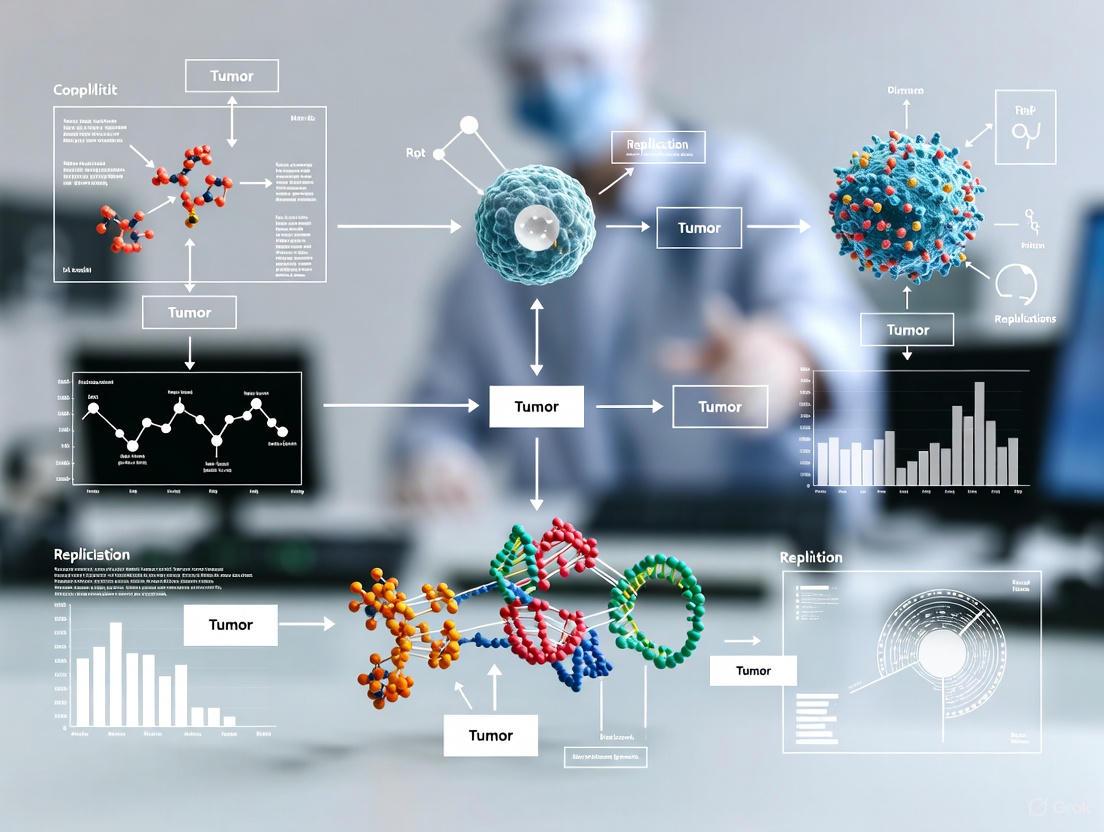
This article provides a comprehensive roadmap for researchers and drug development professionals aiming to enhance the predictive power of preclinical oncology research.
Beyond the Mouse: Engineering Next-Generation Preclinical Models to Decode Human Tumor Complexity
Abstract
This article provides a comprehensive roadmap for researchers and drug development professionals aiming to enhance the predictive power of preclinical oncology research. It explores the critical limitations of conventional models and details the latest advancements in 3D systems, humanized microenvironments, and autologous platforms. Covering foundational knowledge, methodological applications, optimization strategies, and validation frameworks, the content synthesizes current best practices for replicating human tumor complexity, including the immune niche, spatial architecture, and patient-specific heterogeneity. The goal is to bridge the translational gap and accelerate the development of more effective cancer therapies.
The Translational Gap: Why Conventional Models Fail to Predict Clinical Outcomes
Technical Support Center
Troubleshooting Guides
Guide 1: Addressing Poor Clinical Translation of Preclinical Efficacy
Problem: Promising results in animal models fail to translate into human clinical trials, often due to a lack of human biological relevance [1] [2].
Solution: Implement a tiered testing strategy using more human-relevant New Approach Methodologies (NAMs).
| Step | Action | Rationale | Validated Model Examples |
|---|---|---|---|
| 1. Initial Screening | Use 2D cell lines for high-throughput cytotoxicity and efficacy screening [2]. | Provides reproducible, rapid, low-cost initial data on a wide range of genetic backgrounds [2]. | Panels of >500 genomically diverse cancer cell lines [2]. |
| 2. Mechanistic Insight | Progress to 3D organoids grown from patient tumor samples [1] [2]. | Faithfully recapitulates the phenotypic and genetic features of the original tumor, offering superior predictive value [2]. | Patient-derived organoid biobanks for investigating drug responses and immunotherapy efficacy [2]. |
| 3. Confirmatory Studies | Utilize Patient-Derived Xenograft (PDX) models for final preclinical validation [2]. | Preserves original tumor architecture and tumor microenvironment (TME), providing the most clinically relevant data before human trials [2]. | PDX models from a validated, clinically annotated collection [2]. |
Guide 2: Mitigating Attrition from Safety and Toxicity Failures
Problem: Drug candidates fail in late-stage development due to human-specific toxicities, such as Drug-Induced Liver Injury (DILI), not detected in animal models [1].
Solution: Integrate human-based microphysiological systems (MPS) and computational models into safety assessment.
| Deficiency | Recommended NAM | Protocol for Use | Application in Safety Assessment |
|---|---|---|---|
| Species-specific metabolism | Human liver-on-a-chip or 3D bioprinted liver tissues [1]. | Culture human hepatocytes in a dynamic MPS to model human metabolic pathways and exposure to drug candidates over time. | Detect human-specific toxic metabolites and mechanisms of DILI [1]. |
| Idiosyncratic toxicity | iPSC-derived models from diverse genetic backgrounds [1]. | Source cells from multiple donors with known genetic polymorphisms to simulate population variability. | Identify toxicity risks linked to rare host susceptibilities, moving towards "personalized toxicology" [1]. |
| Lack of predictive data | High-throughput in vitro screening and AI-powered computational modeling [1]. | Use large-scale in vitro toxicity data to train AI models for predicting compound-specific safety profiles. | Prioritize drug candidates with lower predicted toxicity and flag potential safety concerns early [1]. |
Frequently Asked Questions (FAQs)
Q1: Our team relies heavily on animal models. With the FDA's recent changes, what is the most immediate step we can take to modernize our approach?
A1: The most impactful first step is to integrate human-derived organoids into your workflow. The FDA's April 2025 policy phasing out mandatory animal testing is a clear signal of the regulatory shift toward human-biology-based models [1] [2]. Organoids can be implemented for specific applications like investigating drug responses, evaluating immunotherapies, and safety studies, providing more human-relevant data than traditional models without immediately replacing all your existing systems [2].
Q2: What is the primary cause of failure in Phase II clinical trials, and how can better preclinical models help?
A2: Phase II is universally the most significant attrition point, with only about 28% of programs advancing [3]. Failures are often due to a lack of efficacy or unexpected safety concerns in humans, highlighting a fundamental disconnect between animal models and human biology [1] [3]. Using models that better replicate human disease, such as PDX models that preserve the tumor microenvironment or organoids that capture patient-specific genetics, can improve the accuracy of your efficacy predictions and help you kill failing projects earlier [2] [3].
Q3: We see high and unexplained variability in our preclinical animal study outcomes. What could be causing this?
A3: A less-acknowledged source of bias is animal attrition due to welfare-related dropouts [4]. If an animal's initial disease severity (L) and a treatment's negative side effects (A) both contribute to its removal from the study (S), it can induce "collider stratification bias." This means the animals that survive to the final analysis are a non-random subset, skewing your results even if the treatment has no real effect [4]. Mitigation strategies include using severity scores to monitor welfare and statistical methods that account for this informative censoring [4].
Q4: Are certain drug modalities more prone to high attrition rates than others?
A4: Yes, attrition rates vary significantly by modality. The table below summarizes the Likelihood of Approval (LOA) from Phase I for key modalities, illustrating the varying levels of developmental risk [3].
| Drug Modality | Phase I → II Success (%) | Likelihood of Approval (LOA) (%) | Common Failure Drivers |
|---|---|---|---|
| Small Molecules | 52.6 | ~6.0 | Toxicity, poor pharmacokinetics [3]. |
| Monoclonal Antibodies | 54.7 | 12.1 | Lack of efficacy in Phase II, immunogenicity [3]. |
| Antibody-Drug Conjugates | ~41.0 | N/A (High regulatory success if filed) | Engineering hurdles, unstable linkers, off-target toxicity [3]. |
| Cell and Gene Therapies | 48-52 | 10-17 | Manufacturing challenges, immune responses, long-term safety [3]. |
Experimental Protocols for Key Experiments
Protocol: An Integrated Workflow for Biomarker Hypothesis Generation and Validation
Purpose: To systematically identify and validate predictive biomarkers of drug response using an integrated suite of preclinical models, thereby reducing clinical attrition.
Background: Early biomarker identification is crucial for patient stratification and tracking drug effectiveness [2]. A holistic approach using multiple models increases the robustness of the biomarker signature.
Procedure:
Hypothesis Generation with PDX-derived Cell Lines
- Method: Screen a large panel of PDX-derived cell lines with the drug candidate.
- Data Collection: Correlate genetic mutation status, copy number variation, and expression levels with drug sensitivity and resistance patterns.
- Output: A preliminary hypothesis linking specific genomic biomarkers to drug response [2].
Hypothesis Refinement with Organoids
- Method: Test the drug candidate on a set of patient-derived tumor organoids.
- Data Collection: Perform multiomics analysis (genomics, transcriptomics, proteomics) on responder vs. non-responder organoids.
- Output: A refined and more robust biomarker signature that accounts for 3D tumor architecture and additional molecular layers [2].
In Vivo Validation with PDX Models
- Method: Administer the drug to PDX models with known biomarker status.
- Data Collection: Evaluate drug efficacy and analyze the distribution and heterogeneity of the biomarker within the tumor microenvironment of the PDX model.
- Output: Final validation of the biomarker hypothesis in a clinically relevant model that includes a human-like tumor microenvironment [2].
This integrated workflow leverages the strengths of each model, from high-throughput screening to clinical mimicry, building a compelling case for biomarker utility in clinical trials [2].
Integrated Biomarker Validation Workflow
Protocol: Troubleshooting Experimental Bias from Animal Attrition
Purpose: To identify and correct for collider stratification bias in preclinical in vivo studies with high post-randomization attrition.
Background: In studies with invasive procedures (e.g., stroke models), animal attrition is often not random. If initial disease severity (L) and treatment side effects (A) both influence survival (S), analyzing only the surviving animals can induce a spurious association between treatment and outcome [4].
Procedure:
Causal Modeling with DAGs
- Method: Before analysis, construct a Directed Acyclic Graph (DAG) to map assumed causal relationships. A typical DAG would be: Treatment (A) → Animal Welfare (W) ← Initial Severity (L) → Outcome (Y), and Welfare (W) → Survival (S) [4].
- Output: A visual diagram identifying Survival (S) as a collider variable, which is the source of potential bias [4].
Data Collection and Monitoring
- Method: Systematically record data on initial disease severity (L) for all animals, including those that do not survive to outcome assessment. Continuously monitor animal welfare scores throughout the experiment [4].
Statistical Analysis and Mitigation
- Method: If bias is suspected, use statistical methods that account for the missing data mechanism. This can include:
- Inverse Probability Weighting: Weight the data from surviving animals by the inverse of their probability of survival.
- Multiple Imputation: Impute plausible outcomes for animals that did not survive.
- Output: An effect estimate that corrects for the selection bias introduced by non-random attrition [4].
- Method: If bias is suspected, use statistical methods that account for the missing data mechanism. This can include:
Causal Diagram of Attrition Bias
The Scientist's Toolkit: Research Reagent Solutions
| Item / Resource | Function in Preclinical Research |
|---|---|
| Well-Characterized Cell Line Panels | Provides a diverse genetic background for initial high-throughput drug screening and cytotoxicity testing [2]. |
| Patient-Derived Organoid Biobanks | Enables disease modeling, drug response investigation, and safety studies in a 3D system that recapitulates patient tumor genetics [2]. |
| PDX Model Collections | Offers the most clinically relevant model for final preclinical validation, preserving tumor heterogeneity and microenvironment [2]. |
| Laboratory Information Management System | Streamlines data management, sample tracking, and ensures data integrity and compliance across complex preclinical workflows [5]. |
| Directed Acyclic Graphs | A causal inference tool to transparently visualize assumptions and identify potential biases, such as those from animal attrition, in experimental design [4]. |
■ FAQ: Troubleshooting Preclinical Cancer Models
Q1: Our drug candidates show high efficacy in 2D monolayer screens but consistently fail in subsequent animal studies. What key factors might be missing from our initial models?
A: This common issue often stems from the lack of a physiologically relevant tumor microenvironment (TME) in 2D models. The missing factors can be categorized as follows:
- Physicochemical Gradients: 2D monolayers provide uniform exposure to oxygen, nutrients, and drugs. In contrast, 3D tumor spheroids develop metabolic and proliferation gradients, leading to a heterogeneous cell population with inner layers of quiescent and hypoxic cells that are often more drug-resistant [6] [7].
- Aberrant Cell Signaling: The culture of cancer cells on rigid plastic surfaces disrupts native cell-matrix interactions. In vivo, the extracellular matrix (ECM) provides not just structural support but also critical biochemical and biophysical signals that influence cancer cell behavior, including EGFR and Wnt/β-catenin signaling pathways, which are often upregulated in 3D contexts [6] [8].
- Lack of Stromal Interaction: 2D monocultures do not include cancer-associated fibroblasts (CAFs), immune cells, or endothelial cells. This omits critical paracrine signaling (e.g., via TGF-β, IL-6) that promotes tumor progression, metastasis, and drug resistance [7] [9].
Q2: How significant are the genetic and metabolic differences between cells grown in 2D versus 3D formats?
A: The differences are substantial and well-documented, affecting both gene expression and metabolic profiles, which can fundamentally alter therapeutic responses. The table below summarizes key comparative findings.
Table 1: Quantitative and Molecular Differences Between 2D and 3D Cancer Models
| Feature | 2D Monolayer Findings | 3D Model Findings | Reported Cell Lines/Studies |
|---|---|---|---|
| Gene Expression | Altered expression profiles; loss of native morphology [10]. | Upregulation of genes for EMT, hypoxia signaling, and matrix organization; stemness characteristics (e.g., OCT4, SOX2) [6] [11]. | Colorectal, lung, breast, prostate cancer cells [6] [11]. |
| Proliferation Rate | High, uniform proliferation [11]. | Reduced and heterogeneous proliferation; outer proliferating layer, inner quiescent core [6] [11]. | Glioblastoma (U251-MG), Lung Adenocarcinoma (A549) [11]. |
| Glucose Metabolism | High, glucose-dependent proliferation [11]. | Elevated Warburg effect (lactate production); activation of alternative pathways (e.g., glutamine metabolism) under glucose restriction [11]. | Glioblastoma (U251-MG), Lung Adenocarcinoma (A549) [11]. |
| Drug Response | High sensitivity to chemo- and targeted therapies [12]. | Increased resistance; requires higher drug concentrations (IC50) for efficacy [12] [7]. | MCF7 (Breast), LNCaP (Prostate), NCI-H1437 (Lung) [12]. |
Q3: We want to integrate 3D spheroid models into our high-throughput screening pipeline. What are the most accessible and reproducible methods?
A: For high-throughput applications, matrix-independent, scaffold-free techniques are highly recommended due to their simplicity, low cost, and compatibility with automated systems.
- Ultra-Low Attachment (ULA) Plates: These plates, coated with hydrogel or other inert substrates, prevent cell adhesion and force cells to self-assemble into spheroids. They are ideal for U-bottom 96- or 384-well formats, enabling high reproducibility and easy spheroid retrieval [6] [9].
- Hanging Drop Plates: This method uses gravity to aggregate cells in suspended droplets, producing highly uniform spheroids. Modern hanging drop plates are compatible with liquid handling robots, making them excellent for high-throughput screening of mono- and co-cultures [9].
Experimental Protocol: Generating Spheroids using Ultra-Low Attachment Plates
- Harvest Cells: Prepare a single-cell suspension of your cancer cell line(s) using standard trypsinization and neutralization techniques.
- Seed Plates: Calculate the desired cell density per spheroid (typically 500-5,000 cells/well, depending on the cell line and required spheroid size). Pipette the cell suspension into the wells of a round-bottom ULA plate.
- Centrifuge: Centrifuge the plate at low speed (e.g., 100-200 x g for 1-2 minutes) to gently pellet the cells at the bottom of the well, promoting uniform aggregation.
- Incubate and Culture: Incubate the plate at 37°C with 5% CO₂. Compact, spherical spheroids typically form within 24-72 hours. Culture media can be partially refreshed every 2-3 days by carefully removing and replacing 50% of the medium without disturbing the spheroids [6] [12] [9].
■ The Scientist's Toolkit: Essential Reagents for 3D TME Modeling
Table 2: Key Research Reagent Solutions for 3D Tumor Models
| Item | Function/Application | Example Use Case |
|---|---|---|
| Ultra-Low Attachment (ULA) Plates | Provides a non-adhesive surface for scaffold-free spheroid formation via self-aggregation. | High-throughput drug screening on homotypic tumor spheroids [9]. |
| Basement Membrane Extract (e.g., Matrigel) | A matrix-based scaffold rich in ECM proteins, used to embed cells for organotypic, invasive growth. | Studying cancer cell invasion and branching morphology in matrix-based 3D cultures [6] [12]. |
| Collagen I | A major interstitial ECM component; used to create hydrogels that mimic a pro-invasive microenvironment. | Modeling tumor cell migration and matrix remodeling in a tunable 3D environment [12] [11]. |
| Alginate | An inert polysaccharide hydrogel for microencapsulating cells and spheroids in stirred-tank bioreactors. | Long-term culture of spheroids with precise control over physicochemical parameters like O₂ and pH [12]. |
| Hanging Drop Plates | Platform for forming highly uniform spheroids in suspended droplets without matrix interference. | Generating standardized spheroids for co-culture studies or when matrix effects are undesirable [9]. |
■ Visualizing the Tumor Microenvironment Complexity
The following diagram illustrates the key architectural and functional differences between the simplified 2D monolayer and the more physiologically relevant 3D spheroid model, highlighting the critical gradients that develop.
■ Advanced Model: Integrating the Stromal Niche
To move beyond homotypic tumor spheroids and more accurately model the TME, researchers can incorporate stromal cells. The workflow below outlines the process for establishing a more complex multicellular spheroid model.
Experimental Protocol: Establishing Stromal-Tumor Co-culture Spheroids
- Cell Preparation: Harvest tumor cells (e.g., from a established cell line or patient-derived source) and stromal cells (e.g., Cancer-Associated Fibroblasts - CAFs) into a single-cell suspension.
- Mixing and Seeding: Mix the two cell types at a predefined ratio (a common starting point is a 1:1 ratio). Seed the mixed cell suspension into a U-bottom ULA plate.
- Spheroid Formation: Centrifuge and incubate as per the homotypic protocol. Cells will co-aggregate to form a single, integrated spheroid.
- Validation and Analysis: After 3-5 days of culture, validate the model using:
- Immunofluorescence (IF): Stain for tumor-specific markers (e.g., Cytokeratin) and CAF markers (e.g., α-SMA, FAP) to confirm co-localization.
- Functional Assays: Treat co-culture spheroids with therapeutics and compare the response to homotypic tumor spheroids to quantify the stroma-induced drug protection effect [12] [7] [8].
FAQs: Navigating Murine-Human Disparities in Your Research
Q1: Our immuno-oncology compound works perfectly in mouse syngeneic models but failed in early human trials. What could be the cause? This common issue often stems from fundamental biological differences. A 2025 study revealed that a key immunotherapy target, programmed cell death protein 1 (PD-1), is functionally weaker in rodents than in humans due to a missing amino acid motif [13]. This means that therapies blocking PD-1 are tested in a model that does not fully replicate human inhibitory signaling. Furthermore, cross-reactivity limitations of cytokines and growth factors between species can lead to inadequate development of human immune cell subsets in mouse models [14]. Always validate findings in models that incorporate human immune components, such as humanized mouse models, before proceeding to clinical trials.
Q2: How do genetic differences impact the translational relevance of our findings in mouse disease models? While mice and humans share over 90% of their genes, the regulatory networks controlling gene expression—especially for the immune system and stress responses—show considerable divergence [15]. The Mouse ENCODE consortium revealed that this results in genetic similarity with regulatory divergence [15]. For example, even when genes are conserved, differences in the cis-regulatory elements that control their transcription can lead to different biological outcomes in mice versus humans.
Q3: What are the major limitations of using Specific Pathogen-Free (SPF) laboratory mice for immunology research? SPF mice are maintained in ultra-clean, barrier facilities to control pathogens. While this ensures experimental reproducibility, it creates a significant problem for translation: their immune systems are naïve and lack the diverse infectious history typical of most humans [16]. This "unnatural" immune status does not reflect the matured, experienced immune system of adult humans. Researchers are now exploring "dirty" mouse models or environmental interventions to better mimic human immune experience [16].
Q4: In our cancer studies, what are the pros and cons of using syngeneic models versus humanized models? Your choice depends on the research question. The table below summarizes the key considerations [14] [17] [18]:
| Feature | Syngeneic Models | Humanized Models |
|---|---|---|
| Immune System | Intact, fully functional murine immune system | Engrafted human immune components (e.g., HSCs, thymus) |
| Strengths | Cost-effective, reproducible, ideal for studying basic tumor-immune dynamics | Allows study of human-specific immune responses and therapies (e.g., checkpoint inhibitors) |
| Weaknesses | Mouse-specific biology; cannot study human antigen presentation | Technically challenging, expensive, potential for graft-versus-host disease |
Q5: Beyond genetics, what physiological factors should we consider when interpreting mouse data? Key physiological differences include:
- Metabolic Rate: The mouse basal metabolic rate is roughly seven times faster than a human's, affecting nutrient demand, thermoregulation, and study of oxidative stress-related diseases [15].
- Life Span & Disease Course: The short mouse life span allows study of the entire disease cycle in ~2 years, but this accelerated timeline may not capture the slow progression of chronic human diseases like Alzheimer's [16] [19].
- Anatomy: For example, the vascular supply to the lungs differs significantly between species, which can impact studies on lung disease and drug delivery [15].
Troubleshooting Common Experimental Scenarios
Problem: Inconsistent or weak human immune cell reconstitution in humanized mouse models.
- Potential Cause: Inadequate levels of human cytokines necessary for the development and survival of specific human immune cell lineages [14].
- Solution: Utilize mouse strains engineered to constitutively express key human cytokines such as IL-3, GM-CSF, and SCF to improve the development and maintenance of human myeloid and lymphoid cells [14]. Co-engraftment of human fetal thymic tissue can significantly improve T-cell development [14].
Problem: Mouse model fails to recapitulate key pathological features of a human disease (e.g., organized granulomas in MTb or neurofibrillary tangles in Alzheimer's).
- Potential Cause: The model may be overly simplistic, relying on a single genetic manipulation that does not capture the multifactorial nature of the human disease [16] [19].
- Solution: For complex diseases, consider using knock-in models that more closely mimic human genetics rather than overexpression models. For example, in Alzheimer's research, APP-knock-in models that express mutant APP at endogenous levels show more gradual and realistic pathology compared to traditional transgenic models that overexpress APP [19].
Problem: Difficulty in predicting which mouse study findings will translate to human patients.
- Potential Cause: Systematic biological differences between species create a "cross-species gap." [20]
- Solution: Leverage computational tools like the Found In Translation (FIT) model. This machine learning tool uses public gene expression data to predict, from a new mouse experiment, which genes are likely to be altered in the equivalent human condition. This can refocus research on the most translationally relevant pathways at zero experimental cost [20].
Key Disparities at a Glance: Data Tables
Table 1: Comparative Immunology of Mice and Humans
This table outlines critical differences in immune system parameters that can impact experimental outcomes [21] [15].
| Attribute | Mouse | Human | Translational Implication |
|---|---|---|---|
| Blood Leukocyte Proportion | 75–90% Lymphocytes10–25% Neutrophils | 50–70% Neutrophils30–50% Lymphocytes | Baseline immune status differs fundamentally. |
| NK Cell Inhibitory Receptors | Ly49 family | KIR (Killer-cell Immunoglobulin-like Receptors) family | Different receptor families control NK cell activity. |
| Toll-like Receptor (TLR) Expression | Differs from human patterns, e.g., TLR expression on cells | Distinct from mouse patterns | Responses to pathogen-associated molecular patterns (PAMPs) may not be equivalent. |
| PD-1 Signaling Strength | Uniquely weaker due to a missing motif [13] | Stronger inhibitory signaling | Mouse models may underestimate the therapeutic effect of PD-1 blockade. |
Table 2: Research Reagent Solutions for Humanized Mouse Models
Essential reagents and components for developing advanced mouse models with human immune systems [14] [17].
| Research Reagent | Function/Purpose |
|---|---|
| CD34+ Hematopoietic Stem Cells (HSCs) | Source for reconstituting the human immune system in immunodeficient mice. |
| Human Fetal Thymus Tissue | Provides a microenvironment for proper development and education of human T cells. |
| Cytokine-Expressing NSG Mice (e.g., NSG-SGM3) | Strains engineered to express human cytokines (SCF, GM-CSF, IL-3) to enhance engraftment of human myeloid and lymphoid cells. |
| Immunodeficient Host Strain (e.g., NSG) | Lacks murine adaptive immunity and often innate immunity components, allowing acceptance of human tissue grafts. |
Experimental Pathways and Workflows
Diagram 1: Humanized Mouse Model Generation
Diagram 2: FIT Model Computational Workflow
Despite significant advancements in oncology, rare cancers continue to pose a substantial challenge to the global healthcare system. According to the World Health Organization, recently above 20 million new cancer cases are diagnosed annually, with more than 9 million people dying from various malignancies each year [22]. Rare cancers, while individually uncommon, collectively represent a significant portion of this burden. However, they remain severely understudied due to their infrequent occurrence, limited availability of human tissues, and scarce preclinical models [22]. This gap in research infrastructure critically impedes the development of novel diagnostic methods and therapeutic approaches for these challenging malignancies [22].
The limitations of existing preclinical models further exacerbate this problem. Traditional two-dimensional (2D) cell culture models lack the complexity of heterogeneous cancer structure and cellular composition, making them inadequate for studying tumor microenvironment interactions [22]. While animal models retain more relevance to humans, they are not time or cost-efficient and raise ethical concerns [22]. There is therefore an urgent need for the advancement of reliable, representative models specifically designed to address the unique challenges of rare cancer research [22].
Advancements in Preclinical Models for Rare Cancers
Emerging Technologies and Methodologies
Conditional Cell Reprogramming (CCR) Technology
Conditional cell reprogramming (CCR) has emerged as a promising preclinical in vitro model for various rare cancers [23]. Developed at Georgetown University, this technology enables rapid immortalization of both normal and cancer cells without genetic manipulation through viral or cellular genes [23]. The key advantage of CCR is its ability to maintain the native genomic composition of cells while allowing for indefinite proliferation.
Key characteristics of CCR technology:
- Efficiency: Induction occurs within approximately 2 days on average
- Reversibility: After withdrawing CCR culture conditions, cells can differentiate back into their original tissue
- Tumorigenicity: CR cancer cells form tumors when injected into appropriate mouse models
- Phenotype: Reprogrammed to adult stem cell phenotype with increased expression of α6 and β1 integrins, ΔNp63α, CD44, and hTERT [23]
Table: Comparison of Cell Immortalization Methods
| Parameter | Transformed Cell Lines | iPSc | CR Cells |
|---|---|---|---|
| Success rate | Medium | Medium | High |
| Timing | 1-2 months | 2-10 weeks | 1-10 days |
| Genetic stability | Low | Medium | High |
| Tissue specificity | Low | Low | High |
| Heterogeneity | No | Medium | Medium |
| High-throughput drug screening | High | Low | High |
| Cost | Low | Medium | Low |
Source: Adapted from [23]
Three-Dimensional and Specialized Models
Significant advancements have also been made in developing more complex model systems that better recapitulate the tumor microenvironment:
- Spheroid Models: Optimized for studying CAR-T infiltration and activity in 3D tumor structures, providing insights into therapeutic responses and resistance mechanisms [24]
- Off-Target Off-Tumor (OTOT) Models: Platforms designed to identify and mitigate risks where CAR-T cells may inadvertently target healthy, non-tumor tissues [24]
- Immune-Related Adverse Outcome Pathway (irAOP) Models: Developed in collaboration with the ImSAVAR consortium to predict and mitigate immune-related adverse events in cellular therapies [24]
- Porcine Models of Neurofibromatosis Type 1 (NF1): Overcome key limitations of previous mouse models and closely resemble human neurofibromas, providing a powerful platform for studying tumor biology and testing immune-based therapies [22]
Applications in Specific Rare Cancers
Recent research has demonstrated the utility of these advanced models across various rare malignancies:
- Sarcomas: Research has focused on Ewing sarcoma, osteosarcoma, and rhabdomyosarcoma, utilizing models ranging from 2D cell cultures and 3D organoids to microfluidic platforms and xenograft models [22]
- Clear Cell Sarcoma of Soft Tissue (CCSST): Researchers have established both in vitro and in vivo models to investigate metastasis, with one patient-derived cell line (CCS292) demonstrating invasive and migratory properties and developing metastases in multiple organs when injected into mice [22]
- Pheochromocytoma: Generation of two genetically modified in vitro models varying in resistance to radiation therapy, subsequently used to establish 3D in vitro and in vivo models for understanding metastatic processes [22]
- Neuroblastoma, Neuroendocrine Cervical Carcinoma, Ependymoma, and Astrocytoma: CCR technology has been applied to evaluate mechanisms of tumorigenicity and metastasis [23]
- Laryngeal and Hypopharyngeal Carcinoma and Adenoid Cystic Carcinoma: Utilized for screening potential drugs and other therapeutic approaches [23]
Technical Support Center
Troubleshooting Guides
Common Experimental Challenges and Solutions
Table: Troubleshooting Preclinical Model Development
| Problem | Possible Causes | Solutions |
|---|---|---|
| Poor cell growth in CCR | Suboptimal ROCK inhibitor concentration; Inadequate feeder cell conditioning | Validate Y-27632 concentration (typically 10μM); Ensure proper irradiation of Swiss-3T3-J2 murine fibroblasts; Confirm cell viability before co-culture [23] |
| Loss of tumor heterogeneity | Extended passaging; Selective pressure in culture | Limit passage number; Implement cryopreservation at early passages; Use selective media to maintain cancer cell population [23] |
| Inconsistent drug response | Model not recapitulating human tumor complexity; Lack of tumor microenvironment | Transition to 3D models (spheroids, organoids); Incorporate relevant stromal components; Validate with patient-derived xenografts [22] [24] |
| Failure to metastasize in vivo | Insufficient characterization of metastatic potential; Inappropriate host environment | Pre-screen cell lines for invasive/migratory properties (e.g., CCS292 for CCSST); Optimize injection site and immunodeficient mouse strain [22] |
| Limited translational predictive value | Model does not capture human immune responses | Consider humanized mouse models; Incorporate immune components in vitro; Validate with clinical data when available [24] |
Frequently Asked Questions (FAQs)
Q: What are the main advantages of conditional cell reprogramming over traditional cell culture methods for rare cancer research?
A: CCR offers several distinct advantages: (1) It does not require genetic manipulation, preserving native genomic composition; (2) It enables rapid establishment of cell cultures (1-10 days) from small tissue samples, including clinical biopsies; (3) It maintains high genetic stability and tissue specificity; (4) It is reversible, allowing differentiation studies; (5) It supports high-throughput drug screening applications [23].
Q: How can researchers address the challenge of preferentially growing non-malignant cells in CCR cultures from rare cancer specimens?
A: This is a recognized challenge in CCR technology. Potential solutions include: (1) Using selective media formulations that favor cancer cell growth; (2) Implementing fluorescence-activated cell sorting (FACS) to isolate specific cell populations; (3) Performing careful morphological characterization to identify malignant versus non-malignant cells; (4) Using genetic markers specific to the cancer type when available; (5) Validating tumorigenicity through xenograft formation in immunocompromised mice [23].
Q: What standardization efforts are underway for preclinical models in rare cancer research?
A: Consortiums like T2EVOLVE are actively working to harmonize procedures and create reliable pathways for regulatory approval. Key initiatives include: (1) Refining genotoxicity assessment techniques for CAR-T products; (2) Developing harmonized workflows aligned with EMA and national regulatory standards; (3) Validating platform-technology models for reliable data extrapolation; (4) Establishing standardized protocols for model characterization and validation [24].
Q: How can 3D models address limitations of traditional 2D cultures in rare cancer research?
A: 3D models provide critical advantages: (1) They better recapitulate the spatial organization and cell-cell interactions of native tumors; (2) They mimic physiological nutrient and oxygen gradients; (3) They more accurately predict drug responses due to better representation of penetration barriers; (4) They enable study of invasion and migration in a more relevant context; (5) They preserve tumor heterogeneity more effectively than 2D monolayers [22] [24].
Experimental Protocols and Methodologies
Conditional Cell Reprogramming Workflow
CCR Experimental Workflow: From tissue collection to model applications
Key Signaling Pathways in CCR Technology
Key Molecular Pathways in Conditional Cell Reprogramming
Detailed CCR Protocol
Materials Required:
- Fresh tissue sample (biopsy, surgical specimen, or patient-derived xenograft)
- Y-27632 dihydrochloride (ROCK inhibitor)
- Swiss-3T3-J2 murine fibroblast cell line
- Irradiation source for feeder cell preparation
- Complete F-medium: Dulbecco's Modified Eagle Medium (DMEM) and Ham's F-12 medium in 3:1 ratio, supplemented with 5% fetal bovine serum (FBS), 0.4 μg/mL hydrocortisone, 5 μg/mL insulin, 8.4 ng/mL cholera toxin, 10 ng/mL epidermal growth factor (EGF), and 24 μg/mL adenine
- Collagen-coated tissue culture vessels
Step-by-Step Procedure:
Feeder Cell Preparation:
- Culture Swiss-3T3-J2 fibroblasts to 70-80% confluence
- Irradiate cells with 30-60 Gy (3000-6000 rads)
- Plate irradiated feeders at density of 1.5-2.0 × 10^4 cells/cm² on collagen-coated surfaces
- Allow feeders to adhere overnight before use
Tissue Processing:
- Mince fresh tissue into 1-2 mm³ fragments using sterile technique
- Digest with collagenase (1-2 mg/mL) and dispase (0.5-1 mg/mL) for 2-4 hours at 37°C
- Filter through 100 μm cell strainer to obtain single-cell suspension
- Wash cells with phosphate-buffered saline (PBS)
CCR Culture Establishment:
- Plate dissociated cells at density of 5 × 10^3 to 2 × 10^4 cells/cm² on feeder layer
- Culture in F-medium supplemented with 10 μM Y-27632
- Maintain at 37°C in 5% CO₂ humidified incubator
- Observe cell proliferation within 2-3 days
Culture Maintenance:
- Change medium every 2-3 days
- Passage cells when reaching 70-80% confluence (typically every 5-7 days)
- For passaging, dissociate with 0.05% trypsin-EDTA for 5-10 minutes at 37°C
- Replate at 1:3 to 1:5 split ratio on fresh feeder layers with Y-27632
Characterization and Validation:
- Confirm epithelial origin through cytokeratin staining
- Verify expression of CCR markers (ΔNp63α, CD44, integrins α6/β1)
- Assess genomic stability by karyotyping or STR profiling
- Validate tumorigenicity through xenograft formation in immunocompromised mice
The Scientist's Toolkit: Research Reagent Solutions
Table: Essential Materials for Advanced Rare Cancer Modeling
| Reagent/Resource | Function | Application Notes |
|---|---|---|
| Y-27632 Dihydrochloride | ROCK inhibitor that induces cytoskeletal remodeling and enables conditional reprogramming | Use at 10μM in culture medium; Essential for CCR establishment; May affect cell morphology and motility [23] |
| Swiss-3T3-J2 Murine Fibroblasts | Feeder cells that provide crucial signaling factors and extracellular matrix support | Require irradiation (30-60 Gy) before use; Must be plated at optimal density (1.5-2.0 × 10^4 cells/cm²) [23] |
| F-Medium Formulation | Specialized medium supporting epithelial cell growth while inhibiting differentiation | Contains specific growth factors (EGF), hormones (hydrocortisone, insulin), and supplements; Critical for maintaining CR cells [23] |
| Collagen-Coated Vessels | Provides appropriate surface for cell attachment and growth | Enhances initial cell attachment; Improves viability of primary cultures |
| Patient-Derived Tissue Samples | Source material for establishing disease-specific models | Can be obtained from biopsies, surgical specimens, or PDXs; Small samples sufficient due to high efficiency of CCR [23] |
The field of rare cancer modeling is rapidly evolving, with several promising directions emerging. The T2EVOLVE consortium and similar initiatives are focusing on refining genotoxicity assessment techniques, developing harmonized workflows aligned with regulatory standards, and validating platform-technology models for reliable data extrapolation [24]. Key areas of development include the integration of innovative models with regulatory requirements, standardization of procedures across laboratories, and enhanced collaboration between academia, industry, and regulatory bodies [24].
The recent advancements in preclinical models, particularly conditional cell reprogramming, sophisticated 3D systems, and specialized animal models, represent significant progress in addressing the critical need for rare cancer research tools. These models collectively provide more physiologically relevant platforms for studying tumor biology, metastasis mechanisms, and therapeutic responses. As these technologies continue to mature and become more widely adopted, they hold tremendous promise for accelerating the development of effective diagnostic and therapeutic approaches for neglected malignancies, ultimately improving outcomes for patients with rare cancers.
Troubleshooting Guides and FAQs
FAQ 1: My 3D co-culture model fails to recapitulate the immune cell infiltration seen in human tumors. What strategies can improve this?
- Answer: Inadequate immune cell infiltration is a common limitation of static 3D models. To better mimic the dynamic tumor immune microenvironment (TIME), consider these approaches:
- Microfluidic Systems: Implement microfluidic devices to simulate blood flow and the dynamic delivery of immune cells, encouraging their migration into your tumor spheroid or organoid [25].
- Bioprinting: Use 3D-bioprinting technologies to precisely co-deposit immune cells with cancer and stromal cells in a spatially controlled manner, ensuring initial proximity and integration [25].
- Protocol Refinement: Optimize your co-culture protocol by using allogeneic or autologous immune cells. One validated method involves co-culturing colorectal cancer cell line-derived spheroids with allogeneic T and NK cells, or patient-derived organoids with autologous tumor-infiltrating lymphocytes, to study antitumor immune responses [25].
FAQ 2: How can I determine if PI3K pathway activation is driving resistance to endocrine therapy in my HR+ breast cancer model?
- Answer: Resistance to endocrine therapy (ET) in hormone receptor-positive (HR+) breast cancer is frequently linked to hyperactivation of the PI3K pathway [26]. Follow this troubleshooting guide:
- Genotype for Mutations: Use tumor biopsies or liquid biopsies to test for activating mutations in the PIK3CA gene, the most common mechanism of PI3K pathway activation in HR+ breast cancer [26].
- Assess Biomarker Response: In your preclinical models, combine ET with a PI3K inhibitor. Clinical trial data (e.g., BELLE-2 and BELLE-3) show that tumors with PIK3CA mutations derive a significantly greater progression-free survival benefit from this combination compared to PIK3CA-wild-type tumors [26].
- Investigate Alternative Biomarkers: If PIK3CA is wild-type, investigate other biomarkers of pathway activation, such as loss of PTEN expression [26].
FAQ 3: What are the best practices for incorporating the spatial distribution of cellular components into my in vitro tumor model?
- Answer: Recreating the spatial architecture of a tumor is challenging but critical. Move beyond simple cell mixtures:
- Patient-Derived Scaffolds: Utilize decellularized human tumor matrices to provide a native, patient-specific extracellular matrix (ECM) structure for your cells [25].
- Biomimetic Synthetic Scaffolds: If patient material is limited, design synthetic scaffolds (e.g., PEG hydrogels) based on matrisome analysis data that mimic the specific protein composition and stiffness of the human tumor ECM you wish to study [25].
- Spatial Profiling Technologies: After model establishment, use spatial-profiling technologies to validate whether your in vitro model recapitulates the spatial relationships (e.g., who is next to whom) found in original tumor tissues [25].
FAQ 4: My preclinical drug efficacy data are not translating to clinical success. How can I improve the predictive power of my models?
- Answer: This disconnect often stems from an oversimplification of tumor biology in preclinical models. To bridge this gap:
- Increase Model Complexity: Integrate key elements of the tumor microenvironment (TME), including multiple stromal and immune cell types, into your 3D models to better capture the cellular crosstalk that influences drug response [25].
- Utilize Advanced Bioengineering: Combine 3D-bioprinting with microfluidic bioreactors to create dynamic systems that can reproduce key pathophysiological and biochemical cues found in vivo [25].
- Adopt an Integrated Screening Paradigm: Leverage larger, integrated data sets and in silico (computational) screens to augment physical screening. This can help prioritize higher-quality drug candidates earlier by evaluating a broader range of biological interactions and potential off-target effects [27].
Quantitative Data on PI3K Inhibitors in HR+, HER2− Advanced Breast Cancer
The table below summarizes key efficacy data from phase III clinical trials of PI3K inhibitors, highlighting the importance of biomarker status (PIK3CA mutation) for predicting treatment response.
Table 1: Progression-Free Survival in Phase III Trials of Pan-PI3K Inhibitors in HR+, HER2- Advanced Breast Cancer
| Trial Name | Treatment Arms | Patient Population | Median PFS in Overall Population | Median PFS in PIK3CA-mutated subgroup |
|---|---|---|---|---|
| BELLE-2 [26] | Buparlisib (pan-PI3Ki) + Fulvestrant vs. Placebo + Fulvestrant | Postmenopausal women with AI-resistant HR+, HER2- ABC | 6.9 vs. 5.0 months | Greater efficacy gains were observed in patients with PIK3CA-mutated disease. |
| BELLE-3 [26] | Buparlisib (pan-PI3Ki) + Fulvestrant vs. Placebo + Fulvestrant | Postmenopausal women with AI-resistant HR+, HER2- ABC (prior mTOR therapy) | 3.9 vs. 1.8 months | Greater efficacy gains were observed in patients with PIK3CA-mutated disease. |
Detailed Experimental Protocols
Protocol 1: Establishing a 3D Spheroid Tri-culture Model for Assessing Drug Response and Oncogenic Processes
This protocol is adapted from strategies used to reproduce selected cell-cell and stromal-cell interactions within the TME [25].
- Cell Selection and Preparation:
- Isolate or obtain cancer cells (immortalized cell lines or patient-derived), stromal fibroblasts, and endothelial cells.
- Culture each cell type separately in their recommended medium until 70-80% confluent.
- Co-culture Seeding:
- Trypsinize and count the cells. Mix them in a ratio that reflects the tumor subtype of interest (e.g., a common starting point is a 5:4:1 ratio of cancer cells:fibroblasts:endothelial cells).
- Seed the cell mixture into ultra-low attachment round-bottom 96-well plates to promote spheroid formation. A density of 1,000-5,000 cells per spheroid is typical.
- Centrifuge the plate at low speed (e.g., 500 x g for 5 minutes) to aggregate the cells at the bottom of each well.
- Spheroid Culture and Maintenance:
- Culture the spheroids in a specialized 3D culture medium, often a blend of the individual cell type media or a defined commercial medium.
- Maintain the tri-culture at 37°C in a 5% CO2 incubator. Allow spheroids to form and mature for 3-5 days before initiating experiments. Change 50% of the medium every 2-3 days.
- Drug Treatment and Analysis:
- Add therapeutic compounds directly to the well. Include vehicle controls.
- After a designated treatment period, assess endpoints like spheroid viability (using ATP-based assays like CellTiter-Glo 3D), size (via brightfield imaging), and immunohistochemistry for protein markers.
Protocol 2: Integrating Immune Cells into a 3D Organoid Culture to Study Immunotherapy Response
This protocol is based on methods used to test the antitumor potential of immunomodulatory antibodies [25].
- Organoid Generation:
- Generate patient-derived organoids (PDOs) from minced tumor explants or digested tumor tissue, cultured in Matrigel or a similar basement membrane matrix with optimized growth factors.
- Immune Cell Isolation:
- Isolate immune cells (e.g., peripheral blood mononuclear cells - PBMCs, tumor-infiltrating lymphocytes - TILs, or specific NK/T cell populations) from matched patient blood or tumor tissue.
- Co-culture Establishment:
- Option A (Allogeneic): Co-culture established cancer cell line-derived spheroids with allogeneic T and NK cells.
- Option B (Autologous): Co-culture patient-derived organoids with autologous tumor-infiltrating lymphocytes. This is the gold standard for personalized immunology studies.
- Add immune cells directly to the organoid culture medium. The ratio of immune cells to organoids should be optimized (a common starting ratio is 10:1 immune cells:tumor cells).
- Therapeutic Intervention and Readout:
- Treat the co-culture with immunomodulatory antibodies (e.g., anti-PD-1, anti-CTLA-4).
- After several days, quantify immune-mediated killing by measuring organoid viability and integrity. Flow cytometry can be used to analyze immune cell activation status and cytokine production.
Signaling Pathways and Experimental Workflows
Diagram 1: PI3K Pathway in Endocrine Therapy Resistance
Diagram 2: Integrated Preclinical Model Workflow
The Scientist's Toolkit: Research Reagent Solutions
Table 2: Essential Materials for Advanced Tumor Microenvironment Modeling
| Research Reagent / Tool | Function / Application | Key Consideration |
|---|---|---|
| Patient-Derived Organoids (PDOs) | 3D ex vivo cultures that retain the genetic and phenotypic heterogeneity of the parent tumor; used for drug screening and biology studies. | Can be difficult to characterize; culture medium and duration must be finely tuned to avoid non-physiological phenotypic changes [25]. |
| Biomimetic Scaffolds (e.g., PEG Hydrogels) | Synthetic extracellular matrices (ECM) designed to mimic the biochemical composition and stiffness of human tumor ECM; provide a defined 3D structure for cell growth. | Can be tailored based on matrisome analysis data to match patient-specific ECM composition [25]. |
| Microfluidic Devices | Chip-based systems that simulate dynamic fluid flow, enabling the study of immune cell migration, metastasis, and drug delivery in a controlled manner. | Powerful for integrating with 3D models to create a more systemic tissue environment [25]. |
| Single-Cell Omic Approaches | Technologies (e.g., single-cell RNA-seq) to map TME cell heterogeneity, define cellular evolutionary relationships, and identify rare cell populations. | Crucial for the initial characterization of the "Who?" in the TME to inform model design [25]. |
| Spatial Profiling Technologies | Methods to analyze the expression of genes or proteins within the original morphological context of the tissue, preserving the "Where?" of the TME. | Used to validate whether in vitro models accurately recapitulate the spatial architecture of native tumors [25]. |
| Isoform-Selective PI3K Inhibitors (e.g., Alpelisib) | Targeted therapeutic agents that inhibit specific isoforms of PI3K (e.g., p110α), offering a more focused mechanism of action and potentially improved tolerability. | Clinical trials confirm patients with PIK3CA mutations respond best to PI3Kα-isoform inhibition [26]. |
Building Better Blueprints: A Toolkit of Advanced Preclinical Modeling Strategies
Technical Support Center
Troubleshooting Common PDO Culture Challenges
Question: Our patient-derived organoid (PDO) cultures are frequently contaminated. What are the critical control points to prevent this?
Microbial contamination is a common hurdle, often originating from patient tissue samples. Implement these critical steps:
- Antibiotic Wash: Immediately after collection, wash tissue samples thoroughly in a cold antibiotic solution (e.g., Penicillin-Streptomycin in Advanced DMEM/F12) [28].
- Prompt Processing: Process samples immediately or use validated short-term storage. For delays under 6-10 hours, store tissue at 4°C in antibiotic-supplemented medium. For longer delays, cryopreservation is superior [28].
- Cryopreservation Protocol: Use a freezing medium composed of 10% Fetal Bovine Serum (FBS), 10% DMSO, and 50% L-WRN conditioned medium (contains Wnt3a, R-spondin, and Noggin) to preserve viability [28].
Question: We are experiencing low success rates in establishing PDO cultures from certain cancer types. What factors influence this and how can they be optimized?
The success rate of PDO establishment is highly variable and influenced by several factors [29]. The table below summarizes key variables and optimization strategies.
Table 1: Factors Influencing PDO Culture Success and Optimization Strategies
| Factor | Impact on Success | Optimization Strategy |
|---|---|---|
| Cancer Type | Varies significantly by tissue of origin [29] | Research and adopt type-specific protocols; consider anatomical subsite heterogeneity (e.g., in colorectal cancer) [28]. |
| Tissue Quality & Processing | Delays and improper handling reduce cell viability [29] [28] | Minimize time from resection to culture; use cold storage or cryopreservation based on expected delay [28]. |
| Media Composition | Incorrect growth factors fail to support stem cells [29] | Use validated, tissue-specific growth factor cocktails (e.g., EGF, Noggin, R-spondin for intestinal cultures) [29] [28]. |
| Extracellular Matrix (ECM) | Provides essential 3D structure and signals [30] | Test different ECM hydrogels (Matrigel, BME, Geltrex) and plating densities for your cancer type [30]. |
Question: Our established PDOs show genetic drift after extended passaging. How can we monitor and preserve original tumor fidelity?
Genomic evolution during long-term culture is a known challenge that can cause drift from the original tumor [29]. To manage this:
- Monitor Genetic Stability: Perform periodic genomic analyses (Whole Genome Sequencing (WGS), Whole Exome Sequencing (WES)) on early and late-passage organoids to track genetic integrity [31].
- Limit Passaging: Use low-passage organoids for key experiments where possible. Establish a robust biobanking system to freeze multiple vials of early-passage stocks [29].
- Validate Models: Regularly compare PDOs to the original tumor profile using histology and genomics to ensure they retain key biomarkers and mutational signatures [29] [31].
PDOs in Preclinical Research: Performance Data
Question: How do PDOs compare to Patient-Derived Xenograft (PDX) models in predicting patient drug response?
A 2025 meta-analysis directly compared the predictive performance of PDO and PDX "avatar" models [32]. The results are summarized below.
Table 2: Predictive Performance of PDO vs. PDX Models from Meta-Analysis [32]
| Metric | PDO Performance | PDX Performance | Statistical Significance |
|---|---|---|---|
| Overall Concordance | 70% | 70% | No significant difference |
| Sensitivity | Comparable to PDX | Comparable to PDO | No significant difference |
| Specificity | Comparable to PDX | Comparable to PDO | No significant difference |
| Predictive Value for Patient Survival | Responding PDOs associated with prolonged patient progression-free survival | Association held only in studies with low risk of bias | Suggests potential for robust predictive power in PDOs |
| Key Advantages | Faster, lower cost, avoids ethical issues of animal use [32] [30] | Retains some tumor-stroma interactions [32] | PDOs offer a cost-effective and ethical alternative with similar accuracy [32]. |
Essential Experimental Protocols
Protocol 1: Establishing a Colorectal Cancer PDO Biobank
This protocol is adapted from established methodologies for high-quality, reproducible organoid generation [28].
- Tissue Procurement: Collect colorectal tissue samples (tumor, polyp, normal) under sterile conditions via colonoscopy or surgical resection, with informed consent [28].
- Initial Processing:
- Transfer tissue in cold Advanced DMEM/F12 with antibiotics.
- Wash with antibiotic solution.
- Critical Step: For same-day processing, keep tissue at 4°C. For delays >14 hours, cryopreservation is recommended to maintain viability [28].
- Crypt Isolation:
- Remove non-epithelial tissue and mince into 1-3 mm³ pieces.
- Digest using collagenase/hyaluronidase and TrypLE Express enzymes, with agitation. For overnight digestion, add a ROCK inhibitor (Y-27632).
- Monitor digestion until clusters of 2-10 cells are visible. Filter through a 70-100 µm strainer [28] [30].
- 3D Culture Setup:
- Centrifuge the filtrate to pellet cells/crypts.
- Resuspend the pellet in a suitable ECM (e.g., Matrigel). Plate as domes in a pre-warmed culture plate.
- Incubate at 37°C for 15-30 minutes to solidify the ECM.
- Overlay with tissue-specific complete medium (e.g., containing EGF, Noggin, R-spondin, and other factors like A83-01 and SB202190) [29] [28].
- Biobanking: Expand organoids, cryopreserve in aliquots using a DMSO-based freezing medium, and store in liquid nitrogen. Maintain detailed clinical annotation for each line [28] [31].
Protocol 2: Drug Sensitivity Assay in Pancreatic Cancer PDOs
This protocol outlines a method for testing chemotherapeutic response, using a Matrigel-based platform that mirrors patient clinical responses [33].
- PDO Preparation:
- Harvest and dissociate PDOs into single cells or small clusters.
- Adjust cell density and mix with growth factor-reduced Matrigel. Plate in a 96-well plate format suitable for high-throughput imaging.
- Drug Treatment:
- After 3-5 days of culture, when organoids have formed, add serial dilutions of chemotherapeutic drugs (e.g., Gemcitabine, FOLFIRINOX components).
- Include negative (DMSO vehicle) and positive controls for cell death.
- Refresh drug-containing medium every 2-3 days.
- Viability Readout:
- After 5-7 days of treatment, assess viability using assays like CellTiter-Glo 3D for ATP quantification.
- Perform high-content imaging to evaluate organoid size and morphology changes.
- Data Analysis:
- Calculate IC50 values from dose-response curves.
- Correlate ex vivo IC50 values with the patient's clinical response to the same drugs. Studies show 3D PDOs more accurately mirror patient responses compared to 2D cultures [33].
The Scientist's Toolkit: Key Research Reagent Solutions
Table 3: Essential Reagents for PDO Culture and Experimentation
| Reagent / Material | Function | Application Notes |
|---|---|---|
| Matrigel / BME | Extracellular matrix (ECM) hydrogel providing a 3D scaffold for growth, mimicking the basement membrane [29] [30]. | Critical for 3D structure; growth factor-reduced versions are often preferred for defined conditions [33]. |
| Wnt3a Agonist | Activates Wnt signaling pathway, essential for stem cell self-renewal in many epithelial tissues [29]. | Often used as a conditioned medium; critical for intestinal and other organoid types [29] [28]. |
| R-spondin-1 | Potentiates Wnt signaling and is crucial for maintaining the stem cell niche [29]. | A core component in most adult stem cell-derived organoid media [29]. |
| Noggin | BMP (Bone Morphogenic Protein) pathway inhibitor; prevents differentiation and promotes epithelial growth [29]. | A core component in most adult stem cell-derived organoid media [29]. |
| EGF (Epidermal Growth Factor) | Mitogen that promotes cell proliferation [29]. | Found in nearly all PDO culture media formulations. |
| ROCK Inhibitor (Y-27632) | Inhibits apoptosis in single cells and dissociated clusters, improving plating efficiency after passaging or thawing [28] [33]. | Typically used temporarily during subculturing or recovery from cryopreservation. |
| A83-01 / SB202190 | Small molecule inhibitors of TGF-β signaling and p38 MAPK pathway, respectively; help maintain stemness [29]. | Included in advanced media formulations for human intestinal and other organoids [29]. |
Signaling Pathways and Experimental Workflows
Diagram: Core Signaling Pathway in Intestinal PDO Maintenance
The long-term culture of intestinal organoids relies on a precisely balanced niche. This diagram illustrates the core signaling pathways that must be activated or inhibited to maintain stemness and prevent differentiation [29].
Diagram: Workflow for Establishing a PDO Biobank
This flowchart outlines the key steps in creating a patient-derived organoid biobank, from sample acquisition to functional application, highlighting critical decision points that impact success [28] [31] [30].
Frequently Asked Questions (FAQs)
Question: Can PDOs be genetically engineered for functional studies?
Yes, PDOs are highly amenable to genetic manipulation. CRISPR-Cas9 technology can be used to introduce specific mutations, knock out tumor suppressor genes, or correct mutations in PDOs to model cancer development and progression and study gene function [29] [31].
Question: What are the main limitations of current PDO technology, and how is the field addressing them?
While powerful, PDOs have limitations. Key challenges include:
- Simplified Microenvironment: Early PDO cultures often lack immune cells, fibroblasts, and vasculature. The field is addressing this through co-culture systems with immune cells and stromal components, and integration with organ-on-chip microfluidic devices to better mimic dynamic tumor-immune-stroma interactions [34] [35].
- Protocol Standardization: Variability in culture methods between labs can affect reproducibility. The development of detailed, user-friendly protocols and the growth of large, standardized PDO biobanks are crucial steps toward overcoming this hurdle [29] [28].
- Culture Success for All Types: Success rates for establishing PDOs are not uniform across all cancer types. Ongoing research focuses on optimizing culture conditions, media, and matrices for historically difficult-to-culture cancers [29] [30].
Question: How long does it typically take to establish a PDO culture and use it for drug screening?
The timeline can vary based on the cancer type and growth rate. Generally, initial organoid formation from plated tissue can be observed within 1 to 3 weeks. Once established, expanding enough cells for a medium-throughput drug screen may take an additional 2 to 4 weeks. This timeline is significantly faster than generating and testing Patient-Derived Xenograft (PDX) models, which can take several months [32] [30].
Frequently Asked Questions (FAQs)
Q1: When should I choose a humanized mouse model over a conventional immunocompetent mouse model? [36]
A: Humanized models are essential when your research question involves direct interaction with a component of the human immune system. This is common in immuno-oncology, infectious disease research (e.g., HIV), and for evaluating therapeutics that target human-specific immune pathways. Conventional immunocompetent mouse strains (e.g., C57BL/6) are suitable for foundational research or when the study does not require human immune components, such as preliminary toxicity studies or research on murine-specific diseases [36].
Q2: What are the main types of humanized mouse models, and how do I choose? [36] [37]
A: The choice of model depends on your research goals, timeline, and the required immune cell populations. The table below compares the two primary approaches.
| Model Type | Key Characteristics | Ideal For | Major Considerations |
|---|---|---|---|
| Hematopoietic Stem Cell (HSC) | Engrafted with human CD34+ or CD133+ hematopoietic stem cells [36] [38]. Supports multi-lineage immune reconstitution (B, T, myeloid cells) and long-term studies [38] [37]. | Studying human hematopoiesis, long-term immune responses, and infectious diseases like HIV [39] [38]. | Time-consuming (12+ weeks for reconstitution); can be skewed towards B cells; myeloid reconstitution may be limited [37]. |
| Peripheral Blood Mononuclear Cell (PBMC) | Engrafted with mature human immune cells from peripheral blood [36] [40]. Rapid T-cell reconstitution within 2-3 weeks [40]. | Short-term T-cell focused studies, immunotherapy efficacy testing (e.g., checkpoint inhibitors) [37] [40]. | High incidence of Graft-versus-Host Disease (GvHD) within 3-4 weeks, limiting study window; no de novo immune cell development [37]. |
Q3: My humanized mice show poor multi-lineage immune reconstitution, particularly of myeloid cells. What can I do? [38] [37] [41]
A: Poor or biased reconstitution is a common challenge. Consider these strategies:
- Use Advanced Mouse Strains: Employ immunodeficient strains with additional mutations that create a more hospitable niche for human HSCs. The NBSGW strain (homozygous for the
KitW41/W41mutation) is genetically myeloablated and does not require irradiation pre-conditioning, improving engraftment of HSCs and supporting multi-lineage reconstitution, including erythrocytes and myeloid cells [38] [41]. - Optimize HSC Source: Using CD133+ HSCs, which are highly enriched for long-term HSCs, can improve the quality and efficiency of engraftment compared to CD34+ selection alone [38].
- Cytokine Support: Reconstitution of certain lineages, like natural killer (NK) cells, is often poor due to lack of cross-reactivity with mouse cytokines. Consider using strains transgenic for human cytokines (e.g., IL-15) or supplemental cytokine injections to support these populations [37].
Q4: How can I mitigate Graft-versus-Host Disease (GvHD) in PBMC-humanized models? [37] [40]
A: GvHD is a major limitation of PBMC models. To extend the experimental window:
- Use Highly Immunodeficient Strains: Ensure you are using mice on the NOD/SCID/IL2rγnull (e.g., NSG, NPG) background, which are most permissive for human cell engraftment and may slightly delay GvHD onset.
- HLA Matching: Where possible, use tumor cell lines and PBMCs that are at least partially matched at HLA-class I alleles. This reduces alloreactive T-cell responses and tumor rejection, allowing for longer therapy evaluation [40].
- Plan Experiments Around the GvHD Timeline: Most experiments in PBMC models must be completed within 4-6 weeks post-engraftment, before severe GvHD manifests [37].
Troubleshooting Guides
Low Human Cell Engraftment
| Possible Cause | Solution |
|---|---|
| Suboptimal mouse strain. | Use severely immunodeficient strains like NSG, NOG, or NBSGW. For superior HSC engraftment without irradiation, choose NBSGW [38] [41]. |
| Low viability or purity of injected cells. | Ensure high cell viability (>90%) after thawing cryopreserved HSCs or PBMCs. Validate cell purity (e.g., >90% CD34+ or CD133+ for HSCs) before injection [38] [40]. |
| Insufficient cell dose. | For HSC models, transplant 0.25x10⁶–1x10⁶ CD34+ cells [38]. For PBMC models, a common dose is 1x10⁷ PBMCs [40]. |
| Lack of proper preconditioning (for some strains). | While NBSGW mice do not require it, many other strains (e.g., NSG) require sublethal irradiation prior to HSC injection to create space in the bone marrow niche [38] [41]. |
Inadequate Immune Cell Function
| Possible Cause | Solution |
|---|---|
| Immature or dysfunctional immune cells. | Allow sufficient time for immune system maturation. For HSC models, this can take 12-20 weeks. Monitor reconstitution levels in peripheral blood over time [38] [41]. |
| Lack of critical human cytokines. | The model may lack necessary human-specific cytokine signals. Consider using "next-generation" humanized mice that are transgenic for human cytokines (e.g., IL-6, GM-CSF, IL-3) or human HLA molecules to support more robust immune cell function and development [39] [41]. |
| Failure to form lymphoid structures. | Newer models like the THX mouse (NBSGW base with 17β-estradiol conditioning) demonstrate improved development of secondary lymphoid structures like lymph nodes and Peyer's patches, which are critical for mature immune responses [41]. |
Key Experimental Protocols
This protocol leverages the NBSGW strain for irradiation-free, robust multi-lineage reconstitution.
Principle: Intravenous injection of human CD34+ or CD133+ Hematopoietic Stem Cells (HSCs) into immunodeficient NBSGW mice leads to engraftment in the bone marrow and subsequent reconstitution of a human immune system.
Materials:
- Mice: NOD.B6.SCID Il2rγ-/- KitW41/W41 (NBSGW) mice, 5-16 weeks old.
- Human Cells: CD34+ or CD133+ HSCs isolated from human umbilical cord blood (hUCB), bone marrow, or mobilized peripheral blood.
- Reagents: IMDM medium, 1% Human Serum Albumin (HSA), flow cytometry antibodies for human CD45, CD3, CD19, etc.
Procedure:
- Cell Preparation: Isolate and purify human CD34+ or CD133+ HSCs from your source using magnetic bead selection. Aim for a purity of >90% [38].
- Cell Injection: Resuspend 1,000 - 250,000 CD133+ cells (or an equivalent dose of CD34+ cells) in 200µl of IMDM/1%HSA. Inject intravenously into the tail vein of non-irradiated adult NBSGW mice [38].
- Monitoring: House mice in specific pathogen-free (SPF) conditions. Bleed mice regularly (e.g., every 4 weeks) to monitor human immune reconstitution (hCD45+) by flow cytometry.
- Experimental Endpoint: At 20-22 weeks post-injection, harvest peripheral blood, spleen, bone marrow, and thymus for analysis. Successful engraftment is typically defined as >0.1% hCD45+ cells in the bone marrow at harvest [38].
This protocol is optimized for rapid T-cell reconstitution for evaluating T-cell-targeting therapies.
Principle: Injection of mature human Peripheral Blood Mononuclear Cells (PBMCs) leads to rapid, but transient, engraftment of functional T cells, enabling quick-turnaround studies.
Materials:
- Mice: NOD-PrkdcscidIl2rγtm1/Vst (NPG) or similar SCID mice, 4-7 weeks old.
- Human Cells: PBMCs isolated from healthy donor buffy coats.
- Reagents: Lymphoprep or similar density gradient medium, RPMI-1640 medium.
Procedure:
- PBMC Isolation: Isolate PBMCs from healthy donor blood using density gradient centrifugation. Cryopreserve if necessary, and ensure post-thaw viability is >90% [40].
- Cell Injection: Resuspend 1x10⁷ PBMCs in an appropriate volume (e.g., 200µl PBS) and inject intravenously into the tail vein of non-conditioned SCID mice [40].
- Validation: Around 3 weeks post-transplant, check peripheral blood for reconstitution. The model is considered successfully established when the proportion of hCD45+CD3+ T cells exceeds 25% in the mouse blood [40].
- Tumor Engraftment & Treatment: Once immune reconstitution is confirmed, tumor cells (CDX or PDX) can be implanted. Begin drug treatment studies promptly, as the window for experimentation is typically limited to 3-6 weeks due to the onset of GvHD [37] [40].
Research Reagent Solutions
Essential materials and reagents for constructing and analyzing humanized mouse models.
| Reagent / Material | Function / Application | Key Considerations |
|---|---|---|
| Immunodeficient Mice (NSG, NOG, NBSGW) | The foundational host for engrafting human cells and tissues. | NBSGW allows for irradiation-free HSC engraftment. NSG/NOG are the most widely used and permissive strains [36] [38] [41]. |
| Human CD34+ or CD133+ HSCs | Source for multi-lineage human immune system reconstitution in HSC-based models. | Sourced from cord blood, bone marrow, or mobilized peripheral blood. CD133+ selection is enriched for long-term HSCs [38] [41]. |
| Human PBMCs | Source for mature human immune cells, primarily T cells, in PBMC-based models. | Enables rapid study setup. High donor-to-donor variability is a key factor to control [37] [40]. |
| Flow Cytometry Antibodies | Critical for validating and monitoring human immune cell engraftment and phenotype. | Panels must include hCD45 (pan-leukocyte), hCD3 (T cells), hCD19 (B cells), and hCD33 or hCD14 (myeloid cells) [38] [40]. |
| Recombinant Human Cytokines | To support the development and survival of specific human immune cell lineages in vivo. | Often needed for NK cell (IL-15) or myeloid cell (GM-CSF, M-CSF) survival and function [37]. |
Experimental and Conceptual Workflows
Workflow for Selecting a Humanized Mouse Model
This diagram outlines the decision-making process for choosing the appropriate humanized model based on the research objective.
Workflow for the HSC-Humanized Model Generation
This diagram details the key experimental steps in creating an HSC-based humanized mouse, specifically using the advanced NBSGW protocol.
Technical Support Center
Troubleshooting Common Experimental Challenges
This section addresses frequent issues encountered when establishing and working with autologous human immune system (HIS)-tumor co-culture platforms.
Table 1: Troubleshooting Common Co-Culture Experimental Challenges
| Problem Area | Specific Issue | Possible Causes | Recommended Solutions |
|---|---|---|---|
| Immune Cell Viability & Function | Poor T-cell survival or proliferation in co-culture | Suboptimal culture medium; lack of necessary cytokines; over-activation leading to exhaustion [42] | Supplement medium with IL-2 (e.g., 100 U/mL) [42]; use T Cell TransAct for controlled activation/expansion [42]; confirm FBS/human AB serum quality [42]. |
| Immune Cell Viability & Function | Low cytotoxic efficacy of T-cells against tumor organoids | T-cell exhaustion; upregulation of immune checkpoints on tumor cells; lack of tumor-antigen specificity [42] [43] | Engineer T-cells (e.g., CAR-T) for specific targeting [43]; use immune checkpoint inhibitors (e.g., anti-PD-1 at 10-20 µg/mL) [44]; test with autologous TILs for higher tumor-specificity [44]. |
| Tumor Organoid Establishment | Failure of patient-derived organoid (PDO) establishment | Non-optimal tissue source (high necrosis); incorrect digest protocol; suboptimal growth factor combination [43] | Obtain tissue from tumor margin with minimal necrosis [43]; optimize enzymatic digestion; use Matrigel as ECM [43]; tailor growth factors (e.g., Wnt3A, R-spondin-1, Noggin) to tumor type [43]. |
| Tumor Organoid Establishment | Loss of PDO heterogeneity or phenotype over time | Clone selection pressure from culture medium; high passaging; over-reliance on selective growth factors [43] | Use growth factor-reduced media to minimize clone selection [43]; cryopreserve early-passage organoids [43]; characterize PDOs regularly (genomic/functional). |
| Co-Culture Assay & Readouts | Difficulty distinguishing tumor cell death from T-cell death in assays | Lack of specific cell labeling in mixed populations [44] | Label tumor organoids with CFSE prior to co-culture; use flow cytometry to gate and quantify live/dead CFSE+ cells [44]. |
| Co-Culture Assay & Readouts | Challenges isolating organoids from Matrigel for analysis | Dense, poorly dissolved ECM matrix trapping organoids [44] | Combine mechanical disruption and enzymatic dissociation methods [44]. |
| Autologous System Complexity | High sample-to-sample variability in co-culture outcomes | Inherent patient-specific biological differences; technical inconsistencies in cell isolation/protocols [44] | Standardize protocols for cell isolation and culture; include internal controls; surprisingly, sample-to-sample variation in well-established assays can be minimal [44]. |
Frequently Asked Questions (FAQs)
Q1: How can I control for antigen-specific T-cell killing in my autologous co-culture system? A: Use target-negative organoids as a control. For example, when testing EpCAM-specific CAR-T cells, use an EpCAM-negative melanoma organoid to confirm that the observed killing is due to specific antigen recognition [44].
Q2: Do I need to add recombinant IL-2 when activating PBMCs with anti-CD3/CD28 for these co-cultures? A: While IL-2 can be added (e.g., 100 U/mL), it is not strictly necessary for short-term in vitro activation, as T-cells will produce their own IL-2 upon stimulation [44].
Q3: Is it possible to use allogeneic immune cells (e.g., macrophages) in these assays, or do they need to be autologous? A: For certain assays, like antibody-dependent cellular phagocytosis (ADCP), allogeneic macrophages can function similarly to traditional cell line assays [44]. However, for studying patient-specific adaptive immune responses, autologous cells are required to maintain biological relevance [42].
Q4: Do patient-derived organoids (PDOs) typically express immune checkpoint ligands like PD-L1 at baseline? A: PD-L1 expression can be constitutive in some organoid lines and is often model-dependent [44]. Expression can be profiled by RNA-seq or flow cytometry and is frequently upregulated upon stimulation with IFN-γ [42] [44].
Q5: How can I evaluate T-cell infiltration into tumor organoids in a 3D co-culture? A: Specific assays are being developed using high-content imaging platforms that can measure hundreds of morphological parameters, allowing for the quantification of T-cell infiltration into organoids [44].
Q6: Can I use Tumor-Infiltrating Lymphocytes (TILs) instead of Peripheral Blood Mononuclear Cells (PBMCs) in these co-cultures? A: Yes, and this is often advantageous. TILs generally contain more tumor-specific T-cells compared to PBMCs, which can lead to higher assay sensitivity. However, a challenge is the limited quantity of TILs, requiring the development of expansion protocols [44].
Experimental Protocols for Key Applications
Protocol 1: Establishing an Autologous Co-Culture for Cytotoxicity Assessment
This protocol outlines the steps to assess the ability of a patient's own immune cells to kill their tumor organoids.
Preparation of Autologous T-cells:
Preparation of Tumor Organoids:
- Mechanically dissociate and enzymatically digest a patient tumor sample [43].
- Seed the cell suspension into a biomimetic scaffold like Matrigel [43].
- Culture in a specialized medium with growth factors (e.g., Wnt3A, R-spondin-1, Noggin) tailored to the tumor type [43].
- For the assay, label organoids with CFSE to enable tracking [44].
Co-Culture Setup:
Viability Readout:
Protocol 2: Generating Exhausted T-cell Derived Nanoparticles (NExT) for Targeted Delivery
This protocol describes a method to create biomimetic nanoparticles coated with membranes from exhausted T-cells, which can be used for targeted drug delivery to tumors [42].
In Vitro Induction of T-cell Exhaustion:
- Isolate and culture PBMCs from a TNBC patient as described in Protocol 1.
- Induce exhaustion through acute, prolonged activation in vitro, leading to overexpression of immune checkpoint receptors (PD1, LAG3, TIM3) [42].
Nanoparticle Fabrication and Coating:
Characterization and Application:
- Physicochemically characterize the resulting NExT using dynamic light scattering and electron microscopy [42].
- Confirm the preservation of immune checkpoint receptors on the NExT surface via flow cytometry [42].
- The NExT can then be used for autologous administration, exploiting their natural affinity for tumor cells via ligand-receptor interactions (e.g., PD1/PDL1) to enhance targeted drug delivery [42].
Research Reagent Solutions
Table 2: Essential Materials and Reagents for Autologous HIS-Tumor Platforms
| Item | Function/Application | Key Examples & Notes |
|---|---|---|
| Extracellular Matrix (ECM) | Provides 3D structural support for organoid growth and co-culture. | Matrigel: Most common; complex, poorly defined mouse sarcoma-derived substrate [45] [43]. |
| Culture Media Supplements | Supports survival and proliferation of specific cell types. | Human AB Serum: For autologous T-cell cultures [42]. Recombinant IL-2: Enhances T-cell growth and activity [42]. T Cell TransAct: For T-cell activation and expansion [42]. |
| Growth Factors | Promotes establishment and long-term growth of patient-derived organoids. | Wnt3A, R-spondin-1, Noggin, EGF: Common factors used in combination, with specifics depending on the tumor type being cultured [43]. |
| Therapeutic & Inhibitor Reagents | Used to modulate immune response and test therapeutic efficacy in co-cultures. | Immune Checkpoint Inhibitors (e.g., anti-PD-1): Used at 10-20 µg/mL to block inhibitory signals and enhance T-cell function [44]. IFN-γ: Used to induce PD-L1 expression on tumor cells [42]. |
| Cell Tracking & Assay Kits | Enables quantification of specific cellular outcomes in mixed co-cultures. | CFSE Cell Labeling Dye: Used to pre-label tumor organoids, allowing them to be distinguished from immune cells in flow cytometry-based killing assays [44]. |
Visualizing Workflows and Signaling
Autologous Co-Culture Workflow for Drug Testing
PD-1/PD-L1 Signaling in Exhausted T-cells
Frequently Asked Questions (FAQs)
1. Why do my 3D co-culture models fail to replicate the immunosuppressive functions of the Tumor Microenvironment (TME) observed in vivo?
The failure often stems from an oversimplified model that lacks critical TME components and gradients.
- Mechanism & Troubleshooting: The immunosuppressive TME is not defined by tumor cells alone but by a complex network of immune cells, stromal cells, a specific metabolic state, and physical barriers [46]. Simple tumor cell spheroids lack this complexity. Furthermore, 2D cultures and some 3D models provide a homogeneous, non-physiological environment, missing the vital oxygen, nutrient, and waste gradients that influence cell behavior and drug resistance [47].
- Solution: Incorporate key stromal and immune cells. Develop co-culture models that include tumor-associated fibroblasts, myeloid-derived suppressor cells (MDSCs), and regulatory T cells (Tregs) to better mimic cellular crosstalk [48]. Use 3D scaffolds or matrices that allow for the natural formation of nutrient and oxygen gradients, which help replicate the conditions that drive immunosuppression [47].
2. How can I overcome the physical barriers in the TME that limit drug penetration and immune cell infiltration in my models?
The dense extracellular matrix (ECM) and high interstitial fluid pressure in the TME create significant physical barriers.
- Mechanism & Troubleshooting: The tumor mechanical microenvironment, characterized by a stiffened ECM primarily made of collagen and other components, forms a physical barrier that hinders the penetration of therapeutic agents and immune cells [46]. This also alters mechanical signaling pathways in cells, such as the YAP/TAZ pathway, which can promote drug resistance [46].
- Solution: Integrate a physiologically relevant ECM. Use hydrogel-based 3D culture systems that can be tuned to mimic the stiffness and composition of native tumor stroma. Consider incorporating enzymes like collagenase into your treatment strategy to degrade the ECM and improve permeability, a approach that can be tested in your models [46].
3. What are the key strategies to convert an immunologically "cold" tumor to a "hot" one in a preclinical setting?
Converting a "cold" tumor involves reversing the three core mechanisms of immune escape: camouflage, coercion, and cytoprotection [48].
- Mechanism & Troubleshooting: "Cold" tumors are characterized by a lack of T cell infiltration and an active immunosuppressive milieu. Key mechanisms include defective antigen presentation (camouflage), dominance of immunosuppressive cells and signals (coercion), and intrinsic tumor cell resistance to immune attack (cytoprotection) [48].
- Solution: Implement combination therapies in your models.
- To counter camouflage, use interventions that restore antigen presentation, such as HDAC inhibitors to re-express silenced chemokines [48].
- To counter coercion, target immunosuppressive cells. Inhibit factors like IL-1βhi monocytes that disrupt dendritic cell function in lymph nodes, or use TLR agonists to activate dendritic cells and produce IL-12 [49].
- To counter cytoprotection, modulate T cell metabolism. Strategies include using PDH inhibitors like CPI-613 to reverse lactate-induced T cell suppression or supplementing with formate to restore one-carbon metabolism in T cells [49].
Troubleshooting Experimental Challenges
Challenge: Inconsistent T Cell Exhaustion Phenotype in Vitro
| Symptom | Possible Cause | Solution / Validation Method |
|---|---|---|
| Low expression of exhaustion markers (e.g., PD-1, TIM-3). | Lack of chronic antigen stimulation; absence of immunosuppressive metabolic environment. | - Use artificial antigen-presenting cells for sustained TCR stimulation.- Culture T cells in tumor cell-conditioned media or add key metabolites like lactate [49] to mimic the suppressive TME. |
| T cells fail to show functional impairment (reduced cytokine production, cytotoxicity). | Model is too short-term; missing key inhibitory signals from TME. | - Extend the co-culture duration.- Introduce suppressive cell types (e.g., Tregs, MDSCs) or soluble factors (e.g., adenosine, TGF-β) into the co-culture system [50]. |
Challenge: Poor Predictive Value of Drug Screening in 3D Models
| Symptom | Possible Cause | Solution / Validation Method |
|---|---|---|
| Drugs effective in 3D model but not in vivo. | Model lacks critical physiological barriers (e.g., dense ECM). | - Incorporate a biomechanically relevant ECM into the 3D model and assess drug penetration profiles [46]. |
| Model fails to recapitulate organ-specific metastasis patterns. | Missing organ-specific metabolic and cellular niches. | - Create organoid-based models that include site-specific stromal cells. Study how metabolic features of different organs (e.g., liver vs. lung) reprogram T cell amino acid metabolism [49]. |
The Scientist's Toolkit: Research Reagent Solutions
The table below lists essential materials for building advanced immune niche models.
| Research Reagent | Function / Application |
|---|---|
| pH-Responsive Nanocarriers | Drug delivery systems that release their payload in response to the acidic tumor microenvironment [46]. |
| CRISPR-Cas13d Platform (MEGA) | A transcriptome engineering tool for reversibly regulating the expression of multiple genes (e.g., metabolic pathways) in T cells to enhance anti-tumor function [49]. |
| Mechano-responsive Hydrogels | Tunable 3D matrices that simulate the stiffness of tumor tissue, allowing study of how mechanical cues affect cell behavior and drug delivery [46]. |
| Recombinant CD3 Epsilon with RK Motif | An engineered component for CAR-T constructs that enhances T cell activation by improving LCK kinase recruitment [49]. |
| SynNotch Receptor System | A synthetic biology platform for creating precision CAR-T cells that require two specific antigens for full activation, improving tumor targeting and safety [49]. |
| TLR7/8 Agonists (e.g., IMQ) | Immune stimulants that activate plasmacytoid dendritic cells to produce type I interferon, helping to sensitize tumors to immune checkpoint blockade [49]. |
Experimental Protocols & Data
Protocol 1: Establishing a Metabolically Suppressive 3D T Cell Culture This protocol is designed to inhibit CD8+ T cell function by mimicking the lactate-rich and serine-depleted conditions of the TME [49].
- Isolate and activate human CD8+ T cells from PBMCs.
- Embed the activated T cells in a 3D collagen-based hydrogel at a density of 1-2 million cells/mL.
- Culture the cells in a specialized medium supplemented with 20-30 mM sodium lactate to induce metabolic stress.
- For a more severe suppression model, simultaneously reduce L-serine and glycine concentrations in the media to below 10 µM.
- To test rescue interventions, add compounds like the PDH inhibitor CPI-613 (50-100 µM) or sodium formate (1-2 mM) to the culture.
- After 72-96 hours, assess T cell function via cytokine (IFN-γ, TNF-α) ELISA and cytotoxicity assays against tumor organoids.
Protocol 2: Modulating the Mechanical Microenvironment to Enhance Drug Delivery This protocol outlines a method to reduce matrix barriers and improve drug efficacy [46].
- Generate dense 3D tumor spheroids using patient-derived cells or cell lines in high-density collagen I matrices (e.g., 5 mg/mL).
- Treat the spheroids with bacterial collagenase (100-200 U/mL) for 1-2 hours prior to drug administration to enzymatically loosen the ECM.
- Alternatively, pre-treat spheroids with a Yes-associated protein (YAP) pathway inhibitor (e.g., 1 µM Verteporfin) for 24 hours to target mechanosensitive signaling.
- Administer the chemotherapeutic or immunotherapeutic agent of choice.
- Quantify the enhancement in drug efficacy by comparing cell viability (via ATP-based assays) and the depth of drug penetration (via confocal microscopy of fluorescently tagged drugs) between treated and control spheroids.
Table: Quantitative Impact of TME-Modulating Agents on T Cell Function Data based on interventions to reverse metabolic suppression in CD8+ T cells [49].
| Intervention Target | Agent Used | Effect on CD8+ T Cell Cytokine Production | Impact on Tumor Cell Killing (in vitro) |
|---|---|---|---|
| Lactate Metabolism | PDH inhibitor (CPI-613) | >2-fold increase in IFN-γ | Significant enhancement |
| One-Carbon Metabolism | Formate Supplementation | ~1.8-fold increase in IFN-γ | Synergistic effect with anti-PD-1 |
Signaling Pathways and Experimental Workflows
T Cell Suppression and Reversal Pathway
Strategy for "Cold" to "Hot" Tumor Conversion
3D vs 2D Culture Model Workflow
Advanced preclinical models that more accurately replicate human tumor complexity are critical for improving the translatability of cancer research. The integration of Patient-Derived Xenografts (PDX), PDX-Derived Organoids (PDXOs), and in vivo models creates a powerful, iterative workflow for drug discovery and development. This technical support center provides a foundational understanding, troubleshooting guidance, and detailed protocols to help researchers successfully implement these integrated workflows.
PDX models are established by implanting patient tumor tissue directly into immunodeficient mice, preserving the genetic and histopathological complexity of the original tumor [51] [52]. PDX-derived organoids (PDXOs) are then generated from these PDX tumors, creating 3D in vitro systems that retain key biological features of the patient's cancer [53] [54]. This combined approach allows for high-throughput in vitro screening with PDXOs, followed by validation in the more complex, matched in vivo PDX environment, creating a pioneering drug discovery platform with enhanced predictive power [54].
Core Concepts and Definitions
What are PDX-Derived Organoids (PDXOs)? PDX-derived organoids (PDXOs) are three-dimensional in vitro models generated from low-passage PDX tumors [53]. They are established by isolating and culturing cancer stem cells from a PDX tumor in a specialized, enriched growth medium containing a tailored cocktail of growth factors [54]. This process results in multicellular 3D structures that compose different cell types reflecting the original patient tumor, faithfully recapitulating its histopathological and molecular pathological features [54].
How do PDXOs differ from conventional Patient-Derived Organoids (PDOs)? Unlike conventional PDOs that are derived directly from dissociated patient tumor cells and often expanded over long culture periods, PDXOs are generated from PDX tumors of heavily pre-treated patients [53]. This key difference offers several advantages:
- Enhanced Biological Fidelity: PDXOs are derived from tumors that have been maintained in an in vivo environment, which helps preserve patient-specific tumor biology, including heterogeneity and mutational complexity [53].
- Assay Readiness: Champions Oncology, for example, provides PDXOs as cryopreserved, assay-ready vials, allowing studies to start within approximately 10 days of protocol finalization, significantly faster than systems requiring pre-assay expansion [53].
- Matrigel-Free Culture: Some PDXO platforms utilize matrix-free workflows, which eliminate drug diffusion barriers and imaging artifacts associated with traditional Matrigel-based PDO systems [53].
Technical Support and Troubleshooting Guides
FAQ 1: How can I ensure my PDXO model retains the clinical relevance and heterogeneity of the original patient tumor?
Challenge: A common concern is that in vitro culture conditions may selectively expand certain cell populations, leading to models that do not accurately represent the original tumor's heterogeneity and treatment history.
Solutions:
- Source from Low-Passage PDX: Always derive PDXOs from low-passage PDX models (e.g., passage 3-5). Higher passages can lead to genetic drift and mouse stromal overgrowth [53] [54].
- Utilize Clinically Annotated Models: Source models from PDX libraries that are well-characterized and include clinical annotations, such as patient treatment history. This ensures the model reflects clinically relevant biology, including pre-treated and mutationally complex tumors [53] [52].
- Culture Condition Optimization: Use highly enriched, defined growth media tailored to the specific cancer type. Avoid long-term expansion (high passages) in vitro, as this can dilute biological fidelity. Champions Oncology reports that their low-passage models maintain native surface marker expression, which is critical for evaluating biologics and ADCs [53].
- Regular Quality Control: Implement routine genomic and phenotypic characterization (e.g., RNA-seq, WES, flow cytometry) to verify that key features of the original PDX tumor are maintained over time [53].
FAQ 2: What are the best practices for transitioning from an in vitro PDXO drug screen to an in vivo PDX validation study?
Challenge: Translating findings from a high-throughput PDXO screen into a statistically robust in vivo PDX trial requires careful planning to ensure results are interpretable and translatable.
Solutions:
- Use Matched Model Pairs: The most powerful workflow involves using PDXOs and PDX models derived from the exact same patient tumor sample. This "matched pair" approach allows for direct correlation between in vitro and in vivo drug responses [55] [54].
- Employ a Population-Based Approach: Do not rely on a single model. Instead, use a panel of PDXO models representing the genetic diversity of a specific cancer type for screening. This helps identify which molecular subtypes respond to the therapy. Promising candidates can then be advanced to in vivo validation using the matched PDX models from the same panel [52] [54].
- Define a Clear Transition Criteria: Establish quantitative thresholds from your PDXO screen (e.g., IC₅₀, target inhibition) to prioritize which drug candidates or patient populations to advance to costly in vivo studies [53].
FAQ 3: How can I address the issue of murine stromal overgrowth in my PDX models, which affects downstream PDXO generation?
Challenge: During serial passaging of PDX models, murine stromal cells can gradually replace the human tumor epithelium, compromising the model's relevance and the quality of derived PDXOs.
Solutions:
- Monitor Species Composition: Regularly check the human vs. mouse content in your PDX tumors. Techniques like RNA in situ hybridization (e.g., RNAscope ISH) with species-specific probes allow for accurate identification and quantification of human and mouse transcripts within the morphological context of the tumor [56].
- Implantation Site Selection: Certain implantation sites (e.g., orthotopic) may be better at preserving the human tumor microenvironment and limiting murine stromal infiltration compared to subcutaneous sites.
- Strategic Re-implantation: If murine stromal overgrowth is detected, go back to an earlier, low-passage stock of the PDX model that has been validated to have high human content for generating your PDXOs.
FAQ 4: My PDXO cultures are experiencing high variability in drug response data. What steps can I take to improve reproducibility?
Challenge: Inconsistent organoid size, shape, and cell viability can lead to high variability in assay results, making it difficult to draw reliable conclusions.
Solutions:
- Adopt Assay-Ready, Matrix-Free Platforms: Consider using platforms that provide cryopreserved, assay-ready PDXOs and utilize matrix-free culture. This avoids batch-to-batch variability associated with Matrigel and standardizes the starting point for assays [53].
- Implement Automated Systems: For larger scales, integrate automation and AI for organoid handling and analysis. This reduces human error and variability in culture protocols, standardizing organoid production and characterization [57].
- Standardize Readouts: Use robust, quantitative endpoints. For example, Champions Oncology highlights that their scaffold-free format ensures uniform drug penetration and clear imaging, leading to more accurate interpretation of dose-response curves and IC₅₀ values generated in days [53].
Essential Research Reagents and Materials
The table below lists key reagents and technologies essential for successful implementation of integrated PDX/PDXO workflows.
Table 1: Key Research Reagent Solutions for Integrated Model Workflows
| Reagent/Technology | Function/Application | Key Considerations |
|---|---|---|
| Defined Growth Media | Supports the expansion of cancer stem cells for PDXO generation. | Must be tailored to the cancer type (e.g., containing specific growth factors like R-spondin, Noggin) [54]. |
| Species-Specific RNA ISH Probes (e.g., RNAscope) | Accurately identifies and quantifies human vs. mouse gene expression in PDX tissues. | Critical for monitoring murine stromal contamination and validating human tumor cell content [56]. |
| Matrigel-Free Culture Plates | Provides a scaffold-free 3D culture environment for PDXO expansion and drug testing. | Eliminates drug diffusion barriers and imaging artifacts, improving data consistency [53]. |
| Cryopreservation Media | Enables long-term storage and creation of biobanks for assay-ready PDXO vials. | Allows for studies to start rapidly from a standardized, characterized stock [53]. |
| Automated Imaging & Analysis Platforms | High-throughput quantification of organoid growth, viability, and morphology. | Reduces human bias and increases reproducibility for screening campaigns [57]. |
Detailed Experimental Workflows and Protocols
Workflow 1: Establishing a PDXO Biobank from a PDX Repository
This protocol outlines the process for generating a biobank of characterized PDXOs from an existing collection of PDX models.
Step-by-Step Protocol:
- Selection of PDX Source: Select low-passage (P3-P5) PDX tumors with comprehensive molecular and pharmacological characterization.
- Tumor Dissociation: Aseptically dissociate the PDX tumor tissue using a combination of mechanical mincing and enzymatic digestion (e.g., collagenase) to create a single-cell suspension or small clusters.
- Cell Culture and Expansion: Seed the dissociated cells in a defined, enriched culture medium optimized for the specific cancer type. For some platforms, this is done in a matrix-free, U-bottom plate to form 3D structures [53]. In other systems, cells are embedded in Matrigel domes [54].
- Serial Passaging: Passage organoids every 1-2 weeks by dissociating and re-plating a fraction of the cells to expand the culture.
- Cryopreservation: Cryopreserve organoids at early passages (e.g., P2-P5 of the in vitro culture) in aliquots using suitable cryoprotectant media. This creates an "assay-ready" biobank [53].
- Quality Control and Characterization: Thaw a vial and perform QC checks. This includes:
- Viability Assessment: Confirm high post-thaw viability.
- Genomic Validation: Perform STR DNA profiling to confirm human origin and match to the parent PDX.
- Molecular Characterization: Conduct RNA-seq or WES to verify retention of key mutational profiles from the PDX tumor [53].
Workflow 2: Integrated Drug Screening and Validation Workflow
This workflow leverages PDXOs for high-throughput screening and PDX models for definitive in vivo validation.
Diagram 1: Integrated drug screening and validation workflow.
Step-by-Step Protocol:
- Initiate High-Throughput Screen: Thaw assay-ready PDXOs from a diverse panel of models (e.g., 50-100 models). Seed them in multi-well plates.
- Compound Treatment: Treat organoids with a range of compound concentrations, including controls. This can include small molecules, biologics, ADCs, or combination therapies [53].
- Endpoint Analysis: After a defined period (e.g., 3-7 days), assess viability using assays like CellTiter-Glo. Generate dose-response curves and calculate IC₅₀ values for each model in the panel.
- Biomarker Analysis: Integrate multi-omics data (e.g., WES, RNA-seq) from the PDXO panel to identify genomic biomarkers predictive of sensitivity or resistance [53].
- Candidate and Model Selection: Prioritize the most promising drug candidates and identify the patient population (i.e., specific PDX/PDXO models) most likely to respond.
- In Vivo Validation: Initiate a "mouse clinical trial" using the prioritized drug candidate in the matched, patient-derived PDX models identified in the screen. This step confirms efficacy in a complex, in vivo microenvironment [54].
- Data Integration and Translation: Correlate in vitro PDXO response data with in vivo PDX efficacy. This robust dataset provides a strong evidence base for designing more focused and predictive clinical trials [53] [52].
Advanced Applications and Future Directions
The integration of PDX and PDXO models is expanding into new therapeutic areas and technologies. Key advanced applications include:
- Immuno-Oncology (IO): PDXOs can be co-cultured with autologous or allogeneic immune cells to evaluate immunotherapies. The preserved tumor architecture allows for nuanced evaluation of immune cell infiltration and tumor killing, providing detailed, dual-compartment readouts via flow cytometry and imaging [53].
- Antibody-Drug Conjugates (ADCs) and Radiopharmaceuticals: The low-passage, clinically relevant nature of PDXOs makes them ideal for evaluating ADCs, as they maintain native surface marker expression. Their long-term viability also supports extended assay timelines required for testing radiopharmaceuticals, enabling accurate pharmacodynamic and retention analyses [53] [52].
- Functional Genomics: PDXOs are highly compatible with CRISPR/Cas9 and RNAi technologies. This allows for high-value target identification and validation through functional genetic screens in a clinically relevant model system [53] [58].
- Addressing Current Limitations: The field is actively working on challenges such as standardizing organoid generation, enhancing vascularization, and incorporating immune components. Future trends point towards the integration of organoids with organ-on-chip technologies to introduce dynamic fluid flow and mechanical cues, further enhancing physiological relevance [57] [58].
By mastering these integrated workflows and troubleshooting common challenges, researchers can significantly enhance the predictive power of their preclinical studies, ultimately accelerating the development of more effective cancer therapies.
From Concept to Lab: Overcoming Critical Challenges in Complex Model Development
Selecting the appropriate preclinical model is a critical determinant of research success, especially in oncology where accurately replicating human tumor complexity is paramount. This guide provides a structured framework to help researchers navigate the evolving landscape of advanced in vitro systems, traditional models, and integrated approaches. With the FDA's growing emphasis on reducing animal testing and new initiatives like the Validation and Qualification Network (VQN) supporting alternative methods, understanding the strengths and limitations of each model system has never been more important [59] [60].
Model Comparison Tables
Quantitative Comparison of Preclinical Models
Table 1: Technical and operational characteristics of common preclinical models
| Model Type | Physiological Relevance | Throughput | Cost | Time Required | Regulatory Acceptance |
|---|---|---|---|---|---|
| 2D Cell Cultures | Low - simplified monolayer systems [6] | High - suitable for 384-well plates [59] | Low | Days | Well-established |
| Spheroids | Medium - capture some TME interactions and nutrient gradients [6] | Medium - suitable for matrix-independent platforms [6] | Medium | 1-2 weeks | Growing, with validation |
| Organoids | High - preserve tumor architecture and heterogeneity [61] | Medium - requires specialized culture conditions [61] | Medium-High | 2-4 weeks | Emerging, case-by-case |
| Animal Models | High - whole organism context [62] | Low - resource intensive [59] | Very High | Months to years | Gold standard |
| Organ-on-Chip | High - can model multi-organ interactions [60] | Low-Medium | High | Weeks | Early stages |
Table 2: Application-specific model performance
| Model Type | Drug Screening | Tumor-Immune Interactions | Toxicity Testing | Personalized Medicine |
|---|---|---|---|---|
| 2D Cell Cultures | Excellent for high-throughput compound screening [59] | Limited - lacks immune components [43] | Limited - lacks metabolic functions | Poor - limited patient specificity |
| Spheroids | Good for penetration studies [6] | Possible with co-culture [6] | Medium - some tissue context | Medium - with patient-derived cells |
| Organoids | Excellent - preserves patient-specific responses [61] | Excellent - with immune co-culture [43] | Good - organ-specific functions | Excellent - patient-derived organoids |
| Animal Models | Good - systemic context [62] | Excellent - intact immune system [62] | Good - but species differences [62] | Medium - with PDX models |
| Organ-on-Chip | Good for mechanistic studies [60] | Good - controlled cellular interactions | Excellent - human-specific toxicity [60] | Good - with patient cells |
Troubleshooting Guides & FAQs
Frequently Asked Questions
Q: When should I consider replacing traditional 2D models with 3D spheroid systems?
A: Transition to 3D spheroid models when your research questions involve:
- Studying drug penetration gradients [6]
- Investigating microenvironmental influences on tumor behavior [6]
- Modeling cellular heterogeneity within tumors [6]
- Evaluating therapies where cell-cell and cell-matrix interactions significantly impact treatment efficacy [6]
Traditional 2D models remain appropriate for initial high-throughput compound screening where physiological complexity is less critical [59].
Q: How can I validate that my advanced model provides meaningful improvement over established systems?
A: Implement a dual-validation strategy:
- Retrospective validation: Test therapeutics with known clinical toxicity profiles to demonstrate your model predicts similar specificity and sensitivity [59]
- Prospective validation: Use the model to support drug progression decisions and track how these predictions align with eventual clinical outcomes [59]
Engage regulatory qualification programs like ISTAND early to align validation approaches with regulatory expectations [59].
Q: What are the key challenges in implementing tumor organoid-immune cell co-culture models?
A: The main challenges include:
- Achieving consistent immune cell viability and function in co-culture [43]
- Maintaining appropriate ratios of different cell types [43]
- Reproducing the complex cytokine and signaling milieu of the native tumor microenvironment [43]
- Standardizing culture conditions across different tumor types [43]
- Developing functional assays that accurately read out complex cell-cell interactions [43]
Q: How can we address the high cost of advanced models when research budgets are constrained?
A: Strategically implement advanced models where they provide maximum value:
- Focus on complex disease areas that lack simple 2D models (e.g., immuno-oncology, muscular dystrophy) [59]
- Deploy for critical decision points where improved prediction can avoid costly late-stage failures [59]
- Leverage consortium resources and shared platforms like those developed by T2EVOLVE for specific applications [24]
- Implement advanced models selectively for compounds that have passed initial 2D screening [59]
Troubleshooting Common Experimental Issues
Problem: Poor immune cell survival in tumor organoid co-culture systems
Recommended Solution Protocol:
- Isolate peripheral blood mononuclear cells (PBMCs) using density gradient centrifugation [43]
- Embed tumor organoids in appropriate extracellular matrix (e.g., Matrigel, collagen) [43]
- Establish co-culture using specialized media formulations that balance needs of both cell types [43]
- Incorporate relevant soluble factors (e.g., IL-2, IFN-γ) to maintain immune cell function [43]
- Monitor immune cell viability daily and adjust cytokine supplementation as needed [43]
Problem: Inconsistent spheroid formation and core necrosis
Recommended Solution Protocol:
- Utilize ultra-low attachment plates or hanging drop methods to promote consistent cell aggregation [6]
- Optimize initial seeding density based on your specific cell line (typically 1,000-10,000 cells per spheroid) [6]
- Incorporate oxygen gradients by controlling spheroid size (typically 200-500μm diameter) [6]
- For hypoxic core studies, allow 5-7 days for mature spheroid formation with distinct proliferating, quiescent, and necrotic zones [6]
- For viability studies, utilize smaller spheroids or incorporate vascularization strategies [6]
Problem: Limited translational predictivity due to missing microenvironment components
Recommended Solution Protocol:
- Establish co-culture systems incorporating cancer-associated fibroblasts (CAFs) [43]
- Introduce endothelial cells to model angiogenic processes [43]
- Incorporate relevant immune cell populations based on your research question [43]
- Utilize patient-derived models when possible to maintain native cellular interactions [61]
- Consider organ-on-chip platforms that allow controlled interaction between multiple cell types [60]
Experimental Protocols
Protocol 1: Establishing Patient-Derived Organoids for Drug Screening
This protocol enables generation of tumor organoids that preserve patient-specific drug responses and tumor heterogeneity [61].
Materials Required:
- Fresh tumor tissue from surgical resection or biopsy [61]
- Digestion solution: Collagenase/Dispase in appropriate buffer [61]
- Extracellular matrix: Matrigel or similar basement membrane extract [61]
- Organoid culture medium: Advanced basal medium supplemented with niche factors (e.g., Wnt3A, R-spondin-1, Noggin) [61]
- Growth factor-reduced media to minimize clone selection [61]
Methodology:
- Mechanically dissociate tumor tissue into small fragments (approximately 1-2mm³) [61]
- Enzymatically digest using collagenase-based solution at 37°C for 30-60 minutes with gentle agitation [61]
- Filter cell suspension through 70μm strainer to remove undigested fragments [61]
- Centrifuge and resuspend cells in cold extracellular matrix material [61]
- Plate matrix-cell suspension as droplets in pre-warmed culture plates and polymerize at 37°C for 20-30 minutes [61]
- Overlay with organoid culture medium, replacing every 2-3 days [61]
- Passage organoids every 2-4 weeks by mechanical and enzymatic dissociation [61]
- For drug screening, seed organoids in 96-well formats and treat with compound libraries after 5-7 days of growth [61]
Validation Parameters:
- Genomic comparison with original tumor to confirm preservation of mutational landscape [61]
- Histological assessment to verify maintenance of tumor architecture [61]
- Drug response profiling against standard-of-care agents with known clinical activity [61]
Protocol 2: Immune-Tumor Organoid Co-culture for Immunotherapy Assessment
This protocol enables evaluation of patient-specific responses to immunotherapies by co-culturing tumor organoids with autologous immune cells [43].
Materials Required:
- Established tumor organoids [43]
- Autologous immune cells (T cells, PBMCs, or NK cells) [43]
- Co-culture medium: Optimized to support both tumor and immune cells [43]
- Cytokine supplements: IL-2, IL-15, or other relevant factors [43]
- Flow cytometry reagents for immune cell characterization [43]
- Cytotoxicity detection reagents (LDRA, caspase activation) [43]
Methodology:
- Establish tumor organoids from patient-derived tissue as described in Protocol 1 [43]
- Isolate immune cells from peripheral blood or tumor tissue using density gradient centrifugation or magnetic selection [43]
- Characterize immune cell populations by flow cytometry to establish baseline composition [43]
- Seed tumor organoids in appropriate extracellular matrix in co-culture compatible plates [43]
- Add immune cells at optimized effector-to-target ratios (typically 1:1 to 10:1) [43]
- Maintain co-cultures with appropriate cytokine support, monitoring daily for viability [43]
- Assess tumor cell killing through imaging, supernatant analysis, or endpoint viability assays [43]
- Profile immune cell activation and exhaustion markers throughout co-culture period [43]
Functional Readouts:
- Tumor organoid viability and growth kinetics [43]
- Immune cell-mediated cytotoxicity [43]
- T cell activation and exhaustion marker expression [43]
- Cytokine secretion profiles [43]
- Immune cell infiltration into organoids [43]
Workflow and Signaling Pathway Diagrams
Research Model Selection Workflow
Tumor-Immune Signaling in Co-culture Models
Research Reagent Solutions
Table 3: Essential materials for advanced model systems
| Reagent/Material | Function | Application Examples |
|---|---|---|
| Matrigel | Basement membrane extract providing 3D structural support [43] | Organoid culture, tumor-stroma interactions [43] |
| Ultra-Low Attachment Plates | Prevent cell adhesion to promote spheroid self-assembly [6] | Spheroid formation, matrix-independent models [6] |
| Collagenase/Dispase | Enzymatic digestion of tumor tissues [61] | Patient-derived organoid establishment [61] |
| Recombinant Growth Factors (Wnt3A, R-spondin, Noggin) | Maintain stem cell niche and support organoid growth [61] | Organoid culture maintenance and expansion [61] |
| Cytokines (IL-2, IL-15, IFN-γ) | Support immune cell survival and function [43] | Immune-tumor co-culture systems [43] |
| Oxygen-Indicating Probes | Visualize oxygen gradients within 3D structures [6] | Spheroid hypoxia studies [6] |
| AAV Vectors | Gene delivery in human-relevant systems [60] | Gene therapy safety testing in organoids [60] |
The evolving landscape of preclinical models offers researchers an expanding toolkit for studying tumor biology. The optimal approach increasingly involves strategic integration of multiple model systems - leveraging the throughput of traditional models where appropriate while implementing advanced systems for specific research questions where physiological complexity is essential. As regulatory acceptance of these advanced systems grows, researchers who develop expertise in navigating this complex landscape will be best positioned to advance our understanding of tumor biology and therapeutic development.
Troubleshooting Guides
FAQ: Patient-Derived Xenograft (PDX) Engraftment
What are the key factors that predict successful PDX engraftment in breast cancer research?
Multivariate analysis has identified several clinicopathological factors significantly associated with successful PDX engraftment. The combination of these factors provides excellent predictive accuracy (AUC 0.905) for engraftment success [63] [64].
Table: Factors Significantly Associated with PDX Engraftment Success in Breast Cancer
| Factor | Impact on Engraftment | Statistical Significance (p-value) |
|---|---|---|
| Ki-67 Labeling Index | High index increases success | p < 0.001 [63] [64] |
| Patient Age | Younger age at diagnosis increases success | p = 0.032 [63] [64] |
| Neoadjuvant Chemotherapy (NAC) | Post-NAC samples have higher success | p = 0.006 [63] [64] |
| Histologic Grade | Higher grade increases success | p = 0.039 [63] [64] |
| Tumor Size | Larger tumor size increases success | p = 0.029 [63] [64] |
| Intratumoral Necrosis | AI-assessed higher proportion increases success | p = 0.027 [63] [64] |
| Intratumoral Invasive Carcinoma | AI-assessed higher proportion increases success | p = 0.040 [63] [64] |
For samples collected after neoadjuvant chemotherapy, a different set of factors provides strong predictive accuracy (AUC 0.89), including a higher Ki-67LI (p < 0.001), lower Miller-Payne grade (p < 0.001), and a reduced proportion of intratumoral normal breast glands as assessed by AI (p = 0.06) [64].
How can I improve engraftment rates in humanized mouse models?
Successful engraftment in humanized mouse models depends critically on the health, handling, and dosage of CD34+ hematopoietic stem cells. Key strategies include [65]:
- Protocol Optimization: Optimize all biospecimen collection and cell processing protocols to minimize cellular stress during harvest, storage, and re-establishment in the host.
- Proper Cell Dosage: Ensure adequate CD34+ cell counts at cryopreservation, as clinical research has linked this directly to the speed of hematopoietic recovery.
- Quality of Cellular Material: Source cells from quality vendors with validated methods to enhance the number of functional cells, checking both cell counts and viability for downstream success.
- Speed of Processing: Process cord blood within hours of collection and isolate CD34+ cells within 8 hours for optimal cell procurement.
What are the common cost components in a preclinical testing program?
Understanding the cost structure of preclinical Contract Research Organization (CRO) services helps in budget planning. The global preclinical CRO market is projected to grow from $6.4 billion in 2024 to $11.3 billion by 2033, driven by outsourcing trends [66].
Table: Common Cost Components in Preclinical Testing Programs
| Cost Category | Description | Key Considerations |
|---|---|---|
| Protocol Writing | Developing detailed IACUC-approved study protocols | Customized for every product and study; requires significant time from study directors [67]. |
| Animal Model Acquisition | Purchasing purpose-bred USDA-approved vendors ("Class A" or "Class B") | Includes quarantine, vaccinations, health records, transportation, and initial health inspections [67]. |
| Procedural Costs | Labor, facilities, equipment, and supplies for procedures | Cost increases with procedure complexity, staff skill (surgeons, technicians), and equipment use (catheter labs, ultrasounds) [67]. |
| Per Diems | Daily charges per model for housing and care during survival period | Includes standard observations, husbandry, food, and water. Longer studies incur higher total per diem costs [67]. |
| Observation/Tests/Follow-ups | Post-procedure data collection like exams and clinical pathology | Includes SOAP examinations, blood tests, and other follow-up needs. Frequency and test complexity influence cost [67]. |
| Reporting | Generation of comprehensive final study reports | A high-quality, comprehensive report is essential for regulatory submission and requires significant expertise and time [67]. |
| GLP Charges | Surcharge for Good Laboratory Practice compliance studies | Covers quality control personnel, data verification, archiving, equipment maintenance, and SOP management [67]. |
FAQ: General Molecular Biology Troubleshooting
What should I do if I get no amplification in my PCR reaction?
Several factors can cause PCR failure. Common solutions include [68]:
- Check DNA template quality using a Nanodrop or similar instrument.
- Increase template or cDNA concentration.
- Decrease the annealing temperature (Tm).
- Perform a temperature gradient PCR to optimize conditions.
- Verify primer quality and make new primer working solutions.
How can I reduce non-specific amplification in PCR?
To minimize non-specific bands [68]:
- Increase the annealing temperature (Tm).
- Lower primer concentration.
- Avoid self-complementary sequences within primers and stretches of 4 or more identical nucleotides.
- Decrease the number of cycles.
- Follow general rules of primer design.
The Scientist's Toolkit
Table: Essential Research Reagent Solutions for PDX and Engraftment Studies
| Item | Function | Application Notes |
|---|---|---|
| CD34+ Hematopoietic Stem Cells | Repopulate human immune system in murine host; source of engraftment | Isolated from human umbilical cord blood, bone marrow, or peripheral blood. Cell dose, viability, and handling are critical [65]. |
| Immunodeficient Mice | Host organism for PDX or humanized mouse models | Provide the in vivo environment for human tissue engraftment without immune rejection [63] [65]. |
| AI-Based Morphometric Analysis Software | Quantifies morphological features from histopathology slides | Identifies features like intratumoral necrosis and invasive carcinoma proportion, which are predictive of PDX engraftment success [63] [64]. |
| CETSA (Cellular Thermal Shift Assay) | Validates direct drug-target engagement in intact cells and tissues | Provides quantitative, system-level validation, closing the gap between biochemical potency and cellular efficacy [69]. |
| PCR Master Mix | Pre-mixed solution for PCR amplification | Saves time and reduces contamination risk compared to self-prepared mixes [68]. |
| Histopathology Reagents | For tissue processing, staining (H&E), and analysis | Critical for evaluating engraftment success, tumor characteristics, and treatment effects in preclinical models [64] [67]. |
Experimental Protocols & Workflows
Detailed Protocol: Creating a Humanized Mouse Model via CD34+ Cell Engraftment
Objective: To create a humanized mouse model with a stably engrafted human immune system for preclinical research [65].
Workflow Overview:
Key Steps [65]:
- Cord Blood Collection: Collect human umbilical cord blood as soon as possible after birth using trained medical staff to ensure high volume and quality. This is a rich source of CD34+ stem cells with a lower risk of graft-versus-host disease.
- CD34+ Cell Isolation (<24 hours): Process cord blood within hours of collection. Isolate CD34+ stem cells within 8 hours for optimal cell procurement, using validated protocols to maximize purity and viability.
- Cell Processing Option A - Cryopreservation: Cryopreserve isolated cells using controlled-rate freezing for future studies.
- Cell Processing Option B - Fresh Shipment: For time-sensitive studies, ship fresh cells in temperature-controlled containers.
- Infusion into Mice (<48 hours): For the highest engraftment rates in time-sensitive studies, infuse fresh cells into immune-depleted mice within 48 hours of collection.
- Engraftment Phase: The infused CD34+ cells home to the bone marrow, adhere, and establish their niche. Successful engraftment is achieved when these cells proliferate, differentiate, and repopulate circulating human immune cells.
Critical Success Factors:
- Cell Viability and Dose: High CD34+ cell counts and viability at cryopreservation are linked to faster hematopoietic recovery and engraftment success.
- Speed: The entire process from collection to infusion should be rapid to maintain cell health and functionality.
- Skill: Highly trained laboratory technicians are essential for proper cell isolation and processing.
Protocol: AI-Assisted Morphometric Analysis for Predicting PDX Engraftment
Objective: To quantitatively assess morphometric features from H&E-stained breast tumor slides to predict the likelihood of successful PDX engraftment [64].
Workflow Overview:
Key Steps [64]:
Sample Preparation and Imaging:
- Use H&E-stained slides of surgically resected primary breast tumors.
- Scan slides at 400x magnification to create Whole Slide Images (WSIs).
AI Model Training and Patch Classification:
- Process WSIs into 112x112 pixel non-overlapping patches.
- Use a pre-trained ResNet50 model (trained on ImageNet) to classify patches into tissue types. Key classifications include:
- Adipose tissue
- Necrosis
- Carcinoma (encompassing both in situ and invasive)
- Stroma
- Terminal ductal lobular units (TDLUs)
- For Tumor-Infiltrating Lymphocytes (TILs) evaluation, use a specialized segmentation model (ResNet-based DeeplabV3+) trained on slides re-stained with a cocktail of immune cell markers (CD3, CD20, CD79a).
Spatial Reconstruction and Quantitative Analysis:
- Reconstruct the slide image by color-coding the AI-predicted patch classifications.
- Extract quantitative features, specifically the proportions of:
- Intratumoral necrosis
- Intratumoral invasive carcinoma
- Intratumoral normal breast glands (particularly important for post-NAC samples)
Model Integration for Prediction:
- Integrate the AI-quantified morphological attributes with standard clinicopathological data (e.g., Ki-67LI, histologic grade, tumor size).
- Use this combined dataset in a multivariate logistic regression model to predict PDX engraftment success.
Technical Support Center
Troubleshooting Guides
Guide 1: Resolving Data Migration and Integration Errors
Problem: Historical preclinical data from spreadsheets or legacy systems fails to import into the new LIMS, or instrument data is not populating correctly in the ELN.
Solution:
- Action 1: Conduct a Pre-Migration Data Audit
- Action 2: Use a Phased Migration Strategy
- Avoid a single bulk migration. Instead, transfer data in manageable segments, validating data integrity at each stage before proceeding [70].
- Action 3: Leverage Electronic Data Capture
- For instrument integration, use Application Programming Interfaces (APIs) and direct electronic data capture from instruments (e.g., spectrophotometers, chromatographs) into the LIMS/ELN to prevent manual transcription errors [71] [72].
- Ensure your network infrastructure has adequate bandwidth and reliability to support this data flow [70].
Guide 2: Addressing User Adoption and Workflow Disruption
Problem: Researchers resist using the new LIMS/ELN, leading to inconsistent data entry and compromising the reproducibility of preclinical models.
Solution:
- Action 1: Involve Users Early and Provide Role-Specific Training
- Action 2: Optimize and Digitize Processes First
- Do not automate existing inefficient, paper-based workflows. First, map and improve wet-lab and data management processes, then configure the digital system to support the optimized workflow [74].
- Use the ELN to create standardized, pre-approved template protocols for common procedures (e.g., tumor implantations, drug administrations) to ensure consistency [73].
- Action 3: Implement a Phased Rollout
- Launch the system gradually with one department or a single study to build user confidence, gather feedback, and refine configurations before a lab-wide deployment [70].
Guide 3: Fixing Data Integrity and Audit Trail Alerts
Problem: System alerts indicate potential data integrity issues, such as missing metadata, incomplete audit trails, or improper modifications to experimental data.
Solution:
- Action 1: Verify ALCOA+ Principles are Enforced
- Check that the system is configured to capture data in a manner that is Attributable (linked to a specific user), Legible, Contemporaneous (recorded at the time of the activity), Original, and Accurate [75] [76].
- Ensure the "PLUS" criteria are also met: data is Complete, Consistent, Enduring, and Available [75].
- Action 2: Review User Permissions and Audit Trails
- Action 3: Standardize Data Inputs
- Replace free-text fields with controlled vocabularies and drop-down menus where possible to minimize formatting errors and ensure data consistency for searching and reporting [72].
Frequently Asked Questions (FAQs)
FAQ 1: Our preclinical research is exploratory and our protocols change frequently. How can a structured LIMS/ELN accommodate this without hindering science?
- Answer: Choose a platform that balances structure with flexibility. Look for an ELN that allows for free-text observations, image attachments, and unstructured data to capture the nuance of exploratory work, while also providing structured templates for repetitive, standardized assays [71]. A hybrid ELN/LIMS system can provide the necessary framework for sample management (LIMS) while offering the flexibility for experimental documentation (ELN) [77].
FAQ 2: How can we ensure our data will be acceptable to regulators like the FDA when we use a LIMS/ELN for our IND-enabling studies?
- Answer: Select a system that is designed with 21 CFR Part 11 and GxP compliance in mind. Key features to validate include electronic signatures, a comprehensive and immutable audit trail, role-based security, and data encryption [71] [76]. Prior to use, the system must be formally validated to demonstrate it is fit for its intended purpose and maintains data integrity throughout the data lifecycle [74].
FAQ 3: We collaborate with multiple CROs. How can a LIMS/ELN help manage data integrity across different organizations?
- Answer: A cloud-based LIMS/ELN provides a centralized, single source of truth for all study data. You can configure project-specific access for CRO partners, ensuring data is entered into a standardized format in real-time. This eliminates the risks associated with merging disparate datasets from spreadsheets and emails at the project's end, ensuring data consistency and traceability across all collaborators [71].
FAQ 4: What is the most effective way to reduce data entry errors in our in vivo study records?
- Answer: The most effective strategy is to eliminate manual transcription entirely. This can be achieved by:
- Barcoding: Use barcodes for animal IDs, sample tubes, and reagent bottles. Scanning is fast and error-free [72].
- Direct Instrument Integration: Connect analytical instruments directly to the LIMS/ELN to automatically capture results [72].
- Electronic Forms with Drop-Down Menus: Use configured electronic forms within the ELN with predefined fields and menus to ensure consistent data entry [72].
Data Presentation Tables
Table 1: Quantitative Impact of Data Entry Errors Based on the 1-10-100 Rule
| Stage of Error Detection | Relative Cost (Arbitrary Units) | Potential Impact on Preclinical Research |
|---|---|---|
| At time of entry | 1 | Minor delay to correct a typo in a sample ID. |
| During data analysis | 10 | Significant time lost re-analyzing datasets or repeating statistical tests; minor protocol delays. |
| After results reported (e.g., in publication) | 100 | Retraction of publication; invalidation of regulatory submission; reputational damage; repetition of entire animal study at enormous cost [75]. |
Table 2: Common Audit Pitfalls and Digital Solutions
| Audit Pitfall | Risk to Data Integrity | LIMS/ELN Mitigation Strategy |
|---|---|---|
| Incomplete records | Violates Complete and Contemporaneous principles; unverifiable experiments. | System-enforced required fields; electronic prompts to complete all steps [76]. |
| Manual data transcription | Introduces errors, breaking Accuracy and Traceability. | Direct instrument integration; barcode scanning [72]. |
| Missing audit trail | Compromises Attributability; unable to verify who changed data and when. | Immutable, system-generated audit trail for all data actions [76]. |
| Decentralized data storage | Data is not Available or Enduring; risk of loss. | Centralized, cloud-based repository with secure, automated backups [75] [76]. |
Experimental Protocols
Protocol: Implementing a LIMS/ELN for a Complex Tumor Study
Objective: To digitally manage a preclinical study investigating drug efficacy in a patient-derived xenograft (PDX) model, ensuring full data integrity and reproducibility from animal allocation to biomarker analysis.
Methodology:
- System Configuration:
- Create Study Workspace: In the ELN, create a dedicated project and establish a study protocol template detailing the objective, experimental groups, dosing regimen, and endpoint analyses.
- Define Sample Types: In the LIMS, configure sample types for "PDX Tumor Fragment," "Blood," "Plasma," and "Tumor Homogenate."
- Establish User Roles: Define roles (e.g., Study Director, In Vivo Technologist, Pathologist) with appropriate permissions in the system [74].
Sample and Animal Tracking:
- Barcode Labeling: Generate unique barcodes in the LIMS for each animal cage, mouse, and sample collection tube [72].
- Randomization and Allocation: Use the system's tools to randomize animals to treatment groups and record the allocation digitally, linking each animal to its group in the ELN.
Data Capture:
- In-Life Observations: Technologists record body weight, tumor volume, and clinical observations directly into the ELN via tablet computers at the time of measurement (Contemporaneous), with each entry Attributed to their user ID [76].
- Dosing Administration: Use barcode scanners to verify animal ID and the drug solution being administered. The LIMS automatically records the date, time, and dose.
- Sample Collection: At necropsy, scan animal and tube barcodes to create an indelible link between the tissue sample and the source animal in the LIMS.
Integrated Analysis:
- Biomarker Analysis: Upon completion of an assay like immunohistochemistry or flow cytometry, the analyst uploads the raw data file from the instrument directly into the ELN and links it to the corresponding sample records (Original data) [78].
- Data Analysis and Locking: The Study Director performs data analysis within the integrated system. Once finalized, the electronic study record is locked and signed with an electronic signature to prevent further alterations [76].
System Workflow and Data Integrity Diagrams
Diagram 1: Preclinical Data Integrity Workflow. This diagram illustrates the integrated flow of a preclinical study through a LIMS and ELN, highlighting key stages where ALCOA+ principles are enforced to ensure data integrity and audit readiness.
Diagram 2: ALCOA+ Framework and System Enforcement. This diagram maps how each principle of the ALCOA+ data integrity framework is technically enforced by specific features within a modern LIMS/ELN system.
The Scientist's Toolkit: Research Reagent & Digital Solutions
Table 3: Essential Digital and Physical Tools for Integrated Preclinical Management
| Item | Function in Preclinical Context | Role in Ensuring Data Integrity |
|---|---|---|
| Cloud-Based LIMS/ELN Platform | Centralized system for managing animal cohorts, sample lineage, experimental protocols, and raw/analyzed data. | Provides a single source of truth, ensures data is Available and Enduring, and enables secure collaboration with CROs [71] [77]. |
| Barcode Scanner & Labels | Unique identification of animals, tissue samples, and reagent bottles. | Eliminates manual transcription errors during data entry, ensuring Accurate and Attributable sample tracking [72]. |
| Electronic Balance with Data Port | Accurate weighing of compounds, tissues, or reagents with direct data output. | Allows for direct electronic capture of weight data into the LIMS/ELN, preventing transposition errors and ensuring Original data capture [72]. |
| API (Application Programming Interface) | A set of rules that allows different software applications (e.g., LIMS and an electronic health record) to communicate. | Enables interoperability, breaking down data silos and creating Complete records by automatically sharing data between systems [71]. |
| Digital Signature | A secure, electronic equivalent of a handwritten signature, bound to a user's identity. | Provides Attributability and legal sign-off for key study events (e.g., protocol approval, report finalization), essential for regulatory compliance [76]. |
The reliability of preclinical research, particularly in oncology, is foundational for the development of effective cancer therapies. A core challenge within the field is the frequent failure of promising laboratory findings to translate into successful clinical treatments. This translational gap is exacerbated by two interconnected issues: incomplete reporting of animal studies and the pervasive problem of publication bias. Inconsistent reporting of key methodological details makes it difficult to assess the reliability of findings, while the systemic under-publication of null or negative results (the "file drawer problem") distorts the scientific literature, leading to overestimation of treatment effects and wasted resources [79] [80]. This article establishes a technical support framework to help researchers navigate these challenges, providing troubleshooting guides and FAQs designed to enhance the rigour, transparency, and translational relevance of their work, with a specific focus on complex preclinical oncology models.
Understanding the ARRIVE 2.0 Guidelines: A Framework for Transparency
The ARRIVE (Animal Research: Reporting of In Vivo Experiments) guidelines are a critical tool for promoting transparent and complete reporting of animal research. Updated to version 2.0, they provide a concrete checklist of information to include in publications to allow for critical evaluation and replication [81] [80].
The Prioritized ARRIVE 2.0 Checklist
To facilitate adoption, the ARRIVE 2.0 guidelines are organized into two sets: the "ARRIVE Essential 10," which constitutes the basic minimum for any manuscript, and the "Recommended Set," which adds valuable context [81]. The table below summarizes these items and their common implementation challenges.
Table 1: The ARRIVE 2.0 Checklist: Essential and Recommended Items
| Item Number | Item Name | Priority Set | Key Reporting Requirements | Common Troubleshooting Issues |
|---|---|---|---|---|
| 1 | Study Design | Essential 10 | Groups, controls, experimental unit | Failure to define the experimental unit (e.g., animal vs. cage) |
| 2 | Sample Size | Essential 10 | n per group, total N, justification | Omitting a priori sample size calculation (e.g., power analysis) |
| 3 | Inclusion & Exclusion Criteria | Essential 10 | Predefined criteria for data/animals | Ad hoc exclusion of data without explanation or pre-set rules |
| 4 | Randomisation | Essential 10 | Method for random allocation | Not stating whether randomisation was used or the method |
| 5 | Blinding | Essential 10 | Who was blinded and at what stages | Unclear reporting of who was blinded during outcome assessment |
| 6 | Outcome Measures | Essential 10 | Clear definition of all outcomes | Not specifying the primary outcome measure for hypothesis testing |
| 7 | Statistical Methods | Essential 10 | Details for each analysis, software | Insufficient detail to allow another researcher to repeat the analysis |
| 8 | Experimental Animals | Essential 10 | Species, strain, sex, age, weight | Incomplete basic animal characteristics (strain, sex, genetic background) |
| 9 | Experimental Procedures | Essential 10 | What, when, where, how | Lack of procedural detail sufficient for replication |
| 10 | Results | Essential 10 | Results for each analysis | |
| 11 | Abstract | Recommended Set | Accurate summarisation of key points | |
| 12 | Background | Recommended Set | Scientific context, objectives | |
| 13 | Objectives | Recommended Set | Specific research questions | |
| 14 | Ethical Statement | Recommended Set | Ethics committee approval | |
| 15 | Housing & Husbandry | Recommended Set | Housing, lighting, cage details | Omitting environmental details that can affect outcomes (e.g., light cycle) |
| 16 | Animal Care & Monitoring | Recommended Set | Monitoring, welfare interventions | |
| 17 | Interpretation/Scientific Implications | Recommended Set | Interpretation in context of existing evidence | |
| 18 | Generalisability | Recommended Set | Discussion of translation potential | Failing to discuss relevance to human disease context |
| 19 | Protocol Registration | Recommended Set | Pre-registration details | |
| 20 | Data Access | Recommended Set | Data repository, access information | |
| 21 | Declaration of Interests | Recommended Set | Conflicts, funding sources |
The Rationale Behind the Guidelines: Addressing a Reproducibility Crisis
The adoption of ARRIVE guidelines is a direct response to well-documented concerns about scientific reproducibility. Evidence shows that key methodological information is routinely absent from publications; for instance, one survey found that randomisation was reported in only 30-40% of articles, blinding in about 20%, and sample size justification in less than 10% [80]. This incomplete reporting makes it impossible to assess the reliability of the findings. Furthermore, approval for animal research is based on a harm-benefit analysis. If research is not reported in sufficient detail to be used, the potential benefits are not realised, undermining this analysis and public trust [80]. The ARRIVE guidelines provide a structured path to rectify these issues, ensuring that the investment in animal research yields maximum scientific return.
Technical Support Center: FAQs and Troubleshooting Guides
This section provides direct, actionable answers to common questions and problems researchers encounter when implementing rigorous reporting standards and navigating publication bias.
FAQs on the ARRIVE Guidelines
Q: My journal doesn't require the ARRIVE checklist. Why should I use it?
- A: Using the ARRIVE guidelines proactively ensures your manuscript contains all necessary information for reviewers to assess its rigour, potentially speeding up the review process. It also enhances the reproducibility and long-term value of your work, making it more likely to be cited and built upon [80] [82].
Q: The "Essential 10" seems manageable, but is the "Recommended Set" really necessary?
- A: While the Essential 10 allows assessment of the reliability of your findings, the Recommended Set provides the critical context needed to interpret results and evaluate their translational potential. For example, details on housing and husbandry (Item 15) are vital because factors like light cycles and cage density can significantly influence physiology and disease progression in animal models, affecting the generalisability of your results [81] [80].
Q: What is the simplest way to implement the ARRIVE guidelines in my workflow?
- A: Integrate them during the planning stage, not just when writing the manuscript. Use tools like the free ARRIVE Study Plan to document your design and procedures before starting experiments. Additionally, the NC3Rs Experimental Design Assistant (EDA) can help you design a robust study and create a visual diagram of your protocol to include in your plan or manuscript [83].
Q: How do I justify my sample size if I didn't perform a power calculation?
- A: The ARRIVE guidelines require you to "explain how the sample size was decided" [82]. If a formal power calculation was not feasible, you must provide a clear rationale based on other factors, such as preliminary data, established effect sizes from similar studies in the literature, or practical constraints (e.g., resource limitations). Crucially, you must state this explicitly and acknowledge any limitations this may impose on the interpretation of your results [80].
Troubleshooting Common Experimental and Reporting Scenarios
Problem: Inconsistent tumor growth in an orthotopic model leads to unpredictable group sizes and potential exclusions.
- Solution: Adhere to ARRIVE Items 2 (Sample Size) and 3 (Inclusion/Exclusion Criteria). When planning, account for potential attrition by basing your sample size on the expected number of animals with successful tumor engraftment, not the total number injected. Most importantly, predefine objective inclusion criteria (e.g., a minimum tumor volume verified by imaging on a specific day post-inoculation) in your experimental protocol before starting the study. Report these criteria and any exclusions made in the manuscript [84] [80].
Problem: A complex experimental setup makes full blinding of the researcher to all treatment groups logistically difficult.
- Solution: Adhere to ARRIVE Item 5 (Blinding). While ideal, full blinding is not always possible. The guideline requires you to "describe who was aware of the group allocation at the different stages of the experiment" [80]. Implement and report partial blinding for key outcome assessments, such as having a different colleague, who is unaware of the group allocation, perform histopathological scoring or analyse tumour measurement data. Transparently reporting what was and was not blinded is far better than not blinding or reporting it at all.
Problem: A study yields null or negative results, and you are concerned about the likelihood of publication.
- Solution: First, ensure the study is methodologically robust by following the ARRIVE Essential 10; a well-conducted null study is highly valuable. When submitting, target journals that explicitly welcome null results or use innovative formats like Registered Reports, where the study is accepted based on the protocol before results are known [79]. Alternatively, consider posting your findings on a preprint server (e.g., bioRxiv) which often has a section for contradictory results, or in a data repository to ensure the knowledge is not lost [79].
The Publication Bias Challenge: Surfacing Null Results
Publication bias remains a deep-seated problem, with null or "unexciting" results often remaining unpublished [79]. This bias has severe consequences: it wastes resources as researchers unknowingly repeat experiments, distorts the scientific literature leading to exaggerated effect sizes, and can ultimately contribute to the failure of clinical trials [79]. A 2025 analysis noted that 180 out of 215 neuroscience journals did not explicitly welcome null studies, and only 14 accepted them without additional conditions [79].
A Values-Based Framework for Change
Addressing publication bias requires a concerted effort from all stakeholders in the research ecosystem. The following diagram outlines the roles and responsibilities for creating a culture that values the publication of well-conducted research, regardless of its outcome.
Table 2: Pathways for Publishing Null and Negative Findings
| Publication Pathway | Description | Key Advantages | Considerations for Researchers |
|---|---|---|---|
| Registered Reports | A format where journals peer-review and commit to publishing the study protocol before data collection. | Eliminates bias against null results; focuses review on methodological rigor. | Ideal for confirmatory, hypothesis-testing studies. Requires detailed planning upfront. |
| Preprint Servers | Platforms like bioRxiv and arXiv for posting non-peer-reviewed manuscripts. | Rapid dissemination; establishes precedence; can be cited. | Not a substitute for peer review. Check journal policies on prior preprint posting. |
| Data Repositories | Archives like Figshare, Zenodo, and Dryad for depositing datasets. | Makes data FAIR (Findable, Accessible, Interoperable, Reusable); can be linked to a publication. | Attach a clear description (metadata) to ensure the data's usability by others. |
| Micropublications / Modular Journals | Journals that publish concise papers or single findings (e.g., a well-controlled experiment). | Reduces burden of writing a full manuscript; focuses on a single, complete finding. | Good for individual negative results that are part of a larger, ongoing research program. |
Advancing Preclinical Models: A Case Study in Oncology
The drive for improved reporting and reduced bias is intrinsically linked to the development of more physiologically relevant preclinical models. The limitations of traditional models are a significant contributor to the translational gap in oncology.
From Subcutaneous to Sophisticated Orthotopic Models
The industry has long relied on convenient subcutaneous tumor models, where cells are injected under the skin of mice. However, these models fail to replicate the complex tumor microenvironment (TME) of human cancers [84]. To address this, researchers have advanced to orthotopic models, where tumor cells are transplanted into the corresponding organ in mice (e.g., bladder cancer cells into the bladder). These models preserve key biological interactions but are more technically demanding and have historically suffered from higher failure rates [84].
Table 3: Essential Reagents for Advanced Preclinical Oncology Models
| Research Reagent / Model | Function in Preclinical Research | Application in Case Study |
|---|---|---|
| Orthotopic Bladder Cancer Model | Mimics human non-muscle invasive bladder cancer (NMIBC) by instilling tumor cells superficially on the bladder wall via catheter. | Used to test experimental therapies in a physiologically relevant context, leading to several FDA approvals for clients [84]. |
| Immunocompromised Mice | Host for human-derived tumor cell lines (xenografts), allowing the study of human-specific tumor biology. | Enabled the transition to using human bladder cancer cells for testing targeted therapies [84]. |
| Immunocompetent Mice | Host for mouse-derived tumor cells, preserving the role of the intact immune system in tumor growth and therapy response. | The foundation for initial orthotopic model development, crucial for studying immunotherapies [84]. |
| Human Immune Engraftment | Introduction of human immune cells into immunocompromised mice to create a "humanized" model. | Added to xenograft models to better reflect patient conditions and test drugs in a system that includes human immune components [84]. |
| Selection Agents (e.g., for pre-treating bladder) | Gently disrupt the endothelial lining to make the surface more receptive to tumor cell adhesion. | A critical technical step developed to ensure consistent and reliable tumor formation in the orthotopic bladder model [84]. |
Case Study: Developing a Translational Bladder Cancer Model
Innovative contract research organizations like Reaction Biology are pushing the boundaries of model relevance. For bladder cancer, which is 70-80% non-muscle invasive (NMIBC) at diagnosis, standard orthotopic models that inject into the bladder muscle were inadequate [84]. Their team developed a procedurally sophisticated model involving:
- Instillation: Tumor cells are instilled directly into the bladder via a catheter, rather than injected into the muscle wall.
- Pre-treatment: The bladder is pre-treated with specific agents to gently disrupt the endothelial lining, dramatically improving tumor cell adhesion and success rates.
- Validation: This model has been validated in multiple studies and has directly helped clients obtain FDA approvals, as it more accurately predicts clinical efficacy [84].
This case highlights a critical principle: improving model relevance is not just a technical exercise—it is a fundamental requirement for reducing attrition in the drug development pipeline. Reporting the development and validation of such models with ARRIVE guidelines ensures their value can be critically assessed and replicated by the community.
Improving the translational success of preclinical cancer research is a multi-faceted challenge that requires simultaneous advances in both scientific methods and research culture. The consistent application of the ARRIVE 2.0 guidelines ensures that the research we conduct is reported with the transparency and rigour necessary for others to build upon it. Concurrently, a concerted, system-wide effort to mitigate publication bias by valuing and disseminating well-conducted null studies is essential to create an accurate, complete, and self-correcting scientific literature. By adopting the tools, checklists, and mindsets outlined in this technical support framework, researchers, institutions, publishers, and funders can collectively enhance the reliability and clinical relevance of preclinical oncology research, ultimately accelerating the development of new therapies for patients.
Troubleshooting Guides
Guide 1: Troubleshooting Autologous Tissue Access and Logistics
Problem: Limited access to patient-derived tissues for research.
- Potential Cause: Centralized apheresis and complex scheduling at major academic centers can create geographical and logistical barriers for patients and researchers.
- Solution: Implement mobile leukapheresis units or partner with regional blood centers to decentralize cell collection. This brings the collection infrastructure closer to patients and frees clinical teams to focus on core research activities [85].
- Preventive Measure: Establish partnerships with sponsors, CROs (Contract Research Organizations), and CDMOs (Contract Development and Manufacturing Organizations) to design more resilient supply chains that reduce handoff friction [85].
Problem: Loss of tissue viability or sample quality during transport.
- Potential Cause: Inconsistent handling or suboptimal storage conditions during logistics.
- Solution: Implement digital Chain of Identity (COI) and Chain of Custody (COC) tracking systems to monitor tissue status in real-time [85].
- Preventive Measure: The interdisciplinary team should establish standardized, tissue-specific protocols for storage media, solutions, temperatures, and maximum storage durations [86].
Problem: Hesitancy from community oncology sites to refer patients for autologous therapy protocols.
- Potential Cause: Lack of hands-on experience with Cell and Gene Therapy (CGT) and concerns about losing patients to major treatment centers.
- Solution: Provide community sites with clear protocols, training, and support to build confidence. Utilizing mobile apheresis can demonstrate a commitment to shared care, keeping the local site engaged [85].
Guide 2: Troubleshooting Complex Ex Vivo Tumor Models
Problem: Conventional 2D cultures lack the complex 3D architecture of solid tumors.
- Potential Cause: Plastic-bound monolayer cultures do not recapitulate the in vivo tumor microenvironment (TME), which influences immune cell reactivity.
- Solution: Transition to 3D culture systems, such as patient-derived tumor organoids or spheroids, which better mimic the structural and functional complexity of tumors [87] [24].
- Preventive Measure: Culture primary tumors in a medium containing extracellular matrix components and tissue-specific growth factors to support 3D structure [87].
Problem: Conventional tumor organoids lose stromal and immune cells during serial passages.
- Potential Cause: Standard organoid culture methods prioritize the outgrowth of epithelial tumor cells.
- Solution: Use early-passage organoids or tumor-fragment cultures. Co-culture organoids with autologous peripheral blood mononuclear cells (PBMCs) or tumor-infiltrating lymphocytes (TILs) to reintroduce immune components [87].
- Preventive Measure: Periodically verify tumor purity and the presence of key non-epithelial cell types [87].
Problem: Inability to study circulating immune cell migration and drainage in static models.
- Potential Cause: Standard culture dishes lack the compartmentalized and dynamic features of vascular and lymphatic systems.
- Solution: Employ microphysiological systems (organ-on-a-chip). These microfluidic devices allow for studying lymphocyte migration into tumor compartments and the effects of therapies like PD-L1 blockers [87].
Guide 3: Troubleshooting Longitudinal Multi-Modal Data Modeling
Problem: Model performance is poor when integrating data from different time points and sources.
- Potential Cause: Rigid model architectures that cannot handle missing data from different modalities or timepoints, which is common in real-world clinical settings.
- Solution: Implement a flexible model design, like the Multi-modal Response Prediction (MRP) system, which uses a cross-modal knowledge mining strategy and temporal information embedding to handle missing inputs [88].
- Preventive Measure: Prioritize improving the model's ability to extract robust features from the most consistently available modalities (e.g., imaging) to anchor predictions [88].
Problem: AI predictions lack clinical interpretability, limiting trust and adoption.
- Potential Cause: "Black-box" deep learning models prioritize prediction accuracy over explainability.
- Solution: Develop explainable AI (XAI) frameworks. Conduct feature importance analysis to show how structured data and image-based modalities contribute to the final prediction, providing insights clinicians can understand [88].
Problem: High computational burden and cost of longitudinal medical imaging.
- Potential Cause: Medical images like MRI and CT are collected with relatively low frequency to minimize patient radiation dose, financial cost, and specialized equipment use.
- Solution: Leverage publicly available datasets from clinical trials for initial model development. Use transfer learning to fine-tune models on smaller, local datasets to improve generalizability [89].
Frequently Asked Questions (FAQs)
FAQ 1: What are the key considerations for establishing a robust autologous tissue management program? An interdisciplinary team is essential for oversight. This team should include perioperative RNs, surgeons, surgical technologists, risk management, infection prevention, and lab personnel. Their role is to determine the types of tissue to be handled, establish standardized preservation methods (including storage media and duration), and develop clear policies for tissue tracking and quality assurance [86].
FAQ 2: How can we preclinically test for on-target, off-tumor toxicity of autologous cell therapies? A promising approach is to use patient-derived healthy organoids. By exposing these organoids (e.g., derived from normal epithelium) to the investigational therapy, such as effector T cells or T-cell-engaging bispecific antibodies, researchers can identify potential toxicities to healthy tissues before human trials [87].
FAQ 3: What is the clinical value of predicting pathological complete response (pCR) in breast cancer? Accurately predicting pCR after neoadjuvant therapy (NAT) has two major clinical impacts. In the Pre-/Mid-NAT phase, it can help identify non-responders who may be considered for enrollment into neoadjuvant clinical trials of alternative therapies. In the Post-NAT phase, it could help identify responders who might be candidates for surgery-reducing trials, potentially avoiding unnecessary surgical interventions [88].
FAQ 4: What are the advantages of 3D tumor models over conventional 2D cultures? 3D models, such as organoids and spheroids, provide a more physiologically relevant context by recapitulating the three-dimensional configuration of solid tumors. This architecture influences critical processes like immune cell infiltration and therapeutic response, which are not accurately modeled in 2D monolayers. They are instrumental in studying CAR-T cell infiltration and activity [87] [24].
FAQ 5: How can we address the logistical complexity of autologous cell therapy? The industry is moving towards operational models that decouple complex steps. This includes using mobile leukapheresis centers to simplify cell collection and partnering with specialized organizations to manage logistics and coordination. This allows clinical sites to activate faster and focus on patient care rather than supply chain management [85].
Experimental Protocols
Protocol 1: Establishing a Co-Culture of Patient-Derived Tumor Organoids and Autologous Immune Cells
Methodology: This protocol is adapted from a pioneering work for ex vivo T-cell reactivity testing [87].
- Generate Conventional Tumor Organoids: Culture variably processed primary tumor samples in a medium containing extracellular matrix components (e.g., Matrigel) and tissue-specific growth factors. Serially passage to establish a stable organoid line.
- Isolate Autologous Immune Cells: Collect a patient's peripheral blood and isolate PBMCs using density gradient centrifugation (e.g., Ficoll-Paque). Alternatively, isolate TILs from fresh tumor tissue.
- Co-Culture Setup: Seed tumor organoids in a culture plate. Add the isolated autologous PBMCs or TILs to the organoid culture.
- Monitoring and Analysis: Monitor the co-culture for T-cell reactivity, such as T-cell proliferation and activation markers. A reactive response is indicated by T-cell-mediated killing of autologous tumor organoids while sparing healthy tissue-derived organoids.
- Therapeutic Testing: To test drug response, add therapeutic agents like immune checkpoint inhibitors (e.g., anti-PD-1/PD-L1) to the co-culture and assess changes in T-cell-mediated killing.
Protocol 2: Implementing a Longitudinal Multi-Modal Fusion Model for Treatment Response Prediction
Methodology: This protocol is based on the Multi-modal Response Prediction (MRP) system for predicting neoadjuvant therapy response in breast cancer [88].
- Data Collection and Curation:
- Imaging: Collect longitudinal MRI exams (e.g., pre-, mid-, and post-treatment) and pre-treatment mammograms.
- Radiological Findings: Compile associated radiological reports.
- Histopathological Data: Gather molecular subtype, tumor histology, type, and differentiation.
- Personal & Clinical Data: Include patient age, menopausal status, genetic mutations, clinical TNM staging, and therapy details.
- Model Architecture (MRP System):
- The system comprises two independently trained models: iMGrhpc (uses pre-NAT mammogram and non-imaging data) and iMRrhpc (uses non-imaging data and longitudinal MRI sequences with embedded temporal information).
- Implement a cross-modal knowledge mining strategy on the imaging features to enhance visual representation learning.
- Design the model to handle missing data inputs (e.g., if a mammogram is unavailable) by using a flexible integration strategy.
- Model Training and Validation:
- Train the models on a large-scale dataset (e.g., thousands of patients).
- Validate performance through multi-center studies and reader studies comparing model predictions to human radiologists.
- Evaluate clinical utility using decision curve analysis to assess the impact on treatment decision-making.
Research Reagent Solutions
Table: Essential Materials for Advanced Autologous and Modeling Research
| Item | Function/Application |
|---|---|
| Extracellular Matrix (e.g., Matrigel) | Provides a 3D scaffold for the growth and maintenance of patient-derived tumor organoids, mimicking the in vivo microenvironment [87]. |
| Tissue-Specific Growth Factors | A cocktail of growth factors is necessary to support the proliferation and survival of specific tumor cell types in organoid culture [87]. |
| Microfluidic Devices | These "organ-on-a-chip" systems are used to create microphysiological models that study dynamic processes like immune cell migration into tumor compartments [87]. |
| Indocyanine Green (ICG) | A fluorescent dye used in fluorescence angiography to provide real-time visual feedback on tissue perfusion in autologous flaps, helping to identify poorly perfused areas [90]. |
| Cinematic Rendering Software | Used for creating 3D visualizations from CT-angiography data, providing surgeons with a tangible, spatially accurate reference for planning autologous tissue transplantation [90]. |
| Implantable Doppler Probes | Placed at the anastomotic site to provide continuous auditory monitoring of blood flow in free flaps post-reconstruction, enabling early detection of vascular complications [90]. |
Workflow and System Diagrams
Autologous Tissue Workflow
Multi-Modal Data Fusion
Benchmarking for Success: Establishing Robust Validation and Biomarker Discovery
FAQs: Troubleshooting Preclinical Model Validation
This section addresses common challenges researchers face when validating their preclinical models and offers practical solutions to improve translational relevance.
FAQ 1: My in vivo model shows strong tumor growth inhibition, but the results fail to predict clinical trial outcomes. What key validation metrics might I be missing?
- Problem: Over-reliance on simplistic endpoints like tumor volume reduction, without assessing more clinically relevant metrics.
- Solution: Incorporate endpoints that better reflect patient outcomes.
- Prioritize Overall Survival (OS) simulation in animal studies, as the FDA now emphasizes its objectivity and clinical relevance over surrogate endpoints like progression-free survival [91].
- Design studies with adequate follow-up duration to model long-term survival and late-emerging effects, tailored by disease context [91].
- Integrate toxicity assessments with efficacy readouts to build a comprehensive benefit-risk profile, as therapy-driven toxicities can shorten survival [91].
FAQ 2: My 3D tumor spheroid model does not recapitulate the drug response seen in patient biopsies. How can I improve its physiological relevance?
- Problem: Standard spheroid models lack critical components of the native tumor microenvironment (TME).
- Solution: Enhance model complexity to better mirror human biology.
- Adopt coculture systems by incorporating stromal cells (e.g., cancer-associated fibroblasts) and immune cells to model critical tumor-immune interactions [92].
- Utilize more physiologically relevant matrices instead of standard basement membrane extracts. Collagen-based matrices can better model invasion and matrix remodeling [92].
- For specific questions about intravasation or extravasation, migrate to more advanced tumor-microvessel models that include perfusable microvessels [92].
FAQ 3: My mathematical model of tumor growth fits my training data well but makes poor forecasts for new data. How can I improve its predictive power?
- Problem: The model may be overfitting the existing data or lacks proper validation.
- Solution: Implement robust model selection and validation techniques.
- Perform sensitivity analysis to identify the model parameters that most critically impact predictions, focusing validation efforts there [93].
- Use uncertainty quantification to provide a measure of confidence in model forecasts, accounting for variability in both the model and observed data [93].
- Establish the model's validity by systematically comparing its predictions to real-world observations not used in model calibration (e.g., from a separate animal cohort or clinical dataset) [93].
FAQ 4: How do I choose the right in vivo model for immuno-oncology drug testing?
- Problem: Standard xenograft models lack a functional immune system, making them unsuitable for IO studies.
- Solution: Select immunocompetent models that allow for the study of tumor-immune dynamics.
- Syngeneic Models: Use these for initial IO screens. They involve implanting mouse tumor cells into genetically identical, immunocompetent hosts, enabling the study of immune checkpoint inhibitors and combination therapies [18].
- Humanized Mouse Models: For therapies targeting human-specific antigens (e.g., many CAR-T cells), humanized models with engrafted human immune cells are necessary, though they are more complex and costly [18].
- Always contextualize findings within the limitation that mouse immune biology differs from humans [18].
FAQ 5: I am getting high variability in drug response data across my in vitro models. What are the potential sources of this inconsistency?
- Problem: Uncontrolled variables are introducing noise and confounding results.
- Solution: Standardize protocols and improve data management.
- Cell Line Authentication: Regularly check for misidentification or contamination of cell lines [2].
- Assay Standardization: Ensure consistent cell culture conditions, drug preparation, and dosing schedules. For complex models like organoids, standardize protocols for generation and passaging [2].
- Data Integrity: Implement a laboratory information management system (LIMS) to track samples, manage inventory, and document experiments meticulously, reducing errors from manual entry [5].
Validation Metrics and Model Selection Guide
The table below summarizes key validation metrics for different research applications, helping you select the right model and endpoints for your study.
| Research Application | Recommended Model(s) | Key Validation Metrics | Clinically Relevant Endpoints |
|---|---|---|---|
| Initial Drug Screening & Cytotoxicity | 2D Cell Lines, 3D Spheroids [2] [92] | - IC50/IC80- Growth Inhibition- Colony Formation | - High-throughput cytotoxicity [2] |
| Immuno-Oncology & Mechanism of Action | Syngeneic Models, Coculture Spheroids [18] [92] | - Immune Cell Infiltration (CD8+/Tregs)- Cytokine Profiling- Tumor Growth Inhibition in immunocompetent host | - Response to checkpoint inhibitors [18] |
| Invasion & Metastasis | Spheroids in ECM, Transwell Invasion Assays, Tumor-Microvessel Models [92] | - Invasion Distance/Area- Rate of Transendothelial Migration- Matrix Remodeling | - Modeling intravasation/extravasation [92] |
| Translational & Predictive Biomarker Discovery | Patient-Derived Xenografts (PDX), Patient-Derived Organoids [2] | - Preservation of original tumor genetics/heterogeneity- Correlation of biomarker with drug response in vivo | - Clinical stratification [2] |
| Therapeutic Optimization & Survival Prediction | PDX Models, In Vivo Models with OS endpoints, Mathematical Models [91] [93] [2] | - Overall Survival (OS)- Progression-Free Survival (PFS)- Predictive accuracy of tumor growth forecasts | - Overall Survival (OS) [91]- Tumor volume/clinical biomarkers [93] |
The Scientist's Toolkit: Essential Research Reagent Solutions
This table lists key reagents and their functions for establishing and validating advanced preclinical tumor models.
| Item | Function / Application |
|---|---|
| Extracellular Matrix (ECM) Hydrogels (e.g., Matrigel, Collagen I) | Provides a 3D scaffold for cell growth and invasion; used in invasion assays, spheroid embedding, and organoid culture [92]. |
| Transwell Permeable Supports | Used in migration, invasion, and transendothelial migration assays to study metastatic behavior [92]. |
| Murine Syngeneic Cell Lines (e.g., B16, CT26, 4T1) | Enable immuno-oncology studies in immunocompetent mice for evaluating immunotherapies [18]. |
| PDX-Derived Cell Lines & Organoids | Bridge high-throughput in vitro screening with in vivo validation; preserve patient-specific tumor characteristics [2]. |
| Recombinant Growth Factors & Cytokines (e.g., EGF, VEGF, IFNs) | Used to create chemotactic gradients in assays and to maintain specialized culture conditions for organoids and immune cells. |
| Immune Cell Culture Supplements (e.g., IL-2 for T cells) | Essential for expanding and maintaining immune cells in co-culture systems to model the tumor immune microenvironment. |
Experimental Workflow for Model Validation
The diagram below outlines a systematic workflow for developing and validating a predictive preclinical model, from initial selection to clinical translation.
Preclinical Model Selection Framework
This decision framework helps you navigate the strengths and weaknesses of common preclinical models to select the most appropriate one for your specific research goals.
Frequently Asked Questions (FAQs)
Q1: What is the most appropriate model for studying a newly identified gene's function in cancer progression? For initial functional studies of a new gene, CRISPR-engineered isogenic cell lines are highly appropriate. [94] This model allows you to introduce or correct specific mutations in a controlled genetic background to directly observe their impact on hallmarks of cancer like proliferation, invasion, and drug response. [95] [94] It is cost-effective, scalable, and avoids the complexity of the tumor microenvironment, letting you focus on the intrinsic effects of the gene. [94] For a more physiologically relevant context, you can subsequently introduce these engineered cells into a Patient-Derived Xenograft (PDX) model to study its function within a human tumor stroma. [94] [96]
Q2: Our lab wants to build a biobank for high-throughput drug screening. Which model offers the best balance of throughput and clinical predictability? Patient-Derived Organoids (PDOs) are ideally suited for this purpose. [97] [98] They can be established from a variety of cancer tissues and grown in multi-well plates, enabling high-throughput screening of compound libraries. [98] Critically, numerous studies have demonstrated that PDOs retain the genetic heterogeneity and drug response profiles of the original patient tumors, with some reports showing sensitivity and specificity in predicting clinical response exceeding 80%. [97] This makes them a powerful tool for prioritizing candidate therapeutics before moving to more complex and costly in vivo models. [97] [98]
Q3: We are developing an immunotherapy. Why are traditional PDX models limited for this research, and what are the potential solutions? Traditional PDX models are established in immunocompromised mice (e.g., NSG), which lack a functional immune system, making them unsuitable for testing therapies that rely on immune cell activity, such as immune checkpoint inhibitors or CAR-T cells. [99] [96] A leading solution is the use of "humanized" PDX models. [96] These are generated by co-engrafting human immune cells (like hematopoietic stem cells) into the immunodeficient mouse host, which allows for the reconstitution of a human-like immune system. This model enables the study of human-specific tumor-immune interactions and the efficacy of immunotherapies in a pre-clinical setting. [96]
Q4: Our organoid cultures are frequently contaminated by fibroblasts, which eventually overgrow the tumor cells. How can we prevent this? Fibroblast overgrowth is a common challenge in organoid culture. To inhibit the proliferation of non-tumor stromal cells like fibroblasts, you can optimize your culture medium. [97] This involves adding specific cytokines and growth factors that selectively promote the expansion of epithelial tumor cells while suppressing fibroblasts. Key additives often include Noggin and B27. [97] Furthermore, using specific small molecule inhibitors such as A83-01 (a TGF-β receptor inhibitor) in the culture medium can further help control fibroblast growth and maintain a pure organoid population. [97]
Q5: We are observing low engraftment rates for our PDX models. What factors should we investigate to improve success? Low engraftment rates can be influenced by several factors. First, ensure you are using a mouse strain with a sufficient degree of immunodeficiency, such as NOD-SCID or NSG/NOG mice, which have impaired B, T, and NK cell function and generally yield higher success rates than nude mice. [99] Second, evaluate your sample source and implantation technique. [99] Using tumor fragments from surgical resections (rather than biopsies) and implanting them as small fragments (rather than single-cell suspensions) can better preserve cell-cell interactions and the tumor microenvironment, enhancing graft survival. Finally, mixing the tumor tissue with Matrigel before transplantation has been shown to improve growth efficiency. [99]
Troubleshooting Guides
Patient-Derived Xenograft (PDX) Models
Challenge: Low Tumor Engraftment Rate
- Potential Cause 1: Inadequate Host Immune Suppression. The mouse model's immune system may be rejecting the human tissue graft.
- Solution: Use mouse strains with higher levels of immunodeficiency. A comparative table of common strains can guide model selection. [99]
- Potential Cause 2: Suboptimal Tumor Sample Quality or Handling. The viability of the tumor cells may be compromised.
- Solution:
- Prioritize tumor tissue from surgical resections over needle biopsies when possible. [99]
- During implantation, use the tumor fragment method instead of single-cell suspensions to better preserve the tumor stroma and cell-cell interactions. [99]
- Embed fragments in basement membrane matrix (e.g., Matrigel) to provide structural support and survival signals. [99]
Challenge: Loss of Human Stroma and Microenvironment Over Passages
- Potential Cause: Murine stromal cells gradually replace the human stroma during serial passaging in mice.
- Solution:
Organoid Models
Challenge: Failure to Recapitulate the Tumor Microenvironment (TME)
- Potential Cause: Standard organoid culture conditions primarily support the growth of epithelial cancer cells, excluding immune cells, fibroblasts, and vasculature.
- Solution: Implement co-culture systems. [97] [98]
- Isate immune cells (e.g., T cells) from the same patient's blood or tumor tissue.
- Culture these immune cells together with the established tumor organoids to study immune cell infiltration and tumor killing, which is particularly useful for evaluating immunotherapy. [97]
Challenge: Lack of Standardization and Reproducibility
- Potential Cause: Batch-to-batch variability in critical reagents like Matrigel, and differences in culture media composition across labs.
- Solution:
- Where possible, use defined, synthetic hydrogel matrices instead of animal-derived Matrigel to improve consistency. [97]
- Precisely document and standardize the formulation of culture media, including the concentrations of all growth factors (e.g., EGF, Wnt-3A, R-Spondin-1) and small-molecule inhibitors (e.g., Y-27632). [97] The table below summarizes key media components.
Table: Essential Culture Components for Cancer Organoids
| Component Category | Examples | Function in Culture |
|---|---|---|
| Basement Membrane Matrix | Matrigel, Synthetic Hydrogels | Provides a 3D scaffold that mimics the extracellular matrix, supporting cell polarization and organization. [97] |
| Growth Factors | EGF, FGF, Wnt-3a, R-Spondin-1, Noggin | Activates crucial signaling pathways for stem cell maintenance, proliferation, and differentiation. [97] |
| Small Molecule Inhibitors | Y-27632 (ROCK inhibitor), A83-01 (TGF-β inhibitor) | Enhances cell survival after passaging and inhibits the growth of non-tumor cells like fibroblasts. [97] |
| Media Supplements | B27, N-2, N-acetylcysteine | Provides essential nutrients, antioxidants, and hormones for cell survival and growth. [97] |
CRISPR-Engineered Models
Challenge: Off-Target Editing Effects
- Potential Cause: The CRISPR-Cas9 system can sometimes cleave DNA at unintended genomic sites with sequences similar to the guide RNA target.
- Solution:
- Utilize computational tools to design highly specific guide RNAs with minimal off-target potential. [95] [100]
- Use modified Cas9 variants such as "high-fidelity" Cas9 (e.g., SpCas9-HF1) or Cas9 nickases, which are engineered to reduce off-target activity. [95]
- Employ ribonucleoprotein (RNP) complexes by delivering pre-assembled Cas9 protein and guide RNA, which reduces the time the nuclease is active in the cell and can lower off-target effects. [95]
Challenge: Low Efficiency of Homology-Directed Repair (HDR)
- Potential Cause: The desired precise editing via HDR is much less efficient than the error-prone non-homologous end joining (NHEJ) repair pathway, especially in slowly dividing or primary cells.
- Solution:
- Synchronize cells in the S/G2 phases of the cell cycle when HDR is more active. [95]
- Use small molecule inhibitors of key NHEJ proteins (e.g., KU-0060648) to tilt the balance of DNA repair toward HDR. [95]
- Optimize the design and delivery of the donor DNA template, ensuring it has sufficient homology arms and is delivered efficiently via electroporation or viral vectors. [95]
Experimental Protocols
Protocol: Establishing a Patient-Derived Organoid (PDO) Biobank
This protocol outlines the key steps for generating a biobank of patient-derived cancer organoids for drug screening studies. [97] [98]
Sample Collection and Processing:
- Obtain fresh tumor tissue from surgical resection or biopsy under sterile conditions, with informed consent and institutional approval.
- Wash the tissue extensively in cold PBS containing antibiotics (e.g., Penicillin-Streptomycin) to remove blood and contaminants.
- Mince the tissue into small fragments (~1-2 mm³) using scalpels, and dissociate the fragments into single cells or small clusters using a combination of mechanical disruption and enzymatic digestion (e.g., Collagenase/Dispase) for 30-60 minutes at 37°C.
Cell Seeding and 3D Culture:
- Resuspend the resulting cell pellet in a cold, growth factor-reduced Basement Membrane Extract (BME, e.g., Matrigel).
- Plate small droplets (e.g., 20-50 µL) of the cell-BME suspension into the center of a pre-warmed cell culture plate.
- Incubate the plate at 37°C for 20-30 minutes to allow the BME to polymerize and form a solid 3D gel.
- Carefully overlay the polymerized droplets with a defined organoid culture medium, which is specific to the cancer type and typically contains a cocktail of growth factors (see table in section 2.2).
Organoid Passage and Expansion:
- Passage organoids every 1-3 weeks when they become large and dense. To passage, mechanically break up the BME droplet and digest the organoids into small fragments using a gentle dissociation reagent (e.g., TrypLE).
- Remove the dissociation reagent, resuspend the organoid fragments in fresh BME, and re-plate as new droplets.
- Cryopreserve organoids at early passages in freezing medium (e.g., containing DMSO) to create your biobank.
The workflow for establishing and utilizing PDOs is summarized in the following diagram:
Protocol: CRISPR-Cas9 Knockout in Cancer Cell Lines for Functional Screening
This protocol describes using a CRISPR library to perform a genome-wide loss-of-function screen to identify genes essential for cell survival. [95] [100]
Library Design and Cloning:
- Select a genome-wide CRISPR knockout library (e.g., GeCKO, Brunello), which consists of a pooled collection of lentiviral transfer plasmids, each encoding a specific guide RNA (gRNA).
- This library is typically amplified in bacteria and prepared as a high-quality plasmid DNA pool.
Lentiviral Production and Cell Infection:
- Generate lentiviral particles by co-transfecting the CRISPR library plasmid pool with packaging plasmids into a producer cell line (e.g., HEK293T).
- Harvest the virus-containing supernatant.
- Infect your target cancer cell line at a low Multiplicity of Infection (MOI < 0.3) to ensure most cells receive only one gRNA. Include a selection marker (e.g., puromycin) to eliminate uninfected cells.
Selection and Screening:
- Treat the population of infected, selected cells with your experimental condition (e.g., a chemotherapeutic drug) for 2-3 weeks. Maintain a parallel control population grown in standard conditions.
- The principle is that cells with gRNAs targeting genes that confer resistance to the drug will be enriched, while cells with gRNAs targeting genes essential for survival under the treatment will be depleted.
Genomic DNA Extraction and Next-Generation Sequencing (NGS):
- Harvest genomic DNA from both the control and treated cell populations at the end of the experiment.
- Amplify the integrated gRNA sequences from the genomic DNA by PCR and subject them to NGS.
Bioinformatic Analysis:
- Map the sequenced gRNAs back to the library to count their abundance in control vs. treated samples.
- Use specialized algorithms (e.g., MAGeCK, DESeq2) to statistically identify gRNAs that are significantly enriched or depleted in the treated group, thereby revealing candidate genes involved in drug response.
The conceptual workflow for a CRISPR knockout screen is as follows:
The Scientist's Toolkit: Key Research Reagent Solutions
Table: Essential Reagents for Advanced Cancer Model Systems
| Model System | Key Reagents | Function & Application |
|---|---|---|
| PDX Models | Immunodeficient Mice (e.g., NSG, NOG) | Host for engrafting human tumor tissue, lacking adaptive immunity to prevent rejection. [99] [96] |
| Basement Membrane Matrix (e.g., Matrigel) | Mixed with tumor tissue before implantation to enhance engraftment success by providing structural support. [99] | |
| Organoid Models | Defined Growth Factors (e.g., EGF, Wnt-3a, Noggin) | Added to culture medium to activate specific signaling pathways critical for stem cell survival and organoid growth. [97] [98] |
| Rho-associated kinase (ROCK) Inhibitor (Y-27632) | A small molecule that significantly improves the survival of single cells and organoids after passaging or thawing by inhibiting apoptosis. [97] | |
| CRISPR Models | High-Fidelity Cas9 Variants | Engineered versions of the Cas9 nuclease with reduced off-target activity, improving the specificity of gene editing. [95] [100] |
| Ribonucleoprotein (RNP) Complexes | Pre-assembled complexes of Cas9 protein and guide RNA, delivered via electroporation for highly efficient and transient editing activity, minimizing off-target effects. [95] |
FAQs: Preclinical Models and Clinical Trial Success
FAQ 1: What are the most critical factors that determine the success of a clinical trial? Research analyzing over 24,000 clinical trials from Phase 1 to 4 identified several key success factors that vary by clinical phase and drug type. The most significant factors include the quality of clinical trials (including success ratios and experience), the speed of clinical trial execution, the type of collaborative relationships between organizations, and effective communication [101]. Furthermore, machine learning studies highlight that trial outcomes, status, accrual rates, duration, prior approval for another indication, and the sponsor's track record are the most important features for predicting ultimate drug approval [102].
FAQ 2: How can preclinical models better replicate human tumor complexity to improve clinical translation? Conventional preclinical models often fail to recapitulate four main characteristics of human cancer: high inter-individual heterogeneity, the multistep nature of carcinogenesis, constant interaction with the host immune system, and the phylogenetic divergence between human and murine immune systems [87]. Advanced models like Patient-Derived Xenografts (PDX) and immune-competent organoids address this by preserving key genetic and phenotypic characteristics of patient tumors, including the tumor microenvironment (TME) and individual patient variations [2] [87]. Integrating multiple model types in a sequential workflow provides the most comprehensive approach.
FAQ 3: What is the role of biomarker strategies in improving clinical trial outcomes? Biomarkers are crucial for identifying patients with targetable biological features, tracking drug efficacy, and finding early indicators of treatment response [2]. An integrated preclinical approach using PDX-derived cell lines for initial biomarker hypothesis generation, followed by organoids for refinement, and finally PDX models for validation, creates a robust framework. This process helps in patient stratification and can significantly improve clinical trial success rates by ensuring the right patients receive the right therapies [2].
FAQ 4: How can machine learning predict drug approval likelihood? Machine learning models applied to large-scale drug-development and clinical-trial data can predict transitions from phase 2 to approval and phase 3 to approval with high accuracy (0.78 and 0.81 AUC, respectively) [102]. These models use statistical imputation to handle missing data and analyze over 140 features across 15 disease groups. The predictions provide conditional estimates of success, offering stakeholders much-needed transparency for risk evaluation and resource allocation in drug development [102].
Troubleshooting Guides
Guide 1: Addressing the Translational Gap Between Preclinical Results and Clinical Trial Outcomes
Problem: Promising preclinical results fail to confirm activity in clinical trials, particularly in immunotherapy.
Solution: Implement a human-sample-based preclinical workflow.
- Root Cause: Conventional models (e.g., standard mouse models, 2D cell cultures) do not fully capture human immune biology and tumor heterogeneity [87].
- Corrective Action: Incorporate patient-derived models such as organoids and humanized mouse models.
- Methodology: Use freshly harvested patient tumors and autologous immune cells.
- Validation: Test immunotherapy interventions on ex vivo patient-derived tumor cultures or humanized mouse models bearing human tumor and immune cells [87].
- Preventive Action: Adopt an integrated approach using multiple model systems (e.g., PDX-derived cells → organoids → PDX models) to progressively validate findings in increasingly complex environments [2].
Guide 2: Troubleshooting Patient Enrollment and Accrual Rates in Clinical Trials
Problem: Clinical trial termination due to insufficient patient enrollment.
Root Cause: Approximately 80% of clinical trials do not meet initial enrollment goals, causing significant delays and revenue loss [101].
Corrective Actions:
- Improve Planning: Use machine learning predictions that include "trial accrual rates" as a key feature to forecast and plan for enrollment challenges [102].
- Enhance Collaboration: Build diverse collaborative networks among organizations. Research shows that collaboration diversity is associated with better research outcomes [101].
- Leverage Biomarkers: Implement robust biomarker strategies for better patient stratification and identification, increasing enrollment efficiency [2].
Guide 3: Overcoming Limitations of Specific Preclinical Models
Problem: Choosing the wrong preclinical model leads to inaccurate drug response predictions.
Solution: Understand the advantages and limitations of each model type and apply them appropriately throughout the drug development pipeline.
Table: Preclinical Model Comparison for Troubleshooting
| Model Type | Primary Applications | Key Limitations | Integration Point |
|---|---|---|---|
| 2D Cell Lines [2] [87] | - Initial high-throughput drug screening- Drug efficacy & cytotoxicity testing- Combination therapy studies | - Limited tumor heterogeneity- No tumor microenvironment (TME)- Poor clinical predictive power | First step for high-throughput candidate screening and initial biomarker hypothesis generation. |
| Organoids [2] [87] | - Investigate drug responses in 3D- Evaluate immunotherapies- Predictive biomarker identification- Safety/toxicology studies | - Complex and time-consuming to create- Cannot fully represent complete TME- Limited lymph node component | Intermediate step to refine research and validate biomarker hypotheses in a 3D architecture. |
| PDX Models [2] [103] | - Biomarker discovery/validation- Most clinically relevant efficacy studies- Personalized treatment strategies | - Expensive and resource-intensive- Low-throughput- Time-consuming- Ethical considerations | Final preclinical stage to validate efficacy and biomarker strategies before human trials. |
Experimental Protocols & Workflows
Protocol 1: Integrated Preclinical Screening Workflow for Immunotherapy Development
This protocol outlines a holistic, multi-stage approach to prioritize novel immunotherapy agents and reduce clinical failures [2] [87].
Title: Integrated Preclinical Screening Workflow
Procedure:
- PDX-Derived Cell Line Stage:
- Purpose: Initial high-throughput drug response screening and biomarker hypothesis generation.
- Method: Use large, genomically diverse panels of cancer cell lines (e.g., 500+ lines) for drug response screening. Correlate genetic mutations (e.g., from genomic characterization of 170+ lines) with drug sensitivity or resistance to generate biomarker hypotheses [2].
- Output: Potential correlations between genetic markers and drug response.
3D Tumor Organoid Stage:
- Purpose: Refine and validate biomarker hypotheses in a more complex 3D model.
- Method: Culture patient-derived tumor organoids. For immuno-oncology, co-culture with autologous peripheral blood mononuclear cells (PBMCs) or tumor-infiltrating lymphocytes (TILs) to assess T-cell reactivity [87]. Use multi-omics (genomics, transcriptomics, proteomics) to identify robust biomarker signatures [2].
- Output: Refined biomarker signatures and preliminary efficacy data in a 3D human system.
In Vivo PDX Model Stage:
- Purpose: Final validation of efficacy and biomarker strategy in the most clinically relevant preclinical model.
- Method: Implant patient tumor tissue into immunodeficient mice. For immunotherapy, use humanized mouse models reconstituted with a human immune system. Validate biomarker hypotheses by evaluating drug responses across a diverse collection of PDX models and analyzing biomarker distribution within heterogeneous tumor environments [2] [87].
- Output: Validated biomarkers and efficacy data to support Investigational New Drug (IND) application.
Protocol 2: Organoid and T-cell Co-culture to Assess Immunotherapy Response
This detailed methodology assesses T-cell reactivity to autologous tumors, helping to predict patient response to immunotherapies like checkpoint inhibitors [87].
Title: Organoid-T-cell Co-culture Protocol
Materials:
- Patient tumor specimen (e.g., from biopsy or surgical resection)
- Patient blood sample (for PBMC isolation)
- Extracellular matrix components (e.g., Matrigel)
- Tissue-specific growth factor-supplemented medium
- T-cell culture medium with IL-2
Procedure:
- Tumor Organoid Derivation: Culture variably processed primary tumor cells in a medium containing extracellular matrix components and tissue-specific growth factors to establish conventional tumor organoids [87].
- Immune Cell Isolation: Isolate PBMCs from the patient's peripheral blood using density gradient centrifugation.
- Co-culture Setup: Co-culture the established tumor organoids with autologous PBMCs. Include appropriate controls (organoids alone, PBMCs alone).
- Reactivity Assessment: Monitor and quantify T-cell reactivity. This can include:
- Measuring cytokine release (e.g., IFN-γ ELISA).
- Using flow cytometry to assess T-cell activation markers (e.g., CD69, CD137) and proliferation.
- Conducting cytotoxicity assays (e.g., measuring organoid death via imaging or LDH release).
- Clinical Correlation: Correlate ex vivo T-cell reactivity with clinical outcomes. Enrichment of CD8+ T-cell reactivity in co-cultures derived from patients who respond to treatments like nivolumab plus ipilimumab has been demonstrated [87].
The Scientist's Toolkit: Research Reagent Solutions
Table: Essential Materials and Resources for Advanced Preclinical Oncology Research
| Tool / Resource | Function & Application | Key Characteristics |
|---|---|---|
| Diverse Cancer Cell Line Panels [2] | Initial high-throughput drug screening against multiple cancer types and genetic backgrounds. | Includes >500 genomically diverse lines; well-characterized and standardized for reproducibility. |
| Patient-Derived Organoid Biobanks [2] [87] | Disease modeling, drug response investigation, and predictive biomarker identification in 3D. | Grown from patient tumors; recapitulate phenotypic and genetic features of the original tumor. |
| PDX Model Collections [2] [103] | Most clinically relevant in vivo efficacy studies, biomarker validation, and personalized therapy strategies. | Preserve tumor architecture and TME; searchable by indication, drug response, and multi-omics data. |
| Humanized Mouse Models [87] | Reliable testing of immunotherapies (e.g., checkpoint inhibitors) in vivo. | Immunodeficient mice reconstituted with a human immune system; enable study of human-specific immune interactions. |
| Microphysiological Systems (Organs-on-a-Chip) [87] | Study complex tumor-immune cell interactions and lymphocyte migration in a dynamic, compartmentalized setting. | Microfluidic devices that recapitulate tissue configuration; allow for controlled fluid flow and cell interaction. |
Key Concepts and Definitions
What are the core types of biomarkers in preclinical oncology research?
In preclinical oncology, biomarkers are crucial for understanding disease biology and treatment response. They are generally categorized into three main types:
- Diagnostic Markers: Help identify the presence of cancer and classify tumor types. Examples include prostate-specific antigen (PSA) for prostate cancer and newer liquid biopsy markers that detect circulating tumor DNA (ctDNA) in blood samples [104].
- Prognostic Markers: Predict disease outcomes regardless of treatment. For example, the Oncotype DX Recurrence Score combines 21 genes to predict breast cancer recurrence risk, helping clinicians understand cancer aggressiveness [104].
- Predictive Markers: Determine which patients are most likely to benefit from specific treatments. HER2 overexpression predicts response to trastuzumab in breast cancer, while EGFR mutations predict response to tyrosine kinase inhibitors in lung cancer [104].
How do Patient-Derived Xenograft (PDX) models improve biomarker validation compared to traditional models?
PDX models, established by transplanting fresh tumor tissues from patients into immunocompromised mice, offer significant advantages for biomarker validation [96]:
- Preservation of Tumor Heterogeneity: PDX models maintain the spatial structure and intratumor heterogeneity of the original cancer, which is often lost in traditional cell line-derived models [96].
- Genomic Stability: PDX models retain the genomic features of patient tumors across different stages, subtypes, and treatment backgrounds, providing a more faithful representation of human cancer [96] [105].
- Clinical Response Recapitulation: These models demonstrate superior ability to mimic patient drug responses. For example, studies have shown that PDX responses to cetuximab in head and neck squamous cell carcinomas closely mirror clinical response rates observed in patients [105].
Experimental Workflows & Visualization
What is the standard multi-stage workflow for biomarker development from hypothesis to validation?
The following diagram illustrates the core progression from initial discovery to validated biomarkers, highlighting the role of each model system.
How do different preclinical models compare in recapitulating key tumor characteristics?
The table below summarizes the strengths and limitations of various models used in the biomarker development pipeline.
| Model Type | Preservation of Tumor Heterogeneity | Tumor Microenvironment | Throughput & Cost | Clinical Predictive Value |
|---|---|---|---|---|
| 2D Cell Lines | Low | Nonexistent | High throughput, Low cost | Limited [96] |
| 3D Cultures & Spheroids | Moderate | Partial recreation with stromal components | Medium throughput, Moderate cost | Improved over 2D, but still limited for in vivo response [106] |
| Patient-Derived Organoids (PDOs) | High | Can incorporate some immune/stromal cells via co-culture [106] | Medium throughput, Moderate cost | Good for initial efficacy screening [106] |
| Patient-Derived Xenografts (PDXs) | High - maintains original architecture [96] | Mouse stroma initially, human stroma lost | Low throughput, High cost | High - recapitulates patient drug response [96] [105] |
What signaling pathways are commonly investigated in PDX-based biomarker studies?
The following diagram maps key signaling pathways frequently explored in PDX models to identify and validate resistance mechanisms.
Troubleshooting Guides
What are common experimental issues in PDX-based biomarker studies and how can they be resolved?
| Problem | Potential Causes | Solutions & Best Practices |
|---|---|---|
| Low PDX Engraftment Rates | • Improper tissue implantation technique• Insufficient tissue viability• Suboptimal mouse strain selection | • Use smaller tumor fragments (1-2 mm³) with maintained tissue structure [96]• Implant orthotopically where possible for better microenvironment [84]• Use highly immunocompromised mice (e.g., NOD-SCID) [96] |
| Loss of Human Stroma in Early Passages | • Natural replacement by mouse stroma during serial passaging | • Use early passage models (typically P1-P3) for biomarker studies [96]• Consider humanized mouse models with engrafted human immune cells [84] |
| Inconsistent Biomarker Measurements | • Sample degradation• Improper homogenization• Contamination during processing | • Implement standardized protocols for flash freezing and storage at consistent temperatures [107]• Use automated homogenization systems to reduce cross-contamination and variability [107]• Establish rigorous quality control checkpoints for sample processing [108] |
| Failure to Recapitulate Clinical Drug Response | • Drift in tumor characteristics over passages• Incorrect drug dosing/route in mice• Lack of human immune system for immunotherapies | • Molecularly characterize PDX models regularly and use early passages [105]• Validate PDX responses against known clinical outcomes for reference compounds [105]• Use humanized PDX models for immunotherapy studies [84] |
What technical issues affect biomarker data quality in analytical workflows?
- Sample Contamination: Manual homogenization methods increase risks of cross-contamination and environmental exposure, potentially compromising entire biomarker studies. Solution: Implement automated homogenization systems with single-use consumables to drastically reduce cross-sample exposure [107].
- Temperature Regulation Issues: Biomarkers, especially nucleic acids and proteins, are highly sensitive to temperature fluctuations during storage or processing. Solution: Standardize protocols for immediate flash freezing, careful thawing, and maintaining consistent cold chain logistics to preserve molecular integrity [107].
- Data Quality and Batch Effects: Technical noise and batch effects from different sequencing platforms or imaging equipment can obscure true biological signals. Solution: Apply data type-specific quality metrics and normalization methods, and use established software packages for quality control (e.g., fastQC for NGS data, arrayQualityMetrics for microarray data) [108].
Experimental Protocols & Data Presentation
What is the protocol for conducting a "Phase II-like" preclinical trial using PDX models?
The step-by-step methodology below, adapted from a study investigating cetuximab resistance in head and neck squamous cell carcinomas (HNSCC), provides a robust framework for biomarker validation [105]:
- PDX Cohort Establishment: Implant tumor tissues from 49+ HNSCC patients into immunocompromised mice to create a biobank. Perform whole exome sequencing and RNA sequencing on representative grafts to confirm genomic stability compared to parental tumors [105].
- Treatment Group Design: For each PDX model, use three mice per arm: vehicle control versus cetuximab treatment. Denominate a "case" as the average performance of three PDX models from one patient [105].
- Response Evaluation Schedule: Conduct the first evaluation three weeks after treatment initiation. Classify cases using predetermined criteria:
- Progressive Disease (mPD): Classify as intrinsic resistance
- Complete Response (mCR): Monitor for up to 90 days; if no relapse, classify as sensitive
- Relapse Cases: For any relapse in mCR, mSD (suboptimal stabilization), or mPR (partial response) categories during initial 90 days, collect tumor as recurrence sample and passage for second round of cetuximab treatment [105]
- Biomarker Analysis: Compare genetic alterations and transcriptome characteristics between response groups using sequencing data from pre-treatment, on-treatment, and post-treatment samples to identify predictive biomarkers [105].
What quantitative response data can be expected from PDX clinical trials?
The table below summarizes response data from a representative PDX clinical trial investigating cetuximab in HNSCC models, demonstrating the model system's ability to recapitulate clinical outcomes [105].
| Response Category | Number of PDX Cases | Percentage of Cohort | Clinical Correlation |
|---|---|---|---|
| Intrinsic Resistance | 21 | 42.86% | Mirrors low objective response rate (13%) of cetuximab monotherapy in clinical trials [105] |
| Sensitive | 9 | 18.37% | Recapitulates subset of patients who respond to anti-EGFR therapy [105] |
| Acquired Resistance | 8 | 16.33% | Models common clinical pattern of initial response followed by relapse [105] |
| Reversible Drug-Tolerant Persisters | 3 | 6.12% | Represents emerging clinical phenotype of transient drug resistance [105] |
The Scientist's Toolkit: Research Reagent Solutions
What are essential materials and reagents for implementing PDX-based biomarker workflows?
| Reagent/Resource | Function & Application | Technical Notes |
|---|---|---|
| Immunocompromised Mice | Host for PDX engraftment and propagation | NOD-SCID or similar strains to minimize graft rejection; essential for maintaining human tumor biology [96] |
| Automated Homogenization System | Standardized tissue disruption for biomarker analysis | Systems like Omni LH 96 with single-use tips reduce cross-contamination and improve data reproducibility [107] |
| Matrix-Derived Scaffolds | 3D culture support for intermediate model systems | Synthetic or patient-derived scaffolds maintain tumor architecture; useful for organoid culture before PDX implantation [106] |
| Quality Control Software | Data quality assessment for omics data | Packages like fastQC (NGS data) and arrayQualityMetrics (microarray data) ensure biomarker data reliability [108] |
| Multi-Omics Reagents | Comprehensive molecular profiling | Kits for genomic, transcriptomic, and proteomic analysis enable AI-powered biomarker discovery from PDX tissues [109] [104] |
FAQs: Regulatory and Analytical Considerations
What regulatory considerations apply to biomarker qualification?
The FDA Biomarker Qualification Program provides a framework for evaluating biomarkers for specific contexts of use (COU) in drug development. Key considerations include [110]:
- Evidence Requirements: Sponsors need a clear understanding of the drug development need the biomarker addresses, biological rationale, analytical validation data, and characterization of the relationship between the biomarker and clinical outcome [110].
- Context of Use: A precisely defined COU is essential, describing how the biomarker will be used in drug development and the specific patient population, interpretation criteria, and purpose [110].
- Supporting Data: Published literature can support qualification, but additional analytical and clinical validation data are often needed depending on the proposed COU [110].
How can AI be integrated into biomarker discovery workflows?
Artificial intelligence transforms biomarker discovery by uncovering patterns in complex datasets that traditional methods might miss [109] [104]:
- Machine Learning Applications: AI algorithms, including deep learning and standard ML, analyze high-dimensional genomic, proteomic, and imaging data to identify biomarker signatures. In one systematic review, 72% of AI biomarker studies used standard machine learning, while 22% used deep learning approaches [104].
- Multi-Modal Data Integration: AI enables integration of diverse data types (genomics, radiomics, pathomics) to create composite biomarker signatures that better capture disease complexity [109] [104].
- Workflow Acceleration: AI-powered approaches can reduce biomarker discovery timelines from years to months or days by systematically exploring massive datasets [104].
A significant challenge in oncology drug development is the frequent failure of compounds to progress from promising preclinical results to successful clinical outcomes. Historically, only an estimated 3.4% of investigational oncology agents achieve FDA approval, often due to inadequate preclinical research that relies on models which do not sufficiently resemble human disease [111]. However, evidence confirms that rigorous preclinical models can predict human efficacy. The correlation between robust drug activity in mouse models and improved Objective Response Rates (ORR) in phase II clinical trials highlights the critical importance of a well-structured translational framework [111]. This technical support center provides a practical guide for researchers aiming to build this bridge, offering troubleshooting advice, standardized protocols, and resources to enhance the predictive power of preclinical studies.
Quantitative Correlations: Preclinical Metrics and Clinical Outcomes
Understanding which preclinical metrics associate with clinical success is fundamental. Analysis of targeted therapies for non-small cell lung cancer (NSCLC) reveals several key quantitative associations.
Table 1: Preclinical Metrics Correlating with Phase II Clinical Trial Outcomes [111]
| Preclinical Metric | Description | Correlation with Phase II ORR |
|---|---|---|
| T/C Ratio | The ratio of mean tumor volume in treated vs. control mice. | Lower T/C ratios (indicating greater efficacy) are independently associated with improved ORR. |
| Complete Tumor Regression | Whether the T/C ratio equals zero in mouse models. | A marker of dramatic activity associated with improved clinical outcomes. |
| Number of Mice | The number of mice utilized in the drug experiment. | A higher number of mice significantly correlates with improved ORR. |
| Pre-Phase II Publications | Number of publications referencing the drug for NSCLC before the phase II trial. | A higher number of publications correlates significantly with improved ORR. |
| Prior Approval | Whether the drug was approved for another cancer. | Correlates with improved ORR when repurposed for NSCLC. |
Experimental Protocols for Enhanced Preclinical Models
To improve clinical translatability, moving beyond simple subcutaneous models to more sophisticated systems is often necessary. Below are detailed methodologies for advanced model development.
Protocol: Developing an Orthotopic Bladder Cancer Model
This protocol aims to create a model that better mimics the human disease, specifically non-muscle invasive bladder cancer (NMIBC) [84].
- Objective: To establish a physiologically relevant orthotopic bladder cancer model where tumors form superficially on the bladder wall, replicating the human disease microenvironment.
- Materials:
- Immunocompromised mice (e.g., nude or SCID mice).
- Human bladder cancer cell line (e.g., UM-UC-3, T24).
- Catheter suitable for mouse instillation.
- Pretreatment agent (e.g., a gentle endothelial disruptor like poly-L-lysine or a mild chemical agent).
- Phosphate-buffered saline (PBS).
- Matrigel (optional, to enhance cell adhesion).
- Anesthesia equipment (isoflurane inhalant system).
- In vivo imaging system (e.g., bioluminescence) for monitoring tumor growth.
- Methodology:
- Cell Preparation: Harvest and suspend human bladder cancer cells in an appropriate volume of PBS or PBS mixed with Matrigel. Keep on ice.
- Mouse Preparation: Anesthetize the mouse using an inhalant isoflurane system. Ensure the mouse is fully sedated before proceeding.
- Bladder Pretreatment: Gently catheterize the mouse and instill a small volume of the pretreatment agent into the bladder. Allow it to incubate for a defined period (e.g., 15-30 minutes) to gently disrupt the endothelial lining and make it more receptive to tumor cell adhesion.
- Tumor Cell Instillation: Empty the bladder and then instill the prepared tumor cell suspension via the catheter.
- Incubation: To prevent immediate voiding and allow for cell adhesion, clamp the urethra or hold the mouse in a position that retains the instillation for approximately 45-60 minutes.
- Post-Procedure Care: Remove the clamp/catheter and allow the mouse to recover from anesthesia. Monitor the animal closely.
- Tumor Monitoring: Track tumor development weekly using non-invasive bioluminescence imaging or ultrasound. Tumor growth is typically visible within 2-4 weeks.
- Troubleshooting:
- Low Tumor Take Rate: Optimize the pretreatment agent concentration and incubation time. Consider using a different cell line with higher aggressiveness or adjusting the cell suspension medium (e.g., higher Matrigel concentration).
- Urinary Obstruction: This is a potential humane endpoint. Monitor mice daily for signs of distress or abdominal distension. Euthanize according to established animal welfare protocols if obstruction occurs.
Protocol: Establishing a 3D Multicellular Spheroid Co-culture
This in vitro protocol integrates multiple cell types to create a more realistic Tumor Microenvironment (TME) for drug response testing [106].
- Objective: To generate a 3D spheroid tri-culture model incorporating cancer cells, stromal cells, and immune cells to assess drug responses and oncogenic processes in a context that mimics in vivo conditions.
- Materials:
- Cancer cell line of interest.
- Stromal cells (e.g., cancer-associated fibroblasts - CAFs).
- Immune cells (e.g., peripheral blood mononuclear cells - PBMCs or T cells).
- Low-adherence 96-well U-bottom plates or hanging drop plates.
- Standard cell culture medium, optimized for all cell types.
- Extracellular matrix (ECM) components (e.g., Collagen I, Matrigel) - optional.
- Centrifuge.
- Methodology:
- Cell Seeding:
- Suspension Method: Trypsinize and count all cell types. Mix cancer cells, stromal cells, and immune cells in the desired ratio (e.g., 10:5:1) in a tube. Centrifuge the cell mixture and resuspend in culture medium to a precise concentration. Seed the cell suspension into low-adherence U-bottom plates. Centrifuge the plates at low speed (100-200 x g for 3-5 minutes) to encourage aggregate formation at the bottom of the well.
- Hanging Drop Method: Prepare the cell mixture as above. Pipette droplets of the cell suspension onto the lid of a culture dish, invert the lid, and place it over a dish filled with PBS. Gravity will force the cells to aggregate at the bottom of the droplet.
- Spheroid Formation: Incubate the plates for 48-72 hours. Spheroids should form within this period.
- Drug Treatment: After spheroid formation, carefully add drug compounds to the wells at the desired concentrations. Include vehicle controls.
- Analysis: After an appropriate incubation period (e.g., 72-96 hours), assess spheroid viability using assays like CellTiter-Glo 3D. Image spheroids to monitor changes in size and morphology using brightfield or fluorescence microscopy.
- Cell Seeding:
- Troubleshooting:
- Failure to Form Single Spheroid per Well: Optimize cell seeding density. Ensure plates are truly low-adherence. Use a centrifugation step post-seeding to aggregate cells.
- Cell Death in Core: This can indicate hypoxia, which may be physiologically relevant. If excessive, reduce the spheroid size by seeding fewer cells.
- Immune Cells Not Penetrating Spheroid: Pre-activate immune cells before adding them to the co-culture. Consider adding them after the spheroid has formed and allow them to infiltrate, or use microfluidic systems to simulate dynamic flow [106].
The Scientist's Toolkit: Essential Research Reagents & Materials
Table 2: Key Reagent Solutions for Advanced Preclinical Models
| Item | Function/Application |
|---|---|
| Patient-Derived Organoids | 3D structures derived from patient tumor tissue that preserve tumor heterogeneity and are used for high-fidelity drug testing and biomarker discovery [106]. |
| Decellularized ECM Scaffolds | "Patient-derived" scaffolds that preserve the native architecture and protein composition of the tumor matrix, providing a biomimetic environment for cell growth [106]. |
| Matrisome-Tailored Hydrogels | Synthetic (e.g., PEG) hydrogels designed with a protein composition based on matrisome analysis to replicate the specific stiffness and biochemical cues of a patient's TME [106]. |
| Zebrafish Avatars | Immunocompromised zebrafish embryos used for the direct transplantation of patient-derived tissue fragments or 3D models to rapidly study tumor behavior and drug response [106]. |
| Immunocompromised Mouse Strains | Mice (e.g., NSG, nude) that allow the engraftment of human tumor cells (xenografts) and/or human immune cells (CDX/PDX models) to study human-specific tumor biology and immunotherapy [84]. |
Troubleshooting Guides & FAQs for Preclinical-Clinical Translation
Frequently Asked Questions (FAQs)
Q: Our drug shows excellent efficacy in standard subcutaneous models but fails in later-stage clinical trials. What is the most critical factor we might be overlooking?
- A: The physiological relevance of your model is likely the issue. Subcutaneous models are convenient but often fail to replicate the complex tumor microenvironment (TME) of the native organ, including cellular interactions, vascularization, and drug penetration [84]. Transition to orthotopic models, where tumors grow in the corresponding organ, or to advanced 3D co-culture systems that incorporate stromal and immune components to better predict human response [106] [84].
Q: How can we better incorporate the human immune system into our preclinical testing for immunotherapies?
- A: Several strategies are available:
- Humanized Mice: Use immunocompromised mice engrafted with human hematopoietic stem cells to create a functional human immune system for testing [84].
- 3D Co-culture Assays: Co-culture patient-derived organoids or spheroids with autologous tumor-infiltrating lymphocytes (TILs) or peripheral immune cells to study the antitumor potential of immunomodulatory antibodies in a controlled in vitro setting [106].
- Ex Vivo Models: Use "Zebrafish Avatars" transplanted with human tumor fragments and immune cells to conduct rapid, personalized co-clinical trials [106].
- A: Several strategies are available:
Q: Our preclinical data is strong, but regulators question its relevance to the heterogeneous human patient population. How can we address this?
- A: Proactively integrate natural history data into your preclinical program. These studies provide insights into human disease progression and variability, helping you design preclinical models with endpoints that align with the clinical course. This data also helps justify patient eligibility criteria in clinical trials and can identify if your current animal models are fit-for-purpose [112].
Troubleshooting Common Experimental Hurdles
Problem: Inconsistent tumor take rate in orthotopic models.
- Solution: This is a common technical hurdle. The solution involves systematic optimization of key steps. For bladder models, this may involve pretreating the bladder with specific agents to improve tumor cell adhesion [84]. For other sites, ensure the viability of your cell preparation, the accuracy of the injection/instillation technique, and the use of supportive ECM components like Matrigel. Meticulous protocol standardization across all experiments is crucial.
Problem: The spatial architecture of our 3D in vitro models does not recapitulate the native tumor.
- Solution: Move beyond simple suspension cultures. Utilize advanced biofabrication techniques.
- 3D Bioprinting: Allows for the precise deposition of different cell types (cancer, stromal, endothelial) and biomaterials to create a compartmentalized, complex tissue architecture that mimics the in vivo niche [106].
- Microfluidic "Organ-on-a-Chip" Devices: These systems can recreate the biochemical and physical gradients found in tumors, allowing for dynamic studies of drug penetration and cell-cell interactions in a spatially controlled manner [106].
- Solution: Move beyond simple suspension cultures. Utilize advanced biofabrication techniques.
Problem: Difficulty correlating preclinical pharmacokinetic/pharmacodynamic (PKPD) data with human outcomes.
- Solution: Implement a Modeling & Simulation (M&S) framework early in discovery. Use Physiologically Based Pharmacokinetic (PBPK) modeling to predict human tissue distribution and exposure, especially if target localization is critical. Later, integrate this with pharmacodynamic data from animal models of disease to build a mechanistic PKPD model that can be scaled to predict human dose-response relationships and guide first-in-human study design [113].
Visualizing the Framework: Workflows and Pathways
Diagram: Integrated Preclinical-Clinical Translational Workflow
Diagram: Decision Logic for Preclinical Model Selection
Diagram: Correlation Analysis of Preclinical & Clinical Data
Conclusion
The future of oncology drug discovery hinges on our ability to move beyond oversimplified systems and embrace the complexity of human cancer. By integrating advanced models like organoids and humanized platforms, addressing critical implementation challenges, and establishing rigorous validation standards, the field can significantly narrow the translational gap. The continued development of fully humanized, immunocompetent systems that faithfully mimic patient-specific tumor-immune interactions will be paramount. This evolution in preclinical modeling is not merely an incremental improvement but a fundamental shift essential for delivering personalized, effective therapies to patients and ultimately improving cancer survival rates.
References
- 1. Commentary on FDA's shift from animal testing and ... [https://www.sciencedirect.com/science/article/pii/S0273230025001266]
- 2. Transforming Cancer Therapy: Insights from 2025 H1 FDA ... [https://blog.crownbio.com/transforming-cancer-therapy-insights-from-2025-h1-fda-approvals-and-preclinical-drug-discovery]
- 3. Global Clinical Attrition by Modality (2005–2025) [https://www.linkedin.com/pulse/global-clinical-attrition-modality-20052025-joe-renny-xqise]
- 4. Rethinking animal attrition in preclinical research [https://pmc.ncbi.nlm.nih.gov/articles/PMC11572016/]
- 5. 5 Essential Strategies to Optimize Preclinical Research ... [https://genemod.net/blog/5-essential-strategies-to-optimize-preclinical-research-efficiency-and-accuracy]
- 6. Mimicking the Complexity of Solid Tumors: How Spheroids ... [https://pmc.ncbi.nlm.nih.gov/articles/PMC11987746/]
- 7. Modeling Tumor Microenvironment Complexity In Vitro [https://www.mdpi.com/2073-4409/14/10/732]
- 8. Construction and application of multicellular tumor ... [https://hbsn.amegroups.org/article/view/141225/html]
- 9. Halfway between 2D and Animal Models: Are 3D Cultures ... [https://www.mdpi.com/1422-0067/19/1/181]
- 10. 2D and 3D cell cultures – a comparison of different types of ... [https://pmc.ncbi.nlm.nih.gov/articles/PMC6040128/]
- 11. 2D versus 3D tumor-on-chip models to study the impact of ... [https://www.nature.com/articles/s41598-025-03504-8]
- 12. Comparative analysis of 2D and 3D tumor models for drug ... [https://www.nature.com/articles/srep28951]
- 13. Scientists Unveil Surprising Human vs Mouse Differences ... [https://today.ucsd.edu/story/scientists-unveil-surprising-human-vs-mouse-differences-in-a-major-cancer-immunotherapy-target]
- 14. Challenges in the humanized mouse model for cancer [https://pmc.ncbi.nlm.nih.gov/articles/PMC9583711/]
- 15. The Applicability of Mouse Models to the Study of Human ... [https://pmc.ncbi.nlm.nih.gov/articles/PMC7121329/]
- 16. Using Mice to Understand Human Immunology [https://pmc.ncbi.nlm.nih.gov/articles/PMC5512602/]
- 17. Humanized Mouse Models for Immuno-Oncology Research [https://www.sciencedirect.com/science/article/pii/S2666364324001516]
- 18. Syngeneic Models in Cancer Research: Bridging the Gap ... [https://blog.crownbio.com/syngeneic-models-cancer-research]
- 19. Advancements and challenges in mouse models of ... [https://www.sciencedirect.com/science/article/abs/pii/S1471491424002776]
- 20. A machine learning model for improving mouse to human ... [https://pmc.ncbi.nlm.nih.gov/articles/PMC12396630/]
- 21. Of mice and not men: differences between mouse and human ... [https://pubmed.ncbi.nlm.nih.gov/14978070/]
- 22. Current status and recent advances in preclinical models ... [https://pmc.ncbi.nlm.nih.gov/articles/PMC12406014/]
- 23. Conditionally Reprogrammed Cells as Preclinical Model for ... [https://pmc.ncbi.nlm.nih.gov/articles/PMC12427407/]
- 24. T2EVOLVE Update: Exploring Preclinical Models [https://t2evolve.com/t2evolve-update-exploring-preclinical-models/]
- 25. Combining preclinical tools and models to unravel tumor ... [https://www.frontiersin.org/journals/immunology/articles/10.3389/fimmu.2023.1171141/full]
- 26. Exploring Biomarkers of Phosphoinositide 3‐Kinase Pathway ... [https://pmc.ncbi.nlm.nih.gov/articles/PMC6519770/]
- 27. Screening Strategies and Methods for Better Off-Target ... [https://www.sciencedirect.com/science/article/pii/S247255522212558X]
- 28. A Practical Guide to Developing and Troubleshooting Patient ... [https://pmc.ncbi.nlm.nih.gov/articles/PMC12566426/]
- 29. Patient-derived tumor organoids: A preclinical platform for ... [https://pmc.ncbi.nlm.nih.gov/articles/PMC11647637/]
- 30. Modeling methods of different tumor organoids and their ... [https://www.oaepublish.com/articles/cdr.2025.34]
- 31. Patient-Derived Organoid Biobanks for Translational ... [https://pmc.ncbi.nlm.nih.gov/articles/PMC12387782/]
- 32. Comparative analysis of patient-derived organoids and ... [https://www.medrxiv.org/content/10.1101/2025.08.10.25333051v1.full-text]
- 33. Establishing 3D organoid models from patient-derived ... [https://molecular-cancer.biomedcentral.com/articles/10.1186/s12943-025-02374-y]
- 34. Advances in precision oncology using patient-derived ... [https://pmc.ncbi.nlm.nih.gov/articles/PMC12518345/]
- 35. Stem Cells and Organoids: A Paradigm Shift in Preclinical ... [https://pmc.ncbi.nlm.nih.gov/articles/PMC12299584/]
- 36. Ask a Scientist: Humanized Mice vs. Conventional Mice [https://www.criver.com/eureka/ask-scientist-humanized-mice-vs-conventional-mice]
- 37. Technical considerations and strategies for generating and ... [https://www.sciencedirect.com/science/article/abs/pii/S1567576924012438]
- 38. Frontiers | Development of LT-HSC-Reconstituted Non-Irradiated... [https://www.frontiersin.org/journals/immunology/articles/10.3389/fimmu.2021.642198/full]
- 39. The promise and perils of humanized mice: workshop report ... [https://pmc.ncbi.nlm.nih.gov/articles/PMC12601220/]
- 40. Construction and application of a humanized mouse model for ... [https://pmc.ncbi.nlm.nih.gov/articles/PMC12627316/]
- 41. A humanized mouse that mounts mature class-switched ... [https://www.nature.com/articles/s41590-024-01880-3]
- 42. Autologous patient-derived exhausted nano T-cells exploit ... [https://pmc.ncbi.nlm.nih.gov/articles/PMC11084007/]
- 43. Tumor organoid-immune co-culture models: exploring a ... [https://www.nature.com/articles/s41420-025-02407-x]
- 44. Ask the Expert: Organoid and Immune Cell Co-Cultures [https://blog.crownbio.com/organoid-and-immune-cell-co-cultures-ask-the-expert]
- 45. Exploring Tumor–Immune Interactions in Co-Culture ... [https://pmc.ncbi.nlm.nih.gov/articles/PMC10572813/]
- 46. 肿瘤微环境的多维特征及其靶向递送策略研究进展 [https://pmc.ncbi.nlm.nih.gov/articles/PMC12382323/]
- 47. 癌症研究人员采用3D 细胞培养的5个原因:近期文献综述 [https://www.sigmaaldrich.com/HK/zh/technical-documents/technical-article/cell-culture-and-cell-culture-analysis/3d-cell-culture/5-reasons-cancer-researchers-adopt-3d-cell-culture-white-paper?srsltid=AfmBOoqVlP7J6x3_CrbzmMQKbCLq0BXsMZSqBeqRLp110Tglc8i5dInc]
- 48. 破解'冷'肿瘤对免疫治疗耐受的机制与转化策略 [https://www.cyagen.cn/frontier-express/FE001864]
- 49. CIMT 2025:肿瘤免疫治疗新纪元——从微环境重塑到人工 ... [https://www.ebiotrade.com/newsf/2025-10/20251006081821649.htm]
- 50. 肿瘤免疫治疗- 研发策略- 前沿科学- Elpiscience [https://cn.elpiscience.com/PioneeringScience/immunooncologytherapies]
- 51. Patient-derived xenograft models: Current status ... [https://www.sciencedirect.com/science/article/pii/S2352304225000091]
- 52. PDX models are back – and they're exposing what cell ... [https://www.drugtargetreview.com/article/187056/pdx-models-are-back-and-theyre-exposing-what-cell-lines-missed/]
- 53. PDX Derived Organoids (PDXOs) | Champions Oncology [https://www.championsoncology.com/ex-vivo-models]
- 54. What are PDX-Derived Organoids (PDXOs)? [https://blog.crownbio.com/pdx-derived-organoids-pdxos]
- 55. Translational and Clinical Relevance of PDX-Derived Organoid Models in Oncology Drug Discovery and Development - PubMed [https://pubmed.ncbi.nlm.nih.gov/35789132/]
- 56. PDX Tumor Models, In Situ Hybridization [https://acdbio.com/science/applications/research-areas/pdx]
- 57. 2025 Trends: Organoids [https://www.genengnews.com/topics/genome-editing/2025-trends-organoids/]
- 58. Trends and challenges in organoid modeling and expansion ... [https://pmc.ncbi.nlm.nih.gov/articles/PMC11608026/]
- 59. Advanced In Vitro Models: Opportunities and Challenges ... [https://www.lek.com/insights/hea/us/ei/advanced-vitro-models-opportunities-and-challenges-drug-development]
- 60. Non-Animal & Human-Relevant Research News [https://riseforanimals.org/news/sci-news-aug-2025/]
- 61. Organoid models in oncology: advancing precision cancer ... [https://www.cancerbiomed.org/content/early/2025/07/24/j.issn.2095-3941.2025.0127]
- 62. Modern animal models for biomedical research ... - STAT News [https://www.statnews.com/2025/11/07/animal-research-mice-models-invaluable-biomedical-discovery/]
- 63. Factors associated with engraftment success of patient ... [https://pubmed.ncbi.nlm.nih.gov/38515107/]
- 64. Factors associated with engraftment success of patient ... [https://breast-cancer-research.biomedcentral.com/articles/10.1186/s13058-024-01794-w]
- 65. Humanized Mouse Engraftment for Research Success [https://cgt.global/how-to-improve-humanized-mouse-engraftment/]
- 66. Preclinical CRO Trends and Forecast Report 2025 [https://finance.yahoo.com/news/preclinical-cro-trends-forecast-report-114900451.html]
- 67. Common Costs in Preclinical Testing Programs [https://veranex.com/blog/common-costs-in-preclinical-testing-programs]
- 68. PCR Troubleshooting Guide & Solutions [https://www.bosterbio.com/protocol-and-troubleshooting/pcr-troubleshooting?srsltid=AfmBOooYm41maa3K9cgRiBheVDGpKIFeBorLi0EpW9lNV80w0mZrIwu6]
- 69. Top 5 Drug Discovery Trends 2025 Driving Breakthroughs [https://www.pelagobio.com/cetsa-drug-discovery-resources/blog/drug-discovery-trends-2025/]
- 70. Common Challenges With LIMS Implementation (and How ... [https://www.splashlake.com/blog/common-challenges-with-lims-implementation-and-how-to-solve-them]
- 71. How to Choose the Best ELN or LIMS for Early-Stage Drug ... [https://www.collaborativedrug.com/cdd-blog/how-to-choose-the-right-eln-or-lims-for-early-stage-drug-discovery]
- 72. How Lab Informatics Systems Reduce Data Entry Errors [https://www.lablynx.com/resources/articles/laboratory-informatics-systems-help-eliminate-data-entry-errors/]
- 73. The Ultimate Guide to LIMS Implementation in 2026 [https://www.scispot.com/blog/the-ultimate-guide-to-lims-implementation]
- 74. LIMS and ELN Planning - DON'Ts (and what to do instead) [https://www.csolsinc.com/resources/lims-and-eln-planning-donts-and-what-to-do-instead]
- 75. What Every Lab Needs to Know About Data Integrity [https://qbench.com/blog/what-every-lab-needs-to-know-about-data-integrity]
- 76. Reducing Audit Risk with LIMS and ELN [https://scicord.com/audit-risk-with-lims/]
- 77. Best LIMS of 2025 [https://scicord.com/best-lims-of-2025/]
- 78. Achieving Lab Digitalization: A Guide to Data Integrity [https://www.labmanager.com/achieving-lab-digitalization-a-guide-to-data-integrity-34428]
- 79. Ending publication bias: A values-based approach to surface ... [https://journals.plos.org/plosbiology/article?id=10.1371/journal.pbio.3003368]
- 80. Updated guidelines for reporting animal research* - PMC [https://pmc.ncbi.nlm.nih.gov/articles/PMC7430098/]
- 81. The ARRIVE guidelines 2.0 [https://arriveguidelines.org/arrive-guidelines]
- 82. The ARRIVE 2.0 Guidelines: Importance and Full Adoption ... [https://pmc.ncbi.nlm.nih.gov/articles/PMC11524398/]
- 83. ARRIVE study plan [https://arriveguidelines.org/resources/study-plan]
- 84. Advancing Preclinical Oncology Models [https://www.reactionbiology.com/resources/reading-room/blog/transforming-preclinical-oncology-how-reaction-biology-is-revolutionizing-cancer-research]
- 85. If You're Gonna Play in Cell Therapy, You've Got to.... [https://biobridgeglobal.org/uncategorized/back-to-the-basics-of-access-autologous-cell-therapy-and-mobile-leukapheresis/]
- 86. Critical AORN Guidelines Update: Autologous Tissue ... [https://www.aorn.org/article/critical-aorn-guidelines-update--autologous-tissue-management]
- 87. Preclinical ex vivo and in vivo models to study immunotherapy ... [https://pmc.ncbi.nlm.nih.gov/articles/PMC12574409/]
- 88. An explainable longitudinal multi-modal fusion model for ... [https://www.nature.com/articles/s41467-024-53450-8]
- 89. Advancing Precision Oncology Through Modeling of ... [https://pmc.ncbi.nlm.nih.gov/articles/PMC11844620/]
- 90. Pushing the boundaries in autologous breast reconstruction [https://pmc.ncbi.nlm.nih.gov/articles/PMC12511052/]
- 91. The FDA's Shifting Stance on Cancer Clinical Trials [https://www.criver.com/eureka/fdas-shifting-stance-cancer-clinical-trials]
- 92. In Vitro Tumor Models: Advantages, Disadvantages, Variables ... [https://pmc.ncbi.nlm.nih.gov/articles/PMC4751256/]
- 93. Validating the predictions of mathematical models describing ... [https://pmc.ncbi.nlm.nih.gov/articles/PMC11888553/]
- 94. Cancer models in preclinical research: A chronicle review of ... [https://pmc.ncbi.nlm.nih.gov/articles/PMC8212826/]
- 95. CRISPR/Cas9 for Cancer Therapy: Hopes and Challenges [https://pmc.ncbi.nlm.nih.gov/articles/PMC6315587/]
- 96. Patient-derived xenograft models in cancer therapy [https://www.nature.com/articles/s41392-023-01419-2]
- 97. Breakthroughs and challenges of organoid models for ... [https://pmc.ncbi.nlm.nih.gov/articles/PMC12059183/]
- 98. The power and the promise of organoid models for cancer ... [https://pmc.ncbi.nlm.nih.gov/articles/PMC8144479/]
- 99. Patient-derived xenograft models: Current status, challenges ... [https://pmc.ncbi.nlm.nih.gov/articles/PMC12179623/]
- 100. Comprehensive review of CRISPR-based gene editing [https://molecular-cancer.biomedcentral.com/articles/10.1186/s12943-023-01925-5]
- 101. Factors Affecting Success of New Drug Clinical Trials - PMC [https://pmc.ncbi.nlm.nih.gov/articles/PMC10173933/]
- 102. Machine Learning With Statistical Imputation for Predicting ... [https://hdsr.mitpress.mit.edu/pub/ct67j043]
- 103. Tumor Models in the Real World: 5 Uses You'll Actually ... [https://www.linkedin.com/pulse/tumor-models-real-world-5-uses-youll-actually-see-2025-2hure]
- 104. AI-Powered Biomarker Discovery: 7 ... [https://lifebit.ai/blog/ai-powered-biomarker-discovery-2/]
- 105. Clinical utility of PDX cohorts to reveal biomarkers ... [https://pmc.ncbi.nlm.nih.gov/articles/PMC8904860/]
- 106. Combining preclinical tools and models to unravel tumor ... [https://pmc.ncbi.nlm.nih.gov/articles/PMC10080004/]
- 107. Common Lab Issues That Impact Biomarker Data [https://blog.omni-inc.com/blog/common-lab-issues-that-impact-biomarker-data]
- 108. Ten quick tips for biomarker discovery and validation ... [https://pmc.ncbi.nlm.nih.gov/articles/PMC9371329/]
- 109. AI and the future of biomarker analysis in early R&D [https://www.drugtargetreview.com/article/190428/ai-and-the-future-of-biomarker-analysis-in-early-rd/]
- 110. Biomarker Qualification Program Submission Frequently ... [https://www.fda.gov/drugs/biomarker-qualification-program/biomarker-qualification-program-submission-frequently-asked-questions]
- 111. Preclinical Metrics Correlate With Drug Activity in Phase II ... [https://pmc.ncbi.nlm.nih.gov/articles/PMC7674799/]
- 112. Optimizing Preclinical Programs and Streamlining Clinical ... [https://ssistrategy.com/thought-leadership/optimizing-preclinical-programs-and-streamlining-clinical-translation/]
- 113. Modeling, Simulation, and Translation Framework for the ... [https://pmc.ncbi.nlm.nih.gov/articles/PMC3675753/]