Blood Collection Tubes for Liquid Biopsy: A Comprehensive Guide for Research and Drug Development
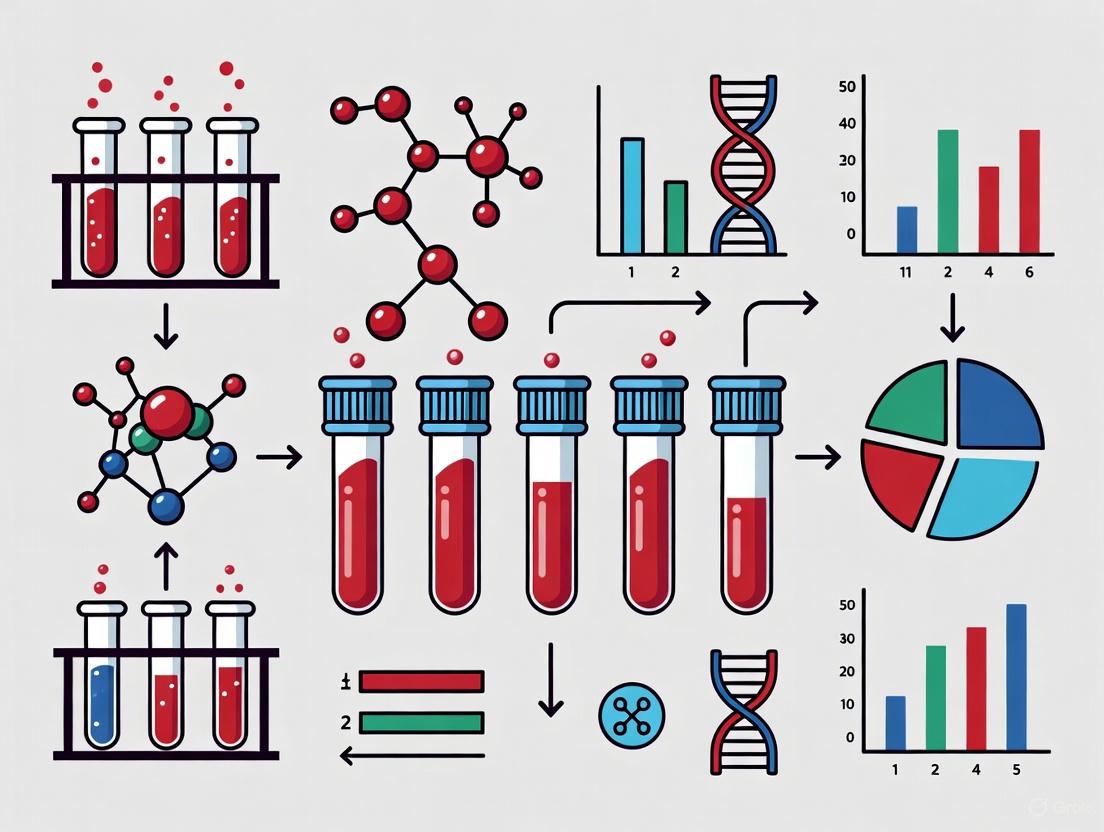
This article provides a detailed examination of specialized blood collection tubes, a critical pre-analytical component in liquid biopsy workflows for researchers and drug development professionals.
Blood Collection Tubes for Liquid Biopsy: A Comprehensive Guide for Research and Drug Development
Abstract
This article provides a detailed examination of specialized blood collection tubes, a critical pre-analytical component in liquid biopsy workflows for researchers and drug development professionals. It covers the foundational science behind tube preservation chemistries, methodological selection for specific biomarkers like ctDNA and CTCs, strategies for troubleshooting pre-analytical errors, and a comparative analysis of commercial tube performance. The content synthesizes current market trends, validation protocols, and technological advancements to guide optimal tube selection, ensuring sample integrity and reliable data in precision oncology and clinical trials.
The Science of Sample Preservation: Why Specialized Tubes are Critical for Liquid Biopsy
Liquid biopsy represents a transformative approach in oncology and disease monitoring, enabling the detection and analysis of tumor-derived components through minimally invasive sampling of biofluids such as blood [1] [2]. Unlike conventional tissue biopsies, which are invasive and cannot easily capture tumor heterogeneity or monitor dynamic changes, liquid biopsy offers a rapid, less invasive alternative that allows for serial sampling and real-time monitoring of disease progression and treatment response [1] [3] [2]. This approach focuses primarily on three key biomarkers: circulating tumor cells (CTCs), circulating tumor DNA (ctDNA), and extracellular vesicles (EVs), including exosomes [4] [2]. The clinical utility of liquid biopsy spans early detection, prognosis prediction, monitoring treatment response, and identifying mechanisms of drug resistance [1] [4].
Table 1: Key Analytes in Liquid Biopsy and Their Characteristics
| Analyte | Origin | Key Features | Primary Applications |
|---|---|---|---|
| CTCs | Cells shed from primary and metastatic tumors | Whole cells; very rare (~1 CTC per 10^9 blood cells); short half-life (1-2.5 hours) [2] | Prognostic assessment [2], study of metastasis [4], therapy selection [5] |
| ctDNA | Apoptotic or necrotic tumor cells [4] | Short DNA fragments (20-50 bp) [2]; constitutes 0.1-1.0% of total cell-free DNA [2]; short half-life [2] | Detection of tumor-specific mutations [6] [2], monitoring treatment response [6], identification of resistance mechanisms [2] |
| Exosomes/EVs | Actively released by living cells [3] | Lipid bilayer vesicles (30-160 nm) [3]; high stability; abundant (~10^9 particles/mL) [3]; contain proteins, nucleic acids [3] | Intercellular communication study [3], early diagnosis [3], biomarker discovery [7] [3] |
Circulating Tumor Cells (CTCs): Isolation and Analysis
CTCs are intact tumor cells dispersed into the bloodstream from primary or metastatic tumor sites [4] [2]. Their isolation and characterization provide valuable insights into tumor biology, metastatic processes, and enable personalized treatment approaches [5]. The extreme rarity of CTCs presents significant technical challenges, requiring highly sensitive isolation and detection methods [4] [8].
CTC Isolation Techniques
CTCs are typically isolated through enrichment methods that exploit their physical properties (size, density) or biological characteristics (surface protein expression) [4].
Table 2: CTC Isolation Methods: Principles, Advantages, and Limitations
| Method | Principle | Advantages | Limitations |
|---|---|---|---|
| Immunomagnetic Separation (e.g., CellSearch) | Uses antibody-labeled magnetic beads targeting epithelial markers (e.g., EpCAM) [4] | FDA-approved for clinical use [2]; standardized | Limited to EpCAM-positive CTCs; may miss heterogeneous populations [4] |
| Microfluidics Technology | Uses fluid dynamics and surface markers to capture CTCs [4] | High sensitivity; can process small volumes | Complex device fabrication; may not capture all CTC subtypes [4] |
| Size-Based Filtration | Separates CTCs based on larger size compared to blood cells [4] [5] | Simple; label-free; maintains cell integrity | May miss small CTCs; can be clogged [4] |
| Density Gradient Centrifugation | Separates cells based on density differences [4] [5] | Low cost; can isolate different cell types | Low separation efficiency; may affect cell viability [4] |
| Buoyancy Activated Cell Sorting (BACS) | Uses microbubbles to float unwanted cells for removal [5] | Gentle process; high viability; fast (10 minutes) | Newer technology; limited track record [5] |
CTC Detection and Characterization Protocols
Following enrichment, CTCs are typically identified and characterized using various methods:
- Immunofluorescence (IF): Cells are stained with fluorescent antibodies against specific markers (e.g., cytokeratins for epithelial origin, CD45 for leukocyte exclusion) and counterstained with DAPI for nuclear visualization [4]. This allows for morphological examination and phenotypic characterization.
- Fluorescence In Situ Hybridization (FISH): Uses fluorescent DNA probes to detect specific chromosomal abnormalities or gene amplifications at the single-cell level [4].
- Flow Cytometry: Enables high-throughput, multi-parameter analysis of CTCs based on surface marker expression [4]. Advanced platforms can integrate pre-enrichment steps with sorting for downstream molecular analysis [8].
- Molecular Analysis: Isolated CTCs can be subjected to whole transcriptome analysis, RNA sequencing, or mutation detection to identify therapeutic targets and study heterogeneity [8].
CTC Isolation and Analysis Workflow: This diagram illustrates the sequential process from blood collection through enrichment and detection to final applications, highlighting the parallel strategies available at each stage.
Circulating Tumor DNA (ctDNA): Detection and Profiling
ctDNA consists of fragmented DNA released into the circulation through apoptosis or necrosis of tumor cells [4] [2]. Analysis of ctDNA provides a non-invasive means to detect tumor-specific genetic alterations, including mutations, copy number variations, and epigenetic modifications [6].
ctDNA Analysis Methods
Both tumor-informed and tumor-agnostic approaches are used for ctDNA detection, each with distinct advantages and limitations [6].
Table 3: ctDNA Detection Methods and Performance Characteristics
| Method | Target | Principle | Detection Sensitivity | Key Features |
|---|---|---|---|---|
| Oncomine Breast cfDNA Panel [6] | SNVs in 10 genes (150 hotspots) | Targeted NGS panel | Detected ctDNA in 12.5% (3/24) of early breast cancer patients [6] | Tumor-agnostic; focused on known breast cancer mutations |
| mFAST-SeqS [6] | Genome-wide aneuploidy | LINE-1 sequencing to detect copy number alterations | Detected ctDNA in 12.5% (5/40) of early breast cancer patients [6] | Tumor-agnostic; low-cost; screens for chromosomal gains/losses |
| Shallow Whole Genome Sequencing [6] | Copy number variations | Low-coverage sequencing across genome | Detected ctDNA in 7.7% (3/40) of early breast cancer patients [6] | Tumor-agnostic; identifies large chromosomal abnormalities |
| MeD-Seq [6] | Genome-wide methylation patterns | Methylation-sensitive restriction enzyme digestion | Detected ctDNA in 57.5% (23/40) of early breast cancer patients [6] | Tumor-agnostic; methylation as early cancer marker |
| Tumor-Informed Assays | Patient-specific mutations | Personalized panels based on tumor sequencing | Higher sensitivity (73-100%) in early breast cancer [6] | Requires tumor tissue; higher cost; longer turnaround |
Protocol: ctDNA Extraction and Mutation Analysis Using Targeted NGS
Materials and Reagents:
- Blood collection tubes (Streck, Roche, or Qiagen cell-free DNA tubes) [9]
- QiaAmp cfDNA extraction kit (Qiagen) or equivalent [6]
- Quant-IT dsDNA high-sensitivity Assay (Invitrogen) [6]
- Targeted NGS panel (e.g., Oncomine Breast cfDNA panel) [6]
- Library preparation reagents
- Sequencing platform (e.g., Ion Torrent, Illumina)
Procedure:
- Blood Collection and Processing: Collect blood into specialized cell-free DNA blood collection tubes. Within 4 hours (EDTA tubes) or 96 hours (CellSave/Streck tubes), perform two centrifugation steps: 10 min at 1,711 × g at room temperature, followed by 10 min at 12,000 × g at 4°C to obtain platelet-poor plasma [6].
- cfDNA Extraction: Extract cfDNA from plasma using the QiaAmp kit according to manufacturer's instructions. Elute DNA in a suitable buffer [6].
- DNA Quantification: Measure cfDNA concentration using the Quant-IT dsDNA high-sensitivity Assay and Qubit Fluorometer [6].
- Library Preparation: Prepare NGS libraries using 10 ng of cfDNA according to the targeted panel manufacturer's protocol (e.g., Oncomine Breast cfDNA panel) [6].
- Sequencing and Analysis: Sequence libraries to a median coverage of 20,000×. Align sequences to reference genome and call variants using appropriate bioinformatics pipelines. Consider variants above the limit of detection as potentially significant [6].
ctDNA Analysis Workflow: This diagram outlines the process from blood collection to ctDNA analysis, showing the multiple methodological approaches available for detecting different types of tumor-derived genetic alterations.
Exosomes and Extracellular Vesicles: Isolation and Profiling
Exosomes are a subset of extracellular vesicles (40-160 nm in diameter) that are actively released by cells and play crucial roles in intercellular communication [3]. They contain diverse molecular cargoes including proteins, nucleic acids (DNA, RNA, miRNA), lipids, and metabolites that reflect the physiological state of their parent cells [4] [3].
Exosome Isolation Techniques
Various methods are employed for exosome isolation, each with different yield, purity, and scalability characteristics [7] [3].
Table 4: Comparison of Exosome Isolation Methods
| Method | Principle | Purity | Yield | Scalability | Instrumentation |
|---|---|---|---|---|---|
| Differential Ultracentrifugation [1] [3] | Sequential centrifugation at increasing speeds | High | Medium | Medium | Ultracentrifuge |
| Size-Exclusion Chromatography (SEC) [7] [3] | Separation by size through porous stationary phase | Medium-High | Medium | High | Chromatography system |
| Tangential Flow Filtration (TFF) [7] | Filtration with recirculating flow across membrane | Medium | High | High | Filtration apparatus |
| Polymer-based Precipitation [7] | Polymer (e.g., PEG) reduces solubility of vesicles | Low | High | High | Centrifuge |
| Immunoaffinity Capture [7] [3] | Antibodies against exosomal surface markers | Very High | Low | Low | Antibody-conjugated surfaces |
Protocol: Exosome Isolation by Ultracentrifugation and Characterization
Materials and Reagents:
- Ultracentrifuge with fixed-angle or swinging-bucket rotor
- Polycarbonate ultracentrifuge tubes
- Phosphate-buffered saline (PBS), filtered (0.1 μm)
- Exosome markers: anti-CD63, anti-CD9, anti-CD81 antibodies
- Transmission electron microscope
- Nanoparticle tracking instrument (e.g., NanoSight)
Procedure:
- Sample Preparation: Centrifuge biofluid (plasma, serum, or cell culture supernatant) at 300 × g for 10 minutes to remove cells and debris [3].
- Clearing Centrifugation: Transfer supernatant to new tubes and centrifuge at 20,000 × g for 20 minutes to remove larger vesicles and particles [3].
- Ultracentrifugation: Transfer supernatant to ultracentrifuge tubes and centrifuge at 100,000 × g for 70 minutes at 4°C. Carefully discard supernatant [3].
- Washing: Resuspend pellet in filtered PBS and centrifuge again at 100,000 × g for 70 minutes. This wash step improves purity by removing co-precipitated proteins [3].
- Resuspension: Resuspend final exosome pellet in appropriate buffer for downstream applications.
- Characterization:
- Nanoparticle Tracking Analysis: Dilute exosome preparation and analyze using nanoparticle tracking to determine size distribution and concentration [7].
- Transmission Electron Microscopy: Visualize exosome morphology and structure [3].
- Western Blotting: Confirm presence of exosomal markers (CD9, CD63, CD81, TSG101) and absence of negative markers (e.g., calnexin) [3].
- RNA/Protein Analysis: Extract and analyze exosomal content for specific biomarkers of interest.
Integrated Workflows and Research Toolkit
Blood Collection Tube Selection
Proper blood collection is critical for successful liquid biopsy analysis. Specialized tubes preserve analyte integrity during storage and transport [10].
Table 5: Blood Collection Tubes for Liquid Biopsy Applications
| Tube Type | Target Analyte | Features | Storage Stability |
|---|---|---|---|
| ccfDNA Tubes [10] | Circulating cell-free DNA | Preserves DNA integrity; prevents leukocyte lysis | Up to 7 days at room temperature [9] |
| cfRNA Tubes [10] | Cell-free RNA | Stabilizes RNA; inhibits RNases | Varies by manufacturer |
| CTC Tubes [10] | Circulating tumor cells | Preserves cell viability and surface epitopes | Limited data available |
| Streck Cell-Free DNA BCT [9] | ctDNA | Stabilizes blood cells; prevents genomic DNA contamination | Reliable detection after 7 days [9] |
| Roche Cell-Free DNA Collection Tubes [9] | ctDNA | Effective ctDNA stabilization | Suitable for low ctDNA concentrations [9] |
The Researcher's Toolkit: Essential Reagents and Materials
Table 6: Essential Research Reagents for Liquid Biopsy Workflows
| Reagent/Material | Function | Application Examples |
|---|---|---|
| CellSearch CTC Kit [2] | FDA-approved system for CTC enumeration and analysis | Prognostic assessment in breast, prostate, and colorectal cancers [2] |
| BD IMag Magnetic Particles [8] | Immunomagnetic separation of cells | Depletion of leukocytes and RBCs in CTC enrichment workflows [8] |
| QiaAmp cfDNA Extraction Kit [6] | Isolation of cell-free DNA from plasma | Preparation of ctDNA for downstream mutation analysis [6] |
| Oncomine Breast cfDNA Panel [6] | Targeted NGS panel for breast cancer mutations | Detection of hotspot mutations in 10 breast cancer genes from ctDNA [6] |
| Anti-tetraspanin Antibodies (CD9, CD63, CD81) [3] | Immunoaffinity capture of exosomes | Isolation and characterization of exosome subpopulations [3] |
| LpnPI Restriction Enzyme [6] | Methylation-sensitive digestion for MeD-Seq | Genome-wide methylation profiling in ctDNA [6] |
Integrated Liquid Biopsy Workflow: This comprehensive diagram illustrates how multiple analytes can be processed in parallel from a single blood sample, enabling complementary information to be gathered for comprehensive disease monitoring and research applications.
Liquid biopsy represents a paradigm shift in cancer diagnosis and monitoring, offering distinct advantages over traditional tissue biopsies through minimal invasiveness, ability to capture tumor heterogeneity, and feasibility for serial monitoring [1] [2]. The three main analytes—CTCs, ctDNA, and exosomes—provide complementary information that can be integrated for a comprehensive understanding of tumor dynamics [4]. While each analyte has its own methodological considerations and challenges, ongoing technological advancements continue to improve the sensitivity, specificity, and standardization of liquid biopsy approaches [1] [3]. As research progresses, liquid biopsy is poised to play an increasingly important role in precision oncology, from early detection to guiding therapeutic decisions and monitoring treatment response [1] [2].
The integrity of liquid biopsy research is fundamentally rooted in the quality of the blood sample from which circulating biomarkers, such as cell-free DNA (cfDNA) and circulating tumor DNA (ctDNA), are extracted [11] [12]. The pre-analytical phase—encompassing sample collection, handling, transport, and storage—is where the majority of laboratory errors occur [13]. Inadequate control during this phase introduces significant variability, compromising specimen integrity and potentially altering research outcomes [13]. For nucleic acid-based applications, the paramount challenges are preventing cell lysis and nucleic acid degradation, which can obscure true genetic signals with background genomic DNA or lead to false-negative results due to analyte loss [11]. This document outlines evidence-based protocols and considerations to standardize pre-analytical procedures, ensuring the reliability of downstream liquid biopsy analyses.
Blood Collection Tubes: The First Line of Defense
The choice of blood collection tube (BCT) is a primary pre-analytical decision that directly impacts analyte stability. Different tube additives are designed for specific downstream applications, and their improper use is a well-documented source of error [13] [14].
Table 1: Common Blood Collection Tubes and Their Suitability for Molecular Analyses
| Tube Type (Cap Color) | Additive(s) | Mechanism of Action | Suitability for Nucleic Acid Studies | Key Considerations |
|---|---|---|---|---|
| K₂EDTA / K₃EDTA (Purple) | EDTA (Calcium chelator) | Prevents coagulation by binding calcium ions; inhibits nuclease activity [15] [11]. | Excellent. First choice for cfDNA/ctDNA studies. Provides plasma for analysis [11]. | Requires rapid processing (e.g., within 6 hours) to prevent white cell lysis and gDNA contamination [11]. |
| Citrate (Light Blue) | Sodium Citrate | Prevents coagulation by chelating calcium [15]. | Good for coagulation studies; suitable for cfDNA if processing is prompt. | Reversible chelation; less common for routine molecular work. Must be first tube filled or after a "discard" tube [15]. |
| Heparin (Green) | Lithium/Sodium Heparin | Inhibits thrombin formation [15] [16]. | Not Recommended. Heparin is a potent inhibitor of PCR, severely interfering with reverse transcription and amplification [15] [14]. | Heparin inhibition can be overcome with heparinase or crowding agents, but avoidance is preferable [15]. |
| Serum Separator Tubes (SST/Gold) | Clot Activator, Silica/Gel Barrier | Activates clotting; gel separates serum from cells after centrifugation [15] [16]. | Suboptimal. The clotting process consumes cellular components and can release genomic DNA from trapped leukocytes, increasing background [16]. | Serum yield is 15-20% lower than plasma yield, a concern with limited sample volume [16]. |
| Cell-Free DNA BCTs | Proprietary Stabilizers | Cross-links blood cells to prevent lysis and release of genomic DNA during transport/storage; stabilizes cfDNA [11]. | Excellent. Specifically designed for liquid biopsy. Allows blood storage at room temperature for several days (e.g., up to 14 days for some brands) without significant gDNA contamination [11] [17]. | Higher cost than standard EDTA tubes. |
Experimental Protocols for Optimal Sample Handling
Standardized Protocol for Plasma Preparation for cfDNA Analysis
This protocol is optimized to minimize cell lysis and cfDNA degradation, ensuring high-quality samples for downstream NGS or PCR applications [13] [11].
Objective: To isolate cell-free plasma from whole blood with minimal contamination of genomic DNA from lysed blood cells. Principle: Gentle processing, controlled centrifugation, and rapid freezing preserve the integrity of fragile cfDNA fragments [11].
Materials & Reagents:
- Blood Collection Tube: K₂EDTA tube (e.g., BD Vacutainer) or dedicated cell-free DNA BCT (e.g., Streck, Roche) [11].
- Centrifuge: Capable of refrigeration and calibrated for precise RCF.
- Microcentrifuge Tubes: Nuclease-free, low-adhesion.
- Pipettes and Sterile Tips: Nuclease-free.
- Personal Protective Equipment (PPE): Gloves, lab coat, safety goggles [15].
Workflow:
Procedure:
- Collection: Draw blood into the appropriate BCT. For EDTA tubes, fill to the nominal volume to ensure correct blood-to-additive ratio [14].
- Mixing: Immediately after collection, gently invert the tube 8-10 times to ensure proper mixing of the anticoagulant. Avoid vigorous shaking to prevent mechanical lysis [13].
- Transport: Transport samples to the laboratory promptly. For EDTA tubes, keep samples chilled (on ice or at 2-8°C) and process within 2-6 hours of draw. If using specialized cfDNA BCTs, follow manufacturer's instructions regarding temperature and maximum storage time [11].
- First Centrifugation: Centrifuge the primary tube at 1600–2000 RCF for 10 minutes at 4°C. This "soft spin" pellets intact blood cells [11].
- Plasma Transfer: Carefully pipette the supernatant (plasma) into a sterile, nuclease-free microcentrifuge tube. Take extreme care not to disturb the buffy coat (white cell layer) or the pellet, as this is a critical step to avoid genomic DNA contamination [11].
- Second Centrifugation: Centrifuge the transferred plasma at a higher speed (16,000 RCF for 10 minutes at 4°C). This "hard spin" pellets any remaining cells or cellular debris [11].
- Final Aliquot: Transfer the resulting cell-free plasma into fresh nuclease-free tubes. Aliquot to avoid repeated freeze-thaw cycles.
- Storage: Immediately freeze the aliquots at -80°C until nucleic acid extraction.
Protocol: Evaluating Sample Stability and Preservative Efficiency
This experiment assesses the performance of different collection tubes or preservatives over time, a critical validation for establishing laboratory SOPs.
Objective: To quantify the stability of cfDNA in blood collected in different tube types stored at room temperature over time. Principle: The integrity of cfDNA is measured by the concentration and size profile of extracted nucleic acids. Effective preservatives prevent an increase in high molecular weight DNA (indicating cell lysis) and a decrease in specific cfDNA targets [18] [17].
Materials & Reagents (Beyond standard items):
- Multiple types of BCTs (e.g., K₂EDTA vs. cfDNA BCT).
- Nucleic Acid Extraction Kit (e.g., Qiagen Circulating Nucleic Acid Kit).
- Instrument for DNA quantification and fragment analysis (e.g., Bioanalyzer, TapeStation, or ddPCR/QPCR for specific targets).
Procedure:
- Collection: Draw blood from a single donor and dispense equal volumes into each type of BCT being tested.
- Storage Conditions: Store all tubes under identical room temperature conditions. Do not chill.
- Time-Points: Process triplicate aliquots from each tube type at pre-determined time points (e.g., Baseline (0h), 24h, 48h, 72h, 7 days).
- Processing: At each time point, process the samples according to the "Plasma Preparation for cfDNA Analysis" protocol (Section 3.1).
- Analysis:
- Extract cfDNA from all plasma aliquots using a standardized kit.
- Quantity cfDNA using a fluorescence-based method (e.g., Qubit).
- Analyze Fragment Size using a high-sensitivity instrument (e.g., Bioanalyzer). A successful preservative will maintain a peak at ~166 bp and show no increase in genomic DNA (~1000s of bp).
- Measure Specific Targets (e.g., via ddPCR) to assess the stability of particular alleles or mutations [17].
Table 2: Key Parameters to Measure in a Tube Stability Study
| Analytical Parameter | Measurement Technique | Interpretation of Results |
|---|---|---|
| Total cfDNA Yield | Fluorometry (e.g., Qubit) | A significant increase over time suggests cellular lysis and gDNA contamination. A decrease suggests cfDNA degradation. |
| DNA Fragment Profile | Microfluidic Capillary Electrophoresis (e.g., Bioanalyzer) | Preservation of the ~166 bp peak and low high-molecular-weight DNA indicates good stability. |
| Concentration of a Specific Target (e.g., GAPDH) | Digital Droplet PCR (ddPCR) | A stable copy number over time indicates good preservation of the target sequence. |
The Scientist's Toolkit: Essential Research Reagent Solutions
Table 3: Key Reagents and Kits for Pre-Analytical Stabilization and Analysis
| Product Category / Name | Function / Principle | Application Note |
|---|---|---|
| Cell-Free DNA BCTs (Streck, Roche) | Proprietary chemicals that cross-link blood cells to prevent lysis and stabilize cfDNA, enabling room-temperature transport [11]. | Essential for multi-center trials or when processing delays are anticipated. Validated for stability up to 14 days. |
| DNA/RNA Shield (Zymo Research) | A preservation reagent that immediately lyses cells, inactivates nucleases, and stabilizes nucleic acids at ambient temperatures [18]. | Can be added to samples post-collection to eliminate need for cold chain. Compatible with downstream purification kits. |
| Circulating Nucleic Acid Extraction Kits (Qiagen, Norgen) | Optimized spin-column protocols for the efficient recovery of short, fragmented cfDNA from plasma [17]. | Often includes carrier RNA to improve yield of short fragments. Critical for avoiding bias in cfDNA recovery. |
| Droplet Digital PCR (ddPCR, Bio-Rad) | An absolute quantification method that partitions samples into thousands of droplets to count DNA molecules, offering high sensitivity for rare mutant alleles in ctDNA [17]. | Ideal for measuring specific mutations and validating sample stability with high precision. |
Troubleshooting Common Pre-Analytical Challenges
Within liquid biopsy research, the pre-analytical phase is critical for ensuring the integrity of rare and fragile biomarkers, such as circulating tumor DNA (ctDNA) and cell-free RNA (cfRNA). The choice of blood collection tube chemistry directly influences the accuracy of downstream molecular analyses, impacting everything from early cancer detection to therapy monitoring [1] [19]. This application note provides a detailed comparison of two core preservation strategies: cell-stabilizing agents, which maintain white blood cell (WBC) integrity to prevent contaminating genomic DNA (gDNA) release, and targeted DNA/RNA stabilizers, which directly protect cell-free nucleic acids from enzymatic degradation. We summarize quantitative performance data and provide standardized protocols to guide researchers in selecting and validating the appropriate chemistry for their specific liquid biopsy applications.
Core Chemistry Mechanisms and Performance Comparison
Chemistry and Mechanism of Action
The two chemistries function through distinct mechanisms to achieve sample stabilization:
- Cell-Stabilizing Agents: These proprietary formulations are designed to cross the cell membranes of leukocytes and stabilize them metabolically. This process halts cellular metabolism and prevents apoptosis and lysis, thereby preserving the in vivo population of peripheral blood mononuclear cells and preventing the release of high-molecular-weight gDNA, which would dilute and contaminate the targeted, shorter fragment cfDNA and cfRNA [19] [20].
- Targeted DNA/RNA Stabilizers: These chemistries typically involve denaturing or cross-linking agents that directly inactivate nucleases (e.g., DNases and RNases) present in the blood sample. By inhibiting these degradative enzymes, they protect the existing population of cell-free nucleic acids (cfDNA, cfRNA) from ex vivo degradation. It is important to note that some of these formulations may also lyse blood cells, requiring immediate stabilization of the intracellular RNA profile at the moment of draw [21] [22].
The following diagram illustrates the distinct signaling pathways and mechanistic workflows for these two stabilization approaches.
Quantitative Performance Data
The performance of these tubes is quantified through metrics such as DNA yield, fragment size distribution, and the stability of analyte concentrations over time. The table below summarizes key comparative data from published studies.
Table 1: Quantitative Performance Comparison of Blood Collection Tube Types
| Parameter | Cell-Stabilizing Tubes (e.g., Streck BCT) | Targeted DNA/RNA Tubes (e.g., PAXgene) | Standard EDTA Tubes |
|---|---|---|---|
| cfDNA Stability at RT | Up to 14 days [19] | Varies by product; some show cellular lysis after 7 days [20] | ≤ 6 hours [23] |
| gDNA Contamination | Minimized (no significant increase over 7 days) [20] | Can be significant (order of magnitude increase in gDNA over 7 days in some studies) [20] | Increases significantly after 6 hours |
| Key Analytic Preserved | Plasma cfDNA profile, CTC integrity [1] | Intracellular RNA transcriptome [21] [22] | cfDNA (if processed immediately) |
| Typical Workflow | Room temperature shipping; batch processing | Often requires freezing or specific storage after initial incubation [22] | Cold chain; immediate processing |
Experimental Protocols
Protocol 1: Evaluating Cell-Stabilizing Tube Performance for ctDNA Analysis
This protocol is adapted from a study comparing cell-stabilizing tubes for circulating plasma tumor DNA [20].
3.1.1 Research Reagent Solutions Table 2: Essential Materials for Protocol 1
| Item | Function |
|---|---|
| Cell-free DNA BCT (Streck) | Test tube with cell-stabilizing agent |
| K2EDTA tubes (Becton Dickinson) | Control tube for baseline comparison |
| Droplet Digital PCR (ddPCR) System | For absolute quantification of genome equivalents and specific mutations |
| ddPCR Supermix for Probes | Reaction mix for probe-based digital PCR |
| Reference Wild-type and Mutant (e.g., PIK3CA E545K, H1047R) Assays | For specific detection and quantification of tumor-derived DNA mutations |
3.1.2 Methodology
- Blood Collection: Draw blood from metastatic cancer patients (e.g., breast cancer) directly into cell-free DNA BCT tubes and standard K2EDTA tubes.
- Storage Conditions: Store all tubes at room temperature (RT). Process the EDTA tubes within 6 hours of draw. Process the BCT tubes in batches after 1, 3, 7, and 14 days of storage.
- Plasma Separation: Centrifuge tubes using a two-step protocol:
- First, centrifuge at 1,600 × g for 20 minutes at RT to separate plasma from cells.
- Transfer the supernatant plasma to a new tube and centrifuge again at 16,000 × g for 20 minutes to remove any residual cells or debris.
- cfDNA Extraction: Extract cfDNA from the clarified plasma using a commercial circulating nucleic acid kit, eluting in a defined volume.
- Quantitative Analysis by ddPCR:
- Perform ddPCR using assays for a wild-type gene (e.g., PIK3CA) to measure total genome equivalents and assess gDNA contamination.
- Perform ddPCR using mutation-specific assays (e.g., PIK3CA E545K, H1047R) to quantify tumor-derived ctDNA.
- Calculate the concentration (copies/μL) of wild-type and mutant DNA for each sample and time point.
3.1.3 Expected Outcomes: Samples in cell-stabilizing BCT tubes should show no significant increase in wild-type genome equivalents over 14 days, indicating successful prevention of cell lysis and gDNA contamination. The mutant ctDNA signal should remain stable and detectable, confirming the preservation of the original plasma ctDNA profile.
Protocol 2: Assessing Targeted RNA Stabilizer Tubes for Transcriptomic Profiling
This protocol is based on studies evaluating RNA stabilizers like RNApro and PAXgene for gene expression analysis in whole blood [21] [22].
3.2.1 Research Reagent Solutions Table 3: Essential Materials for Protocol 2
| Item | Function |
|---|---|
| RNApro Stabilization Solution (BioMole) or PAXgene Blood RNA Tube | Test stabilizer for intracellular RNA |
| K2EDTA tubes | Control tube without stabilizer |
| Automated Nucleic Acid Extractor (e.g., Promega Maxwell) | For standardized, high-quality RNA extraction |
| RNA Blood Kit with DNase treatment | To isolate total RNA and remove genomic DNA contamination |
| Spectrophotometer (e.g., NanoDrop) and Bioanalyzer | For assessing RNA concentration, purity (A260/A280), and integrity (RIN) |
| RT-qPCR System | For validating RNA quality via amplification of housekeeping genes (e.g., GAPDH) |
3.2.2 Methodology
- Blood Collection and Stabilization:
- Collect blood directly into PAXgene tubes or mix venous blood with RNApro solution at a defined ratio (e.g., 200 μL blood to 800 μL RNApro) immediately after draw.
- Storage Conditions Testing:
- Store stabilized samples under various conditions: RT, 4°C, -20°C, and -80°C for durations ranging from 24 hours up to several weeks.
- Process control EDTA tubes immediately.
- RNA Isolation:
- For RNApro, adapt the RNA blood kit protocol by omitting the initial lysis step and loading the blood/RNApro mixture directly onto the cartridge.
- For PAXgene tubes, follow the manufacturer's instructions precisely.
- Include an on-column DNase digestion step for all samples to eliminate genomic DNA.
- RNA Quality Control:
- Measure RNA concentration and purity (A260/A280 ratio ~1.8-2.1) using a spectrophotometer.
- Assess RNA integrity (RIN) using a Bioanalyzer.
- Functional Validation by RT-qPCR:
- Convert 400 ng of total RNA from each sample to cDNA.
- Perform RT-qPCR for a stable housekeeping gene like GAPDH.
- Compare the Cycle threshold (Cq) values and amplification efficiency across the different storage conditions.
3.2.3 Expected Outcomes: High-quality RNA (with high RIN values) should be obtained from samples stored in stabilizers like RNApro for up to 1 week at RT and 1 month at 4°C [21]. The Cq values for GAPDH should remain low and consistent across these conditions, indicating preserved RNA integrity and minimal degradation.
The Scientist's Toolkit
Table 4: Essential Research Reagent Solutions for Liquid Biopsy Sample Stabilization
| Category / Product Name | Core Chemistry / Function | Primary Application in Liquid Biopsy |
|---|---|---|
| Cell-Stabilizing Tubes | ||
| Streck Cell-Free DNA BCT | Proprietary cell-stabilizing agent | Preserves plasma cfDNA & ctDNA profile; prevents gDNA background for NGS & dPCR [19] [20] |
| Targeted DNA/RNA Tubes | ||
| PAXgene Blood RNA Tube | Proprietary lysing/stabilizing solution | Stabilizes intracellular RNA transcriptome for gene expression studies [21] [22] |
| Tempus Blood RNA Tube | Lysing solution and RNA stabilizer | Rapid RNA stabilization for transcriptomic profiling |
| RNApro Solution (BioMole) | Guanidinium thiocyanate-based solution | Inactivates RNases; stabilizes blood RNA during phlebotomy and storage [21] |
| Core Laboratory Equipment | ||
| Droplet Digital PCR (ddPCR) System | Absolute quantification of nucleic acids | Precisely measures mutant allele frequency in ctDNA and genome equivalents [20] |
| Next-Generation Sequencer | High-throughput sequencing | Comprehensive genomic profiling (mutations, CNAs, methylation) of ctDNA [1] [24] |
| Automated Nucleic Acid Extractor | Standardized nucleic acid purification | Maximizes yield and reproducibility of cfDNA/RNA extraction from plasma |
| Critical Assay Kits | ||
| Circulating Nucleic Acid Kit | Optimized for low-abundance cfDNA/RNA | Efficient extraction of short-fragment cfDNA from large-volume plasma samples |
| FLEXseq Methylation Assay | Genome-wide enriched methylation sequencing | Enables tissue-of-origin mapping and cancer detection via cfDNA methylome [23] |
The selection between cell-stabilizing agents and targeted DNA/RNA stabilizers is application-dependent. For plasma-based ctDNA analyses—including cancer detection, monitoring, and minimal residual disease assessment—cell-stabilizing tubes provide superior performance by maintaining the integrity of the sample's cell-free composition, enabling flexible, room-temperature logistics [24] [20]. Conversely, for research requiring high-quality intracellular RNA, such as whole blood transcriptomic profiling, targeted RNA stabilizers are indispensable [21] [22]. Integrating these specialized blood collection systems with robust experimental protocols ensures the generation of reliable, reproducible liquid biopsy data, thereby strengthening the foundation for future clinical and research breakthroughs.
The global minimally invasive diagnostics market is experiencing robust growth, propelled by technological advancements and increasing demand for early disease detection. According to recent market research, the market size reached USD 32.7 billion in 2024 and is projected to expand at a compound annual growth rate (CAGR) of 8.9% from 2025 to 2033, reaching approximately USD 69.2 billion by 2033 [25]. This impressive growth trajectory is primarily fueled by the rising prevalence of chronic diseases, growing patient preference for less invasive diagnostic procedures, and continuous innovation in diagnostic technologies.
The shift toward minimally invasive diagnostics represents a paradigm change in clinical practice, offering significant advantages over traditional diagnostic methods. Liquid biopsy, which involves the analysis of tumor-derived genetic material from blood plasma or other body fluids, exemplifies this shift with its less-invasive nature combined with the option for serial analyses, bearing enormous potential for treatment monitoring and surveillance [26]. This approach provides certain advantages over traditional tumor biopsies, including the ability to be collected serially over the course of treatment, collection by general practitioners, and potential representation of all tumor sites in the body [26].
Table 1: Global Minimally Invasive Diagnostics Market Overview
| Attribute | Detail |
|---|---|
| 2024 Market Size | USD 32.7 Billion |
| Projected 2033 Market Size | USD 69.2 Billion |
| CAGR (2025-2033) | 8.9% |
| Key Growth Drivers | Rising chronic disease prevalence, technological advancements, patient preference for less invasive procedures |
| Dominant Regions | North America, Europe, Asia-Pacific |
Market Segmentation and Key Drivers
Product Type Segmentation
The product landscape in the minimally invasive diagnostics market is diverse, encompassing several key technologies. Imaging equipment remains a cornerstone, including MRI, CT, and ultrasound systems that offer non-invasive visualization of internal body structures [25]. Continuous advancements in imaging technology, such as the integration of AI-driven analytics and high-resolution imaging, have significantly improved diagnostic accuracy and efficiency. The demand for portable and point-of-care imaging devices is also rising, particularly in ambulatory and remote care settings.
Molecular diagnostics represent another rapidly growing segment, driven by their ability to detect genetic, proteomic, and metabolic markers associated with diseases at an early stage [25]. Techniques such as polymerase chain reaction (PCR), next-generation sequencing (NGS), and microarray analysis are increasingly being used for diagnosing cancer, infectious diseases, and hereditary disorders. The COVID-19 pandemic further accelerated the adoption of molecular diagnostics, highlighting their critical role in rapid and accurate pathogen detection.
Biosensors and lab-on-a-chip technologies are transforming diagnostics by offering rapid, sensitive, and cost-effective solutions. Biosensors utilize biological recognition elements to detect specific analytes and are increasingly integrated into wearable devices and point-of-care testing platforms [25]. Lab-on-a-chip devices miniaturize laboratory processes onto a single chip, revolutionizing diagnostics by enabling multiplexed analysis and reducing sample volume requirements.
Table 2: Minimally Invasive Diagnostics Market by Product Type
| Product Type | Key Technologies | Primary Applications |
|---|---|---|
| Imaging Equipment | MRI, CT, Ultrasound, X-ray | Non-invasive visualization of internal structures |
| Molecular Diagnostics | PCR, NGS, Microarray | Cancer, infectious diseases, hereditary disorders |
| Biosensors | Wearable devices, POC platforms | Real-time biomarker monitoring |
| Lab-on-a-Chip | Microfluidic devices | Multiplexed analysis, minimal sample volumes |
| Others | Advanced assay kits, digital pathology | Various clinical and research applications |
Application and End-User Analysis
The minimally invasive diagnostics market serves a broad spectrum of clinical applications, with several key areas emerging as major drivers. Oncology leads the application segment, capturing 35% of the market share, where minimally invasive diagnostics have become indispensable for early cancer detection, monitoring treatment response, and guiding personalized therapy [25] [27]. Liquid biopsies, which analyze circulating tumor DNA or cells from blood samples, are gaining widespread acceptance due to their ability to provide real-time insights into tumor dynamics without invasive tissue biopsies.
Cardiology represents another significant application area, where minimally invasive diagnostics assess cardiac function, detect coronary artery disease, and monitor heart failure [25]. Non-invasive imaging techniques such as echocardiography, cardiac MRI, and CT angiography have revolutionized cardiac diagnostics. The cardiovascular imaging segment is the second highest in market share at 20% and the fastest-growing application segment, primarily driven by the growing burden of cardiac disease [27].
Infectious diseases and gastroenterology also represent important application segments. In infectious diseases, rapid molecular assays, antigen tests, and biosensor-based platforms have enabled timely diagnosis and containment of outbreaks [25]. In gastroenterology, techniques such as capsule endoscopy, stool DNA testing, and non-invasive breath tests are gaining popularity due to their patient-friendly nature and high diagnostic yield.
Regarding end-users, hospitals dominate the minimally invasive diagnostics market with a 55% share, leveraging advanced diagnostic technologies for routine screening, disease monitoring, and preoperative assessment [25] [27]. Diagnostic centers represent a rapidly growing segment, driven by increasing demand for specialized services and the shift towards outpatient care. Ambulatory care centers are the fastest-growing end-user group, expanding due to demand for cost-effective outpatient services and advanced digital imaging systems [27].
Technological Advancements and AI Integration
Technological innovation serves as a critical growth driver in the minimally invasive diagnostics market. The integration of artificial intelligence (AI) is creating new avenues for surgical precision and increased patient safety. AI-enabled algorithms now offer the ability to enhance images in real-time, enable 3D reconstructions, and provide predictive analytics that give clinicians improved neurosensory observations of anatomical structures [27]. For instance, SyncAR Spine received FDA 510(k) marketing clearance for integrating MRI and CT imaging with AI-associated surgical navigation, improving intraprocedure accuracy [27].
The application of AI in minimally invasive medical imaging is changing paradigms by enabling preoperative scans to be matched with intraoperative images in real-time, providing surgeons with navigational cues and decision support for complex interventions [27]. Companies like Philips have launched AI modules that speed up MRI scans while increasing image quality, allowing for quicker and more confident minimally invasive treatments. Similarly, MediView XR developed an AR-centric visualization platform that converts CT scans into interactive 3D models for surgical planning and AR-assisted procedures [27].
Advances in imaging technologies, including MRI, CT, ultrasound, and fluoroscopy, are reshaping the landscape by providing increased accuracy, real-time imaging, and better diagnostic interpretation [27]. The ability to provide superior imaging in 3D and 4D, new AI-generated imaging, and hybrid imaging systems allow clinicians to identify and navigate abnormalities more precisely with lower radiation doses. Hand-held and point-of-care ultrasound devices are now available for quicker bedside identification of potential abnormalities, supporting the trend toward decentralized healthcare.
Blood Collection Tubes for Liquid Biopsy: Protocols and Experimental Analysis
Pre-analytical Considerations for Liquid Biopsy
Reliable liquid biopsy data depend on stable and reproducible pre-analytical protocols that comply with quality measures, irrespective of the sampling and processing site [26]. One of the main factors for successful tumor detection through liquid biopsies is the pre-analytical workflow, where prevention of leukocyte lysis is essential as it represents the major source of normal genomic DNA contamination [26] [28]. Excessive genomic DNA concentrations can interfere with successful cell-free DNA (cfDNA) analysis, particularly in oncological applications where the abundance of circulating tumor DNA (ctDNA) can be as low as 0.01% [28].
The pre-analytical workflow for liquid biopsy includes several critical steps: sample collection using appropriate blood collection tubes, handling, shipment, storage, plasma processing, and DNA extraction [26] [28]. Leukocyte lysis can be prevented through adapted blood collection protocols, entailing the use of blood preservation tubes in combination with detailed handling manuals, optimized transportation, and thorough sample processing. When immediate plasma processing isn't feasible, blood preservation tubes provide an alternative by inhibiting nuclease activity and stabilizing white blood cells [28].
Comparative Analysis of Blood Collection Tubes
Different blood collection tubes employ distinct mechanisms for sample preservation. Streck cfDNA BCT tubes utilize a chemical crosslinking approach to stabilize blood cells and prevent the release of genomic DNA [26]. PAXgene Blood ccfDNA Tubes employ biological apoptosis prevention, while Norgen cf-DNA/cf-RNA Preservative Tubes rely on osmotic stabilization of nucleated cells [26]. Conventional K2EDTA tubes require processing within hours of collection but remain widely used.
A comparative study evaluating these collection tubes revealed significant differences in performance characteristics. Research examining plasma volumes obtained showed Streck tubes yielded mean plasma volumes of 3.48 mL, significantly less than K2EDTA tubes (mean = 4.59 mL), Norgen tubes (mean = 5.67 mL), and PAXgene tubes (mean = 5.26 mL) [26]. This variation may result from different preservation chemistries causing different dilutions of plasma.
In terms of cfDNA yield, measurements by Bioanalyzer revealed the highest amounts in Norgen tubes, followed by K2EDTA, PAXgene, and Streck tubes [26]. However, cfDNA purity values were similar between all tested tubes, suggesting that while absolute yields may differ, each tube can effectively preserve sample quality when used according to manufacturer specifications.
Table 3: Blood Collection Tube Comparison for Liquid Biopsy
| Tube Type | Preservation Mechanism | Storage Conditions | cfDNA Yield | Plasma Volume |
|---|---|---|---|---|
| K2EDTA | K3EDTA anticoagulant | 1 hour at 4°C | Moderate | 4.59 mL (mean) |
| Streck cfDNA BCT | Chemical crosslinking | 14 days at RT | Lower | 3.48 mL (mean) |
| Norgen cf-DNA/cf-RNA | Osmotic cell stabilization | 30 days at RT | Highest | 5.67 mL (mean) |
| PAXgene Blood ccfDNA | Biological apoptosis prevention | 14 days at RT | Moderate | 5.26 mL (mean) |
Experimental Protocol: Evaluation of Blood Collection Tubes
Objective: To evaluate the performance of different blood collection tubes for liquid biopsy applications by assessing cfDNA yield, purity, and stability over time.
Materials Required:
- Blood collection tubes (K2EDTA, Streck cfDNA BCT, Norgen cf-DNA/cf-RNA, PAXgene)
- Venous blood from donors
- Centrifuge with swing-out rotor
- Plasma preparation equipment
- cfDNA extraction kits (NucleoSnap and NucleoSpin)
- Quantification instruments (Qubit, Bioanalyzer, TapeStation)
- ddPCR equipment for mutation analysis
Methodology:
- Blood Collection: Collect venous blood from donors using standard phlebotomy techniques into different blood collection tubes. Fill each tube to 10 mL as recommended by manufacturers. Invert tubes 10 times immediately after collection [28].
Storage Conditions: Process K2EDTA tubes within one hour of collection at 4°C. Store preservation tubes (Streck, Norgen, PAXgene) for 3 and 7 days at room temperature to simulate shipping conditions. For movement simulation, agitate a subset of tubes constantly for 3 days [28].
Plasma Preparation: Centrifuge blood tubes at 1,600 × g for 10 minutes at room temperature using a swing-out rotor with smooth braking profile to prevent disruption of the buffy coat layer. Carefully remove collection tubes to avoid turbulences [28].
cfDNA Isolation: Use parallel extraction protocols for cell-free DNA and RNA from plasma samples. Employ commercial kits such as NucleoSnap and NucleoSpin according to manufacturer instructions with modifications as needed [26].
Quantification and Quality Control: Quantify cfDNA yields using multiple methods including Qubit, Bioanalyzer, and TapeStation systems. Optimize these steps for minimal sample use with high sensitivity and reproducibility. Define cfDNA in the range of 146-176 bp (length of DNA wrapped around one nucleosome) [26].
Downstream Analysis: Perform droplet digital PCR amplification of both cell-free DNA and RNA. Conduct low-coverage whole-genome sequencing and DNA methylation profiling of plasma-derived cell-free DNA to detect tumor-specific alterations [26].
Evaluation Criteria:
- cfDNA yield and purity measurements across different storage durations
- Fragment size distribution analysis
- Ability to detect tumor-specific mutations at low allele frequencies
- Impact of extreme temperature conditions on sample quality
- Downstream analytical performance (amplification efficiency, sequencing quality)
The Scientist's Toolkit: Essential Research Reagents and Materials
Table 4: Essential Research Reagent Solutions for Liquid Biopsy
| Reagent/Material | Function | Examples/Alternatives |
|---|---|---|
| Blood Collection Tubes with Preservatives | Stabilize blood cells and prevent genomic DNA release | Streck cfDNA BCT, Norgen cf-DNA/cf-RNA Preservative Tubes, PAXgene Blood ccfDNA Tubes |
| Plasma Preparation Equipment | Separate plasma from cellular components | Centrifuges with swing-out rotors, specialized centrifuges for high-speed processing |
| cfDNA/cfRNA Isolation Kits | Extract cell-free nucleic acids from plasma | NucleoSnap, NucleoSpin, QIAamp Circulating Nucleic Acid Kit |
| Quantification Instruments | Measure concentration and quality of extracted nucleic acids | Qubit Fluorometer, Bioanalyzer, TapeStation |
| Downstream Analysis Platforms | Detect and analyze tumor-specific alterations | Droplet digital PCR, Next-generation sequencers, BEAMing technology |
Regional Market Analysis and Future Outlook
North America dominates the minimally invasive diagnostics market, accounting for the largest revenue share in 2024 [25]. The high adoption of advanced diagnostic technologies, well-established healthcare infrastructure, and increasing awareness about early disease detection are key factors driving market growth in this region. Notably, North America captured 35% of the minimally invasive medical imaging market in 2024 [27].
The Asia-Pacific region is emerging as a high-growth market, supported by rapidly improving healthcare systems, rising healthcare expenditure, and a large patient base [25]. Asia Pacific is estimated to expand at the fastest CAGR between 2025 and 2034, with analysts projecting double-digit sales increases in 2025 as countries like India and China adopt digital pathology and affordable molecular diagnostics at scale [27] [29]. Companies such as MGI Tech are meeting this demand by launching automated next-generation sequencing solutions to expand diagnostic access.
Europe also represents a significant market, while Latin America and the Middle East & Africa are witnessing steady growth, albeit at a slower pace, as investments in healthcare infrastructure and awareness initiatives continue to rise [25]. This regional diversification highlights the global nature of the market and underscores the vast opportunities for market participants across different geographies.
Future growth in the minimally invasive diagnostics market will be shaped by several key trends. The continued integration of artificial intelligence into diagnostic platforms will enhance precision and efficiency. Multi-omics diagnostics are expected to propel a paradigm shift in disease characterization, while decentralized testing models will redefine healthcare access, particularly in emerging markets [29]. The global market for decentralized molecular testing is expected to surpass $24 billion by 2025 [29].
Companion diagnostics are also anticipated to expand beyond oncology, creating new growth avenues. Pharmaceutical companies are driving this trend by investing in biomarker-based tests, positioning oncology and rare disease diagnostics as key growth areas [29]. Continued progress in precision medicine and molecular diagnostics will enhance the accuracy and scalability of predictive testing, further accelerating the shift toward minimally invasive diagnostic approaches.
The advent of liquid biopsy has revolutionized molecular profiling in oncology and other fields by providing a minimally invasive window into disease dynamics through the analysis of circulating tumor biomarkers. The foundational step of any liquid biopsy workflow—sample collection—critically influences the success and reliability of all subsequent molecular analyses. Specialized blood collection tubes are engineered to preserve specific analytes, and their selection directly impacts the integrity of downstream applications, including next-generation sequencing, digital PCR, and multi-omic integration [1] [30]. The global market for these specialized tubes is projected to grow from USD 1.54 billion in 2025 to USD 5.32 billion by 2034, reflecting their increasing importance in research and clinical diagnostics [30].
Using standard blood collection tubes without preservatives can lead to the degradation of critical biomarkers such as cell-free DNA (cfDNA), circulating tumor cells (CTCs), and RNA, resulting in false negatives, biased quantification, and failed library preparations [1] [31]. This application note delineates the critical interplay between tube selection and the performance of advanced molecular assays, providing detailed protocols and data-driven recommendations to ensure analytical validity in liquid biopsy research.
Blood Collection Tubes: Types and Characteristics
Blood collection tubes for liquid biopsy contain specific additives that stabilize particular biomarker classes, preventing degradation during transport and storage. The choice of tube is dictated by the target analyte and the intended downstream analysis. The table below summarizes the primary tube types and their applications.
Table 1: Key Blood Collection Tube Types for Liquid Biopsy Applications
| Tube Type | Primary Additive/Preservative | Target Analytes | Primary Downstream Applications | Key Considerations |
|---|---|---|---|---|
| cfDNA Stabilization Tubes | Cell-stabilizing agents (prevents leukocyte lysis) | Cell-free DNA (cfDNA), Circulating Tumor DNA (ctDNA) | NGS (especially large panels/WGS), dPCR [30] [31] | Dominates the market (48% share). Critical for preserving fragmentation profiles and preventing wild-type DNA background dilution [30]. |
| CTC Stabilization Tubes | Cell-stabilizing agents | Circulating Tumor Cells (CTCs) | Cellular analysis, immunofluorescence, single-cell sequencing [1] [31] | Essential for maintaining cell viability and surface epitopes for immunocapture. High demand in oncology [31]. |
| RNA Stabilization Tubes | RNA stabilizers | Cell-free RNA (cfRNA), Circulating Tumor RNA (ctRNA) | RNA-Seq, qPCR, Transcriptomic profiling [30] | Fastest-growing segment. Prevents degradation by ubiquitous RNases [30]. |
| EDTA Tubes | EDTA (Anticoagulant) | Blood cells, plasma | Routine hematology, some cfDNA studies [32] | Requires rapid processing (<2 hours) for cfDNA analysis due to white blood cell lysis. Lower cost. |
Impact on Downstream Analytical Performance
The pre-analytical phase governed by tube selection directly dictates the quality and quantity of nucleic acids recovered, which in turn influences the sensitivity, specificity, and reproducibility of molecular assays.
Next-Generation Sequencing (NGS)
NGS applications, particularly those aiming for low variant allele frequency (VAF) detection in ctDNA, are highly susceptible to pre-analytical artifacts. Tubes designed for cfDNA stabilization are paramount as they prevent the release of genomic DNA from lysed leukocytes. This preserves the native cfDNA fragmentation profile and prevents the dilution of tumor-derived fragments, which is critical for maintaining assay sensitivity [1] [31]. The use of non-stabilizing tubes can lead to a significant increase in total DNA yield, but this comes at the cost of a drastically reduced mutant allele fraction, potentially pushing true somatic variants below the limit of detection. Furthermore, the integrity of the recovered DNA affects library preparation efficiency, with degraded samples leading to high duplication rates, low library complexity, and ultimately, unreliable sequencing data.
Digital PCR (dPCR)
dPCR provides absolute quantification of nucleic acid targets and is renowned for its high sensitivity in detecting rare mutations. The exceptional precision of dPCR, however, is contingent upon sample quality. The use of stabilization tubes ensures that the quantitative signal reflects the in vivo state by preventing ex vivo biomarker degradation or dilution [33]. For instance, when monitoring minimal residual disease (MRD) using ctDNA, a slight degradation of mutant alleles in an unstabilized sample could lead to a false negative result. The superior preservation of analyte integrity in specialized tubes allows dPCR to achieve its theoretical limits of detection, making it a powerful tool for liquid biopsy applications [33].
Multi-Omic Applications
Multi-omic integration, which combines data from genomics, transcriptomics, and proteomics, demands the highest level of sample integrity. A single blood draw intended for multiple analyses presents a significant pre-analytical challenge. Cross-sectional integrative studies on healthy cohorts have demonstrated that multi-omic profiling provides optimal stratification capacity when data quality is high [34]. The simultaneous stabilization of multiple analyte classes (e.g., cfDNA, cfRNA, and proteins) is a key area of innovation in tube design. Inadequate preservation can introduce technical noise that obscures subtle biological signals, compromising the ability to identify meaningful subgroups or build predictive models for early disease prevention [34].
Table 2: Impact of Tube Selection on Key Downstream Applications
| Downstream Assay | Critical Biomarker | Impact of Improper Tube Selection | Recommended Tube Type |
|---|---|---|---|
| NGS (Large Panels/WGS) | ctDNA | ↓ Sensitivity for low VAF variants; Altered fragmentomics profile; Failed library preps | cfDNA Stabilization Tubes [30] [31] |
| dPCR (MRD, Rare Mutations) | ctDNA | False-negative results; Inaccurate absolute quantification | cfDNA Stabilization Tubes [33] |
| RNA-Seq / Transcriptomics | cfRNA | Loss of transcript diversity; 3' bias; Unreliable gene expression data | RNA Stabilization Tubes [30] |
| Single-Cell Analysis | CTCs | Loss of cell viability; Compromised cell surface epitopes | CTC Stabilization Tubes [1] [31] |
| Multi-Omic Integration | cfDNA, cfRNA, Proteins | Technical covariation; Poor stratification power; Unreiable model building | Combination of specialized tubes or multi-analyte stabilizers [34] |
Experimental Protocols
Protocol 1: Comparative Evaluation of Tube Types for ctDNA NGS
Objective: To assess the performance of cfDNA stabilization tubes versus K2EDTA tubes on the yield, quality, and variant calling accuracy of a targeted NGS panel for ctDNA.
Materials:
- Research Reagent Solutions:
- cfDNA Stabilization Tubes (e.g., Streck Cell-Free DNA BCT)
- K2EDTA Tubes
- cfDNA Extraction Kit (e.g., QIAamp Circulating Nucleic Acid Kit)
- Targeted NGS Library Prep Kit (e.g., AVENIO cfDNA Targeted Kit)
- Bioanalyzer High Sensitivity DNA Kit (Agilent)
Methodology:
- Patient Recruitment & Phlebotomy: Recruit consented patients with advanced solid tumors. For each patient, draw blood into one cfDNA stabilization tube and one K2EDTA tube. The order of draw should be randomized to avoid bias.
- Sample Processing:
- K2EDTA Tube: Process within 2 hours of draw. Centrifuge at 800 x g for 10 minutes to separate plasma, followed by a 15-minute 16,000 x g centrifugation to pellet residual cells.
- cfDNA Stabilization Tube: Store at room temperature and process within 72 hours (per manufacturer's instructions), using the same centrifugation protocol.
- cfDNA Extraction: Extract cfDNA from 1-4 mL of plasma using the validated kit. Elute in a defined volume.
- Quality Control: Quantify cfDNA using a fluorometer (e.g., Qubit dsDNA HS Assay). Assess fragment size distribution using the Bioanalyzer.
- Library Preparation & Sequencing: Prepare sequencing libraries from a fixed input mass of cfDNA (e.g., 10-50 ng) using the targeted NGS kit. Sequence on an appropriate platform (e.g., Illumina NextSeq).
- Bioinformatic Analysis:
- Align sequences to the reference genome.
- Calculate total cfDNA yield, molar concentration, and % of reads with insert size <160 bp.
- Call somatic variants (SNVs, indels) and report VAF.
Expected Outcomes: The cfDNA stabilization tubes will demonstrate superior performance, characterized by a higher molar concentration of cfDNA, a preserved fragmentogram showing a dominant peak at ~167 bp, and a higher reported VAF for known variants due to the prevention of wild-type gDNA dilution.
Protocol 2: dPCR for MRD Detection Using Stabilized Samples
Objective: To evaluate the capability of dPCR to detect low VAF ctDNA from samples collected in cfDNA stabilization tubes after simulated shipping conditions.
Materials:
- Research Reagent Solutions:
- cfDNA Stabilization Tubes
- dPCR Supermix for Probes (e.g., Bio-Rad ddPCR Supermix)
- Mutation-specific FAM-labeled probe and wild-type HEX-labeled probe
- Droplet Generator and Reader (e.g., Bio-Rad QX200)
Methodology:
- Sample Collection & Stress Testing: Collect blood from a patient with a known tumor mutation into cfDNA stabilization tubes. Aliquot and subject to:
- A: Immediate processing (control).
- B: 72-hour storage at room temperature (simulated shipping).
- C: 7-day storage at room temperature (extended hold).
- cfDNA Extraction: Extract cfDNA from all conditions as in Protocol 1.
- dPCR Assay Setup: Prepare reactions containing cfDNA, supermix, and mutation/wild-type probes. Generate droplets and run on a thermal cycler.
- Quantification: Read the droplets and analyze using the manufacturer's software. The software will automatically count the number of positive (FAM+, HEX-, and FAM+HEX+) and negative droplets for absolute quantification of mutant and wild-type alleles.
- Data Analysis: Calculate the VAF (Mutant copies / mL) / (Wild-type copies / mL + Mutant copies / mL). Assess the concordance of VAF across storage conditions.
Expected Outcomes: Samples from cfDNA stabilization tubes (Conditions B and C) will show high concordance in mutant allele concentration and VAF with the control (Condition A), demonstrating the stability required for reliable MRD detection in decentralized clinical trials or routine monitoring.
Workflow and Decision Pathway
The following workflow diagram outlines the critical decision points for selecting the appropriate blood collection tube based on research objectives and downstream applications.
The Scientist's Toolkit: Essential Research Reagent Solutions
The following table catalogs key materials and reagents critical for implementing robust liquid biopsy workflows, from sample collection to analysis.
Table 3: Essential Research Reagent Solutions for Liquid Biopsy
| Item | Function/Description | Key Considerations |
|---|---|---|
| cfDNA Stabilization Tubes (e.g., Streck, Roche) | Preserves cfDNA/ctDNA integrity by preventing leukocyte lysis and nuclease activity during transport/storage. | Critical for NGS and dPCR; enables room temperature storage for several days [30] [31]. |
| RNA Stabilization Tubes (e.g., PreAnalytiX) | Protects labile cfRNA/ctRNA from degradation by RNases. | Fastest-growing segment; essential for gene expression profiling and RNA-Seq [30]. |
| CTC Stabilization Tubes | Maintains viability and integrity of rare circulating tumor cells for functional studies. | Used for cellular analysis, immunofluorescence, and single-cell sequencing [1] [31]. |
| Automated Nucleic Acid Extractor | Standardizes and improves efficiency of cfDNA/RNA extraction from plasma. | Reduces manual variability and improves recovery of low-concentration biomarkers. |
| Droplet Digital PCR (dPCR) System | Provides absolute quantification of nucleic acids without a standard curve; high sensitivity for rare variants. | Ideal for validating NGS findings, monitoring MRD, and analyzing low-abundance targets [33]. |
| Targeted NGS Library Prep Kits | Enriches for specific genomic regions of interest (e.g., cancer gene panels) prior to sequencing. | Optimized for low-input, fragmented cfDNA; crucial for sensitive ctDNA detection [35]. |
| Bioanalyzer/TapeStation | Provides electrophoretic quality control of extracted nucleic acids (size, concentration, integrity). | Assesses cfDNA fragment size profile and rules out gDNA contamination. |
The selection of an appropriate blood collection tube is a critical pre-analytical variable that cannot be an afterthought in liquid biopsy research. The data and protocols presented herein demonstrate that matching the tube type to the target analyte and intended downstream platform—be it NGS, dPCR, or a multi-omic pipeline—is fundamental to achieving reliable, sensitive, and reproducible results. As the field progresses towards the integration of artificial intelligence and automation, and expands into new disease areas like neurology and infectious diseases, the demand for even more robust and versatile collection tubes will intensify [31]. By adhering to standardized, tube-aware protocols, researchers can minimize technical noise, maximize the biological signal, and fully leverage the transformative potential of liquid biopsy in precision medicine.
Selecting the Right Tool: A Methodological Guide to Tube Types and Their Applications
The integrity of liquid biopsy samples begins at the moment of blood collection, where specialized cell-free DNA (cfDNA) stabilization tubes have emerged as the dominant preanalytical solution for sensitive molecular applications. These tubes are critically important for preserving the quality and quantity of cfDNA, a biomarker freely detectable in blood that carries genetic and epigenetic information from its tissue of origin, such as a tumor or the placenta [36]. The global market dominance of cfDNA stabilization tubes, which held a 48% revenue share in 2024, is directly attributable to their robust performance in mutation analysis and non-invasive prenatal testing (NIPT) [30]. Their ability to preserve cfDNA integrity during sample transportation and processing makes them the preferred choice for laboratories and diagnostic centers requiring high sample quality for downstream molecular applications [30].
The clinical utility of cfDNA analysis spans oncology and maternal-fetal medicine. In cancer, circulating tumor DNA (ctDNA) enables detection of tumor-specific mutations, monitoring treatment response, and identifying minimal residual disease [24] [37]. In prenatal care, fetal-derived cfDNA allows for NIPT of fetal chromosomal abnormalities like trisomy 21, significantly reducing the need for invasive procedures such as amniocentesis [36]. Across these applications, the preanalytical phase—particularly the choice of blood collection tube—is critical, as it directly impacts cfDNA yield, quality, and analytical accuracy [37].
Market and Application Landscape
Quantitative Market Data and Segment Dominance
Table 1: Global Market Data for Liquid Biopsy Tubes
| Metric | Value | Year/Period | Source |
|---|---|---|---|
| cfDNA stabilization tubes revenue share | 48% | 2024 | [30] |
| Global liquid biopsy tube market size | USD 1.54 billion | 2025 | [30] |
| Projected market size | USD 5.32 billion | 2034 | [30] |
| Forecasted CAGR (2025-2034) | 14.85% | 2025-2034 | [30] |
| Blood collection tubes for liquid biopsy market | USD 157.5 million | 2025 | [31] |
| Projected market size | USD 943.4 million | 2035 | [31] |
| Forecasted CAGR (2025-2035) | 19.6% | 2025-2035 | [31] |
The market data underscores rapid growth driven by increasing cancer incidence, widespread adoption of minimally invasive diagnostics, and advancements in precision medicine [31] [30]. The dominance of the cfDNA stabilization tube segment is reinforced by several key factors:
- Compatibility: They are compatible with a wide range of downstream molecular applications, including next-generation sequencing (NGS) and digital PCR (dPCR) [30].
- Preservation Performance: They offer longer stabilization times, which reduces pre-analytical variability and sample rejection rates [30].
- Expanding Applications: While oncology (e.g., lung, breast, prostate, and colorectal cancer) and NIPT are primary drivers, applications are expanding into infectious disease detection, organ transplant monitoring, and neurological disorder testing [31] [10].
Comparative Analysis of Blood Collection Tubes
The performance of cfDNA analysis is profoundly influenced by the type of blood collection tube used. Different additives and preservation chemistries impact nuclease activity, genomic DNA contamination, and ultimately, cfDNA integrity.
Table 2: Comparison of Blood Collection Tubes for cfDNA Analysis
| Tube Type (Additive) | Baseline cfDNA Level | DNase Activity | cfDNA Degradation after 24h at 37°C | Key Characteristics and Suitability |
|---|---|---|---|---|
| Plasma-EDTA | Reference Level | Complete inhibition | 8% (Minimal) | Gold standard. Recommended for cfDNA collection; requires processing within 6h to prevent gDNA contamination from leukocyte lysis [37]. |
| Plasma-Citrate | Similar to EDTA | Partial inhibition | 13.3% (Intermediate) | Viable alternative to EDTA with partial DNase inhibition [37]. |
| Plasma-Heparin | Higher than EDTA | Highest activity | 85.3% (Substantial) | Unsuitable. Known PCR inhibitor and promotes rapid cfDNA degradation [37]. |
| Serum | Highest (due to gDNA contamination) | High activity | 55.6% (Significant) | Unsuitable. High gDNA contamination from clotting process and accelerated cfDNA degradation [37]. |
| Specialized Tubes (e.g., Streck) | Stable | Inhibited | Minimal (up to 7 days at room temperature) | Ideal for logistics. Formaldehyde-releasing agents stabilize leukocytes and inhibit DNases, allowing longer sample stability [37]. |
Experimental Protocols
Protocol: Comparative Evaluation of Tube Additives on cfDNA Integrity
This protocol is designed to assess the impact of different blood collection tubes on cfDNA yield, nuclease activity, and stability, providing a methodology for preanalytical validation [37].
Research Reagent Solutions
Table 3: Essential Materials and Reagents
| Item | Function/Description | Example |
|---|---|---|
| Blood Collection Tubes | To collect and stabilize blood samples for cfDNA analysis. | Vacuette K3EDTA, Sodium Citrate, Sodium Heparin, Z Serum Clot Activator (Greiner Bio-One) [37]. |
| NucliSens EasyMAG System | For automated, high-quality extraction of nucleic acids. | Generic protocol 2.0.1 with magnetic silica particles (bioMérieux) [37]. |
| qPCR Master Mix | For precise quantification of DNA. | 2X Maxima Probe qPCR Master Mix (Thermo Fisher Scientific) [37]. |
| qPCR Assay | For targeted amplification and detection of a specific gene. | 10X PrimeTime qPCR Assay for RNAse P gene (60 bp amplicon) (Integrated DNA Technologies) [37]. |
| Hydrolysis Probe | To assess DNase activity by measuring its degradation. | 5'-6-FAM-CTCCAGCTC/ZEN/CACCTGAACGGCC-IABFQ-3' (Integrated DNA Technologies) [37]. |
| DNase I | Serves as a positive control for nuclease activity assays. | (Thermo Fisher Scientific) [37]. |
Methodology
Step 1: Blood Collection and Sample Processing
- Collect venous blood from participants simultaneously into the different tube types under evaluation (e.g., EDTA, Citrate, Heparin, Serum) [37].
- Centrifuge tubes at 2000 × g for 10 minutes at room temperature within 10-15 minutes of venipuncture to obtain plasma or serum [37].
- Aliquot 1000 μL of supernatant into polypropylene tubes and store at -20°C until analysis [37].
Step 2: Assessment of Endogenous DNase Activity
- Prepare a reaction mix containing 20 μL of crude plasma/serum sample, 250 nM of the fluorescently labelled hydrolysis probe, and 2X Maxima Probe qPCR Master Mix in a final volume of 35 μL [37].
- Incubate the reaction at a constant 37°C for 24 hours in a qPCR instrument, measuring fluorescence (FAM/ROX) at 30-minute intervals [37].
- Use nuclease-free water and a DNase I solution as negative and positive controls, respectively [37].
- Calculate ΔRn (normalized fluorescence) over time. A steep decrease in fluorescence indicates high DNase activity, as the probe is degraded [37].
Step 3: Evaluation of cfDNA Degradation
- To simulate delayed processing, incubate additional plasma/serum aliquots at 37°C for 24 hours prior to DNA extraction [37].
- Proceed with DNA extraction and quantification to determine the percentage of cfDNA degraded compared to a non-incubated baseline sample.
Step 4: DNA Extraction and cfDNA Quantification
- Extract DNA from 500 μL of each sample (both incubated and non-incubated) using the NucliSens EasyMAG system, eluting in 25 μL of elution buffer [37].
- Quantify cfDNA by qPCR targeting a short genomic sequence (e.g., a 60 bp segment of the RNAse P gene). Use a 5-fold serial dilution of a characterized genomic DNA standard to generate a calibration curve for absolute quantification in genomic equivalents (GE) per reaction [37].
Protocol: cfDNA Analysis for NIPT and Mutation Detection
This protocol outlines the core steps for processing blood samples collected in cfDNA stabilization tubes for clinical applications.
Methodology
Step 1: Sample Collection and Storage
- Collect blood into specialized cfDNA stabilization tubes (e.g., Streck, PAXgene) [37].
- Invert the tube 8-10 times immediately after collection to ensure proper mixing with preservatives.
- Tubes can be stored at room temperature for up to 7-14 days (follow manufacturer's specifications) without significant degradation of cfDNA or contamination by genomic DNA from white blood cell lysis [37].
Step 2: Plasma Separation and cfDNA Extraction
- Centrifuge tubes at a validated speed (e.g., 1600 × g for 20 minutes) to separate plasma from cellular components.
- Transfer the plasma supernatant to a new tube carefully, avoiding the buffy coat layer.
- Perform a second, high-speed centrifugation (e.g., 16,000 × g for 10 minutes) to remove any remaining cellular debris [37].
- Extract cfDNA from the clarified plasma using commercial kits optimized for low-concentration, fragmented DNA. Automation platforms like the NucliSens EasyMAG are recommended for reproducibility [37].
Step 3: Downstream Molecular Analysis
- For NIPT: Use shallow whole-genome sequencing (sWGS) or targeted NGS to detect fetal aneuploidies via chromosomal dosage shifts [36].
- For Mutation Analysis in Oncology:
- Targeted NGS Panels: Use multiplex PCR-based NGS panels to isolate and sequence clinically relevant mutation hotspots. This is the most prevalent implementation in oncology [38] [24].
- Digital PCR (dPCR): For ultra-sensitive detection and absolute quantification of known, low-frequency mutations (e.g., for MRD monitoring) [36] [24].
- Bioinformatic Analysis: Process sequencing data through validated pipelines for alignment, variant calling, and filtration. Parameters such as read depth (>100×), variant allele frequency (VAF), and strand bias must be critically assessed to ensure technical validity [38].
cfDNA stabilization tubes are the foundational element of reliable liquid biopsy workflows, enabling the high-fidelity preservation of nucleic acids essential for NIPT and oncological mutation analysis. The quantitative market data and experimental evidence confirm that their dominance is rooted in superior performance, particularly their ability to inhibit nucleases and prevent genomic contamination, which is paramount for clinical accuracy. As the field progresses, the integration of these tubes with automated processing, advanced sequencing technologies, and AI-driven bioinformatics will further solidify their role as the preanalytical solution of choice in precision medicine.
The analysis of cell-free RNA (cfRNA) from blood plasma represents a frontier in liquid biopsy, offering a non-invasive window into gene expression profiles for disease detection, monitoring, and personalized medicine [39] [40]. Unlike cell-free DNA (cfDNA), cfRNA provides information on active transcriptional programs, including the expression of messenger RNA (mRNA), microRNA (miRNA), long non-coding RNA (lncRNA), and the exceptionally stable circular RNA (circRNA) [41] [39]. However, a significant challenge in cfRNA analysis is its labile nature. Upon blood draw, nucleases released from damaged blood cells can rapidly degrade the cfRNA profile, while ongoing cellular apoptosis and RNA release can alter the biological signal of interest [42] [43]. Therefore, the pre-analytical phase of sample collection and stabilization is paramount.
CfRNA stabilization tubes are specially designed blood collection tubes that address this challenge. They contain preservative agents that prevent white blood cell degradation and lysis, thereby stabilizing the in vivo cell-free RNA profile for extended periods at room temperature [44] [43]. This capability is essential groundwork for robust transcriptomic studies, as it eliminates the need for immediate sample processing (often within hours) and costly cold-chain shipping, enabling multi-center studies and reliable batch processing [44] [40]. This application note details how these tubes enable accurate gene expression profiling and transcriptomic studies, providing structured data, protocols, and workflows for the research scientist.
Stabilization Technology and Product Comparison
Mechanism of Action
CfRNA stabilization tubes function by introducing a proprietary preservative into the blood sample immediately upon collection. The primary mechanisms of action include:
- Inhibition of Apoptosis and Necrosis: The preservative agents prevent programmed cell death and rupture of white and red blood cells [43]. This is crucial because such cellular degradation would release abundant cellular RNA and nucleases into the plasma, drastically altering the fragile cfRNA population and increasing background noise.
- Nuclease Inactivation: The formulations are designed to inhibit RNase activity, thereby protecting the existing cfRNA molecules from enzymatic degradation [44].
- Stabilization of Extracellular Vesicles: Many cfRNA molecules are protected within extracellular vesicles like exosomes. Several tube types also stabilize these vesicles, preserving their RNA cargo [44] [43].
This stabilization mechanism maintains the draw-time concentration and integrity of cfRNA, allowing for room-temperature storage and transport without significant loss of sample quality.
Commercial Tube Comparison
The market offers several specialized blood collection tubes for cfRNA and multi-analyte stabilization. Key products and their specifications are summarized in the table below.
Table 1: Comparison of Commercial Blood Collection Tubes for cfRNA Stabilization
| Product Name | Manufacturer | Key Claims for cfRNA | Stated Room-Temperature Stability | Compatible Downstream Analyses |
|---|---|---|---|---|
| RNA Complete BCT | Streck | Maintains draw-time concentration of cell-free RNA and extracellular vesicles [44]. | Up to 7 days [44]. | qRT-PCR, ddPCR, RNA-Seq, NTA [44]. |
| cf-DNA/cf-RNA Preservative Tubes | Norgen Biotek | Preservation and isolation of both cf-DNA and cf-RNA from a single tube; prevents hemolysis and apoptosis [43]. | Up to 30 days for cf-RNA [43]. | PCR, qPCR, rt-qPCR, RNA-Seq, microarrays [43]. |
| Cell-Free DNA BCT (as reference) | Streck | Validated for cfDNA and also used in cfRNA studies [40]. | Up to 14 days for cfDNA (cfRNA stability should be verified). | Compatible with cfRNA purification and sequencing [40]. |
It is critical to note that the RNA Complete BCT from Streck is scheduled for discontinuation, with lots expiring in October 2026. The manufacturer recommends transitioning to the Nucleic Acid BCT as an equivalent product [44].
Impact on Transcriptomic Studies and Analytical Performance
The choice of blood collection tube is not a mere logistical step; it is a significant pre-analytical variable that directly impacts the results and reproducibility of transcriptomic studies.
Systematic Evaluation of Pre-analytical Variables
A comprehensive study (the exRNAQC study) systematically evaluated ten blood collection tubes, three processing time intervals, and eight RNA purification methods. It found that the type of blood collection tube, the delay to plasma processing, and the RNA purification method all have a profound impact on deep transcriptome profiling of miRNAs and mRNAs [42]. The study identified critical interactions between these variables, meaning that the performance of one (e.g., an RNA purification kit) can depend on another (e.g., the tube type used for collection) [42]. This underscores the necessity of a standardized and validated workflow from blood draw to sequencing.
Enabling Sensitive Biomarker Discovery
Stabilization tubes enable the detection of low-abundance, tissue-specific transcripts by minimizing background noise. Research has shown that a majority (68%) of annotated genes are not detected in the plasma of healthy individuals—termed "dark channels" [40]. Within these low-noise regions, stabilization tubes help researchers identify "dark channel biomarker" (DCB) genes that are recurrently detected in cancer patients but absent in non-cancer controls [40]. The level of these DCBs in plasma correlates with tumor shedding and RNA expression in matched tissue, suggesting that tubes like Streck's Cell-free DNA BCT can preserve these signals for up to 48 hours prior to processing, enabling sensitive cancer detection [40].
Table 2: Impact of cfRNA Stabilization on Key Sequencing Performance Metrics (based on [42])
| Performance Metric | Impact of Tube & Protocol Choice | Implication for Transcriptomic Studies |
|---|---|---|
| RNA Concentration & Yield | Varies significantly among different purification methods and tube types. Higher plasma input volumes generally increase yield [42]. | Affects the total number of transcripts available for library preparation, impacting cost and success. |
| Number of Detected Genes | Markedly differs among methods (sensitivity). A higher input volume consistently detects more mRNAs [42]. | Directly influences the depth of the transcriptome survey and the ability to find rare biomarkers. |
| Replicate Variability | Most methods show good reproducibility for miRNA, but mRNA quantification is more variable. Maximal input volumes reduce variability [42]. | Critical for obtaining statistically robust results and for longitudinal study designs. |
| Transcriptome Complexity | RNA purification methods differ in performance, causing variations in replicability and observed complexity [42]. | Determines the breadth of biological information that can be captured from a sample. |
Detailed Experimental Protocol for Plasma cfRNA Sequencing
The following protocol provides a detailed methodology for obtaining plasma cfRNA suitable for next-generation sequencing, based on validated procedures from the cited literature [42] [40].
Materials and Reagents
Table 3: Research Reagent Solutions for Plasma cfRNA Workflow
| Item | Function / Description | Example Product / Note |
|---|---|---|
| cfRNA Stabilization Tube | Stabilizes in vivo cfRNA profile at room temperature. | Streck Cell-free DNA BCT [40] or Norgen cf-DNA/cf-RNA Preservative Tube [43]. |
| RNA Purification Kit | Isulates total RNA from plasma, including small RNAs. | Kits marketed for serum/plasma (e.g., miRNeasy, QIAamp, Norgen, NucleoSpin) [42]. |
| DNase I | Digests genomic DNA contamination. | RNase-free DNase, often included in purification kits [40]. |
| RNA Library Prep Kit | Prepares sequencing libraries from low-input, fragmented RNA. | Illumina TruSeq Small RNA Kit; kits compatible with ribodepletion for mRNA [40]. |
| Spike-in Control RNAs | Monitors technical variability and efficiency of RNA purification and library prep [42]. | Synthetic, non-human RNA sequences (e.g., ERCC Spike-in Mix) [42]. |
Step-by-Step Procedure
- Blood Collection and Storage: Draw venous blood directly into cfRNA stabilization tubes. Invert the tube 5-10 times immediately after collection to ensure complete mixing with the preservative [43].
- Shipping and Storage: Store and ship the blood samples at room temperature (6–35°C). Plasma separation should be performed within the validated stability window of the tube (e.g., 48 hours for Streck tubes in cfRNA studies [40], or up to 30 days for Norgen tubes [43]).
- Plasma Separation:
- Centrifuge the blood tubes at 800-1,600 × g for 10-20 minutes at room temperature to separate cellular components.
- Carefully transfer the supernatant (plasma) to a new centrifuge tube without disturbing the buffy coat.
- Perform a second, higher-speed centrifugation of the plasma (e.g., 16,000 × g for 10 minutes) to remove any remaining cells and debris.
- Aliquot and store the cleared plasma at -80°C if not proceeding immediately to RNA extraction.
- Cell-free RNA Purification:
- Use a commercial total RNA isolation kit designed for low-abundance RNA in plasma/serum.
- Follow the manufacturer's protocol, using the maximal recommended plasma input volume (e.g., 0.6-4 mL) to maximize RNA yield [42].
- Include an on-column or in-solution DNase I digestion step to remove contaminating genomic DNA [40].
- Elute the RNA in a small, nuclease-free volume (e.g., 10-20 µL).
- Quality Assessment and Library Preparation:
- Assess RNA concentration and integrity using a sensitive method suitable for fragmented RNA (e.g., Femto Pulse system, Bioanalyzer). CfRNA is highly fragmented and typically does not show distinct ribosomal RNA bands [42] [40].
- Construct sequencing libraries using the entire RNA yield or a fixed amount. Protocols often include steps to deplete abundant ribosomal RNA or highly expressed blood-derived transcripts (e.g., hemoglobin) to increase the informative sequencing reads [40].
- Include unique molecular identifiers (UMIs) during library construction to correct for PCR amplification biases and enable accurate digital counting [40].
- Sequencing and Bioinformatic Analysis:
- Sequence the libraries on an appropriate platform (e.g., Illumina) to a sufficient depth, typically millions of reads per sample.
- Process the data with a dedicated bioinformatics pipeline that includes UMI collapsing, adapter trimming, alignment to the reference genome/transcriptome, and quantification of gene counts. For fragmented cfRNA, consider specialized tools like
cfPeakthat can identify recurrently protected RNA fragments with biological and clinical significance [45].
The following workflow diagram visualizes this multi-step process.
Diagram 1: Plasma cfRNA Analysis Workflow.
Advanced Analytical Approaches for cfRNA Data
Beyond standard RNA-seq analysis, specialized computational methods are being developed to fully leverage the unique characteristics of fragmented cfRNA. The cfPeak algorithm is one such tool, designed to identify narrow, recurrently protected regions within cfRNA sequencing data [45]. Unlike traditional methods that quantify reads across entire transcripts, cfPeak performs fragment-scale analysis, detecting sharp peaks of reads that often overlap with functional sites like protein-binding regions, vesicle-sorting sites, and RNA structural motifs [45]. These peaks can represent stable fragments of non-coding RNAs or protected portions of mRNAs that might otherwise be overlooked. Application in clinical cohorts has shown that these cfRNA peaks enable cancer detection and provide information on cancer type and metastasis, demonstrating the value of this advanced analytical approach in unlocking the full potential of liquid biopsy transcriptomics [45].
The following diagram illustrates the conceptual framework of the cfPeak analysis.
Diagram 2: The cfPeak Analysis Pipeline for Fragmented cfRNA.
CfRNA stabilization tubes are a foundational technology for robust and reliable liquid biopsy transcriptomics. By stabilizing the pre-analytical sample, they enable accurate gene expression profiling and the discovery of sensitive biomarkers across a wide range of diseases, including cancer [40], brain tumors [46], and metabolic conditions [47]. Their use eliminates the logistical burden of immediate processing, facilitating multi-center research and the development of clinical assays. As the field advances, the integration of these tubes with optimized RNA purification methods, sensitive library preparation protocols, and advanced bioinformatic tools like cfPeak will continue to enhance the detection of low-abundance, tissue-informed signals, thereby accelerating the translation of cfRNA research into clinical practice.
The analysis of circulating tumor cells (CTCs) presents a significant opportunity for advancing cancer research and personalized medicine. As a form of liquid biopsy, CTC analysis offers a minimally invasive method to investigate cancer biology, monitor treatment response, and study metastasis [48] [49]. Unlike traditional tissue biopsies, which provide a single snapshot of a specific tumor region, CTC analysis enables real-time monitoring of tumor evolution, capturing the dynamic nature of cancer progression and therapeutic resistance [49]. The preservation of cellular integrity is paramount for downstream functional analyses, including cell culture, drug sensitivity testing, and molecular characterization, all of which require viable, intact cells. This application note details the methodologies and considerations essential for collecting, processing, and analyzing CTCs with a focus on maintaining viability for advanced functional studies, framed within the broader context of blood collection for liquid biopsy research.
CTC Isolation Technologies for Viable Cells
The isolation of CTCs is technically challenging due to their extreme rarity in peripheral blood, with an estimated frequency of 1–10 CTCs per milliliter of blood, which contains billions of red blood cells and millions of white blood cells [50] [51]. The choice of isolation technology significantly impacts cell viability and suitability for subsequent functional assays. These technologies can be broadly categorized into those based on biological properties and those leveraging physical characteristics.
Biological Property-Based Isolation
Methods relying on biological properties typically use antibodies to target tumor-specific surface markers, such as the epithelial cell adhesion molecule (EpCAM) or various cytokeratins.
- CellSearch System: This was the first FDA-cleared system for CTC enumeration in metastatic breast, prostate, and colorectal cancer [50]. It uses antibody-labeled magnetic beads targeting EpCAM to positively select CTCs. However, a key limitation is that it fixes the cells, rendering them non-viable and unsuitable for functional analysis or culture [48] [50].
- CTC-iChip: This microfluidic platform offers more flexibility. It can perform both positive selection (using antibodies against epithelial markers) and negative depletion (using antibodies against white blood cell markers like CD45) to isolate untouched, viable CTCs [52]. The negative selection approach is particularly valuable for capturing CTCs that have undergone epithelial-to-mesenchymal transition (EMT) and may have reduced EpCAM expression [50] [53].
- AdnaTest: This system combines immunomagnetic enrichment using EpCAM-labeled beads with subsequent PCR detection of tumor-specific transcripts, such as the androgen receptor splice variant 7 (AR-V7) in prostate cancer. This provides molecular information but may not always preserve cell viability [48].
Physical Property-Based Isolation
Label-free methods isolate CTCs based on their physical differences from blood cells, such as size, deformability, and density. These methods are not biased by marker expression and are often more conducive to collecting viable cells.
- Size-Based Filtration (ISET, ScreenCell): These technologies use microporous membranes (pores typically ranging from 7.5 to 8 μm) to capture larger, less deformable CTCs while allowing smaller blood cells to pass through [50] [52]. They can isolate both EpCAM-positive and EpCAM-negative CTCs, preserving viability for culture in systems like the MetaCell [50].
- Microfluidic Devices (Parsortix, Cluster-Wells): The Parsortix system captures CTCs based on their size and less deformable nature in a microfluidic cassette [51]. The recently developed Cluster-Wells device is specifically designed for the gentle isolation of fragile CTC clusters, which have a much higher metastatic potential than single CTCs. It uses a meshed microwell structure to arrest clusters at low, sub-physiological flow rates, ensuring high viability and enabling retrieval for RNA sequencing [54].
- Density-Based Centrifugation (OncoQuick, RosetteSep): These methods use a porous barrier or antibody-mediated negative selection combined with density gradient centrifugation to enrich for CTCs in the buffy coat layer [52] [51]. The RosetteSep method uses tetrameric antibody complexes to deplete unwanted hematopoietic cells, leaving a viable, albeit impure, CTC population for further processing [52].
Table 1: Comparison of Key Viable CTC Isolation Technologies
| Technology | Principle | Viability Output | Key Advantages | Key Limitations |
|---|---|---|---|---|
| CTC-iChip | Microfluidic immunomagnetic sorting | Viable | Captures both epithelial and non-epithelial CTCs; high purity | Long set-up times [52] |
| ISET / ScreenCell | Size-based filtration | Viable | Label-free; captures EpCAM+ and EpCAM- CTCs | Potential for clogging; may miss small CTCs [50] |
| Parsortix | Microfluidic size/deformability | Viable | Label-free; allows for subsequent molecular analysis | --- |
| RosetteSep | Density centrifugation + immunoaffinity | Viable | Label-free negative selection | Low purity (mixed with leukocytes) [52] |
| Cluster-Wells | Meshed microwell filtration | Viable | High-efficiency capture of fragile CTC clusters; high throughput | New technology, broader validation ongoing [54] |
Protocols for Blood Collection and Viable CTC Preservation
The pre-analytical phase is critical for preserving CTC viability. Standard blood collection tubes containing fixatives (e.g., CellSave) are incompatible with functional studies, as they kill cells and cross-link biomolecules [55].
Blood Collection and Transport
For viable CTC analysis, blood should be collected into tubes containing anticoagulants such as EDTA or citrate. To counteract the inherent fragility of CTCs and enable extended transport or storage, specialized preservation solutions are required.
- Sugar-Based Transportation Solution (SBTS): A proof-of-concept study demonstrated that a proprietary carbohydrate-based solution (HemSol) can preserve the viability of cancer cell lines spiked into blood and patient-derived CTCs for up to 6 days at ambient temperature [55]. In this study, viable CTCs were successfully isolated from blood samples of breast, pancreatic, and lung cancer patients after 6 days of storage in SBTS, whereas no CTCs were recovered from control samples stored without it [55].
- Protocol: Blood Collection and Storage with SBTS:
- Collect 7.5-10 mL of peripheral blood into an EDTA vacutainer.
- Gently invert the tube 8-10 times to ensure mixing with the anticoagulant.
- Within 2 hours of collection, transfer the blood to a 15 mL conical tube containing an appropriate volume of concentrated SBTS to achieve a 1X final concentration (e.g., add 6X concentrate and mix thoroughly).
- Store the tube at room temperature (15-25°C). Do not agitate.
- The sample can be stored for up to 4-6 days prior to processing for viable CTC isolation [55].
Viable CTC Isolation Workflow
The following generalized protocol outlines the steps for isolating viable CTCs from preserved blood samples, adaptable to various technologies.
- Protocol: Isolation of Viable CTCs via Density Centrifugation and Filtration:
- Sample Preparation: If using SBTS, no further stabilization is needed. For other anticoagulants, process within 24-48 hours.
- Density Gradient Centrifugation:
- Mix the preserved blood 1:1 with phosphate-buffered saline (PBS).
- Carefully layer the diluted blood over Ficoll-Paque or Lymphoprep in a 50 mL centrifuge tube.
- Centrifuge at 400 × g for 30 minutes at 18°C with the brake turned off.
- Aspirate the upper plasma layer, then carefully collect the peripheral blood mononuclear cell (PBMC) buffy coat layer at the interface using a sterile pipette.
- Viable CTC Staining:
- Transfer the PBMC suspension to a new tube and wash with PBS by centrifuging at 300 × g for 10 minutes.
- Resuspend the cell pellet in 1 mL of PBS containing a fluorescent, cell-permeant live-cell stain (e.g., CellTracker Green or Blue CMAC) at a concentration of 1-10 µM.
- Incubate for 30-45 minutes at 37°C protected from light.
- Centrifuge and wash twice with PBS to remove excess dye.
- CTC Enrichment:
- Pass the stained and washed PBMC suspension through a viable CTC enrichment device, such as a microfilter (e.g., CellSieve) or a microfluidic system (e.g., Parsortix, CTC-iChip), following the manufacturer's instructions. Use low pressure or flow rates to minimize shear stress.
- Identification and Retrieval:
- Image the captured cells on the filter or device using a fluorescence microscope. Viable CTCs will be positive for the live-cell stain, typically larger than white blood cells, and can be further identified by immunofluorescence staining for epithelial markers (e.g., pan-cytokeratin, EpCAM) and negative for the common leukocyte marker CD45.
- For culture or single-cell analysis, use gentle trypsinization or micromanipulation to retrieve viable CTCs from the device.
Downstream Functional Analysis of Viable CTCs
The true value of viable CTCs is realized in downstream functional applications that provide insights into metastasis biology and therapeutic vulnerabilities.
In Vitro Expansion of CTCs
Culturing CTCs is challenging but provides a renewable resource for extensive analysis. Success requires mimicking the tumor microenvironment.
- Protocol: Establishing Short-Term CTC Cultures:
- After isolation, resuspend viable CTCs in a specialized culture medium, such as a serum-free mammosphere medium or organoid growth medium, often supplemented with B-27, epidermal growth factor (EGF), and fibroblast growth factor (bFGF) [52].
- Plate the cells in ultra-low attachment plates to prevent adhesion and encourage growth as suspension spheres or clusters, which may better represent metastasis-initiating cells.
- Maintain cultures in a humidified incubator at 37°C with 5% CO₂. For some cancers, like estrogen receptor-positive breast cancer, hypoxic conditions (1-5% O₂) have been shown to support long-term growth [52].
- Refresh half of the medium every 2-3 days and monitor for sphere formation.
- Co-culture with supportive feeder cells (e.g., irradiated fibroblasts) or in laser-ablated microwells with leukocytes can also improve culture success rates by providing a more physiologically relevant niche [52].
Functional and Molecular Profiling
Viable CTCs enable a range of functional and molecular analyses that are impossible with fixed cells.
- EPISPOT (EPithelial ImmunoSPOT) Assay: This functional assay detects proteins secreted or released by viable CTCs during short-term culture. CTCs are cultured on a membrane coated with capture antibodies. The resulting spots indicate the presence of a viable, protein-secreting CTC, providing information on their functional phenotype [48] [52].
- Single-Cell Omics Analysis: The advent of single-cell RNA sequencing (scRNA-seq) and next-generation sequencing (NGS) allows for the comprehensive molecular profiling of individual CTCs. This can reveal tumor heterogeneity, identify resistance mechanisms (e.g., AR-V7 in prostate cancer), and discover potential therapeutic targets [53] [49]. Computational methods are essential to handle the noise and stochastic variation inherent in single-cell data from such rare cells [53].
- CTC-Derived Xenografts (CDX): The transplantation of viable patient-derived CTCs into immunodeficient mice can create in vivo models that mirror patient tumor biology. These CDX models are valuable for studying metastasis and performing pre-clinical drug testing [50].
Table 2: Downstream Applications of Viable CTCs
| Application | Methodology | Key Output | Research Utility |
|---|---|---|---|
| In Vitro Culture | Culture in low-attachment, serum-free media | CTC-derived cell lines | Drug screening, study of metastasis-initiating cells, biomarker discovery [50] [52] |
| Functional Assay (EPISPOT) | Detection of proteins secreted by cultured CTCs | Profile of actively expressed proteins (e.g., CK19, MUC-1) | Identification of viable, functionally active CTC subpopulations [48] [52] |
| Single-Cell RNA Seq | Whole transcriptome analysis of individual CTCs | Gene expression profiles, clustering analysis | Understanding CTC heterogeneity, EMT status, resistance pathways [53] [49] |
| CTC-Derived Xenografts | Injection of CTCs into immunodeficient mice | In vivo tumor growth and metastasis model | Preclinical validation of drug efficacy and metastasis studies [50] |
The Scientist's Toolkit: Essential Reagents and Materials
Table 3: Essential Research Reagent Solutions for Viable CTC Workflows
| Item | Function | Example Products / Components |
|---|---|---|
| Blood Collection Tubes | Preserve cell viability and prevent coagulation during venipuncture | EDTA Vacutainers, Citrate Tubes |
| Cell Preservation Solution | Stabilize live cells for extended storage and transport at ambient temperature | HemSol (SBTS) [55] |
| Density Gradient Medium | Separate mononuclear cells (including CTCs) from red blood cells and granulocytes | Ficoll-Paque, Lymphoprep, OncoQuick [52] [51] |
| Live Cell Fluorescent Stains | Distinguish viable from non-viable cells in a non-toxic manner for tracking | CellTracker Green CMFDA, Blue CMAC [55] |
| CTC Enrichment Devices | Isolate rare CTCs from blood based on size or surface markers | Parsortix Cassette, CTC-iChip, ISET filter, ScreenCell Cyto kit [50] [52] [51] |
| CTC Culture Media | Support the growth and proliferation of viable CTCs in vitro | MammoCult, StemPro, custom organoid media [52] |
| Immunostaining Antibodies | Identify and characterize CTCs via surface and intracellular markers | Anti-Pan-Cytokeratin (FITC), Anti-EpCAM (PE), Anti-CD45 (AF594) [55] |
| Single-Cell Analysis Kits | Enable genomic/transcriptomic amplification and sequencing from single CTCs | Smart-seq2, 10x Genomics Single Cell 3' Kit [53] |
The transition from simple CTC enumeration to deep functional analysis hinges on the initial steps of blood collection and processing. Using specialized protocols and preservation solutions to maintain cellular integrity is fundamental for unlocking the full potential of CTCs as dynamic biomarkers. The integration of advanced isolation technologies, robust culture methods, and powerful single-cell analysis tools allows researchers to move beyond counting and begin to functionally interrogate these metastatic precursors. As these methodologies continue to mature and standardize, the routine use of viable CTCs in drug discovery, therapy selection, and metastasis research promises to significantly accelerate the development of personalized oncology.
Liquid biopsy has emerged as a transformative, minimally invasive tool in oncology research, enabling the detection and analysis of tumor-derived biomarkers from bodily fluids such as blood [56]. The global liquid biopsy tube market, valued at $1.54 billion in 2025 and projected to reach $5.32 billion by 2034, reflects the rapidly growing adoption of these technologies in research and clinical applications [30]. Unlike standard blood collection tubes, specialized liquid biopsy tubes contain stabilizing agents that prevent cell lysis, minimize genomic contamination, and preserve the integrity of critical biomarkers including circulating tumor DNA (ctDNA), circulating tumor cells (CTCs), and RNA during storage and transport [30]. The pre-analytical phase, encompassing blood collection, sample processing, and DNA isolation, represents a crucial determinant of assay success, as each step can significantly impact final ctDNA stability and analytical outcomes [57]. Proper tube selection and handling are therefore foundational to generating reliable, reproducible data across cancer research applications including molecular profiling, minimal residual disease (MRD) monitoring, and therapy response assessment.
Blood Collection Tube Technologies: Composition and Mechanisms
Liquid biopsy tubes employ specialized additive and preservation chemistries to maintain analyte stability. The dominant preservation approaches include cell-free DNA (cfDNA) stabilizers, cell stabilization agents, and DNA/RNA stabilizers, each functioning through distinct mechanisms to protect biomarkers during sample transport and storage [30].
cfDNA Stabilization Tubes dominate the market with a 48% revenue share and contain reagents that prevent white blood cell lysis and subsequent release of genomic DNA that would dilute the tumor-derived DNA signal [30]. These tubes stabilize the existing cell-free DNA population, including short ctDNA fragments (~100 bp) that are predominantly released from apoptotic tumor cells [57]. By preserving the original cfDNA profile, these tubes maintain the tumor DNA fraction and fragmentomic patterns that can serve as important analytical features in downstream applications.
Cell Stabilization Tubes utilize fixative agents that maintain cellular morphology and prevent the degradation of circulating tumor cells (CTCs) [30]. These preservation chemistries enable the analysis of intact cells while preventing the release of cellular DNA that could contaminate the cell-free DNA fraction. These tubes are particularly valuable for research applications requiring functional analysis of circulating cells or enumeration of rare cell populations.
RNA Stabilization Tubes represent the fastest-growing segment and contain reagents that protect RNA transcripts from degradation by RNases [30]. These tubes are essential for transcriptomic studies, gene expression profiling, and applications involving circulating tumor RNA (ctRNA) or microRNA biomarkers such as miR-371a-3p in testicular cancer, which has demonstrated >90% sensitivity and specificity across multiple clinical settings [58].
Table 1: Blood Collection Tube Types by Additive/Preservation Chemistry
| Tube Type | Dominant Market Share | Preservation Mechanism | Primary Research Applications |
|---|---|---|---|
| cfDNA Stabilization Tubes | 48% revenue share [30] | Prevents white blood cell lysis and stabilizes existing cfDNA | MRD detection, mutation analysis, tumor fraction quantification |
| Cell Stabilization Tubes | Major revenue share in cell stabilization agents [30] | Maintains cellular morphology and prevents CTC degradation | CTC enumeration, functional cell analysis, rare cell isolation |
| RNA Stabilization Tubes | Fastest-growing segment [30] | Protects RNA from RNase-mediated degradation | Transcriptomic studies, gene expression profiling, microRNA analysis |
From a materials perspective, plastic polymers (PET/PP/PC) currently hold a major revenue share due to their durability and compatibility with automated processing systems, while glass tubes are expected to register rapid expansion during 2025-2034, potentially offering superior inertness for certain biomarker preservation scenarios [30].
Application-Specific Tube Selection Guide
Minimal Residual Disease (MRD) Monitoring
MRD detection represents one of the most technically demanding applications in liquid biopsy research, requiring exceptional sensitivity to identify molecular evidence of residual cancer after curative-intent therapy [58]. MRD assays must detect ctDNA at frequencies as low as 0.005% (equivalent to one ctDNA molecule among 20,000 normal DNA molecules) to reliably predict recurrence risk [59]. The Oncodetect test, for example, demonstrates this level of sensitivity, making it suitable for identifying residual disease in colorectal cancer patients following resection [59].
For MRD monitoring, cfDNA stabilization tubes are essential as they prevent dilution of the rare ctDNA signal by genomic DNA from lysed white blood cells [30]. Plasma separated from blood collected in these tubes provides the optimal sample matrix, as serum contains substantially higher levels of cfDNA originating from non-malignant cells, which can reduce assay sensitivity [57]. Research protocols should specify immediate processing of samples or use of specialized fixation tubes if processing delays exceeding 24 hours are anticipated [57].
The clinical utility of MRD monitoring has been particularly well-established in colorectal cancer research. The DYNAMIC trial demonstrated that ctDNA-guided management of stage II colon cancer could reduce adjuvant chemotherapy use (15% vs. 28% in standard management) without compromising 2-year recurrence-free survival (93.5% vs. 92.4%) [57]. Similarly, in non-small cell lung cancer (NSCLC), detectable ctDNA after curative-intent therapy predicted disease recurrence with a lead time of approximately 212 days before clinical or radiographic evidence [57].
Table 2: MRD Monitoring Applications Across Cancer Types
| Cancer Type | Key Biomarkers | Research Utility | Tube Recommendation |
|---|---|---|---|
| Colorectal Cancer | ctDNA mutations [57] | Guiding adjuvant therapy decisions in stage II/III disease [59] | cfDNA stabilization tubes |
| Non-Small Cell Lung Cancer | ctDNA mutations [57] | Predicting recurrence after curative-intent therapy [57] | cfDNA stabilization tubes |
| Breast Cancer | ctDNA [59] | Detecting recurrence, monitoring treatment response [59] | cfDNA stabilization tubes |
| Urothelial Carcinoma | ctDNA [58] | Predictive marker for adjuvant immunotherapy benefit [58] | cfDNA stabilization tubes |
| Testicular Cancer | miR-371a-3p [58] | Discriminating viable cancer from teratoma in post-chemotherapy masses [58] | RNA stabilization tubes |
Therapy Response Monitoring and Resistance Mechanism Identification
Liquid biopsy enables real-time monitoring of treatment response through serial blood collection, providing dynamic insights into tumor evolution under therapeutic pressure [60]. Unlike tissue biopsies which capture a single snapshot in time, liquid biopsies can track the emergence of resistance mutations and clonal evolution throughout the treatment course [57].
For immunotherapy response monitoring, research has demonstrated that early on-treatment changes in circulating immune cells can predict eventual clinical outcomes. In head and neck squamous cell carcinoma (HNSCC), longitudinal liquid biopsy analysis revealed that expansion of effector memory T cells and B cell repertoires early during immune checkpoint blockade (ICB) treatment distinguished responders from non-responders [60]. These dynamic immune features preceded tumor regression and informed a composite transcriptional signature that accurately predicted ICB response across multiple cancer types [60].
For targeted therapy monitoring, cfDNA stabilization tubes are recommended for tracking mutation dynamics, such as EGFR mutations in lung cancer or KRAS mutations in colorectal cancer [57]. The ability to identify emerging resistance mutations, such as EGFR T790M in patients progressing on first-line EGFR inhibitors, enables timely adaptation of treatment strategies [57].
For immunotherapy monitoring applications that require analysis of circulating immune cells, cell stabilization tubes are essential to preserve cellular integrity and surface markers for subsequent immunophenotyping. These tubes enable researchers to track dynamic changes in lymphocyte subpopulations that may correlate with treatment response [60].
Cancer Diagnosis and Molecular Profiling
Liquid biopsy serves as a powerful tool for comprehensive molecular profiling when tissue biopsy is infeasible or insufficient. Blood collection tubes designed for liquid biopsy facilitate the detection of a wide spectrum of genomic alterations, including point mutations, gene fusions, copy number variations (CNVs), and epigenetic modifications [57].
For comprehensive genomic profiling, cfDNA stabilization tubes are recommended, as they provide high-quality material for next-generation sequencing (NGS) panels. These tubes have demonstrated utility in detecting targetable mutations across numerous cancer types, including EGFR in NSCLC, BRAF in melanoma, and KRAS in colorectal cancer, with high sensitivity and specificity [57]. Additionally, ctDNA analysis can identify CNVs such as HER2 amplifications in breast cancer, which may exhibit significant heterogeneity across different metastatic sites [57].
For transcriptomic applications, including fusion detection and gene expression profiling, RNA stabilization tubes are essential to preserve RNA integrity. These tubes are particularly valuable for detecting gene fusions (e.g., ALK, RET, ROS1) that may be missed in DNA-based assays and for analyzing expression patterns that provide functional insights into tumor biology [30].
Experimental Protocols
Protocol for Longitudinal MRD Monitoring in Solid Tumors
Objective: To detect and quantify minimal residual disease following curative-intent therapy and during surveillance.
Materials:
- ccfDNA Blood Collection Tubes (e.g., Streck cell-free DNA BCT, Roche ctDNA collection tubes)
- Standard phlebotomy equipment
- Refrigerated centrifuge capable of 1,900-2,000 × g
- Plasma separation accessories
- DNA extraction kit optimized for low-concentration cfDNA
- PCR or NGS platform with validated MRD assay
Procedure:
- Blood Collection: Draw 10-20 mL whole blood into ccfDNA stabilization tubes using standard phlebotomy technique. Invert tubes 8-10 times immediately after collection to ensure proper mixing with preservatives.
- Sample Transport/Storage: Store tubes at room temperature and process within 72 hours for most commercial preservative tubes. Do not refrigerate or freeze whole blood.
- Plasma Separation:
- Centrifuge tubes at 1,900-2,000 × g for 10 minutes at room temperature to separate plasma from cellular components.
- Carefully transfer supernatant plasma to a fresh tube without disturbing the buffy coat.
- Perform a second centrifugation step at 16,000 × g for 10 minutes to remove remaining cellular debris.
- Transfer the clarified plasma to a new tube for immediate extraction or storage at -80°C.
- cfDNA Extraction: Use commercially available cfDNA extraction kits following manufacturer's protocols. Elute in a volume appropriate for downstream applications (typically 20-50 μL).
- MRD Analysis:
- Utilize either tumor-informed or tumor-agnostic assays with demonstrated sensitivity of at least 0.01% variant allele frequency.
- For tumor-informed approaches, employ PCR-based (dPCR) or NGS assays targeting patient-specific mutations identified in tumor tissue.
- For tumor-agnostic approaches, use multiplex NGS panels focusing on recurrent mutations in the cancer type of interest.
- Quality Control:
- Quantify total cfDNA yield using fluorometric methods sensitive to low DNA concentrations.
- Assess fragment size distribution to confirm typical cfDNA pattern (peak at ~167 bp).
- Include control samples with known mutation concentrations to verify assay sensitivity.
Timing Considerations: Collect baseline samples pre-treatment, post-operative samples at 3-4 weeks after surgery (after inflammatory responses have subsided), and surveillance samples every 3-6 months for the first 2-3 years when recurrence risk is highest [57] [59].
Protocol for Therapy Response Monitoring in Advanced Cancers
Objective: To dynamically track molecular response to systemic therapy and identify emerging resistance mechanisms.
Materials:
- Appropriate stabilization tubes based on analyte of interest (cfDNA, RNA, or cell stabilization tubes)
- Standard phlebotomy equipment
- Centrifuge with temperature control
- Nucleic acid extraction kits
- Targeted NGS or dPCR platform
Procedure:
- Baseline Collection: Collect pre-treatment blood sample using appropriate stabilization tubes based on analytical goals (cfDNA tubes for mutation tracking, RNA tubes for expression analysis, cell stabilization tubes for immunophenotyping).
- On-Treatment Monitoring: Collect serial samples at defined intervals:
- Early time point: 2-4 weeks after treatment initiation
- Mid-treatment: 8-12 weeks
- At time of suspected progression
- Sample Processing:
- For cfDNA analysis: Follow plasma separation protocol outlined in Section 4.1.
- For RNA analysis: Process within 24 hours using RNA stabilization tubes. Isolate total RNA or specifically microRNA using appropriate extraction kits.
- For cellular analysis: Process within 72 hours using cell stabilization tubes. Isolate peripheral blood mononuclear cells (PBMCs) using density gradient centrifugation for subsequent flow cytometry or functional assays.
- Molecular Analysis:
- For targeted therapy monitoring: Sequence specific genes known to harbor resistance mutations (e.g., EGFR T790M, KRAS G12C, ESR1 mutations).
- For immunotherapy monitoring: Perform immunophenotyping of T cell subsets (CD8+ effector memory T cells, CD4+ Th1 cells) and B cells via flow cytometry, or transcriptional analysis of immune activation signatures [60].
- Quantify tumor fraction through variant allele frequency of multiple mutations or dedicated tumor fraction assays.
- Data Interpretation:
- Correlate molecular changes with radiographic and clinical findings.
- Track clonal evolution by monitoring mutation patterns over time.
- For immunomonitoring, focus on early expansion of effector memory T cells and B cells, which may predict response to immune checkpoint inhibitors [60].
Diagram 1: Therapy Response Monitoring Workflow. This diagram illustrates the sequential process for longitudinal monitoring of treatment response using liquid biopsy.
The Scientist's Toolkit: Essential Research Reagent Solutions
Table 3: Essential Research Reagents for Liquid Biopsy Applications
| Reagent Solution | Function | Application Notes |
|---|---|---|
| cfDNA Stabilization Tubes (e.g., Streck cell-free DNA BCT, PAXgene ccfDNA tubes) | Preserves cell-free DNA by preventing leukocyte lysis and nuclease activity | Critical for MRD detection; enables room temperature storage for up to 14 days with certain products; compatible with NGS and dPCR platforms [30] [57] |
| RNA Stabilization Tubes (e.g., Tempus Blood RNA tubes) | Protects RNA from degradation by RNases through chemical stabilization | Essential for transcriptomic analyses; preserves RNA integrity for expression profiling; enables stabilization at room temperature for up to 7 days [30] |
| Cell Stabilization Tubes (e.g., Cyto-Chex BCT) | Maintains cellular integrity and surface markers for immunophenotyping | Vital for CTC analysis and immunomonitoring; preserves cell surface epitopes for flow cytometry; prevents platelet activation [30] |
| ctDNA Extraction Kits | Isolves and purifies cell-free DNA from plasma | Select kits optimized for low-concentration cfDNA; typical yields: 5-30 ng cfDNA per mL plasma; critical for maintaining fragment size information [57] |
| Targeted NGS Panels | Enables multiplex detection of cancer-associated mutations | Tumor-informed panels (custom) vs. tumor-agnostic panels (fixed content); target sensitivity: 0.1%-0.01% VAF; coverage depth: 10,000-50,000× [58] [57] |
| dPCR Platforms | Provides absolute quantification of rare mutations | Ultra-sensitive detection (0.01%-0.001% VAF); no standard curve required; ideal for tracking known mutations in MRD settings [61] |
| Multiplex Flow Cytometry Panels | Enables immunophenotyping of circulating immune cells | Panels for T-cell (CD4, CD8, memory subsets) and B-cell characterization; requires cell stabilization tubes for sample integrity [60] |
Technological Advancements and Future Directions
The liquid biopsy field is evolving rapidly, with several technological innovations enhancing research capabilities. Artificial intelligence is revolutionizing liquid biopsy interpretation through improved analysis of ctDNA and exosome content, with algorithms capable of processing vast genomic datasets to enable earlier cancer detection and prediction of disease progression [30]. Fragmentomic analysis represents another emerging approach, leveraging patterns in cfDNA fragmentation to improve cancer detection beyond conventional mutation-based methods, particularly valuable in malignancies with low ctDNA shedding such as renal cell carcinoma [58].
Next-generation sequencing technologies continue to push detection sensitivity lower, with error-corrected methods now capable of identifying ctDNA at variant allele frequencies below 0.001%. These advances are particularly relevant for MRD detection, where ultra-sensitive methods are required to identify molecular recurrence before clinical manifestation [58]. Additionally, multi-omic approaches that simultaneously analyze multiple analyte classes (ctDNA, RNA, proteins) from a single blood sample are providing more comprehensive insights into tumor biology and treatment response [60].
From a pre-analytical perspective, development of novel preservation chemistries continues to enhance biomarker stability, with ongoing research focused on extending room temperature stability, improving recovery of short DNA fragments, and enabling stabilization of multiple analyte classes in single collection tubes. The move toward automated sample processing and standardized protocols aims to reduce pre-analytical variability and improve reproducibility across research laboratories [31].
Diagram 2: Multi-Analyte Liquid Biopsy Analysis. This diagram shows the integration of multiple analyte classes from a single liquid biopsy sample to generate comprehensive biological insights.
Proper selection of blood collection tubes represents a critical pre-analytical consideration in liquid biopsy research, directly influencing assay performance and data reliability across applications ranging from MRD detection to therapy response monitoring. The growing market for specialized liquid biopsy tubes reflects their essential role in enabling sensitive, reproducible molecular analyses. As the field continues to advance, with increasing application of AI, multi-omic approaches, and novel biomarker classes, appropriate sample collection and stabilization will remain foundational to research success. By matching tube technology to specific research goals and following standardized protocols, researchers can maximize the analytical sensitivity and clinical utility of liquid biopsy across the spectrum of cancer research applications.
The clinical utility of liquid biopsy hinges on the integrity of circulating tumor DNA (ctDNA) and circulating tumor cells (CTCs), which are exceptionally rare and fragile analytes. The pre-analytical phase—encompassing sample collection, processing, biobanking, and logistics—is therefore paramount, as errors introduced during these stages can irrevocably compromise sample quality and lead to erroneous results [62] [63]. Standardizing these workflows is essential for ensuring the reliability, reproducibility, and clinical adoption of liquid biopsy assays [62]. This application note provides detailed protocols and considerations for integrating robust biobanking and automated processing procedures into clinical workflows, specifically framed within research on blood collection tubes.
Blood Collection Tube Selection: A Foundation for Sample Integrity
The choice of blood collection tube (BCT) is the first and one of the most critical decisions in the liquid biopsy workflow. The tube type determines the sample matrix (serum or plasma) and profoundly impacts the stability of molecular analytes [62] [15]. The following table summarizes the key BCT types and their applications in liquid biopsy research.
Table 1: Blood Collection Tubes for Liquid Biopsy Research
| Tube Type (Additive) | Cap Color | Sample Type | Mechanism of Action | Primary Applications in Liquid Biopsy | Key Considerations |
|---|---|---|---|---|---|
| Cell-Free DNA BCT | Streck: Blue | Plasma | Preserves cfDNA and prevents leukocyte lysis for up to 14 days [62] | ctDNA analysis, especially with sample transport delays [62] | Ideal for multi-center trials; allows extended time from draw to processing [62] |
| K₂EDTA | Lavender / Purple | Plasma | Chelates calcium to prevent coagulation [64] [15] | CTC isolation, cfDNA/ctDNA analysis [63] [15] | Requires processing within 2-4 hours of draw to prevent gDNA contamination [62]; preferred over heparin for DNA work [63] |
| Serum Clot Activator | Red / Gold | Serum | Contains silica or thrombin to activate clotting [15] | Proteomic studies, some historical biobank samples [15] | cfDNA concentrations can be artificially elevated due to leukocyte lysis during clotting [62] |
| Sodium Citrate | Light Blue | Plasma | Chelates calcium reversibly [64] [15] | Coagulation studies, platelet-focused research [15] | Not typically the first choice for ctDNA; requires a "discard tube" if used [15] |
| Lithium/Sodium Heparin | Green | Plasma | Inhibits thrombin formation [64] [15] | Some plasma biochemistry [15] | Not recommended for PCR-based assays as heparin is a potent PCR inhibitor [15] |
Standardized Protocols for Sample Collection and Processing
Blood Collection and Handling Protocol
- Venipuncture: Use a butterfly needle to reduce shear stress on blood cells during collection [62].
- Tube Filling: Draw a minimum of 10 mL of blood per tube to ensure sufficient plasma yield for high-sensitivity assays. For minimal residual disease (MRD) detection, higher total blood volumes (8-20 mL) are required [62].
- Mixing: Gently invert BCTs 8-10 times immediately after collection to ensure proper mixing with additives without causing hemolysis [62] [64].
- Time-to-Processing: Adhere strictly to tube-specific stability windows.
- Centrifugation: Perform a two-step centrifugation protocol to isolate plasma [62]:
- First, low-speed spin: 800 - 1,600 × g for 10 minutes at room temperature to separate plasma from cellular components.
- Second, high-speed spin: 16,000 × g for 10 minutes at room temperature to remove residual platelets and debris.
- Aliquoting: Immediately aliquot the harvested plasma into low-binding tubes (e.g., 300 μL to 2 mL aliquots) to avoid repeated freeze-thaw cycles [62].
cfDNA Extraction and Quality Control Protocol
- Extraction Method: Use automated extraction systems (e.g., QIAcube, QIAsymphony) for improved scalability and reproducibility compared to manual kits [62].
- Plasma Input Volume:
- Quantification and QC: Accurately quantify cfDNA using fluorometric methods (e.g., Qubit) [62]. Assess fragment size distribution via TapeStation or Bioanalyzer to confirm the presence of the characteristic ~167 bp cfDNA peak and check for high molecular weight genomic DNA contamination [62].
- Tumor Fraction Assessment: For negative results, estimate the tumor fraction (TF) using variant allele frequency (VAF) of somatic mutations or copy number variation (CNV) analysis to help rule out false negatives [62].
The following workflow diagram illustrates the complete journey of a liquid biopsy sample from collection to analysis.
Biobanking and Logistics: Ensuring Long-Term Sample Value
Biobanks are sophisticated infrastructures for the long-term storage of biological samples and associated clinical data [63]. For liquid biopsies, specific considerations must be addressed:
- Storage Conditions: Plasma aliquots must be stored at -80°C immediately after processing to prevent nucleic acid degradation [62] [63].
- Sample Annotation: Maintain a complete audit trail, including detailed information on collection time, processing delays, and storage history [65].
- Automated Biobanking Systems: Integrated automated storage systems (ranging from room temperature to -80°C) can streamline sample retrieval, improve tracking, and reduce manual errors [65].
- Quality Assurance: Implement Standard Operating Procedures (SOPs) and seek international accreditations (e.g., ISO9001, ISO20387) to ensure sample quality and interoperability between biobanks [63].
Automation in Sample Processing: Enhancing Reproducibility and Throughput
Automation is key to standardizing the sensitive and labor-intensive steps of liquid biopsy processing.
- Liquid Handling: Automated liquid handlers (e.g., Hamilton, Tecan) can perform aliquoting, nucleic acid extraction, and PCR setup with high precision, reducing technician-specific variability and improving reproducibility [65] [66].
- Specialized Automation: Technologies like the Tecan Phase Separator use pressure-based sensing to accurately and rapidly aspirate plasma or the buffy coat from centrifuged blood, overcoming challenges with optical sensor interference from tube labels [66].
- Integrated CTC Isolation: Systems like the VTX-1 Liquid Biopsy System fully automate the isolation of CTCs from whole blood using label-free microfluidic technology (Vortex technology), which captures cells based on size and deformability without relying on surface markers [67]. This automation preserves cell viability and allows for integration with various downstream assays (e.g., sequencing, cell culture) [67].
Table 2: Key Processing Parameters and Specifications
| Process Parameter | Specification / Recommended Practice | Impact on Sample Integrity |
|---|---|---|
| Centrifugation Speed (1st Spin) | 800 - 1,600 × g for 10 min [62] | Separates plasma from cells without causing excessive cell lysis |
| Centrifugation Speed (2nd Spin) | 16,000 × g for 10 min [62] | Removes residual platelets and cellular debris |
| Plasma Storage Temperature | -80°C [62] [63] | Preserves nucleic acid integrity long-term |
| Aliquot Volume | 300 μL - 2 mL [62] | Prevents repeated freeze-thaw cycles |
| Plasma Input for cfDNA Extraction (MRD) | 8 - 20 mL [62] | Increases yield of rare ctDNA fragments |
| cfDNA Fragment Size | ~20-50 bp (ctDNA) vs. ~167 bp (cfDNA) [2] | Shorter fragments may indicate tumor origin |
The Scientist's Toolkit: Essential Reagents and Materials
Table 3: Research Reagent Solutions for Liquid Biopsy Processing
| Item | Function | Example Products / Notes |
|---|---|---|
| Cell-Free DNA BCTs | Stabilizes cfDNA profile in whole blood for extended periods [62] | Streck Cell-Free DNA BCT, PAXgene Blood ccfDNA Tube [62] |
| K₂EDTA Tubes | Standard plasma collection; preferred for cellular and DNA analysis [63] [15] | Common for initial processing within 2-4 hours [62] |
| cfDNA Extraction Kits | Isolation of high-purity, short-fragment cfDNA from plasma [62] | QIAamp Circulating Nucleic Acid Kit, QIAsymphony DSP Circulating DNA Kit [62] |
| Automated Extraction System | Provides scalability and improved reproducibility for cfDNA isolation [62] | QIAcube, QIAsymphony [62] |
| Plasma Preparation Tubes (PPT) | Integrated gel for plasma separation during centrifugation | Can simplify initial processing step |
| Low-Binding Microtubes | Storage of plasma and cfDNA eluates to minimize analyte adhesion | Critical for preserving low-abundance targets |
| Fluorometric DNA Quantitation Kits | Accurate quantification of low-concentration cfDNA | Qubit dsDNA HS Assay [62] |
| Fragment Analyzer | Quality control of cfDNA, assessing size distribution and gDNA contamination | Agilent TapeStation, Bioanalyzer [62] |
Optimizing Pre-Analytical Phases: Troubleshooting Common Pitfalls and Enhancing Sample Quality
The reliability of liquid biopsy data is fundamentally determined by pre-analytical conditions prior to sample analysis. This document details standardized protocols for managing critical pre-analytical variables—clotting time, centrifugation protocols, and storage temperature—for liquid biopsy research, specifically focusing on blood collection tubes for circulating tumor DNA (ctDNA), circulating tumor cells (CTCs), and extracellular RNA (exRNA). Following these application notes ensures sample integrity, minimizes pre-analytical variation, and yields high-quality biomarkers suitable for downstream genomic applications [68] [69].
The Impact of Blood Collection Tube Choice
The selection of blood collection tubes is a primary pre-analytical factor, as it directly influences sample stability and determines the acceptable ranges for clotting time, storage temperature, and processing protocols.
The table below compares the key performance characteristics of common blood collection tube types used in liquid biopsy workflows.
Table 1: Blood Collection Tube Comparison for Liquid Biopsy Applications
| Tube Type | Stabilization Mechanism | Max Recommended Clotting/Processing Time (Room Temperature) | Storage Temperature | Key Applications / Advantages | Key Limitations |
|---|---|---|---|---|---|
| EDTA [70] [69] | Anticoagulant | 4-6 hours [70] [69] | 4°C for short delays [70] [69] | - Suitable for combined ctDNA and CTC workflows [70]- Compatible with cfRNA analysis [71] | Strict processing time limits; not suitable for shipping. |
| Cell-Free DNA BCT (e.g., Streck) [68] [72] | Preserves WBCs; inhibits nucleases | Up to 14 days for cfDNA [72] | 6°C to 37°C [72] | - Stabilizes cfDNA and CTCs [72]- Ideal for shipping; reduces gDNA contamination [68] | Not compatible with cfRNA analysis [71]. |
| Cell3 Preserver (e.g., Nonacus) [73] | Stabilizes WBCs; impedes coagulation | Up to 10 days for cfDNA [73] | Ambient temperatures [73] | - Prevents gDNA contamination from WBC lysis- Suitable for batch and transport workflows [73] | - |
| Heparin & ACD [68] | Anticoagulant | Similar to EDTA | Room Temperature [68] | - Used in research studies | May interfere with downstream PCR-based assays. |
Experimental Protocols for Pre-Analytical Variable Assessment
Protocol: Evaluating Tube Type and Time-to-Assay on CTCs and ctDNA
This protocol is adapted from a study investigating pre-analytical variables affecting circulating tumor cell (CTC) analysis [68].
- Objective: To evaluate the effects of different blood collection tubes and time-to-assay (TTA) intervals on the enumeration and genomic characterization of CTCs and the quality of cell-free DNA.
- Materials:
- Blood collection tubes (CfDNA BCT, EDTA, Acid-Citrate-Dextrose, Heparin) [68].
- Supplies for phlebotomy.
- FedEx priority overnight shipping or equivalent.
- HD-SCA platform or other CTC analysis system.
- Methodology:
- Blood Draw: Collect up to 40 mL of blood from consented patients via phlebotomy into a syringe.
- Tube Allocation: Redistribute the blood into duplicate sets of the four different BCT types [68].
- Time-to-Assay (TTA): Process one randomly selected set of tubes at 24 hours post-draw. Process the second set at 72 hours post-draw. Store all tubes at room temperature (avg. 22°C) during the TTA interval [68].
- Sample Processing: Ship samples via overnight courier to the central laboratory. Process samples using the HD-SCA protocol or other standardized method for CTC enrichment, identification, and single-cell whole-genome copy number variation profiling [68].
- Data Analysis: Compare CTC levels, morphology, and genomic data quality across different BCTs and TTAs.
- Key Findings: The highest CTC levels and optimal single-cell genomics data were achieved using CfDNA BCTs at a 24-hour TTA. Performance degraded at 72 hours, particularly for certain CTC subpopulations [68].
Protocol: Optimization of Centrifugation for cfDNA and cfRNA Co-Isolation
This protocol is based on a study comparing centrifugation conditions for the optimal yield of both cfDNA and cfRNA [71].
- Objective: To determine the centrifugation protocol that provides the optimal simultaneous yield of cfDNA/ctDNA and cfRNA/ctRNA from a single blood sample.
- Materials:
- Blood samples in EDTA and Streck tubes.
- Centrifuge capable of specified g-forces.
- ddPCR or qPCR platform for KRAS mutation detection.
- Methodology:
- Blood Collection: Collect blood from healthy volunteers and metastatic cancer patients into EDTA and Streck tubes.
- Centrifugation Protocols: Process samples using five different centrifugation protocols, varying speed, time, temperature, and steps as outlined in Table 2.
- Plasma and Pellet Isolation: Following each protocol, separate the plasma (and platelet pellet where applicable) and snap-freeze for storage at -80°C.
- Nucleic Acid Isolation and Quantification: Isolate cfDNA and cfRNA from the plasma. Quantify total cfDNA/cfRNA concentration and the mutant fraction (e.g., KRAS) using ddPCR/qPCR. Assess gDNA contamination via fragment size analysis [71].
- Key Findings: No single protocol was optimal for both analytes. In EDTA tubes, a protocol generating both plasma and platelets produced high-quality cfDNA and cfRNA. For cfDNA alone in Streck tubes, two-step, high-speed protocols generated high-quality, high-concentration cfDNA, but these tubes were not suitable for cfRNA analysis [71].
Detailed Centrifugation Protocols for Plasma Preparation
A two-step centrifugation protocol is widely recommended to obtain plasma free of cells and cellular debris, which is critical for accurate liquid biopsy analysis [69].
The following table summarizes key centrifugation parameters from published studies for plasma preparation.
Table 2: Comparison of Centrifugation Protocols for Plasma Preparation
| Protocol ID / Name | Centrifugation Steps | Temperature | Isolated Matrix | Key Outcomes / Recommendations |
|---|---|---|---|---|
| Recommended Two-Step Protocol [69] | 1. 2,000 × g for 10 minutes2. >10,000 × g for 10 minutes | Room Temperature | Plasma | Removes cellular debris; standard for cfDNA analysis. |
| CPBasic [71] | 10 minutes at 400 × g | Room Temperature | Plasma | EDTA Tubes: High cfDNA yield but significant gDNA contamination. |
| CPPlat [71] | 1. 20 minutes at 120 × g2. 20 minutes at 360 × g3. 5 minutes at 360 × g (with PBS wash) | Room Temperature | Plasma & Platelets | EDTA Tubes: Generates high-quality cfDNA and cfRNA. |
| CPStreck [71] | 1. 10 minutes at 1,600 × g2. 10 minutes at 6,000 × g | Room Temperature | Plasma | Streck Tubes: Good quality, high cfDNA concentration. |
| CPCEN [71] | 1. 10 minutes at 1,900 × g2. 10 minutes at 16,000 × g | 4°C | Plasma | Maintains sample on ice; good for cfDNA. |
The following workflow diagram integrates the choice of blood collection tube with the subsequent centrifugation and storage steps, providing a visual guide to the pre-analytical pipeline.
The Scientist's Toolkit: Essential Research Reagents & Materials
Table 3: Essential Materials for Liquid Biopsy Pre-Analytical Workflow
| Item | Function / Application |
|---|---|
| Cell-Free DNA BCT (Streck) [72] | Stabilizes cfDNA and CTCs; enables room-temperature shipping and batch processing. |
| Cell3 Preserver Tube (Nonacus) [73] | Stabilizes white blood cells for up to 10 days to prevent gDNA contamination of plasma. |
| EDTA Blood Collection Tubes [70] | Standard anticoagulant tubes for rapid processing or combined cfDNA/cfRNA workflows. |
| Bead-Based cfDNA Extraction Kit [69] | Magnetic bead-based method optimized for recovery of short cfDNA fragments. |
| Spin-Column cfDNA Extraction Kit [69] | Silica-membrane column method for cfDNA isolation from various biofluids. |
| Digital Droplet PCR (ddPCR) [71] | Absolute quantification of ctDNA mutant allele frequency and total cfDNA concentration. |
| Capillary Electrophoresis System (e.g., TapeStation, Femto Pulse) [69] [73] | Quality control of extracted cfDNA; assesses fragment size and detects gDNA contamination. |
Mastering pre-analytical variables is non-negotiable for robust liquid biopsy research. The choice of blood collection tube dictates the allowable clotting time and storage temperature, while a carefully executed centrifugation protocol is critical for obtaining high-quality plasma. By adhering to the standardized protocols and recommendations outlined in these application notes, researchers can significantly reduce pre-analytical noise, ensure the integrity of rare biomarkers like ctDNA and CTCs, and generate reliable, reproducible data for both clinical and research applications.
The reliability of liquid biopsy research is fundamentally dependent on the quality of the starting biological sample. The integrity of cell-free DNA (cfDNA) can be severely compromised by pre-analytical variables such as hemolysis, the lysis of white blood cells (WBCs), and the consequent contamination by genomic DNA (gDNA). These events introduce significant analytical noise, obscuring the low-frequency genetic variants that are critical for cancer monitoring, non-invasive prenatal testing, and transplant rejection surveillance. This application note details evidence-based strategies and protocols to mitigate these risks, focusing on the pivotal role of specialized blood collection systems within a robust sample handling workflow.
The Challenge: Sample Degradation Pathways and Their Impact
The journey from blood draw to analysis presents multiple opportunities for sample degradation. Understanding these pathways is the first step toward effective mitigation.
- Hemolysis: The rupture of red blood cells (RBCs) releases intracellular components, which can interfere with downstream PCR and sequencing assays, leading to inaccurate quantification and potential false-negative results [74].
- Leukocyte Lysis and Genomic Contamination: A primary threat to cfDNA analysis is the lysis of WBCs during sample storage or transport. This releases high-molecular-weight gDNA, which fragments and co-purifies with the smaller, disease-relevant cfDNA (typically 150–200 base pairs). This contamination dilutes the target cfDNA, reduces assay sensitivity, and can make rare alleles undetectable [73] [74]. In the context of high-density single nucleotide polymorphism (SNP) arrays, the use of whole-genome amplified DNA (wgaDNA) from sub-optimal samples has been shown to result in high genotyping error rates (4.4% ± 3.8%) and significantly lower call rates, particularly in samples that have undergone freeze-thaw cycles [75].
The diagram below illustrates the competing pathways that lead to either a pure, high-quality sample or a contaminated one.
Figure 1: Sample Integrity Pathways. Proper collection and handling are critical to prevent degradation and ensure high-quality samples for analysis.
Quantitative Performance of Blood Collection Systems
The choice of blood collection tube is a critical pre-analytical factor. Standard tubes offer limited protection, whereas specialized cell-free DNA blood collection tubes are engineered to preserve sample integrity. The following table summarizes key performance differences as established in the literature and by manufacturers.
Table 1: Performance Comparison of Blood Collection Tubes for cfDNA Analysis
| Feature | Standard EDTA Tubes [74] | Quick-Clotting Serum Tubes (e.g., VQ-Tube SST) [76] | Specialized cfDNA BCTs (e.g., Cell3 Preserver) [73] |
|---|---|---|---|
| Primary Purpose | General hematology & plasma analysis [74] | Rapid serum chemistry testing [76] | Preservation of cfDNA for liquid biopsy [73] [74] |
| Stabilization Mechanism | Anticoagulation only [76] | Thrombin-based clot activator [76] | Stabilizes WBCs & inhibits nucleases [73] |
| gDNA Contamination Control | No; WBC lysis begins within hours [74] | Not designed for cfDNA | Yes; prevents WBC lysis for up to 10 days [73] |
| Room Temperature Stability | Plasma separation required within ~2-6 hours [74] | Requires quick processing after clotting [76] | Up to 10–14 days [73] [74] |
| Key Performance Data | N/A | Clotting time reduced to ~5 min [76] | Consistent cfDNA yield and >70% cfDNA purity over 10 days [73] |
| Impact on Assay Reliability | High risk of false negatives/positives [74] | Not applicable for cfDNA | Enables reliable detection of low-frequency variants [73] |
Protocols for Sample Integrity Validation
Implementing the following protocols in your workflow will provide quantitative measures of sample quality and help troubleshoot pre-analytical errors.
Protocol: Assessing Genomic DNA Contamination
This protocol uses fragment analysis to evaluate the level of gDNA contamination in a plasma cfDNA sample.
Principle: Intact gDNA is high molecular weight (>10,000 base pairs), while cfDNA has a characteristic peak at ~165 base pairs. The presence of a high-molecular-weight smear or an altered profile indicates WBC lysis and gDNA contamination [73].
Materials:
- Apostle MiniMax cfDNA Blood Collection Tube [77] or similar specialized BCT.
- Agilent TapeStation 4200 with High Sensitivity D1000 or D5000 screen tapes (or equivalent bioanalyzer).
- Purified cfDNA sample.
Procedure:
- Sample Collection and Processing: Collect blood into a prescribed cfDNA BCT. Invert the tube 10 times immediately after draw. Process the tube within the validated stability period (e.g., 10 days). Centrifuge twice to isolate platelet-poor plasma.
- cfDNA Extraction: Extract cfDNA from 1-5 mL of plasma using a validated commercial kit.
- Instrument Analysis: Follow the manufacturer's instructions to load the purified cfDNA onto the TapeStation or bioanalyzer.
- Data Interpretation: A high-quality cfDNA sample will show a sharp peak at approximately 165 bp. The percentage of cfDNA reported by the software should be high (>70%) [73]. A significant smear above the 165 bp peak or a shift in the profile indicates gDNA contamination.
Protocol: Validating White Blood Cell Integrity
This method provides a functional assessment of WBC stability in collected blood samples over time.
Principle: By comparing the yield and quality of intracellular molecules extracted from WBCs immediately after draw and after a storage period, one can quantify the loss of WBC integrity. A significant drop in yield or quality indicates cell lysis has occurred.
Materials:
- Microfluidic WBC Separation/Lysis Chip: An integrated device for separating and lysing WBCs from whole blood [78].
- Bradford or BCA Protein Assay Kit.
- Qubit Fluorometer and dsDNA HS Assay Kit.
Procedure:
- Sample Aliquoting: Split a fresh whole blood sample collected in a cfDNA BCT into two aliquots.
- Immediate Processing (T=0): Process one aliquot immediately using the microfluidic chip to separate and lyse WBCs, extracting intracellular proteins and nucleic acids [78].
- Delayed Processing (T=test): Store the second aliquot at room temperature for the intended storage duration (e.g., 7 days). Then, process it identically to the first aliquot.
- Quantification: Measure the total protein concentration and gDNA yield from both extracts.
- Data Analysis: Calculate the percentage recovery for protein and gDNA in the delayed sample versus the immediate sample. A well-preserved sample should show minimal loss. Studies have shown that optimized microfluidic devices can achieve a 120% higher protein yield and 90.3% gDNA recovery compared to conventional methods, indicating high efficiency [78].
The Scientist's Toolkit: Essential Reagents and Materials
Table 2: Key Research Reagent Solutions for Sample Integrity
| Item | Function & Mechanism | Example Product / Component |
|---|---|---|
| cfDNA Blood Collection Tube | Stabilizes WBC membranes and inhibits nucleases upon blood draw, preventing gDNA release and cfDNA degradation. | Cell3 Preserver Tubes [73], Apostle MiniMax cfDNA BCTs [77] |
| Mechanical Cell Lysis Device | Physically shears cells to release intracellular molecules without chemical additives, useful for WBC analysis. | Microfluidic chips with nanoblade arrays (NBAs) [78] |
| Magnetic Nanoparticles for Pathogen Removal | Binds and removes bacteria from blood samples using magnetic separation, reducing interference in downstream assays. | Zn–DPA coated silica magnetic nanoparticles (Zn–DPA–SiO2–MNPs) [79] |
| Quick-Clotting Serum Separator Tube | Uses thrombin to accelerate clotting (<5 min), reducing pre-processing time for serum-based assays. | VQ-Tube SST [76] |
| High-Sensitivity Nucleic Acid Analysis System | Provides precise sizing and quantification of nucleic acids to assess cfDNA quality and gDNA contamination. | Agilent TapeStation 4200 [73] |
Integrated Workflow for Optimal Sample Integrity
The following diagram synthesizes the key strategies and protocols into a single, coherent workflow for obtaining high-quality liquid biopsy samples, from patient to analysis.
Figure 2: Integrated Sample Integrity Workflow. This workflow guides the user from blood draw to analysis, highlighting critical steps to preserve cfDNA quality.
Liquid biopsy has emerged as a transformative approach in clinical diagnostics and precision medicine, enabling non-invasive detection and monitoring of diseases such as cancer through the analysis of circulating biomarkers. Among the most critical analytes are circulating tumor cells (CTCs), cell-free DNA (cfDNA), and cell-free RNA (cfRNA). The pre-analytical stability of these biomarkers is paramount for generating reliable, reproducible results, as their degradation can significantly compromise downstream analytical performance [1] [80]. This application note examines the temporal degradation profiles of cfDNA, cfRNA, and CTCs, with a specific focus on their stability in various blood collection tubes, providing detailed protocols for stability assessment to support robust liquid biopsy research and drug development.
Analyte Stability Challenges and Profiles
The inherent instability of liquid biopsy analytes presents a significant challenge. cfRNA is particularly susceptible to degradation by ubiquitous RNases, while cfDNA can be affected by DNases [80]. CTCs are fragile and require stabilization to prevent lysis and preserve cell surface epitopes for subsequent analysis [30] [10]. Understanding the specific degradation kinetics of each analyte is essential for defining appropriate sample handling procedures.
Temporal Stability of cfDNA and cfRNA
Evidence suggests that cfDNA and cfRNA demonstrate reasonable short-term stability under appropriate handling conditions. One study investigating diurnal variations found no significant changes in the concentrations of total cfDNA or specific cfRNA transcripts (ACTB and GAPDH) in plasma samples collected from healthy donors over a 12-hour period, indicating stability across diurnal cycles and following meal consumption [81]. This stability is crucial for clinical applications, as it implies that natural physiological fluctuations may not confound diagnostic measurements.
However, long-term storage conditions are critical. Plasma samples stored at -80°C still experience gradual degradation of nucleic acids over time [80]. Furthermore, freeze-thaw cycles have a detrimental effect on RNA integrity, resulting in significantly shorter fragments, which is particularly problematic for long RNA biomarkers (>200 nt) that are more prone to degradation than miRNAs [80].
Impact of Blood Collection Tubes
The choice of blood collection tube is a critical pre-analytical factor determining analyte stability. Specialized tubes contain preservatives that stabilize cells and nucleic acids, extending the allowable time between blood draw and processing.
- ccfDNA/cfRNA Stabilization Tubes: These tubes dominate the liquid biopsy market and are designed to prevent cell lysis and minimize genomic contamination from white blood cells, thereby preserving the integrity of cell-free nucleic acids during storage and transport [30] [10]. They are essential for preserving the tumor DNA and RNA fraction in liquid biopsies.
- CTC Stabilization Tubes: These tubes contain reagents that maintain cellular integrity and prevent epitope degradation, which is crucial for immunofluorescence-based detection and enumeration platforms like CellSearch [82] [10].
The global market for these specialized tubes is growing rapidly, projected to reach USD 5.32 billion by 2034, reflecting their increasing importance in liquid biopsy workflows [30].
Table 1: Key Stability Characteristics of Liquid Biopsy Analytes
| Analyte | Major Stability Challenges | Demonstrated Temporal Stability | Key Stabilization Strategies |
|---|---|---|---|
| cfDNA | Degradation by DNases; contamination by genomic DNA from lysed white blood cells [80] [30]. | Stable over 12-hour diurnal cycle in EDTA tubes [81]. | Use of ccfDNA tubes with cell-stabilizing agents; plasma separation within 4-6 hours in EDTA tubes [30] [10]. |
| cfRNA | Extreme susceptibility to degradation by ubiquitous RNases; particularly acute for long RNA species [80]. | Stable over 12-hour diurnal cycle for specific transcripts (ACTB, GAPDH) [81]. Degrades over time at -80°C and with freeze-thaw cycles [80]. | Use of RNA stabilization tubes; immediate plasma separation and freezing; avoidance of freeze-thaw cycles; addition of RNase inhibitors [80] [30]. |
| CTCs | Cell lysis; loss of cell surface epitopes critical for immunomagnetic capture and identification [82]. | Varies by tube type; specialized tubes can extend stability to several days [82] [10]. | Use of CTC preservation tubes; gentle handling; processing within validated time windows from draw [82]. |
Table 2: Comparison of Blood Collection Tube Types for Liquid Biopsy
| Tube Type | Primary Function | Key Additives/Preservatives | Typical Stability Window | Compatible Downstream Analyses |
|---|---|---|---|---|
| ccfDNA Tubes | Stabilize nucleated blood cells to prevent genomic DNA contamination of cfDNA; preserve cfDNA integrity [30] [10]. | Cell-stabilizing agents; cross-linkers. | 3-14 days at room temperature [30]. | ddPCR, NGS, methylation analysis, digital PCR [30]. |
| cfRNA Tubes | Inhibit RNases and stabilize cfRNA population [30]. | RNase inhibitors; denaturants. | Several days at room temperature (varies by manufacturer). | RNA-seq, RT-ddPCR, qPCR, transcriptome analysis [83] [30]. |
| CTC Tubes | Fix and preserve rare cells; maintain cell surface epitopes and morphology [82] [10]. | Mild fixatives; cell-stabilizing agents. | Several days at room temperature [82]. | Immunofluorescence, enumeration, molecular characterization [82]. |
Experimental Protocols for Stability Assessment
Rigorous assessment of analyte stability is essential for validating new blood collection tubes or establishing site-specific handling protocols. Below are detailed methodologies for quantifying the stability of cfDNA, cfRNA, and proteins on CTCs.
Protocol 1: Assessing Diurnal Stability of cfDNA and cfRNA
This protocol, adapted from a published study, is designed to evaluate the short-term temporal stability of cfDNA and cfRNA in response to physiological cycles [81].
Materials:
- K2-EDTA or specialized cell-free DNA/RNA blood collection tubes.
- QIAamp Circulating Nucleic Acid Kit (Qiagen).
- Plasma/Serum Circulating and Exosomal RNA Purification Kit (Norgen).
- Baseline-ZERO DNase (Lucigen).
- Qubit dsDNA HS Assay Kit and Qubit Fluorometer.
- Agilent RNA 6000 Pico Kit and Bioanalyzer.
- ddPCR Supermix for Probes (No dUTP), primers, and probes for target genes (e.g., TERT, NAGK for cfDNA; ACTB, GAPDH for cfRNA).
Procedure:
- Blood Collection and Processing:
- Recruit consented donors and collect serial blood samples (e.g., five times over 12 hours) via venipuncture or IV line into collection tubes.
- Process plasma within 15 minutes of draw: centrifuge EDTA tubes at 1,000 × g for 10 min at room temperature. Transfer supernatant and perform a second centrifugation at 2,500 × g for 10 min to obtain platelet-poor plasma.
- Aliquot and immediately freeze plasma at -80°C.
Nucleic Acid Extraction:
- cfDNA: Extract from 1 mL plasma using the QIAamp kit, eluting in 20 μL Buffer EB.
- cfRNA: Extract from 1 mL plasma using the Norgen kit. Treat eluted RNA with 2 MBU Baseline-ZERO DNase for 20 min at 37°C to remove genomic DNA contamination. Purify using an RNA clean-up kit.
Quantification and Analysis:
- Bulk Quantification: Measure cfDNA concentration with the Qubit dsDNA HS assay. Measure cfRNA concentration and integrity using the Agilent Bioanalyzer.
- Target-Specific Quantification (ddPCR):
- cfDNA: Set up multiplex ddPCR reactions targeting single-copy genes (e.g., TERT and NAGK) using 2.2 μL of purified cfDNA.
- cfRNA: Synthesize cDNA from 3 μL total cfRNA using a reverse transcription mastermix. Perform ddPCR using gene expression assays for ACTB and GAPDH.
- Analyze data on a droplet reader. Statistical analysis (e.g., ANOVA) should be performed to compare concentrations across time points.
Protocol 2: In Vitro Serum Stability for Protein-Based Assays
This protocol, inspired by an antibody stability study, can be adapted to assess the stability of protein epitopes on CTCs, which is critical for immunoassay-based detection [84].
Materials:
- Internal Standard (e.g., NISTmAb for antibodies).
- Relevant biological matrix (e.g., human serum or plasma).
- Affinity purification reagents (e.g., anti-human IgG Fc for antibodies).
- Liquid Chromatography-Mass Spectrometry (LC-MS) system.
Procedure:
- Incubation: Spike the analyte of interest (e.g., a therapeutic antibody or a protein marker) along with a stable Internal Standard into the serum matrix. Incicate the mixture at 37°C for a set period (e.g., up to 7 days).
- Sample Recovery and Purification: At designated time points, withdraw aliquots. Recover the analyte and Internal Standard using affinity purification (e.g., with magnetic beads coated with a capture antibody).
- LC-MS Analysis: Analyze the purified samples by LC-MS to quantify the intact analyte and any degradation products.
- Data Analysis: Calculate the recovery of the analyte over time, normalized to the Internal Standard. Precision (CV < 20%) and accuracy (recovery between 80-120%) are key metrics for stability [84].
Visualizing Workflows and Relationships
The following diagrams illustrate the core experimental workflows and the decision-making process for tube selection described in this document.
Diagram 1: Sample Processing Workflow. This chart outlines the critical pre-analytical steps following blood collection, highlighting the branch points for different analyte-specific tubes.
The Scientist's Toolkit: Essential Research Reagents
A successful liquid biopsy stability study relies on a suite of specialized reagents and tools. The following table details key components for ensuring analyte integrity from sample collection to analysis.
Table 3: Essential Research Reagents and Materials for Stability Studies
| Item | Function/Application | Key Considerations |
|---|---|---|
| Cell-Free DNA BCT (Streck) | Stabilizes blood cells and preserves cfDNA for up to 14 days at room temperature [30] [10]. | Critical for multi-center trials; prevents dilution of tumor-derived cfDNA by gDNA. |
| PAXgene Blood RNA Tube (PreAnalytiX) | Stabilizes intracellular RNA profile and protects cfRNA [30]. | Contains RNase inhibitors; ideal for transcriptomic studies. |
| CellSave Preservative Tube (Menarini) | Maintains CTC integrity and epitopes for several days, compatible with CellSearch system [82]. | Contains a gentle preservative to prevent cell lysis and epitope degradation. |
| QIAamp Circulating Nucleic Acid Kit (Qiagen) | Simultaneous extraction of high-quality cfDNA and cfRNA from plasma/serum [81]. | Maximizes yield from limited samples; includes carrier RNA to improve cfRNA recovery. |
| SuperScript IV VILO Mastermix (Thermo Fisher) | Reverse transcription of cfRNA into cDNA for downstream ddPCR/qPCR [81]. | Engineered for high efficiency with degraded and short RNA templates. |
| ddPCR Supermix for Probes (No dUTP) (Bio-Rad) | Absolute quantification of cfDNA targets or cfRNA transcripts without standard curves [81]. | Offers high sensitivity required for detecting low-abundance targets in liquid biopsies. |
| NISTmAb (NIST Reference Material) | Internal Standard for protein stability assays; corrects for sample prep variability [84]. | Provides a benchmark for recovery and precision in mass spectrometry-based stability assays. |
The reliability of liquid biopsy data is fundamentally rooted in robust pre-analytical practices. Understanding the distinct temporal degradation profiles of cfDNA, cfRNA, and CTCs allows researchers to implement appropriate stabilization strategies. The use of specialized blood collection tubes is a critical factor in preserving analyte integrity, especially when delays between blood draw and processing are inevitable. By adhering to the detailed protocols for stability assessment outlined in this document, researchers and drug developers can rigorously validate their sample handling workflows, minimize pre-analytical variability, and ensure the generation of high-quality, reproducible data for both research and clinical applications.
Blood collection tubes (BCTs) are complex medical devices whose components—including anticoagulants, separator gels, clot activators, surfactants, and tube walls—interact directly with blood specimens. Within the context of liquid biopsy research, these interactions can significantly impact the integrity of critical analytes such as circulating tumor DNA (ctDNA), circulating tumor cells (CTCs), and extracellular vesicles (EVs) [14] [1] [48]. The pre-analytical phase, particularly the choice of tube additive, is a major determinant of the accuracy, reliability, and reproducibility of downstream molecular analyses [14] [37]. Improper selection can lead to analyte degradation, introduction of interfering substances, and ultimately, erroneous results that compromise drug development and clinical research outcomes.
This application note provides a structured framework for evaluating the effects of common BCT additives on liquid biopsy analytes. It presents standardized protocols for assessing cell-free DNA (cfDNA) stability and nuclease activity, offers a comparative analysis of additive performance, and visualizes critical workflows to guide researchers in selecting and validating appropriate collection tubes for their specific applications.
Blood Collection Tube Additives and Liquid Biopsy Biomarkers
Key Tube Additives and Their Components
BCTs incorporate various additives to achieve specific pre-analytical goals, but these components can also be sources of interference.
- Anticoagulants: EDTA, citrate, and heparin prevent clotting by chelating calcium or inhibiting thrombin. Their choice profoundly affects downstream enzymatic reactions like PCR and the stability of nucleic acids [37].
- Clot Activators: Silica particles, ellagic acid, or thrombin initiate the coagulation cascade in serum tubes. This process leads to the release of genomic DNA from leukocytes, which can drastically dilute the mutant allele fraction of ctDNA and confound analysis [14] [37].
- Separator Gels: Polymer gels form a physical barrier between serum/plasma and blood cells upon centrifugation. Incompatible gels or improper centrifugation can lead to gel instability, causing cellular contamination or the release of interfering compounds into the specimen [14].
- Surfactants: These are applied to tube walls to improve sample wettability and prevent cell adhesion. However, they can leach into the specimen and inhibit molecular assays [14].
- Tube Walls and Stopper Lubricants: Plastic polymers (e.g., PET, PP) have largely replaced glass. Silicone oils used to lubricate stoppers can potentially interfere with protein or cellular assays [14].
Liquid Biopsy Biomarkers and Stability Challenges
Liquid biopsy leverages various tumor-derived components, each with distinct stability profiles.
- Circulating Tumor DNA (ctDNA): Short fragments of DNA released from tumor cells into the bloodstream. It is highly susceptible to degradation by nucleases present in blood, making nuclease inhibition a primary function of effective preservative tubes [1] [37] [48].
- Circulating Tumor Cells (CTCs): Rare intact cells shed from tumors. Their integrity is compromised by cell lysis, which can be accelerated by inappropriate tube additives or handling, leading to the loss of valuable cellular information [1] [48].
- Extracellular Vesicles (EVs): Membrane-bound vesicles carrying proteins and nucleic acids. Preserving their membrane integrity is crucial, and additives that induce vesicle lysis or aggregation can skew results [1] [85].
Quantitative Impact of Tube Additives on cfDNA Analysis
The following data, synthesized from recent studies, quantitatively compares the performance of common tube additives in preserving cfDNA integrity by inhibiting endogenous nucleases.
Table 1: Impact of Tube Additives on cfDNA Integrity and Nuclease Activity [37]
| Additive / Tube Type | Baseline cfDNA Yield (Relative to EDTA) | DNase Activity (Relative Fluorescence Increase) | cfDNA Degradation after 24h at 37°C | Suitability for cfDNA Analysis |
|---|---|---|---|---|
| K₂EDTA | Baseline (1.0x) | Low | 8% | Excellent - Complete DNase inhibition |
| Sodium Citrate | Comparable to EDTA | Intermediate | 13.3% | Good - Partial DNase inhibition |
| Sodium Heparin | Higher than EDTA | High | 85.3% | Poor - High DNase activity, PCR inhibitor |
| Serum Clot Activator | Highest (gDNA contamination) | High | 55.6% | Unsuitable - High gDNA background & degradation |
Key Findings from Comparative Studies [37]:
- EDTA-plasma demonstrates complete DNase inhibition and minimal cfDNA degradation (8%), confirming its role as the most effective common anticoagulant for cfDNA preservation.
- Heparin-plasma exhibits substantial practical limitations, with high DNase activity leading to 85.3% cfDNA degradation, combined with its known inhibition of PCR.
- Citrate-plasma provides partial DNase inhibition but shows intermediate cfDNA degradation (13.3%), making it a suboptimal alternative to EDTA.
- Serum tubes are unsuitable for ctDNA analysis due to significant background genomic DNA release from leukocytes during clotting and high nuclease-mediated degradation of cfDNA.
Experimental Protocols for Additive Performance Evaluation
Protocol: Evaluating cfDNA Yield and Stability
This protocol assesses the impact of different BCT additives on the concentration and stability of cfDNA.
Research Reagent Solutions & Materials [37]
| Item | Function / Application |
|---|---|
| Vacuette K₃EDTA Tubes (Greiner Bio-One) | Plasma control for cfDNA analysis; inhibits nucleases via calcium chelation |
| Vacuette Sodium Citrate Tubes (Greiner Bio-One) | Anticoagulant for coagulation testing; evaluated for cfDNA stability |
| Vacuette Sodium Heparin Tubes (Greiner Bio-One) | Anticoagulant; known PCR inhibitor, assessed for nuclease activity |
| Vacuette Z Serum Clot Activator Tubes (Greiner Bio-One) | Serum collection; generates high gDNA background |
| NucliSens EasyMAG System (bioMérieux) | Automated nucleic acid extraction |
| RNase P qPCR Assay (Integrated DNA Technologies) | Quantification of cfDNA concentration |
| Step-One qPCR System (Thermo Fisher Scientific) | Platform for quantitative PCR analysis |
Procedure:
- Sample Collection: Collect blood from healthy volunteers or patients simultaneously into four different tube types: K₃EDTA, sodium citrate, sodium heparin, and serum tubes with clot activator.
- Initial Processing: Centrifuge all tubes at 2000 × g for 10 minutes at room temperature within 10-15 minutes of venipuncture.
- Aliquot and Storage: Transfer 1 mL of supernatant (plasma or serum) to polypropylene tubes. Store at -20°C if not processed immediately.
- Stability Challenge: To assess stability, incubate a separate set of aliquots at 37°C for 24 hours prior to DNA extraction.
- DNA Extraction: Extract cfDNA from 500 µL of each sample using the NucliSens EasyMAG system or a similar magnetic silica particle-based method, eluting in 25 µL of elution buffer.
- cfDNA Quantification:
- Use qPCR targeting a short (60 bp) amplicon in a single-copy gene (e.g., RNase P).
- Perform reactions in duplicate on a qPCR instrument.
- Use a calibration curve to determine the absolute concentration of cfDNA in ng/mL.
Data Analysis:
- Compare the baseline cfDNA yield across all tube types, with EDTA as the reference.
- Calculate the percentage of cfDNA degradation after 24-hour incubation:
[(Initial conc. - Final conc.) / Initial conc.] × 100.
Protocol: Assessing Endogenous DNase Activity
This method directly measures the nuclease activity present in plasma or serum from different BCTs, which is a key determinant of cfDNA stability.
Procedure [37]:
- Sample Preparation: Prepare plasma or serum as described in Section 4.1.
- Reaction Setup: In a qPCR plate, combine:
- 20 µL of crude plasma/serum sample.
- 250 nM of a single-stranded DNA hydrolysis probe (e.g., 5'-6-FAM-CTCCAGCTC...-IABkFQ-3').
- 10 µL of 2X Maxima Probe qPCR Master Mix (provides ROX reference dye).
- Nuclease-free water to a final volume of 35 µL.
- Incubation and Monitoring:
- Incubate the reaction at a constant 37°C for 24 hours in a qPCR instrument.
- Measure fluorescence (FAM channel) at time zero and at 30-minute intervals.
- Data Calculation:
- Normalize the FAM fluorescence to the ROX passive reference dye at each time point to obtain ΔRn.
- Plot ΔRn over time. A steep increase in fluorescence indicates probe degradation by nucleases, signifying high nuclease activity.
Workflow Visualization for Tube Selection and Validation
The following diagrams outline the logical decision process for selecting BCTs and the experimental workflow for validating their performance.
Liquid Biopsy Tube Selection Logic
Additive Interference Assessment Workflow
The selection of an appropriate blood collection tube is a critical pre-analytical step that directly influences the success of liquid biopsy research and development. Data confirms that K₂EDTA tubes provide the best performance for cfDNA analysis among common anticoagulants due to effective nuclease inhibition. However, for applications requiring extended sample stability or specialized analyte preservation (e.g., CTCs, EVs), proprietary stabilizer tubes are recommended. The protocols and decision frameworks provided herein empower researchers to make informed, evidence-based decisions regarding tube selection and to conduct systematic validation, thereby enhancing the quality and reliability of data generated in liquid biopsy-based studies.
Best Practices for Phlebotomy and Sample Handling to Reduce Pre-Analytical Errors
The preanalytical phase, encompassing all procedures from patient preparation to sample processing, is universally recognized as the most significant source of error in laboratory testing, with studies indicating that 60–70% of errors occur before specimens are received in the laboratory [86]. For liquid biopsy, which relies on the sensitive detection of rare tumor-derived components like circulating tumor DNA (ctDNA) from blood, robust preanalytical practices are not merely beneficial but essential for reliable results. The integrity of these analytes is highly vulnerable to improper handling, and failures during this phase can compromise data validity, leading to inaccurate clinical or research conclusions [1] [87]. This document outlines best practices and detailed protocols to standardize phlebotomy and sample handling, specifically within the context of liquid biopsy research for scientists and drug development professionals.
Essential Blood Collection Tubes for cfDNA Stabilization
The choice of blood collection tube is a fundamental first decision that dictates subsequent handling constraints. Standard EDTA tubes are sufficient only if plasma can be separated within a very short timeframe, as cfDNA levels in EDTA tubes are stable for only a few (≤6) hours after blood draw [88]. For the extended processing windows required in multi-center research trials, specialized cell-free DNA Blood Collection Tubes (BCTs) are critical.
These tubes contain preservatives that stabilize nucleated blood cells, preventing lysis and the release of genomic DNA that would contaminate the cfDNA fraction, and inhibit nuclease activity [28] [73]. The table below summarizes the performance characteristics of commonly used specialized BCTs as established in key studies.
Table 1: Comparison of Specialized Blood Collection Tubes for Liquid Biopsy
| Tube Type (Manufacturer) | Demonstrated Stability Duration (cfDNA) | Key Findings from Experimental Studies |
|---|---|---|
| Streck cfDNA BCT | Up to 14 days [28] | Reliable detection of spiked mutant DNA after 7 days; effective stabilization of white blood cells to prevent gDNA contamination at room temperature [28]. |
| PAXgene Blood ccfDNA Tube (Qiagen) | At least 48–72 hours [88] | cfDNA levels sustained for 72h irrespective of storage temperature (6°C or RT); suitable for detection of low-concentration ctDNA [88] [89]. |
| Cell-Free DNA Collection Tube (Roche) | At least 48–72 hours [88] | Demonstrated performance equivalent to other specialized BCTs over 72h; allowed detection of somatic mutations even with 0.5 ng spiked ctDNA [88] [89]. |
| Cell3 Preserver (Nonacus) | Up to 10 days [73] | Maintains white blood cell integrity, minimizing gDNA contamination and maximizing cfDNA yield for up to 10 days at ambient temperatures [73]. |
Comprehensive Phlebotomy and Sample Handling Protocol
Patient Preparation and Phlebotomy Technique
Proper technique is vital to prevent sample contamination or analyte alteration.
- Patient Identification: Confirm identity using two independent identifiers (e.g., full name and date of birth) against the test request and armband or photo ID. Use positive patient identification (PPID) systems to label tubes at the bedside where possible to prevent "wrong blood in tube" errors [86].
- Site Selection and Venipuncture: Prioritize the median cubital veins in the antecubital fossa. Use a 21G or 23G needle; smaller, higher-gauge needles increase the risk of hemolysis [86].
- Order of Draw: Adhere strictly to the CLSI-recommended order of draw to prevent cross-contamination by tube additives:
- Blood culture bottles
- Serum tubes (red top)
- Sodium citrate tubes (blue top)
- Lithium heparin tubes (green top)
- K2 EDTA tubes (purple or pink top)
- Other specialty tubes (e.g., gray top) [86].
- Tube Mixing: After draw, invert specialized BCTs 10 times immediately to ensure complete mixing of the blood with the preservative [28].
Sample Transport, Storage, and Processing
- Transport Conditions: Specialized BCTs generally allow transport at room temperature (approx. 15–30°C). Validate pneumatic tube systems, as the forces exerted can cause hemolysis [86].
- Processing Timeframe: The allowable time between blood draw and plasma processing is determined by the tube type.
- Plasma Processing Protocol:
- First Centrifugation: Centrifuge tubes at 1,600 × g for 10 minutes at room temperature using a swing-out rotor. Use a smooth braking profile to avoid disturbing the buffy coat [28].
- Plasma Transfer: Carefully transfer the upper plasma layer to a new tube, ensuring no buffy coat cells are collected.
- Second Centrifugation: Centrifuge the harvested plasma at a higher speed (e.g., 16,000 × g for 10 minutes) to remove any residual cells and debris [28] [90].
- Plasma Storage: Aliquot the final, cleared plasma into cryovials and store at -80°C until nucleic acid extraction [90].
The following workflow diagram summarizes the key decision points in the sample handling process.
Experimental Validation of Sample Stability
To establish or verify the stability claims for a tube type or specific biomarker in your research setting, the following experimental protocol is recommended.
Protocol: Evaluating cfDNA Stability in Blood Collection Tubes
Objective: To determine the stability of cfDNA concentration and integrity, and to monitor white blood cell preservation in blood samples stored in specialized BCTs over time.
Materials and Reagents:
- Table 3: Research Reagent Solutions for Stability Validation
Reagent/Material Function/Description Example Product Specialized BCTs Stabilizes blood cells and preserves cfDNA population. Streck cfDNA BCT, Roche Cell-Free DNA Collection Tube [88] [28] K2 EDTA Tubes Control tube for comparison without stabilizing agents. BD Vacutainer K2EDTA [28] Nucleic Acid Extraction Kit Isolates high-purity cfDNA from plasma. NucleoSpin cfDNA XS Kit [90] qPCR/ddPCR Assays Quantifies total cfDNA and specific mutant alleles. ddPCR KRAS Screening Multiplex Kit [90] Bioanalyzer/TapeStation Assesses cfDNA integrity and fragment size distribution. Agilent 2100 Bioanalyzer [28] [73]
Methodology:
- Blood Collection and Aliquoting: Draw venous blood from consented healthy donors or cancer patients into the BCTs under evaluation and control EDTA tubes [28]. For spiking experiments, inject synthetic mutant DNA fragments (e.g., gBlocks) into whole blood from healthy donors to simulate a known mutant allele frequency [28].
- Storage Conditions: Store aliquots of collected blood at relevant temperatures (e.g., room temperature, ~25°C, and 6°C) for predefined time points (e.g., 0, 24, 48, 72, 96 hours, and up to 10–14 days) [88] [28]. To simulate shipping, agitate a subset of tubes on a platform rocker for a defined period [28].
- Plasma Processing and cfDNA Extraction: At each time point, process the corresponding blood aliquot according to the double-centrifugation protocol detailed in Section 3.2. Extract cfDNA from the final plasma using a dedicated cfDNA extraction kit.
- Downstream Analysis:
- Quantification: Use a quantitative PCR (qPCR) assay (e.g., targeting a multi-copy gene like LINE-1) to measure total cfDNA concentration. A significant increase over time indicates white blood cell lysis and genomic DNA contamination [28].
- Integrity Analysis: Use the Bioanalyzer or TapeStation with a high-sensitivity DNA kit to visualize the cfDNA fragment profile. High-quality cfDNA shows a dominant peak at ~166 bp. Degradation or gDNA contamination alters this profile [73].
- Mutation Detection: Use digital PCR (dPCR) or next-generation sequencing (NGS) to assess the stability of the mutant allele frequency in spiked or patient samples over time [28] [90].
Data Analysis: Compare the total cfDNA yield, fragment size profile, and mutant allele frequency across all time points against the baseline (0-hour) measurement. Statistical analysis (e.g., repeated measures ANOVA) should show no significant change (P > 0.05) in these parameters throughout the validated stability period [90].
Implementing the best practices and validation protocols outlined here is critical for generating robust and reproducible liquid biopsy data. Adherence to standardized phlebotomy techniques, the strategic use of specialized blood collection tubes, and strict control over transport and processing conditions collectively form the foundation of a reliable preanalytical workflow. Furthermore, the scientific community is moving toward consensus on mandatory data elements for reporting. Initiatives like the BLOODPAC consortium's 11 Minimal Technical Data Elements (MTDEs) provide a framework for standardizing preanalytical data sharing, which is crucial for the meta-analysis of multi-center studies and accelerating regulatory review [87]. By integrating these standardized protocols and reporting standards, researchers can significantly minimize pre-analytical variables, thereby enhancing the quality and translational impact of liquid biopsy research in oncology.
Benchmarking Performance: A Comparative and Validation Framework for Blood Collection Tubes
The validation of measurement procedures is a critical requirement in liquid biopsy research, ensuring that results are reliable, reproducible, and clinically meaningful. The Clinical and Laboratory Standards Institute (CLSI) guideline EP09c titled "Measurement Procedure Comparison and Bias Estimation Using Patient Samples" provides the foundational framework for these validation activities [91]. This document offers essential guidance for determining the bias between two measurement procedures and outlines key considerations for experimental design and data analysis using patient samples.
In the specific context of blood collection tubes for liquid biopsy research, validation according to EP09c principles ensures that pre-analytical variables—including sample collection, tube type, processing conditions, and extraction methods—do not significantly impact the yield, integrity, and overall quality of cell-free DNA (cfDNA) [92]. As liquid biopsy transforms precision oncology by enabling non-invasive detection of actionable mutations, standardized quality criteria must be clearly defined and universally implemented to facilitate broader clinical adoption and improve testing accuracy [93].
Scope and Applications of CLSI EP09c
Purpose and Intended Users
CLSI EP09c provides recommendations for designing experiments and selecting methods to quantify systematic measurement error (bias or difference) between measurement procedures based on comparing patient samples [91]. The guideline is intended for a diverse audience including:
- Manufacturers of in vitro diagnostic (IVD) reagents and laboratory-developed tests
- Regulatory authorities evaluating performance claims
- Medical laboratory personnel verifying performance characteristics of implemented methods
The standard applies specifically to measurement procedures that provide quantitative numerical results and is not intended for ordinal IVD examinations (qualitative procedures), evaluation of random error, or determination of total error inherent in measurement procedure comparisons [91].
Key Applications in Liquid Biopsy Research
For liquid biopsy research focusing on blood collection tubes, EP09c methodology can be applied to:
- Compare different blood collection tube types (e.g., various cfDNA preservation tubes)
- Evaluate new cfDNA extraction methods against established procedures
- Validate performance of new analytical platforms for circulating tumor DNA (ctDNA) analysis
- Assess the impact of pre-analytical variables on measurement results
Experimental Design Considerations
Sample Selection and Requirements
The EP09c guideline emphasizes the use of patient samples that adequately represent the entire measuring interval and the expected clinical population [91]. For liquid biopsy validation studies focusing on blood collection tubes, this includes:
- Sample Types: Freshly collected patient samples, synthetic cfDNA spiked into DNA-free plasma, multi-analyte ctDNA plasma controls, reference materials in plasma-like matrix, and residual clinical specimens from patients [92]
- Concentration Range: Samples should cover the clinically relevant range, including critical decision points
- Sample Size: Adequate to provide precise estimates of bias, typically requiring at least 40 samples, though more may be needed for precise regression estimates
Stability Considerations
For blood collection tube validation, sample stability under different conditions must be assessed, including:
- Samples from healthy individuals stored at room temperature or 4°C for up to 48 hours to assess stability [92]
- Evaluation of cfDNA yield, fragment size distribution, and variant detection after storage
Replication Requirements
A critical appraisal of EP09c highlights the importance of including replicates in the experimental design to properly estimate systematic and proportional biases of the measurement methods being compared [94]. Without replicates, unequal variance between the two measurement methods can produce slope and intercept estimates in regression analyses that represent spurious rather than true biases.
Table 1: Sample Requirements for EP09c-Compliant Validation
| Parameter | Minimum Requirement | Ideal for Liquid Biopsy Applications |
|---|---|---|
| Number of Samples | 40 | 100+ to cover multiple tube types and storage conditions |
| Concentration Range | Should cover measuring interval | Must include clinical decision points for specific cancers |
| Sample Types | Patient samples | Patient samples, reference materials, contrived samples |
| Replicates | Not specified in EP09c | 2-3 replicates per sample for precision estimation |
| Stability Testing | Not explicitly required | Essential for tube validation: 24h, 48h RT and refrigerated |
Measurement Procedures and Data Collection
Testing Protocol
The comparison study should follow a standardized testing protocol where all samples are measured by both the comparator method (typically the established procedure) and the test method (new procedure being evaluated) within a timeframe that ensures sample stability [91]. For blood collection tube studies, this involves:
- Blood collection from each donor into different tube types being compared
- Processing according to manufacturer specifications for each tube type
- cfDNA extraction using a standardized method
- Analysis using appropriate quantification and molecular characterization methods
Analytical Measurements
For liquid biopsy applications, the extracted cfDNA should be analyzed for multiple parameters to fully characterize performance:
- Concentration using fluorometric methods
- Fragment size distribution using automated electrophoresis systems (e.g., Agilent TapeStation) [92]
- Variant detection using next-generation sequencing (NGS) assays with reference materials [92]
- Purity assessments to detect genomic DNA contamination
Data Analysis Techniques
Initial Data Visualization
EP09c emphasizes the importance of visual data exploration as a first step in method comparison [91]. The recommended approaches include:
- Scatter Plots: Visualizing the relationship between measurements from both methods
- Difference Plots: Assessing the differences between methods against their averages (Bland-Altman plots)
However, recent critical appraisals note that in the Bland-Altman analysis, plotting differences against means can be problematic when the two methods have substantially different variances, and alternative approaches may be needed [94].
Statistical Analysis Methods
EP09c describes various statistical techniques for quantifying the relationship between measurement procedures:
- Regression Analysis: Including weighted options, Deming, and Passing-Bablok techniques [91]
- Bias Estimation: Using difference plots and at clinical decision points
- Confidence Intervals: Computed for all parameters to express uncertainty
- Outlier Detection: Using methods like the extreme studentized deviate test
For manufacturers, EP09c clearly specifies that regression analysis should be used to characterize bias [91]. The guideline was updated in 2018 to include more information on using precision profile information in performing Deming regressions and determining confidence intervals for bias estimates at specified concentrations using regression fits [91].
Table 2: Statistical Methods for Method Comparison
| Method | Application | Assumptions | Considerations for Liquid Biopsy |
|---|---|---|---|
| Deming Regression | When both methods have measurement error | Constant ratio of variances | Suitable for cfDNA concentration measurements |
| Passing-Bablok Regression | Non-parametric approach, no distributional assumptions | Linear relationship | Robust for fragment size distribution analysis |
| Bland-Altman Plot | Visualizing agreement and bias | Differences should be normally distributed | Useful for comparing variant allele frequencies |
| Weighted Regression | When variability changes with concentration | Knowledge of precision profile | Appropriate across broad concentration ranges |
Visualization of the Validation Workflow
The following diagram illustrates the comprehensive workflow for establishing a validation protocol according to CLSI EP09c guidance, specifically applied to blood collection tube evaluation for liquid biopsy:
EP09c Validation Workflow for Blood Collection Tubes
Bias Estimation and Interpretation
Quantifying Bias
EP09c provides methodologies for estimating different types of bias:
- Constant Bias: Consistent difference across the measuring range
- Proportional Bias: Difference that changes with concentration
- Bias at Clinical Decision Points: Particularly important for therapeutic monitoring
The guideline recommends computing confidence intervals for all bias estimates to express statistical uncertainty [91]. For blood collection tubes, bias might manifest as differences in cfDNA yield, variant allele frequency detection, or fragment size profiles between tube types.
Acceptance Criteria
Establishing predefined acceptance criteria for bias is essential for objective interpretation. While EP09c does not specify universal acceptance limits, these should be based on:
- Biological Variation: Consideration of normal physiological fluctuations
- Clinical Requirements: Impact on medical decision-making
- Technical Feasibility: State-of-the-art performance achievable
- Regulatory Guidelines: Recommendations from organizations like the International Society of Liquid Biopsy (ISLB) [93]
Special Considerations for Liquid Biopsy Applications
Pre-analytical Variables
The validation of blood collection tubes requires particular attention to pre-analytical variables that can significantly impact ctDNA analysis:
- Time-to-processing: Stability of cfDNA in different tube types at various temperatures
- gDNA Contamination: Minimal genomic DNA contamination should be demonstrated [92]
- Fragment Size Distribution: Preservation of the characteristic mononucleosomal and dinucleosomal peaks [92]
Analytical Sensitivity Considerations
For ctDNA analysis, the limit of detection is particularly important due to the typically low variant allele frequencies in many cancer patients. Validation should establish:
- Variant Detection Sensitivity: Ability to detect mutations at low allele frequencies (e.g., 0.25% VAF) [95]
- Input DNA Requirements: Minimum cfDNA input for reliable results
- Effect of Tumor Fraction: How circulating tumor fraction estimates affect variant detection
Specificity and Interference
Liquid biopsy assays must differentiate between true somatic variants and other sources of DNA alterations:
- Germline Mutations: Differentiating from somatic variants using matched normal samples [95]
- Clonal Hematopoiesis: Identifying mutations originating from hematopoietic cells [95]
- Interfering Substances: Assessing impact of substances like genomic DNA, ethanol, and isopropanol [95]
Research Reagent Solutions for Liquid Biopsy Validation
Table 3: Essential Materials for ctDNA Analysis Validation
| Reagent/Material | Function | Application in Validation |
|---|---|---|
| Cell-free DNA Blood Collection Tubes | Preserves cfDNA in blood samples | Comparator and test methods for tube validation |
| Magnetic Bead-based cfDNA Extraction Kits | Isolation and purification of cfDNA | Standardized extraction across sample types |
| Reference Materials (e.g., Seraseq ctDNA) | Controls with known variant profiles | Assessing accuracy, sensitivity, and reproducibility [92] |
| Multi-analyte ctDNA Plasma Controls | Quality control materials | Monitoring assay performance across runs |
| Fragment Analysis Kits (e.g., Agilent TapeStation) | Size distribution analysis | Verifying cfDNA quality and gDNA contamination [92] |
| NGS Library Preparation Kits | Target enrichment and sequencing | Variant detection across multiple genomic loci |
| Digital PCR Assays | Absolute quantification | Orthogonal confirmation of variant calls [95] |
| DNA Quantitation Kits | Fluorometric concentration measurement | Standardized input normalization |
Integration with Regulatory Standards
CLSI EP19 and the Test Life Cycle
EP09c should be implemented as part of a comprehensive validation strategy aligned with CLSI EP19, which provides guidance on verification phases of the test life cycle [96]. This includes establishing performance characteristics for:
- Precision: Repeatability and reproducibility
- Accuracy: Comparison to reference methods
- Reportable Interval: Measuring range verification
- Analytical Sensitivity: Limit of detection establishment
- Analytical Specificity: Interference and cross-reactivity assessment
International Standards
The International Society of Liquid Biopsy (ISLB) has developed perspectives on minimal requirements for ctDNA testing in solid tumors, emphasizing standardization across pre-analytical, analytical, and post-analytical phases [93]. These include:
- Appropriate blood collection protocols
- Efficient cfDNA isolation and purification
- Thorough assay validation
- Precise data interpretation guidelines
Establishing a validation protocol following CLSI EP09c guidance provides a systematic framework for evaluating blood collection tubes in liquid biopsy research. By implementing rigorous method comparison procedures, researchers can generate robust evidence regarding the impact of pre-analytical variables on ctDNA analysis, ultimately supporting the development of reliable liquid biopsy assays for clinical application. The integration of EP09c principles with emerging international standards for liquid biopsy will continue to enhance the quality and reproducibility of ctDNA testing in oncology research and clinical practice.
Within the evolving field of liquid biopsy research, the critical importance of pre-analytical sample management is increasingly recognized. The choice of blood collection tube is a fundamental parameter, as it directly influences the stability and integrity of key analytes, including cell-free DNA (cfDNA), circulating tumor DNA (ctDNA), microRNA (miRNA), and circulating tumor cells (CTCs). Variations in tube performance can profoundly affect the accuracy and reliability of downstream molecular analyses. This application note, framed within a broader thesis on blood collection systems for liquid biopsy, provides a structured comparison of blood collection tubes from four leading manufacturers—Streck, Roche, Qiagen, and BD. It synthesizes quantitative data from recent comparative studies and outlines detailed experimental protocols to guide researchers, scientists, and drug development professionals in selecting the most appropriate sample collection system for their specific research objectives, thereby standardizing pre-analytical workflows and enhancing data quality.
The following tables consolidate key quantitative findings from independent and manufacturer-led studies, facilitating a direct comparison of tube performance across critical parameters.
Table 1: cfDNA/gDNA Stabilization Performance in Healthy Donor Studies
| Parameter | BD K₂EDTA [97] | Streck Cell-Free DNA BCT [97] | Roche Cell-Free DNA Collection Tube [97] | Qiagen PAXgene Blood DNA Tube [98] |
|---|---|---|---|---|
| gDNA Contamination (Delta Ct, Day 7) | Significant increase (∼5.0) | Moderate increase (∼2.5) | Minimal increase (∼1.3) | Information Missing |
| Hemolysis (OD 414nm, Day 7) | Severe | Moderate | Minimal | Information Missing |
| Recommended Max Storage (Room Temp) | Process immediately (within hours) [97] | Up to 14 days [72] | Up to 7 days [99] | Up to 14 days [98] |
| Key Finding | Severe WBC lysis and gDNA contamination after 7 days [97] | Better stabilization than EDTA; performance differs from Roche within 3-14 days [97] | Superior prevention of WBC lysis and gDNA contamination over 14 days [97] | Proprietary reagents stabilize WBCs for genomic DNA isolation [98] |
Table 2: miRNA Recovery and Downstream Application Support
| Parameter | Streck Nucleic Acid BCT [100] | Streck Protein Plus BCT [100] | Standard Anticoagulants (EDTA, Citrate) [100] | Qiagen PAXgene Blood DNA Tube [98] |
|---|---|---|---|---|
| miRNA Stability | Maintained draw-time levels for 5 days at ambient temp [100] | Maintained draw-time levels for 5 days at ambient temp [100] | Significant deviation from draw-time levels [100] | Information Missing |
| Compatible Extraction Kits | Norgen; Promega Maxwell RSC; QIAGEN miRNeasy [100] | Norgen; Promega Maxwell RSC; QIAGEN miRNeasy [100] | Norgen; Promega Maxwell RSC; QIAGEN miRNeasy [100] | PAXgene Blood DNA Kit [98] |
| Downstream Applications | cfDNA, cfRNA, miRNA analysis [100] [101] | Protein biomarker analysis [101] | cfDNA, cfRNA, miRNA analysis (with rapid processing) [100] | Genomic DNA for PCR, Southern blot, SNP genotyping [98] |
Table 3: Technical Specifications and Detected Mutations in Spike-In Studies
| Feature | Streck Tubes | Roche Tubes | Qiagen Tubes | BD Tubes |
|---|---|---|---|---|
| ctDNA Mutation Detection (Spike-In Study) | Reliably detected 1ng & 3ng mutant DNA after 7 days [89] | Reliably detected 1ng & 3ng mutant DNA after 7 days; detected 0.5ng [89] | Reliably detected 1ng & 3ng mutant DNA after 7 days; detected 0.5ng [89] | Information Missing |
| CTC Stability | Up to 7 days at 15°C–30°C [72] | Information Missing | Information Missing | Information Missing |
| Tube Material | Information Missing | Plastic (PET) [99] | Information Missing | Plastic [97] |
Experimental Protocols for Performance Evaluation
Protocol: Evaluating gDNA Contamination and Hemolysis in Blood Collection Tubes
This protocol, adapted from a published study, assesses the ability of different blood collection tubes to prevent white blood cell lysis and subsequent genomic DNA contamination, a critical factor for accurate cfDNA analysis [97].
Materials:
- Blood collection tubes from manufacturers (e.g., BD K₂EDTA, Streck Cell-Free DNA BCT, Roche Cell-Free DNA Collection Tube).
- Blood from healthy donors with informed consent.
- Disposable venous blood lancet.
- Swing-out centrifuge.
- NanoDrop 2000 UV-Vis Spectrophotometer or equivalent.
- KAPA2G Fast PCR Kits.
- Primers for abundant genomic target (e.g., L1PA2: Forward 5′-TGC CGC AAT AAA CAT ACG TG-3′, Reverse 5′-GAC CCA GCC ATC CCA TTA C-3′) [97].
- QIAamp Circulating Nucleic Acid Kit.
Procedure:
- Blood Collection and Storage: Draw blood directly into each type of blood collection tube under evaluation (e.g., 8 mL per tube). Store all tubes at room temperature (20-30°C) [97].
- Plasma Isolation: At predefined time points (e.g., Day 0, 3, 7, 14), gently mix tubes and centrifuge at 2,000 × g for 10 minutes at 4°C. Transfer the supernatant (plasma) to a new tube and perform a second centrifugation at 16,000 × g for 10 minutes at 4°C to remove residual cells. Aliquot and store the final plasma supernatant at -80°C [97].
- gDNA Contamination Quantification (qPCR): Use quantitative real-time PCR with primers targeting a multi-copy genomic element (e.g., L1PA2). The delta Ct method (Ct{Day 0} - Ct{Day X}) reflects the increase in total DNA, indicating gDNA contamination from cell lysis. A smaller increase in delta Ct over time indicates superior tube performance [97].
- Hemolysis Assessment: Measure the absorbance of thawed plasma samples at 414 nm using a spectrophotometer. An increase in absorbance at this wavelength over time indicates hemolysis, which correlates with red blood cell lysis [97].
- Data Analysis: Plot delta Ct values and OD 414nm values for each tube type across all time points. Statistical analysis (e.g., Student's t-test) can determine significant differences between tubes.
Protocol: Assessing miRNA Recovery and Stability
This protocol evaluates the performance of blood collection tubes in maintaining the original profile and concentration of microRNAs over time.
Materials:
- Blood collection tubes with different preservatives (e.g., EDTA, ACD-A, Streck Nucleic Acid BCT, Streck Protein Plus BCT).
- Plasma preparation centrifuge.
- RNA extraction kits (e.g., Promega Maxwell RSC miRNA Plasma and Serum Kit, QIAGEN miRNeasy Serum/Plasma Kit).
- qRT-PCR reagents (e.g., miRCURY LNA RT and SYBR Green PCR Kits, Qiagen).
- Specific miRNA PCR assays.
Procedure:
- Sample Collection and Processing: Collect blood from healthy donors into different tube types and mix immediately. Process to plasma at specific time points (e.g., Draw, 1, 3, 5 days) using a double-spin centrifugation protocol (e.g., 1800 × g for 15 min, then 2800 × g for 15 min) [100].
- RNA Extraction: Isolate RNA from a fixed volume of plasma (e.g., 200 µL) using designated extraction kits, following manufacturer protocols. Include a RNA spike-in (e.g., UniSP2/4/5) during lysis to control for extraction efficiency [100].
- miRNA Quantification (qRT-PCR): Perform reverse transcription and quantitative PCR using specific assays for target miRNAs. Cycle threshold (Ct) values are used for quantification, with lower Ct values indicating higher abundance [100].
- Data Analysis: Compare Ct values (adjusted for plasma input and elution volume differences) for each miRNA across different tube types and time points. Tubes that maintain stable Ct values from the draw timepoint through subsequent days demonstrate superior miRNA stabilization [100].
Workflow and Performance Visualization
The following diagrams illustrate the experimental workflow for evaluating blood collection tubes and summarize the key performance relationships identified in the studies.
The Scientist's Toolkit: Research Reagent Solutions
Selecting the appropriate tools for liquid biopsy sample collection and processing is paramount. The following table details essential reagents and their functions based on the cited studies.
Table 4: Key Research Reagents for Liquid Biopsy Sample Management
| Reagent Solution | Manufacturer | Function & Application |
|---|---|---|
| Cell-Free DNA BCT | Streck [72] | Stabilizes cfDNA and inhibits gDNA release from WBCs for up to 14 days at room temperature; also stabilizes CTCs for up to 7 days. |
| Nucleic Acid BCT | Streck [100] | Maintains stability of cell-free nucleic acids, including both miRNA and cfDNA, at ambient temperatures for several days. |
| Cell-Free DNA Collection Tube | Roche [99] | Prevents coagulation and cell lysis, preserving nucleated cells and cfDNA for reliable analysis after room temperature shipment. |
| PAXgene Blood DNA Tube | Qiagen [98] | Stabilizes white blood cells for high-quality genomic DNA isolation; blood can be stored at room temperature for up to 14 days. |
| Maxwell RSC miRNA Plasma and Serum Kit | Promega [100] | Automated extraction system for purifying miRNA from plasma and serum; compatible with plasma from various stabilized collection tubes. |
| QIAamp Circulating Nucleic Acid Kit | Qiagen [97] | Manual extraction kit for the purification of cell-free DNA and viral nucleic acids from plasma and serum. |
| miRCURY LNA miRNA PCR Assays | QIAGEN [100] | Sensitive and specific PCR assays for the detection and quantification of mature miRNAs in cDNA samples from serum or plasma. |
Blood collection tubes (BCTs) are a critical in vitro diagnostic device, and their performance is a significant pre-analytical factor influencing test result quality [102]. Within liquid biopsy research, the selection of an appropriate BCT is paramount for the reliable analysis of circulating tumor DNA (ctDNA) and other circulating tumor components, as the tube's additive and design directly impact analyte stability and yield [103] [104]. This case study provides a technical assessment framework for evaluating BCT performance in a multi-site setting, focusing on tubes designed for liquid biopsy applications. The objective is to outline standardized protocols for comparing key performance metrics—including cfDNA yield, cellular DNA contamination, and analyte stability—across different tube types and manufacturers, thereby supporting robust and reproducible liquid biopsy workflows in cancer research and drug development.
Performance Metrics and Quantitative Data Comparison
cfDNA Yield and Stability Across Tube Types
Table 1: Comparison of Mean cfDNA Yield (ng/mL Plasma) by Tube Type and Time-to-Processing [103]
| Blood Collection Tube Type | Additive / Preservation Principle | 0 Hours (Recommended) | 48 Hours | 168 Hours (7 Days) |
|---|---|---|---|---|
| K₂EDTA | Anticoagulant | 2.41 | 7.39 | 68.19 |
| Streck | Chemical Crosslinking | 2.74 | 2.85 | 2.38 |
| PAXgene (Qiagen) | Apoptosis Prevention | 1.66 | 1.75 | 2.48 |
| Norgen | Osmotic Cell Stabilizers | 0.76 | 0.80 | 0.75 |
The data demonstrates a substantial increase in cfDNA concentration in K₂EDTA tubes over time, indicating significant contamination from genomic DNA released by lysing white blood cells [103]. In contrast, Streck tubes maintain a stable and high cfDNA yield, with only a 13.1% decrease after one week, underscoring their efficacy in preserving sample integrity during storage and transport [103].
Pre-analytical Performance in Clinical Chemistry
Table 2: Clinical Chemistry Analyte Comparison Between BD and KWS Serum Tubes [102]
| Analyte | Acceptable Bias (B%) | Observed Bias (KWS vs. BD) | Clinically Acceptable? |
|---|---|---|---|
| Potassium (K+) | < 1.4% | 1.82% | No |
| Calcium (Ca+2) | < 0.9% | 1.59% | No |
| Aspartate Aminotransferase (AST) | < 9.0% | 3.00% | Yes |
| Creatinine | < 2.9% | 0.17% | Yes |
| Triglyceride | < 5.0% | 0.34% | Yes |
Evaluation of routine biochemistry tubes reveals that while most analytes show acceptable performance, certain critical parameters like Potassium and Calcium can exhibit statistically significant and clinically relevant bias between tube brands [102]. This highlights the necessity of local validation before implementing new tube types in a laboratory.
Experimental Protocols for Tube Evaluation
Protocol 1: Assessment of cfDNA Yield and Purity
This protocol is designed to evaluate the key performance characteristics of blood collection tubes for liquid biopsy applications [103] [104].
Key Research Reagent Solutions:
- Blood Collection Tubes: K₂EDTA, Streck, PAXgene, Norgen, or other preservative tubes for comparison.
- Nucleic Acid Extraction Kit: Magnetic bead-based cfDNA extraction kit compatible with automated systems (e.g., QIAsymphony SP).
- Quantification Reagents: Fluorometric assay (e.g., Qubit dsDNA HS Assay) and qPCR reagents for short and long amplicons.
- Parallel Capillary Electrophoresis Kit: For assessing fragment size distribution and contamination.
Procedure:
- Sample Collection: Collect venous blood from consented healthy donors or patients. For each participant, draw blood into all tube types being evaluated using a 21G needle and minimal tourniquet time to ensure paired analysis [102] [104].
- Storage Conditions: For each tube type, create aliquots to be stored at room temperature for different durations (e.g., 0h, 48h, 168h) before plasma processing [103].
- Plasma Isolation:
- Centrifuge tubes according to their respective manufacturer's instructions. For K₂EDTA, PAXgene, and Streck tubes, this typically involves a double centrifugation protocol [103] [104]:
- First Centrifugation: 1,600–2,000 × g for 10–20 minutes at room temperature to separate plasma from cells.
- Plasma Transfer: Carefully transfer the supernatant (plasma) to a new centrifuge tube, avoiding the buffy coat.
- Second Centrifugation: 16,000 × g for 10–20 minutes at room temperature to remove any remaining cells and debris.
- Transfer the final, cell-free plasma into a fresh tube for cfDNA extraction.
- Centrifuge tubes according to their respective manufacturer's instructions. For K₂EDTA, PAXgene, and Streck tubes, this typically involves a double centrifugation protocol [103] [104]:
- Automated cfDNA Extraction: Extract cfDNA from all plasma samples using an established automated, magnetic bead-based protocol on a system like the QIAsymphony SP [103].
- Downstream Analysis:
- Quantification: Measure cfDNA concentration using both a fluorometric assay and qPCR with short amplicon assays (e.g., 60-74 bp) [103].
- Purity Assessment:
- Use qPCR with long amplicon assays (>187 bp). A high ratio of long/short amplicon signal indicates contamination with high molecular weight cellular DNA [103].
- Perform parallel capillary electrophoresis to visualize the cfDNA fragmentation profile and confirm the absence of a high molecular weight DNA peak [103].
Figure 1: Workflow for evaluating cfDNA yield and purity from different blood collection tubes.
Protocol 2: Mutational Detection Sensitivity and Specificity
This protocol evaluates a tube's ability to preserve ctDNA for the detection of low-frequency mutations, which is critical for oncology applications [89].
Key Research Reagent Solutions:
- Spiked Mutant DNA: Artificially fragmented DNA containing known target mutations (e.g., EGFR T790M).
- Digital PCR or NGS Reagents: Ultra-sensitive detection platform and corresponding master mixes.
- Preservative BCTs: Tubes from manufacturers like Streck, Roche, and Qiagen.
Procedure:
- Spike-In Experiment: Collect blood from healthy donors into the different BCTs being tested. Spike the blood with a known, low quantity of artificially fragmented mutant DNA (e.g., 0.5 ng, 1.0 ng) to simulate ctDNA [89].
- Storage and Processing: Store the spiked samples for a defined period (e.g., 7 days) at room temperature to simulate shipping conditions. Subsequently, process the samples for plasma isolation as described in Protocol 1.
- Mutation Detection: Extract cfDNA and analyze the spiked mutations using a highly sensitive method such as droplet digital PCR (ddPCR) or amplification-refractory mutation system (ARMS) PCR [89] [104].
- Analysis: Calculate the recovery rate of the spiked mutant alleles and the false-positive rate in non-spiked controls. Tubes that allow reliable detection of the mutation at the lowest spike-in level after prolonged storage are considered high-performing [89].
Multi-Site Evaluation Framework
To ensure consistency and reliability in a multi-site setting, the following framework is recommended:
- Standardized Operating Procedures (SOPs): All participating sites must adhere to a single, detailed SOP for blood collection, processing, and analysis, as outlined in the protocols above [103] [102].
- Common Materials: Use the same lot numbers of blood collection tubes, extraction kits, and critical reagents across all sites to minimize inter-site variability [102].
- Data Harmonization: Implement centralized data analysis where feasible, or use standardized statistical methods for between-tube comparisons, such as Passing-Bablok regression and Bland-Altman plots [102].
- Quality Indicators: Monitor and report pre-analytical quality indicators for every sample, including hemolysis, icterus, lipemia (HIL) indices, clot presence, and gel integrity [102].
Figure 2: Organizational framework for a multi-site tube evaluation study.
This case study outlines a comprehensive methodology for the technical assessment of blood collection tube performance. The data and protocols demonstrate that tube selection is not a one-size-fits-all decision but must be guided by the specific requirements of the liquid biopsy assay.
- For time-sensitive settings with immediate processing capabilities (within 2-6 hours), K₂EDTA tubes remain a viable and cost-effective option [104].
- For multi-site studies, biobanking, or when logistical delays are anticipated, cfDNA preservative tubes (e.g., Streck) are strongly recommended due to their superior ability to maintain sample integrity and prevent wild-type genomic DNA background, which is critical for detecting low-frequency mutations [103] [89].
A successful multi-site evaluation hinges on rigorous standardization, from phlebotomy to data analysis. The protocols provided here for assessing cfDNA yield, purity, and mutational sensitivity offer a robust foundation for researchers to validate and select the most appropriate blood collection system, thereby enhancing the reliability and reproducibility of liquid biopsy in cancer research and clinical drug development.
Within the context of liquid biopsy research, the pre-analytical phase—specifically the period from blood collection to plasma processing—is a critical determinant of data reliability and reproducibility. The choice of blood collection tube and the subsequent handling procedures directly influence key analytical metrics, including the quantity and quality of circulating tumor DNA (ctDNA). This application note provides a detailed framework for validating these pre-analytical steps, focusing on three core pillars: Bias Analysis, Sample Stability, and Contamination Control. Proper validation is essential, as the use of blood collection tubes containing cell-stabilizing agents is recommended to maintain sample integrity and prevent the release of genomic DNA from white blood cells, which can dilute the mutant allele fraction of ctDNA and increase background noise [105]. The following protocols and data analysis guidelines are designed to ensure that liquid biopsy samples are fit for purpose, particularly for downstream applications such as next-generation sequencing (NGS).
Bias Analysis in Sample Collection and Processing
Bias analysis involves a systematic examination of variables in the sample collection and processing workflow that may skew analytical results. In liquid biopsy, a primary source of bias is the dilution of the ctDNA signal by wild-type genomic DNA released from leukocytes, a process that can occur if samples are not processed or stabilized in a timely manner [105].
Experimental Protocol: Evaluating Sample Collection-Induced Bias
Objective: To quantify the bias introduced by different blood collection tubes and processing delays on ctDNA yield and variant allele frequency (VAF). Materials:
- Research Reagent Solutions: Cell-free DNA BCT tubes (Streck), K2EDTA tubes, cfDNA isolation kits, dPCR or NGS reagents for target mutation detection, and qPCR reagents for total DNA quantification.
- Sample: Matived venous blood draws from consented cancer patients. Method:
- For each patient, collect blood into two different tube types: a cell-stabilizing tube (e.g., BCT) and a standard K2EDTA tube.
- For each tube type, subject the samples to different processing delays (e.g., 0, 24, 48, 72 hours) at room temperature. Process the K2EDTA tubes within the recommended 4-6 hour window as a reference [105].
- After each time point, centrifuge the tubes using a standardized, double-spin protocol to isolate platelet-poor plasma.
- Extract cfDNA from each plasma aliquot using a validated method.
- Quantify the total cfDNA concentration using a fluorescence-based method.
- Analyze the samples using dPCR or a targeted NGS panel for a known tumor-derived mutation. Pre-characterized commercial ctDNA standards can be used as positive controls [105]. Data Analysis: Calculate the VAF for the target mutation ( mutant molecules / total molecules × 100%). Compare the VAF and total cfDNA yield across tube types and time points. An increase in total cfDNA concentration coupled with a decrease in VAF in K2EDTA tubes over time indicates leukocyte lysis and background dilution, a key bias that stabilizing tubes are designed to mitigate.
Table 1: Representative Data from Bias Analysis Experiment (Hypothetical Patient)
| Tube Type | Processing Delay (hours) | Total cfDNA (ng/mL plasma) | VAF of EGFR L858R (%) |
|---|---|---|---|
| K2EDTA | 0 | 5.1 | 2.5 |
| K2EDTA | 24 | 18.3 | 0.6 |
| K2EDTA | 48 | 35.8 | 0.2 |
| Cell-Stabilizing BCT | 0 | 5.0 | 2.5 |
| Cell-Stabilizing BCT | 24 | 5.5 | 2.4 |
| Cell-Stabilizing BCT | 48 | 6.1 | 2.3 |
Visualizing the Bias Analysis Workflow
The following diagram outlines the logical sequence of the bias analysis experiment, from sample procurement to data interpretation.
Diagram 1: Bias Analysis Experimental Workflow
Sample Stability Assessment
Sample stability defines the period during which an analyte remains within specified acceptance criteria under defined storage conditions. For ctDNA, this involves monitoring fragmentation and mutation detectability.
Experimental Protocol: Longitudinal Stability Profiling
Objective: To establish the allowable holding times for whole blood and extracted cfDNA at various storage temperatures. Materials: Cell-stabilizing blood collection tubes, cfDNA extraction kits, dPCR/NGS platform, thermal cyclers, -80°C freezer, and a qPCR assay for DNA integrity. Method:
- Collect blood from healthy donors and cancer patients into cell-stabilizing tubes.
- Aliquot whole blood and store it at 4°C, room temperature, and 30°C.
- At predefined intervals (e.g., day 0, 1, 3, 7, 14), process a subset of aliquots to isolate plasma and subsequently extract cfDNA.
- Store additional aliquots of extracted cfDNA at -20°C and -80°C.
- Analyze all cfDNA samples at the end of the study period in a single batch to minimize inter-assay variation.
- Quantification: Measure total and specific fragment sizes (e.g., using a Bioanalyzer).
- Integrity: Use a qPCR assay that amplifies long vs. short DNA fragments to generate an integrity number.
- Variant Detection: Use dPCR to track known mutations or spiked-in synthetic mutants over time. Data Analysis: Stability is confirmed when all metrics (concentration, integrity, VAF) show no statistically significant deviation (e.g., <20% change) from the baseline (T=0) measurement.
Table 2: Key Stability Metrics and Acceptance Criteria
| Stability Metric | Measurement Technique | Acceptance Criterion |
|---|---|---|
| Total cfDNA Yield | Fluorescence-based quantitation (e.g., Qubit) | Change < 20% from baseline |
| DNA Integrity | qPCR (e.g., ALU115/ALU215 ratio) | Ratio change < 20% from baseline |
| Variant Allele Frequency | dPCR or NGS | Change < 25% relative from baseline |
| Fragment Size Distribution | Microfluidic capillary electrophoresis (e.g., Bioanalyzer) | Peak profile maintained at ~167 bp |
Contamination Control Procedures
Contamination in liquid biopsy can arise from sample carryover, operator error, or, most critically, the presence of germline DNA from lysed leukocytes. This wild-type DNA dilutes the ctDNA fraction, increasing the limit of detection and the risk of false negatives [105].
Experimental Protocol: Monitoring and Mitigating Contamination
Objective: To implement and verify procedures that minimize the risk of sample contamination with wild-type genomic DNA and cross-contamination between samples. Materials: Dedicated pre-PCR lab areas, aerosol-resistant pipette tips, UV-equipped biosafety cabinets, and qPCR/dPCR assays for non-methylated RPPH1 or other gDNA markers. Method:
- Physical Separation: Establish unidirectional workflow through physically separated pre-PCR (sample preparation, DNA extraction) and post-PCR (amplification, analysis) areas.
- Technical Controls:
- Include a "no-template control" (NTC) in every extraction and amplification batch to detect reagent contamination.
- Include a "wild-type only" control (e.g., cfDNA from healthy donor plasma) to monitor for false positives.
- gDNA Contamination Quantification:
- Use a qPCR assay specific for a non-methylated gene (e.g., RPPH1), which is present in genomic DNA but is methylated and thus not amplified in true cfDNA.
- A significant signal in this assay indicates leukocyte lysis and gDNA contamination.
- Decontamination: Regularly clean workspaces and equipment with DNA-deactivating solutions (e.g., 10% bleach, DNA-Zap). Data Analysis: The NTC and wild-type controls must yield negative results for the target mutations. Samples with high gDNA contamination, as determined by the non-methylated assay, should be flagged and potentially excluded from analysis.
Visualizing the Contamination Control Workflow
A rigorous, unidirectional workflow is fundamental to effective contamination control, as depicted below.
Diagram 2: Unidirectional Workflow for Contamination Control
The Scientist's Toolkit: Essential Research Reagents and Materials
The following table details key reagents and consumables critical for executing the validation protocols described in this document.
Table 3: Essential Research Reagent Solutions for Liquid Biopsy Validation
| Item | Function & Rationale |
|---|---|
| Cell-Stabilizing Blood Collection Tubes | Preserves blood sample integrity by preventing leukocyte lysis and the release of wild-type genomic DNA during transport and storage, thereby protecting the variant allele frequency of ctDNA [105]. |
| Commercial ctDNA Reference Standards | Provides a well-characterized, multiplexed positive control containing known mutations at defined allele frequencies. Essential for assay validation, quality control, and inter-laboratory comparison [105]. |
| Aerosol-Resistant Pipette Tips | Prevents aerosol-borne carryover contamination during liquid handling, a critical factor in high-sensitivity PCR and NGS workflows. |
| cfDNA Extraction Kits | Specialized silica-membrane or magnetic bead-based kits optimized for the efficient recovery of short, fragmented cfDNA from plasma. |
| Digital PCR (dPCR) Master Mixes | Enables absolute quantification of mutant DNA molecules without the need for a standard curve, providing high precision for monitoring VAF in stability and bias studies. |
| NGS Library Preparation Kits | Facilitates the construction of sequencing libraries from low-input cfDNA, often incorporating unique molecular identifiers to correct for amplification noise and errors. |
| DNA Decontamination Solution | Used to routinely clean work surfaces and equipment to hydrolyze contaminating DNA molecules and maintain a clean pre-PCR environment. |
Liquid biopsy represents a transformative approach in oncology, enabling the detection and analysis of tumor-derived components such as circulating tumor DNA (ctDNA), circulating tumor cells (CTCs), and extracellular vesicles (EVs) from bodily fluids [1]. This minimally invasive technique provides novel opportunities for cancer detection, ongoing monitoring, precision medicine-based therapy, and identification of therapeutic resistance markers [1]. The pre-analytical phase, particularly sample collection, stands as a critical determinant of liquid biopsy success. The choice between plastic and glass blood collection tubes directly impacts sample quality, analytical validity, and ultimately, clinical utility. This application note provides a comprehensive framework for selecting appropriate blood collection systems tailored to the distinct operational requirements of research laboratories and Contract Development and Manufacturing Organizations (CDMOs) within the context of liquid biopsy research.
Technical Comparison: Plastic vs. Glass Blood Collection Tubes
The material composition of blood collection tubes influences their physical properties, sample compatibility, and suitability for specific applications. The following section provides a detailed comparative analysis.
Quantitative Material Properties and Market Data
Table 1: Comparative Analysis of Plastic and Glass Blood Collection Tubes
| Property | Plastic Tubes | Glass Tubes |
|---|---|---|
| Chemical Resistance | Resistant to chemical reactions; suitable for a wide range of tests [106] | Highly resistant to chemicals and other substances; inert material [106] |
| Thermal Stability | May become brittle or crack over time with repeated use [106] | High durability and resistance to temperature changes [106] |
| Physical Durability | Lightweight, flexible, and shatter-resistant [106] | Fragile; can break if dropped or subjected to rough handling [106] |
| Transparency | Varies by plastic type | High transparency for easy content observation [106] |
| Reusability | Reusable, but may degrade over time [106] | Reusable and cost-effective for many applications [106] |
| Primary Material | Polypropylene (PP), Polyethylene Terephthalate (PET), Polystyrene [107] | Borosilicate glass [106] |
| Market Growth (2025-2030) | CAGR of 5.75% (Overall Blood Collection Tubes Market) [107] | See overall market growth [107] |
| Projected Market Value (2030) | USD 4.63 Billion (Overall Market) [107] | Included in overall market value [107] |
Table 2: Global Blood Collection Tubes Market Segmentation by Material (2025-2033)
| Segment | Market Characteristics | Key Applications |
|---|---|---|
| Plastic Tubes | Dominant market share; growing demand due to safety and convenience [108] | Routine diagnostics, point-of-care testing, high-volume processing |
| Glass Tubes | Niche segment for specialized applications [108] | High-temperature processes, specialized chemical assays |
Analytical Performance in Coagulation and Specialized Assays
A comprehensive comparative study of glass versus plastic blood collection tubes for routine and specialized coagulation assays revealed nuanced performance differences [109]. The investigation examined 22 distinct coagulation parameters, providing evidence-based insights for material selection.
Experimental Protocol: Coagulation Assay Comparison
- Methodology: Paired blood samples from 28 healthy volunteers were drawn simultaneously into BD Vacutainer Glass Citrate Tubes and BD Vacutainer Plus Plastic Citrate Tubes [109].
- Testing Parameters: Analysis included prothrombin time (PT), international normalized ratio (INR), activated partial thromboplastin time (aPTT), and specialized coagulation factors [109].
- Statistical Analysis: Results were compared using appropriate statistical methods to determine clinical and statistical significance [109].
Key Findings:
- Non-Significant Differences: No statistically significant differences were observed between glass and plastic tubes for 14 of 22 assays, including prothrombin time (and INR), activated partial thromboplastin time, and factors II, V, VIII, and IX [109].
- Statistically Significant Differences: Minor but statistically significant differences were found for 8 assays, including fibrinogen, chromogenic protein C activity, protein S activity, and factors VII, X, XI, and XII [109].
- Clinical Relevance: The observed mean differences ranged from 0.4% to 5.5%, which were determined to be unlikely to affect clinical interpretation or decision-making in most scenarios [109].
End-User Perspectives: Laboratory vs. CDMO Requirements
The selection criteria for blood collection tubes differ substantially between research laboratories and CDMOs, reflecting their distinct operational priorities, regulatory environments, and throughput requirements.
Research Laboratory Applications
Academic and clinical research laboratories prioritize analytical precision, sample stability, and experimental flexibility for liquid biopsy applications.
Primary Considerations:
- Sample Integrity: Preservation of fragile analytes (ctDNA, CTCs, EVs) during collection, transport, and storage is paramount [1].
- Process Flexibility: Compatibility with diverse downstream analytical platforms including next-generation sequencing, PCR, and proteomic analyses [1].
- Experimental Validation: Require demonstration of tube performance through controlled studies showing minimal pre-analytical variation.
Liquid Biopsy Specific Workflow:
Diagram: Liquid Biopsy Workflow from Sample Collection to Analysis
CDMO and Large-Scale Manufacturing Requirements
CDMOs operate under stringent regulatory frameworks with emphasis on scalability, supply chain reliability, and compliance.
Primary Considerations:
- Supply Chain Robustness: Dependable access to large volumes of standardized tubes with consistent performance [110].
- Regulatory Compliance: Materials must meet pharmacopeial standards and support regulatory filings with comprehensive documentation [111] [110].
- Manufacturing Efficiency: Compatibility with automated filling, labeling, and packaging systems [112] [111].
CDMO Selection Workflow:
Diagram: CDMO Tube Selection and Qualification Process
Selection Guidelines for Liquid Biopsy Applications
Decision Framework for Tube Material Selection
Table 3: Situation-Based Tube Selection Matrix for Liquid Biopsy
| Scenario | Recommended Material | Rationale | Key Considerations |
|---|---|---|---|
| ctDNA Stabilization | Plastic tubes with specific preservatives | Precludes sample degradation during transport; maintains nucleic acid integrity | Validated stability data for time-to-processing requirements |
| High-Throughput Processing | Plastic tubes | Lightweight, shatter-resistant, compatible with automation [106] | Tube dimensions consistent with automated platform specifications |
| Specialized Coagulation Testing | Either (with validation) | Minimal clinical differences for most parameters [109] | Verify performance for specific analyte panels |
| Long-Term Sample Biobanking | Glass (with validation) | Proven long-term stability; non-permeable material [106] | Potential breakage risks during handling and storage |
Research Reagent Solutions for Liquid Biopsy
Table 4: Essential Materials for Liquid Biopsy Workflows
| Reagent/Consumable | Function | Application Notes |
|---|---|---|
| Cell-Free DNA BCT Tubes | Stabilizes nucleated blood cells | Preserves ctDNA quality by preventing white blood cell lysis |
| EDTA Tubes | Anticoagulation via calcium chelation | Standard for many molecular applications; requires rapid processing |
| Streck Cell-Free DNA BCT | Preserves blood samples at ambient temperatures | Enables extended sample transport (up to 14 days) |
| PAXgene Blood cDNA System | Stabilizes intracellular RNA profiles | Maintains gene expression patterns for transcriptomic analyses |
| Protease Inhibitor Cocktails | Prevents protein degradation | Essential for phosphoprotein and protein biomarker analysis |
Experimental Protocols for Tube Validation
Protocol: Comparative Evaluation of Tube Types for ctDNA Analysis
Objective: Systematically assess the performance of different blood collection tube types for the stabilization and recovery of ctDNA in liquid biopsy applications.
Materials and Equipment:
- Blood collection tubes (types to be validated)
- K2EDTA tubes as reference standard
- Healthy donor and patient samples
- DNA extraction kit (validated for plasma)
- qPCR system with appropriate assays
- Next-generation sequencing platform
Procedure:
- Sample Collection: Draw blood from consented donors or patients into each tube type following manufacturer's instructions for fill volume and mixing.
- Processing Conditions: Subject tubes to defined holding conditions (immediate processing, 24h, 48h, 72h) at room temperature and 4°C.
- Plasma Separation: Centrifuge at 800-1600 × g for 10-20 minutes to obtain platelet-poor plasma [1].
- Nucleic Acid Extraction: Isolate cell-free DNA using validated extraction methods with appropriate controls.
- Quality Assessment: Quantify total cell-free DNA yield using fluorometric methods.
- Analytical Performance: Assess fragment size distribution (Bioanalyzer) and mutant allele detection sensitivity using spiked-in reference standards.
Data Analysis:
- Compare mean ctDNA yields across tube types and timepoints
- Calculate coefficient of variation for replicate samples
- Determine limit of detection for variant allele frequencies
Protocol: Validation of Blood Collection Tubes for CDMO Operations
Objective: Establish standardized procedures for qualifying blood collection tubes for use in regulated bioanalytical operations within CDMO environments.
Materials and Equipment:
- Candidate blood collection tubes
- Documented reference materials
- Quality control samples
- Automated processing equipment
- Validated analytical methods
Procedure:
- Supplier Qualification: Audit tube manufacturer for GMP compliance and quality systems.
- Incoming QC Testing: Verify tube dimensions, vacuum, sterility, and additive concentration.
- Performance Qualification: Conduct bridging studies comparing new tubes with currently qualified materials.
- Stability Studies: Establish sample stability under various storage and shipping conditions.
- Process Validation: Demonstrate compatibility with automated sample processing systems.
- Documentation Review: Compile all data for regulatory submissions.
The selection between plastic and glass blood collection tubes for liquid biopsy applications requires careful consideration of technical specifications, operational requirements, and intended use cases. Plastic tubes generally offer practical advantages for most high-throughput and routine applications, while glass remains relevant for specialized requirements. For research laboratories, validation should focus on analytical performance and sample stability, while CDMOs must additionally emphasize supply chain robustness, regulatory compliance, and manufacturing scalability. As the blood collection tube market continues to evolve, with projections reaching USD 4.63 billion by 2030, ongoing innovation in tube design and preservation chemistry will further enhance liquid biopsy applications in cancer research and clinical diagnostics [107].
Conclusion
Blood collection tubes are not mere vessels but active, chemistry-defining components that fundamentally impact the success of liquid biopsy applications in research and drug development. A methodical approach—grounded in a deep understanding of preservation science, aligned with specific methodological needs, vigilant in troubleshooting, and rigorous in validation—is essential for generating reliable and reproducible data. Future directions will be shaped by the integration of AI-powered analytical platforms, the expansion into non-oncology fields like infectious disease monitoring, and continued innovation in tube chemistry to support the evolving demands of multi-omic analyses and decentralized testing models. For researchers and pharmaceutical developers, strategic selection and validation of blood collection tubes is a critical investment in the integrity of the entire liquid biopsy pipeline.
References
- 1. Liquid biopsy – a narrative review with an update on current ... [https://pmc.ncbi.nlm.nih.gov/articles/PMC12333414/]
- 2. Liquid biopsy in cancer: current status, challenges and ... [https://www.nature.com/articles/s41392-024-02021-w]
- 3. Exosomes as a new frontier of cancer liquid biopsy [https://molecular-cancer.biomedcentral.com/articles/10.1186/s12943-022-01509-9]
- 4. Research progress of CTC, ctDNA, and EVs in cancer liquid ... [https://pmc.ncbi.nlm.nih.gov/articles/PMC10850354/]
- 5. Circulating Tumor Cells Isolation: CTC Isolation Methods [https://www.akadeum.com/blog/ctc-separation-circulating-tumor-cells-isolation-methods-and-ctc-isolation-from-whole-blood/?srsltid=AfmBOopzE_iOsZY0R1RyIDe5EeRG9NzL4EM9dFDDuwVhZjUroH6KH3VR]
- 6. A comparative study of four cell-free DNA assays for ... [https://pmc.ncbi.nlm.nih.gov/articles/PMC12217890/]
- 7. Exosome Isolation Protocols and Quantification Guidelines [https://www.sepscience.com/exosome-isolation-protocols-and-quantification-guidelines-12144]
- 8. An integrated flow cytometry-based platform for isolation ... [https://www.nature.com/articles/s41598-018-23217-5]
- 9. Comparison of Blood Collection Tubes from Three Different ... [https://pubmed.ncbi.nlm.nih.gov/28732213/]
- 10. Blood Collection Tubes For Liquid Biopsy Market [https://www.metastatinsight.com/report/blood-collection-tubes-for-liquid-biopsy-market]
- 11. The impact of preanalytical variables on the analysis of cell ... [https://www.frontiersin.org/journals/cell-and-developmental-biology/articles/10.3389/fcell.2024.1385041/full]
- 12. Liquid Biopsies and Other Blood Tests for Cancer [https://www.mskcc.org/news/liquid-biopsies-and-other-blood-tests-for-cancer]
- 13. Taking a step back from testing: Preanalytical considerations ... [https://pmc.ncbi.nlm.nih.gov/articles/PMC9729171/]
- 14. Interferences from blood collection tube components on ... [https://pmc.ncbi.nlm.nih.gov/articles/PMC3936985/]
- 15. Blood Collection Tubes: How to Pick the Correct One [https://bitesizebio.com/23701/choosing-the-right-blood-collection-tubes/]
- 16. Not All Blood Collection Tubes are Created Equal [https://myadlm.org/cln/cln-industry-insights/2025/not-all-blood-collection-tubes-are-created-equal-choosing-the-right-tube-for-the-right-test]
- 17. Evaluating Pre-Analytical Variables for Saliva Cell-Free ... [https://www.mdpi.com/2075-4418/13/10/1665]
- 18. Prevent Nucleic Acid Degradation Before Extraction [https://www.zymoresearch.com/blogs/blog/prevent-nucleic-acid-degradation?srsltid=AfmBOoqzr-juK6rUvIO_me7T3ghlBphFNt1UrSZnvfgMGtSt_K_ryYNg]
- 19. Why does stabilization matter? - Streck [https://www.streck.com/blog/why-does-stabilization-matter/]
- 20. Comparison of cell stabilizing blood collection tubes ... - PubMed [https://pubmed.ncbi.nlm.nih.gov/26234639/]
- 21. Characteristics of RNA Stabilizer RNApro for Peripheral ... [https://pmc.ncbi.nlm.nih.gov/articles/PMC11120318/]
- 22. Assessment of two methods for handling blood in collection ... [https://www.sciencedirect.com/science/article/abs/pii/S0022175903004034]
- 23. Adapting Clinical Chemistry Plasma as a Source for Liquid ... [https://elifesciences.org/reviewed-preprints/108708]
- 24. Clinical applications of cell-free DNA-based liquid biopsy ... [https://www.sciencedirect.com/science/article/pii/S1936523325002505]
- 25. Minimally Invasive Diagnostics Market Research Report 2033 [https://dataintelo.com/report/minimally-invasive-diagnostics-market]
- 26. From Sampling to Sequencing: A Liquid Biopsy Pre-Analytic ... [https://pmc.ncbi.nlm.nih.gov/articles/PMC8232701/]
- 27. What is Minimally Invasive Medical Imaging Market Size? [https://www.precedenceresearch.com/minimally-invasive-medical-imaging-market]
- 28. Performance of Streck cfDNA Blood Collection Tubes for ... [https://journals.plos.org/plosone/article?id=10.1371/journal.pone.0166354]
- 29. Clinical Diagnostics Market Outlook Report 2025-2030 [https://finance.yahoo.com/news/clinical-diagnostics-market-outlook-report-080600147.html]
- 30. Liquid Biopsy Tube Market Uplift USD 1.54 Billion in 2025 [https://www.towardshealthcare.com/insights/liquid-biopsy-tube-market-sizing]
- 31. Blood Collection Tubes for Liquid Biopsy Market 2035 [https://www.factmr.com/report/4495/blood-collection-tubes-for-liquid-biopsy-market]
- 32. Blood Collection Tubes Market Growth Analysis [https://www.technavio.com/report/blood-collection-tubes-market-industry-analysis]
- 33. NGS, qPCR, or Sanger Sequencing: An Assay Selection ... [https://blog.genewiz.com/ngs-qpcr-or-sanger-sequencing-an-assay-selection-guide]
- 34. Multi-omic integration sets the path for early prevention ... [https://www.nature.com/articles/s41525-025-00491-7]
- 35. Comparison between next‐generation sequencing and ... [https://pmc.ncbi.nlm.nih.gov/articles/PMC10993699/]
- 36. Advances in cfDNA research for pregnancy-related diseases [https://pmc.ncbi.nlm.nih.gov/articles/PMC12361174/]
- 37. Impact of Tube Additives on Baseline Cell-Free DNA ... [https://www.mdpi.com/2813-9038/2/1/4]
- 38. Current practices and guidelines for clinical - next ... generation [https://pmc.ncbi.nlm.nih.gov/articles/PMC4850126/]
- 39. A Comprehensive Review on Circulating cfRNA in Plasma [https://pmc.ncbi.nlm.nih.gov/articles/PMC11119755/]
- 40. and subtype-specific biomarkers for cancer detection [https://www.nature.com/articles/s41467-021-22444-1]
- 41. Circular RNA-based liquid biopsy: a promising approach for ... [https://pmc.ncbi.nlm.nih.gov/articles/PMC12635984/]
- 42. Blood collection tube and RNA purification method ... [https://pmc.ncbi.nlm.nih.gov/articles/PMC12081633/]
- 43. cf-DNA/cf-RNA Preservative Tubes [https://norgenbiotek.com/product/cf-dnacf-rna-preservative-tubes?srsltid=AfmBOoot1phHwDuOJEiVP5pfeEm2gJ2MesAvX8hN7890miw10Ry9-sGO]
- 44. RNA Complete BCT for Cell-Free RNA (cfRNA) - Streck [https://www.streck.com/products/stabilization/rna-complete-bct/]
- 45. Peak analysis of cell-free RNA finds recurrently protected ... [https://genomebiology.biomedcentral.com/articles/10.1186/s13059-025-03590-x]
- 46. Diagnostic and prognostic potential of cell-free RNAs in ... [https://pmc.ncbi.nlm.nih.gov/articles/PMC12041490/]
- 47. A review on cell-free RNA profiling: Insights into metabolic ... [https://www.sciencedirect.com/science/article/pii/S2212877824001182]
- 48. : a step closer to transform diagnosis, prognosis and... Liquid biopsy [https://molecular-cancer.biomedcentral.com/articles/10.1186/s12943-022-01543-7]
- 49. Enhancing detection and monitoring of circulating tumor cells... [https://pmc.ncbi.nlm.nih.gov/articles/PMC12124603/]
- 50. Technologies for Viable Circulating Tumor Cell Isolation - PMC [https://pmc.ncbi.nlm.nih.gov/articles/PMC9788311/]
- 51. Circulating Tumor Cells from Enumeration to Analysis [https://pmc.ncbi.nlm.nih.gov/articles/PMC8198976/]
- 52. Functional analysis of circulating tumour cells: the KEY to ... [https://www.nature.com/articles/s41416-022-01819-1]
- 53. Beyond Enumeration: Functional and Computational ... [https://www.frontiersin.org/journals/medicine/articles/10.3389/fmed.2018.00034/full]
- 54. High throughput, label-free isolation of circulating tumor ... [https://www.nature.com/articles/s41467-022-31009-9]
- 55. A cell transportation solution that preserves live circulating ... [https://bmccancer.biomedcentral.com/articles/10.1186/s12885-016-2330-1]
- 56. Liquid biopsy in cancer management: Integrating ... [https://www.sciencedirect.com/science/article/pii/S2352551724000921]
- 57. Overview of the role of liquid biopsy in cancer management [https://pmc.ncbi.nlm.nih.gov/articles/PMC10248380/]
- 58. Clinical Implementation of Minimal Residual Disease ... [https://pmc.ncbi.nlm.nih.gov/articles/PMC11925655/]
- 59. Can MRD testing reshape adjuvant and surveillance ... [https://www.statnews.com/sponsor/2025/10/06/can-mrd-testing-reshape-adjuvant-and-surveillance-decisions-in-cancer-care/]
- 60. Longitudinal liquid biopsy identifies an early predictive ... [https://www.nature.com/articles/s41467-025-63538-4]
- 61. Measurable Residual Disease Testing in Acute Leukemia [https://www.ncbi.nlm.nih.gov/books/NBK586210/]
- 62. International society of liquid biopsy (ISLB) perspective on ... [https://pmc.ncbi.nlm.nih.gov/articles/PMC12164225/]
- 63. Biobanking in Molecular Biomarker Research for the Early ... [https://pmc.ncbi.nlm.nih.gov/articles/PMC7226426/]
- 64. Laboratory Tube Collection - StatPearls - NCBI Bookshelf - NIH [https://www.ncbi.nlm.nih.gov/books/NBK555991/]
- 65. Biobanking | Applications [https://www.hamiltoncompany.com/applications/biobanking?srsltid=AfmBOoqvCfNEDzdbpsmQ9OdisOEYggajA5U6VK_w_Amh5-O37QVz-GF1]
- 66. Maximizing the Potential from Blood Samples Through ... [https://www.biobanking.com/maximizing-the-potential-from-blood-samples-through-automated-phase-separation/]
- 67. VTX‐1 Liquid Biopsy System for Fully‐Automated and ... [https://pmc.ncbi.nlm.nih.gov/articles/PMC6585822/]
- 68. Effect of Blood Collection Tube Type and Time to Processing ... [https://pmc.ncbi.nlm.nih.gov/articles/PMC7679174/]
- 69. An optimized pre-analytical workflow is essential for liquid ... [https://nonacus.com/blog-the-importance-of-an-optimized-pre-analytical-workflow-for-liquid-biopsy-analysis/]
- 70. Assessment of Pre-Analytical Sample Handling Conditions ... [https://www.sciencedirect.com/science/article/pii/S1525157820303512]
- 71. Circulating Cell-Free DNA and RNA Analysis as Liquid ... [https://pmc.ncbi.nlm.nih.gov/articles/PMC6521186/]
- 72. Cell-Free DNA BCT RUO & CE - Streck [https://www.streck.com/products/stabilization/cell-free-dna-bct/]
- 73. Specialized cell-free DNA blood collection tubes [https://nonacus.com/sample-collection-isolation/cell3-cfdna-tubes/]
- 74. What Is a Cell-Free DNA Collection Tube? - Siny Medical [https://www.sinymedical.com/what-is-a-cell-free-dna-collection-tube/]
- 75. Performance of Whole-Genome Amplified DNA Isolated ... [https://pmc.ncbi.nlm.nih.gov/articles/PMC2329790/]
- 76. Comparative Evaluation of Serum Separator V-Tube™, VQ ... [https://pmc.ncbi.nlm.nih.gov/articles/PMC12293243/]
- 77. cfDNA Blood Collection Tubes [https://apostlebio.com/index.php?route=product/category&path=60&srsltid=AfmBOoohhZ_7kip2lkrSfbBVha4c2ORmEhYhh98wZu4npxndnu2w6BsI]
- 78. On-chip Extraction of Intracellular Molecules in White Blood ... [https://www.nature.com/articles/srep15167]
- 79. Magnetic nanoparticles tethered with Zn–DPA for the removal ... [https://pubs.rsc.org/en/content/articlehtml/2025/ra/d5ra03701h?page=search]
- 80. Current challenges and best practices for cell-free long RNA biomarker... [https://biomarkerres.biomedcentral.com/articles/10.1186/s40364-022-00409-w]
- 81. Diurnal stability of cell-free DNA and cell-free RNA in human plasma... [https://www.nature.com/articles/s41598-020-73350-3?error=cookies_not_supported]
- 82. A truly comprehensive liquid biopsy approach... | BioPharma Dive [https://www.biopharmadive.com/spons/a-truly-comprehensive-liquid-biopsy-approach-dll3-and-the-rise-of-customiz/724611/]
- 83. Wide-spectrum profiling of plasma cell-free RNA and the potential for... [https://pmc.ncbi.nlm.nih.gov/articles/PMC11970758/]
- 84. A novel in vitro serum stability assay for antibody ... [https://pmc.ncbi.nlm.nih.gov/articles/PMC11917174/]
- 85. Novel applications of liquid Biopsy [https://www.sciencedirect.com/science/article/pii/S2950195425000232]
- 86. Best practices in phlebotomy: Sticking with the basics [https://myadlm.org/cln/articles/2024/mayjune/best-practices-in-phlebotomy-sticking-with-the-basics]
- 87. Towards Preanalytical Best Practices for Liquid Biopsy Studies [https://pmc.ncbi.nlm.nih.gov/articles/PMC11652819/]
- 88. Specialized Blood Collection Tubes for Liquid Biopsy [https://pubmed.ncbi.nlm.nih.gov/31838654/]
- 89. Comparison of Blood Collection Tubes from Three Different ... [https://www.sciencedirect.com/science/article/pii/S1525157817302040]
- 90. Optimization of bile preparation for liquid biopsy in ... [https://www.nature.com/articles/s41598-025-96170-9]
- 91. EP09 | Measurement Procedure Comparison and Bias ... [https://clsi.org/shop/standards/ep09/]
- 92. Standardized Workflow and Analytical Validation of Cell ... [https://pubmed.ncbi.nlm.nih.gov/40710315/]
- 93. International society of liquid biopsy (ISLB) perspective on ... [https://www.sciencedirect.com/science/article/pii/S2950195425000177]
- 94. Critical appraisal of the CLSI guideline EP09c ... [https://pubmed.ncbi.nlm.nih.gov/39153193/]
- 95. Validation of a liquid biopsy assay with molecular and ... [https://www.nature.com/articles/s41698-021-00202-2]
- 96. Verifying Performance Claims for Medical Laboratory Tests [https://clsi.org/resources/insights/verifying-performance-claims-for-medical-laboratory-tests/]
- 97. Performance comparison of blood collection tubes as liquid ... [https://pmc.ncbi.nlm.nih.gov/articles/PMC6818589/]
- 98. PAXgene Blood DNA Tubes [https://www.qiagen.com/us/products/discovery-and-translational-research/sample-collection-stabilization/dna/paxgene-blood-dna-tubes]
- 99. Roche Cell-Free DNA Collection Tube [https://sequencing.roche.com/global/en/products/group/cell-free-dna-collection-tube.html]
- 100. Evaluating the influence of collection tubes and extraction kits ... [https://www.streck.com/evaluating-the-influence-of-collection-tubes-and-extraction-kits-on-mirna-recovery-in-cancer-biomarker-research/]
- 101. AACR 2025 - Streck [https://www.streck.com/aacr-2025/]
- 102. Performance Comparison of Two Different Branded Blood ... [https://ijml.ssu.ac.ir/browse.php?a_id=446&sid=1&slc_lang=en&html=1]
- 103. Evaluation of automatic cell free DNA extraction metrics ... [https://www.nature.com/articles/s41598-025-03508-4]
- 104. Improvement of the sensitivity of circulating tumor DNA- ... [https://www.explorationpub.com/Journals/etat/Article/1002333]
- 105. 新闻- 菁良ctDNA标准品助力打造专家共识标准实验室 [https://www.gene-well.com/information/show/169]
- 106. Glass vs Plastic Test Tubes – Best Choice for Lab Use [https://www.chemscience.com/blog/glass-and-plastic-test-tubes-a-comprehensive-comparison]
- 107. Blood Collection Tubes Market Review 2020-2025 and ... [https://finance.yahoo.com/news/blood-collection-tubes-market-review-163900123.html]
- 108. Blood Collection Tubes for Liquid Biopsy Market Report ... [https://www.cognitivemarketresearch.com/blood-collection-tubes-for-liquid-biopsy-market-report]
- 109. A comparison of glass and plastic blood collection tubes for ... [https://pubmed.ncbi.nlm.nih.gov/16390236/]
- 110. Your CDMO And Your Glass Vials Best Practices For ... [https://www.outsourcedpharma.com/doc/your-cdmo-and-your-glass-vials-best-practices-for-development-0001]
- 111. Pharmaceutical bottles with your CDMO [https://www.unither-pharma.us/technologies/bottles/]
- 112. Glass vial contract manufacturing [https://www.lavoisier.com/en/glass-vial-contract-manufacturing/]