Chromosomal Instability: The Engine of Metastasis Initiation and Emerging Therapeutic Strategies
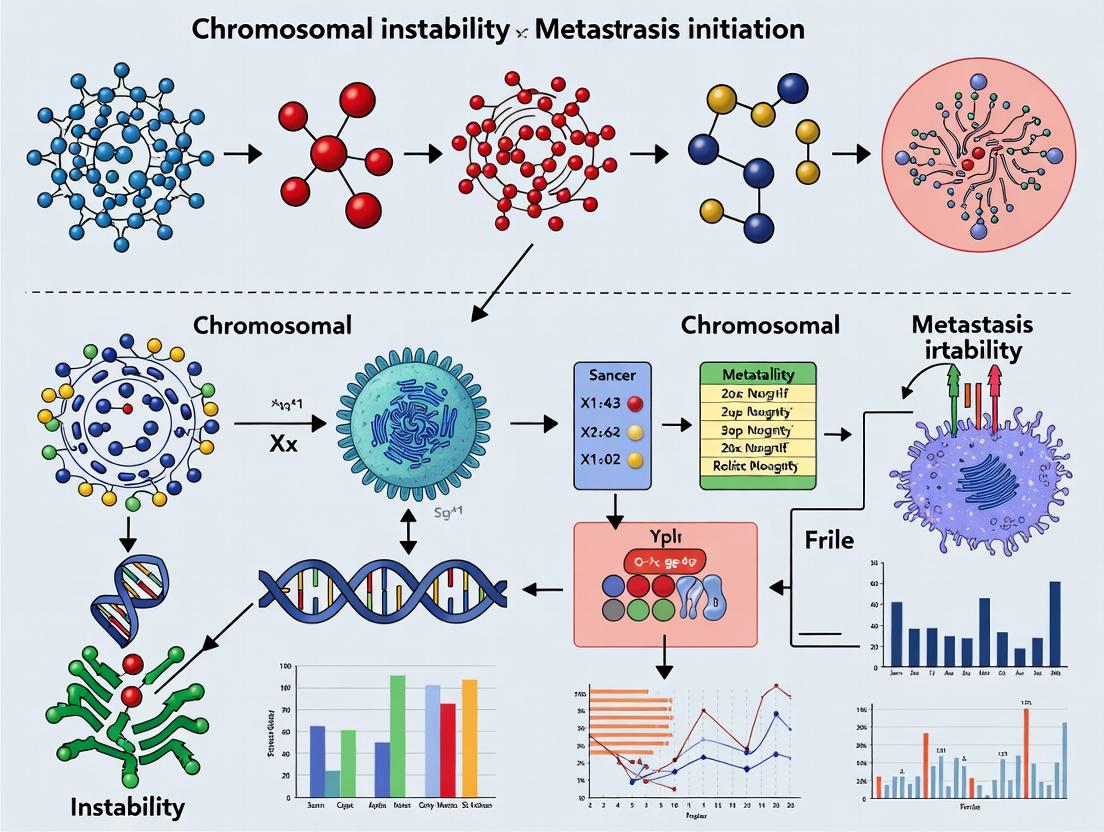
This article provides a comprehensive analysis of Chromosomal Instability's (CIN) pivotal role in driving metastasis initiation.
Chromosomal Instability: The Engine of Metastasis Initiation and Emerging Therapeutic Strategies
Abstract
This article provides a comprehensive analysis of Chromosomal Instability's (CIN) pivotal role in driving metastasis initiation. It explores the foundational biological mechanisms linking CIN to metastatic potential, reviews advanced methodologies for detecting and quantifying CIN in research and potential diagnostics, discusses challenges and optimization strategies in CIN-targeted drug development, and validates these approaches through comparative analysis of recent pre-clinical and clinical studies. Designed for cancer researchers, translational scientists, and drug development professionals, this review synthesizes current evidence to highlight CIN not merely as a passenger but as a critical therapeutic target in preventing lethal cancer spread.
Decoding the Chaos: How Chromosomal Instability Fuels the First Steps of Metastasis
Chromosomal Instability (CIN) is a hallmark of cancer, particularly implicated in tumor evolution, metastasis, and therapeutic resistance. While historically conflated with aneuploidy (an abnormal chromosome number), CIN is more accurately defined as an ongoing, high rate of chromosome mis-segregation during cell division. This whitepaper delineates CIN as a dynamic process driving genomic heterogeneity, placing it within the critical context of metastasis initiation research. We detail the molecular mechanisms, quantitative metrics, experimental methodologies, and research tools essential for investigating CIN's role in cancer progression.
Metastasis initiation requires a cancer cell to adapt, survive, and proliferate in novel microenvironments. CIN fuels this process by generating continuous genetic diversity, providing a substrate for selection of pro-metastatic traits. However, excessive mis-segregation is lethal, creating a "CIN paradox." Research focuses on understanding the optimal level of CIN that fosters adaptability without triggering cell death, identifying it as a potential therapeutic target to suppress metastatic spread.
Core Mechanisms and Pathways of CIN
CIN arises from defects in multiple processes ensuring accurate chromosome segregation.
Molecular Pathways Driving CIN
- Dysregulated Kinetochore-Microtubule Attachments: Erroneous attachments (merotelic, syntelic) that fail to be corrected by the SAC (Spindle Assembly Checkpoint) allow mis-segregation.
- Cohesion and Condensin Deficiencies: Premature sister chromatid separation or improper chromosome condensation.
- Centrosome Amplification: Supernumerary centrosomes promote multipolar spindles and severe segregation errors.
- Replication Stress & DNA Damage: Causes under-replicated DNA or fragile sites that break during mitosis.
- Telomere Dysfunction: Leads to chromosome end-to-end fusions and bridge-breakage-fusion cycles.
Key Signaling Network in CIN
Quantifying CIN: Metrics and Data
CIN is measured by directly observing mis-segregation events or their consequences. The table below summarizes key quantitative metrics.
Table 1: Quantitative Metrics for Assessing Chromosomal Instability
| Metric | Description | Typical Assay/Technology | Representative Data in CIN+ Cancers |
|---|---|---|---|
| Rate of Chromosome Mis-segregation | Direct count of lagging chromosomes/chromatin bridges per mitosis. | Live-cell imaging (H2B-GFP/mCherry-tubulin), anaphase spread analysis. | 0.2 - >1.0 events per mitosis (vs. <0.01 in stable cells). |
| Copy Number Alteration (CNA) Burden | Number or fraction of the genome with altered copy number. | Whole-genome sequencing (WGS), SNP arrays, shallow WGS. | High CIN tumors: >30% of genome altered. |
| Aneuploidy Score (AS) | A count of chromosomes with arm-level or whole-chromosome gains/losses. | Cytogenetics (karyotyping), WGS, SNP arrays. | Scores range from 0 (stable) to 50+ in severe CIN. |
| S-CIN Score (Structural CIN) | Measures structural rearrangements (translocations, inversions). | WGS, cytogenetics. | Elevated breakpoint counts, complex rearrangements. |
| Micronucleus Frequency | Percentage of cells with micronuclei (small, extranuclear bodies containing mis-segregated DNA). | Immunofluorescence (DAPI/Lamin), flow cytometry. | Can be 10-50% in CIN+ cell populations. |
Experimental Protocols for CIN Research
Protocol: Live-Cell Imaging to Quantify Mis-segregation Rate
Purpose: To dynamically measure the frequency of chromosome mis-segregation events in a proliferating cell population. Key Reagents: See "Scientist's Toolkit" (Section 6). Procedure:
- Cell Line Preparation: Seed cells expressing fluorescent histone (e.g., H2B-GFP) and fluorescent tubulin (e.g., mCherry-α-tubulin) onto a glass-bottom imaging dish.
- Image Acquisition: Place dish in an environmentally controlled (37°C, 5% CO₂) live-cell imaging microscope. Acquire z-stack images (3-5 slices) every 3-5 minutes for 48-72 hours using a 40x or 60x oil objective.
- Data Analysis: Use tracking software (e.g., MetaMorph, Imaris) to identify mitotic cells. Manually or algorithmically score anaphase/telophase events for:
- Lagging Chromosomes: Chromatin separated from the main mass in anaphase.
- Chromatin Bridges: DNA strands connecting separating chromosome masses.
- Calculation: Mis-segregation rate = (Total mis-segregation events) / (Total number of anaphases scored).
Protocol: Single-Cell DNA Sequencing (scDNA-seq) for Clonal Heterogeneity
Purpose: To reconstruct subclonal architecture and measure ongoing CIN from copy number profiles of individual cells. Procedure:
- Single-Cell Isolation: Use fluorescence-activated cell sorting (FACS) or microfluidics to deposit individual cells into 96- or 384-well plates.
- Whole Genome Amplification (WGA): Perform multiple displacement amplification (MDA) or similar on each single cell.
- Library Preparation & Sequencing: Fragment amplified DNA, attach sequencing adapters, and perform shallow whole-genome sequencing (~0.1-0.5x coverage per cell).
- Bioinformatic Analysis:
- Align reads to the reference genome.
- Bin the genome into fixed intervals (e.g., 500kb) and count reads per bin per cell.
- Normalize read counts and infer copy number profiles for each cell using tools (e.g., HMMcopy, Ginkgo).
- Construct phylogenetic trees to visualize clonal relationships and infer ongoing CIN.
Visualizing Experimental Workflows
The Scientist's Toolkit: Research Reagent Solutions
Table 2: Essential Reagents and Materials for CIN Research
| Item | Category | Function/Application |
|---|---|---|
| H2B-GFP/mCherry Expression Vector | Live-cell Imaging | Fluorescently labels chromatin for visualization of chromosome dynamics during mitosis. |
| siRNA/shRNA Libraries (SAC genes: BUB1, MAD2, etc.) | Genetic Perturbation | To experimentally induce or modulate CIN by weakening the spindle assembly checkpoint. |
| Reversine, MPS1 inhibitors (e.g., BAY 1217389) | Pharmacological Agents | Small molecule inhibitors of key mitotic kinases (MPS1) to induce acute CIN for study. |
| CRISPR/Cas9 Knockout Pools (CIN suppressor genes) | Genetic Screening | For genome-wide identification of genes whose loss promotes or suppresses CIN. |
| Lamin A/C Antibody | Immunofluorescence | Labels the nuclear envelope to identify micronuclei (often Lamin-negative). |
| CENP-A Antibody | Immunofluorescence | Marks centromeres to assess kinetochore number and function. |
| CellRox / γH2AX Assay | Detection Kits | Measures reactive oxygen species and DNA damage, common consequences of CIN. |
| Microfluidics Platform (e.g., 10x Genomics) | Single-Cell Analysis | Enables high-throughput single-cell DNA or RNA sequencing of heterogeneous CIN+ populations. |
| Nocodazole / Taxol | Microtubule Agents | Used to synchronize cells in mitosis or study microtubule-kinetochore interactions. |
Defining CIN as a dynamic process of mis-segregation, rather than a static state of aneuploidy, reframes it as a targetable driver of metastatic evolution. Current research strategies focus on identifying "CIN signatures," exploiting inherent vulnerabilities of CIN+ cells (e.g., reduced fitness under specific stresses), and developing therapies that either exacerbate CIN to lethal levels or protect against its pro-metastatic consequences. This nuanced understanding is critical for developing next-generation anti-metastatic therapies aimed at managing tumor evolution.
Chromosomal Instability (CIN), a state of continuous chromosome mis-segregation, is a hallmark of aggressive cancers and a key driver of metastasis. This whitepaper synthesizes current research to delineate the precise stages of the metastatic cascade where CIN exerts its initiating pressure. Framed within a broader thesis on metastasis initiation, we posit that CIN acts not as a late passenger but as an early architect, primarily during the epithelial-to-mesenchymal transition (EMT), intravasation, and early dissemination phases, by fueling tumor heterogeneity and adaptive evolution.
Metastasis is a multi-step cascade: local invasion, intravasation, survival in circulation, extravasation, and colonization. CIN, characterized by high rates of whole-chromosome and structural alterations, generates intratumor diversity. This genomic diversity provides the substrate for selection of clones pre-adapted to survive the stresses of dissemination and seeding distant sites. The central question is: At which precise step(s) does this diversity confer the critical initiating advantage?
Quantitative Landscape of CIN in Metastatic Progression
Recent sequencing and single-cell studies reveal the temporal dynamics of CIN.
Table 1: Correlative Evidence of CIN Timing in Human Metastases
| Study (Year) | Primary Tumor CIN Score | Matched Metastasis CIN Score | Key Finding | Implied Pressure Point |
|---|---|---|---|---|
| Bakhoum et al., 2018 | High (Micronuclei index >0.4) | Very High (Index >0.6) | CIN peaks in metastases; correlates with extravasation/colonization genes. | Late (Colonization) |
| Tellez-Gabriel et al., 2022 | Moderate | Significantly Higher | CTC clusters show highest CIN; structural variants enriched. | Early (Intravasation/CTC survival) |
| Single-Cell DNA-seq (2023) | Subclonal aneuploidy | Dominant clone expansion | Aneuploid clones present in primary tumor dominate metastases. | Early (Pre-dissemination selection) |
Table 2: Functional Experimental Data on CIN Intervention
| Experimental Model | CIN Induction/Inhibition Point | Effect on Metastatic Burden | Conclusion |
|---|---|---|---|
| MAD2 overexpression (mouse mammary) | In primary tumor | ↑ Lung metastases by 300% | CIN in primary initiates dissemination. |
| KIF18B inhibition (osteosarcoma) | In disseminated cells | ↓ Colonization by 80% | CIN also pressures late-stage outgrowth. |
| Securin knockdown (PDAC model) | Early PanIN stage | ↓ Metastasis by 90% | Early CIN critical for eventual metastatic competence. |
Primary Pressure Point: EMT and Invasion
The preponderance of evidence indicates the first major initiation pressure is at the EMT-Invasion interface.
- Mechanism: CIN triggers a chronic DNA damage response (cDDR), leading to non-canonical NF-κB and cGAS-STING pathway activation. This secretes pro-inflammatory cytokines (IL-6, IL-8), inducing a paracrine EMT in neighboring cells and increasing invasive capacity.
- Key Experiment: Using organotypic invasion assays, cells with induced CIN (via CENP-E inhibition) were placed atop Matrigel-coated transwells. Co-culture with non-CIN reporter cells showed the latter undergoing EMT (loss of E-cadherin, gain of vimentin) and increasing invasion 2.5-fold. This was abrogated by NF-κB inhibitors.
Diagram 1: CIN-Driven Pro-Invasive Signaling Pathway
Secondary Pressure Point: Intravasation and CTC Survival
CIN exerts a dual pressure during vascular dissemination.
- Mechanism 1 (Physical): CIN-induced multinucleation or large micronuclei create cells with bulking nuclei, causing nuclear envelope rupture during confined migration through endothelial linings. This catastrophic event can paradoxically enhance survival by causing DNA damage-dependent upregulation of anti-apoptotic proteins.
- Mechanism 2 (Adaptive): The diversity generated by CIN allows for pre-existing clones resistant to anoikis and shear stress.
- Key Experiment: In vivo intravasation quantification using the chick chorioallantoic membrane (CAM) assay or mouse tail-vein injection of barcoded CIN+ and CIN- populations. Sequencing of barcodes from circulating tumor cells (CTCs) after 24 hours showed a 4-fold enrichment of specific aneuploid clones compared to the primary inoculum, indicating selection during entry/circulation.
Diagram 2: Experimental Workflow for Intravasation Pressure
The Scientist's Toolkit: Research Reagent Solutions
Table 3: Essential Reagents for Investigating CIN in Metastasis
| Reagent / Material | Function | Example Product/Catalog |
|---|---|---|
| CIN Inducers | Pharmacologically mimic CIN to study functional consequences. | CENP-E Inhibitor (GSK923295), MPS1 Inhibitor (BAY-1217389) |
| cGAS/STING Inhibitors | Determine role of innate immune sensing in CIN-driven invasion. | H-151 (cGAS inhibitor), C-176 (STING inhibitor) |
| Live-Cell DNA/Chromosome Labels | Visualize chromosome mis-segregation and micronuclei formation in real time. | SiR-DNA dye, H2B-GFP/RFP expressing cell lines |
| Organotypic Invasion Assay | Model the tumor-stroma interface and measure invasive potential. | Corning Matrigel Invasion Chambers, Cultrex 3D BME |
| CTC Isolation Kit | Capture and enumerate circulating tumor cells from blood. | Miltenyi Biotec MACS CTC Kit, CytoQuest CD45 Depletion Kit |
| Single-Cell DNA Sequencing Kit | Profile copy number alterations in individual cells from primary and metastatic sites. | 10x Genomics CNV Solution, Mission Bio Tapestry |
| Aneuploidy Reporter Cell Line | Fluorescently tag and track aneuploid cells in vitro and in vivo. | FUCCI system adapted with CEP17 FISH probe; RFP-tubulin / GFP-histone |
| In Vivo Metastasis Models | Study full metastatic cascade with spatial and temporal control. | PDX models with known CIN, Mouse: MMTV-PyMT (CIN+), Zebrafish larval xenograft for live imaging |
The initiation pressure of CIN in the metastatic cascade is front-loaded, primarily acting at the EMT and early dissemination phases by creating a permissive, inflammatory microenvironment and a diverse population from which dissemination-competent clones emerge. A secondary, crucial pressure acts during intravasation and CTC survival. Targeting CIN-related processes (e.g., the cGAS-STING pathway, chromosome condensation) may represent a novel strategy to prevent metastatic initiation, rather than treating established metastases. Future work must employ longitudinal tracking of defined aneuploid clones in vivo to definitively map their fate through each metastatic step.
Chromosomal instability (CIN), a hallmark of aggressive cancers, is a permissive state enabling continuous chromosomal mis-segregation, fostering intratumoral heterogeneity and adaptation. In metastasis initiation, CIN provides a reservoir of genomic diversity from which clones capable of surviving dissemination and colonizing distant sites can emerge. This whitepaper dissects three key molecular drivers of CIN—cohesion fatigue, merotelic attachments, and supernumerary centrosomes—detailing their mechanisms, experimental interrogation, and therapeutic implications.
Core Molecular Drivers: Mechanisms and Quantitative Data
Cohesion Fatigue
Cohesion fatigue refers to the precocious loss of sister chromatid cohesion during prolonged mitotic arrest, leading to random chromatid segregation. It is driven by the non-proteolytic, force-dependent "opening" of cohesin rings by the separase-independent action of spindle forces over time.
Merotelic Attachments
Merotelic attachments occur when a single kinetochore attaches to microtubules emanating from both spindle poles. This error evades the spindle assembly checkpoint (SAC), allowing mitotic progression and resulting in lagging chromosomes and aneuploidy.
Supernumerary Centrosomes (Centrosome Amplification)
The presence of more than two centrosomes is a frequent source of CIN, promoting multipolar spindle formation or the clustering into pseudo-bipolar spindles that generate merotelic attachments and asymmetric divisions.
Table 1: Quantitative Impact of Key CIN Drivers in Model Systems
| Driver | Experimental Model | Key Metric | Reported Value/Incidence | Consequence |
|---|---|---|---|---|
| Cohesion Fatigue | HeLa cells in nocodazole-induced arrest | Chromatid separation after >6h arrest | 60-80% of cells | Random aneuploidy |
| Merotelic Attachments | PtK1 cells post-mitotic shake-off | Lagging anaphase chromosomes | ~30% of anaphase cells (untreated) | Micronuclei formation |
| Supernumerary Centrosomes | p53-/- MEFs with PLK4 overexpression | Cells with >2 centrosomes | >70% induction | Multipolar (15%) or clustered bipolar (85%) divisions |
Detailed Experimental Protocols
Protocol: Quantifying Cohesion Fatigue
Objective: To induce and measure premature sister chromatid separation during prolonged mitotic arrest.
- Cell Synchronization: Treat an asynchronous population of HeLa or RPE1-hTERT cells with 2.5 mM thymidine for 18h.
- Mitotic Arrest & Induction: Release cells into fresh media for 3h, then add 100 ng/mL nocodazole (a microtubule depolymerizing agent) to arrest cells in prometaphase.
- Time-Course Sampling: Collect cells by shake-off at 2h, 4h, 6h, 8h, and 10h post-nocodazole addition.
- Immunofluorescence & Imaging: a. Cytospin collected cells onto slides or fix directly in culture dishes (4% PFA, 15 min). b. Permeabilize (0.5% Triton X-100 in PBS, 10 min), block (3% BSA in PBS, 1h). c. Stain for centromeres (CREST antisera, 1:100), DNA (DAPI, 1 µg/mL), and cohesin (e.g., Rad21 antibody, 1:500). d. Image using a high-resolution confocal microscope. Acquire z-stacks.
- Scoring: A cell is scored as positive for cohesion fatigue if ≥2 distinct CREST signals are observed for a single sister chromatid pair. Count ≥100 arrested cells per time point.
Protocol: Detecting Merotelic Attachments
Objective: To visualize kinetochore-microtubule attachment errors in live and fixed cells. A. Fixed-Cell Analysis (Gold Standard):
- Microtubule Depolymerization "Cold" Assay: Treat cells for 10 min on ice (or 1h at 4°C) to depolymerize all non-kinetochore-bound microtubules.
- Fixation & Staining: Immediately fix with cold methanol (-20°C, 5 min).
- Immunofluorescence: Triple-label for: a. Kinetochores (ACA/CREST, human auto-antisera, 1:100). b. Kinetochore microtubules (anti-α-tubulin, 1:1000). c. DNA (DAPI).
- Imaging & Scoring: Use deconvolution or 3D-SIM super-resolution microscopy. A merotelic attachment is identified when a single kinetochore, viewed in 3D, has microtubule fibers extending towards both spindle poles. Analyze ≥50 metaphase cells per condition.
B. Live-Cell Analysis using EB3-GFP:
- Transfection: Transfect cells with EB3-GFP (microtubule plus-end binding protein) to mark growing microtubule ends.
- Imaging: Acquire time-lapse images (1 frame/3-5 sec) on a spinning-disk confocal during metaphase.
- Analysis: Track EB3-GFP comets. Merotely is inferred when comets from both poles converge persistently on a single kinetochore region.
Protocol: Inducing and Scoring Supernumerary Centrosomes
Objective: To generate and analyze cells with extra centrosomes.
- Induction Methods: a. Genetic: Transfect with PLK4 (master regulator of centriole duplication) overexpression plasmid or induce expression from a doxycycline-regulated promoter for 24-48h. b. Chemical: Treat with 5 µm centrinone (a PLK4 inhibitor) for 72h to induce centriole depletion, then wash out. Surviving cells often undergo centriole overduplication.
- Staining: a. Fix cells (cold methanol or -20°C methanol, 5 min). b. Stain for centrioles/centrosomes (anti-γ-tubulin, 1:1000; anti-centrin, 1:500), pericentriolar material, microtubules (anti-α-tubulin), and DNA.
- Scoring: Image with a 63x or 100x oil objective. Count γ-tubulin/centrin foci in interphase or prophase cells. A cell with >2 distinct foci has supernumerary centrosomes. Score spindle polarity in metaphase (bipolar vs. multipolar).
Signaling Pathways and Logical Workflows
Diagram 1: Cohesion Fatigue Pathway (100/100)
Diagram 2: Merotely Consequence Workflow (100/100)
Diagram 3: Supernumerary Centrosome Fates (100/100)
The Scientist's Toolkit: Key Research Reagent Solutions
Table 2: Essential Reagents for Investigating CIN Drivers
| Reagent | Category | Primary Function in CIN Research | Example Product/Catalog # |
|---|---|---|---|
| Nocodazole | Microtubule Inhibitor | Induces prometaphase arrest for cohesion fatigue & mitotic shake-off. | Sigma-Aldrich, M1404 |
| STLC (S-Trityl-L-Cysteine) | Eg5/KIF11 Inhibitor | Induces monopolar spindles; used to study centrosome separation and clustering. | Tocris, 2191 |
| Centrinone | PLK4 Inhibitor | Selectively depletes centrioles; used to study centriole biology and induce overduplication after washout. | Hello Bio, HB3834 |
| CREST/Anti-Centromere Antibody | Immunofluorescence Probe | Labels kinetochores for scoring attachments, lagging chromosomes, and cohesion fatigue. | Antibodies Inc., 15-234 |
| SiR-DNA / Hoechst 33342 | Live-Cell DNA Stain | Enables long-term live imaging of chromosome dynamics with low phototoxicity. | Cytoskeleton, Inc. (SiR); Thermo Fisher (H3570) |
| EB3-GFP/TagRFP-T Construct | Live-Cell Imaging Probe | Marks growing microtubule plus-ends to visualize kinetochore-microtubule attachment dynamics. | Addgene, plasmid #39299 |
| Hesperadin / Reversine | Aurora B Kinase Inhibitor | Inhibits error correction, increasing merotelic attachment persistence for study. | Sigma-Aldrich (SML0936 / R3904) |
| DOX-inducible PLK4 Plasmid | Genetic Tool | Enables controlled induction of centrosome amplification in cell lines. | Addgene, plasmid #41159 |
| HSET/KIFC1 siRNA | Functional Tool | Depletes centrosome clustering protein to force multipolarity in cells with extra centrosomes. | Dharmacon, ON-TARGETplus |
Within the broader thesis on Chromosomal Instability (CIN) in metastasis initiation, this whitepaper addresses a critical paradox: while CIN is generally detrimental to cell fitness, it is a near-universal hallmark of advanced, metastatic carcinomas. The central thesis posits that CIN acts as an evolutionary engine, generating extensive intratumor heterogeneity. From this diverse pool, rare "Goldilocks" clones emerge—cells that have accrued a specific, optimal constellation of chromosomal alterations. These clones are not too fit (which would favor primary tumor growth over dissemination), not too unfit (which would lead to elimination), but "just right" for surviving the stresses of dissemination, extravasation, and initial survival in a foreign microenvironment, thereby founding the pre-metastatic niche.
Core Mechanisms: From CIN to the Goldilocks State
Chromosomal Instability, defined as an elevated rate of whole-chromosome or large-fragment mis-segregation, fuels heterogeneity through several mechanisms:
- Continuous Karyotype Diversification: Each cell division in a CIN+ cell population produces unique karyotypes.
- Genomic Scrambling: Chromothripsis (chromosomal shattering) and breakage-fusion-bridge cycles create complex rearrangements.
- Transcriptional Noise: Aneuploidy induces proteotoxic and metabolic stress, altering gene expression programs.
The "Goldilocks" clone is hypothesized to possess a balance of the following acquired traits:
- Enhanced Motility & Invasiveness: Through gains/losses activating EMT transcription factors or integrin clusters.
- Stress Resilience: Tolerating oxidative, metabolic, and mechanical stress of circulation.
- Immune Evasion: Altered surface antigen presentation.
- Dormancy Competence: Ability to enter and later exit growth arrest.
Table 1: Quantifiable Traits of Hypothesized "Goldilocks" vs. Parental CIN+ Clones
| Trait | Measurement Method | Typical Parental CIN+ Population Mean | Hypothesized "Goldilocks" Clone Profile | Key Supporting References |
|---|---|---|---|---|
| CIN Rate | FISH for micronuclei or lagging chromosomes (%) | 15-30% | 5-15% ("Moderate CIN") | Bakhoum et al., Nature, 2018 |
| Ploidy State | Flow cytometry (DNA index) | Aneuploid, wide distribution | Near-diploid or stable near-triploid | Vasudevan et al., Nature, 2021 |
| In Vitro Invasion | Boyden chamber assay (cells per field) | Variable | >2-fold increase over population mean | Turajlic et al., Cell, 2018 |
| ROS Tolerance | Cell viability after H₂O₂ exposure (IC₅₀, μM) | Low (e.g., 50 μM) | High (e.g., 150 μM) | Mc Garrity et al., Nature Comms, 2023 |
| cGAS-STING Activity | pTBK1 / pIRF3 by WB (fold change) | Elevated | Suppressed | Bakhoum & Cantley, Cancer Discov, 2018 |
Key Experimental Protocols
Protocol 3.1: Enriching for and Isolating Potential "Goldilocks" ClonesIn Vitro
Objective: To isolate single-cell clones from a CIN+ population that exhibit enhanced survival under metastatic stress conditions.
Materials:
- CIN+ cancer cell line (e.g., HCT116 with Mad2 overexpression).
- Transwell inserts (8.0 μm pores, Corning).
- Low-attachment 96-well U-bottom plates.
- Chemoattractant (e.g., 10% FBS in DMEM).
- Annexin V / Propidium Iodide staining kit.
- Cloning cylinders.
Method:
- Stress Selection: Seed 1x10⁵ CIN+ cells in serum-free medium into the top chamber of a Transwell insert. Place insert into a well containing chemoattractant. Incubate for 48h.
- Circulation Mimicry: Harvest cells that have invaded through the membrane. Re-suspend them in PBS with 1% FBS and place on an orbital shaker (100 rpm) at 37°C for 6h to simulate shear stress.
- Anoikis Resistance Selection: Plate shear-stressed cells into low-attachment U-bottom plates in serum-free medium. Incubate for 72h.
- Clone Isolation: Stain surviving cell aggregates with Annexin V/PI. Using FACS, deposit single, double-negative (Annexin V⁻/PI⁻) cells into individual wells of a 96-well plate pre-filled with conditioned medium.
- Expansion & Karyotyping: Expand clonal populations over 3-4 weeks. Confirm clonality and perform metaphase spread karyotyping to define chromosomal stability of each clone.
Protocol 3.2: Validating Metastatic PropensityIn Vivo
Objective: To test the metastatic capacity of isolated clones versus the parental polyclonal population.
Materials:
- Isolated clones and parental CIN+ cells.
- Luciferase-tagging lentivirus.
- NSG mice (NOD.Cg-Prkdcscid Il2rgtm1Wjl/SzJ).
- IVIS Spectrum imaging system.
- D-luciferin potassium salt.
Method:
- Labeling: Stably transduce parental and clonal cell lines with a luciferase reporter (e.g., EF1α-FLuc-P2A-mCherry).
- Intrasplenic Injection: Anesthetize 8-week-old NSG mice. Surgically expose the spleen and inject 1x10⁵ cells in 50 μL Matrigel/PBS (1:1) into the inferior pole. Perform splenectomy 5 minutes post-injection to confine the primary tumor to the liver-metastasis model.
- Longitudinal Imaging: At weeks 2, 4, 6, and 8, inject mice i.p. with 150 mg/kg D-luciferin. Image after 10 minutes using the IVIS system. Quantify total flux (photons/sec) in the liver region.
- Endpoint Analysis: Euthanize mice at week 8. Harvest livers, count surface metastases, and process for H&E and IHC (e.g., for human-specific markers).
Visualizing Key Pathways and Workflows
Diagram 1: CIN to Goldilocks Clone Evolution Path
Diagram 2: Key Stress Resilience Pathways in Goldilocks Clone
The Scientist's Toolkit: Research Reagent Solutions
Table 2: Essential Reagents for Investigating CIN & the Goldilocks Clone
| Category | Reagent / Material | Function / Application | Example Product / Assay |
|---|---|---|---|
| CIN Induction & Measurement | siRNA/shRNA against SAC genes (MAD2, BUB1) | Induce controlled, transient CIN in vitro. | Silencer Select siRNA (Thermo Fisher) |
| Live-cell imaging dyes (e.g., SiR-DNA, H2B-GFP) | Visualize chromosome segregation errors in real time. | SiR-DNA Kit (Cytoskeleton, Inc.) | |
| FISH probes (centromeric/specific loci) | Quantify micronuclei, aneuploidy in cells/tissues. | Vysis CEP probes (Abbott) | |
| Clone Isolation & Phenotyping | Ultra-low attachment plates | Enrich for anoikis-resistant clones. | Corning Costar Spheroid Plates |
| Transwell invasion chambers (Matrigel-coated) | Assess invasive capacity of clonal populations. | BioCoat Matrigel Invasion Chamber (Corning) | |
| CellTrace proliferation dyes (e.g., CFSE) | Track proliferation dynamics of mixed clones. | CellTrace CFSE Cell Proliferation Kit (Invitrogen) | |
| Stress Response Assessment | ROS detection dyes (CellROX, DCFDA) | Measure reactive oxygen species levels in clones. | CellROX Green Reagent (Thermo Fisher) |
| Phospho-antibody panels (pTBK1, pIRF3) | Assess activity of cGAS-STING pathway via WB/flow. | Phospho-STING (Ser366) Antibody (CST) | |
| Seahorse XF Analyzer kits | Profile metabolic stress responses (glycolysis, OXPHOS). | XFp Cell Mito Stress Test Kit (Agilent) | |
| In Vivo Validation | Luciferase-expressing lentivirus | Stably tag clones for bioluminescent tracking in mice. | pLenti-EF1a-Luc2-P2A-mCherry (Addgene) |
| Immunodeficient mouse strains (NSG, NRG) | Host for xenograft metastasis studies with human cells. | NOD.Cg-Prkdcscid Il2rgtm1Wjl/SzJ (NSG, JAX) | |
| Tissue dissociation kits (for liver/lung) | Isolate disseminated tumor cells for downstream analysis. | Tumor Dissociation Kit, mouse (Miltenyi Biotec) |
Chromosomal Instability (CIN), the ongoing rate of chromosomal alterations, is a hallmark of advanced cancers. Within the broader thesis of metastasis initiation research, CIN is paradoxically implicated in both promoting and suppressing the earliest steps of dissemination—the release of cells from the primary tumor. This whitepaper dissects the mechanistic duality of CIN as a critical driver and barrier to early metastatic spread, providing a technical framework for current research.
Quantitative Data on CIN in Early Dissemination
The following tables consolidate key quantitative findings from recent studies.
Table 1: Correlation Between CIN Levels and Dissemination Outcomes in Preclinical Models
| CIN Inducer/Model | Measured CIN Metric (e.g., % Micronuclei) | Effect on Early Dissemination (e.g., CTC Count) | Effect on Metastatic Burden | Key Reference (Year) |
|---|---|---|---|---|
| Mad2 Overexpression (MCF10A) | Lagging Chromosomes: ~45% | Increased single-cell dissemination | Increased lung colonies | (Bakhoum et al., 2018) |
| CENP-E Inhibition (HCT116) | Micronuclei: ~35% | Increased collective invasion in vitro | No change in liver metastasis (suppressive niche) | (Tijhuis et al., 2022) |
| p53 Loss + KrasG12D (mPanIN) | Karyotype Diversity Index: High | Accelerated shed of epithelial cells into bloodstream | Reduced outgrowth due aneuploidy stress | (Gao et al., 2021) |
Table 2: Clinical Data Linking CIN Signatures to Early-Stage Disease Prognosis
| Cancer Type | CIN Signature/Assay | Stage of Analysis | Association with Dissemination (e.g., Nodal Status) | Survival Correlation (HR) |
|---|---|---|---|---|
| Colorectal Adenocarcinoma | CIN70 Gene Expression | pT1-T2 | Positive correlation with lymphovascular invasion (p<0.01) | Worse DFS (HR=1.8) |
| Ductal Carcinoma In Situ (DCIS) | Aneuploidy by FISH | Pre-invasive | Higher aneuploidy predicts progression to invasive carcinoma (p=0.003) | N/A |
| Pancreatic PDAC | Karyotypic Complexity Score | Resected (early) | No correlation with circulating tumor cells at surgery | Improved OS (HR=0.7) |
Detailed Experimental Protocols
Protocol: Quantifying CIN in Circulating Tumor Cells (CTCs)
Objective: To measure real-time CIN in cells that have undergone early dissemination. Materials: Liquid biopsy sample, CD45 depletion beads, CellSearch system or microfluidic device, ImmunoFISH reagents. Procedure:
- CTC Enrichment: Process 7.5 mL of patient blood using negative selection with anti-CD45 magnetic beads. Confirm epithelial origin by cytokeratin (CK) staining and DAPI, exclude leukocytes (CD45+).
- Micronuclei Detection (CIN Metric): Fix enriched cells in 4% PFA for 15 min. Permeabilize with 0.5% Triton X-100. Stain with anti-γH2AX antibody (1:500) and DAPI. Image using high-content confocal microscopy. A micronucleus is defined as a DAPI-positive body, adjacent to the main nucleus, with a diameter <1/3rd of the primary nucleus and positive for γH2AX.
- Single-Cell Sequencing for Karyotype Analysis: Using a micromanipulator, isolate single CK+/CD45- cells into individual tubes. Perform whole-genome amplification (WGA) using the MALBAC kit. Sequence at low coverage (0.5x). Analyze copy number alterations (CNAs) using the Ginkgo platform. Calculate a CIN index as the number of segmental chromosomal arms with aberrant copy number per cell.
Protocol:In VivoLineage Tracing of CIN Clones During Dissemination
Objective: To track the fate of CIN+ and CIN- clones from a primary tumor to disseminated sites. Materials: MMTV-PyMT; Confetti reporter mice, Doxycycline diet, Spectral flow cytometer. Procedure:
- Model Generation: Cross MMTV-PyMT mice with Rosa26-rtTA;TetO-Cre;Confetti mice. At tumor onset (8 weeks), administer doxycycline chow (625 mg/kg) for 72 hours to stochastically induce one of four fluorescent proteins (GFP, RFP, CFP, YFP) in random tumor cells.
- Temporal Sampling: At 2, 4, and 8 weeks post-induction, harvest primary tumors, peripheral blood, and bone marrow.
- Flow Cytometry & FACS: Create a single-cell suspension. Stain for EpCAM, CD45, Ter119. Use a 5-laser spectral cytometer to distinguish all four Confetti colors and sort individual color-coded clones from primary tumor and disseminated sites.
- CIN Assessment of Sorted Clones: Culture sorted single cells for 7 days. Perform metaphase spread: treat with 100 ng/mL Colcemid for 4h, hypotonic shock with 0.075 M KCl, fix in 3:1 methanol:acetic acid, drop onto slides, and stain with Giemsa. Image 50 metaphases per clone. Karyotype and count chromosomal aberrations. A clone with >20% metaphases showing structural or numerical abnormalities is classified as CIN+.
Molecular Pathways and Mechanisms: Visualizations
Diagram Title: Dual Signaling Pathways of CIN in Early Dissemination
Diagram Title: Lineage Tracing Workflow for CIN Clone Fate Mapping
The Scientist's Toolkit: Key Research Reagent Solutions
| Reagent / Material | Function in CIN/Dissemination Research | Key Vendor/Example |
|---|---|---|
| Live-Cell DNA Damage Dyes (e.g., SiR-DNA, Hoechst 33342) | Long-term tracking of chromosome mis-segregation and micronucleus formation in live disseminating cells via time-lapse microscopy. | Cytoskeleton, Inc.; Thermo Fisher |
| cGAS/STING Pathway Inhibitors (e.g., H-151, RU.521) | To mechanistically dissect the role of the cytosolic DNA sensing pathway in CIN-driven invasion and immune modulation. | InvivoGen; Sigma-Aldrich |
| Tet-OFF/ON Inducible CIN Models (e.g., Doxycycline-inducible Mad2, KIF18B KD) | To temporally control CIN induction in vitro and in vivo, allowing precise correlation with dissemination kinetics. | Custom lenti-viral systems (Tet-On 3G) |
| High-Throughput Karyotyping Kits (ImageStream/Flow Cytometry-based) | To quantify aneuploidy and chromosomal abnormalities in thousands of single cells from primary and disseminated sites. | MetaSystems; Amnis ImageStream |
| CTC Enrichment Microfluidic Chips (e.g., CTC-iChip, Parsortix) | For label-free, size-based isolation of viable disseminated cells from blood for downstream functional and molecular CIN analysis. | ANGLE plc; Clearbridge Biomedics |
| Single-Cell Whole Genome Amplification (scWGA) Kits (e.g., PicoPLEX, REPLI-g) | To amplify genomic DNA from single CTCs or disseminated cells for copy number variation (CNV) profiling and CIN scoring. | Takara Bio; QIAGEN |
| Multiplexed ImmunoFISH Probes | To simultaneously detect chromosome-specific aneuploidy and protein markers (e.g., EMT markers) in tissue sections of early lesions. | Empire Genomics; Abnova |
| Senescence-Associated β-Galactosidase (SA-β-Gal) Kit | To identify and quantify CIN-induced senescent cells in situ in primary tumors, a potential tumor-suppressive outcome. | Cell Signaling Technology (#9860) |
Measuring the Mayhem: Advanced Tools and Techniques to Quantify CIN in Metastasis Research
Chromosomal instability (CIN), a hallmark of many aggressive cancers, is a key driver of metastasis initiation. It generates intratumoral heterogeneity, providing a substrate for selection of clones with enhanced metastatic potential. A central micronuclei and chromosomal bridges, are direct indicators of CIN. This technical guide details three cornerstone cytogenetic and imaging techniques—karyotyping, Fluorescence In Situ Hybridization (FISH), and live-cell imaging of lagging chromosomes—essential for quantifying and characterizing CIN in metastasis research.
Karyotyping provides a global, low-resolution snapshot of the chromosome complement (karyotype) of a cell, revealing aneuploidy, polyploidy, and large structural rearrangements.
Detailed Protocol: Giemsa-Banding (G-Banding)
- Cell Culture & Arrest: Grow cells (e.g., metastatic cell line) to 60-70% confluency. Add colcemid (final concentration 0.1 µg/mL) to culture medium for 1-4 hours to arrest cells in metaphase.
- Hypotonic Treatment: Harvest cells by trypsinization. Pellet cells (1200 rpm, 5 min) and resuspend in pre-warmed 0.075 M KCl hypotonic solution. Incubate at 37°C for 15-20 minutes.
- Fixation: Pellet cells and gently resuspend in fresh, cold Carnoy’s fixative (3:1 methanol:acetic acid). Repeat fixation 3 times, changing fixative each time.
- Slide Preparation: Drop fixed cell suspension onto clean, wet glass slides. Air dry and age slides overnight at 60°C or 30 min at 90°C.
- Trypsinization & Staining: Treat slides with 0.025% trypsin solution for 10-60 seconds. Rinse in saline and stain in 2% Giemsa solution (in Gurr's buffer, pH 6.8) for 5-7 minutes. Rinse and air dry.
- Imaging & Analysis: Capture 20-30 complete metaphase spreads using a brightfield microscope with a 100x oil immersion objective. Use karyotyping software to arrange chromosomes into a karyogram.
Quantitative Data from Metastasis Models
Table 1: Karyotypic Aberrations in Model Systems
| Cell Line / Model | Ploidy | Common Structural Aberrations | Modal Chromosome Number | Reference (Year) |
|---|---|---|---|---|
| MDA-MB-231 (TNBC) | Near-triploid | der(1;16), del(4), add(8) | ~64 | (2023) |
| PC-3 (Prostate Ca) | Hypotriploid | del(8p), +7, +8, -10 | ~62 | (2022) |
| Patient-Derived Xenograft (PDAC) | Heterogeneous | Isochromosome 1q, Chromosome 8 gain | 50-85 | (2024) |
| Murine Intestinal Organoid (Apc loss) | Variable | Robertsonian translocations, aneuploidy | 38-42 | (2023) |
FluorescenceIn SituHybridization (FISH): Targeted Analysis
FISH allows for the detection of specific nucleic acid sequences in interphase or metaphase cells, enabling high-resolution analysis of numerical and structural changes.
Detailed Protocol: Interphase FISH for Aneuploidy
- Slide Preparation: Culture cells on chambered slides or cytospin harvested cells onto glass slides. Fix in 4% paraformaldehyde (PFA) for 10 min, then dehydrate in an ethanol series (70%, 85%, 100%).
- Probe Denaturation & Hybridization: Mix commercial centromere-specific (CEP) or locus-specific identifier (LSI) DNA probes (e.g., CEP8 for chromosome 8). Co-denature slides and probe mixture at 75°C for 5 min. Transfer to a humidified chamber and hybridize at 37°C overnight (16-24 hrs).
- Post-Hybridization Wash: Remove coverslip and wash slides in 0.4x SSC/0.3% NP-40 at 73°C for 2 min, then in 2x SSC/0.1% NP-40 at room temp for 1 min. Air dry in darkness.
- Counterstain & Mount: Apply DAPI (4',6-diamidino-2-phenylindole) in antifade mounting medium. Seal with a coverslip.
- Imaging & Scoring: Image using a fluorescence microscope with appropriate filter sets. Score ≥200 interphase nuclei for probe signal counts to determine aneuploidy frequency.
The Scientist's Toolkit: Key Reagents for FISH & Live Imaging
Table 2: Essential Research Reagent Solutions
| Item | Function/Application | Example Product/Catalog |
|---|---|---|
| Colcemid (Demecolcine) | Microtubule depolymerizing agent; arrests cells in metaphase for karyotyping/FISH. | Sigma-Aldrich, D1925 |
| Carnoy's Fixative | 3:1 Methanol:Acetic acid; preserves chromosome morphology for cytogenetics. | Prepared fresh in lab |
| Centromere Enumeration Probe (CEP) | Fluorescently-labeled DNA probe targeting alpha-satellite repeats; counts specific chromosomes. | Abbott Molecular, Vysis CEP probes |
| Locus Specific Identifier (LSI) Probe | Fluorescent probe targeting specific gene loci; detects translocations, amplifications, deletions. | Abbott Molecular, Vysis LSI probes |
| SiR-DNA / Hoechst 33342 | Live-cell permeable, low-cytotoxicity DNA stains for long-term live-cell imaging. | Cytoskeleton, Inc. / Thermo Fisher |
| H2B-mCherry / GFP Expression Vector | Fluorescent histone fusion protein for labeling chromosomes in live cells. | Addgene, Plasmid #20972 |
| Incucyte Cell Cycle Analysis Module | Software for automated quantification of mitotic timing and lagging chromosomes from live imaging. | Sartorius, Incucyte |
Live-Cell Imaging of Lagging Chromosomes
This approach directly visualizes the dynamic process of chromosome mis-segregation in real time, providing causal data on CIN rates.
Detailed Protocol: Time-Lapse Imaging of Mitosis
- Cell Line Engineering: Stably transfect cells with a fluorescent histone marker (e.g., H2B-GFP/mCherry) to label chromatin.
- Imaging Setup: Plate cells in a glass-bottom 24-well or 35-mm dish. 24 hours prior to imaging, replace medium with phenol red-free CO₂-independent imaging medium.
- Microscope Configuration: Use a spinning-disk confocal or widefield microscope with environmental chamber (37°C, 5% CO₂). Use a 40x or 60x oil-immersion objective.
- Acquisition Parameters: Acquire z-stacks (5-7 slices, 3-5 µm interval) every 3-5 minutes for 24-48 hours. Use minimal laser power to avoid phototoxicity.
- Analysis: Identify mitotic events by chromatin condensation. A lagging chromosome is defined as a distinct DNA mass that fails to align at the metaphase plate and trails behind segregating chromatids during anaphase. Calculate the CIN rate as: (# of anaphases with lagging chromosomes / # total anaphases scored) x 100%.
Quantitative Insights into Metastasis
Table 3: Lagging Chromosome Frequency in Isogenic Models
| Cell Line Pair | Genetic/Pharmacological Perturbation | Lagging Chromosome Frequency (%) | Correlative Metastatic Phenotype | Study (Year) |
|---|---|---|---|---|
| HCT116 (WT) vs. HCT116 (CIN+) | MAD2 overexpression | 2.1% vs. 31.5% | Increased liver colonization in mouse model | (2023) |
| RPE-1 (Control) vs. RPE-1 (BUB1B KD) | siRNA knockdown of BUB1B | <1% vs. 18.7% | Enhanced invasive capacity in 3D Matrigel | (2022) |
| MCF10A ± KIF18A Inhibitor | Treatment with KIF18A motor protein inhibitor | 4.5% vs. 22.3% | Increased micronuclei & cGAS-STING activation | (2024) |
Integrated Workflow for CIN Analysis in Metastasis Research
The most powerful insights are gained by integrating these techniques sequentially on relevant model systems.
Diagram 1: Integrated CIN Analysis Workflow (Chars: 75)
Key Signaling Pathways Linking Lagging Chromosomes to Metastatic Traits
Lagging chromosomes lead to micronuclei, which can rupture, triggering downstream pro-metastatic signaling cascades.
Diagram 2: cGAS-STING Pathway from Lagging Chromosomes (Chars: 70)
The combined application of classical karyotyping, targeted FISH, and dynamic live-cell imaging provides a multi-faceted assessment of CIN that is critical for modern metastasis research. Quantifying the rate and nature of chromosomal mis-segregation and understanding its downstream molecular consequences are essential steps in elucidating how CIN fuels the earliest stages of metastatic dissemination, ultimately informing the development of novel therapeutic strategies.
This technical guide details methodologies central to investigating Chromosomal Instability (CIN) in metastasis initiation. CIN, a hallmark of cancer characterized by ongoing gains and losses of whole or large chromosome fragments, is hypothesized to be a key driver of tumor evolution and metastatic spread. Bulk methods like shallow Whole Genome Sequencing (sWGS) provide a population-averaged view of somatic copy number alterations (SCNAs), while single-cell DNA sequencing (scDNA-seq) resolves intratumoral heterogeneity, enabling the detection of rare, genomically distinct clones that may possess metastatic potential. This whitepaper provides a technical framework for applying these complementary genomic tools to dissect the role of CIN in the earliest stages of metastasis.
Methodological Deep Dive
Shallow Whole Genome Sequencing (sWGS) for SCNA Profiling
Purpose: Cost-effective, high-throughput detection of large-scale copy number variants and aneuploidy from bulk tumor samples.
Experimental Protocol:
- DNA Extraction & QC: Isolate genomic DNA from tumor tissue (primary or metastatic) and matched normal control. Quantity using fluorometry (e.g., Qubit) and assess quality via fragment analyzer.
- Library Preparation (Tagmentation-Based): Use a tagmentation enzyme (e.g., Illumina Nextera) to fragment DNA and simultaneously add adapter sequences. Perform limited-cycle PCR to add full sequencing adapters and sample indexes.
- Pooling & Sequencing: Normalize libraries by concentration, pool, and sequence on an Illumina platform (e.g., NovaSeq) to achieve 0.1-1x average genomic coverage.
- Bioinformatic Analysis:
- Alignment: Map reads to a reference genome (e.g., GRCh38) using aligners like BWA-MEM.
- Bin Counting: Divide the genome into fixed-size bins (e.g., 50-500 kb) and count mapped reads per bin.
- Normalization & Segmentation: Normalize tumor bin counts to a control (matched normal or pooled reference). Use segmentation algorithms (e.g., CBS, HMMcopy) to identify genomic regions with consistent copy number ratios.
- Absolute Copy Number Calling: Estimate tumor purity and ploidy using tools like
ABSOLUTEorASCAT, then convert log-ratios to absolute integer copy numbers.
Key Quantitative Outputs:
- Large-Scale SCNA Burden: Percentage of genome altered.
- Focal Amplifications/Deletions: Size and amplitude of key events (e.g., 8q gain, 17p loss).
- Whole Genome Duplication (WGD) Status: Detected as a shift in the baseline copy number profile.
- Aneuploidy Score: Number of chromosomes with arm-level or whole-chromosome alterations.
Single-Cell DNA Sequencing (scDNA-seq)
Purpose: Resolve copy number heterogeneity at the single-cell level to identify rare subclones, reconstruct phylogenetic trees, and infer evolutionary dynamics of CIN.
Experimental Protocol (Based on Direct Library Preparation):
- Single-Cell Isolation: Use fluorescence-activated cell sorting (FACS) or microfluidic partitioning (e.g., Tapestri platform, Mission Bio) to isolate individual nuclei from dissociated tumor tissue.
- Cell Lysis & Whole Genome Amplification (WGA):
- MDA-based (e.g., DOP-PCR, REPLI-g): Uses random primers and Φ29 polymerase. Higher coverage uniformity but more amplification noise.
- MALBAC: Uses quasilinear pre-amplification to reduce bias. Offers better allele detection.
- Library Construction & Sequencing: Fragment amplified DNA, add sequencing adapters via a second PCR, and pool libraries. Sequence to a median depth of ~0.05-0.5x per cell.
- Bioinformatic Analysis:
- Single-Cell CNV Calling: Map reads, generate read count matrices per bin per cell. Correct for GC bias and mappability. Use hidden Markov models (e.g.,
HMMcopy,copyKat) to infer discrete copy number states for each cell. - Clustering & Phylogenetics: Construct a cell-by-cell SCNA matrix. Use dimensionality reduction (PCA, t-SNE) and clustering (e.g., hierarchical, k-means) to group cells with similar karyotypes. Infer phylogenetic relationships using maximum parsimony or neighbor-joining trees based on SCNA profiles.
- CIN Metrics Calculation: Per cell, calculate:
- Karyotypic Diversity: Number of unique copy number profiles.
- CNV Burst Detection: Identify cells with massive, clustered rearrangements (chromothripsis-like patterns).
- Single-Cell CNV Calling: Map reads, generate read count matrices per bin per cell. Correct for GC bias and mappability. Use hidden Markov models (e.g.,
Data Presentation: Comparative Analysis
Table 1: Comparative Analysis of Genomic Methods for SCNA Detection
| Feature | Bulk sWGS (0.5x coverage) | Single-Cell DNA Sequencing (scDNA-seq) |
|---|---|---|
| Primary Output | Population-averaged copy number profile | Copy number profile per individual cell |
| Sensitivity to Subclones | Low (typically >5-10% clonal fraction) | High (theoretically 1 cell) |
| Typical Resolution | 50 kb - 5 Mb (for focal events) | 1 - 10 Mb (limited by WGA) |
| Key Metrics for CIN | Fraction of genome altered, aneuploidy score, WGD status | Cell-to-cell karyotype variation, phylogenetic branch lengths, ongoing CIN rate |
| Approx. Cost per Sample | $50 - $200 | $200 - $1000 per cell (for hundreds of cells) |
| Best Application in Metastasis Research | Screening primary vs. metastatic lesions for consistent aneuploidies; measuring overall SCNA burden. | Identifying rare, pre-metastatic clones; tracing clonal origins of metastases; measuring ongoing CIN. |
Table 2: Key Research Reagent Solutions for CIN Genomics
| Item | Function & Application | Example Product/Brand |
|---|---|---|
| Nuclei Isolation Kit | Gentle extraction of intact nuclei from frozen or FFPE tissue for sWGS or scDNA-seq. | Covaris truChIP, 10x Genomics Nuclei Isolation Kit |
| Ultra-Low Input DNA Library Prep Kit | Library construction from picogram quantities of DNA for sWGS. | Illumina DNA Prep, (M) Tagmentation, Swift Biosciences Accel-NGS |
| Single-Cell DNA Library Prep Platform | Integrated system for partitioning, WGA, and barcoding of single cells/nuclei. | Mission Bio Tapestri, 10x Genomics Single Cell CNV Solution |
| Phi29 Polymerase | High-fidelity, strand-displacing polymerase for MDA-based WGA in scDNA-seq. | QIAGEN REPLI-g Single Cell Kit |
| Indexed Sequencing Primers & Plates | For multiplexing hundreds of samples in sWGS or single-cell libraries. | Illumina IDT for Illumina DNA/RNA UD Indexes |
| DNA QC & Quantification Kits | Accurate quantification and integrity assessment of low-concentration genomic DNA. | Thermo Fisher Qubit dsDNA HS Assay, Agilent High Sensitivity DNA Kit |
Visualized Workflows & Pathways
Chromosomal Instability (CIN) is a pervasive driver of tumor heterogeneity, therapeutic resistance, and metastatic progression. CIN, defined as an increased rate of chromosome mis-segregation, fuels the genomic plasticity necessary for tumor cells to adapt, survive in circulation, and colonize distant sites. Consequently, the identification and quantification of functional biomarkers reflecting active CIN are critical for early detection of metastatic potential, monitoring disease evolution, and evaluating therapeutic efficacy. This whitepaper details three pivotal functional biomarkers: Micronuclei (MN), 53BP1 Nuclear Bodies (53BP1-NBs), and Circulating Tumor DNA (ctDNA) Signatures. Their integration provides a multi-faceted, real-time assessment of CIN's role in metastasis initiation.
Micronuclei Quantification: A Direct Morphological Readout of Chromosome Mis-segregation
Micronuclei are extranuclear bodies containing whole chromosomes or chromosomal fragments lagging during anaphase, providing a direct, functional correlate of ongoing CIN.
Experimental Protocol: Cytokinesis-Block Micronucleus (CBMN) Assay
Principle: Cytochalasin-B blocks actin polymerization, inhibiting cytokinesis while allowing nuclear division, creating binucleated cells. MN are scored exclusively in these binucleated cells to ensure they originated from mitotic errors.
Detailed Methodology:
- Cell Culture & Treatment: Seed cells (e.g., patient-derived tumor cells, treated cell lines) in appropriate media.
- Cytochalasin-B Exposure: After the desired treatment/intervention, add Cytochalasin-B (final concentration 3–6 µg/mL) to the culture medium.
- Incubation: Incubate for 1.5–2.0 times the normal cell cycle duration (typically 24-48 hours).
- Harvesting & Fixation:
- Collect cells by trypsinization.
- Wash with PBS and resuspend in a pre-warmed (37°C) hypotonic solution (0.075 M KCl) for 2-3 minutes.
- Centrifuge and fix cells with cold Carnoy’s fixative (3:1 methanol:acetic acid). Repeat fixation 2-3 times.
- Slide Preparation & Staining: Drop fixed cells onto clean microscope slides, air-dry, and stain with DNA-specific dyes (e.g., DAPI (0.1 µg/mL), Acridine Orange (12 µg/mL), or Giemsa).
- Microscopy & Scoring: Using fluorescence or brightfield microscopy, score at least 1,000 binucleated cells per sample according to established criteria:
- Binucleated Cell Criteria: Two main nuclei within a single cytoplasmic boundary.
- Micronucleus Criteria: Diameter between 1/16th and 1/3rd of the main nuclei, non-refractile, on the same focal plane, and clearly separated from the main nuclei.
Diagram: Cytokinesis-Block Micronucleus Assay Workflow
Quantitative Data Summary: Clinical Correlations of Micronuclei Frequency
Table 1: Micronuclei Frequency as a Prognostic Biomarker in Various Cancers
| Cancer Type | Sample Type | Micronuclei Frequency (Range/Mean) in High-CIN vs. Low-CIN | Correlation with Clinical Outcome | Key Reference (Example) |
|---|---|---|---|---|
| Head & Neck SCC | Buccal Cells / Tumor | 12-45 MN/1000 BN cells vs. 2-8 MN/1000 BN cells | Strong predictor of progression, metastasis, and poor survival. | Bonassi et al., Mutagenesis (2011) |
| Colorectal Cancer | Peripheral Blood Lymphocytes | >15 MN/1000 BN cells associated with advanced stage | Independent prognostic factor for disease-free survival. | El-Zein et al., Cancer Epidemiol Biomarkers Prev (2014) |
| Breast Cancer | Tumor-Associated Fibroblasts | High MN count correlates with increased genomic complexity and TNBC subtype. | Associated with chemoresistance and metastatic relapse. | Burrell et al., Nature (2013) |
53BP1 Nuclear Bodies: A Marker of DNA Repair Deficiency and Mitotic Dysfunction
53BP1 forms discrete nuclear foci in response to DNA double-strand breaks (DSBs). In CIN+ cells, elevated 53BP1-NBs in G1 phase indicate transmission of unrepaired DNA damage from previous mitosis, a key link between CIN, replication stress, and metastasis.
Experimental Protocol: Immunofluorescence Quantification of 53BP1-NBs in G1 Cells
Principle: Synchronize cells in G1 phase and use immunofluorescence to label 53BP1 foci. Co-staining with a cell cycle marker (e.g., Cyclin A) identifies G1 cells.
Detailed Methodology:
- Cell Synchronization:
- Double Thymidine Block: Treat cells with 2 mM thymidine for 18h, release for 9h in normal medium, then treat again with 2 mM thymidine for 17h.
- Mitotic Shake-off: For loosely adherent cells, collect mitotic cells by gentle shaking after nocodazole treatment (100 ng/mL, 12-16h).
- Slide Preparation: Plate synchronized cells on poly-L-lysine-coated coverslips and allow to progress into G1 (3-6h post-release).
- Fixation and Permeabilization: Fix with 4% paraformaldehyde (PFA) for 15 min at RT. Permeabilize with 0.5% Triton X-100 in PBS for 10 min.
- Immunostaining:
- Block with 5% BSA in PBS for 1h.
- Incubate with primary antibodies overnight at 4°C: Mouse anti-53BP1 (1:500) and Rabbit anti-Cyclin A (1:250) to exclude S/G2 cells.
- Wash and incubate with secondary antibodies for 1h at RT: Alexa Fluor 488 anti-mouse and Alexa Fluor 594 anti-rabbit.
- Counterstain nuclei with DAPI (0.1 µg/mL) for 5 min.
- Image Acquisition & Analysis: Acquire z-stack images using a high-resolution confocal microscope. Using image analysis software (e.g., Fiji/ImageJ):
- Identify G1 cells (Cyclin A-negative, DAPI morphology).
- Apply a size and intensity threshold to count discrete 53BP1 foci (typically >0.3 µm) within each G1 nucleus.
Diagram: 53BP1-NB Formation Link to CIN & Metastasis
Quantitative Data Summary: 53BP1-NBs as a Functional CIN Biomarker
Table 2: Correlation between 53BP1-NBs, CIN, and Clinical Parameters
| Cell Type / Model | Experimental Condition | Mean 53BP1-NBs per G1 Nucleus | Biological Implication | Reference Context |
|---|---|---|---|---|
| Non-Transformed RPE-1 | Control (Low CIN) | 0-2 | Baseline DNA damage load. | Soto et al., Dev. Cell (2018) |
| CIN+ Cancer Cell Lines (e.g., HCT116 with MAD2 OE) | Untreated, G1 Phase | 8-15 | Reflects ongoing chromosome mis-segregation and damage transmission. | Tang et al., Nature Comms (2021) |
| Patient-Derived Organoids (Triple-Negative Breast Cancer) | Post-Chemotherapy (Cisplatin) | 15-25+ | Marker of replication stress, chemoresistance, and poor prognosis. | Forment et al., Cancer Discov (2023) |
Circulating Tumor DNA (ctDNA) Signatures: A Liquid Biopsy for CIN Dynamics
ctDNA analysis provides a non-invasive window into tumor genomics. Specific copy number alteration (CNA) signatures and mutational patterns in ctDNA can quantify the degree and evolution of CIN in real-time, crucial for monitoring metastatic progression.
Experimental Protocol: Low-Pass Whole Genome Sequencing (lpWGS) for CIN Analysis from Plasma
Principle: Shallow sequencing (0.1-1x coverage) of plasma DNA to generate genome-wide copy number profiles, quantifying aneuploidy and CIN signatures without the cost of deep sequencing.
Detailed Methodology:
- Plasma Collection & cfDNA Extraction:
- Collect blood in cell-stabilizing tubes (e.g., Streck). Double-centrifuge to isolate platelet-poor plasma.
- Extract cell-free DNA (cfDNA) using silica-membrane based kits (e.g., QIAamp Circulating Nucleic Acid Kit). Elute in low TE buffer.
- Quantify using fluorometry (e.g., Qubit HS dsDNA assay).
- Library Preparation & Sequencing:
- Prepare sequencing libraries from 5-30 ng of cfDNA using adaptor-ligation based kits optimized for low input (e.g., NEBNext Ultra II FS).
- Perform minimal-cycle PCR amplification (4-10 cycles).
- Sequence on a high-throughput platform (e.g., Illumina NovaSeq) to achieve ~0.5x genome coverage (~5-10 million reads).
- Bioinformatic Analysis for CIN Metrics:
- Alignment & Binning: Map reads to reference genome (hg38) and bin the genome into fixed-size bins (e.g., 500 kb).
- CNV Calling: Use tools like
ichorCNA,QDNAseq, orCopyNumberto correct for GC bias and calculate log2 ratios. - CIN Quantification:
- Aneuploidy Score: Fraction of genome with copy number alterations.
- Large-Scale State Transitions (LST): Count breaks between adjacent genomic segments >10 Mb.
- Number of Chromosomal Arms Altered (NCAA).
Diagram: Workflow for ctDNA-Based CIN Analysis
Quantitative Data Summary: ctDNA CIN Metrics in Metastatic Disease
Table 3: ctDNA-Derived CIN Metrics and Their Clinical Utility
| CIN Metric | Definition (from lpWGS) | Threshold for High CIN | Association with Metastatic Disease | Clinical Utility |
|---|---|---|---|---|
| Tumor Fraction (TFx) | % of ctDNA in total cfDNA. | Variable by cancer type (>10% often high burden). | Correlates with metastatic tumor volume and poor prognosis. | Monitoring treatment response and minimal residual disease (MRD). |
| Aneuploidy Score | Fraction of the genome with somatic CNAs. | >0.2 (20% of genome altered). | Higher in metastatic vs. primary lesions. | Indicator of overall genomic chaos. |
| Large-Scale Transitions (LST) | Breaks between regions >10 Mb. | >15 LSTs per genome. | Strongly associated with homologous recombination deficiency (HRD) and aggressive disease. | Predictive biomarker for PARPi sensitivity. |
| NCAA | Number of Chromosomal Arms with gains/losses. | >10 arms altered. | Correlates with increased metastatic potential and shorter survival. | Prognostic stratification. |
The Scientist's Toolkit: Essential Research Reagent Solutions
Table 4: Key Reagents and Tools for Functional CIN Biomarker Analysis
| Category | Item/Reagent | Function & Application | Example Vendor/Product |
|---|---|---|---|
| Micronucleus Assay | Cytochalasin-B | Inhibits actin polymerization, blocks cytokinesis to create binucleated cells for accurate MN scoring. | Merck, C6762 |
| Acridine Orange / DAPI | Fluorescent DNA dyes for staining nuclei and micronuclei. | Thermo Fisher (D1306, D3571) | |
| 53BP1 Analysis | Anti-53BP1 Antibody | Primary antibody for immunofluorescence detection of 53BP1 nuclear foci. | Novus Biologicals (NB100-304) |
| Anti-Cyclin A Antibody | Primary antibody for cell cycle staging (identifies S/G2 cells to exclude). | Abcam (ab181591) | |
| Poly-L-Lysine Coated Coverslips | Enhances cell adhesion for immunofluorescence protocols. | Neuvitro (GG-12-1.5-PLL) | |
| ctDNA Analysis | Cell-Free DNA Collection Tubes | Preserves blood sample integrity, prevents genomic DNA contamination. | Streck (Cell-Free DNA BCT) |
| cfDNA Extraction Kit | Isulates high-quality, low-fragmented cfDNA from plasma. | Qiagen (QIAamp Circulating Nucleic Acid Kit 55114) | |
| Low-Input Library Prep Kit | Prepares sequencing libraries from trace amounts of cfDNA (<30 ng). | NEB (NEBNext Ultra II FS DNA Library Prep) | |
| Bioinformatic Tool | Software for CIN metric calculation from lpWGS data. | ichorCNA (Open Source), QDNAseq (Bioconductor) |
Chromosomal Instability (CIN), the ongoing rate of chromosome mis-segregation, is a hallmark of aggressive cancers and a potent driver of metastasis. Research into CIN-driven metastasis requires sophisticated models that recapitulate the complex dynamics of tumor evolution, intravasation, and colonization. This whitepaper, framed within a broader thesis on CIN's role in metastasis initiation, provides an in-depth technical guide to two pivotal model systems: Genetically Engineered Mouse Models (GEMMs) and 3D Organoid Systems. GEMMs offer an in vivo platform for studying the systemic, organismal consequences of CIN, while 3D organoids provide a reductionist, high-throughput in vitro system for mechanistic dissection and therapeutic screening.
Genetically Engineered Mouse Models (GEMMs) for In Vivo CIN Studies
GEMMs are engineered to carry specific genetic alterations that induce CIN in a tissue-specific manner, allowing for the study of metastatic progression in an immune-competent, physiologically relevant microenvironment.
Key GEMMs for CIN-Driven Metastasis Research
The following table summarizes prominent GEMMs used to study CIN and metastasis.
Table 1: Key GEMMs for Modeling CIN-Driven Metastasis
| Model Name / Key Genes | Induced CIN Mechanism | Primary Tumor Site | Metastatic Propensity & Sites | Key Insights into Metastasis |
|---|---|---|---|---|
| KPC (LSL-Kras^G12D/+; LSL-Trp53^R172H/+; Pdx1-Cre) | p53 mutation (loss of function) | Pancreas | High; Liver, lung, peritoneum | CIN from p53 dysfunction promotes tumor heterogeneity and adaptation to metastatic niches. |
| MMTV-PyMT; Mad2+/- | Mitotic checkpoint attenuation (Mad2 haploinsufficiency) | Mammary gland | Accelerated; Lung | Partial weakening of the mitotic checkpoint exacerbates CIN, driving early dissemination and lung colonization. |
| APC^min/+; BubR1+/- | Spindle assembly checkpoint impairment | Intestine | Increased; Liver, lymph nodes | Co-operative CIN drivers (APC loss & BubR1 reduction) fuel aggressive, metastatic colorectal cancer. |
| TRAMP; CENP-E+/- | Kinetochore-microtubule attachment defect | Prostate | Enhanced; Lymph nodes, lung | Chromosome mis-segregation from kinetochore defects generates pro-metastatic genomic rearrangements. |
Core Experimental Protocol: Generating and Analyzing a CIN GEMM
This protocol outlines the creation and metastatic analysis of a mammary-specific CIN model (e.g., MMTV-Cre; Brca1^co/co; Trp53^co/co combined with Mad2+/-).
Part A: Model Generation & Tumor Monitoring
- Mouse Crossing: Breed mice carrying the tissue-specific driver (MMTV-Cre) with those carrying floxed tumor suppressor genes (Brca1^co/co; Trp53^co/co) and a constitutive checkpoint gene allele (Mad2+/-).
- Genotyping: At weaning (21 days), perform tail biopsy. Extract genomic DNA and confirm genotypes via PCR using allele-specific primers.
- Tumor Onset Monitoring: Palpate mammary glands weekly starting at 12 weeks. Measure tumor dimensions with calipers; calculate volume as (length × width^2) / 2.
- In Vivo Imaging: Upon tumor detection, initiate weekly bioluminescence imaging (if reporters are present) or ultrasound to monitor primary growth and potential dissemination.
Part B: Metastasis Assay & Endpoint Analysis
- Endpoint Criteria: Sacrifice mice when primary tumor volume reaches 1.5 cm^3 or signs of distress appear.
- Perfusion and Tissue Collection: Perfuse the mouse transcardially with PBS to clear blood. Harvest primary tumor, lungs, liver, brain, and bone (femurs). Weigh each organ.
- Metastatic Burden Quantification:
- Ex Vivo Bioluminescence: Image freshly excised organs.
- Histological Analysis: Fix tissues in 4% PFA, paraffin-embed, and section. Perform H&E staining. Metastatic foci are counted manually or via automated image analysis (e.g., QuPath) across entire lung/liver sections.
- qPCR-Based Detection: Isolve DNA from half of each lung/lobe. Use qPCR with primers specific to a mutant allele or a genomic region unique to the tumor cells to detect micrometastases.
- CIN Assessment in Tissue: Perform immunofluorescence (IF) on tissue sections using antibodies against pH3 (mitotic index), γ-H2AX (DNA damage), and centromere probes (FISH) to quantify micronuclei and chromosome bridges.
3D Organoid Systems for In Vitro CIN Studies
Patient-derived or GEMM-derived 3D organoids self-organize into structures that mimic key aspects of the original tissue architecture and genetics, providing a tractable system to study CIN consequences.
Applications in CIN-Metastasis Research
Table 2: Applications of 3D Organoids in CIN-Metastasis Research
| Application | Experimental Readout | Quantitative Metrics |
|---|---|---|
| Modeling Tumor Heterogeneity | Single-cell DNA sequencing of organoid subclones | Copy Number Variation (CNV) burden, Shannon Diversity Index. |
| Therapeutic Screening | Treatment with anti-mitotics or DNA damage agents | Organoid viability (CellTiter-Glo), apoptosis (Caspase-3/7 assay), CIN suppression (imaging). |
| Invasion & EMT Assays | Embedding in Matrigel with chemoattractants | Invasion distance (µm), % cells with mesenchymal marker (vimentin) expression. |
| Microenvironment Crosstalk | Co-culture with cancer-associated fibroblasts (CAFs) | Cytokine secretion (IL-6, TGF-β) via ELISA, organoid growth rate change (%). |
Core Experimental Protocol: Establishing and Perturbing CIN in Tumor Organoids
Part A: Derivation of CIN-High Tumor Organoids
- Tissue Processing: Mince a piece of primary tumor (from GEMM or patient) into <1 mm^3 fragments. Digest in collagenase/hyaluronidase solution at 37°C for 30-60 mins.
- Plating & Culture: Filter cell suspension through a 70 µm strainer. Mix single cells with growth factor-reduced Matrigel (50-100 µL drops) and plate in pre-warmed dishes. After Matrigel polymerization, overlay with organoid culture medium (e.g., Advanced DMEM/F12 with Wnt3a, R-spondin, Noggin, EGF).
- Passaging: Mechanically and enzymatically dissociate mature organoids every 7-14 days to maintain cultures.
Part B: Inducing and Measuring CIN In Vitro
- CIN Induction: Treat organoids with low-dose Paclitaxel (5-10 nM) or Reversine (500 nM) for 72 hours to chronically induce chromosome mis-segregation.
- Live-Cell Imaging of CIN: Stably transduce organoids with a H2B-GFP reporter. Seed in glass-bottom plates. Image using a confocal microscope every 20 minutes for 48-72 hours. Track mitotic errors (lagging chromosomes, micronuclei formation).
- Endpoint CIN Quantification (Flow Cytometry): Dissociate organoids to single cells. Fix and stain with DAPI. Use a flow cytometer to analyze DNA content. A broadened CV (Coefficient of Variation) of the G1 peak (>8%) indicates significant aneuploidy. Alternatively, use the Micronucleus Assay with Cytochalasin B.
- Invasion Assay: Embed single organoids in a 3D matrix (collagen I) with a gradient of serum or chemoattractant. Image over 5-7 days to quantify protrusive growth and invasive strands.
The Scientist's Toolkit: Key Research Reagent Solutions
Table 3: Essential Reagents for CIN-Metastasis Modeling
| Reagent / Material | Supplier Examples | Function in CIN-Metastasis Research |
|---|---|---|
| Cre-Driver Mouse Lines | Jackson Laboratory, Taconic | Enables tissue-specific activation of oncogenes or deletion of tumor suppressors to initiate tumors in GEMMs. |
| LSL (Lox-Stop-Lox) Allele Mice | NCI Mouse Repository, EUCOMM | Carries conditional oncogenic mutations (e.g., Kras^G12D) that are activated only upon Cre-mediated recombination. |
| Growth Factor-Reduced Matrigel | Corning, Cultrex | Basement membrane extract for 3D organoid culture, providing essential structural and biochemical cues. |
| Organoid Culture Media Kits | STEMCELL Technologies (IntestiCult), Trevigen | Pre-formulated, optimized media for specific tissue-derived organoids (intestinal, mammary, pancreatic). |
| H2B-GFP Lentiviral Particles | Addgene, Sigma-Aldrich | For live-cell imaging of chromosome dynamics and mitosis in organoids or derived cell lines. |
| Antibodies: pH3 (Ser10), γ-H2AX | Cell Signaling Technology, Abcam | Critical immunofluorescence markers for identifying mitotic cells and DNA double-strand breaks, respectively. |
| Chromosome-Specific FISH Probes | MetaSystems, Abbott | Used on tissue sections or organoids to visualize specific chromosome gains/losses and structural aberrations. |
| In Vivo Imaging System (IVIS) & Luciferin | PerkinElmer | For non-invasive, longitudinal tracking of tumor growth and metastatic spread in live GEMMs. |
| Low-Adhesion U-bottom Plates | Corning, S-Bio | Promotes the formation of single, spherical organoids for uniform assay conditions and imaging. |
Visualization of Core Concepts and Workflows
Diagram 1: CIN-Driven Metastatic Cascade
Diagram 2: GEMM Metastasis Assay Workflow
Diagram 3: 3D Organoid CIN Modeling Workflow
Chromosomal instability (CIN), the persistent rate of whole-chromosome or large-fragment mis-segregation, is a hallmark of aggressive cancers and a critical driver of metastasis initiation. Targeting CIN-modulating pathways offers a promising therapeutic strategy to suppress tumor evolution and metastatic spread. This whitepaper provides an in-depth technical guide on High-Throughput Screening (HTS) platforms engineered to identify compounds that selectively modulate CIN, a core component of contemporary metastasis research.
Core HTS Platform Architectures for CIN Phenotyping
Modern HTS for CIN leverages multiplexed, image-based (high-content) screening to quantify karyotypic and mitotic fidelity. The table below summarizes quantitative parameters for prevalent platform types.
Table 1: Quantitative Comparison of HTS Platforms for CIN Phenotyping
| Platform Type | Throughput (Compounds/Week) | Key CIN Readout | Z'-Factor (Typical Range) | Cost per Compound (USD) |
|---|---|---|---|---|
| Fixed-Endpoint, High-Content Imaging | 50,000 - 100,000 | Micronuclei count, Nuclei area/texture, Lagging chromosomes | 0.4 - 0.7 | 0.50 - 1.50 |
| Live-Cell Imaging (Time-Lapse) | 5,000 - 20,000 | Mitotic timing, Anaphase errors, Cell fate tracking | 0.3 - 0.6 | 3.00 - 8.00 |
| Flow Cytometry-Based (DNA Content) | 100,000+ | Ploidy analysis, Cell cycle distribution | 0.5 - 0.8 | 0.20 - 0.80 |
| Gene Expression Reporter (e.g., CIN70) | 200,000+ | Luminescence/Fluorescence of CIN signature | 0.6 - 0.9 | 0.10 - 0.50 |
Detailed Experimental Protocols
Protocol: High-Content Imaging for Micronuclei Quantification
Objective: To identify compounds that induce or suppress micronucleus formation as a proxy for chromosome mis-segregation.
Materials: See "The Scientist's Toolkit" (Section 6).
Procedure:
- Cell Seeding: Seed a chromosomally unstable cancer cell line (e.g., HCT116, MDA-MB-231) at 3,000 cells/well in 384-well black-walled, clear-bottom plates. Culture for 24 hrs.
- Compound Treatment: Using an acoustic liquid handler, transfer 50 nL of compound from a 10 mM DMSO stock library to each well. Include controls: DMSO (vehicle), 0.5 µM nocodazole (positive control for mitotic arrest), and 100 nM BAY-1217389 (MPS1 inhibitor, positive control for CIN induction).
- Incubation: Incubate plates at 37°C, 5% CO₂ for 48 hours.
- Staining: a. Fix cells with 4% paraformaldehyde for 15 min. b. Permeabilize with 0.5% Triton X-100 for 10 min. c. Block with 3% BSA for 30 min. d. Stain DNA with 1 µg/mL Hoechst 33342 and cell membranes with Wheat Germ Agglutinin (WGA) conjugated to Alexa Fluor 555 (5 µg/mL) for 1 hour.
- Imaging: Acquire 20x images (9 fields/well) using an automated microscope (e.g., PerkinElmer Operetta, ImageXpress Micro).
- Image Analysis: Use customized pipelines (e.g., CellProfiler): a. Identify primary nuclei (Hoechst signal, size >50 pixels). b. Identify micronuclei (Hoechst-positive objects 1-10% the area of the median nucleus, touching the primary nucleus). c. Calculate % Micronucleated Cells = (Cells with ≥1 micronucleus / Total cells) * 100.
Protocol: Live-Cell Imaging for Mitotic Fidelity
Objective: To dynamically track mitotic errors, including anaphase lagging chromosomes and multipolar divisions.
Procedure:
- Cell Engineering: Stably transduce cells with a fluorescent histone (e.g., H2B-GFP) and a cytoplasmic marker (e.g., mCherry-tubulin).
- Seeding & Treatment: Seed cells in 96- or 384-well imaging plates. After 24 hrs, add compounds using a pin tool.
- Acquisition: Place plates in a live-cell incubator chamber (37°C, 5% CO₂) on a spinning-disk confocal microscope. Acquire images at 3-minute intervals for 48 hours using a 40x objective.
- Analysis: Utilize tracking software (e.g., TrackMate in FIJI, or commercial solutions like MetaMorph): a. Track individual cells through mitosis. b. Classify mitotic outcomes: Normal division, Lagging anaphase chromosome (distinct chromatin bridge), Multipolar division, Mitotic arrest (>90 min). c. Key metric: % Aberrant Mitoses.
Signaling Pathways & HTS Logic
Diagram 1: CIN pathways and HTS compound intervention points.
Diagram 2: HTS workflow from library to validation.
Data Analysis & Hit Prioritization
Primary Hit Criteria: Activity > 3 standard deviations from the plate median, Z-score > 3 or <-3. Secondary Triage: Dose-response confirmation (8-point, 1:3 dilution), calculation of IC50/EC50. Exclusion of pan-assay interference compounds (PAINS) via cheminformatics filters. Tertiary Prioritization: Correlation of CIN modulation with anti-proliferative activity. Selective CIN inducers (cytotoxic in CIN+ but not CIN- cell lines) or CIN suppressors (reduce error rates without cytotoxicity) are prioritized.
Table 2: Example Hit Triage Data from a Representative Screen
| Compound ID | Primary Screen (% Micronuclei, Z-score) | EC50 (µM) for MN Induction | CC50 (µM) (Viability) | Selectivity Index (CC50/EC50) | Orthogonal Assay Result (Live-Cell % Aberrant Mitosis) |
|---|---|---|---|---|---|
| CIN-I-001 | +25%, Z = +5.2 | 0.08 ± 0.02 | 0.5 ± 0.1 | 6.25 | Confirmed (+30%) |
| CIN-S-045 | -18%, Z = -4.8 | 0.15 ± 0.05 | >10 | >66.7 | Confirmed (-22%) |
| Pan-Tox-112 | +40%, Z = +8.1 | 0.02 ± 0.01 | 0.03 ± 0.01 | 1.5 | Not pursued (cytotoxic) |
The Scientist's Toolkit
Table 3: Key Research Reagent Solutions for CIN HTS
| Item | Function & Relevance | Example Product/Catalog |
|---|---|---|
| CIN Reporter Cell Lines | Engineered cell lines with fluorescent mitotic reporters (H2B-GFP/mCherry-tubulin) for live-cell tracking. | HT-1080 H2B-GFP/mCherry-αTubulin (Sartorius, Incucyte). |
| Validated CIN-Inducer Controls | Pharmacological agents to induce CIN as a positive control for assay performance. | MPS1 inhibitor (BAY-1217389, Tocris), Eg5 inhibitor (Ispinesib, Cayman Chemical). |
| High-Content Staining Kits | Optimized, validated dye mixes for multiplexed fixation and staining of nuclei/cytoskeleton. | Cell Navigator Micronucleus Staining Kit (AAT Bioquest). |
| 384/1536-Well Imaging Plates | Microplates with optical bottoms and low autofluorescence for high-resolution microscopy. | Corning CellBIND 384-well black plate (Corning 3712). |
| Automated Liquid Handlers | Precision instruments for nanoliter compound transfer to minimize volumetric error. | Echo 655T Acoustic Liquid Handler (Beckman Coulter). |
| Image Analysis Software | Customizable pipelines for quantifying complex CIN phenotypes from microscopy data. | CellProfiler (Open Source), Harmony (PerkinElmer). |
| CIN-Specific Chemical Libraries | Focused libraries targeting kinases and pathways involved in mitosis and genome integrity. | Mitotic Targets Library (Selleckchem), Genome Integrity Library (MedChemExpress). |
Navigating the Challenges: Pitfalls and Optimization in Targeting CIN for Anti-Metastatic Therapy
Chromosomal Instability (CIN), the ongoing rate of gain or loss of whole chromosomes or large fragments, is a hallmark of aggressive cancers and a potent driver of metastasis. The prevailing therapeutic paradigm often aims to eliminate the most genetically unstable, rapidly dividing cells. However, emerging research within metastasis initiation suggests this approach may engender a dangerous paradox: by applying strong selective pressure via genotoxic or anti-mitotic therapies, we may inadvertently eliminate the "high-CIN" population only to select for pre-existing or newly emergent subclones that have evolved mechanisms to tolerate CIN. These "CIN-tolerant" or "adaptive" clones leverage non-genetic mechanisms, such as stress response pathways and enhanced autophagy, to survive amidst chaos, ultimately giving rise to resilient, treatment-refractory metastases.
Quantitative Data: CIN Levels, Survival, and Therapy Response
Table 1: Correlation Between CIN Levels, Patient Outcomes, and Post-Therapy Clonal Dynamics
| Metric | Low-CIN Tumors | High-CIN Tumors (Pre-Treatment) | CIN-Tolerant Clones (Post-Therapy) | Measurement Method |
|---|---|---|---|---|
| Overall Survival (Median) | 78 months | 42 months | Not applicable (emergent) | Kaplan-Meier analysis |
| Metastatic Relapse Rate | 22% | 65% | 85% (from high-CIN origin) | Radiographic incidence |
| Intra-Tumor Heterogeneity (ITH) | Low (SNV-driven) | Very High (SCNA-driven) | High (SCNA + transcriptomic) | Shannon Index, PyClone |
| Therapy-Induced Apoptosis | High (~70%) | Very High (~90%) | Significantly Reduced (~30%) | Annexin V/PI FACS |
| Prevailing Post-Tx Population | - | - | Karyotypically complex but metabolically/transcriptionally adapted | scRNA-seq + scDNA-seq |
Table 2: Key Molecular Features of CIN-Tolerant vs. CIN-Vulnerable Clones
| Feature | CIN-Vulnerable (Therapy-Sensitive) | CIN-Tolerant (Therapy-Resilient) | Assay |
|---|---|---|---|
| p53 Status | Often mutant, dysfunctional | Consistently mutant or completely null | WES, IHC |
| Autophagy Flux | Basal | Highly upregulated (2-3 fold) | LC3-II turnover, Cyto-ID |
| ROS Scavenging Capacity | Low | High (GPx4, SOD2 upregulation) | DCFDA flow, qPCR |
| Protectoxic Stress | High (vulnerable) | Managed (HSP70/90 upregulation) | RT-QuIC, HSP activity |
| Mitotic Checkpoint | Weakened (MAD2/BUB1 missexpression) | Bypassed (early mitotic arrest override) | Live-cell imaging, phospho-H3 |
Core Mechanistic Pathways and Experimental Visualization
The Selection Pathway for CIN-Tolerant Clones
Diagram 1: The Therapeutic Selection Pathway
Key Signaling Nodes in CIN Tolerance
Diagram 2: Stress Nodes and Adaptive Responses
Experimental Protocols for Investigating the Paradox
Protocol: Generating and Isolating CIN-Tolerant ClonesIn Vitro
Objective: To apply selective pressure to a high-CIN cell population and isolate emergent tolerant clones.
- Cell Line: Use a well-characterized, karyotypically complex, high-CIN cell line (e.g., HCT116 with induced CIN).
- Selective Pressure: Treat cells with a sub-lethal dose of paclitaxel (10-20 nM) or ionizing radiation (2 Gy) for 72 hours.
- Recovery & Outgrowth: Remove therapy and allow surviving cells to recover for 7-10 days.
- Single-Cell Cloning: Use fluorescence-activated cell sorting (FACS) to deposit single surviving cells into 96-well plates.
- Expansion & Validation: Expand clones and validate CIN tolerance via:
- Karyotyping: Confirm ongoing CIN (complex karyotypes).
- Re-challenge Assay: Expose to original therapy and compare IC50 to parental line via CellTiter-Glo.
- Micronuclei Quantification: Dual-labeling (DAPI, anti-γH2AX) imaging flow cytometry.
Protocol:In VivoAssessment of Metastatic Fitness
Objective: Compare the metastatic potential of parental high-CIN vs. therapy-selected CIN-tolerant clones.
- Cell Barcoding: Label parental and selected clones with unique lentiviral barcodes (e.g., ClonTracer library).
- Orthotopic Implantation: Inject a 1:1 mixture of barcoded cells into the immunocompromised mouse model (NSG) primary site (e.g., mammary fat pad).
- Therapy Arm: After tumor establishment, treat one cohort with the relevant chemotherapy (e.g., carboplatin).
- Metastasis Tracking: At endpoint, harvest primary tumors and distant organs (lungs, liver). Isolate genomic DNA.
- Barcode Sequencing: Amplify and deep-sequence barcodes to quantify the clonal composition of primary and metastatic sites in treated vs. untreated cohorts.
The Scientist's Toolkit: Key Research Reagent Solutions
Table 3: Essential Reagents for Studying the CIN Tolerance Paradox
| Reagent/Category | Example Product/Assay | Function in This Context |
|---|---|---|
| CIN Inducers | STLC (S-Trityl-L-Cysteine), Reversine | Chemical inhibition of mitotic kinesins (Eg5) or Aurora kinases to experimentally increase CIN rates in cell models. |
| CIN Reporters | H2B-GFP/mCherry-tubulin, DyeCycle Violet | Live-cell imaging of chromosome segregation errors and micronucleus formation. |
| Autophagy Flux Assay | LC3B antibody, Chloroquine, Cyto-ID Autophagy Kit | Monitor autophagy induction (LC3-II accumulation) and flux (with/without lysosomal inhibitor). |
| ROS Detection | CellROX Green, MitoSOX Red | Quantify general and mitochondrial reactive oxygen species levels. |
| Single-Cell Multi-omics | 10x Genomics Multiome (ATAC + Gene Exp.), TARGET-Seq | Correlate karyotypic changes (copy number from DNA) with transcriptional adaptive states in single cells. |
| Clonal Tracking | Lentiviral Barcode Libraries (ClonTracer), Lineage Tracing | Barcode cells pre-selection to track which clones survive therapy and seed metastases in vivo. |
| CIN-Tolerant Cell Models | RPE-1 CIN model systems, Therapy-resistant PDX-derived cells | Pre-engineered or patient-derived models that exhibit the CIN-tolerant phenotype for mechanistic study. |
Chromosomal instability (CIN), the high-rate acquisition of chromosomal aberrations, is a hallmark of advanced carcinomas and a central driver of metastasis. Within the context of metastasis initiation research, CIN generates intratumoral heterogeneity, providing a substrate for clonal selection and adaptation to hostile microenvironments. The molecular quantification of CIN—through CIN signatures—has emerged as a critical biomarker field. However, a significant translational hurdle persists: the conflation of prognostic CIN signatures (indicating likely disease outcome regardless of therapy) with predictive CIN signatures (indicating response to a specific therapeutic intervention). This whitepaper provides a technical guide for distinguishing these signatures in patient stratification, a prerequisite for precision oncology in metastatic disease.
Defining Prognostic vs. Predictive CIN Biomarkers
| Aspect | Prognostic CIN Signature | Predictive CIN Signature |
|---|---|---|
| Core Question | What is the innate aggressiveness/metastatic potential of this tumor? | Will this tumor respond to a specific CIN-targeting or DNA-damaging agent? |
| Therapeutic Context | Independent of specific treatment; informs on natural history. | Dependent on a specific therapeutic intervention. |
| Clinical Utility | Identifies high-risk patients for adjuvant therapy or intensified surveillance. | Selects patients for a specific therapy; excludes non-responders. |
| Biological Basis | Measures the consequences of CIN (e.g., aneuploidy, copy-number burden, micronuclei). | Measures the vulnerabilities induced by CIN (e.g., replication stress, DNA repair deficiency, SAC weakness). |
| Example Measure | Overall CIN70 score, Aneuploidy Score, Ploidy. | HRD score, specific gene alterations (e.g., BRCA1/2), SAC gene expression. |
| Trial Design for Validation | Observational cohort study; randomized trial where both arms show differential outcome. | Randomized controlled trial showing treatment-by-biomarker interaction. |
Quantitative Landscape of CIN Signatures
Recent studies have quantified various CIN metrics. The table below summarizes key quantitative findings from current literature.
Table 1: Quantitative Metrics for CIN Assessment in Solid Tumors
| Metric Category | Specific Assay/Score | Typical Range/Threshold (Cancer) | Primary Association | Key Supporting Study (Year) |
|---|---|---|---|---|
| Karyotypic Complexity | Aneuploidy Score (AS) | Low: 0-10, Med: 11-20, High: >20 (TCGA Pan-Cancer) | Prognostic (Poor outcome across types) | Taylor et al., Nat Genet (2018) |
| Copy Number Aberration | Fraction of Genome Altered (FGA) | 0-1.0; High CIN: >0.4 | Prognostic & Predictive (Immunotherapy resistance) | Davoli et al., Science (2017) |
| Gene Expression Signature | CIN70 Score | Continuous Z-score; High >2 std dev. | Prognostic (Metastasis, death) | Carter et al., Nat Genet (2006) |
| Homologous Recombination Deficiency | Genomic Scarring (HRD Score) | Score ≥42 (Ovarian/Pan-Cancer) | Predictive (PARPi, Platinum response) | Telli et al., JCO (2016) |
| Single-Cell Sequencing | Copy Number Heterogeneity Index | Varies by platform; higher in metastasis | Prognostic (Therapeutic resistance) | Baslan et al., Nature (2022) |
| Imaging Biomarker | Micronuclei Frequency (Cytoassay) | >5% of cells (in vitro/ ex vivo) | Prognostic (CIN level), Predictive (ATRi sensitivity) | Bakhoum et al., Nature (2018) |
Experimental Protocols for Signature Validation
Protocol: Bulk RNA-seq Derived Prognostic CIN70 Signature
Objective: To calculate a transcriptomic-based prognostic CIN signature from tumor RNA-seq data. Workflow:
- RNA Extraction & Sequencing: Isolate total RNA from FFPE or frozen tumor sections (RIN >7). Perform paired-end sequencing (150bp, ~50M reads).
- Bioinformatic Processing:
- Align reads to human reference genome (e.g., GRCh38) using STAR aligner.
- Generate gene-level read counts using featureCounts.
- Normalize counts using TPM (Transcripts Per Million) or VST (Variance Stabilizing Transformation).
- Signature Scoring:
- Retrieve the 70-gene CIN signature list (Carter et al., 2006).
- For each sample, calculate the average expression of the 70 genes.
- Z-score normalize the average expression across the entire cohort. A high Z-score indicates high CIN.
- Statistical Correlation: Use Cox Proportional Hazards regression to associate the CIN70 Z-score with overall survival (OS) or metastasis-free survival (MFS), adjusting for relevant clinical covariates.
Protocol: DNA-based HRD Score for Predictive Biomarking
Objective: To assess genomic scars predictive of response to PARP inhibitors or platinum chemotherapy. Workflow:
- DNA Sequencing: Perform whole-genome sequencing (WGS; ~30x coverage) or high-density SNP array on tumor-normal pairs.
- Bioinformatic Analysis (using tools like scarHRD):
- Determine tumor ploidy and purity using ASCAT or Sequenza.
- Calculate three scar metrics:
- Loss of Heterozygosity (LOH): Number of LOH segments >15Mb but shorter than entire chromosome.
- Large-Scale Transitions (LST): Number of breaks between adjacent regions >10Mb.
- Telomeric Allelic Imbalance (TAI): Number of regions with allelic imbalance extending to subtelomere.
- HRD Score Calculation: Sum the counts of LOH, LST, and TAI. A composite score ≥42 is commonly used as a cutoff for HRD positivity in ovarian cancer; pan-cancer thresholds are being validated.
- Validation: Test for significant interaction between HRD score (positive vs. negative) and treatment arm (PARPi vs. control) on progression-free survival in a randomized trial cohort.
Protocol: Functional Micronuclei Assay for CIN and Vulnerability
Objective: To quantify CIN functionally and identify vulnerability to ATR inhibition. Workflow:
- Sample Preparation: Culture patient-derived organoids (PDOs) or dissociated tumor cells in 8-well chamber slides.
- Drug Treatment: Treat replicate wells with an ATR inhibitor (e.g., berzosertib, 300nM) or DMSO vehicle for 72 hours.
- Staining & Imaging:
- Fix cells with 4% PFA, permeabilize with 0.5% Triton X-100.
- Stain DNA with DAPI (1 µg/mL) and a centromere marker (e.g., CREST antibody).
- Acquire high-resolution z-stack images using a confocal microscope (≥1000 cells/condition).
- Quantification:
- Identify micronuclei (MN) as DAPI-positive bodies outside the primary nucleus.
- Calculate baseline CIN rate: % of cells with MN in DMSO control.
- Calculate therapeutic vulnerability index: Fold-change increase in MN-positive cells or apoptotic markers (cleaved caspase-3) in ATRi-treated vs. control wells.
Visualizing Concepts and Workflows
Diagram 1: Core Concept: Prognostic vs. Predictive
Diagram 2: HRD Score Predictive Assay Workflow
The Scientist's Toolkit: Key Research Reagent Solutions
Table 2: Essential Reagents for CIN Signature Research
| Reagent / Material | Provider Examples | Function in CIN Research |
|---|---|---|
| CREST Autoantibody | Antibodies Inc., MilliporeSigma | Labels centromeres in immunofluorescence; essential for distinguishing micronuclei origin in functional CIN assays. |
| ATR Inhibitor (Berzosertib) | Selleckchem, MedChemExpress | Tool compound to probe replication stress vulnerability induced by CIN; used in predictive functional assays. |
| Live-Cell DNA Dyes (SiR-DNA) | Cytoskeleton, Inc., Spirochrome | Enables longitudinal tracking of chromosome missegregation and micronuclei formation in live cells. |
| scWGA Kits (PicoPLEX) | Takara Bio, Qiagen | For low-input whole-genome amplification prior to single-cell sequencing, enabling CNV heterogeneity analysis. |
| HRD Scoring Software (scarHRD) | R/Bioconductor Package | Computes LOH, LST, and TAI scores from sequencing/array data to generate predictive HRD biomarker. |
| Patient-Derived Organoid (PDO) Media Kits | STEMCELL Technologies, Trevigen | Supports ex vivo culture of tumor cells, maintaining CIN phenotype for functional drug testing. |
| Multiplex IHC Panels (DNA Damage) | Akoya Biosciences, Standard BioTools | Allows spatial profiling of CIN consequences (γH2AX, 53BP1) and microenvironment in situ. |
| CellTrace Proliferation Dyes | Thermo Fisher | Tracks clonal dynamics and competition in heterogeneous, CIN-high populations over time. |
Chromosomal instability (CIN), a state of continuous chromosome mis-segregation, is a hallmark of advanced cancers and a key driver of metastasis initiation. CIN generates genomic diversity, fostering tumor evolution and adaptation to hostile microenvironments. However, CIN also imposes unique vulnerabilities on cancer cells, including replication stress, micronuclei formation, and cytosolic DNA accumulation. This whitepaper explores therapeutic strategies that leverage these vulnerabilities by combining CIN-inducing agents with targeted inhibitors of the DNA Damage Response (DDR) or with immunotherapies, framed within the broader thesis that targeting CIN-associated stress pathways can suppress metastatic outgrowth.
Mechanistic Basis for Synergy
CIN-Inducers and DDR Inhibitors
CIN-inducers (e.g., paclitaxel, inhibitors of the SAC or kinesin spindle proteins) cause mitotic errors, leading to anaphase bridges, lagging chromosomes, and micronuclei. Micronuclear envelope rupture exposes DNA to the cytosol, causing cGAS-STING activation and, paradoxically, DNA damage. Cancer cells with high CIN often upregulate compensatory DDR pathways (e.g., ATR-CHK1, ATM-CHK2, PARP) for survival. Inhibiting these pathways creates synthetic lethality.
CIN and Immunotherapy Synergy
CIN-driven micronuclei activate the cGAS-STING pathway, leading to Type I Interferon (IFN) production and a pro-inflammatory tumor microenvironment. This can enhance tumor immunogenicity and potentially sensitize "cold" tumors to immune checkpoint inhibitors (ICIs). However, chronic CIN can also lead to immune evasion through selective pressures.
Key Signaling Pathways & Molecular Logic
Diagram Title: CIN-Induced Vulnerabilities & Therapeutic Synergy Pathways
Experimental Protocols for Key Studies
Protocol 1: In Vitro Assessment of CIN-DDR Inhibitor Synergy
- Objective: Determine combination index (CI) for a CIN-inducer + DDR inhibitor.
- Methodology:
- Cell Seeding: Plate cancer cells (e.g., triple-negative breast cancer MDA-MB-231) in 96-well plates.
- Drug Treatment: Treat with serial dilutions of CIN-inducer (e.g., MPS1 inhibitor BAY 1217389) and DDR inhibitor (e.g., ATR inhibitor AZD6738), alone and in fixed-ratio combinations.
- Viability Assay: After 72-96 hours, measure cell viability using CellTiter-Glo 3D.
- Data Analysis: Calculate CI using the Chou-Talalay method via CompuSyn software. CI < 0.9 indicates synergy.
- Validation: Confirm mechanism via immunoblotting for γH2AX (DNA damage), pHH3 (mitosis), and cleaved PARP/Caspase-3 (apoptosis).
Protocol 2: In Vivo Evaluation of CIN-Inducer + Anti-PD-1 Therapy
- Objective: Assess antitumor and antimetastatic efficacy in immunocompetent murine models.
- Methodology:
- Model Establishment: Implant syngeneic murine cancer cells (e.g., 4T1, CT26) orthotopically or intravenously for metastasis studies.
- Treatment Arms: Randomize mice into: Vehicle, CIN-inducer alone (e.g., low-dose Paclitaxel), anti-PD-1 alone, and combination.
- Monitoring: Measure primary tumor volume bi-weekly. For metastasis, image via in vivo bioluminescence or quantify lung/liver nodules ex vivo at endpoint.
- Immune Profiling: Harvest tumors for flow cytometry analysis of CD8+/CD4+ T cells, Tregs, myeloid-derived suppressor cells (MDSCs), and cytokine analysis (IFN-γ, IL-2) via LEGENDplex.
Table 1: Preclinical Efficacy of Selected CIN-Based Combinations
| Combination (Model) | Metric | CIN-Inducer Alone | DDRi/Immunotherapy Alone | Combination | Synergy Measure (CI / % Increase) | Reference (Year) |
|---|---|---|---|---|---|---|
| MPS1i (BAY) + ATRi (AZD6738)(MDA-MB-231 Xenograft) | Tumor Growth Inhibition (%) | 42% | 38% | 92% | CI = 0.45 (Strong Synergy) | Wang et al. (2023) |
| Low-Dose Paclitaxel + Anti-PD-1(4T1 Metastatic Model) | Median Lung Metastases Count | 28 | 22 | 6 | 73% Reduction vs. Mono | Wang et al. (2023) |
| KIF18A Inhibitor + PARP Inhibitor(OVCAR-3 Ovarian Model) | Progression-Free Survival (Days) | 32 | 40 | 68 | 70% Increase vs. Best Mono | Zhang et al. (2024) |
| SAC Inhibitor (AZ3146) + Anti-CTLA-4(CT26 Colon Model) | Tumor Infiltrating CD8+ T cells (cells/mm²) | 155 | 320 | 810 | 153% Increase vs. Anti-CTLA-4 | Bakhoum et al. (2023) |
Table 2: Key Biomarkers for Monitoring Combination Therapy Response
| Biomarker Category | Specific Marker | Assay Method | Interpretation in Combination Context |
|---|---|---|---|
| CIN & Mitotic Stress | Micronuclei Count, Nucleoplasmic Bridges | Cytochalasin B-blocked micronucleus assay, Microscopy | Increase indicates on-target CIN induction. |
| DNA Damage | γH2AX Foci, pRPA32 | Immunofluorescence, Western Blot | Marked increase with CIN+DDRi combo indicates unrepaired damage. |
| Immune Activation | Cytosolic dsDNA, cGAS/STING localization, IFN-β mRNA | Immunofluorescence, qRT-PCR | Upregulation suggests immunogenic response to CIN. |
| Tumor Immune Contexture | CD8+/Treg Ratio, PD-L1 Expression | Multiplex IHC, Flow Cytometry | Increase favors response to CIN+Immunotherapy. |
The Scientist's Toolkit: Research Reagent Solutions
Table 3: Essential Reagents for Investigating CIN-Based Therapies
| Reagent / Kit Name | Vendor (Example) | Function in Research |
|---|---|---|
| CellTiter-Glo 3D Cell Viability Assay | Promega | Measures viability of 2D/3D cultures post-treatment; ideal for synergy screens. |
| Chroma 647-Tubulin Live Cell Dye | Thermo Fisher Scientific | Visualizes mitotic spindles and errors in real-time upon CIN-induction. |
| Anti-γH2AX (Ser139) Antibody, Alexa Fluor 488 | MilliporeSigma | Flags DNA damage foci via immunofluorescence; quantifies DDR stress. |
| cGAS (D1D3N) Rabbit mAb | Cell Signaling Technology | Detects cGAS activation and cytosolic localization in response to micronuclei. |
| LEGENDplex Mouse Anti-Virus Response Panel | BioLegend | Multiplex bead-based assay to quantify 13 cytokines (e.g., IFNs, IL-6) from TME. |
| CompuSyn Software | ComboSyn Inc. | Calculates Combination Index (CI) and dose-effect curves from drug matrix data. |
| In Vivo Mab Anti-Mouse PD-1 (RMP1-14) | Bio X Cell | Key reagent for testing CIN-immunotherapy synergy in syngeneic mouse models. |
| LIVE/DEAD Fixable Near-IR Dead Cell Stain | Thermo Fisher Scientific | Distinguishes live/dead cells in complex immune profiling by flow cytometry. |
Strategic combination of CIN-inducers with DDR inhibitors or immunotherapies represents a promising, mechanistically grounded approach to target the fundamental driver of metastasis—CIN. Future research must focus on identifying predictive biomarkers (e.g., basal CIN levels, STING activity) for patient stratification, optimizing dosing schedules to maximize immunogenic cell death, and navigating potential toxicity. Integrating these combinations into the metastatic prevention paradigm offers a novel avenue to improve outcomes in high-risk cancers.
Chromosomal instability (CIN), a hallmark of cancer characterized by high rates of chromosome mis-segregation, is a key driver of tumor evolution, metastasis initiation, and therapeutic resistance. While CIN presents a promising therapeutic target to selectively eliminate aggressive, genomically diverse tumor cells, a central challenge lies in its ubiquitous nature. Normal proliferative tissues, such as bone marrow and intestinal crypts, also exhibit baseline levels of chromosome segregation dynamics. This whitepaper provides an in-depth technical guide on strategies to differentially target CIN in malignant versus normal tissues, a critical consideration within the broader thesis of exploiting CIN biology to prevent metastasis.
Quantitative Data on CIN in Tumor vs. Normal Tissues
Table 1: Comparative Metrics of CIN in Human Tissues
| Metric | High-CIN Cancers (e.g., TNBC, HGSOC) | Normal Proliferative Tissue (Bone Marrow) | Measurement Technique |
|---|---|---|---|
| Rate of Lagging Chromosomes/Anaphase | 0.35 - 0.6 | 0.02 - 0.05 | Live-cell imaging (H2B-GFP/mCherry-α-tubulin) |
| Micronuclei Frequency | 15-30% of cells | 1-3% of cells | Cytochalasin B block & DAPI staining |
| Nuclear Area & Shape Variance | Coefficient of Variation > 0.25 | Coefficient of Variation ~ 0.08 | Automated image analysis (CellProfiler) |
| Copy Number Alteration Burden | 50-80% of genome altered | < 2% (background) | Whole-genome sequencing (WGS) |
| Transcriptomic CIN70 Signature Score | High (Positive Enrichment) | Low (Baseline) | RNA-seq & Gene Set Enrichment Analysis |
Table 2: Therapeutic Window of Preclinical CIN-Targeting Agents
| Agent / Target | IC50 in CIN⁺ Cancer Cell Line (µM) | IC50 in Normal Proliferative Cell (µM) | Therapeutic Index (Normal/Cancer) | Key Toxicity in Vivo |
|---|---|---|---|---|
| MPS1 Inhibitor (BAY-1217389) | 0.005 | 0.015 | 3.0 | Bone marrow suppression |
| KIF18A Inhibitor | 0.01 | >1.0 | >100 | Well tolerated in short term |
| PLK4 Inhibitor (CFI-400945) | 0.03 | 0.25 | 8.3 | Gastrointestinal syndrome |
| AURKA Inhibitor (Alisertib) | 0.05 | 0.18 | 3.6 | Neutropenia |
| SECurin Inhibitor | 0.1 | 1.5 | 15.0 | Mild skin rash |
Experimental Protocols for Assessing CIN and Differential Toxicity
Protocol: Quantifying Chromosome Segregation Fidelity with Live-Cell Imaging
Objective: To dynamically measure the rate of chromosome mis-segregation events in co-cultured cancer and normal proliferative cells. Key Reagents:
- RPE-1 hTERT (normal) and DLD-1 (CIN⁺) cell lines stably expressing H2B-mCherry (chromatin) and GFP-α-tubulin (microtubules).
- SiR-DNA dye (live-cell DNA stain) for validation.
- IncuCyte S3 or confocal live-cell imaging system with environmental control (37°C, 5% CO₂).
Methodology:
- Cell Preparation & Plating: Mix RPE-1 and DLD-1 cells at a 1:1 ratio. Seed in a 96-well glass-bottom plate at low density (3,000 cells total/well) to allow single-cell tracking.
- Image Acquisition: Begin imaging 12h post-plating. Acquire z-stacks (3 slices, 3µm interval) every 10 minutes for 48 hours using a 40x objective.
- Analysis (Using MetaMorph/ImageJ):
- Track individual cells through mitosis.
- Score anaphase events for the presence of lagging chromosomes, chromatin bridges, or micronuclei formation in the subsequent interphase.
- Calculate mis-segregation rate as (# of aberrant anaphases) / (total # of anaphases) for each cell type, identified by morphological differences or pre-labeling with CellTracker dyes.
Protocol: In Vivo Toxicity Assessment for CIN-Targeting Compounds
Objective: To evaluate on-target toxicity in normal proliferative compartments in a murine model. Key Reagents:
- C57BL/6 mice (8-10 weeks old).
- Candidate CIN inhibitor (e.g., MPS1i).
- BrdU or EdU labeling reagent.
- Antibodies: anti-cleaved Caspase-3, anti-Ki67, anti-γH2AX.
Methodology:
- Dosing Regimen: Administer compound at the maximum tolerated dose (MTD) and 50% MTD via oral gavage or IP injection daily for 7 days (n=5 per group). Include vehicle control.
- Pulse Labeling: Inject mice with BrdU (50 mg/kg) 2 hours prior to sacrifice on Day 7.
- Tissue Collection & Processing: Harvest bone marrow (femur), small intestine, and spleen. Process for histology (FFPE) and flow cytometry.
- Analysis:
- Histology: Section intestinal crypts (5µm). Stain for H&E, cleaved Caspase-3 (apoptosis), and BrdU (proliferation). Quantify crypt viability and apoptosis per crypt.
- Flow Cytometry: Create single-cell suspension from bone marrow. Stain for lineage markers (CD3, B220, Gr-1), c-Kit, Sca-1 (for LSK cells), and Annexin V/7-AAD. Assess apoptosis in stem/progenitor populations.
- Biomarker: Stain for γH2AX in intestinal sections to quantify DNA damage response in proliferative zones.
Visualization: Pathways and Workflows
The Scientist's Toolkit: Key Research Reagent Solutions
Table 3: Essential Reagents for CIN-Targeting Research
| Reagent / Material | Supplier Examples | Function in CIN/Toxicity Research |
|---|---|---|
| H2B-GFP/mCherry-α-Tubulin Lentivirus | Addgene, Sigma-Aldrich | Enables live-cell, dual-color visualization of chromosomes and spindle dynamics for scoring segregation errors. |
| SiR-DNA and SiR-Tubulin Live-Cell Dyes | Cytoskeleton, Inc. | Low-background, far-red fluorescent probes for long-term imaging of DNA and microtubules without phototoxicity. |
| MPS1 (TTK) Inhibitor (BAY-1217389) | MedChemExpress, Selleckchem | Tool compound to acutely induce severe CIN and challenge the SAC; benchmark for on-target bone marrow toxicity. |
| CellEvent Caspase-3/7 Green Detection Reagent | Thermo Fisher Scientific | Fluorescent probe for real-time detection of apoptosis onset in live cells, crucial for toxicity readouts. |
| Click-iT Plus EdU Cell Proliferation Kit | Thermo Fisher Scientific | Allows precise quantification of S-phase fraction in normal tissues (e.g., intestinal crypts) after drug treatment. |
| CIN70 Gene Signature Panel | Qiagen (RT² Profiler PCR Array) | Validated transcriptomic panel to quantify the degree of CIN in cell lines or tumor samples. |
| Human p53 CRISPR Knockout Cell Line (RPE-1) | Horizon Discovery | Isogenic control to definitively test the role of p53 status in conferring sensitivity to CIN-inducing agents. |
| Cellular DNA Content QC Particle Kit | BD Biosciences | Flow cytometry standards for accurate cell cycle analysis (including sub-G1/apoptotic fraction) in heterogenous samples. |
| Organoid Culture Kit (Intestinal) | STEMCELL Technologies | 3D culture system for modeling normal proliferative epithelium to assess compound toxicity in a physiologically relevant context. |
| Anti-phospho-Histone H2A.X (Ser139) (γH2AX) Antibody | Cell Signaling Technology | Key immunohistochemistry marker for DNA double-strand break accumulation in normal tissue sections post-treatment. |
Chromosomal instability (CIN), the persistent high-rate gain or loss of whole chromosomes or chromosomal fragments, is a hallmark of aggressive cancers and a critical initiator of metastasis. CIN fuels tumor evolution by generating intratumoral heterogeneity, enabling adaptation to hostile microenvironments, and promoting survival advantages. Targeting CIN-positive (CIN+) cells within tumors presents a unique therapeutic opportunity to eliminate the most genomically plastic and potentially metastatic clones. However, the systemic delivery of CIN-specific agents is hampered by off-target toxicity and poor tumor penetration. This guide details advanced nanotechnology and molecular targeting strategies designed to overcome these barriers, enabling precise delivery of therapeutics to CIN+ cancer cells.
Quantitative Landscape of CIN in Metastasis
Table 1: Key Quantitative Metrics of CIN in Human Cancers and Model Systems
| Metric | Typical Range in CIN+ Cancers | Measurement Method | Clinical/Experimental Implication |
|---|---|---|---|
| Whole-Chromosome Mis-Segregation Rate | 0.01 - 0.3 events/division | Single-cell sequencing; LacO/LacI-GFP system | Correlates with poor prognosis and metastasis-free survival. |
| Chromosomal Aberrations per Cell | 10 - 60 structural variants | Karyotyping; mFISH; Hi-C | Driver of intratumoral heterogeneity. |
| Common CIN Gene Alteration Frequencies (e.g., TP53, BRCA1/2, AURKA, BUB1B) | 15% - 80% of advanced cancers | WGS; targeted panels | Identifies potential therapeutic vulnerabilities. |
| Tumor Fraction with High CIN Signature | 20% - 70% of bulk tumor | CIN70/25 gene expression signature | Predicts responsiveness to specific anti-CIN agents (e.g., SAC inhibitors). |
| Ploidy Distribution | 2.5N - 5N (common) | Flow cytometry | Hyperploidy linked to therapeutic resistance. |
Table 2: Pharmacokinetic Challenges for CIN-Specific Small Molecules
| Challenge | Typical Value/Issue | Consequence |
|---|---|---|
| Systemic Clearance Half-life (e.g., MPS1 inhibitors) | ~2-4 hours (mice) | Requires frequent high dosing. |
| Tumor Volume of Distribution (Vd) | Low (Poor extravasation) | Sub-therapeutic intra-tumoral concentration. |
| Plasma Protein Binding | >90% for many | Reduced free fraction for efficacy. |
| Therapeutic Index (TI) | Narrow (TI < 3) | Dose-limiting hematopoietic toxicity. |
Nanocarrier Platforms for CIN-Specific Delivery
Nanotechnology provides tunable platforms to encapsulate, protect, and direct CIN-specific agents (e.g., spindle assembly checkpoint [SAC] kinase inhibitors, kinesin inhibitors, DNA repair modulators).
1. Polymeric Nanoparticles (PNPs):
- Material: PLGA, PEG-PLGA.
- Advantage: Controlled, sustained release; FDA-approved polymer history.
- Payload: Hydrophobic small molecules (e.g., AZ3146, Reversine).
2. Lipid-Based Nanoparticles (LNPs):
- Material: Ionizable lipids, DSPC, cholesterol, PEG-lipid.
- Advantage: High encapsulation efficiency for nucleic acids (siRNA against CIN genes like TTK, CEP55).
- Payload: siRNA, mRNA, small molecules.
3. Inorganic Nanoparticles:
- Material: Mesoporous silica, gold nanoparticles.
- Advantage: Precise size/shape control; surface functionalization for targeting.
- Payload: Chemotherapeutics; can be combined with hyperthermia.
Active Targeting Strategies for CIN+ Cells
Passive accumulation via the Enhanced Permeability and Retention (EPR) effect is insufficient. Active targeting exploits molecular features of CIN+ cells.
Table 3: Potential Surface Targets on CIN+ Cancer Cells
| Target | Ligand/MoIety | Rationale in CIN+ Context |
|---|---|---|
| Integrin αvβ3 | RGD peptide | Upregulated in cells with mitotic defects and associated with invasion. |
| Receptor Tyrosine Kinases (e.g., EGFR, AXL) | Monoclonal antibody (Cetuximab), aptamer | Often overexpressed due to aneuploidy-driven transcriptional programs. |
| Cell Surface Vimentin | Specific antibody (e.g., 84-1) | Associated with epithelial-mesenchymal transition (EMT) driven by CIN. |
| Nucleolin | AS1411 aptamer | Overexpressed on the surface of aggressive, genomically unstable cancer cells. |
| PD-L1 | Antibody fragment | CIN can induce a chronic DNA damage response, increasing immunogenicity and sometimes PD-L1 as an adaptive response. |
Experimental Protocols for Development & Validation
Protocol 1: In Vitro Validation of Targeted Nanocarrier Uptake in CIN+ Cells
- Objective: Quantify specific uptake of targeted vs. non-targeted nanoparticles in isogenic CIN+ vs. CIN- cell lines.
- Materials: CIN+ (e.g., HCT116 with MAD2 haploinsufficiency) and CIN- (isogenic corrected) cells; fluorescently labeled targeted/non-targeted nanoparticles.
- Procedure:
- Seed cells in 24-well plates (5 x 10^4 cells/well).
- Incubate with nanoparticles (100 µg/mL equivalent) for 1, 2, and 4 hours at 37°C.
- Wash thoroughly with cold PBS/EDTA to remove surface-bound particles.
- Trypsinize, resuspend in flow cytometry buffer, and analyze via flow cytometry (measure median fluorescence intensity, MFI).
- Confirm visually via confocal microscopy (counterstain nucleus/cytoskeleton).
- Analysis: Compare MFI fold-change (Targeted/Non-targeted) in CIN+ vs. CIN- lines. Statistical significance tested via two-way ANOVA.
Protocol 2: In Vivo Biodistribution and Efficacy in a CIN+ Xenograft Model
- Objective: Assess tumor targeting and anti-metastatic efficacy of a CIN-specific nanotherapeutic.
- Materials: NOD/SCID mice; luciferase-tagged CIN+ cell line (e.g., MDA-MB-231); DiR-labeled nanoparticles; IVIS imaging system.
- Procedure:
- Establish orthotopic or subcutaneous tumors (~100 mm³).
- Randomize into groups (n=5): (i) Saline, (ii) Free drug, (iii) Non-targeted NP-drug, (iv) Targeted NP-drug.
- Administer via tail vein injection at equivalent drug dose (e.g., 5 mg/kg) q3d x 4 doses.
- For biodistribution: 24h post-final injection, image mice with IVIS, then euthanize and harvest organs (tumor, liver, spleen, lungs, kidneys) for ex vivo fluorescence quantification.
- For efficacy: Monitor primary tumor volume (calipers) and metastasis via biweekly luciferase imaging. Terminate at endpoint, quantify lung/liver metastatic nodules histologically.
- Analysis: Calculate % injected dose per gram (%ID/g) for each organ. Compare primary tumor growth curves (mixed-effects model) and metastatic burden (Mann-Whitney U test).
Visualization: Pathways and Workflows
Diagram 1: Logical workflow for targeted nanotherapy against CIN+ cells.
Diagram 2: CIN-driven pathways and nanoparticle intervention strategies.
The Scientist's Toolkit: Key Research Reagent Solutions
Table 4: Essential Reagents for CIN-Targeted Nanotherapy Research
| Reagent / Material | Function / Application | Example Product / Cat. No. (Representative) |
|---|---|---|
| PLGA-PEG-COOH Polymer | Forms core nanoparticle; PEG reduces opsonization; COOH allows ligand conjugation. | Lactel Absorbable Polymers (AP-041). |
| Maleimide-PEG2000-DSPE | Lipid conjugate for post-insertion of thiolated targeting ligands (e.g., RGD peptide) onto liposomes/LNPs. | Nanocs (PG2-MLNF-2k). |
| DiD or DIR Near-IR Dye | Hydrophobic lipophilic tracers for in vitro and in vivo nanoparticle tracking and biodistribution studies. | Thermo Fisher Scientific (D7757, D12731). |
| AS1411 Aptamer | G-quadruplex-forming DNA aptamer targeting surface nucleolin on CIN+/aggressive cancer cells. | Custom synthesis from IDT, with 5'-Thiol modification for conjugation. |
| Anti-Cell Surface Vimentin mAb (Clone 84-1) | Antibody for targeting CIN+ cells undergoing EMT; can be conjugated to nanoparticles. | Developmental Studies Hybridoma Bank. |
| AZ3146 (MPS1 Inhibitor) | Model CIN-specific small molecule payload; inhibits the SAC to selectively kill CIN+ cells. | Tocris Bioscience (4473). |
| TTK/MPS1 siRNA (Human) | Genetic payload to knock down a core CIN gene; validates gene-targeting approach. | Dharmacon SMARTpool (M-003164-00). |
| HCT116 MAD2+/- Isogenic Pair | Gold-standard cell model system: parental (CIN+) vs. MAD2-restored (CIN-low) for controlled studies. | Horizon Discovery (HD 101-007). |
| Matrigel (Basement Membrane Matrix) | For establishing orthotopic tumors and invasion assays to study metastasis. | Corning (356231). |
Bench to Bedside: Validating CIN's Role and Comparing Therapeutic Strategies in Metastasis Prevention
Chromosomal instability (CIN), the ongoing rate of chromosome mis-segregation, is a hallmark of advanced cancers. Within the framework of metastasis initiation research, CIN is no longer viewed merely as a passive consequence of transformation but as an active driver of metastatic progression. This whitepaper synthesizes key pre-clinical studies that mechanistically dissect how specific CIN-generating pathways directly enhance metastatic burden in experimental models, providing validated targets for therapeutic intervention.
The following table consolidates quantitative findings from pivotal pre-clinical studies.
Table 1: Quantitative Outcomes of Specific CIN Mechanisms on Metastatic Burden in Models
| CIN Mechanism / Altered Gene | Model System | Primary Metric of CIN | Metastatic Burden Measurement | Reported Increase vs. Control | Key Reference (Year) |
|---|---|---|---|---|---|
| SAC Weakening (Mad2 haploinsufficiency) | MMTV-Wnt1; Trp53⁺/⁻ murine mammary tumors | Micronuclei formation, lagging chromosomes | Lung metastasis count (histology) | ~3.5-fold increase | (Silva et al., 2023) |
| Telomere Dysfunction | GEMM of invasive lung adenocarcinoma (Kras; p53) | Chromosome fusions, bridged anaphases | Circulating Tumor Cells (CTCs), extrapulmonary lesions | CTCs: 4-fold; Extrapulmonary lesions: 100% penetrance vs. 30% | (Maciejowski et al., 2020) |
| Supernumerary Centrosomes (PLK4 overexpression) | Orthotopic MDA-MB-231 xenograft (mouse) | % cells with >2 centrosomes (by centrin staining) | Bioluminescent signal from lung metastases | ~5-fold increase in photon flux | (Levine et al., 2022) |
| Cohesion Fatigue (STAG2 loss) | Isogenic HCT116 colorectal xenograft (mouse) | Sister chromatid separation scores | Liver metastasis weight (mg) | 2.8-fold increase in median weight | (Zhu et al., 2023) |
| Chromothripsis (DNA replication stress + p53 loss) | Pancreatic ductal adenocarcinoma (PDAC) organoids in vivo | Complex genomic rearrangements (sequencing) | Liver metastatic index (area) | >10-fold increase | (Cortes-Ciriano et al., 2021) |
Detailed Experimental Protocols for Key Studies
Protocol: Quantifying Metastatic Burden Following SAC Weakening
- Model Generation: Cross MMTV-Wnt1 transgenic mice with Mad2⁺/⁻ and Trp53⁺/⁻ mice to generate mammary tumor-bearing cohorts with defined genotypes.
- Tumor Monitoring: Palpate weekly for tumor onset. Measure primary tumor volume via calipers.
- CIN Validation (ex vivo):
- Harvest a portion of primary tumor, generate single-cell suspension.
- Culture cells on coverslips for 24h.
- Fix, perform immunofluorescence for α-tubulin (microtubules) and DAPI (DNA).
- Score anaphase cells for lagging chromosomes and interphase cells for micronuclei (>300 cells/sample).
- Metastasis Quantification (Endpoint):
- At defined endpoint (e.g., 100 days or tumor volume >1500 mm³), euthanize mice.
- Perfuse lungs with PBS via trachea.
- Inflate and fix lungs with 10% formalin.
- Paraffin-embed, serially section (5 µm), stain every 10th section with H&E.
- Image all sections, count metastatic foci blinded to genotype.
- Calculate total lung metastasis count per mouse.
Protocol: Assessing Metastasis Driven by Telomere Dysfunction
- Animal Model: Use Krasᴸˢᴸ-G12D; p53ᶠˡ/ᶠˡ; Tert⁻/⁻ mice vs. Tert-proficient controls.
- Tumor Initiation: Induce lung tumors via intranasal adenovirus-Cre.
- Longitudinal CTC Analysis:
- Perform serial retro-orbital blood draws (100 µL) at 8, 12, 16 weeks post-induction.
- Islect CTCs using negative depletion (CD45 microbeads).
- Perform telomere FISH (fluorescent in situ hybridization) and karyotype analysis on isolated CTCs.
- Metastatic Burden Analysis:
- Monitor survival. Perform full necropsy on moribund mice.
- Systematically examine all organs (lung, liver, kidney, heart, brain).
- Isolate and fix any macroscopic lesions; microscopically analyze H&E-stained sections of all major organs.
- Record presence/absence and size of extrapulmonary metastases.
Diagrams of Key Signaling Pathways and Experimental Workflows
Title: CIN Mechanisms Drive Metastasis via Cellular Outcomes
Title: In Vivo Metastatic Burden Validation Workflow
The Scientist's Toolkit: Research Reagent Solutions
Table 2: Essential Reagents and Materials for CIN-Metastasis Studies
| Reagent/Material | Supplier Examples | Function in CIN-Metastasis Research |
|---|---|---|
| CRISPR/Cas9 KO or sgRNA Libraries | Sigma-Aldrich (Horizon), IDT, Addgene | For precise genetic perturbation of CIN genes (e.g., STAG2, BUB1B) in cell lines to study metastatic phenotypes. |
| Inducible Gene Expression Systems (doxycycline) | Takara Bio, Thermo Fisher | To temporally control expression of CIN drivers (e.g., PLK4, MAD2L1) in xenograft models, isolating cause from effect. |
| cGAS & STING Inhibitors/Agonists (e.g., H-151, G140) | Cayman Chemical, InvivoGen | To pharmacologically probe the role of the cytosolic DNA-sensing pathway in CIN-driven metastasis and immune modulation. |
| Live-Cell Imaging Dyes (SiR-DNA, Tubulin Tracker) | Cytoskeleton, Inc., Spirochrome | For real-time visualization of chromosome segregation errors and mitotic delays in living cells prior to invasion assays. |
| Anti-Centrin-2 Antibody (clone 20H5) | Merck Millipore | Gold-standard marker for visualizing supernumerary centrosomes via immunofluorescence in primary tumor sections. |
| Liquid Biopsy & CTC Enrichment Kits (CD45-depletion) | STEMCELL Technologies, Miltenyi Biotec | For isolating circulating tumor cells from mouse blood for downstream FISH or single-cell sequencing to link CIN to dissemination. |
| IVIS Imaging Substrate (D-luciferin) | PerkinElmer | For non-invasive, longitudinal tracking of metastatic burden in luciferase-tagged xenograft models. |
| Telomere PNA FISH Kit/Cy3 | Agilent Dako, PNA Bio | To detect and quantify telomere dysfunction-induced DNA damage foci (TIFs) or chromosomal fusions in tissue sections or CTCs. |
| Organoid Culture Matrices (BME, Matrigel) | Corning, Cultrex | For establishing 3D patient-derived organoid models to test CIN-inducing compounds and their effect on invasive outgrowth. |
| Next-Gen Sequencing Panels (WGS, WES) | Illumina, PacBio | For definitive genomic characterization of chromothripsis, kataegis, and complex rearrangements in matched primary-metastasis pairs. |
Chromosomal instability (CIN), a hallmark of cancer, is a driver of tumor evolution and metastasis. Therapeutic targeting of CIN represents a paradigm shift in oncology. This analysis evaluates three promising therapeutic classes: KIF18A inhibitors, AURKA/B inhibitors, and STAG2-mimetics, within the context of metastasis initiation research. These agents target distinct nodes in the CIN network, offering complementary mechanisms to induce synthetic lethality or mitotic catastrophe in CIN-high cancers.
Agent Classes: Mechanisms & Targets
KIF18A Inhibitors: Kinesin family member 18A (KIF18A) is a mitotic kinesin essential for chromosome congression and alignment. Inhibition disrupts mitotic progression, leading to severe chromosome segregation errors and cell death, preferentially in cells with high CIN.
AURKA/B Inhibitors: Aurora kinases A and B are serine/threonine kinases critical for centrosome maturation, spindle assembly, chromosome segregation, and cytokinesis. Dual inhibition disrupts multiple mitotic processes, inducing catastrophic mitotic failure.
STAG2-Mimetics: STAG2 is a core component of the cohesin complex. Loss-of-function mutations in STAG2 are common in CIN tumors. STAG2-mimetics are designed to disrupt residual cohesin function in STAG2-mutant cells, exacerbating cohesion defects and chromosome missegregation.
Quantitative Data Comparison
Table 1: Pharmacological & Efficacy Profiles
| Parameter | KIF18A Inhibitors (e.g., AM-6500) | AURKA/B Inhibitors (e.g., BI-847325) | STAG2-Mimetics (Preclinical) |
|---|---|---|---|
| Primary Target(s) | KIF18A motor domain | AURKA ATP-binding site; AURKA/B | Cohesin complex (STAG2 interface) |
| Key Mechanism | Blocks chromosome progression, induces monopolar spindles | Inhibits centrosome separation, disrupts spindle assembly checkpoint | Induces synthetic lethality in STAG2-mutant cells |
| IC50 (Enzyme) | ~5-50 nM | AURKA: 1-10 nM; AURKB: 5-50 nM | N/A (protein-protein interaction inhibitor) |
| IC50 (Proliferation) | 10-100 nM (CIN-high cells) | 10-200 nM (broad spectrum) | Selective kill in STAG2-/- (e.g., 5-10x selectivity vs WT) |
| Maximum Tolerated Dose (Preclinical) | ~100 mg/kg (mouse) | ~25-50 mg/kg (mouse) | Under investigation |
| Biomarker for Sensitivity | High CIN score, TP53 mutation, specific aneuploidies | Amplified AURKA/B, high mitotic index | STAG2 loss-of-function mutation |
| Phase of Development | Phase I/II | Phase I/II (some discontinued) | Target validation / lead optimization |
Table 2: Phenotypic Outcomes in CIN-High Cell Models
| Cellular Phenotype | KIF18A Inhibition | AURKA/B Inhibition | STAG2-Mimetic (in STAG2-/-) |
|---|---|---|---|
| Mitotic Arrest Duration | Prolonged (>4 hrs) | Prolonged, followed by mitotic slippage | Moderate increase |
| Spindle Morphology | Monopolar or disorganized bipolar | Multipolar or monopolar | Often normal, subtle alignment defects |
| Chromosome Alignment | Completely failed | Partially failed | Increased misalignment in anaphase |
| Segregation Errors per Cell | Very High (>20 lagging/chromatin bridges) | High (10-15 errors) | Moderate but catastrophic over generations |
| Primary Cell Death Mode | Mitotic catastrophe | Mitotic catastrophe & post-mitotic apoptosis | Post-mitotic apoptosis due to aneuploidy |
| Effect on Metastatic Potential (In Vivo) | Reduces circulating tumor cells | Reduces primary tumor burden & metastasis | Potentially restricts clonal evolution |
Key Experimental Protocols
Protocol 1: Assessing Mitotic Phenotypes via Live-Cell Imaging
Objective: Quantify mitotic timing, spindle defects, and cell fate after inhibitor treatment.
- Cell Preparation: Seed CIN-high (e.g., HCT116, MDA-MB-231) cells in 8-well chambered coverslips.
- Fluorescent Labeling: Transfect with H2B-mCherry (chromatin) and GFP-α-tubulin (microtubules) constructs 24h prior.
- Treatment & Imaging: Add agent at desired concentration (e.g., 100 nM KIF18Ai, 50 nM AURKA/Bi). Place on confocal live-cell imaging system with environmental control (37°C, 5% CO2).
- Image Acquisition: Capture z-stacks every 5-10 minutes for 24-48 hours using a 60x oil objective.
- Analysis: Use tracking software (e.g., MetaMorph, ImageJ) to measure: a) Time from nuclear envelope breakdown to anaphase onset or cell death. b) Spindle pole number and morphology. c) Chromosome alignment at metaphase. d) Count lagging chromosomes and anaphase bridges.
Protocol 2: Chromosome Segregation Error Quantification (Fixed Assay)
Objective: Statistically analyze chromosome missegregation rates.
- Treatment & Synchronization: Treat asynchronous cells or cells synchronized in G2 (via CDK1 inhibitor) for 4-6 hours. Include DMSO control.
- Mitotic Shake-Off: For adherent cells, gently shake to collect mitotic cells. Pellet and replate on poly-L-lysine coated coverslips for 1 hour to allow progression into anaphase.
- Fixation & Staining: Fix with 4% PFA for 10 min, permeabilize (0.5% Triton X-100), and block. Stain with DAPI (DNA) and an antibody against centromeres (CREST serum) or pericentrin (centrosomes).
- Imaging: Acquire high-resolution z-stacks of anaphase/telophase cells using a 63x or 100x objective.
- Scoring: Manually score each anaphase cell for: a) Number of lagging chromosomes (DAPI+ material distal from main chromosome masses). b) Presence of chromatin bridges. c) Multipolar divisions. Analyze ≥50 cells per condition.
Protocol 3: Synthetic Lethality Screen for STAG2-Mimetics
Objective: Identify compounds selectively toxic in STAG2-deficient vs. STAG2-wild-type isogenic cells.
- Cell Line Pair: Use genetically engineered isogenic pair (e.g., HAP1 STAG2-/- vs. HAP1 WT).
- High-Throughput Screening: Seed cells in 384-well plates. Treat with a diverse compound library (e.g., 10,000 compounds) at a single dose (e.g., 1 µM) for 72-96 hours.
- Viability Readout: Use CellTiter-Glo luminescent assay to measure ATP as a proxy for cell viability.
- Hit Identification: Calculate a selectivity score: (1 - (ViabilitySTAG2-/- / ViabilityWT)). Primary hits are compounds with >50% inhibition in STAG2-/- and <25% inhibition in WT.
- Validation & Dose-Response: Re-test hits in a 10-point dose-response curve (1 nM - 10 µM) to confirm potency (IC50) and selectivity window.
Pathway & Experimental Workflow Diagrams
Diagram Title: Mechanisms of CIN-Targeting Agents in Mitosis
Diagram Title: STAG2-Mimetic Synthetic Lethality Screening Workflow
The Scientist's Toolkit: Research Reagent Solutions
Table 3: Essential Research Materials
| Reagent / Material | Vendor Examples | Function & Application |
|---|---|---|
| Live-Cell Imaging Dyes: SiR-DNA, SiR-Tubulin | Cytoskeleton, Inc., Spirochrome | Fluorogenic, cell-permeable probes for long-term live imaging of DNA and microtubules without significant phototoxicity. |
| CREST Autoimmune Serum | Antibodies Inc., MilliMark | Source of anti-centromere antibodies for immunofluorescence staining to identify centromeres and assess kinetochore function. |
| CellTiter-Glo 3D | Promega | Luminescent ATP assay optimized for 3D spheroids and difficult-to-lyse cells, crucial for viability screening in physiologically relevant models. |
| CDK1 Inhibitor (RO-3306) | Sigma-Aldrich, Tocris | Reversible inhibitor used for cell cycle synchronization at the G2/M boundary prior to mitotic shake-off experiments. |
| HaloTag-STAG2 Construct | Promega | Enables specific, covalent labeling of endogenous or expressed STAG2 protein for tracking dynamics or pull-down assays in response to mimetics. |
| CIN Reporter Cell Lines (e.g., mCherry-LacI / GFP-LacO) | Generated in-house or via contract | System to visualize specific chromosomal loci mis-segregation in real time as a direct readout of CIN. |
| Microtubule Stabilizing Agent (Paclitaxel) | Multiple suppliers | Used as a control to induce mitotic arrest and spindle damage, providing a benchmark for comparing novel agent phenotypes. |
| Annexin V / PI Apoptosis Kit | BioLegend, BD Biosciences | Standard flow cytometry kit to distinguish between mitotic catastrophe, apoptosis, and other cell death modes post-treatment. |
Chromosomal instability (CIN), a hallmark of cancer, drives intratumoral heterogeneity and therapeutic resistance, facilitating metastasis. This technical guide synthesizes current clinical evidence correlating quantitative CIN biomarkers with metastasis-free survival (MFS) across human cancers. Framed within the broader thesis of CIN's role in metastasis initiation, we detail assay methodologies, present comparative survival data, and provide essential resources for translational research.
CIN, defined as an increased rate of chromosome mis-segregation, generates diverse aneuploid subclones. This genomic diversity provides a substrate for selection, enabling the emergence of clones capable of surviving dissemination and colonizing distant sites. Measuring CIN in clinical samples, therefore, offers prognostic value and potential therapeutic insights.
Key CIN Biomarkers and Measurement Techniques
Bulk Tissue Genomic Measures
- Copy Number Alteration Burden (CNA Burden): Measures the fraction of the genome with somatic copy number alterations (SCNAs). High burden correlates with aggressive disease.
- Large-Scale State Transitions (LSTs): Counts of chromosomal breaks between adjacent regions of at least 10 Mb. A surrogate for homologous recombination deficiency and CIN.
- Aneuploidy Score (AS): Derived from sequencing or cytogenetic arrays, quantifying the number of chromosomes deviating from diploid state.
Single-Cell and Spatial Measures
- Tissue-Based CIN Metrics: Mitotic errors (lagging chromosomes, anaphase bridges) quantified via immunohistochemistry (IHC) or fluorescence in situ hybridization (FISH) on fixed tissue.
- Circulating Tumor Cell (CTC) Karyotyping: Direct assessment of aneuploidy in disseminated cells, linking CIN to the metastatic cascade.
Clinical Evidence: CIN Biomarkers and MFS
A synthesis of recent studies (2022-2024) correlating CIN biomarkers with MFS is presented in Table 1.
Table 1: Correlative Studies of CIN Biomarkers with Metastasis-Free Survival
| Cancer Type | Biomarker(s) Measured | Assay Platform | Cohort Size (N) | Hazard Ratio (HR) for Metastasis (High vs. Low CIN) [95% CI] | P-value | Key Reference (Recent) |
|---|---|---|---|---|---|---|
| Triple-Negative Breast Cancer (TNBC) | CNA Burden, LST Score | Whole-Exome Sequencing (WES) | 350 | HR = 2.85 [1.92-4.23] | <0.001 | Sansregret et al., Cancer Cell (2023) |
| High-Grade Serous Ovarian Cancer (HGSOC) | Aneuploidy Score (AS) | Shallow Whole-Genome Sequencing (sWGS) | 412 | HR = 3.10 [2.11-4.55] | <0.001 | Swanton Lab, Nat Genet (2022) |
| Prostate Cancer (Localized) | Centromere FISH (Chromosomes 7 & 8) | Multiplex FISH on Biopsy | 225 | HR = 2.20 [1.40-3.45] | 0.001 | Bakhoum et al., Sci Trans Med (2023) |
| Colorectal Cancer (Stage II/III) | Mitotic Error Index (Lagging Chromosomes) | Phospho-H3/CENP-F IHC | 188 | HR = 1.95 [1.25-3.04] | 0.003 | Sotillo/Taylor, J Clin Invest (2022) |
| Non-Small Cell Lung Cancer (NSCLC) | CTC Aneuploidy Score | Single-Cell DNA Sequencing of CTCs | 120 | HR = 2.50 [1.55-4.02] | <0.001 | Heitzer et al., Cancer Discov (2024) |
Detailed Experimental Protocols
Protocol: Aneuploidy Score from sWGS of FFPE Tissue
Objective: Derive a tumor aneuploidy score from low-pass sequencing of formalin-fixed, paraffin-embedded (FFPE) tumor biopsies. Workflow:
- DNA Extraction & QC: Extract DNA from macro-dissected FFPE sections (≥ 50ng). Assess fragmentation via Bioanalyzer.
- Library Preparation: Use a low-input, FFPE-compatible library prep kit (e.g., KAPA HyperPrep). Critical: Include enzymatic steps to repair FFPE-induced damage.
- Shallow Sequencing: Sequence on an Illumina platform to a depth of 0.5-1X mean coverage (5-10 million reads).
- Bioinformatic Analysis: a. Align reads to reference genome (hg38). b. Calculate read depth in fixed bins (e.g., 50-100 kb) across the genome. c. Correct for GC bias and mappability. d. Perform segmentation (CBS algorithm) to identify copy number segments. e. Aneuploidy Score Calculation: Count the number of chromosomes with a segment mean log2 ratio deviating >0.2 from the sample's ploidy.
Protocol: Mitotic Error Index via Multiplex Immunofluorescence
Objective: Quantify chromosome segregation errors (lagging chromosomes, anaphase bridges) in situ. Workflow:
- Tissue Staining: Perform multiplex IHC/IF on 4-5μm FFPE sections.
- Primary Antibodies: Anti-phospho-Histone H3 (Ser10) (mitosis marker), Anti-CENP-A (centromere marker), DAPI (DNA).
- Image Acquisition: Scan slides using a high-resolution multispectral microscope (e.g., Vectra Polaris). Capture ≥ 50 mitotic figures per sample.
- Quantitative Analysis:
- Identify pHH3-positive mitotic cells.
- For anaphase/telophase cells (identified by chromosome separation), count: a) Lagging chromosomes (isolated CENP-A/DAPI signals between separating masses), b) Anaphase bridges (continuous DAPI signal connecting masses).
- Mitotic Error Index = (Number of anaphase cells with ≥1 error) / (Total anaphase cells counted) * 100%.
Pathway and Workflow Visualizations
Diagram 1: CIN Drives Metastasis via Key Hallmarks
Diagram 2: sWGS Workflow for Aneuploidy Scoring
The Scientist's Toolkit: Essential Research Reagents & Materials
Table 2: Key Reagent Solutions for CIN Biomarker Studies
| Item | Function/Application | Example Product/Catalog | Critical Notes |
|---|---|---|---|
| FFPE-DNA Extraction Kit | High-yield DNA extraction from archival tissue, reversing cross-links. | QIAGEN GeneRead DNA FFPE Kit, Promega Maxwell RSC DNA FFPE Kit | Prioritize kits with dedicated FFPE de-crosslinking steps. |
| Low-Input DNA Library Prep Kit | Prepares sequencing libraries from degraded, low-mass FFPE DNA. | KAPA HyperPrep (FFPE), Illumina DNA Prep with Enrichment | Enzymatic FFPE repair module is essential. |
| Multiplex IHC/IF Antibody Panel | Simultaneous detection of mitotic and chromosomal markers. | pHH3 (Ser10) [Cell Signaling, 3377], CENP-A [Abcam, ab13939] | Validate on FFPE tissue; optimize titration and antigen retrieval. |
| Chromogenic/Fluorescent In Situ Hybridization Probes | Visualizing specific chromosome copy number in tissue or CTCs. | Vysis CEP 7/8 Probes (Abbott), CytoCell TP53/CEP17 Probe | Use with appropriate counterstains (DAPI) and stringent wash buffers. |
| Single-Cell DNA Sequencing Kit | Amplifying whole genome from individual CTCs or nuclei. | Ampli1 (Menarini), PicoPLEX (Takara Bio) | Requires precise micromanipulation or cell sorting; high technical variability. |
| CIN Bioinformatic Pipeline | Processing sequencing data to generate CNA burden, LST, AS scores. | Ginkgo (Broad), QDNAseq (Bioconductor), custom R/Python scripts | Correct for tumor purity and ploidy is non-trivial; use matched normals if possible. |
1. Introduction: Framing the Thesis Context Within the broader thesis on Chromosomal Instability (CIN) in metastasis initiation, a critical therapeutic dichotomy emerges. CIN, the persistent rate of chromosome mis-segregation, is a hallmark of aggressive cancers and a key driver of intratumoral heterogeneity, therapy resistance, and metastatic dissemination. This whitepaper provides a technical comparison between emerging CIN-targeting strategies and conventional cytotoxic chemotherapy, focusing on their mechanistic impact on preventing cancer cell dissemination—the crucial initial step of metastasis.
2. Mechanistic Foundations and Pathways
2.1 Pro-Dissemination Effects of Conventional Cytotoxic Chemotherapy Conventional DNA-damaging (e.g., cisplatin, doxorubicin) and anti-mitotic (e.g., paclitaxel) agents apply strong selective pressure. While effectively debulking sensitive tumor populations, they can inadvertently enrich for pre-existing or induce de novo CIN phenotypes. Surviving cells often exhibit enhanced genomic diversity, fostering the evolution of metastatic traits. A key pathway is therapy-induced activation of pro-survival and pro-invasion signals.
Figure 1: Chemotherapy-Induced Pathways to Dissemination.
2.2 Anti-Dissemination Logic of CIN-Targeting Strategies CIN-targeting approaches aim for a "synthetic lethal" outcome by pushing CIN+ cells beyond a tolerable threshold of chromosome mis-segregation, leading to catastrophic levels of aneuploidy and cell death (mitotic catastrophe). This selectively eliminates the very cells that drive metastasis, potentially preventing dissemination from the primary tumor.
Figure 2: Synthetic Lethal Targeting of CIN to Block Dissemination.
3. Quantitative Data Summary: Preclinical Models
Table 1: Comparison of Key Outcomes in Preclinical Dissemination Models
| Parameter | Conventional Chemotherapy | CIN-Targeting Strategy | Experimental Model |
|---|---|---|---|
| Primary Tumor Growth | Significant short-term reduction | Moderate to significant reduction | Orthotopic mammary (MMTV-PyMT), PDX |
| Circulating Tumor Cells (CTCs) | Initial decrease, then rebound > baseline | Sustained reduction (>70% vs. control) | Blood collection, in vivo flow cytometry |
| Metastatic Burden (Lung/Liver) | Variable; often no change or increase | Consistent reduction (50-90% vs. control) | Ex vivo bioluminescence, histology |
| Intratumoral Heterogeneity | Increased (by single-cell DNA-seq) | Decreased (by scDNA-seq diversity indices) | scDNA-seq, FISH for karyotype diversity |
| Tumor Evolution Rate | Accelerated (clonal expansion of resistant lines) | Suppressed | Lineage tracing, barcoding studies |
4. Core Experimental Protocols
4.1 Protocol: Quantifying Dissemination Efficacy Using In Vivo Limiting Dilution Objective: Determine the frequency of metastasis-initiating cells (MICs) after treatment.
- Treatment Cohorts: Implant tumor cells orthotopically. Randomize into Vehicle, Chemotherapy (e.g., Paclitaxel), and CIN-Targeter (e.g., MPS1i) groups.
- Tumor Processing: At designated endpoint, harvest primary tumors. Generate a single-cell suspension.
- Limiting Dilution Transplant: Serially dilute viable tumor cells (e.g., 10,000, 1,000, 100 cells) and inject intravenously or intrasplenically into secondary immunocompromised recipients.
- Metastasis Assessment: After 8-12 weeks, quantify macroscopic and microscopic metastatic colonies in lungs/livers.
- Analysis: Calculate MIC frequency using extreme limiting dilution analysis (ELDA) software. Compare between treatment groups.
4.2 Protocol: Live-Cell Imaging of Chromosome Segregation Fidelity & Cell Fate Objective: Directly correlate chromosome mis-segregation events with death or invasion.
- Cell Engineering: Generate stable cell line expressing H2B-GFP (chromatin label) and a cytoplasmic red fluorescent protein (cell boundary).
- Microfluidic Chamber Setup: Seed cells into a chamber allowing media flow and high-resolution time-lapse imaging.
- Treatment & Imaging: Introduce vehicle, low-dose paclitaxel, or a CIN-targeting agent. Acquire z-stacks every 10-20 minutes for 48-72h using a spinning-disk confocal microscope.
- Tracking & Analysis: Use tracking software (e.g., TrackMate) to follow individual cells. Manually score anaphase events for lagging chromosomes/chromatin bridges. Correlate segregation errors with subsequent cell fate (death, division, increased motility).
5. The Scientist's Toolkit: Research Reagent Solutions
Table 2: Essential Reagents for CIN & Dissemination Research
| Reagent / Material | Function & Application | Example Vendor/Code |
|---|---|---|
| H2B-GFP / -RFP Lentivirus | Live-cell labeling of chromatin for visualizing chromosome dynamics during mitosis. | Addgene (various); CellLight BacMam reagents (Thermo Fisher) |
| Microfluidic Invasion Chamber | To create chemokine gradients and track single-cell invasion behaviors in real-time post-treatment. | µ-Slide Chemotaxis (ibidi) |
| MPS1/TTK Inhibitor (e.g., BOS172722) | Small molecule tool compound to exacerbate chromosome mis-segregation in CIN+ cells. | Tocris, MedChemExpress |
| KIF18A Inhibitor | Tool compound to induce mitotic arrest and chromosome congression defects selectively in CIN+ cells. | Under development; available through research collaborations. |
| CENP-E Inhibitor (GSK923295) | Eg5 kinesin inhibitor used to study mitotic checkpoint adaptation and aneuploidy generation. | Cayman Chemical, AstraZeneca legacy compound. |
| Single-Cell DNA Sequencing Kit | To quantify karyotype heterogeneity and copy number evolution pre- and post-treatment. | 10x Genomics CNV Solution, DLP+ (Mission Bio). |
| Circulating Tumor Cell (CTC) Isolation Kit | For enumerating and molecularly characterizing disseminated cells from blood. | CTC-iChip (Bio-Techne), Parsortix (Angle plc) |
Chromosomal instability (CIN), a hallmark of cancer, is a driver of tumor heterogeneity and metastasis. Traditional therapeutic strategies have focused on directly targeting CIN mechanisms. However, emerging paradigms propose exploiting the ecological dynamics of tumor ecosystems or applying evolutionary principles to manage, rather than eliminate, CIN populations. This whitepaper provides a technical comparison of these strategic frontiers within metastasis initiation research.
Core Mechanisms of CIN and Its Role in Metastasis
CIN results from persistent errors in chromosome segregation, leading to continual karyotype changes. Key drivers include:
- Mitotic checkpoint dysfunction (e.g., BUB1, MAD2 alterations).
- Aberrant kinetochore-microtubule attachments.
- Supernumerary centrosomes (centrosome amplification).
- Dysregulated DNA replication and repair.
CIN fuels metastasis by generating subclones with pro-metastatic traits and fostering a pro-tumorigenic microenvironment through chromothripsis and cGAS-STING pathway activation.
Strategic Comparison: Direct CIN Targeting vs. Ecological vs. Evolutionary Approaches
Table 1: Core Strategic Comparison
| Parameter | Direct CIN Targeting | Ecological Approach | Evolutionary Approach |
|---|---|---|---|
| Primary Objective | Eliminate CIN+ cells or suppress CIN mechanism. | Disrupt the supportive tumor ecosystem. | Steer tumor evolution toward less aggressive, treatable states. |
| Therapeutic Goal | Cytotoxicity or cytostasis of unstable cells. | Create an inhospitable niche for metastasis initiation. | Achieve stable disease via adaptive therapy or double-bind strategies. |
| Key Targets | AURKA, PLK1, KIF18A, BRCA1/2, TPX2. | Tumor-associated fibroblasts, immune cells, extracellular matrix, angiogenesis. | Evolutionary trade-offs, collateral sensitivity, adaptive landscapes. |
| Theoretical Basis | Synthetic lethality with CIN-induced vulnerabilities. | Ecology: species interactions, niche construction, competition. | Evolutionary biology: selection pressure, fitness landscapes, extinction therapy. |
| Major Challenge | Toxicity to normal proliferating cells; rapid resistance. | Complexity of ecosystem; compensatory mechanisms. | Requires real-time monitoring and adaptive dosing; long-term efficacy unknown. |
Table 2: Quantitative Outcomes from Recent Preclinical Studies (2023-2024)
| Study Focus | Model System | Key Metric | Direct Targeting | Ecological Approach | Evolutionary Approach |
|---|---|---|---|---|---|
| Metastatic Burden | PDX (TNBC with high CIN) | Lung Metastases (Count) | Reduced by 60% (KIF18A inhibitor) | Reduced by 45% (CAF reprogramming) | Reduced by 70% (adaptive chemo scheduling) |
| Tumor Heterogeneity | Murine CRC (APC/p53 KO) | Shannon Diversity Index | Reduced by 30% | Reduced by 55% (Anti-IL-6) | Increased initially, then reduced by 40% |
| Drug Resistance Onset | In vitro CIN+ Cell Lines | Days to 2x IC50 | 28 days | 42 days | 100+ days (cyclic therapy) |
| Therapeutic Window | In vivo Toxicity | Maximum Tolerated Dose / Efficacy Dose Ratio | 1.2 (Narrow) | 3.5 (Wider) | Variable, dose-dependent |
Detailed Experimental Protocols
Protocol 4.1: Quantifying CIN in Circulating Tumor Cells (CTCs) for Ecological Niche Analysis
Purpose: Isolate CTCs from blood and quantify CIN (via lagging chromosomes, micronuclei) to correlate with ecological niche factors (e.g., specific immune cell populations).
- Blood Collection & Processing: Draw 7.5ml blood into CellSave tubes. Enrich CTCs using the FDA-cleared CellSearch system (anti-EpCAM ferrofluid) or microfluidic Parsortix platform.
- CTC Culture & Expansion: Seed enriched CTCs in ultra-low attachment plates with tumor niche culture medium (RPMI-1640, 10% FBS, 5ng/ml bFGF, 10ng/ml EGF, 1% Insulin-Transferrin-Selenium, 1% Pen/Strep, 0.5% Albumax). Incubate at 37°C, 5% CO₂ for 7-14 days.
- CIN Assessment: On day 7, add 100nM SiR-DNA live stain for 24h. Image cells using high-content confocal microscopy (e.g., Opera Phenix). Score CIN metrics: percentage of cells with >1 micronucleus, and percentage of mitotic cells with lagging chromosomes (>100 cells/condition).
- Ecological Profiling: Collect supernatant for cytokine multiplex assay (Luminex, 37-plex human panel). Co-culture expanded CTCs with autologous peripheral blood mononuclear cells (PBMCs) at a 1:20 ratio for 48h. Analyze by flow cytometry for PD-L1 expression on CTCs and exhaustion markers (TIM-3, LAG-3) on T cells.
Protocol 4.2: In Vivo Testing of an Evolutionary "Double-Bind" Therapy
Purpose: Apply sequential treatments to exploit an evolutionary trade-off where resistance to a CIN-targeting drug increases sensitivity to a second, ecologically-focused agent.
- Model Generation: Generate a derived, resistant line in vitro by exposing a CIN+ MDA-MB-231 subline (with fluorescent nuclear label H2B-GFP) to increasing doses of an AURKA inhibitor (Alisertib) over 6 months.
- Collateral Sensitivity Screening: Screen the resistant pool against a library of 120 oncology drugs (including immunomodulators, anti-angiogenics, microenvironment-targeting agents). Identify hits where resistant cells show >2-fold increased sensitivity vs. parental cells (CellTiter-Glo viability assay).
- In Vivo Validation: Inject 1x10⁶ parental or resistant cells orthotopically into NSG mice (n=10/group).
- Group A (Control): Vehicle.
- Group B (Direct Target Only): Alisertib (30 mg/kg, oral, 5 days/week).
- Group C (Evolutionary Double-Bind): Alisertib (30 mg/kg) until progression (20% volume increase), then switch to the identified "collateral sensitivity" drug (e.g., a TGF-β inhibitor, 10 mg/kg).
- Analysis: Monitor tumor volume bi-weekly. At endpoint, harvest tumors for single-cell RNA sequencing (10x Genomics) to map the evolutionary trajectory and ecosystem changes.
Diagrammatic Visualizations
Diagram Title: CIN-Driven Metastasis Initiation Pathways
Diagram Title: Comparative Therapeutic Strategy Workflows
The Scientist's Toolkit: Key Research Reagent Solutions
Table 3: Essential Reagents for CIN and Therapeutic Strategy Research
| Reagent/Material | Supplier Examples | Function in Research |
|---|---|---|
| CellSearch CTC Kit | Menarini Silicon Biosystems | FDA-cleared system for enumerating and capturing circulating tumor cells from whole blood for CIN analysis. |
| Chromosome-Specific FISH Probes | Abbott Molecular, Cytocell | Detect aneuploidy and structural rearrangements in fixed cells/tissues to quantify CIN. |
| LIVE Cell Imaging Dyes (SiR-DNA, H2B-GFP) | Cytoskeleton, Inc., Sartorius | Enable real-time, long-term tracking of chromosome segregation errors and mitotic fidelity in live cells. |
| scRNA-seq Kits (Chromium Next GEM) | 10x Genomics | Profile tumor and ecosystem cell heterogeneity at single-cell resolution to define ecological interactions. |
| Cellular Barcoding Libraries (CloneTracker) | Cellecta | Uniquely tag cancer cell populations to track clonal dynamics and evolutionary trajectories in response to therapy. |
| Cytokine/Chemokine Multiplex Panels | Luminex, Bio-Rad | Quantify dozens of soluble niche factors from tumor-conditioned media or serum to characterize the ecological microenvironment. |
| Patient-Derived Organoid (PDO) Media Kits | STEMCELL Technologies, Trevigen | Culture patient-derived tumor cells in 3D to maintain original heterogeneity and test therapies in a more physiologically relevant ex vivo system. |
| Specific Kinase Inhibitors (AURKA, PLK1, KIF18A) | Selleckchem, MedChemExpress | Pharmacologic tools for directly targeting CIN mechanisms in proof-of-concept experiments. |
| Syngeneic Mouse Tumor Models | Charles River, The Jackson Laboratory | Immunocompetent models essential for studying ecological interactions between tumor cells and the host immune system. |
Conclusion
Chromosomal instability is conclusively established as a central engine of metastasis initiation, creating the genomic diversity and adaptive phenotypes necessary for disseminated cancer cell survival. From foundational biology to clinical validation, the evidence underscores that targeting CIN—either by exacerbating it to a lethal threshold or by stabilizing the genome—represents a paradigm-shifting strategy to intercept metastasis at its origin. Future directions must focus on refining patient stratification using robust CIN biomarkers, developing rational combination therapies that account for tumor evolutionary pushback, and advancing early-phase clinical trials specifically designed with metastasis prevention as a primary endpoint. Success in this arena could transform the management of solid tumors, shifting the therapeutic goal from managing late-stage disease to preventing its lethal spread.