Computational Tumor Models: Simulating Cancer Growth and Treatment Response for Precision Oncology
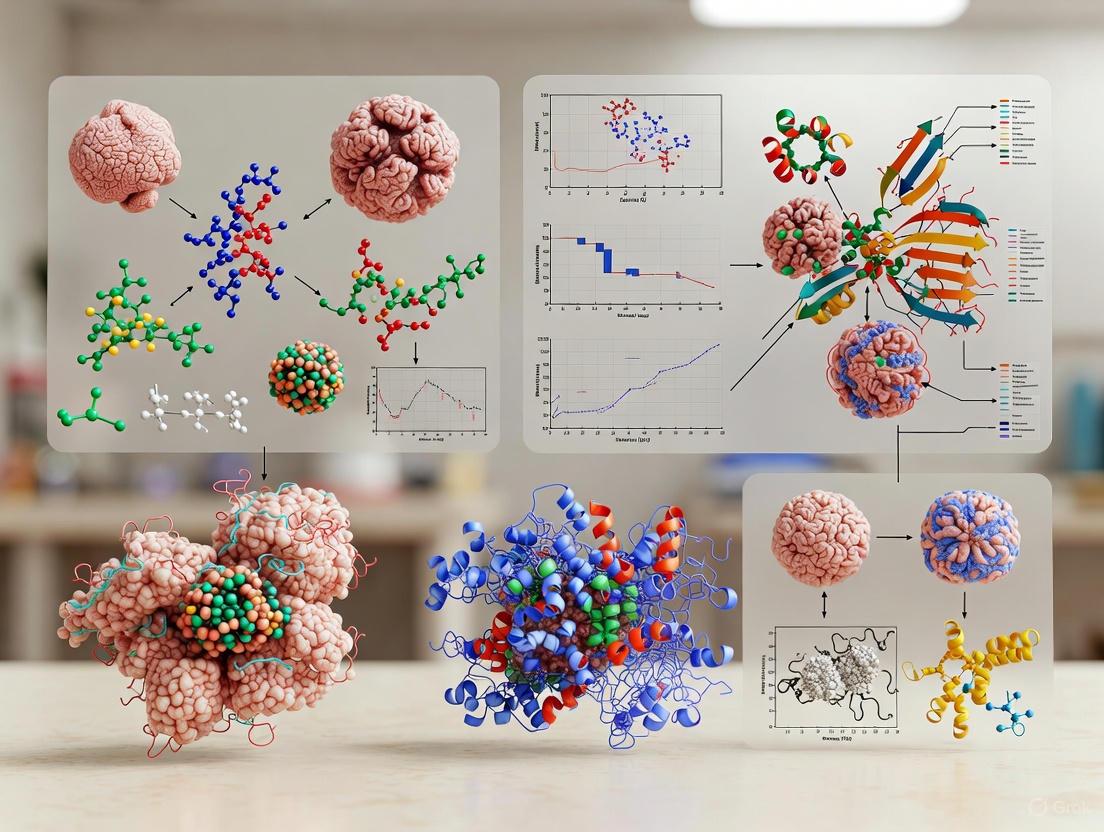
This article provides a comprehensive overview of computational models developed to simulate tumor growth and predict treatment response.
Computational Tumor Models: Simulating Cancer Growth and Treatment Response for Precision Oncology
Abstract
This article provides a comprehensive overview of computational models developed to simulate tumor growth and predict treatment response. It explores the foundational principles of the tumor microenvironment and multiscale modeling, details key methodological frameworks like hybrid agent-based and PDE models, and examines their application in evaluating combination therapies and personalized treatment scheduling. The content further addresses critical challenges in model optimization and the rigorous validation processes required for clinical translation. Aimed at researchers, scientists, and drug development professionals, this review synthesizes current advances and future directions in computational oncology, highlighting its growing role in informing therapeutic strategies and advancing precision medicine.
Decoding the Tumor Microenvironment: The Biological Basis for Computational Modeling
The progression and treatment response of tumors are governed by interconnected biological hallmarks, with angiogenesis and metabolic reprogramming forming a particularly critical axis [1]. Angiogenesis, the formation of new blood vessels, supplies essential nutrients and oxygen to growing tumors, while cancer cells simultaneously rewire their metabolic pathways to meet increased energy and biosynthetic demands [1]. This co-dependence creates a powerful engine for tumor growth and metastasis. In modern oncology research, computational models have become indispensable tools for simulating the complex, non-linear dynamics of this relationship, allowing researchers to predict tumor behavior and treatment outcomes in silico before moving to clinical trials [2] [3]. This application note details the key mechanisms, experimental protocols, and computational approaches for investigating this hallmark axis, providing a framework for researchers and drug development professionals.
Core Mechanisms and Signaling Pathways
The interplay between angiogenesis and metabolism is primarily orchestrated by cellular sensing mechanisms that respond to the tumor's often hypoxic and nutrient-deficient microenvironment.
The Central Role of Hypoxia and HIF-1α
Hypoxia, a common feature of solid tumors, serves as a master regulator linking angiogenesis and metabolism. The key mediator is Hypoxia-Inducible Factor 1-alpha (HIF-1α) [1] [4]. Under normal oxygen conditions, HIF-1α is rapidly degraded. However, in hypoxia, it stabilizes and translocates to the nucleus, where it dimerizes with HIF-1β and activates a transcriptional program that simultaneously promotes angiogenesis and glycolytic metabolism [4].
- Pro-angiogenic Shift: HIF-1α upregulates the expression of pro-angiogenic factors, most notably Vascular Endothelial Growth Factor (VEGF), which stimulates the proliferation and migration of endothelial cells to form new, often dysfunctional, blood vessels [1] [4].
- Metabolic Reprogramming: HIF-1α directly enhances glycolytic flux by increasing the expression of glucose transporters (e.g., GLUT1) and key glycolytic enzymes, including PFKFB3, PKM2, and LDHA. This shift to glycolysis, even in the presence of oxygen (the Warburg effect), provides rapidly dividing cells with ATP and biosynthetic precursors while reducing reactive oxygen species (ROS) production [1].
The diagram below illustrates this core signaling pathway and its functional outcomes.
Key Metabolic Enzymes and Pathways in the Angiogenic Switch
The metabolic adaptations in endothelial and tumor cells are driven by specific enzymes and pathways. The table below summarizes the primary metabolic targets involved in this interplay.
Table 1: Key Metabolic Targets in Tumor Angiogenesis and Metabolic Reprogramming
| Target | Function | Role in Hallmarks | Therapeutic Implication |
|---|---|---|---|
| PFKFB3 [1] | Key regulator of glycolysis (controls fructose-2,6-bisphosphate levels). | Provides energy and biosynthetic precursors for endothelial cell proliferation and migration during angiogenesis. | Targeted inhibition suppresses vessel formation and tumor growth in models like infantile hemangioma. |
| Glycolytic Enzymes (PKM2, LDHA) [1] | Catalyze final steps of glycolysis and lactate production. | Supports the Warburg effect, generating ATP and reducing ROS under hypoxia. | Emerging target to disrupt energy production and acidify the microenvironment. |
| Fatty Acid Oxidation (FAO) Enzymes [5] | Oxidizes fatty acids in mitochondria for energy production. | A metabolic hallmark of pathological angiogenesis in proliferative retinopathies; supports EC proliferation. | Inhibition of CPT1a (shuttles fatty acids into mitochondria) reduces pathological tufts. |
| SIRT3 [5] | Mitochondrial deacetylase; master regulator of FAO and oxidative metabolism. | Modulates the balance between FAO and glycolysis in the vascular niche. | Sirt3 deletion shifts metabolism from FAO to glycolysis, promoting a more physiological vascular regeneration. |
Computational Modeling Protocols
Computational models provide a quantitative framework to simulate the spatiotemporal dynamics of tumor growth, angiogenesis, and metabolism, enabling the testing of therapeutic strategies in silico.
Protocol: Multi-Scale 3D Modeling of Tumor Growth and Angiogenesis
This protocol outlines the creation of a hybrid continuous-discrete model to simulate tumor progression and treatment response [2].
Workflow Overview:
Detailed Methodology:
Model Initialization and Domain Setup
- Spatial Domain: Define a 3D tissue region (e.g., 10x10x8 mm) [2].
- Initial Vasculature: Establish an idealized "mother vessel" from which angiogenic sprouts can initiate [2].
- Cancer Cell Population: Initialize a population of cancer cells with defined proliferation and migration parameters.
- Continuous Fields: Set up partial differential equations to model the spatiotemporal distribution of key factors:
- Nutrients/Oxygen (Diffusion, Consumption)
- VEGF (Secretion in hypoxia, Degradation)
- Therapeutic Agents (Transport, Clearance)
Simulation of Coupled Growth and Angiogenesis
- Vessel Sprouting: Model tip cell migration from existing vessels in response to VEGF gradients [2].
- Proliferation and Hypoxia: Cancer cells proliferate when nutrient levels are sufficient. Cells become hypoxic and may necrose when levels fall below a critical threshold, thereby upregulating VEGF secretion [2].
- Metabolic Modulation: Incorporate the influence of hypoxia (HIF-1α) on elevating glycolytic activity within both tumor and endothelial cells [1].
Introduction of Therapeutic Interventions
- Anti-angiogenic Therapy: Introduce an agent that blocks VEGF signaling, leading to vessel pruning or normalization [2].
- Cytotoxic Chemotherapy: Administer a cell-cycle active drug. Two scheduling paradigms can be tested:
- Metabolic Inhibitors: Introduce compounds that target key enzymes like PFKFB3 to disrupt the energy supply for angiogenesis [1].
Output Analysis
- Tumor Metrics: Total tumor volume, invasive distance, and degree of necrosis.
- Vascular Metrics: Vessel density, perfusion, permeability, and interstitial fluid pressure (IFP).
- Treatment Efficacy: Quantify tumor cell killing and drug penetration profiles.
Protocol: Virtual Clinical Trial for Treatment Optimization
This protocol leverages a stochastic mathematical model to simulate clinical trials and optimize maintenance treatment protocols [6].
Detailed Methodology:
Model Calibration
- Use data from a landmark clinical trial (e.g., the SOLO-1 trial for olaparib in ovarian cancer) to calibrate the model parameters [6].
- Key parameters to fit include: cancer cell proliferation and death rates, acquisition rates for drug resistance, pharmacokinetic (PK) parameters for the drug, and models for treatment-induced toxicity (e.g., white blood cell dynamics) [6].
Virtual Patient Population Generation
- Simulate a large cohort of virtual patients (e.g., N=10,000). Incorporate inter-patient heterogeneity by sampling key parameters (e.g., initial tumor burden, resistance mutation rates) from predefined distributions [6].
Trial Simulation and Intervention
- Simulate the standard-of-care treatment arm as a control.
- Design and simulate one or more experimental arms testing alternative protocols. Variables to test include [6]:
- Treatment Duration: Continuous vs. fixed-duration maintenance.
- Dosing Schedules: MTD vs. metronomic dosing, or adaptive dosing based on simulated toxicity.
- Combination Therapies: Sequencing of anti-angiogenic, cytotoxic, and metabolic drugs.
Endpoint Analysis
- Calculate primary endpoints such as Progression-Free Survival (PFS) and Overall Survival (OS) for each virtual arm using Kaplan-Meier estimators [6].
- Compare the hazard ratios between experimental and control arms to identify the most promising protocol for further clinical investigation.
The Scientist's Toolkit: Research Reagent Solutions
Table 2: Essential Reagents for Investigating Angiogenesis and Metabolic Reproprogramming
| Reagent / Material | Function & Application |
|---|---|
| siRNA/shRNA against PFKFB3 [1] | To knock down PFKFB3 expression in vitro (e.g., in hemangioma-derived endothelial cells) and in vivo, validating its role in glycolysis-driven angiogenesis. |
| Sirt3-Knockout Mouse Model [5] | An in vivo model to study the role of mitochondrial metabolism and the shift between FAO and glycolysis in pathological vs. physiological angiogenesis. |
| Oxygen-Induced Retinopathy (OIR) Mouse Model [5] | A well-established in vivo model for studying pathological angiogenesis and testing anti-angiogenic and metabolic therapies. |
| Anti-VEGF Therapeutics (e.g., Bevacizumab) [1] [2] | Used as a reference anti-angiogenic agent in both experimental and computational studies to benchmark novel therapies. |
| mTOR Inhibitor (Sirolimus/Rapamycin) [1] | A first-line treatment for borderline tumors like KHE; used to investigate the therapeutic inhibition of the PI3K/Akt/mTOR pathway which suppresses angiogenesis and metabolic rewiring. |
| Metabolic Tracers (e.g., ²H-glucose, ¹³C-glutamine) | To quantitatively track nutrient uptake and metabolic flux in cultured cells or animal models, providing data for constraining computational models. |
Application in Therapeutic Development
Computational models have revealed several non-intuitive, promising therapeutic strategies that target the angiogenesis-metabolism axis.
Table 3: Emerging Therapeutic Strategies Informed by Computational Models
| Strategy | Mechanism of Action | Model-Predicted Outcome |
|---|---|---|
| Metronomic Chemotherapy + Anti-angiogenics [2] | Frequent, low-dose cytotoxic drug combined with a vessel-normalizing anti-angiogenic agent. | Enhanced drug delivery via improved vessel function, reduced hypoxia, and decreased cancer cell invasion. Superior tumor killing and reduced normal tissue toxicity compared to MTD. |
| Targeting Endothelial Cell Metabolism [1] | Inhibition of glycolytic regulators (e.g., PFKFB3) in endothelial cells, rather than targeting angiogenic growth factors. | Effective suppression of angiogenesis regardless of compensatory upregulation of pro-angiogenic factors, potentially overcoming resistance to VEGF-targeted monotherapy. |
| Metabolic Reprogramming of the Neovascular Niche [5] | Shifting the vascular niche metabolism from FAO to glycolysis (e.g., via Sirt3 modulation). | Suppression of pathological neovessels and promotion of healthy, physiological revascularization, as demonstrated in models of proliferative retinopathy. |
| Adaptive Therapy [3] | Dynamically adjusting drug dosing and scheduling to maintain a population of therapy-sensitive cells that suppress the growth of resistant clones. | Delayed emergence of drug resistance and prolonged progression-free survival, moving beyond the Maximum Tolerated Dose paradigm. |
The Challenge of Spatiotemporal Heterogeneity in Solid Tumors
Spatiotemporal heterogeneity represents a fundamental challenge in the understanding and treatment of solid tumors. This complexity encompasses genetic, transcriptomic, proteomic, and metabolic variations that evolve over both space and time within a single tumor mass [7] [8]. Intratumoral heterogeneity can be categorized into spatial heterogeneity (variations across distinct geographical regions of the tumor) and temporal heterogeneity (changes in the tumor's genetic and phenotypic profile over time) [7]. This dynamic variability is not random but is shaped by complex intra- and inter-cellular networks and microenvironmental pressures such as oxygen and nutrient gradients [7] [9].
The clinical significance of spatiotemporal heterogeneity cannot be overstated. It serves as a key driver of cancer progression, therapy resistance, and disease relapse [7] [9]. Different tumor sub-regions exhibit varied responses to therapeutic agents, allowing resistant clones to survive treatment and eventually repopulate the tumor. Understanding these dynamics is therefore crucial for developing targeted therapeutic strategies that can address tumor diversity and adaptability [7].
Key Dimensions of Tumor Heterogeneity
Molecular and Cellular Scales
Spatiotemporal heterogeneity operates across multiple biological scales, from molecular alterations to cellular ecosystem reorganization:
- Genetic Heterogeneity: Arises from accumulated somatic mutations and copy number alterations (CNAs) that vary between different tumor regions [7] [8]. Subclonal populations compete and evolve under selective pressures, including therapy.
- Metabolic Heterogeneity: Driven by microenvironmental gradients, tumors establish spatially structured metabolic networks where oxygen-rich regions may utilize oxidative phosphorylation (OXPHOS) while hypoxic cores exhibit glycolytic dominance [9].
- Phenotypic Heterogeneity: Manifested through diverse cell states and differentiation programs within the tumor, including epithelial-to-mesenchymal transition (EMT) and stem-like properties that influence metastatic potential and therapy resistance [8].
Metabolic Heterogeneity Across Tumor Types
Table 1: Spatial Metabolic Characteristics Across Different Solid Tumors
| Tumor Type | Core Region Characteristics | Marginal Zone Characteristics | Clinical Implications |
|---|---|---|---|
| Glioblastoma | Enhanced glycolysis; hypoxia-induced HIF-1α [9] | Active OXPHOS; more aggressive phenotype [9] | Hypoxic regions are radioresistant; requires combination therapy [9] |
| Breast Cancer | High glucose content; glycolytic metabolism [9] | Preference for mitochondrial metabolism [9] | Combined PI3K and bromodomain inhibition can overcome resistance [9] |
| Pancreatic Neuroendocrine Tumors (PanNETs) | Homogeneous glycolysis (mTOR-VEGF axis dominance) [9] | Lactate shuttling to stromal fibroblasts [9] | mTOR inhibitors reduce glycolytic flux but may increase metastasis risk [9] |
| Oral Squamous Cell Carcinoma (OSCC) | Significant glycolytic activity; lactic acid production [9] | Immune/stromal cells uptake lactate for energy [9] | Targeting lactate metabolism (MCT inhibitors) may enhance immunotherapy [9] |
Computational Modeling Approaches
Computational models have emerged as indispensable tools for deciphering spatiotemporal heterogeneity, enabling researchers to simulate tumor growth, treatment response, and underlying biological mechanisms across multiple scales.
Multi-Scale Modeling Frameworks
Hybrid continuous-discrete models integrate continuum equations for diffusible factors (oxygen, nutrients, growth factors) with discrete agent-based representations of individual cells and blood vessels [2] [10] [11]. This approach naturally captures the evolution of spatial heterogeneity, a major determinant of nutrient and drug delivery [2]. These models can recapitulate the shift from avascular to vascular growth by simulating tumor-induced angiogenesis, where cancer cells secrete factors like VEGF that stimulate new blood vessel growth toward the tumor [10] [11].
Three-dimensional models further enhance biological relevance by incorporating realistic tissue geometry and interstitial pressure distributions that influence tumor morphology. Simulations suggest that tumors with high interstitial pressure are more likely to develop invasive dendritic structures compared to those with lower pressure [10].
Integration of Imaging and Omics Data
Modern computational approaches increasingly incorporate experimental data to improve predictive accuracy. Image-based modeling utilizes clinical imaging data (microCT, DCE-MRI, perfusion CT) to derive input parameters on tumor vasculature and morphology, enabling patient-specific simulations [11]. These imaging modalities can resolve microvascular structures and provide surrogate measures of tumor perfusion and vascular permeability [11].
Spatial multi-omics integration represents another frontier, with computational methods like Tumoroscope enabling the mapping of cancer clones across tumor tissues by integrating signals from H&E-stained images, bulk DNA sequencing, and spatially-resolved transcriptomics [12]. This probabilistic framework deconvolutes clonal proportions in each spatial transcriptomics spot, revealing spatial patterns of clone colocalization and mutual exclusion [12].
Machine Learning for Predictive Oncology
Machine learning (ML) applications in oncology include predicting treatment response and optimizing therapeutic strategies. Causal machine learning (CML) integrates ML algorithms with causal inference principles to estimate treatment effects from complex, high-dimensional real-world data (RWD) [13]. Unlike traditional ML focused on pattern recognition, CML aims to determine how interventions influence outcomes, distinguishing true cause-and-effect relationships from correlations [13].
ML models also show promise in functional precision medicine, where drug screening data from patient-derived cells are leveraged to predict individual treatment options. Recommender systems trained on historical drug response profiles can accurately rank drugs according to their predicted activity against new patient-derived cell lines [14].
Experimental Protocols and Methodologies
Protocol 1: Spatial Multi-Omics Integration for Clonal Deconvolution
Objective: To map cancer clones and their spatial distribution within tumor tissues by integrating histology, genomics, and transcriptomics data.
Materials and Reagents:
- Fresh frozen or FFPE tumor tissue sections
- H&E staining reagents
- Spatial transcriptomics platform (e.g., 10x Genomics Visium, NanoString CosMx)
- Whole exome sequencing kit
- DNA and RNA extraction kits
Procedure:
- Tissue Processing and Staining
- Section tumor tissue at appropriate thickness (5-10 μm) and mount on spatial transcriptomics slides.
- Perform H&E staining according to standard protocols.
- Image stained slides using high-resolution slide scanner.
Cell Counting and Spot Annotation
- Use image analysis software (e.g., QuPath) to identify spatial transcriptomics spots located within cancer cell regions.
- Estimate the number of cells present in each spot based on nuclear density and morphology.
DNA and RNA Extraction
- Isolve DNA from adjacent tissue sections or macro-dissected regions for bulk whole exome sequencing.
- Process spatial transcriptomics slides according to platform-specific protocols to capture spatially barcoded RNA.
Sequencing and Data Generation
- Perform whole exome sequencing to identify somatic mutations and copy number alterations.
- Sequence spatial transcriptomics libraries to obtain gene expression data with spatial coordinates.
Computational Analysis
- Reconstruct cancer clones, including their genotypes and frequencies, from bulk DNA-seq data using tools like FalconX or Canopy.
- Apply Tumoroscope probabilistic model to deconvolute clonal proportions in each spot using:
- Prior cell counts from H&E analysis
- Alternative and total read counts for mutations in ST spots
- Clone genotypes and frequencies from bulk sequencing
- Infer clone-specific gene expression profiles using regression modeling.
Validation: Assess model performance using simulated data with known ground truth, calculating Mean Average Error (MAE) between inferred and true clone proportions across spots [12].
Protocol 2: Computational Simulation of Tumor Growth and Treatment Response
Objective: To simulate three-dimensional tumor growth, angiogenesis, and response to different therapy schedules using a multiscale mathematical model.
Materials and Software:
- High-performance computing environment
- Programming languages (Java, Python, C++)
- MicroCT or other medical imaging data (optional)
- Parameter values from literature for tumor biology
Procedure:
- Model Initialization
- Define 3D simulation domain representing a tissue region (e.g., 10×10×8 mm).
- Initialize tumor cell population at domain center with random phenotypes.
- Establish initial vascular network, either idealized or derived from imaging data.
Parameter Setting
- Configure parameters for nutrient (oxygen, glucose) diffusion and consumption rates.
- Set production and degradation rates for signaling molecules (VEGF, angiopoietins).
- Define drug pharmacokinetic/pharmacodynamic parameters for simulated therapies.
Simulation Execution
- Employ hybrid modeling approach:
- Continuum equations for diffusible factors (oxygen, VEGF, drugs)
- Agent-based representation for individual cells and vessels
- Calculate spatial concentration gradients at each time step.
- Update cell states (proliferation, quiescence, death) based on local microenvironment.
- Simulate angiogenic sprouting guided by VEGF gradients.
- Employ hybrid modeling approach:
Treatment Simulation
- Implement different dosing schedules (MTD vs. metronomic).
- Simulate combination therapies (cytotoxic + anti-angiogenic).
- Track drug distribution through vascular network and tissue penetration.
Output Analysis
- Quantify tumor growth kinetics and morphological changes.
- Analyze spatial distribution of viable, hypoxic, and necrotic regions.
- Evaluate treatment efficacy based on tumor cell killing and normal tissue toxicity.
Validation: Compare simulation predictions with experimental data from preclinical models, including tumor growth curves and histological analysis [2] [10].
The Scientist's Toolkit: Essential Research Reagents and Platforms
Table 2: Key Research Reagents and Platforms for Studying Tumor Heterogeneity
| Category | Specific Tool/Platform | Function/Application |
|---|---|---|
| Spatial Transcriptomics | 10x Genomics Visium [7] | Genome-wide expression profiling with spatial context; spot diameter 55μm with Visium HD down to 2μm. |
| NanoString CosMx SMI [7] | Spatial multi-omics at single-cell/subcellular resolution; quantifies up to 6000 RNAs and 64 proteins. | |
| BGI Stereo-seq [7] | Large-area spatial transcriptomics with high resolution. | |
| Single-Cell Analysis | scRNA-seq [9] [8] | Resolution of cell-to-cell variability in transcriptomes, revealing metabolic zonation and phenotypic heterogeneity. |
| Metabolic Imaging | Single-cell metabolomics [9] | Identification of therapy-resistant, fatty acid oxidation-dependent clones coexisting with glycolytic populations. |
| Computational Tools | Tumoroscope [12] | Probabilistic model integrating histology, bulk DNA-seq, and spatial transcriptomics to map clonal distributions. |
| PASTE/GraphST [7] | Computational alignment and integration of multi-slice spatial transcriptomics data for 3D tissue reconstruction. | |
| Multiscale hybrid models [2] [10] | Simulation of tumor growth, angiogenesis, and treatment response by combining continuum and agent-based approaches. |
Therapeutic Implications and Intervention Strategies
Targeting Metabolic Vulnerabilities
The spatial organization of tumor metabolism presents therapeutic opportunities. Strategies include:
- Inhibiting metabolic symbiosis through monocarboxylate transporters (MCT1/MCT4) blockade to disrupt lactate shuttling between hypoxic and oxygenated regions [9].
- Combination therapies that simultaneously target glycolytic and oxidative populations, such as combining glycolysis inhibitors (2-deoxyglucose) with OXPHOS inhibitors [9].
- Context-specific targeting of metabolic adaptations; for instance, PRODH inhibitors can sensitize hypoxic osteosarcoma cores to therapy [9].
Optimizing Treatment Scheduling and Delivery
Computational modeling provides insights for improving therapeutic efficacy:
- Metronomic scheduling of chemotherapy (frequent, low doses) improves drug delivery by normalizing tumor vasculature, reducing interstitial fluid pressure, and decreasing cancer cell invasion compared to maximum tolerated dose (MTD) regimens [2].
- Anti-angiogenic combinations can enhance metronomic therapy by further promoting vascular normalization, improving tumor perfusion, and reducing drug accumulation in normal tissues [2].
- Spatiotemporally informed dosing accounts for heterogeneous drug distribution within tumors, potentially targeting specific subclones based on their spatial location and microenvironment [2].
Functional Precision Medicine Approaches
Machine learning-driven strategies using patient-derived models offer complementary approaches to genomics-based precision medicine:
- Bioactivity fingerprinting uses historical drug screening data against patient-derived cell lines to predict effective treatments for new patients through recommender systems [14].
- Real-world data integration with causal machine learning enables identification of patient subgroups with distinct treatment responses and optimization of dosing strategies based on heterogeneous outcomes [13].
Spatiotemporal heterogeneity in solid tumors represents a multifaceted challenge that necessitates equally sophisticated research approaches. The integration of spatial multi-omics technologies, multiscale computational modeling, and machine learning analytics provides a powerful framework for dissecting this complexity. These approaches reveal not just the static structure of tumors but their dynamic evolution under therapeutic pressure.
The future of oncology research and treatment lies in embracing this complexity through spatiotemporally informed therapeutic strategies that account for intra-tumoral variation and adaptability. By targeting multiple subclones and microenvironmental niches simultaneously, and by optimizing drug scheduling based on tumor dynamics, we can develop more durable and effective treatments. The continued refinement of computational models, coupled with validation in patient-derived systems and clinical trials, will be essential for translating our understanding of heterogeneity into improved patient outcomes.
Cancer is a systems-level disease characterized by uncontrolled cell growth and tissue invasion, with dynamics that span multiple biological scales in space and time [15]. Multiscale computational modeling has emerged as a powerful approach to simulate cancer behavior across these different scales, providing quantitative insights into tumor initiation, progression, and treatment response [15] [16]. These models mechanically link processes from the intracellular level to tissue-scale phenomena, enabling researchers to test hypotheses, focus experimental efforts, and make more accurate predictions about clinical outcomes [15].
The fundamental challenge addressed by multiscale modeling is that tumors are heterogeneous cellular entities whose growth depends on dynamic interactions among cancer cells themselves and with their constantly changing microenvironment [15]. These interactions include signaling through cell adhesion molecules, differential responses to growth factors, and phenotypic behaviors such as proliferation, apoptosis, and migration [15]. Since experimental complexity often restricts the spatial and temporal scales accessible to observation, computational modeling provides an essential tool for investigating these dynamic interactions [15].
Biological Scales in Cancer Modeling
Multiscale cancer modeling typically addresses four principal spatial scales, each with associated temporal scales and specialized modeling techniques [15]. The table below summarizes these scales and their corresponding modeling approaches.
Table 1: Biological Scales in Multiscale Cancer Modeling
| Spatial Scale | Spatial Range | Temporal Range | Key Biological Processes | Common Modeling Approaches |
|---|---|---|---|---|
| Atomic | nm | ns | Protein structure, ligand binding, molecular dynamics | Molecular Dynamics (MD) |
| Molecular | nm - μm | μs - s | Cell signaling pathways, biochemical reactions | Ordinary Differential Equations (ODEs) |
| Microscopic (Cellular/Tissue) | μm - mm | min - hour | Cell-cell interactions, proliferation, apoptosis, migration | Agent-Based Models (ABM), Cellular Potts Models (CPM), Partial Differential Equations (PDEs) |
| Macroscopic | mm - cm | day - year | Gross tumor morphology, vascularization, invasion | Continuum models, PDEs |
These scales are not independent but interact bidirectionally, with lower-level processes (e.g., molecular signaling) influencing higher-level behaviors (e.g., tissue growth) and vice versa [15]. A key principle in multiscale modeling is that lower-level processes generally occur on faster time scales than higher-level processes, which sometimes allows modelers to assume quasi-equilibrium for faster processes to reduce computational complexity [15].
Computational Frameworks and Techniques
Modeling Paradigms
Multiscale cancer models employ diverse computational approaches, each suited to different aspects of the biological system:
Continuum Models: Based on differential equations that describe average properties of cell populations and chemical concentrations across tissue space [15] [17]. These typically use advection-diffusion-reaction equations to model nutrient transport, growth factor diffusion, and tissue mechanics [18].
Discrete Models: Treat individual cells as distinct entities with specific rules governing their behavior [17]. These include:
Hybrid Models: Combine continuum and discrete approaches to leverage the strengths of both frameworks [15] [17] [16]. For example, a hybrid model might use discrete agent-based modeling for individual cells while representing diffusible chemicals and tissue mechanics with continuum equations [17] [19].
A Fully Coupled Multiscale Framework
Advanced multiscale frameworks fully couple processes across tissue, cellular, and subcellular scales [18]. In such frameworks:
- The tissue scale uses continuum mixture theory to model overall tumor growth, morphology, nutrient diffusion, and growth-induced mechanical stresses [18].
- The cellular scale employs agent-based modeling to simulate cell division, apoptosis, and phenotypic transitions based on local microenvironmental conditions [18].
- The subcellular scale implements ordinary differential equations to represent key signaling pathways (e.g., mTOR pathway) that regulate cellular behaviors [18].
These scales are bidirectionally coupled, with information flowing from tissue scale to cellular fate decisions and from cellular behaviors back to tissue properties, while signaling pathways regulate both directions based on molecular cues [18].
Diagram 1: Information flow in a fully coupled multiscale modeling framework
Protocols for Multiscale Model Development
Protocol 1: Building a Hybrid Model of Tumor Growth and Angiogenesis
This protocol outlines the development of a multiscale model that simulates tumor growth from avascular to vascular phases, incorporating tumor-host interactions and angiogenesis [17] [19].
Table 2: Research Reagent Solutions for Multiscale Modeling
| Component | Type | Function/Purpose | Implementation Example |
|---|---|---|---|
| Boolean Network Model | Intracellular Scale | Describes receptor cross-talk and signaling pathway activation | Represents interactions between oncogenes and tumor suppressors [17] |
| Cellular Potts Model (CPM) | Cellular Scale | Captures cell shape changes, mechanical interactions | Simulates cell-cell and cell-ECM interactions [17] [19] |
| Reaction-Diffusion Equations | Tissue Scale | Models nutrient and growth factor transport | PDEs for oxygen, glucose, VEGF diffusion [17] [18] |
| Continuum Mixture Theory | Tissue Scale | Represents mechanical behavior of growing tissue | Multi-constituent mixture (tumor cells, healthy cells, ECM, nutrients) [18] |
| Agent-Based Framework | Cellular Scale | Controls individual cell decisions and phenotypes | Rules for cell division, migration, death based on local environment [18] [11] |
Step-by-Step Procedure
Define the Intracellular Signaling Network
Implement Cellular Scale Interactions
- Configure a Cellular Potts Model to simulate mechanical interactions between cancer cells, healthy cells, and extracellular matrix [17] [19]
- Establish rules for phenotype transitions (proliferation, quiescence, apoptosis) based on intracellular signaling status and local microenvironment [17] [18]
- Define cell behavioral algorithms that respond to nutrient availability and mechanical stresses [17]
Set Up Tissue Scale Microenvironment
Implement Angiogenesis Module
Couple Scales and Validate Model
Protocol 2: Integrating Imaging Data with Predictive Growth Models
This protocol describes how to incorporate medical imaging data to initialize and constrain multiscale models for personalized prediction of tumor growth [11].
Materials and Specialized Software
- High-resolution medical images (microCT, DCE-MRI, perfusion CT)
- Image segmentation software for tumor and vasculature delineation
- Computational framework for agent-based modeling with reinforcement learning
- Neural network architecture for phenotype prediction
Step-by-Step Procedure
Image Acquisition and Preprocessing
- Acquire longitudinal microCT or other high-resolution images with contrast enhancement for vascular visualization [11]
- Segment tumor region and microvascular network from images at multiple time points [11]
- Extract quantitative features including vascular density, branching patterns, and tumor morphology [11]
Model Initialization from Image Data
Implement Reinforcement Learning for Cell Behavior
Simulate Tumor and Vascular Co-evolution
Validate and Refine Predictions
Signaling Pathways in Multiscale Cancer Models
Key signaling pathways regulate cellular decisions within multiscale models, translating microenvironmental conditions into phenotypic responses. The mTOR pathway is frequently incorporated due to its central role in controlling cell growth and proliferation in response to nutrient availability and growth factors [18]. In multiscale frameworks, this pathway is typically modeled using ordinary differential equations that track concentrations of pathway components over time [18].
Hypoxia-inducible factor (HIF-1) signaling serves as a critical link between tumor metabolism and angiogenesis [17] [19]. Under hypoxic conditions, HIF-1 accumulation upregulates VEGF expression, initiating the angiogenic switch that transitions tumors from avascular to vascular growth phases [17] [19]. This pathway creates a crucial feedback loop between tissue-scale oxygen distribution and molecular-scale signaling events.
Diagram 2: Key signaling pathways implemented in multiscale cancer models
Applications in Treatment Response Prediction
Multiscale models have significant applications in predicting responses to cancer therapies and optimizing treatment strategies [20] [18]. By incorporating drug mechanisms across biological scales, these models can simulate how targeted therapies alter system dynamics and ultimately affect tumor progression.
Modeling Targeted Therapies
In multiscale frameworks, targeted therapies are implemented as perturbations to specific signaling pathways at the subcellular scale [18]. For example, mTOR inhibitors (e.g., rapamycin) can be modeled by modifying the ordinary differential equations that describe mTOR pathway dynamics [18]. The downstream effects of these perturbations then propagate upward through the modeling framework, altering cellular phenotypic decisions and ultimately modifying tissue-scale tumor growth patterns [18].
Simulation studies have demonstrated that therapy blocking relevant signaling pathways can prevent further tumor growth and lead to substantial decreases in tumor size (up to 82% reduction in simulated tumors) [17]. These treatment effects emerge naturally from the coupled multiscale dynamics rather than being imposed as empirical rules.
Integrating Machine Learning for Personalized Prediction
Machine learning approaches are increasingly being integrated with multiscale modeling to predict individual patient treatment responses [14]. These methods leverage high-throughput drug screening data from patient-derived cell cultures to build predictive models of drug sensitivity [14]. The resulting "recommender systems" can efficiently rank potential treatments based on their predicted activity against a patient's specific cancer cells [14].
Table 3: Machine Learning Approaches for Treatment Prediction
| Method | Application | Performance Metrics | Advantages |
|---|---|---|---|
| Transformational Machine Learning (TML) | Predicting drug responses in patient-derived cell lines | Rpearson = 0.781, Rspearman = 0.791 for selective drugs [14] | Leverages historical screening data as descriptors for new predictions |
| Random Forest | Drug activity prediction | 50 trees with default parameters [14] | Handles complex interactions between multiple drugs and cell types |
| Deep Reinforcement Learning | Cell phenotype prediction in tumor microenvironment | Adapts based on reward functions aligned with experimental data [11] | Enables adaptive cell decisions based on local microenvironment |
Multiscale computational modeling provides a powerful framework for bridging molecular, cellular, and tissue levels in cancer research. By integrating processes across spatial and temporal scales, these models offer mechanistic insights into tumor growth dynamics and treatment responses that cannot be achieved through single-scale approaches alone. The protocols outlined in this document provide practical guidance for implementing multiscale models that combine continuum, discrete, and intracellular modeling techniques. As these approaches continue to evolve and incorporate emerging data sources—from high-resolution medical imaging to high-throughput drug screening—they hold increasing promise for guiding personalized cancer treatment strategies and accelerating therapeutic development.
The Role of the Tumor Microenvironment (TME) in Treatment Failure
The tumor microenvironment (TME) is a dynamic and complex ecosystem that plays a critical role in cancer progression and therapeutic failure. Rather than being a passive surrounding, the TME actively engages in intricate crosstalk with cancer cells, fostering an environment conducive to immune evasion, metabolic adaptation, and drug resistance [21] [22]. This application note examines the core mechanisms by which the TME contributes to treatment failure, framed within the context of developing predictive computational models for oncology research and drug development. Understanding these interactions is paramount for designing next-generation therapies that can effectively overcome the barriers posed by the TME.
Key Mechanisms of TME-Mediated Treatment Failure
The TME drives treatment failure through several interconnected biological programs. The major mechanisms and their cellular effectors are summarized in Table 1 below.
Table 1: Core Mechanisms of TME-Mediated Treatment Failure and Key Cellular Effectors
| Mechanism | Key Components | Impact on Treatment Efficacy |
|---|---|---|
| Immunosuppression | Tregs, MDSCs, M2 Macrophages, PD-1/PD-L1 | Inhibits cytotoxic T-cell function, enables immune evasion [22] [23]. |
| Abnormal Vasculature | Endothelial cells, VEGF, HIF-1α | Impedes drug delivery, creates hypoxia, hinders T-cell infiltration [23]. |
| Metabolic Dysregulation | Lactate, HIF-1α, Aerobic Glycolysis (Warburg Effect) | Creates acidic conditions that suppress immune cell function [22] [23]. |
| Extracellular Matrix (ECM) Remodeling | CAFs, Collagen, Fibronectin, Integrins | Creates physical barrier to drug penetration and immune cell migration [23]. |
| Cellular Crosstalk | Exosomes, Cytokines (e.g., TGF-β, IL-10) | Transfers resistance traits, reprograms surrounding cells to be pro-tumorigenic [21] [22]. |
The Immunosuppressive Niche
A primary mechanism of treatment failure, particularly for immunotherapies, is the establishment of an immunosuppressive niche within the TME. Key cellular players include:
- Myeloid-Derived Suppressor Cells (MDSCs): These cells expand in the TME and potently suppress the activity of cytotoxic CD8+ T cells, which are crucial for anti-tumor immunity [22] [23].
- Regulatory T Cells (Tregs): Tregs inhibit the activation and effector functions of anti-tumor T cells, contributing to immune tolerance [23].
- Tumor-Associated Macrophages (TAMs), particularly the M2 phenotype, promote tumor growth, tissue remodeling, and suppress adaptive immunity [22]. The expression of immune checkpoint molecules like PD-1/PD-L1 further inactivates T cells, making checkpoint inhibitors a critical therapeutic strategy [22] [23].
Dysregulated Angiogenesis and Hypoxia
Rapid tumor growth leads to an inadequate and dysfunctional vascular network [23]. This abnormal vasculature is leaky and disorganized, resulting in:
- Hypoxia: Poor perfusion creates regions of low oxygen, which stabilizes Hypoxia-Inducible Factor-1α (HIF-1α) [22] [23].
- HIF-1α acts as a master regulator, driving the expression of genes that promote angiogenesis, metastasis, and metabolic reprogramming toward glycolysis [23].
- Impaired Drug Delivery: The chaotic blood flow and high interstitial pressure hinder the uniform distribution and penetration of therapeutic agents into the tumor core, protecting cancer cells from exposure to drugs [23].
Metabolic Competition and Acidosis
Cancer cells undergo metabolic rewiring, preferentially using glycolysis for energy production even in the presence of oxygen (the Warburg effect) [23]. This has major consequences for the TME:
- Acidosis: Glycolysis leads to the overproduction and accumulation of lactic acid, lowering the extracellular pH to as low as 6.7 [23].
- Immune Suppression: An acidic environment directly impairs the function and cytotoxicity of T cells and natural killer (NK) cells, while promoting the polarization of macrophages toward the immunosuppressive M2 phenotype [22] [23]. This metabolic coupling between tumor and immune cells is a key mediator of immune escape.
The Fibrotic Barrier and ECM Remodeling
Cancer-Associated Fibroblasts (CAFs) are a dominant stromal cell type that become activated in the TME. They deposit and remodel the extracellular matrix (ECM), leading to:
- Increased Stiffness: A dense and fibrotic ECM creates a physical barrier that physically impedes the penetration of both immune cells and drugs [21] [23].
- Survival Signaling: ECM components like collagen and fibronectin engage with integrins on cancer cells, activating pro-survival signaling pathways such as FAK and PI3K that confer resistance to chemotherapy and targeted therapies [23].
Diagram 1: A simplified overview of how major TME components drive the key functional failures of therapy. The interconnected nature of these mechanisms often leads to synergistic resistance.
Quantitative Insights and Computational Modeling
Mathematical modeling provides a powerful framework to quantify the dynamics of the TME and predict its impact on therapeutic outcomes. The following table summarizes key parameters from a study modeling pancreatic cancer response to combination therapy.
Table 2: Key Parameters from a Mathematical Model of Pancreatic Tumor Growth and Treatment Response [24]
| Parameter | Symbol | Description | Estimated Value/Note |
|---|---|---|---|
| Tumor Volume | ( N(t) ) | Tumor volume at time ( t ) | Dependent variable |
| Proliferation Rate | ( r ) | Intrinsic growth rate of tumor cells | Mouse-specific, estimated from data |
| Carrying Capacity | ( K ) | Maximum sustainable tumor size | Fixed from control group (median: ~1500 mm³) |
| Initial Condition | ( N_0 ) | Initial tumor volume at model start | Mouse-specific, estimated from data |
| Treatment Effect | ( \alpha ) | Death rate induced by therapy | Estimated for each treatment protocol |
| Effect Decay Rate | ( \beta ) | Rate at which treatment effect diminishes over time | Key for modeling sustained vs. transient response |
The study employed a hierarchical Bayesian framework to fit ordinary differential equations (ODEs) to longitudinal tumor volume data from a genetically engineered mouse model of pancreatic cancer (( Kras^{LSL-G12D}; Trp53^{LSL-R172H}; Pdx1-Cre )) treated with chemotherapy (NGC regimen: mNab-paclitaxel, gemcitabine, cisplatin), stromal-targeting drugs (calcipotriol, losartan), and immunotherapy (anti-PD-L1) [24].
The core logistic growth model with treatment effect was formulated as: [ \frac{dN}{dt}=rN\left(1-\frac{N}{K}\right)-N\sum{i = 1}^{n}{\alpha}{i}{e}^{-\beta (t-{\tau}{i})}H(t-{\tau}{i}) ] where ( H(t-{\tau}{i}) ) is the Heaviside step function, and ( {\tau}{i} ) represents the time of the ( i )-th treatment dose [24]. This model successfully reproduced tumor growth dynamics across all scenarios with an average concordance correlation coefficient (CCC) of 0.99 ± 0.01 and demonstrated robust predictive ability in leave-one-out and mouse-specific predictions (average CCC > 0.74) [24]. This highlights the utility of such models in predicting tumor response and identifying responders versus non-responders.
Diagram 2: A generalized workflow for building and applying computational models to simulate tumor growth and treatment response within the complex TME, based on the methodology of [24].
Experimental Protocols for Investigating the TME
Objective: To model pancreatic tumor dynamics and response to combination therapies targeting both cancer cells and the TME.
Materials:
- Animal Model: Genetically engineered ( Kras^{LSL-G12D}; Trp53^{LSL-R172H}; Pdx1-Cre ) (KPC) mice for spontaneous pancreatic ductal adenocarcinoma (PDAC).
- Therapeutics:
- Chemotherapy: NGC combination (mNab-paclitaxel, gemcitabine, cisplatin).
- Stromal-Targeting: Calcipotriol and Losartan.
- Immunotherapy: Anti-PD-L1 antibody.
- Equipment: Calipers or imaging system (e.g., ultrasound) for tumor volume measurement.
Procedure:
- Group Allocation: Randomize tumor-bearing mice into experimental groups (e.g., control, chemotherapy alone, chemotherapy + stromal-targeting, chemotherapy + immunotherapy).
- Treatment Administration: Initiate therapy when tumors reach a predefined volume (e.g., 100-150 mm³). Administer drugs according to their respective schedules (e.g., intraperitoneal injections for chemotherapeutics).
- Longitudinal Monitoring: Measure tumor dimensions using calipers at least 3 times over a 14-day period. Calculate tumor volume using the formula: ( V = \frac{1}{2} \times \text{length} \times \text{width}^2 ).
- Data Recording: Record individual tumor volumes for each mouse at each time point.
- Model Fitting: Use the recorded tumor volume data to estimate parameters (( r, K, N_0, \alpha, \beta )) of the ODE model (Eq. 1) using Bayesian inference or nonlinear regression techniques.
- Validation: Validate the model's predictive power using cross-validation techniques like leave-one-out or mouse-specific predictions.
Protocol 2: Analyzing Key TME Components via Immunohistochemistry (IHC)
Objective: To quantify the density and spatial distribution of key cellular components of the TME in formalin-fixed paraffin-embedded (FFPE) tumor tissues.
Materials:
- Tissue Samples: FFPE tumor tissue sections from control and treated mice (from Protocol 1).
- Primary Antibodies: Antibodies against CAFs (α-SMA), T cells (CD3, CD8), Tregs (FoxP3), macrophages (CD68, iNOS for M1, CD206 for M2), endothelial cells (CD31).
- Detection System: HRP-conjugated secondary antibodies and DAB chromogen.
- Equipment: Brightfield microscope coupled with a slide scanner and image analysis software.
Procedure:
- Sectioning: Cut FFPE blocks into 4-5 µm thick sections and mount on slides.
- Deparaffinization and Antigen Retrieval: Bake slides, deparaffinize in xylene, and rehydrate through a graded ethanol series. Perform heat-induced epitope retrieval in appropriate buffer (e.g., citrate, EDTA).
- Immunostaining:
- Block endogenous peroxidase activity with 3% H₂O₂.
- Block nonspecific binding with a serum-free protein block.
- Incubate with primary antibody overnight at 4°C.
- Incubate with HRP-conjugated secondary antibody for 1 hour at room temperature.
- Develop with DAB chromogen and counterstain with hematoxylin.
- Image Acquisition and Analysis: Scan stained slides. Use image analysis software to quantify the number of positive cells per mm² or the percentage of positive area (for α-SMA) in multiple representative fields of view.
The Scientist's Toolkit: Research Reagent Solutions
Table 3: Essential Reagents and Models for TME and Treatment Resistance Research
| Item | Function/Description | Application in TME Research |
|---|---|---|
| KPC Mouse Model (( Kras^{LSL-G12D}; Trp53^{LSL-R172H}; Pdx1-Cre )) | A genetically engineered model that recapitulates key features of human pancreatic cancer, including a dense, immunosuppressive TME [24]. | In vivo studies of tumor-stroma interactions, drug delivery barriers, and testing TME-modifying therapies. |
| Anti-PD-L1 Antibody | Immune checkpoint inhibitor that blocks the PD-1/PD-L1 interaction, reversing T-cell exhaustion [24] [23]. | Studying immune evasion and evaluating combinatorial immunotherapy regimens. |
| Stromal-Targeting Agents (e.g., Losartan, Calcipotriol) | Drugs aimed at modulating the tumor stroma to reduce fibrosis and improve drug delivery [24]. | Investigating methods to disrupt the fibrotic barrier and sensitize tumors to chemotherapy. |
| CAF Marker: α-SMA Antibody | Primary antibody for identifying activated Cancer-Associated Fibroblasts in tissue sections via IHC. | Quantifying stromal density and CAF activation status in response to therapy. |
| Patient-Derived Organoids (PDOs) & 3D Tumor Models | Ex vivo systems that preserve the cellular heterogeneity and some TME interactions of the original tumor [21]. | High-throughput drug screening and studying patient-specific mechanisms of resistance in a more physiologically relevant context. |
| Spatial Transcriptomics Platforms | Technology that allows mapping of gene expression data onto tissue architecture, preserving spatial context [21]. | Unraveling the spatial relationships and communication networks between different cell types within the TME. |
Modern oncology research is increasingly defined by a powerful synergy between computational modeling and experimental biology. This integrated approach enables researchers to transcend the limitations of purely observational studies, offering a dynamic, quantitative framework to understand cancer's inherent complexity. Computational models provide a structured platform to simulate tumor growth, treatment response, and disease progression, generating testable hypotheses that guide focused experimental validation. This cycle of in silico prediction and in vitro or in vivo verification accelerates the discovery of fundamental biological mechanisms and the development of more effective therapeutic strategies [25]. By bridging biological scales—from molecular pathways to whole-tumor dynamics—and managing the profound heterogeneity of cancer, these combined methodologies are paving the way for truly predictive oncology and personalized medicine.
The Multiscale Computational Toolkit for Oncology
A diverse set of computational frameworks has been developed to address the multifaceted nature of cancer biology. Each type of model offers unique strengths, making it suitable for investigating specific aspects of tumor development and treatment.
Table 1: Key Computational Modeling Frameworks in Oncology
| Model Type | Core Principle | Oncology Application Example | Key Advantage |
|---|---|---|---|
| Mechanistic Models | Simulate disease processes based on established biological principles [25]. | Modeling cell-cycle dynamics to explore therapeutic resistance mechanisms [25]. | Provides a predictive framework grounded in biological plausibility. |
| Agent-Based Models | Represent individual cells (agents) and their interaction rules [25]. | Studying cell-cell interactions and tumor heterogeneity [25]. | Captulates emergent behavior from discrete cell-level actions. |
| Multiscale Models | Integrate phenomena across molecular, cellular, and tissue levels [25]. | Combining molecular mechanisms with tissue-level tumour evolution [25]. | Provides a comprehensive, systems-level perspective. |
| Hybrid Models | Combine discrete (e.g., agent-based) and continuous (e.g., continuum) approaches [25]. | Accurately capturing mechanical and biological interactions in a tumor [25]. | Leverages strengths of multiple modeling paradigms for increased accuracy. |
| AI-Driven Systems | Use deep learning to uncover hidden patterns in complex datasets [26]. | Predicting cancer drug sensitivity or detecting tumors in medical images [26]. | Excels at pattern recognition in high-dimensional data (e.g., genomics, radiology). |
Application Notes & Experimental Protocols: A Case Study in Clot Contraction
The following section details a specific example of an integrated computational-experimental analysis, providing a reproducible protocol for studying platelet-driven blood clot contraction—a process with significant implications in cancer-associated thrombosis [27].
Integrated Protocol: Computational Modeling of Platelet-Driven Clot Contraction
1. Objective: To quantify the biomechanical kinetics of blood clot contraction driven by platelet-fibrin interactions using a 3D multiscale computational model, and to validate model predictions with experimental observations [27].
2. Background: Blood clot contraction (retraction) is a volumetric shrinkage process driven by activated platelets exerting traction forces on the fibrin network. Impaired contraction is linked to thrombotic risks, including in cancer patients such as those with COVID-19. The role of platelet filopodia (thin membrane protrusions) as the primary mechanical actuators in this process was not well-understood until recently and is a key focus of this integrated analysis [27].
3. Experimental and Computational Workflow:
4. Detailed Experimental Methodology:
- Step 1: Clot Formation and Platelet Activation.
- Procedure: Prepare a 3D in vitro blood clot using human-derived platelets, fibrinogen, and red blood cells suspended in plasma or a physiological buffer. Initiate clotting by adding a physiological agonist such as thrombin (e.g., 0.5-1.0 U/mL) and calcium chloride. Allow the clot to polymerize for 60-90 minutes at 37°C. Activate platelets within the clot using standard agonists like ADP (e.g., 10-20 µM) to stimulate the formation of filopodia [27].
- Step 2: Real-Time Imaging and Data Collection.
- Procedure: Use high-resolution, time-lapse confocal or phase-contrast microscopy to capture the clot contraction process over several hours. Fluorescently label key components—for instance, platelets (e.g., with CD41 antibody) and fibrin (e.g., with a fibrinogen derivative)—to enable visualization of their spatial reorganization. Track key metrics including clot volume over time, platelet cluster formation, and individual platelet-fibrin interactions [27].
- Step 3: Model Calibration and Validation.
- Procedure: Use the quantitative data from Step 2 (e.g., rates of volume shrinkage, final clot density) to calibrate the parameters of the 3D multiscale computational model. Design a new, separate set of experiments under different conditions (e.g., varying platelet count or fibrinogen concentration) to test and validate the predictive accuracy of the calibrated model [27].
5. Computational Model Specifications:
- Model Architecture: The core model is a 3D multiscale representation. It integrates a sub-model for the "hand-over-hand" pulling mechanism of individual platelet filopodia on fibrin fibers, a sub-model capturing the non-linear, strain-stiffening mechanical properties of individual fibrin fibers, and a sub-model of the 3D fibrin network architecture [27].
- Key Parameters:
- Platelet Activation: Represented by the number of filopodia per platelet and the maximum contractile force exerted by each filopod (average maximum measured force is ~29 nN per platelet) [27].
- Biomechanical Feedback: The traction force generated by a filopod is dynamically modulated by the stiffness of the fibrin fiber it is pulling, which increases as the fiber is stretched [27].
- Simulation Execution: The model is run to simulate the temporal evolution of the clot, outputting metrics like overall contraction kinetics, local fibrin density maps, and the formation of platelet-fibrin clusters.
Table 2: Key Research Reagent Solutions for Clot Contraction Studies
| Reagent / Material | Function in Protocol | Specification Notes |
|---|---|---|
| Purified Human Platelets | The primary mechanically active cellular component driving contraction. | Can be isolated from fresh blood samples; concentration should be standardized (e.g., 200,000/µL). |
| Fibrinogen | The structural precursor protein that forms the 3D fibrous scaffold of the clot. | Human plasma-derived; purity >90%. Concentration determines initial network density. |
| Thrombin | A serine protease that converts fibrinogen to fibrin, initiating clot formation. | Used at concentrations from 0.1 to 1.0 U/mL to control the rate of polymerization. |
| Fluorescent Antibodies (e.g., anti-CD41) | Enable high-resolution visualization and tracking of platelets within the 3D clot via microscopy. | Conjugated to fluorophores such as FITC or Alexa Fluor dyes. |
| Activating Agonists (e.g., ADP) | Stimulate platelets to change shape, extend filopodia, and generate contractile forces. | Used at micromolar (µM) concentrations to ensure robust, reproducible activation. |
Validation and Translation: From Models to Clinical Impact
The ultimate value of a computational model lies in its ability to make accurate, testable predictions that provide novel biological insights or improve clinical outcomes. The integrated framework described above successfully demonstrated that the extension and retraction of platelet filopodia are the principal drivers of fibrin network compaction, a finding that was not previously established [27]. Furthermore, the model quantified how the stiffness of the fibrin fiber itself provides biomechanical feedback that modulates the force exerted by the platelet, a key insight into the bidirectional mechanotransduction in this process [27].
This paradigm is being extended to oncology applications. For instance, tools like DeepTarget use AI to integrate large-scale drug and genetic data to predict the primary and secondary targets of small-molecule cancer drugs, outperforming existing methods and offering new avenues for drug repurposing [28]. In clinical imaging, AI models are now being prospectively validated in trials, such as the MASAI trial for mammography, which showed that an AI-assisted workflow could reduce radiologist workload by 44% while maintaining cancer detection performance [26]. The emerging concept of "digital twins"—virtual, patient-specific replicas—aims to use such integrative models to simulate individual disease courses and treatment responses, guiding personalized therapeutic strategies [25].
The Computational Toolkit: Model Frameworks and Their Therapeutic Applications
Computational oncology relies on distinct mathematical paradigms to simulate the complex, multi-scale nature of tumor development and treatment response. Agent-based models (ABM) simulate individual cells, capturing population heterogeneity and emergent behaviors from the bottom up. Continuous models, described by ordinary or partial differential equations (ODEs/PDEs), represent bulk tumor properties and microenvironmental factors as continuous fields. Hybrid modeling frameworks integrate these approaches, coupling two or more mathematical theories to address the inherent limitations of any single method when confronting the vast complexity of cancer biology [29]. These paradigms are foundational to a new, quantitative approach in oncology, enabling in silico experimentation to inform biological discovery and clinical translation.
Foundational Modeling Paradigms
Agent-Based Models (ABM): A Bottom-Up Approach
Agent-based modeling adopts a bottom-up strategy, representing individual cells or entities as discrete "agents" that follow programmed rules for behavior and interaction.
Core Principle and Components: In ABM, each cell is an independent agent with specific properties (e.g., cell type, mutation status, gene expression profile) and behavioral rules (e.g., proliferation, migration, death, interaction). These models excel at simulating the emergence of macroscopic tumor properties from stochastic, microscopic, cell-level events [30] [31]. This makes them particularly suited for studying tumor heterogeneity, clonal evolution, and the spatial dynamics of immune-tumor interactions [30].
Key Application – Adoptive Cell Therapy: The ABMACT framework exemplifies a sophisticated ABM application. It creates "virtual cells" based on immunological knowledge and single-cell RNA-seq data, modeling heterogeneous populations of tumor cells, cytotoxic NK cells (
Nc), exhausted NK cells (NE), and vigilant NK cells (NV). The model incorporates rules for NK cell exhaustion, killing capacity, and serial killing, allowing in silico trials to identify that optimal efficacy requires enhancing immune cell "proliferation, cytotoxicity, and serial killing capacity" [30].Key Application – Precision Prognosis: ABMs are also used for personalized prediction. One study integrated gene expression profiling (GEP) with ABM to improve breast cancer survival forecasts. Genes linked to poor prognosis were identified statistically and their functional effects translated into the rules governing the virtual tumor cells within the ABM. This combined GEP-ABM approach provides a platform to "virtually test different treatments and see how they might affect patient survival" [32].
Continuous Models: Capturing Bulk Dynamics
Continuous models represent tumor cells and microenvironmental factors as continuous densities, using differential equations to describe their temporal and spatial evolution.
Core Principle and Components: These models describe the average behavior of a system, tracking changes in concentrations or volumes over time and space. They are often more computationally efficient for simulating large-scale tumor growth and the diffusion of nutrients, growth factors, or drugs [29]. Common formulations include exponential, logistic, and Gompertz growth models to describe tumor volume dynamics, often coupled with terms for treatment-induced cell kill [33].
Key Application – Predicting Therapy Response in Pancreatic Cancer: A study on murine pancreatic cancer employed a set of ODEs to model tumor volume dynamics under combination therapy (NGC chemotherapy, stromal-targeting drugs, and anti-PD-L1). The model used a treatment-agnostic formulation:
dN/dt = rN(1 - N/K) - N * Σ [α_i * e^(-β(t-τ_i)) * H(t-τ_i)]where
N(t)is tumor volume,ris the proliferation rate,Kis the carrying capacity,α_iis the death rate from treatment, andβis the decay rate of the treatment effect [24]. This model demonstrated high accuracy in fitting and predicting tumor response across different treatment protocols.Key Application – Optimizing Radionuclide Therapy: For [177Lu]Lu-PSMA therapy in prostate cancer, a mathematical model combining the Gompertz tumor growth law with the Linear Quadratic model for radiation-induced cell kill was used. Pharmacokinetic data were integrated to calculate time-dependent dose rates. Simulations revealed that the standard 6-week injection schedule allowed significant tumor regrowth between cycles. The model predicted that a 1-2 cycle schedule with a 2-week interval would maximize tumor reduction and improve outcomes [34].
Hybrid Modeling Frameworks: Integrating Multiple Approaches
Hybrid models combine different mathematical frameworks to overcome the limitations of individual approaches, providing a more comprehensive view of tumor complexity.
Core Principle and Components: The classical definition involves coupling discrete cell-based models with continuous descriptions of diffusible factors [29]. The definition has expanded to include the coupling of any distinct mathematical frameworks, such as:
- Physics-based models (discrete/continuous, fluid dynamics, game theory)
- Data-driven models (machine learning, computer vision)
- Optimization models (optimal control, multi-objective optimization) [29] This integration allows researchers to leverage the strengths of each method, such as using a physics-based model to generate data for training a machine learning algorithm, or using optimal control theory to determine the best treatment schedule simulated by an agent-based model.
Key Application – Simulating Antiangiogenic Therapy: A 3D hybrid model was developed to study the interplay between solid tumor growth, tumor-induced angiogenesis, and the immune response under anti-VEGF treatment. This framework combined a continuous tumor growth model, a discrete model of angiogenesis, and a physiological-based kinetics model for immune cell transport. It was the first to integrate a dynamic, non-regular vascular network, vascular flow, interstitial flow, and the immune system. The model provided mechanistic insights, showing that anti-VEGF therapy works by temporally delaying angiogenesis and normalizing blood vessel structure, which improves perfusion and immune cell infiltration. It also highlighted the critical importance of the "normalization window" for timing treatment [35].
Key Application – A Generalized Hybrid Framework: Another review proposed a holistic hybrid framework that integrates three core classes of models to form a "quantitative decision-making system for personalized medicine." This framework loops together data-driven models (for pattern recognition from clinical/omics data), physics-based models (for simulating biophysical processes), and optimization models (for systematically identifying optimal treatment protocols) [29].
Table 1: Comparative Analysis of Computational Modeling Paradigms in Oncology
| Feature | Agent-Based Models (ABM) | Continuous Models | Hybrid Models |
|---|---|---|---|
| Fundamental Approach | Bottom-up; individual discrete agents (cells) | Top-down; continuous densities or volumes | Integrated; combines two or more mathematical frameworks |
| Core Strengths | Captures heterogeneity, emergent behavior, spatial interactions | Computational efficiency for large-scale dynamics, well-suited for diffusible factors | Mitigates limitations of individual methods; enables comprehensive multi-scale simulation |
| Typical Formulations | Rule-based algorithms; state transitions | ODEs, PDEs (e.g., Logistic, Gompertz) | Discrete cells + continuous fields; ABM + machine learning; ODEs + optimal control |
| Example Applications | ABMACT for NK cell therapy [30]; GEP-ABM for breast cancer prognosis [32] | Pancreatic cancer chemotherapy response [24]; Optimizing [177Lu]Lu-PSMA therapy schedules [34] | Simulating antiangiogenic therapy & immune response [35]; Unified physics-data-optimization frameworks [29] |
Experimental Protocols and Workflows
Protocol: Developing an ODE Model for Treatment Response
This protocol outlines the steps for creating and calibrating an ODE model to predict solid tumor response to combination therapy, based on a study of murine pancreatic cancer [24].
Model Formulation:
- Select a foundational growth model. The logistic growth model,
dN/dt = rN(1 - N/K), is often used for its ability to represent bounded growth. - Extend the model to incorporate treatment effects. A flexible, treatment-agnostic formulation is:
dN/dt = rN(1 - N/K) - N * Σ [α_i * e^(-β(t-τ_i)) * H(t-τ_i)]where the summation is over each treatment doseiadministered at timeτ_i.
- Select a foundational growth model. The logistic growth model,
Parameter Estimation from Control Data:
- Use tumor volume measurements from an untreated (control) cohort.
- Employ Bayesian parameter estimation or similar fitting procedures to determine the posterior distributions for the population carrying capacity (
K) and mouse-specific proliferation rates (r) and initial volumes (N0). - Validate the fit by calculating metrics like the Concordance Correlation Coefficient (CCC) between simulated and experimental control data.
Parameter Estimation for Treatment Groups:
- Using data from treated cohorts, estimate the treatment parameters (
α,β). - To reduce identifiability issues, fix the carrying capacity
Kto the median value estimated from the control group. - Define the prior distribution for the proliferation rate
rin treatment groups based on the posterior bounds from the control group.
- Using data from treated cohorts, estimate the treatment parameters (
Model Prediction and Validation:
- Perform leave-one-out or mouse-specific predictions using the fitted model.
- Quantify predictive performance using metrics like CCC and Mean Absolute Percent Error (MAPE) to compare simulated tumor volumes with experimental data that was not used for fitting.
Diagram 1: ODE model development and validation workflow.
Protocol: Building an Agent-Based Model for Immunotherapy
This protocol details the process for constructing an ABM to simulate the tumor-immune ecosystem and its response to adoptive cell therapies like CAR-NK cells [30].
Agent Definition and Rule Specification:
- Define Cell Agents: Identify key interacting cell populations (e.g., tumor cells, cytotoxic NK cells
Nc, exhausted NK cellsNE, vigilant NK cellsNV). - Encode Behavioral Rules: Mathematically define rules for agent actions: proliferation, exhaustion, cytotoxic killing, migration, and death. Base these rules on domain knowledge and data from in vitro assays (e.g., autonomous growth and rechallenge assays).
- Define Cell Agents: Identify key interacting cell populations (e.g., tumor cells, cytotoxic NK cells
Integrating Molecular Heterogeneity:
- Utilize paired single-cell RNA-seq and phenotypic data from relevant models (e.g., xenograft mouse models).
- Perform feature selection (e.g., using linear mixed-effect regression) to identify genes and pathways that significantly modulate key cellular functions like cytotoxicity.
- Randomly assign the resulting gene expression profiles to cell agents. Translate these profiles into functional properties (e.g., varying killing rates) using the estimated effects from the regression model.
Model Calibration and Evaluation:
- Calibrate the model by adjusting parameters to match dynamic data from in vivo studies, such as tumor growth curves and immune cell kinetics from mouse models.
- Evaluate the model's ability to recapitulate differential tumor control observed experimentally across different conditions or cancer types.
In Silico Perturbation and Prediction:
- Use the calibrated model as a "digital twin" to run systematic in silico trials.
- Perturb the model to test hypothetical conditions, such as the impact of enhancing specific immune cell functions (proliferation, cytotoxicity) or altering treatment schedules, to predict optimal therapeutic strategies.
Research Reagent Solutions
The following table details key computational tools, data types, and theoretical methods that form the essential "research reagents" for developing and applying computational models in oncology.
Table 2: Key Research Reagents in Computational Oncology
| Category | Item | Function in Research |
|---|---|---|
| Computational Tools & Platforms | CompuCell3D [25] | A multi-scale modeling environment for simulating cellular behaviors and tissue-level dynamics. |
| SimBiology/MATLAB [34] | A modeling software used for simulating biological systems, such as tumor growth and drug pharmacokinetics/pharmacodynamics. | |
| IBCell Model [29] | An agent-based model that combines discrete, deformable cells with fluid dynamics equations for cytoplasm. | |
| Data Types | Single-cell RNA-seq Data [30] [32] | Provides high-resolution molecular profiles to parameterize functional heterogeneity and define agent properties in ABMs. |
| Longitudinal Tumor Volume Measurements [24] | Essential experimental data for calibrating and validating model parameters, particularly in ODE/PDE models. | |
| Clinical Histopathology & Imaging Data [29] | Used for model calibration to patient-specific conditions and for generating virtual patient cohorts. | |
| Theoretical & Mathematical Methods | Bayesian Parameter Estimation [24] | A statistical method for inferring model parameters from data, providing estimates of uncertainty. |
| Optimal Control Theory [29] | A mathematical framework used to identify time-dependent treatment protocols that optimize a desired outcome (e.g., tumor shrinkage). | |
| Linear Mixed-Effect Regression [30] | A statistical technique used to identify gene signatures and molecular features that correlate with and modulate cellular functions from omics data. | |
| Model Validation Metrics | Concordance Correlation Coefficient (CCC) [24] | A metric for evaluating the agreement between model predictions and experimental data, assessing both precision and accuracy. |
| Mean Absolute Percent Error (MAPE) [24] | A metric for quantifying the average magnitude of error in model predictions relative to experimental observations. |
Diagram 2: Interaction between core modeling classes in a hybrid framework.
Simulating Angiogenesis and Drug Transport in 3D
Within the field of cancer research, computational tumor models have become indispensable for simulating growth and predicting treatment response. A critical component of these models is the dynamic process of angiogenesis—the formation of new blood vessels from pre-existing vasculature. This process is orchestrated by complex biochemical and biophysical cues within the tumor microenvironment (TME), particularly gradients of Vascular Endothelial Growth Factor (VEGF) [36] [37]. For tumors to progress beyond a microscopic size, they must co-opt this angiogenic switch to establish a dedicated blood supply for nutrient and oxygen delivery [38]. However, the resulting vasculature is often aberrant, characterized by leakiness and inefficient blood flow, which in turn creates a physical barrier that hampers the delivery of chemotherapeutic agents [39].
The integration of angiogenesis models with drug transport simulation is therefore paramount for enhancing the predictive power of in silico oncology and developing more effective therapeutic strategies. This document provides detailed application notes and protocols for building and validating such integrated models, framed within a broader thesis on computational tumor models.
Computational Modeling Approaches
Computational models offer a multifaceted toolkit to dissect the angiogenesis and drug delivery process across different scales, from intracellular signaling to tissue-level vascular network formation.
Signaling Pathway Models
At the molecular scale, mechanistic models simulate intracellular signaling to predict phenotypic outputs like endothelial cell permeability and proliferation.
Key Model Formulation:
A deterministic ordinary differential equation (ODE) model can be constructed to capture the core interactions between VEGF and Hepatocyte Growth Factor (HGF), which have contrasting effects on vascular permeability [40]. The system dynamics for each species can be represented as:
d[Species]/dt = Production - Decay - Complex_Formation + Activation
This model incorporates key receptors (VEGFR2, c-MET), ligands (VEGF, HGF), and downstream effectors like RAC1 and PAK1. A critical model feature is the tracking of site-specific phosphorylation on PAK1 (e.g., T423, S144), which is hypothesized to drive differential cellular responses to VEGF and HGF stimulation [40].
Table 1: Key Parameters for a VEGF-HGF Signaling Model
| Parameter | Description | Estimated Value | Unit |
|---|---|---|---|
| VEGF-VEGFR2 Binding Kd | Dissociation constant | 0.1-1.0 | nM |
| HGF-c-MET Binding Kd | Dissociation constant | 0.05-0.5 | nM |
| PAK1 Phosphorylation Half-life | Stability of active PAK1 | 10-30 | minutes |
| Permeability Index (VEGF) | Model output for VEGF effect | High | A.U. |
| Permeability Index (HGF) | Model output for HGF effect | Low | A.U. |
Figure 1: Core VEGF-HGF Signaling Pathway. This graph illustrates the convergent signaling pathways of VEGF and HGF, which activate downstream effectors RAC1 and PAK1 to regulate endothelial cell permeability and proliferation [40].
Tissue-Scale Angiogenesis and Drug Transport Models
At the tissue scale, phase-field models (PFMs) and hybrid meshless methods are powerful tools for simulating the spatiotemporal dynamics of vascular network growth and subsequent drug delivery.
Phase-Field Model for Tumor-Induced Angiogenesis: PFMs are well-suited for simulating the interface dynamics between tumor tissue, host tissue, and newly formed capillaries. The model can be based on a set of coupled partial differential equations that track the tumor concentration (φₜ), the capillary concentration (φᵥ), and the concentration of angiogenic factors (AFs) like VEGF (c) [38].
Governing Equations:
- AF Transport:
∂c/∂t = ∇·(D∇c) + S_production - S_uptakeS_productionis the production rate by the tumor (can be constant or hypoxia-dependent).S_uptakeis the consumption rate by endothelial cells.
- Capillary Growth:
∂φᵥ/∂t = M · (γ_chemotaxis · ∇c - γ_haptotaxis · ∇f(ECM)) · ∇φᵥ + Anastomosis_terms- Endothelial cell migration is driven by chemotaxis along the VEGF gradient and haptotaxis along the extracellular matrix (ECM).
- Drug Transport: Once a vascular network is established, drug concentration (C_drug) can be simulated via:
∂C_drug/∂t = ∇·(D_drug∇C_drug) + χ · (C_blood - C_drug) · φᵥ - λ · C_drugχis the transvascular permeability coefficient.C_bloodis the intravascular drug concentration.λis the rate of drug consumption/decay.
Table 2: Parameters for a Tissue-Scale Angiogenesis & Drug Transport Model
| Parameter | Description | Value/Range | Source | |
|---|---|---|---|---|
| D (VEGF) | Diffusion coefficient of VEGF | 10⁻¹¹ - 10⁻¹⁰ | m²/s | [38] |
| V_pt | VEGF production rate by tumor | 10 - 50 | pg·mL⁻¹·s⁻¹ | [38] |
| γ_chemotaxis | Endothelial cell chemotactic sensitivity | 0.1 - 0.3 | cm²·s⁻¹·M⁻¹ | [38] |
| D_drug | Diffusion coefficient of Doxorubicin | ~10⁻¹⁴ | m²/s | Estimated |
| χ | Vascular permeability of tumor vessels | 0.1 - 10 | ×10⁻⁷ cm/s | [39] |
Figure 2: Tumor-Induced Angiogenesis & Drug Delivery Workflow. This diagram outlines the causal chain from tumor-derived VEGF signaling stimulating the growth of a vascular network, which subsequently serves as the delivery route for chemotherapeutic drugs [39] [38].
Integrating Hemodynamics and Vascular Adaptation
Advanced models incorporate blood flow dynamics to simulate how mechanical forces influence vascular network stability and drug delivery efficiency. A two-dimensional hybrid meshless model can simulate intravascular flow and adaptive remodeling [37].
Key Calculations:
- Intravascular Pressure and Flow: Calculated using Poiseuille flow assumptions across the capillary network.
- Wall Shear Stress (WSS):
τ_wall = (4μQ)/(πr³), whereμis blood viscosity,Qis flow rate, andris vessel radius. - Adaptive Remodeling: Vessel radius changes in response to hemodynamic (WSS, pressure) and metabolic (VEGF, oxygen) stimuli. A sample rule is
Δr = k₁·(τ_wall - τ_target) + k₂·([VEGF] - [VEGF]_threshold), wherek₁andk₂are rate constants.
Experimental Validation Protocols
Computational models require rigorous validation against empirical data. The following protocol details the creation of a 3D millifluidic chip for studying angiogenesis under physiological interstitial flow.
Protocol: Establishing a 3D Perivascular Microenvironment-on-a-Chip
This protocol is adapted from a model designed to mimic the dermal perivascular niche, ideal for studying angiogenic sprouting and drug transport [36].
I. Fabrication of the 3D Microstructured Scaffold
- Design: Design an array of micropillars or microchannels using CAD software to serve as a guiding scaffold for co-cultured cells.
- Fabrication: Fabricate the scaffold via Two-Photon Laser Polymerization (2PP) using a photoresist like IP-S or IP-L 780. Optimize laser power and scanning speed to achieve high-resolution structures.
- Sterilization: Sterilize the fabricated scaffold by immersion in 70% ethanol for 30 minutes, followed by exposure to UV light for 15 minutes per side.
II. Computational Setup for Flow Parameters
- In Silico Modeling: Prior to cell culture, develop a finite element model of the bioreactor chamber to simulate fluid flow and mass transport.
- Parameter Calculation: Use the model to compute the fluid velocity profile and Wall Shear Stress (WSS) on the surface of the 3D microstructures. The goal is to achieve a WSS of 0.5 - 1.0 Pa, which is within the physiological range for capillaries.
- Flow Rate Selection: Select a perfusion flow rate (e.g., 0.1 - 1.0 µL/min) that maintains a physiological oxygen concentration gradient (e.g., 1-5% per 100 µm from the vessel mimic) and the target WSS [36].
III. Dynamic Cell Culture and Angiogenesis Assay
- Cell Seeding:
- Prepare a co-culture of Human Umbilical Vein Endothelial Cells (HUVECs) and Human Dermal Fibroblasts (HDFs) at a ratio of 5:1.
- Resuspend the cell mixture in a fibrin or collagen I gel (e.g., 5 mg/mL) and pipette it into the millifluidic chip, ensuring it incorporates the 3D scaffold.
- Allow the gel to polymerize for 30 minutes at 37°C.
- Perfusion Culture:
- Connect the chip to a miniaturized optically accessible bioreactor (MOAB) or a similar microfluidic perfusion system.
- Initiate perfusion with endothelial cell growth medium (EGM-2) supplemented with the pro-angiogenic factors VEGF (50 ng/mL) and TGF-β1 (10 ng/mL) [36].
- Maintain the culture under dynamic flow for 7-14 days, refreshing the medium reservoir every 2-3 days.
- Drug Transport and Efficacy Testing:
- To test drug delivery, introduce a chemotherapeutic agent (e.g., Doxorubicin) or a targeted anti-angiogenic drug (e.g., Bevacizumab, an anti-VEGF antibody) into the perfusion circuit.
- Use live-cell imaging or endpoint analysis to quantify drug penetration (e.g., via fluorescent tagging) and its effects on vascular integrity and cell viability.
IV. Data Collection and Model Validation
- Imaging: At designated time points, acquire high-resolution z-stack images using confocal microscopy. Stain for endothelial markers (CD31, VE-Cadherin), pericytes (α-SMA), and nuclei (DAPI).
- Quantification: Quantify parameters such as sprout length, branch points, and network connectivity. Measure fluorescence intensity of drugs within the tissue compartment over time.
- Model Calibration: Use the quantitative experimental data (sprout morphology, WSS, drug concentration profiles) to calibrate and validate the parameters of the computational models described in Section 2.
The Scientist's Toolkit
Table 3: Essential Research Reagent Solutions for Angiogenesis and Drug Transport Studies
| Item | Function/Application | Example |
|---|---|---|
| hPSC-Derived Endothelial Cells | Patient-specific, genetically diverse source of ECs for building physiological models. | hiPSC-ECs differentiated via Wnt/SMAD pathway modulation [41]. |
| Fibrin/Collagen I Hydrogel | Biocompatible, tunable 3D extracellular matrix (ECM) for 3D cell culture and sprouting. | 5 mg/mL Fibrin gel for cell encapsulation [36]. |
| Pro-Angiogenic Factors | Key biochemical stimuli to induce and guide endothelial sprouting and tube formation. | VEGF (50 ng/mL), TGF-β1 (10 ng/mL) [36]. |
| Microfluidic Bioreactor | Provides precise, dynamic control over interstitial flow and shear stress. | Miniaturized Optically Accessible Bioreactor (MOAB) [36]. |
| Anti-Angiogenic & Chemotherapeutic Drugs | To validate models by testing vascular disruption and drug transport efficiency. | Bevacizumab (Anti-VEGF), Doxorubicin [39]. |
| Mechanistic Computational Model | In silico framework to simulate signaling, network growth, and drug transport. | HGF/VEGF ODE model; Phase-Field Angiogenesis model [40] [38]. |
The integration of sophisticated computational models—spanning intracellular signaling, tissue-scale vascular growth, and hemodynamics—with advanced experimental platforms like 3D millifluidic chips creates a powerful, iterative feedback loop for oncology research. The protocols and resources detailed herein provide a framework for researchers to simulate, validate, and predict the complex interplay between tumor-induced angiogenesis and drug transport. This integrative approach is a cornerstone of modern computational oncology, accelerating the development of more effective and personalized anti-cancer therapies.
The complexity of cancer pathogenesis, driven by interconnected processes such as tumor cell proliferation and angiogenesis, necessitates therapeutic strategies that target multiple pathways simultaneously [42]. Combination therapies involving anti-cancer and anti-angiogenic drugs have emerged as a promising approach to overcome resistance and improve clinical outcomes [43]. Within this landscape, in silico methodologies provide a powerful, resource-efficient platform for the initial evaluation and prioritization of these combinations, accelerating their translation from bench to bedside [25]. This document outlines detailed application notes and protocols for the computational evaluation of such combination therapies, framed within the broader context of developing computational tumor models for simulating cancer growth and treatment response.
The rationale for combining anti-angiogenic agents with other anti-cancer drugs is rooted in their complementary mechanisms. Anti-angiogenic drugs target the tumor's blood supply, a process critically dependent on factors like VEGF/VEGFR signaling [42] [44]. This can normalize the tumor vasculature and, importantly, modulate the tumor immune microenvironment, thereby enhancing the efficacy of immunotherapies and other targeted agents [43]. However, identifying the most synergistic combinations from a vast array of candidates through experimental means alone is prohibitively time-consuming and costly. The protocols described herein leverage a hierarchical suite of in silico tools—from ligand-based screening and molecular docking to systems-level mathematical modeling—to rationally identify and optimize combination therapies before committing to wet-lab validation.
Application Notes
Key Signaling Pathways for Targeted Combination Therapy
The efficacy of combination therapy hinges on disrupting key oncogenic and angiogenic pathways. The table below summarizes primary targets for dual inhibition strategies.
Table 1: Key Molecular Targets in Anti-Cancer and Anti-Angiogenic Combination Therapy
| Target Category | Specific Target | Biological Role in Cancer | Therapeutic Implication |
|---|---|---|---|
| Angiogenesis Driver | VEGFR-2 (KDR) | Principal receptor for VEGF-A; mediates endothelial cell mitogenesis, survival, and permeability [42]. | A primary target for anti-angiogenic drugs; its inhibition disrupts tumor blood supply [44]. |
| Oncogenic Driver | K-RAS G12C | A common oncogenic mutant that promotes VEGF expression and drives uncontrolled tumor cell proliferation [42]. | Simultaneous targeting with VEGFR-2 may overcome resistance to anti-angiogenic monotherapy [42]. |
| Angiogenesis Driver | EGFR | Epidermal Growth Factor Receptor; involved in cell proliferation and can also influence angiogenic pathways [45]. | Natural compounds like Uvaol show inhibitory activity, suggesting potential for multi-target therapy [45]. |
| Oncogenic Driver | BRAF | A component of the MAPK signaling pathway; mutations drive tumor growth and are linked to angiogenic regulation [45]. | Inhibition can suppress tumor cell growth and indirectly impact angiogenesis [45]. |
| Oncogenic Driver | FLT3 | A receptor tyrosine kinase frequently mutated in Acute Myeloid Leukemia (AML), driving leukemogenesis [46]. | Plant-derived compounds (e.g., Kaempferol, Apigenin) show strong binding affinity, indicating therapeutic potential [46]. |
| Oncogenic Driver | PIM1 | A serine/threonine kinase that promotes cell survival and proliferation, often co-expressed with other oncogenes like FLT3 in AML [46]. | Dual targeting of PIM1 and FLT3 may yield synergistic effects in hematological malignancies [46]. |
Workflow for Integrated In Silico Evaluation
A hybrid, hierarchical screening approach is recommended for a comprehensive evaluation. This workflow integrates multiple computational techniques to sequentially filter and analyze potential drug candidates and their combinations.
Mathematical Modeling of Tumor Response
To contextualize the molecular findings within a systems-level framework, mathematical models simulate tumor dynamics in response to combination therapies. These Ordinary Differential Equation (ODE)-based models can predict tumor growth and regression under therapeutic pressure [24].
A generalized ODE for tumor volume (N) under treatment is:
$$ \frac{dN}{dt} = rN\left(1-\frac{N}{K}\right) - N\sum{i = 1}^{n}\alpha{i}e^{-\beta (t-\tau{i})}H(t-\tau{i}) $$
Table 2: Parameters for Tumor Dynamic Modeling
| Parameter | Description | Interpretation in Treatment Context |
|---|---|---|
| N(t) | Tumor volume at time t | The primary outcome being simulated. |
| r | Tumor proliferation rate | Estimated from control group data; can be made mouse-specific [24]. |
| K | Carrying capacity (max tumor size) | Fixed from control group data to reduce model complexity [24]. |
| α | Drug-induced death rate | Represents the efficacy of each treatment dose; a key parameter to estimate for therapy evaluation [24]. |
| β | Decay rate of treatment effect | Accounts for the declining effectiveness of a drug over time post-administration [24]. |
| τ | Time of treatment administration | Defines the treatment schedule in the model. |
Detailed Experimental Protocols
Protocol 1: Virtual Screening for Dual-Target Inhibitors
This protocol is designed to identify small molecules that can simultaneously inhibit two critical targets, such as an oncogene and an angiogenic factor [42].
3.1.1 Objectives
- To screen a large compound library for molecules with favorable drug-likeness and ADMET properties.
- To identify and rank compounds based on predicted binding affinity to two distinct target proteins.
3.1.2 Step-by-Step Methodology
- Compound Library Preparation: Obtain the structure data files (SDF) for a large database such as the National Cancer Institute (NCI) database, which contains approximately 40,000 compounds [42].
- ADME/Tox Filtering:
- Use tools like SwissADME and QikProp to filter the library.
- Apply drug-likeness rules (e.g., Lipinski's Rule of Five) and assess pharmacokinetic parameters (e.g., gastrointestinal absorption, blood-brain barrier penetration) [42] [45].
- Utilize tools like pkCSM to predict and exclude compounds with potential hepatotoxicity, cardiotoxicity, or mutagenicity [46].
- Ligand-Based Virtual Screening:
- Employ a multi-target prediction tool like the Biotarget Predictor Tool (BPT).
- Screen the refined compound set to predict activity against the two targets of interest (e.g., VEGFR-2 and K-RAS G12C) [42].
- Select the top-ranked candidates (e.g., 2% of the filtered library) for further analysis.
- Structure-Based Molecular Docking:
- Retrieve 3D crystal structures of the target proteins (e.g., VEGFR-2, K-RAS G12C) from the RCSB Protein Data Bank.
- Prepare the proteins by removing water molecules and heteroatoms, then adding polar hydrogens.
- Define the binding site grid around the known active site of the co-crystallized ligand.
- Perform docking simulations using software like AutoDock Vina (integrated in PyRx) to predict binding poses and affinities [42] [45].
- Validate the docking protocol by re-docking the native ligand and ensuring the Root-Mean-Square Deviation (RMSD) is ≤ 2.0 Å [45].
3.1.3 Data Analysis
- Compounds are ranked based on their docking scores (binding affinity in kcal/mol) for each target.
- Prioritize molecules that consistently show strong binding affinities (e.g., < -8.0 kcal/mol) to both targets. For example, in a study, compound 737734 was identified as a promising dual VEGFR-2/K-RAS G12C inhibitor through this approach [42].
Protocol 2: Molecular Dynamics and Binding Free Energy Validation
This protocol validates the stability of the protein-ligand complexes identified from docking and provides a more rigorous estimate of binding affinity.
3.2.1 Objectives
- To simulate the dynamic behavior of protein-ligand complexes over time.
- To calculate the binding free energy using the MM-GBSA method.
3.2.2 Step-by-Step Methodology
- System Setup:
- Use the top docking poses as the initial structures for dynamics simulation.
- Solvate the protein-ligand complex in an explicit water model (e.g., TIP3P) and add ions to neutralize the system.
- Simulation Run:
- Employ simulation software such as GROMACS or AMBER.
- Perform energy minimization to remove steric clashes.
- Gradually heat the system to 310 K under constant volume (NVT ensemble), then equilibrate at constant pressure (NPT ensemble, 1 atm).
- Run a production simulation for a sufficient duration (e.g., 100-200 nanoseconds) to observe stable binding [42] [46].
- Trajectory Analysis:
- Calculate the Root-Mean-Square Deviation (RMSD) of the protein backbone and ligand to assess stability.
- Compute the Root-Mean-Square Fluctuation (RMSF) to understand residual flexibility.
- Use the Molecular Mechanics/Generalized Born Surface Area (MM-GBSA) method on a set of trajectory snapshots (e.g., from the last 50 ns) to calculate the binding free energy (ΔG_bind) [46].
3.2.3 Data Analysis
- A stable complex is indicated by a low and stable RMSD plot after the initial equilibration period.
- A more negative MM-GBSA binding free energy signifies a stronger and more favorable binding interaction. For instance, Kaempferol showed a MM-GBSA score of -73.75 kcal/mol with FLT3, confirming its strong binding predicted by docking [46].
Protocol 3: Network Pharmacology and Systems Biology Analysis
This protocol places molecular targets within the broader context of cellular signaling networks and disease hallmarks.
3.3.1 Objectives
- To construct a protein-protein interaction network for targets of interest.
- To identify key regulatory elements and biomarkers.
3.3.2 Step-by-Step Methodology
- Target and Pathway Identification:
- Use SwissTargetPrediction to identify potential targets for active compounds of interest [46].
- Perform Gene Ontology (GO) and KEGG pathway enrichment analysis on the target gene set to identify significantly overrepresented biological processes and pathways.
- Network Construction:
- Build a Protein-Protein Interaction (PPI) network using databases like STRING.
- Identify hub genes within the network based on connectivity measures.
- Regulatory Network Analysis:
- Integrate data on transcription factors (TFs) and microRNAs (miRNAs) that regulate the hub genes.
- Construct a comprehensive gene-regulatory network [46].
3.3.3 Data Analysis
- Hub genes are potential key drivers of the therapeutic effect.
- Identified miRNAs (e.g., hsa-mir-335-5p) and TFs (e.g., RUNX1) can reveal resistance mechanisms or novel biomarkers [46].
Protocol 4: Mathematical Modeling of Tumor Growth and Treatment Response
This protocol uses ODEs to simulate the macroscopic effect of combination therapies on tumor volume.
3.4.1 Objectives
- To estimate key tumor growth and treatment parameters from experimental data.
- To predict tumor response to novel combination schedules in silico.
3.4.2 Step-by-Step Methodology
- Model Selection and Parameter Estimation:
- Use control group tumor volume data to estimate the proliferation rate (r), carrying capacity (K), and initial volume (N0) for a logistic growth model [24].
- Fix K to the population median from the control group when fitting treatment data to reduce parameter identifiability issues.
- Use treatment group data to estimate the drug-induced death rate (α) and decay rate (β) for the Exponential Decay Treatment Model [24].
- Employ Bayesian parameter estimation or nonlinear regression techniques.
- Model Prediction and Validation:
- Perform leave-one-out or mouse-specific predictions to test model robustness [24].
- Compare predicted tumor volumes against experimental data using metrics like the Concordance Correlation Coefficient (CCC) and Mean Absolute Percent Error (MAPE).
3.4.3 Data Analysis
- A model that accurately fits and predicts experimental data (e.g., CCC > 0.70) can be used for in silico trials.
- Virtual patients can be simulated to explore different dosing schedules and combination ratios to identify optimal therapeutic strategies before clinical testing.
The Scientist's Toolkit: Research Reagent Solutions
Table 3: Essential Computational Tools and Resources
| Tool/Resource Name | Type | Primary Function | Access Link |
|---|---|---|---|
| NCI Database | Compound Library | A curated database of ~40,000 chemical compounds screened for anti-cancer activity. | https://www.cancer.gov/ |
| SwissADME | Web Tool | Predicts ADME parameters, physicochemical properties, and drug-likeness of small molecules. | http://www.swissadme.ch/ |
| PyRx with AutoDock Vina | Software Suite | An integrated platform for virtual screening and molecular docking. | https://pyrx.sourceforge.io/ |
| RCSB Protein Data Bank | Database | Repository for 3D structural data of proteins and nucleic acids. | https://www.rcsb.org/ |
| GROMACS/AMBER | Software Suite | High-performance molecular dynamics simulation packages. | https://www.gromacs.org/ |
| SwissTargetPrediction | Web Tool | Predicts the most probable protein targets of a small molecule based on 2D/3D similarity. | http://www.swisstargetprediction.ch/ |
| pkCSM | Web Tool | Predicts small-molecule pharmacokinetics and toxicity properties. | https://biosig.lab.uq.edu.au/pkcsm/ |
The integrated in silico protocols outlined herein—spanning virtual screening, molecular dynamics, network pharmacology, and mathematical modeling—provide a robust framework for evaluating combination therapies. This multi-scale approach allows researchers to rationally prioritize the most promising drug candidates and treatment strategies for further experimental validation, thereby de-risking and accelerating the drug development pipeline. When framed within a thesis on computational tumor models, this work highlights how molecular-level insights can be systematically connected to macroscopic tumor response, paving the way for more predictive and personalized cancer therapeutics.
The strategic scheduling of chemotherapeutic agents is a critical determinant of treatment efficacy and patient safety. For decades, the Maximum Tolerated Dose (MTD) paradigm has dominated oncology, characterized by administering the highest possible dose of cytotoxic drugs that patients can tolerate without life-threatening toxicity, followed by extended drug-free recovery periods [47] [48]. This approach operates on the principle of maximizing tumor cell kill per cycle but presents significant limitations, including severe toxicities that impair quality of life, therapeutic resistance arising from drug-free intervals that permit tumor repopulation, and selective pressure favoring resistant clones [47] [48].
In contrast, Metronomic Chemotherapy (MCT) represents a fundamentally different scheduling strategy, defined by the frequent, often daily, administration of chemotherapeutic agents at substantially lower, minimally toxic doses without extended breaks [47] [48]. Rather than relying solely on direct cytotoxicity, MCT exerts multi-faceted effects primarily targeting the tumor microenvironment (TME), including potent anti-angiogenic, immunomodulatory, and anti-cancer stem cell activities [47] [48]. The "chemo-switch" regimen, which sequentially combines MTD and MCT, has emerged as a promising hybrid approach, aiming to capitalize on the initial debulking capacity of MTD followed by the sustained, low-toxicity control of MCT [49].
Computational and mathematical oncology provides the essential framework for quantifying, comparing, and optimizing these distinct scheduling strategies. By integrating biological data into predictive models, researchers can simulate tumor dynamics and treatment responses in silico, offering a powerful tool to navigate the complex trade-offs between efficacy and toxicity, and ultimately guiding more rational clinical trial design [49] [24] [50].
Comparative Mechanisms of Action
The biological mechanisms underpinning MTD and MCT are distinct, accounting for their differing efficacy and toxicity profiles.
Maximum Tolerated Dose (MTD)
- Primary Mechanism: Direct, high-intensity cytotoxicity against rapidly proliferating tumor cells, following first-order kinetic (log-kill) principles [47].
- Limiting Factors: The primary limitation is collateral damage to healthy tissues with high proliferative rates (e.g., bone marrow, gastrointestinal mucosa), leading to dose-limiting toxicities (DLTs) such as neutropenia, thrombocytopenia, and gastrointestinal mucositis [47] [51]. Furthermore, the obligatory drug-free intervals permit the recovery of both normal tissues and surviving tumor cells, fostering therapeutic resistance [47] [50].
Metronomic Chemotherapy (MCT)
MCT employs multi-targeted mechanisms that extend beyond direct tumor cell kill [47] [48]:
- Anti-Angiogenesis: This is the most characterized mechanism. MCT selectively targets and inhibits the proliferation of tumor-associated endothelial cells, disrupting the formation of new tumor vasculature [47] [48]. It increases expression of endogenous angiogenesis inhibitors like thrombospondin-1 (TSP-1) and suppresses pro-angiogenic factors such as VEGF and PDGF [47]. Unlike MTD, it prevents endothelial "rebound" during treatment breaks, leading to sustained vascular regression [47].
- Immunomodulation: Contrary to the generalized immunosuppression caused by MTD, MCT can stimulate anti-tumor immunity. It selectively depletes immunosuppressive regulatory T cells (Tregs) and myeloid-derived suppressor cells (MDSCs), while promoting the maturation of dendritic cells and activating cytotoxic T-cells [47] [48].
- Inhibition of Circulating Endothelial Progenitor Cells (CEPs): MCT persistently suppresses the mobilization of bone marrow-derived CEPs, which are crucial for tumor neovascularization, thereby further compromising tumor blood supply [47].
- Targeting Cancer Stem Cells (CSCs): The continuous, low-dose exposure may circumvent certain resistance mechanisms of CSCs, a subpopulation often responsible for relapse and metastasis, and disrupt the specialized niches that support their maintenance [47].
Table 1: Core Mechanistic Differences Between MTD and MCT
| Feature | Maximum Tolerated Dose (MTD) | Metronomic Chemotherapy (MCT) |
|---|---|---|
| Primary Target | Rapidly dividing tumor cells | Tumor microenvironment (Endothelium, Immune cells) |
| Key Mechanism | Direct cytotoxicity | Anti-angiogenesis, Immunomodulation |
| Effect on Immunity | Generalized immunosuppression | Selective immunostimulation |
| Risk of Resistance | High (due to drug-free intervals) | Lower (continuous pressure) |
| Typical Toxicity | High, dose-limiting | Low, manageable |
Computational Modeling Frameworks
Mathematical models are indispensable for formalizing the dynamic interactions between tumors, their microenvironment, and chemotherapeutic interventions. These models enable in silico testing of dosing schedules, dramatically accelerating optimization.
Key Modeling Approaches
Ordinary Differential Equation (ODE) Models: Used to simulate bulk tumor dynamics and treatment responses. A foundational treatment-agnostic ODE for tumor volume ((N)) is:
[ \frac{dN}{dt} = rN\left(1-\frac{N}{K}\right) - N \sum{i=1}^{n} \alphai e^{-\beta (t - \taui)} H(t - \taui) ]
where (r) is the proliferation rate, (K) is the carrying capacity, (\alphai) is the death rate from the (i)-th dose, (\beta) is the decay rate of the treatment effect, (\taui) is the administration time, and (H) is the Heaviside step function [24]. This framework can be simplified to model logistic growth (control), linear treatment effects ((\beta = 0)), or exponentially decaying effects.
- Impulsive Differential Equation Models: Particularly suited for MCT, these models capture the frequent, low-dose impulsive perturbations of drug administration. They can integrate variables for tumor cells ((C)), endothelial cells ((E)), and immune effector cells ((I)), allowing for the analysis of stable, tumor-free states under metronomic scheduling [50].
- Multiscale and Hybrid Models: These models bridge molecular, cellular, and tissue-level phenomena, providing a more comprehensive view of tumor evolution and therapeutic response. They are critical for simulating complex processes like drug penetration influenced by tumor stroma and vascularization [49] [25].
A Protocol for Parameter Estimation and Model Fitting in Pancreatic Cancer
This protocol outlines the workflow for developing a predictive model of tumor response, as demonstrated in a murine pancreatic cancer study [24].
- Problem Definition and Model Selection: Define the scope (e.g., predicting response to NGC chemotherapy: mNab-paclitaxel, gemcitabine, cisplatin). Select an appropriate ODE framework, such as the treatment-agnostic model shown above.
- Experimental Data Collection: Utilize longitudinal tumor volume measurements from a genetically engineered mouse model (e.g., (Kras^{LSL-G12D}; Trp53^{LSL-R172H}; Pdx1-Cre)). A minimum of three time-point measurements over a 14-day period is recommended for initial parameter estimation.
- Parameter Estimation from Control Group:
- Fix the carrying capacity ((K)) as a population-specific parameter.
- Estimate the proliferation rate ((r)) and initial tumor volume ((N_0)) as mouse-specific parameters using Bayesian estimation.
- Use priors established from control group data to constrain parameter bounds for treatment groups, mitigating identifiability issues.
- Model Fitting to Treatment Groups: Using the fixed (K) and priors for (r) from the control group, estimate the treatment efficacy parameters ((\alpha), (\beta)) for each mouse in the treatment cohorts.
- Model Validation and Prediction: Perform leave-one-out cross-validation and mouse-specific predictions to assess the model's predictive power. Metrics like the Concordance Correlation Coefficient (CCC) and Mean Absolute Percent Error (MAPE) should be used to quantify accuracy.
The following diagram illustrates the core logical workflow for building and applying such a computational model.
Diagram 1: Computational modeling workflow for predicting therapy response.
Experimental Protocols for Preclinical Evaluation
Protocol: Evaluating Chemo-Switch Regimens in PDAC Models
This protocol is designed to quantitatively compare the efficacy of MTD, MCT, and chemo-switch regimens, leveraging a multiscale mathematical model fitted to experimental data [49].
Objective: To quantify the impact of metronomic chemotherapy and chemo-switch regimens, and to determine the optimal sequencing of chemotherapy and radiotherapy in Pancreatic Ductal Adenocarcinoma (PDAC) treatment.
Materials:
- In Vivo Model: Immunocompromised mice orthotopically implanted with human PDAC cells.
- Chemotherapeutic Agents: Gemcitabine (or other relevant agents).
- Drug Formulation: Prepare sterile solutions for intravenous (IV) or intraperitoneal (IP) injection.
- Measurement Tools: Caliper for subcutaneous models, or advanced imaging (e.g., Ultrasound, MRI) for orthotopic tumors.
Methodology:
- Tumor Implantation and Group Allocation:
- Implant PDAC cells into the pancreas of mice.
- Randomize mice into the following treatment groups (n=8-10/group) once tumors reach a palpable size (~50-100 mm³):
- Group 1 (Control): Vehicle administration.
- Group 2 (MTD): Gemcitabine, 100 mg/kg, IP, once per week (e.g., Day 0, 7, 14).
- Group 3 (MCT): Gemcitabine, 20 mg/kg, IP, three times per week (e.g., Mon, Wed, Fri) continuously.
- Group 4 (Chemo-Switch): MTD schedule for 2 cycles (Weeks 1-2), followed by MCT schedule from Week 3 onwards.
- For studies combining radiotherapy, add groups receiving localized radiotherapy (e.g., 2 Gy x 5 fractions) before, after, or interdigitated with chemotherapy cycles.
Data Collection:
- Monitor and record tumor volumes 2-3 times per week.
- Monitor mouse body weight as an indicator of toxicity 2-3 times per week.
- At endpoint (e.g., when tumors in control group reach ~1500 mm³), collect tumors for histological analysis (e.g., CD31 staining for microvessel density, TUNEL for apoptosis).
Computational Model Integration:
- Fit the collected tumor volume data from all groups to a multiscale mathematical model [49].
- Use the model to simulate key parameters: tumor cell kill, endothelial cell density, and tumor perfusion.
- Run in silico experiments to test alternative scheduling scenarios not performed in vivo.
Analysis and Expected Outcomes:
- The MCT and Chemo-Switch groups are expected to show superior long-term tumor control compared to MTD.
- The model is likely to predict sustained tumor perfusion in MCT regimens, enhancing drug delivery, in contrast to the compromised perfusion often seen with MTD.
- The optimal sequence for combined modality therapy is predicted to be radiotherapy administered after anti-angiogenic therapy and chemotherapy [49].
Protocol: Investigating Immunological Effects of MCT
This protocol focuses on quantifying the immunomodulatory effects of MCT versus MTD [47] [48].
Objective: To assess the impact of different chemotherapy schedules on key immune cell populations within the tumor microenvironment.
Materials:
- In Vivo Model: Immunocompetent mouse syngeneic tumor models (e.g., Lewis Lung Carcinoma).
- Chemotherapeutic Agent: Cyclophosphamide (or other suitable agents).
- Flow Cytometry Panel: Antibodies against CD4, CD25, FoxP3 (for Tregs), CD11b, Gr-1 (for MDSCs), CD8 (for cytotoxic T-cells), and CD11c (for dendritic cells).
Methodology:
- Treatment and Monitoring:
- Implant syngeneic tumors subcutaneously.
- Randomize mice into Control, MTD, and MCT groups as in Protocol 4.1, using cyclophosphamide (e.g., MTD: 150 mg/kg once per week; MCT: 20 mg/kg every other day).
- Tumor and Spleen Processing:
- At a predetermined endpoint, harvest tumors and spleens.
- Create single-cell suspensions from tumors (using enzymatic digestion) and spleens.
- Immune Cell Profiling:
- Stain the cell suspensions with the predefined antibody panel.
- Analyze samples using a flow cytometer to quantify the frequency and absolute numbers of Tregs, MDSCs, and activated CD8+ T-cells in both the tumor and spleen.
Analysis and Expected Outcomes:
- Flow cytometry data is expected to show a significant reduction in Treg and MDSC populations within the tumor microenvironment of the MCT group compared to the MTD and control groups.
- The MCT group should demonstrate a higher ratio of CD8+ T-cells to Tregs, indicating a more favorable anti-tumor immune landscape.
The Scientist's Toolkit: Research Reagent Solutions
Table 2: Essential Reagents and Resources for Investigating Chemotherapy Schedules
| Item Name | Function/Application | Specific Examples / Notes |
|---|---|---|
| Syngeneic Mouse Models | Preclinical testing in an immunocompetent host to evaluate immunomodulation. | Lewis Lung Carcinoma, CT26 colon carcinoma [48]. |
| Genetically Engineered Mouse (GEM) Models | Studying tumor genesis, progression, and therapy response in an autochthonous, immune-intact setting. | (Kras^{LSL-G12D}; Trp53^{LSL-R172H}; Pdx1-Cre) (KPC) for pancreatic cancer [24]. |
| Flow Cytometry Antibody Panels | Quantifying immune cell populations (e.g., Tregs, MDSCs, effector T-cells) in tumors and spleen. | Antibodies against CD4, CD25, FoxP3, CD8, CD11b, Gr-1 [48]. |
| Computational Biology Software | Parameter estimation, model fitting, and running in silico simulations of tumor growth and treatment. | Platforms like CompuCell3D, R, Python with SciPy/NumPy [25]. |
| Angiogenesis Assay Kits | Evaluating the anti-angiogenic potency of MCT regimens. | CD31 immunohistochemistry for microvessel density; ELISA for VEGF/TSP-1 levels [47]. |
The paradigm for optimizing chemotherapeutic drug scheduling is decisively shifting from a singular focus on maximum cytotoxic intensity towards a more nuanced, multi-mechanistic, and adaptive approach. Computational models have been instrumental in demonstrating that metronomic chemotherapy and chemo-switch regimens can achieve superior long-term tumor control compared to traditional MTD by sustaining pressure on the tumor ecosystem—suppressing angiogenesis, stimulating immunity, and targeting resistant cell populations—all while maintaining a favorable toxicity profile [49] [47] [50].
The future of chemotherapy scheduling lies in personalization, guided by integrative computational oncology. The development of functional digital twins—high-resolution, patient-specific computational models—combined with multi-scale modeling and AI-driven analytics promises a new era where treatment schedules are dynamically optimized based on individual tumor biology and real-time response data [25]. This powerful synergy between computational prediction and experimental validation provides a robust framework for designing the next generation of intelligent, adaptive, and ultimately more successful cancer therapies.
Digital twin technology represents a transformative frontier in computational oncology, creating dynamic virtual replicas of physical entities that are continuously updated with real-time data [52]. In the context of cancer research and treatment, digital twins are interactive virtual representations of individual patients, tumors, or biological processes that enable researchers and clinicians to simulate disease progression and treatment responses in silico [52] [53]. This approach marks a significant evolution from traditional computational modeling by emphasizing bidirectional interaction between physical and virtual systems, personalized representation, and continuous adaptation through artificial intelligence (AI) and machine learning (ML) integration [52].
The foundational principle of digital twins originates from industrial and aerospace domains, where they have been used for performance analysis, failure prediction, and system optimization [52] [54]. The translation of this technology to oncology is driven by the complex, dynamic, and heterogeneous nature of cancer, which necessitates personalized and adaptive treatment strategies [52]. By creating virtual representations of individual patients that are continuously updated with clinical data, imaging, biomarkers, and treatment responses, digital twins offer unprecedented opportunities to advance precision oncology, optimize therapeutic interventions, and accelerate drug development [52] [54].
Research in this field has surged since 2020, with significant contributions from the United States, Germany, Switzerland, and China, primarily funded by government agencies such as the National Institutes of Health [54]. The convergence of AI, multi-scale modeling, and increasingly available multimodal patient data has positioned digital twins as a powerful platform for addressing fundamental challenges in cancer research and clinical practice [52] [54] [53].
Core Applications in Tumor Research and Therapy
Treatment Response Prediction and Optimization
Digital twins demonstrate significant potential in predicting individual patient responses to various cancer therapies, enabling optimized treatment selection before clinical implementation. In pancreatic cancer research, mathematical models built on ordinary differential equations have successfully described tumor volume dynamics under combination therapies, including NGC chemotherapy regimens (mNab-paclitaxel, gemcitabine, and cisplatin), stromal-targeting drugs (calcipotriol and losartan), and immune checkpoint inhibitors (anti-PD-L1) [24]. These models achieved remarkably high accuracy in reproducing tumor growth across all scenarios, with an average concordance correlation coefficient of 0.99 ± 0.01, and maintained robust predictive ability in leave-one-out and mouse-specific predictions [24].
Similar approaches have been applied to prostate cancer, where physics-informed machine learning digital twins integrate prostate-specific antigen (PSA) dynamics with patient-specific anatomical and physiological characteristics derived from multiparametric MRI [55]. This framework successfully reconstructed tumor growth in real patients over 2.5 years from diagnosis, with tumor volume relative errors ranging from 0.8% to 12.28% [55]. Notably, these models revealed clinically critical scenarios where tumor growth occurred despite no significant rise in PSA levels, addressing a fundamental limitation in current prostate cancer monitoring protocols [55].
Table 1: Quantitative Performance of Digital Twin Models in Treatment Response Prediction
| Cancer Type | Modeling Approach | Primary Input Data | Prediction Accuracy | Reference |
|---|---|---|---|---|
| Pancreatic Cancer | Ordinary Differential Equations | Longitudinal tumor volume measurements | Average CCC: 0.99 ± 0.01 | [24] |
| Prostate Cancer | Physics-informed Machine Learning | MRI, PSA tests | Tumor volume error: 0.8%-12.28% | [55] |
| Triple-Negative Breast Cancer | Biologically-based Mathematical Models | MRI data | Outperformed traditional volume measurement in predicting PCR | [54] |
| High-Grade Gliomas | Predictive Digital Twin | Tumor characteristics, genomic profiles | Optimized radiotherapy regimens | [52] |
Tumor Microenvironment and Drug Delivery Modeling
Multi-scale three-dimensional mathematical models of the tumor microenvironment (TME) have provided critical insights into the spatiotemporal heterogeneities that influence tumor progression and treatment response [2]. These computational frameworks simulate tumor growth, angiogenesis, and metabolic dynamics, enabling evaluation of various treatment approaches, including maximum tolerated dose versus metronomic scheduling of anti-cancer drugs combined with anti-angiogenic therapy [2].
Research findings demonstrate that metronomic therapy (frequent low doses) normalizes tumor vasculature to improve drug delivery, modulates cancer metabolism, decreases interstitial fluid pressure, and reduces cancer cell invasion [2]. Combined anti-angiogenic and anti-cancer drug approaches enhance tumor killing while reducing drug accumulation in normal tissues, decreasing cancer invasiveness and normalizing the cancer metabolic microenvironment [2]. These models highlight how vessel normalization combined with metronomic cytotoxic therapy creates beneficial effects by enhancing tumor killing and limiting normal tissue toxicity [2].
The integration of agent-based modeling with continuous models of biospecies diffusion has proven particularly valuable for capturing the natural evolution of spatial heterogeneity, a major determinant of nutrient and drug delivery [2] [56]. These hybrid models effectively reproduce the shift from avascular to vascular growth and can evaluate treatments affecting oncogenic signaling pathways or physical interactions with normal tissue and matrix [2].
Rare Cancer Management and Biomarker-Driven Therapy
Digital twin technology offers particularly promising applications for rare gynecological tumors (RGTs), where low incidence rates limit traditional clinical trial approaches [57]. LLM-enabled digital twin systems can integrate clinical and biomarker data from institutional cases and literature-derived data to create tailored treatment plans for challenging cases such as metastatic uterine carcinosarcoma [57].
This approach facilitates a shift from organ-based to biology-based tumor definitions, enabling personalized care that transcends traditional classification boundaries [57]. By structuring unstructured data from electronic health records and scientific publications, these systems identify therapeutic options potentially missed by traditional single-source analysis, demonstrating the potential to overcome fundamental limitations in rare cancer management [57].
In one implementation, a digital twin system analyzed cases with high PD-L1 expression (CPS ≥ 40), proficient mismatch repair status, and intermediate tumor mutational burden across multiple cancer types, creating a cohort for evaluating immunotherapy response beyond organ-specific boundaries [57]. This integration of institutional sources with expanded literature sources provided novel insights not apparent from either data source alone, highlighting the potential of biomarker-driven digital twin approaches [57].
Experimental Protocols and Methodologies
Protocol: Developing a Physics-Informed Machine Learning Digital Twin for Prostate Cancer
Objective: To reconstruct prostate cancer tumor growth from serial PSA measurements using a patient-specific digital twin that integrates multiparametric MRI data with physics-based modeling and deep learning.
Materials and Reagents:
- Clinical data from patients with confirmed prostate cancer
- T2-weighted MRI sequences with Diffusion Weighted and Dynamic Contrast Enhanced imaging
- Serum PSA measurements at multiple time points
- High-performance computing infrastructure
- Python-based computational framework with TensorFlow/PyTorch for deep learning
Procedure:
Digital Twin Creation:
- Generate 3D voxelized geometry of the prostate from T2-weighted MRI sequences
- Incorporate cellularity data derived from Diffusion Weighted Imaging (DWI)
- Map spatial distribution of vascularization using ktrans values from Dynamic Contrast Enhanced (DCE) MRI
- Define tumor binary mask based on radiologist segmentation
Physics-Based Model Implementation:
- Implement tissue PSA (P(x, t)) dynamics accounting for PSA secretion from cancer cells
- Model PSA exchange between tissue and bloodstream based on capillary permeability (ktrans)
- Incorporate natural decay of both tissue and serum PSA
- Simulate evolution of tumor cell concentration (ct(x, t)) driving PSA production
Machine Learning Integration:
- Train fully connected neural network to approximate fraction of proliferating tumor cells (φθ(x, t))
- Regulate tumor growth dynamics in the physics-based model to match observed PSA measurements
- Incorporate spatial interactions of MRI-derived variables and simulation-derived variables
Model Calibration and Validation:
- Calibrate physics-based model using one serum PSA measurement plus one follow-up MRI
- Validate model accuracy by comparing predicted tumor volumes with subsequent imaging
- Reconstruct long-term tumor growth (up to 2.5 years) from PSA follow-up data alone
Validation Metrics: Tumor volume relative error (target: <15%), concordance with follow-up MRI findings, accurate prediction of PSA dynamics [55].
Protocol: Multiscale Modeling of Tumor Microenvironment and Treatment Response
Objective: To simulate tumor growth, angiogenesis, and response to combination therapies using a multi-scale 3D mathematical model of the tumor microenvironment.
Materials:
- Computational framework for hybrid continuous-discrete modeling
- Parameters derived from experimental data on tumor biology and drug pharmacokinetics
- High-performance computing resources for 3D simulations
- Validation data from in vitro and in vivo studies
Procedure:
Model Domain Establishment:
- Define 10×10×8 mm tissue region representing tumor and surrounding tissue
- Implement discrete matrix for cancer cell proliferation and migration
- Calculate continuous gradients of oxygen, nutrients, VEGF, ECM, MMPs, Angiopoietins-1 and -2
Angiogenesis Modeling:
- Initiate angiogenic blood vessels from idealized "mother vessel" surrounding tumor
- Simulate angiogenic sprout migration using hybrid continuous-discrete approach
- Incorporate vascular response to VEGF gradients and anti-angiogenic therapies
Drug Delivery and Treatment Simulation:
- Model transport of anti-cancer and anti-angiogenic drugs through vasculature and tissue
- Simulate multiple treatment schedules: MTD, metronomic, and combination therapies
- Calculate drug exposure at individual cell locations based on distance from vessels
Treatment Response Assessment:
- Quantify tumor cell killing based on local drug concentrations
- Evaluate normal tissue toxicity through drug accumulation metrics
- Assess treatment efficacy through temporal changes in viable tumor volume
- Analyze metabolic microenvironment changes (hypoxia, hypoglycemia)
Model Validation:
- Compare simulation results with experimental data from murine models
- Validate predictions of vascular normalization and drug delivery improvement
- Confirm simulated treatment synergies match experimental observations
Applications: This protocol enables virtual screening of combination therapy schedules, identification of optimal dosing strategies, and prediction of emergent behaviors resulting from complex TME interactions [2].
Table 2: Essential Research Reagents and Computational Resources for Digital Twin Development
| Category | Item | Function/Application | Examples/Specifications |
|---|---|---|---|
| Clinical Data Sources | Multiparametric MRI | Provides anatomical, cellularity, and vascularization data for digital twin personalization | T2-weighted, DWI, DCE sequences [55] |
| Serum Biomarkers | Enables model calibration and temporal tracking | PSA levels for prostate cancer [55] | |
| Genomic/Transcriptomic Data | Informs molecular drivers and therapeutic targets | Tumor mutational burden, PD-L1 expression [57] | |
| Computational Frameworks | Ordinary Differential Equation Solvers | Models population-level tumor dynamics | Logistic growth with treatment effects [24] |
| Agent-Based Modeling Platforms | Captures cellular heterogeneity and emergent behaviors | Simulates individual cell behaviors in TME [56] | |
| Finite Element Analysis Software | Solves spatial dynamics in complex geometries | Models tissue mechanics, fluid transport [58] | |
| AI/ML Components | Physics-Informed Neural Networks | Incorporates biological constraints into learning | Regulates tumor growth based on PSA dynamics [55] |
| Large Language Models | Processes unstructured clinical and literature data | Extracts biomarker-therapy relationships from EHRs [57] | |
| Surrogate Models | Accelerates computationally intensive simulations | Enables parameter sensitivity analysis [56] | |
| Validation Tools | Murine Cancer Models | Provides experimental data for model calibration | Genetically engineered pancreatic cancer models [24] |
| Historical Clinical Trials | Offers benchmark for predictive accuracy | SIOP 2001/GPOH nephroblastoma trial [58] |
Visualizing Workflows and Signaling Pathways
Digital Twin Development Workflow
Tumor Microenvironment Signaling Network
Future Directions and Implementation Challenges
The clinical translation of digital twins in oncology faces several significant challenges that must be addressed to realize their full potential. Data integration issues, biological modeling complexity, and substantial computational requirements present substantial technical barriers [52] [54]. Ethical and legal considerations, particularly concerning AI, data privacy, and accountability, remain significant concerns that require evolving regulatory frameworks [52] [56].
The field must also overcome practical implementation challenges, including the need for high-quality longitudinal datasets for model calibration, interoperability standards for heterogeneous data sources, and validation frameworks to establish clinical credibility [54] [56]. The rapid pace of discovery in cancer biology necessitates continuous model refinement and adaptation, creating sustainability challenges for long-term digital twin deployment [56].
Future development should focus on addressing specific clinical needs rather than attempting to create comprehensive twins immediately [53]. Incremental implementation, starting with well-defined applications such as optimizing radiation regimens or predicting response to specific drug combinations, provides a more practical pathway to clinical adoption [52] [53]. Multidisciplinary collaborations that integrate expertise from oncology, biology, mathematics, engineering, and computer science are essential for building robust, predictive models that can earn clinical trust and eventually transform cancer care [53] [56].
As digital twin technology matures, it holds the potential to fundamentally reshape oncology research and clinical practice, enabling truly personalized, predictive, and preventive cancer care that dynamically adapts to individual patient responses and evolving disease biology [52] [53].
Navigating Model Complexity: Challenges and Optimization Strategies
Addressing Computational Cost and Scalability in Large-Scale Simulations
Computational models have become indispensable tools in oncology research, providing unprecedented insights into tumor growth, the tumor microenvironment (TME), and treatment response [56]. However, as these models grow in biological sophistication—incorporating multiscale data from molecular interactions to tissue-level behaviors—they face significant computational challenges. The complexity of biologically realistic models often leads to high computational costs and scalability issues, creating barriers to their widespread adoption and clinical translation [56].
The field of computational oncology stands at a critical juncture, where the promise of personalized "digital twins" and in silico clinical trials must be balanced against practical constraints of computational resources, time, and interdisciplinary expertise [25]. This article addresses these challenges directly, providing researchers with actionable strategies and detailed protocols to optimize computational efficiency while maintaining biological fidelity in large-scale cancer simulations.
Computational Challenges in Tumor Modeling
Key Scalability Barriers
Advanced computational tumor models, particularly those aiming to capture the spatial and temporal heterogeneities of the TME, encounter several fundamental scalability constraints:
- Multiscale Complexity: Models spanning molecular, cellular, and tissue levels generate exponential increases in computational demands as additional biological components are incorporated [56] [25].
- Spatiotemporal Resolution: Agent-based models (ABMs) that track individual cells and their interactions, while valuable for capturing emergent behaviors, require substantial memory and processing power, especially in three-dimensional simulations [56] [2].
- Data Integration: Combining heterogeneous datasets (omics, imaging, clinical records) introduces technical challenges in data management, processing, and model initialization [56].
- Validation Requirements: Model calibration and validation typically require numerous simulation runs with parameter variations, multiplying computational time [56] [59].
Quantitative Computational Demands
Table 1: Computational Requirements for Different Tumor Modeling Approaches
| Model Type | Typical Domain Size | Memory Requirements | Execution Time | Key Scalability Constraints |
|---|---|---|---|---|
| Continuum Models | 10×10×8 mm tissue region [2] | Moderate (GB range) | Hours to days | Grid resolution, coupled PDE systems |
| Agent-Based Models (ABMs) | 10^4-10^6 cells [56] | High (10s of GB) | Days to weeks | Cell-cell interactions, rule evaluation |
| Hybrid Multiscale Models | Multi-scale domain [2] [59] | Very High (100s of GB) | Weeks to months | Cross-scale coupling, data integration |
| Digital Twin Prototypes | Patient-specific [25] | Extreme (TB range) | Months for calibration | Model personalization, validation cycles |
Strategic Optimization Approaches
Hybrid Modeling and Dimensionality Reduction
Complex tumor biology does not always require equally complex computational representations. Strategic simplification can yield significant computational savings while preserving predictive accuracy:
- Multi-Scale Model Integration: Implement hybrid frameworks that combine detailed agent-based modeling for critical regions (e.g., tumor-invasive front) with continuum approaches for larger-scale phenomena [25]. This approach maintains biological relevance while reducing computational load by 30-50% compared to uniform high-resolution modeling [2].
- Surrogate Modeling: Develop efficient machine learning surrogates to approximate computationally intensive model components. For example, replace iterative partial differential equation solvers for nutrient diffusion with pre-trained neural networks that provide equivalent outputs with 10-100x speedup [56].
- Scale Decoupling: Analyze model sensitivity to identify processes that can be simulated at different temporal scales without significant error introduction. Cell division and migration might be updated at different frequencies based on their characteristic time scales [59].
Table 2: Dimensionality Reduction Techniques for Tumor Simulations
| Technique | Application Context | Computational Saving | Implementation Complexity |
|---|---|---|---|
| Spatial Domain Decomposition | Large tissue domains with localized phenomena | 40-60% | Medium |
| Timescale Separation | Processes with divergent kinetic rates (e.g., signaling vs. proliferation) | 25-45% | Low |
| Population-Based Averaging | Homogeneous cell populations away from region of interest | 50-70% | Low |
| Mechanistic Emulation | Repeated sub-process calculations (e.g., oxygen diffusion) | 60-90% | High |
Computational Infrastructure Optimization
Efficient utilization of computational resources is equally important as algorithmic optimizations:
- Resource Right-Sizing: Systematically match computing resources to actual workload requirements. Analysis often reveals that 15-25% of resources are substantially underutilized (e.g., CPUs running at 10-20% capacity) and can be downsized without impacting performance [60] [61].
- Container Orchestration: Implement Kubernetes-based containerization to maximize resource utilization through efficient "bin-packing" of multiple simulation jobs onto fewer compute nodes. This approach has demonstrated 40-50% improvements in infrastructure efficiency for computational workflows [61].
- Spot Instance Leveraging: For fault-tolerant preprocessing, parameter sweeps, and sensitivity analyses, leverage spot instances and preemptible VMs at 50-90% discount compared to on-demand pricing [61]. Design workflows with checkpointing to preserve progress when using interruptible capacity.
Experimental Protocols
Protocol: Computational Cost Baseline Assessment
Objective: Establish quantitative baseline metrics for computational resource consumption across different tumor model configurations and parameterizations.
Materials:
- High-performance computing (HPC) cluster or cloud computing environment
- Resource monitoring tools (e.g., Prometheus, Grafana)
- Model configuration management system
- Data logging framework
Procedure:
- Instrumentation Phase: Implement detailed logging of computational metrics (CPU hours, memory allocation, storage I/O, network utilization) throughout simulation execution.
- Parameter Space Sampling: Execute simulations across systematically varied parameter combinations (minimum 50 configurations) representing typical use cases.
- Metric Collection: For each run, record:
- Initialization time
- Peak memory usage
- Total computation time
- Intermediate result storage requirements
- Final output size
- Bottleneck Identification: Analyze resource utilization patterns to identify computational bottlenecks using profiling tools.
- Baseline Establishment: Compute average resource consumption metrics for each model type and size category.
Expected Output: Comprehensive dataset quantifying computational requirements across the model parameter space, enabling targeted optimization efforts.
Protocol: Hybrid Model Implementation for Large-Scale TME
Objective: Implement a computationally efficient hybrid model that combines agent-based and continuum approaches for simulating tumor-immune interactions across clinically relevant spatial scales.
Materials:
- CompuCell3D or equivalent modeling platform [25]
- High-performance computing environment with MPI support
- Data integration framework for multi-omics data
- Visualization tools for model validation
Procedure:
- Domain Decomposition: Divide the simulation domain into distinct regions based on cellular density and spatial heterogeneity.
- Model Assignment:
- Apply agent-based modeling to regions of high biological interest (e.g., tumor boundary, vascular niche)
- Implement continuum approaches for homogeneous regions (e.g., tumor core, normal tissue)
- Interface Handling: Establish boundary conditions and conversion rules for information transfer between modeling paradigms.
- Validation: Compare hybrid model results against full ABM implementation using statistical similarity measures.
- Performance Benchmarking: Quantify computational savings and accuracy trade-offs.
Expected Output: A validated hybrid modeling framework that reduces computational requirements by 40-60% while maintaining >90% accuracy in key biological metrics compared to full-resolution models.
Visualization: Optimization Strategy Workflow
Workflow for Computational Optimization in Tumor Modeling
The Scientist's Toolkit
Table 3: Essential Computational Resources for Large-Scale Tumor Simulations
| Resource Category | Specific Tools & Platforms | Primary Function | Scalability Features |
|---|---|---|---|
| Modeling Frameworks | CompuCell3D [25], PhysiCell | Multiscale model implementation | Modular architecture, parallel computing support |
| HPC/Cloud Platforms | AWS Batch, Azure HPC, Google Cloud | Scalable computational infrastructure | Auto-scaling, spot instances, GPU acceleration |
| Container Orchestration | Kubernetes, Docker Swarm | Resource optimization & deployment | Efficient bin-packing, automated scaling |
| Performance Monitoring | Prometheus, Grafana, Cloud-specific monitors | Resource utilization tracking | Real-time metrics, anomaly detection |
| Data Management | HDF5, NetCDF, SQL/NoSQL databases | Large-scale simulation data handling | Efficient I/O, compression, parallel access |
| Machine Learning | TensorFlow, PyTorch, Scikit-learn | Surrogate model development | GPU acceleration, distributed training |
Addressing computational cost and scalability is not merely a technical exercise but a fundamental requirement for advancing computational oncology toward clinical impact. The strategies outlined herein—hybrid multiscale modeling, computational resource optimization, and AI-enhanced simulation—provide a pathway to overcome current limitations.
As the field progresses toward patient-specific "digital twins" and comprehensive in silico trials [25], the efficient use of computational resources will determine the pace of translation from research to clinical application. By implementing these protocols and optimization strategies, researchers can accelerate the development of more sophisticated, predictive tumor models while responsibly managing computational costs. This approach enables more researchers to participate in computational oncology and expands the scope of questions that can be addressed through simulation, ultimately contributing to improved cancer treatment strategies.
Overcoming Data Sparsity and Parameterizing Models with Measurable Data
Computational models that simulate tumor growth and treatment response are powerful tools in oncology research and drug development. A significant challenge in this field is overcoming data sparsity—the limited number of time points, small sample sizes, and partially observable variables common in experimental and clinical settings. Simultaneously, there is a pressing need to ground model parameters in biologically measurable data to enhance clinical translatability. This Application Note details three innovative methodologies that address these dual challenges: hybrid physics-informed neural networks (PINNs) for sparse temporal data, Tumor Growth Rate Modeling (TGRM) leveraging longitudinal imaging, and hierarchical Bayesian frameworks integrating multi-modal data. We provide structured protocols, quantitative comparisons, and visualization tools to facilitate their implementation by researchers and drug development professionals.
Methodologies and Experimental Protocols
Hybrid Physics-Informed Neural Networks (PINNs) for Sparse Data
Principle: Physics-Informed Neural Networks embed the laws of dynamical systems, modeled by differential equations, directly into the loss function of a neural network. This approach integrates mechanistic knowledge with data-driven learning, enabling robust parameter estimation and solution forecasting even from limited temporal data [62].
Experimental Protocol:
Problem Formulation: Express the tumor dynamics as a system of Ordinary Differential Equations (ODEs). For a tumor volume
u(t), a general form is:du(t)/dt = f(t, u(t); (λ₁, λ₂, …, λₙ))whereλ₁, …, λₙare model parameters, some of which may be time-varying to represent unmodeled biological effects or therapeutic interventions [62] [63].Network Architecture and Training:
- Construct two independent Feedforward Neural Networks (FNNs):
u_NN(t)to approximate the tumor volume solution, andΛ_NN(t)to approximate the time-varying parameters [62]. - The total loss function
L_totalis a weighted sum of two key components:- Data Loss (
L_data): The mean squared error between the network predictionu_NN(t_i)and the experimentally observed sparse tumor volume measurementsu(t_i). - Physics Loss (
L_physics): The mean squared error of the residual of the ODE, computed using the automatic derivatives ofu_NN(t)and the functionf[62].
- Data Loss (
- Train the networks by minimizing
L_totalto find the optimal weights and biases.
- Construct two independent Feedforward Neural Networks (FNNs):
Sparse Data Handling: To mitigate data sparsity, generate additional collocation points (
M_interp) within the time domain[t0, tF]for evaluating the physics loss. Spline-based interpolation of the initial PINN solution can be used to create these points, under the biologically reasonable assumption of gradual change [62].Validation: Assess the predictive accuracy of the trained model on held-out experimental data using metrics such as Mean Squared Error (MSE), Mean Absolute Error (MAE), and Mean Absolute Percentage Error (MAPE) [62].
The workflow and the synergistic relationship between data and physical laws in a PINN are illustrated below.
Tumor Growth Rate Modeling (TGRM) from Longitudinal Imaging
Principle: Tumor Growth Rate Modeling uses mathematical expressions to fit longitudinal imaging data (e.g., from CT or MRI), conceptualizing tumor burden changes as the net result of two concurrent, exponential processes: the regression of treatment-sensitive cells and the growth of treatment-resistant cells [64].
Experimental Protocol:
Data Acquisition and Curation:
- Collect longitudinal tumor burden measurements (e.g., sum of longest diameters or volume) from clinical trials or patient records. A minimum of three timepoints (baseline plus two follow-ups) is required, with four or more timepoints enabling more complex model fitting [64].
- Ensure imaging data are standardized and, if necessary, co-registered to a common spatial reference for consistent measurement.
Model Fitting and Parameter Estimation:
- Fit the longitudinal tumor burden data to the TGRM equations. The specific model form (e.g., pure growth, pure decay, or decay-regrowth) is selected based on the observed data pattern [64].
- Use non-linear least-squares regression to estimate the key parameters for each patient's tumor: the growth rate (
g) and the regression/decay rate (d). For models fit to four timepoints, the fraction of tumor showing regression (Φ) can also be estimated [64].
Validation and Correlation with Outcomes:
- Validate the model by assessing the goodness-of-fit for individual patient data.
- Correlate the estimated parameters
ganddwith established clinical endpoints such as Overall Survival (OS) or Progression-Free Survival (PFS) to evaluate their prognostic value. Studies have shown a strong correlation between modeled tumor growth rates and patient survival [65] [64].
Table 1: Key Parameters in Tumor Growth Rate Modeling (TGRM)
| Parameter | Description | Interpretation in Treatment Context | Required Minimum Timepoints |
|---|---|---|---|
| Growth Rate (g) | The exponential rate of increase in tumor burden. | Represents the aggressive growth of treatment-resistant cell populations. | 3 |
| Decay Rate (d) | The exponential rate of decrease in tumor burden. | Represents the killing of treatment-sensitive cell populations. | 3 |
| Regression Fraction (Φ) | The fraction of the tumor burden that is susceptible to treatment. | A higher value indicates a larger proportion of the tumor is responding to therapy. | 4 |
Hierarchical Bayesian Frameworks for Multi-Modal Data Integration
Principle: Hierarchical modeling incorporates multiple levels of uncertainty to account for variability across patients, tumor types, or experimental conditions. In a Bayesian context, it allows for the integration of prior knowledge with complex, multi-modal datasets (e.g., imaging, clinical pathology, RNA expression) to derive more robust and personalized parameter distributions [66].
Experimental Protocol:
Data Layer Definition:
- Individual-Level Data: Collect repeated measurements for each subject (e.g., longitudinal tumor volumes from calipers or imaging, molecular data from biopsies) [66] [67].
- Population-Level Priors: Define prior distributions for model parameters (e.g., growth rate, carrying capacity) based on historical data or literature. These priors act as a probabilistic "starting point" for the analysis [66].
Model Specification:
- Select a mechanistic model for tumor growth, such as the Exponential model
dy/dt = λy[63] or the Gompertz model. - Construct the hierarchical model. For a parameter like the growth rate
λ, specify that for each patienti,λ_iis drawn from a population-wide distribution (e.g.,λ_i ~ Normal(μ_λ, σ_λ)). The hyperparametersμ_λandσ_λthemselves have prior distributions [66].
- Select a mechanistic model for tumor growth, such as the Exponential model
Parameter Estimation:
- Use computational methods like Markov Chain Monte Carlo (MCMC) sampling to estimate the joint posterior distribution of all parameters—both the individual-level parameters (
λ_i) and the population-level hyperparameters (μ_λ,σ_λ). - This process effectively "borrows strength" across the entire cohort, providing more stable parameter estimates for individuals with sparse data [66].
- Use computational methods like Markov Chain Monte Carlo (MCMC) sampling to estimate the joint posterior distribution of all parameters—both the individual-level parameters (
Model Checking and Application:
- Use posterior predictive checks to validate if the model's predictions are consistent with the observed data.
- The resulting patient-specific posterior distributions can be used to predict individual tumor growth trajectories or treatment responses, forming a basis for personalized treatment planning.
The flow of information in a hierarchical model, from raw multi-modal data to personalized parameter estimates, is depicted in the following diagram.
The Scientist's Toolkit: Research Reagent Solutions
Table 2: Essential Computational Tools and Data Sources for Model Parameterization
| Tool / Resource | Type | Primary Function in Modeling | Key Application |
|---|---|---|---|
| Physics-Informed Neural Networks (PINNs) [62] | Computational Algorithm | Embeds mechanistic ODE models into neural network loss functions. | Robust parameter estimation and forecasting from sparse temporal data. |
| Bayesian Hierarchical Modeling [63] [66] | Statistical Framework | Integrates multi-modal data and prior knowledge to estimate parameter distributions. | Deriving patient-specific parameters while accounting for population-level trends. |
| Longitudinal Tumor Measurements [65] [64] [67] | Imaging / Clinical Data | Provides the empirical time-series data required for model fitting. | Calculating tumor growth/regression rates (as in TGRM) and validating model predictions. |
| cBioPortal / TCGA [68] | Data Repository | Provides large-scale, multi-omics (genomic, transcriptomic) and clinical data from tumor samples. | Informing prior distributions, discovering new biomarkers, and validating model assumptions. |
| Diffusion-Weighted MRI (DW-MRI) [69] | Imaging Technique | Maps the Apparent Diffusion Coefficient (ADC), inversely correlated with tissue cellularity. | Providing a non-invasive, measurable proxy for tumor cell density to parameterize models. |
| FLT-PET / FMISO-PET [69] | Imaging Technique | Maps cell proliferation (FLT) and tumor hypoxia (FMISO) non-invasively. | Parameterizing models with spatial maps of proliferation rates and oxygen status. |
The methodologies detailed herein provide a robust toolkit for tackling the pervasive issues of data sparsity and abstract parameterization in computational oncology. The synergistic application of these approaches is key to advancing the field. For instance, a TGRM analysis of clinical imaging data can provide the sparse longitudinal targets for a PINN to refine, while hierarchical Bayesian methods can integrate the resulting parameters with molecular data from sources like TCGA to build population models that still account for individual variation [64] [62] [66].
A critical step in clinical translation is the correlation of model-derived parameters with patient outcomes. Joint modeling of longitudinal tumor measurements and overall survival has demonstrated superior predictive accuracy compared to traditional response criteria like RECIST, confirming the value of these quantitative approaches [65]. Furthermore, by grounding models in data from non-invasive imaging techniques—such as using ADC from DW-MRI for cell density or FLT-PET for proliferation rates—the parameters and predictions of these models become more interpretable and actionable for clinicians [69].
In conclusion, overcoming data sparsity and leveraging measurable data for model parameterization is not a single-method solution but a strategic paradigm. By adopting hybrid AI-mechanistic modeling, rigorously analyzing longitudinal imaging, and integrating multi-scale data within statistically sound frameworks, researchers can develop more predictive, personalized, and clinically relevant models of tumor growth and treatment response.
The development of computational models to simulate tumor growth and treatment response represents a transformative advance in oncology research. However, the clinical utility of these models is often limited by a significant validation gap, where a model demonstrates high performance on its development data but fails to maintain this accuracy when applied to new patient cohorts. This generalizability problem stems from institutional biases, demographic skews, and technical variations in data collection and processing protocols that are not representative of the broader patient population [70]. As computational approaches become increasingly integrated into therapeutic development and clinical decision-making, addressing this validation gap has become a critical priority for researchers, scientists, and drug development professionals working in computational oncology.
The challenge is particularly pronounced because patient health information is highly regulated due to privacy concerns, meaning most machine learning-based healthcare studies cannot test on external patient cohorts [70]. This creates a fundamental disconnect between locally reported model performance and actual cross-site generalizability. Without rigorous validation frameworks that explicitly test and ensure model transferability, computational tumor models risk generating misleading predictions that could adversely impact treatment optimization and drug development pipelines.
Quantitative Evidence of the Generalizability Gap
Multiple studies across different domains of oncology have documented significant performance degradation when models are applied to external validation cohorts. This section presents empirical evidence of the generalizability gap through structured quantitative data.
Table 1: Documented Performance Drops in External Validation Studies
| Study Context | Internal Performance (AUROC) | External Performance (AUROC) | Performance Drop | Citation |
|---|---|---|---|---|
| ICU Mortality Prediction | 0.838-0.869 | Up to 0.200 decrease | Up to -0.200 | [71] |
| Acute Kidney Injury Prediction | 0.823-0.866 | Up to 0.200 decrease | Up to -0.200 | [71] |
| Sepsis Prediction | 0.749-0.824 | Up to 0.200 decrease | Up to -0.200 | [71] |
| AI Pathology Models (Lung Cancer) | Varies (0.746-0.999) | Significant drops reported | Variable | [72] |
The performance degradation observed in these studies reflects fundamental challenges in model generalizability. For instance, deep learning models for predicting adverse events in ICU patients maintained high performance at their training hospitals but experienced substantial performance drops when applied to new hospitals, sometimes by as much as 0.200 AUROC points [71]. Similarly, a systematic scoping review of AI pathology models for lung cancer diagnosis found that despite high internal performance, clinical adoption has been extremely limited due to lack of robust external validation and concerns regarding generalizability to real-world clinical settings [72].
Table 2: Impact of Multicenter Training on Model Generalizability
| Training Approach | Performance at New Hospitals | Implementation Requirements | Limitations |
|---|---|---|---|
| Single-center training | Significant performance drops | Minimal data requirements | High susceptibility to local biases |
| Multicenter training | More robust performance | Access to and harmonization of multiple datasets | Does not guarantee performance at all new sites |
| Combined-site approach | Roughly on par with best single-center model | Centralized data processing | Test sets may be biased using training set transforms |
| Federated learning | Improved privacy preservation | Collaborative training agreements | Technical complexity in implementation |
Research has demonstrated that using more than one dataset for training can mitigate the performance drop, with multicenter models performing roughly on par with the best single-center model [71]. However, it is noteworthy that sophisticated computational approaches meant to improve generalizability did not outperform simple multicenter training, suggesting that diverse training data may be more critical than algorithmic sophistication alone [71].
Frameworks for Bridging the Validation Gap
Several methodological frameworks have been proposed to enhance model generalizability across patient cohorts. These approaches can be implemented at different stages of the model development lifecycle.
Readymade Model Adoption Strategies
When applying locally developed models to new healthcare settings, three primary frameworks have been identified [70]:
- "As-is" application: Applying a ready-made model without any modifications. This approach requires minimal resources but often results in significant performance degradation.
- Decision threshold readjustment: Recalibrating the classification threshold using site-specific data to optimize for local population characteristics.
- Transfer learning via fine-tuning: Retraining a subset of model parameters using site-specific data, which has been shown to achieve superior performance (AUROCs between 0.870 and 0.925 for COVID-19 diagnosis) compared to other ready-made approaches [70].
Prospective Validation in Diverse Cohorts
Robust validation requires prospective studies across multiple clinical settings with diverse patient populations. The SPOT-MAS assay for multi-cancer early detection exemplifies this approach, having been validated in a prospective cohort of 9,057 asymptomatic participants across 75 major hospitals and one research institute [73]. This large-scale, multi-center design strengthens confidence in the test's generalizability across diverse populations.
Computational and Mathematical Modeling Approaches
In computational oncology, mathematical models of tumor dynamics must be validated against multiple experimental datasets to ensure they capture underlying biological mechanisms rather than idiosyncrasies of a specific dataset. For example, ordinary differential equation models of pancreatic cancer response to combination therapy have been developed using a hierarchical framework that estimates parameters from control group data before predicting treatment responses [24]. This approach achieved high accuracy in fitting experimental tumor data (concordance correlation coefficient = 0.99) and demonstrated robust predictive capability for tumor response to treatment [24].
Diagram 1: Model validation workflow
Experimental Protocols for Validation
Protocol: Multi-Center External Validation
Objective: To evaluate model performance across diverse patient cohorts and healthcare settings.
Materials:
- Pre-trained computational model
- Validation datasets from multiple independent clinical sites
- High-performance computing resources
- Statistical analysis software (R, Python)
Procedure:
- Dataset Curation: Collect and harmonize data from at least 3-5 independent clinical centers representing different geographic regions and patient demographics [71].
- Preprocessing Independence: Process each center's data independently without applying transforms based on the training set's distribution [70].
- Performance Assessment: Evaluate model performance on each center's data separately using appropriate metrics (AUROC, sensitivity, specificity).
- Statistical Analysis: Quantify performance variation across sites and identify factors contributing to performance degradation.
- Bias Evaluation: Analyze performance disparities across patient subgroups (age, sex, ethnicity, disease stage).
Validation Metrics:
- Overall AUC/Concordance Correlation Coefficient (CCC)
- Positive Predictive Value (PPV) and Negative Predictive Value (NPV)
- Tissue of Origin (TOO) accuracy for cancer detection models [73]
- Sensitivity and specificity across subgroups
Protocol: Transfer Learning for Model Adaptation
Objective: To adapt a pre-trained model to a new clinical setting with limited local data.
Materials:
- Pre-trained model architecture
- Local dataset (minimum 50-100 samples)
- Deep learning framework (PyTorch, TensorFlow)
- Computational resources with GPU acceleration
Procedure:
- Model Selection: Identify a pre-trained model with demonstrated performance on similar tasks.
- Data Preparation: Curate a local dataset representing the target patient population.
- Architecture Modification: Replace the final classification layer to match local output requirements.
- Progressive Unfreezing:
- Initially freeze all layers except the final classification layer
- Train for 20-50 epochs with a low learning rate (0.001-0.0001)
- Gradually unfreeze and fine-tune intermediate layers
- Monitor performance on a local validation set
- Threshold Calibration: Adjust decision thresholds to optimize for local clinical priorities.
Expected Outcomes: Models fine-tuned using transfer learning have demonstrated superior performance (mean AUROCs between 0.870 and 0.925) compared to "as-is" application [70].
Table 3: Key Research Reagents and Computational Resources
| Resource Category | Specific Examples | Function in Validation | Implementation Considerations |
|---|---|---|---|
| Public Data Repositories | TCGA, GEO, PMC [74] | Provide diverse datasets for external validation | Require careful harmonization across platforms |
| Computational Frameworks | PyTorch, TensorFlow, R | Enable model development and transfer learning | GPU acceleration needed for deep learning |
| Model Architectures | Gated Recurrent Units, Temporal Convolutional Networks, Transformers [71] | Base architectures for prediction tasks | Choice depends on data structure and task |
| Statistical Packages | scikit-learn, statsmodels, ricu R package [71] | Perform harmonization and statistical analysis | Critical for multicenter data harmonization |
| Validation Metrics | AUROC, CCC, PPV, NPV, Sensitivity, Specificity [24] [73] | Quantify model performance and generalizability | Should be reported with confidence intervals |
Diagram 2: Resource integration workflow
Bridging the validation gap in computational oncology requires a fundamental shift from single-center model development to multi-center validation frameworks. The evidence consistently demonstrates that models trained on diverse datasets from multiple institutions maintain more robust performance when applied to new patient cohorts compared to those trained on even large single-center datasets [71]. While algorithmic approaches like transfer learning and threshold recalibration can enhance generalizability, they cannot compensate for fundamentally non-representative training data.
For researchers developing computational tumor models, we recommend: (1) proactive collaboration with multiple clinical centers during model development; (2) implementation of rigorous external validation using completely independent datasets processed without influence from training data distributions; and (3) transparency in reporting performance variations across different patient subgroups and clinical settings. Only through these comprehensive approaches can computational oncology fulfill its potential to generate clinically actionable insights that generalize across the diverse patient populations who stand to benefit from these advanced analytical tools.
Integrating Multi-Modal Data for Enhanced Predictive Power
The development of computational tumor models for simulating cancer growth and treatment response is undergoing a paradigm shift, moving from isolated data analysis to the integrated use of multi-modal data. This approach combines diverse data types—including radiological imaging, histopathology, genomics, and clinical information—to create more comprehensive digital representations of tumor biology [75]. The central premise is that orthogonally derived data complement one another, thereby augmenting information content beyond that of any individual modality [75]. For computational oncology, this means that models can incorporate information across spatial scales, from molecular alterations to macroscopic tumor characteristics, ultimately enhancing their predictive power for clinical outcomes such as treatment response and survival.
Key Data Modalities and Their Quantitative Contributions
Core Data Modalities in Oncology
Multi-modal data integration in oncology leverages several complementary data types, each providing unique insights into tumor biology. The table below summarizes the four primary modalities and their contributions to predictive modeling.
Table 1: Core Data Modalities in Computational Oncology
| Modality | Data Subtypes | Biological Information Captured | Common Analysis Methods |
|---|---|---|---|
| Radiology | DCE-MRI, CT, PET | Tumor burden, vascularity, metabolic activity, anatomical structure | 3D CNNs, radiomics, deep learning radiomics (DLR) [75] [76] |
| Histopathology | H&E whole slide images, multiplexed imaging | Cellular morphology, tissue architecture, tumor microenvironment | CNNs, attention-gated mechanisms, spatial niche characterization [75] [77] |
| Genomics | SNVs, CNVs, RNA-seq, DNA methylation, lncRNA | Molecular drivers, gene expression patterns, epigenetic regulation | Deep highway networks, transformers, unsupervised clustering [75] [77] [78] |
| Clinical Data | Laboratory values, treatment history, demographic information, comorbidities | Patient-specific factors, disease trajectory, treatment context | RNNs, LSTMs, transformer networks [75] [79] |
Performance Metrics of Multi-Modal Integration
Recent studies have demonstrated quantitatively superior performance of multi-modal approaches compared to uni-modal models. The following table summarizes key performance metrics from recent implementations.
Table 2: Quantitative Performance of Multi-Modal Models in Oncology
| Study/Model | Cancer Type | Prediction Task | Data Modalities Integrated | Performance (AUROC) |
|---|---|---|---|---|
| MRP System [79] | Breast Cancer | Pathological complete response (pCR) to neoadjuvant therapy | Mammogram, MRI, histopathology, clinical, personal | 0.883 (Pre-NAT) 0.889 (Mid-NAT) |
| DLVPM [80] | Breast Cancer | Mapping associations between data types | SNVs, methylation, miRNA, RNA-seq, histology | Superior to classical path modeling |
| DeepClinMed-PGM [77] | Breast Cancer | Prognostic prediction | Pathology images, lncRNA, immune-cell scores, clinical | Superior prognostic performance |
| AIMACGD-SFST [78] | Pan-cancer | Cancer classification | Microarray gene expression | 97.06%-99.07% accuracy |
| ResNet18-based DLR [76] | Breast Cancer | Pathological response to NAC | DCE-MRI | 0.87 (train), 0.87 (test) |
Experimental Protocols for Multi-Modal Data Integration
Protocol 1: Multi-Modal Response Prediction for Neoadjuvant Therapy
Application: Predicting pathological complete response (pCR) to neoadjuvant therapy in breast cancer [79]
Workflow:
- Data Collection:
- Acquire longitudinal mammogram exams (Pre-NAT)
- Obtain longitudinal MRI exams (subtracted contrast-enhanced T1-weighted)
- Collect associated radiological findings, histopathological information (molecular subtype, tumor histology), personal factors (age, menopausal status, genetic mutations), and clinical data (cTNM stage, therapy details)
- Model Architecture:
- Implement two independently trained models: iMGrhpc (Pre-NAT mammogram + rhpc data) and iMRrhpc (longitudinal MRI + rhpc data)
- Apply cross-modal knowledge mining strategy to enhance visual representation learning
- Embed temporal information into longitudinal inputs to handle different NAT settings
- Integration and Validation:
- Combine predicted probabilities from iMGrhpc and iMRrhpc
- Validate through multi-center studies and reader studies comparing model performance to breast radiologists
Protocol 2: Deep Latent Variable Path Modeling for Multi-Modal Integration
Application: Mapping complex dependencies between genetic, epigenetic, and histological data [80]
Workflow:
- Path Model Specification:
- Define adjacency matrix encoding hypotheses about relationships between data types
- Specify connections between single-nucleotide variants, methylation profiles, miRNA sequencing, RNA sequencing, and histological data
- Measurement Model Development:
- Create submodels for each data type using appropriate neural network architectures
- Process unstructured data (images) with CNNs and structured data with feed-forward networks
- Model Training:
- Train DLVs from each measurement model to maximize association with connected DLVs
- Maintain orthogonality within each data type to minimize information redundancy
- Implement iterative, end-to-end training without manual feature engineering
- Application to Downstream Tasks:
- Apply trained model to stratify single-cell data
- Identify synthetic lethal interactions using CRISPR-Cas9 screens
- Detect histologic-transcriptional associations using spatial transcriptomic data
Key Research Reagent Solutions for Multi-Modal Oncology
Table 3: Essential Research Resources for Multi-Modal Cancer Studies
| Resource Category | Specific Tool/Resource | Function/Application | Access Information |
|---|---|---|---|
| Public Data Repositories | The Cancer Genome Atlas (TCGA) | Provides histopathology, multi-omics, and clinical data across cancer types | https://portal.gdc.cancer.gov/ [81] |
| The Cancer Imaging Archive (TCIA) | Offers histopathology, radiology, and clinical imaging data | https://www.cancerimagingarchive.net/ [81] | |
| I-SPY2 Trial Data | Contains longitudinal MRI data at multiple time points (pre-, mid-, post-NAT) | Available through authorized research use [79] | |
| Computational Frameworks | Deep Latent Variable Path Modeling (DLVPM) | Integrates representational power of deep learning with path modeling interpretability | Implementation details in [80] |
| Multi-modal Response Prediction (MRP) | Predicts therapy response using longitudinal multi-modal data | Code available: https://github.com/yawwG/MRP/ [79] | |
| AIMACGD-SFST | Ensemble model for cancer genomics diagnosis using optimized feature selection | Framework described in [78] | |
| Bioinformatic Tools | Coati Optimization Algorithm (COA) | Feature selection method to reduce dimensionality while preserving critical data | Implementation in [78] |
| Cross-modal Knowledge Mining | Enhances visual representation learning from imaging data | Strategy detailed in [79] | |
| Attention-Gated Mechanisms | Identifies salient features amidst uninformative background in high-dimensional data | Used in deep highway networks [75] |
Implementation Considerations for Robust Multi-Modal Modeling
Technical and Methodological Challenges
Successful implementation of multi-modal data integration requires addressing several key challenges. Data sparsity remains a significant constraint, as most medical datasets are too sparse for training modern machine learning techniques effectively [75]. Handling missing modalities is another critical consideration, with approaches such as cross-modal knowledge mining and temporal information embedding showing promise for maintaining model performance despite incomplete data [79]. Model interpretability presents ongoing challenges, particularly for deep learning approaches, though methods such as attention mechanisms and path modeling can improve explanatory power [75] [80].
Validation and Clinical Translation
Rigorous validation protocols are essential for developing clinically useful multi-modal models. Multi-center studies across diverse patient populations help ensure generalizability and robustness [79]. Comparative performance assessment against human experts, such as radiologists or pathologists, provides important benchmarks for clinical utility [79]. Furthermore, evaluation of potential clinical impact through decision curve analysis and scenario-based testing helps establish the practical value of multi-modal approaches for treatment decision-making [79].
The integration of multi-modal data represents a transformative approach for enhancing the predictive power of computational tumor models. By systematically combining information across radiological, histopathological, genomic, and clinical modalities, researchers can develop more comprehensive digital representations of tumor biology that better simulate growth patterns and treatment responses. The experimental protocols and resources outlined in this document provide a foundation for implementing these approaches in cancer research, with the ultimate goal of advancing personalized treatment strategies and improving patient outcomes. As the field evolves, emerging methodologies such as foundation models and more sophisticated fusion algorithms promise to further enhance our ability to leverage multi-modal data for computational oncology.
Limitations of Current Models and Strategies for Improvement
Computational models have become indispensable tools in oncology research, providing unprecedented insights into the complex interplay between cancer cells and the tumor microenvironment (TME) [56] [82]. These models simulate tumor growth, invasion, and response to therapy, serving as virtual laboratories that reduce the cost, time, and ethical burdens associated with traditional experimental methods [56]. By integrating multiscale data—from molecular interactions to tissue-level behaviors—computational models enable hypothesis testing and therapy optimization in scenarios where empirical data are limited [82]. The emergence of artificial intelligence (AI) and machine learning is now paving the way for the next generation of tumor models with enhanced predictive accuracy and clinical applicability [56] [82].
Despite their promise, the widespread adoption of computational tumor models in both research and clinical settings faces significant barriers [56]. This application note examines the key limitations of current modeling approaches and outlines evidence-based strategies for improvement, providing researchers with practical methodologies to enhance model robustness, clinical relevance, and predictive power.
Key Limitations of Current Computational Tumor Models
The development and implementation of computational tumor models face several interconnected challenges that limit their biological accuracy and clinical translation.
Validation and Data Scarcity
Model validation remains particularly challenging due to the scarcity of high-quality, longitudinal datasets necessary for parameter calibration and outcome benchmarking [56] [82]. Without comprehensive temporal data capturing tumor evolution and treatment response, model predictions may lack reliability. This problem is compounded by technical challenges in integrating heterogeneous datasets (e.g., omics, imaging, clinical records), which often require specialized preprocessing and normalization techniques [56].
Computational Complexity and Scalability
There exists a fundamental trade-off between model complexity and computational tractability. Biologically realistic models, particularly agent-based models (ABMs) that simulate individual cells, can lead to high computational costs and scalability issues [56] [82]. Conversely, over-simplification of models can reduce fidelity or overlook emergent behaviors that are critical to understanding tumor dynamics [56]. This complexity dilemma necessitates innovative approaches to balance biological realism with computational feasibility.
Interdisciplinary Barriers
Constructing biologically relevant models requires knowledge of underlying biological mechanisms, yet this expertise is often siloed across different disciplines [56]. Complex models attempting to analyze the TME generally require integrated expertise from mathematicians, computer scientists, oncologists, biologists, immunologists, and engineers [56] [82]. This inherent interdisciplinarity poses practical barriers related to establishing effective collaborations for model development. Additionally, finding funding for long-term interdisciplinary modeling projects that are not immediately commercializable can be limiting [56].
Clinical Translation Challenges
Regulatory uncertainty regarding the acceptance and standardization of computational modeling in clinical and pharmaceutical settings poses a significant barrier to translation [56]. Clinician skepticism, often fueled by concerns over model complexity, interpretability, and insufficient validation, can delay integration into clinical practice. Furthermore, the use of patient data raises privacy and security concerns under stringent regulations such as GDPR and HIPAA [56]. The rapid pace of discovery in cancer biology can also render existing models obsolete, necessitating continuous updates and refinement [56].
Table 1: Key Limitations of Current Computational Tumor Models
| Limitation Category | Specific Challenges | Impact on Research/Clinical Use |
|---|---|---|
| Validation & Data | Scarcity of high-quality longitudinal datasets; Difficulty integrating heterogeneous data | Compromised model reliability and predictive power; Limited calibration options |
| Computational Complexity | High computational costs for realistic models; Scalability issues; Oversimplification trade-offs | Limited model resolution; Lengthy simulation times; Potentially missed emergent behaviors |
| Interdisciplinary Barriers | Requirement for diverse expertise; Difficulties establishing collaborations; Funding limitations for long-term projects | Slower model development; Potential biological inaccuracies; Reduced innovation |
| Clinical Translation | Regulatory uncertainty; Clinician skepticism; Patient data privacy concerns; Rapid biological discovery | Delayed clinical adoption; Limited use in treatment planning; Model obsolescence |
Strategic Approaches for Model Improvement
Several promising strategies are emerging to address the limitations of current computational tumor models, focusing on technological innovation, methodological refinement, and enhanced collaboration frameworks.
AI and Machine Learning Integration
The integration of artificial intelligence (AI) and machine learning with traditional mechanistic models represents a paradigm shift in computational oncology [56] [82]. Key integration strategies include using machine learning to complement mechanistic models by estimating unknown parameters, initializing models with multi-omics or imaging data, and reducing computational demands through surrogate modeling [56]. For example, AI can generate efficient approximations of computationally intensive ABMs or partial differential equation models, enabling real-time predictions and rapid sensitivity analyses [56]. Conversely, biological constraints from mechanistic models can inform AI architectures, improving model interpretability and consistency with known biology [83].
Perhaps most transformative is the use of AI-enhanced mechanistic models in clinical decision-making through the development of patient-specific 'digital twins' [56] [82]. These virtual replicas of individuals simulate disease progression and treatment response, integrating real-time data into mechanistic frameworks enhanced by AI [56]. This approach enables personalized treatment planning, real-time monitoring, and optimized therapeutic strategies tailored to individual patients [56].
Advanced Experimental Model Systems
Advanced experimental systems, particularly organoid models, provide crucial platforms for model validation and refinement. Organoids are three-dimensional (3D) culture platforms that preserve tumour heterogeneity and microenvironmental features, making them valuable tools for cancer research [84]. Compared to conventional 2D cell lines or animal models, organoids more accurately reflect the biological properties of tumours and their interactions with immune components [84].
Organoid-immune co-culture models have emerged as powerful tools for studying the TME and evaluating immunotherapy responses [84]. These can be categorized into innate immune microenvironment models (which retain original TME components) and reconstituted immune microenvironment models (where immune components are added) [84]. For instance, Neal et al. developed a tumour tissue-derived organoid model that employed a liquid-gas interface, which retained the complexity of the TME, including functional tumour-infiltrating lymphocytes (TILs) that could replicate PD-1/PD-L1 immune checkpoint function [84].
The integration of 3D bioprinting technology further enhances these models by enabling precise control over the distribution of cells, biomolecules, and matrix scaffolds within the TME [85]. Leveraging digital design, this technology enables personalized studies with high precision, providing essential experimental flexibility and serving as a critical bridge between in vitro and in vivo studies [85].
Statistical and Computational Frameworks
Integrating computational models into robust statistical frameworks addresses fundamental validation challenges [83]. Computational models can be augmented with probability assumptions that allow for principled inference by maximum likelihood or Bayesian approaches [83]. This integration enables more rigorous parameter estimation and model selection, moving beyond qualitative fitting to capture full data distributions [83].
Hierarchical, stepwise approaches offer promising directions for dealing with larger-scale models comprising many parameters and high-dimensional state spaces [83]. For instance, single neuron parameters of cells in a biophysical network model may first be estimated from in vitro electrophysiological recordings and then fixed, similarly for the properties of specific channel types or synaptic connections [83].
Table 2: Strategies for Improving Computational Tumor Models
| Strategy | Methodology | Key Advantages |
|---|---|---|
| AI/ML Integration | Hybrid modeling; Surrogate modeling; Digital twins; Parameter estimation | Enhanced predictive accuracy; Reduced computational demands; Personalization capabilities |
| Advanced Experimental Systems | Organoid models; 3D bioprinting; Organoid-immune co-cultures | More physiologically relevant validation data; Preservation of tumor heterogeneity; Better TME representation |
| Statistical Frameworks | Bayesian inference; Maximum likelihood estimation; Hierarchical modeling | Improved parameter estimation; Rigorous model selection; Better uncertainty quantification |
| Interdisciplinary Collaboration | Integrated teams; Shared computational resources; Standardized protocols | Biologically realistic models; Accelerated development; Addressing of multi-scale challenges |
Experimental Protocols and Methodologies
Protocol: Developing AI-Enhanced Hybrid Models
Purpose: To create a predictive computational tumor model that combines mechanistic understanding with data-driven machine learning for improved personalization and accuracy.
Materials and Reagents:
- High-performance computing infrastructure with GPU acceleration
- Multi-omics data (genomic, transcriptomic, proteomic)
- Longitudinal medical imaging data (CT, MRI, PET)
- Clinical records and treatment response data
- Python/R with relevant libraries (TensorFlow/PyTorch, SciPy, Stan)
Procedure:
- Data Preprocessing and Integration
- Collect and normalize multi-omics data from tumor samples
- Coregister longitudinal imaging data and extract radiomic features
- Anonymize and structure clinical data according to FAIR principles
Mechanistic Model Construction
- Implement a baseline agent-based model (ABM) representing cellular interactions in the TME
- Define rules for cell proliferation, migration, and death based on literature-derived parameters
- Incorporate spatial constraints representing extracellular matrix structure
Machine Learning Component Development
- Train neural networks to estimate unknown parameters in the ABM from patient data
- Develop surrogate models to approximate ABM outputs for rapid simulation
- Implement physics-informed neural networks to ensure biological plausibility
Model Integration and Validation
- Create coupling interfaces between mechanistic and machine learning components
- Validate integrated model predictions against held-out clinical data
- Perform sensitivity analysis to identify critical parameters and uncertainties
Troubleshooting Tips:
- If model instability occurs, implement regularization techniques in machine learning components
- For computational bottlenecks, optimize surrogate model architecture or implement multi-scale modeling
- If biological implausibilities emerge, strengthen physical constraints in neural network training
Protocol: Establishing Organoid-TME Co-culture Systems for Model Validation
Purpose: To generate physiologically relevant experimental data for validating and refining computational models of tumor-immune interactions.
Materials and Reagents:
- Tumor tissue samples or cancer stem cells
- Matrigel or synthetic hydrogel (e.g., GelMA)
- Stem cell culture medium with growth factors (Wnt3A, Noggin, R-spondin)
- Immune cell isolation kits (for T cells, macrophages, NK cells)
- Cytokines for immune cell activation (IL-2, IFN-γ)
- 3D bioprinting system (for advanced protocol)
- Microfluidic culture devices (optional)
Procedure:
- Organoid Establishment
- Digest tumor tissue into single cells or isolate cancer stem cells
- Suspend cells in Matrigel or synthetic hydrogel at optimized density
- Culture in stem cell medium with appropriate growth factors
- Passage organoids every 7-14 days to maintain expansion
Immune Cell Isolation and Activation
- Isolate peripheral blood mononuclear cells (PBMCs) from patient blood samples
- Enrich specific immune populations (T cells, NK cells) using magnetic beads
- Activate T cells with anti-CD3/CD28 antibodies and IL-2 for TIL generation
- Differentiate monocytes into macrophages with M-CSF
Co-culture Establishment
- Embed activated immune cells in hydrogel matrix with tumor organoids
- Use 3D bioprinting for precise spatial arrangement (advanced protocol)
- Culture in optimized medium supporting both tumor and immune cells
- Monitor co-cultures daily for morphological changes
Treatment and Analysis
- Apply immunotherapies (immune checkpoint inhibitors, CAR-T cells)
- Monitor tumor cell killing through live-cell imaging
- Analyze immune cell infiltration and function via flow cytometry
- Collect supernatant for cytokine profiling
Troubleshooting Tips:
- If immune cell toxicity occurs, optimize immune:tumor cell ratio
- For poor organoid formation, adjust ECM composition and growth factor concentrations
- If rapid immune cell death occurs, supplement with additional cytokines
Essential Research Reagent Solutions
Table 3: Key Research Reagents for Advanced Tumor Modeling
| Reagent/Category | Specific Examples | Function/Application |
|---|---|---|
| Extracellular Matrices | Matrigel, Synthetic hydrogels (GelMA), Collagen-based matrices | Provides 3D structural support for organoids; Regulates cell behavior and signaling |
| Growth Factors & Cytokines | Wnt3A, Noggin, R-spondin, HGF, EGF, FGF | Maintains stemness and promotes organoid growth; Directs cell differentiation |
| Immune Cell Culture Supplements | IL-2, IL-15, M-CSF, GM-CSF, IFN-γ | Supports immune cell survival and activation in co-culture systems |
| Computational Resources | High-performance computing clusters, GPU acceleration, Cloud computing platforms | Enables complex simulations and machine learning model training |
| Specialized Culture Systems | Microfluidic devices, 3D bioprinters, Bioreactors | Enables precise control of microenvironment; Facilitates high-throughput screening |
Visualizations
Workflow for Hybrid Model Development
Organoid-Immune Co-culture System
Digital Twin Concept for Personalized Oncology
Benchmarking for Clinical Translation: Validation and Comparative Analysis
The foundational goal of using computational tumor models in cancer research is to generate accurate, individualized forecasts of tumor growth and treatment response. Model validation is the systematic process of establishing a model's performance and accuracy by comparing its predictions to real-world observations, ensuring the model is reliable and credible in its representation of disease and treatment dynamics [86]. In the context of a broader thesis on computational oncology, rigorous validation is the critical bridge between theoretical modeling and clinical impact, transforming a mathematical construct into a tool trusted for guiding preclinical experiments and, ultimately, clinical decision-making. Given the high heterogeneity of cancer and the potential for model errors to directly impact patient survival and quality of life, a robust and standardized validation strategy is indispensable [86].
This document provides detailed application notes and protocols for employing core validation metrics. It is structured to guide researchers and drug development professionals through the essential steps of quantifying model performance, from initial calibration to final assessment of clinical utility, ensuring that predictive science can be reliably translated into patient-centric care.
Core Validation Metrics and Their Interpretation
Selecting the appropriate metrics is paramount for a comprehensive evaluation of a model's predictive power. No single metric provides a complete picture; instead, a suite of metrics should be used to assess different aspects of performance, including discrimination, calibration, and overall error [87] [88].
Table 1: Core Performance Metrics for Classification and Regression Tasks
| Metric Category | Metric Name | Formula | Interpretation and Best Use Cases |
|---|---|---|---|
| Classification (Discrimination) | Sensitivity (Recall, TPR) | TP / (TP + FN) | Measures the ability to correctly identify positive cases (e.g., tumor progression). Critical when the cost of missing a positive is high. |
| Specificity (TNR) | TN / (TN + FP) | Measures the ability to correctly identify negative cases (e.g., treatment response). Important for ruling out disease or response. | |
| Precision (PPV) | TP / (TP + FP) | Of all cases predicted as positive, the proportion that are truly positive. Important when false positives have significant consequences. | |
| F1 Score | 2 * (Precision * Recall) / (Precision + Recall) | The harmonic mean of precision and recall. Useful for imbalanced datasets where one class is rare. | |
| AUROC | Area under the ROC curve | Probability that a randomly selected positive has a higher predicted score than a randomly selected negative. Can overestimate performance in imbalanced datasets [87]. | |
| AUPRC | Area under the Precision-Recall curve | More informative than AUROC for imbalanced datasets, as it focuses on the performance of the positive class [87]. | |
| Regression (Accuracy) | Mean Squared Error (MSE) | Σ(Predicted - Observed)² / n | Average of the squares of the errors. Heavily penalizes large errors. Closer to 0 indicates better performance [87]. |
| Root Mean Squared Error (RMSE) | √MSE | The square root of MSE. Interpreted in the original units of the data, making it more intuitive [87]. | |
| Calibration | Calibration Plot | N/A | Visual plot of predicted probabilities (x-axis) vs. observed frequencies (y-axis). A well-calibrated model follows the diagonal line [87]. |
| Clinical Utility | Net Benefit | (TP/n) - (FP/n) * ExchangeRate | Quantifies the clinical value of using a model by weighing the benefit of true positives against the harm of false positives. Used to construct decision curves [87]. |
Critical Considerations for Metric Selection
- Dataset Imbalance: For classification tasks, accuracy can be highly misleading if the class proportions are skewed (e.g., a dataset with only 1% positive cases) [88]. In such scenarios, the F1 score and AUPRC are more reliable indicators of performance than accuracy or AUROC [87].
- Discrimination vs. Calibration: A model can have high discrimination (high AUROC) but poor calibration, meaning its predicted probabilities do not reflect the true underlying likelihood of an event. Since most clinical decisions are based on estimated risk, reporting calibration performance is essential [87]. These two properties are not necessarily correlated.
- Algorithmic Fairness: Prediction models may exhibit high performance overall but contain biases against specific racial/ethnic, gender, or socioeconomic groups. The field of algorithmic fairness provides metrics, such as equalized odds, to assess and mitigate such biases, ensuring equitable model performance across pre-specified subpopulations [87].
Experimental Protocols for Model Validation
Protocol 1: Preclinical Validation of a Tumor Growth Model
This protocol outlines the steps for validating a mathematical model of tumor growth using preclinical data, such as from animal models or in vitro systems.
1. Objective: To quantify the accuracy of a selected mathematical model (e.g., Exponential, Logistic, Gompertz) in forecasting future tumor volume based on early time-series data.
2. Materials and Reagents:
- In vivo animal model of cancer or in vitro 3D tumor spheroid culture.
- Caliper for manual measurement or imaging system (e.g., MRI, CT) for volumetric analysis.
- Data processing software (e.g., Python, R, MATLAB).
3. Procedure: 1. Data Acquisition: Administer tumor cells to initiate growth. Measure and record tumor volumes at regular, frequent intervals (e.g., every 2-3 days) to establish a dense longitudinal dataset. 2. Model Selection & Calibration: Select a family of models to test (e.g., Exponential, Logistic, Gompertz, von Bertalanffy) [89]. Use the initial segment of the tumor volume data (e.g., the first 40-50% of time points) to calibrate each model's parameters, typically via optimization algorithms that minimize the error between model output and observed data. 3. Model Forecasting: Using the calibrated parameters from Step 2, run each model forward in time to generate a forecast of future tumor volumes for the remaining, withheld time points. 4. Validation and Model Selection: Compare the model forecasts against the actual, withheld measurement data. Calculate quantitative error metrics such as Mean Absolute Error (MAE) or Root Mean Squared Error (RMSE). Use a model selection criterion like the Akaike Information Criterion (AIC) to identify the most parsimonious model that best balances goodness-of-fit and complexity [90] [89].
4. Data Analysis: The General Gompertz and General von Bertalanffy models have been shown to provide a good fit to tumor volume measurements and yield low forecasting errors, making them strong candidates for predicting treatment outcomes [89].
Protocol 2: Clinical Validation of a Treatment Response Forecast
This protocol describes the methodology for validating an image-based, patient-specific model predicting response to chemoradiation in a clinical setting, such as for high-grade glioma.
1. Objective: To evaluate the accuracy of a spatially-informed, biologically-based mathematical model in predicting individual patient tumor response at a future imaging visit (e.g., 3-months post-treatment).
2. Materials:
- Patient cohort with histologically confirmed cancer.
- Multiparametric Magnetic Resonance Imaging (MRI) sequences: T1-weighted (pre- and post-contrast), T2-FLAIR, and Diffusion-Weighted Imaging (DWI).
- Image analysis software for registration and segmentation.
- Computational platform for running personalized model simulations.
3. Procedure:
1. Baseline Data Processing:
- Acquire multiparametric MRI (T1, T1-Gd, T2-FLAIR, DWI) at baseline.
- Rigidly register all baseline images to a reference scan (e.g., T2-FLAIR).
- Manually or semi-automatically segment the enhancing tumor volume (from T1-Gd) and the non-enhancing clinical tumor volume (from T2-FLAIR).
- Calculate the Apparent Diffusion Coefficient (ADC) map from DWI. Use Eq. (1), ϕ_T(𝑥̄, t) = (ADC_w - ADC(𝑥̄, t)) / (ADC_w - ADC_min), to estimate the tumor cell volume fraction (cellularity) voxel-wise within the tumor region [90].
2. Model Personalization:
- Initialize the model with the patient's segmented tumor geometry and cellularity map.
- Calibrate the model's biophysical parameters (e.g., proliferation rate, diffusion coefficient, treatment sensitivity) by minimizing the difference between the simulated and observed imaging data acquired at an early time point (e.g., 1-month post-treatment).
3. Response Forecasting: Run the personalized model forward to predict the tumor's spatial and volumetric state at a later follow-up time (e.g., 3-months post-treatment).
4. Validation: At the 3-month follow-up, acquire the same set of MRI scans. Segment the actual tumor volumes. Compare the model's forecast against these ground-truth images.
4. Data Analysis:
- Volumetric Analysis: Calculate the percentage error between the predicted and observed enhancing tumor volume and total cell count.
- Spatial Analysis: Compute metrics like the Dice similarity coefficient to assess the spatial overlap between the predicted and observed tumor regions.
- Successful application of this protocol for high-grade glioma has demonstrated low median error in predicting enhancing volume (-2.5%) and a strong correlation in total cell count (Kendall correlation coefficient 0.79) at 3-months post-chemoradiation [90].
The following workflow diagram illustrates the key steps in this clinical validation protocol:
The Scientist's Toolkit: Essential Research Reagents and Materials
The following table details key reagents, data, and computational tools essential for conducting the validation experiments described in this document.
Table 2: Essential Research Reagents and Materials for Model Validation
| Item Name | Type | Critical Function in Validation |
|---|---|---|
| Multiparametric MRI | Imaging Data | Provides structural (T1, T2-FLAIR) and quantitative (DWI/ADC) data to initialize and constrain spatially-resolved models with patient-specific anatomy and cellularity [90]. |
| Longitudinal Tumor Volume Data | Clinical Data | Serves as the fundamental ground truth for calibrating model parameters and assessing the accuracy of growth and response forecasts in both preclinical and clinical settings [89]. |
| TRIPOD-AI / PROBAST-AI | Reporting Guideline & Risk Tool | Provides a 27-item checklist for transparent reporting (TRIPOD-AI) and a framework for assessing risk of bias and applicability (PROBAST-AI) of AI prediction models, forming the regulatory backbone for credible evidence [91]. |
| DECIDE-AI | Reporting Guideline | Governs the early-stage clinical evaluation of AI decision support, bridging lab performance and real-world clinical impact by assessing human-AI interaction and workflow integration [91]. |
| Gompertz / von Bertalanffy Models | Mathematical Model | Classical differential equation models that provide a parsimonious balance of fit and complexity for describing limited tumor growth and predicting treatment response [89]. |
| Confusion Matrix | Analytical Metric | A 2x2 table that is the foundation for calculating key binary classification metrics like sensitivity, specificity, and precision, detailing all possible outcomes of a prediction [87] [88]. |
| Calibration Plot | Analytical Visual | A graphical tool to assess the agreement between predicted probabilities and observed event rates, which is essential for validating risk estimates used in clinical decision-making [87]. |
| Net Benefit Analysis | Decision Analysis | A metric that quantifies the clinical utility of a model by weighing the benefit of true positives against the harm of false positives, facilitating comparison against treat-all or treat-none strategies [87]. |
The rigorous validation of computational tumor models using standardized metrics and protocols is a non-negotiable step in their translation from research tools to clinical aids. By systematically applying the core validation metrics—spanning discrimination, calibration, and error—and adhering to structured experimental protocols, researchers can build the evidentiary basis needed to trust model forecasts. As the field moves towards integrated frameworks that combine adaptive trials, synthetic controls, and AI [91], a deep and practical understanding of these validation principles will ensure that computational oncology fulfills its potential to personalize cancer management and improve patient outcomes.
Application Note
This application note details a structured methodology for predicting and validating synergistic drug combinations for breast cancer treatment, framed within computational tumor modeling research. The protocol integrates machine learning (ML)-based prediction with subsequent experimental and statistical validation using both in vitro and in vivo models. The approach addresses the critical need to accelerate the discovery of effective combination therapies while ensuring robustness and translational relevance by accounting for tumor heterogeneity and the dynamic nature of treatment response [92] [2] [93].
Computational Prediction of Synergistic Combinations
Machine learning models were employed to screen vast libraries of drug pairs, efficiently prioritizing candidates for downstream experimental validation.
- Objective: To rapidly identify the most promising synergistic drug combinations for breast cancer from a large space of possibilities.
- Models and Metrics: The study utilized several machine learning models, including XGBoost (XGB), Random Forest (RF), and CatBoost (CB), to predict synergy scores. Synergy was quantified using multiple established metrics: ZIP, Bliss, Loewe, and HSA [92].
- Performance and Top Combinations: The XGBoost model demonstrated superior performance, achieving a normalized root mean squared error (NRMSE) of 0.074 and a Pearson correlation of 0.90 for the Bliss synergy model [92]. The analysis identified the following top combinations based on average synergy scores, which serve as prime candidates for validation.
Table 1: Top Predicted Drug Combinations for Breast Cancer [92]
| Drug Combination | Key Synergy Metric(s) | Proposed Mechanism/Rationale |
|---|---|---|
| Ixabepilone + Cladribine | High Bliss and ZIP scores | Microtubule stabilization combined with purine analog antimetabolite. |
| SN 38 Lactone + Pazopanib | High Loewe and HSA scores | Topoisomerase I inhibitor combined with anti-angiogenic tyrosine kinase inhibitor. |
| Decitabine + Tretinoin | High average synergy score | DNA demethylating agent combined with cell differentiation inducer. |
The following workflow outlines the end-to-end process for predicting and validating combination therapies, from initial computational screening to final statistical confirmation.
Protocols
Protocol 1: In Vitro Validation Using 3D Spheroid Co-culture and Evolutionary Game Assay
This protocol validates predicted combinations in a controlled in vitro setting that mimics tumor heterogeneity and ecology, quantifying both drug-drug and cell-cell interactions [94].
Objective: To experimentally measure the efficacy and synergistic effects of top predicted drug combinations in 3D breast cancer spheroid models, and to quantify the ecological interactions between treatment-sensitive and -resistant cell populations.
Materials:
- ER+ breast cancer cell lines (e.g., MCF7)
- Chemotherapy-resistant derivative cell lines (e.g., Doxorubicin-resistant MCF7)
- Predicted drug combinations (e.g., Doxorubicin + Disulfiram) [94]
- Low-attachment U-bottom plates for spheroid formation
- CellTiter-Glo 3D Cell Viability Assay
Procedure:
- Spheroid Formation:
- Generate monotypic spheroids from parental (sensitive) and chemotherapy-resistant cell lines.
- Generate heterotypic spheroids by co-culturing sensitive and resistant cells at varying initial frequency ratios (e.g., 90:10, 50:50, 10:90).
- Centrifuge cell suspensions in low-attachment plates at 500 × g for 5 minutes to aggregate cells. Incubate for 72 hours to form compact spheroids.
- Drug Treatment:
- Treat spheroids with single agents and their combinations across a range of clinically relevant doses. Include a DMSO vehicle control.
- Incubate for 96-120 hours, refreshing drug/media at the 48-hour mark.
- Viability Assessment:
- At endpoint, add CellTiter-Glo 3D reagent to each well.
- Shake plates on an orbital shaker for 15 minutes to induce cell lysis.
- Measure luminescence to quantify cell viability.
- Data Analysis for Synergy and Ecology:
- Calculate combination indices (e.g., using Bliss or HSA models) to confirm drug-drug synergy [92] [94].
- Apply the Evolutionary Game Assay (EGA) to growth rate data from co-culture experiments. Fit the data to a game-theoretic model to calculate the payoff matrix, which quantifies the frequency-dependent growth interactions between sensitive and resistant subpopulations under each treatment condition [94].
- Spheroid Formation:
Protocol 2: In Vivo Validation in Mouse Models with Longitudinal Analysis
This protocol validates the efficacy of synergistic combinations in a complex, in vivo environment and performs rigorous statistical analysis of the longitudinal tumor growth data [93].
Objective: To assess the in vivo efficacy and synergistic potential of the top combination therapy in patient-derived xenograft (PDX) or cell-line-derived mouse models, and to perform statistically robust, time-resolved synergy analysis.
Materials:
- Immunocompromised mice (e.g., NSG)
- Breast cancer PDX tumor fragments or cells for inoculation
- Drugs for combination therapy (e.g., Anti-cancer drug + Anti-angiogenic agent) [2]
- Calipers or imaging system (e.g., calipers, ultrasound) for tumor measurement
- SynergyLMM web-tool or R package (https://synergylmm.uiocloud.no/) [93]
Procedure:
- Tumor Implantation and Cohort Allocation:
- Implant breast cancer PDX fragments or cells subcutaneously into mice.
- Randomize mice into four treatment groups when tumors reach a predefined volume (e.g., 150-200 mm³): Vehicle Control, Drug A monotherapy, Drug B monotherapy, and Drug A+B Combination. Use a minimum of n=6-8 animals per group.
- Treatment Administration:
- Administer treatments based on the chosen schedule. Consider metronomic scheduling (frequent, low doses) to improve drug delivery and reduce toxicity, potentially combined with an anti-angiogenic agent to normalize tumor vasculature [2].
- Treat for 3-4 weeks, monitoring animal health and body weight.
- Longitudinal Tumor Measurement:
- Measure tumor dimensions (length and width) 2-3 times per week using calipers.
- Calculate tumor volume using the formula: V = (length × width²) / 2.
- Statistical Analysis with SynergyLMM:
- Input longitudinal tumor volume data for all animals and groups into the SynergyLMM tool.
- Normalize tumor volumes to the measurement at treatment initiation.
- Fit a Linear Mixed Model (LMM, e.g., exponential or Gompertz growth) to the data to estimate growth rate parameters for each group.
- Select a synergy reference model (Bliss or HSA) to calculate time-resolved synergy scores (SS) and combination indices (CI).
- The tool outputs statistical significance (p-values) for synergy/antagonism at each time point and provides model diagnostics [93].
- Tumor Implantation and Cohort Allocation:
Table 2: Key Analysis Outputs from the SynergyLMM Framework [93]
| Output | Description | Interpretation |
|---|---|---|
| Time-Resolved Synergy Score (SS) | Quantifies the magnitude of drug interaction (synergy or antagonism) over the course of treatment. | A positive SS indicates synergy; a negative SS indicates antagonism. |
| Combination Index (CI) | A measure of combination effect relative to the expected additive effect. | CI < 1, =1, >1 indicates synergy, additivity, or antagonism, respectively. |
| P-value for Interaction | Statistical significance of the observed synergy or antagonism. | p < 0.05 indicates a statistically significant deviation from additivity. |
| Model Diagnostics | Checks for the appropriateness of the fitted growth model (e.g., residual plots). | Ensures robustness and reliability of the synergy conclusions. |
The following diagram details the specific workflow for the in vivo data analysis using the SynergyLMM framework, from data input to final synergy assessment.
Protocol 3: Multi-Scale Computational Modeling of Treatment Response
This protocol uses a computational model to simulate tumor growth and treatment response, providing mechanistic insights and predicting optimal dosing schedules [2].
Objective: To simulate the spatiotemporal effects of combination therapy on tumor growth, angiogenesis, and drug transport, and to compare the efficacy of different treatment schedules (e.g., Maximum Tolerated Dose vs. Metronomic).
Materials:
- A multi-scale 3D mathematical model of the tumor microenvironment [2].
- Computational resources (e.g., high-performance computing cluster).
- Parameter sets for tumor growth, vascularization, and drug pharmacokinetics/pharmacodynamics (PK/PD).
Procedure:
- Model Parameterization:
- Initialize the model domain representing a tissue region (e.g., 10×10×8 mm).
- Set initial conditions for cancer cell density, oxygen/nutrient levels, and an idealized initial vasculature network.
- Incorporate parameters for the drugs, including plasma pharmacokinetics, tissue diffusion coefficients, and cell-killing rates.
- Simulation of Treatment Schedules:
- Simulate the following regimens for the drug combination:
- MTD: High-dose, intermittent bolus injections.
- Metronomic (M): Frequent, low-dose administrations.
- Combination with Anti-angiogenics: Co-administration of cytotoxic and anti-angiogenic drugs.
- Simulate the following regimens for the drug combination:
- Output Analysis:
- Quantify key outcome metrics over simulated time: total tumor cell count, volume of necrotic tissue, vascular density and function, and distribution of drug concentration within the tumor.
- Compare the ability of different schedules to control tumor growth and minimize regrowth.
- Model Parameterization:
The Scientist's Toolkit
Table 3: Essential Research Reagent Solutions for Combination Therapy Validation
| Tool / Reagent | Function in Validation Workflow | Specific Examples / Notes |
|---|---|---|
| Machine Learning Models | Predicts synergistic drug pairs from large-scale screens, prioritizing candidates for testing. | XGBoost, Random Forest; trained on synergy metrics (Bliss, Loewe) [92]. |
| 3D Spheroid Co-culture | Provides an in vitro model that mimics tumor architecture and heterogeneity. | Used in Evolutionary Game Assay to quantify competitive cell-cell interactions [94]. |
| Evolutionary Game Theory Model | Quantifies frequency-dependent growth interactions between sensitive and resistant cell populations. | Outputs a payoff matrix; informs on ecological dynamics impacting treatment success [94]. |
| Patient-Derived Xenograft Models | In vivo model that retains key features of human tumors, enabling translational assessment. | Used for in vivo validation of combination efficacy and toxicity [93]. |
| SynergyLMM Framework | Statistical tool for rigorous, longitudinal analysis of in vivo combination therapy data. | R package/web-tool; calculates time-resolved synergy scores with p-values [93]. |
| Multi-scale Tumor Model | Computational simulation of tumor growth, angiogenesis, and drug transport. | Evaluates impact of treatment schedule (e.g., MTD vs. Metronomic) on efficacy [2]. |
Comparative Analysis of Model Predictions Across Different Cancer Cell Lines
Within the broader thesis on computational tumor models, the comparative analysis of predictions across diverse cancer cell lines serves as a critical pillar for validating model accuracy and translational potential. This Application Note provides a detailed framework for conducting such analyses, focusing on the interplay between machine learning (ML) predictions, multi-omic data integration, and experimental validation. The protocols herein are designed for researchers and drug development professionals aiming to benchmark computational models against functional drug screens, a cornerstone of preclinical research [14].
The foundational principle of this approach is the use of historical drug sensitivity profiles from a diverse panel of cell lines to train ML models. These models can then predict drug responses in new, unseen patient-derived cell lines based on a limited initial screening, drastically reducing the time and cost associated with exhaustive drug testing [14]. This methodology moves beyond tissue-type-specific analyses, leveraging pan-cancer data to build robust and generalizable prediction tools.
Key Quantitative Comparisons of Model Performance
The evaluation of predictive models requires a multi-faceted approach, using a suite of metrics to capture different aspects of performance. The following table summarizes typical performance outcomes for a recommender system predicting drug activity, as demonstrated on a dedicated test set from the GDSC1 database, which contained 81 patient-derived cell lines [14].
Table 1: Predictive Performance of a Prototype Recommender System for Drug Response
| Performance Metric | All Drugs (n=236) | Selective Drugs (Active in <20% of cell lines) |
|---|---|---|
| Pearson Correlation (Rpearson) | 0.854 (±0.014) | 0.781 (±0.023) |
| Spearman Correlation (Rspearman) | 0.861 (±0.013) | 0.791 (±0.021) |
| Root Mean Square Error (RMSE) | 0.923 (±0.010) | 0.806 (±0.017) |
| Accurate Predictions in Top 10 | 6.6 out of 10 | 3.6 out of 10 |
| Accurate Predictions in Top 20 | 15.26 out of 20 | 10.5 out of 20 |
| Hit Rate in Top 10 Predictions | 9.8 out of 10 | 4.3 out of 10 |
The data reveal that while predicting responses across all drugs is highly feasible, identifying selective drugs—those active in a small subset of cell lines—presents a more significant challenge. This underscores the importance of model selection and the need for high-quality training data to capture rare but therapeutically crucial vulnerabilities [14].
Experimental Protocols for Model Training and Validation
Protocol 1: Building a Drug Response Recommender System using Transformational Machine Learning (TML)
This protocol outlines the steps for creating a model that imputes missing drug response values in a high-throughput screen matrix, where rows represent cell lines and columns represent drugs [14].
Materials:
- Data: Historical dose-response data (e.g., AUC or IC50 values) for a large library of drugs across a diverse panel of cancer cell lines (e.g., from GDSC or DepMap).
- Software: Computational environment supporting Random Forest algorithms (e.g., Python with scikit-learn or R).
Method:
- Data Partitioning: Divide the historical dataset into a training set and a held-out test set of "unseen" cell lines.
- Data Imputation: Use TML to fill any missing values within the training dataset.
- Model Training:
- For each cell line in the test set, simulate a scenario where only a small, predefined "probing panel" of 30 drugs has been screened.
- Using the training set, train a Random Forest model (e.g., with 50 trees) to learn the relationships between the drug responses in the probing panel and the responses to the entire drug library.
- Prediction and Validation:
- Apply the trained model to the test cell lines, using their probing panel data to predict responses for all drugs in the library.
- Compare the model's predictions to the actual, held-out screening data for the test cell lines.
- Performance Assessment: Calculate the metrics listed in Table 1 (e.g., Rpearson, Rspearman, accurate top-k predictions) to quantify model performance.
Protocol 2: Multi-Omic Data Integration for Synthetic Profile Augmentation using MOSA
This protocol describes the use of unsupervised deep learning to integrate and augment multi-omic data from cell line repositories like DepMap, enhancing the features available for predictive modeling [95].
Materials:
- Data: Multi-omic data (genomics, transcriptomics, proteomics, metabolomics, methylomics, drug response, CRISPR-Cas9 gene essentiality) for a collection of cancer cell lines.
- Software: Python with deep learning frameworks (e.g., PyTorch, TensorFlow) and the MOSA model architecture.
Method:
- Data Preprocessing: Assemble and normalize the seven omic datasets. Filter for the most variable features to reduce model complexity.
- Model Configuration: Implement the MOSA variational autoencoder (VAE), which includes:
- Separate encoders for each omic data type.
- A conditional matrix incorporating genetic alterations (e.g., driver mutations, fusions) and tissue of origin.
- A joint multi-omic latent space created by concatenating the individual latent embeddings.
- A "whole omic dropout" layer to prevent any single data type from dominating during training.
- Model Training: Train the MOSA model to learn a joint representation of all omics and reconstruct the input data.
- Synthetic Data Generation: Use the trained model to generate complete multi-omic profiles for cell lines with missing data, effectively augmenting the dataset. For example, a cell line with only genomic and transcriptomic data can have a full proteomic and drug response profile generated.
- Validation: Benchmark the quality of synthetic data by correlating predicted drug responses (IC50) with held-out experimental data from independent datasets.
Visualization of Workflows and Relationships
Diagram: Recommender System Workflow for Drug Response Prediction
Diagram: Multi-Omic Data Integration with the MOSA Model
The Scientist's Toolkit: Research Reagent Solutions
The following table details key resources and tools essential for conducting the comparative analyses described in this note.
Table 2: Essential Research Reagents and Resources for Predictive Modeling
| Item Name | Function / Application | Example Sources / References |
|---|---|---|
| Cancer Cell Line Encyclopedia (CCLE) | Provides foundational genomic, transcriptomic, and other molecular data for a wide array of cancer cell lines. | Broad Institute [96] |
| Cancer Dependency Map (DepMap) | A comprehensive resource of CRISPR and RNAi gene essentiality screens and drug sensitivity data across hundreds of cell lines. | DepMap Consortium [95] |
| Patient-Derived Cell (PDC) Cultures | Ex vivo models that better retain the heterogeneity and characteristics of the original tumor for functional drug testing. | In-house establishment or commercial providers [14] |
| Organoid Culture Kits | Reagents and protocols to generate 3D organoids from patient tumors, offering a more physiologically relevant model for drug screening. | Various commercial suppliers [97] |
| Random Forest Algorithm | A robust machine learning method used to build predictive models of drug response based on high-dimensional data. | Scikit-learn (Python), randomForest (R) [14] |
| MOSA (Multi-Omic Synthetic Augmentation) | An unsupervised deep learning model that integrates and synthetically augments incomplete multi-omic datasets. | Custom implementation per Sinha et al. [95] |
| DeepTarget | A computational tool that predicts context-specific primary and secondary drug targets, aiding in drug repurposing. | Sanford Burnham Prebys [98] |
The Role of Digital Volume Correlation (DVC) in Biomechanical Model Validation
Digital Volume Correlation (DVC) is a non-destructive, full-field experimental technique that quantifies internal three-dimensional displacement and strain fields within materials by tracking the inherent texture or microstructure between sequential volumetric images acquired during mechanical loading [99]. Originally developed in the late 1990s for assessing deformation in trabecular bone, DVC has since evolved into a powerful method for internal deformation analysis across various fields, including biomechanics and materials science [100] [101]. In the specific context of computational tumor models, DVC provides a unique capability to validate biomechanical simulations by offering direct experimental measurement of internal tissue deformations that are otherwise impossible to obtain through surface-based techniques alone.
The fundamental principle of DVC involves acquiring three-dimensional image datasets of a specimen (e.g., via micro-Computed Tomography or MRI) in both undeformed and deformed states. By applying correlation algorithms to track the movement of sub-volumes between these datasets, DVC computes complete 3D displacement vector fields, which can then be processed to derive full-field strain tensors [102] [103]. This capability is particularly valuable for characterizing the mechanical heterogeneity of biological tissues and biomaterials, which present complex hierarchical structures across multiple length scales [104] [100]. For tumor growth and treatment response modeling, this technique enables researchers to move beyond simplified assumptions and incorporate experimentally-validated mechanical behavior into their computational frameworks.
Table 1: Key Characteristics of Digital Volume Correlation
| Characteristic | Description | Significance for Biomechanical Validation |
|---|---|---|
| Measurement Dimension | 3D internal full-field | Provides volumetric data inaccessible to surface techniques |
| Spatial Resolution | Voxel-level (down to micrometer scale) | Enables multi-scale analysis from tissue to organ level |
| Tracking Basis | Natural tissue texture or implanted markers | Non-destructive, maintains tissue integrity for longitudinal studies |
| Output Data | Displacement vectors and strain tensors | Directly comparable to computational model predictions |
| Compatible Imaging Modalities | microCT, Synchrotron CT, MRI | Flexible integration with various experimental setups |
Fundamentals of DVC in Biomechanical Contexts
Technical Principles and Methodologies
DVC operates on the fundamental principle of conserving image intensity patterns between reference and deformed volumetric images, mathematically expressed as ( I0(x,y,z) = I1(x+u,y+v,z+w) ), where ( I0 ) and ( I1 ) represent the image intensity functions of the reference and deformed volumes, and ( u, v, w ) denote the displacement vector components in three-dimensional space [101]. The correlation process involves optimizing these displacement fields by maximizing a correlation coefficient within defined sub-volumes throughout the 3D dataset. Two primary algorithmic approaches have been developed for this purpose: local subset-based methods that track individual sub-volumes independently, and global finite element-based methods that enforce displacement continuity across the entire volume [102] [103].
The accuracy and precision of DVC measurements are influenced by multiple factors, including image quality (contrast-to-noise ratio, spatial resolution), material characteristics (texture distinctness, heterogeneity), and computational parameters (subset size, step size) [100]. In biomechanical applications, the strain resolution - defined as the minimum significant strain value distinguishable from noise artifacts - is a critical metric that must be established through baseline tests using unloaded or rigidly translated volumes [101]. For trabecular bone, studies have demonstrated successful strain mapping with resolutions sufficient to identify local deformations leading to microstructural failure, with standard deviations in strain measurements as low as 150 microstrain for translations under 0.2 pixels [101].
Imaging Modalities for DVC in Biological Tissues
The application of DVC requires compatible 3D imaging modalities that can capture the internal structure of biological specimens with sufficient contrast and resolution. The choice of imaging technique depends on the tissue type, scale of interest, and material properties:
- Computed Tomography (CT/microCT): Ideal for mineralized tissues like bone and teeth due to their inherent X-ray attenuation contrast. Synchrotron radiation CT (SR-microCT) offers particularly high resolution for detailed microstructural analysis [100].
- Magnetic Resonance Imaging (MRI): Suitable for soft tissues such as intervertebral discs, meniscus, or cartilage, especially when using contrast-enhanced or phase-contrast techniques to improve feature visibility [100].
- Contrast-Enhanced Imaging: For soft tissues lacking natural texture, contrast agents (e.g., iodine-based stains) can be applied to enhance feature recognition for correlation [100].
Each modality presents distinct advantages and challenges for DVC application. CT-based approaches generally provide higher spatial resolution but involve ionizing radiation, while MRI avoids radiation but typically offers lower resolution. The recent development of multimodal DVC approaches shows promise for addressing cases where tissues with significantly different densities and radio transparencies coexist within the same organ [100].
DVC Applications in Biomechanical Model Validation
Validation of Finite Element Models
A primary application of DVC in biomechanics is the experimental validation of finite element (FE) models, which are widely used to predict the mechanical behavior of biological structures under load. DVC provides a critical experimental benchmark by offering full-field, internal strain measurements that can be directly compared with computational predictions [103]. This validation process has been successfully implemented across multiple dimensional scales, from whole-organ level to tissue-level analyses.
At the organ level, DVC has been used to validate FE models of human proximal femora under various loading conditions, including one-legged stance and fall configurations. These studies have revealed complex failure mechanisms in sub-capital cortical and trabecular bone, demonstrating how tensile and shear strains localize to initiate cracks [100]. Similarly, vertebral body models have been validated using DVC to investigate the effects of microstructure, metastatic lesions, and intervertebral disc degeneration on local deformation and failure behavior [100]. For tumor modeling, this approach provides a template for how DVC can validate computational predictions of tissue mechanical response to various stimuli, including the mechanical effects of tumor growth on surrounding tissues.
At the tissue and mesoscale levels, DVC has enabled the validation of micro-FE models that capture local strains in trabecular architecture. These validations have been particularly important for understanding phenomena beyond linear elastic behavior, such as damage accumulation and failure processes [101]. One significant advancement has been the development of workflows that map DVC measurements directly onto FE meshes, enabling point-by-point comparison between experimental and computational results [103]. This direct mapping approach is equally applicable to tumor models seeking to predict internal strain distributions resulting from growth-induced mechanical changes.
Table 2: Representative DVC Applications in Biomechanical Model Validation
| Application Scale | Biological System | Validation Contribution | Reference Example |
|---|---|---|---|
| Organ Level | Proximal femur | Identified strain localization in sub-capital bone during failure | [100] |
| Organ Level | Vertebral body | Characterized effects of metastases on bone failure mechanisms | [100] |
| Tissue Level | Trabecular bone | Validated micro-FE predictions of local strains beyond elastic limit | [101] |
| Interface Level | Implant-tissue interfaces | Assessed strain transfer in tissue engineering constructs | [104] |
| In Vivo | Intervertebral discs | Provided dynamic deformation data under physiological loading | [100] |
Advancements in Measurement Precision and Integration
Recent technical advancements have significantly enhanced DVC's capability for biomechanical model validation. The integration of multi-scale approaches allows researchers to first identify regions of localized deformation from lower-resolution images of entire organs, then perform detailed DVC analyses on high-resolution sub-volumes cropped around these regions of interest [100]. This strategy effectively balances field of view, resolution, and computational efficiency – particularly important for large biological structures.
The emergence of data-driven methods, particularly deep learning approaches, has further expanded DVC capabilities by enabling direct prediction of displacement and strain fields from volumetric image data [104]. These machine learning techniques offer potential for more robust, automated DVC workflows with reduced computational requirements. Additionally, the development of the virtual fields method (VFM) as an inverse approach to extract material parameters from full-field DVC measurements provides an efficient alternative to traditional finite element updating for model calibration [101]. For tumor modeling, these advancements open possibilities for more frequent validation cycles and integration of mechanical data into increasingly complex multi-scale models.
Experimental Protocols for DVC in Biomechanics
Sample Preparation and Imaging
Protocol 1: Sample Preparation and Imaging for DVC Analysis
- Objective: To prepare biological specimens and acquire volumetric image data suitable for DVC analysis.
Materials:
- Biological specimen (e.g., bone, soft tissue, or tissue-engineered construct)
- Hydration preservation system (e.g., PVC film for wrapping specimens)
- Loading device compatible with imaging modality
- Contrast agents if needed (e.g., iodine-based stains for soft tissues)
Procedure:
Specimen Preparation:
- For bone specimens: Cut to appropriate dimensions (e.g., 20×20×20 mm³) using a precision saw [101].
- Maintain hydration by wrapping in plastic film or storing in physiological solution.
- For soft tissues without natural texture: Apply contrast enhancement techniques to improve feature visibility [100].
Experimental Setup:
- Mount specimen in loading device compatible with imaging system (CT, MRI, or synchrotron).
- Ensure loading direction aligns with physiological or relevant mechanical axes.
- For complex organs: Consider using specialized fixtures (e.g., six degrees-of-freedom hexapod) to apply appropriate boundary conditions [100].
Image Acquisition:
- Acquire initial (unloaded) volumetric scan with appropriate parameters:
- CT/microCT: Optimize voxel size, beam energy, and exposure for sufficient contrast-to-noise ratio.
- MRI: Select sequence parameters to maximize feature visibility.
- Apply loading in discrete steps, allowing stress relaxation between steps if necessary.
- Acquire volumetric image at each load step using identical imaging parameters.
- For time-dependent phenomena: Adjust temporal resolution based on process kinetics.
- Acquire initial (unloaded) volumetric scan with appropriate parameters:
Image Preprocessing:
- Reconstruct 3D volumes from projection data if necessary.
- Apply spatial alignment if minor rigid body motion occurred between scans.
- Ensure consistent image intensity normalization across all volumes.
DVC Analysis and Model Validation Workflow
Protocol 2: DVC Analysis and Model Validation
- Objective: To perform DVC analysis on volumetric image data and validate computational biomechanical models.
Software Tools:
Procedure:
DVC Parameter Selection:
- Choose correlation approach (local subset-based for large displacements, global FE-based for continuous displacements) based on expected deformation [102].
- Select subset size (local method) or mesh density (global method) considering strain localization and computational efficiency.
- Define step size to balance spatial resolution and computation time.
DVC Computation:
- Correlate each loaded volume against the reference (unloaded) volume.
- Compute 3D displacement fields for all points in the volume.
- Calculate derived strain tensors (Green-Lagrange or Almansi strain) from displacement gradients.
- Generate full-field maps of strain components and invariants (e.g., von Mises equivalent strain).
Uncertainty Quantification:
- Perform baseline tests (stationary or rigid body translation) to establish strain resolution [101].
- Determine minimum significant strain values distinguishable from noise.
- Report mean and standard deviation of strain measurements in unloaded conditions as accuracy and precision metrics.
Model Validation:
- Create finite element model with identical geometry (directly segmented from images if possible).
- Apply equivalent boundary conditions and material properties.
- Map DVC results onto FE mesh using interpolation functions.
- Quantitatively compare experimental (DVC) and computational (FE) strain fields using correlation metrics or difference maps.
- Iteratively refine model parameters (e.g., material properties, boundary conditions) to improve agreement.
Data Interpretation:
- Identify regions of high strain localization that may indicate failure initiation sites.
- Analyze strain patterns in context of tissue microstructure or disease features.
- For tumor models: Correlate mechanical strain distributions with biological responses (e.g., proliferation, apoptosis).
Research Reagent Solutions and Materials
Table 3: Essential Research Tools for DVC in Biomechanics
| Tool/Category | Specific Examples | Function in DVC Workflow |
|---|---|---|
| Imaging Systems | Micro-CT, Synchrotron CT, MRI | Generate 3D volumetric images of internal structure at multiple load states |
| Loading Devices | In-situ mechanical testing stages, Custom fixtures | Apply controlled mechanical loading during image acquisition |
| DVC Software | Thermo Scientific Amira/Avizo, VGSTUDIO MAX, VIC-Volume | Compute displacement and strain fields from volumetric image data |
| Contrast Agents | Iodine-based stains (for soft tissues) | Enhance feature visibility for correlation in low-contrast materials |
| Finite Element Software | Abaqus, FEBio, COMSOL | Develop computational models for comparison with DVC results |
| Hydration Maintenance | Physiological saline, PVC wrapping | Maintain tissue viability and mechanical properties during testing |
Digital Volume Correlation has emerged as an indispensable technology for validating biomechanical models by providing unprecedented access to internal deformation fields that bridge experimental measurements and computational predictions. The technique's ability to quantify full-field, three-dimensional strains within complex biological structures addresses a fundamental challenge in biomechanics – the experimental validation of internal mechanical behavior predicted by computational models. For researchers developing computational tumor models to simulate growth and treatment response, DVC offers a robust methodology to ground computational assumptions in experimental reality, particularly for understanding how mechanical factors influence tumor progression and treatment efficacy. As DVC continues to evolve through integration with machine learning, improved uncertainty quantification, and multi-modal imaging, its role in validating increasingly sophisticated biomechanical models will only expand, ultimately enhancing the reliability of computational predictions in both basic research and clinical translation.
Establishing Predictive Confidence for In Silico Clinical Trials
In silico clinical trials represent a paradigm shift in oncology drug development, using computational simulations to predict tumor growth and treatment response. These virtual trials leverage computational tumor models to simulate the complex, multi-scale interactions between therapeutic agents and cancer biology. The core challenge, however, lies in establishing quantifiable confidence in these predictions to ensure their reliability for regulatory evaluation and clinical decision-making. Predictive confidence provides the necessary framework for researchers to assess the credibility, robustness, and translational potential of their simulation outcomes, creating a bridge between computational research and clinical application.
Quantifying Predictive Confidence: Key Metrics and Benchmarks
Establishing predictive confidence requires a multi-faceted approach to validation. The following quantitative metrics provide a standardized framework for assessing model performance across different aspects of prediction reliability.
Table 1: Core Metrics for Establishing Predictive Confidence in In Silico Trials
| Metric Category | Specific Metric | Benchmark Value | Interpretation in Cancer Context |
|---|---|---|---|
| Discrimination | Area Under the Curve (AUC) | 0.65-0.80 [105] [106] | Ability to distinguish between treatment responders and non-responders. |
| Overall Accuracy | Prediction Accuracy | 0.76 (mean) [106] | Overall rate of correct predictions in classification tasks. |
| Correlation | Spearman Correlation | 0.68 (95% CI: 0.64-0.68) [107] | Agreement between predicted and observed drug response values. |
| Calibration | Calibration Plots | Slope ≈ 1.0 [108] | Agreement between predicted probabilities and observed outcome frequencies. |
| Uncertainty | Confidence Score (CS) | >0.75 [107] | Threshold for high-confidence predictions (77% validated responder proportion). |
Beyond these core metrics, model stability across multiple training iterations and fairness across demographic subgroups are critical qualitative aspects of predictive confidence [105] [108]. These ensure that model predictions are not only accurate but also reproducible and equitable across diverse patient populations that will be encountered in real-world clinical practice.
Experimental Protocols for Establishing Predictive Confidence
Protocol: Development of an Ensemble Prediction Model
This protocol outlines the methodology for developing robust drug response prediction models, adapted from the MDREAM framework for Acute Myeloid Leukemia [107].
I. Research Reagent Solutions
- Input Data: Multi-omics data (gene expression, mutation profiles)
- Computational Environment: R or Python with machine learning libraries
- Validation Framework: Custom scripts for cross-validation and confidence scoring
II. Procedure
- Data Preparation and Feature Engineering
Base Model Training
- Train multiple base prediction models (e.g., Support Vector Machines, Random Forests) using the prepared features and drug sensitivity data (e.g., IC50 or AUC values) [107].
- For each drug, develop a separate base model to capture its unique response profile.
Ensemble Model Construction
- Implement a stacking approach to combine base models into a more robust ensemble model [107].
- The ensemble model aggregates predictions from base models, improving stability and performance by leveraging shared information across drugs with similar targets.
Confidence Score Calculation
- Generate multiple model replicates via bootstrapping of the training data.
- For each patient-drug prediction, calculate a Confidence Score (CS) that reflects the consistency of the prediction across these bootstrap replicates [107].
- Establish a CS threshold (e.g., >0.75) to identify high-confidence predictions for clinical consideration.
Validation and Interpretation
- Validate the ensemble model on a held-out testing set (e.g., n=183) and external cohorts to assess generalizability [107].
- Perform variable importance analysis (e.g., using Fisher's method [107]) to identify key genomic features driving predictions for specific drugs and provide biological interpretability.
Protocol: Bias and Fairness Assessment for Model Generalizability
This protocol provides a systematic approach to evaluate and mitigate potential biases in in silico models, ensuring equitable performance across diverse populations.
I. Research Reagent Solutions
- Dataset: Diverse clinical trial data with demographic annotations [105]
- Analysis Tools: Statistical software (R, Python) with fairness assessment libraries
- Reporting Framework: TRIPOD+AI guidelines [108]
II. Procedure
- Stratified Performance Analysis
- Partition validation data by demographic variables such as age, sex, and racial/ethnic background.
- Calculate performance metrics (AUC, accuracy, calibration) separately for each subgroup to identify performance disparities [108].
Bias Amplification Testing
- Compare model predictions against the original input data to determine if the model amplifies existing biases in the dataset [105].
- Test for significant differences in false positive/negative rates across demographic subgroups.
Representativeness Evaluation
- Assess the demographic composition of the training data against the intended use population.
- Identify under-represented subgroups that may require targeted data collection or algorithmic adjustments [108].
Mitigation Strategy Implementation
Implementation Framework: Integrated Workflows
The establishment of predictive confidence requires the integration of multiple computational and validation components into a cohesive workflow, from data intake to final model deployment.
Predictive Confidence Workflow
This integrated workflow demonstrates how predictive confidence is built incrementally at each stage of the in silico trial process, culminating in validated, confidence-assigned predictions suitable for informing clinical development decisions [109] [110].
The Scientist's Toolkit: Essential Research Reagents
Successful implementation of in silico trials with established predictive confidence requires a suite of computational tools and data resources.
Table 2: Essential Research Reagents for In Silico Clinical Trials
| Tool Category | Specific Tool/Resource | Function in Predictive Confidence |
|---|---|---|
| Data Repositories | Genomic Data Commons (GDC) [111] | Provides standardized cancer genomics data for model training and validation. |
| Model Repositories | Predictive Oncology Model & Data Clearinghouse (MoDaC) [111] | Repository for validated models and datasets, enabling comparison and replication. |
| Validation Frameworks | TRIPOD+AI Guidelines [108] | Reporting framework ensuring transparent and complete description of prediction models. |
| Mechanistic Modeling | Physiologically Based Pharmacokinetic (PBPK) Models [112] [110] | Simulates drug distribution and metabolism in virtual populations. |
| Systems Biology | Quantitative Systems Pharmacology (QSP) Models [112] [109] | Models drug effects on biological systems from molecular to tissue level. |
| Cohort Generation | Generative Adversarial Networks (GANs) [110] | Creates synthetic, representative patient cohorts for comprehensive simulation. |
Technical Implementation and Validation Architecture
The technical implementation of predictive confidence requires a systematic validation architecture that operates across multiple dimensions of model performance.
Validation Architecture
This validation architecture emphasizes that predictive confidence is not established by a single metric but through concordant evidence across multiple validation domains [108] [107]. Each validation step addresses different aspects of model trustworthiness, with the final integrated confidence score providing a comprehensive assessment of model readiness for specific clinical applications.
Establishing predictive confidence for in silico clinical trials requires a rigorous, multi-dimensional framework encompassing quantitative metrics, comprehensive validation protocols, and systematic bias assessment. By implementing the structured approaches and standardized metrics outlined in this protocol, researchers can generate computationally-derived evidence with sufficient credibility to inform clinical development decisions and potentially support regulatory evaluations. As these methodologies mature, in silico trials with well-established predictive confidence will play an increasingly vital role in accelerating the development of personalized cancer therapies, ultimately creating more efficient and effective oncology drug development pipelines.
Conclusion
Computational tumor modeling has matured into an indispensable tool in oncology, providing a powerful in silico platform to unravel the complexity of tumor dynamics and test therapeutic strategies. By integrating foundational biology with advanced methodologies, these models offer unprecedented insights into treatment optimization, such as the benefits of metronomic scheduling and combination therapies. Despite persistent challenges in validation and clinical integration, the convergence of multiscale modeling, artificial intelligence, and digital twin technology is paving the way for a new era of precision medicine. Future efforts must focus on robust external validation, international data standardization, and the development of clinically interpretable models. The ultimate goal is a fully integrated computational oncology ecosystem where in silico forecasts directly guide personalized treatment decisions, thereby improving patient outcomes and accelerating therapeutic discovery.
References
- 1. Editorial: Innovative tumor therapies: targeting angiogenesis ... [https://pmc.ncbi.nlm.nih.gov/articles/PMC12287096/]
- 2. Computational simulations of tumor growth and treatment ... [https://pmc.ncbi.nlm.nih.gov/articles/PMC10249820/]
- 3. Mathematical Oncology: How Modeling Is Transforming ... [https://pmc.ncbi.nlm.nih.gov/articles/PMC12614879/]
- 4. Hypoxia-driven angiogenesis and metabolic ... [https://www.frontiersin.org/journals/cell-and-developmental-biology/articles/10.3389/fcell.2025.1572909/full]
- 5. Metabolic reprogramming of the neovascular niche promotes ... [https://pmc.ncbi.nlm.nih.gov/articles/PMC12198394/]
- 6. Mathematical modeling framework enhances clinical trial ... [https://www.nature.com/articles/s41598-024-80768-6]
- 7. Unravelling tumour spatiotemporal heterogeneity using ... [https://pmc.ncbi.nlm.nih.gov/articles/PMC12059211/]
- 8. Unraveling Tumor Heterogeneity: Quantitative Insights from ... [https://xiahepublishing.com/1555-3884/GE-2024-00071]
- 9. Spatiotemporal Heterogeneity of Tumor Glucose ... [https://www.mdpi.com/1422-0067/26/14/6901]
- 10. Computational Modeling of 3D Tumor Growth and ... [https://journals.plos.org/plosone/article?id=10.1371/journal.pone.0083962]
- 11. Multiscale computational modeling of cancer growth using ... [https://www.nature.com/articles/s41598-021-97966-1]
- 12. Integrative spatial and genomic analysis of tumor ... [https://www.nature.com/articles/s41467-024-53374-3]
- 13. Real-World Data and Causal Machine Learning to Enhance ... [https://pmc.ncbi.nlm.nih.gov/articles/PMC12579681/]
- 14. Establishing predictive machine learning models for drug ... [https://www.nature.com/articles/s41698-025-00937-2]
- 15. Multiscale Cancer Modeling - PMC [https://pmc.ncbi.nlm.nih.gov/articles/PMC3883359/]
- 16. Multiscale computational models of cancer [https://www.sciencedirect.com/science/article/abs/pii/S2468451119300662]
- 17. Multiscale modeling of tumor growth and angiogenesis [https://pmc.ncbi.nlm.nih.gov/articles/PMC8259971/]
- 18. A fully coupled space–time multiscale modeling framework ... [https://pmc.ncbi.nlm.nih.gov/articles/PMC5693401/]
- 19. Multiscale modeling of tumor growth and angiogenesis [https://journals.plos.org/ploscompbiol/article?id=10.1371/journal.pcbi.1009081]
- 20. Multiscale Modeling in the Clinic: Drug Design and ... [https://pmc.ncbi.nlm.nih.gov/articles/PMC4983472/]
- 21. Tumor Microenvironment and Its Role in Cancer Progression [https://pubmed.ncbi.nlm.nih.gov/41116947]
- 22. Role of tumor microenvironment in cancer promotion ... [https://jenci.springeropen.com/articles/10.1186/s43046-025-00317-8]
- 23. The tumor immune microenvironment: implications for ... [https://www.frontiersin.org/journals/immunology/articles/10.3389/fimmu.2025.1621812/full]
- 24. Modeling tumor dynamics and predicting response to ... [https://www.nature.com/articles/s41540-025-00593-z]
- 25. Computational modeling and simulation in oncology - PMC [https://pmc.ncbi.nlm.nih.gov/articles/PMC12411925/]
- 26. Artificial Intelligence (AI) in Oncology: Current Landscape ... [https://pmc.ncbi.nlm.nih.gov/articles/PMC11131133/]
- 27. Combined computational modeling and experimental study ... [https://pmc.ncbi.nlm.nih.gov/articles/PMC10449797/]
- 28. New Computational Tool Shows Strong Accuracy in ... [https://ascopost.com/news/november-2025/new-computational-tool-shows-strong-accuracy-in-predicting-cancer-drug-targets/]
- 29. Hybrid modeling frameworks of tumor development and ... [https://pmc.ncbi.nlm.nih.gov/articles/PMC6898741/]
- 30. Agent-based modeling of cellular dynamics in adoptive cell ... [https://pmc.ncbi.nlm.nih.gov/articles/PMC11870559/]
- 31. Agent-based approaches for biological modeling in oncology [https://www.sciencedirect.com/science/article/pii/S093336572400126X]
- 32. Gene expression and agent-based modeling improve ... [https://www.nature.com/articles/s41598-025-01275-w]
- 33. Mathematical Modeling and Analysis of Tumor Growth ... [https://www.mdpi.com/2297-8747/30/6/119]
- 34. Mathematical modeling to optimize tumor reduction in [177Lu ... [https://jnm.snmjournals.org/content/66/supplement_1/252002]
- 35. Hybrid model of tumor growth, angiogenesis and immune ... [https://www.nature.com/articles/s44341-024-00002-2]
- 36. A 3D millifluidic model of a dermal perivascular ... [https://pubs.rsc.org/en/content/articlehtml/2025/lc/d4lc00898g]
- 37. Angiogenesis Dynamics: A Computational Model of ... [https://www.mdpi.com/2227-9059/12/12/2845]
- 38. Mathematical modeling and simulation of tumor-induced ... [https://journals.plos.org/ploscompbiol/article?id=10.1371/journal.pcbi.1012799]
- 39. A vascularized tumors-on-a-chip model for studying ... [https://pubmed.ncbi.nlm.nih.gov/40275956/]
- 40. Article A mechanistic computational model of HGF-VEGF ... [https://www.sciencedirect.com/science/article/pii/S2589004225014609]
- 41. Review: Human stem cell-based 3D in vitro angiogenesis ... [https://pmc.ncbi.nlm.nih.gov/articles/PMC10834608/]
- 42. A Hybrid In Silico Approach for Identifying Dual VEGFR/RAS ... [https://pmc.ncbi.nlm.nih.gov/articles/PMC12566778/]
- 43. Combination of immune checkpoint inhibitors and anti ... [https://www.sciencedirect.com/science/article/abs/pii/S1040842825002719]
- 44. Clinical advances and challenges of anti-angiogenic targeted ... [https://pmc.ncbi.nlm.nih.gov/articles/PMC12588871/]
- 45. Evaluation of the anti-angiogenic property of uvaol: in silico ... [https://link.springer.com/article/10.1007/s44395-025-00031-3]
- 46. In silico approaches unveil the mechanism of action ... [https://www.nature.com/articles/s41598-025-18547-0]
- 47. Metronomic Chemotherapy: An Alternative Strategy in ... [https://biomedpharmajournal.org/vol18no3/metronomic-chemotherapy-an-alternative-strategy-in-cancer-treatment-based-on-continuous-low-dose-administration/]
- 48. Optimizing cancer therapy: a review of the multifaceted ... [https://www.frontiersin.org/journals/cell-and-developmental-biology/articles/10.3389/fcell.2024.1369597/full]
- 49. Quantifying the impact of metronomic chemotherapy ... [https://pubmed.ncbi.nlm.nih.gov/39725272/]
- 50. A mathematical model to study low-dose metronomic ... [https://www.sciencedirect.com/science/article/abs/pii/S0025556424000464]
- 51. Maximum Tolerated Dose (MTD): Concept, Determination ... [https://faieafrikanart.com/maximum-tolerated-dose-mtd-concept-determination-and-significance/]
- 52. Exploring the Potential of Digital Twins in Cancer Treatment [https://pmc.ncbi.nlm.nih.gov/articles/PMC12111985/]
- 53. Digital Twins for Cancer—Not If, But When, How, and Why? [https://www.cancer.gov/about-nci/organization/cbiit/news-events/blog/2025/digital-twins-cancer-not-if-when-how-and-why]
- 54. innovative practices of digital twins in tumor therapy - PMC [https://pmc.ncbi.nlm.nih.gov/articles/PMC11921680/]
- 55. Physics-informed machine learning digital twin for ... [https://www.nature.com/articles/s41746-025-01890-x]
- 56. Challenges and opportunities for the next generation of ... [https://journals.plos.org/plosbiology/article?id=10.1371/journal.pbio.3003269]
- 57. Large language models-enabled digital twins for precision ... [https://www.nature.com/articles/s41746-025-01810-z]
- 58. Editorial: Multiscale cancer modeling, in silico oncology ... [https://www.frontiersin.org/journals/physiology/articles/10.3389/fphys.2025.1614235/full]
- 59. A comprehensive review of computational cell cycle ... [https://www.nature.com/articles/s41540-024-00397-7]
- 60. 11 IT Cost Optimization Strategies for Scalable Savings in ... [https://www.digitalocean.com/resources/articles/it-cost-optimization-strategies]
- 61. 10 Cloud Cost Optimization Strategies That Work in 2025 [https://www.cloudtoggle.com/blog-en/cloud-cost-optimization-strategies/]
- 62. Modeling Adoptive Cell Therapy in Bladder Cancer ... [https://arxiv.org/html/2510.13431v1]
- 63. Modeling Tumor Growth and Treatment Resistance ... [https://pmc.ncbi.nlm.nih.gov/articles/PMC7080537/]
- 64. Tumor Growth Rate Modeling: A Novel Approach to ... [https://mint-medical.com/news/tumor-growth-rate-modeling-a-novel-approach-to-evaluating-the-efficacy-of-cancer-therapies]
- 65. Modeling tumor measurement data to predict overall ... [https://www.sciencedirect.com/science/article/pii/S2451865421001289]
- 66. BIRS Recap: Machine learning for model parameterization [http://mathematical-oncology.org/blog/machine-learning-for-model-parameterization.html]
- 67. Statistical analysis of longitudinal data on tumour growth in ... [https://www.nature.com/articles/s41598-020-65767-7]
- 68. Current Bioinformatics Tools in Precision Oncology - PMC [https://pmc.ncbi.nlm.nih.gov/articles/PMC12238682/]
- 69. Modeling tumor growth and treatment response based on ... [https://pmc.ncbi.nlm.nih.gov/articles/PMC3919677/]
- 70. Machine learning generalizability across healthcare settings [https://www.nature.com/articles/s41746-022-00614-9]
- 71. The Impact of Multi-Institution Datasets on ... [https://pmc.ncbi.nlm.nih.gov/articles/PMC11469625/]
- 72. Systematic scoping review of external validation studies ... [https://www.nature.com/articles/s41698-025-00940-7]
- 73. Prospective validation study: a non-invasive circulating tumor ... [https://bmcmedicine.biomedcentral.com/articles/10.1186/s12916-025-03929-y]
- 74. Identification and validation of a gap junction protein ... [https://pmc.ncbi.nlm.nih.gov/articles/PMC10919056/]
- 75. Harnessing multimodal data integration to advance precision ... [https://pmc.ncbi.nlm.nih.gov/articles/PMC8810682/]
- 76. Deep learning model for the early prediction of pathologic ... [https://pmc.ncbi.nlm.nih.gov/articles/PMC11893424/]
- 77. Multimodal data fusion AI model uncovers tumor ... [https://pmc.ncbi.nlm.nih.gov/articles/PMC11635117/]
- 78. Multimodal feature-optimized approaches for cancer ... [https://www.nature.com/articles/s41598-025-23195-5]
- 79. An explainable longitudinal multi-modal fusion model for ... [https://www.nature.com/articles/s41467-024-53450-8]
- 80. Integrating multimodal cancer data using deep latent ... [https://www.nature.com/articles/s42256-025-01052-4]
- 81. Multimodal deep learning approaches for precision oncology [https://pmc.ncbi.nlm.nih.gov/articles/PMC11700660/]
- 82. Challenges and opportunities for the next generation of ... [https://pmc.ncbi.nlm.nih.gov/articles/PMC12286354/]
- 83. Computational models as statistical tools [https://www.sciencedirect.com/science/article/abs/pii/S2352154616301371]
- 84. Breakthroughs and challenges of organoid models for ... [https://www.nature.com/articles/s41420-025-02505-w]
- 85. Advances in tumor microenvironment: Applications and ... [https://www.sciencedirect.com/science/article/pii/S0006291X24008751]
- 86. Validating the predictions of mathematical models describing ... [https://pmc.ncbi.nlm.nih.gov/articles/PMC11888553/]
- 87. Evaluating Prediction Model Performance - PMC [https://pmc.ncbi.nlm.nih.gov/articles/PMC10529246/]
- 88. On evaluation metrics for medical applications of artificial ... [https://www.nature.com/articles/s41598-022-09954-8]
- 89. Classical mathematical models for prediction of response to ... [https://journals.plos.org/ploscompbiol/article?id=10.1371/journal.pcbi.1009822]
- 90. Image-based personalization of computational models for ... [https://www.nature.com/articles/s41598-021-87887-4]
- 91. AI-Enabled Clinical Trials: The 2025 Evidence Engineering ... [https://www.linkedin.com/pulse/ai-enabled-clinical-trials-2025-evidence-engineering-j%C3%A9r%C3%B4me-vetillard-wjhbe]
- 92. Predicting and Optimizing Synergistic Drug Combinations ... [https://pubmed.ncbi.nlm.nih.gov/40758113/]
- 93. Improved analysis of in vivo drug combination experiments ... [https://www.nature.com/articles/s41467-025-65218-9]
- 94. A novel combination therapy for ER+ breast cancer ... [https://pmc.ncbi.nlm.nih.gov/articles/PMC11398327/]
- 95. Synthetic augmentation of cancer cell line multi-omic ... [https://www.nature.com/articles/s41467-024-54771-4]
- 96. Cancer Cell Lines and How CRISPR is Transforming ... [https://www.synthego.com/blog/crispr-cancer-cell-lines/]
- 97. Top Trends in Cell Models: AI, 3D Innovations & Market ... [https://www.accio.com/business/trend-in-cell-models]
- 98. DeepTarget tool helps identify secondary cancer drug targets [https://www.drugtargetreview.com/news/190717/deeptarget-tool-helps-identify-secondary-cancer-drug-targets/]
- 99. Digital Volume Correlation in Biomechanics and Material ... [https://www.nature.com/research-intelligence/nri-topic-summaries/digital-volume-correlation-in-biomechanics-and-material-testing-micro-39962]
- 100. An overview of reliable and representative DVC ... [https://pmc.ncbi.nlm.nih.gov/articles/PMC12459401/]
- 101. The application of digital volume correlation (DVC) to study ... [https://www.sciencedirect.com/science/article/abs/pii/S1751616113003159]
- 102. Digital Volume Correlation | 3D Visualization and Analysis ... [https://www.thermofisher.com/us/en/home/electron-microscopy/products/software-em-3d-vis/3d-visualization-analysis-software/digital-volume-correlation.html]
- 103. Digital Volume Correlation - Add-on modules - Products [https://volumegraphics.hexagon.com/en/products/add-on-modules/digital-volume-correlation.html]
- 104. An overview of reliable and representative DVC ... [https://pubmed.ncbi.nlm.nih.gov/40636996/]
- 105. Development of the treatment prediction model in ... [https://pmc.ncbi.nlm.nih.gov/articles/PMC12185704/]
- 106. Machine learning in the prediction of treatment response ... [https://www.sciencedirect.com/science/article/pii/S0272735825000595]
- 107. Prediction model for drug response of acute myeloid ... [https://www.nature.com/articles/s41698-023-00374-z]
- 108. Clinical prediction models using machine learning in ... [https://pmc.ncbi.nlm.nih.gov/articles/PMC12506039/]
- 109. The Case for AI-Driven Cancer Clinical – The Efficacy Arm In... Trials [https://pmc.ncbi.nlm.nih.gov/articles/PMC8922906/]
- 110. How in silico trials are reshaping clinical development [https://www.zs.com/insights/in-silico-trials-clinical-research]
- 111. Predictive Modeling - NCI [https://www.cancer.gov/about-nci/organization/cbiit/training/learn/model]
- 112. Methods to Develop an in silico Clinical Trial - PubMed Central [https://pmc.ncbi.nlm.nih.gov/articles/PMC8595241/]