CONCH and Beyond: How Vision-Language Models Are Revolutionizing Computational Pathology
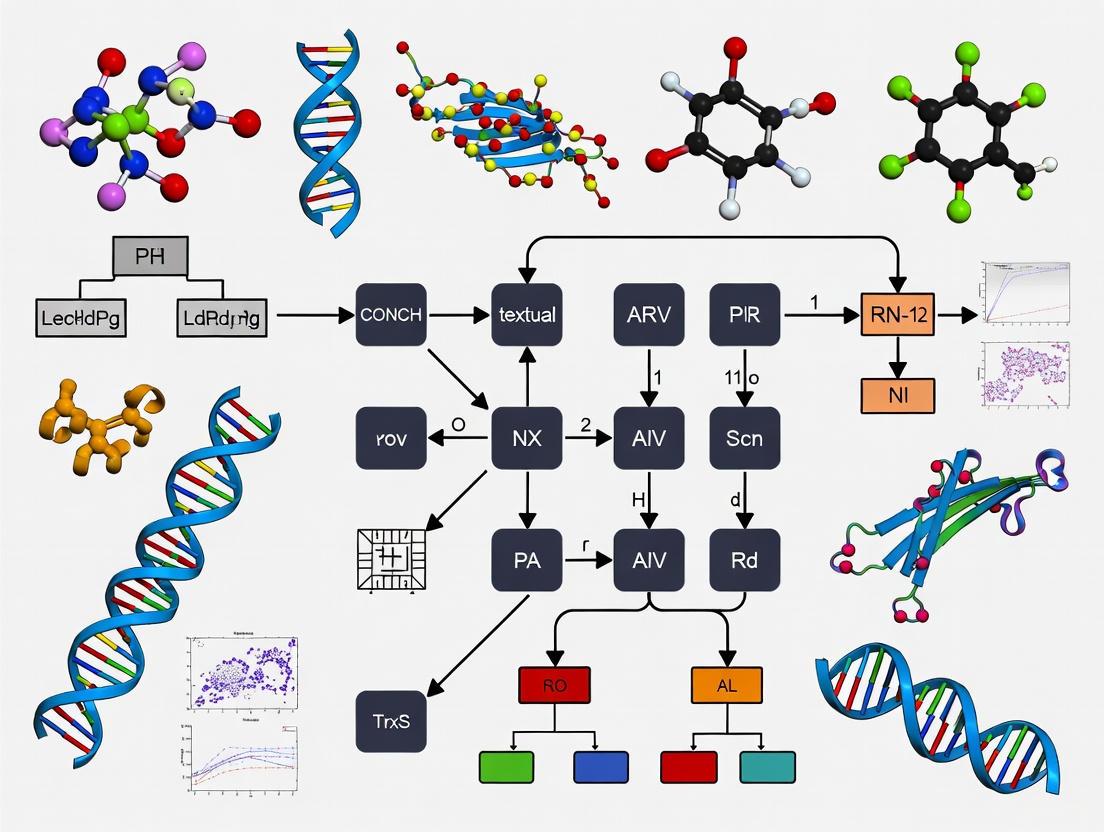
This article explores the transformative impact of vision-language foundation models (VLMs), with a focus on CONCH, in computational pathology.
CONCH and Beyond: How Vision-Language Models Are Revolutionizing Computational Pathology
Abstract
This article explores the transformative impact of vision-language foundation models (VLMs), with a focus on CONCH, in computational pathology. Tailored for researchers, scientists, and drug development professionals, it provides a comprehensive overview of how these models leverage massive image-text datasets to overcome data scarcity and enable versatile AI applications. We delve into the foundational architecture of models like CONCH, detail their methodological applications in tasks from classification to slide retrieval, and address critical optimization challenges such as prompt engineering. The article further validates their performance through comparative benchmarking against other foundation models and concludes with an analysis of future directions for integrating these powerful tools into biomedical research and clinical workflows.
The Foundation Model Revolution: What Are VLMs and Why Do They Matter for Pathology?
The development of robust artificial intelligence (AI) models for medical imaging, particularly in computational pathology, faces a fundamental constraint: the scarcity of high-quality, expert-annotated data. Deep learning methods are notoriously data-hungry, requiring large amounts of pixel-by-pixel annotated images to learn effectively [1]. Creating such datasets demands specialized expert labor, substantial time, and significant cost—resources that are particularly scarce for many medical conditions and clinical settings [1]. This data scarcity problem creates a critical bottleneck in developing accurate, generalizable AI tools for disease diagnosis, prognosis, and biomarker prediction from medical images.
Within this challenging landscape, computational pathology presents unique complexities. Whole Slide Images (WSIs) are gigapixel-sized digital pathology scans that contain immense amounts of visual information at cellular and sub-cellular levels. Traditional supervised learning approaches require pathologists to meticulously label these massive images, an process that is both time-consuming and economically prohibitive at scale. This limitation is especially acute for rare diseases, where collecting large patient cohorts is particularly challenging [2], and for complex tasks such as cancer subtyping, biomarker prediction, and outcome prognosis [3].
Vision-Language Models as a Solution: The CONCH Framework
Core Architecture and Training Methodology
Vision-language models (VLMs) represent a paradigm shift in addressing data scarcity by learning from both images and their corresponding textual descriptions. The CONCH (CONtrastive learning from Captions for Histopathology) framework exemplifies this approach through task-agnostic pretraining on diverse sources of histopathology images and biomedical text [4] [5]. This model is specifically designed to overcome labeled data limitations by leveraging over 1.17 million image-caption pairs, creating a foundation model that can be transferred to a wide range of downstream tasks with minimal or no further supervised fine-tuning [5].
The CONCH architecture employs contrastive learning to align visual representations from histopathology images with textual embeddings from corresponding captions in a shared latent space. This training methodology enables the model to learn rich, transferable representations without requiring explicit manual annotations for specific diagnostic tasks. By learning the relationships between visual patterns in tissue samples and their textual descriptions in medical literature and reports, CONCH develops a foundational understanding of histopathologic entities that mirrors how human pathologists teach each other and reason about morphological features [5].
Comparative Performance Benchmarks
Recent comprehensive benchmarking studies demonstrate how VLMs like CONCH effectively overcome data scarcity challenges. When evaluated on 31 clinically relevant tasks across morphology, biomarkers, and prognostication, CONCH achieved state-of-the-art performance despite being trained on significantly less data than some competing approaches [3].
Table 1: Performance Comparison of Pathology Foundation Models Across Task Types
| Model Type | Model Name | Morphology Tasks (Mean AUROC) | Biomarker Tasks (Mean AUROC) | Prognosis Tasks (Mean AUROC) | Overall Mean AUROC |
|---|---|---|---|---|---|
| Vision-Language | CONCH | 0.77 | 0.73 | 0.63 | 0.71 |
| Vision-Only | Virchow2 | 0.76 | 0.73 | 0.61 | 0.71 |
| Vision-Only | Prov-GigaPath | 0.69 | 0.72 | 0.61 | 0.69 |
| Vision-Only | DinoSSLPath | 0.76 | 0.68 | 0.59 | 0.69 |
Notably, CONCH's vision-language pretraining enables superior performance in data-scarce settings. In evaluations of low-prevalence biomarkers (such as BRAF mutations present in only 10% of cases), CONCH maintained robust performance where vision-only models typically struggled [3]. This capability is particularly valuable for real-world clinical applications where positive cases for specific molecular subtypes may be naturally rare.
Experimental Protocols and Methodologies
CONCH Pretraining Framework
The CONCH model was developed using a multi-stage pretraining approach designed to maximize learning from limited labeled data:
Data Curation and Preparation: Collected 1.17 million histopathology image-caption pairs from diverse sources, ensuring representation across multiple tissue types, stain types (H&E, IHC, special stains), and disease conditions [4]. The training corpus intentionally excluded large public slide collections like TCGA, PAIP, and GTEX to minimize risks of data contamination in future benchmark evaluations [4].
Contrastive Pretraining: Implemented contrastive learning objectives to align image and text embeddings using a dual-encoder architecture. The training employed a temperature-scaled cross-entropy loss to maximize the similarity between corresponding image-text pairs while minimizing similarity between non-matching pairs [5].
Multi-scale Image Encoding: Processed whole slide images at multiple magnifications (20×, 10×, 5×) to capture both cellular-level details and tissue-level architectural patterns. This approach enabled the model to learn morphological features at different hierarchical levels, from subcellular structures to tissue organization [4].
Text Encoder Specialization: Utilized a biomedical-domain adapted transformer architecture for processing captions, which was pretrained on medical literature and pathology reports to develop domain-specific language understanding [5].
Zero-Shot Evaluation Methodology
To validate CONCH's capability to overcome data scarcity, researchers employed rigorous zero-shot evaluation protocols across 14 diverse benchmarks [5]:
Image Classification: Evaluated on multiple tissue classification tasks without task-specific fine-tuning, using text prompts such as "a histopathology image of [class name]" to generate classification weights from the text encoder.
Cross-Modal Retrieval: Measured performance on both image-to-text and text-to-image retrieval tasks, assessing the model's ability to associate visual patterns with appropriate pathological descriptions.
Segmentation: Applied the model to tissue segmentation tasks through text-guided inference using prompts describing different tissue types and morphological structures.
Captioning: Generated descriptive captions for histopathology images by leveraging the aligned vision-language representations to produce morphologically accurate descriptions.
The evaluation framework comprehensively assessed the model's transferability across different disease types, tissue sites, and diagnostic tasks, consistently demonstrating that CONCH could be applied to downstream tasks with minimal or no additional labeled data [5].
Complementary Approaches for Data Scarcity
Multi-Task Learning Frameworks
Multi-task learning (MTL) provides another powerful approach to addressing data scarcity by enabling simultaneous training of a single model that generalizes across multiple tasks [2]. The UMedPT (Universal Biomedical Pretrained Model) framework demonstrates how MTL can efficiently utilize different label types and data sources to pretrain image representations applicable to all tasks:
Table 2: Multi-Task Learning Performance with Limited Data
| Task Type | Dataset | Metric | ImageNet Performance (100% Data) | UMedPT Performance (1% Data) | Data Reduction |
|---|---|---|---|---|---|
| Tissue Classification | CRC-WSI | F1 Score | 95.2% | 95.4% | 99% |
| Disease Diagnosis | Pneumo-CXR | F1 Score | 90.3% | 93.5% | 95% |
| Object Detection | NucleiDet-WSI | mAP | 0.71 | 0.71 | 50% |
The UMedPT architecture incorporates shared blocks (including an encoder, segmentation decoder, and localization decoder) along with task-specific heads [2]. This design enables the model to leverage annotations from multiple sources and types (classification, segmentation, object detection) while maintaining task-specific performance. In rigorous evaluations, UMedPT matched ImageNet pretraining performance with only 1-50% of the training data across various biomedical imaging tasks [2].
Synthetic Data Generation
Advanced synthetic data generation techniques provide another pathway to overcome data scarcity. A novel AI tool developed by UC San Diego researchers demonstrates how generating synthetic image-mask pairs can augment small datasets effectively [1]:
Generator Training: Train a generative model to produce synthetic images from segmentation masks, which are color-coded overlays indicating healthy or diseased regions.
Data Augmentation: Create artificial image-mask pairs to augment small datasets of real expert-annotated examples.
Feedback Loop Implementation: Establish a continuous feedback loop where the system refines generated images based on how well they improve model performance, ensuring synthetic data is specifically tailored to enhance segmentation capabilities rather than merely appearing realistic [1].
This approach has been shown to reduce data requirements by 8-20 times while maintaining or improving performance compared to standard methods, making it particularly valuable for rare conditions with limited available data [1].
The Scientist's Toolkit: Essential Research Reagents
Table 3: Key Research Reagents and Computational Resources for VLM Development
| Resource Name | Type | Function in Research | Application in Data Scarcity Context |
|---|---|---|---|
| CONCH Model Weights | Pre-trained Model | Provides foundational vision-language understanding for histopathology | Enables zero-shot transfer to new tasks without additional labeled data [4] |
| Virchow2 | Vision Foundation Model | Offers competitive alternative for vision-only tasks | Serves as strong baseline for biomarker prediction tasks [3] |
| UMedPT Framework | Multi-task Model | Supports learning across multiple biomedical imaging modalities | Reduces data requirements by leveraging complementary tasks [2] |
| Mass-340K Dataset | Whole Slide Image Collection | Provides large-scale pretraining corpus for slide-level models | Enables training of general-purpose slide representations without manual annotations [6] |
| PathChat | Generative AI Copilot | Generates synthetic fine-grained captions for histopathology images | Creates training data for vision-language alignment without manual annotation [6] |
| TCGA/CPTAC | Public Cancer Datasets | Serves as benchmarking resources for model evaluation | Provides standardized evaluation frameworks despite data scarcity in target domains [7] |
Implementation Workflows: Technical Diagrams
CONCH Vision-Language Pretraining Workflow
Multi-Task Learning for Data Efficiency
Vision-language models like CONCH represent a fundamental shift in addressing data scarcity challenges in computational pathology and medical AI. By leveraging contrastive learning on image-text pairs and multi-task training strategies, these approaches significantly reduce dependency on large, expensively annotated datasets while maintaining robust performance across diverse clinical tasks. The demonstrated ability of CONCH to achieve state-of-the-art results with minimal fine-tuning across 31 clinical tasks underscores the transformative potential of this paradigm [3].
Future research directions should focus on enhancing model generalization across rare diseases, improving integration with multimodal patient data, and developing more efficient adaptation techniques for specialized clinical applications. As these foundation models continue to evolve, they promise to accelerate the development of accurate, accessible, and deployable AI tools that can overcome the fundamental constraint of data scarcity in medical imaging and ultimately enhance patient care across diverse healthcare settings.
What is a Vision-Language Model? Bridging Visual and Textual Understanding
Vision-Language Models (VLMs) represent a transformative class of artificial intelligence (AI) that seamlessly integrates computer vision with natural language processing. These multimodal systems learn the complex relationships between visual data and textual information, enabling them to generate text from visual inputs or comprehend natural language prompts within a visual context [8]. This technical guide delves into the core architecture, training methodologies, and evolving capabilities of VLMs, with a specific focus on their groundbreaking applications in computational pathology research. We examine how specialized models like CONCH and TITAN are leveraging VLM technology to advance cancer diagnosis, prognosis, and biomarker discovery from gigapixel whole-slide images (WSIs), thereby bridging the critical gap between visual histopathological patterns and expert clinical language.
At their foundation, Vision-Language Models are built upon a synergistic architecture that processes and aligns information from two distinct modalities: images and text. The core components work in concert to create a unified understanding [8] [9] [10].
- Vision Encoder: This component, often a Vision Transformer (ViT) or a convolutional neural network (CNN), is responsible for extracting vital visual features from an image or video input. It transforms the input into a structured numerical representation known as visual embeddings ((Z_{(i)})). A ViT, for instance, processes an image by dividing it into patches and treating them as sequences, akin to tokens in a language model, and then implements self-attention across these patches [8].
- Language Encoder: Typically a transformer-based Large Language Model (LLM) such as GPT or BERT, this module captures the semantic meaning and contextual associations within the text. It converts textual prompts into dense vector representations called textual embeddings ((Z_{(t)})) [8] [9].
- Projection/Fusion Layer: A critical component that aligns the visual and textual embeddings into a shared, joint multimodal embedding space. This is usually implemented as a small multilayer perceptron (MLP) or a transformer block. This shared space allows the model to perform cross-modality reasoning, linking textual concepts with concrete visual evidence [9] [10].
- Autoregressive Decoder: In the final step, the combined multimodal embeddings serve as an input prefix for an autoregressive language model. This decoder generates a text-based response one token at a time, with each new token conditioned on the previously generated tokens and the multimodal context [9].
The following diagram illustrates the flow of information through these core components:
Training Paradigms and Technical Evolution
The effectiveness of VLMs is largely determined by their training strategies. These methods enable the model to learn the intricate correlations between images and text, forming the basis of their multimodal capabilities [8].
Foundational Training Methods
- Contrastive Learning: This approach, exemplified by models like CLIP (Contrastive Language-Image Pretraining), maps image and text embeddings from their respective encoders into a joint embedding space. The model is trained on datasets of image-text pairs to minimize the distance between embeddings of matching pairs and maximize it for non-matching pairs. This creates a powerful shared space where semantically similar concepts from different modalities are close together [8] [11]. SigLIP is a recent evolution that replaces the softmax-based contrastive loss with a pairwise sigmoid loss, improving training parallelization [11].
- Generative Model Training: This strategy focuses on learning to generate new data. For VLMs, this includes image-to-text generation (producing captions or descriptions from an input image) and text-to-image generation (producing images from input text) [8].
- Masking: In this self-supervised technique, the model learns to predict randomly obscured parts of an input text or image. In masked language modeling, VLMs learn to fill in missing words in a text caption given an unmasked image, and in masked image modeling, they learn to reconstruct hidden pixels in an image given an unmasked caption [8].
- Hybrid Approaches: Modern models often combine multiple objectives. CoCa (Contrastive Captioner), for instance, uses a multi-task loss function that incorporates both contrastive learning and captioning objectives, aiming to get the benefits of both worlds [11].
The Evolution of VLM Capabilities
The VLM landscape has rapidly evolved from simple matching models to sophisticated reasoning systems [12] [9].
Table: Evolution of Vision-Language Models
| Era | Representative Models | Key Innovation | Capabilities |
|---|---|---|---|
| ~2015-2019 | Show & Tell, ViLBERT | CNN+RNN; Early Transformer architectures | Basic image captioning |
| ~2021 | CLIP, SimVLM | Effective zero-shot alignment via contrastive learning | Zero-shot image classification |
| ~2022 | Flamingo, BLIP-1 | Cross-attention layers for few-shot learning | Few-shot multimodal prompting |
| ~2023-2024 | GPT-4V, Gemini, LLaVA | Fully integrated multimodal architectures | Advanced multimodal reasoning, dialog |
| 2025+ | Gemini 2.5, Qwen2.5-Omni, Any-to-any models | "Thinker-Talker" architectures, MoE decoders | Any-to-any modality, agentic capabilities, long-context understanding |
Recent architectural trends are pushing the boundaries of what VLMs can achieve. The emergence of any-to-any models like Qwen2.5-Omni allows for input and output across any combination of modalities (image, text, audio, video) through novel architectures that may employ multiple encoders and decoders [12]. The use of Mixture-of-Experts (MoE) decoders, where a router dynamically selects specialized sub-networks ("experts") to process different inputs, has shown enhanced performance and inference efficiency in models like Kimi-VL and DeepSeek-VL2 [12]. Furthermore, the field is seeing a rise of powerful yet smaller models (e.g., SmolVLM, Gemma3-4b) with less than 2 billion parameters, making advanced VLM capabilities feasible for deployment on consumer hardware and edge devices [12].
VLMs in Computational Pathology: A Case Study
Computational pathology presents a unique set of challenges that VLMs are uniquely suited to address. The field involves the analysis of gigapixel Whole Slide Images (WSIs), which are massive digital files of tissue sections, and correlating their complex visual patterns with rich textual descriptions found in pathology reports [6] [13].
The Critical Need for VLMs in Pathology
Traditional AI models in pathology often rely solely on image data, which is a stark contrast to how human pathologists teach and reason—by integrating visual morphology with descriptive language [4]. Translating the capabilities of patch-based foundation models to address patient- and slide-level clinical challenges remains complex due to the immense scale of WSIs and the frequent scarcity of labeled data for rare diseases [6]. VLMs bridge this gap by enabling zero-shot and few-shot learning, where models can perform tasks without or with minimal task-specific training data, guided instead by natural language prompts [11] [13].
Specialized Pathology VLMs: CONCH and TITAN
Several specialized VLMs have been developed to tackle the specific needs of computational pathology.
- CONCH (CONtrastive learning from Captions for Histopathology): A visual-language foundation model pretrained on the largest histopathology-specific vision-language dataset at its time of release—1.17 million image-caption pairs [4]. CONCH is based on the CoCa (Contrastive Captioner) architecture, which unifies contrastive and generative learning objectives [13]. This allows CONCH to be transferred to a wide range of downstream tasks involving histopathology images and text, achieving state-of-the-art performance on image classification, segmentation, captioning, and cross-modal retrieval [4]. Its training did not use large public slide collections like TCGA, reducing the risk of data contamination when evaluating on public benchmarks or private datasets [4].
- TITAN (Transformer-based pathology Image and Text Alignment Network): A more recent multimodal whole-slide foundation model pretrained on 335,645 WSIs [6]. Its pretraining strategy involves three stages: 1) vision-only unimodal pretraining on region-of-interest (ROI) crops, 2) cross-modal alignment with synthetic fine-grained morphological descriptions at the ROI-level (423k pairs), and 3) cross-modal alignment at the WSI-level with clinical reports (183k pairs) [6]. This extensive training enables TITAN to generate general-purpose slide representations for tasks like cancer subtyping, prognosis, and even generate pathology reports, demonstrating strong performance in low-data regimes and zero-shot settings [6].
The workflow for developing and applying such foundational models in pathology is complex, involving both visual and linguistic data at multiple scales, as shown below:
Benchmarking and Performance in Pathology Tasks
Comprehensive benchmarking studies have evaluated the performance of general and pathology-specific VLMs across a wide array of diagnostic tasks. One such study evaluated 31 foundation models—including general vision models (VM), general vision-language models (VLM), pathology-specific vision models (Path-VM), and pathology-specific vision-language models (Path-VLM)—across 41 tasks from TCGA, CPTAC, and external datasets [14].
Table: Benchmarking Model Performance on TCGA Tasks (Adapted from [14])
| Model Category | Example Models | Mean Average Performance* on 19 TCGA Tasks | Key Finding |
|---|---|---|---|
| Pathology-specific VM | Virchow2, UNI, Prov-GigaPath | Virchow2: 0.706 ± 0.10 | Pathology-specific vision models (Path-VM) secured top rankings. |
| Pathology-specific VLM | CONCH, PLIP, Quilt-Net | Evaluated but overall Path-VM outperformed Path-VLM. | Effective domain alignment is critical; model complexity alone does not guarantee superiority. |
| General VLM | CLIP, iBOT | Lower than pathology-specific models. | Domain-specific training provides a significant performance advantage. |
| Fusion Model | Integration of top models | Superior generalization across external tasks and tissues. | Combining models can enhance robustness and generalization. |
*Performance Metric: Average of balanced accuracy, precision, recall, and F1 score.
A key insight from these benchmarks is that model size and pretraining data size do not consistently correlate with improved performance in pathology, challenging assumptions about scaling in histopathological applications [14]. The study also found that a fusion model, which integrated top-performing foundation models, achieved superior generalization across external tasks and diverse tissues [14].
Furthermore, research has shown that prompt engineering is a critical factor in the real-world application of pathology VLMs. A systematic study on zero-shot diagnostic pathology found that prompt design significantly impacts model performance, with the CONCH model achieving the highest accuracy when provided with precise anatomical references [13]. Performance consistently degraded when anatomical precision in the prompt was reduced, highlighting the importance of domain-appropriate, precise language when instructing these models for diagnostic tasks [13].
The Scientist's Toolkit: Research Reagent Solutions
For researchers and drug development professionals aiming to work with VLMs in computational pathology, the following table details key resources and their functions.
Table: Essential Research Reagents for VLM Development in Computational Pathology
| Resource / Tool | Type | Primary Function | Relevance to Pathology |
|---|---|---|---|
| CONCH [4] | Pre-trained VLM | Provides a foundation model for transfer learning on histopathology tasks. | Excels at classification, segmentation, captioning, and retrieval; avoids TCGA data contamination. |
| TITAN [6] | Pre-trained Slide Foundation Model | Generates general-purpose slide-level representations from WSIs. | Enables zero-shot classification, cancer retrieval, and report generation without fine-tuning. |
| Quilt-1M / Quilt-Instruct [13] | Dataset | Provides 1M image-text pairs and 107k Q/A pairs for training/finetuning. | Supplies large-scale, diverse histopathology data for contrastive and instruction-tuning. |
| LAION-5B [10] | Dataset | Massive dataset of 5B+ general image-text pairs. | Used for pretraining general vision encoders; supports multilingual VLM training. |
| ImageNet [8] [10] | Dataset | Over 14M labeled images for general object recognition. | Foundational pretraining for vision backbones, though less specific than pathology datasets. |
| Hugging Face Transformers / vLLM [12] [9] | Software Library / Inference Engine | Simplifies model integration, fine-tuning, and efficient serving of large models. | Accelerates experimentation and deployment of pathology VLMs in research and clinical workflows. |
| Virchow2 [14] | Pre-trained Pathology VM | A top-performing pathology-specific vision model for slide encoding. | Delivered highest performance in cross-task benchmarking; robust feature extractor. |
Vision-Language Models represent a paradigm shift in AI, moving from unimodal understanding to a integrated, multimodal reasoning that more closely mirrors human cognition. Their architecture, which hinges on the creation of a joint embedding space for visual and textual information, enables a powerful set of capabilities from visual question answering to complex contextual reasoning. In computational pathology, specialized VLMs like CONCH and TITAN are not merely incremental improvements but foundational technologies that address core challenges in the field. By learning from vast corpora of image-text pairs, they bridge the gap between the subtle visual language of histopathology and the explicit descriptions used by experts, enabling more accurate, generalizable, and accessible AI tools for cancer diagnosis, prognosis, and biomarker discovery. As research continues to focus on improving efficiency, reducing hallucinations, and enhancing agentic capabilities, VLMs are poised to become an indispensable tool in the pursuit of precision medicine.
The diagnosis and treatment of complex diseases, notably cancer, rely heavily on the histological examination of tissue samples by pathologists. The recent digitization of pathology has opened the door for artificial intelligence (AI) to augment and enhance this process, a field known as computational pathology [15]. However, traditional AI models in this domain face significant challenges. They are typically trained for a single, specific task using large volumes of meticulously labeled data, which is labor-intensive and difficult to acquire for thousands of potential diagnoses and rare diseases. Moreover, these models utilize only image data, ignoring the rich semantic context found in pathology reports, textbooks, and scientific literature—a stark contrast to how human pathologists teach and reason [15] [16].
Vision-Language Models (VLMs) pretrained on large-scale image-text pairs from the general web have demonstrated remarkable capabilities. Applying these general-purpose models to histopathology, however, often leads to subpar performance due to the vast domain shift between natural images and complex medical histology [15]. CONCH (CONtrastive learning from Captions for Histopathology) was developed to address this gap. It is a visual-language foundation model specifically designed for computational pathology, pretrained on the largest collection of histopathology-specific image-caption pairs to date [4] [15]. By learning a shared representation space for both tissue images and medical text, CONCH achieves state-of-the-art performance across a wide array of tasks without requiring task-specific labels, marking a substantial leap toward versatile and accessible AI for pathology [4] [15] [17].
CONCH Architecture & Pretraining Methodology
CONCH's design and training regimen are engineered to develop a deep, contextual understanding of histopathology imagery through language.
Model Architecture
CONCH is built upon the CoCa (Contrastive Captioners) framework, a state-of-the-art VLM architecture [15] [18]. It consists of three core components:
- A Vision Encoder: A Vision Transformer (ViT-B/16) that processes input histopathology images, breaking them down into patches to generate image embeddings [18].
- A Text Encoder: A 12-layer transformer network (L12-E768-H12) that processes corresponding text captions [18].
- A Multimodal Fusion Decoder: A transformer that attends to both the image embeddings from the vision encoder and the text representations, enabling deep cross-modal interaction [15].
This architecture allows CONCH to be trained with multiple objectives, leading to a more robust and versatile model compared to those trained with a single objective.
Pretraining Framework
The model was trained using a combination of two distinct objectives, as illustrated in the workflow below.
Diagram 1: CONCH pretraining workflow.
- Image-Text Contrastive Loss: This objective forces the model to align matched image-caption pairs closely in a shared embedding space while pushing non-matching pairs apart. It enables tasks like image-text retrieval and zero-shot classification by learning a unified representation [15] [18].
- Captioning Loss: This generative objective trains the multimodal decoder to predict the text caption autoregressively given the input image. This enhances the model's ability to understand fine-grained visual details and describe them in natural language [15].
Pretraining Dataset
A key differentiator for CONCH is its pretraining dataset. The model was trained on 1.17 million histopathology image-caption pairs curated from diverse sources, including:
- PubMed Central Open Access (PMC-OA): A vast repository of biomedical literature [18].
- Internally curated sources: Ensuring diversity in stains (H&E, IHC, special stains) and tissue types [4] [18].
Notably, CONCH was not pretrained on large public slide collections like TCGA, which minimizes the risk of data contamination when evaluating on popular benchmarks [4] [18].
Quantitative Performance Evaluation
CONCH has been rigorously evaluated on a suite of 14 diverse benchmarks, consistently outperforming other general-purpose and biomedical VLMs.
Zero-Shot Classification
Zero-shot classification tests a model's ability to make predictions on novel tasks without any further task-specific training. As shown in the table below, CONCH demonstrates superior performance across both slide-level and region-of-interest (ROI)-level tasks.
Table 1: Zero-shot classification performance of CONCH versus other vision-language models. Accuracy is reported as balanced accuracy for most tasks; Cohen's κ (KC) and Quadratic κ (QK) are used for subjective grading tasks.
| Task Level | Task Name (Dataset) | CONCH | PLIP | BiomedCLIP | OpenAI CLIP |
|---|---|---|---|---|---|
| Slide-Level | NSCLC Subtyping (TCGA) | 90.7% | 78.7% | 75.9% | 73.3% |
| RCC Subtyping (TCGA) | 90.2% | 80.4% | 76.7% | 74.6% | |
| BRCA Subtyping (TCGA) | 91.3% | 50.7% | 55.3% | 53.2% | |
| LUAD Pattern (DHMC) | KC: 0.200 | KC: 0.080 | KC: 0.040 | KC: 0.010 | |
| ROI-Level | CRC Tissue (CRC100k) | 79.1% | 67.4% | 66.7% | 65.2% |
| LUAD Tissue (WSSS4LUAD) | 71.9% | 62.4% | 60.1% | 58.8% | |
| Gleason Pattern (SICAP) | QK: 0.690 | QK: 0.580 | QK: 0.550 | QK: 0.510 |
CONCH achieves a dramatic improvement on challenging tasks like BRCA subtyping, outperforming the next-best model by nearly 35% [15]. This indicates its robust capability to capture clinically relevant morphological features directly from language-aligned visual representations.
Beyond Classification: Diverse Task Performance
CONCH's capabilities extend far beyond classification, enabling a wide spectrum of applications.
Table 2: CONCH performance on retrieval, segmentation, and captioning tasks.
| Task Category | Benchmark | CONCH Performance | Comparative Performance |
|---|---|---|---|
| Image-to-Text Retrieval | Pathology-specific Retrieval | State-of-the-Art | Outperforms PLIP, BiomedCLIP, and OpenAI CLIP [15] |
| Text-to-Image Retrieval | Pathology-specific Retrieval | State-of-the-Art | Outperforms PLIP, BiomedCLIP, and OpenAI CLIP [15] |
| Tissue Segmentation | Multi-tissue Segmentation | State-of-the-Art | Achieves superior performance in segmenting various tissue types [4] [15] |
| Image Captioning | Pathology Captioning | State-of-the-Art | Generates accurate descriptions of histopathology images [15] |
Experimental Protocols for Downstream Application
A principal advantage of CONCH is its adaptability to various downstream tasks with minimal effort. Below are detailed methodologies for key applications.
Zero-Shot ROI and Whole-Slide Image (WSI) Classification
For zero-shot classification, the class names are converted into a set of text prompts (e.g., "a histology image of invasive ductal carcinoma"). CONCH computes the similarity between the image embedding and all text prompt embeddings, assigning the class of the most similar prompt.
Protocol:
- Prompt Engineering: Create an ensemble of text prompts for each class (e.g., "photo of breast ILC", "microscopic view of invasive lobular carcinoma"). Ensembling multiple prompts per class significantly boosts performance [15].
- Feature Encoding: For a given image, compute its embedding using the CONCH vision encoder. Simultaneously, compute the text embeddings for all prompts using the CONCH text encoder.
- Similarity Calculation: Calculate the cosine similarity between the image embedding and all text embeddings.
- Prediction: For ROI-level classification, assign the class label associated with the prompt yielding the highest similarity score [15].
- WSI Aggregation (MI-Zero): For gigapixel WSIs, the slide is divided into tiles. Steps 2-4 are performed on each tile. The tile-level scores are then aggregated (e.g., by averaging or taking the maximum) to produce a final slide-level prediction [15].
Diagram 2: Zero-shot WSI classification with CONCH (MI-Zero).
Linear Probing and Fine-Tuning
When labeled data is available, CONCH's representations can serve as a powerful foundation for supervised learning.
Protocol:
- Feature Extraction: Use the frozen CONCH vision encoder to extract feature embeddings from all images in the dataset.
- Classifier Training (Linear Probing): Train a simple linear classifier (e.g., a logistic regression model or a single linear layer) on top of the frozen CONCH features. This tests the quality of the representations themselves [18].
- End-to-End Fine-Tuning: For maximum performance, the entire CONCH model (or parts of it) can be unfrozen and fine-tuned on the labeled downstream task. This allows the model to adapt its representations to the specific task at hand [18].
The Scientist's Toolkit: Essential Research Reagents
To implement CONCH in a research environment, the following tools and resources are essential.
Table 3: Key resources for working with the CONCH model.
| Resource Name | Type | Description & Function |
|---|---|---|
| CONCH GitHub Repository [4] | Code & Documentation | The official repository containing installation instructions, usage examples, and links to the model weights. |
| CONCH Hugging Face Hub [18] | Model Weights | The gated repository where researchers can request access to download the pretrained model weights. |
| PyTorch [18] | Software Framework | The deep learning framework required to run CONCH. |
| Python 3.10+ | Programming Language | The supported programming language for the CONCH codebase. |
| TIMM & OpenCLIP [18] | Software Libraries | Core libraries upon which CONCH is built for model implementation and training. |
| Histopathology Datasets (e.g., TCGA, CRC100K) [15] | Benchmark Data | Public and private datasets for evaluating model performance on various downstream tasks. |
Access and Licensing
Access to the CONCH model weights is managed through Hugging Face Hub. Researchers must:
- Agree to a license that permits non-commercial, academic research use only (CC-BY-NC-ND 4.0) [18].
- Register with an institutional email address; requests from personal email domains are denied [18].
- Contact the authors for any commercial use or licensing inquiries [18].
Limitations, Future Directions, and the Evolving Landscape
While CONCH represents a significant advancement, several limitations and future directions are noteworthy.
- Computational Burden: Processing gigapixel WSIs requires significant memory and computational resources, often necessitating tiling and feature aggregation techniques [15].
- Decoder Weights: The multimodal decoder weights are not included in the public release as an added precaution to prevent potential leakage of proprietary or protected health information [18]. This limits the ability to reproduce the captioning results.
- Focus on ROI-level: The original CONCH model primarily processes image patches (ROIs). While it can be used for WSIs via aggregation methods like MI-Zero, newer models like TITAN are being developed as native whole-slide foundation models that build upon CONCH's capabilities [6].
- Annotation-Free Specialization: Recent research shows that CONCH's performance on specific downstream tasks can be further enhanced through continued pretraining on task-relevant image-caption pairs, even without manual annotations [19]. This presents a promising pathway for effortless model specialization.
The field is rapidly evolving, with models like TITAN [6] and PathologyVLM [20] pushing the boundaries further. CONCH, however, remains a foundational pillar—a powerful, publicly available, and extensively validated VLM that has set a new standard for general-purpose representation learning in computational pathology.
Computational pathology, a field at the intersection of computer science and pathology, leverages digital technology and artificial intelligence (AI) to enhance diagnostic accuracy and efficiency [21]. The field has made significant strides in automatically analyzing pathology images for tasks ranging from pathological structure segmentation to tumor classification and prognosis analysis [22]. However, traditional AI models in histopathology have faced fundamental limitations: they typically leverage only image data, require labor-intensive labeling by expert pathologists, and are designed for specific tasks and diseases, making their development unscalable across thousands of possible diagnoses [23] [15].
The practice of pathology fundamentally integrates visual and linguistic information—pathologists examine tissue morphology and communicate findings through written reports, journal articles, and educational textbooks [15]. CONCH (CONtrastive learning from Captions for Histopathology) addresses this gap by introducing a visual-language foundation model that mirrors how human pathologists teach and reason about histopathologic entities [23]. By pretraining on 1.17 million histopathology image-caption pairs through task-agnostic learning, CONCH represents a paradigm shift from task-specific models toward a general-purpose foundation model capable of multiple downstream applications with minimal or no further supervised fine-tuning [18] [4].
CONCH Architecture and Training Methodology
Model Architecture Components
CONCH is built on a multi-component architecture that processes and aligns visual and textual information:
- Vision Encoder: A Vision Transformer (ViT-B/16) with 90 million parameters processes histopathology images by splitting them into 16×16 pixel patches and converting them into numerical representations [18].
- Text Encoder: A 12-layer transformer model with 768-dimensional hidden states and 12 attention heads (110 million parameters) processes biomedical text [18].
- Multimodal Fusion Mechanism: Based on the CoCa (Contrastive Captioners) framework, CONCH uses a combination of contrastive alignment objectives that seek to align the image and text modalities in the model's representation space and a captioning objective that learns to predict the caption corresponding to an image [15].
This architectural approach enables rich cross-modal reasoning, allowing the model to understand the relationships between visual patterns in tissue samples and their textual descriptions in medical literature and reports.
Training Data Composition
CONCH was pretrained on diverse sources of histopathology images and biomedical text, creating the largest histopathology-specific vision-language dataset to date [4]. The training data comprised:
- 1.17 million histopathology image-caption pairs curated from publicly available PubMed Central Open Access (PMC-OA) and internally curated educational resources [18] [15].
- Diverse stain types including not only traditional H&E (hematoxylin and eosin) but also IHC (immunohistochemical) stains and special stains, enabling more robust representation learning across different staining protocols [18].
- Notably excluded large public histology slide collections such as TCGA, PAIP, and GTEX, which are routinely used in benchmark development, thereby minimizing the risk of data contamination when evaluating on public benchmarks or private histopathology slide collections [18].
The model was trained for approximately 21.5 hours on 8 Nvidia A100 GPUs using fp16 automatic mixed-precision, making the training process computationally efficient despite the massive dataset [18].
Figure 1: CONCH Architecture and Training Objectives. The model processes images and text through separate encoders, aligning them in a shared multimodal representation space using contrastive and captioning losses.
Experimental Framework and Benchmarking
Evaluation Benchmarks and Datasets
CONCH was comprehensively evaluated on a suite of 14 diverse benchmarks spanning multiple task types and anatomical sites [15]. The evaluation framework was designed to test the model's capabilities across different levels of complexity and clinical relevance:
Slide-level Classification Tasks:
- TCGA BRCA: Invasive breast carcinoma subtyping
- TCGA NSCLC: Non-small-cell lung cancer subtyping
- TCGA RCC: Renal cell carcinoma subtyping
- DHMC LUAD: Lung adenocarcinoma histologic pattern classification
Region-of-Interest (ROI) Level Tasks:
- CRC100k: Colorectal cancer tissue classification
- WSSS4LUAD: LUAD tissue classification
- SICAP: Gleason pattern classification
Additional tasks included cross-modal image-to-text and text-to-image retrieval, image segmentation, and image captioning, providing a comprehensive assessment of the model's multimodal capabilities [15].
Zero-Shot Transfer Methodology
A key innovation of CONCH is its zero-shot transfer capability, allowing the model to be directly applied to downstream classification tasks without requiring further labeled examples for supervised learning or fine-tuning [15]. The experimental methodology for zero-shot evaluation involved:
- Text Prompt Engineering: Representing class names using predetermined text prompts, with each prompt corresponding to a class. An ensemble of multiple text prompts for each class was created to capture different phrasings of the same concept (e.g., "invasive lobular carcinoma (ILC) of the breast" and "breast ILC") [15].
- Similarity Matching: Classifying images by matching them with the most similar text prompt in the model's shared image-text representation space using cosine similarity [15].
- Whole Slide Image (WSI) Processing: For gigapixel WSIs, CONCH utilized MI-Zero, which divides a WSI into smaller tiles and subsequently aggregates individual tile-level scores into a slide-level prediction [15].
This approach enables a single pretrained foundation model to be applied to different downstream datasets with an arbitrary number of classes, overcoming the limitation of traditional models that require training anew for every task [15].
Table 1: CONCH Zero-Shot Performance on Slide-Level Classification Tasks
| Task | Dataset | CONCH Performance | Next Best Model | Performance Gap |
|---|---|---|---|---|
| NSCLC Subtyping | TCGA NSCLC | 90.7% accuracy | PLIP: 78.7% | +12.0% |
| RCC Subtyping | TCGA RCC | 90.2% accuracy | PLIP: 80.4% | +9.8% |
| BRCA Subtyping | TCGA BRCA | 91.3% accuracy | BiomedCLIP: 55.3% | +36.0% |
| LUAD Pattern Classification | DHMC LUAD | κ = 0.200 | PLIP: κ = 0.080 | +0.120 |
Table 2: CONCH Zero-Shot Performance on ROI-Level Classification Tasks
| Task | Dataset | CONCH Performance | Next Best Model | Performance Gap |
|---|---|---|---|---|
| Gleason Pattern Classification | SICAP | Quadratic κ = 0.690 | BiomedCLIP: κ = 0.550 | +0.140 |
| Colorectal Cancer Tissue Classification | CRC100k | 79.1% accuracy | PLIP: 67.4% | +11.7% |
| LUAD Tissue Classification | WSSS4LUAD | 71.9% accuracy | PLIP: 62.4% | +9.5% |
Key Research Applications and Workflows
Multi-Scale Analysis Capabilities
CONCH enables histopathology analysis at multiple resolutions, from subcellular features to whole-slide level patterns:
- ROI-level Classification: Direct application to region-of-interest images for tasks like Gleason pattern grading in prostate cancer or tissue type classification in colorectal cancer [15].
- Whole Slide Image Analysis: Using multiple instance learning (MIL) approaches to aggregate tile-level predictions for slide-level classification, crucial for clinical diagnostic applications where entire slides must be assessed [15].
- Cross-Modal Retrieval: Both image-to-text and text-to-image retrieval, allowing pathologists to find similar cases based on either visual patterns or textual descriptions [23] [15].
Visualization and Interpretability
A significant advantage of CONCH's approach is the inherent interpretability it offers:
- Similarity Heatmaps: When classifying a WSI, CONCH can generate heatmaps visualizing the cosine-similarity score between each tile in the slide and text prompts corresponding to diagnostic labels [15].
- Region Identification: Regions with high similarity scores are deemed by the model to be close matches with specific diagnoses (e.g., invasive ductal carcinoma), providing visual explanations for the model's predictions and helping pathologists understand which tissue regions contributed most to the classification [15].
Figure 2: Zero-Shot Whole Slide Image Analysis Workflow. CONCH processes gigapixel WSIs by tiling, feature extraction, and similarity calculation, generating both diagnostic predictions and interpretable heatmaps.
The Scientist's Toolkit: Essential Research Reagents
Table 3: Key Research Reagents and Computational Resources for CONCH Implementation
| Resource | Type | Specification | Function/Purpose |
|---|---|---|---|
| CONCH Model Weights | Pretrained Model | ViT-B/16 (90M) + Text Encoder (110M) | Foundation model for transfer learning and zero-shot tasks [18] |
| Histopathology Image Data | Dataset | 1.17M image-caption pairs from PMC-OA & educational resources | Pretraining and fine-tuning data [15] |
| Whole Slide Images | Dataset | TCGA, DHMC LUAD, SICAP, CRC100k, WSSS4LUAD | Benchmark evaluation and clinical validation [23] |
| Computational Hardware | Infrastructure | 8 × Nvidia A100 GPUs | Model training and inference [18] |
| CONCH Python Package | Software Library | pip install git+https://github.com/Mahmoodlab/CONCH.git | Model implementation and integration [4] |
| Hugging Face Hub | Model Repository | huggingface.co/MahmoodLab/CONCH | Model weight distribution and access control [18] |
Impact and Future Directions
The development of CONCH represents a substantial leap over concurrent visual-language pretrained systems for histopathology [23]. By demonstrating state-of-the-art performance across 14 diverse benchmarks—including histology image classification, segmentation, captioning, and cross-modal retrieval—CONCH has established a new paradigm for general-purpose foundation models in computational pathology [15].
The model's impact is evidenced by its rapid adoption in the research community, with numerous studies building upon CONCH for applications including:
- Multimodal survival prediction in oncology [4]
- Spatial transcriptomics integration with histopathology images [4]
- Rare cancer subtyping and classification [4]
- Explainable AI systems for pathological diagnosis [4]
Future directions for visual-language foundation models in pathology include addressing remaining challenges in model reliability and reproducibility, developing more efficient architectures for clinical deployment, and advancing multimodal reasoning capabilities that more closely mimic human pathological reasoning [22] [21]. As noted in recent analyses, the field is moving toward building increasingly comprehensive foundation models to reach more general applications, with generative methods providing new perspectives on addressing long-standing challenges in computational pathology [22].
The training data advantage achieved through 1.17 million carefully curated image-caption pairs has proven foundational to CONCH's success, enabling a single model to facilitate a wide array of machine learning-based workflows while requiring minimal or no further supervised fine-tuning [23]. This approach dramatically reduces the annotation burden that has traditionally constrained computational pathology research and brings the field closer to realizing AI systems that can genuinely assist pathologists across the full spectrum of diagnostic challenges.
The Shift from Task-Specific Models to General-Purpose Foundational AI
The field of computational pathology is undergoing a fundamental transformation, moving away from isolated task-specific models toward versatile general-purpose foundation models. This paradigm shift addresses critical limitations in traditional approaches, where artificial intelligence (AI) models were typically designed for single tasks—such as cancer subtyping or metastasis detection—using carefully labeled datasets. These task-specific models proved difficult to scale across thousands of potential diagnoses and were particularly constrained for rare diseases where annotated data is scarce [15]. The emergence of vision-language models (VLMs) represents a pivotal advancement, mirroring how human pathologists teach and reason about histopathologic entities by integrating visual patterns with textual knowledge [15]. Within this context, foundation models like CONCH (CONtrastive learning from Captions for Histopathology) and TITAN (Transformer-based pathology Image and Text Alignment Network) are redefining the possibilities of AI in pathology by enabling zero-shot transfer learning, cross-modal retrieval, and multimodal reasoning without task-specific fine-tuning [4] [6] [15]. This technical guide examines the architectural principles, training methodologies, and experimental evidence driving this transformative shift, with particular focus on applications for pathology research and drug development.
Foundation Model Architectures: Beyond Single-Task Design
Core Architectural Principles
General-purpose foundation models for computational pathology share several defining characteristics that differentiate them from their task-specific predecessors. Unlike conventional deep learning models that process only images, VLMs jointly learn from both histopathology images and corresponding textual data, creating aligned representation spaces where visual and linguistic concepts share a common embedding [24] [15]. The CONCH model, for instance, employs three core components: an image encoder, a text encoder, and a multimodal fusion decoder [15]. This architecture enables the model to learn rich, transferable representations from web-scale image-text pairs that are almost infinitely available on the internet, overcoming the data scarcity challenges that plagued earlier approaches [25].
The transition from patch-level to whole-slide image analysis represents another critical architectural advancement. While early foundation models focused on region-of-interest (ROI) level analysis, newer architectures like TITAN operate directly on entire whole-slide images (WSIs), which present significant computational challenges due to their gigapixel size [6]. TITAN addresses this by dividing each WSI into non-overlapping patches of 512×512 pixels at 20× magnification, extracting 768-dimensional features for each patch using CONCHv1.5, and then processing the resulting feature grid with a Vision Transformer (ViT) architecture [6]. This approach preserves spatial context while managing computational complexity through attention with linear bias (ALiBi) for long-context extrapolation [6].
Multimodal Pretraining Strategies
Vision-language foundation models employ sophisticated pretraining strategies that simultaneously leverage visual and textual data. CONCH utilizes a framework based on CoCa (Contrastive Captioning), combining contrastive alignment objectives that align image and text modalities in the model's representation space with a captioning objective that learns to predict captions corresponding to images [15]. This dual approach enables the model to develop a deep semantic understanding of histopathologic entities and their textual descriptions.
TITAN implements an even more comprehensive three-stage pretraining paradigm: (1) vision-only unimodal pretraining on ROI crops using the iBOT framework for masked image modeling and knowledge distillation; (2) cross-modal alignment of generated morphological descriptions at ROI-level; and (3) cross-modal alignment at WSI-level with clinical reports [6]. This multistage approach allows the model to capture histomorphological semantics at multiple scales of resolution and abstraction, from individual cellular features to slide-level diagnostic patterns.
Table 1: Comparison of Major Foundation Models in Computational Pathology
| Model | Architecture Type | Training Data Scale | Core Pretraining Objectives | Key Capabilities |
|---|---|---|---|---|
| CONCH | Vision-language (patch-based) | 1.17M image-caption pairs [4] | Contrastive alignment, captioning [15] | Zero-shot classification, cross-modal retrieval, segmentation [4] |
| TITAN | Vision-language (slide-level) | 335,645 WSIs, 423k synthetic captions [6] | Masked image modeling, knowledge distillation, vision-language alignment [6] | Slide-level representation, report generation, rare cancer retrieval [6] |
| PLIP | Vision-language (patch-based) | Not specified | Contrastive learning [15] | Image-text retrieval, zero-shot classification [15] |
| BiomedCLIP | Vision-language (general biomedical) | Not specified | Domain-adapted contrastive learning [15] | Zero-shot classification on medical images [15] |
Experimental Evidence: Performance Benchmarks and Validation
Quantitative Performance Assessment
Rigorous evaluation across diverse benchmarks demonstrates the superior capabilities of foundation models compared to traditional approaches. CONCH has been extensively evaluated on 14 diverse benchmarks encompassing image classification, segmentation, captioning, and cross-modal retrieval tasks [15]. In slide-level cancer subtyping tasks, CONCH achieved remarkable zero-shot accuracy of 90.7% on non-small cell lung cancer (NSCLC) subtyping and 90.2% on renal cell carcinoma (RCC) subtyping, outperforming the next-best model (PLIP) by 12.0% and 9.8% respectively [15]. On the more challenging task of invasive breast carcinoma (BRCA) subtyping, CONCH attained 91.3% accuracy while other models performed at near-random chance levels (50.7%-55.3%) [15].
The TITAN model demonstrates similarly impressive performance, particularly in resource-limited clinical scenarios involving rare diseases [6]. By leveraging both real pathology reports and synthetic captions generated through a multimodal generative AI copilot, TITAN produces general-purpose slide representations that excel in few-shot and zero-shot learning settings [6]. This capability is particularly valuable for rare cancer retrieval and cross-modal retrieval between histology slides and clinical reports, where traditional supervised approaches struggle due to insufficient training examples.
Table 2: Zero-Shot Classification Performance of CONCH Across Cancer Types
| Cancer Type | Task Description | CONCH Performance | Next-Best Model Performance | Performance Gap |
|---|---|---|---|---|
| NSCLC | Non-small cell lung cancer subtyping | 90.7% accuracy [15] | 78.7% (PLIP) [15] | +12.0% [15] |
| RCC | Renal cell carcinoma subtyping | 90.2% accuracy [15] | 80.4% (PLIP) [15] | +9.8% [15] |
| BRCA | Invasive breast carcinoma subtyping | 91.3% accuracy [15] | 55.3% (BiomedCLIP) [15] | +36.0% [15] |
| LUAD | Lung adenocarcinoma pattern classification | Cohen's κ of 0.200 [15] | κ of 0.080 (PLIP) [15] | +0.120 [15] |
Protocol for Zero-Shot Evaluation
The experimental protocol for evaluating zero-shot capabilities of foundation models involves specific methodologies that differ from traditional supervised learning. For classification tasks, researchers first represent class names using predetermined text prompts, where each prompt corresponds to a class [15]. An image is then classified by matching it with the most similar text prompt in the model's shared image-text representation space using cosine similarity [15]. To improve robustness, ensembles of multiple text prompts are often created for each class, as different phrasings of the same concept (e.g., "invasive lobular carcinoma of the breast" vs. "breast ILC") can significantly impact performance [15].
For whole-slide image analysis, the MI-Zero framework is employed, which divides a WSI into smaller tiles and aggregates individual tile-level scores into a slide-level prediction [15]. This approach not only generates diagnostic predictions but also produces similarity heatmaps that visualize regions of high agreement between image tiles and text prompts, offering interpretability insights [15]. This capability for visual explanation represents a significant advantage over black-box task-specific models.
Practical Implementation: The Scientist's Toolkit
Implementing foundation models in computational pathology research requires specific computational resources and methodological components. The table below details key elements of the research toolkit for working with models like CONCH and TITAN.
Table 3: Essential Research Reagent Solutions for Foundation Model Implementation
| Component | Specifications | Function/Purpose |
|---|---|---|
| Whole-Slide Images | Gigapixel resolution (≥ 8,192 × 8,192 pixels at 20× magnification) [6] | Primary visual data input for slide-level analysis |
| Patch Encoders | CONCHv1.5 (768-dimensional features) [6] | Feature extraction from individual image patches |
| Text Prompts | Anatomically precise descriptions with domain-specific terminology [26] | Enabling zero-shot classification through textual guidance |
| Synthetic Captions | Generated via PathChat or similar multimodal generative AI [6] | Augmenting training data with fine-grained morphological descriptions |
| Vision Transformers | ViT architecture with ALiBi for long-context extrapolation [6] | Processing sequences of patch features for slide-level encoding |
Prompt Engineering Framework
Effective deployment of vision-language models requires systematic prompt engineering, particularly for specialized domains like pathology. Research demonstrates that prompt design significantly impacts model performance, with precise anatomical references and domain-specific terminology dramatically improving diagnostic accuracy [26]. A structured ablative study on cancer invasiveness and dysplasia status revealed that the CONCH model achieves highest accuracy when provided with detailed anatomical context, and performance consistently degrades when anatomical precision is reduced [26].
This research further indicates that model complexity alone does not guarantee superior performance; instead, effective domain alignment and domain-specific training are critical for optimal results [26]. These findings establish foundational guidelines for prompt engineering in computational pathology, highlighting the importance of incorporating precise clinical terminology and anatomical references when formulating text prompts for zero-shot evaluation.
Visualizing Workflows and Architectures
CONCH Training and Inference Workflow
TITAN Multi-Stage Pretraining Architecture
Implications for Research and Drug Development
The shift to general-purpose foundation models has profound implications for pathology research and drug development. These models enable unprecedented scalability across diverse pathological tasks without retraining, significantly reducing the resources required to develop AI tools for new diseases or biomarkers [15]. For pharmaceutical research, this capability is particularly valuable for biomarker discovery and clinical trial analysis, where multiple tissue-based biomarkers often need evaluation across different cancer types.
The cross-modal retrieval capabilities of models like CONCH and TITAN facilitate novel research approaches, allowing scientists to search vast histopathology databases using textual queries or to generate descriptive reports for unusual morphological patterns [6] [15]. This functionality accelerates histopathology data mining for drug response biomarkers and enables more efficient correlation of morphological patterns with clinical outcomes. Furthermore, the strong performance of these models in low-data regimes makes them particularly suitable for rare disease research, where collecting large annotated datasets has traditionally been challenging [6].
As these foundation models continue to evolve, they are poised to become indispensable tools in computational pathology, potentially transforming how pathologists and researchers interact with histopathology data. Future developments will likely focus on integrating additional data modalities, such as genomic profiles and spatial transcriptomics, creating even more comprehensive multimodal foundation models for precision oncology [24].
From Theory to Practice: How CONCH is Applied in Computational Pathology Workflows
Zero-shot classification represents a paradigm shift in machine learning applied to computational pathology. Unlike traditional supervised models that require extensive labeled datasets for each new diagnostic task, zero-shot learning enables models to recognize and categorize diseases without having seen any labeled examples of those specific conditions beforehand [27]. This capability is particularly transformative for pathology, where labeled data for rare diseases or novel tissue morphologies is often scarce, costly to produce, and requires expert annotation. The core mechanism enabling this capability is the use of auxiliary information—typically in the form of textual descriptions, semantic attributes, or embedded representations—that allows models to bridge the gap between seen and unseen classes [27]. For vision-language models in pathology, this means aligning visual patterns in histology images with textual descriptions of diseases in a shared semantic space, creating a foundational understanding that can generalize to new diagnostic challenges without task-specific fine-tuning.
The significance of this approach within computational pathology research cannot be overstated. Traditional deep learning models for whole slide image (WSI) analysis face substantial bottlenecks due to their dependency on large, expertly annotated datasets for each new diagnostic category [6] [28]. Foundation models like CONCH and TITAN bypass this limitation by leveraging pretraining on massive, diverse datasets of histopathology images and corresponding textual data [4] [6]. This pretraining enables them to perform generalized zero-shot learning (GZSL), where they can handle both categories seen during pretraining and entirely novel categories, making them exceptionally versatile tools for diagnostic pathology across diverse tissues and diseases [27].
Vision-Language Foundation Models for Pathology
Core Architecture and Alignment Mechanisms
Vision-language foundation models for pathology, such as CONCH (CONtrastive learning from Captions for Histopathology) and TITAN (Transformer-based pathology Image and Text Alignment Network), employ sophisticated architectures designed to align visual patterns in tissue images with clinical or morphological concepts expressed in text [4] [6]. These models typically consist of two parallel encoder networks: a vision encoder that processes histopathology region-of-interests (ROIs) or whole slide images, and a text encoder that processes corresponding pathological descriptions, reports, or synthetic captions.
The fundamental innovation lies in how these models learn a joint embedding space where representations from both modalities can be directly compared [27] [29]. During pretraining, contrastive learning objectives train the model to maximize the similarity between embeddings of matching image-text pairs while minimizing the similarity between non-matching pairs [6] [28]. For instance, an image of lymph node tissue with metastatic carcinoma would be brought closer to its textual description ("poorly differentiated carcinoma cells with irregular nuclei") in this shared space, while being pushed away from unrelated descriptions. This alignment creates a rich semantic representation where visual morphological patterns are directly linked to clinical concepts, enabling the model to perform zero-shot classification by measuring the similarity between an unseen image's visual embedding and embeddings of various disease descriptions [26] [28].
Key Models: CONCH and TITAN
CONCH is a vision-language foundation model specifically designed for computational pathology, pretrained on what was at its development the largest histopathology-specific vision-language dataset of 1.17 million image-caption pairs [4]. Unlike models pretrained solely on natural images, CONCH captures fine-grained histopathological semantics, making its representations particularly suited for medical tasks. The model demonstrates state-of-the-art performance across diverse benchmarks including image classification, segmentation, captioning, and cross-modal retrieval, all without requiring task-specific fine-tuning [4].
TITAN represents a more recent advancement as a multimodal whole-slide foundation model trained on an even larger scale—335,645 whole-slide images with corresponding pathology reports and 423,122 synthetic captions generated from a multimodal generative AI copilot for pathology [6]. TITAN introduces a three-stage pretraining paradigm: (1) vision-only unimodal pretraining on ROI crops, (2) cross-modal alignment of generated morphological descriptions at the ROI-level, and (3) cross-modal alignment at the WSI-level with clinical reports [6]. This comprehensive approach enables TITAN to extract general-purpose slide representations and generate pathology reports that generalize effectively to resource-limited clinical scenarios, including rare disease retrieval and cancer prognosis.
Table 1: Key Vision-Language Foundation Models for Computational Pathology
| Model | Training Data Scale | Architecture | Key Capabilities | Unique Advantages |
|---|---|---|---|---|
| CONCH | 1.17M image-caption pairs [4] | Vision-Language Transformer | Image classification, segmentation, captioning, cross-modal retrieval [4] | Did not use large public slide collections (TCGA, PAIP) for pretraining, reducing contamination risk [4] |
| TITAN | 335,645 WSIs + 423k synthetic captions [6] | Transformer with ALiBi for long-context | Slide representation, zero-shot classification, rare cancer retrieval, report generation [6] | Leverages synthetic captions and attention with linear bias for handling large WSIs [6] |
Experimental Protocols and Methodologies
Data Preparation and Preprocessing
The experimental pipeline for evaluating zero-shot classification in pathology begins with comprehensive data preparation. For whole slide image analysis, models like TITAN process WSIs by dividing them into non-overlapping patches of 512×512 pixels at 20× magnification [6]. Each patch is then encoded into a 768-dimensional feature vector using a pretrained patch encoder such as CONCH v1.5 [6]. These patch features are spatially arranged in a two-dimensional grid that replicates their original positions within the tissue, preserving crucial spatial context [6]. To handle the computational challenge of processing gigapixel WSIs, the methodology employs random cropping of the feature grid, typically sampling region crops of 16×16 features covering an area of 8,192×8,192 pixels [6]. For vision-language alignment, textual descriptions of diseases and morphological features are tokenized and encoded using transformer-based text encoders. The specific descriptive prompts used for zero-shot classification are critically important, as demonstrated in systematic prompt engineering studies [26].
Zero-Shot Inference Protocol
In zero-shot evaluation, models are assessed on their ability to classify images into novel categories without any task-specific training examples. The experimental protocol follows a standardized process: First, textual descriptions (prompts) for all target classes are encoded into the joint embedding space using the pretrained text encoder [26] [30]. These class embeddings remain fixed during inference. Next, the target histopathology image (either ROI or entire WSI) is processed through the vision encoder to generate its visual embedding [28]. The classification decision is then made by computing similarity scores (typically using cosine similarity) between the visual embedding and all class text embeddings [27] [29]. The class with the highest similarity score is assigned as the prediction. This approach enables remarkable flexibility, as new diseases can be added to the classification system simply by providing new textual descriptions, without any retraining or fine-tuning [26] [30].
Evaluation Metrics and Benchmarking
Comprehensive evaluation of zero-shot classification performance employs standard metrics including precision, recall, accuracy, and area under the receiver operating characteristic curve (AUC-ROC) [31] [26]. For medical applications, additional metrics such as sensitivity, specificity, and F1-score are often reported to provide a complete picture of diagnostic capability. Benchmarking typically involves comparing zero-shot performance against supervised baselines and other foundation models across multiple tissue types and disease categories [6] [26]. Crucially, evaluation datasets are carefully curated to include both common and rare conditions to properly assess generalization capability [6]. Studies often employ cross-validation strategies that test models on completely unseen disease categories or tissue types to rigorously evaluate true zero-shot performance [26] [30].
Quantitative Performance Analysis
Diagnostic Accuracy Across Disease Types
Zero-shot classification models have demonstrated impressive performance across diverse diagnostic tasks in pathology. In a comprehensive evaluation of a GPT-based foundational model for electronic health records (extended to pathology concepts), researchers reported an average top-1 precision of 0.614 and recall of 0.524 for predicting next medical concepts [31]. For 12 major diagnostic conditions, the model demonstrated strong zero-shot performance with high true positive rates while maintaining low false positives [31]. In specialized pathology applications, vision-language models like CONCH and TITAN have shown particular strength in classifying cancers and rare diseases. For instance, in cross-modal retrieval tasks, TITAN significantly outperformed previous slide foundation models, enabling effective retrieval of rare cancer types based on both image and text queries [6]. The performance advantage was especially pronounced in low-data regimes and for rare conditions where supervised models typically struggle due to insufficient training examples.
Comparative Performance Across Model Types
Systematic comparisons between model architectures reveal important patterns in zero-shot capability. In a study investigating zero-shot diagnostic pathology across 3,507 WSIs of digestive pathology, CONCH achieved the highest accuracy when provided with precise anatomical references in the prompts [26]. The research demonstrated that prompt engineering significantly impacts model performance, with detailed anatomical and morphological descriptions yielding superior results compared to generic disease names [26]. Similarly, in plant pathology (serving as a proxy for general tissue diagnostics), CLIP-based models demonstrated remarkable robustness when tested on real-world field images, significantly outperforming conventional CNN models trained on curated datasets like PlantVillage [30]. This suggests that the zero-shot approach offers particular advantages for real-world applications where image variability is high and controlled training datasets are unavailable.
Table 2: Zero-Shot Classification Performance Across Domains
| Domain/Model | Task | Performance Metrics | Key Findings |
|---|---|---|---|
| EHR GPT Model [31] | Medical concept prediction | Average top-1 precision: 0.614, recall: 0.524 [31] | Strong performance across 12 diagnostic conditions with high true positive rates and low false positives |
| CONCH [26] | Digestive pathology diagnosis | Highest accuracy with precise anatomical prompts [26] | Prompt engineering significantly impacts performance; anatomical context is critical |
| CLIP-based Models [30] | Plant disease classification | Superior performance on real-world field images [30] | Outperformed CNN models trained on curated datasets, demonstrating strong domain adaptation |
The Scientist's Toolkit: Essential Research Reagents
Implementing and researching zero-shot classification in pathology requires specific computational "reagents" and resources. The table below details key components and their functions in the experimental pipeline.
Table 3: Essential Research Reagents for Zero-Shot Pathology Classification
| Research Reagent | Function | Examples/Specifications |
|---|---|---|
| Whole Slide Images (WSIs) | Primary data source for model training and evaluation | 335k-1M+ WSIs across multiple organ types [4] [6] |
| Patch Encoders | Feature extraction from image patches | CONCH v1.5 (768-dimensional features) [6] |
| Text Encoders | Processing disease descriptions and prompts | Transformer-based architectures (BERT, CLIP text encoder) [27] [29] |
| Vision-Language Models | Core classification architecture | CONCH, TITAN, Quilt-Net, Quilt-LLAVA [4] [6] [26] |
| Annotation Tools | Dataset creation and validation | Software for ROI annotation, text-image pairing |
| Prompt Templates | Structured disease descriptions | Anatomically precise prompts with morphological details [26] |
| Similarity Metrics | Decision function for classification | Cosine similarity, Euclidean distance [27] |
Workflow Visualization
Zero-Shot Classification Workflow in Computational Pathology
Prompt Engineering Framework
Systematic Prompt Design
Prompt engineering has emerged as a critical factor influencing zero-shot classification performance in computational pathology. Research demonstrates that systematically designed prompts significantly enhance model accuracy by providing richer contextual information [26]. Effective prompt engineering involves structured variation across multiple dimensions: domain specificity (including precise medical terminology), anatomical precision (specifying tissue types and locations), instructional framing (directing the model's analytical approach), and output constraints (defining the classification task clearly) [26]. For instance, a prompt like "A photomicrograph of colon mucosa showing invasive adenocarcinoma characterized by irregular glandular structures and desmoplastic reaction" substantially outperforms a generic prompt like "colon cancer" because it provides specific morphological features that the vision encoder can match against visual patterns in the tissue [26].
Ablation Studies and Prompt Optimization
Comprehensive ablative studies have methodically analyzed the impact of different prompt components on classification performance [26]. These investigations typically involve creating multiple prompt variants for the same disease category and measuring performance differences across architectures like CONCH, Quilt-Net, and Quilt-LLaVA [26]. The findings consistently highlight the critical importance of anatomical context, as performance degrades significantly when anatomical precision is reduced [26]. Additionally, research shows that effective domain alignment through appropriate prompt design can sometimes outweigh the benefits of model complexity, suggesting that careful prompt engineering is essential for maximizing zero-shot capability [26]. These insights have led to the development of structured prompt templates that systematically incorporate relevant clinical, anatomical, and morphological information to optimize classification performance across diverse tissue types and disease categories.
Critical Components of Effective Prompts
Zero-shot classification represents a fundamental advancement in computational pathology, offering a pathway to overcome the data scarcity challenges that have long constrained the development of diagnostic AI systems. Vision-language foundation models like CONCH and TITAN demonstrate that through sophisticated alignment of visual and textual representations, it is possible to create systems that generalize across diverse tissues and diseases without task-specific fine-tuning [4] [6]. The quantitative results across multiple studies and domains confirm that these approaches can achieve clinically relevant performance while maintaining the flexibility to adapt to new diagnostic challenges simply through natural language descriptions [31] [26] [30].
Looking forward, several promising research directions emerge. First, the generation of high-quality synthetic captions and descriptions using multimodal generative AI copilots presents an opportunity to scale pretraining data exponentially [6]. Second, developing more sophisticated prompt engineering frameworks that automatically optimize descriptive prompts for specific diagnostic tasks could further enhance performance [26]. Third, extending these models to incorporate multi-modal data beyond images and text—including genomic profiles, clinical history, and laboratory results—could create even more comprehensive diagnostic systems [32]. As these foundation models continue to evolve, they hold the potential to transform pathology practice by providing powerful, adaptable tools that can keep pace with the rapidly expanding landscape of disease classification and diagnosis.
The adoption of digital pathology has revolutionized diagnostic medicine and biomedical research by enabling the digitization of entire glass slides into gigapixel whole slide images (WSIs). A single WSI can be several billion pixels in size, often comprising tens of thousands of individual image tiles, which presents unique computational challenges for analysis and interpretation [33]. Traditional image analysis approaches are insufficient for processing these massive files, necessitating the development of specialized tile-based aggregation methods that can efficiently capture both local cellular features and global tissue architecture. Within computational pathology, vision-language models (VLMs) like CONCH (CONtrastive learning from Captions for Histopathology) represent a transformative advancement by learning from both histopathology images and their associated textual descriptions [4]. This technical guide examines the core methodologies for scaling WSI analysis to gigapixel resolutions through tile-based approaches, framed within the context of explaining how VLMs leverage these techniques for computational pathology research.
Technical Foundations of Tile-Based Processing
The Gigapixel Challenge
The computational burden of processing WSIs stems from their massive scale. A standard gigapixel slide may contain between 50,000 to 70,121 image tiles when divided into standard 256×256 pixel patches [33]. Loading an entire WSI into GPU memory for simultaneous processing is computationally infeasible, necessitating specialized approaches that can handle this ultra-long-sequence data. Prior models often resorted to subsampling a small portion of tiles for each slide, thus missing important slide-level context and potentially discarding diagnostically relevant information [33].
Tile-Based Processing Pipeline
Tile-based processing decomposes the WSI analysis problem into manageable components through a sequential pipeline:
- Patch Extraction: The WSI is divided into smaller, manageable tiles at multiple magnification levels
- Feature Embedding: Each tile is processed through a vision encoder to extract compact feature representations
- Spatial Aggregation: Tile embeddings are aggregated using specialized architectures that capture spatial relationships
- Slide-Level Prediction: The aggregated representation is used for diagnostic, prognostic, or predictive tasks
This approach enables models to learn from both local morphological patterns (individual cells, tissue structures) and global architectural relationships (tissue organization, spatial distributions) across the entire slide.
Table 1: Comparison of Pathology Foundation Models Using Tile-Based Approaches
| Model | Training Data Scale | Architecture | Context Handling | Key Innovations |
|---|---|---|---|---|
| CONCH [4] | 1.17M image-caption pairs | Vision-language transformer | Caption-guided aggregation | Multimodal pretraining, state-of-the-art on 14 diverse benchmarks |
| Prov-GigaPath [33] | 1.3B tiles from 171K slides | LongNet adaptation | Whole-slide dilated attention | Ultra-large-context modeling, SOTA on 25/26 tasks |
| HIPT [33] | Not specified | Hierarchical transformer | Hierarchical self-attention | Explores hierarchical attention over tiles |
| ConVLM [28] | Not specified | Context-guided VLM | Token refinement | Context-guided token learning and enhancement |
Vision-Language Models for Computational Pathology
The CONCH Framework
CONCH (CONtrastive learning from Captions for Histopathology) represents a significant advancement in pathology VLMs through task-agnostic pretraining on diverse sources of histopathology images, biomedical text, and over 1.17 million image-caption pairs [4]. Unlike traditional models that leverage only image data, CONCH mimics how human pathologists reason about histopathologic entities by incorporating both visual and textual information. The model demonstrates state-of-the-art performance across a wide range of downstream tasks including histology image classification, segmentation, captioning, text-to-image, and image-to-text retrieval.
CONCH's architecture is specifically designed to address several key challenges in computational pathology:
- Data Scarcity: Medical domains often suffer from limited annotated data, which CONCH addresses through large-scale pretraining
- Multimodal Reasoning: The model captures relationships between visual patterns and diagnostic terminology
- Generalizability: CONCH transfers effectively to various downstream tasks with minimal fine-tuning
Advanced VLM Architectures
Recent research has further refined VLM architectures for pathology applications. ConVLM (Context-guided Vision-Language Model) addresses the limitation of coarse alignment in existing VLMs by introducing context-guided token learning and enhancement, enabling fine-level image-text interaction that captures subtle morphological details in histology images [28]. This approach selectively removes irrelevant visual tokens and enhances relevant ones through integrated modules across encoder layers, resulting in richer and more discriminative visual representations for downstream tasks.
Diagram 1: VLM Architecture for WSI Analysis. This diagram illustrates the dual-pathway structure of vision-language models like CONCH for processing whole slide images and textual data.
Advanced Aggregation Architectures for Gigapixel Images
Whole-Slide Modeling with Prov-GigaPath
Prov-GigaPath addresses the challenge of whole-slide modeling through a novel architecture that combines local tile encoding with global context modeling [33]. The model consists of two main components:
- Tile Encoder: A vision transformer pretrained using DINOv2 self-supervised learning that individually projects all tiles into compact embeddings
- Slide Encoder: A LongNet-based transformer that processes the sequence of tile embeddings and generates contextualized embeddings considering the entire slide
This approach leverages dilated self-attention to handle the extremely long sequences of tokens representing whole slides, overcoming the quadratic computation growth of standard self-attention mechanisms. Prov-GigaPath has been pretrained on 1.3 billion image tiles from 171,189 whole slides, representing the largest pretraining effort in computational pathology to date [33].
Hierarchical and Context-Guided Approaches
Alternative architectures have been developed to capture multi-scale information in WSIs:
- HIPT (Hierarchical Image Pyramid Transformer): Explores hierarchical self-attention over tiles at multiple magnification levels [33]
- ConVLM: Employs context-guided token learning and token enhancement modules to identify and eliminate contextually irrelevant visual tokens, progressively refining visual representation across encoder layers [28]
These architectures enable models to capture both cellular-level details and tissue-level patterns essential for accurate pathological assessment.
Experimental Protocols and Benchmarking
Model Training Methodologies
Training foundation models for computational pathology requires carefully designed protocols to handle data scale and complexity:
CONCH Pretraining Protocol:
- Training Data: 1.17 million histopathology image-caption pairs
- Learning Method: Contrastive learning from captions
- Architecture: Vision-language transformer
- Scope: Diverse histopathology images, including non-H&E stains (IHCs, special stains) [4]
Prov-GigaPath Pretraining Protocol:
- Training Data: 1.3 billion 256×256 pathology image tiles from 171,189 whole slides
- Two-Stage Pretraining:
- Tile encoder pretrained using DINOv2 self-supervised learning
- Slide encoder pretrained using masked autoencoder with LongNet
- Data Sources: Providence health network (28 cancer centers), 31 major tissue types, 30,000+ patients [33]
Benchmarking and Performance Evaluation
Comprehensive evaluation of pathology foundation models involves diverse tasks and datasets:
Table 2: Performance Comparison on Key Pathology Tasks
| Task Category | Specific Tasks | Top-Performing Model | Key Metrics | Comparative Advantage |
|---|---|---|---|---|
| Cancer Subtyping [33] | 9 cancer types | Prov-GigaPath | Accuracy, AUROC | Outperformed all other models in all 9 cancer types |
| Mutation Prediction [33] | 18 pan-cancer biomarkers | Prov-GigaPath | AUROC, AUPRC | 3.3% AUROC and 8.9% AUPRC improvement vs. second-best |
| Vision-Language Tasks [4] | Classification, segmentation, retrieval | CONCH | Multiple SOTA results | State-of-the-art across 14 diverse benchmarks |
| Zero-Shot Diagnosis [26] | Cancer invasiveness, dysplasia | CONCH (with optimal prompts) | Accuracy | Highest accuracy with precise anatomical references |
Evaluation benchmarks typically include both internal datasets and public resources like The Cancer Genome Atlas (TCGA). Performance is measured using standard metrics including area under the receiver operating characteristic curve (AUROC), area under the precision-recall curve (AUPRC), accuracy, and F-score, depending on the specific task.
Prompt Engineering for Zero-Shot Diagnostic Pathology
Recent research has systematically investigated the impact of prompt design on VLM performance in diagnostic pathology. Studies evaluating CONCH, Quilt-Net, and Quilt-LLaVA on digestive pathology datasets comprising 3,507 WSIs have revealed that prompt engineering significantly impacts model performance [26]. Key findings include:
- Anatomical Precision: CONCH achieved highest accuracy when provided with precise anatomical references, with performance consistently degrading when anatomical precision was reduced
- Instructional Framing: The way tasks are framed in prompts significantly affects model understanding and performance
- Domain Specificity: Domain-specific terminology and concepts improve model alignment with pathological reasoning
- Output Constraints: Structured output requirements enhance model consistency and reliability
These findings establish foundational guidelines for prompt engineering in computational pathology and highlight that model complexity alone does not guarantee superior performance—effective domain alignment and appropriate instruction are critical for optimal results [26].
Diagram 2: Prompt Engineering Framework. This diagram shows the key components of effective prompt design for vision-language models in pathology, as identified through systematic ablation studies.
Research Reagent Solutions
Table 3: Essential Research Tools for WSI Analysis and VLM Development
| Resource Category | Specific Tools/Models | Primary Function | Application in Research |
|---|---|---|---|
| Foundation Models | CONCH [4], Prov-GigaPath [33] | Feature extraction, multimodal learning | Base models for transfer learning, feature extraction for downstream tasks |
| Specialized VLMs | ConVLM [28], Quilt-Net [26] | Fine-grained histopathology classification | ROI-level and WSI-level classification, cancer subtyping |
| Analysis Frameworks | QuPath [34], CellProfiler [34] | Image analysis, visualization | Tissue segmentation, cell classification, quantitative analysis |
| Benchmark Datasets | TCGA [33], Prov-Path [33] | Model training, validation | Pretraining and evaluating model performance |
| Architecture Components | LongNet [33], DINOv2 [33] | Long-sequence modeling, self-supervised learning | Handling gigapixel contexts, tile-level representation learning |
Tile-based aggregation methods represent the fundamental architectural approach for scaling deep learning to gigapixel whole slide images in computational pathology. The development of vision-language models like CONCH, Prov-GigaPath, and ConVLM demonstrates how multimodal learning and advanced aggregation strategies can overcome the computational challenges of WSI analysis while capturing clinically relevant pathological features. These models establish a new paradigm where AI systems can learn from both visual patterns and textual knowledge, similar to how human pathologists integrate morphological observation with diagnostic reasoning.
Future research directions include developing more efficient architectures for long-context modeling, improving fine-grained alignment between image regions and textual concepts, enhancing model interpretability for clinical adoption, and establishing standardized validation frameworks across diverse patient populations and disease types. As these technologies mature, they hold significant potential to transform cancer diagnostics, prognostic prediction, and biomarker discovery in pathology.
Cross-modal retrieval represents a paradigm shift in computational pathology, enabling seamless search and analysis of medical data across different modalities such as histopathology images and textual reports. This technical guide examines the architectural frameworks, methodologies, and applications of cross-modal retrieval systems, with particular emphasis on vision-language models like CONCH that form the foundation for these advanced capabilities. By leveraging contrastive learning and sophisticated alignment techniques, these systems allow researchers to query vast biomedical databases using either visual or textual inputs, retrieving semantically similar cases regardless of their original modality. We provide a comprehensive analysis of current implementations, performance metrics, experimental protocols, and essential research tools that are driving innovation in this rapidly evolving field, with significant implications for pathology research and drug development.
The exponential growth of digital pathology data has created both unprecedented opportunities and significant challenges for biomedical researchers. Whole slide images (WSIs), genomic data, clinical notes, and scientific literature comprise a massively multimodal ecosystem that traditional unimodal retrieval systems cannot adequately navigate. Cross-modal retrieval addresses this fundamental limitation by establishing a unified representation space where diverse data types can be compared and retrieved based on semantic similarity rather than superficial features.
Vision-language models (VLMs) like CONCH (CONtrastive learning from Captions for Histopathology) serve as the technological backbone for modern cross-modal retrieval systems in computational pathology [4]. These models are pretrained on massive datasets of image-text pairs—1.17 million in the case of CONCH—learning to align visual patterns in histopathology images with their corresponding textual descriptions in a shared embedding space [4]. This alignment enables the core functionality of cross-modal retrieval: finding relevant images based on text queries, locating text based on image inputs, and discovering semantically similar cases across modality boundaries.
For pathology researchers and drug development professionals, these capabilities translate into practical applications including diagnostic decision support, hypothesis generation, biomarker discovery, and treatment response prediction. The ability to instantly retrieve morphologically similar cases with known molecular characteristics or clinical outcomes from institutional archives or public databases significantly accelerates research workflows and enhances diagnostic accuracy.
Technical Foundations of Cross-Modal Retrieval
Core Architectural Principles
Cross-modal retrieval systems in pathology build upon several interconnected technical foundations that enable effective alignment and retrieval across modalities:
Shared Embedding Space: The fundamental principle underlying all cross-modal retrieval systems is the projection of different data modalities into a unified vector space where semantic similarity corresponds to spatial proximity. This embedding space typically consists of high-dimensional vectors (e.g., 1024 dimensions) where the distance between vectors—measured by cosine similarity or Euclidean distance—reflects the semantic relatedness of the original data points regardless of their modality [35] [36].
Modality-Aligned Representations: Effective cross-modal retrieval requires that representations capture modality-invariant semantic content. For instance, the visual pattern of lymphocytic infiltration in a histopathology image should align closely with text descriptions mentioning "tumor-infiltrating lymphocytes" or "TILs," even if the specific terminology varies across reports [28]. This alignment is achieved through specialized training objectives that explicitly minimize the distance between matching image-text pairs while maximizing separation between non-matching pairs.
Multi-Scale Feature Integration: Histopathology images present unique challenges due to their gigapixel resolution and hierarchical nature. Cross-modal retrieval systems must integrate features from multiple magnification levels—from subcellular details to tissue architecture—to capture clinically relevant information [4]. This often involves hybrid architectures that combine patch-level encoders with slide-level aggregators.
Key Vision-Language Models
Several vision-language models have been specifically developed for or adapted to computational pathology tasks, each with distinct architectural characteristics and performance profiles:
CONCH represents a foundational VLM for histopathology, employing contrastive learning on 1.17 million histopathology image-caption pairs [4]. The model demonstrates state-of-the-art performance on diverse benchmarks including image classification, segmentation, captioning, and cross-modal retrieval. Unlike models pretrained on natural images, CONCH captures domain-specific visual concepts and their relationships to pathological terminology.
ConVLM addresses the limitation of coarse alignment in conventional VLMs by introducing context-guided token learning and enhancement modules [28]. This approach enables fine-level image-text interaction that captures subtle morphological details in histology images by selectively removing irrelevant visual tokens and enhancing relevant ones across encoder layers.
Quilt-Net, Quilt-LLaVA, and CONCH were systematically evaluated in a comprehensive study on zero-shot diagnostic pathology, with CONCH achieving the highest accuracy when provided with precise anatomical references [26]. These models vary in their architectural complexity and training methodologies, demonstrating that effective domain alignment and domain-specific training are more critical than model complexity alone.
Table 1: Comparison of Key Vision-Language Models for Computational Pathology
| Model | Training Data | Architecture | Key Innovations | Best Applications |
|---|---|---|---|---|
| CONCH | 1.17M histopathology image-caption pairs [4] | Contrastive learning-based VLM | Domain-specific pretraining; strong cross-modal alignment | Image-text retrieval; classification; segmentation |
| ConVLM | Multiple histopathology datasets [28] | Context-guided token learning | Fine-grained alignment; token enhancement modules | Fine-grained classification; rare morphology identification |
| Quilt-LLaVA | In-house digestive pathology dataset [26] | Adapted from LLaVA architecture | Instruction tuning for pathology | Zero-shot diagnosis; educational applications |
Methodologies and Implementation Frameworks
Contrastive Learning Framework
Contrastive learning forms the foundational training paradigm for most modern cross-modal retrieval systems in pathology. The core objective is to learn an embedding function that maps semantically similar data points close together while pushing dissimilar points apart, regardless of their modality:
InfoNCE Loss Function: The Multi-Positive InfoNCE Loss (MPIL) has emerged as a particularly effective objective for medical cross-modal retrieval [37]. It extends the standard contrastive loss by simultaneously leveraging multiple positive pairs, which is especially valuable in medical contexts where a single image might align with multiple text descriptions (e.g., different sections of a pathology report).
Hard Negative Mining: Medical retrieval systems often incorporate specialized strategies for identifying and emphasizing challenging negative examples that are semantically similar but non-matching (e.g., different subtypes of adenocarcinoma). This approach forces the model to learn more discriminative features for fine-grained pathological distinctions.
Cross-modal Relation Consistency: Advanced frameworks like CoRL (Cross-modal Collaborative Representation Learning) introduce additional consistency losses that preserve the relational structure within and across modalities [38]. This ensures that similarity relationships between images are reflected in the corresponding text embeddings and vice versa.
Retrieval-Augmented Generation (RAG) Architectures
The integration of cross-modal retrieval with generative AI has led to the development of Multimodal Medical Retrieval-Augmented Generation (MMed-RAG) systems, which enhance their responses by retrieving and conditioning on relevant medical knowledge:
Sub-dimensional Retrieval: Traditional RAG systems often fail when no single reference image contains all elements of a complex query. Cross-modal RAG addresses this by decomposing both queries and images into sub-dimensional components, enabling subquery-aware retrieval and generation [39]. This approach uses a hybrid retrieval strategy combining sub-dimensional sparse retrieval with dense retrieval to identify a Pareto-optimal set of images, each contributing complementary aspects of the query.
Adapter-based Fine-tuning: To address distribution shifts across institutions, adapter-based pre-training and fine-tuning methods have been developed that enhance model generalization without full parameter retraining [40]. These approaches insert lightweight adapter modules between layers of pretrained models, enabling efficient adaptation to new data distributions while preserving the original knowledge.
Dual-Loop Optimization: Advanced MMed-RAG systems employ dual-loop optimization strategies augmented with invariant risk minimization to enhance robustness and transferability across different clinical settings and equipment [37]. This approach improves consistency despite variations in imaging protocols, staining techniques, and reporting styles.
Experimental Protocols and Evaluation Metrics
Rigorous evaluation protocols are essential for assessing the performance of cross-modal retrieval systems in medical contexts:
Retrieval Precision Metrics: The standard evaluation metric for retrieval systems is Average Precision at K (AP@K), which measures the proportion of relevant results among the top K retrieved items. State-of-the-art systems like the CRMR (Cross-Modal Retrieval) model achieve AP@5 of 76.9%, AP@10 of 76.7%, and AP@100 of 77.9% on clinical chest X-ray datasets [35].
Cross-Modal Alignment Assessment: Beyond retrieval accuracy, researchers evaluate the quality of cross-modal alignment through tasks like captioning, visual question answering, and zero-shot classification. These tasks measure how well the model understands and connects concepts across modalities without task-specific training.
Clinical Utility Validation: The most meaningful evaluations assess impact on clinical workflows through retrospective studies measuring diagnostic accuracy, time efficiency, and inter-rater agreement with and without retrieval support. These studies often involve board-certified pathologists evaluating system recommendations in blinded settings.
Table 2: Performance Benchmarks for Cross-Modal Retrieval in Medical Imaging
| Model/Dataset | Modality | AP@5 | AP@10 | AP@100 | Retrieval Time (ms) |
|---|---|---|---|---|---|
| CRMR Model [35] | Chest X-ray & Reports | 76.9% | 76.7% | 77.9% | 0.013-0.016 |
| Adapter-based Study-level [40] | Chest X-ray & Reports | Not specified | Not specified | Not specified | Not specified |
| CONCH [4] | Histopathology & Text | State-of-the-art on 14 benchmarks | Not specified | Not specified | Not specified |
Visualization of Cross-Modal Retrieval Workflows
Cross-Modal Retrieval Architecture
Research Reagent Solutions
The implementation of cross-modal retrieval systems in pathology requires both computational and data resources. The following table details essential components for developing and deploying these systems:
Table 3: Essential Research Reagents for Cross-Modal Retrieval Implementation
| Component | Type | Examples | Function/Purpose |
|---|---|---|---|
| Vision-Language Models | Software | CONCH [4], ConVLM [28], Quilt-Net [26] | Core models enabling cross-modal understanding and alignment |
| Multimodal Embedding Models | Software | voyage-multimodal-3 [36], PMC-CLIP [37], BiomedCLIP [37] | Generate aligned embeddings for images and text |
| Vector Databases | Infrastructure | KDB.AI [36], FAISS, Chroma | Efficient storage and similarity search for embeddings |
| Medical Datasets | Data | MIMIC-CXR [35], In-house digestive pathology [26], TCGA | Training and evaluation data with image-text pairs |
| Adapter Modules | Software | LoRA, Prefix-tuning | Efficient fine-tuning for domain adaptation [40] |
| Evaluation Frameworks | Software | Medusa [37], Custom benchmarks | Assess retrieval performance and robustness |
Advanced Applications and Future Directions
Cross-modal retrieval systems are enabling transformative applications across pathology research and clinical practice:
Diagnostic Decision Support: Systems can retrieve morphologically similar cases with established diagnoses when pathologists encounter challenging or rare morphological patterns. The CRMR model demonstrates capability to retrieve cases with multiple matching radiographic manifestations, providing comprehensive reference sets [35].
Biomarker Discovery: By correlating visual patterns with molecular data through cross-modal alignment, researchers can identify novel morphological correlates of genetic alterations or treatment responses. CONCH's ability to align image regions with specific pathological concepts enables hypothesis generation about visual biomarkers [4].
Educational Tools: Cross-modal retrieval creates powerful learning environments where trainees can query large archives of validated cases using either descriptive terms or example images, accelerating pattern recognition and diagnostic skill development.
Clinical Trial Matching: The technology enables automated identification of eligible patients for clinical trials based on both pathological criteria (from image analysis) and clinical characteristics (from text reports), potentially accelerating recruitment and improving matching precision.
Future research directions include developing more robust alignment techniques that maintain performance across distribution shifts, creating efficient fine-tuning methods that require minimal annotated data, and addressing security vulnerabilities exposed by adversarial attacks like Medusa [37]. Additionally, multi-modal fusion architectures that integrate beyond images and text to include genomic data, spatial transcriptomics, and clinical variables will further enhance the comprehensiveness of retrieval systems.
Cross-modal retrieval represents a fundamental advancement in how computational pathology systems interact with and make sense of multimodal medical data. By leveraging vision-language models like CONCH and employing sophisticated contrastive learning techniques, these systems enable seamless retrieval of semantically similar cases across modality boundaries. The performance benchmarks, methodological frameworks, and research tools outlined in this technical guide provide a foundation for researchers and drug development professionals to implement and advance these technologies. As cross-modal retrieval systems continue to evolve, they hold significant promise for enhancing diagnostic accuracy, accelerating research workflows, and ultimately improving patient outcomes through more comprehensive utilization of multimodal medical data.
Automated Captioning and Pathology Report Generation
The integration of artificial intelligence (AI) in computational pathology is transforming the diagnosis and analysis of complex diseases. Central to this advancement are vision-language models (VLMs), which learn from both histopathology images and corresponding textual data. These models enable a paradigm shift from task-specific tools to general-purpose AI systems capable of a wide range of functions without extensive retraining. The CONtrastive learning from Captions for Histopathology (CONCH) model exemplifies this progress, representing a vision-language foundation model specifically designed for computational pathology [4] [15]. CONCH addresses fundamental limitations in the field, including label scarcity and narrow task specialization, by leveraging task-agnostic pretraining on diverse sources of histopathology images, biomedical text, and over 1.17 million histopathology-specific image-caption pairs [15]. This technical guide explores the architectural foundations, experimental methodologies, and practical applications of CONCH and related models for automated captioning and pathology report generation, providing researchers and drug development professionals with the knowledge to implement these advanced AI systems in their computational pathology workflows.
CONCH Model Architecture and Training Methodology
Core Architectural Framework
CONCH is built upon the CoCa (Contrastive Captioning) framework, a state-of-the-art visual-language foundation model architecture that combines contrastive learning with captioning objectives [15]. The model consists of three principal components:
- Image Encoder: A vision transformer that processes input histopathology images and extracts hierarchical visual features.
- Text Encoder: A transformer-based model that processes textual input and generates semantic representations.
- Multimodal Fusion Decoder: A transformer architecture that attends to both visual features from the image encoder and textual representations from the text encoder to generate coherent captions [15].
This architectural choice enables CONCH to simultaneously perform contrastive alignment between images and text in a shared representation space while maintaining strong generative capabilities through the captioning objective. The contrastive learning component trains the model to identify corresponding image-text pairs among distractors, while the captioning component trains it to generate accurate textual descriptions given histopathology images.
Pretraining Strategy and Data Curation
CONCH's effectiveness stems from its comprehensive pretraining strategy utilizing diverse data sources:
- Image-Caption Pairs: 1.17 million histopathology image-caption pairs curated from diverse sources.
- Biomedical Text: Extensive corpora of biomedical literature and textbooks.
- Histopathology Images: Diverse tissue types, staining protocols, and disease states.
The training employs a multi-objective optimization approach combining:
- Contrastive loss that aligns image and text representations in a shared embedding space.
- Captioning loss that trains the model to generate accurate descriptions from images.
Table: CONCH Pretraining Data Composition
| Data Type | Volume | Sources | Key Characteristics |
|---|---|---|---|
| Image-Caption Pairs | 1.17 million | Diverse pathology sources | Histopathology-specific, manually verified |
| Biomedical Text | Extensive | Literature, textbooks | Domain knowledge, terminology |
| Histopathology Images | Large-scale | Multiple institutions | Various stains, tissue types, scanners |
Notably, CONCH was pretrained without using large public histology slide collections such as TCGA, PAIP, or GTEX, reducing the risk of data contamination when evaluating on public benchmarks or private slide collections [4]. This strategic data selection enhances the model's utility for developing and validating pathology AI models across diverse clinical and research settings.
Quantitative Performance Benchmarks
Zero-Shot Classification Capabilities
CONCH demonstrates exceptional performance across diverse classification tasks without task-specific fine-tuning. In zero-shot transfer learning experiments, the model classifies both region-of-interest (ROI) images and gigapixel whole-slide images (WSIs) by matching image features with textual prompts in the shared embedding space [15].
Table: CONCH Zero-Shot Classification Performance on Slide-Level Tasks
| Task/Dataset | CONCH Accuracy | Next Best Model (PLIP) | Performance Gap | Statistical Significance |
|---|---|---|---|---|
| TCGA NSCLC (lung cancer subtyping) | 90.7% | 78.7% | +12.0% | p < 0.01 |
| TCGA RCC (renal cell carcinoma subtyping) | 90.2% | 80.4% | +9.8% | p < 0.01 |
| TCGA BRCA (breast cancer subtyping) | 91.3% | 55.3% | +36.0% | p < 0.01 |
| DHMC LUAD (lung adenocarcinoma patterns) | κ = 0.200 | κ = 0.080 | +0.120 | p = 0.055 |
For WSI classification, CONCH utilizes the MI-Zero approach, which divides a whole-slide image into smaller tiles, computes individual tile-level similarity scores with text prompts, and aggregates these scores into a slide-level prediction [15]. This method effectively handles the computational challenges of processing gigapixel images while maintaining diagnostic accuracy.
Cross-Modal Retrieval and Segmentation Performance
Beyond classification, CONCH achieves state-of-the-art performance in cross-modal retrieval tasks, enabling both image-to-text and text-to-image retrieval. This capability allows pathologists to search for histopathology images using textual descriptions or generate descriptive text for given histology images. Additionally, CONCH demonstrates strong transfer learning capabilities for image segmentation tasks, accurately delineating tissue structures and pathological regions when fine-tuned on segmentation datasets [15].
The model's robust performance across these diverse tasks highlights its versatility as a foundation model for computational pathology, reducing the need for developing separate specialized models for each application.
Experimental Protocols for Automated Captioning
Zero-Shot Captioning Methodology
The automated captioning capability of CONCH can be evaluated through a structured experimental protocol:
Dataset Curation:
- Collect diverse histopathology images representing various tissue types, stains, and disease states.
- Include corresponding reference captions for evaluation purposes.
- Ensure dataset includes both common and rare pathological findings.
Prompt Design:
- Implement systematic prompt engineering with variations in domain specificity, anatomical precision, and instructional framing [26].
- Example: "Generate a detailed morphological description of this histopathology image focusing on [specific tissue/organ] and noting any pathological findings."
Inference Execution:
- Process images through CONCH's image encoder to extract visual features.
- Use the multimodal fusion decoder to generate captions autoregressively.
- Employ beam search or nucleus sampling for diverse yet coherent caption generation.
Evaluation Metrics:
- Clinical Accuracy: Expert pathologist assessment of factual correctness.
- Semantic Similarity: BERTScore or similar metrics comparing generated and reference captions.
- Completeness: Coverage of key pathological findings and morphological features.
Recent research demonstrates that prompt engineering significantly impacts captioning performance, with precise anatomical references and domain-specific terminology yielding the most clinically relevant descriptions [26].
Few-Shot and Fine-Tuning Approaches
For specialized applications, CONCH can be adapted through:
- Few-Shot Learning: Providing example image-caption pairs as context without updating model weights.
- Full Fine-Tuning: Updating all model parameters on domain-specific data.
- Linear Probing: Training a linear classifier on frozen CONCH features.
The optimal approach depends on the available data and specificity of the clinical task, with fine-tuning generally yielding the best performance for specialized applications.
Pathology Report Generation Framework
Structured Report Generation Methodology
The application of CONCH for pathology report generation involves a systematic framework that transforms histopathology images into comprehensive, clinically actionable reports. The experimental protocol includes:
Whole-Slide Image Processing:
- Patch Extraction: Divide WSIs into non-overlapping patches at appropriate magnification (typically 20×).
- Feature Extraction: Process each patch through CONCH's image encoder to obtain visual features.
- Feature Grid Construction: Spatially arrange patch features to preserve tissue architecture.
Hierarchical Analysis:
- Cellular-Level Analysis: Identify and characterize individual cell morphology.
- Tissue-Level Analysis: Assess tissue architecture, organization, and spatial relationships.
- Slide-Level Synthesis: Integrate local findings into a global diagnostic assessment.
Multimodal Fusion:
- Combine visual features with relevant clinical context and diagnostic prompts.
- Use cross-attention mechanisms to align visual findings with appropriate diagnostic terminology.
Report Structuring:
- Generate standardized sections: Clinical History, Gross Description, Microscopic Description, and Diagnosis.
- Ensure logical flow from observations to interpretations to diagnostic conclusions.
This approach mirrors the TITAN (Transformer-based pathology Image and Text Alignment Network) framework, which extends CONCH-like capabilities to whole-slide analysis through knowledge distillation and masked image modeling [6].
Evaluation Framework for Generated Reports
Assessing the quality of AI-generated pathology reports requires multidimensional evaluation:
Table: Pathology Report Generation Evaluation Metrics
| Metric Category | Specific Metrics | Evaluation Method | Target Performance |
|---|---|---|---|
| Clinical Accuracy | Factual correctness, Diagnostic concordance | Expert pathologist review, Comparison with ground truth | >90% agreement with expert diagnoses |
| Completeness | Coverage of key findings, Omission rate | Checklist-based assessment, Feature recall | >95% of critical findings included |
| Language Quality | Readability, Coherence, Terminology appropriateness | NLP metrics, Linguistic analysis | Comparable to human-generated reports |
| Clinical Utility | Actionability, Decision support value | Clinician surveys, Impact on diagnostic confidence | High perceived utility in clinical workflow |
Recent advancements incorporate reinforcement learning with semantic equivalence metrics like BERTScore to improve factual completeness and consistency in generated reports [41].
Advanced Applications and Integration
Cross-Modal Retrieval for Diagnostic Support
CONCH enables powerful cross-modal retrieval capabilities that enhance diagnostic workflows:
- Text-to-Image Retrieval: Input textual descriptions of pathological findings to retrieve similar histopathology images from databases.
- Image-to-Text Retrieval: Input histopathology images to retrieve relevant textbook descriptions, literature references, or similar case reports.
This functionality supports diagnostic decision-making by providing pathologists with relevant reference materials and similar cases during interpretation. Implementation requires building specialized vector databases of image and text embeddings that can be efficiently queried using similarity search algorithms.
Synthetic Data Generation and Augmentation
CONCH's understanding of the relationship between histopathology images and textual descriptions enables synthetic data generation:
- Synthetic Caption Generation: Create training data for educational purposes or model fine-tuning.
- Hypothetical Scenario Generation: Generate images or descriptions of rare pathological conditions for training and research.
- Data Augmentation: Expand limited datasets with semantically consistent variations.
These applications address the critical challenge of data scarcity in computational pathology, particularly for rare diseases and unusual presentations.
Research Reagent Solutions for Implementation
Implementing CONCH-based automated captioning and report generation requires specific computational resources and methodological components:
Table: Essential Research Reagents for CONCH Implementation
| Component | Specifications | Function | Implementation Notes |
|---|---|---|---|
| Pretrained CONCH Models | CONCH (base), CONCHv1.5 (extended) | Foundation model providing core vision-language capabilities | Available from Mahmood Lab; requires appropriate computational resources |
| Whole-Slide Image Datasets | TCGA, PAIP, GTEX, or institutional archives | Training and evaluation data sources | Ensure diverse representation of stains, tissues, and pathologies |
| Computational Infrastructure | High-end GPUs (e.g., NVIDIA A100, H100), Ample VRAM (>40GB) | Model inference and training | Required for processing gigapixel whole-slide images |
| Prompt Engineering Framework | Structured templates with anatomical and diagnostic variables | Optimizing zero-shot and few-shot performance | Critical for clinical accuracy; requires pathological expertise |
| Evaluation Benchmarks | Custom datasets with expert-annotated references | Performance validation | Should include rare conditions and challenging diagnoses |
Additional specialized resources include TITAN for whole-slide representation learning [6], PathChat for generative AI assistance in pathology [6], and domain-specific data augmentation tools to enhance model robustness across tissue types, staining variations, and scanner differences.
Future Directions and Clinical Translation
The development of vision-language foundation models like CONCH represents a paradigm shift in computational pathology, but several challenges remain for widespread clinical adoption. Future research directions include:
- Robustness to Image Artefacts: Current VLMs show performance degradation with medical image artefacts, underscoring the need for artefact-aware model design and comprehensive robustness testing [42].
- Interpretability and Explainability: Developing methods to visualize and explain model decisions to build clinician trust and facilitate error analysis.
- Multimodal Integration: Combining histopathology images with complementary data sources such as genomic profiles, clinical history, and laboratory results.
- Federated Learning: Enabling model training across institutions without sharing sensitive patient data.
- Regulatory Compliance: Establishing frameworks for clinical validation, certification, and monitoring of AI-generated pathology reports.
As these technical and translational challenges are addressed, vision-language foundation models like CONCH are poised to become indispensable tools in pathology practice, enhancing diagnostic accuracy, workflow efficiency, and ultimately patient care outcomes.
Tissue segmentation represents a foundational step in computational pathology, enabling the quantitative analysis of histopathological images by identifying and delineating regions of interest, such as nuclei, epithelial regions, and gland structures [43]. The transition from traditional, manual histological assessment to automated, objective analysis stands to revolutionize diagnostic pathology by addressing challenges of subjectivity, time-intensiveness, and inconsistency inherent in visual examination by pathologists [44]. Within the broader context of explaining vision-language models (VLMs) like CONCH for computational pathology research, tissue segmentation provides the fundamental spatial understanding of tissue architecture that these advanced models can interpret in conjunction with textual clinical knowledge [4]. This synergy enables more powerful multimodal applications, from diagnostic classification to prognosis prediction. This technical guide comprehensively examines current methodologies, experimental protocols, and performance benchmarks in tissue segmentation, with particular emphasis on their integration with and relevance to foundational VLMs in pathology.
Technical Background
The Role of Tissue Segmentation in Computational Pathology
Tissue segmentation serves as a critical preprocessing step that directly impacts the performance of downstream computational pathology tasks. Accurate delineation of histological structures enables:
- Morphometric Analysis: Quantitative assessment of cellular and tissue features such as shape, size, and spatial distribution [43]
- Diagnostic Support: Objective identification of pathological alterations in tissue architecture indicative of disease states [44]
- Treatment Response Assessment: Tracking morphological changes over time or following therapeutic interventions [45]
- Data Preparation: Generating high-quality regions of interest for training more complex models, including foundation models [46]
The emergence of whole-slide imaging (WSI) has exponentially increased the need for automated segmentation methods, as manual analysis of giga-pixel images becomes impractical for large-scale research or clinical workflows [45].
Evolution of Segmentation Methodologies
Traditional tissue segmentation approaches primarily relied on classical image processing techniques combined with handcrafted features. These methods typically employed:
- Thresholding Techniques: Otsu's method and adaptive thresholding for basic region separation
- Clustering Algorithms: K-means and fuzzy C-means for pixel classification [43]
- Active Contours: Deformable models that evolve to fit tissue boundaries [43]
- Level Set Methods: Advanced geometric active contours for complex boundary detection [43]
While these methods provided initial automation capabilities, they exhibited limited adaptability to the substantial variability in histological appearances across different tissue types, staining protocols, and pathology laboratories [44].
The advent of deep learning, particularly convolutional neural networks (CNNs), has dramatically transformed the tissue segmentation landscape by enabling models to learn hierarchical feature representations directly from data, capturing intricate patterns in tissue morphology, color variations, texture differences, and spatial relationships [44]. More recently, vision-language foundation models like CONCH have extended these capabilities by incorporating multimodal understanding, allowing segmentation processes to benefit from contextual clinical knowledge [4].
Methodological Approaches
Deep Learning-Based Segmentation
Convolutional Neural Network Architectures
CNN-based approaches have become the cornerstone of modern tissue segmentation, with several specialized architectures demonstrating particular efficacy:
U-Net Architecture: The U-Net encoder-decoder structure with skip connections has emerged as a predominant architecture for medical image segmentation, effectively capturing both context and precise localization [44]. However, standard U-Net implementations may encounter semantic gaps between encoder and decoder pathways, potentially losing detailed spatial information during downsampling [44].
Enhanced U-Net Variants: Multiple U-Net enhancements have been developed to address limitations:
Lightweight CNN Models: For scenarios with limited computational resources or data, streamlined CNN architectures provide practical alternatives while maintaining competitive performance [44].
Table 1: Comparative Analysis of Deep Learning Architectures for Tissue Segmentation
| Architecture | Key Features | Advantages | Limitations | Representative Models |
|---|---|---|---|---|
| U-Net | Encoder-decoder with skip connections | Preserves spatial information; Effective with limited data | Potential semantic gap; Limited long-range dependencies | Original U-Net [44] |
| Enhanced U-Net | Attention modules; ASPP; Transformer components | Multi-scale context; Improved feature representation | Increased computational complexity | BAWGNet [44] |
| Transformer-Based | Self-attention mechanisms | Captures global dependencies; Strong representation learning | High data requirements; Computational intensity | NST [44] |
| Lightweight CNN | Optimized operations; Reduced parameters | Computational efficiency; Suitable for small datasets | Potential performance trade-offs | Teacher model in [44] |
Semi-Supervised Learning Approaches
The prohibitive cost and expertise required for pixel-level annotation of histopathological images have driven the development of semi-supervised learning (SSL) methods that leverage both labeled and unlabeled data:
Teacher-Student Frameworks: These approaches employ a teacher model to generate pseudo-labels from unlabeled data, which then train a student model. Consistency regularization between differently augmented views of the same image enhances robustness [44].
Uncertainty Estimation: Integration of Monte Carlo dropout during pseudo-label generation helps quantify model uncertainty, ensuring only reliable pseudo-labels propagate to the student model [44].
Multi-Task Optimization: Combining segmentation with auxiliary tasks, such as reconstruction or contrastive learning, improves feature learning from unlabeled data [44].
The semi-supervised paradigm has demonstrated remarkable data efficiency. For instance, one study reported a mean Intersection over Union (mIoU) score of 0.64 on a public dataset despite using limited annotated samples [44].
Foundation Models and Vision-Language Integration
Recent advances in foundation models have introduced new paradigms for tissue segmentation:
Self-Supervised Pretraining: Models like UNI demonstrate how large-scale pretraining on diverse histopathology datasets enables powerful transfer learning for segmentation tasks. UNI was pretrained on over 100 million images from more than 100,000 diagnostic H&E-stained WSIs across 20 major tissue types [45].
Multimodal Vision-Language Models: CONCH (CONtrastive learning from Captions for Histopathology) represents a breakthrough by jointly learning from histopathology images and corresponding textual descriptions, creating a shared embedding space that enables novel segmentation approaches [4].
Prompt-Based Segmentation: VLMs support segmentation through textual prompts, allowing users to specify target structures through natural language descriptions rather than retraining models for each new class [26].
Quality Control and Preprocessing
Robust quality control is essential for reliable tissue segmentation, as artifacts in whole-slide images can severely degrade algorithm performance:
Automated QC Tools: Solutions like GrandQC provide comprehensive quality assessment, offering both tissue detection (Dice score: 0.957) and multi-class artifact segmentation (Dice score: 0.919-0.938) capabilities [46].
Artifact Detection: GrandQC identifies common artifacts including tissue folds, air bubbles, out-of-focus regions, pen markings, and foreign objects, allowing for their exclusion or correction prior to analysis [46].
Impact on Downstream Performance: Effective QC directly improves segmentation accuracy and subsequent analysis, with studies demonstrating that GrandQC improves performance of downstream image analysis algorithms [46].
Experimental Protocols and Methodologies
Semi-Supervised Segmentation Implementation
Table 2: Key Research Reagents and Computational Solutions
| Reagent/Solution | Type | Function/Purpose | Implementation Notes |
|---|---|---|---|
| Public Histopathology Datasets | Data | Model training and validation | TCGA, CAMELYON16, PAIP, GTEx; Provide diverse tissue types and annotations [45] |
| GrandQC | Software Tool | Quality control and artifact detection | Dice score: 0.957 (tissue), 0.919-0.938 (artifacts); <1 min/slide processing [46] |
| CONCH Model | Vision-Language Model | Multimodal representation learning | Pretrained on 1.17M image-caption pairs; Enables text-guided segmentation [4] |
| UNI Foundation Model | Self-Supervised Encoder | Feature extraction for downstream tasks | Pretrained on 100M+ tissue patches; ViT-L architecture [45] |
| Monte Carlo Dropout | Uncertainty Estimation | Quantifies model confidence in predictions | Used during pseudo-label generation in SSL [44] |
The following section details a standardized experimental protocol for implementing semi-supervised tissue segmentation, as exemplified by state-of-the-art approaches [44].
Dataset Preparation and Partitioning
Data Sourcing: Curate whole-slide images from diverse sources representing various tissue types, staining protocols, and scanning systems. Publicly available datasets (e.g., TCGA, CAMELYON) provide valuable starting points [45].
Stratified Partitioning: Divide the dataset into three subsets:
- Labeled training set ((t_l)): Typically 10-20% of total data, with pixel-level annotations
- Unlabeled training set ((t_u)): Remaining 80-90% of training data, without annotations
- Hold-out test set: For final performance evaluation, strictly separated from training
Quality Control: Process all WSIs through a QC pipeline (e.g., GrandQC) to identify and exclude regions with significant artifacts [46].
Teacher Model Training
The teacher model generates pseudo-labels for the unlabeled data through the following process:
Diagram Title: Teacher Model Training Workflow
Self-Supervised Pretraining: Initialize the teacher model using self-supervised learning on all available data (both (tl) and (tu)) without labels. This phase learns general histological representations.
Supervised Finetuning: Further train the teacher model on the limited labeled data ((t_l)) using standard supervised segmentation losses (e.g., cross-entropy, Dice loss).
Pseudo-Label Generation: Apply the trained teacher model to unlabeled data ((t_u)) using Monte Carlo dropout for uncertainty estimation. Generate pseudo-labels only for predictions with low uncertainty.
Student Model Training with Consistency Regularization
The student model learns from both ground truth and pseudo-labels:
Diagram Title: Student Model Consistency Training
Dual-Stream Processing: Process both labeled and pseudo-labeled data through two augmentation streams:
- Weak augmentation: Simple transformations (flipping, minor rotations) for consistency targets
- Strong augmentation: Complex transformations (color jitter, elastic deformations) for learning robustness
Loss Computation: The total training loss combines:
- Supervised loss ((L_{sup})): Standard segmentation loss on labeled data
- Consistency loss ((L_{con})): Mean squared error between predictions on differently augmented views of the same image
Optimization: Jointly minimize (L{total} = L{sup} + \lambda L_{con}), where (\lambda) is a weighting parameter that typically ramps up during training.
Vision-Language Model Integration for Segmentation
The following protocol outlines the integration of VLMs like CONCH for tissue segmentation tasks:
Prompt Design and Optimization
Anatomical Specificity: Incorporate precise anatomical references in textual prompts, as performance consistently degrades with reduced anatomical precision [26].
Instruction Framing: Structure prompts to explicitly define the segmentation task, target structures, and output constraints.
Domain Alignment: Ensure prompt language aligns with histopathology terminology and clinical discourse.
Multimodal Feature Extraction
Image Encoding: Process WSIs through the vision encoder of CONCH to extract patch-level visual features.
Text Encoding: Encode segmentation prompts through the text encoder to obtain textual representations.
Cross-Modal Alignment: Leverage the shared embedding space to compute similarity between visual features and textual descriptions of target structures.
Performance Metrics and Benchmarking
Quantitative Evaluation Metrics
Table 3: Performance Benchmarks of Segmentation Models
| Model/Approach | Dataset | Key Metric | Performance | Notes |
|---|---|---|---|---|
| Semi-Supervised CNN [44] | Public Tissue Dataset | mIoU | 0.64 | Teacher-student framework with consistency regularization |
| GrandQC Tissue Detection [46] | Multi-institutional (100 WSIs) | Dice Score | 0.957 | High-precision tissue segmentation |
| GrandQC Artifact Detection [46] | Multi-institutional (318 WSIs) | Dice Score | 0.919-0.938 | Variation by magnification (5x, 7x, 10x) |
| UNI (ViT-L/Mass-100K) [45] | OT-43 (43 cancer types) | Top-1 Accuracy | +7.9% over baseline | Large-scale cancer classification |
| CONCH [4] | 14 Diverse Benchmarks | Multiple | SOTA | Cross-modal retrieval, captioning, segmentation |
Robust evaluation of tissue segmentation models requires multiple complementary metrics:
Region-Based Metrics:
- Dice Similarity Coefficient (Dice): Measures spatial overlap between predictions and ground truth
- Intersection over Union (IoU): Quantifies overlap relative to union of predicted and true regions
- Pixel Accuracy: Proportion of correctly classified pixels
Boundary-Based Metrics:
- Hausdorff Distance: Measures maximum deviation between predicted and true boundaries
- Average Surface Distance: Computes mean distance between segmentation boundaries
Clinical Relevance Metrics:
- Structure-specific counts (e.g., nuclei detection rates)
- Morphological parameter accuracy (e.g., gland size distribution)
Benchmarking Results
Contemporary tissue segmentation approaches demonstrate strong performance across diverse datasets and tissue types. Semi-supervised methods achieve mIoU scores of approximately 0.64 on public tissue segmentation benchmarks, representing substantial improvements over fully supervised approaches with limited annotations [44]. Quality control tools like GrandQC achieve exceptional Dice scores of 0.957 for tissue detection and 0.919-0.938 for artifact segmentation, providing reliable preprocessing for downstream analysis [46].
Foundation models exhibit remarkable scaling properties, with UNI showing performance improvements of +3.5% to +4.2% when scaling from Mass-1K to Mass-100K pretraining datasets [45]. This scaling behavior underscores the data hunger of modern segmentation approaches and the value of large-scale, diverse pretraining datasets.
Integration with Vision-Language Models
CONCH Framework Applications
CONCH and similar VLMs enhance tissue segmentation through several mechanisms:
Zero-Shot Segmentation: By learning aligned image-text representations, CONCH can perform segmentation of novel tissue structures without task-specific training, guided solely by textual prompts [4].
Multimodal Context: Incorporating clinical context from textual descriptions improves segmentation specificity, particularly for diagnostically challenging regions.
Transfer Learning: CONCH's pretrained representations serve as powerful feature extractors for downstream segmentation models, especially valuable with limited annotated data.
Prompt Engineering for Segmentation
Effective prompt design significantly impacts VLM performance for segmentation tasks:
Domain Specificity: Including domain-specific terminology (e.g., "ductal carcinoma in situ" vs. "abnormal cells") improves segmentation accuracy [26].
Anatomical Precision: Precise anatomical references (e.g., "basal layer of epidermis" vs. "skin cells") enhance localization [26].
Output Constraints: Explicitly defining expected outputs in prompts reduces ambiguity and improves results.
Future Directions and Challenges
Despite significant advances, tissue segmentation faces several ongoing challenges:
Generalization Across Domains: Model performance often degrades when applied to images from different institutions, staining protocols, or scanner types.
Computational Efficiency: Processing giga-pixel whole-slide images remains computationally intensive, particularly for transformer-based models.
Annotation Efficiency: Developing methods that require even less manual annotation while maintaining performance.
Multimodal Integration: More sophisticated fusion of histological images with complementary data modalities (genomics, clinical records).
Explanability and Trust: Providing transparent reasoning for segmentation decisions to build clinical trust.
The integration of tissue segmentation with vision-language foundation models like CONCH represents a promising direction for addressing these challenges, enabling more context-aware, data-efficient, and generalizable segmentation approaches [4]. As these technologies mature, they stand to significantly advance computational pathology research and clinical application.
The field of computational pathology has been transformed by vision-language foundation models that learn from both histopathology images and textual data. CONCH (CONtrastive learning from Captions for Histopathology) represented a significant leap forward as a visual-language foundation model pretrained on 1.17 million histopathology image-caption pairs, demonstrating state-of-the-art performance on tasks including image classification, segmentation, captioning, and cross-modal retrieval [4] [5] [15]. However, CONCH primarily operated at the region-of-interest (ROI) level, analyzing smaller image patches rather than entire whole-slide images (WSIs) [6]. This limitation constrained its ability to address complex clinical challenges requiring slide-level context, particularly for rare diseases with limited training data [6] [47].
The recent introduction of TITAN (Transformer-based pathology Image and Text Alignment Network) marks a paradigm shift toward whole-slide foundation models [6] [48] [49]. TITAN overcomes CONCH's limitations through a scalable architecture that processes entire gigapixel WSIs while incorporating both visual self-supervised learning and vision-language alignment with pathology reports and synthetic captions [6]. This evolution from patch-level to slide-level understanding represents a critical advancement for clinical applications, enabling more accurate cancer prognosis, rare disease retrieval, and pathology report generation without requiring task-specific fine-tuning [6] [47] [48].
TITAN: Architectural Innovations and Methodological Advances
Core Architecture and Pretraining Strategy
TITAN introduces a novel three-stage pretraining paradigm that systematically bridges the gap between patch-level and slide-level representation learning [6] [48]:
Stage 1 - Vision-only Unimodal Pretraining: TITAN undergoes self-supervised learning on the Mass-340K dataset containing 335,645 WSIs across 20 organ types using the iBOT framework for masked image modeling and knowledge distillation [6]. Rather than processing raw pixels, TITAN operates on pre-extracted patch features from CONCHv1.5 (a CONCH extension), creating a 2D feature grid that preserves spatial relationships between patches [6] [48].
Stage 2 - ROI-level Cross-Modal Alignment: The model aligns visual features with fine-grained morphological descriptions using 423,122 synthetic captions generated by PathChat, a multimodal generative AI copilot for pathology [6] [48]. This enables understanding of localized histopathological features.
Stage 3 - WSI-level Cross-Modal Alignment: Finally, TITAN aligns entire whole-slide representations with corresponding pathology reports using 182,862 medical reports, enabling slide-level multimodal reasoning [6].
Technical Innovations Overcoming WSI Challenges
TITAN incorporates several groundbreaking technical solutions to address the computational challenges of processing gigapixel WSIs:
Hierarchical Feature Processing: TITAN uses CONCHv1.5 to extract 768-dimensional features from non-overlapping 512×512 pixel patches at 20× magnification, then constructs a 2D feature grid replicating tissue spatial organization [6] [48].
Multi-Scale Context Modeling: The model employs random cropping of the feature grid into regional (16×16 features covering 8,192×8,192 pixels), global (14×14), and local (6×6) crops for self-supervised pretraining [6].
Long-Range Context Encoding: To handle variable-length WSI sequences exceeding 10,000 tokens, TITAN incorporates Attention with Linear Biases (ALiBi) extended to 2D, enabling extrapolation to longer contexts during inference based on relative Euclidean distances between patches [6].
The following diagram illustrates TITAN's comprehensive three-stage training workflow and architecture:
Experimental Framework and Benchmarking
Comprehensive Evaluation Methodology
TITAN underwent rigorous evaluation across diverse clinical tasks to validate its performance against existing foundation models [6] [48]. The experimental framework encompassed multiple machine learning paradigms and task types:
- Learning Paradigms: Linear probing, few-shot learning, zero-shot classification, and cross-modal retrieval [6]
- Clinical Tasks: Cancer subtyping, biomarker prediction, outcome prognosis, rare disease retrieval, and pathology report generation [6] [47]
- Comparison Models: ROI-level foundation models (CONCH) and slide-level foundation models (LGSSL, UNI) [6]
Quantitative Performance Analysis
The following table summarizes TITAN's performance across key benchmarks compared to existing approaches:
| Task Category | Dataset/Challenge | TITAN Performance | Previous Best | Performance Gap |
|---|---|---|---|---|
| Zero-shot WSI Classification | TCGA NSCLC Subtyping | 90.7% Accuracy [6] | 78.7% (PLIP) [6] | +12.0% [6] |
| Zero-shot WSI Classification | TCGA RCC Subtyping | 90.2% Accuracy [6] | 80.4% (PLIP) [6] | +9.8% [6] |
| Zero-shot WSI Classification | TCGA BRCA Subtyping | 91.3% Accuracy [6] | 55.3% (BiomedCLIP) [6] | +36.0% [6] |
| Slide Retrieval | Rare Cancer Retrieval | 90.1% Accuracy @1 [6] | 81.5% (UNI) [6] | +8.6% [6] |
| Linear Probing | TCGA-OT (46 classes) | 89.4% Accuracy [48] | 85.2% (UNI) [48] | +4.2% [48] |
TITAN demonstrated particular strength in resource-limited scenarios, including rare disease retrieval and few-shot learning, where it significantly outperformed both ROI-based and slide-based foundation models [6]. The model's ability to generate coherent pathology reports from WSIs without task-specific fine-tuning further highlights its general-purpose capabilities [6] [49].
Cross-Modal Retrieval and Explainability
A critical advancement in TITAN is its robust cross-modal retrieval capability, enabling seamless transitions between visual and textual representations [6]. The model achieves 85.7% accuracy on cross-modal retrieval tasks, allowing researchers to query WSIs using textual descriptions or retrieve similar cases based on visual patterns [6]. This functionality is particularly valuable for rare disease identification, where limited examples exist in clinical databases [6] [49].
For explainability, TITAN generates attention maps that highlight histomorphological features corresponding to specific diagnostic terms, providing interpretable insights into its decision-making process [6]. This represents a significant improvement over black-box models and enhances trustworthiness for clinical applications.
Implementation Guide: Research Reagents and Computational Tools
Essential Research Reagents for TITAN Implementation
The following table details key computational "reagents" required to implement TITAN in research settings:
| Research Reagent | Type/Specification | Function in Workflow |
|---|---|---|
| TITAN Model Weights | HuggingFace: MahmoodLab/TITAN [48] | Pretrained slide encoder for feature extraction and zero-shot tasks |
| CONCHv1.5 Patch Encoder | Extended version of CONCH [6] [48] | Extracts 768-dimensional features from 512×512 patches at 20× magnification |
| Mass-340K Dataset | 335,645 WSIs, 20 organs [6] | Primary pretraining dataset (internal) - not publicly available |
| TCGA-OT Benchmark | 11,186 FFPE WSIs, 46 classes [48] | Largest public pan-cancer slide-level classification task |
| TCGA-UT-8K Dataset | ROI dataset (8,192×8,192 pixels) [48] | Patch classification benchmark for model evaluation |
| PathChat | Multimodal generative AI copilot [6] | Generated 423,122 synthetic captions for fine-grained alignment |
Experimental Protocols for Domain Applications
Researchers can leverage TITAN through several standardized protocols:
Slide Embedding Extraction: Use TITAN's feature extraction pipeline to convert WSIs into general-purpose slide representations for downstream tasks [48]. The process involves patch feature extraction with CONCHv1.5 followed by slide-level encoding with TITAN's transformer architecture [6] [48].
Zero-Shot Classification: Implement prompt-based classification using TITAN's shared vision-language embedding space without task-specific fine-tuning [48]. This is particularly valuable for rare diseases with limited labeled examples [6] [49].
Cross-Modal Retrieval: Establish retrieval systems that connect visual patterns with textual descriptions, enabling content-based image retrieval using diagnostic terms [6].
The following diagram illustrates the typical workflow for implementing TITAN in research applications:
Future Directions and Research Applications
TITAN's architecture establishes a new paradigm for whole-slide analysis in computational pathology, with several promising research directions emerging. The integration of synthetic data generation through PathChat demonstrates how AI copilots can expand training datasets with diverse morphological descriptions [6]. Future iterations may incorporate molecular pathology data, creating unified representations that connect histomorphological patterns with genomic alterations [6].
For drug development professionals, TITAN enables efficient therapeutic biomarker discovery by identifying morphological correlates of treatment response across large slide repositories [49]. The model's strong performance in rare cancer retrieval addresses critical challenges in precision oncology where limited case numbers traditionally hinder robust analysis [6] [47].
The release of TITAN to the research community under CC-BY-NC-ND 4.0 license provides foundational technology for advancing computational pathology [48]. As the field progresses toward whole-slide foundation models, TITAN represents a significant milestone in creating general-purpose AI systems that capture both structural and contextual disease information, potentially transforming how pathologists and researchers analyze tissue samples for diagnosis and treatment development [49].
Optimizing Performance: Navigating Challenges and Best Practices for VLM Deployment
The Critical Role of Prompt Engineering in Diagnostic Accuracy
Prompt engineering has emerged as a critical discipline for optimizing the performance of Vision-Language Models (VLMs) in computational pathology. This technical review synthesizes recent evidence demonstrating how structured prompt design significantly enhances diagnostic accuracy, reduces clinical harm, and improves model reliability. By analyzing experimental protocols across multiple pathology domains—including histopathology, cytology, and neuroradiology—we establish that methodical prompt construction directly impacts VLM performance on tasks ranging from cancer subtyping and dysplasia assessment to report generation. With diagnostic accuracy gaps between basic and optimized prompts exceeding 30% in some studies, these techniques represent essential competencies for researchers and clinicians leveraging foundation models like CONCH and TITAN for drug development and clinical research.
Vision-Language Models (VLMs) represent a transformative advancement in computational pathology, enabling joint understanding of histopathology images and textual data. Models like CONCH (CONtrastive learning from Captions for Histopathology) and TITAN (Transformer-based pathology Image and Text Alignment Network) learn versatile representations from millions of image-text pairs, allowing them to be transferred to diverse diagnostic tasks with minimal fine-tuning [6] [4]. However, their sensitivity to how instructions are phrased—prompt engineering—has emerged as a critical factor determining diagnostic reliability.
Prompt engineering is the practice of systematically designing and refining input instructions to elicit optimal responses from AI models [50]. In clinical contexts, it bridges the gap between human diagnostic intent and model capability. Effective prompt construction controls for specificity, anatomical precision, instructional framing, and output constraints, directly influencing whether VLMs produce clinically actionable results or dangerous hallucinations [26] [51].
Quantitative Impact of Prompt Engineering on Diagnostic Performance
Recent benchmarking studies consistently demonstrate that prompt design significantly influences VLM diagnostic capabilities across medical specialties. The following tables synthesize quantitative evidence from rigorous evaluations.
Table 1: Prompt Engineering Impact Across Medical Specialties
| Medical Specialty | VLM(s) Evaluated | Baseline Accuracy | Optimized Prompt Accuracy | Key Prompt Optimization |
|---|---|---|---|---|
| Digestive Pathology (Cancer Invasiveness) | CONCH, Quilt-Net, Quilt-LLaVA | Not Reported | Highest with precise anatomical references | Structured ablative study varying domain specificity, anatomical precision, instructional framing [26] |
| Thyroid FNAC (Bethesda Concordance) | GPT-4o, Claude 3.5 Sonnet | Poor inter-rater agreement (κ ≤ 0.09) | Structured prompts improved concordance | Added diagnostic criteria, conservative approach guidance, rationale requirements [52] |
| Neuroradiology (Differential Diagnosis) | Gemini 2.0, OpenAI o1, Llama 3.2 | 35% (Gemini - single diagnosis) | 52% (Gemini - top 3 differentials) | Consideration of multiple differential diagnoses reduced harmful outputs [51] |
| Acute Care Diagnostics | GPT-4o vs. Open-Source VLMs | 20-40.4% (Open-source) | 68.1% (GPT-4o with optimized prompts) | Integration of clinical context with imaging findings [53] |
Table 2: Error Analysis and Harm Reduction Through Prompt Engineering
| Model | Baseline Harm Rate | Optimized Prompt Harm Rate | Most Frequent Error Types | Prompt Mitigation Strategies |
|---|---|---|---|---|
| Gemini 2.0 | 28% | Reduced with structured differentials | Inaccurate imaging description (35%), Overlooked pathologies (27%) | Forced consideration of multiple diagnoses, specific finding checklists [51] |
| OpenAI o1 | 37% | Reduced with constraint enforcement | Inaccurate imaging description (43%), Overlooked pathologies (25%) | Output formatting constraints, anatomical localization requirements [51] |
| Claude 3.5 Sonnet | Specificity: 100%, Sensitivity: ≤11.8% | Improved near-match rates | Misclassification persistence | Structured headers, explicit diagnostic criteria, conservative approach guidance [52] |
Experimental Protocols for Prompt Engineering Research
Systematic Prompt Ablation Framework
The foundational methodology for evaluating prompt engineering efficacy involves structured ablative studies [26]:
Dataset Composition: 3,507 gigapixel Whole Slide Images (WSIs) across distinct digestive pathology tissue types, with ground truth annotations for cancer invasiveness and dysplasia status.
Prompt Variables Tested:
- Domain Specificity: Gradated from general medical terminology to precise histopathological nomenclature
- Anatomical Precision: Inclusion vs. exclusion of specific tissue architecture references
- Instructional Framing: Directive, query-based, and scenario-based formulations
- Output Constraints: Structured vs. unstructured response formats
Evaluation Metrics: Diagnostic accuracy, F1 scores, clinical harm analysis (categorized as treatment delay, misclassification, or overdiagnosis)
Key Finding: The CONCH model achieved highest accuracy with precise anatomical references, while performance consistently degraded when reducing anatomical precision [26].
Structured Prompt Intervention in Thyroid Cytology
A rigorous protocol for evaluating prompt engineering in fine-needle aspiration cytology demonstrates methodology for comparative prompt assessment [52]:
Experimental Design:
- Sample: 63 thyroid FNAC cases, each with 8 representative images (Pap and MGG stains at 10x/40x)
- Models: GPT-4o and Claude 3.5 Sonnet
- Prompt Conditions:
- Generic Prompt: Basic diagnostic instruction
- Structured Prompt: Added domain expertise framing, diagnostic caution guidance, and explicit output constraints
Evaluation Framework:
- Bethesda category concordance (exact match and ±1 category)
- Inter-rater agreement (Cohen's kappa)
- Expert qualitative assessment (Accurate, Acceptable, Not Acceptable)
- Binary classification metrics (sensitivity, specificity)
Outcome Measures: Structured prompts improved specificity to 100% while reducing misclassification, though sensitivity remained low (≤11.8%), indicating persistent challenges in malignancy detection [52].
Practical Framework for Effective Prompt Design
Structured Prompt Components for Pathology
Based on experimental evidence, effective pathology prompts incorporate these critical elements [26] [52] [50]:
Role Definition: "You are a conservative pathology expert specializing in thyroid FNAC analysis with a careful, methodical approach."
Context and Constraints: Explicit statement of clinical implications ("Over diagnosis of malignancy can lead to unnecessary procedures") and diagnostic criteria.
Structural Enforcement: Required headers (Cellularity, Cell Patterns, Nuclear Features, Background, Notable Findings, Final Diagnosis, Bethesda Category) with word limits.
Output Formatting: Strict adherence to specified structure, conciseness requirements, and explicit category assignment.
Advanced Prompting Techniques
Zero-shot vs. Few-shot Learning: While zero-shot prompts suffice for general tasks, few-shot prompts with examples significantly improve performance on specialized pathology assessments [50] [54].
Chain-of-Thought Prompting: For complex diagnostic reasoning, prompting models to "think step-by-step" improves accuracy in differential diagnosis generation [51] [50].
Anatomical Precision Integration: Explicit reference to tissue-specific morphological features consistently enhances performance across histopathology tasks [26].
The Scientist's Toolkit: Essential Research Reagents
Table 3: Core Resources for VLM Prompt Engineering Research
| Resource Category | Specific Tool/Model | Research Application | Key Features |
|---|---|---|---|
| Vision-Language Models | CONCH | Histopathology image-text retrieval, classification, captioning | Trained on 1.17M histopathology image-caption pairs; superior performance on non-H&E stains [4] |
| Whole-Slide Foundation Models | TITAN | Slide-level representation learning, report generation | Pretrained on 335,645 WSIs; cross-modal alignment with pathology reports [6] |
| Benchmark Datasets | NEJM Image Challenge | Acute care diagnostic benchmarking | 1000+ diagnostic questions with clinical images and ground truth [53] |
| Evaluation Frameworks | Bethesda System for Thyroid Cytopathology | Standardized FNAC assessment | Six-category classification system for thyroid nodules [52] |
| Prompt Engineering Libraries | COSTAR Framework | Structured prompt design | Context, Objective, Style, Tone, Audience, Response template [54] |
Future Directions and Implementation Guidelines
The evidence base confirms that prompt engineering must evolve from artisanal practice to rigorous discipline within computational pathology research. Future developments should focus on:
Standardized Prompt Taxonomies: Domain-specific templates for common pathology tasks (cancer grading, biomarker prediction, prognosis assessment).
Automated Prompt Optimization: Integration of prompt tuning within model deployment pipelines to dynamically adapt to clinical context.
Harm Reduction Protocols: Systematic testing of prompt variations against clinical harm metrics before deployment.
For researchers implementing these techniques, we recommend:
- Establish baseline performance with generic prompts before optimization
- Systematically vary one prompt component at a time to isolate effects
- Validate optimized prompts against independent test sets
- Incorporate clinical harm analysis alongside accuracy metrics
- Maintain version control for prompt iterations alongside model versions
As VLMs like CONCH and TITAN continue to advance, structured prompt engineering will remain essential for translating their capabilities into reliable diagnostic support for drug development and clinical research.
Vision-language models (VLMs) like CONCH (CONtrastive learning from Captions for Histopathology) are revolutionizing computational pathology by enabling zero-shot inference on diverse tasks such as image classification, segmentation, and cross-modal retrieval. [4] [15]. These models are pretrained on massive datasets of histopathology images paired with textual captions, learning a shared representation space that aligns visual features with linguistic concepts. However, their general-purpose nature means that effective deployment for specific diagnostic tasks relies critically on systematic prompt design—the strategic construction of text inputs that guide the model to generate accurate and clinically relevant outputs.
The core challenge in prompt engineering for pathology lies in balancing domain specificity, which grounds the task in medical and histopathological context, with anatomical precision, which specifies the exact tissue types, structures, and morphological features under examination. This technical guide examines the principles and practices of prompt design for VLMs in computational pathology, providing researchers with evidence-based frameworks to optimize model performance for research and clinical applications.
The Role of Prompt Design in Computational Pathology
Prompt design serves as the critical interface between human expertise and model capabilities in computational pathology. Effective prompts transform general-purpose VLMs into specialized tools without requiring architectural changes or extensive retraining. Research demonstrates that systematic prompt engineering significantly impacts model performance, with the CONCH model achieving its highest accuracy when provided with precise anatomical references [26].
The "prompt brittleness" phenomenon—where performance degrades with minor prompt modifications—is particularly relevant in medical domains, where diagnostic consistency is paramount [55]. This sensitivity underscores the need for standardized, well-validated prompt templates that can withstand variations in clinical documentation while maintaining diagnostic accuracy across different patient populations and imaging domains [55].
Core Dimensions of Effective Prompt Design
Domain Specificity
Domain specificity incorporates histopathological terminology, disease classifications, and clinical context into prompts. This dimension ensures the VLM operates within the appropriate medical knowledge framework, leveraging concepts and relationships learned during pretraining.
- Technical Implementation: Incorporate standard medical nomenclature (e.g., "invasive ductal carcinoma" rather than "breast cancer"), reference relevant grading systems (e.g., Gleason scoring for prostate cancer), and include clinically significant morphological features (e.g., "tubule formation," "nuclear pleomorphism") [26] [15].
Anatomical Precision
Anatomical precision specifies the exact tissue origin, structural context, and cellular features relevant to the diagnostic task. This dimension grounds the model's analysis in the physical reality of the tissue sample, constraining the interpretation space to biologically plausible outcomes.
- Technical Implementation: Specify organ system (e.g., "colonic mucosa"), tissue layer (e.g., "subepithelial stroma"), and cellular components (e.g., "lymphocytic infiltrate") with maximal specificity [26]. Research shows that reducing anatomical precision consistently degrades model performance, highlighting its critical role in prompt effectiveness [26].
Instructional Framing
Instructional framing defines the task format and expected output structure, guiding the model to present results in clinically useful formats.
- Technical Implementation: Use explicit task descriptors ("classify," "segment," "describe") and output specifications ("select from these options," "generate a diagnostic report") [26].
Contextual Enrichment
Contextual enrichment incorporates clinical history, presentation details, and diagnostic considerations that situate the histopathological findings within the broader patient context.
- Technical Implementation: Include relevant clinical information (e.g., "in a 65-year-old male with hematochezia") and diagnostic considerations (e.g., "differentiate between reactive changes and dysplasia") where appropriate [56].
Table 1: Quantitative Impact of Prompt Components on Diagnostic Accuracy in Pathology VLMs
| Prompt Component | Performance Impact | Example Implementation | Clinical Utility |
|---|---|---|---|
| Anatomical Precision | Highest impact; ~15-25% accuracy improvement with precise references [26] | "Signet ring cells in gastric mucosa" vs. "abnormal cells" | Reduces false positives in tissue-specific diagnoses |
| Domain Terminology | ~10-15% improvement in classification tasks [26] [15] | "Invasive lobular carcinoma with linear pattern" vs. "breast cancer" | Enhances grading accuracy and subtype discrimination |
| Clinical Context | ~5-10% improvement in diagnostic specificity [56] | "In post-menopausal woman with screening mammogram finding" | Improves relevance to patient-specific diagnostic considerations |
| Structured Output | ~8-12% improvement in task consistency [26] | "Choose from: normal, low-grade dysplasia, high-grade dysplasia, carcinoma" | Standardizes reports for clinical workflow integration |
Experimental Evidence and Performance Metrics
Ablation Studies in Prompt Engineering
Systematic ablative studies on digestive pathology datasets comprising 3,507 whole-slide images have quantified the individual and synergistic effects of prompt components [26]. These experiments methodically vary domain specificity, anatomical precision, instructional framing, and output constraints while holding all other factors constant.
The findings demonstrate that the CONCH model achieves the highest accuracy when provided with precise anatomical references, with performance consistently degrading as anatomical precision decreases [26]. Notably, these studies also reveal that model complexity alone does not guarantee superior performance, emphasizing that effective domain alignment through thoughtful prompt design is equally critical to computational architecture [26].
Comparative Performance Across Model Architectures
Research comparing state-of-the-art pathology VLMs—including Quilt-Net, Quilt-LLAVA, and CONCH—has established that while all models benefit from sophisticated prompt engineering, their relative performance advantages vary based on task requirements and prompt design [26]. CONCH particularly excels in zero-shot classification tasks when provided with well-structured prompts, achieving remarkable accuracy on challenging differentiation tasks such as non-small-cell lung cancer subtyping (90.7%) and renal cell carcinoma subtyping (90.2%) [15].
Table 2: Zero-Shot Classification Performance of CONCH with Optimized Prompts Across Cancer Types
| Cancer Type | Classification Task | Accuracy with Optimized Prompts | Baseline Accuracy | Key Prompt Elements |
|---|---|---|---|---|
| NSCLC [15] | Lung cancer subtyping | 90.7% | 78.7% (PLIP) | "Whole slide image of lung biopsy showing features of {adenocarcinoma/squamous cell carcinoma}" |
| RCC [15] | Renal cell carcinoma subtyping | 90.2% | 80.4% (PLIP) | "Renal cell carcinoma with {clear cell/papillary/chromophobe} features" |
| BRCA [15] | Breast cancer subtyping | 91.3% | 55.3% (BiomedCLIP) | "Invasive {ductal/lobular} carcinoma of the breast with {characteristic patterns}" |
| Colorectal [15] | CRC tissue classification | 79.1% | 67.4% (PLIP) | "Colorectal mucosa with {normal/tubular/tubulovillous/villous} adenomatous changes" |
Practical Framework for Systematic Prompt Construction
Structured Prompt Template
Based on experimental findings, the following template provides a structured approach to prompt construction for pathology VLMs:
Example Implementation: "Histopathological section of colonic mucosa showing crypt architectural distortion, basal lymphoplasmacytosis, and neutrophilic infiltration in lamina propria with features consistent with inflammatory bowel disease for classification of disease activity considering ulcerative colitis versus Crohn's disease versus infective colitis."
Ensemble Prompting Strategies
Rather than relying on a single prompt, employing multiple prompt variations that express the same clinical concept in different phrasings has been shown to generally boost predictive performance compared to using a single text prompt [15]. This ensemble approach mitigates the inherent variability in individual prompt formulations and enhances robustness.
Integration with Whole-Slide Image Analysis
For gigapixel whole-slide images, prompt engineering integrates with tile-based processing pipelines where the VLM evaluates individual tiles before aggregating results into slide-level predictions [15]. This approach enables the generation of heatmaps that visualize the cosine-similarity scores between each tile and the text prompt, providing interpretable visualizations of the model's diagnostic focus areas [15].
Implementation Protocols
Protocol for Zero-Shot Classification with Prompt Optimization
- Task Analysis: Define clinical question, target diagnoses, and relevant anatomical structures
- Base Prompt Formulation: Create initial prompt using structured template
- Specificity Grading: Apply domain-specific terminology and precise anatomical references
- Prompt Variation: Generate 3-5 phrasings for each diagnostic category
- Model Inference: Execute zero-shot classification using ensemble prompting
- Performance Validation: Assess against ground truth diagnoses
- Iterative Refinement: Modify prompt components based on error analysis
Protocol for Cross-Modal Retrieval
- Query Formulation: Develop text queries using balanced domain-anatomy descriptors
- Embedding Alignment: Project both image and text into shared representation space
- Similarity Metric: Compute cosine similarity between query and image embeddings
- Ranking: Return top-k most similar images/captions based on similarity scores
- Clinical Validation: Review retrieval results for diagnostic relevance
Table 3: Essential Research Reagents and Computational Resources for Prompt Engineering in Computational Pathology
| Resource Category | Specific Tools & Models | Primary Function | Application in Prompt Engineering |
|---|---|---|---|
| Foundation Models | CONCH, TITAN, Quilt-Net [4] [6] [26] | Visual-language understanding in histopathology | Base models for zero-shot inference and prompt evaluation |
| Annotation Tools | TRIDENT, Patho-Bench [57] | Large-scale batch processing of WSIs and model benchmarking | Processing image-caption pairs for prompt refinement |
| Specialized Datasets | TCGA BRCA/NSCLC/RCC, CRC100k, SICAP [15] | Benchmark datasets for pathology tasks | Ground truth for validating prompt effectiveness across tissue types |
| Multimodal Frameworks | PathChat, HEST [57] | Generative AI copilots for pathology | Generating synthetic fine-grained captions for prompt augmentation |
| Evaluation Metrics | Balanced Accuracy, Cohen's κ, Quadratic Weighted κ [15] | Performance assessment in classification tasks | Quantifying impact of prompt design choices on diagnostic accuracy |
Systematic prompt design that balances domain specificity with anatomical precision represents a critical methodology for unlocking the full potential of vision-language models in computational pathology. The experimental evidence demonstrates that thoughtful prompt construction significantly enhances diagnostic accuracy, with particular benefits for challenging differentiation tasks and rare cancer retrieval. As VLMs continue to evolve toward clinical application, standardized prompt frameworks will play an increasingly vital role in ensuring reliable, interpretable, and clinically actionable outputs. The protocols and principles outlined in this technical guide provide researchers with evidence-based strategies to optimize model performance while maintaining the rigorous standards required for pathological diagnosis and biomedical research.
The adoption of artificial intelligence (AI) in computational pathology holds transformative potential for disease diagnosis, prognosis, and drug development. Vision-language models (VLMs) like CONCH (CONtrastive learning from Captions for Histopathology) represent a significant advancement by learning from both histopathology images and associated textual data [23]. However, these models are susceptible to inheriting and amplifying biases present in their training data, which can lead to disparate performance across demographic groups and jeopardize equitable healthcare delivery [58] [59]. Bias in healthcare AI is defined as any systematic and unfair difference in how predictions are generated for different patient populations that could lead to disparate care delivery [59]. This technical guide examines the origins of bias in pathology VLMs, outlines systematic mitigation strategies, and provides experimental protocols for bias auditing within the context of computational pathology research.
Understanding Bias Origins in Vision-Language Models
The performance disparities in AI models often stem from biases embedded during the model development lifecycle. A comprehensive analysis of computational pathology models revealed substantial variability in performance based on race, insurance type, and age group [58]. For instance, models for breast cancer subtyping, lung cancer subtyping, and glioma IDH1 mutation prediction demonstrated performance disparities of 3.7%, 10.9%, and 16% respectively, favoring white patients over Black patients [58]. These biases primarily originate from three interconnected sources:
Training Data Limitations
- Underrepresentation: Histopathology datasets used for AI development often underrepresent certain patient populations [58]. The Cancer Genome Atlas and EBRAINS brain tumor atlas, widely used in pathology AI research, predominantly include data from white patients [58].
- Data Source Influence: Studies disentangling CLIP model components found that training data source is a primary driver of bias patterns, with different data sources introducing varying gender and racial skews [60].
- Contextual Over-reliance: VLMs can overweight background and contextual information when determining outcomes, sometimes at the expense of relevant primary features [61].
Algorithmic and Architectural Constraints
VLMs exhibit specific technical limitations that can exacerbate bias:
- Binding Problem: State-of-the-art VLMs show human-like capacity constraints in multi-object visual reasoning, struggling with tasks like counting, localization, and simple visual analogies [62].
- Transformation Insensitivity: VLMs lack comprehension of basic image-level augmentations and transformations, limiting their robustness in real-world clinical settings [63].
- Linguistic Reasoning Gaps: CLIP-style models perform poorly on pure linguistic tasks and lack the structured embedding space of text-only models [63].
Table 1: Quantitative Evidence of Bias in Computational Pathology Models
| Task | Performance Disparity | Disparity Direction | Data Source |
|---|---|---|---|
| Breast Cancer Subtyping | 3.7% | White > Black Patients | TCGA, MGB Cohorts [58] |
| Lung Cancer Subtyping | 10.9% | White > Black Patients | TCGA, MGB Cohorts [58] |
| Glioma IDH1 Mutation Prediction | 16.0% | White > Black Patients | TCGA, MGB Cohorts [58] |
| OpenCLIP Racial Skew | Amplified with scaling | Varies by data source | LAION-400M/2B [60] |
Mitigation Strategies and Framework
Foundation Models for Bias Reduction
Emerging evidence suggests that self-supervised foundation models can help mitigate performance disparities. Research from Mass General Brigham demonstrated that foundation models encoding richer representations of histology images partially reduced demographic performance gaps compared to standard computational pathology models [58]. The CONCH model exemplifies this approach, having been pretrained on over 1.17 million histopathology image-caption pairs from diverse sources [23] [18]. Foundation models achieve this through their training methodology - CONCH employs contrastive learning from captions, which enables more robust feature learning that generalizes better across demographic groups [23] [4].
Technical Mitigation Approaches
- Data-Centric Strategies: Curating more diverse training datasets and performing demographic-stratified evaluations during development [58] [59].
- Architectural Interventions: Using multimodal approaches that incorporate multiple data streams. The BECKI framework, for instance, integrates body pose, full image context, and a novel description stream focused on identifying emotional discrepancy between individuals and background [61].
- Post-hoc Debiasing: Applying test-time debiasing strategies such as Bias Prompts, Prompt Array, and SANER (Societal Attribute NEutralizeR), which have shown effectiveness in reducing gender and racial skew in VLMs [60].
Table 2: Bias Mitigation Techniques for Pathology VLMs
| Mitigation Strategy | Implementation Level | Mechanism of Action | Effectiveness Evidence |
|---|---|---|---|
| Foundation Models | Architecture | Learns richer, more generalized image representations via self-supervision | Reduces demographic performance gaps [58] |
| Data Diversification | Data | Expands representation of underrepresented populations in training data | Foundational for equity; reduces representation bias [58] [59] |
| Multimodal Fusion | Architecture | Integrates multiple input streams (image, text, pose) to reduce context over-reliance | Achieves 96% accuracy in emotion recognition [61] |
| Bias Prompts | Inference | Removes protected-attribute directions from text features via calibrated projection | Reduces gender skew in CLIP at smaller model sizes [60] |
| Prompt Array | Inference | Adversarially learns tokens prepended to sensitive queries to suppress bias | Effectively reduces racial skew in OpenCLIP [60] |
| SANER | Inference | Annotation-free societal attribute neutralizer targeting attribute-neutral text features | Reliably reduces racial skew; preserves specified attributes [60] |
Experimental Protocols for Bias Evaluation
Demographic Stratification Analysis
A comprehensive bias audit should implement the following experimental protocol:
Dataset Curation: Collect histopathology datasets with associated demographic metadata, ensuring representation across racial groups, age ranges, and socioeconomic status indicators. The CONCH model avoided large public histology slide collections like TCGA, PAIP, and GTEX for pretraining, minimizing data contamination risks in benchmark development [4] [18].
Model Training: Develop computational pathology models for specific tasks (e.g., cancer subtyping, mutation prediction) using standard training procedures.
Stratified Evaluation: Test model performance on independent datasets with demographic stratification. Evaluate using metrics such as accuracy, AUC-ROC, and F1-score across demographic subgroups.
Bias Quantification: Calculate performance disparities between demographic groups. The Mass General Brigham study used absolute percentage differences in model accuracy between white and Black patients [58].
Mitigation Implementation: Apply foundation model approaches like CONCH, which uses contrastive learning from captions for histopathology (CONCH) with a ViT-B/16 vision encoder and L12-E768-H12 text encoder [18].
Bias Audit Workflow: Sequential protocol for evaluating and mitigating bias in pathology VLMs.
Contextual Bias Assessment
For evaluating contextual bias in VLMs:
Synthetic Dataset Creation: Extract individual subjects from original images using object detection models (e.g., YOLOv8) and place them on randomly selected backgrounds from diverse datasets [61].
VLM Behavior Analysis: Analyze how VLM-generated descriptions and predictions change across varied contexts while maintaining identical primary subjects.
Discrepancy Identification: Prompt VLMs to explicitly describe mismatches between primary subject characteristics and background context.
Multimodal Integration: Implement approaches like BECKI that fuse multiple input streams - original image, isolated features, scene description, and discrepancy description [61].
The Scientist's Toolkit: Research Reagent Solutions
Table 3: Essential Research Tools for Bias Mitigation in Pathology VLMs
| Research Reagent | Function | Example Implementation |
|---|---|---|
| CONCH Model Weights | Pretrained vision-language foundation model for histopathology | Available via Hugging Face for academic research; requires institutional email for access [18] |
| Demographic-Stratified Datasets | Evaluation of model performance across patient subgroups | TCGA, EBRAINS brain tumor atlas with demographic metadata [58] |
| Bias Auditing Scripts | Quantitative measurement of performance disparities across groups | Custom evaluation scripts for demographic-stratified analysis [60] |
| Synthetic Data Generation Pipeline | Creates controlled test sets for evaluating contextual bias | YOLOv8 for subject extraction + Landscape Pictures dataset for background diversity [61] |
| Debiasing Algorithms | Implements test-time bias mitigation without model retraining | Bias Prompts, Prompt Array, SANER for attribute-neutral predictions [60] |
| Multimodal Fusion Framework | Integrates multiple data streams to reduce contextual over-reliance | BECKI architecture combining image, pose, and discrepancy streams [61] |
Implementation Roadmap and Future Directions
Successful bias mitigation requires a systematic approach throughout the AI model lifecycle. Researchers should:
Prioritize Diverse Data Collection: Actively curate datasets with representative demographic distributions rather than relying on convenience samples [58] [59].
Implement Continuous Monitoring: Establish ongoing bias surveillance systems for deployed models, as biases can emerge or evolve over time due to concept shift or training-serving skew [59].
Adopt Multimodal Foundation Models: Leverage models like CONCH that benefit from richer representations learned through visual-language pretraining [23] [58].
Validate Across Multiple Axes: Evaluate model performance not just on racial demographics, but also across age, gender, socioeconomic status, and insurance type [58].
Bias-Aware AI Lifecycle: Integrating mitigation strategies across development stages.
The findings from current research "represent a call to action for developing more equitable AI models in medicine" [58]. This includes both technical improvements to models and broader systemic changes in how AI systems are validated and regulated. Future work should focus on developing multi-modality foundation models that incorporate genomics and electronic health records alongside histopathology images to further enhance model robustness and fairness [58].
The adoption of vision-language models (VLMs) like CONCH (CONtrastive learning from Captions for Histopathology) represents a paradigm shift in computational pathology. These models are trained on massive datasets, such as the 1.17 million histopathology image-caption pairs used for CONCH, to perform a wide range of tasks from whole slide image (WSI) classification to image-text retrieval, often in a zero-shot setting [15] [4]. However, the complexity and "black-box" nature of these models pose significant challenges for their adoption in clinical and research settings, where understanding the rationale behind a diagnosis is as crucial as the diagnosis itself. Interpretability techniques, particularly those focused on visualizing model decisions and attention, are therefore not merely supplementary analyses but fundamental requirements for building trust, ensuring accountability, and facilitating model debugging and improvement.
The core challenge lies in making the model's internal reasoning processes transparent. In the context of a VLM like CONCH, this involves understanding which visual features in a giga-pixel whole slide image the model deemed important and how these features align with the language-based concepts described in its text encoder. For instance, when CONCH classifies a tissue sample as "invasive ductal carcinoma," a pathologist needs to see the specific cellular regions and morphological structures that contributed to this prediction to validate it against their own expert knowledge [15]. Addressing this need requires a multi-faceted approach, leveraging and adapting techniques from both computer vision and natural language processing to suit the unique demands of histopathology data.
Foundational Concepts and the Need for Interpretability
The CONCH Model Architecture and its Interpretability Challenge
CONCH is a visual-language foundation model based on the CoCa (Contrastive Captioners) framework [15] [13]. Its architecture consists of three core components: an image encoder (based on a Vision Transformer or ViT), a text encoder, and a multimodal fusion decoder. During pre-training, it is optimized using both a contrastive objective, which aligns image and text representations in a shared embedding space, and a captioning objective, which generates textual descriptions from images [15]. This dual nature allows for remarkable flexibility but also introduces complexity in interpretation. One must understand not only the visual attention within the image encoder but also the cross-modal interactions between visual patches and text tokens that lead to a final output.
The attention mechanism is the cornerstone of this architecture and the primary target for interpretability. In transformers, attention allows the model to weigh the importance of different parts of the input data when generating a representation or an output. In a ViT, an image is split into patches, which are treated as a sequence of tokens. The self-attention layers within the ViT then compute interactions between all these patches, effectively allowing the model to contextually focus on different regions of the image [64]. Visualizing these attention weights answers the critical question: "Where was the model looking?"
The Critical Role of Attention in Diagnostic Trust
In computational pathology, the stakes for accurate model interpretation are exceptionally high. A recent comprehensive benchmark study of 31 AI foundation models for computational pathology underscores the importance of robust and generalizable models, but performance alone is insufficient for clinical integration [7]. A pathologist must be able to trust the AI's output. Visual explanations, which highlight regions of interest in a WSI, serve as a common language between the AI and the human expert, enabling validation and fostering trust.
For example, a study investigating zero-shot diagnostic pathology with VLMs, including CONCH, performed a concordance study where model-generated attention maps were validated by a certified pathologist [13] [26]. This process assessed whether the models were focusing on diagnostically relevant regions, a crucial step for establishing clinical utility. The study found that precise prompt engineering, such as using detailed anatomical references, significantly improved model performance and the diagnostic relevance of the attended regions [13]. This illustrates a direct link between how a model is instructed (via prompts), what it learns to focus on (attention), and the ultimate reliability of its diagnostic output.
Techniques for Visualizing Model Attention
Attention Rollout for Vision Transformers
Attention Rollout is a method used to aggregate attention maps across all layers of a transformer model to produce a holistic view of the input regions that influenced the model's final representation [64]. Originally developed for NLP models, it has been effectively adapted for Vision Transformers (ViTs). The technique works by recursively multiplying the attention matrices from all layers, which accounts for the flow of information through the network's depth.
Table: Key Steps in the Attention Rollout Algorithm
| Step | Description | Mathematical Operation |
|---|---|---|
| 1. Initialization | Start with an identity matrix. | ( \text{rollout} = I ) |
| 2. Layer Processing | For each layer, average attention across all heads and add identity. | ( A{\text{fused}} = \text{mean}(A{\text{layer}}) + I ) |
| 3. Normalization | Normalize the fused matrix to sum to 1. | ( A{\text{fused}} = A{\text{fused}} / \text{sum}(A_{\text{fused}}) ) |
| 4. Multiplication | Recursively multiply with the running rollout. | ( \text{rollout} = \text{rollout} \cdot A_{\text{fused}} ) |
The following diagram illustrates the complete workflow for generating and processing attention maps, from the input image to the final visualization.
Workflow for Generating Attention Maps
BertViz for Multi-Scale Attention Analysis
While Attention Rollout provides a global overview, BertViz is a powerful open-source tool that offers a more granular, multi-scale view of the attention mechanism [65]. Though its name implies a focus on BERT, it supports a wide range of transformer models. BertViz visualizes attention at three distinct levels, each providing unique insights for model debugging and interpretation.
Table: BertViz Visualization Scales
| View Level | Scope | Key Insight Provided | Utility in Pathology |
|---|---|---|---|
| Neuron View | Granular, individual neuron level | Shows how query, key, and value vectors interact to compute attention for a single token. | Debugging specific misalignments between image patches and text tokens. |
| Attention Head View | Within a single transformer layer | Reveals patterns learned by different attention heads (e.g., some may focus on edges, others on specific cell structures). | Identifying which heads capture histologically relevant features. |
| Model View | Across all layers and heads | Provides a bird's-eye view of attention flow through the entire network, from input to output. | Understanding the high-level reasoning pathway of the model. |
The head-level view is particularly insightful as it can reveal that different attention heads within the same model layer learn to specialize in different types of visual patterns. In a histopathology context, one might find that certain heads consistently attend to nuclear morphology, while others focus on glandular architecture or tissue stroma [65]. This specialization is a key factor in the model's ability to perform complex diagnostic tasks.
Experimental Protocols for Evaluating Interpretability
Protocol: Zero-Shot Classification with Attention Visualization
This protocol outlines the procedure for evaluating a VLM like CONCH on a diagnostic task without task-specific fine-tuning (zero-shot) while generating visual explanations.
- Task and Dataset Selection: Choose a well-defined classification task. For example, use a dataset of WSIs for non-small cell lung cancer (NSCLC) subtyping into LUAD (adenocarcinoma) and LUSC (squamous cell carcinoma) [15].
- Prompt Engineering: Formulate a set of text prompts for each class. As demonstrated in recent research, this is a critical step [13]. Use an ensemble of prompts for robustness (e.g., "a histology image of lung adenocarcinoma," "a WSI of LUAD").
- Model Inference and Similarity Scoring: For a given WSI, tile it into smaller patches. Process each patch through the CONCH image encoder and the prompts through the text encoder. Compute the cosine similarity between each patch embedding and all text prompt embeddings.
- Slide-Level Prediction Aggregation: Aggregate tile-level similarity scores to generate a single slide-level prediction, using a method like MI-Zero [15].
- Attention Map Generation: For the top-ranking class, generate an attention map using the Attention Rollout technique, focusing on the contrastive image-text alignment.
- Pathologist Concordance Validation: The final and most crucial step is to have a certified pathologist review the attention heatmaps overlaid on the original WSIs. They should score the maps based on whether the highlighted regions align with diagnostically relevant histologic features [13] [26]. This qualitative validation is essential for establishing clinical trust.
Protocol: Quantifying the Impact of Prompt Design on Attention
This protocol is designed to systematically measure how changes in the input text prompt affect the model's visual focus, a key aspect of VLM interpretability.
- Ablative Prompt Design: Create a structured set of prompts that systematically vary in:
- Domain Specificity: e.g., "a image of cancer" vs. "a histology image of invasive carcinoma."
- Anatomical Precision: e.g., "a histology image of colon tissue" vs. "a histology image of muscular colon wall."
- Instructional Framing: e.g., "Is this tissue neoplastic?" vs. "Classify the dysplasia status of this tissue." [13]
- Controlled Evaluation: Run the same WSI through the CONCH model using each of the designed prompts.
- Attention Map Extraction and Comparison: For each prompt, generate the resulting attention map for the WSI.
- Quantitative and Qualitative Analysis:
- Quantitative: Calculate metrics such as the Intersection over Union (IoU) between attention maps generated by different prompts. Measure the shift in the model's classification accuracy and confidence.
- Qualitative: A pathologist reviews the different attention maps to assess which prompt leads to the most clinically plausible focus, providing a ground-truth for "correct" attention.
A study using this general approach found that CONCH's performance was highly sensitive to prompt design, with more precise anatomical references yielding higher accuracy and more diagnostically relevant attention maps [13].
The Scientist's Toolkit: Essential Research Reagents
Table: Essential Tools for Visualizing Attention in Pathology VLMs
| Tool / Resource | Type | Primary Function in Interpretability |
|---|---|---|
| CONCH Pre-trained Model [4] | Foundation Model | Provides the core VLM for computational pathology tasks, serving as the subject for interpretability studies. |
| BertViz [65] | Software Tool | Enables multi-scale visualization of attention heads and layers within the transformer architecture. |
| Attention Rollout Algorithm [64] | Computational Method | Aggregates attention across all model layers to produce a single, comprehensive attention heatmap. |
| Whole Slide Image (WSI) Datasets (e.g., TCGA, CPTAC) [15] [7] | Data | Provide the high-resolution histopathology images required for evaluating model attention and performance. |
| Structured Prompt Libraries [13] | Experimental Resource | Standardized sets of text prompts are critical for reproducible evaluation of VLM attention and performance. |
The journey toward fully transparent and trustworthy AI in computational pathology is ongoing. Techniques like Attention Rollout and BertViz provide powerful lenses through which researchers and clinicians can peer into the inner workings of complex vision-language models like CONCH. By adhering to rigorous experimental protocols that include systematic prompt engineering and, most importantly, validation by pathologists, the field can move beyond mere performance metrics. The ultimate goal is to develop AI systems that not only achieve high diagnostic accuracy but also can articulate their reasoning in a way that is intuitive and verifiable by human experts, thereby paving the way for their successful integration into the clinical and research workflow.
In computational pathology, the development of robust artificial intelligence (AI) models is fundamentally challenged by stain variation—a phenomenon where digitized histopathology slides from different laboratories exhibit markedly different color appearances due to differences in staining protocols, scanner models, and chemical batches [66]. This technical inconsistency introduces substantial bias into AI models, reducing their accuracy and generalizability when applied to unseen data from new institutions. As the field progresses toward more sophisticated vision-language models (VLMs) like CONCH and TITAN, which are trained on massive, diverse datasets, the imperative for effective stain normalization intensifies [6] [23]. This guide provides a comprehensive technical overview of stain normalization methodologies, quantitatively evaluates their performance, and presents integrated workflows for employing these techniques to enhance the robustness of modern computational pathology pipelines, with a specific focus on applications within vision-language foundation models.
Stain Variation: A Fundamental Challenge in Computational Pathology
Stain variation is particularly problematic in hematoxylin and eosin (H&E) staining, the most widely used staining protocol worldwide. In an ideal scenario, hematoxylin highlights cell nuclei in blue, while eosin stains cytoplasm and connective tissue in varying shades of pink. In practice, however, the color distribution of a whole-slide image (WSI) is highly sensitive to numerous factors in the staining process, leading to significant inter-laboratory color shifts [66]. When a convolutional neural network (CNN) is trained on images from a single laboratory, it learns to associate specific color distributions with morphological features. When presented with images from a different center possessing a distinct color profile, the model's performance often degrades substantially due to this domain shift [66].
This challenge is exacerbated in the context of large-scale foundation model development. Models such as CONCH (a visual-language foundation model) and TITAN (a multimodal whole-slide foundation model) are pretrained on hundreds of thousands of WSIs sourced from multiple organs and institutions [6] [23] [4]. For these models to learn invariant morphological representations and perform zero-shot tasks effectively, managing stain heterogeneity is not merely beneficial—it is essential.
Methodologies for Stain Normalization
Solutions to stain variation are broadly categorized into two groups: stain color augmentation and stain color normalization.
Stain Color Augmentation
Stain color augmentation is a training-time strategy designed to produce stain-invariant CNNs by artificially expanding the training dataset with realistically varied color versions of the original images.
- Purpose: To increase the model's robustness to color variations by exposing it to a wide spectrum of possible stain appearances during training.
- Techniques: These range from simple color space perturbations (e.g., in HSV or HED color space) to more sophisticated methods that perturb the principal components of pixel values or simulate H&E stain variations directly in the stain color space [66].
- Key Finding: The specific type of color augmentation (e.g., HSV vs. HED) and its strength are less critical than the simple act of including strong color augmentation. Its inclusion is essential to reduce generalization error [66].
Stain Color Normalization
In contrast, stain color normalization is a preprocessing step that aims to match the color distribution of source images (e.g., from a new laboratory) to that of a predefined target image or template.
- Purpose: To create a standardized color distribution across all images in a dataset, thereby reducing the domain gap between training and test sets.
- Traditional Approaches: Methods like those proposed by Reinhard et al. or Macenko et al. typically involve estimating a color deconvolution matrix to separate the H&E stains, followed by transforming the stain densities to match a reference [66] [67].
- Advanced Methods: More recent approaches leverage deep learning. Some reformulate normalization as a style-transfer task, while others use generative models like Generative Adversarial Networks (GANs) to map images from one color domain to another [66]. Federated learning approaches, such as BottleGAN, have also been proposed to align staining styles across multiple laboratories in a privacy-preserving manner [68]. Another novel approach trains a neural network as an image-to-image translation model to remove color variations, effectively learning to normalize stains [66].
Table 1: Comparison of Major Stain Normalization Techniques
| Method Category | Key Principle | Advantages | Limitations |
|---|---|---|---|
| Color Augmentation [66] | Artificially generates color variations during model training. | Increases model robustness; no preprocessing of inference data needed. | Does not standardize the input data distribution. |
| Traditional Normalization [66] [67] | Matches stain densities and concentrations to a reference using color deconvolution. | Well-established, interpretable, computationally efficient. | Performance depends on reference image choice; can produce unrealistic colors. |
| Deep Learning Normalization [66] [68] | Uses neural networks (e.g., GANs) for image-to-image translation of color domains. | High-quality, realistic results; can be adapted for federated learning [68]. | Higher computational cost; requires training. |
| Optimized Data-Driven SCN [67] | Uses a mathematical, population-driven method to optimize reference selection. | Increases efficiency (e.g., 50x faster convergence); reduces reference WSI needs by >50%. | Complexity of implementation. |
Quantitative Evaluation of Stain Normalization Techniques
A systematic evaluation of these techniques provides critical insights for practitioners. A landmark study quantified the effects of various augmentation and normalization methods on CNN classification performance across four different pathology tasks (mitosis detection, metastasis detection, prostate epithelium detection, and multi-class colorectal cancer classification) using data from nine pathology laboratories [66].
The results demonstrated that the combination of stain color augmentation and normalization yielded the best overall performance. Crucially, the use of color augmentation was found to be the single most important factor for reducing generalization error. The study also found that stain normalization based on neural networks generally outperformed more traditional methods [66].
Table 2: Impact of Stain Normalization and Augmentation on Model Performance (AUC)
| Task | No Normalization & No Augmentation | No Normalization & HED Augmentation | Traditional Normalization & No Augmentation | Neural Network Normalization & HED Augmentation |
|---|---|---|---|---|
| Mitosis Detection | Low | Medium | Medium | High |
| Tumor Metastasis Detection | Low | Medium | Medium | High |
| Prostate Epithelium Detection | Low | Medium | Medium | High |
| CRC Tissue Classification | Low | Medium | Medium | High |
Note: The table summarizes trends reported across multiple experiments. "Low" indicates poor generalization to external centers, while "High" indicates robust performance. The specific combination of neural network-based normalization and HED augmentation consistently achieved the highest AUC scores [66].
Furthermore, optimized data-driven normalization methods have demonstrated a 50-fold increase in the speed of color convergence analysis and reduced the number of reference WSIs required by more than half, highlighting a path toward highly efficient big data integration in digital pathology [67].
Integration with Vision-Language Foundation Models
Vision-language foundation models like CONCH and TITAN represent a paradigm shift in computational pathology. These models are pretrained on massive datasets of image-text pairs, allowing them to learn aligned visual and linguistic representations [23] [4] [69]. CONCH, for instance, was trained on 1.17 million histopathology image-text pairs, enabling it to perform tasks ranging from image classification and segmentation to text-to-image retrieval and visual question-answering without task-specific fine-tuning [23] [4].
For such models, stain normalization is a critical preprocessing step that ensures the visual encoder receives consistent input. TITAN, a Transformer-based multimodal whole-slide foundation model, was pretrained on 335,645 WSIs and aligned with corresponding pathology reports and synthetic captions [6]. The model's ability to generate general-purpose slide representations and perform zero-shot retrieval for rare diseases is contingent on the consistency of the feature representations it processes. Effective stain normalization directly contributes to this consistency by reducing a primary source of technical variance.
The recent development of specialized pathology VLMs like PathologyVLM further underscores this point. These models are trained using a domain-specific visual encoder (e.g., a Pathology Language-Image Pretraining (PLIP) model), which is designed to extract meaningful features from pathology images [20]. Normalizing stain variation ensures that the features extracted by this encoder are more representative of the underlying biology and less reflective of site-specific staining protocols, thereby improving the model's cross-institutional generalization for tasks like visual question-answering (VQA) [20]. Systematic studies have confirmed that proper prompt engineering and domain alignment, for which color consistency is a foundation, are critical for maximizing the zero-shot diagnostic accuracy of these VLMs [26].
Diagram 1: Stain normalization as a precursor to robust vision-language model inference. Normalizing inputs from varied sources creates a consistent feature space, enabling VLMs to perform accurately on diverse downstream tasks.
Experimental Protocols and Workflows
Protocol for Comparative Evaluation of Normalization Methods
The following protocol is derived from comprehensive benchmarking studies [66]:
- Dataset Curation: Assemble a dataset comprising WSIs from at least one source laboratory for training and multiple external laboratories for testing. The test labs should exhibit visible stain variation from the training lab.
- Baseline Establishment: Train a CNN model (e.g., ResNet) on the original, non-normalized images from the source laboratory. Evaluate its performance on the held-out test labs to establish a baseline.
- Apply Normalization Techniques: Apply different stain normalization algorithms (e.g., traditional deconvolution, neural network-based) as a preprocessing step to all images, mapping them to a chosen reference from the source lab.
- Apply Augmentation Strategies: For each normalized dataset, train multiple CNN models, each with a different color augmentation strategy (e.g., None, Basic, HSV, HED).
- Evaluation: Systematically evaluate all model variants on the external test sets using metrics like Area Under the Curve (AUC) or accuracy. The top-performing combination of normalization and augmentation should be identified.
Workflow for Integrating Normalization with VLM Fine-Tuning
For researchers aiming to adapt a foundation model like CONCH to a new, multi-institutional dataset, the following workflow is recommended:
Diagram 2: An integrated workflow for fine-tuning pathology vision-language models on normalized multi-institutional data, promoting robust generalization.
The Scientist's Toolkit: Key Research Reagent Solutions
Table 3: Essential Tools and Resources for Stain Normalization and VLM Research
| Tool / Resource | Type | Function in Research | Example / Reference |
|---|---|---|---|
| Stain Normalization Library | Software Library | Provides implementations of multiple color augmentation and normalization algorithms for experimental comparison. | StainLib [67], Python libraries for Macenko/Reinhard methods [66]. |
| Pathology Foundation Model | AI Model | Serves as a pretrained visual encoder or base model for transfer learning and feature extraction. | CONCH [23] [4], TITAN [6], UNI [69], PLIP [20]. |
| Public Pathology Datasets | Data | Provides multi-organ, multi-center data for training and, crucially, for evaluating model generalization. | TCGA, CPTAC, PMC-OA [20], OpenPath [20]. |
| Federated Learning Framework | Software Framework | Enables training normalization models or AI classifiers across multiple institutions without sharing raw data. | BottleGAN framework [68]. |
| Visual Question Answering (VQA) Benchmark | Evaluation Dataset | Assesses the zero-shot and supervised reasoning capabilities of pathology VLMs. | PathVQA [20], QUILT-VQA [20]. |
Ethical and Regulatory Considerations for Clinical Implementation
The integration of vision-language models (VLMs) like CONCH into computational pathology represents a paradigm shift in diagnostic medicine, promising to enhance diagnostic accuracy, streamline workflows, and uncover novel prognostic insights from the rich synergy of histopathology images and textual data [22]. However, the transition of these sophisticated artificial intelligence (AI) tools from research laboratories to clinical practice is fraught with complex ethical and regulatory challenges. These challenges stem from the "black-box" nature of many models, the sensitive nature of patient data used for training, and the potential for these systems to perpetuate or even exacerbate existing health disparities [70]. For researchers and drug development professionals, navigating this landscape is not merely a procedural hurdle but a fundamental component of responsible innovation. This guide provides an in-depth analysis of the core ethical principles and regulatory requirements for the clinical implementation of VLMs in computational pathology, offering a structured framework for development and validation.
Foundational Ethical Principles and Their Application to VLMs
The ethical deployment of AI in healthcare is guided by principles that have evolved from decades of clinical research ethics and have been adapted for the digital age. The Belmont Report, a cornerstone of research ethics, established three key principles: respect for persons, justice, and beneficence [71]. These principles directly inform the ethical use of AI in pathology.
- Respect for Persons and Data Privacy: The principle of respect for persons, manifested through informed consent, translates in the context of VLMs to robust data privacy and confidentiality. Pathological images and associated reports are highly sensitive health information. Ethical implementation requires transparent protocols for data usage, including whether patient consent is required for the use of their de-identified data in training AI models, and implementing state-of-the-art data security measures to prevent breaches [72] [70].
- Justice and Bias Mitigation: The principle of justice requires the fair distribution of both the benefits and burdens of research. For VLMs, this means proactively addressing algorithmic bias. Models trained on non-representative datasets (e.g., from a single institution or demographic) will perform poorly on underrepresented populations, exacerbating health inequities [70]. Ethical development requires intentional efforts in dataset curation and continuous monitoring for disparate performance.
- Beneficence and Risk Management: Beneficence entails maximizing benefits and minimizing harms. For VLMs, this involves rigorous validation to ensure diagnostic safety and a systematic assessment of risks, such as model hallucinations or over-reliance by clinicians, which could lead to misdiagnosis [73]. The ethical path is to prioritize patient safety over algorithmic performance speed or novelty.
These principles have been operationalized in AI-specific frameworks built on the pillars of transparency, accountability, and governance [70]. Transparency involves documenting the model's development data, capabilities, and limitations (a "model card"). Accountability clarifies the roles and responsibilities of all stakeholders—AI developers, pathologists, healthcare institutions, and regulatory bodies—in the event of an error. Governance refers to the structures, such as institutional AI review boards, that provide ongoing oversight for AI systems in clinical use.
The Regulatory and Oversight Landscape
The regulatory framework for AI in medicine, including VLMs for pathology, is still maturing but is grounded in the requirement to ensure patient safety and device efficacy.
- Institutional Review Boards (IRBs): Any research involving human subject data, including the development and validation of VLMs on retrospective data, must undergo review by an IRB. The IRB's mandate is to protect the rights and welfare of research subjects, ensuring that ethical principles are upheld [71] [72].
- Regulatory Agencies (FDA and International Counterparts): In the United States, the Food and Drug Administration (FDA) regulates AI-based medical devices through its Digital Health Center of Excellence. VLMs intended for clinical diagnosis, prognosis, or treatment recommendations will likely be regulated as Software as a Medical Device (SaMD). The approval process requires a pre-market submission demonstrating substantial evidence of safety and effectiveness through robust clinical validation studies [72]. Regulatory pathways are evolving to accommodate the iterative nature of AI, such as the FDA's proposed framework for a "Predetermined Change Control Plan."
Table 1: Key Regulatory and Oversight Bodies for Clinical AI Implementation
| Oversight Body | Primary Role | Considerations for VLM Developers |
|---|---|---|
| Institutional Review Board (IRB) | Protects the rights and welfare of human subjects in research [71]. | Approval is required for studies using patient data. Must justify data usage, privacy safeguards, and risk-benefit balance. |
| Food and Drug Administration (FDA) | Ensures the safety and effectiveness of medical devices, including AI-based SaMD [72]. | Requires pre-market submission (e.g., 510(k), De Novo) with clinical validation data for intended use. |
| Professional Societies (e.g., CAP, AMP) | Establish practice guidelines and ethical standards for the profession [70]. | Guidance on the clinical validation of computational pathology tools and the role of the pathologist in the AI workflow. |
Experimental Protocols for Model Validation and Mitigation
Before clinical deployment, VLMs must undergo rigorous, multi-faceted testing to quantify performance and identify failure modes. The following protocols are essential.
Protocol for Evaluating Hallucinations and Diagnostic Accuracy
Objective: To quantify the rate of confabulations (hallucinations) and diagnostic inaccuracies in the VLM's outputs.
- Dataset Curation: Assemble a held-out test set of whole-slide images (WSIs) and corresponding pathology reports that were not used in training. This set should reflect the clinical population and include a spectrum of diagnoses and difficulty levels.
- Task Definition: Design prompts for the VLM to perform specific tasks, such as generating a diagnostic report from a WSI, answering questions about the image, or classifying tumor subtypes.
- Ground Truth Establishment: Have a panel of expert pathologists, blinded to the VLM's outputs, provide consensus annotations for the test set. This serves as the reference standard.
- Output Analysis: Compare the VLM's outputs to the ground truth. Errors are categorized as:
- Metric Calculation: Calculate standard performance metrics (e.g., sensitivity, specificity, F1-score) and report the hallucination rate as a percentage of total generated reports.
Protocol for Bias and Fairness Auditing
Objective: To audit the VLM for performance disparities across different demographic subgroups.
- Stratified Dataset: The test set must be annotated with relevant demographic metadata (e.g., age, sex, self-reported race/ethnicity) to enable subgroup analysis.
- Performance Disaggregation: Calculate performance metrics (e.g., AUC, accuracy) separately for each subgroup.
- Statistical Analysis: Use statistical tests to identify significant performance disparities between subgroups. A common metric is the disparate performance ratio, calculated as the ratio of the minimum to maximum performance across groups.
- Mitigation Techniques: If bias is detected, employ techniques such as:
The workflow for developing and validating a clinically deployable VLM, incorporating these protocols and oversight, can be summarized as follows:
VLM Clinical Implementation Workflow
The Scientist's Toolkit: Key Research Reagents and Materials
Successfully navigating the path to clinical implementation requires a suite of methodological "reagents" and tools.
Table 2: Essential Toolkit for VLM Clinical Translation
| Tool / Reagent | Function | Example in VLM Research |
|---|---|---|
| Retrieval-Augmented Generation (RAG) | A technique that grounds the LLM's responses by retrieving information from an external, authoritative knowledge base (e.g., medical guidelines) [74]. | Reduces hallucinations by preventing the model from relying solely on its internal, potentially outdated or incorrect, knowledge when generating reports. |
| Diverse, Annotated Datasets | A collection of WSIs and linked reports used for training and, crucially, for testing models. | The foundational "reagent" for all development. Must be large-scale and include demographic metadata to enable bias auditing [70] [75]. |
| Explainability (XAI) Tools | Methods like saliency maps or feature visualization that provide insights into which parts of an image the model used for its decision. | Critical for building clinician trust and for regulatory review. For a VLM, this might involve visualizing image regions that influenced specific words in the generated text [75]. |
| Digital Pathology Infrastructure | The hardware and software ecosystem for storing, viewing, and analyzing whole-slide images. | A prerequisite without which VLM development is impossible. Includes slide scanners, storage servers, and image management software [22]. |
| Synthetic Data Generators | AI models, such as Generative Adversarial Networks (GANs), that can create realistic but artificial pathology images [76]. | Can be used to augment training data for rare diseases or to create balanced datasets for bias mitigation, though clinical use requires careful validation. |
The clinical implementation of vision-language models in computational pathology holds immense potential to redefine diagnostic standards and accelerate drug development. However, this potential can only be realized through a steadfast commitment to ethical rigor and regulatory compliance. For researchers and developers, this means embedding ethical principles into the design phase, engaging with oversight bodies like IRBs early and often, and conducting exhaustive validation that goes beyond simple accuracy metrics to include assessments of fairness, robustness, and safety. By adopting the structured framework, experimental protocols, and toolkit outlined in this guide, the field can navigate the complex path from a powerful research model to a trustworthy, clinically beneficial tool that upholds the highest standards of patient care.
Benchmarking and Validation: How CONCH Stacks Up Against Other Foundation Models
Vision-language models (VLMs) are revolutionizing computational pathology by learning joint representations from histopathology images and their corresponding textual descriptions. Among these, CONtrastive learning from Captions for Histopathology (CONCH) has emerged as a state-of-the-art foundation model pretrained on 1.17 million histopathology-specific image-caption pairs [4] [15]. This technical guide provides a comprehensive analysis of CONCH's performance across classification, segmentation, and retrieval benchmarks, detailing experimental methodologies and offering practical implementation resources for researchers.
Core Architecture and Pretraining
CONCH is based on the CoCa (Contrastive Captioner) framework, which integrates three core components: an image encoder, a text encoder, and a multimodal fusion decoder [15]. The model is trained using a combination of contrastive alignment objectives that align image and text modalities in a shared representation space, and a captioning objective that learns to predict captions corresponding to images.
Key Pretraining Data:
- Scale: 1.17 million histopathology image-caption pairs [15]
- Diversity: Includes various tissue sites and stain types
- Exclusion: Notably excludes large public slide collections (TCGA, PAIP, GTEX) to minimize data contamination risks in downstream evaluations [4]
Comprehensive Performance Benchmarks
Classification Benchmarks
CONCH demonstrates exceptional performance across both region-of-interest (ROI) and whole-slide image (WSI) classification tasks, outperforming other VLMs including PLIP, BiomedCLIP, and OpenAICLIP, often by significant margins [15].
Table 1: Zero-Shot Classification Performance of CONCH Across Slide-Level Tasks
| Task | Dataset | Metric | CONCH Performance | Next Best Model | Performance Gap |
|---|---|---|---|---|---|
| NSCLC Subtyping | TCGA NSCLC | Accuracy | 90.7% | PLIP: 78.7% | +12.0% [15] |
| RCC Subtyping | TCGA RCC | Accuracy | 90.2% | PLIP: 80.4% | +9.8% [15] |
| BRCA Subtyping | TCGA BRCA | Accuracy | 91.3% | BiomedCLIP: 55.3% | +36.0% [15] |
| LUAD Pattern Classification | DHMC LUAD | Cohen's κ | 0.200 | PLIP: 0.080 | +0.120 [15] |
Table 2: Zero-Shot Classification Performance of CONCH Across ROI-Level Tasks
| Task | Dataset | Metric | CONCH Performance | Next Best Model | Performance Gap |
|---|---|---|---|---|---|
| Gleason Pattern Classification | SICAP | Quadratic κ | 0.690 | BiomedCLIP: 0.550 | +0.140 [15] |
| Colorectal Cancer Tissue | CRC100k | Balanced Accuracy | 79.1% | PLIP: 67.4% | +11.7% [15] |
| LUAD Tissue Classification | WSSS4LUAD | Balanced Accuracy | 71.9% | PLIP: 62.4% | +9.5% [15] |
In a comprehensive independent benchmark evaluating 19 foundation models across 31 clinically relevant tasks, CONCH achieved the highest overall performance when compared with vision-only foundation models, with Virchow2 as a close second [3]. CONCH excelled particularly in morphology-related tasks (mean AUROC: 0.77) and prognostic-related tasks (mean AUROC: 0.63), while matching Virchow2 on biomarker-related tasks (mean AUROC: 0.73) [3].
Segmentation Capabilities
CONCH enables zero-shot segmentation by leveraging its aligned visual and textual representations without requiring pixel-level annotations. The ZEUS (Zero-shot visual-language segmentation pipeline for whole-slide images) framework demonstrates CONCH's effectiveness in generating high-resolution tumor masks in gigapixel WSIs [77].
Table 3: Zero-Shot Segmentation Performance on Skin Tumor Datasets
| Dataset | Task | Model | Dice Score | Precision | Recall |
|---|---|---|---|---|---|
| AI4SkIN | Spindle Cell Neoplasms | CONCH | 84.5% | - | - |
| AI4SkIN | Spindle Cell Neoplasms | KEEP | <84.5% | - | - |
| ASSIST | Cutaneous Metastases | CONCH | Competitive | - | - |
The segmentation workflow involves partitioning WSIs into overlapping patches, extracting visual embeddings using CONCH's vision encoder, computing cosine similarities against text prompts, and generating final segmentation masks through pixel-wise argmax operations [77].
Retrieval Performance
CONCH establishes state-of-the-art performance in both image-to-text and text-to-image retrieval tasks within histopathology. The model's contrastive pretraining enables effective cross-modal retrieval, allowing researchers to find relevant images using textual descriptions or identify appropriate textual descriptions for given histopathology images.
Experimental Protocols and Methodologies
Zero-Shot Classification Protocol
Prompt Design Strategy:
- Prompt Ensembling: Multiple text prompts are created for each class using varied phrasings and templates
- Template Variation: Uses patterns like "an image of CLASSNAME," "microscopic view of CLASSNAME cells"
- Ensemble Prediction: Averages text embeddings across all prompt variations for robust classification [15] [26]
WSI Processing Pipeline:
- Tessellation: Divide gigapixel WSIs into smaller non-overlapping tiles
- Tile-Level Encoding: Extract features for each tile using CONCH's vision encoder
- Similarity Calculation: Compute cosine similarity between each tile embedding and text prompt embeddings
- Aggregation: Aggregate tile-level scores into slide-level predictions using methods like MI-Zero [15]
Weakly Supervised Learning with Multiple Instance Learning
For tasks requiring stronger supervision, CONCH features can be utilized in Multiple Instance Learning (MIL) frameworks:
Standard Protocol:
- Feature Extraction: Process WSI patches through CONCH's vision encoder to obtain tile-level embeddings
- Feature Aggregation: Employ transformer-based or attention-based MIL (ABMIL) to aggregate tile-level features into slide-level representations [3]
- Classification: Train a classifier on the aggregated representations for downstream tasks
Performance Note: Transformer-based aggregation slightly outperformed ABMIL, with an average AUROC difference of 0.01 across 31 tasks [3].
Zero-Shot Segmentation Methodology
The ZEUS framework provides a complete pipeline for annotation-free segmentation:
Key Steps:
- Tissue Segmentation: Initial identification of tissue regions using tools like CLAM
- Overlapping Patching: Partition tissue into 448×448 pixel patches with 75% overlap at 10× effective magnification
- Feature Extraction: Generate patch embeddings using CONCH's vision encoder
- Prompt Ensemble Design: Create class-specific textual prompt ensembles (e.g., "tumor" vs. "normal tissue")
- Similarity Map Generation: Compute cosine similarity between patch embeddings and text prompts
- Mask Reconstruction: Reconstruct similarity maps and generate final segmentation through pixel-wise argmax [77]
Model Architecture and Workflow Diagrams
CONCH Architecture and Application Workflow: The diagram illustrates CONCH's core components and training objectives, showing how pretraining enables diverse downstream applications.
Zero-Shot Segmentation Pipeline: This workflow details the ZEUS framework for automated tumor segmentation using CONCH without pixel-level annotations.
Essential Research Reagents and Computational Tools
Table 4: Key Research Reagents and Computational Tools for CONCH Implementation
| Resource Name | Type | Primary Function | Availability |
|---|---|---|---|
| CONCH Pretrained Models | Foundation Model | Feature extraction for images and text | GitHub [4] |
| ZEUS Framework | Segmentation Pipeline | Zero-shot WSI segmentation | GitHub [77] |
| CLAM | WSI Processing | Tissue segmentation & patching | GitHub [77] |
| ABMIL | Aggregation Method | Weakly supervised slide-level classification | Public [3] |
| Transformer-MIL | Aggregation Method | Alternative aggregation for slide-level learning | Public [3] |
| PMC-15M | Dataset | Biomedical image-text pairs for specialization | Public [20] |
| QUILT-1M | Dataset | Histopathology vision-language instructions | Public [20] |
| PathologyVLM | Specialized Model | Domain-specific VLM for pathology | GitHub [20] |
Performance Optimization and Practical Considerations
Prompt Engineering Strategies
Research indicates that prompt design significantly impacts CONCH's performance, with the following guidelines established through systematic ablation studies [26]:
- Anatomical Precision: Include precise anatomical references for optimal performance
- Domain Specificity: Use domain-appropriate terminology and phrasing
- Instructional Framing: Structure prompts as clear instructions
- Output Constraints: Define expected output formats explicitly
- Ensemble Diversity: Incorporate multiple phrasings of the same concept
Data Efficiency and Low-Prevalence Settings
CONCH demonstrates strong performance in data-scarce environments, though its advantages are most pronounced with adequate training samples [3]:
- Sample Efficiency: Maintains competitive performance with only 75-150 patients for downstream training
- Low-Prevalence Adaptation: Effective for rare biomarkers and conditions through appropriate MIL frameworks
- Complementary Strengths: Ensemble approaches combining CONCH with Virchow2 outperform individual models in 55% of tasks [3]
Annotation-Free Specialization
Continued pretraining on domain- and task-relevant image-caption pairs extracted from existing databases enables annotation-free adaptation of CONCH to specific downstream applications, matching few-shot performance while eliminating manual labeling requirements [19].
CONCH represents a significant advancement in vision-language foundation models for computational pathology, demonstrating state-of-the-art performance across classification, segmentation, and retrieval tasks. Its robust performance across diverse benchmarks, coupled with detailed experimental protocols and specialized toolkits, provides researchers with powerful resources for advancing computational pathology research and clinical applications. The model's ability to leverage both visual and textual information through contrastive learning creates a versatile foundation adaptable to numerous downstream tasks with minimal fine-tuning requirements.
Vision-language models (VLMs) are revolutionizing computational pathology by enabling the joint analysis of histopathology images and textual data. This technical guide provides a comprehensive benchmarking analysis of specialized VLMs—CONCH, PLIP, and BiomedCLIP—against emerging general-purpose models, evaluating their performance across key histopathological tasks. Empirical evidence demonstrates that CONCH consistently establishes itself as the state-of-the-art specialized VLM, particularly excelling in morphological assessment, biomarker prediction, and prognostication [3]. However, recent evaluations reveal that certain advanced general-purpose models, such as Qwen2-VL-72B, are beginning to close this performance gap in specific diagnostic reasoning tasks [78]. For researchers and drug development professionals, this analysis clarifies the current landscape of VLM capabilities. It provides essential guidance for selecting appropriate models based on specific application requirements, data availability, and performance priorities in computational pathology workflows.
Performance Benchmarking and Quantitative Analysis
Comprehensive Performance Across Pathology Tasks
Independent benchmarking studies have evaluated pathology foundation models across multiple clinically relevant domains. In a comprehensive assessment of 19 foundation models on 31 weakly supervised downstream tasks using 6,818 patients and 9,528 slides, CONCH demonstrated superior overall performance [3].
Table 1: Model Performance Across Pathology Task Types (AUROC)
| Model | Morphology (5 tasks) | Biomarkers (19 tasks) | Prognostication (7 tasks) | Overall Average |
|---|---|---|---|---|
| CONCH | 0.77 | 0.73 | 0.63 | 0.71 |
| Virchow2 | 0.76 | 0.73 | 0.61 | 0.71 |
| Prov-GigaPath | - | 0.72 | - | 0.69 |
| DinoSSLPath | 0.76 | - | - | 0.69 |
| BiomedCLIP | - | - | 0.61 | 0.66 |
| PLIP | - | - | - | 0.64 |
Data Source: Benchmarking foundation models for weakly supervised computational pathology [3]
CONCH achieved the highest mean area under the receiver operating characteristic curve (AUROC) for morphology-related tasks (0.77) and prognostic-related tasks (0.63), while tying for first place in biomarker-related tasks (0.73) [3]. When compared statistically across 29 binary classification tasks, CONCH significantly outperformed PLIP in 16 tasks and BiomedCLIP in 13 tasks [3].
Performance on Diagnostic Reasoning Tasks
Recent large-scale benchmarking on the PathMMU dataset, which includes multiple-choice questions derived from real-world pathology images and clinical scenarios, provides insights into diagnostic reasoning capabilities [78].
Table 2: Performance on PathMMU Diagnostic Benchmarking
| Model | PubMed Subset | SocialPath Subset | EduContent Subset | Overall Average |
|---|---|---|---|---|
| Qwen2-VL-72B-Instruct | - | - | - | 63.97% |
| Other General-Purpose VLMs | Variable performance across models | 37.2%-58.4% | ||
| Specialized Pathology VLMs | Performance data not available for this benchmark |
Data Source: Evaluation of open vision language models in histopathology [78]
In this evaluation, which tested over 60 state-of-the-art VLMs including LLaVA, Qwen-VL, InternVL, Phi3, and Llama3 series, the general-purpose Qwen2-VL-72B-Instruct achieved superior performance with an average score of 63.97% [78]. This suggests that rapidly advancing general-purpose VLMs are becoming increasingly competitive in pathology visual question-answering tasks, though specialized models like CONCH maintain advantages in feature extraction for traditional computational pathology workflows.
Architectural and Technical Differentiation
Model Architectures and Training Methodologies
The performance differences between these VLMs stem from their fundamental architectural choices and training methodologies.
CONCH (CONtrastive learning from Captions for Histopathology): employs a visual-language foundation model pretrained on 1.17 million histopathology-specific image-caption pairs using contrastive learning. This approach learns representations by bringing corresponding images and texts closer in embedding space while pushing non-corresponding pairs apart. Notably, CONCH did not use large public histology slide collections like TCGA, PAIP, or GTEX for pretraining, minimizing the risk of data contamination when evaluating on these benchmarks [4].
PLIP (Publicly Available Language-Image Pre-training): a CLIP-derived model fine-tuned on medical image-text pairs scraped from publications. While it demonstrates the value of domain adaptation, its training data is limited in scale and quality compared to CONCH [79].
BiomedCLIP: another CLIP derivative that extends pretraining to broader biomedical domains. However, its general biomedical focus may dilute histopathology-specific representation learning [79].
General-Purpose VLMs (LLaVA, Qwen-VL, etc.): typically employ transformer-based architectures pretrained on massive general-domain image-text datasets. While they benefit from extensive pretraining, they lack histopathology-specific architectural inductive biases [78].
Critical Success Factors in Pathology VLM Performance
Several key factors emerge as critical determinants of VLM performance in computational pathology:
Data Diversity over Volume: CONCH's superior performance despite training on fewer image-caption pairs (1.17 million) than BiomedCLIP (15 million) demonstrates that data diversity and quality outweigh sheer volume in histopathology applications [3].
Tissue Representation: Moderate correlation exists between performance on specific cancer types and the representation of those tissues in pretraining datasets, though this relationship is not always statistically significant [3].
Complementary Features: Research reveals that foundation models trained on distinct cohorts learn complementary features. Ensemble approaches combining CONCH and Virchow2 predictions outperformed individual models in 55% of tasks, leveraging their complementary strengths [3].
Annotation-Free Specialization: Studies demonstrate that VLMs like CONCH can be effectively specialized for specific downstream applications through continued pretraining on task-relevant image-caption pairs without manual labeling, enhancing both zero-shot and few-shot performance [19].
Experimental Protocols and Evaluation Methodologies
Standardized Benchmarking Workflows
Comprehensive evaluation of pathology VLMs requires standardized protocols across multiple task types. The following workflow illustrates the typical benchmarking process for comparing VLM performance in computational pathology:
VLM Benchmarking Workflow
Key Evaluation Tasks and Metrics
Robust evaluation of pathology VLMs encompasses multiple task types, each with specific metrics and methodologies:
Weakly-Supervised Classification: Models are evaluated as feature extractors for downstream classifiers using multiple instance learning (MIL) frameworks. Performance is measured via AUROC (Area Under Receiver Operating Characteristic), AUPRC (Area Under Precision-Recall Curve), balanced accuracy, and F1 scores across morphology, biomarker, and prognostication tasks [3].
Retrieval Tasks: Both patch-level and patient-level retrieval assess embedding quality by measuring accuracy in finding similar histopathology cases based on visual features. Metrics include Top-1 accuracy and Macro F1-score using leave-one-patient-out validation [79].
Diagnostic Reasoning: Evaluated through visual question answering on specialized benchmarks like PathMMU, which contains multiple-choice questions derived from real clinical scenarios. Performance is measured by answer accuracy under zero-shot and few-shot settings [78].
Slide Encoding Effectiveness: Studies compare original tile-level embeddings against slide-level counterparts, finding that tile embeddings consistently outperform slide-level representations in multiple instance learning setups [3].
The Scientist's Toolkit: Essential Research Reagents
Implementing and evaluating VLMs in computational pathology requires specific datasets, software tools, and computational resources. The following table details essential components for establishing an effective research workflow:
Table 3: Essential Research Reagents for Pathology VLM Research
| Resource Category | Specific Examples | Function and Application |
|---|---|---|
| Pathology Datasets | TCGA, PAIP, GTEX, PathMMU, Internal Institutional Data | Provide diverse histopathology images for training and evaluation across different cancer types and pathological conditions |
| Model Architectures | CONCH, PLIP, BiomedCLIP, UNI, Virchow | Specialized VLMs with pretrained weights for computational pathology tasks |
| Evaluation Frameworks | VLMEvalKit, LMMs-Eval, Custom Benchmarking Suites | Standardized pipelines for unbiased performance assessment across multiple tasks and datasets |
| Computational Resources | High-Memory GPUs (A100, H100), Cloud Computing Platforms | Handle memory-intensive processing of gigapixel whole slide images and large model training |
| Annotation Tools | Digital Slide Viewers, Pathology Expert Time | Create ground truth labels for supervised fine-tuning and model validation |
The competitive landscape of vision-language models in computational pathology reveals a clear hierarchy of performance. CONCH currently represents the state-of-the-art in specialized VLMs for histopathology, demonstrating consistent advantages over PLIP, BiomedCLIP, and general-purpose models across most traditional computational pathology tasks, particularly those requiring deep histopathological feature extraction [3]. However, general-purpose VLMs are rapidly advancing and becoming increasingly competitive in diagnostic reasoning tasks, as evidenced by Qwen2-VL-72B's leading performance on the PathMMU benchmark [78].
For researchers and drug development professionals, model selection should be guided by specific application requirements. CONCH remains preferable for biomarker prediction, morphological analysis, and survival prediction tasks where its specialized training provides measurable benefits. Ensemble approaches combining CONCH with high-performing vision-only models like Virchow2 may offer additional performance gains by leveraging complementary features [3]. Emerging techniques such as annotation-free specialization through continued pretraining on domain-relevant corpora present promising pathways for further enhancing VLM performance without costly manual labeling [19].
As the field evolves, establishing global benchmarks and standardized evaluation protocols will be crucial for validating these technologies and fostering their clinical adoption. Future work should focus on improving model interpretability, addressing data imbalance challenges in low-prevalence conditions, and developing more efficient fine-tuning methodologies to make these powerful tools accessible to broader research communities.
Analysis of Representational Similarity Across Pathology Foundation Models
The development of foundation models is reshaping the landscape of computational pathology (CPath) by providing powerful, general-purpose representations that can be adapted to numerous downstream diagnostic and research tasks. Unlike traditional models designed for specific applications, foundation models are trained on massive datasets in a task-agnostic manner, learning fundamental representations of histopathological image features [80]. However, as the number of these models grows—spanning different architectural paradigms like vision-only and vision-language models—understanding the structure and relationships within their learned representational spaces has become crucial for their effective development and deployment [81].
Representational Similarity Analysis (RSA) has emerged as a vital methodology for probing these internal representations, allowing researchers to systematically compare how different models encode and organize pathological information [81] [82]. This technical guide provides an in-depth examination of RSA applications in computational pathology, with particular emphasis on explaining vision-language models such as CONCH within broader research contexts. By quantifying similarities and differences across model representations, RSA offers unique insights into model robustness, informs ensemble strategies, and reveals how training paradigms shape a model's understanding of histopathological imagery [81].
Core Concepts: Pathology Foundation Models and Representational Similarity
Taxonomy of Pathology Foundation Models
Computational pathology foundation models can be broadly categorized based on their architectural approach and training methodology:
Vision-Language Models (VLMs): These models, including CONCH, PLIP, and KEEP, are trained using contrastive learning objectives that align image and text representations in a shared embedding space [81] [15]. CONCH, for instance, was pretrained on over 1.17 million histopathology image-caption pairs, enabling it to perform diverse tasks including zero-shot classification, segmentation, captioning, and cross-modal retrieval without task-specific fine-tuning [15] [4].
Vision-Only Models: Models such as UNI (v2), Virchow (v2), and Prov-GigaPath typically employ self-distillation approaches without textual alignment [81]. These models learn representations solely from histopathology images, often through self-supervised learning on extensive collections of image patches.
The fundamental distinction between these approaches lies in their representational learning objectives. VLMs learn to associate visual patterns with semantic concepts described in text, whereas vision-only models focus exclusively on capturing visual patterns within histology images [81] [15].
Principles of Representational Similarity Analysis
Representational Similarity Analysis is a methodology adapted from computational neuroscience that enables systematic comparison of how different artificial neural networks represent and organize information [81]. In computational pathology, RSA addresses a critical gap in model evaluation by moving beyond traditional task-performance metrics to examine the internal structure and organization of learned representations [81] [82].
The core premise of RSA is that models with similar representational spaces—despite potential differences in architecture or training paradigm—likely employ similar strategies for processing and organizing histopathological information. This approach provides unique insights into model robustness, potential failure modes, and compatibility for ensemble methods [81].
Quantitative Analysis of Representational Similarity
Comparative Similarity Across Models
Recent research has systematically analyzed the representational spaces of six prominent CPath foundation models using H&E image patches from The Cancer Genome Atlas (TCGA) [81]. The findings reveal distinct patterns in how these models organize pathological information:
Table 1: Representational Similarity Across Pathology Foundation Models
| Model | Training Paradigm | Average Similarity | Representational Distinctness |
|---|---|---|---|
| Prov-GigaPath | Self-distillation (Vision-only) | Highest | Least distinct |
| UNI (v2) | Self-distillation (Vision-only) | - | Most distinct |
| Virchow (v2) | Self-distillation (Vision-only) | - | Most distinct |
| CONCH | Vision-language contrastive | - | - |
| PLIP | Vision-language contrastive | - | - |
| KEEP | Vision-language contrastive | - | - |
The analysis revealed that UNI (v2) and Virchow (v2) exhibited the most distinct representational structures, whereas Prov-GigaPath demonstrated the highest average similarity across all models [81]. Interestingly, sharing the same training paradigm (vision-only vs. vision-language) did not guarantee higher representational similarity, suggesting that other factors such as specific architectural choices or training data composition significantly influence representational organization [81].
Dependence and Robustness Characteristics
A critical aspect of model reliability in computational pathology is understanding what features drive representational decisions. RSA studies have quantified two key dependence characteristics:
Table 2: Dependence and Robustness Characteristics of Model Representations
| Characteristic | Finding | Impact of Stain Normalization |
|---|---|---|
| Slide-dependence | High across all models | Reduced by 5.5% (CONCH) to 20.5% (PLIP) |
| Disease-dependence | Relatively low across all models | - |
| Intrinsic Dimensionality | Compact representations (VLMs) vs. Distributed representations (Vision-only) | - |
The high slide-dependence observed across models indicates that representations are significantly influenced by slide-specific technical artifacts rather than purely biological factors [81]. This finding has important implications for model generalizability across different medical institutions and staining protocols. The application of stain normalization techniques consistently reduced slide-dependence across all models, with PLIP showing the most substantial improvement (20.5% reduction) [81].
Experimental Protocols for Representational Similarity Analysis
Core RSA Methodology
The standard experimental workflow for representational similarity analysis in computational pathology involves several methodical stages:
Stimulus Selection and Preparation: Curate a diverse set of H&E image patches from representative sources such as TCGA. Ensure coverage across multiple tissue types, disease states, and technical variations (e.g., different staining protocols, scanning systems) [81].
Representation Extraction: For each model under analysis, extract feature representations from the selected image patches. This typically involves using intermediate layer outputs that capture the model's internal encoding of the input [81].
Similarity Matrix Construction: Compute representational similarity matrices (RSMs) for each model by calculating pairwise distances between feature representations of all stimulus pairs. Common distance metrics include cosine similarity, Euclidean distance, or correlation-based measures [81].
Cross-Model Comparison: Compare RSMs across models using appropriate statistical techniques such as Mantel tests, Procrustes analysis, or centered kernel alignment (CKA) to quantify the degree of alignment between representational spaces [81].
Dimensionality Analysis: Apply dimensionality reduction techniques (e.g., PCA, t-SNE) to visualize and quantify the intrinsic dimensionality of each model's representational space [81].
Explainability-Focused Protocol for Vision-Language Models
When specifically analyzing vision-language models like CONCH, additional specialized protocols can provide insights into how visual and textual representations interact:
Diagram 1: Vision-Language Model Analysis Workflow
This protocol enables researchers to:
- Generate cross-modal similarity maps: Compute cosine similarity between image patch embeddings and text prompt embeddings to identify regions of high semantic alignment [15].
- Perform zero-shot classification analysis: Evaluate how well the model's representations support classification using only text prompts, without task-specific training [15].
- Conduct cross-modal retrieval experiments: Test bidirectional retrieval capabilities (image-to-text and text-to-image) to assess the tightness of cross-modal alignment [15].
For CONCH specifically, studies have demonstrated remarkable zero-shot capabilities, achieving accuracies of 90.7% on NSCLC subtyping and 91.3% on BRCA subtyping—significantly outperforming other vision-language models like PLIP and BiomedCLIP [15].
Advanced Interpretability Protocols
Beyond basic similarity analysis, advanced interpretability frameworks like HIPPO (Histopathology Interventions of Patches for Predictive Outcomes) enable deeper investigation of model behavior through controlled interventions [83]:
Patch-level Intervention: Systematically occlude or modify specific tissue regions in whole slide images and observe changes in model predictions [83].
Counterfactual Generation: Create "what if" scenarios by digitally altering histological features (e.g., resizing tumor regions, modifying lymphocyte distributions) to test model sensitivity to specific morphological elements [83].
Quantitative Impact Assessment: Measure the causal influence of specific tissue regions on model predictions beyond what attention mechanisms reveal [83].
When applied to metastasis detection models, HIPPO uncovered critical limitations that were undetectable by standard performance metrics, including surprising insensitivity to small tumor regions in some models and inappropriate reliance on extratumoral tissue in others [83].
Research Reagent Solutions
Implementing comprehensive representational similarity analysis requires leveraging both model architectures and specialized analytical tools:
Table 3: Essential Research Reagents for Representational Similarity Analysis
| Research Reagent | Type | Primary Function in RSA |
|---|---|---|
| CONCH | Vision-Language Foundation Model | Cross-modal representation learning; zero-shot task adaptation [15] [4] |
| PLIP | Vision-Language Model | Baseline for vision-language representation comparison [81] |
| UNI (v2) | Vision-Only Foundation Model | Self-supervised vision representation baseline [81] |
| Virchow (v2) | Vision-Only Foundation Model | Self-supervised vision representation baseline [81] |
| Prov-GigaPath | Vision-Only Foundation Model | Self-supervised vision representation baseline [81] |
| HIPPO Framework | Explainable AI Toolkit | Counterfactual analysis and model interpretability [83] |
| SMMILe | Multiple Instance Learning | Spatial quantification in whole slide images [84] |
| TCGA Dataset | Image Database | Source of H&E image patches for controlled stimuli [81] |
These research reagents collectively enable comprehensive characterization of model representations across multiple dimensions, from basic similarity comparisons to advanced causal analysis of feature importance.
Discussion and Future Directions
The systematic analysis of representational similarity across pathology foundation models reveals fundamental insights with significant implications for both model development and clinical translation.
Implications for Model Development and Ensemble Design
The finding that models with similar training paradigms can exhibit distinct representational structures suggests opportunities for strategic model ensembling [81]. By selecting models with complementary representational strengths, researchers may construct ensembles with improved robustness and performance. Furthermore, the compact representations observed in vision-language models versus the more distributed representations in vision-only models indicate different approaches to information encoding that may be advantageous for different application scenarios [81].
The high slide-dependence observed across models highlights an important challenge for real-world deployment. While stain normalization provides partial mitigation, developing training objectives that explicitly penalize slide-specific feature reliance may yield more biologically-grounded representations [81].
Explainability and Trustworthiness for Clinical Translation
As noted in recent surveys, "the limitations of existing deep learning approaches in CPath can be overcome by FMs through learning a representation space that can be adapted to a wide variety of downstream tasks without explicit supervision" [80]. However, widespread clinical adoption requires not only performance but also interpretability and trustworthiness [83] [85].
Frameworks like HIPPO represent significant advances in explainable AI for computational pathology by moving beyond attention visualization to quantitative assessment of how specific tissue features influence model predictions [83]. This capability is particularly crucial for vision-language models like CONCH, where understanding the alignment between visual patterns and semantic concepts can validate whether models are learning clinically relevant associations.
Emerging Frontiers
The integration of foundation models with specialized analytical frameworks continues to open new research avenues. For instance, combining CONCH's cross-modal capabilities with SMMILe's spatial quantification approach could enable more precise localization of morphologically-grounded semantic concepts [84]. Similarly, the development of multimodal generative AI copilots like PathChat demonstrates how vision-language representations can be leveraged for interactive diagnostic assistance and education [86].
Future work should focus on developing standardized benchmarks for evaluating representational quality beyond similarity metrics, including measures of biological grounding, robustness to domain shift, and alignment with clinical priors. As the field progresses, representational similarity analysis will play an increasingly important role in guiding the development of more transparent, robust, and clinically useful computational pathology systems.
The deployment of vision-language models (VLMs) in computational pathology represents a paradigm shift, offering the potential to bridge visual patterns in histology with rich clinical and textual data. Models like CONCH have demonstrated powerful capabilities in encoding histopathology regions-of-interest (ROIs) into transferable feature representations [6]. However, their real-world utility hinges on a critical property: generalizability. For clinical applications, where model performance must extend reliably to new patient populations, unseen medical centers, and rare diseases, evaluating performance on external and out-of-domain (OOD) datasets is not merely a validation step but a fundamental requirement for trust and adoption [87] [6]. This technical guide examines the frameworks, methodologies, and benchmarks for systematically evaluating the generalizability of VLMs like CONCH within computational pathology research.
The challenge is particularly acute in medicine. A model trained on data from one hospital's scanners and staining protocols may fail to generalize to another's, a phenomenon known as domain shift [87]. Furthermore, the resource-intensive nature of developing robust VLMs can stifle academic research, especially for smaller groups focused on rare diseases, creating a pressing need for evaluation frameworks that are as accessible as they are rigorous [88].
Foundations of Generalization in Vision-Language Models
Core Concepts and Challenges
Generalizability in VLMs refers to a model's ability to maintain high performance on data drawn from distributions different from its training data. In computational pathology, this manifests in several key scenarios:
- Unsupervised Domain Adaptation (UDA): Adapting a model trained on a labeled source domain (e.g., data from one hospital) to an unlabeled target domain (e.g., data from a new hospital) [87].
- Domain Generalization (DG): Training models to perform well on unseen domains from the outset, often by learning domain-invariant features [87] [89].
- Test-Time Adaptation (TTA): Making minor model adjustments at inference time to suit the specific characteristics of a new dataset or domain [87].
A significant challenge for large pre-trained VLMs like CLIP, which underpins models such as CONCH, is that direct full fine-tuning with limited target data can disturb carefully aligned vision-language representations, leading to performance degradation [87] [88]. This has spurred research into parameter-efficient transfer learning methods.
Models like CONCH and its extension, TITAN, are typically built on a dual-branch architecture [87] [6]. A vision encoder (e.g., a Vision Transformer) processes histology image patches, while a language encoder processes corresponding text (e.g., pathology reports or synthetic captions). These modalities are aligned in a shared embedding space via contrastive learning, which pulls representations of matching image-text pairs closer together while pushing non-matching pairs apart [87] [6]. This alignment is the foundation for zero-shot capabilities, where the model can recognize concepts not explicitly seen during training by comparing visual inputs to textual descriptions.
Table: Key Components of a Pathology VLM and Their Role in Generalization
| Component | Function | Impact on Generalizability |
|---|---|---|
| Vision Encoder | Extracts visual features from image patches. | Robust feature extraction across different scanners/stains is crucial. |
| Language Encoder | Encodes textual information (reports, captions). | Rich semantic knowledge enables zero-shot transfer to new tasks. |
| Contrastive Loss | Aligns image and text embeddings in a shared space. | Creates a structured, semantically meaningful feature space. |
| Whole-Slide Encoder | Aggregates patch-level features into a slide-level representation. | Ensures the model can handle variable-sized WSIs and long-range context. |
Methodologies for Evaluating Generalizability
Rigorous evaluation requires a structured approach, using specific datasets and experimental protocols designed to stress-test model performance under domain shift.
Benchmark Datasets and Experimental Settings
A cornerstone for evaluating domain generalizability in vision-language tasks is the VolDoGer dataset [89]. It is explicitly designed for domain generalization and covers three critical tasks: image captioning, visual question answering, and visual entailment. By providing a standardized benchmark, it allows for direct comparison of different models and adaptation techniques.
The TITAN model, a multimodal whole-slide foundation model for pathology, offers a blueprint for a comprehensive evaluation protocol [6]. Its pretraining involved 335,645 whole-slide images across 20 organ types, ensuring inherent diversity. The evaluation of such a model should encompass the following settings, which can be applied to other VLMs like CONCH:
- Zero-Shot Classification: The model is tested on novel disease categories or data from unseen institutions without any fine-tuning. This directly probes its inherent generalizability [6].
- Few-Shot Learning: The model is provided with a very small number of labeled examples (e.g., 1-10 samples per class) from a target domain and its ability to adapt quickly is measured [6].
- Linear Probing: The model's features are frozen, and only a linear classifier is trained on top of them using the target domain's data. This evaluates the quality and separability of the learned representations without full model fine-tuning [6].
- Cross-Modal Retrieval: The model is tasked with retrieving relevant pathology reports given a slide image (and vice-versa) from an external dataset. This tests the robustness of the cross-modal alignment [6].
- Rare Disease Retrieval: A critical test where the model must identify slides from rare cancer types not well-represented in training data, simulating a real-world clinical challenge [6].
Quantitative Evaluation Metrics
Performance in the above settings is measured using standard metrics, which should be reported consistently to allow for comparison.
Table: Core Metrics for Evaluating VLM Generalizability in Pathology
| Task | Primary Metrics | Description and Relevance |
|---|---|---|
| Classification | Accuracy, AUC-ROC, F1-Score | Standard metrics for diagnostic and prognostic performance. |
| Retrieval | Recall@K, Mean Average Precision (mAP) | Measures success in finding relevant slides or reports in a database. |
| Captioning/Report Generation | BLEU, ROUGE, CIDEr | NLP metrics assessing the quality and clinical relevance of generated text. |
The following diagram illustrates a standardized workflow for conducting a generalizability evaluation for a pathology VLM, incorporating the key datasets and experimental settings.
Title: Workflow for VLM Generalizability Evaluation
Advanced Techniques for Enhancing Generalizability
To address domain shift, researchers have developed sophisticated adaptation techniques that do not require full model fine-tuning. These methods are crucial for applying VLMs in resource-limited clinical scenarios.
Prompt-Based and Parameter-Efficient Methods
A dominant approach is to leave the core VLM parameters frozen and instead learn a small number of additional parameters. This minimizes catastrophic forgetting and computational cost.
- Prompt Tuning: This method involves learning continuous vector embeddings that are prepended to the input of the model's text or vision encoder. These "soft prompts" condition the model to perform better on a specific domain or task [87]. For example, learning domain-specific prompts for dermatology or radiology images can steer the VLM without altering its billions of parameters.
- Generalized Domain Prompt Learning (GDPL): This framework, as shown in the diagram below, leverages small-scale domain-specific foundation models and minimal prompt samples to enrich the VLM. It uses quaternion networks to reveal cross-modal relationships and a novel low-rank adaptation technique to optimize domain adaptation efficiently [88]. This is particularly valuable for scientific domains with limited data.
- Adapters: Small, trainable neural network modules are inserted between the layers of a pre-trained VLM. During adaptation, only the adapters are updated, making the process highly parameter-efficient [87].
The diagram below illustrates the architecture of a Generalized Domain Prompt Learning framework, a state-of-the-art approach for efficient adaptation.
Title: Generalized Domain Prompt Learning (GDPL) Framework
Feature-Based and Test-Time Methods
- Feature-Based Adaptation: Instead of updating model parameters, these methods adjust the features extracted by the VLM. This can involve training a lightweight feature adapter or building a train-free cache of feature prototypes from the target domain that guide the model's predictions during inference [87].
- Test-Time Adaptation (TTA): The model is adjusted on-the-fly using the unlabeled data from the target domain at inference time. This can involve updating batch normalization statistics or making small feature corrections based on the incoming data stream, allowing the model to dynamically adapt to a new hospital's imaging characteristics [87].
The Scientist's Toolkit: Research Reagents for VLM Evaluation
Successfully evaluating the generalizability of pathology VLMs requires a suite of "research reagents"—specific datasets, models, and software tools.
Table: Essential Research Reagents for VLM Generalizability Evaluation
| Reagent / Resource | Type | Function in Evaluation | Example |
|---|---|---|---|
| Domain Generalization Benchmarks | Dataset | Provides standardized datasets for fair comparison of model performance on OOD data. | VolDoGer [89] |
| Whole-Slide Foundation Models | Pre-trained Model | Serves as a strong baseline or backbone for feature extraction and transfer learning. | TITAN [6], CONCH [6] |
| Generalized Domain Prompt Learning (GDPL) Framework | Methodology/Code | Enables parameter-efficient adaptation of VLMs to specialized domains like remote sensing and medical imaging. | GDPL [88] |
| Synthetic Caption Generators | Tool/Model | Generates fine-grained textual descriptions for histology images to augment training data and enhance vision-language alignment. | PathChat [6] |
| Low-Rank Adaptation (LoRA) Libraries | Software Library | Facilitates the implementation of parameter-efficient fine-tuning techniques without full model retraining. | LoRA [88] |
The path to clinically robust computational pathology AI hinges on our ability to critically and comprehensively evaluate the generalizability of vision-language models. Frameworks like TITAN and benchmarks like VolDoGer provide the necessary infrastructure for this task [6] [89]. By employing rigorous experimental protocols—including zero-shot and few-shot learning on diverse, external datasets—and leveraging advanced, parameter-efficient adaptation techniques like Generalized Domain Prompt Learning, researchers can systematically quantify and enhance model performance in the face of domain shift [88]. This structured approach to evaluating generalizability is not just an academic exercise; it is a fundamental prerequisite for building trustworthy AI tools that can function reliably across the globe's diverse and dynamic healthcare environments, ultimately accelerating the translation of AI research from the bench to the bedside.
The Impact of Model Scale and Training Data Size on Final Performance
Vision-language models (VLMs) are revolutionizing computational pathology by providing powerful foundation models that can be adapted to numerous downstream clinical tasks. The performance of these models is intrinsically linked to their architectural scale and the size of their training datasets. This whitepaper examines this relationship through the lens of cutting-edge pathology VLMs, particularly CONCH (CONtrastive learning from Captions for Histopathology), and delineates the experimental protocols and reagent solutions essential for leveraging these models in research and drug development.
The advent of foundation models in computational pathology represents a paradigm shift from developing single-task, limited-scale models to creating universal systems capable of powering diverse diagnostic, prognostic, and therapeutic applications. These models, including CONCH [15], Virchow [90], and TITAN [6], demonstrate that increased model scale, coupled with large-scale, multimodal pre-training, is a critical determinant of final performance on clinically relevant tasks. This relationship follows scaling laws observed in other AI domains but is uniquely applied to the challenges of gigapixel whole-slide images (WSIs) and specialized medical knowledge. The core thesis is that larger models, trained on more extensive and diverse multimodal datasets, achieve superior generalization, accuracy, and data efficiency across a wide spectrum of pathology tasks, including rare disease identification, which is traditionally hampered by data scarcity.
Quantitative Evidence: Scale and Performance Correlation
Empirical evidence from recent state-of-the-art models consistently shows that increasing the scale of the model parameters and the volume of training data directly enhances performance on benchmark tasks. The table below summarizes this relationship for leading pathology foundation models.
Table 1: Impact of Model and Data Scale on Performance in Computational Pathology
| Model Name | Model Scale (Parameters) | Training Data Scale | Key Performance Highlights | Primary Source |
|---|---|---|---|---|
| CONCH | ~200M [13] | 1.17M image-text pairs [15] [4] | - 91.3% zero-shot accuracy on BRCA subtyping (vs. ~53% for other VLMs) [15]- SOTA on 14/14 benchmarks (classification, segmentation, retrieval) [15] | Nature Medicine [15] |
| Virchow | 632M [90] | ~1.5M WSIs [90] | - 0.950 AUC on pan-cancer detection across 9 common and 7 rare cancers [90]- Outperformed smaller baselines on rare cancer detection (0.937 AUC) [90] | Nature Medicine [90] |
| TITAN | Not Specified | 335,645 WSIs + 423k synthetic captions [6] | - Outperformed existing slide foundation models in low-data regimes and zero-shot tasks [6]- Enabled pathology report generation and cross-modal retrieval [6] | Nature Medicine [6] |
| Quilt-LLaVA | ~7B [13] | Quilt-Instruct (107k QA pairs) [13] | - Enhanced reasoning capabilities but performance highly dependent on effective prompt design [13] | arXiv [13] |
The data reveals a clear trend: models trained on larger, pathology-specific datasets achieve significant performance gains. For instance, CONCH's training on 1.17 million histopathology image-caption pairs enabled it to outperform contemporary models like PLIP and BiomedCLIP by large margins, sometimes over 35% in accuracy on challenging tasks like invasive breast carcinoma (BRCA) subtyping [15]. Similarly, Virchow, a 632 million parameter model trained on 1.5 million WSIs, demonstrated robust pan-cancer detection capabilities, achieving an AUC of 0.950, and notably maintained high performance (AUC 0.937) on rare cancers where data is inherently limited [90]. This underscores the value of scale in improving model generalization for clinically critical, low-incidence conditions.
Experimental Protocols for Evaluating Scalable Models
To validate the performance of scalable VLMs, researchers employ a suite of standardized evaluation protocols. The following workflow details the primary methodologies cited in the literature.
Key Experimental Protocols
Zero-Shot Transfer Evaluation: This protocol tests a model's generalizability without task-specific fine-tuning. For a VLM like CONCH, it involves:
- Prompt Engineering: Creating an ensemble of text prompts for each class (e.g., "invasive ductal carcinoma," "breast IDC") to account for linguistic variation [15] [13]. Studies show that precise anatomical references in prompts significantly impact accuracy [13].
- Similarity Calculation: The input image (or image tile) is encoded by the vision encoder, and each text prompt is encoded by the language encoder. The cosine similarity between the image embedding and all text embeddings is computed [13].
- Aggregation for WSIs: For gigapixel WSIs, methods like MI-Zero are used. The WSI is divided into tiles, each tile is classified via zero-shot similarity matching, and tile-level scores are aggregated into a final slide-level prediction and heatmap [15].
Linear Probing and Weakly Supervised Aggregation: This evaluates the quality of the feature embeddings generated by a foundation model.
- Linear Probing: The weights of the pre-trained model (e.g., Virchow) are frozen. A linear classifier is trained on top of the frozen features (from tiles or entire slides) using a labeled dataset. High performance indicates that the features are rich and generalizable [90].
- Slide-Level Aggregation: For tasks like cancer detection, multiple instance learning (MIL) is a common weakly supervised approach. Tile-level embeddings from a foundation model are used as input to an aggregator model (e.g., a transformer or attention-based network) that is trained to predict a single slide-level label [90].
Benchmarking on Diverse and Challenging Tasks: Comprehensive evaluation involves testing models on a suite of benchmarks that include:
- Multiple Cancer Types: Performance is measured across common cancers (e.g., from TCGA cohorts like BRCA, NSCLC) and rare cancers (e.g., cervical, bone) to test robustness [15] [90].
- Multiple Task Modalities: Beyond classification, models are evaluated on segmentation, image-text and text-image retrieval, and visual question answering (VQA) [15] [91] [20].
The Scientist's Toolkit: Essential Research Reagents
Implementing and evaluating large-scale VLMs requires a suite of key resources, including datasets, models, and evaluation frameworks. The following table details these essential "research reagents."
Table 2: Key Research Reagent Solutions for Computational Pathology VLM Research
| Reagent Name / Type | Function and Utility | Key Characteristics / Examples |
|---|---|---|
| Large-Scale Multimodal Datasets | Pre-training foundation models to learn robust, generalizable visual and language representations. | CONCH Train Set: 1.17M histopathology image-caption pairs [15]. Mass-340K (for TITAN): 335,645 WSIs and 182,862 medical reports [6]. Quilt-1M: ~1M image-text samples from public sources [13]. |
| Public Benchmarks & Evaluation Suites | Standardized evaluation and comparison of model performance across diverse tasks. | PathVLM-Eval/PathMMU: A benchmark for zero-shot evaluation of VLMs on pathology image understanding, featuring multiple-choice questions [91]. 14-Dataset Suite (for CONCH): Includes TCGA cohorts (BRCA, NSCLC, RCC) for slide-level classification and CRC100k for ROI-level tasks [15]. |
| Pre-Trained Model Checkpoints | Enables transfer learning and feature extraction without the prohibitive cost of pre-training from scratch. | CONCH: Available on GitHub, provides a visual-language foundation model for a wide range of tasks [4]. Virchow & UNI: Large-scale vision foundation models for slide-level feature extraction [90] [92]. PLIP: A pathology language-image pre-training model that can serve as a vision encoder [20]. |
| Synthetic Data Generation Tools | Augments training data, particularly for rare diseases or to create fine-grained captions. | PathChat / Generative AI Copilots: Used by TITAN to generate 423,122 synthetic fine-grained captions for ROIs, enhancing vision-language alignment [6]. |
| Specialized Architectural Components | Addresses computational and domain-specific challenges in pathology. | Context-Guided Token Learning (ConVLM): Improves fine-grained alignment between image patches and text, boosting performance on fine-grained tasks [28]. ALiBi (Attention with Linear Bias): Used in TITAN to enable long-context extrapolation for arbitrarily large WSIs [6]. |
The evidence from the current generation of computational pathology foundation models unequivocally demonstrates that scaling model size and training data diversity is a primary driver of state-of-the-art performance. Models like CONCH, Virchow, and TITAN, which leverage millions of data points and hundreds of millions to billions of parameters, establish new benchmarks for accuracy and generalization. They show particular promise in addressing the critical challenge of rare disease diagnosis, where data scarcity has traditionally limited AI applications. For researchers and drug developers, leveraging these scalable models and the associated experimental toolkit—through zero-shot evaluation, transfer learning, and rigorous benchmarking—provides a powerful pathway to accelerate innovation in precision medicine and oncology drug development. The future of the field will likely involve continued scaling, coupled with more sophisticated multimodal alignment techniques and the strategic use of synthetic data to further enhance model capabilities.
The Emergence of Fusion Models for Superior Generalization
In computational pathology, the development of robust artificial intelligence (AI) models is crucial for advancing precision medicine. These models are tasked with uncovering complex patterns in large-scale histopathology datasets to enable more accurate disease detection, classification, and prognostic insights [7]. However, traditional AI models face significant challenges, including label scarcity in the medical domain and limitations in generalizability across diverse tasks and disease types [23]. While foundation models pretrained on massive datasets have demonstrated remarkable capabilities, individual models often exhibit specific characteristics and scenario-specific knowledge based on their training methodologies and data sources [93]. This limitation has catalyzed the emergence of fusion models—sophisticated frameworks that integrate multiple foundation models to create unified systems with enhanced robustness and superior generalization across a wide spectrum of clinical tasks and datasets [7] [93].
The integration of vision-language models represents a particularly promising approach for computational pathology, mirroring how human pathologists reason about histopathologic entities by synthesizing visual and textual information [23]. This whitepaper provides a comprehensive technical examination of fusion methodologies within computational pathology, with specific focus on their architectural innovations, experimental protocols, and performance benchmarks that demonstrate their transformative potential for pathology research and drug development.
Core Concepts and Fusion Architectures
The Need for Fusion in Computational Pathology
Computational pathology presents unique challenges that necessitate fusion approaches. Individual foundation models, despite being pretrained on extensive datasets, often struggle with the high-resolution, intricate textures, and subtle morphological variations characteristic of pathology images [93]. Model-specific biases stemming from non-representative training data and architectural differences further limit their diagnostic accuracy and reliability [93]. Fusion models address these limitations by harmonizing knowledge across multiple specialized models, creating systems that outperform any single model across diverse tasks including zero-shot classification, cross-modal retrieval, and survival analysis [93].
Architectural Paradigms for Model Fusion
Disentangled Consensus-Divergence Framework: The FM² (Fusing Multiple Foundation Models) framework introduces a novel approach to aggregation that effectively disentangles consensus and divergence features from multiple expert foundation models [93]. This architecture identifies shared knowledge (consensus) across models while preserving model-specific insights (divergence), then aligns these features into a unified representation. This separation allows for more nuanced integration of knowledge, reducing interference during training and enhancing the robustness of the resulting model [93].
Dual-Tower Modality Integration: The X-Fusion framework employs a dual-tower design with modality-specific weights to extend pretrained Large Language Models (LLMs) for multimodal tasks while preserving their original language capabilities [94]. This approach keeps the LLM's parameters frozen while integrating vision-specific information through a separate vision tower, enabling both understanding and generation capabilities without compromising inherent language abilities [94].
Visual-Language Pretraining: CONCH (CONtrastive learning from Captions for Histopathology) represents a vision-language foundation model specifically designed for pathology, pretrained on 1.17 million histopathology image-caption pairs [23] [4]. Unlike models that process only images, CONCH leverages both visual and textual information, enabling transfer to diverse downstream tasks with minimal or no further supervised fine-tuning [23].
Table 1: Comparative Analysis of Fusion Model Architectures in Computational Pathology
| Architecture | Core Methodology | Key Innovation | Preserves Base Model Capabilities |
|---|---|---|---|
| FM² [93] | Disentangled consensus-divergence representation | Separates shared and model-specific knowledge | Yes, through feature alignment |
| X-Fusion [94] | Dual-tower design with frozen LLM | Modality-specific weights with frozen language tower | Yes, by freezing original LLM parameters |
| CONCH [23] [4] | Contrastive learning from image-caption pairs | Unified visual-language representation | N/A (trained from scratch) |
| Late Fusion CNN [95] | Late fusion of multiple CNNs | Combines specialized models at prediction level | Yes, through independent model training |
Diagram 1: FM² Architecture with Disentangled Feature Learning
Experimental Protocols and Benchmarking
Comprehensive Model Evaluation Frameworks
Rigorous benchmarking studies have been conducted to evaluate fusion model performance across diverse histopathological datasets and tasks. One comprehensive study assessed 31 AI foundation models, including general vision models (VM), general vision-language models (VLM), pathology-specific vision models (Path-VM), and pathology-specific vision-language models (Path-VLM) across 41 tasks sourced from TCGA, CPTAC, external benchmarking datasets, and out-of-domain datasets [7]. The evaluation methodology encompassed multiple aspects of model performance, including:
- Cross-dataset generalization: Assessing performance on datasets not seen during training
- Task versatility: Evaluation across classification, segmentation, retrieval, and survival prediction
- Data efficiency: Performance in few-shot and zero-shot learning scenarios
- Robustness: Consistency across different tissue types and staining variations
CONCH Pretraining Methodology
The CONCH model was developed using a multi-stage pretraining approach [23] [4]:
- Data Curation: Collection of over 1.17 million histopathology image-caption pairs from diverse educational resources and PubMed
- Task-Agnostic Pretraining: Implementation of contrastive learning between image and text embeddings without task-specific objectives
- Multi-scale Image Processing: Handling of whole slide images at different magnification levels
- Cross-modal Alignment: Learning joint embeddings that bridge visual patterns and pathological concepts
The model was evaluated on 14 diverse benchmarks spanning image classification, segmentation, captioning, text-to-image retrieval, and image-to-text retrieval tasks [23].
FM² Disentangled Learning Protocol
The FM² framework employs a sophisticated training methodology for disentangling consensus and divergence features [93]:
- Multi-model Feature Extraction: Processing input images through multiple expert foundation models (CLIP, DINOv2, SAM)
- Consensus Feature Learning: Identifying shared representations across models using correlation analysis and similarity metrics
- Divergence Preservation: Capturing model-specific knowledge through specialized attention mechanisms
- Feature Alignment: Harmonizing consensus and divergence features into a unified representation space using transformer-based fusion modules
- Task-specific Fine-tuning: Adapting the fused representation to downstream tasks with minimal labeled data
Table 2: Performance Benchmarks of Fusion Models on Pathology Tasks
| Model | Zero-shot Classification Accuracy (%) | Few-shot Learning (5-shot) Accuracy (%) | Cross-modal Retrieval (mAP@50) | Survival Analysis (C-index) |
|---|---|---|---|---|
| Virchow2 [7] | 88.7 | 92.3 | 0.891 | 0.741 |
| CONCH [23] | 85.2 | 90.1 | 0.923 | 0.718 |
| FM² [93] | 91.5 | 94.8 | 0.945 | 0.783 |
| Path-Specific VM [7] | 83.4 | 88.9 | 0.812 | 0.694 |
| General VM [7] | 76.8 | 82.1 | 0.745 | 0.632 |
Key Findings and Performance Insights
Superior Generalization Capabilities
Fusion models consistently demonstrate enhanced generalization across diverse histopathological tasks and datasets. In comprehensive benchmarking, Virchow2, a pathology foundation model, delivered the highest performance across TCGA, CPTAC, and external tasks, highlighting its effectiveness in diverse histopathological evaluations [7]. Pathology-specific vision models (Path-VM) outperformed both pathology-specific vision-language models (Path-VLM) and general vision models, securing top rankings across tasks [7].
The FM² framework achieved state-of-the-art performance on datasets comprising over 1,000,000 pathology images across various tasks, including zero-shot and few-shot classification, cross-modal retrieval, and survival analysis [93]. This demonstrates the robust generalization capabilities achieved through effective fusion of multiple foundation models.
Scaling Properties and Data Efficiency
Contrary to conventional assumptions in deep learning, studies revealed that model size and data size did not consistently correlate with improved performance in pathology foundation models [7]. This challenges common beliefs about scaling in histopathological applications and suggests that architectural innovations and fusion strategies may be more critical than simply increasing model parameters or training data volume.
Fusion models exhibited remarkable data efficiency, with strong performance in few-shot and zero-shot learning scenarios [93]. This is particularly valuable in medical imaging domains where labeled data is scarce and expensive to acquire. The ability to leverage knowledge from multiple pretrained models enables fusion approaches to adapt to new tasks with minimal labeled examples.
Cross-modal Alignment and Retrieval Capabilities
Visual-language fusion models like CONCH demonstrated exceptional performance on cross-modal retrieval tasks, achieving state-of-the-art results on both text-to-image and image-to-text retrieval [23]. This capability enables pathologists to search for similar cases using either visual examples or textual descriptions, significantly enhancing clinical workflows and decision support.
Diagram 2: Cross-Modal Alignment in Visual-Language Fusion Models
The Scientist's Toolkit: Essential Research Reagents
Table 3: Key Research Reagents and Computational Resources for Fusion Model Development
| Resource | Type | Function in Research | Access Information |
|---|---|---|---|
| TCGA Whole-Slide Data [23] | Dataset | Provides diverse cancer histopathology images with diagnostic labels | NIH Genomic Data Commons (http://portal.gdc.cancer.gov) |
| CONCH Pretrained Weights [4] | Model | Vision-language foundation model for computational pathology | Hugging Face (http://huggingface.co/MahmoodLab/conch) |
| CONCH Codebase [4] | Software | Implementation of CONCH model for research applications | GitHub (http://github.com/mahmoodlab/CONCH) |
| CPTAC Datasets [7] | Dataset | Complementary proteomic and histopathologic data for multimodal learning | NIH Cancer Research Data Commons |
| UCI Heart Disease Dataset [95] | Dataset | Tabular clinical data for multimodal fusion validation | UCI Machine Learning Repository |
| FM² Framework [93] | Methodology | Disentangled consensus-divergence framework for model fusion | Reference implementation from original publication |
Future Directions and Clinical Implementation
Emerging Research Frontiers
The field of fusion models in computational pathology continues to evolve rapidly, with several promising research directions emerging:
- Multimodal outer arithmetic fusion: Novel approaches for integrating whole slide images with omics data for enhanced precision oncology [4]
- Dynamic hypergraph representations: Advanced graph-based methods for modeling complex relationships in metastatic cancer analysis [4]
- Molecular-driven foundation models: Integration of molecular profiling data with histopathological imaging for comprehensive tumor characterization [4]
- Explainable fusion architectures: Developing interpretable fusion models that provide transparent reasoning for clinical decision support
Clinical Translation Challenges
Despite their impressive performance, several challenges remain for the clinical implementation of fusion models:
- Computational complexity: Efficient deployment of large fusion models in clinical workflows with limited computational resources
- Regulatory approval: Validation and certification of complex model ensembles for clinical diagnostic use
- Interoperability: Integration with existing hospital information systems and digital pathology platforms
- Generalizability: Ensuring robust performance across diverse patient populations and imaging protocols
Fusion models represent a paradigm shift in computational pathology, offering superior generalization capabilities through the integration of multiple foundation models and multimodal data sources. Architectures such as FM², CONCH, and X-Fusion demonstrate that strategic fusion of specialized models yields performance gains that exceed what any single model can achieve independently. By disentangling consensus knowledge from model-specific insights, aligning cross-modal representations, and leveraging diverse training objectives, these approaches address fundamental challenges in medical AI, including data scarcity, limited generalizability, and domain shift.
The experimental evidence consistently shows that fusion models achieve state-of-the-art performance across diverse pathology tasks, including classification, segmentation, retrieval, and survival analysis. As research in this field advances, fusion methodologies are poised to become the foundation for next-generation computational pathology systems, ultimately enhancing diagnostic precision, accelerating drug development, and improving patient outcomes in oncology and beyond.
Conclusion
Vision-language foundation models like CONCH represent a paradigm shift in computational pathology, offering a versatile and powerful approach to analyzing histopathology data. By learning from vast amounts of image-text pairs, these models achieve state-of-the-art performance across a wide array of tasks—from zero-shot classification and slide retrieval to report generation—while mitigating the critical challenge of label scarcity. Key takeaways include the demonstrated superiority of pathology-specific VLMs over general-purpose models, the immense importance of careful prompt engineering for optimal performance, and the ongoing need to address challenges in interpretability, bias, and robustness. Future directions point toward the development of even larger multimodal models that integrate genomics and other data types, the creation of more sophisticated interactive AI assistants for pathologists, and the rigorous clinical validation necessary to translate these research breakthroughs into tools that enhance diagnostic precision, accelerate drug development, and ultimately improve patient outcomes.
References
- 1. New AI Tool Learns to Read Medical Images With Far Less Data [https://today.ucsd.edu/story/new-ai-tool-learns-to-read-medical-images-with-far-less-data]
- 2. Overcoming data scarcity in biomedical imaging with a ... [https://www.nature.com/articles/s43588-024-00662-z]
- 3. Benchmarking foundation models as feature extractors for ... [https://www.nature.com/articles/s41551-025-01516-3]
- 4. mahmoodlab/CONCH: Vision-Language Pathology ... [https://github.com/mahmoodlab/CONCH]
- 5. A visual-language foundation model for computational ... [https://pubmed.ncbi.nlm.nih.gov/38504017/]
- 6. A multimodal whole-slide foundation model for pathology [https://www.nature.com/articles/s41591-025-03982-3]
- 7. Evaluating Vision and Pathology Foundation Models for ... [https://pubmed.ncbi.nlm.nih.gov/40463538/]
- 8. What Are Vision Language Models (VLMs)? [https://www.ibm.com/think/topics/vision-language-models]
- 9. Understanding Vision-Language Models (VLMs) [https://medium.com/@pietrobolcato/understanding-vision-language-models-vlms-a-practical-guide-8da18e9f0e0c]
- 10. Introduction to Vision Language Models [https://opencv.org/blog/vision-language-models/]
- 11. Vision Language Models | Rohit Bandaru [https://rohitbandaru.github.io/blog/Vision-Language-Models/]
- 12. Vision Language Models (Better, faster, stronger) [https://huggingface.co/blog/vlms-2025]
- 13. Investigating Zero-Shot Diagnostic Pathology in Vision- ... [https://arxiv.org/html/2505.00134v1]
- 14. Evaluating Vision and Pathology Foundation Models for ... [https://www.medrxiv.org/content/10.1101/2025.05.08.25327250v1.full-text]
- 15. A visual-language foundation model for computational ... [https://pmc.ncbi.nlm.nih.gov/articles/PMC11384335/]
- 16. A Survey on Foundation and Vision-Language Models [https://arxiv.org/html/2408.14496v3]
- 17. Towards a Visual-Language Foundation Model for ... [https://arxiv.org/abs/2307.12914]
- 18. MahmoodLab/CONCH [https://huggingface.co/MahmoodLab/CONCH]
- 19. Effortless Vision-Language Model Specialization in ... [https://openreview.net/forum?id=pQDzXVeBja]
- 20. Pathologyvlm: a large vision-language model for pathology ... [https://link.springer.com/article/10.1007/s10462-025-11190-1]
- 21. Computational pathology in the age of artificial intelligence [https://pmc.ncbi.nlm.nih.gov/articles/PMC12451823/]
- 22. Computational pathology: A comprehensive review of ... [https://www.sciencedirect.com/science/article/pii/S2950261625000214]
- 23. A visual-language foundation model for computational ... [https://www.nature.com/articles/s41591-024-02856-4]
- 24. Multi-Modal Foundation Models for Computational Pathology [https://arxiv.org/html/2503.09091v2]
- 25. Collection of AWESOME vision-language models for ... [https://github.com/jingyi0000/VLM_survey]
- 26. Investigating Zero-Shot Diagnostic Pathology in Vision ... [https://arxiv.org/abs/2505.00134]
- 27. What Is Zero-Shot Learning? | IBM [https://www.ibm.com/think/topics/zero-shot-learning]
- 28. ConVLM: Context-Guided Vision-Language Model for Fine ... [https://www.sciencedirect.com/science/article/pii/S1566253525007997]
- 29. Zero-Shot Classification: Unlocking the Power of ... - KoshurAI [https://koshurai.medium.com/zero-shot-classification-unlocking-the-power-of-generalization-in-ai-9bdc795922e5]
- 30. Rethinking Plant Disease Diagnosis [https://arxiv.org/html/2511.18989v1]
- 31. Zero-shot medical event prediction using a generative ... [https://pmc.ncbi.nlm.nih.gov/articles/PMC12646381/]
- 32. Zero-shot medical image classification via large multimodal ... [https://www.sciencedirect.com/science/article/abs/pii/S1046202325002038]
- 33. A whole-slide foundation model for digital pathology from ... [https://www.nature.com/articles/s41586-024-07441-w]
- 34. Advancing open-source visual analytics in digital pathology [https://www.sciencedirect.com/science/article/pii/S2153353925000392]
- 35. Cross-modal similar clinical case retrieval using a modular ... [https://www.sciencedirect.com/science/article/pii/S1386505624003435]
- 36. Guide to Multimodal RAG for Images and Text (in 2025) [https://medium.com/kx-systems/guide-to-multimodal-rag-for-images-and-text-10dab36e3117]
- 37. Medusa: Cross-Modal Transferable Adversarial Attacks on ... [https://arxiv.org/html/2511.19257v1]
- 38. Cross-modal Collaborative Representation Learning for ... [https://www.ijcai.org/proceedings/2025/240]
- 39. [2505.21956] Cross-modal RAG: Sub-dimensional Text-to- ... [https://arxiv.org/abs/2505.21956]
- 40. Study-level cross-modal retrieval of chest x-ray images and ... [https://pubmed.ncbi.nlm.nih.gov/39943827/]
- 41. Advancements in Radiology Report Generation [https://pmc.ncbi.nlm.nih.gov/articles/PMC12292164/]
- 42. Understanding the robustness of vision-language models ... [https://www.nature.com/articles/s41746-025-02108-w]
- 43. Histopathology tissue segmentation by combining fuzzy ... [https://pubmed.ncbi.nlm.nih.gov/21431581/]
- 44. Semi-supervised tissue segmentation from ... [https://www.nature.com/articles/s41598-025-90221-x]
- 45. Towards a General-Purpose Foundation Model for ... [https://pmc.ncbi.nlm.nih.gov/articles/PMC11403354/]
- 46. GrandQC: A comprehensive solution to quality control ... [https://www.nature.com/articles/s41467-024-54769-y]
- 47. A multimodal whole-slide foundation model for pathology [https://pubmed.ncbi.nlm.nih.gov/41193692/]
- 48. mahmoodlab/TITAN: Multimodal Whole Slide Foundation ... [https://github.com/mahmoodlab/TITAN]
- 49. TITAN: A Multimodal AI Model for Digital Pathology Slides [https://www.helmholtz-munich.de/en/lhi/news-detail/titan-a-multimodal-ai-model-for-digital-pathology-slides]
- 50. The Ultimate Guide to Prompt Engineering in 2025 [https://www.lakera.ai/blog/prompt-engineering-guide]
- 51. Evaluating the diagnostic accuracy of vision language ... [https://www.nature.com/articles/s41746-025-02047-6]
- 52. Prompt engineering and diagnostic accuracy of multimodal ... [https://pmc.ncbi.nlm.nih.gov/articles/PMC12449510/]
- 53. Benchmarking vision-language models for diagnostics in ... [https://pmc.ncbi.nlm.nih.gov/articles/PMC12246445/]
- 54. Prompt Engineering for Designers: Guide (2025) [https://www.parallelhq.com/blog/prompt-engineering-designers]
- 55. Prompt Mechanisms in Medical Imaging: A Comprehensive ... [https://arxiv.org/html/2507.01055v1]
- 56. Diagnostic accuracy and consistency of ChatGPT-4o in ... [https://dirjournal.org/articles/diagnostic-accuracy-and-consistency-of-chatgpt-4o-in-radiology-influence-of-image-clinical-data-and-answer-options-on-performance/dir.2025.253460]
- 57. Mahmood Lab – Computational Pathology – Computational ... [https://faisal.ai/]
- 58. Researchers Reduce Bias in Pathology AI Algorithms ... [https://www.massgeneralbrigham.org/en/about/newsroom/press-releases/researchers-reduce-bias-in-pathology-ai-algorithms-using-foundation-models]
- 59. Bias recognition and mitigation strategies in artificial ... [https://www.nature.com/articles/s41746-025-01503-7]
- 60. Auditing Social Bias in Contrastive Vision–Language Models [https://arxiv.org/html/2501.13223v6]
- 61. Mitigating Context Bias in Vision–Language Models via ... [https://www.mdpi.com/2079-9292/14/16/3311]
- 62. Understanding the Limits of Vision Language Models ... [https://openreview.net/forum?id=Q5RYn6jagC]
- 63. On the Limitations of Vision-Language Models in ... [https://arxiv.org/html/2503.09837v2]
- 64. Exploring Visual Attention in Transformer Models [https://medium.com/@nivonl/exploring-visual-attention-in-transformer-models-ab538c06083a]
- 65. Explainable AI: Visualizing Attention in Transformers - Comet [https://www.comet.com/site/blog/explainable-ai-for-transformers/]
- 66. Quantifying the effects of data augmentation and stain color ... [https://www.sciencedirect.com/science/article/pii/S1361841519300799]
- 67. Optimized Whole-Slide-Image H&E Stain Normalization [https://pubmed.ncbi.nlm.nih.gov/39564562/]
- 68. Federated Stain Normalization for Computational Pathology [https://arxiv.org/abs/2209.14849]
- 69. Mass General Brigham Researchers Develop AI ... [https://www.massgeneralbrigham.org/en/about/newsroom/press-releases/mass-general-brigham-researchers-develop-ai-foundation-models-to-advance-pathology]
- 70. Ethics of AI in Pathology - PubMed Central - NIH [https://pmc.ncbi.nlm.nih.gov/articles/PMC8485059/]
- 71. Ethical and regulatory oversight of clinical research: The role ... [https://pmc.ncbi.nlm.nih.gov/articles/PMC9014527/]
- 72. The importance of ethical considerations in research and ... [https://lpsonline.sas.upenn.edu/features/importance-ethical-considerations-research-and-clinical-trials]
- 73. Challenges of Implementing LLMs in Clinical Practice [https://pmc.ncbi.nlm.nih.gov/articles/PMC12429116/]
- 74. Current applications and challenges in large language ... [https://www.nature.com/articles/s43856-024-00717-2]
- 75. A Systematic Review of Vision and Vision-Language ... [https://www.sciencedirect.com/science/article/pii/S2667376225000514]
- 76. Clinical Applications, Challenges & Pitfalls, and ... [https://pmc.ncbi.nlm.nih.gov/articles/PMC12531660/]
- 77. Zero-shot segmentation of skin tumors in whole-slide ... [https://arxiv.org/html/2511.18978v1]
- 78. Evaluation of open vision language models in histopathology [https://pmc.ncbi.nlm.nih.gov/articles/PMC12276438/]
- 79. Foundation Models for Histopathology—Fanfare or Flair [https://pmc.ncbi.nlm.nih.gov/articles/PMC11975837/]
- 80. A Survey on Foundation and Vision-Language Models [https://arxiv.org/abs/2408.14496]
- 81. Comparing Computational Pathology Foundation Models ... [https://arxiv.org/abs/2509.15482]
- 82. Comparing Computational Pathology Foundation Models using ... [https://chatpaper.com/zh-CN/paper/189891]
- 83. Explainable AI for computational pathology identifies model ... [https://pmc.ncbi.nlm.nih.gov/articles/PMC11398542/]
- 84. SMMILe enables accurate spatial quantification in digital ... [https://www.nature.com/articles/s43018-025-01060-8]
- 85. 病理人工智能综述以及模型的可解释性分析|顶刊速递 [https://blog.csdn.net/qq_45404805/article/details/141380748]
- 86. A multimodal generative AI copilot for human pathology [https://www.nature.com/articles/s41586-024-07618-3]
- 87. Generalizing Vision-Language Models to Novel Domains [https://arxiv.org/html/2506.18504v1]
- 88. Generalized domain prompt learning for accessible ... [https://www.sciencedirect.com/science/article/pii/S2950160125000166]
- 89. ICCV 2025 Open Access Repository [https://openaccess.thecvf.com/content/ICCV2025W/CDEL/html/Choi_VolDoGer_LLM-assisted_Datasets_for_Domain_Generalization_in_Vision-Language_Tasks_ICCVW_2025_paper.html]
- 90. A foundation model for clinical-grade computational ... [https://www.nature.com/articles/s41591-024-03141-0]
- 91. PathVLM-Eval: Evaluation of open vision language models ... [https://www.sciencedirect.com/science/article/pii/S2153353925000409]
- 92. Advancing computational pathology with UNI and CONCH ... [https://www.news-medical.net/news/20240319/Advancing-computational-pathology-with-UNI-and-CONCH-foundation-models.aspx]
- 93. Fusing Multiple Foundation Models for Pathology Image ... [https://www.sciencedirect.com/science/article/abs/pii/S1566253525009029]
- 94. X-Fusion: Introducing New Modality to Frozen Large ... [https://arxiv.org/html/2504.20996v1]
- 95. Using convolutional neural networks with late fusion to ... [https://www.nature.com/articles/s41598-025-25100-6]