ctDNA as a Prognostic Biomarker: From Foundational Principles to Clinical Validation in Precision Oncology
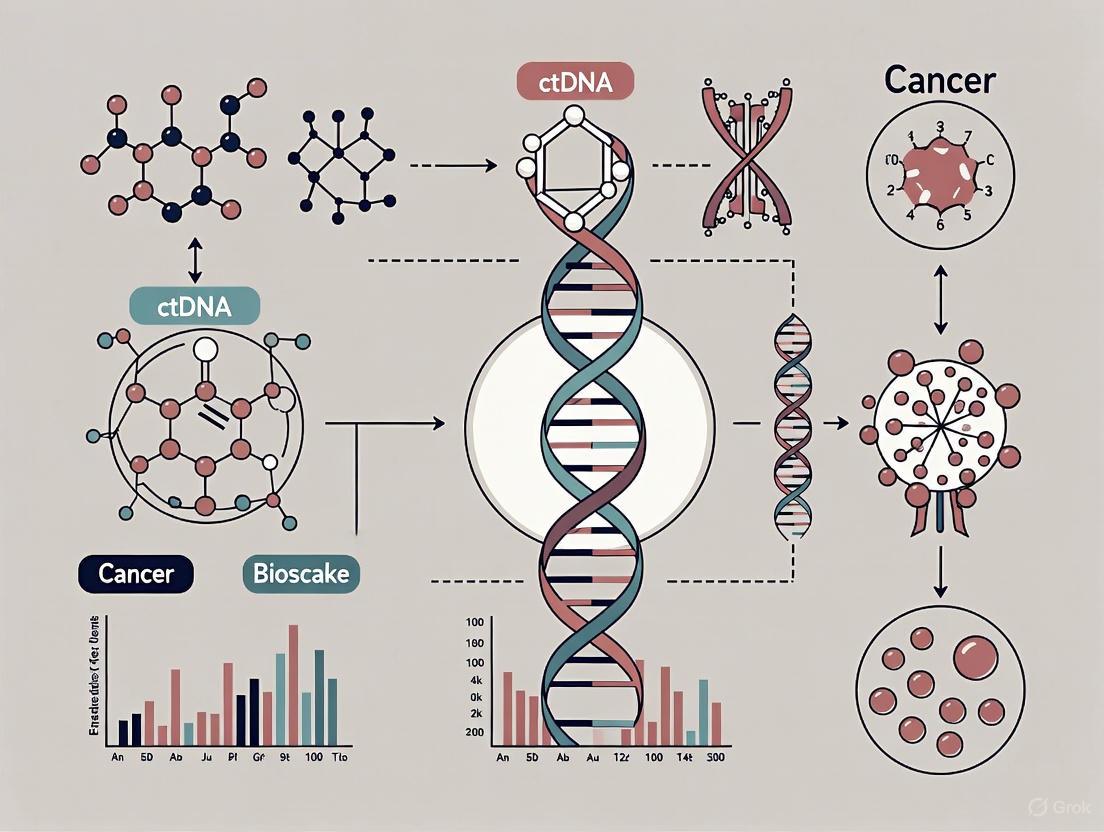
Circulating tumor DNA (ctDNA) has emerged as a transformative, non-invasive biomarker in oncology, offering real-time insights into tumor dynamics.
ctDNA as a Prognostic Biomarker: From Foundational Principles to Clinical Validation in Precision Oncology
Abstract
Circulating tumor DNA (ctDNA) has emerged as a transformative, non-invasive biomarker in oncology, offering real-time insights into tumor dynamics. This article provides a comprehensive review for researchers and drug development professionals, covering the foundational biology of ctDNA, its established and emerging prognostic applications across major cancers like lung, colorectal, and breast malignancies, and the advanced methodologies enabling its detection. We further explore current analytical challenges, optimization strategies, and the growing body of evidence from clinical studies validating its utility for monitoring treatment response, detecting minimal residual disease (MRD), and predicting patient survival. The synthesis of these facets highlights ctDNA's pivotal role in advancing precision medicine and outlines future directions for its integration into clinical trial frameworks and routine oncology practice.
The Biology and Prognostic Significance of ctDNA in Cancer
Circulating tumor DNA (ctDNA) has emerged as a transformative analyte in modern oncology, enabling non-invasive access to tumor-specific genetic information. This fragmented DNA, shed into the bloodstream by tumor cells, provides a dynamic window into tumor biology, heterogeneity, and evolution. The precise characterization of ctDNA and its distinction from the broader pool of cell-free DNA (cfDNA) is fundamental to its application as a robust prognostic and predictive biomarker in cancer research and drug development [1] [2]. This technical guide delineates the core characteristics of ctDNA, its biological origins, and the methodologies for its isolation and analysis, providing a foundation for its utilization in clinical and research settings.
Biological Origins and Fundamental Characteristics
Origin and Release Mechanisms
ctDNA originates directly from tumor cells, including both primary tumors and metastatic deposits [3] [2]. The precise mechanisms of its release into the circulation are multifaceted, involving several cellular processes:
- Apoptosis (Programmed Cell Death): This is considered a primary source of ctDNA. During apoptosis, DNA is cleaved into fragments of approximately 166-200 base pairs, which corresponds to the length of DNA wrapped around a nucleosome plus a linker region [3] [1]. This pattern is a key characteristic of cfDNA from apoptotic cells.
- Necrosis: In contrast to apoptosis, necrotic cell death results in more random and variable DNA fragmentation, producing both shorter and longer fragments (>10,000 bp) due to irregular chromatin cleavage [1].
- Active Secretion: While apoptosis and necrosis are passive processes, evidence also suggests that viable tumor cells can actively release DNA through mechanisms involving exosomes or amphisomes, though these pathways are not fully elucidated [1].
The clearance of cfDNA, including ctDNA, from the bloodstream is efficient under normal conditions, with a short half-life ranging from 4 minutes to 2 hours [1]. In healthy individuals, infiltrating phagocytes are responsible for clearing apoptotic debris. Higher levels of ctDNA in cancer patients may result not only from increased production but also from inefficient immune cell infiltration at tumor sites, reducing effective clearance [3].
Structural and Molecular Characteristics
ctDNA shares physical properties with cfDNA but possesses distinct molecular features that enable its specific identification and quantification.
Table 1: Core Characteristics of cfDNA and ctDNA
| Characteristic | Cell-free DNA (cfDNA) | Circulating Tumor DNA (ctDNA) |
|---|---|---|
| Definition | Total DNA freely circulating in bloodstream, not associated with cells [3] | Tumor-derived fragmented DNA, a subset of cfDNA [3] [4] |
| Primary Origin | Apoptosis/necrosis of normal cells, mainly hematopoietic lineage [1] | Apoptosis/necrosis/active release from tumor cells [3] [2] |
| Typical Fragment Size | ~166 base pairs (bp) [3] [1] | Often more fragmented/shorter than non-tumor cfDNA [1] |
| Key Molecular Features | Wild-type sequences | Tumor-specific alterations: Point mutations, chromosomal rearrangements, copy number variations, aberrant methylation profiles [3] [2] |
| Concentration in Health | Low (<10 ng/mL of plasma) [1] | Very low or undetectable |
| Concentration in Cancer | Can be elevated (>1000 ng/mL in plasma) [1] | Varies with tumor burden, stage, and location; can be <1% of total cfDNA [4] |
The following diagram illustrates the origins and release mechanisms of ctDNA into the bloodstream:
Analytical Techniques for ctDNA Isolation and Analysis
The reliable detection of ctDNA requires sophisticated methods capable of discriminating rare tumor-derived fragments against a background of wild-type cfDNA.
Pre-analytical Considerations and cfDNA Extraction
The pre-analytical phase is critical for preserving the integrity of ctDNA and ensuring accurate downstream analysis. Key procedural considerations are summarized below.
Table 2: Essential Pre-analytical Protocols for ctDNA Analysis
| Step | Recommended Protocol | Rationale |
|---|---|---|
| Blood Collection Tube | Use EDTA or specialized cell-stabilizing tubes (e.g., Streck BCT) [3] | Prevents coagulation and delays white blood cell lysis, reducing wild-type DNA contamination [3] |
| Time to Processing | Process within 2-4 hours (EDTA tubes); delayed with stabilizer tubes [3] | Minimizes background genomic DNA release from lysed blood cells |
| Sample Type | Plasma is superior to serum [3] [1] | Serum contains higher cfDNA levels from clotting process, diluting ctDNA fraction [1] |
| Centrifugation | Perform double centrifugation step [3] | Removes cellular debris and residual intact blood cells |
| Sample Storage | Never freeze whole blood before plasma extraction [3] | Freezing causes cell lysis and release of contaminating genomic DNA |
| Tube Avoidance | Avoid heparinized tubes [3] | Heparin inhibits PCR by mimicking DNA structure |
Following blood collection and plasma separation, cfDNA is extracted using commercially available kits, such as those employing magnetic bead-based technology (e.g., AVENIO cfDNA Isolation Kit, MagMAX Cell-Free DNA Isolation Kit) [3] [5] [4]. The extracted cfDNA is then quantified and quality-controlled, often using fluorometry (e.g., Qubit system) and fragment analysis (e.g., Bioanalyzer), to ensure enrichment of the characteristic mononucleosomal peak (~160-200 bp) and absence of high molecular weight genomic DNA contamination [5].
Detection and Analysis Methodologies
Analysis strategies can be broadly categorized into targeted and untargeted (or genome-wide) approaches, each with distinct applications and performance characteristics.
Table 3: Core Methodologies for ctDNA Detection and Analysis
| Methodology | Principle | Key Applications | Sensitivity | Throughput |
|---|---|---|---|---|
| Droplet Digital PCR (ddPCR) [3] | Partitions sample into thousands of droplets for individual endpoint PCR; uses fluorescent probes for target sequence. | Monitoring known hotspot mutations (e.g., in KRAS, EGFR). | High (can detect mutant allele frequencies ~0.001%-0.1%) [1] [4] | Low (limited by number of fluorescent channels) |
| Beads, Emulsification, Amplification and Magnetics (BEAMing) [3] | Combines ddPCR with flow cytometry; PCR amplicons are bound to magnetic beads and analyzed via fluorescence. | Highly sensitive detection and quantification of specific mutations. | Very High | Low to Medium |
| Next-Generation Sequencing (NGS) | High-throughput parallel sequencing of millions of DNA fragments. | |||
| └ Targeted NGS (e.g., CAPP-Seq) [3] [2] | Hybrid capture and deep sequencing of selected genomic regions enriched for cancer mutations. | Discovery and tracking of multiple mutations; tumor heterogeneity studies. | High (~0.01% for some assays) | High |
| └ Whole Genome/Exome Sequencing (WGS/WES) [3] | Untargeted sequencing of the entire genome or exome. | Discovery of novel mutations, chromosomal rearrangements, copy number alterations. | Lower (due to higher background) | Very High |
| Methylation Analysis [3] | Bisulfite treatment converts unmethylated cytosines to uracils; subsequent sequencing reveals methylation status. | Identifying cancer-specific epigenetic signatures; tissue of origin localization. | High (for methylation patterns) | Medium to High |
The following workflow diagram outlines the key steps from sample collection to data analysis in a typical ctDNA study:
The Scientist's Toolkit: Essential Research Reagents and Materials
Successful ctDNA analysis relies on a suite of specialized reagents and instruments. The following table details key components of a standard workflow.
Table 4: Essential Research Reagents and Kits for ctDNA Analysis
| Product Category/Example | Primary Function | Key Utility in Workflow |
|---|---|---|
| Cell-Free DNA Collection Tubes (e.g., Streck BCT, PAXgene) | Blood collection and cellular stabilization | Preserves in vivo cfDNA profile by preventing white blood cell lysis during transport/storage [3] |
| cfDNA Extraction Kits (e.g., AVENIO cfDNA Isolation Kit, MagMAX Cell-Free DNA Isolation Kit) [5] [4] | Isolation and purification of cfDNA from plasma | Recovers short, fragmented DNA with high efficiency and minimal contamination, suitable for downstream sensitive assays [5] |
| Library Preparation Kits (e.g., KAPA HyperPrep) [5] | Preparation of NGS sequencing libraries from low-input cfDNA | Converts cfDNA into sequencing-compatible formats while maintaining complexity and minimizing biases |
| Targeted Hybrid Capture Panels (e.g., Roche AVENIO, CAPP-Seq selector) [3] [5] | Enrichment of cancer-associated genomic regions | Increases sequencing depth on relevant targets, enhancing sensitivity and cost-effectiveness for mutation detection |
| Digital PCR Master Mixes & Assays (e.g., Bio-Rad ddPCR) | Absolute quantification of rare mutant alleles | Provides highly sensitive and specific detection of known mutations without the need for NGS; used for validation |
| NGS Sequencing Reagents (e.g., Illumina sequencing kits) | High-throughput sequencing | Generates the raw data (reads) for subsequent bioinformatic analysis of mutations, copy number, and fragmentation |
ctDNA is a distinct and analytically accessible component of the total cfDNA pool, defined by its tumor-specific somatic alterations. Its unique origins, characteristics, and the sophisticated methodologies required for its analysis underpin its utility as a powerful liquid biopsy tool [2] [4]. A rigorous understanding of its definition and the technical protocols for its handling is a prerequisite for leveraging ctDNA in prognostic biomarker research, enabling non-invasive tumor genotyping, monitoring of minimal residual disease, tracking of clonal evolution, and assessment of therapeutic response [6] [7] [8]. As technologies advance and standardization improves, ctDNA is poised to become an increasingly integral component of precision oncology and drug development.
Circulating tumor DNA (ctDNA) comprises short, double-stranded DNA fragments released by tumor cells into the bloodstream and other biological fluids, carrying tumor-specific genetic and epigenetic alterations [8]. These fragments are distinguished from normal cell-free DNA (cfDNA) through the detection of somatic mutations, methylation changes, or fragmentation patterns [9]. The analysis of ctDNA, a key component of liquid biopsy, provides a minimally invasive window into tumor dynamics, enabling real-time assessment of tumor burden, genetic evolution, and treatment response [9] [8].
The concentration and detectability of ctDNA in circulation are not random but are governed by core biological determinants: tumor burden (the total volume of cancerous tissue), cellular turnover (the rate of tumor cell death and renewal), and shedding capacity (the efficiency with which a tumor releases DNA into the vasculature) [9] [10]. A comprehensive understanding of these factors is crucial for researchers and drug development professionals to accurately interpret ctDNA data, optimize assay sensitivity, and validate its utility as a robust prognostic biomarker in oncology research.
Core Biological Factors Governing ctDNA Levels
Tumor Burden
Tumor burden is a primary determinant of ctDNA levels, with a direct, positive correlation observed across multiple cancer types. Higher tumor volume provides a larger source of tumor-derived DNA, leading to increased ctDNA concentration in the blood [9] [11].
Table 1: Correlation Between Tumor Burden and ctDNA Levels in Solid Tumors
| Cancer Type | Correlation Finding | Specific Metrics | Citation |
|---|---|---|---|
| Metastatic Pancreatic Adenocarcinoma (mPDAC) | Moderate significant correlation | Spearman’s ρ = 0.462 (p < 0.001) between total tumor volume (TV) and ctDNA quantity | [11] |
| Non-Small Cell Lung Cancer (NSCLC) | Moderate significant correlation | rho = 0.34 (p ≤ 0.0001) between CT volume and ctDNA variant allele frequency (VAF) | [10] |
| Non-Small Cell Lung Cancer (NSCLC) | Correlation via metabolic activity | rho = 0.36 (p = 0.003) between metabolic tumor volume (on PET-CT) and ctDNA VAF | [10] |
The strength of this correlation can vary significantly based on the anatomical site of the tumor. In metastatic pancreatic cancer, liver metastases demonstrate a much stronger correlation with ctDNA levels (Spearman’s ρ = 0.692, p < 0.001) compared to the primary pancreatic tumor, which shows no significant correlation [11]. This suggests that metastatic sites, particularly in highly vascularized organs like the liver, may contribute disproportionately to the total ctDNA pool. Tumor volume thresholds for reliable ctDNA detection have been identified; for instance, in mPDAC, a total tumor volume of 90.1 mL and a liver metastasis volume of 3.7 mL were specific thresholds for ctDNA detection [11].
Cellular Turnover and Apoptosis
Cellular turnover, driven primarily by apoptosis, is a fundamental process through which tumor DNA enters the circulation. ctDNA is thought to be released largely as a result of cell death, such as apoptosis and necrosis [9] [12]. The rate of tumor cell death and proliferation directly influences the amount of ctDNA shed.
The half-life of ctDNA is remarkably short, estimated to be between 16 minutes and several hours [9]. This rapid clearance enables ctDNA to serve as a real-time indicator of dynamic tumor processes, including treatment response. For example, effective treatment that induces tumor cell death can cause a transient rise in ctDNA, followed by a rapid decrease as the tumor burden diminishes and the killed cells are cleared [9] [13]. The high cellular turnover rates characteristic of aggressive tumors contribute to their elevated ctDNA levels compared to indolent cancers.
Tumor Genotype and Phenotype (Shedding Capacity)
Not all tumors shed DNA with equal efficiency. Emerging evidence indicates that a tumor's genetic makeup significantly influences its shedding capacity, independent of tumor burden [10].
Table 2: Impact of Tumor Genotype on ctDNA Shedding in Advanced NSCLC
| Genomic Alteration | Impact on ctDNA Shedding & Levels | Notes |
|---|---|---|
| KRAS mutations | Strongest correlation with tumor burden (rho = 0.56, p ≤ 0.001) | Associated with higher shedding. |
| TP53 mutations | Moderate correlation with tumor burden (rho = 0.43, p ≤ 0.0001) | An independent predictor of increased shedding. |
| EGFR mutations | Weakest correlation with tumor burden (rho = 0.24, p = 0.077) | Generally associated with lower shedding. |
| EGFR with copy number gain | Significantly higher ctDNA VAF | Copy number amplification further increases ctDNA levels. |
Multivariable analyses confirm that specific driver mutations (e.g., TP53, EGFR), the presence of visceral metastasis, and overall tumor burden are all independent predictors of ctDNA shedding levels [10]. These genotype-specific differences are likely attributable to variations in intrinsic cellular turnover, DNA release mechanisms, and the tumor microenvironment. Furthermore, histological subtypes can also play a role; for example, in NSCLC, lower ctDNA shedding has been associated with the adenocarcinoma subtype compared to squamous cell carcinoma [8]. The dense desmoplastic stroma characteristic of pancreatic ductal adenocarcinoma may also physically impede ctDNA release, explaining why some patients with significant tumor volume have undetectable ctDNA [11].
Experimental Protocols for Investigating ctDNA Determinants
Protocol 1: Correlating ctDNA with 3D Tumor Volume
Objective: To quantitatively assess the relationship between radiological tumor burden and plasma ctDNA levels. Materials: Patient cohort with metastatic disease, pretreatment plasma samples, baseline thoraco-abdomino-pelic CT scans with contrast. Methods: [11]
- Blood Collection & Processing: Draw blood into cfDNA-stabilizing tubes (e.g., Streck cfDNA BCT). Process within 2-6 hours if using EDTA tubes, or within 7 days if using specialized BCTs. Perform double centrifugation: first at 380–3,000 g for 10 min at room temperature to isolate plasma, followed by a second centrifugation at 12,000–20,000 g for 10 min at 4°C to remove residual cells. Store plasma at -80°C. [12] [11]
- ctDNA Extraction & Quantification: Extract ctDNA using a silica-membrane column kit (e.g., QIAamp Circulating Nucleic Acid Kit). Quantify ctDNA using a targeted method such as droplet digital PCR (ddPCR) for methylated markers (e.g., HOXD8, POU4F1 for PDAC) or mutant alleles. [11]
- Tumor Volume Measurement: Segment the primary tumor and all metastatic lesions on baseline CT scans using 3D slicer software. Calculate the total tumor volume (TV) by summing the volumes of all segmented lesions. Calculate organ-specific volumes (e.g., liver TV). [11]
- Statistical Analysis: Perform non-parametric correlation analysis (e.g., Spearman's rank) between ctDNA quantity (e.g., mutant allele frequency or concentration in ng/mL) and total/organ-specific TV. Use ROC analysis to determine TV thresholds that predict ctDNA detectability. [11]
Protocol 2: Pharmacokinetic-Pharmacodynamic (PK-PD) Modeling of ctDNA Dynamics
Objective: To characterize the relationship between drug exposure, tumor dynamics, and ctDNA levels to understand resistance development. Materials: Longitudinal plasma samples from patients on targeted therapy, data on drug dosing and concentrations, longitudinal imaging data (RECIST criteria), ctDNA genotyping data. [13] Methods: [13]
- Data Collection: Collect intensively or sparsely sampled drug concentration data (e.g., erlotinib). Collect longitudinal measurements of tumor size (e.g., sum of longest diameters, SLD). Collect longitudinal ctDNA measurements (variant allele frequency of driver mutations). [13]
- Population PK-PD Modeling: Develop a population PK model to characterize drug exposure. Link drug exposure to a dynamic model of tumor size, accounting for tumor heterogeneity and acquired resistance (e.g., a model with sensitive and resistant cell populations). [13]
- Linking Tumor Dynamics and ctDNA: Explore the correlation between baseline ctDNA VAF and estimated tumor growth rate parameters in the PK-PD model. Incorporate longitudinal ctDNA data as a secondary dynamic endpoint to improve model predictions of tumor response and resistance emergence. [13]
- Model Application: Use the validated model to simulate optimal dosing regimens designed to suppress the emergence of resistant clones, informed by ctDNA dynamics.
Diagram 1: Biological factors like tumor burden, cellular turnover, and genotype drive ctDNA shedding, which can be measured and applied in various research contexts.
The Scientist's Toolkit: Key Research Reagent Solutions
Successful ctDNA research requires carefully selected reagents and tools to ensure sensitivity, specificity, and reproducibility.
Table 3: Essential Reagents and Kits for ctDNA Research
| Research Stage | Key Solution/Kit | Function & Rationale | Technical Notes |
|---|---|---|---|
| Blood Collection | cfDNA Blood Collection Tubes (e.g., Streck, PAXgene) | Preserves blood sample integrity by stabilizing nucleated cells, preventing lysis and release of wild-type genomic DNA during transport. | Allows room-temperature storage/transport for up to 7 days. EDTA tubes require processing within 2-6h. [12] |
| Plasma Processing | Double Centrifugation Protocol | First, low-speed spin (380-3,000 g) to obtain plasma; second, high-speed spin (12,000-20,000 g) to remove residual cells and debris. | Critical for obtaining pure cell-free plasma and minimizing contamination. [12] |
| ctDNA Extraction | Silica-Membrane Column Kits (e.g., QIAamp Circulating Nucleic Acid Kit) | Efficiently binds and purifies short-fragment ctDNA from large-volume plasma samples with high recovery. | Yields more ctDNA than magnetic bead-based methods for this application. [12] |
| Sensitive Detection | Digital PCR (dPCR/ddPCR) | Absolute quantification of low-frequency mutations without standard curves; high sensitivity for target mutations. | Ideal for tracking known mutations (e.g., EGFR, KRAS). [9] [11] |
| Broad Detection | Next-Generation Sequencing (NGS) with UMIs | Comprehensive profiling of mutations, copy number alterations, and fusions across many genes; UMIs enable error correction. | CAPP-Seq, TEC-Seq, and SafeSeqS are examples. Essential for tumor-agnostic or MRD applications. [9] [8] |
| Methylation Analysis | Bisulfite Conversion Kits | Converts unmethylated cytosine to uracil, allowing methylation-specific PCR or sequencing to detect tumor-specific epigenetic marks. | Used for detecting methylated markers like HOXD8 and POU4F1. [11] |
Diagram 2: The core experimental workflow for ctDNA analysis, from blood draw to data interpretation, highlighting key steps and the main analytical methods available.
The levels of ctDNA in a patient's circulation are a direct reflection of underlying tumor biology, primarily governed by the interrelated factors of tumor burden, cellular turnover, and tumor genotype-specific shedding capacity. The strong, independent prognostic power of both baseline ctDNA levels and their kinetic changes during treatment, as evidenced by high hazard ratios for progression and survival, underscores their biological and clinical significance [7] [14]. For the research scientist, a deep understanding of these determinants is fundamental. It guides the design of sensitive assays, informs the interpretation of complex data—such as why a small, genetically aggressive tumor may shed more DNA than a larger, indolent one—and ultimately paves the way for developing more personalized cancer management strategies based on this dynamic biomarker. Future research must focus on standardizing methodologies and further elucidating the biological mechanisms of DNA shedding to fully realize the potential of ctDNA in precision oncology.
Circulating tumor DNA (ctDNA) has emerged as a transformative biomarker in oncology, providing a non-invasive method for cancer detection, monitoring, and prognostication. As tumor-derived DNA fragments released into the bloodstream through apoptosis or necrosis of tumor cells, ctDNA carries tumor-specific genetic alterations and reflects real-time tumor burden. The half-life of ctDNA is approximately 2 hours, enabling dynamic assessment of disease status and treatment response that traditional imaging and static tissue biopsies cannot provide. This technical review synthesizes foundational evidence establishing the correlation between ctDNA detection and poor prognosis across multiple cancer types, framing this relationship within the broader context of ctDNA as a prognostic biomarker in clinical research and drug development.
Quantitative Evidence: Prognostic Impact Across Malignancies
Comprehensive meta-analyses and systematic reviews across diverse solid tumors and hematologic malignancies consistently demonstrate that ctDNA detection, particularly at specific treatment milestones, strongly correlates with reduced survival outcomes. The tables below synthesize key quantitative evidence from major studies.
Table 1: Prognostic Value of ctDNA Detection at Different Time Points in Esophageal Cancer [15]
| Time Point | Hazard Ratio for PFS | Hazard Ratio for OS |
|---|---|---|
| Baseline (after diagnosis, before treatment) | 1.64 (95% CI: 1.30-2.07) | 2.02 (95% CI: 1.36-2.99) |
| Post-Neoadjuvant Therapy (after therapy, before surgery) | 3.97 (95% CI: 2.68-5.88) | 3.41 (95% CI: 2.08-5.59) |
| During Follow-up (during adjuvant therapy/follow-up) | 5.42 (95% CI: 3.97-7.38) | 4.93 (95% CI: 3.31-7.34) |
Table 2: Prognostic Value of ctDNA in Diffuse Large B-Cell Lymphoma (DLBCL) [7]
| Time Point / Metric | Hazard Ratio for Progression | Hazard Ratio for Overall Survival |
|---|---|---|
| Baseline (High vs. Low ctDNA) | 2.50 (95% CI: 2.15-2.90) | 2.67 (95% CI: 2.29-3.35) |
| Interim Treatment (C1-C6; Non-responder vs. Responder) | 4.00 (95% CI: 3.01-5.31) | Not reported |
| End of Treatment (Positive vs. Negative ctDNA) | 13.69 (95% CI: 8.37-22.39) | Not reported |
Table 3: Prognostic Value in Other Solid Tumors
| Cancer Type | Context / Time Point | Key Prognostic Finding | Source |
|---|---|---|---|
| Metastatic Melanoma | 2 weeks post-anti-PD1 initiation | Absence of a significant decrease in ctDNA was associated with a lack of clinical benefit from immunotherapy. | [16] |
| Advanced Lung Squamous Cell Carcinoma (LUSC) | After 2 cycles of 1st-line therapy | "Molecular responders" (MinerVa-Delta <30%) had significantly superior PFS (HR=0.19) and OS (HR=0.24) compared to non-responders. | [17] |
| Non-Small Cell Lung Cancer (NSCLC) | Post-operative Minimal Residual Disease (MRD) | Detection of ctDNA after definitive treatment is associated with a significantly higher risk of recurrence. | [8] |
Experimental Protocols for Key Studies
Protocol 1: Meta-Analysis of ctDNA in Esophageal Cancer
This protocol outlines the methodology for the systematic review and meta-analysis investigating ctDNA's prognostic value in esophageal cancer at distinct clinical time points [15].
- Study Design and Registration: The analysis was conducted following PRISMA and AMSTAR guidelines and registered with PROSPERO (ID: CRD42024612909).
- Literature Search Strategy: A comprehensive search of PubMed, Embase, and Cochrane Library databases was performed from inception to October 23, 2024. The search used a combination of subject terms and free words related to "esophageal neoplasms" and "circulating tumor DNA."
- Study Selection Criteria:
- Inclusion: Clinical studies (prospective or retrospective) with patients having pathologically confirmed primary esophageal cancer; measurable plasma ctDNA; and data on the association between ctDNA and PFS/OS.
- Exclusion: Case reports, comments, reviews, non-human studies, and duplicated studies.
- Data Extraction: Key extracted data included study characteristics, patient demographics, ctDNA testing methods and timing, and Hazard Ratios (HRs) for PFS and OS. When not directly provided, numerical data were extracted from Kaplan-Meier curves using Engauge Digitizer software.
- Quality Assessment: The risk of bias was assessed using the Newcastle-Ottawa Scale (NOS), with scores of 7-9 considered high quality.
- Outcome Definitions: ctDNA assessment time points were classified as:
- Baseline: After diagnosis but before any treatment.
- Post-neoadjuvant therapy: After neoadjuvant therapy and before surgery.
- During follow-up: During adjuvant therapy or surveillance.
- Statistical Analysis: Pooled HRs for PFS and OS were calculated for ctDNA positivity at each time point. Subgroup analyses were performed based on tumor-informed versus non-tumor-informed assay methods.
Protocol 2: Molecular Response Assessment in Advanced LUSC Using MinerVa-Delta
This protocol details the development and validation of a novel metric for quantifying ctDNA dynamics in patients with advanced Lung Squamous Cell Carcinoma (LUSC) [17].
- Study Cohorts:
- Discovery Cohort: 227 patients with advanced LUSC from the CameL-Sq phase 3 trial (NCT03668496), treated with first-line PD-1 blockade plus chemotherapy or chemotherapy alone.
- Validation Cohort: 97 patients with advanced LUSC from the LIPUSU trial, treated with chemotherapy alone.
- Sample Collection and Processing: Plasma samples were collected pre-treatment and after two cycles of treatment.
- ctDNA Analysis Workflow:
- De Novo Variant Calling: Pre-treatment plasma samples were analyzed using a 769-gene next-generation sequencing (NGS) panel to identify tumor-derived mutations.
- Personalized Variant Tracking: The identified mutations were tracked in post-treatment plasma samples.
- MinerVa-Delta Calculation: A novel algorithm was applied to calculate the weighted change in mutant allele frequencies between pre- and post-treatment samples. This algorithm accounts for the sequencing depth and variance of each variant allele frequency (VAF), assigning a reliability weight to each variant's ratio change.
- Response Classification: The optimal cutoff for the MinerVa-Delta metric was determined in the discovery cohort. Patients with a MinerVa-Delta value of <30% were classified as "molecular responders," while those with ≥30% were "non-responders."
- Outcome Correlation: The MinerVa-Delta classification was correlated with radiologically assessed Progression-Free Survival (PFS) and Overall Survival (OS) in both cohorts.
Research Workflow and Signaling
The following diagram illustrates the conceptual workflow for establishing ctDNA as a prognostic biomarker, from sample collection to clinical correlation, as demonstrated in the cited studies.
The Scientist's Toolkit: Essential Research Reagents and Materials
Table 4: Key Reagents and Materials for ctDNA Prognostic Research
| Item / Category | Specific Examples / Methods | Primary Function in Research |
|---|---|---|
| Sample Collection Tubes | Cell-free DNA blood collection tubes (e.g., Streck, PAXgene) | Stabilizes nucleated blood cells to prevent genomic DNA contamination and preserve ctDNA profile after blood draw. |
| DNA Extraction Kits | Silica-membrane or magnetic bead-based kits for cell-free DNA | Isolves and purifies cell-free DNA from plasma with high efficiency and minimal fragmentation. |
| ctDNA Analysis Methods | - PCR-based (dPCR, BEAMing)- NGS-based (CAPP-Seq, TAm-Seq, Safe-SeqS)- Whole Exome/Genome Sequencing (WES/WGS) | Detects and quantifies tumor-specific genetic alterations in cell-free DNA with high sensitivity. |
| Unique Molecular Identifiers (UMIs) | Duplex Sequencing, SaferSeqS, CODEC | Tags individual DNA molecules before amplification to correct for PCR errors and sequencing artifacts, enabling ultra-sensitive variant detection. |
| Bioinformatics Software | Variant callers, fragmentation pattern analyzers, methylation analysis tools | Processes raw sequencing data to identify true somatic mutations, calculate VAF, and analyze epigenetic features. |
| Reference Materials | Serially diluted cell line DNA, synthetic DNA controls with known mutations | Validates assay sensitivity, specificity, and limit of detection for quality control and assay calibration. |
The collective evidence from esophageal cancer, lymphomas, melanoma, and lung carcinomas provides a robust foundation confirming that ctDNA detection is a powerful, independent prognostic biomarker across the cancer spectrum. The prognostic impact intensifies throughout the treatment course, with the strongest association with poor outcomes observed when ctDNA remains detectable or re-emerges after therapy. Standardized protocols for dynamic ctDNA monitoring, including novel metrics like MinerVa-Delta, are refining response assessment beyond conventional imaging. For researchers and drug developers, these findings underscore the utility of ctDNA not only as an endpoint in clinical trials but also as a potential tool for guiding therapy adaptation, monitoring minimal residual disease, and improving the precision of cancer prognostication.
Within the framework of circulating tumor DNA (ctDNA) as a prognostic biomarker, this whitepaper details its core applications in detecting minimal residual disease (MRD), monitoring therapy response, and predicting cancer recurrence. The integration of ctDNA analysis into clinical and research paradigms represents a paradigm shift in precision oncology, enabling a more dynamic and molecularly informed assessment of tumor burden than traditional imaging alone [9]. This document provides an in-depth technical guide for researchers and drug development professionals, summarizing the current evidence, methodologies, and analytical tools that underpin these key applications.
Detecting Minimal Residual Disease (MRD)
MRD refers to the presence of a small number of cancer cells that remain after curative-intent therapy, which are the primary source of subsequent relapse. ctDNA testing has emerged as a highly sensitive and specific tool for MRD detection, offering a significant prognostic advantage.
Prognostic Value in Solid Tumors
Table 1: Prognostic Value of Post-Treatment ctDNA in Stage II Colorectal Cancer (Meta-Analysis Data) [18]
| Timepoint of ctDNA Assessment | Pooled Risk Ratio (RR) for Recurrence | 95% Confidence Interval | p-value |
|---|---|---|---|
| Postoperative (pre-adjuvant chemotherapy) | 3.66 | 1.25 - 10.72 | 0.002 |
| Post-adjuvant chemotherapy | Strong association with poor RFS/DFS | Not pooled | < 0.001 |
The data in Table 1 underscores that the presence of ctDNA after surgery or completion of adjuvant therapy is a powerful indicator of high recurrence risk. In colorectal cancer (CRC), a positive MRD test post-resection is strongly correlated with recurrence risk, informing decisions about adjuvant chemotherapy, particularly in stage II disease where the benefit of such treatment is often uncertain [19]. Similarly, in acute myeloid leukemia (AML), the presence of MRD assessed by next-generation sequencing (NGS) after consolidation therapy is a reliable predictor of relapse [20].
Technical Considerations for MRD Detection
The detection of MRD requires exceptionally high sensitivity due to the extremely low abundance of ctDNA in the bloodstream during this disease phase. Tumor-informed approaches, where a patient's tumor tissue is first sequenced to identify patient-specific mutations, are commonly used to achieve the required sensitivity [9]. Techniques like the Oncodetect test have demonstrated the ability to detect ctDNA at levels as low as 0.005% (one molecule of ctDNA among 20,000 normal cfDNA molecules), making them among the most analytically sensitive assays available [19].
Monitoring Treatment Response
ctDNA provides a real-time, dynamic biomarker for assessing molecular response to therapy, often revealing treatment efficacy much earlier than standard imaging such as RECIST criteria [9].
Quantitative and Dynamic Monitoring
In AML, studies using NGS-based MRD monitoring have shown that the mean variant allele frequency (VAF) of mutations is significantly higher during the monitoring period in patients who eventually relapse (0.160 ± 0.155) compared to their VAF levels immediately after consolidation therapy (0.058 ± 0.087) [20]. This demonstrates the ability of ctDNA to track the expansion of a residual clone. The short half-life of ctDNA (estimated between 16 minutes and several hours) means that changes in tumor burden and cell death in response to therapy are quickly reflected in the blood, allowing for almost real-time assessment [9].
Detecting Emergent Resistance
Longitudinal ctDNA analysis can identify the emergence of subclones harboring mutations that confer resistance to ongoing targeted therapies. For example, the appearance of ESR1 mutations in breast cancer or KRAS mutations in lung cancer under therapeutic pressure can be detected in ctDNA, allowing clinicians to modify treatment strategies before clinical or radiological progression becomes evident [9].
Predicting Cancer Recurrence
ctDNA analysis can serve as a predictive biomarker for recurrence, often identifying molecular relapse months before it is detectable by other methods.
Lead Time and Survival Analysis
Dynamic surveillance with ctDNA has been consistently shown to detect recurrence earlier than conventional methods, including carcinoembryonic antigen (CEA) testing and radiological imaging [18]. This "lead time" provides a critical window for early clinical intervention. Survival analyses have established specific ctDNA thresholds associated with outcomes. In AML, for instance, patients with a mean VAF (after excluding clonal hematopoiesis) of ≤0.004 after consolidation therapy and ≤0.020 during long-term monitoring had a significantly better prognosis [20].
Multi-Modal Prognostic Stratification
Combining ctDNA with other diagnostic modalities enhances prognostic stratification. Research in AML has demonstrated that patients who tested negative for MRD by both multiparameter flow cytometry (MFC) and NGS had longer survival compared to those who were negative by only one method [20]. This integrated approach provides a more robust risk assessment.
Experimental Protocols & Methodologies
This section details the core methodologies enabling high-sensitivity ctDNA analysis.
Key Experimental Workflow for Tumor-Informed ctDNA MRD Detection
The following diagram illustrates the primary workflow for a tumor-informed ctDNA assay:
Detailed Methodology: Targeted Error Correction Sequencing (TEC-Seq)
One key NGS methodology for ctDNA detection is TEC-Seq, which involves the following steps [9]:
- Extraction and Purification: Cell-free DNA (cfDNA) is extracted from patient plasma samples.
- Library Construction: cfDNA fragments are converted into sequencing libraries. This involves end-repair, adapter ligation, and purification.
- Hybridization Capture: Biotinylated oligonucleotide baits designed to target specific genomic regions (e.g., frequently mutated genes in a cancer type) are used to capture and enrich the library for these regions.
- Amplification and Sequencing: The captured libraries are amplified via PCR and sequenced to high depth (often >10,000X coverage) on a next-generation sequencer.
- Bioinformatic Analysis:
- Alignment: Sequencing reads are aligned to the human reference genome.
- Variant Calling: Algorithms identify potential somatic mutations.
- Error Suppression: A critical step that uses unique molecular identifiers (UMIs) tagged to each original DNA molecule during library prep. Computational consensus-building from multiple reads of the same original molecule filters out PCR and sequencing errors, allowing for the detection of true low-frequency variants with high confidence.
The Scientist's Toolkit: Essential Research Reagents and Materials
Table 2: Key Research Reagent Solutions for ctDNA MRD Assays
| Item | Function/Brief Explanation |
|---|---|
| Cell-Free DNA Blood Collection Tubes | Preserves blood samples by stabilizing nucleated cells to prevent genomic DNA contamination and cfDNA degradation during transport and storage. |
| cfDNA Extraction Kits | Solid-phase or magnetic bead-based kits optimized for isolating short-fragment, low-concentration cfDNA from plasma with high recovery and purity. |
| Unique Molecular Identifiers (UMIs) | Short random nucleotide sequences ligated to each DNA fragment before PCR amplification. They enable bioinformatic error correction by distinguishing true mutations from PCR/sequencing artifacts. |
| Biotinylated Capture Probes | Designed against a patient-specific set of mutations (tumor-informed) or a fixed panel of cancer-related genes. Enriches the sequencing library for target regions of interest. |
| High-Fidelity DNA Polymerase | Essential for accurate amplification of sequencing libraries with low error rates during PCR, minimizing the introduction of false-positive mutations. |
| Bioinformatic Analysis Pipeline | Custom software for base calling, UMI consensus building, alignment, variant calling, and VAF calculation. It is critical for achieving high specificity and sensitivity. |
The prognostic applications of ctDNA in MRD detection, therapy monitoring, and recurrence prediction are fundamentally reshaping the clinical management of cancer and the design of clinical trials. The quantitative, dynamic, and highly specific nature of this biomarker provides an unprecedented window into tumor dynamics. While challenges related to standardization and validation remain, the integration of ctDNA analysis into research and clinical practice is poised to enable more personalized, proactive, and effective cancer care.
Advanced Detection Methodologies and Clinical Applications in Solid Tumors
Circulating tumor DNA (ctDNA), the tumor-derived fraction of cell-free DNA (cfDNA) in the bloodstream, has emerged as a transformative minimally invasive biomarker for cancer detection, genotyping, and monitoring treatment response [8]. The analysis of ctDNA provides a dynamic snapshot of tumor burden and genomic evolution, which is crucial for prognostic stratification and guiding precision oncology [9]. The short half-life of ctDNA (from 16 minutes to a few hours) enables real-time monitoring of tumor dynamics, reflecting the current disease status rather than a historical profile [21] [22]. Within the broader thesis of ctDNA as a prognostic biomarker, the choice of detection technology is paramount. Assays must be capable of identifying rare mutant DNA molecules amidst a high background of wild-type DNA, with sensitivities sufficient to detect minimal residual disease (MRD) and early signs of resistance [8] [9]. This technical guide provides an in-depth comparison of the core technology platforms—PCR-based and NGS-based assays—that underpin this critical field of research.
Technology Platform Comparison
The detection of ctDNA involves isolating cfDNA from blood plasma and analyzing it for tumor-specific alterations, such as single-nucleotide variants (SNVs), insertions/deletions (indels), and copy number variations (CNVs) [22]. The two dominant methodological approaches are Polymerase Chain Reaction (PCR)-based and Next-Generation Sequencing (NGS)-based assays, each with distinct strengths and limitations suited to different research applications. Table 1 provides a high-level quantitative comparison of the featured technologies.
Table 1: Core Characteristics of PCR-based and NGS-based ctDNA Assays
| Technology | Typical Sensitivity (VAF) | Multiplexing Capability | Key Applications in Prognostic Research | Primary Limitations |
|---|---|---|---|---|
| dPCR | ~0.01%-0.1% [9] | Low (1 to a few mutations) | Absolute quantification of known actionable mutations; therapy response monitoring [8] [9] | Targets only known, pre-defined mutations; cannot discover novel alterations [8]. |
| BEAMing | ~0.01%-0.1% [9] | Low to Moderate | High-sensitivity detection and enumeration of specific mutant alleles [9] | Complex workflow; limited multiplexing compared to NGS [9]. |
| TAm-Seq | ~0.25%-2% [22] [9] | Moderate (dozens of genes) | Broadly targeted mutation screening for SNVs, indels, and CNVs; MRD detection [22] [9] | Lower sensitivity than dPCR/BEAMing for single-plex assays [22]. |
| CAPP-Seq | ~0.01% [9] | High (hundreds of genes) | Ultra-sensitive MRD monitoring; comprehensive profiling of mutations and CNVs in a single assay [8] [9] | Requires bioinformatics expertise; longer turnaround times than PCR [8]. |
| WGS | >1-5% (for CNVs) [22] | Genome-wide | Discovery of novel alterations; genome-wide copy number alteration and fragmentation analysis [22] | Low sequencing depth limits sensitivity for SNV detection; high cost and data burden [22]. |
PCR-based Technologies
PCR-based methods are renowned for their high sensitivity and rapid turnaround, making them ideal for validating and tracking a limited number of pre-defined mutations.
Digital PCR (dPCR): This method partitions a single DNA sample into thousands of individual reactions, such that each contains zero or one (or a few) DNA molecules. Following endpoint PCR amplification, the presence of a mutant allele is detected using sequence-specific fluorescent probes. By counting the positive and negative partitions, dPCR provides an absolute quantification of the mutant allele frequency without the need for a standard curve, achieving sensitivities for variant allele frequencies (VAF) as low as 0.01% [9]. Its primary strength lies in the highly precise and reproducible tracking of specific, clinically actionable mutations (e.g., EGFR, KRAS, BRAF) during treatment [8] [9].
BEAMing (Beads, Emulsion, Amplification, and Magnetics): BEAMing combines dPCR principles with flow cytometry to achieve a similar level of sensitivity. The process involves: (1) attaching single DNA molecules to magnetic beads, (2) creating an emulsion where each bead is encapsulated in a water-in-oil droplet along with PCR reagents, effectively creating millions of micro-reactors, and (3) performing PCR amplification. The beads are then stained with fluorescent probes specific to the wild-type or mutant sequence and analyzed by flow cytometry. This allows for the direct enumeration of the ratio of mutant to wild-type DNA molecules, providing a highly quantitative readout [9].
NGS-based Technologies
NGS-based approaches offer a broader, more hypothesis-free exploration of the tumor genome, which is critical for understanding tumor heterogeneity and evolution.
Tagged-Amplicon Deep Sequencing (TAm-Seq): This is a targeted NGS method that employs a two-step PCR process. The first step uses a low concentration of multiplexed primers to broadly amplify regions of interest. The second step, often performed in a microfluidic system, re-amplifies these products with primers containing sequencing adapters and Unique Molecular Identifiers (UMIs). UMIs are short random nucleotide sequences that tag individual DNA molecules before amplification, allowing bioinformatic correction of PCR and sequencing errors, thus enhancing specificity. The enhanced TAm-Seq (eTAm-Seq) can detect VAFs as low as 0.25% and can identify SNVs, indels, and CNVs [22] [9].
CAncer Personalized Profiling by Deep Sequencing (CAPP-Seq): This is a targeted capture-based NGS method that uses biotinylated oligonucleotide probes to hybridize and enrich for a selector—a predefined set of genomic regions that are frequently mutated in a specific cancer type. This allows for efficient and highly sensitive sequencing of hundreds of genomic regions simultaneously. CAPP-Seq is designed to be a cost-effective and highly sensitive (reportedly down to 0.01% VAF) approach for monitoring MRD and tumor burden over time [8] [9].
Whole-Genome Sequencing (WGS): In contrast to targeted methods, WGS attempts to sequence the entire genome of the cfDNA without prior enrichment. While its low sequencing depth (typically 0.1-1x) limits its utility for detecting low-frequency SNVs, it is highly effective for analyzing genome-wide copy number alterations and fragmentomics—the size distribution and fragmentation patterns of ctDNA, which are often altered compared to normal cfDNA [22]. This makes it a powerful tool for discovery-phase research rather than routine clinical monitoring [22].
Experimental Protocols for Key Applications
This section details the core methodologies for employing these technologies in critical prognostic research scenarios, from initial library preparation to final data analysis for MRD and therapy response assessment.
Core Workflow: From Blood Draw to Variant Calling
The following diagram illustrates the generalized experimental workflow for ctDNA analysis, highlighting key divergences between PCR and NGS paths.
Diagram 1: Core ctDNA analysis workflow, showing parallel PCR and NGS paths.
Key Procedural Steps:
- Blood Collection and Processing: Collect blood in cell-stabilizing tubes (e.g., Streck, EDTA). Plasma is separated from cellular components via differential centrifugation (e.g., 1600 x g for 10 min, then 16,000 x g for 10 min) within a few hours of draw to prevent leukocyte lysis and contamination of cfDNA with genomic DNA [21].
- cfDNA Extraction: Isolate cfDNA from plasma using commercial kits. Magnetic bead-based methods (e.g., AMPure XP) are often preferred over silica-membrane columns due to higher efficiency in recovering short cfDNA fragments (typically ~166 bp) [21]. Eluted cfDNA should be quantified using fluorometry (e.g., Qubit).
- Assay-Specific Preparation:
- For dPCR/BEAMing: The extracted cfDNA is used directly in a probe-based PCR reaction mix that is partitioned for analysis [9].
- For NGS (TAm-Seq, CAPP-Seq): The cfDNA undergoes library preparation. This involves end-repair, adapter ligation, and the critical step of tagging each original DNA molecule with a Unique Molecular Identifier (UMI) [22] [9]. For targeted approaches like TAm-Seq and CAPP-Seq, this is followed by a target enrichment step—either via multiplex PCR (TAm-Seq) or hybridization capture (CAPP-Seq)—to enrich for genomic regions of interest before sequencing [22] [9].
- Data Analysis:
- PCR-based: Analysis involves counting positive and negative partitions or beads to calculate the concentration and VAF of the target mutation[s] [9].
- NGS-based: Bioinformatic pipelines are used. After demultiplexing, reads are aligned to a reference genome. UMI families (reads stemming from the same original molecule) are grouped to generate consensus sequences, which dramatically reduces sequencing errors. Variant callers are then applied to identify somatic mutations with high confidence [22] [9].
Protocol for Monitoring Minimal Residual Disease (MRD)
MRD detection represents the pinnacle of technical sensitivity, requiring methods to identify one mutant molecule among tens to hundreds of thousands of wild-type fragments.
Objective: To detect the presence of ctDNA after curative-intent therapy (surgery or radiotherapy) to identify patients at high risk of relapse [8].
Methodology Choice: Tumor-informed NGS assays (e.g., CAPP-Seq, eTAm-Seq) are the gold standard due to their high sensitivity and multiplexing capability. Tracking multiple mutations (often 10-100+) in parallel significantly increases the sensitivity of MRD detection compared to tracking a single mutation (94% vs. 58% in one study) [8].
Step-by-Step Workflow:
- Pre-Surgical Tumor Genotyping: Sequence the resected tumor tissue (via WES or a large panel) to identify a set of patient-specific somatic mutations (the "tumor fingerprint") [8].
- Assay Design: Design a personalized probe panel (for capture) or primer set (for amplicon) targeting these identified mutations.
- Post-Treatment Plasma Collection: Collect plasma at predefined "landmark" time points (e.g., 4 weeks post-surgery) or serially over time. Studies suggest serial measurements provide higher sensitivity for MRD detection [8].
- ctDNA Analysis and Result Interpretation: Extract cfDNA and perform the personalized NGS assay. The presence of one or more of the patient-specific mutations above the assay's background error rate is considered a positive MRD signal, which is strongly prognostic for recurrence [8]. The VICTORI study demonstrated that such ultrasensitive assays can detect relapse over six months before radiographic recurrence [23].
Protocol for Assessing Molecular Response to Therapy
Objective: To dynamically monitor changes in tumor burden during systemic therapy (e.g., targeted therapy, immunotherapy, chemotherapy) and identify emerging resistance.
Methodology Choice: Both dPCR (for known driver mutations) and targeted NGS (for broader profiling) are widely used. The choice depends on whether the goal is to track a known alteration or to surveil for unexpected changes [9] [24].
Step-by-Step Workflow:
- Establish Baseline: Collect a pre-treatment plasma sample and quantify the VAF of key mutations (e.g., EGFR p.T790M) using dPCR or the variant burden via NGS [9].
- Initiate Treatment and Serial Sampling: Collect follow-up plasma samples at regular intervals (e.g., every 2-4 weeks) during treatment.
- Analyze ctDNA Dynamics:
- Molecular Response: A significant decrease (e.g., >50% or clearance) in mutant VAF or variant burden is associated with a favorable response and improved progression-free survival (PFS) [9] [24].
- Early Prediction of Resistance: The reappearance or a rise in the original mutant allele, or the emergence of new resistance mutations (e.g., EGFR p.C797S) in ctDNA, often precedes clinical or radiographic progression by weeks or months [9]. A study in urothelial cancer showed that an on-treatment increase in ctDNA fraction was significantly associated with a poor response to pembrolizumab (18.7% vs 76.1%) and shorter PFS (median 2.8 vs 9.8 months) [24].
The Scientist's Toolkit: Essential Research Reagents & Materials
Successful ctDNA research relies on a suite of specialized reagents and tools. The following table details key solutions for setting up a robust research pipeline.
Table 2: Key Research Reagent Solutions for ctDNA Analysis
| Item | Function/Description | Example Kits/Platforms |
|---|---|---|
| cfDNA Extraction Kits | Isolation of high-quality, short-fragment cfDNA from plasma. Magnetic bead-based methods are preferred for high recovery of short fragments. | QIAamp Circulating Nucleic Acid Kit, MagMAX Cell-Free DNA Isolation Kit |
| dPCR Supermixes | Reagent mixes optimized for partition-based digital PCR, containing polymerase, dNTPs, and buffer, often used with mutation-specific probes. | ddPCR Supermix for Probes (Bio-Rad), TaqMan dPCR Master Mix (Thermo Fisher) |
| NGS Library Prep Kits | Kits for converting cfDNA into sequencing-ready libraries, including end-repair, A-tailing, adapter ligation, and UMI incorporation steps. | TruSight Oncology UMI Reagents (Illumina), KAPA HyperPrep Kit |
| Target Enrichment Panels | Pre-designed or custom panels of probes/primers to enrich for cancer-relevant genomic regions. Hybridization capture offers broader coverage, while amplicon is more sensitive. | TruSight Oncology 500 ctDNA (Illumina), custom CAPP-Seq selector |
| UMI Adapters | Oligonucleotide adapters containing random molecular barcodes that uniquely tag each original DNA molecule prior to PCR amplification for error correction. | IDT Duplex Seq Adapters, Illumina UMI Adapters |
| Bioinformatic Pipelines | Software for processing raw NGS data, including UMI consensus building, alignment, variant calling, and copy number analysis specific to liquid biopsy. | BWA-MEM (alignment), fgbio (UMI processing), VarScan2 (variant calling) |
The choice between PCR-based and NGS-based technologies for ctDNA analysis is not a matter of superiority but of strategic alignment with research objectives. PCR-based methods (dPCR, BEAMing) offer unparalleled sensitivity and simplicity for the quantitative tracking of a limited number of predefined mutations, making them ideal for validating specific prognostic biomarkers or monitoring known actionable targets. In contrast, NGS-based approaches (TAm-Seq, CAPP-Seq, WGS) provide a comprehensive, hypothesis-free view of the tumor genome, which is indispensable for discovering novel biomarkers, understanding tumor heterogeneity, and monitoring clonal evolution, all of which are central to an advanced prognostic research thesis. The ongoing development of even more sensitive error-correction methods and the integration of fragmentomics and methylation analysis promise to further solidify the role of ctDNA as a cornerstone of precision oncology, moving beyond prognosis to actively guide therapeutic intervention.
Tumor-Informed vs. Tumor-Agnostic Approaches for Minimal Residual Disease (MRD) Detection
Minimal residual disease (MRD) refers to the small number of cancer cells that persist in the body after curative-intent treatment and serve as a harbinger of cancer recurrence [25]. The detection of circulating tumor DNA (ctDNA) has emerged as a powerful method for identifying MRD, offering unprecedented sensitivity for monitoring treatment response and predicting relapse [8] [26]. In the context of ctDNA as a prognostic biomarker, two predominant technological paradigms have emerged: tumor-informed and tumor-agnostic approaches [27]. Both strategies aim to detect trace amounts of ctDNA in blood samples, but they differ fundamentally in their methodology, performance characteristics, and clinical applications. This technical guide provides an in-depth comparison of these approaches, detailing their experimental protocols, performance metrics, and implementation considerations for researchers and drug development professionals.
Core Methodological Principles
Tumor-Informed Assays
Tumor-informed assays are patient-specific approaches that require initial analysis of the primary tumor tissue to identify unique somatic mutations [27]. This strategy involves sequencing tumor tissue, typically through whole exome sequencing (WES) or comprehensive genomic profiling, to establish a mutational signature for each individual patient. Based on this signature, a customized panel is designed to track these patient-specific mutations in subsequent blood samples [26] [28].
The typical workflow begins with DNA extraction from both tumor tissue and matched normal samples to distinguish somatic from germline variants. Bioinformatic analysis then identifies 16 or more somatic mutations suitable for tracking, which are used to create a personalized capture panel or multiplex PCR assay [26] [29]. For MRD detection, plasma-derived cell-free DNA is sequenced using this personalized panel, with positivity determined when a predefined number of mutations (typically 2 or more) are detected above background noise [26].
This approach offers several advantages, including enhanced sensitivity and reduced false-positive rates due to its focus on patient-specific mutations [26]. New generation tumor-informed assays can track thousands of alterations and achieve limits of detection as low as 0.001% variant allele frequency (VAF) [25]. Commercial examples include Signatera, which uses whole exome sequencing of tumor tissue to select 16 somatic variants for personalized panel design, and Safe-SeqS, which utilizes unique molecular identifiers (UMIs) to distinguish rare mutations from technical errors [26].
Tumor-Agnostic Assays
Tumor-agnostic assays, in contrast, do not require prior knowledge of tumor tissue genetics [27]. These "universal" approaches utilize fixed panels that target recurrent genomic alterations, epigenetic patterns, or fragmentomic profiles common across cancer types [26] [30]. Instead of tracking specific mutations identified from tumor tissue, these methods employ computational algorithms to estimate the proportion of ctDNA within total cell-free DNA [27].
The tumor-agnostic workflow involves collecting plasma samples and extracting cell-free DNA without the need for matched tumor tissue. The DNA is then analyzed using predetermined panels that target several approaches: recurrent somatic mutations in cancer-associated genes, epigenomic features such as DNA methylation patterns, and fragmentomic characteristics including DNA fragment size and distribution [8] [30]. Bioinformatic algorithms then quantify tumor-derived DNA based on deviations from normal patterns.
While tumor-agnostic assays offer practical advantages including shorter turnaround times and lower initial costs, they generally demonstrate lower sensitivity compared to tumor-informed approaches, particularly in early-stage disease where ctDNA levels are minimal [27] [26]. Representative technologies include CAPP-Seq (Cancer Personalized Profiling by Deep Sequencing), which uses a fixed gene panel covering recurrently mutated regions in cancer, and Guardant Reveal, which combines mutation analysis with methylation profiling [26] [30].
Table 1: Comparative Analysis of Tumor-Informed and Tumor-Agnostic Approaches
| Parameter | Tumor-Informed Assays | Tumor-Agnostic Assays |
|---|---|---|
| Tissue Requirement | Requires tumor tissue for sequencing | No tumor tissue required |
| Technical Basis | Patient-specific mutations identified from tumor sequencing | Fixed panels targeting recurrent mutations, methylation patterns, or fragmentomic features |
| Sensitivity (Limit of Detection) | 0.001% - 0.01% VAF [25] [26] | ~0.01% - 0.1% VAF [25] [30] |
| Specificity | High (typically >99%) due to patient-specific variants [25] | Moderate to high, varies with approach and algorithm |
| Turnaround Time | Longer (weeks) due to custom panel development | Shorter (days) using pre-designed panels |
| Cost Structure | Higher initial cost for custom panel development | Lower initial cost, no custom development needed |
| Ability to Capture Clonal Evolution | Limited to mutations present in original tumor | Can detect new mutations emerging during treatment |
| Representative Technologies | Signatera, Safe-SeqS, FoundationOne Tracker [26] | CAPP-Seq, Guardant Reveal [26] [30] |
Experimental Protocols and Workflows
Tumor-Informed MRD Detection Protocol
The following detailed protocol outlines the hybrid-approach MRD methodology validated in recent studies [25]:
Sample Preparation and Sequencing:
- DNA Extraction: Extract gDNA from tumor tissue and matched normal samples using standard kits (e.g., Maxwell RSC ccfDNA Plasma Kit). Quantify DNA using fluorometric methods (e.g., Qubit dsDNA High Sensitivity Kit).
- Library Preparation: Fragment gDNA to 180bp target size using covariant sonication. Prepare index-tagged libraries with 3-20 replicates for each input and VAF following manufacturer protocols.
- Hybridization Capture: Hybridize and capture using bespoke panels (e.g., Twist Bioscience) designed to target selected mutations. Use up to 1000ng of index-tagged library DNA. Include both personalized mutations and tumor-agnostic clinically actionable targets (hotspot mutations).
- Sequencing: Sequence on Illumina NovaSeq 6000 platform using 2x150bp paired-end reads. Aim for average on-target coverage of 100,000x.
Data Analysis:
- Variant Calling: Process FASTQ files using alignment software (e.g., bwa) against reference genome (hg38). Use unique molecular identifiers (UMIs) to correct for sequencing errors.
- Personalized Panel Design: Compare germline variants of matched samples. Filter targets using variant selection algorithm. Select approximately 385 SNPs uniformly distributed across chromosomes.
- MRD Calling: Apply statistical models to distinguish true variants from background noise. Consider samples positive when ≥2 variants are detected above background threshold.
Validation and Quality Control:
- Limit of Detection (LOD): Establish LOD using reference materials at varying VAFs (0.0001% to 0.5%). The LOD should reach 0.001% with 99.9% specificity [25].
- Precision and Reproducibility: Assess using 30ng of 0.001% sheared gDNA mixture and blank samples processed by different operators using different instruments over multiple days.
- Interference Testing: Test potential interferents including bilirubin, hemoglobin, wash buffer, and EDTA added to plasma samples before DNA extraction.
Tumor-Agnostic MRD Detection Protocol
The following protocol outlines the CAPP-Seq methodology for tumor-agnostic MRD detection [30]:
Sample Processing:
- Blood Collection: Collect blood in specialized blood collection tubes containing cell-stabilizing preservatives (e.g., cfDNA BCT by Streck). Process within 2-6 hours if using EDTA tubes, or within 7 days if using stabilized tubes.
- Plasma Separation: Perform two-step centrifugation (3,134g for 10 minutes) to separate plasma from cellular components. Carefully collect supernatant excluding cell debris.
- cfDNA Extraction: Extract cfDNA using commercial kits (e.g., Maxwell RSC ccfDNA Plasma Kit). Quantify using fragment analyzers (e.g., Agilent D1000 ScreenTape).
Library Preparation and Sequencing:
- Library Preparation: Prepare sequencing libraries with 30ng cfDNA input following manufacturer protocols. Incorporate unique molecular identifiers during adapter ligation.
- Hybrid Capture: Use predetermined selector panels targeting recurrently mutated regions in cancer (e.g., CAPP-Seq predefined panels). Common panels cover 100-1000+ genomic regions frequently mutated in specific cancer types.
- Sequencing: Sequence on Illumina platforms (NovaSeq 6000) with 2x150bp reads. Target coverage of 10,000-50,000x depending on application.
Bioinformatic Analysis:
- Variant Calling: Align sequences to reference genome. Use UMI-based error suppression to distinguish technical artifacts from true low-frequency variants.
- Tumor Fraction Estimation: Apply computational algorithms (e.g., ichorCNA) to estimate tumor fraction from mutation VAFs and copy number alterations.
- MRD Assessment: Classify samples as MRD-positive based on statistical significance of detected variants above background noise. Utilize machine learning approaches integrating fragmentomic patterns when available.
Figure 1: Tumor-Informed MRD Detection Workflow. This diagram illustrates the comprehensive process for tumor-informed minimal residual disease detection, highlighting the requirement for tumor tissue in designing personalized sequencing panels. UMI: unique molecular identifier.
Figure 2: Tumor-Agnostic MRD Detection Workflow. This diagram illustrates the streamlined process for tumor-agnostic minimal residual disease detection, which utilizes fixed panels and computational analysis without requiring prior tumor tissue sequencing.
Performance Comparison and Clinical Validation
Analytical Performance
Multiple studies have directly compared the analytical performance of tumor-informed versus tumor-agnostic approaches for MRD detection. The key differentiator remains sensitivity, particularly in the early-stage disease setting where ctDNA levels can be extremely low (VAF < 0.01%) [25].
Recent advances in tumor-informed methodologies have pushed detection limits to unprecedented levels. The CancerDetectTM assay, which employs a hybrid approach combining both tumor-informed and tumor-agnostic elements, has demonstrated a limit of detection of 0.001% (10⁻⁵) with 99.9% specificity through analytical validation [25]. This represents a significant improvement over first-generation tumor-informed assays that tracked only a few mutations and achieved sensitivities around 0.01% [27].
In contrast, tumor-agnostic approaches typically achieve detection limits of approximately 0.01% with current technologies, though this varies based on the specific methodology and cancer type [25] [30]. A study comparing both approaches in non-small cell lung cancer found that while tumor-agnostic methods could detect MRD, their sensitivity was substantially lower than tumor-informed methods [30]. The study reported that using a single blood sample with a tumor-agnostic approach correctly identified MRD in only 50% of patients who later experienced recurrence.
Specificity also differs between approaches. Tumor-informed assays typically achieve specificities exceeding 99.9% by focusing on patient-specific mutations that are highly unlikely to represent clonal hematopoiesis or technical artifacts [25]. Tumor-agnostic methods face greater challenges with specificity, as they must distinguish tumor-derived signals from background noise without the benefit of patient-specific mutation profiles [26].
Table 2: Clinical Validation Studies of MRD Detection Approaches Across Cancer Types
| Cancer Type | Study Design | Tumor-Informed Results | Tumor-Agnostic Results | Reference |
|---|---|---|---|---|
| Colorectal Cancer | 230 stage II patients; tumor-informed assay | Post-op ctDNA+ associated with 79% recurrence vs. 9.8% in ctDNA-; HR 3.8 for RFS [26] | WES-based tumor-agnostic showed higher sensitivity than standard assays [29] | Tie et al. [26] |
| Non-Small Cell Lung Cancer | 45 patients; tumor-agnostic CAPP-seq | N/A | 50% sensitivity for recurrence detection; ctDNA+ associated with shorter RFS [30] | |
| Head and Neck Cancer | 43 LA SCCHN patients; tumor-informed assay | Post-treatment ctDNA+ in 9.5%; 3/4 relapsed; significantly worse RFS and OS [28] | N/A | |
| Colon Cancer | 130 stage I-III patients; tumor-informed Signatera | Post-op MRD+ associated with 7.2x higher relapse risk; post-chemotherapy MRD+ with 17.5x higher risk [26] | N/A |
Clinical Utility in Different Cancer Types
The clinical applicability of MRD detection varies across cancer types, influenced by disease biology, ctDNA shedding rates, and clinical context.
In colorectal cancer, multiple studies have demonstrated the strong prognostic value of both approaches. The tumor-informed Signatera assay showed that patients with positive MRD testing 30 days after surgery had a 7.2 times higher risk of relapse compared to those with negative results [26]. After adjuvant chemotherapy, MRD-positive patients had a 17.5-fold increased recurrence risk. A whole-exome tumor-agnostic approach demonstrated enhanced sensitivity for MRD detection in localized colon cancer, identifying relapse mechanisms and potential therapeutic targets [29].
In non-small cell lung cancer, studies using tumor-agnostic approaches have shown that detectable ctDNA after curative treatment is significantly associated with increased risk of tumor recurrence and shorter recurrence-free survival [30]. However, the sensitivity of detection was highly dependent on the timing of blood sampling relative to treatment completion.
For head and neck cancers, tumor-informed approaches have demonstrated impressive performance. A study of locally advanced squamous-cell carcinoma of the head and neck found that the personalized assay detected pre-treatment ctDNA in 97.6% of patients [28]. Post-treatment ctDNA positivity within 12 weeks of completing curative-intent treatment was predictive of significantly worse recurrence-free survival and overall survival.
The Scientist's Toolkit: Essential Research Reagents
Table 3: Essential Research Reagents for MRD Detection Assays
| Reagent Category | Specific Products | Function and Application | Key Considerations |
|---|---|---|---|
| Blood Collection Tubes | cfDNA BCT (Streck), PAXgene Blood ccfDNA (Qiagen) | Preserve blood samples during transport and storage; prevent leukocyte lysis and genomic DNA contamination | Enable room temperature storage for up to 7 days; critical for multi-center trials [31] |
| Nucleic Acid Extraction Kits | Maxwell RSC ccfDNA Plasma Kit (Promega) | Isolate high-quality cfDNA from plasma samples | Maximize yield of short cfDNA fragments; minimize contamination [25] |
| Library Preparation | KAPA HyperPrep, Illumina DNA Prep | Convert cfDNA to sequencing libraries; incorporate unique molecular identifiers (UMIs) | UMI incorporation essential for error correction; maintain representation of low-input samples [25] |
| Hybrid Capture Panels | Twist Comprehensive Methylation Panel, IDT xGen Panels | Enrich for target regions; can be customized for tumor-informed approaches | Custom panels required for tumor-informed assays; fixed panels for tumor-agnostic approaches [29] |
| Sequencing Platforms | Illumina NovaSeq 6000 | High-depth sequencing for rare variant detection | Enable 100,000x coverage needed for MRD detection; 2x150bp reads recommended [25] |
| Reference Materials | Seraseq ctDNA MRD Panel Mix (LGC SeraCare) | Validate assay sensitivity and specificity | Available at known VAFs (0.001%-0.5%) for limit of detection studies [25] |
Emerging Innovations and Future Directions
The field of MRD detection continues to evolve rapidly, with several emerging technologies promising to enhance both tumor-informed and tumor-agnostic approaches.
Whole-exome sequencing of ctDNA represents a promising tumor-agnostic approach that may overcome limitations of both fixed panels and targeted tumor-informed methods. A recent study demonstrated that WES-based tumor-agnostic analysis could achieve higher sensitivity for MRD detection compared to current assays while maintaining specificity [29]. This approach detected at least one somatic mutation in 86.7-100% of participants with relapsed colon cancer in postoperative plasma samples.
Multi-analyte approaches that combine various aspects of both methodologies show particular promise. The CancerDetectTM assay employs a hybrid strategy incorporating both personalized mutations and tumor-agnostic clinically actionable targets with hybridization capture technology [25]. This approach achieves a detection limit of 0.001% while covering a broader mutational landscape.
Novel pre-analytical methods to enhance ctDNA recovery are also under investigation. Approaches including stimulation of apoptosis through localized irradiation, ultrasound-mediated blood-brain barrier disruption for CNS tumors, and inhibition of ctDNA clearance mechanisms may improve detection rates for low-shedding tumors [31].
Fragmentomics and methylation profiling represent promising avenues for enhancing tumor-agnostic approaches. Analysis of cfDNA fragmentation patterns and methylation signatures can provide complementary information to mutation-based detection, potentially improving both sensitivity and specificity [8] [31].
As these technologies mature, standardization and harmonization of testing methodologies will be crucial for widespread clinical implementation. Currently, significant variability exists in pre-analytical processing, sequencing methodologies, and bioinformatic analysis across platforms [31]. Establishing reference materials and standardized protocols will enable more consistent MRD detection across laboratories and clinical trials.
Both tumor-informed and tumor-agnostic approaches for MRD detection offer distinct advantages and limitations in the context of ctDNA-based cancer monitoring. Tumor-informed assays provide superior sensitivity and specificity, making them particularly valuable in early-stage disease settings where ctDNA levels are minimal. Tumor-agnostic approaches offer practical advantages in terms of turnaround time and accessibility, making them suitable for certain clinical scenarios.
The choice between these approaches should be guided by the specific clinical or research question, with tumor-informed methods preferred when maximum sensitivity is required for therapy de-escalation trials, and tumor-agnostic methods potentially sufficient for treatment escalation studies [27]. Emerging hybrid approaches that combine elements of both methodologies represent a promising direction for the field, potentially offering the sensitivity of tumor-informed methods with the practicality of tumor-agnostic approaches.
As clinical trials continue to validate the utility of MRD detection in guiding treatment decisions, both approaches will play important roles in advancing precision oncology and improving patient outcomes across multiple cancer types.
Circulating tumor DNA (ctDNA), representing the tumor-derived fraction of cell-free DNA (cfDNA) in the bloodstream, has emerged as a transformative prognostic biomarker in oncology. In lung cancer, its application provides a minimally invasive, real-time snapshot of tumor genomics, enabling dynamic monitoring of disease burden and evolution. The utility of ctDNA analysis extends across the clinical spectrum, from initial genotyping for therapy selection to the detection of minimal residual disease (MRD) following curative-intent surgery. For researchers and drug development professionals, understanding the technical parameters, performance characteristics, and clinical validation of ctDNA technologies is paramount for developing next-generation diagnostics and targeted therapeutics. This whitepaper synthesizes current evidence and methodologies, framing ctDNA within a broader research thesis as a robust biomarker for prognosis and disease management in lung cancer.
Clinical Applications of ctDNA in Lung Cancer
Genotyping for Targeted Therapy
The identification of actionable genomic alterations (AGAs) via ctDNA is a cornerstone of precision oncology in non-small cell lung cancer (NSCLC). Liquid biopsy can effectively profile tumors for guideline-recommended biomarkers, including mutations in EGFR, KRAS, ALK, ROS1, BRAF, NTRK, MET, RET, ERBB2 (HER2), and NRG1 [32] [8] [33]. This approach is particularly valuable when tissue is unavailable or when a rapid turnaround time is critical for treatment decisions.
- Actionable Mutation Detection: In a recent Korean multicenter study of 132 patients with metastatic NSCLC, ctDNA analysis identified actionable mutations in 31.8% of cases. The most frequently altered genes were TP53 (56%), EGFR (30%), and ALK (16%) [33]. Another study from a tertiary cancer center reported EGFR mutations in 44% of lung cancer patients tested via ctDNA, demonstrating its utility in real-world settings [34].
- Overcoming Tissue Limitations: ctDNA testing addresses the significant clinical challenge of inadequate tissue, which occurs in up to 30% of patients with NSCLC [35]. It also captures tumor heterogeneity more comprehensively than a single-site tissue biopsy [8] [33].
- Therapy Guidance and Clinical Trial Enrollment: The rapid turnaround time of ctDNA testing (typically 3-10 days versus 10-20 days for tissue genotyping) facilitates prompt therapy initiation [33]. Studies have shown that the inclusion of plasma-based next-generation sequencing (NGS) testing leads to higher rates of guideline-recommended treatment and supports more efficient enrollment in precision oncology trials [36] [8].
Post-Resection Monitoring and Minimal Residual Disease (MRD)
For the 25-30% of NSCLC patients presenting with resectable disease (stages I-IIIA), the primary challenge is a high recurrence rate of 30-50% after surgery [8] [37]. The detection of MRD—micrometastatic disease not identifiable by standard imaging—is a critical application of ctDNA.
- Prognostic Power of MRD Detection: The presence of ctDNA after completion of treatment (end-of-treatment, EOT) is strongly prognostic. In a meta-analysis of liquid biopsy in diffuse large B-cell lymphoma, EOT ctDNA positivity showed the strongest association with disease progression, with a hazard ratio of 13.69 [7]. This principle is directly applicable to NSCLC, where postoperative ctDNA detection is a robust predictor of recurrence [8].
- Ultrasensitive Detection Platforms: The low tumor shed in early-stage lung cancer necessitates highly sensitive assays. The NeXT Personal platform, a tumor-informed, whole-genome-based assay, achieves a limit of detection (LOD) of 1-3 parts per million (ppm) with 99.9% specificity [38]. In the TRACERx study, this platform detected preoperative ctDNA in 81% of patients with lung adenocarcinoma (LUAD), including 57% of those with stage I disease—a significant increase over previous technologies that detected ctDNA in only 14% of stage I tumors [38] [39].
- Dynamic Risk Stratification: Patients with low or undetectable levels of ctDNA post-surgery experience significantly improved overall survival and lower recurrence rates [38] [39]. This stratification enables researchers and clinicians to identify patients who may benefit most from adjuvant therapy, thereby personalizing postoperative management.
Table 1: Key Performance Metrics of ctDNA Assays in Lung Cancer
| Assay/Platform | Technology Type | Key Genetic Targets | Reported LoD | Key Clinical Utility |
|---|---|---|---|---|
| Guardant360 CDx [35] | Tumor-agnostic NGS Panel | SNVs, Indels, CNVs | 0.2–1.8% | FDA-approved for therapy selection in advanced cancer |
| FoundationOne Liquid CDx [35] | Tumor-agnostic NGS Panel | Complete exonic coverage, select fusions | 0.4–0.8% | FDA-approved for therapy selection in advanced cancer |
| Oncomine Precision Assay [35] [34] | Tumor-agnostic NGS Panel | DNA hotspots, CNV, fusions | 0.1–0.2% | Identifies AGAs in solid tumors (e.g., lung, gastric) |
| NeXT Personal [38] | Tumor-informed WGS-based | ~1,800 patient-specific variants | 1-3 ppm (0.0001-0.0003%) | MRD detection in early-stage disease (e.g., TRACERx) |
| CAPP-Seq [37] | Tumor-informed NGS | Targeted known mutations | ~0.01% | Preoperative prognosis in early-stage NSCLC |
Table 2: Frequency of Actionable Mutations Detected by ctDNA in NSCLC Cohorts
| Gene Alteration | Prevalence in NSCLC (Adenocarcinoma) [8] | Detection Rate in ctDNA (Korean Study) [33] | Therapeutic Implication |
|---|---|---|---|
| EGFR | 15-40% | 30% | EGFR-Tyrosine Kinase Inhibitors (TKIs) |
| KRAS | ~25% | 7% | KRAS G12C inhibitors (e.g., Sotorasib, Adagrasib) |
| ALK | 3-7% | 16% | ALK inhibitors |
| BRAF | 2-4% | 6% [34] | BRAF/MEK inhibitors |
| MET | 2-4% | Not specified | MET inhibitors |
| RET | 1-2% | 12% | RET inhibitors |
| ERBB2 (HER2) | 2-3% | 11% | Antibody-Drug Conjugates (ADCs) |
| TP53 | >50% | 56% | (Not directly actionable, prognostic) |
Experimental Protocols and Methodologies
Sample Collection and Pre-Analytical Processing
Robust ctDNA analysis begins with standardized pre-analytical protocols. Blood samples are collected in cell-stabilizing tubes to prevent the release of genomic DNA from white blood cells. The recommended volume is typically 10-20 mL of whole blood [36]. Plasma is separated via a two-step centrifugation process: an initial low-speed spin to isolate plasma from blood cells, followed by a high-speed spin to remove residual cells and debris. The isolated plasma is then stored at -80°C until DNA extraction. cfDNA is extracted from plasma using commercial kits optimized for short-fragment DNA, with quality control assessing DNA concentration and fragment size.
Core Detection Technologies
1. Next-Generation Sequencing (NGS) NGS is the backbone of comprehensive ctDNA profiling, allowing for the simultaneous detection of single nucleotide variants, insertions/deletions, copy number variations, and gene fusions across multiple genes.
- Tumor-Agnostic (Liquid Profiling Panels): Commercially available panels like Guardant360 CDx and FoundationOne Liquid CDx use fixed sets of genes to interrogate ctDNA without prior knowledge of the tumor's genetics. They typically achieve an LOD of 0.2-0.5% through ultra-deep sequencing (~15,000x raw coverage) [36] [35].
- Tumor-Informed (MRD Detection): Assays like NeXT Personal and CAPP-Seq require prior whole-exome or whole-genome sequencing of tumor tissue. A personalized panel is then designed for each patient, targeting ~1,800 patient-specific somatic variants. This approach, combined with deep sequencing and sophisticated bioinformatics, enables ultra-sensitive MRD detection with an LOD as low as 1 ppm [38].
2. PCR-Based Methods Digital PCR methods, including droplet digital PCR, partition the sample into thousands of individual reactions, allowing for absolute quantification of specific known mutations with high sensitivity (LOD of ~0.1%). These methods are ideal for tracking known mutations during therapy but are low-throughput and unsuitable for discovering novel alterations [35] [37].
Detailed Workflow for an Ultrasensitive Tumor-Informed MRD Assay
The following protocol, based on the NeXT Personal platform used in the TRACERx study, outlines the steps for high-sensitivity ctDNA detection [38]:
- Tumor and Normal Sequencing: Subject matched tumor and normal tissue samples to whole-genome sequencing to identify a comprehensive set of somatic mutations unique to the patient's cancer.
- Personalized Panel Design: Bioinformatically select the top ~1,800 somatic variants based on a high signal-to-noise ratio. Notably, a median of 97.83% of these variants are from non-coding regions, expanding the detectable universe of mutations.
- Target Enrichment and Sequencing: Design a bespoke hybridization-based capture panel targeting the selected variants. Use this panel to perform ultradeep sequencing of plasma-derived cfDNA.
- Bioinformatic Analysis and Noise Suppression: Process the sequencing data using a pipeline that incorporates unique molecular identifiers to eliminate PCR duplicates and sequencing errors. Aggregate the tumor-derived signal from all tracked somatic targets while suppressing background noise.
- ctDNA Calling and Quantification: A sample is classified as ctDNA-positive if the aggregated signal significantly exceeds the background noise model. The result is often reported as a quantitative value, the tumor fraction, measured in parts per million.
Diagram 1: Tumor-Informed MRD Assay Workflow.
The Scientist's Toolkit: Essential Research Reagents and Materials
Successful implementation of ctDNA research requires a careful selection of validated reagents and platforms. The following table details key solutions used in the featured studies.
Table 3: Research Reagent Solutions for ctDNA Analysis
| Reagent / Solution | Function | Example Products / Kits | Critical Parameters |
|---|---|---|---|
| Cell-Free DNA Blood Collection Tubes | Stabilizes nucleated blood cells to preserve in vivo cfDNA profile for up to several days. | Streck Cell-Free DNA BCT, Roche Cell-Free DNA Collection Tube | Prevents genomic DNA contamination; ensures sample integrity during transport. |
| cfDNA Extraction Kits | Isulates short-fragment cfDNA from plasma with high efficiency and purity. | QIAamp Circulating Nucleic Acid Kit, MagMAX Cell-Free DNA Isolation Kit | Yield, purity, and fragment size distribution of extracted cfDNA. |
| Library Preparation Kits | Prepares cfDNA for NGS by adding adapters and amplifying the library. | KAPA HyperPrep Kit, Illumina DNA Prep Kit | Efficiency with low input DNA, minimal bias, and compatibility with UMIs. |
| Target Enrichment Panels | Hybridization-based capture probes to enrich for genomic regions of interest. | IDT xGen Lockdown Probes, Roche NimbleGen SeqCap | Comprehensiveness (e.g., Pan-Cancer vs. Custom), on-target rate, and uniformity. |
| Unique Molecular Indices | Short nucleotide tags added to each DNA fragment pre-amplification to track PCR duplicates. | Integrated into library prep kits (e.g., Illumina) | Enables accurate deduplication and error correction, crucial for ultra-low VAF detection. |
| NGS Platforms | High-throughput sequencing of the prepared libraries. | Illumina NovaSeq, Thermo Fisher Ion GeneStudio | Throughput, read length, cost per gigabase, and ability to achieve >10,000x coverage. |
| Bioinformatics Pipelines | Software for sequence alignment, variant calling, and noise suppression. | CAPP-Seq, NeXT Personal, Illumina Dragen | Sensitivity, specificity, and ability to filter artifacts from clonal hematopoiesis (CHIP). |
Current Challenges and Technical Hurdles
Despite its promise, the widespread clinical and research adoption of ctDNA analysis faces several significant challenges.
- Sensitivity and Limit of Detection: The fundamental challenge is the low abundance of ctDNA, especially in early-stage disease. While tissue NGS can reliably detect variants at ~5% variant allele frequency, ctDNA assays require sensitivity down to 0.1% or lower, which demands significantly higher sequencing depth and cost [36]. The absolute number of mutant DNA fragments is a key constraint; a 10 mL blood draw from a lung cancer patient might yield only ~8,000 genome equivalents, making the detection of a 0.1% variant statistically challenging [36].
- Pre-Analytical and Analytical Standardization: A lack of universally standardized protocols for blood collection, plasma processing, cfDNA extraction, and library preparation contributes to inter-laboratory variability [37]. Factors such as input DNA quantity and the efficiency of UMI-based deduplication directly impact assay sensitivity and reproducibility [36].
- Discordance with Tissue Biopsy: Not all tumors shed DNA equally into the bloodstream. Tumor type, location, and vascularity can influence shed. This can lead to false-negative results if the ctDNA level is below the assay's LOD. Conversely, "plasma-only" mutations can arise from tumor heterogeneity or clonal hematopoiesis of indeterminate potential, complicating interpretation [33].
- Economic and Logistical Barriers: Ultra-deep sequencing and the complex bioinformatics required for tumor-informed MRD assays are resource-intensive and not yet widely accessible in routine clinical practice [36].
Diagram 2: Key Challenges in ctDNA Analysis.
ctDNA analysis has firmly established itself as a critical tool for genotyping and monitoring in lung cancer, with a robust prognostic capacity that is reshaping clinical and research paradigms. The ongoing refinement of ultrasensitive technologies is pushing the boundaries of MRD detection, allowing for unprecedented insight into tumor dynamics. For the research community, the future path involves addressing the existing technical hurdles through the development of more standardized, cost-effective, and accessible platforms. Key areas of focus will include the validation of ctDNA as a surrogate endpoint in clinical trials for accelerated drug development, the refinement of tumor-agnostic methylation-based assays for early detection, and the integration of machine learning models to improve the predictive value of liquid biopsy. As these advancements mature, ctDNA is poised to become an indispensable component of a comprehensive precision oncology framework, ultimately improving outcomes for patients with lung cancer.
Circulating tumor DNA (ctDNA), comprising tumor-derived DNA fragments shed into the bloodstream, has emerged as a transformative biomarker in oncology. This non-invasive liquid biopsy enables real-time assessment of tumor genetics, minimal residual disease (MRD), and treatment response monitoring across cancer types [40]. In colorectal cancer (CRC), which remains a leading cause of cancer-related mortality globally, ctDNA has demonstrated particular promise for addressing critical clinical challenges in prognostic stratification and recurrence risk assessment [41]. The integration of ctDNA analysis into cancer management reflects a broader shift toward precision oncology, moving beyond traditional anatomical and histological classification to incorporate molecular biomarkers that can dynamically reflect disease status. This technical review synthesizes current meta-analysis evidence establishing ctDNA as a robust prognostic biomarker in colorectal cancer, with a focus on its quantitative risk stratification capabilities and methodological considerations for research applications.
Quantitative Evidence: Prognostic Value of ctDNA in Colorectal Cancer
Recent meta-analyses have consistently demonstrated the powerful prognostic value of ctDNA assessment across the colorectal cancer continuum. The following tables summarize key quantitative findings from large-scale evidence syntheses.
Table 1: Prognostic Value of ctDNA for Recurrence and Survival in Colorectal Cancer
| Analysis Focus | Number of Studies | Patient Population | Measurement Timepoint | Pooled Hazard Ratio (HR) | 95% CI | P-value |
|---|---|---|---|---|---|---|
| Post-treatment ctDNA (All CRC) [41] | 65 | Stage I-IV CRC | After full-course treatment | RFS: HR=8.92OS: HR=3.05 | 6.02-13.221.72-5.41 | P<0.001P<0.001 |
| Post-surgical ctDNA [42] | 11 | Stage I-IV CRC | After curative-intent surgery | Recurrence: HR=2.34 | 1.90-2.79 | P<0.001 |
| Stage II CRC (Post-adjuvant Chemotherapy) [18] | 7 | Stage II CRC | After adjuvant chemotherapy | Recurrence Risk: RR=3.66 | 1.25-10.72 | P=0.002 |
| mCRC (Systemic Therapy) [43] | 56 | Metastatic CRC | During systemic therapy | PFS: HR=2.44OS: HR=2.53 | 2.02-2.952.01-3.18 | - |
Table 2: Prognostic Performance of ctDNA by Detection Technology
| Detection Platform | Hazard Ratio for Recurrence | 95% CI | Technical Considerations |
|---|---|---|---|
| Droplet Digital PCR (ddPCR) [42] | 3.63 | - | High sensitivity for known mutations; optimized for low variant allele frequencies |
| Next-Generation Sequencing (NGS) [42] | 2.67 | - | Broad genomic coverage; suitable for tumor-agnostic approaches |
| Safe-SeqS [42] | 2.16 | - | Enhanced error-correction capabilities |
| Methylation-based PCR [44] | Varies by gene (1.96-9.67) | - | Epigenetic markers; tissue-independent approach |
The remarkable HR of 8.92 for RFS after completion of full-course therapy highlights ctDNA's exceptional ability to identify patients with residual disease who are at extreme risk of recurrence [41]. This quantitative relationship demonstrates that ctDNA-positive patients have nearly a 9-fold higher risk of recurrence compared to ctDNA-negative patients, establishing ctDNA as one of the most powerful prognostic biomarkers identified in colorectal cancer to date.
Methodological Protocols for ctDNA Assessment
Standardized Experimental Workflows
The clinical utility of ctDNA analysis depends on rigorous methodological standardization across pre-analytical, analytical, and post-analytical phases. The following workflow diagram illustrates a standardized protocol for ctDNA-based prognostic assessment in colorectal cancer:
Critical Timepoints for ctDNA Assessment
The prognostic significance of ctDNA varies substantially depending on the timing of sample collection relative to treatment phases. Evidence from meta-analyses indicates that specific timepoints yield distinct prognostic information:
Baseline (Before Treatment): Methylated ctDNA markers (GRIA4, RARB, SLC8A1, VIM, WNT5A) detected prior to clinical diagnosis show significant association with overall survival (HR: 1.96-9.48) and recurrence-free survival (HR: 2.93-9.67) [44].
Post-Surgery (2-8 weeks after resection): ctDNA status following curative-intent surgery predicts recurrence with HR=2.34 (95% CI: 1.90-2.79), with higher risk stratification in patients receiving adjuvant chemotherapy (HR=2.50) versus untreated patients (HR=1.70) [42].
After Adjuvant Chemotherapy: In stage II colon cancer, ctDNA positivity following adjuvant chemotherapy strongly predicts recurrence (RR=3.66), informing decisions about treatment intensification [18].
During Systemic Therapy for mCRC: Rising ctDNA levels during therapy for metastatic disease predict poorer progression-free survival (HR=2.44) and overall survival (HR=2.53) [43].
Long-term Surveillance: Dynamic ctDNA monitoring during post-treatment surveillance detects molecular recurrence earlier than radiographic imaging, with a lead time of several months in many cases [41] [18].
Signaling Pathways and Biological Mechanisms
The biological basis of ctDNA's prognostic value lies in its representation of active tumor burden and molecular pathways. The following diagram illustrates key pathways and mechanisms linking ctDNA detection to clinical outcomes:
The prognostic significance of ctDNA stems from its biological representation of minimal residual disease - occult tumor cells that persist after curative-intent therapy but remain undetectable by standard radiographic or clinical methods [41] [18]. ctDNA detection post-treatment indicates the presence of therapy-resistant clones with metastatic potential, explaining its strong association with subsequent clinical recurrence. The quantitative relationship between ctDNA levels and tumor burden further supports its role as a dynamic biomarker, with increasing levels reflecting disease progression and decreasing levels indicating treatment response [40] [43].
The Scientist's Toolkit: Essential Research Reagents and Platforms
Table 3: Essential Research Reagents and Platforms for ctDNA Analysis
| Category | Specific Products/Platforms | Research Application | Key Considerations |
|---|---|---|---|
| Blood Collection Tubes | Streck Cell-Free DNA BCT, EDTA tubes | Sample integrity preservation | Impact on cell-free DNA yield and leukocyte stability |
| Nucleic Acid Extraction | easyMAG platform (bioMérieux), QIAamp Circulating Nucleic Acid Kit | Isolation of cell-free DNA from plasma | Yield, purity, and removal of PCR inhibitors |
| Detection Technologies | Droplet Digital PCR (ddPCR), Next-Generation Sequencing (NGS), Safe-SeqS | ctDNA quantification and variant identification | Sensitivity, specificity, and genomic coverage |
| Methylation Analysis | Bisulfite conversion kits, Methylation-specific PCR primers | Epigenetic marker detection | Bisulfite conversion efficiency; primer specificity |
| Reference Materials | Seraseq ctDNA Reference Materials, Horizon Multiplex I cfDNA Reference | Assay validation and quality control | Commutability with clinical samples |
| Bioinformatics Tools | MuTect, VarScan, custom analysis pipelines | Variant calling and quantification | Background error suppression; clonal hematopoiesis discrimination |
Technology Selection Considerations
The choice between ddPCR and NGS platforms involves important trade-offs. ddPCR offers advantages in sensitivity, precision, cost-effectiveness, and simpler workflows, making it particularly suitable for tracking known mutations in resource-limited settings [40]. Conversely, NGS-based approaches provide broader genomic coverage and are essential for tumor-agnostic applications and discovery research [41] [42]. Emerging technologies incorporating methylation analysis and fragmentomics further expand the analytical capabilities for MRD detection [40] [44].
Clinical Applications and Future Directions
The robust prognostic performance of ctDNA across multiple meta-analyses supports its integration into clinical trial methodologies and potential future clinical practice. The HR of 8.92 for RFS after complete therapy is particularly compelling for risk stratification in adjuvant therapy trials [41]. Current research priorities include standardizing detection methods, defining optimal sampling timepoints, and validating ctDNA as a surrogate endpoint for regulatory decision-making [45] [40].
The ctMoniTR project exemplifies efforts to establish standardized frameworks for ctDNA monitoring across clinical trials, with findings supporting molecular response thresholds as early indicators of treatment benefit [45]. For drug development, ctDNA enables more efficient trial designs through enrichment of high-risk populations and earlier readouts of efficacy compared to traditional radiographic endpoints [45] [40].
Future applications include therapy guidance based on dynamic ctDNA monitoring, where rising levels may prompt treatment modification before radiographic progression [43]. However, broader implementation requires addressing biological variables such as clonal hematopoiesis and tumor shedding heterogeneity, as well as structural barriers including equitable access and reimbursement policies [40] [46].
Meta-analysis evidence unequivocally establishes ctDNA as a powerful prognostic biomarker in colorectal cancer, with consistent demonstration of high hazard ratios for recurrence and survival endpoints across diverse clinical contexts. The remarkable HR of 8.92 for RFS following complete therapy highlights its exceptional performance for identifying patients with minimal residual disease. As research continues to standardize methodologies and validate clinical utility, ctDNA-based stratification is poised to transform colorectal cancer management by enabling more personalized, dynamic treatment approaches. The integration of this biomarker into drug development pipelines and clinical trial designs represents a paradigm shift in oncology, accelerating the development of more effective therapies for colorectal cancer patients.
Liquid biopsy, the analysis of tumor-derived components in bodily fluids, has emerged as a cornerstone of precision oncology, offering a minimally invasive alternative to traditional tissue biopsies [47]. Among its various analytes, circulating tumor DNA (ctDNA)—the fraction of cell-free DNA (cfDNA) originating from tumor cells—has demonstrated particular promise as a dynamic biomarker for cancer detection, monitoring, and prognosis [9]. The field is now advancing beyond simple mutation detection to leverage deeper molecular features inherent to ctDNA, including fragmentomics, methylation patterns, and other omic signatures [48].
These emerging applications are revolutionizing the ctDNA landscape by providing a more nuanced understanding of tumor biology. Fragmentomics analyzes the fragmentation patterns of cfDNA, which are influenced by nucleosome positioning and chromatin organization, offering insights into gene expression and regulatory states [49]. Methylation profiling detects cancer-associated epigenetic alterations that occur early in carcinogenesis, providing a highly specific signal for cancer detection and tissue-of-origin determination [50]. When integrated through multi-omic approaches, these biomarkers enhance the sensitivity and specificity of liquid biopsies, particularly for challenging applications such as early cancer detection and minimal residual disease (MRD) monitoring [48].
This technical guide explores the fundamental principles, methodologies, and applications of fragmentomics, methylation analysis, and multi-omic integration within the context of ctDNA research, providing researchers and drug development professionals with a comprehensive resource for implementing these cutting-edge technologies.
Fragmentomics: Principles and Analytical Techniques
Biological Foundations of cfDNA Fragmentation
Cell-free DNA fragmentation is a non-random process governed primarily by nucleosomal organization and chromatin accessibility. The most abundant cfDNA fragments are approximately 167 base pairs in length, corresponding to DNA wrapped around a single nucleosome core particle, with additional periodicity observed at multiples of this fundamental unit [49]. During apoptosis, nucleases cleave DNA between nucleosomes, creating a characteristic fragmentation signature that reflects the epigenetic landscape of the cell of origin [9].
In cancer cells, altered chromatin architecture and increased nuclease activity produce distinct fragmentation patterns in ctDNA compared to non-malignant cfDNA [51]. These patterns include:
- Size distribution shifts: ctDNA fragments are often shorter than those derived from healthy cells, with specific size biases observable at genomic regions associated with cancer [49].
- End motif preferences: The sequences at the ends of cfDNA fragments show non-random patterns that differ between tumor and normal DNA [50].
- Nucleosome positioning changes: Altered nucleosome occupancy at transcription start sites and regulatory elements in cancer cells creates unique fragmentation profiles [49].
These fragmentomic features provide a rich source of epigenetic information that can be exploited for cancer detection, subtyping, and monitoring without requiring the identification of tumor-specific mutations.
Key Fragmentomics Metrics and Computational Methods
Multiple computational metrics have been developed to quantify cfDNA fragmentation patterns, each capturing different aspects of the underlying biology:
Table 1: Key Fragmentomics Metrics and Their Applications
| Metric Category | Specific Metrics | Biological Insight | Technical Implementation |
|---|---|---|---|
| Fragment Length Analysis | Proportion of short fragments (<150 bp), Fragment size distribution, Shannon entropy of size distribution | Nucleosome positioning, nuclease activity | Size selection and sequencing, length distribution analysis |
| Coverage-based Metrics | Normalized depth across exons/genes, Depth at first exons (E1) | Chromatin accessibility, transcriptional activity | Depth normalization, regional coverage analysis |
| End Motif Analysis | End motif diversity score (MDS), 4-mer end motif frequencies | DNA cleavage preferences, nuclease specificity | Analysis of terminal nucleotides of fragments |
| Chromatin Accessibility Signatures | Transcription factor binding site (TFBS) entropy, Open chromatin site fragmentation (ATAC-seq correlation) | Regulatory element activity, transcription factor occupancy | Integration with epigenetic annotations |
| Integrated Patterns | Fragment Dispersity Index (FDI) [51], Multi-feature models | Composite chromatin organization | Machine learning integration of multiple metrics |
The Fragment Dispersity Index (FDI) is a recently developed metric that integrates information on the distribution of cfDNA fragment ends with variation in fragment coverage to characterize chromatin accessibility precisely [51]. FDI demonstrates strong correlation with chromatin accessibility and gene expression, with regions of high FDI enriched in active regulatory elements. This metric has shown robust performance in early cancer diagnosis, subtyping, and prognosis across multiple datasets [51].
Experimental Workflow for Fragmentomics Analysis
The standard workflow for fragmentomics analysis involves multiple steps from sample collection to data interpretation:
Diagram 1: Fragmentomics analysis workflow illustrating key steps from sample collection to data analysis.
Table 2: Essential Research Reagents for Fragmentomics Studies
| Reagent/Resource | Manufacturer/Provider | Function in Workflow | Key Considerations |
|---|---|---|---|
| Circulating Nucleic Acid Kit | Qiagen (Cat# 55114) | cfDNA extraction from plasma | High recovery of short fragments critical |
| MagMeDIP Kit | Diagenode (C02010021) | Immunoprecipitation of methylated DNA | For integrated methylation/fragmentomics |
| dsDNA HS Assay Kit | Thermo Fisher (Q33231) | cfDNA quantification | Sensitive detection for low-input samples |
| NovaSeq 6000 | Illumina | High-throughput sequencing | Enables shallow WGS or deep targeted sequencing |
| Bowtie2 | Open source | Sequence alignment to reference genome | Fast processing of large datasets |
| MACS2 | Open source | Peak calling for methylation data | Identifies differentially methylated regions |
| BEDTools | Open source | Genomic interval analysis | Calculates coverage and fragment metrics |
Methylation Analysis: Techniques and Applications
Principles of DNA Methylation in Cancer
DNA methylation involves the addition of a methyl group to cytosine bases in CpG dinucleotides, an epigenetic modification that regulates gene expression without altering the underlying DNA sequence [50]. In cancer, the methylation landscape undergoes profound changes characterized by:
- Global hypomethylation: Widespread loss of methylation across the genome, leading to genomic instability.
- Focal hypermethylation: Increased methylation at specific CpG islands, particularly in promoter regions of tumor suppressor genes, resulting in their transcriptional silencing [50].
These aberrant methylation patterns occur early in carcinogenesis and are highly cancer-type specific, making them ideal biomarkers for early detection and tissue-of-origin determination [48]. Additionally, unlike genetic mutations which can be heterogeneous within tumors, methylation patterns are more consistent across tumor cells, providing a more uniform detection signal.
Analytical Techniques for Methylation Profiling
Several methods are available for analyzing methylation patterns in cfDNA, each with distinct advantages and limitations:
Bisulfite Conversion-Based Methods The traditional approach involves treating DNA with bisulfite, which converts unmethylated cytosines to uracils while leaving methylated cytosines unchanged [50]. Subsequent sequencing then reveals the methylation status at single-base resolution. While considered the gold standard, this method has limitations including DNA degradation, incomplete conversion, and high input requirements [50].
cfMeDIP-seq (Cell-free Methylated DNA Immunoprecipitation Sequencing) This technique utilizes an anti-5-methylcytosine antibody to immunoprecipitate methylated DNA fragments, followed by high-throughput sequencing [50]. Key advantages include:
- Compatibility with low-input cfDNA samples (as little as 100 ng)
- No bisulfite-induced DNA damage
- Lower costs compared to whole-genome bisulfite sequencing
- Preservation of native fragmentation patterns for integrated analysis [50]
Targeted Methylation Approaches Commercial targeted panels (e.g., Guardant360, FoundationOne Liquid CDx) can be adapted to assess methylation in specific cancer-related genes, offering a cost-effective approach for focused applications [49].
Experimental Protocol: cfMeDIP-seq for Integrated Methylation and Fragmentomics
A detailed protocol for cfMeDIP-seq based on the methodology used in esophageal cancer research [50]:
Sample Preparation:
- Collect 8 mL peripheral blood in EDTA tubes and process within 4 hours.
- Centrifuge at 1,600 × g for 10 minutes to separate plasma.
- Transfer supernatant and perform a second centrifugation at 16,000 × g for 10 minutes at 4°C.
- Aliquot plasma and store at -80°C until extraction.
cfDNA Extraction:
- Extract cfDNA from 4 mL plasma using the Qiagen Circulating Nucleic Acid Kit.
- Elute in 55 μL elution buffer.
- Quantify using Qubit dsDNA HS Assay Kit.
cfMeDIP Library Preparation:
- Use 100 ng cfDNA as input; supplement with λDNA if quantity is insufficient.
- Perform immunoprecipitation using the MagMeDIP kit according to manufacturer's protocol.
- Purify immunoprecipitated DNA using AMPure XP beads.
- Prepare sequencing libraries with appropriate adapters.
Sequencing:
- Sequence libraries on Illumina NovaSeq 6000 platform with 150 bp paired-end reads.
Bioinformatic Analysis:
- Quality control using FastQC (v0.11.7) and MultiQC (v1.9).
- Adapter trimming and quality filtering with Trim Galore (v0.6.3).
- Alignment to reference genome (hg19) using Bowtie2 (v2.3.4.1).
- Remove PCR duplicates using Samtools (v1.9).
- Peak calling with MACS2 (v2.1.1) with default parameters.
- Identify differentially methylated regions (DMRs) using limma package with threshold of |logFC| >3 and adj.P.Val < 0.0001.
This protocol successfully identified 25 cfDNA methylation and fragmentation markers that distinguished esophageal cancer patients from healthy controls with 99% sensitivity and 97.82% specificity [50].
Multi-Omic Integration and Machine Learning Approaches
The Rationale for Multi-Omic Integration
Each type of cfDNA biomarker has distinct strengths and limitations. Genetic mutations provide highly specific tumor signals but can be heterogeneous. Methylation patterns offer tissue-of-origin information and early detection capability. Fragmentomics reflects chromatin state and requires no prior knowledge of tumor-specific alterations [48]. By integrating these complementary data types, multi-omic approaches achieve superior performance compared to any single modality alone.
Multi-omic feature fusion enhances cancer classification models by stabilizing low-abundance signals and providing orthogonal validation of detected abnormalities [48]. This integrated approach is particularly valuable for:
- Multi-cancer early detection (MCED): Identifying cancer signals and predicting tissue of origin across multiple cancer types [52].
- Minimal residual disease (MRD) monitoring: Detecting microscopic disease after treatment with high sensitivity [9].
- Therapy response assessment: Providing early indication of treatment efficacy before radiographic changes [43].
Machine Learning Framework for Multi-Omic Data
Both traditional machine learning and deep learning approaches have been applied to multi-omic cfDNA data:
Traditional Machine Learning Models
- Elastic Net Regression: Handles high-dimensional data while performing feature selection [49].
- Random Forests: Effective for non-linear relationships and feature importance estimation [48].
- Support Vector Machines (SVM): Powerful for classification tasks with complex decision boundaries [48].
- XGBoost: Gradient boosting algorithm that often achieves state-of-the-art performance on structured data [48].
Deep Learning Approaches
- Convolutional Neural Networks (CNNs): Analyze sequence-based patterns in fragmentation or methylation data [48].
- Graph Convolutional Neural Networks (GCNNs): Model relationships between genomic regions [48].
- Autoencoders: Perform dimensionality reduction and feature learning from high-dimensional omic data [48].
Workflow for Multi-Omic Model Development
The typical workflow for developing a multi-omic classification model involves:
Diagram 2: Multi-omic model development workflow showing different data fusion strategies.
Performance Comparison of Fragmentomics Metrics
Research has systematically evaluated various fragmentomics metrics for their ability to classify cancer types using targeted sequencing panels:
Table 3: Performance Comparison of Fragmentomics Metrics Across Cancer Types [49]
| Fragmentomics Metric | Average AUROC (UW Cohort) | Average AUROC (GRAIL Cohort) | Best Performing Cancer Type | Key Advantage |
|---|---|---|---|---|
| Normalized depth (all exons) | 0.943 | 0.964 | Multiple | Comprehensive genomic coverage |
| Normalized depth (first exons) | 0.930 | 0.958 | Healthy vs. Cancer | Captures promoter-proximal regulation |
| Full gene depth | 0.919 | 0.951 | NEPC | Gene-level integration |
| Shannon entropy (all exons) | 0.856 | 0.892 | Bladder cancer | Measures fragmentation diversity |
| End motif diversity (all exons) | 0.841 | 0.879 | SCLC | Captures cleavage biases |
| Fragment size distribution | 0.823 | 0.865 | Breast cancer | Simple implementation |
| TFBS entropy | 0.801 | 0.842 | Prostate cancer | Direct chromatin accessibility |
These results demonstrate that normalized fragment read depth across all exons provides the strongest overall performance for cancer detection, though certain metrics excel for specific cancer types [49]. This supports the utility of targeted sequencing panels for fragmentomic analysis, facilitating clinical translation.
Clinical Applications and Validation
Prognostic and Monitoring Applications
ctDNA analysis has demonstrated significant value in prognostic stratification and treatment response monitoring across multiple cancer types:
Colorectal Cancer
- In non-metastatic colorectal cancer, postoperative ctDNA positivity is strongly associated with poorer disease-free survival (DFS) and overall survival (OS) [53].
- A meta-analysis of 11 studies with 605 patients found that patients with high ctDNA levels had significantly worse DFS and OS, particularly when assessed after surgery [53].
Metastatic Colorectal Cancer
- A systematic review and meta-analysis of 56 studies involving 3,735 patients with mCRC found that ctDNA increase during systemic therapy was strongly associated with reduced progression-free survival (HR: 2.44, 95% CI: 2.02-2.95) and overall survival (HR: 2.53, 95% CI: 2.01-3.18) [43].
- ctDNA monitoring can identify emerging resistance mutations and guide therapy modifications before radiographic progression [9].
Multi-Cancer Early Detection
- MCED tests aim to detect multiple cancer types from a single blood draw, with recent studies showing promising performance [52].
- The PATHFINDER study demonstrated a 99.5% specificity for cancer signal detection, with ongoing research focused on improving sensitivity for early-stage cancers [54].
Analytical Validation and Implementation Considerations
For successful translation into clinical practice, fragmentomics and methylation assays must undergo rigorous validation:
Analytical Validation
- Sensitivity and specificity: Establish limits of detection for each biomarker class.
- Reproducibility: Assess inter- and intra-assay variability.
- Precision: Evaluate technical replicates across operators and instruments.
- Linearity: Demonstrate quantitative response across clinically relevant ranges.
Clinical Validation
- Diagnostic performance: Determine clinical sensitivity and specificity in intended-use populations.
- Clinical utility: Demonstrate improved patient outcomes compared to standard of care.
- Health economic value: Assess cost-effectiveness and impact on healthcare systems.
Standardization remains a significant challenge, with ongoing efforts to establish reference materials, standardized protocols, and quality control metrics across laboratories [48] [9].
Fragmentomics, methylation analysis, and multi-omic integration represent the cutting edge of ctDNA research, significantly expanding the clinical utility of liquid biopsies. These approaches provide a more comprehensive view of tumor biology by capturing complementary aspects of cancer-associated alterations, from genetic and epigenetic changes to higher-order chromatin organization.
The field is rapidly evolving, with advances in sequencing technologies, computational methods, and machine learning driving continuous improvements in sensitivity and specificity. Future directions include the development of more explainable AI models, standardization of analytical approaches, and validation in large prospective clinical trials.
As these technologies mature, they hold tremendous promise for transforming cancer management through earlier detection, more precise monitoring, and truly personalized treatment strategies. For researchers and drug development professionals, understanding these emerging applications is essential for leveraging the full potential of ctDNA as a prognostic biomarker and advancing the field of precision oncology.
Navigating Analytical Challenges and Optimization Strategies in ctDNA Analysis
The analysis of circulating tumor DNA (ctDNA) has emerged as a transformative approach in precision oncology, enabling non-invasive molecular profiling of cancers through a simple blood draw. This liquid biopsy paradigm offers significant advantages over traditional tissue biopsies, including the ability to capture tumor heterogeneity and perform real-time monitoring of disease progression and treatment response [36] [9]. However, the clinical utility of ctDNA analysis, particularly as a prognostic biomarker, faces a fundamental limitation: the technically challenging detection of low-abundance ctDNA in patients with early-stage disease or tumors characterized by low DNA shedding.
The core issue stems from biological and technical constraints. ctDNA fragments constitute only a tiny fraction (often <0.1%) of the total cell-free DNA (cfDNA) in circulation, which is predominantly derived from normal hematopoietic cells [36] [55]. This problem is exacerbated in early-stage cancers and low-shedding tumors, where the limited tumor volume and biological characteristics result in minimal ctDNA release into the bloodstream [56]. Consequently, the scant number of mutant DNA molecules available for analysis creates a significant signal-to-noise challenge, complicating reliable detection with current technologies. Overcoming this sensitivity hurdle is critical for expanding the clinical applications of ctDNA, especially in the contexts of early cancer detection, minimal residual disease (MRD) monitoring, and treatment response assessment in the curative setting [9] [55] [57].
Biological and Technical Foundations of Low Abundance
Biological Determinants of ctDNA Shedding
The presence and concentration of ctDNA in peripheral blood are influenced by multiple biological factors. Tumor-derived DNA enters the circulation primarily through apoptosis, necrosis, and active secretion mechanisms [58]. The half-life of these fragments is remarkably short—estimated to be between 16 minutes and several hours—which, while enabling real-time monitoring, also means that detectable levels require continuous release from tumor tissue [9].
The quantity of ctDNA correlates with tumor burden, stage, and anatomical location [36] [55]. For instance, studies have shown that liver cancers often exhibit much higher cfDNA levels (46.0 ± 35.6 ng/mL) compared to lung cancers (5.23 ± 6.4 ng/mL) for the same disease stage [36]. This variability in shedding dynamics means that a 10 mL blood draw from a lung cancer patient might yield only ~8,000 haploid genome equivalents, which at a 0.1% ctDNA fraction provides a mere eight mutant molecules for the entire analysis [36]. This scarcity creates a fundamental statistical limitation for detection.
Additional biological challenges include the blood-brain barrier, which restricts ctDNA shedding from intracranial tumors, and phenomena like clonal hematopoiesis of indeterminate potential (CHIP), which can be a source of false-positive variants [59] [55]. Furthermore, tumor heterogeneity means that subclonal mutations may be present at even lower frequencies than the overall ctDNA fraction, necessitating exceptional detection sensitivity for comprehensive profiling [55].
Fundamental Technical Limitations
The technical challenges in detecting low-frequency variants are primarily governed by the relationship between variant allele frequency (VAF), sequencing depth, and input DNA quantity.
The probability of detecting a variant follows a binomial distribution model, where achieving a 99% detection probability for a VAF of 0.1% requires an effective sequencing depth of approximately 10,000x [36]. However, the input DNA mass imposes a hard physical constraint. With 1 ng of human DNA corresponding to approximately 300 haploid genome equivalents, achieving 20,000x coverage after deduplication requires a minimum of 60 ng of input DNA—a quantity not always attainable from standard blood draws, especially in low-shedding scenarios [36].
Table 1: Relationship Between Detection Sensitivity, VAF, and Sequencing Depth
| Variant Allele Frequency (VAF) | Required Depth for 99% Detection Probability | Typical Detection Limit of Commercial Panels |
|---|---|---|
| 1.0% | 1,000x | Readily Detectable |
| 0.5% | 2,000x | Limit of Detection (e.g., Guardant360 CDx) |
| 0.1% | 10,000x | Currently requires ultra-deep/advanced methods |
| 0.05% | >20,000x | Research stage only |
This table illustrates the exponentially increasing sequencing requirements for detecting lower VAFs. Major commercial therapy selection panels such as Guardant360 CDx or FoundationOne Liquid CDx typically achieve a raw coverage of ~15,000x, which after deduplication yields an effective depth of ~2,000x—consistent with their reported limit of detection (LoD) of ~0.5% [36]. This is insufficient for reliably detecting ctDNA at the ultralow frequencies (<0.1%) characteristic of early-stage or low-shedding tumors.
Methodological Approaches to Enhance Sensitivity
Wet-Lab Techniques and Sample Preparation
Optimal preanalytical procedures are foundational for maximizing ctDNA recovery and analysis quality. Key considerations include:
- Sample Type: Plasma is strongly preferred over serum, as the coagulation process in serum releases additional genomic DNA from leukocytes, thereby diluting the ctDNA fraction [58].
- Blood Collection Tubes: The choice between EDTA tubes (requiring processing within 2-4 hours) and specialized cell preservation tubes (which maintain sample integrity for several days) significantly impacts ctDNA yield and quality [58].
- Processing Protocols: Double centrifugation steps are critical to remove residual cells and prevent contamination. Plasma should be separated without disturbing the buffy coat, and parameters like hemolysis, lipemia, and icterus must be monitored as quality controls [58].
Emerging strategies focus on increasing the effective ctDNA fraction prior to analysis. One innovative approach involves the use of priming agents—compounds administered before blood collection to temporarily increase ctDNA abundance in circulation [60]. In mouse models, two types of priming agents have demonstrated promise:
- Liposome-based agents: Nanoparticles that occupy macrophage-based clearance systems in the liver, reducing ctDNA removal.
- Protective antibodies: Engineered antibodies that bind to ctDNA, shielding it from degradation by circulating DNases.
These approaches have shown dramatic results in preclinical models, with liposome priming causing a nearly 60-fold increase in captured ctDNA and improving detection sensitivity in low-tumor-burden scenarios from 0% to 75% [60].
Advanced Sequencing and Molecular Barcoding
The implementation of unique molecular identifiers (UMIs) represents a critical advancement for low-frequency variant detection. UMIs are short random nucleotide sequences added to each original DNA fragment during library preparation, prior to PCR amplification [36] [9]. This enables bioinformatics pipelines to distinguish true biological molecules from PCR duplicates and sequencing errors by grouping reads with identical UMIs.
The process involves:
- Tagging: Each original DNA molecule receives a unique barcode.
- Amplification: All fragments are PCR-amplified, creating families of reads with identical UMIs.
- Consensus Building: Reads with the same UMI are compared to generate a consensus sequence, effectively filtering out random errors.
While essential for sensitive detection, UMI-based deduplication comes with a significant cost—typically resulting in only ~10% of raw reads remaining after deduplication [36]. This substantial reduction must be accounted for when calculating sequencing requirements, as a target depth of 20,000x before deduplication yields only approximately 2,000x effective coverage afterward.
Further refinements include Duplex Sequencing, which tags and sequences both strands of DNA duplexes, allowing for even higher accuracy by requiring mutations to be present on both strands [9]. More recently developed methods like SaferSeqS, NanoSeq, and CODEC (Concatenating Original Duplex for Error Correction) aim to maintain this high accuracy while improving efficiency, with CODEC reportedly achieving 1000-fold higher accuracy than conventional NGS while using up to 100-fold fewer reads than duplex sequencing [9].
Diagram 1: High-Sensitivity ctDNA Analysis Workflow
Computational and Bioinformatic Strategies
Error Suppression and Background Noise Modeling
Sophisticated bioinformatics approaches are essential for distinguishing true low-frequency variants from technical artifacts. Beyond UMI-based error correction, additional computational strategies include:
- Positional Error Modeling: Algorithms that characterize sequencing error patterns specific to each platform and chemistry, creating background error models that can be subtracted from the observed variant calls [36].
- Fragmentomics Analysis: Leveraging the characteristic fragmentation patterns of ctDNA, which tends to be shorter (~145 bp) than non-tumor cfDNA (~166 bp) [9] [55]. Machine learning classifiers can integrate fragment size, end motifs, and genomic positions to improve the specificity of variant calls.
- "Allowed" and "Blocked" Lists: Strategic bioinformatics pipelines that incorporate known polymorphisms, sequencing artifacts, and CHIP-related variants into "blocked lists" to minimize false positives, while using "allowed lists" of cancer-associated mutations to enhance true positive detection [36].
These computational methods can be combined in multi-analyte approaches that simultaneously examine mutations, fragment size patterns, and epigenetic markers to increase overall detection sensitivity and specificity.
Dynamic Limit of Detection Calibration
A proposed innovation to optimize the trade-off between sensitivity and cost is the implementation of a dynamic LoD approach calibrated to sequencing depth [36]. Rather than applying a fixed variant allele frequency threshold, this method adjusts the detection limit based on the actual achieved coverage for each sample, thereby enhancing result reliability and confidence in clinical interpretation.
The mathematical relationship can be expressed as:
- For a fixed number of mutant molecules in a sample, the probability of detection increases with sequencing depth.
- The dynamic LoD model calculates the minimum VAF detectable with 95-99% confidence given the specific coverage and input DNA metrics of each sample.
This approach acknowledges that analytical sensitivity is not uniform across samples and provides a more realistic framework for interpreting negative results in the context of low-input or low-quality samples.
Table 2: Research Reagent Solutions for Enhanced ctDNA Detection
| Reagent/Category | Function | Example Technologies/Methods |
|---|---|---|
| UMI Adapters | Tags individual DNA molecules pre-amplification to distinguish true variants from errors | Safe-SeqS, Duplex Sequencing, CODEC |
| Error-Correcting Polymerases | High-fidelity enzymes that reduce PCR-induced errors during library amplification | Q5 High-Fidelity DNA Polymerase |
| Target Capture Panels | Hybridization-based enrichment of cancer-associated genomic regions | CAPP-Seq, Guardant360, FoundationOne Liquid CDx |
| Methylation Capture Reagents | Bisulfite conversion or enrichment kits for epigenetic analysis | Methylation-Specific PCR, Bisulfite Sequencing |
| Priming Agents | Temporarily increase ctDNA concentration in blood before draw | Liposome nanoparticles, Protective antibodies |
Emerging Technologies and Future Directions
Multi-Modal and Epigenetic Approaches
Beyond mutation detection, several emerging approaches show promise for enhancing sensitivity in low-abundance scenarios:
- Methylation Profiling: Analysis of ctDNA methylation patterns can provide cancer-specific signals that are often more abundant than somatic mutations [55] [58]. The coordinated nature of epigenetic changes across multiple CpG sites creates a stronger aggregate signal than single nucleotide variants, potentially enabling detection at lower ctDNA fractions.
- Fragmentomics: The characterization of ctDNA fragmentation patterns, end motifs, and nucleosome positioning provides orthogonal information that can be leveraged through machine learning algorithms to detect cancer presence even when mutation-based approaches fail [9] [55].
- Long-Read Sequencing: Emerging technologies from PacBio and Oxford Nanopore offer the potential to analyze longer ctDNA fragments and detect structural variants that may be informative even at low concentrations [55].
These multi-modal approaches can be integrated into composite models that simultaneously analyze multiple features of ctDNA, potentially detecting cancers with VAFs as low as 0.01% in research settings.
Machine Learning and Artificial Intelligence
The application of AI and machine learning represents a paradigm shift in low-abundance ctDNA analysis [59] [55]. These computational methods can identify subtle patterns across complex, multi-dimensional datasets that may escape conventional analytical approaches. Specific applications include:
- Pattern Recognition: Identifying cancer-specific fragment size distributions and genomic distributions across millions of cfDNA molecules.
- Multi-Feature Integration: Simultaneously weighing mutation data, methylation patterns, fragmentomics, and clinical variables to generate composite risk scores.
- Tissue-of-Origin Classification: Using epigenetic and fragmentation patterns to predict the anatomical origin of detected ctDNA, which is particularly valuable in screening contexts where the cancer type is unknown.
These approaches are moving the field beyond simple variant calling toward a more holistic interpretation of the cfDNA "molecular landscape," potentially unlocking new levels of sensitivity and specificity.
Diagram 2: Multi-Analyte Integration for Enhanced Detection
The reliable detection of low-abundance ctDNA in early-stage and low-shedding tumors remains a significant technical challenge that limits the full potential of liquid biopsy applications in oncology. Current evidence suggests that overcoming this hurdle requires integrated approaches spanning optimized preanalytical protocols, advanced molecular barcoding techniques, ultra-deep sequencing, and sophisticated bioinformatic analysis. The emergence of multi-analyte strategies that combine mutational, epigenetic, and fragmentation data with machine learning algorithms offers promising pathways to enhanced sensitivity.
While technical innovations continue to push detection limits lower, the fundamental biological constraints of ctDNA shedding cannot be overlooked. The recent development of priming agents that temporarily increase ctDNA concentration in circulation represents a novel strategy to circumvent these biological limitations, though their translation to clinical practice requires further validation. As these technologies mature, standardization of protocols and rigorous validation in diverse patient populations will be essential to establish clinical utility. The ongoing research efforts to address the sensitivity hurdles in ctDNA analysis are crucial for realizing the promise of liquid biopsies across the cancer continuum—from early detection and MRD monitoring to guiding personalized adjuvant therapies.
Circulating tumor DNA (ctDNA) has emerged as a cornerstone of liquid biopsy, providing a minimally invasive window into tumor genetics for cancer prognosis, treatment response monitoring, and minimal residual disease (MRD) detection [61] [9]. The clinical utility of ctDNA as a prognostic biomarker is well-established across multiple cancer types, with studies consistently demonstrating its value in predicting survival outcomes [7] [15]. In diffuse large B-cell lymphoma (DLBCL), for instance, high baseline ctDNA concentration is significantly associated with increased progression risk (hazard ratio [HR]: 2.50), while end-of-treatment ctDNA positivity shows an even stronger association with disease progression (HR: 13.69) [7]. Similarly, in esophageal cancer, ctDNA positivity at all treatment timepoints correlates with poorer progression-free and overall survival [15].
Despite this compelling prognostic value, the full potential of ctDNA remains hampered by significant technical challenges. The analysis of ctDNA is technically demanding due to its low and variable abundance in circulation, short fragment size, and susceptibility to pre-analytical variables [62] [63]. These factors contribute to substantial variability in ctDNA measurements across different laboratories and platforms, threatening the reliability and reproducibility of results [64]. This article examines the key sources of variability in ctDNA analysis and presents standardized approaches to overcome these challenges, with a focus on enabling robust prognostic biomarker research.
Pre-analytical Standardization: Laying the Foundation for Reliable Results
The pre-analytical phase encompasses all steps from sample collection to nucleic acid extraction and represents the most vulnerable stage for introducing variability. Standardizing this phase is fundamental to generating comparable and reliable ctDNA data across studies.
Blood Collection and Sample Handling
The choice of blood collection tubes and processing protocols significantly impacts ctDNA quality and quantity. Several specialized tube types are available to prevent leukocyte lysis, which can dilute the tumor-derived signal with wild-type DNA [63]. However, not all tubes perform equally under varying storage conditions and transportation times. Studies demonstrate that tube performance depends critically on storage temperature and time before plasma preparation [63]. The implementation of standardized instructions for prescribing physicians regarding sample transportation and handling is therefore essential.
Sample stability studies have informed specific recommendations for handling conditions. Research indicates that samples from healthy donors remain stable for up to 48 hours at both room temperature and 4°C without significant degradation [62]. Nevertheless, establishing institution-specific stability parameters is recommended, as sample integrity can vary based on specific sample matrices and collection protocols.
Plasma Processing and cfDNA Extraction
The efficiency of cell-free DNA (cfDNA) extraction varies substantially among different methods and directly impacts downstream analysis. A 2024 systematic evaluation of nine ctDNA assays revealed significant variations in cfDNA extraction and quantification efficiency, particularly at lower inputs [64]. Magnetic bead-based extraction systems have demonstrated advantages in this context, showing high cfDNA recovery rates, consistent fragment size distribution, minimal genomic DNA contamination, and strong concordance between detected and expected variants in reference materials [62].
The extraction efficiency of these systems has been rigorously validated using spike-in experiments with synthetic cfDNA reference standards. One study employing a magnetic bead-based, high-throughput cfDNA extraction system documented robust performance across different sample conditions, including variable storage times and temperatures [62]. This highlights the importance of automated, standardized extraction workflows for maintaining sample integrity and ensuring reproducible recovery of the characteristic mononucleosomal (~167 bp) and dinucleosomal (~340 bp) DNA fragments that constitute the majority of cfDNA [62].
Table 1: Key Pre-analytical Variables and Recommended Standards
| Pre-analytical Factor | Sources of Variability | Recommended Standards |
|---|---|---|
| Blood Collection | Tube type (stabilizing vs. regular EDTA), time to processing, temperature during transport | Use of validated stabilization tubes, processing within 48 hours with temperature monitoring |
| Plasma Separation | Centrifugation speed, duration, temperature, number of steps | Double centrifugation protocol: low speed for cell removal, high speed for platelet removal |
| cfDNA Extraction | Methodology (bead-based, silica membrane, precipitation), elution volume, automation | Magnetic bead-based systems, automated platforms, standardized elution volumes |
| Sample Storage | Temperature, duration, freeze-thaw cycles | Storage at -80°C, limited freeze-thaw cycles, proper sample aliquoting |
Quality Control Assessment
Implementing rigorous quality control (QC) checkpoints throughout the pre-analytical phase is critical for identifying samples that may yield unreliable results. The differential amplicon length PCR technique represents a valuable QC tool, as it enables determination of multiple QC parameters from minimal amounts of DNA [63]. This method helps assess DNA fragmentation patterns and detect high molecular weight DNA contamination from leukocyte lysis, which would compromise ctDNA analysis.
Additional QC metrics include cfDNA concentration and fragment size distribution analysis using methods such as the Agilent TapeStation, which provides objective assessment of extraction efficiency and sample quality [62]. Establishing institution-specific acceptance criteria for these parameters ensures consistent sample quality before proceeding to downstream analysis.
Analytical Standardization: Ensuring Technical Reliability in ctDNA Detection
The analytical phase encompasses the detection and quantification of tumor-specific alterations in cfDNA. Standardizing this phase requires careful attention to assay validation, performance monitoring, and bioinformatic processing.
Analytical Validation Protocols
The BLOODPAC consortium has developed comprehensive analytical validation protocols specifically for NGS-based ctDNA assays [65]. These protocols address the unique challenges of ctDNA detection, where target molecules typically represent less than 1% of total cfDNA and may be present at very low absolute concentrations [65] [64]. The guidelines consist of 11 protocols designed to demonstrate and document analytical performance, plus 4 methods for basic ctDNA-related procedures such as preparation of patient sample pools.
Key performance parameters established through these validation protocols include:
- Sensitivity and specificity at various variant allele frequencies (VAFs)
- Limit of detection (LOD) for different variant types
- Reproducibility across operators, instruments, and lots
- Accuracy using reference materials with known mutation profiles
Recent evaluations of commercial ctDNA assays reveal that while most demonstrate high analytical sensitivity, significant variations exist particularly at lower ctDNA inputs and VAFs [64]. One systematic study found that all tested assays could detect single nucleotide variants (SNVs) at VAF ≥0.5% with approximately 95% sensitivity when adequate input (>20 ng) was used, but performance varied substantially at lower VAFs (0.1%) and inputs [64].
Table 2: Analytical Performance Metrics Across ctDNA Assays
| Performance Metric | High-Performing Assays | Typical Range | Key Influencing Factors |
|---|---|---|---|
| SNV Sensitivity (VAF ≥0.5%) | >95% | 85-98% | Input DNA, sequencing depth, error correction |
| SNV Sensitivity (VAF 0.1-0.5%) | 80-90% | 50-90% | Molecular barcoding, input DNA, background error rate |
| Specificity | >99.5% | 98-99.9% | Bioinformatics filtering, unique molecular identifiers |
| Reproducibility | >95% | 85-98% | Protocol standardization, sample quality |
| InDel Detection | Varies by size | Generally lower than SNVs | Alignment algorithms, panel design |
Reference Materials and Controls
The limited availability of patient samples with defined mutations has driven the development of contrived reference materials that mimic human plasma with defined variant allele fractions [65]. These materials typically consist of synthetic DNA or cell line-derived DNA with known mutations spiked into normal plasma or plasma-like matrices.
Commercially available reference standards include:
- Seraseq ctDNA reference materials provided in plasma-like matrix with variant allele frequencies ranging from 0.1% to 5% [62]
- Multi-analyte ctDNA plasma controls with multiple VAF levels (0%, 0.1%, 0.5%, 1%) encompassing SNVs, insertions/deletions (InDels), and copy number variations (CNVs) [62]
- Synthetic cfDNA reference standards containing mononucleosomal DNA with specific mutations for spike-and-recovery experiments [62]
These standardized materials enable objective performance assessment across different platforms and laboratories, facilitating meaningful comparisons between studies and methodologies.
Bioinformatics Standardization
The bioinformatics pipeline plays a crucial role in distinguishing true tumor-derived variants from technical artifacts and biologically derived false positives such as clonal hematopoiesis [64]. Standardization efforts should address:
Variant calling algorithms: Implementation of optimized statistical models that account for sequencing errors, especially in low-frequency variants. The use of unique molecular identifiers (UMIs) has become essential for error correction, enabling distinction of true mutations from PCR and sequencing artifacts [9].
Bioinformatic filtering: Development of standardized filters for common artifacts while retaining true positive calls. This includes filters for strand bias, read position artifacts, and sequencing errors.
Data processing metrics: Establishment of minimum quality thresholds for key parameters including:
- Mean deduplicated sequencing depth (varies by assay but typically >3000× for ctDNA applications)
- On-target rate (generally ≥50% considered acceptable)
- Uniformity of coverage [64]
Integrated Workflows and Quality Assurance
Establishing complete standardized workflows from sample collection through data analysis is essential for generating reliable, reproducible ctDNA data suitable for prognostic biomarker applications.
End-to-End Process Integration
The following diagram illustrates a standardized workflow integrating pre-analytical and analytical components:
The Scientist's Toolkit: Essential Research Reagent Solutions
Table 3: Key Reagents and Materials for Standardized ctDNA Analysis
| Reagent/Material | Function | Examples & Specifications |
|---|---|---|
| Blood Collection Tubes | Cellular lysis prevention during transport | Cell-free DNA BCT Streck tubes, PAXgene Blood cDNA tubes |
| Reference Standards | Analytical performance validation | Seraseq ctDNA Reference Materials (0.1-5% VAF), AcroMetrix ctDNA Controls |
| Extraction Kits | High-efficiency cfDNA isolation | Magnetic bead-based systems (QIAamp Circulating Nucleic Acid Kit) |
| Library Prep Kits | UMI incorporation, target enrichment | Kits with unique molecular identifiers for error correction |
| Positive Controls | Process monitoring | Synthetic cfDNA with known mutations (KRAS p.G12V, etc.) |
| Quantitation Assays | DNA quality and quantity assessment | Fluorometric methods (Qubit dsDNA HS Assay), Fragment analyzers |
Technical standardization across pre-analytical and analytical processes is not merely a quality control exercise but a fundamental requirement for advancing ctDNA as a robust prognostic biomarker in cancer research. The systematic implementation of standardized protocols for sample handling, nucleic acid extraction, assay validation, and bioinformatic analysis enables reliable detection of clinically significant ctDNA levels across different laboratories and platforms. As ctDNA continues to transform cancer prognosis and management, maintaining rigorous attention to technical standardization will ensure that this promising biomarker delivers on its potential to improve patient outcomes through more precise disease monitoring and therapeutic guidance.
Tumor heterogeneity and clonal evolution represent fundamental biological challenges in oncology, significantly impacting the reliability of circulating tumor DNA (ctDNA) as a prognostic biomarker. Tumor heterogeneity refers to the existence of distinct subpopulations of cancer cells with different genetic and phenotypic characteristics within a single tumor or across metastatic sites, while clonal evolution describes the process by which these subpopulations change over time, often driven by selective pressures such as cancer therapies [66]. These phenomena directly compromise the comprehensiveness of mutation tracking and introduce substantial variability in biomarker measurements. The dynamic nature of cancer genomes, capable of rapid adaptation and evolution under therapeutic pressure, creates a moving target for ctDNA-based monitoring approaches [9] [67]. Understanding and addressing these complexities is paramount for advancing ctDNA from a research tool to a clinically reliable biomarker capable of guiding precision oncology interventions across the cancer care continuum, from early detection to therapy selection and resistance monitoring.
Technical Approaches for Tracking Heterogeneity and Evolution
Methodological Frameworks for ctDNA Analysis
Advanced molecular techniques have been developed to overcome the challenges posed by tumor heterogeneity, each with distinct strengths and limitations for capturing clonal dynamics. These approaches broadly fall into two categories: tumor-informed (also called patient-specific) and tumor-agnostic (also called fixed-panel) assays [8] [26].
Tumor-informed approaches require initial sequencing of tumor tissue to identify patient-specific mutations, which are then tracked in subsequent blood samples. Examples include Signatera, Safe-SeqS, and FoundationOne Tracker [26]. These assays typically achieve high sensitivity (with limits of detection around 0.01% variant allele frequency) by focusing on a personalized set of 16-50 somatic variants selected from whole exome or genome sequencing of tumor tissue [8] [26]. The major advantage of this approach is its ability to monitor multiple clonal populations simultaneously through their unique mutational signatures, providing a more comprehensive view of tumor heterogeneity. However, tissue requirements, longer turnaround times (typically 2-3 weeks for assay development), and inability to detect newly emergent clones not present in the original tissue sample represent significant limitations [8] [26].
Tumor-agnostic approaches utilize fixed panels targeting genes commonly mutated in specific cancer types, such as CAPP-Seq and Guardant Reveal [8] [26]. These methods do not require prior tissue sequencing and can therefore detect emergent resistance mutations not present in the original tumor. However, they typically offer lower sensitivity for detecting minimal residual disease (0.1% variant allele frequency) compared to tumor-informed approaches and may miss heterogeneous clones not covered by the predetermined gene panel [26].
Table 1: Comparison of ctDNA Detection Methodologies for Tracking Tumor Heterogeneity
| Method Type | Examples | Sensitivity | Advantages | Limitations |
|---|---|---|---|---|
| Tumor-Informed | Signatera, Safe-SeqS, FoundationOne Tracker | ~0.01% VAF | High sensitivity for known clones; Personalized tracking | Requires tumor tissue; May miss new clones; Longer turnaround |
| Tumor-Agnostic | CAPP-Seq, Guardant Reveal | ~0.1% VAF | Detects emergent clones; No tissue required | Lower sensitivity; May miss heterogenous clones not in panel |
| PCR-based | ddPCR, BEAMing | 0.01%-0.1% VAF | Rapid, cost-effective; Quantitative | Limited multiplexing; Predefined targets only |
| NGS-based | TAm-Seq, TEC-Seq | 0.01%-0.1% VAF | Broad mutation coverage; Discovery capability | Higher cost; Complex bioinformatics |
Experimental Protocols for Clonal Dynamics Assessment
Comprehensive assessment of clonal dynamics requires standardized protocols from sample collection through data analysis. The following workflow represents best practices for longitudinal monitoring of tumor evolution:
Sample Collection and Processing:
- Blood Collection: Collect peripheral blood in cell-stabilizing tubes (e.g., Streck, Roche) to prevent leukocyte lysis and genomic DNA contamination, which is critical for maintaining sample integrity for low VAF variant detection [68]. Maintain samples at 10-30°C for up to 5 days if using specialized tubes, or process within 4 hours if using standard EDTA tubes [68].
- Plasma Separation: Perform two-step centrifugation: initial low-speed centrifugation (800-1,900 × g for 10 minutes) to pellet cells, followed by high-speed centrifugation (14,000-16,000 × g for 10 minutes) to remove remaining cellular debris [68].
- Storage: Aliquot plasma and store at -80°C. Avoid multiple freeze-thaw cycles (≤3 cycles recommended) to prevent DNA fragmentation [68].
ctDNA Extraction and Analysis:
- DNA Extraction: Use silica membrane-based spin columns or magnetic bead-based methods optimized for recovery of short DNA fragments (140-200 bp) characteristic of ctDNA [68].
- Library Preparation: For NGS approaches, incorporate unique molecular identifiers (UMIs) to distinguish true low-frequency variants from PCR and sequencing errors. Methods such as Safe-SeqS and Duplex Sequencing tag and sequence both strands of DNA duplexes, enabling error-corrected consensus sequencing [9].
- Sequencing and Analysis: For tumor-informed approaches, perform whole exome sequencing (WES) on tumor tissue to select 16-50 patient-specific mutations, then create a custom panel for ultradeep sequencing (typically >100,000× coverage) of plasma DNA [8] [26]. For tumor-agnostic approaches, use hybrid capture or amplicon-based NGS of established cancer gene panels with coverage >10,000× [8].
Tumor Heterogeneity: Impact on Biomarker Reliability
Spatial and Temporal Heterogeneity Challenges
The reliability of ctDNA as a biomarker is significantly compromised by both spatial heterogeneity (geographic variation within a single tumor or between primary and metastatic lesions) and temporal heterogeneity (changes in tumor genomics over time and in response to therapies) [66]. A compelling case study in glioblastoma demonstrated striking regional variation in a single patient, where different sectors of recurrent tumor tissue harbored distinct genomic profiles, including a novel subclonal EGFR mutation present in only one of three resected regions [66]. This spatial heterogeneity directly translates to incomplete mutation representation in liquid biopsies, as ctDNA release depends on factors such as tumor vascularity, location, and shedding capacity [8] [69].
Temporal heterogeneity presents additional challenges for biomarker reliability. Under selective pressure from targeted therapies, resistant subclones—often present at minimal frequencies at treatment initiation—can rapidly expand and become the dominant population [9] [67]. Studies in melanoma and lung cancer models have demonstrated that IFN-γ signaling mutations (JAK1/2, IFNγR1/2) can emerge under immune checkpoint blockade, leading to therapy resistance through defective antigen presentation or alternative resistance mechanisms [67]. This dynamic evolution means that a ctDNA profile captured at a single time point provides only a snapshot of a continuously changing landscape, potentially missing critical resistant clones that will ultimately drive disease progression.
Table 2: Impact of Heterogeneity Types on ctDNA Biomarker Reliability
| Heterogeneity Type | Impact on ctDNA Reliability | Clinical Consequences | Mitigation Strategies |
|---|---|---|---|
| Spatial Heterogeneity | Incomplete representation of all tumor regions; Sampling bias | False negatives; Underestimation of tumor burden | Multi-region sequencing; Increased sequencing breadth |
| Temporal Heterogeneity | Snapshots miss evolving clones; Lag in detecting emerging resistance | Delayed treatment adaptation; Therapeutic escape | Frequent longitudinal monitoring; Resistance mutation panels |
| Clonal Cooperation | Dominant clones mask minor populations; Collective resistance | Unexpected treatment failure; Apparent biomarker discordance | Ultra-deep sequencing; Single-cell methods; Fragmentomics |
| Anatomic Barriers | Differential shedding from various sites (e.g., CNS) | False negatives for specific metastatic sites | CSF sampling for CNS tumors; Site-specific biomarkers |
Biological Factors Influencing ctDNA Shedding
The release of ctDNA into circulation is not uniform across cancer types or individual tumors, introducing significant variability in biomarker detectability. Biological factors influencing ctDNA shedding include:
- Tumor burden and location: Larger tumors generally shed more DNA, but anatomic location creates substantial variation. For example, central nervous system tumors release less ctDNA due to the blood-brain barrier, while hepatic metastases typically shed abundant DNA [8] [69].
- Histological subtype: In NSCLC, adenocarcinoma has been associated with lower ctDNA shedding compared to squamous cell carcinoma, potentially impacting detection sensitivity in early-stage disease [8].
- Cellular turnover rates: Tumors with high proliferative indices and cell turnover typically release more ctDNA through apoptotic and necrotic processes [69].
- Vascularity: Well-vascularized tumors demonstrate enhanced ctDNA shedding compared to hypoxic or poorly perfused regions [69].
These biological variables create inherent limitations for ctDNA as a universal quantitative biomarker, as measured ctDNA levels represent a complex interplay of actual tumor burden and tumor-specific shedding characteristics rather than a direct reflection of cancer cell number.
Clinical Evidence: Heterogeneity Impacts on Prognostic Utility
Minimal Residual Disease and Recurrence Prediction
The prognostic utility of ctDNA detection for minimal residual disease (MRD) assessment and recurrence prediction has been extensively validated across multiple cancer types, but tumor heterogeneity significantly impacts test performance characteristics. In colorectal cancer, post-operative ctDNA positivity confers a significantly increased recurrence risk, with hazard ratios ranging from 2.34 to 6.8 across studies [26] [42]. However, the sensitivity for recurrence prediction is imperfect (typically 70-90%), in part due to heterogeneous ctDNA shedding from micrometastatic deposits [26].
Longitudinal monitoring approaches significantly enhance sensitivity compared to single timepoint assessments. In NSCLC, Chaudhuri et al. demonstrated that tracking multiple mutations increased MRD detection sensitivity from 58% (single mutation) to 94% (multiple mutations), directly addressing the challenge of clonal heterogeneity [8]. Similarly, in diffuse large B-cell lymphoma, the prognostic power of ctDNA intensifies during treatment, with end-of-treatment positivity showing the strongest association with progression (HR: 13.69, 95% CI: 8.37-22.39) [7].
The timing of ctDNA assessment significantly impacts its prognostic value across cancer types. A meta-analysis in esophageal cancer demonstrated that the hazard ratio for progression increased from 1.64 at baseline to 3.97 after neoadjuvant therapy to 5.42 during follow-up, reflecting the cumulative impact of detecting resistant clones over time [70]. This pattern of intensifying prognostic value throughout the treatment course has been consistently observed across multiple malignancies, underscoring the importance of repeated sampling to capture evolving heterogeneity.
Heterogeneity-Driven Resistance Mechanisms
Clonal evolution directly drives therapeutic resistance through multiple mechanisms that can be detected and monitored via ctDNA analysis:
- Outgrowth of pre-existing resistant clones: Multiple studies have documented the expansion of treatment-resistant subclones present at low frequencies prior to therapy initiation. For instance, in EGFR-mutant NSCLC, rare clones harboring T790M resistance mutations can be detected months before radiographic progression [9].
- Acquisition of new resistance mutations: Under therapeutic pressure, tumors acquire new genetic alterations that confer resistance. In melanoma and other cancers treated with immune checkpoint inhibitors, mutations in IFN-γ signaling pathway genes (JAK1/2, IFNγR1/2) emerge as a common resistance mechanism [67].
- Clonal cooperation: Experimental models have demonstrated that mixed populations of wild-type and IFN-γ signaling mutant tumor cells can cooperatively drive resistance to anti-PD-1 therapy, with PD-L1 expression by wild-type cells protecting mutant cells from immune elimination [67]. This phenomenon highlights how heterogeneous tumor ecosystems can generate emergent resistance properties not predictable from individual clones alone.
The Scientist's Toolkit: Research Reagent Solutions
Table 3: Essential Research Reagents and Platforms for ctDNA Heterogeneity Studies
| Reagent/Platform | Function | Key Features | Considerations for Heterogeneity Studies |
|---|---|---|---|
| Cell-free DNA Blood Collection Tubes (Streck, Roche, Norgen) | Stabilize blood samples for ctDNA analysis | Prevent leukocyte lysis; Enable extended storage | Critical for preserving native fragment patterns for heterogeneity analysis |
| UMI Adapter Kits (Safe-SeqS, Duplex Sequencing) | Unique molecular identifiers for error correction | Molecular barcoding; Distinguish true mutations from artifacts | Essential for accurate low-frequency variant detection in heterogeneous samples |
| Hybrid Capture Panels (CAPP-Seq, FoundationOne Liquid CDx) | Target enrichment for NGS | Comprehensive cancer gene coverage; Flexible design | Balance between breadth (capturing heterogeneity) and depth (sensitivity) |
| Digital PCR Platforms (ddPCR, BEAMing) | Absolute quantification of specific mutations | High sensitivity for known targets; Quantitative | Ideal for tracking specific clonal populations over time |
| Methylation Capture Reagents | Enrichment based on epigenetic patterns | Tissue-of-origin analysis; Complementary to mutation-based approaches | Provides orthogonal heterogeneity information independent of genetic alterations |
| Fragmentomics Analysis Tools | Analysis of ctDNA size patterns and end motifs | Differentiation of tumor vs. non-tumor DNA; Subtype classification | Emerging approach to infer heterogeneity without requiring mutation detection |
Tumor heterogeneity and clonal evolution present both challenges and opportunities for ctDNA-based biomarker development. While these biological complexities undoubtedly impact the reliability of mutation tracking and introduce variability in biomarker measurements, advanced analytical approaches are increasingly able to characterize and monitor this heterogeneity rather than be confounded by it. The field is moving beyond single mutation tracking toward comprehensive clonal architecture assessment through tumor-informed panels, ultra-deep sequencing, and integrated multi-omic approaches.
Future research directions should focus on standardizing methodologies for heterogeneity assessment, validating clonal dynamics as predictive biomarkers in interventional trials, and developing integrated bioinformatics pipelines that can reconstruct evolutionary trajectories from serial liquid biopsies. Furthermore, combining ctDNA analysis with other modalities such as circulating tumor cells, extracellular vesicles, and traditional imaging may provide a more comprehensive understanding of tumor heterogeneity than any single approach alone.
As ctDNA analysis continues to mature, acknowledging and explicitly addressing tumor heterogeneity will be essential for realizing the full potential of liquid biopsies to guide precision oncology. Rather than treating heterogeneity as a confounding variable, embracing it as a fundamental biological feature that can be systematically measured and tracked will advance both cancer biology knowledge and clinical care.
The prognostic utility of circulating tumor DNA (ctDNA) is fundamentally constrained by a central challenge: its low abundance in blood, particularly in early-stage cancer, minimal residual disease (MRD), and during treatment response monitoring. In these critical scenarios, ctDNA can constitute less than 0.01% of the total cell-free DNA (cfDNA), necessitating technologies capable of differentiating true tumor-derived variants from sequencing errors and biological noise [71] [9]. The optimization of ctDNA analysis for robust prognostic biomarker research therefore hinges on two advanced frontiers: first, the implementation of ultrasensitive error-correction sequencing methods to achieve unprecedented specificity; and second, the strategic integration of multi-analyte data to amplify the diagnostic and prognostic signal. This technical guide details the methodologies and workflows enabling this new era of precision in ctDNA research.
Error-Correction Sequencing Technologies
Error-correction sequencing technologies employ molecular barcoding strategies to tag and track original DNA molecules, allowing bioinformatic filtering of polymerase chain reaction (PCR) and sequencing artifacts. The following table compares the key modern techniques.
Table 1: Key Error-Correction Sequencing Technologies for ctDNA Analysis
| Technology | Core Principle | Reported Error Rate | Key Advantage | Primary Application Context |
|---|---|---|---|---|
| Duplex Sequencing [9] | Tags and sequences both strands of DNA duplex; true mutations are present on both strands. | ~10⁻⁷ to 10⁻⁸ [9] | Considered the gold standard for accuracy; extremely low error rate. | Tumor-informed and tumor-agnostic ctDNA detection; low TF analysis. |
| CODEC (Concatenating Original Duplex for Error Correction) [9] | Reads both strands of a DNA duplex within a single NGS read pair. | 1000-fold higher accuracy than standard NGS [9] | High efficiency; uses up to 100-fold fewer reads than Duplex Sequencing. | High-accuracy sequencing with limited input material. |
| Singleton Correction / SaferSeqS [9] | Uses unique molecular identifiers (UMIs) to generate consensus sequences, often focusing on single-strand reads. | Varies by implementation | More efficient than duplex methods while still offering significant error reduction. | Balanced approach for sensitivity and throughput. |
| Error-Corrected WGS (Ultima Platform) [72] [73] | Applies duplex error correction on a low-cost, whole-genome scale. | 7.7 × 10⁻⁷ [72] [73] | Combines genome-wide mutational integration with molecular error correction. | Tumor-informed ctDNA detection in MRD and low-burden disease. |
Experimental Protocol: Duplex Error-Corrected Whole-Genome Sequencing
The following protocol, adapted from recent studies utilizing the Ultima Genomics platform, is designed for robust ctDNA detection in low tumor fraction (TF) scenarios like MRD [72] [73].
1. Sample Preparation and Library Construction:
- Blood Collection: Collect peripheral blood in cell-stabilizing blood collection tubes (e.g., Streck, Roche). Plasma is preferred over serum to minimize wild-type DNA background from leukocyte lysis [68].
- Plasma Isolation: Perform a two-step centrifugation protocol. First, low-speed centrifugation at 800–1,900 ×g for 10 minutes to pellet cells. Transfer the supernatant to a new tube, followed by high-speed centrifugation at 14,000–16,000 ×g for 10 minutes to remove remaining cellular debris [68].
- cfDNA Extraction: Isolate cfDNA from plasma using magnetic bead-based kits optimized for recovery of short DNA fragments (typically ~150-170 bp) [68].
- Library Preparation with Barcoding: Construct sequencing libraries with the ligation of dual-unique molecular identifiers (UMIs) to both ends of each cfDNA fragment. This step is critical for tracking original molecules through subsequent PCR amplification [72] [73].
2. Sequencing and Data Analysis:
- High-Throughput Sequencing: Sequence the libraries to a deep coverage of ~120x on a flow-based platform (e.g., Ultima). The high throughput enables cost-effective whole-genome sequencing at this depth [72] [73].
- Duplex Consensus Sequence Generation: Bioinformatically group reads derived from the same original DNA molecule using UMIs. For Duplex Sequencing, require that both the Watson and Crick strands of the original DNA duplex are sequenced and that they agree on a base call for it to be considered a true variant, effectively eliminating errors introduced during PCR or sequencing [9].
- Variant Calling and TF Calculation: In a tumor-informed context, use a pre-defined panel of somatic single nucleotide variants (SNVs) from the patient's tumor tissue. The variant allele frequency (VAF) of these SNVs in the plasma, measured after error correction, is used to calculate the TF [72] [73]. In a tumor-agnostic approach, genome-wide mutational patterns or integrated signals can be leveraged for detection [72] [73].
Figure 1: Workflow for Duplex Error-Corrected Whole-Genome Sequencing. This process ensures only true somatic variants are identified by requiring agreement from both DNA strands.
Integrated Multi-analyte Approaches
Multi-analyte approaches combine the power of ctDNA with other biomarkers to overcome the limitations of any single marker, enhancing sensitivity and specificity for early detection and prognosis.
Combining ctDNA with Protein Markers
The "EarlySEEK" model for ovarian cancer detection is a prime example. This approach integrates:
- ctDNA: Detecting somatic mutations in a targeted gene panel.
- Protein Biomarkers: CA125, Human Epididymis Protein 4 (HE4), Cancer Antigen 19-9, Prolactin, and Interleukin-6.
The performance gains are substantial. At 95% specificity, CA125 alone showed 79.0% sensitivity, and ctDNA alone 58.7%. However, their combination raised sensitivity to 85.5%. The full EarlySEEK model (ctDNA + 5 proteins) achieved a sensitivity of 94.2% for detecting early-stage ovarian cancer, demonstrating the profound synergy of a multi-analyte approach [74].
Expanding the ctDNA Assay: Methylation and Fragmentomics
Beyond somatic mutations, the ctDNA assay itself can be multi-analyte by examining different molecular features:
- Methylation Profiling: DNA hypermethylation of tumor suppressor gene promoters (e.g., SEPTIN9, TFPI2, FHIT) is an early event in carcinogenesis. Analyzing ctDNA methylation patterns via bisulfite sequencing provides a highly specific and abundant signal for cancer detection [71].
- Fragmentomics: ctDNA fragments are typically shorter than non-tumor cfDNA. Analyzing the size distribution (e.g., modal peak at ~134-145 bp for ctDNA vs. ~165 bp for normal cfDNA) and end-motifs of cfDNA fragments can serve as an orthogonal method to identify tumor-derived DNA without relying on specific mutations [71] [9].
Table 2: Multi-analyte Biomarkers and Their Clinical Utility in ctDNA Research
| Analyte Class | Specific Biomarkers | Technology for Detection | Prognostic/Diagnostic Utility |
|---|---|---|---|
| ctDNA Mutations | TP53, KRAS, PIK3CA, ESR1 | ddPCR, NGS panels, error-corrected WGS | Tumor genotyping, MRD monitoring, therapy resistance [71] [9]. |
| ctDNA Methylation | SEPTIN9, TFPI2, FHIT | Bisulfite sequencing, methylation-specific PCR | Early cancer detection, tissue-of-origin determination [71]. |
| ctDNA Fragmentomics | Fragment size, end motifs, nucleosomal positioning | WGS, deep sequencing | Differentiating ctDNA from normal cfDNA; cancer signal detection [71] [9]. |
| Protein Biomarkers | CA125, HE4, CEA, CA19-9 | Immunoassays (ELISA), ROMA algorithm | Complementary signal to boost sensitivity/specificity [74]. |
Figure 2: Integrated Multi-analyte Approach for ctDNA Analysis. Combining various features of ctDNA with independent protein biomarkers creates a synergistic effect, significantly improving the performance of prognostic and diagnostic models.
The Scientist's Toolkit: Essential Research Reagents and Materials
Successful implementation of the described protocols requires careful selection of reagents and platforms.
Table 3: Essential Research Reagent Solutions for Advanced ctDNA Analysis
| Item | Function/Description | Example Products/Types |
|---|---|---|
| Cell-Stabilizing Blood Collection Tubes | Prevents leukocyte lysis and release of wild-type DNA during sample transport, preserving the true ctDNA fraction. | Streck Cell-Free DNA BCT, Roche Cell-Free DNA Collection Tubes [68]. |
| Magnetic Bead-based cfDNA Kits | Efficient extraction of short-fragment cfDNA from plasma with high yield and purity, critical for downstream sensitivity. | Kits from QIAGEN, Circulomic-Nanopore, or equivalent [68]. |
| UMI Adapter Kits | Provides molecular barcodes for ligation to cfDNA fragments, enabling error-correction and consensus sequencing. | Kits from Integrated DNA Technologies, Twist Bioscience, or Bioo Scientific [9]. |
| Bisulfite Conversion Kits | Chemically modifies unmethylated cytosine to uracil, allowing for subsequent PCR or sequencing-based detection of methylated cytosine. | Kits from Zymo Research, QIAGEN [71]. |
| Ultrasensitive Sequencing Platform | Provides the high-throughput, deep coverage required for low-TF ctDNA detection and error-corrected WGS. | Ultima Genomics, Illumina NovaSeq [72] [73]. |
| Targeted Hybrid-Capture Panels | Enriches for specific genomic regions of interest (e.g., cancer gene panels) for focused, high-depth sequencing. | Panels from IDT, Agilent, Roche [71] [9]. |
The frontiers of ctDNA analysis are being redefined by error-correction sequencing and multi-analyte integration. Techniques like Duplex Sequencing and CODEC are pushing detection limits to part-per-million levels, enabling reliable assessment of MRD and early-stage disease. Concurrently, combining the genetic and epigenetic information from ctDNA with protein biomarkers creates a synergistic effect that no single modality can achieve. The future of ctDNA as a prognostic biomarker lies in the standardized implementation of these advanced workflows and the continued development of integrated, multi-omics liquid biopsy platforms. This will ultimately translate into more personalized and effective cancer management, from early detection to monitoring treatment response.
Clinical Validation, Utility, and Comparative Analysis with Standard Biomarkers
Circulating tumor DNA (ctDNA) has emerged as a powerful minimally invasive biomarker for prognostication in oncology. This in-depth technical guide synthesizes evidence from recent, large meta-analyses to quantify the prognostic value of ctDNA for overall survival (OS) and recurrence-free survival (RFS) across solid tumors. The data conclusively demonstrate that the presence and dynamics of ctDNA are significantly associated with survival outcomes. Key findings include a pooled hazard ratio (HR) of 2.50 (95% CI: 2.15–2.90) for progression risk with high baseline ctDNA in diffuse large B-cell lymphoma (DLBCL), and an even stronger association at the end of treatment (EOT) (HR: 13.69, 95% CI: 8.37–22.39). In the context of broader cancer research, these meta-analyses solidify the role of ctDNA as a robust prognostic biomarker, providing a quantitative evidence base for its integration into clinical trial endpoints and drug development strategies.
The field of oncology has witnessed a paradigm shift with the advent of liquid biopsy, particularly the analysis of circulating tumor DNA (ctDNA). ctDNA refers to small fragments of tumor-derived DNA found in the bloodstream, released primarily through processes such as apoptosis and necrosis [9]. Its half-life is short, estimated between 16 minutes and several hours, enabling real-time monitoring of tumor burden and genomic evolution [9]. In the context of a broader thesis on ctDNA as a prognostic biomarker, this document serves to consolidate the highest level of evidence—pooled data from meta-analyses—to definitively establish its value for predicting overall survival (OS) and recurrence-free survival (RFS) in patients with solid tumors and hematologic malignancies.
The limitations of traditional endpoints and the need for dynamic biomarkers are well-recognized. While imaging based on RECIST criteria remains the gold standard for monitoring treatment response, it lacks sensitivity for detecting microscopic residual disease and cannot provide molecular insights [9]. Tissue biopsies, though informative, are invasive, prone to sampling bias, and impractical for repeated assessment. ctDNA analysis overcomes these limitations, offering a minimally invasive tool for genotyping, assessing tumor burden, and monitoring treatment response and resistance [9] [75]. This guide provides a technical deep-dive into the meta-analytical evidence supporting ctDNA's prognostic utility, detailing methodologies, summarizing quantitative findings in structured tables, and outlining essential experimental protocols for researchers and drug development professionals.
Methodological Framework of Meta-Analyses in ctDNA Research
The conclusions drawn in this guide are underpinned by rigorous methodological frameworks employed in systematic reviews and meta-analyses. Understanding this framework is critical for interpreting the pooled hazard ratios (HRs) presented in subsequent sections.
Literature Search and Study Selection
Meta-analyses follow a structured, pre-defined protocol to identify all relevant evidence. A typical search strategy involves querying multiple electronic databases such as PubMed, Embase, Cochrane Library, Scopus, and Web of Science. Search terms are comprehensive, often including combinations of "circulating tumor DNA," "ctDNA," "prognosis," "overall survival," "recurrence-free survival," and specific cancer types. The process is documented using PRISMA (Preferred Reporting Items for Systematic Reviews and Meta-Analyses) flow diagrams. For example, one major meta-analysis in diffuse large B-cell lymphoma (DLBCL) identified 2,159 publications initially, which, after deduplication and screening, yielded 53 studies for the final systematic review and 50 for quantitative synthesis [7].
Data Extraction and Quality Assessment
From each eligible study, reviewers extract key data, including:
- Study characteristics: First author, publication year, study design (prospective vs. retrospective), patient population (e.g., newly diagnosed, relapsed/refractory), and treatment regimen.
- ctDNA data: Analyte (ctDNA vs. total cell-free DNA), detection method, timing of assessment (e.g., baseline, interim, end-of-treatment), and the definition of a positive result (e.g., "high" ctDNA concentration, presence of MRD).
- Outcome data: Hazard Ratios (HRs) for OS, PFS, RFS, and DFS, along with their 95% confidence intervals (CIs). If HRs are not directly reported, they are often estimated from Kaplan-Meier curves using established statistical methods [76]. The quality of included cohort studies is typically assessed using tools like the Newcastle-Ottawa Scale (NOS), where studies scoring ≥6 are generally considered high quality [76].
Statistical Synthesis
The extracted HRs are pooled using statistical software. The choice between a fixed-effect model and a random-effects model depends on the heterogeneity among the studies. Heterogeneity is quantified using the I² statistic, where I² > 50% indicates substantial heterogeneity [7] [76]. The resulting pooled HR represents a weighted average of the individual study HRs. A pooled HR > 1 indicates that a positive ctDNA result (e.g., high level or detectable MRD) is associated with an increased risk of an event (death or progression/relapse). The associated 95% CI indicates the precision of the estimate.
Quantitative Evidence from Meta-Analyses: Pooled Hazard Ratios
The following section synthesizes key quantitative findings from recent meta-analyses, with data structured for easy comparison. The most comprehensive data comes from a large meta-analysis in DLBCL, which provides a robust model for understanding ctDNA dynamics [7].
Table 1: Pooled Hazard Ratios for Survival Outcomes from Meta-Analyses
| Cancer Type / Context | Outcome Measure | Pooled Hazard Ratio (HR) (95% Confidence Interval) | Number of Studies (Patients) | ctDNA Assessment Timing |
|---|---|---|---|---|
| Diffuse Large B-Cell Lymphoma (DLBCL) [7] | Progression-Free Survival (PFS) | 2.50 (2.15 – 2.90) | 22 studies (n=1,942) | Baseline (high vs. low) |
| Diffuse Large B-Cell Lymphoma (DLBCL) [7] | Overall Survival (OS) | 2.67 (2.29 – 3.35) | 20 studies (n=1,633) | Baseline (high vs. low) |
| Diffuse Large B-Cell Lymphoma (DLBCL) [7] | Progression-Free Survival (PFS) | 4.00 (3.01 – 5.31) | 12 studies (n=583) | Interim Treatment (Molecular Response / MRD) |
| Diffuse Large B-Cell Lymphoma (DLBCL) [7] | Progression-Free Survival (PFS) | 13.69 (8.37 – 22.39) | 7 studies (n=518) | End-of-Treatment (MRD) |
| Various Solid Tumors (sPD-L1) [76] | Overall Survival (OS) | 1.85 (1.59 – 2.15) | 28 studies (n=3,780) | Single time point (high vs. low) |
| Various Solid Tumors (sPD-L1) [76] | Disease-Free Survival (DFS) | 2.92 (2.02 – 4.29) | 6 studies (n=not specified) | Single time point (high vs. low) |
| Colorectal Cancer (CRC) [75] | Disease-Free Survival (DFS) | Strongly associated (16% vs 83% DFS at 36 months for ctDNA+ vs ctDNA-) | 1 large trial (CIRCULATE-Japan) | Post-operative (MRD) |
Key Interpretations of the Data
- Baseline ctDNA: A high ctDNA concentration before initiating therapy is a significant prognostic factor for inferior survival, as shown by the pooled HRs of 2.50 for PFS and 2.67 for OS in DLBCL [7]. This reflects initial tumor burden and aggressiveness.
- Dynamic Monitoring: The prognostic power of ctDNA intensifies during and after therapy. The HR for disease progression increases dramatically from baseline (HR=2.50) to interim (HR=4.00) and is most potent at the end of treatment (HR=13.69) [7]. This underscores the critical role of ctDNA in assessing molecular response and identifying minimal residual disease (MRD).
- Concordance with Imaging: The DLBCL meta-analysis found that in patients with a negative end-of-treatment PET scan, a positive ctDNA result was highly specific (90.8%) for subsequent relapse. Conversely, in patients with a positive PET scan, a negative ctDNA result decreased the risk of relapse, indicating its power to refine imaging findings [7].
- Solid Tumor Evidence: While the most precise meta-analysis data is from DLBCL, evidence from other biomarkers like sPD-L1 and large prospective trials in colorectal cancer confirm that circulating biomarkers are powerfully prognostic across diverse tumor types [76] [75].
Experimental Protocols for ctDNA Analysis in Prognostication Studies
To generate the high-quality data required for meta-analyses, standardized experimental protocols are essential. The following workflow details the key steps, from sample collection to data analysis.
Detailed Methodology
Sample Collection and Processing
- Blood Collection: Blood is collected from cancer patients in dedicated tubes that stabilize nucleated blood cells and prevent cfDNA release, such as Streck Cell-Free DNA BCT or PAXgene Blood ccfDNA tubes. The timing of collection is critical and should be standardized (e.g., pre-treatment, at specific cycle intervals, end-of-treatment, and during surveillance) [7] [77].
- Plasma Separation: Within a few hours of collection (typically <6 hours), blood is subjected to a two-step centrifugation protocol. The first, low-speed spin (e.g., 800-1600 x g for 10-20 minutes) separates plasma from blood cells. The second, high-speed spin (e.g., 16,000 x g for 10-20 minutes) removes any remaining cellular debris.
- cfDNA Extraction: Cell-free DNA is extracted from the clarified plasma using commercial kits optimized for low-abundance DNA (e.g., QIAamp Circulating Nucleic Acid Kit, Maxwell RSC ccfDNA Plasma Kit). The extraction process must maximize yield and purity.
Quantity and Quality Control
- The concentration and fragment size distribution of the extracted cfDNA are assessed using high-sensitivity technologies such as the Agilent Bioanalyzer, TapeStation, or Fragment Analyzer. A peak at ~167 bp confirms the presence of mononucleosomal cfDNA. Fluorometric methods like Qubit are used for quantification.
ctDNA Analysis Techniques
The choice of analysis method depends on the clinical question, required sensitivity, and available resources. The two primary approaches are:
- Tumor-Informed Assays: This is the gold-standard for maximal sensitivity in MRD detection. The patient's tumor tissue is first sequenced (via WES or a large panel) to identify a set of patient-specific somatic mutations (e.g., single nucleotide variants, insertions/deletions). A custom panel is then designed to track these mutations in the plasma with ultra-deep sequencing (>100,000X coverage). Examples include Signatera (NGS) and clonoSEQ (Ig-seq) [75].
- Tumor-Agnostic Assays: These use fixed panels of genes commonly mutated in a specific cancer type. They do not require prior tissue sequencing and have a faster turnaround time, but may have lower sensitivity for MRD due to the lack of personalization. Examples include CAPP-Seq, Safe-SeqS, and targeted panels like Guardant360 [9].
Bioinformatic Analysis
Sequencing data undergoes a rigorous bioinformatic pipeline:
- Alignment: Reads are aligned to a reference human genome.
- Variant Calling: Specialized algorithms are used to distinguish true low-frequency somatic variants from sequencing artifacts. The use of Unique Molecular Identifiers (UMIs) is critical for error correction. UMIs are molecular barcodes ligated to each DNA fragment before PCR amplification, allowing PCR duplicates to be collapsed and true mutations to be identified [9].
- MRD Calling: For tumor-informed assays, the presence of any tracked mutation above a pre-defined, analytically validated threshold (which can be as low as 0.01% variant allele fraction) is considered MRD-positive.
Statistical Correlation with Clinical Endpoints
Patients are stratified based on their ctDNA status (e.g., detectable vs. undetectable MRD, or high vs. low baseline variant allele frequency). Survival analyses, such as Kaplan-Meier curves and Cox proportional hazards models, are used to calculate Hazard Ratios (HRs) for the association between ctDNA status and clinical endpoints like OS and RFS.
The Scientist's Toolkit: Essential Reagents and Technologies
Table 2: Key Research Reagent Solutions for ctDNA Analysis
| Item | Function/Brief Explanation | Example Products/Assays |
|---|---|---|
| Blood Collection Tubes | Stabilizes blood cells to prevent lysis and release of genomic DNA, preserving the integrity of plasma cfDNA. | Streck Cell-Free DNA BCT, PAXgene Blood ccfDNA Tubes |
| cfDNA Extraction Kits | Isolate and purify short-fragment, low-concentration cfDNA from plasma samples. | QIAamp Circulating Nucleic Acid Kit (Qiagen), Maxwell RSC ccfDNA Plasma Kit (Promega) |
| Library Prep Kits for NGS | Prepare cfDNA libraries for sequencing, often incorporating UMI tagging for error correction. | KAPA HyperPrep Kit, AVENIO ctDNA Library Prep Kit (Roche) |
| Unique Molecular Identifiers (UMIs) | Short DNA barcodes added to each original DNA molecule before amplification to correct for PCR and sequencing errors. | Integrated into many library prep kits (e.g., Twist Bioscience) |
| Targeted Sequencing Panels | Designed to capture and sequence genomic regions frequently mutated in cancer. Can be tumor-agnostic or tumor-informed. | Illumina TruSight Oncology 500, Guardian360 CDx, Signatera (custom), CAPP-Seq |
| Digital PCR Systems | Provides absolute quantification of specific mutations with high sensitivity without the need for NGS; useful for validating specific variants. | Bio-Rad ddPCR System, Thermo Fisher QuantStudio Absolute Q Digital PCR |
| Bioinformatic Pipelines | Software for aligning sequences, calling variants, and correcting errors using UMI information. | IchorCNA, MuTect, VarScan2, custom pipelines (e.g., for Signatera) |
The evidence synthesized from recent meta-analyses provides a compelling and quantitative argument for the robust prognostic utility of ctDNA in cancer. The pooled hazard ratios consistently demonstrate that the presence and persistence of ctDNA are strongly associated with worse overall survival and recurrence-free survival across multiple cancer types and treatment stages. The dynamic nature of ctDNA, especially its application in monitoring molecular response and detecting minimal residual disease, offers a powerful tool that surpasses the capabilities of traditional radiological assessments. For researchers and drug development professionals, these findings validate the integration of ctDNA analysis into clinical trial designs as a potential surrogate endpoint, a tool for patient stratification, and a dynamic biomarker for guiding treatment personalization. Future efforts must focus on standardizing assay protocols and validating ctDNA-based interventional strategies in prospective clinical trials to fully realize its potential in precision oncology.
Circulating tumor DNA (ctDNA) has emerged as a transformative biomarker in precision oncology, providing a minimally invasive window into tumor genetics and dynamics. As a component of cell-free DNA (cfDNA) shed into the bloodstream by tumor cells, ctDNA carries tumor-specific genetic alterations that enable real-time monitoring of disease burden, treatment response, and resistance evolution [9]. The half-life of ctDNA is remarkably short, estimated between 16 minutes and several hours, which allows for dynamic assessment of tumor activity and therapeutic efficacy [9]. In the context of prognostic biomarker research, ctDNA detection has demonstrated significant value across multiple cancer types. Studies have consistently shown that the presence and concentration of ctDNA correlate with tumor burden, with higher levels predicting poorer clinical outcomes [7] [8]. For instance, in diffuse large B-cell lymphoma (DLBCL), high baseline ctDNA concentration was associated with a 2.5-fold increased risk of disease progression and a 2.67-fold increased risk of mortality [7]. The prognostic power intensifies during treatment, with end-of-treatment ctDNA positivity showing the strongest association with relapse risk (HR: 13.69) [7].
Beyond prognostication, ctDNA analysis enables non-invasive tumor genotyping, which is particularly valuable for identifying actionable genomic alterations (AGAs) to guide targeted therapy selection. This technical review examines the real-world clinical utility of ctDNA analysis within pan-cancer studies, with specific focus on its operational advantages in turnaround time and comprehensive variant detection. We present quantitative evidence from validation studies, detail critical experimental methodologies, and provide resource guidance for research implementation.
Quantitative Evidence: Turnaround Time and Actionable Variants
Recent validation studies provide compelling quantitative evidence supporting ctDNA testing as a first-approach genomic profiling method in advanced cancers. A pan-cancer study evaluating a 33-gene next-generation sequencing (NGS) ctDNA panel demonstrated significant operational and clinical advantages over traditional tissue profiling [78] [79].
Table 1: Performance Metrics of a Pan-Cancer ctDNA Assay in Clinical Validation
| Performance Metric | Result | Context/Implication |
|---|---|---|
| Testing Failure Rate | 0% (0/123 patients) | Superior feasibility; no failures due to insufficient sample quality [78] |
| Median Turnaround Time | 21 days faster than tissue testing | Results preceded tissue results by an average of 3 weeks [78] |
| Actionable Variant Detection (Tier I) | 33.3% of patients | AMP/ASCO/CAP Tier I variants detected [79] |
| Any Actionable Variant (Tier I/II) | 65.0% of patients | Majority of patients had potentially actionable findings [78] |
| Sensitivity for Tier I Variants | 76% vs. matched tissue | Good concordance with tissue standard [78] |
| Increased Actionable Variants | 14.3% increase with concurrent ctDNA+tissue vs. tissue alone | ctDNA identified additional actionable variants missed by tissue [78] |
The clinical cohorts in these studies included 123 patients who underwent first-approach ctDNA testing, with the most common primary cancers being lung (39.0%), colon (13.8%), bile duct (8.9%), pancreas (8.1%), breast (4.1%), and prostate (4.1%) [78]. The main reason for opting for liquid biopsy was insufficient tumor tissue (69% of cases), highlighting its particular utility in clinical scenarios where tissue is limited or inaccessible [79]. Notably, in cholangiocarcinoma, where tissue biopsy is challenging due to anatomical location, actionable variants (Tier I or II) were detected in 54.5% of patients [78].
Table 2: Tumor-Specific Detection of Actionable Variants in Pan-Cancer Study
| Tumor Type | Actionable Variant Detection Rate | Clinical Context and Utility |
|---|---|---|
| Lung Cancer | 39.0% (most common cancer profiled) | Guides targeted therapy in a molecularly diverse cancer [78] |
| Cholangiocarcinoma | 54.5% (Tier I/II variants) | Addresses challenge of anatomic inaccessibility for tissue biopsy [78] |
| Colorectal Cancer | 13.8% (second most common) | Identifies key drivers like KRAS, BRAF mutations [78] [80] |
| Various Advanced Cancers | 19% of patients had unique actionable variants only in ctDNA | Complements tissue testing to provide more complete genomic picture [78] |
Methodological Deep Dive: Experimental Protocols for ctDNA Analysis
The robust performance of ctDNA assays depends critically on specialized laboratory and bioinformatics protocols designed to overcome the challenge of low ctDNA abundance in plasma. The following section details key methodological approaches cited in validation studies.
Sample Processing and Library Construction
Pre-analytical factors significantly influence ctDNA recovery and assay sensitivity. The validated protocol for the 33-gene pan-cancer assay and other sensitive NGS methods typically involves:
- Blood Collection and Plasma Separation: Collect peripheral blood in cell-stabilizing tubes (e.g., Streck, PAXgene). Process within 4-6 hours of collection with double centrifugation (e.g., 1600 × g for 10 min, then 16,000 × g for 10 min) to remove cells and debris [80] [81].
- cfDNA Extraction: Isolate cfDNA from 2-4 mL of plasma using silica-membrane or magnetic bead-based kits (e.g., QIAamp Circulating Nucleic Acid Kit, Maxwell RSC ccfDNA Plasma Kit). Elute in a low volume (e.g., 30-60 µL) to maximize concentration. Quantify using fluorometry (e.g., Qubit dsDNA HS Assay) [80].
- Library Preparation with Molecular Barcodes: Construct sequencing libraries from 25-50 ng of cfDNA using kits designed for low input (e.g., Agilent SureSelectXT HS). The protocol incorporates random unique molecular identifiers (UMIs) - typically 8-12 base random sequences - ligated to each DNA fragment before PCR amplification. This step is crucial for subsequent error correction [80] [81].
Target Enrichment and Sequencing
- Hybridization-Based Capture: Use custom-designed biotinylated RNA baits (e.g., Agilent SureSelect) to enrich for a targeted gene panel. The pan-cancer study employed a 33-gene bait library [78] [79]. Perform post-capture washes under stringent conditions (e.g., 70°C) to increase on-target rates from ~30% to >70% [80].
- Sequencing: Pool barcoded libraries and sequence on Illumina platforms (NextSeq 500, HiSeq 2500, or NovaSeq) with paired-end reads (2×75-150 bp) to achieve high sequencing depth. Target a median deduplicated on-target depth of >2,500x to detect variants with low variant allele frequencies (VAFs) [80].
Bioinformatics and Error Correction
Sensitive variant calling requires sophisticated bioinformatics pipelines to distinguish true low-frequency mutations from technical artifacts:
- Demultiplexing and Alignment: Demultiplex sequences by sample-specific barcodes. Align reads to the reference genome (hg19/GRCh37) using optimized aligners (e.g., BWA-mem) [80].
- Molecular Barcode Processing: Group reads into families based on their unique molecular identifier and genomic start position. Generate a consensus sequence for each family to eliminate random PCR and sequencing errors. This step reduces false positive calls by >97% [80] [81].
- Variant Calling and Filtering: Call variants from the consensus reads using caller algorithms. Apply additional filters against background noise (e.g., remove variants with VAF < 2× the frequency in healthy control samples) and database of common artifacts [80].
Diagram: ctDNA Analysis Workflow. The process from blood draw to clinical report involves sample preparation (yellow), library construction and target enrichment (green), sequencing (blue), and bioinformatics analysis (red).
Essential Research Toolkit: Reagents and Materials
Successful implementation of ctDNA analysis requires specific reagents and tools to ensure sensitivity and reproducibility. The following table details key components used in validated protocols.
Table 3: Essential Research Reagents and Materials for ctDNA NGS
| Reagent/Material | Specific Example | Function and Importance |
|---|---|---|
| Blood Collection Tubes | Streck Cell-Free DNA BCT, PAXgene Blood ccfDNA Tubes | Preserves nucleated blood cells, prevents genomic DNA contamination and cfDNA degradation during transport and storage. |
| Nucleic Acid Extraction Kit | QIAamp Circulating Nucleic Acid Kit, Maxwell RSC ccfDNA Plasma Kit | Efficiently isolates short-fragment cfDNA from large-volume plasma inputs (4-10 mL), maximizing yield for low-concentration samples. |
| Library Prep Kit (with UMIs) | Agilent SureSelectXT HS, KAPA HyperPrep | Prepares sequencing libraries from low input (≥10 ng) cfDNA while incorporating Unique Molecular Identifiers (UMIs) for error correction. |
| Target Enrichment Panel | Custom SureSelect XT, IDT xGen Lockdown Panels | Biotinylated oligonucleotide baits that hybridize to and enrich specific genomic regions (e.g., cancer gene panels) prior to sequencing. |
| Sequencing Platform | Illumina NextSeq 550, HiSeq 3000, NovaSeq 6000 | Provides the high-throughput, paired-end sequencing capacity required to achieve the >50,000x raw depth needed for low VAF detection. |
Advanced Techniques: Enhancing Sensitivity and Specificity
The detection of low-frequency mutations requires advanced technical strategies to overcome the inherent error rates of NGS and the low VAF of ctDNA, often below 1% in early-stage disease [81].
Molecular Barcoding and Error Correction
Molecular barcoding (or UMI) strategies are fundamental to reducing false positives. The process involves:
- Single-Strand Consensus Sequencing (SSCS): In this initial step, reads with the same UMI and mapping position are grouped, and a consensus base is called for each single strand. This corrects for errors occurring during initial PCR cycles and sequencing.
- Duplex Sequencing: A more advanced method where both strands of the original DNA duplex are individually tagged and sequenced. A true variant is only called if it is found in the complementary position on both strands. This method can reduce error rates by >10,000-fold but is less efficient, with only ~10-20% of molecules forming duplex consensus [80] [9]. Newer methods like SaferSeqS, NanoSeq, and CODEC (Concatenating Original Duplex for Error Correction) aim to achieve duplex-level accuracy with higher efficiency [9].
Multi-Marker Analysis
Sensitivity is dramatically improved by tracking multiple mutations per patient. In lung cancer, for instance, tracking a median of 78 mutations per patient increased the sensitivity for minimal residual disease (MRD) detection from 58% (single mutation) to 94% [8]. This multi-marker approach can be implemented via:
- Tumor-Informed Assays (PCR or NGS): Requires prior tissue sequencing to identify patient-specific mutations to track in plasma.
- Tumor-Agnostic Assays (Methylation/Fragmentomics): Utilizes epigenetic signatures (methylation patterns) or differences in DNA fragmentation patterns (fragmentomics) between ctDNA and normal cfDNA, without needing prior tumor sequencing [8] [9].
Diagram: Error Correction Process. Bioinformatics pipeline using molecular barcodes to distinguish true low-frequency mutations from technical artifacts.
The integration of ctDNA analysis into the pan-cancer diagnostic and prognostic workflow presents a paradigm shift in precision oncology. The quantitative evidence demonstrates that ctDNA profiling offers not only non-invasiveness but also tangible operational benefits, including significantly faster turnaround times and the detection of additional actionable variants missed by tissue testing alone. The robust methodologies outlined—centered on molecular barcoding, ultra-deep sequencing, and sophisticated bioinformatics—provide a roadmap for achieving the sensitivity and specificity required for reliable clinical and research applications. As ctDNA research continues to evolve, standardizing these protocols and validating their utility in larger prospective trials will be essential for fully realizing the potential of this powerful biomarker across the cancer care continuum.
Circulating tumor DNA (ctDNA) has emerged as a transformative biomarker in oncology, offering a paradigm shift from traditional monitoring methods. This technical guide provides a comparative analysis of ctDNA against conventional techniques—RECIST-based imaging and serum protein biomarkers (CEA, CA19-9)—focusing on performance metrics, methodological approaches, and clinical applications. Evidence from recent studies indicates that ctDNA demonstrates superior sensitivity for minimal residual disease (MRD) detection and earlier relapse identification compared to traditional modalities. The integration of these complementary technologies represents the future of precision oncology, enabling enhanced prognostic stratification and personalized treatment strategies for improved patient outcomes.
Performance Metrics: Comparative Analysis
The quantitative and qualitative performance characteristics of ctDNA, traditional imaging, and serum proteins differ significantly across key diagnostic and monitoring parameters. The following tables summarize these comparative metrics based on current evidence.
Table 1: Overall Comparative Performance of Monitoring Modalities
| Parameter | ctDNA | RECIST Imaging | Serum Proteins (CEA/CA19-9) |
|---|---|---|---|
| Primary Function | Genotyping, MRD, response monitoring | Anatomical tumor burden measurement | Non-specific tumor-associated protein levels |
| Invasiveness | Minimally invasive (blood draw) | Non-invasive | Minimally invasive (blood draw) |
| Spatial Insight | Reflects systemic heterogeneity | Localizes anatomic disease | None |
| Temporal Resolution | Hours (half-life) [9] | Weeks to months | Weeks |
| Lead Time for Recurrence | Earlier (vs. imaging) [82] [7] | Standard reference | Variable, often late |
| Sensitivity for MRD | High (tumor-informed assays) [8] | Low (limited by resolution) | Low |
| Specificity for Cancer | High (with tumor-specific mutations) | Moderate (false positives from inflammation) | Low (elevated in benign conditions) [82] [83] |
| Quantification | Variant Allele Frequency (VAF), mutant copies/mL | Tumor diameter, volume, SUVmax | Concentration (e.g., ng/mL, U/mL) |
Table 2: Prognostic Performance Across Cancer Types
| Cancer Type | ctDNA Prognostic Value | Traditional Biomarker Evidence |
|---|---|---|
| Diffuse Large B-Cell Lymphoma (DLBCL) | End-of-treatment positivity: HR for progression = 13.69 (95% CI: 8.37–22.39) [7] | Not typically used |
| Advanced Solid Tumors | maxVAF >4%: OS 5.9 vs 12.1 months (p<0.0001); HR=2.17 [84] | Not applicable |
| Colorectal Cancer (Stage I-III) | Emerging for MRD [82] | CA19-9: HR=1.20 per doubling; CEA: HR=1.22 per doubling [83] |
| Non-Small Cell Lung Cancer (NSCLC) | Powerful for MRD; post-treatment detection predicts high recurrence risk [8] | Not the focus of this review |
| Pancreatic Cancer | Combined cfDNA model (PCM) for early detection: AUC 0.979-0.992 [85] | CA19-9: AUC 0.819 for distinguishing cancer from PBT [85] |
Technical and Methodological Foundations
ctDNA Detection Platforms and Workflows
ctDNA analysis requires highly sensitive methods to detect rare mutant alleles amidst a background of wild-type cell-free DNA. The two primary approaches are tumor-informed and tumor-agnostic assays [8] [86].
Tumor-Informed Assays require prior sequencing of tumor tissue to identify patient-specific mutations for tracking. This approach offers higher sensitivity and specificity for MRD detection. Tumor-Agnostic Assays do not require prior tissue sequencing and instead detect alterations in common cancer genes or utilize epigenetic features like methylation and fragmentation patterns [8].
The core experimental workflow involves sample collection, processing, and analysis:
Key Technical Considerations:
- Pre-analytical Factors: Blood collection tubes (e.g., Streck, EDTA), processing time (<2 hours recommended), and double centrifugation are critical for sample integrity [9].
- Analytical Sensitivity: Techniques like unique molecular identifiers (UMIs) and duplex sequencing are essential to correct for PCR and sequencing errors, enabling detection of variants at <0.1% VAF [9].
- Quantification: Variant Allele Frequency (VAF) is a key quantitative output, calculated as ( mutant reads / total reads at locus ) × 100%. A maximum VAF (maxVAF) >4% is a validated prognostic threshold in advanced solid tumors, associated with significantly worse overall survival (5.9 vs. 12.1 months) [84].
RECIST Imaging Guidelines
The Response Evaluation Criteria in Solid Tumors (RECIST) provides a standardized framework for tumor response assessment based on anatomical changes [86].
Table 3: RECIST 1.1 Response Categories
| Category | Definition |
|---|---|
| Complete Response (CR) | Disappearance of all target lesions |
| Partial Response (PR) | ≥30% decrease in the sum of target lesion diameters |
| Stable Disease (SD) | Changes not meeting PR or PD criteria |
| Progressive Disease (PD) | ≥20% increase in the sum of diameters or new lesions |
Functional imaging with ¹⁸F-FDG PET/CT adds a metabolic dimension, with quantitative biomarkers like Standardized Uptake Value max (SUVmax) and Metabolic Tumor Volume (MTV) providing early indicators of treatment response [86]. The primary limitation of imaging is its inability to detect microscopic disease, limiting its sensitivity for MRD.
Serum Protein Biomarker Assays
Traditional serum proteins like Carcinoembryonic Antigen (CEA) and Carbohydrate Antigen 19-9 (CA19-9) are measured using immunoassays (e.g., ELISA, electrochemiluminescence) [83] [87]. Their limitations are well-documented:
- Limited Sensitivity/Specificity: Low levels in early-stage disease; false positives from benign conditions (e.g., pancreatitis, cholangitis for CA19-9; inflammation for CEA) [82] [85].
- Patient-specific Limitations: Approximately 10% of the population is Lewis antigen-negative and does not express CA19-9, leading to false negatives [82] [85].
Integrated Analysis and Emerging Applications
Synergistic Potential of Combined Modalities
The integration of ctDNA with traditional methods enhances prognostic power and enables a more comprehensive disease assessment. The convergence of data from these complementary sources is a cornerstone of advanced precision oncology.
Key integrative applications include:
- Refining Equivocal Imaging Findings: In lymphoma, a positive end-of-treatment ctDNA test in patients with a negative PET scan is highly specific (90.8%) for subsequent relapse. Conversely, a negative ctDNA result in patients with a positive PET scan decreases the risk of relapse [7].
- Early Response Assessment and Resistance Monitoring: A significant decrease in ctDNA levels after treatment initiation ("molecular response") often precedes tumor shrinkage on imaging and is strongly associated with improved PFS [9]. Rising ctDNA levels can indicate emerging therapy resistance.
- Multi-Cancer Early Detection and Risk Stratification: Machine learning models combining cfDNA fragmentomics, end motifs, nucleosome footprinting, and copy number alterations show exceptional performance for early cancer detection, with AUCs of 0.979-0.992 for pancreatic cancer, including in CA19-9 negative cases [85].
The Scientist's Toolkit: Essential Research Reagents and Platforms
Table 4: Key Reagents and Platforms for ctDNA Research
| Category / Item | Specific Examples | Primary Function in Research |
|---|---|---|
| ctDNA NGS Assays | FoundationOne Liquid CDx, CAPP-Seq, Safe-SeqS, TEC-Seq | Comprehensive profiling of mutations and genomic alterations in plasma cfDNA [84] [9] [8]. |
| dPCR Systems | Droplet Digital PCR (ddPCR), BEAMing | Ultra-sensitive detection and absolute quantification of known, specific mutations [9]. |
| Unique Molecular Identifiers (UMIs) | Duplex Sequencing, SaferSeqS | Tagging original DNA molecules to correct for PCR/sequencing errors and enable ultra-low VAF detection [9]. |
| cfDNA Extraction Kits | QIAamp Circulating Nucleic Acid Kit, Maxwell RSC ccfDNA Plasma Kit | Isolation of high-quality, high-integrity cfDNA from plasma samples [9]. |
| Blood Collection Tubes | Streck Cell-Free DNA BCT, PAXgene Blood ccfDNA Tubes | Stabilize nucleated blood cells to prevent genomic DNA contamination and preserve cfDNA profile [9]. |
| Bioinformatics Tools | Custom pipelines for UMI consensus, VAF calculation, MRD tracking | Analyze NGS data, call somatic variants, quantify ctDNA levels, and monitor clonal dynamics [9] [85]. |
The comparative analysis establishes that ctDNA profiling outperforms traditional serum proteins (CEA, CA19-9) in specificity and offers a significant lead-time advantage over RECIST imaging for detecting disease recurrence and MRD. While imaging remains the gold standard for anatomic localization and measuring macroscopic tumor burden, ctDNA provides unparalleled sensitivity for molecular-level disease monitoring. The future of cancer prognosis and treatment monitoring lies not in replacing one modality with another, but in the intelligent integration of ctDNA, imaging, and other biomarkers. This multi-parametric approach, powered by machine learning, will enable more accurate, dynamic, and personalized assessment of tumor burden and treatment response, ultimately advancing drug development and improving patient outcomes.
The advent of precision oncology has necessitated robust methods for molecular tumor profiling. While tissue biopsy has long been the gold standard, technological advancements have established plasma-based circulating tumor DNA (ctDNA) analysis as a transformative diagnostic tool. This technical guide examines the concordance and complementary relationship between these two approaches within the context of ctDNA as a prognostic biomarker, providing researchers and drug development professionals with a framework for their integrated application in cancer research and clinical trials.
Tissue biopsy provides a direct snapshot of tumor architecture and heterogeneity at a specific site but is limited by its invasive nature, sampling bias, and inability to frequently monitor tumor evolution [88]. In contrast, liquid biopsy analyzes ctDNA shed from tumor cells into the bloodstream, offering a minimally invasive method for real-time assessment of total tumor burden and genomic heterogeneity [8] [9]. The prognostic power of ctDNA is underscored by its association with clinical outcomes; for instance, in diffuse large B-cell lymphoma (DLBCL), a high baseline ctDNA concentration is significantly associated with increased risk of progression (HR: 2.50), with prognostic intensity increasing during treatment [7].
Analyzing Concordance Between Plasma and Tissue Biopsy
Concordance between plasma and tissue biopsies is a critical metric for validating liquid biopsy applications. The phase II ROME trial provides compelling evidence on this relationship, demonstrating that the integration of both modalities significantly enhances patient stratification for targeted therapy [89].
Key Quantitative Findings on Concordance
Table 1: Concordance Rates Between Tissue and Liquid Biopsy from the ROME Trial
| Metric | Finding | Clinical Implication |
|---|---|---|
| Overall Concordance | 49% | Nearly half of patients show identical actionable alterations in both biopsies |
| Tissue-Only Detection | 35% | Over one-third of actionable alterations would be missed with plasma alone |
| Plasma-Only Detection | 16% | A significant number of alterations are only detectable in plasma |
| Total Actionable Alterations | >60% increase with combined approach | Combining biopsies dramatically expands therapeutic options |
| PI3K/PTEN/AKT/mTOR pathway | High discordance rate | Critical pathway where dual biopsy is particularly valuable |
| ERBB2 (HER2) pathway | High discordance rate | Another key pathway benefiting from integrated profiling |
The ROME trial further revealed that patients receiving tailored therapy based on concordant alterations in both biopsy types experienced significantly improved survival outcomes compared to standard-of-care treatment. Median overall survival reached 11.1 months versus 7.7 months (HR = 0.74), and progression-free survival was 4.9 months versus 2.8 months (HR = 0.55) [89]. This survival benefit was less pronounced or absent when therapy was guided by discordant results, underscoring the clinical importance of concordance validation.
Factors Influencing Concordance
Multiple biological and technical factors contribute to the observed discordance between tissue and plasma biopsies:
- Tumor Burden and Shedding: ctDNA levels correlate with tumor burden, making early-stage cancers with low shed rates challenging to detect via liquid biopsy [8] [9]. The limit of detection for many ctDNA assays is approximately 0.1% variant allele frequency (VAF), though newer ultrasensitive assays are pushing this boundary [90].
- Anatomic Barriers: The blood-brain barrier can limit ctDNA shedding from central nervous system tumors into the periphery, resulting in either absence or very low levels of plasma ctDNA [8]. In these cases, cerebrospinal fluid (CSF) analysis may show higher sensitivity for CNS genomic alterations [8].
- Tumor Heterogeneity: Tissue biopsies capture a single spatial and temporal snapshot and may miss subclonal populations, while ctDNA theoretically represents an aggregate of DNA shed from all tumor sites, capturing a broader picture of heterogeneity [8] [9].
- Assay Technological Variability: Differences in detection techniques (PCR-based vs. NGS), the use of unique molecular identifiers (UMIs) for error correction, and bioinformatic pipelines contribute to variability in concordance rates [90] [9].
Complementary Clinical and Research Applications
The strengths and limitations of tissue and plasma biopsies are often complementary, making them synergistic rather than competitive tools in precision oncology.
Unique Strengths of Each Modality
Table 2: Complementary Roles of Tissue and Plasma Biopsy in Genomic Profiling
| Application | Tissue Biopsy | Plasma Biopsy (ctDNA) |
|---|---|---|
| Invasiveness | Invasive surgical procedure, higher risk | Minimally invasive phlebotomy |
| Turnaround Time | Longer (processing, pathology) | Relatively quick (office-based) |
| Tumor Heterogeneity | Limited to sampled site, spatial bias | Captures aggregate shed DNA, broader heterogeneity |
| Longitudinal Monitoring | Impractical for frequent repetition | Ideal for serial sampling and real-time monitoring |
| Prognostic Stratification | Histological staging, tumor grading | ctDNA levels correlate with tumor burden and survival [8] [7] |
| MRD / Relapse Detection | Not suitable for monitoring | Highly sensitive for early MRD detection and relapse [8] [9] |
| Therapy Resistance Monitoring | Single time point, impractical for repeated assessment | Early detection of resistance mutations (e.g., EGFR T790M) [90] [91] |
Integrated Applications in Research and Clinical Trials
- Minimal Residual Disease (MRD) Monitoring: ctDNA analysis is superior to imaging for detecting molecular relapse, as it can identify microscopic disease undetectable by anatomical scans [8] [9]. In resectable non-small cell lung cancer (NSCLC), detection of ctDNA post-treatment is a strong predictor of recurrence, with studies showing significantly higher sensitivity for longitudinal tracking of multiple mutations compared to single time-point ("landmark") analysis [8].
- Tracking Clonal Evolution and Resistance: Longitudinal plasma sampling enables real-time monitoring of how tumors evolve under therapeutic pressure. The short half-life of ctDNA (16 minutes to several hours) means changes in ctDNA levels and mutation profiles can reflect treatment response or emergence of resistance weeks before radiographic progression [90] [9] [91]. For example, in EGFR-mutant NSCLC, the appearance of the T790M resistance mutation in plasma can guide a timely switch to third-generation EGFR inhibitors [90].
- Clinical Trial Endpoints: ctDNA levels are increasingly used as pharmacodynamic biomarkers and surrogate endpoints in early-phase clinical trials. Molecular response, defined by a rapid decline in ctDNA levels, can provide an early indication of drug activity [9].
Technical Methodologies and Experimental Protocols
Successful implementation of integrated profiling requires rigorous technical protocols. This section details key methodologies for both tissue and plasma-based genomic analysis.
ctDNA Analysis Workflows
The core workflow for ctDNA analysis involves sample collection, processing, DNA extraction, library preparation, and genomic analysis.
Sample Collection and Processing: Blood samples are collected in cell-stabilizing tubes (e.g., Streck Cell-Free DNA BCT) to prevent leukocyte lysis and background cfDNA dilution [92]. Plasma is separated via differential centrifugation within hours of collection—typically an initial centrifugation at 1,600 × g for 10 minutes to isolate plasma, followed by a higher-speed centrifugation at 16,000 × g for 10 minutes to remove residual cells and debris [9] [88].
cfDNA Extraction and Quantification: cfDNA is extracted from plasma using commercial silica-membrane or magnetic bead-based kits. Given the low yield (often < 30 ng from 1-5 mL of plasma), quantification requires sensitive fluorescence-based methods (e.g., Qubit) rather than spectrophotometry [9].
Library Preparation and Analysis Methods:
- PCR-based Methods (ddPCR, BEAMing): Ideal for tracking known, predefined mutations with high sensitivity (down to 0.01% VAF). Digital PCR partitions the sample into thousands of individual reactions, allowing absolute quantification of mutant alleles without a standard curve [8] [9].
- NGS-based Methods: Next-generation sequencing allows for hypothesis-free exploration of the tumor genome.
- Tumor-Informed (PCR or NGS): Requires prior sequencing of tumor tissue to identify patient-specific mutations to track in plasma. This approach increases sensitivity for MRD detection [8]. NGS-based tumor-informed assays (e.g., CAPP-Seq) facilitate tracking multiple mutations in parallel [8].
- Tumor-Agnostic (NGS): Does not require prior tissue sequencing. It utilizes epigenetic features (e.g., DNA methylation patterns) or universal cancer signals (e.g., fragmentomics) to detect ctDNA [8] [90].
- Error-Correction Techniques: To overcome sequencing errors that confound low-VAF variant detection, methods employing Unique Molecular Identifiers (UMIs) are used. UMIs are molecular barcodes ligated to individual DNA fragments prior to amplification, enabling bioinformatic distinction of true mutations from PCR/sequencing errors by consensus building [9]. Advanced methods like Duplex Sequencing tag and sequence both strands of the DNA duplex, achieving >1000-fold higher accuracy than conventional NGS [9].
The Scientist's Toolkit: Essential Research Reagents
Table 3: Key Reagent Solutions for Integrated Profiling Studies
| Reagent / Solution | Function | Application Notes |
|---|---|---|
| Cell-Free DNA Collection Tubes | Stabilizes blood cells post-draw, prevents gDNA release | Critical for preserving sample integrity during transport [92] |
| Nucleic Acid Extraction Kits | Isolate high-purity cfDNA from plasma | Magnetic bead-based systems often provide higher recovery of short fragments |
| Unique Molecular Identifiers (UMIs) | Molecular barcodes for error correction | Ligated to DNA fragments pre-amplification to enable consensus calling [9] |
| Hybrid-Capture Probes | Enrich target genomic regions for sequencing | Used in panels like FoundationOne Liquid CDx; can be personalized |
| ddPCR Assay Mixtures | Enable absolute quantification of specific mutations | Pre-designed assays for common mutations (e.g., EGFR, KRAS); custom designs available |
| Library Preparation Kits | Prepare cfDNA libraries for NGS | Optimized for low-input, fragmented DNA; some include size selection |
The future of genomic profiling in precision oncology lies not in choosing between tissue and plasma biopsies, but in strategically integrating both. The ROME trial definitively shows that this combined approach maximizes the detection of actionable alterations and leads to superior patient outcomes [89]. As ctDNA assay sensitivity continues to improve with technologies like phased variant sequencing (PhasED-Seq), fragmentomics, and methylation analysis, its role in monitoring dynamic tumor changes becomes increasingly indispensable [90]. However, tissue biopsy remains crucial for initial diagnosis, histologic subtyping, and detecting alterations in low-shedding tumors. For researchers and drug developers, a dual-minded strategy—using tissue for the foundational molecular portrait and longitudinal plasma for real-time tracking of tumor evolution and treatment response—represents the most powerful paradigm for advancing cancer care and drug development.
Circulating tumor DNA (ctDNA) has emerged as a transformative prognostic biomarker in oncology, representing tumor-derived fragmented DNA in the bloodstream. This component of cell-free DNA (cfDNA) originates from apoptotic or necrotic tumor cells and carries tumor-specific genetic and epigenetic alterations. The short half-life of approximately 2 hours for ctDNA enables real-time monitoring of tumor dynamics, making it particularly valuable for assessing minimal residual disease (MRD) and predicting recurrence months before radiographic detection becomes possible [93]. Within the context of a broader thesis on ctDNA as a prognostic biomarker, this whitepaper examines the current regulatory approvals and professional guidelines governing its clinical and research application, with particular focus on the evidentiary standards required for regulatory endorsement and professional society adoption.
The prognostic utility of ctDNA intensifies throughout the treatment continuum. In diffuse large B-cell lymphoma (DLBCL), for instance, a meta-analysis of 53 studies demonstrated that end-of-treatment ctDNA positivity showed the strongest association with disease progression (HR: 13.69, 95% CI: 8.37–22.39) [94]. This prognostic power forms the foundation for its growing incorporation into regulatory frameworks and clinical practice guidelines, establishing ctDNA not merely as a research tool but as an essential component of precision oncology.
Current FDA Regulatory Approvals
The U.S. Food and Drug Administration (FDA) employs multiple pathways for regulating ctDNA tests, with distinctions between companion diagnostics (CDx) and tests with breakthrough device designation.
FDA-Approved Companion Diagnostics
Companion diagnostics are defined as medical devices that "provide information that is essential for the safe and effective use of a corresponding therapeutic product" [95]. These tests undergo rigorous review to establish analytical validity, clinical validity, and clinical utility before receiving FDA approval. The following table summarizes select FDA-approved companion diagnostic devices with relevance to ctDNA analysis:
Table 1: Select FDA-Approved Companion Diagnostic Devices Relevant to ctDNA Analysis
| Diagnostic Name | Manufacturer | Cancer Indication | Sample Type | Biomarker(s) | Corresponding Drug(s) | Approval Date |
|---|---|---|---|---|---|---|
| FoundationOneLiquid CDx | Foundation Medicine, Inc. | Multiple solid tumors | Blood (plasma) | 324 genes | Multiple therapies including rubraca, lynparza | 2020 (updated) |
| cobas EGFR Mutation Test v2 | Roche Molecular Systems, Inc. | Non-small cell lung cancer (NSCLC) | Tissue or Plasma | EGFR (HER1) | Tarceva, Iressa, Gilotrif, Tagrisso | Multiple dates (2013-2020) |
| BRACAnalysis CDx | Myriad Genetic Laboratories, Inc. | Ovarian, breast, pancreatic cancer, mCRPC | Whole blood | BRCA1/BRCA2 | Lynparza, Talzenna, Rubraca | 2014 (updated) |
| therascreen PDGFRA RGQ PCR Kit | QIAGEN GmbH | Gastrointestinal Stromal Tumors (GIST) | Tissue | PDGFRA D842V mutation | AYVAKIT (avapritinib) | 06/29/2023 |
FoundationOneLiquid CDx represents a significant advancement as a blood-based comprehensive genomic profiling test that analyzes 324 cancer-related genes and has over 15 FDA-approved companion diagnostic indications across multiple cancer types [95]. This approval enables non-invasive tumor genotyping to guide targeted therapy selection, demonstrating the FDA's recognition of ctDNA's reliability for treatment decision-making.
Breakthrough Device Designations
The FDA's Breakthrough Devices Program aims to expedite the development and review of devices that provide more effective treatment or diagnosis of life-threatening conditions. Recent notable designations include:
Haystack MRD Test (Quest Diagnostics): Received Breakthrough Device Designation in August 2025 for detecting minimal residual disease in stage II colorectal cancer patients following curative-intent surgery [96] [97]. This designation was supported by evidence from clinical trials such as the DYNAMIC trial, which demonstrated that a ctDNA-guided approach could reduce adjuvant chemotherapy use while maintaining noninferior recurrence-free survival [96].
Signatera Test (Natera): While not yet FDA-approved as a companion diagnostic, this personalized, tumor-informed MRD test has received attention in clinical guidelines and is covered by Medicare for multiple cancer types [98] [99].
The breakthrough designation pathway accelerates market entry while maintaining rigorous standards for device safety and effectiveness, reflecting the FDA's adaptive approach to promising technologies with significant potential patient benefit.
Professional Society Guidelines and Recommendations
Professional oncology societies have incorporated ctDNA testing into clinical practice guidelines based on accumulating evidence of its prognostic utility, though recommendations vary in specificity and application across cancer types.
National Comprehensive Cancer Network (NCCN) Guidelines
The NCCN has recently strengthened its guidance on ctDNA testing across several cancer types:
Table 2: NCCN Guideline Updates on ctDNA Testing (2025)
| Cancer Type | Guideline Update | Level of Evidence | Clinical Application |
|---|---|---|---|
| Colon Cancer | Includes ctDNA as a high-risk factor for recurrence | Category 2A | Prognostic marker in adjuvant setting |
| Rectal Cancer | Includes ctDNA as a high-risk factor for recurrence | Category 2A | Prognostic marker in adjuvant setting |
| Merkel Cell Carcinoma | Positive recommendation for ctDNA monitoring in surveillance | Category 2A | Monitoring every 3 months during surveillance |
| Diffuse Large B-Cell Lymphoma | Recommended for patients with positive PET at EOT when biopsy not feasible | Category 2A | Resolving ambiguous PET scan results |
For colorectal cancers, the NCCN now formally recognizes ctDNA as a prognostic marker and high-risk factor for recurrence, representing a significant step in establishing its clinical utility [98]. The guidelines specifically note that ctDNA assessment can help identify patients who may benefit from adjuvant therapy, though they remain cautious about its use for routine surveillance outside clinical trials.
In Merkel cell carcinoma, the updated NCCN guidelines specifically reference Signatera data from a prospective multicenter study published in the Journal of Clinical Oncology, which demonstrated 95% detection at time of enrollment and 20x higher risk of recurrence among patients who were persistently ctDNA-positive [98].
Emerging Clinical Utility in Specific Malignancies
Beyond formal guidelines, clinical evidence continues to accumulate supporting ctDNA's prognostic utility across diverse cancer types:
Breast Cancer: ctDNA presence during follow-up for early-stage disease presents a management challenge, with current consensus recommending enrollment in clinical trials for ctDNA-positive patients without radiographically detectable disease [100].
Pancreatic Ductal Adenocarcinoma: Research demonstrates a significant correlation between ctDNA quantity and tumor volume, particularly for liver metastases (Spearman's ρ = 0.500, p < 0.001), establishing ctDNA as a quantitative biomarker of disease burden [11].
Diffuse Large B-Cell Lymphoma: In patients with negative end-of-treatment PET scans, positive ctDNA demonstrates high specificity (90.8%) for subsequent relapse, while in PET-positive patients, negative ctDNA decreases relapse risk (negative likelihood ratio 0.15) [94].
Experimental Protocols and Methodologies
The analytical validity of ctDNA testing depends on sophisticated methodologies capable of detecting rare mutant DNA fragments in a background of wild-type cfDNA, sometimes at frequencies below 0.01% [93].
Key Methodological Approaches
Table 3: Key Experimental Methodologies for ctDNA Analysis
| Methodology | Detection Principle | Sensitivity Range | Applications | Examples |
|---|---|---|---|---|
| Tumor-informed ctDNA (MRD) testing | Whole exome sequencing of tumor tissue to create patient-specific assay | 0.01% variant allele frequency (VAF) | MRD detection, recurrence monitoring | Signatera, Haystack MRD |
| Methylation-based detection | Detection of cancer-specific DNA methylation patterns | Varies by marker | Cancer detection, tumor origin determination | HOXD8, POU4F1 for pancreatic cancer |
| Comprehensive genomic profiling | Targeted NGS panels analyzing hundreds of genes | ~0.1%-1% VAF | Therapy selection, mutation identification | FoundationOneLiquid CDx |
| Droplet digital PCR (ddPCR) | Partitioned PCR enabling absolute quantification of mutations | ~0.01%-0.1% VAF | Mutation tracking, treatment response monitoring | cobas EGFR Mutation Test |
Detailed Protocol: Tumor-Informed MRD Assay
The following workflow describes the methodology for personalized, tumor-informed MRD testing as implemented in tests like Signatera and Haystack MRD:
Diagram 1: Tumor-informed MRD testing workflow
This personalized approach involves:
- Tissue and Normal Sample Collection: Acquisition of FFPE tumor tissue block (minimum 5-10% tumor content) and matched normal sample (blood or saliva) [99].
- Sequencing and Assay Design: Whole exome or genome sequencing of both samples to identify 16-50 somatic, clonal variants unique to the patient's tumor. These variants form the basis for a personalized multiplex PCR assay.
- Baseline Testing: Initial plasma ctDNA assessment using the customized panel.
- Longitudinal Monitoring: Subsequent monitoring using only blood draws, tracking the personalized mutation set with high sensitivity (typically 0.01% variant allele frequency) [99].
The tumor-informed method enables filtering of clonal hematopoiesis of indeterminate potential (CHIP) mutations, significantly reducing false-positive rates compared to tumor-agnostic approaches.
Detailed Protocol: Methylation-Based Detection
For cancers like pancreatic ductal adenocarcinoma, methylation-based ctDNA detection offers an alternative approach:
Diagram 2: Methylation-based ctDNA detection
This methodology, as applied in metastatic pancreatic ductal adenocarcinoma research [11], involves:
- Plasma Processing and DNA Extraction: Collection of blood in cell-stabilizing tubes, followed by double-centrifugation to obtain platelet-free plasma. cfDNA is extracted using commercial kits.
- Bisulfite Conversion: Treatment of cfDNA with bisulfite, which converts unmethylated cytosine residues to uracil while leaving methylated cytosines unchanged.
- Droplet Digital PCR: Partitioning of the bisulfite-converted DNA into approximately 20,000 droplets for targeted amplification of specific methylated markers (e.g., HOXD8 and POU4F1 for pancreatic cancer).
- Quantification: Absolute quantification of methylated DNA copies based on positive droplet counts, with calculation of mutant allele frequency.
This approach demonstrated 66.2% detection sensitivity in metastatic pancreatic ductal adenocarcinoma, with significant correlation between ctDNA quantity and liver metastasis tumor volume (Spearman's ρ = 0.500, p < 0.001) [11].
The Scientist's Toolkit: Essential Research Reagents and Materials
Implementing ctDNA research requires specialized reagents and materials optimized for handling low-abundance analytes. The following table details essential components:
Table 4: Essential Research Reagents for ctDNA Analysis
| Reagent/Material | Function | Key Considerations | Example Applications |
|---|---|---|---|
| Cell-free DNA Blood Collection Tubes | Stabilizes blood cells to prevent genomic DNA contamination | Time-to-processing flexibility (up to 7 days at room temperature) | Clinical trial sample collection, multicenter studies |
| cfDNA Extraction Kits | Isolation of high-purity cfDNA from plasma | Optimized for short DNA fragments (160-180 bp); minimize contamination | All ctDNA analysis platforms |
| Targeted PCR Panels | Amplification of cancer-specific mutations | Multiplexing capability; coverage of relevant mutational hotspots | ddPCR, BEAMing, TAm-Seq |
| Bisulfite Conversion Kits | Chemical treatment for methylation analysis | Conversion efficiency; DNA fragmentation control | Methylation-based detection assays |
| Next-Generation Sequencing Library Prep Kits | Preparation of cfDNA libraries for sequencing | Efficient conversion of low-input DNA; minimal artifacts | CAPP-Seq, whole genome sequencing approaches |
| Unique Molecular Identifiers (UMIs) | Tagging of original DNA molecules to reduce errors | Sequence complexity; PCR amplification efficiency | Error-corrected sequencing methods |
| Bioinformatic Analysis Pipelines | Variant calling, filtering, and quantification | Background error modeling; CHIP mutation filtering | All NGS-based ctDNA detection |
The selection of appropriate collection tubes is particularly critical, as improper blood collection or processing can lead to leukocyte lysis and contamination with wild-type genomic DNA, dramatically reducing assay sensitivity. Commercial cfDNA blood collection tubes (e.g., Streck Cell-Free DNA BCT, PAXgene Blood ccfDNA Tube) contain preservatives that stabilize blood cells for extended periods, enabling reliable sample transport in multi-center trials.
For tumor-informed MRD assays, the bioinformatic pipeline represents perhaps the most crucial "reagent," as it must effectively distinguish true tumor-derived mutations from sequencing artifacts and clonal hematopoiesis. This typically involves multiple steps including:
- Variant calling from tumor-normal sequencing data
- Selection of clonal variants present in all tumor cells
- Panel design targeting these variants
- Error suppression using unique molecular identifiers
- CHIP filtering using population databases and matched normal sequencing
The regulatory landscape for ctDNA testing continues to evolve rapidly, with the FDA's Breakthrough Device Program accelerating development of novel assays like the Haystack MRD test for colorectal cancer [96] [97]. Professional societies have correspondingly updated guidelines to recognize ctDNA's prognostic value, particularly for identifying high-risk patients who might benefit from treatment intensification.
Future regulatory considerations will likely address several emerging challenges:
- Standardization of analytical validation across platforms and laboratories
- Clinical utility evidence requirements for specific indications
- Integration of ctDNA testing into clinical trial endpoints
- Regulatory pathways for ctDNA-based monitoring assays
For researchers and drug development professionals, understanding this evolving landscape is essential for designing clinically relevant studies and developing regulatory strategies. The methodological rigor required for FDA approval—demonstrating robust analytical validity, clinical validity, and clinical utility—should inform both basic research and translational study design. As ctDNA continues to establish itself as a robust prognostic biomarker, its integration into regulatory frameworks and clinical guidelines will further accelerate the development of personalized cancer care.
Conclusion
The integration of ctDNA analysis into oncology represents a paradigm shift for prognostic assessment and personalized cancer management. Evidence robustly confirms that ctDNA detection is a powerful independent predictor of relapse-free and overall survival, outperforming traditional biomarkers and offering a window into minimal residual disease. While methodological challenges surrounding sensitivity and standardization persist, continuous innovations in sequencing technologies and multi-omics integration are rapidly providing solutions. For the drug development community, ctDNA presents a dynamic tool for patient stratification, early endpoint assessment in clinical trials, and monitoring therapeutic resistance. Future efforts must focus on large-scale prospective validations, the establishment of standardized clinical-grade assays, and the exploration of ctDNA's potential to not just predict outcomes but to actively guide interventional strategies in precision oncology.
References
- 1. Using cfDNA and ctDNA as Oncologic Markers [https://pmc.ncbi.nlm.nih.gov/articles/PMC10487653/]
- 2. The ctDNA revolution: Insights on cancer care: A narrative review - PMC [https://pmc.ncbi.nlm.nih.gov/articles/PMC11904137/]
- 3. Circulating tumor DNA - Wikipedia [https://en.wikipedia.org/wiki/Circulating_tumor_DNA]
- 4. Cell-Free DNA (cfDNA) vs. Circulating Tumor DNA (ctDNA) ... [https://www.thermofisher.com/blog/life-in-the-lab/cfdna-vs-ctdna/]
- 5. Circulating Tumor DNA Characteristics Based on Next ... [https://pmc.ncbi.nlm.nih.gov/articles/PMC9294364/]
- 6. Identifying key circulating tumor DNA parameters for ... [https://www.nature.com/articles/s41467-024-51316-7]
- 7. The prognostic and clinical utility of circulating tumor DNA ... [https://www.nature.com/articles/s41698-025-01174-3]
- 8. Circulating Tumor DNA as a Prognostic and Predictive ... [https://pmc.ncbi.nlm.nih.gov/articles/PMC12564818/]
- 9. Circulating tumor DNA to monitor treatment response in ... [https://www.nature.com/articles/s41698-025-00876-y]
- 10. Genotype-Specific Differences in Circulating Tumor DNA ... [https://www.sciencedirect.com/science/article/pii/S1556086420311370]
- 11. Correlation between circulating tumor DNA quantity ... [https://www.nature.com/articles/s41598-025-13160-7]
- 12. Improvement of the sensitivity of circulating tumor DNA-based ... [https://pmc.ncbi.nlm.nih.gov/articles/PMC12332530/]
- 13. Quantitative modeling of tumor dynamics and development of ... [https://pmc.ncbi.nlm.nih.gov/articles/PMC11015077/]
- 14. Circulating tumour DNA (ctDNA) as a predictor of ... [https://www.sciencedirect.com/science/article/pii/S2950195425001572]
- 15. Circulating tumor DNA predicts prognosis at different time ... [https://pmc.ncbi.nlm.nih.gov/articles/PMC12507613/]
- 16. Quantitative monitoring of circulating tumor DNA predicts ... [https://pmc.ncbi.nlm.nih.gov/articles/PMC5982743/]
- 17. Quantitative and Dynamic ctDNA as a Biomarker of ... [https://www.sciencedirect.com/science/article/pii/S1556086425007518]
- 18. Circulating Tumor DNA as a Real-Time Biomarker for ... [https://pubmed.ncbi.nlm.nih.gov/40141130/]
- 19. Can MRD testing reshape adjuvant and surveillance ... [https://www.statnews.com/sponsor/2025/10/06/can-mrd-testing-reshape-adjuvant-and-surveillance-decisions-in-cancer-care/]
- 20. The clinical utility and prognostic value of next-generation ... [https://pubmed.ncbi.nlm.nih.gov/40585520/]
- 21. Techniques of using circulating tumor DNA as a liquid ... [https://pmc.ncbi.nlm.nih.gov/articles/PMC6197739/]
- 22. Liquid Biopsy, ctDNA Diagnosis through NGS - PMC [https://pmc.ncbi.nlm.nih.gov/articles/PMC8468354/]
- 23. Leveraging Liquid Biopsy to Improve Cancer Care | Blog [https://www.aacr.org/blog/2025/05/21/breakthroughs-in-the-blood-leveraging-liquid-biopsy-to-improve-cancer-care/]
- 24. Clinical Utility of Serial Circulating Tumor DNA Analysis as ... [https://pubmed.ncbi.nlm.nih.gov/39761498/]
- 25. Analytical validation of a hybrid-approach combining tumor ... [https://pmc.ncbi.nlm.nih.gov/articles/PMC12599964/]
- 26. Circulating tumor DNA for MRD detection in colorectal cancer [https://biomarkerres.biomedcentral.com/articles/10.1186/s40364-025-00796-w]
- 27. Tumor-Informed vs Tumor-Agnostic ctDNA: A Deep Dive ... [https://www.targetedonc.com/view/tumor-informed-vs-tumor-agnostic-ctdna-a-deep-dive-into-mrd-assay-selection]
- 28. Tumor-informed ctDNA assay to predict recurrence in ... [https://www.sciencedirect.com/science/article/pii/S205970292500403X]
- 29. Whole-exome tumor-agnostic ctDNA analysis enhances ... [https://www.nature.com/articles/s43018-025-00960-z]
- 30. ctDNA can detect minimal residual disease in curative ... [https://www.sciencedirect.com/science/article/pii/S0169500225004209]
- 31. Improvement of the sensitivity of circulating tumor DNA- ... [https://www.explorationpub.com/Journals/etat/Article/1002333]
- 32. New Lung Treatments Aim to Reduce Deaths in Cancer and... 2025 [https://www.mskcc.org/news/new-lung-cancer-treatments-aim-to-reduce-deaths-in-2025-and-beyond]
- 33. Unveiling the clinical impact of plasma-only mutations in non-small cell... [https://tlcr.amegroups.org/article/view/108590/html]
- 34. Implementation of Circulating Tumor DNA (ctDNA) Testing ... [https://www.sciencedirect.com/science/article/pii/S2950195425000359]
- 35. Integrating ctDNA testing for EGFR analysis in advanced non-small... [https://www.degruyterbrill.com/document/doi/10.1515/almed-2025-0012/html]
- 36. Real-World Technical Hurdles of ctDNA NGS Analysis [https://pmc.ncbi.nlm.nih.gov/articles/PMC12564474/]
- 37. Clinical application of ctDNA in early diagnosis, treatment and... [https://pmc.ncbi.nlm.nih.gov/articles/PMC11514542/]
- 38. Ultrasensitive ctDNA detection for preoperative disease ... [https://pmc.ncbi.nlm.nih.gov/articles/PMC11750713/]
- 39. Highly sensitive ctDNA detection platform can predict lung ... [https://www.oncology-central.com/highly-sensitive-ctdna-detection-platform-can-predict-lung-cancer-outcomes/]
- 40. Drug Discovery News — ctDNA monitoring is providing a ... [https://friendsofcancerresearch.org/news/drug-discovery-news-ctdna-monitoring-is-providing-a-smarter-way-to-track-and-treat-cancer/]
- 41. Circulating tumor DNA as a biomarker of prognosis prediction ... [https://pmc.ncbi.nlm.nih.gov/articles/PMC12010414/]
- 42. Circulating tumor DNA as a predictive biomarker for ... [https://link.springer.com/article/10.1007/s12094-025-04073-y]
- 43. Circulating tumor DNA as prognostic marker in patients ... [https://www.sciencedirect.com/science/article/pii/S0305737225001215]
- 44. The prognostic role of circulating tumour DNA detected prior to ... [https://bmccancer.biomedcentral.com/articles/10.1186/s12885-024-13030-x]
- 45. Molecular response cutoffs and ctDNA collection ... [https://pubmed.ncbi.nlm.nih.gov/40983343/]
- 46. ctDNA, genomics, and equity in breast cancer care [https://www.nature.com/articles/s41523-025-00811-1]
- 47. Liquid biopsy – a narrative review with an update on current ... [https://pmc.ncbi.nlm.nih.gov/articles/PMC12333414/]
- 48. advances in cfDNA-based liquid biopsy for multi-cancer ... [https://link.springer.com/article/10.1186/s40364-025-00874-z]
- 49. Analysis of cfDNA fragmentomics metrics and commercial ... [https://www.nature.com/articles/s41467-025-64153-z]
- 50. Cell-free DNA methylation and fragmentomics-based liquid ... [https://pmc.ncbi.nlm.nih.gov/articles/PMC12648842/]
- 51. Fragment dispersity index analysis of cfDNA ... [https://www.sciencedirect.com/science/article/pii/S2667237525001195]
- 52. Review Liquid biopsy-based multi-cancer early detection [https://www.sciencedirect.com/science/article/pii/S2095927325006565]
- 53. Prognostic significance of circulating tumor DNA in non- ... [https://pubmed.ncbi.nlm.nih.gov/41307607/]
- 54. Liquid Biopsy | June Round-Up 2025 [https://www.decibio.com/insights/liquid-biopsy-june-round-up-2025]
- 55. The biological and technical challenges facing utilizing ... [https://www.sciencedirect.com/science/article/abs/pii/S0304383525001387]
- 56. Utility of circulating tumor DNA in cancer diagnostics with ... [https://bmcmedicine.biomedcentral.com/articles/10.1186/s12916-018-1157-9]
- 57. Circulating tumor DNA: current challenges for clinical utility [https://www.jci.org/articles/view/154941]
- 58. Circulating tumor DNA in patients with cancer - PubMed Central [https://pmc.ncbi.nlm.nih.gov/articles/PMC12446922/]
- 59. Liquid biopsy into the clinics: Current evidence and future ... [https://www.sciencedirect.com/science/article/pii/S2950195424000110]
- 60. Increasing ctDNA Volume to Improve Liquid Biopsy ... [https://www.cancer.gov/news-events/cancer-currents-blog/2024/liquid-biopsy-increase-ctdna-in-blood]
- 61. Circulating Tumor DNA—A Novel Biomarker of Tumor ... [https://pmc.ncbi.nlm.nih.gov/articles/PMC9775401/]
- 62. Standardized Workflow and Analytical Validation of Cell ... [https://pmc.ncbi.nlm.nih.gov/articles/PMC12293894/]
- 63. Circulating tumoral DNA: Preanalytical validation and ... [https://www.sciencedirect.com/science/article/pii/S0003269717304517]
- 64. Analytical evaluation of circulating tumor DNA sequencing ... [https://www.nature.com/articles/s41598-024-54361-w]
- 65. Understanding BLOODPAC's Analytical Validation Protocols [https://www.bloodpac.org/bloodpac-blog/understanding-bloodpacs-analytical-validation-protocols-for-ctdna-assays]
- 66. Tumoral and immune heterogeneity in an anti-PD-1 ... [https://pmc.ncbi.nlm.nih.gov/articles/PMC7133743/]
- 67. Tumor heterogeneity and clonal cooperation influence the ... [https://www.nature.com/articles/s41467-020-14290-4]
- 68. Circulating tumor DNA laboratory processes and clinical ... [https://www.frontiersin.org/journals/oncology/articles/10.3389/fonc.2025.1520733/full]
- 69. Circulating Tumor DNA as a Cancer Biomarker [https://www.frontiersin.org/journals/oncology/articles/10.3389/fonc.2022.943253/full]
- 70. Circulating tumor DNA predicts prognosis at different time ... [https://www.frontiersin.org/journals/oncology/articles/10.3389/fonc.2025.1608872/full]
- 71. Multi-analyte liquid biopsy approaches for early detection ... [https://www.frontiersin.org/journals/oncology/articles/10.3389/fonc.2025.1622984/full]
- 72. Error-corrected flow-based sequencing at whole-genome ... [https://www.nature.com/articles/s41592-025-02648-9]
- 73. Error-corrected flow-based sequencing at whole genome ... [https://pmc.ncbi.nlm.nih.gov/articles/PMC12077166/]
- 74. Multi-analyte approach combining cfDNA sequencing and ... [https://www.sciencedirect.com/science/article/pii/S2589004225008788]
- 75. Integrating Circulating Tumor DNA into Clinical Management ... [https://pmc.ncbi.nlm.nih.gov/articles/PMC12346868/]
- 76. The Prognostic Value of Circulating Soluble Programmed ... [https://www.frontiersin.org/journals/oncology/articles/10.3389/fonc.2020.626932/full]
- 77. Using Early ctDNA, Study Findings Inform Prognostic Model [https://www.ilcn.org/using-early-ctdna-study-findings-inform-prognostic-model/]
- 78. Validation and Clinical Utility of a Pan-Cancer Circulating ... [https://www.sciencedirect.com/science/article/pii/S1525157825002211]
- 79. Validation and Clinical Utility of a Pan-Cancer Circulating ... [https://www.tempus.com/publications/validation-and-clinical-utility-of-a-pan-cancer-circulating-tumor-dna-assay-as-a-first-approach-test/?srsltid=AfmBOorkx9VZX6k3qG0ZdtpWwobXTnvLRKytoMzPINGSP6Cvd9veDl7f]
- 80. Ultra-sensitive mutation detection and genome-wide DNA ... [https://pmc.ncbi.nlm.nih.gov/articles/PMC6214522/]
- 81. Strategies for improving detection of circulating tumor DNA ... [https://www.sciencedirect.com/science/article/pii/S0305737223000889]
- 82. Blood-Based Surveillance Biomarkers for ... [https://pmc.ncbi.nlm.nih.gov/articles/PMC12607582/]
- 83. The prognostic role of circulating CA19–9 and CEA in ... [https://www.sciencedirect.com/science/article/pii/S2468294225000449]
- 84. Circulating Tumor DNA as a Prognostic Biomarker for ... [https://pmc.ncbi.nlm.nih.gov/articles/PMC12416488/]
- 85. Cell-free DNA testing for the detection and prognosis ... [https://www.nature.com/articles/s41467-025-61890-z]
- 86. Integrating Imaging and Circulating Tumor DNA Features for Predicting Patient Outcomes - PMC [https://pmc.ncbi.nlm.nih.gov/articles/PMC11120531/]
- 87. Dual tissue mRNA and serum protein signatures improve ... [https://www.nature.com/articles/s41698-025-01142-x]
- 88. Liquid biopsy in cancer: current status, challenges and ... [https://www.nature.com/articles/s41392-024-02021-w]
- 89. Survival Outcomes May Improve When Treatment Is ... [https://ascopost.com/news/april-2025/survival-outcomes-may-improve-when-treatment-is-guided-by-using-both-tissue-and-liquid-biopsies]
- 90. Monitoring and Assessment of Circulating Tumor DNA in ... [https://pmc.ncbi.nlm.nih.gov/articles/PMC12550271/]
- 91. Longitudinal Plasma: A Game Changer in Oncology ... [https://blog.crownbio.com/longitudinal-plasma-a-game-changer-in-oncology-research-and-biomarker-discovery]
- 92. Tumor Fluid Biopsy Market Growth from 2025 to 2034 [https://www.towardshealthcare.com/insights/tumor-fluid-biopsy-market-sizing]
- 93. Research trends and prospects of Circulating tumor DNA ... [https://pmc.ncbi.nlm.nih.gov/articles/PMC12360996/]
- 94. The prognostic and clinical utility of circulating tumor DNA in ... [https://pmc.ncbi.nlm.nih.gov/articles/PMC12660778/]
- 95. Companion Diagnostics Explained [https://www.foundationmedicine.com/blog/companion-diagnostics-explained-their-critical-role-cancer-care-and-our-latest-approvals]
- 96. FDA Grants Breakthrough Designation for ctDNA Test in ... [https://www.targetedonc.com/view/fda-grants-breakthrough-designation-for-ctdna-test-in-colorectal-cancer]
- 97. FDA Grants Breakthrough Device Designation for Haystack ... [https://newsroom.questdiagnostics.com/2025-08-25-FDA-Grants-Breakthrough-Device-Designation-for-Haystack-MRD-Circulating-Tumor-DNA-Test-from-Quest-Diagnostics]
- 98. NCCN Strengthens Guidance on ctDNA in Colon Cancer ... [https://www.biospace.com/press-releases/nccn-strengthens-guidance-on-ctdna-in-colon-cancer-rectal-cancer-and-merkel-cell-carcinoma]
- 99. Signatera™ Indications - Circulating Tumor DNA Blood Test [https://www.natera.com/oncology/signatera-advanced-cancer-detection/]
- 100. Leveraging ctDNA Status to Guide Treatment Strategies ... [https://www.targetedonc.com/view/leveraging-ctdna-status-to-guide-treatment-strategies-in-breast-cancer]