Liquid Biopsy for Multi-Cancer Early Detection (MCED): A Comprehensive Review for Researchers and Developers
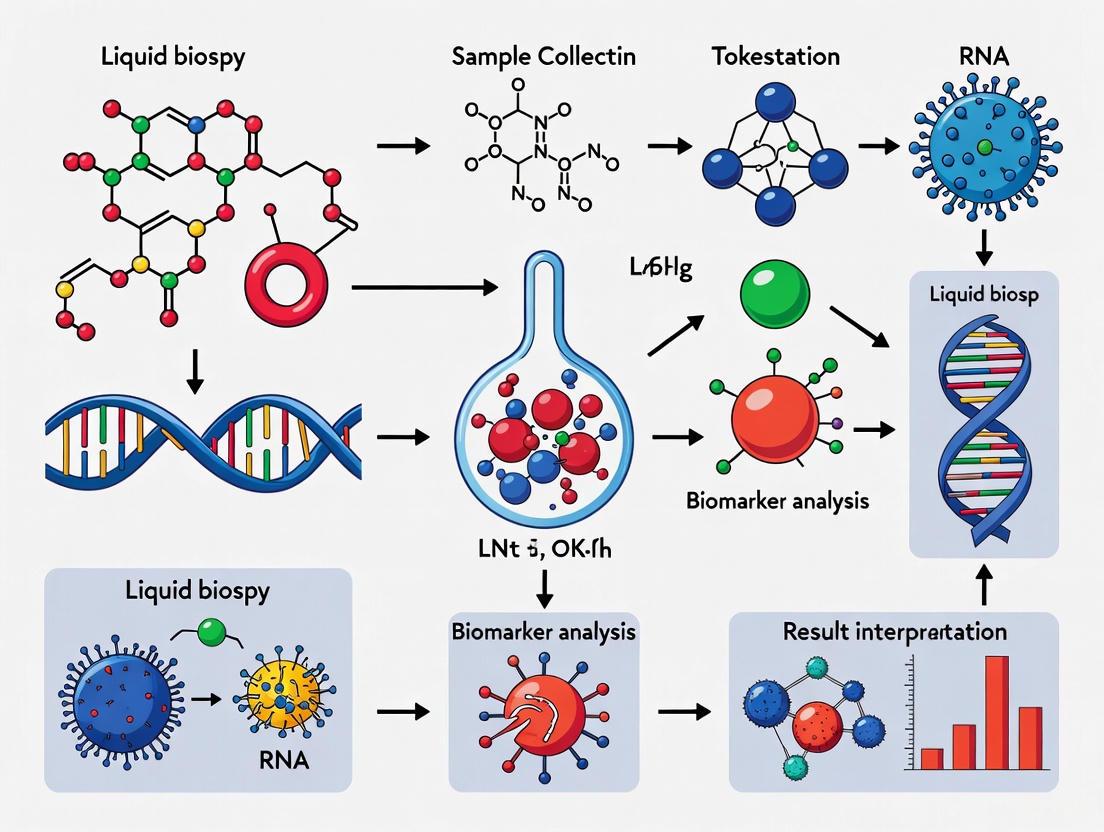
This article provides a comprehensive analysis of liquid biopsy-based Multi-Cancer Early Detection (MCED) technologies, tailored for researchers, scientists, and drug development professionals.
Liquid Biopsy for Multi-Cancer Early Detection (MCED): A Comprehensive Review for Researchers and Developers
Abstract
This article provides a comprehensive analysis of liquid biopsy-based Multi-Cancer Early Detection (MCED) technologies, tailored for researchers, scientists, and drug development professionals. It explores the foundational principles driving MCED development, details the diverse methodological approaches and biomarker analytes, and addresses critical challenges in test optimization and clinical validation. The content synthesizes current evidence from large-scale clinical trials and health economic studies, offering a roadmap for advancing MCED from research to clinical implementation, ultimately aiming to transform cancer screening paradigms and improve patient outcomes.
The Paradigm Shift in Cancer Screening: Foundations of MCED Technology
Current standard-of-care methods for cancer screening are predominantly single-site, meaning they are designed to detect only one specific type of cancer. Guidelines from the US Preventive Services Task Force (USPSTF) recommend population-based screening for only four cancer types: breast, colorectal, cervical, and lung cancer [1]. While the adoption of these screenings has contributed to a documented decline in cancer mortality, significant limitations and unmet needs persist [1]. These single-cancer screening modalities are characterized by inherent invasiveness, variable patient adherence, limited scope, and suboptimal performance for certain cancers, leaving many cancer types without any recommended screening tools [2] [1]. This whitepaper details the specific technical and clinical limitations of current single-cancer screening methods, thereby framing the critical need for innovative diagnostic approaches such as liquid biopsy-based multi-cancer early detection (MCED) [3].
Quantitative Limitations of Established Single-Cancer Screenings
The aggregate benefits of existing cancer screenings are significant, yet substantial gaps remain. A mathematical model estimating the life-years gained from USPSTF-recommended screenings since their inception highlights both their value and their limitations [1].
Table 1: Aggregate Benefits of USPSTF-Recommended Cancer Screenings in the U.S. (2023 Estimates)
| Cancer Type | Life-Years Gained (Perfect Adherence) | Life-Years Gained (Current Adherence) | Value at Current Adherence (Trillions USD) | Unmet Potential (Life-Years) |
|---|---|---|---|---|
| Breast | 2.2 - 4.9 million | ~1.7 - 3.7 million* | ~0.5 - 1.2 million* | |
| Colorectal | 1.4 - 3.6 million | ~1.0 - 2.6 million* | ~0.4 - 1.0 million* | |
| Cervical | 11.4 - 12.3 million | ~9.4 - 10.1 million* | ~2.0 - 2.2 million* | |
| Lung | 0.5 million | ~0.4 million* | ~0.1 million* | |
| Combined | 15.5 - 21.3 million | ~12.2 - 16.2 million | $6.5 - $8.6 | ~3.2 - 5.1 million |
Note: Values for "Current Adherence" and "Unmet Potential" are approximations calculated as ~75% and ~25% of the "Perfect Adherence" range, based on reported overall adherence [1].
As illustrated in Table 1, despite the potential to save over 20 million life-years, current adherence rates mean that only about 75% of this benefit is realized, leaving a gap of 3.2 to 5.1 million life-years [1]. This translates to a lost economic value of $1.7-$2.7 trillion, underscoring the massive unmet need related to screening adherence alone.
Technical and Clinical Deficiencies by Cancer Type
The limitations of single-cancer screenings extend beyond aggregate adherence into specific technical and clinical shortcomings.
Breast Cancer
Mammography, the standard screening tool, has limitations in sensitivity, particularly in women with dense breast tissue [4] [2]. This can lead to false negatives and delayed diagnosis. Furthermore, mammography provides limited insights into the molecular profile of detected tumors, which is increasingly critical for personalized treatment strategies [2].
Lung Cancer
Screening via low-dose computed tomography (LDCT) is associated with a high false-positive rate, leading to unnecessary patient distress, invasive follow-up procedures, and radiation exposure [2] [1]. Like mammography, it is a morphological imaging technique that does not provide information on tumor genetics.
Colorectal Cancer
Screening modalities range from invasive procedures like colonoscopy to non-invasive stool-based tests. Colonoscopy, while effective, is an invasive procedure requiring bowel preparation and sedation, which presents a significant barrier to adherence and carries a small risk of complications [4] [3].
Cancers with No Screening Modalities
A critical limitation of the single-cancer paradigm is that many cancers have no recommended screening tests. Cancers of the ovary, pancreas, liver, and brain, among others, often present with vague symptoms and are frequently diagnosed at late stages, resulting in poor survival outcomes [2]. For example, ovarian cancer relies on the serum biomarker CA-125, which has a low predictive value of approximately 5% and high false-positive rates [2]. These unscreened cancers account for nearly 70% of all cancer deaths in the United States, representing one of the most significant unmet needs in oncology [1].
Methodological Framework for Evaluating Screening Harms and Benefits
To quantitatively compare screening tests, particularly in a multi-cancer context, researchers employ a mathematical framework to model outcomes based on test performance and disease characteristics [4]. Key metrics include the Expected number of individuals exposed to unnecessary confirmation tests (EUC), Cancers Detected (CD), and Lives Saved (LS).
The following diagram outlines the logical workflow for calculating the harm-benefit tradeoff of a cancer screening test.
The equations for a test targeting two cancers (A and B) are [4]:
EUC = N · [ ρA · PA(T+) · (1-LA(T+)) + ρB · PB(T+) · (1-LB(T+)) + (1-ρA-ρB)(1-Sp) ] Where N is the number tested, ρ is prevalence, P(T+) is test sensitivity, L(T+) is correct localization probability, and Sp is specificity. The first two terms represent incorrect tumor origin localization, and the third represents false positives.
CD = N · (ρA · MSA + ρB · MSB) Where MS is the marginal sensitivity (probability of a correct cancer signal and correct localization).
LS = N · (mA · MSA · RA + mB · MSB · RB) Where m is the probability of cancer death without screening, and R is the mortality reduction from early detection.
This framework demonstrates that the harm-benefit tradeoff, measured by metrics like EUC per cancer detected (EUC/CD), is overwhelmingly determined by test specificity and is most favorable for tests that include prevalent and high-mortality cancers [4].
The Scientist's Toolkit: Core Components of Liquid Biopsy Assays
Liquid biopsy represents a paradigm shift, moving from single-site, tissue-based diagnosis to multi-cancer, minimally invasive detection through the analysis of circulating biomarkers in blood and other biofluids [5] [2]. The following table details the key analytic targets and technologies used in this emerging field.
Table 2: Research Reagent Solutions for Liquid Biopsy Assays
| Analytic Target | Key Technology/Reagent | Primary Function in MCED Assay |
|---|---|---|
| Circulating Tumor DNA (ctDNA) | Targeted methylation/PCR panels (e.g., EFIRM), NGS | Detects tumor-specific genetic and epigenetic alterations (mutations, methylation) for cancer diagnosis and localization [5] [2]. |
| Circulating Tumor Cells (CTCs) | Enrichment technologies (e.g., CellSearch, microfluidic CyteCatch) | Isolates and enumerates rare CTCs from blood for prognostic assessment and molecular analysis [5] [2]. |
| Extracellular Vesicles (EVs) | Isolation methods (e.g., ExoLution, nPLEX) | Captures tumor-derived EVs (exosomes) to analyze proteins, RNA, and DNA for cancer signature detection [2]. |
| Cell-Free RNA (cfRNA) | RNA Sequencing (RNA-Seq), qRT-PCR | Profiles miRNA, mRNA, and other RNA species to identify cancer-type-specific expression patterns [5] [2]. |
The workflow for developing and validating an MCED test is complex and requires rigorous analytical and clinical validation. The following diagram outlines the key stages from biomarker discovery to clinical implementation.
A significant technical challenge is the low abundance of tumor-derived material in circulation, especially in early-stage disease. For example, ctDNA can constitute less than 0.1% of total cell-free DNA, necessitating highly sensitive technologies [5]. Methods like Electric Field-Induced Release and Measurement (EFIRM) are being developed to detect ultrashort fragments of ctDNA directly in body fluids like plasma and saliva, improving sensitivity for early-stage lung cancer [2]. Furthermore, computational models that integrate multiple analyte types (e.g., epigenomic and protein signatures) are being developed to improve the differentiation of benign nodules from malignant lesions [2].
The limitations of current single-cancer screening modalities are extensive and multifaceted. They include restricted scope, invasive procedures, suboptimal performance characteristics like high false-positive rates for lung CT and low predictive value for ovarian CA-125, and significant adherence barriers that prevent the realization of their full potential benefit. These unmet needs create a compelling case for the development of novel diagnostic strategies. Liquid biopsy-based MCED tests represent a transformative approach that addresses many of these deficiencies by offering a minimally invasive, broadly applicable, and potentially more efficient method for detecting multiple cancers simultaneously. Ongoing research and large-scale clinical trials are focused on validating the performance of these assays and demonstrating their ultimate value in reducing late-stage cancer incidence and cancer-specific mortality [3].
The Global Cancer Burden and the Economic Rationale for MCED Tests
Cancer represents one of the most significant public health challenges worldwide, with escalating incidence and mortality rates creating an unsustainable economic burden on healthcare systems. According to the World Health Organization (WHO), 20 million new cancer cases and 9.7 million cancer deaths occurred globally in 2022, with projections suggesting a 77% increase to 35 million new cases annually by 2050 [6]. This growing burden disproportionately affects underserved populations and reflects both demographic changes and increasing exposure to risk factors like tobacco, alcohol, and obesity [6].
The limitations of current screening paradigms present a critical gap in cancer control. Conventional screening methods target only a limited number of cancers—primarily breast, cervical, colorectal, and lung—leaving approximately 70% of cancer types without recommended screening tests [7]. This screening gap contributes significantly to late-stage diagnoses, where treatment outcomes are poorer and costs are substantially higher. Multi-cancer early detection (MCED) tests, utilizing liquid biopsy approaches, represent a transformative approach that could potentially revolutionize cancer screening by detecting multiple cancer types simultaneously through a simple blood draw [8] [9].
The Global Cancer Burden: Quantitative Analysis
Current Cancer Epidemiology
The global cancer landscape is dominated by a handful of cancer types that collectively account for the majority of incidence and mortality. The table below summarizes the leading cancers worldwide based on 2022 data from the International Agency for Research on Cancer (IARC) [6].
Table 1: Global Cancer Incidence and Mortality (2022)
| Cancer Type | New Cases (Millions) | % of Total Cases | Deaths (Millions) | % of Total Deaths |
|---|---|---|---|---|
| Lung | 2.5 | 12.4% | 1.8 | 18.7% |
| Breast | 2.3 | 11.6% | 0.67 | 6.9% |
| Colorectal | 1.9 | 9.6% | 0.9 | 9.3% |
| Prostate | 1.5 | 7.3% | - | - |
| Stomach | 0.97 | 4.9% | 0.66 | 6.8% |
| Liver | - | - | 0.76 | 7.8% |
Striking Disparities in Cancer Burden
Significant inequities in cancer burden exist across the human development index (HDI) spectrum. In countries with very high HDI, 1 in 12 women is diagnosed with breast cancer in their lifetime and 1 in 71 die from it, while in low HDI countries, only 1 in 27 women is diagnosed but 1 in 48 die from the disease, highlighting dramatic disparities in access to early detection and effective treatment [6]. These inequities extend to cancer services, where lung cancer-related services are 4-7 times more likely to be included in health benefit packages in high-income versus lower-income countries [6].
In the United States, recent data reveals alarming trends in cancer disparities. Native American people bear the highest cancer mortality, with rates two to three times those in White people for kidney, liver, stomach, and cervical cancers [10]. Similarly, Black people have two-fold higher mortality than White people for prostate, stomach, and uterine corpus cancers [10].
The Clinical and Economic Imperative for Early Detection
The stage at diagnosis profoundly impacts survival outcomes across all cancer types. The dramatic difference in 5-year survival rates between early and late-stage cancers underscores the vital importance of early detection.
Table 2: Five-Year Survival Rates by Cancer Type and Stage at Diagnosis [8]
| Cancer Type | Stage I (%) | Stage II (%) | Stage III (%) | Stage IV (%) | Overall (%) |
|---|---|---|---|---|---|
| Colorectal | 92.3 | 86.1 | 76.0 | 18.4 | 71.4 |
| Lung | 81.9 | 52.0 | 29.3 | 8.6 | 45.1 |
| Breast | 99.0 | 94.7 | 81.1 | 40.5 | 91.8 |
| Pancreatic | 56.2 | 23.1 | 6.1 | 1.6 | 13.1 |
| Gastric | 92.8 | 66.6 | 41.0 | 6.7 | 70.6 |
The economic implications of late-stage diagnosis are substantial. Patients diagnosed with early-stage cancer typically require less aggressive, less expensive treatments compared to those diagnosed at advanced stages, where care often involves complex surgical interventions, extended hospital stays, novel immunotherapies, and management of complications [11] [12]. The national costs for cancer care in the US were projected to exceed $245 billion by 2030, creating an urgent need for more effective early detection strategies [13].
Multi-Cancer Early Detection: Technological Foundations
Principles of MCED Testing
MCED tests utilize liquid biopsy approaches to detect circulating tumor-derived biomarkers in blood samples. These tests analyze multiple molecular analytes simultaneously, including:
- Cell-free DNA (cfDNA) mutations: Somatic mutations in cancer driver genes
- DNA methylation patterns: Epigenetic modifications characteristic of cancer cells
- DNA fragmentation patterns: Abnormal fragmentation profiles of tumor DNA
- Protein biomarkers: Cancer-associated proteins shed into circulation [8]
The fundamental principle underlying MCED testing is that tumors release these biomarkers into the bloodstream during early stages of development, often before symptoms appear or when conventional imaging can detect them. By employing sophisticated genomic sequencing technologies and machine learning algorithms, MCED tests can identify the presence of cancer signals and predict the tissue of origin with increasing accuracy [8] [9].
Major MCED Platforms and Performance Characteristics
Several MCED platforms are in advanced stages of development and clinical validation. The table below summarizes key performance metrics of leading MCED tests.
Table 3: Performance Characteristics of Major MCED Tests [8]
| MCED Test | Company/Developer | Sensitivity | Specificity | Primary Detection Method |
|---|---|---|---|---|
| Galleri | GRAIL | 51.5% | 99.5% | Targeted methylation sequencing |
| CancerSEEK | Exact Sciences | 62% | >99% | Multiplex PCR + protein immunoassay |
| Shield | Guardant Health | 65% (Stage I) | 89% | Genomic mutations + methylation |
| DELFI | Delfi Diagnostics | 73% | 98% | cfDNA fragmentation + machine learning |
| PanSeer | Singlera Genomics | 87.6% | 96.1% | Semi-targeted PCR libraries + sequencing |
It is important to note that sensitivity varies significantly by cancer type and stage, with generally higher sensitivity for advanced-stage cancers and for cancers with greater tumor burden [13] [8]. The Galleri test, for instance, can detect more than 50 cancer types using targeted methylation sequencing of cell-free DNA [13] [8].
Experimental Workflow for MCED Development and Validation
The development and validation of MCED tests require carefully designed experimental protocols spanning biomarker discovery, assay development, and clinical validation.
Diagram 1: MCED Development Pipeline from discovery to implementation
The Scientist's Toolkit: Essential Research Reagents for MCED Development
The development and implementation of MCED tests require specialized reagents and materials to ensure accurate and reproducible results.
Table 4: Essential Research Reagents for MCED Development
| Reagent Category | Specific Examples | Function in MCED Testing |
|---|---|---|
| Blood Collection Systems | Cell-free DNA BCT tubes (e.g., Streck) | Preserve cfDNA integrity during sample transport and storage |
| Nucleic Acid Extraction Kits | cfDNA extraction kits (e.g., QIAamp, MagMAX) | Isolate high-quality cfDNA from plasma samples |
| Library Preparation Reagents | Methylation-specific conversion reagents, adapters, enzymes | Prepare sequencing libraries while preserving methylation information |
| Sequencing Platforms | Illumina NovaSeq, PacBio, Oxford Nanopore | Generate high-throughput sequencing data for biomarker detection |
| Bioinformatics Tools | Methylation analysis pipelines, machine learning algorithms, reference databases | Analyze complex genomic data and classify cancer signals |
| Quality Control Materials | Reference standards, internal controls, synthetic spike-ins | Monitor assay performance and ensure result reliability |
Health Economic Evidence for MCED Testing
Cost-Effectiveness Analyses of MCED Implementation
Multiple economic models have evaluated the cost-effectiveness of adding MCED testing to existing cancer screening programs. These analyses consistently demonstrate that MCED testing can be cost-effective when priced appropriately and integrated into standard care.
Table 5: Cost-Effectiveness Analyses of MCED Testing [11] [13] [12]
| Study Population | Intervention | Incremental QALYs | Treatment Cost Savings | ICER ($/QALY) | Value-Based Price |
|---|---|---|---|---|---|
| General population (50-79 years) | Annual MCED + usual care | 0.14 | $5,241 per person | $66,048 | $949 (test price) |
| General population (50-79 years) | Annual MCED + usual care | 0.13 | $5,421 per case | - | $1,196 (at $100K/QALY threshold) |
| Higher-risk subpopulations | Annual MCED + usual care | >0.14 (varies by risk) | >$5,241 (varies by risk) | <$66,048 | - |
The cost-effectiveness of MCED testing stems from two primary factors: (1) significant reductions in late-stage cancer diagnoses leading to lower treatment costs, and (2) improved survival and quality of life due to earlier detection. One study projected that adding annual MCED testing to standard care could reduce stage IV cancer diagnoses by 45% through stage shifting to earlier, more treatable stages [7]. The same study found that the testing interval significantly impacted outcomes, with biennial testing achieving a 28% reduction and triennial testing a 22% reduction in late-stage diagnoses, compared to the 45% reduction with annual testing [7].
Value-Based Pricing Framework for MCED Tests
Economic models have established value-based pricing thresholds for MCED tests that align with conventional willingness-to-pay benchmarks in healthcare. At a willingness-to-pay threshold of $100,000 per quality-adjusted life-year (QALY), the potential value-based price for an MCED test has been estimated at $1,196 [11]. This pricing model incorporates the test's ability to shift cancer diagnoses to earlier stages (with a 53% reduction in stage IV cancer diagnoses in one model), resulting in longer overall survival and reduced per-case treatment costs averaging $5,421 [11].
Recent analyses have confirmed these findings, demonstrating that MCED testing plus usual care remains cost-effective across various scenarios, with incremental cost-effectiveness ratios (ICERs) below conventional thresholds [13]. When accounting for differential survival based on cell-free DNA detectability status, the ICER ranged from $77,781 to $115,995 per QALY gained, depending on the hazard ratio applied [13].
MCED Impact Across Risk Subpopulations
Cost-effectiveness analyses reveal important variations across different risk subgroups. MCED testing demonstrates more favorable economics in populations with elevated cancer risk, including individuals with:
- Obesity (BMI ≥30)
- Diabetes (types 1 and 2)
- Smoking history
- Heavy alcohol use
- Genetic predispositions (e.g., hereditary cancer syndromes)
- Immunocompromising conditions
- Family history of cancer
- Previous cancer history [12]
These higher-risk subpopulations show lower ICERs (below the general population benchmark of $66,043 per QALY), underscoring the potential for targeted implementation strategies [12]. However, the study authors note that while prioritizing higher-risk groups yields more favorable cost-effectiveness, this approach affects a smaller fraction of the overall population cancer burden [12].
Implementation Challenges and Future Directions
Addressing Disparities in MCED Access
The promise of MCED tests to reduce cancer disparities faces significant implementation challenges. Marginalized populations—including racial and ethnic minorities, sexual and gender minorities, lower-income individuals, rural residents, and persons with disabilities—continue to experience worse cancer-related outcomes despite improvements in screening and treatment [14]. For MCED tests to fulfill their potential in addressing these disparities, several key requirements must be met:
- Population studies and clinical trials must include diverse populations
- Tests must demonstrate equivalent performance across all demographic groups
- Tests must remain affordable and accessible to underserved communities
- Trust must be established within marginalized communities [14]
Additionally, navigation systems must be developed to help all individuals with positive tests access appropriate follow-up diagnostics and treatment, ensuring that advances in early detection do not exacerbate existing health inequities [14].
Novel Clinical Trial Designs for MCED Evaluation
Traditional cancer screening trial endpoints present significant challenges for MCED evaluation. Mortality endpoint trials require large sample sizes, long duration (often 15-20 years), and high costs, making them impractical for rapidly evolving genomic technologies [9]. Innovative trial designs incorporating alternative endpoints are now being employed to accelerate MCED validation:
- Reduction in late-stage cancer incidence as a surrogate for mortality (employed in the NHS-Galleri trial)
- Time to diagnosis endpoints
- Biomarker-based trials using agnostic approaches across multiple cancer types
- Nested trial designs with biobanked samples [9]
The ongoing NHS-Galleri trial exemplifies this modern approach, having completed enrollment of 140,000 participants in just 10 months—far exceeding traditional trial recruitment rates—by using reduction in advanced-stage (III and IV) cancer diagnosis as its primary endpoint [9].
Biomarker Integration and Signal Interpretation
The complex nature of MCED tests requires sophisticated interpretation frameworks that integrate multiple biomarker signals to maximize clinical utility.
Diagram 2: MCED biomarker integration and result interpretation workflow
The growing global cancer burden, with projections of 35 million new cases annually by 2050, demands transformative approaches to cancer detection [6]. MCED tests represent a paradigm shift in cancer screening that could substantially reduce late-stage diagnoses and their associated morbidity, mortality, and economic costs [7]. Robust health economic analyses demonstrate that MCED testing can be cost-effective when appropriately priced and integrated into existing cancer screening programs, with value-based pricing models supporting test costs of approximately $1,200 at conventional willingness-to-pay thresholds [11].
Realizing the full potential of MCED testing will require addressing implementation challenges, including ensuring equitable access across diverse populations, validating test performance in real-world settings, and developing appropriate clinical pathways for managing positive results [14] [3]. As ongoing large-scale clinical trials such as the NHS-Galleri study generate additional evidence, MCED tests are poised to potentially revolutionize cancer screening by detecting cancers at earlier, more treatable stages across a broad spectrum of cancer types that currently lack recommended screening methods [9]. For researchers and drug development professionals, these developments represent both unprecedented opportunities and responsibilities to ensure that these innovative technologies fulfill their promise to reduce the global cancer burden.
Liquid biopsy represents a transformative approach in oncology, enabling the minimally invasive detection and analysis of circulating tumor-derived materials in blood. For multi-cancer early detection (MCED) research, this technique is pivotal, offering a window into the molecular landscape of cancer through peripheral blood draws. The core analytes—circulating tumor DNA (ctDNA) and circulating tumor cells (CTCs)—provide complementary information on tumor genetics and cellular mechanisms of metastasis, forming the foundation for advanced cancer diagnostics and monitoring [15] [16]. The clinical significance of these biomarkers is profound; their detection allows for real-time assessment of tumor dynamics, treatment response, and emergence of resistance, which is crucial for improving patient outcomes in precision oncology.
Key Circulating Tumor-Derived Materials
Circulating Tumor DNA (ctDNA)
Circulating tumor DNA (ctDNA) consists of short, fragmented DNA molecules shed into the bloodstream primarily through apoptosis or necrosis of tumor cells [15]. These fragments carry tumor-specific genetic and epigenetic alterations, including somatic mutations, copy number variations, methylation changes, and fragmentation patterns that distinguish them from normal cell-free DNA (cfDNA) [15] [17]. The half-life of ctDNA is remarkably short, estimated between 16 minutes to several hours, which enables real-time monitoring of tumor burden and treatment response [15]. In cancer patients, the fraction of ctDNA within total cfDNA ranges from below 1% in early-stage disease to over 90% in advanced stages, presenting significant detection challenges for MCED applications [15].
Circulating Tumor Cells (CTCs)
Circulating tumor cells (CTCs) are intact, viable cancer cells that detach from primary or metastatic tumors and enter the circulation [16]. These cells play a direct role in cancer metastasis and represent a rare population in blood, with approximately one CTC found among billions of blood cells [18] [19]. CTCs exhibit considerable heterogeneity, often undergoing epithelial-to-mesenchymal transition (EMT), which enhances their invasive potential and contributes to therapy resistance [16]. This heterogeneity is reflected in their dynamic expression of surface markers, including epithelial (EpCAM, cytokeratins), mesenchymal (vimentin, N-cadherin), and stem cell markers (CD44, CD24), which complicates their isolation and detection [16].
Table 1: Comparison of Key Circulating Biomarkers for MCED
| Parameter | ctDNA | CTCs |
|---|---|---|
| Origin | Apoptosis/necrosis of tumor cells [15] | Cells shed from primary or metastatic tumors [16] |
| Composition | Fragmented DNA with tumor-specific alterations [15] | Whole cells with functional properties [16] |
| Concentration in Blood | <0.1% to >90% of total cfDNA depending on stage [15] | 1-10 cells per 10 mL of blood in metastatic cancer [18] |
| Half-Life | 16 minutes to several hours [15] | 1-2.4 hours [19] |
| Key Applications in MCED | Mutation detection, methylation analysis, fragmentomics [15] [17] | Cellular heterogeneity analysis, functional studies, drug resistance mechanisms [16] |
| Technical Challenges | Low abundance in early-stage disease, differentiation from normal cfDNA [15] | Extreme rarity, heterogeneity, need for viable cells [18] [16] |
Detection Methodologies and Workflows
ctDNA Detection and Analysis
The detection of ctDNA requires highly sensitive methods capable of identifying rare tumor-specific signals amidst abundant normal cfDNA. Next-generation sequencing (NGS) technologies have become the cornerstone of ctDNA analysis, with several advanced methodologies developed specifically for liquid biopsy applications.
3.1.1 Next-Generation Sequencing Approaches
- Targeted Error Correction Sequencing (TEC-Seq): An ultra-sensitive direct assessment method that allows detection of ctDNA mutations without prior knowledge of tumor genetic alterations, achieving 97.4% sensitivity and 100% specificity in validation studies [20] [17].
- CAncer Personalized Profiling by Deep Sequencing (CAPP-Seq): A selective genome sequencing method that uses bioinformatics to target recurrently mutated regions in cancer, providing enhanced sensitivity for ctDNA detection [15].
- Whole Exome/Whole Genome Sequencing (WES/WGS): Comprehensive approaches that sequence the entire exome or genome, enabling broad detection of mutations across all genomic regions [20] [15].
These NGS methods often incorporate unique molecular identifiers (UMIs), which are molecular barcodes attached to DNA fragments before amplification to distinguish true mutations from sequencing artifacts [15]. For enhanced accuracy, techniques like Duplex Sequencing tag and sequence both strands of DNA duplexes, requiring mutations to be present on both strands for validation, thereby significantly reducing false positives [15].
3.1.2 Methylation-Based Analysis DNA methylation patterns have emerged as powerful biomarkers for MCED. The OvaPrint platform exemplifies this approach, using cfDNA methylation patterns combined with machine learning to discriminate benign pelvic masses from high-grade serous ovarian cancer with high accuracy [17]. Similarly, multi-gene methylation panels targeting genes like RASSF1A, BRCA1, and OPCML have demonstrated sensitivities of 84.2-94.7% and specificities of 86.7-100% for early-stage ovarian cancer detection [17].
CTC Isolation and Characterization
The extreme rarity and heterogeneity of CTCs necessitate sophisticated enrichment and detection strategies that leverage both physical and biological properties.
3.2.1 Microfluidic Technologies Microfluidic systems, or "lab-on-a-chip" devices, have revolutionized CTC isolation through precise fluid manipulation at microscale dimensions (typically 10-500 μm) [18]. These platforms offer advantages including reduced sample volume, enhanced sensitivity, and integration of multiple processing steps [18]. Key microfluidic approaches include:
- Immunoaffinity Capture: Uses surface-functionalized antibodies (e.g., anti-EpCAM) to selectively bind and capture CTCs from whole blood [18]. The Herringbone CTC chip and Micropillar CTC chip are prominent examples that achieve high capture efficiency through optimized surface-area-to-volume ratios and flow dynamics [18].
- Size-Based Filtration: Leverages the larger size and lower deformability of CTCs compared to hematological cells using membranes with precise pore sizes (e.g., ISET - Isolation by Size of Epithelial Tumor cells) [16].
- Dielectrophoresis: Employs non-uniform electric fields to separate cells based on their dielectric properties, enabling label-free isolation of CTCs without reliance on surface markers [18].
3.2.2 Integrated Systems and Platforms The CTC-iChip combines multiple separation principles, including size-based sorting and immunomagnetic separation, to achieve high-purity CTC isolation [18]. Similarly, the DEPArray system facilitates dielectrophoretic manipulation and isolation of single CTCs and clusters from pre-enriched blood samples, enabling downstream molecular characterization [18].
Recent advancements include 3D-printed microfluidic devices that increase surface area and enhance contact interactions between tumor cells and antibody-functionalized structures, achieving capture efficiencies of 87-92% for various cancer cell lines [18].
Table 2: Performance Metrics of CTC Isolation Technologies
| Technology | Principle | Efficiency | Purity | Throughput | Cell Viability |
|---|---|---|---|---|---|
| Immunoaffinity Capture | Antibody binding (e.g., EpCAM) [18] | Moderate | Very High | Moderate | Moderate |
| Size-Based Filtration | Physical size differences [18] [16] | High | Moderate | High | Moderate |
| Dielectrophoresis | Dielectric properties [18] | Moderate | High | Low | High |
| Inertial Focusing | Label-free, hydrodynamic forces [18] | High | Moderate | High | High |
| Integrated CTC-iChip | Multi-modal separation [18] | High | High | High | Moderate |
Advanced Integrated Platforms in MCED Research
The Caris Assure Platform with Machine Learning Integration
The Caris Assure platform represents a state-of-the-art integrated approach to MCED, combining whole exome sequencing (WES) and whole transcriptome sequencing (WTS) on plasma and leukocytes with advanced machine learning algorithms [20]. This comprehensive platform addresses multiple clinical needs—early detection, therapy selection, and monitoring—within a unified assay.
The platform utilizes a multi-phase ABCDai (Assure Blood-based Cancer Detection AI) machine learning framework built on gradient-boosted decision trees (XGBoost) with 500 estimators [20]. The model architecture employs a sophisticated feature engineering process across nine foundational "pillars":
- Mutationome: SNV/Indel mutations detected using Mutect2
- Fusionome: Structural variants and fusion transcripts
- Transcriptome: Gene expression profiles from RNA sequencing
- Fragmentome: cfDNA fragmentation patterns
- Motifome: Sequence context and mutational signatures
- Copyome: Copy number variations
- Entropyome: Measures of genomic instability
- PositionomeNU: Nucleosome positioning patterns
- PositionomeTF: Transcription factor binding footprints
In validation studies, the Caris Assure MCED model demonstrated sensitivities of 83.1% for stage I, 86.0% for stage II, 84.4% for stage III, and 95.7% for stage IV cancers, all at 99.6% specificity (n=2,149) [20]. The tissue of origin model achieved a top-3 accuracy of 85% for stage I and II cancers, which is critical for guiding diagnostic follow-up in MCED applications [20].
Machine Learning Enhancement of Microfluidic CTC Detection
The integration of machine learning with microfluidic technologies has significantly advanced CTC detection by improving specificity and automating analysis processes [18]. Conventional neural networks (CNNs) and other deep learning models can learn features autonomously from complex cellular images, enabling more precise identification of rare and heterogeneous CTC populations [18].
ML algorithms address critical challenges in CTC analysis, including:
- Automated Enumeration: Reducing human error in CTC counting post-enrichment [18]
- Heterogeneity Classification: Identifying CTC subtypes based on morphological and molecular features [18]
- Rare Cell Detection: Enhancing sensitivity for detecting minimal CTC populations in early-stage disease [18]
These computational approaches synergize with microfluidic design optimization, where neural networks trained on experimental flow data can predict optimal channel geometries, significantly reducing prototyping time compared to traditional methods [18].
The Scientist's Toolkit: Essential Research Reagents and Materials
Table 3: Key Research Reagent Solutions for Circulating Biomarker Detection
| Reagent/Material | Function | Example Products/Formats |
|---|---|---|
| cfDNA Extraction Kits | Isolation of high-quality cell-free DNA from plasma | Qiagen DSP Virus/Pathogen Midi kit (customized), Hamilton Star liquid handler system [20] |
| UMI Adapters | Unique molecular barcoding for error correction in NGS | Custom cDNA primers (IDT, GeneLink), HyperPrep kits (KAPA/Roche) [20] [15] |
| Capture Panels | Targeted enrichment of cancer-relevant genomic regions | Custom hybrid pull-down panels for 720 clinically relevant genes [20] |
| Microfluidic Chips | CTC enrichment and isolation | PDMS-based devices, Herringbone chips, Micropillar chips [18] |
| Cell Surface Antibodies | CTC identification and characterization | Anti-EpCAM, anti-cytokeratins, anti-vimentin, anti-HER2 [16] |
| Library Prep Reagents | Preparation of sequencing libraries from low-input samples | HyperPrep kits, HyperPure Beads, custom primer mixes [20] |
| DNA Methylation Reagents | Bisulfite conversion and methylation analysis | Multiplex methylation-specific PCR (MSP) reagents [17] |
The detection of circulating tumor-derived materials in blood represents a cornerstone of modern MCED research, with ctDNA and CTCs providing complementary molecular information essential for comprehensive cancer assessment. Advanced technological platforms integrating microfluidics, next-generation sequencing, and machine learning have significantly enhanced the sensitivity and specificity required for early cancer detection. As these methodologies continue to evolve, standardization of protocols and validation in large-scale clinical trials will be crucial for translating liquid biopsy from research settings to routine clinical practice. The ongoing innovation in multi-analyte approaches and AI-driven bioinformatics promises to further advance the capabilities of MCED, ultimately contributing to improved cancer outcomes through earlier detection and personalized intervention strategies.
Multi-cancer early detection (MCED) represents a transformative approach in oncology, leveraging liquid biopsy to screen for multiple cancer types from a single biological sample. Unlike traditional single-cancer screening methods, which are limited to a handful of cancer types (e.g., breast, cervical, colorectal, lung, and prostate cancers), MCED tests aim to detect a broad spectrum of cancers at earlier, more treatable stages [21] [8]. This technological evolution is critically important given that approximately 70% of cancer deaths originate from cancers without recommended screening tests, which are often detected at advanced stages when prognosis is poor [22] [21]. The global MCED market, valued at approximately $1-1.5 billion in 2024, is projected to grow significantly to $4.3-7.52 billion by 2033, reflecting a compound annual growth rate (CAGR) of 14.1-16.9% [23] [24] [25]. This growth is driven by advancements in genomic sequencing, artificial intelligence, and increasing recognition of the limitations of current screening paradigms.
Current Market Landscape and Key Players
The MCED landscape is characterized by rapid innovation and intensive research and development efforts. Several companies have emerged as leaders, each with distinct technological approaches and commercial positioning.
Table 1: Global MCED Market Leaders and Positioning (2024)
| Company | Market Position | Primary Test(s) | Key Technological Features |
|---|---|---|---|
| Exact Sciences Corporation | Market leader (32% share) [25] | Cancerguard [26] | Multi-biomarker class approach combining DNA methylation and protein biomarkers [26] [25] |
| GRAIL, Inc. | Innovation leader [22] [24] | Galleri [22] | Targeted methylation sequencing; >50 cancer types [22] [8] |
| Guardant Health | Liquid biopsy leader [24] [25] | Guardant Health Shield [8] | Combines genomic mutations, methylation, and DNA fragmentation patterns [8] |
| Burning Rock Biotech | Key innovator in Asia [24] [25] | OverC MCDBT [25] | Only MCED test with Breakthrough Device Designation from both US FDA and China NMPA [25] |
| Other Notable Players | Growing segment | Various | Freenome Holdings, Foundation Medicine, Early Diagnostics, Delfi Diagnostics, Singlera Genomics [23] [8] |
The competitive landscape is further defined by several other innovative companies developing MCED tests with varying technological approaches. Freenome Holdings Inc. utilizes a multi-omics platform combining cell-free DNA, protein biomarkers, and machine learning for cancer detection. Foundation Medicine (a Roche company) brings strong diagnostic credibility with a focus on integrating MCED into comprehensive genomic profiling solutions. Early Diagnostics employs cfDNA fragmentation, methylation, copy number variations (CNVs), and microbial composition analysis in its CancerRadar test, which demonstrates 85.6% sensitivity and 99% specificity across lung, colon, gastric, and liver cancers [8]. Delfi Diagnostics uses cfDNA fragmentation profiles and machine learning, achieving 73% sensitivity and 98% specificity across multiple cancer types [8]. Singlera Genomics employs semi-targeted PCR libraries and sequencing in its PanSeer test, demonstrating 87.6% sensitivity and 96.1% specificity for lung, colorectal, gastric, liver, and esophageal cancers [8].
Commercially Available MCED Assays
Table 2: Commercially Available MCED Tests and Performance Characteristics
| Test Name | Company | Biomarkers Analyzed | Reported Sensitivity | Reported Specificity | Cancer Types Detected |
|---|---|---|---|---|---|
| Galleri [22] | GRAIL | Targeted methylation sequencing | 40.4% (all cancers); 73.7% (for 12 high-mortality cancers) [22] | 99.6% [22] | >50 types [22] |
| Cancerguard [26] | Exact Sciences | DNA methylation + protein biomarkers | 68% for deadliest cancers (pancreatic, lung, liver, esophageal, stomach, ovarian) [26] | 97.4% [26] | >50 types [26] [25] |
| CancerSEEK [24] [8] | Exact Sciences | 8 cancer-associated proteins + 16 cancer gene mutations | 62% (combined biomarkers) [8] | >99% [8] | Lung, breast, colorectal, pancreatic, gastric, hepatic, esophageal, ovarian cancers [8] |
| OncoSeek [27] | SeekIn | 7 protein tumor markers (PTMs) + AI | 58.4% (across 14 cancers) [27] | 92.0% [27] | 14 common types representing 72% of global cancer deaths [27] |
| Guardant Health Shield [8] | Guardant Health | Genomic mutations, methylation, DNA fragmentation | 83% for colorectal cancer; 65% for Stage I CRC [8] | 88% [8] | Currently focused on colorectal cancer with MCED expansion planned [8] |
It is important to note that most MCED tests are currently available as Laboratory Developed Tests (LDTs) under Clinical Laboratory Improvement Amendments (CLIA) regulations rather than through FDA approval, though companies are gathering data for regulatory submissions [21]. GRAIL expects to complete its premarket approval (PMA) modular submission for Galleri in the first half of 2026 [22]. Additionally, most insurance plans, including Medicare, do not currently cover MCED tests, resulting in out-of-pocket costs for consumers (typically several hundred dollars per test) [21].
Technical Approaches and Biomarker Strategies
MCED tests utilize various technological approaches to detect cancer signals in blood samples. The core principle involves analyzing circulating tumor-derived biomarkers, with different tests focusing on distinct molecular features or combinations thereof.
Biomarker Classes in MCED Testing
The major biomarker classes utilized in MCED testing include:
Cell-free DNA (cfDNA) Characteristics: This includes detection of circulating tumor DNA (ctDNA) mutations, abnormal DNA methylation patterns, and fragmentomic profiles (fragmentation patterns) [8]. Methylation-based approaches, such as those used in Galleri and Cancerguard tests, analyze patterns of DNA methylation that are characteristic of cancer cells and can provide information about the tissue of origin [22] [26] [8].
Protein Biomarkers: Tests like CancerSEEK and OncoSeek incorporate measurement of cancer-associated proteins. CancerSEEK analyzes eight cancer-associated proteins, while OncoSeek uses a panel of seven protein tumor markers (PTMs) enhanced by artificial intelligence [8] [27]. The combination of protein biomarkers with genetic alterations increases the sensitivity of cancer detection compared to using either approach alone [8].
Multi-Analyte Approaches: Leading tests increasingly combine multiple biomarker classes to improve detection sensitivity and specificity. For example, Cancerguard combines DNA methylation and protein biomarkers [26], while Guardant Health Shield integrates genomic mutations, methylation patterns, and DNA fragmentation profiles [8]. This multi-modal approach enhances the ability to detect various cancer types at early stages.
Workflow for MCED Test Development and Validation
The following diagram illustrates the core workflow for MCED test development and validation:
Performance Comparison and Clinical Validation
Key Performance Metrics Across Major MCED Tests
Table 3: Comprehensive Performance Metrics of Leading MCED Tests
| Test Name | Sensitivity by Cancer Stage | Cancer Signal Origin (CSO) Accuracy | Positive Predictive Value (PPV) | Key Clinical Evidence |
|---|---|---|---|---|
| Galleri [22] | 40.4% (all cancers); 53.5% of detected cancers were early stage (I/II) [22] | 92% [22] | 61.6% [22] | PATHFINDER 2 study (n=23,161); NHS-Galleri trial [22] |
| Cancerguard [26] | 68% for deadliest cancers; detected >1 in 3 early stage cancers [26] | Information not specified in sources | Information not specified in sources | Multi-biomarker approach; clinical validation ongoing [26] [25] |
| OncoSeek [27] | Stage I: 43.2%; Stage II: 50.5%; Stage III: 68.5%; Stage IV: 85.1% [27] | 70.6% (Tissue of Origin prediction accuracy) [27] | Information not specified in sources | Large-scale validation across 15,122 participants from 7 centers [27] |
| CancerSEEK [8] | 62% (combined biomarkers); increased from 43% with genetic markers alone [8] | Information not specified in sources | Information not specified in sources | Combined protein and genetic marker approach [8] |
Clinical Implementation and Diagnostic Pathways
The integration of MCED tests into clinical practice requires careful consideration of diagnostic pathways following test results. When a positive cancer signal is detected, the tests that provide Cancer Signal Origin (CSO) prediction help guide appropriate diagnostic workups. For example, in the PATHFINDER 2 study, the Galleri test demonstrated a median time to diagnostic resolution of 46 days, with only 0.6% of all participants requiring an invasive procedure [22]. Invasive procedures were two times more common in participants with cancer than in those without cancer [22]. The diagnostic workflow after a positive MCED test typically involves imaging confirmation, with some tests offering structured imaging pathways. Exact Sciences' Cancerguard test incorporates an expert-designed imaging workflow that showed an approximately 30% reduction in diagnostic burden with fewer procedures compared to molecular methods in modeling outcomes [26].
Research Reagents and Experimental Methodologies
Essential Research Reagent Solutions
Table 4: Key Research Reagent Solutions for MCED Assay Development
| Reagent Category | Specific Examples | Function in MCED Testing |
|---|---|---|
| Blood Collection Tubes | Cell-free DNA blood collection tubes | Stabilize nucleated blood cells and prevent genomic DNA contamination of plasma [27] |
| DNA Extraction Kits | cfDNA extraction kits | Isolate cell-free DNA from plasma samples for downstream analysis [8] [27] |
| Target Enrichment Reagents | Bisulfite conversion kits; Methylation-specific PCR reagents; Hybridization capture probes | Enrich for cancer-specific methylation patterns or mutations [22] [8] |
| Sequencing Library Prep Kits | Next-generation sequencing library preparation kits | Prepare libraries for whole-genome, targeted, or methylation sequencing [22] [8] |
| Protein Assay Reagents | Immunoassay reagents; Multiplex protein detection panels | Measure cancer-associated protein biomarkers (e.g., CEA, CA-19-9, PSA) [8] [27] |
| Quality Control Assays | DNA quantification kits; Fragment analyzers; Methylation controls | Ensure sample quality and assay performance [27] |
Core Methodological Approaches in MCED Development
The following diagram illustrates the key methodological approaches and their relationships in MCED test development:
Experimental Protocols for MCED Validation
Large-scale clinical validation studies for MCED tests typically follow rigorous protocols:
Sample Collection and Processing: Blood samples are collected in cell-free DNA blood collection tubes. Plasma is separated through centrifugation (typically at 1600-2000 × g for 10-20 minutes) within a specified timeframe (usually 24-72 hours post-collection) [27].
Biomarker Extraction and Analysis:
- For DNA-based tests: Cell-free DNA is extracted from plasma using commercial kits. Targeted methylation sequencing (Galleri) or whole-genome sequencing approaches are employed [22] [8].
- For protein-based tests: Multiplex immunoassays are used to quantify cancer-associated protein biomarkers (OncoSeek, CancerSEEK) [8] [27].
Data Analysis and Algorithm Application:
- Sequencing data undergoes quality control, alignment, and methylation calling (for methylation-based tests).
- Machine learning algorithms classify samples as cancer or non-cancer based on trained models.
- For positive cancer signals, tissue of origin is predicted using methylation patterns or other biomarkers [22] [27].
Clinical Follow-up and Validation: Participants with positive test results undergo diagnostic evaluations based on predicted cancer origin, including imaging, endoscopy, or tissue biopsy, to confirm cancer presence [22].
The OncoSeek validation study exemplifies this approach, analyzing 15,122 participants (3,029 cancer patients and 12,093 non-cancer individuals) across seven centers in three countries, using four analytical platforms and two sample types to demonstrate test robustness [27].
Future Directions and Research Challenges
Despite significant progress, several challenges remain in the widespread implementation of MCED tests. Key research priorities include:
Demonstrating Mortality Reduction: Critical evidence is still needed to confirm that MCED testing reduces cancer-specific mortality in large-scale randomized controlled trials [3] [21]. While MCED tests show promise in detecting cancers earlier, their ultimate impact on survival outcomes must be rigorously established.
Optimizing Implementation Strategies: Research is ongoing to determine optimal testing intervals, target populations, and integration with existing screening modalities [21]. The ideal frequency of MCED testing balances early detection with potential harms from false positives and overdiagnosis.
Improving Equity and Accessibility: Current high costs (typically $689-949 per test) and limited insurance coverage create disparities in access [26] [21] [28]. Developing more affordable tests and establishing coverage pathways are essential for equitable implementation.
Enhancing Performance for Early-Stage Cancers: While MCED tests demonstrate strong performance for late-stage cancers, sensitivity for early-stage diseases (particularly Stage I) requires improvement [3] [8]. Most tests show significantly lower sensitivity for Stage I cancers (40-65%) compared to Stage IV cancers (85-100%) [8] [27].
Standardization and Regulatory Alignment: As the field matures, standardization of analytical validation, clinical validation, and utility assessment will be crucial. Regulatory pathways for MCED tests are still evolving, with companies pursuing different strategies for FDA approval and reimbursement [22] [21].
The MCED landscape continues to evolve rapidly, with ongoing innovation in biomarker discovery, assay technology, and data analytics. The convergence of liquid biopsy, multi-omics approaches, and artificial intelligence promises to further enhance the performance and accessibility of these transformative cancer detection tools.
Analytical Engines of MCED: Biomarkers, Technologies, and Platform Design
Pancreatic ductal adenocarcinoma (PDAC) exemplifies the critical need for multi-cancer early detection (MCED): it is frequently detected in late stages, leading to limited therapeutic options and a dismal overall survival rate of less than six months [29]. Currently, no robust method exists for the targeted screening of early-stage PDAC, a common challenge across many cancer types [29]. Liquid biopsy presents a paradigm shift—a minimally invasive procedure for sampling and analyzing biomarkers from body fluids, primarily blood [29]. The core challenge, however, lies in the inherent limitations of single biomarkers. For instance, CA19-9, the only FDA-approved serological biomarker for PDAC, exhibits low sensitivity in early stages and poor specificity due to elevation in various benign conditions [29]. The presence of circulating tumor DNA (ctDNA) in early-stage cancer patients is also often limited and heterogeneous [30]. Multimodal biomarker panels that integrate distinct molecular features—such as ctDNA, methylation, fragmentomics, and proteins—overcome these limitations by capturing complementary signals from the tumor and its microenvironment, thereby enhancing the sensitivity and specificity required for reliable MCED [29] [30].
Decoding the Biomarkers: Components of a Multimodal Panel
Circulating Tumor DNA (ctDNA) and Methylation
ctDNA comprises small fragments of tumor-derived cell-free DNA (cfDNA) that carry genetic and epigenetic alterations [30]. While somatic mutations can be analyzed in ctDNA, they are not always tissue-specific. In contrast, methylation—the addition of methyl groups to cytosine bases in CpG islands—is a highly informative epigenetic mark. Cancer cells exhibit distinct methylation patterns (hypermethylation of tumor suppressor genes and hypomethylation of oncogenes), which are strongly tissue-specific [30] [31]. This makes methylomics a powerful tool not only for detecting the presence of cancer but also for identifying the tumor's tissue of origin (TOO) [31]. Analyzing methylation requires specialized library preparation techniques, such as bisulfite conversion, which deaminates unmethylated cytosines to uracils, allowing for the discrimination between methylated and unmethylated bases during sequencing [31].
Fragmentomics
Fragmentomics refers to the analysis of the physical characteristics of cfDNA molecules. Cancer-derived cfDNA fragments exhibit distinct properties compared to those from healthy cells. These include:
- Size Distribution: ctDNA fragments are often shorter in length than non-tumor cfDNA [30] [31].
- End Motifs: The patterns of DNA sequences at the ends of cfDNA fragments can be skewed in cancer [30] [31].
- Genomic Coverage: The distribution of cfDNA fragments across the genome is non-random and can be perturbed in cancer, which can be assessed through copy number alteration (CNA) analysis [31]. These fragmentomic signatures can be assessed through low-coverage, shallow whole-genome sequencing, providing a cost-effective layer of information [30].
Protein Biomarkers
Although beyond the scope of this whitepaper's title, it is noteworthy that protein biomarkers remain a vital component in some MCED panels, such as CancerSEEK [30]. Proteins can serve as a complementary data source to genetic and epigenetic alterations, particularly aiding in tumor localization, as cfDNA mutations alone may lack tissue specificity [30].
Experimental Protocols: A Multimodal Workflow in Action
The following detailed methodology is adapted from the SPOT-MAS (Screening for the Presence Of Tumor by Methylation And Size) assay, which simultaneously profiles methylomics, fragmentomics, copy number, and end motifs in a single, integrated workflow [30] [31].
Patient Enrollment and Sample Collection
- Participant Cohort: The study should enroll treatment-naïve cancer patients with histologically confirmed, non-metastatic cancer (e.g., Stages I-IIIA) and healthy control subjects. In the SPOT-MAS study, 738 patients with breast, colorectal, gastric, lung, or liver cancer and 1,550 healthy controls were recruited [30] [31].
- Blood Collection: A standard volume of blood (e.g., 10 mL) is collected from each participant into Cell-Free DNA BCT tubes (e.g., Streck) to stabilize nucleated blood cells and prevent the release of genomic DNA [31].
- Plasma Isolation: Plasma is isolated via a two-step centrifugation protocol [31]:
- Initial centrifugation at 2,000 × g for 10 minutes to separate plasma from blood cells.
- A second centrifugation of the supernatant at 16,000 × g for 10 minutes to remove any remaining cellular debris.
- Plasma Storage: The purified plasma is aliquoted and stored at -80°C until cfDNA extraction.
cfDNA Extraction and Quality Control
- Extraction Method: cfDNA is extracted from plasma (e.g., from 1 mL aliquots) using a commercial kit, such as the MagMAX Cell-Free DNA Isolation Kit, following the manufacturer's instructions [31].
- Quantification: The concentration and quality of the extracted cfDNA are determined using a fluorescence-based assay, such as the QuantiFluor dsDNA System [31].
Library Preparation and Bisulfite Conversion
This is a critical step for simultaneous methylation and fragmentomic analysis.
- Bisulfite Conversion: Purified cfDNA is subjected to bisulfite treatment using a kit like the EZ DNA Methylation-Gold Kit. This process deaminates unmethylated cytosines to uracils, while methylated cytosines remain unchanged [31].
- Library Preparation: Bisulfite-converted DNA is used as input for library preparation with a dedicated methyl-seq kit, for example, the xGen Methyl-Seq DNA Library Prep Kit, which utilizes Adaptase technology to handle the degraded nature of cfDNA [31].
- Target Capture and Sequencing: The resulting libraries are pooled, hybridized, and captured. SPOT-MAS uses targeted, shallow genome-wide sequencing at an average depth of ~0.55x [30] [31]. This low-coverage approach is designed to be cost-effective for population-scale screening.
Data Analysis and Machine Learning
- Feature Extraction: The sequencing data is processed to extract multi-modal features [30] [31]:
- Methylomics: Identification of differentially methylated regions (DMRs).
- Fragmentomics: Analysis of fragment size, end motifs, and genomic coverage patterns.
- Copy Number Alterations (CNA): Identification of chromosomal gains or losses.
- Model Training and Validation: Machine learning models are trained on a discovery cohort to distinguish cancer patients from healthy controls using the multi-analyte features. The model's performance is then rigorously validated on an independent, held-out validation cohort to assess sensitivity, specificity, and accuracy in predicting the tumor's tissue of origin [30].
The following workflow diagram illustrates this integrated experimental process:
Performance Data: Quantitative Validation of Multimodal Panels
The performance of multimodal assays is demonstrated through robust validation in large patient cohorts. The following tables summarize key performance metrics and the requisite research reagents.
Table 1: Performance Metrics of the SPOT-MAS Multimodal Assay [30]
| Cancer Type | Overall Sensitivity (%) | Stage I Sensitivity (%) | Stage II Sensitivity (%) | Specificity (%) |
|---|---|---|---|---|
| All Five Cancers | 72.4 | 73.9 | 62.3 | 97.0 |
| Breast | - | - | - | - |
| Colorectal | - | - | - | - |
| Gastric | - | - | - | - |
| Liver | - | - | - | - |
| Lung | - | - | - | - |
Note: The SPOT-MAS assay detected five cancer types with a tumor of origin (TOO) accuracy of 0.7. Sensitivities for non-metastatic Stage IIIA cancer reached 88.3% [30].
Table 2: Essential Research Reagents and Materials for Multimodal Liquid Biopsy [31]
| Reagent / Material | Function in the Workflow |
|---|---|
| Cell-Free DNA BCT Tubes (Streck) | Stabilizes blood cells during transport and storage, preventing genomic DNA contamination. |
| MagMAX Cell-Free DNA Isolation Kit | Extracts and purifies cfDNA from plasma samples. |
| EZ DNA Methylation-Gold Kit | Converts unmethylated cytosines in cfDNA to uracils for methylation analysis. |
| xGen Methyl-Seq DNA Library Prep Kit | Prepares sequencing libraries from bisulfite-converted DNA. |
| QuantiFluor dsDNA System | Precisely quantifies the concentration of double-stranded DNA for quality control. |
Integrated Analysis: The Synergy of Multimodal Signatures
The true power of this approach lies in the integration of disparate biomarker signals using machine learning. A model that simultaneously considers methylation patterns, fragmentomic profiles, and copy number variations can achieve a more accurate and robust classification than any single biomarker class. For example, while methylation provides strong tissue-of-origin signals, fragmentomics can enhance the sensitivity of detecting cancer presence, especially in early stages where ctDNA fraction is low [30] [31]. This synergistic relationship is illustrated below.
Multimodal biomarker panels that integrate ctDNA, methylomics, fragmentomics, and other analytes represent the vanguard of MCED research. By leveraging the complementary strengths of these distinct biological signals, these panels overcome the limitations of single-biomarker tests, achieving clinically actionable sensitivity and specificity for early-stage cancers, as demonstrated by assays like SPOT-MAS [30]. The development of cost-effective workflows that utilize low-depth sequencing further paves the way for the implementation of large-scale population screening. Future research directions will focus on expanding the number of detectable cancer types, further improving the accuracy of tumor origin localization, and validating these assays in diverse, prospective populations to ultimately reduce cancer mortality through earlier detection.
Liquid biopsy represents a transformative approach in oncology, offering a minimally invasive means to obtain critical molecular insights for multi-cancer early detection (MCED) [32] [5]. By analyzing circulating tumor DNA (ctDNA) and other cancer-derived materials in bodily fluids, these platforms enable real-time assessment of tumor heterogeneity and dynamics [32]. The technology landscape for liquid biopsy is dominated by three core analytical pillars: next-generation sequencing (NGS), PCR-based assays, and epigenomic profiling. Each platform offers distinct advantages for detecting the genetic and epigenetic alterations that drive oncogenesis, with epigenomic markers particularly valuable due to their early emergence in tumorigenesis and stability throughout disease evolution [33]. The integration of these technologies with artificial intelligence is advancing the field toward individualized, dynamically guided oncology care [32]. This technical guide examines the principles, methodologies, and applications of these platforms within the context of MCED research.
Next-Generation Sequencing (NGS) Platforms
Principles and Technical Approaches
NGS technologies enable comprehensive profiling of the complex molecular signatures present in liquid biopsies by sequencing millions of DNA fragments in parallel [34]. In MCED applications, NGS is particularly valuable for identifying low-frequency mutations and genome-wide epigenetic alterations in ctDNA. The technology employs specialized library preparation techniques that incorporate unique molecular identifiers (UMIs) to reduce background noise and enable accurate detection of rare variants present at very low allelic fractions [34]. Common NGS approaches for liquid biopsy include whole-genome sequencing, targeted panel sequencing, and whole-genome bisulfite sequencing for methylation analysis [33].
The analytical sensitivity of NGS platforms depends on multiple factors, including sequencing depth, the number of genomic targets, and the bioinformatics pipeline for variant calling. In MCED tests like CancerSEEK and Galleri, NGS is used to detect somatic mutations and abnormal DNA methylation patterns across hundreds of genomic regions, allowing for simultaneous screening of multiple cancer types from a single blood draw [8]. These tests typically achieve sensitivities ranging from 38.9% to 83.3% for different cancer types at specificities exceeding 90% [27].
Methodologies and Experimental Protocols
Sample Preparation and Library Construction:
- Input Material: Isolate cell-free DNA from 4-10 mL of patient plasma using specialized collection tubes containing stabilizers to prevent white blood cell lysis [33] [34].
- DNA Extraction: Use commercial cfDNA extraction kits (e.g., QIAamp Circulating Nucleic Acid Kit) with final elution in low-EDTA TE buffer to maximize DNA recovery [33].
- Quality Control: Quantify cfDNA using fluorometric methods (e.g., Qubit dsDNA HS Assay) and assess fragment size distribution via bioanalyzer or tape station [34].
- Library Preparation: Employ ligation-based or transposase-based library preparation methods incorporating UMIs during adapter ligation to enable duplicate removal and error correction [34].
Sequencing and Data Analysis:
- Sequencing Platform: Utilize Illumina NovaSeq or similar platforms with minimum 100,000x raw sequencing depth for targeted panels or 30-50x for whole-genome approaches [34].
- Bioinformatic Processing: Implement specialized algorithms for mapping bisulfite-converted reads (for methylation analysis), correcting sequencing errors using UMI information, and filtering clonal hematopoiesis variants [33] [34].
- Variant Calling: Use statistical models that consider local sequence context, fragment length distributions, and population allele frequencies to distinguish true somatic variants from technical artifacts [34].
Application in MCED Research
In MCED development, NGS enables the detection of multiple biomarker classes from a single assay. The Guardant Health Shield test, for example, combines genomic mutations, methylation patterns, and DNA fragmentation analysis for early colorectal cancer detection, demonstrating 83% sensitivity for colorectal cancer with 100% sensitivity for stages II-IV in the ECLIPSE study [8]. Similarly, the DELFI test utilizes NGS to profile genome-wide cfDNA fragmentation patterns, achieving 73% sensitivity at 98% specificity across multiple cancer types [8].
PCR-Based Assays
Principles and Technical Approaches
PCR-based assays provide a highly sensitive and cost-effective alternative to NGS for targeted analysis of specific genomic regions in liquid biopsy applications. These techniques are particularly valuable for validating candidate biomarkers identified through discovery-phase NGS profiling [33]. Digital PCR (dPCR) and droplet digital PCR (ddPCR) enable absolute quantification of mutant allele frequencies by partitioning samples into thousands of individual reactions, allowing for detection of rare variants present at frequencies as low as 0.001% [33]. For DNA methylation analysis, methylation-specific PCR (MSP) and quantitative MSP (qMSP) employ bisulfite-converted DNA and primers specifically designed to amplify either methylated or unmethylated sequences [32] [33].
The main advantage of PCR-based approaches in MCED research lies in their accessibility, rapid turnaround time, and potential for clinical implementation in resource-limited settings. The OncoSeek test, which combines a panel of seven protein tumor markers with clinical data enhanced by AI, demonstrates how multiplexed biomarker panels can provide affordable MCED solutions, achieving 58.4% sensitivity and 92.0% specificity across seven validation cohorts [27].
Methodologies and Experimental Protocols
Bisulfite Conversion and Methylation Analysis:
- Bisulfite Treatment: Treat 10-50 ng cfDNA with sodium bisulfite using commercial kits (e.g., EZ DNA Methylation Kit) with conversion efficiency >99% verified through control DNA [33].
- MSP/qMSP Setup: Design primers specifically targeting bisulfite-converted methylated sequences with amplicon sizes <150 bp to accommodate fragmented cfDNA [33].
- Amplification Conditions: Use touchdown PCR protocols with annealing temperatures 5-10°C above calculated Tm to ensure allele specificity [33].
Digital PCR Applications:
- Reaction Partitioning: Utilize microfluidic chips or water-oil emulsion systems to partition samples into 10,000-20,000 individual reactions [33].
- Fluorescence Detection: Employ dual-probe systems (FAM/HEX or VIC) with quenchers to distinguish mutant and wild-type alleles [33].
- Absolute Quantification: Calculate variant allele frequency based on Poisson distribution statistics from positive and negative partitions [33].
Application in MCED Research
PCR-based assays are particularly valuable for large-scale validation of epigenetic biomarkers in MCED development. The PanSeer test, which utilizes semi-targeted PCR libraries and sequencing, demonstrates the potential of this approach with 87.6% sensitivity and 96.1% specificity for detecting multiple cancer types in pre-diagnostic samples [8]. In the EpiPanGI Dx test for gastrointestinal cancers, bisulfite sequencing combined with machine learning achieves 85-95% sensitivity (AUC 0.88) using PCR-based methylation analysis [8].
Epigenomic Profiling Technologies
Principles and Technical Approaches
Epigenomic profiling represents the most rapidly advancing frontier in liquid biopsy MCED research, focusing on cancer-associated alterations in DNA methylation, histone modifications, and chromatin structure [32] [35]. These epigenetic marks provide crucial information about transcriptional programs and cellular states in cancer, offering insights beyond what can be gleaned from genetic alterations alone [35]. DNA methylation, particularly the hypermethylation of CpG islands in tumor suppressor gene promoters, emerges early in tumorigenesis and remains stable throughout cancer evolution, making it an ideal biomarker for early detection [32] [33].
Advanced epigenomic profiling techniques now enable comprehensive mapping of these regulatory elements from minimal amounts of ctDNA. Approaches include immunoprecipitation-based methods targeting histone modifications (H3K4me3, H3K27ac) and methylated DNA, as well as bisulfite-free sequencing technologies that better preserve DNA integrity [35] [33]. The stability of methylated DNA fragments in circulation—enhanced by nucleosome interactions that protect them from nuclease degradation—makes epigenomic markers particularly suitable for liquid biopsy applications where sample quality and quantity may be limited [33].
Methodologies and Experimental Protocols
Cell-free Chromatin Immunoprecipitation (cfChIP):
- Antibody Selection: Use validated antibodies targeting specific histone modifications (H3K4me3 for active promoters, H3K27ac/panH3ac for active enhancers) [35].
- Immunoprecipitation: Incubate 1-5 mL plasma equivalents of cfDNA with antibody-conjugated magnetic beads overnight at 4°C with rotation [35].
- Library Preparation: Directly amplify immunoprecipitated DNA using library preparation kits optimized for low-input samples (e.g., ThruPLEX Plasma-Seq) [35].
Methylation Profiling Techniques:
- Whole-Genome Bisulfite Sequencing: Treat DNA with sodium bisulfite followed by whole-genome sequencing to map 5-methylcytosine at single-base resolution [33].
- Reduced Representation Bisulfite Sequencing: Use restriction enzymes to enrich for CpG-rich regions before bisulfite treatment and sequencing, reducing costs while maintaining coverage of regulatory regions [33].
- Enzymatic Methyl-Sequencing: Employ enzymatic conversion (e.g., EM-seq) as a bisulfite-free alternative that better preserves DNA integrity for low-input samples [33].
Application in MCED Research
Epigenomic profiling has demonstrated remarkable utility in MCED applications by capturing clinically relevant disease phenotypes beyond simple cancer detection. In proof-of-concept studies, plasma epigenomic profiling has successfully identified cancer subtypes, inferred therapeutic target expression, and detected epigenetic mechanisms of resistance [35]. The Galleri test, which utilizes targeted methylation sequencing, can detect more than 50 cancer types with 51.5% sensitivity at 99.5% specificity [8]. Notably, epigenomic classifiers have been developed to identify challenging clinical transformations such as treatment-induced neuroendocrine differentiation across multiple cancer types, achieving an AUC of 0.94 in distinguishing cancers with and without this histologic transformation [35].
Comparative Analysis of Technology Platforms
Table 1: Performance Characteristics of Liquid Biopsy Technology Platforms in MCED
| Technology Platform | Analytical Sensitivity | Multiplexing Capacity | Cost Per Sample | Key Applications in MCED | Limitations |
|---|---|---|---|---|---|
| NGS-Based Approaches | Detection limit of 0.1% VAF for targeted panels [34] | High (100s-1000s of genomic regions) [36] | $500-$1500 [36] | Genome-wide mutation detection, methylation profiling, fragmentation analysis [8] | High cost, complex data analysis, longer turnaround times [36] |
| PCR-Based Assays | Detection limit of 0.001%-0.01% VAF for dPCR [33] | Low to moderate (typically <10 targets) [33] | $50-$200 [27] | Targeted mutation validation, methylation marker verification [33] | Limited multiplexing, pre-knowledge of targets required [33] |
| Epigenomic Profiling | Varies by method; can detect 0.1% tumor DNA [35] | Moderate to high (dozens to hundreds of epigenetic loci) [32] | $300-$1000 [35] | Cancer subtyping, tissue of origin prediction, resistance mechanism detection [35] | Specialized protocols, antibody quality dependencies [35] |
Table 2: Clinical Performance of Selected MCED Tests Utilizing Different Technology Platforms
| Test Name | Technology Platform | Cancer Types Detected | Sensitivity | Specificity | Tissue of Origin Accuracy |
|---|---|---|---|---|---|
| OncoSeek [27] | Protein markers + AI | 14 cancer types | 58.4% overall (varies by cancer type: 38.9%-83.3%) [27] | 92.0% [27] | 70.6% [27] |
| Galleri [8] | Targeted methylation sequencing | >50 cancer types | 51.5% [8] | 99.5% [8] | 88.7% [8] |
| CancerSEEK [8] | Multiplex PCR + protein immunoassay | 8 cancer types | 62% (increased from 43% with protein integration) [8] | >99% [8] | >90% [8] |
| Shield [8] | Genomic mutations + methylation + fragmentation | Colorectal cancer | 83% (100% for stages II-IV) [8] | >89% [8] | N/A (single cancer) |
Integrated Experimental Workflows
Technology Selection Framework
The choice of technology platform for MCED research depends on multiple factors including study objectives, sample availability, and resource constraints. For discovery-phase research requiring comprehensive biomarker identification, NGS-based approaches offer the broadest profiling capability [36]. For large-scale validation studies, targeted NGS panels or multiplexed PCR assays provide the optimal balance between throughput and cost [33]. In clinical implementation contexts with limited resources, protein-based tests enhanced by AI algorithms like OncoSeek may offer more accessible solutions while maintaining adequate performance (58.4% sensitivity, 92.0% specificity across 15,122 participants) [27].
Research Reagent Solutions
Table 3: Essential Research Reagents for Liquid Biopsy Technology Platforms
| Reagent Category | Specific Examples | Function | Application Notes |
|---|---|---|---|
| Blood Collection Tubes | Cell-free DNA BCT (Streck), PAXgene Blood ccfDNA Tubes | Stabilize nucleated blood cells to prevent genomic DNA contamination [33] | Critical pre-analytical step; must be validated for intended analysis [33] |
| Nucleic Acid Extraction Kits | QIAamp Circulating Nucleic Acid Kit, MagMAX Cell-Free DNA Isolation Kit | Isolve high-quality cfDNA from plasma [33] | Maximize recovery of short cfDNA fragments (<100 bp) [33] |
| Bisulfite Conversion Kits | EZ DNA Methylation Kit (Zymo Research), Epitect Fast DNA Bisulfite Kit | Convert unmethylated cytosines to uracils while preserving 5-methylcytosine [33] | Assess conversion efficiency with control DNA; optimize for fragmented DNA [33] |
| Library Preparation Kits | ThruPLEX Plasma-Seq, KAPA HyperPrep Kit, Accel-NGS Methyl-Seq | Prepare sequencing libraries from low-input cfDNA [35] [33] | Select kits with UMI capabilities for error correction [34] |
| Target Enrichment Panels | Custom hybridization panels (IDT, Agilent), Amplicon panels | Enrich cancer-associated genomic regions for targeted sequencing [36] | Include controls for clonal hematopoiesis variants [34] |
The following diagram illustrates the integrated workflow and relationships between the three core technology platforms in MCED research:
MCED Technology Integration Workflow
The advancing landscape of NGS, PCR-based assays, and epigenomic profiling technologies continues to enhance the sensitivity and specificity of liquid biopsy approaches for MCED. Epigenomic markers in particular show exceptional promise due to their early emergence in tumorigenesis, stability, and ability to provide information about transcriptional programs and cellular states [32] [35] [33]. The integration of multiple biomarker classes through these technology platforms, combined with AI-powered analytical tools, is poised to transform cancer screening paradigms. Future developments will likely focus on standardizing analytical protocols, validating clinical utility in diverse populations, and addressing implementation challenges to enable widespread adoption of MCED tests in routine clinical practice [3]. As these technologies mature, they hold the potential to significantly reduce cancer mortality through earlier detection and intervention.
The Role of Artificial Intelligence and Machine Learning in Data Interpretation
Multi-cancer early detection (MCED) represents a paradigm shift in oncology, moving from reactive diagnosis to proactive prevention. By analyzing circulating biomarkers in blood-based liquid biopsies, MCED aims to detect multiple cancer types at their earliest, most treatable stages [37]. However, this approach generates immense molecular datasets that far exceed human analytical capacity. The core challenge in modern MCED research lies not in data generation but in data interpretation—extracting meaningful biological signals from complex biomarker noise across diverse populations and analytical platforms [27] [37].
Artificial intelligence (AI) and machine learning (ML) have emerged as transformative technologies for navigating this complexity. These computational approaches can identify subtle patterns across multi-omics data that might escape human detection, enabling more accurate cancer detection, tissue-of-origin prediction, and personalized risk assessment [38] [37]. This technical guide examines how AI/ML methodologies are addressing critical data interpretation challenges in MCED research, with particular focus on their application in liquid biopsy analytics for cancer prevention and early detection.
AI/ML Approaches for MCED Data Analysis
Core Methodological Frameworks
MCED research employs multiple AI/ML frameworks tailored to specific data types and clinical questions. The selection of an appropriate methodology depends on the nature of the input data and the desired clinical output.
Deep Learning for Rare Cell Detection: Conventional approaches require human specialists to review images of thousands of cells among millions on a slide over many hours [39]. The RED (Rare Event Detection) algorithm represents an innovative deep learning approach that automates detection of rare cancer cells in liquid biopsies. Instead of searching for known cellular features, RED uses an unsupervised approach to identify unusual patterns and ranks everything by rarity—the most unusual findings rise to the top [39]. This method has demonstrated capability to find 99% of added epithelial cancer cells and 97% of added endothelial cells while reducing data review requirements by 1,000-fold [39].
Integration of Multi-Modal Data: Advanced ML systems integrate diverse data types including protein tumor markers, clinical parameters, genomic data, and metabolic information [27] [37]. For instance, the OncoSeek algorithm integrates a panel of seven protein tumor markers with individual clinical data using AI to generate cancer risk assessments [27]. This multi-modal approach allows the system to capture complementary biological signals that individual marker classes might miss.
Convolutional Neural Networks for Pattern Recognition: In histopathology image analysis, convolutional neural networks (CNNs) have been developed to predict microsatellite instability (MSI) directly from tissue images [38]. One such network achieved maximal accuracy of 0.84 in gastrointestinal cancers and 0.75 in endometrial cancers, exceeding previously published predictions based on molecular markers [38]. Similar architectures are being adapted for liquid biopsy data interpretation.
Experimental Protocols for AI/ML Validation in MCED
Rigorous validation of AI/ML tools requires carefully designed experimental protocols that assess performance across diverse cohorts and conditions. The following methodology outlines a comprehensive validation approach for MCED algorithms.
Protocol: Multi-Center Validation of an AI-Empowered MCED Test
Objective: To assess the robustness and generalizability of an AI-powered MCED test across diverse populations, sample types, and analytical platforms [27].
Study Design: Large-scale, multi-center validation integrating multiple cohorts including case-control studies of symptomatic cancer patients, prospective blinded studies, and retrospective case-control cohorts conducted on distinct analytical platforms [27].
Participant Recruitment: Enroll participants from multiple clinical centers across different countries. A typical validation cohort might include 15,122 participants (3,029 cancer patients and 12,093 non-cancer individuals) from seven centers in three countries [27].
Sample Collection and Processing: Collect blood samples from all participants using standardized protocols. Process samples to isolate plasma or serum for analysis. For platform consistency assessment, randomly select subsets of samples for repetitive experiments across different laboratories [27].
Biomarker Analysis: Quantify target biomarkers using multiple analytical platforms. For protein-based tests, analyze panels of protein tumor markers using immunoassay platforms such as Roche Cobas e-series or Bio-Rad Bio-Plex systems [27].
Data Integration and Algorithm Application: Integrate biomarker measurements with clinical data (age, gender, etc.). Process integrated data through the AI algorithm to generate cancer probability scores and tissue-of-origin predictions [27].
Performance Assessment: Evaluate algorithm performance using receiver operating characteristic (ROC) analysis, calculating area under the curve (AUC), sensitivity, specificity, and overall accuracy. Assess tissue-of-origin prediction accuracy for true positive cases [27].
Statistical Analysis: Calculate performance metrics with 95% confidence intervals. Assess consistency across different laboratories using Pearson correlation coefficients for repeated measurements [27].
The following workflow diagram illustrates the key stages in the validation of an AI-powered MCED test:
Performance Benchmarks and Quantitative Outcomes
AI/ML approaches for MCED have demonstrated compelling performance characteristics in large validation studies. The tables below summarize key quantitative outcomes from recent research.
Table 1: Performance of AI-Powered MCED Test Across Cancer Types (n=15,122 Participants) [27]
| Cancer Type | Sensitivity (%) | Clinical Significance |
|---|---|---|
| Bile Duct | 83.3 | Represents significant diagnostic challenge |
| Pancreas | 79.1 | Often detected at late stages |
| Ovary | 74.5 | Lacking routine screening methods |
| Lung | 66.1 | USPSTF-recommended screening exists |
| Colorectum | 51.8 | USPSTF-recommended screening exists |
| Lymphoma | 42.9 | Diverse presentation patterns |
| Breast | 38.9 | USPSTF-recommended screening exists |
Table 2: Platform Consistency and Overall Performance Metrics [27]
| Validation Metric | Result | Context/Implication |
|---|---|---|
| Overall Sensitivity | 58.4% | Across 14 cancer types |
| Overall Specificity | 92.0% | Low false-positive rate |
| AUC (ALL Cohort) | 0.829 | Strong discriminatory power |
| TOO Prediction Accuracy | 70.6% | For true positive cases |
| Laboratory Correlation | r=0.99-1.00 | High cross-platform consistency |
Implementation and Workflow Integration
The Scientist's Toolkit: Essential Research Reagents and Platforms
Successful implementation of AI/ML for MCED data interpretation requires specific research tools and platforms. The following table details essential components of the MCED research workflow.
Table 3: Research Reagent Solutions for AI-Enhanced MCED Development
| Research Tool | Function | Application in MCED |
|---|---|---|
| Roche Cobas e-series Analyzers | Quantitative measurement of protein tumor markers | Platform for immunoassay-based biomarker quantification [27] |
| Bio-Rad Bio-Plex 200 | Multiplex protein analysis | Simultaneous measurement of multiple protein biomarkers [27] |
| Plasma/Serum Samples | Liquid biopsy matrix | Source of circulating biomarkers (ctDNA, proteins, cells) [27] |
| Protein Tumor Marker Panels | Cancer-associated proteins | Feature input for ML algorithms (e.g., 7-protein panel in OncoSeek) [27] |
| Cell-Free DNA Extraction Kits | Isolation of circulating nucleic acids | Preparation of ctDNA for genomic analyses [37] |
| Annotated Clinical Datasets | Training and validation data | Curated patient data with cancer status confirmation [39] |
Integrated Multi-Omics Workflow for MCED
The most advanced AI approaches for MCED integrate multiple data types from liquid biopsies to maximize detection sensitivity and specificity. The following diagram illustrates this integrated workflow:
Future Directions and Implementation Challenges
While AI/ML shows tremendous promise for MCED data interpretation, several challenges remain for widespread clinical implementation. Currently, only a small percentage of hospitals use ML routinely in clinical practice despite rapid progress in prediction accuracies [38]. Key implementation hurdles include integration with existing electronic health record systems, standardization of analytical workflows across platforms, and generation of robust clinical evidence across diverse populations [38].
Future development will likely focus on algorithm refinement through larger and more diverse training datasets, integration of emerging biomarker classes, and adaptation for specific clinical contexts such as therapy response monitoring and recurrence detection [39]. As these computational tools mature, they are poised to fundamentally transform cancer detection and move clinical practice toward truly personalized risk assessment and prevention strategies.
The field of liquid biopsy for multi-cancer early detection (MCED) has been predominantly built on the analysis of blood-based biomarkers, such as circulating tumor DNA (ctDNA) and circulating tumor cells (CTCs). However, growing evidence demonstrates that biofluids beyond blood—particularly urine, cerebrospinal fluid (CSF), and cervical samples—offer unique advantages for detecting malignancies in their associated anatomical sites. These alternative sample types can provide more direct access to tumor-derived genetic material, overcome biological barriers like the blood-brain barrier, and enable non-invasive sampling for improved patient compliance in screening programs [2] [40]. This technical guide explores the emerging role of these sample types in MCED research, providing detailed methodological frameworks and performance characteristics for their implementation in cancer detection studies.
Biofluid-Specific Analytical Approaches
Urine-Based Liquid Biopsy
Overview and Applications: Urine represents a completely non-invasive biofluid that is particularly valuable for detecting malignancies of the urinary tract and potentially other systemic cancers. The application of urine-based liquid biopsy has expanded from urological cancers to include multi-cancer detection approaches, with recent large-scale studies validating its clinical utility [41].
Key Methodological Approaches:
Urine Collection and Stabilization: Mid-stream voided urine (50-100 mL) is collected in sterile containers, preferably first-morning void to maximize analyte concentration. Immediate preservation with commercial preservatives (e.g., Urine Conditioning Buffer) or rapid processing (within 4 hours of collection) is critical to prevent analyte degradation [41] [42].
Analyte Isolation: For cell-free DNA (cfDNA) extraction, urine undergoes double centrifugation (800 × g for 10 minutes, followed by 16,000 × g for 10 minutes) to remove cells and debris. The supernatant is then processed using cfDNA-specific isolation kits (e.g., MagMax cfDNA Kits). For cellular analysis, the initial pellet may be preserved for sediment analysis [41].
Downstream Analysis: Common analytical approaches include:
- Targeted DNA Analysis: Droplet digital PCR (ddPCR) for mutation detection in genes such as TERT promoter [42]
- Methylation Profiling: Bisulfite conversion followed by next-generation sequencing (NGS) for epigenetic signatures [41]
- HPV DNA Testing: PCR-based detection of high-risk HPV strains for cervical cancer screening [41]
Recent Advances: The recent launch of the world's largest urine-based cervical cancer (HPV) screening study in China, planning to enroll 17,000 women, demonstrates the growing importance of urine testing in MCED. This study will evaluate clinical performance of urine-based HPV DNA testing in primary screening settings for cervical intraepithelial neoplasia (CIN) and cervical cancer, while also validating urine-based methylation testing [41].
Table 1: Performance Characteristics of Urine-Based Liquid Biopsy Applications
| Cancer Type | Analyte | Technology | Sensitivity | Specificity | Study Details |
|---|---|---|---|---|---|
| Cervical Cancer | HPV DNA | PCR | Varies by stage | Varies by stage | 17,000-women study (ongoing) [41] |
| Bladder Cancer | cfDNA (Mutations) | uRARE-seq (cfRNA) | 94% (LOD₉₅ = 0.05%) | Not specified | 36 patients; associated with shorter high-grade RFS [43] |
| Multiple Cancers | cfDNA (Methylation) | Bisulfite Sequencing | Under evaluation | Under evaluation | Multi-cancer detection potential [41] |
Cerebrospinal Fluid (CSF)-Based Liquid Biopsy
Overview and Applications: CSF offers direct access to the central nervous system (CNS) compartment, making it particularly valuable for detecting primary brain tumors and CNS metastases. The blood-brain barrier significantly limits the passage of tumor-derived biomarkers into peripheral circulation, making CSF a superior substrate for neuro-oncological applications [40].
Key Methodological Approaches:
CSF Collection and Processing: CSF (3-10 mL) is obtained via lumbar puncture or ventriculostomy and collected in sterile containers or specialized preservation tubes (e.g., STRECK tubes). Samples should be processed within 24 hours if preserved, or immediately if unpreserved [40].
cfDNA Extraction: CSF undergoes double centrifugation (10 minutes at 1,600 × g followed by 10 minutes at 3,000 × g at 22°C) to separate fluid from cellular components. cfDNA is extracted from the supernatant using silica paramagnetic bead-based kits (e.g., MagMax cfDNA Kits) [40].
Genomic DNA Extraction: The cellular pellet from the initial centrifugation serves as a source of genomic DNA (gDNA), extracted using standard protocols (e.g., Quant-iT dsDNA Broad Range Assay Kit) [40].
Downstream Analysis: Targeted NGS panels (e.g., MSK-IMPACT covering 468 genes) are commonly employed. CSF cfDNA typically demonstrates higher variant allele frequencies (VAFs) than matched plasma samples, enhancing detection sensitivity for CNS malignancies [40].
Performance Characteristics: Clinical validation studies have demonstrated that CSF cfDNA sequencing achieves success rates of 71.6%, with 70.8% of successfully sequenced samples showing somatic alterations. CSF cfDNA detects 1.6× more mutations than gDNA from matched cell pellets, with significantly higher mean VAFs (41.1% versus 13.0%, p < 0.0001) [40].
Table 2: Analytical Performance of CSF cfDNA Versus gDNA from Matched Cell Pellet
| Parameter | CSF cfDNA | Cell Pellet gDNA | Statistical Significance |
|---|---|---|---|
| Mutation Detection Rate | 43.6% (55/126) | 19.8% (25/126) | Not specified |
| Mean Variants per Positive Sample | 6.94 | 4.65 | p = 0.005 |
| Mean Variant Allele Frequency | 41.1% | 13.0% | p < 0.0001 |
| Sequencing Failure Rate | 28.4% (42/148) | Higher in mutation-positive cfDNA cases (17.8%) | Not specified |
Cervical Sample-Based Liquid Biopsy
Overview and Applications: Cervical samples, including traditional Pap smears and liquid-based cytology specimens, provide direct access to the transformation zone where cervical carcinogenesis occurs. These samples are being repurposed for molecular analysis beyond conventional cytology and HPV testing [42].
Key Methodological Approaches:
Sample Collection: Cervical samples are collected using brushes or spatulas and transferred to liquid-based cytology medium (e.g., ThinPrep or SurePath preservatives) [42].
Analyte Isolation: DNA and RNA are co-extracted from the preservative medium using commercial kits. For cfDNA analysis, centrifugation steps are applied to separate supernatant before extraction [42].
Downstream Analysis:
- Methylation Analysis: Bisulfite conversion followed by PCR or NGS to detect hypermethylated genes (e.g., SOX1, PAX1, ZNF582)
- Protein Biomarkers: Immunoassays for protein markers like LEG1, CST6, SAR1B
- Fragmentomics: Analysis of cfDNA fragmentation patterns using low-coverage whole-genome sequencing [42]
Performance Characteristics: A recent meta-analysis of 11 studies including 1,309 patients and 670 healthy controls demonstrated pooled sensitivity of 68% (95% CI: 65-70%) and specificity of 84% (95% CI: 81-86%) for cervical cancer detection using liquid biopsy biomarkers. The diagnostic odds ratio was 61.10 (95% CI: 32.20-115.9), with an area under the curve (AUC) of 0.95 [42].
Integrated Workflows for Multi-Sample Type Analysis
The following workflow diagram illustrates the integrated processing and analysis pathways for the three non-blood sample types discussed in this guide:
Technical Considerations and Optimization Strategies
Pre-Analytical Factors
Pre-analytical variables significantly impact assay performance across all sample types:
Sample Stability: Urine cfDNA degrades rapidly without preservation, requiring processing within 4 hours or use of commercial preservatives. CSF is more stable but should still be processed within 24 hours if stored in Streck tubes [41] [40].
Collection Volume: Diagnostic yield correlates with input volume, particularly for CSF where limited volumes (often 3-5 mL in clinical practice) can restrict analysis. Larger volumes (≥10 mL) improve detection rates but must be balanced against patient safety in CSF collection [40].
Contamination Mitigation: Cervical samples require careful collection to avoid blood contamination, which dilutes tumor-derived DNA with normal genomic DNA. Similarly, traumatic CSF taps containing peripheral blood compromise the low-background advantage of CSF [42] [40].
Analytical Sensitivity Considerations
The limit of detection (LOD) varies significantly by sample type and analyte:
CSF: Exceptional sensitivity due to low background wild-type DNA, enabling detection of mutations at high variant allele frequencies (mean VAF 41.1% in one study) even with moderate coverage (mean 283×) [40].
Urine: Sensitivity depends on tumor type and proximity to urinary tract, with bladder cancer detection showing 94% sensitivity using cfRNA-based uRARE-seq technology [43].
Cervical Samples: Sensitivity of 68% for cervical cancer detection in meta-analysis, with plasma-based liquid biopsies outperforming other substrates [42].
Research Reagent Solutions
Table 3: Essential Research Reagents for Non-Blood Liquid Biopsy Applications
| Reagent/Category | Specific Examples | Function/Application | Sample Type |
|---|---|---|---|
| Sample Collection & Preservation | Streck tubes, Urine Conditioning Buffer, ThinPrep/SurePath | Stabilize nucleic acids during transport and storage | All sample types |
| Nucleic Acid Extraction | MagMax cfDNA Kits, QIAamp Circulating Nucleic Acid Kit | Isolation of high-quality cfDNA from low-input samples | CSF, Urine |
| Target Enrichment | MSK-IMPACT (468 genes), Custom hybridization panels | Sequence cancer-associated genomic regions | All sample types |
| Methylation Analysis | Bisulfite conversion kits (EZ DNA Methylation), Methylation-specific PCR | Detection of epigenetic alterations | Cervical, Urine |
| PCR/Library Amplification | ddPCR assays, Multiplex PCR kits (Ampliseq) | Target amplification and quantification | All sample types |
| Protein Biomarker Analysis | Roche Cobas e411/e601, Bio-Rad Bio-Plex 200 | Quantification of protein tumor markers | Plasma/Serum |
The expansion of liquid biopsy beyond blood-based analyses represents a significant advancement in multi-cancer early detection research. Urine, CSF, and cervical samples each offer unique advantages for detecting malignancies in their associated anatomical regions, with optimized protocols enabling sensitive and specific cancer detection. As the field progresses, integrating these diverse biofluids into comprehensive MCED algorithms will enhance detection capabilities across a broader spectrum of cancer types and stages, ultimately advancing the goal of population-scale cancer screening.
Navigating MCED Development: Technical Hurdles and Optimization Strategies
Achieving High Sensitivity for Early-Stage Cancers and Low Tumor Shedding
A primary obstacle in multi-cancer early detection (MCED) research is the vanishingly low concentration of tumor-derived analytes, such as circulating tumor DNA (ctDNA), in the bloodstream during early-stage disease or from cancers that shed biological material poorly [44] [45]. The content of ctDNA in early-stage cancer patients can be less than 1-100 copies per milliliter of plasma, often constituting a tiny fraction (0.025%–2.5%) of total circulating cell-free DNA (cfDNA) [45]. This low signal-to-noise ratio demands sophisticated and highly sensitive methods to achieve clinically meaningful detection rates. Robust sensitivity for these challenging scenarios is not merely a technical goal but a fundamental requirement for MCED tests to realize their potential public health impact, as 7 in 10 cancer deaths are from cancers that lack recommended screening tests [46]. This guide details the methodologies and technological approaches at the forefront of addressing this critical challenge.
Methodological Approaches to Enhance Sensitivity
Biospecimen Collection and Pre-Analytical Processing
The foundation for high-sensitivity detection is laid during sample collection and processing. Variations in these initial steps can significantly impact the final analyte quality and quantity [45].
Table 1: Biospecimen Collection and Handling for Sensitivity Optimization
| Stage | Recommendation | Technical Rationale | References |
|---|---|---|---|
| Blood Collection | Use butterfly needles; avoid prolonged tourniquet use. | Minimizes hemolysis and release of wild-type genomic DNA from blood cells, preserving the ctDNA fraction. | [45] |
| Sample Volume | 2 x 10 mL of blood (for single-analyte LB). | Provides sufficient plasma volume to overcome the ultra-low concentration of ctDNA molecules. | [45] |
| Blood Collection Tube (BCT) | Use cell-stabilizing tubes (e.g., Streck, PAXgene). | Preserves sample integrity for up to 7 days at room temperature by preventing leukocyte lysis and subsequent background DNA release. | [45] |
| Plasma Processing | Double centrifugation: 1st at 380–3,000 g, 2nd at 12,000–20,000 g. | Efficiently removes residual cells and platelets, yielding pure plasma and reducing background noise in subsequent assays. | [45] |
| ctDNA Extraction | Solid-phase extraction (silica membrane columns). | Yields more ctDNA than magnetic bead-based methods, improving recovery of the scarce target analyte. | [45] |
Analytical & Bioinformatic Enhancement Strategies
Once high-quality samples are obtained, the focus shifts to the analytical techniques and computational methods designed to detect the faint cancer signal.
1. Genome-Wide Methylation Profiling: Unlike mutation-based detection, which can be limited by the diversity of mutations across tumors, methylation profiling leverages a stable and abundant source of cancer-specific information. Aberrant DNA methylation is a key driver of carcinogenesis and provides shared methylation patterns across cancer types as well as tissue-specific signals [44]. One platform demonstrated an AUC of 0.94 for discriminating cancer from non-cancer, with high AUCs maintained for stage I (0.92) and stage II (0.95) cancers, as well as for a combined group of low-shedding cancers (0.91) [44].
2. Multi-Modal Analyte Integration: Combining several tumor-derived signals can compensate for the limitations of any single marker. The OncoSeek test, for instance, integrates a panel of seven protein tumor markers (PTMs) with clinical data using AI. In a large, multi-centre study involving 15,122 participants, this approach achieved an area under the curve (AUC) of 0.829, with a sensitivity of 58.4% and a specificity of 92.0% across multiple cancer types [27]. Sensitivities for specific early-stage cancers varied, reaching up to 83.3% for bile duct cancer and 79.1% for pancreatic cancer [27].
3. Ultra-Deep Sequencing with Error Correction: Techniques like Targeted Error Correction Sequencing (TEC-Seq) allow for the ultra-sensitive direct assessment of sequence changes in cfDNA without prior knowledge of tumor genetics. This method uses massively parallel sequencing and bioinformatic error-suppression techniques to distinguish true low-frequency mutations from sequencing artifacts, achieving sensitivities as high as 97.4% in validation studies [17].
4. Induction of Transient ctDNA Release: A novel pre-analytical approach involves stimulating tumor apoptosis to temporarily increase the ctDNA concentration in the bloodstream. Studies have shown that procedures such as local irradiation, ultrasound (e.g., "sonobiopsy" for brain tumors), or mechanical stress (e.g., mammography) can cause a spike in ctDNA levels 6-24 hours post-procedure, creating a more detectable signal for subsequent blood collection [45].
Experimental Protocols for Validation
Protocol: Repetitive Testing for Cross-Laboratory Consistency
Objective: To validate the consistency of a liquid biopsy assay across different laboratories, accounting for variations in instruments, reagents, and operators [27].
- Sample Selection: Randomly select a subset of samples, including both plasma from non-cancer individuals and plasma/serum from cancer patients.
- Distributed Analysis: Split the selected samples and send them to the participating laboratories. For example, analyze non-cancer plasma samples on the same model analyzer (e.g., Roche Cobas e401) at two different sites (e.g., SeekIn and Shenyou labs).
- Multi-Variable Incorporation: To rigorously test robustness, introduce controlled variables. For cancer samples, use different sample types (plasma vs. serum) and analyze them on different instrument models (e.g., Roche Cobas e411 at one site vs. e601 at another).
- Data Correlation: Plot the results of the analyte concentrations (e.g., all seven PTMs) from one lab against the other. Calculate the Pearson correlation coefficient. A coefficient approaching 1.00 indicates high consistency and assay reliability across testing conditions [27].
Protocol: Assessing Performance in a Prospective Blinded Study
Objective: To evaluate the real-world clinical performance of an MCED test in a cohort that reflects the intended use population.
- Cohort Establishment: Recruit a cohort of adults with an elevated risk of cancer (e.g., aged 50 or older) who are not under clinical suspicion of having cancer.
- Blinding and Testing: Collect blood samples from all participants under standardized conditions. Process the samples and run the MCED test in a blinded manner, meaning the laboratory personnel are unaware of the participant's eventual cancer status.
- Clinical Follow-Up: Follow all participants for a predefined period (e.g., 12 months) to identify and confirm any cancer diagnoses through standard-of-care diagnostic methods (e.g., imaging, tissue biopsy).
- Unblinding and Analysis: Unblind the MCED test results and compare them to the confirmed clinical outcomes. Calculate key performance metrics such as sensitivity, specificity, positive predictive value (PPV), negative predictive value (NPV), and accuracy [46].
Signaling Pathways and Workflows
MCED Sensitivity Enhancement Pathway
The following diagram illustrates the multi-faceted strategy required to overcome the challenge of low tumor shedding, integrating pre-analytical, analytical, and bioinformatic stages.
Methylation-Based MCED Analysis Workflow
This diagram details the specific workflow for a methylation-based detection approach, which is particularly suited for detecting low-shedding and early-stage cancers.
Table 2: Performance of MCED Approaches Across Key Studies
| Test / Platform | Study Design & Cohort | Key Analytes | Overall Sensitivity | Stage I/II Sensitivity | Specificity | Notes | References |
|---|---|---|---|---|---|---|---|
| OncoSeek | 15,122 participants (7 cohorts); Retrospective & Prospective | 7 Protein Tumor Markers (PTMs) + AI | 58.4% | N/D (Sensitivity for low-shedding cancers like pancreas: 79.1%) | 92.0% | AUC: 0.829; Detects 14 cancer types. | [27] |
| Adela MCED Platform | ~4,000 participants; Retrospective Case-Control | Genome-wide Methylation | N/D | AUC: 0.92 (Stage I), 0.95 (Stage II) | N/D | High performance for combined low-shedding cancers (AUC: 0.91). | [44] |
| Galleri Test | Interventional Screening Study | Methylation of cfDNA | N/D | >50% for 7 of 12 deadliest cancers | N/D | Detects >50 cancer types; CSO prediction with high accuracy. | [46] |
| TEC-Seq Assay | Validation Study | ctDNA Mutations | 97.4% | N/D | 100% | Ultra-sensitive sequencing without prior knowledge of mutations. | [17] |
N/D: Not Detailed in the cited source.
The Scientist's Toolkit: Essential Research Reagents
Table 3: Key Research Reagent Solutions for High-Sensitivity Liquid Biopsy
| Item | Function | Example Products |
|---|---|---|
| Cell-Free DNA BCTs | Preserves blood sample integrity by stabilizing nucleated blood cells, preventing background DNA release during transport and storage. | cfDNA BCT (Streck), PAXgene Blood ccfDNA (Qiagen) [45] |
| Nucleic Acid Extraction Kits | Iserts high-purity cfDNA from plasma. Silica-membrane columns are noted for higher yields compared to magnetic beads. | QIAamp Circulating Nucleic Acid Kit (Qiagen), Cobas ccfDNA Sample Prep Kit (Roche) [45] |
| Methylome Enrichment Kits | Captures methylated cfDNA molecules for sequencing without chemical conversion, preserving DNA quality and enabling whole methylome analysis. | (Platform-specific, e.g., Adela) [44] |
| Protein Tumor Marker Assays | Quantifies levels of cancer-associated proteins in serum/plasma for multi-modal analyte integration. | Immunoassays for CA-125, CEA, etc. (e.g., on Roche Cobas, Bio-Rad Bio-Plex platforms) [27] |
| Ultra-Deep Sequencing Kits | Prepares sequencing libraries for the detection of ultra-rare mutations in ctDNA, often incorporating unique molecular identifiers (UMIs) for error correction. | (Technology-specific, e.g., for TEC-Seq) [17] |
Multi-cancer early detection (MCED) tests, a form of liquid biopsy, represent a paradigm shift in oncology by enabling simultaneous screening for multiple cancers from a single blood draw [8]. These tests analyze circulating biomarkers such as circulating tumor DNA (ctDNA), abnormal methylation patterns, and cancer-associated proteins to detect malignancies before symptoms appear [8]. Despite their transformative potential, MCED tests face significant diagnostic challenges related to false positives and false negatives that directly impact their specificity and positive predictive value (PPV) in clinical applications.
The clinical implications of these errors are substantial. A false positive (Type I error) occurs when the test incorrectly indicates cancer in a healthy individual, potentially leading to unnecessary invasive procedures, psychological distress, and increased healthcare costs [47]. One Mayo Clinic study revealed that approximately 1 in 4 positive MCED tests was a false positive [48]. Conversely, a false negative (Type II error) occurs when the test fails to detect existing cancer, potentially delaying diagnosis and treatment with serious consequences for patient outcomes [47]. The persistence of these challenges underscores the need for sophisticated technical approaches to optimize MCED test performance.
Quantitative Performance Landscape of MCED Technologies
The performance of MCED tests is primarily evaluated through several key metrics. Sensitivity measures the test's ability to correctly identify individuals with cancer, while specificity measures its ability to correctly identify those without cancer [49]. Positive Predictive Value indicates the probability that a positive test result truly reflects the presence of cancer, and is heavily influenced by disease prevalence and specificity [49]. Current MCED technologies demonstrate variable performance characteristics across different platforms and cancer types, as detailed in Table 1.
Table 1: Performance Metrics of Selected MCED Tests in Development
| Test Name | Company/Developer | Reported Sensitivity | Reported Specificity | Key Detection Method | Detectable Cancer Types |
|---|---|---|---|---|---|
| Galleri | GRAIL | 51.5% | 99.5% | Targeted methylation sequencing | >50 cancer types [8] |
| Carcimun | - | 90.6% | 98.2% | Optical extinction of plasma proteins | Various solid tumors [50] |
| CancerSEEK | Exact Sciences | 62% | >99% | Multiplex PCR + protein immunoassay | 8 cancer types [8] |
| Shield | Guardant Health | 65% (Stage I) | 89% | Genomic mutations, methylation, fragmentation | Colorectal cancer [8] |
| PanTum Detect | Zyagnum AG | 100% | 96.2% | Epitope detection in monocytes | Various cancers [8] |
| DEEPGENTM | Quantgene | 43% | 99% | Next-generation sequencing (NGS) | Multiple cancers [8] |
The relationship between these metrics creates fundamental trade-offs in test optimization. As illustrated in the following diagram, sensitivity and specificity often have an inverse relationship, and the threshold selection must balance clinical priorities regarding the relative costs of false positives versus false negatives.
Figure 1: The Fundamental Trade-off Between False Positives and False Negatives
Core Methodologies and Experimental Protocols
Biomarker Integration Approaches
Leading MCED platforms employ multi-analyte approaches to enhance diagnostic accuracy. The simultaneous analysis of multiple biomarker classes creates a more robust cancer signal, helping to distinguish malignant processes from benign biological variations.
Table 2: Integrated Biomarker Analysis in MCED Tests
| MCED Test | Biomarkers Analyzed | Integration Method | Reported Performance Improvement |
|---|---|---|---|
| Guardant Health Shield | Genomic mutations, methylation patterns, DNA fragmentation profiles | Computational algorithm combining multiple signals | 83% sensitivity for colorectal cancer; 100% sensitivity for stages II-IV [8] |
| CancerSEEK | 16 cancer gene mutations + 8 cancer-associated proteins | Combined protein and nucleic acid analysis | Sensitivity increased from 43% to 69% with biomarker integration [8] |
| DELFI | cfDNA fragmentation profiles | Machine learning analysis of fragmentation patterns | 73% sensitivity, 98% specificity across multiple cancers [8] |
The workflow for developing and validating an integrated MCED test typically follows a structured pathway from sample collection through clinical validation, as illustrated below:
Figure 2: Integrated MCED Test Development Workflow
Detailed Experimental Protocol: Carcimun Test Case Study
The Carcimun test employs a distinctive approach based on detecting conformational changes in plasma proteins through optical extinction measurements. The detailed methodology from a recent validation study provides a template for robust MCED test design [50]:
Sample Preparation Protocol:
- Add 70 µl of 0.9% NaCl solution to the reaction vessel
- Add 26 µl of blood plasma, creating a total volume of 96 µl with 0.9% NaCl concentration
- Add 40 µl of distilled water, adjusting volume to 136 µl and NaCl concentration to 0.63%
- Incubate mixture at 37°C for 5 minutes for thermal equilibration
- Record blank measurement at 340 nm to establish baseline
- Add 80 µl of 0.4% acetic acid solution (containing 0.81% NaCl)
- Final solution: 216 µl with 0.69% NaCl and 0.148% acetic acid
- Perform final absorbance measurement at 340 nm using clinical chemistry analyzer
Critical Experimental Considerations:
- All measurements must be performed in a blinded manner, with personnel unaware of sample diagnostic status
- Strict quality control for sample collection, handling, and storage to prevent protein degradation
- Use of previously defined cut-off value of 120 (determined via ROC curve analysis and Youden Index)
- Validation across diverse patient populations, including those with inflammatory conditions
This protocol demonstrated significant differentiation between patient groups, with mean extinction values of 23.9 in healthy individuals, 62.7 in those with inflammatory conditions, and 315.1 in cancer patients (p<0.001) [50].
The Scientist's Toolkit: Essential Research Reagents and Materials
Successful MCED test development and optimization requires carefully selected reagents and analytical tools. The following table details essential components for establishing a robust MCED research pipeline.
Table 3: Essential Research Reagents and Materials for MCED Development
| Category | Specific Reagents/Materials | Function in MCED Research | Technical Considerations |
|---|---|---|---|
| Sample Collection & Processing | Cell-free DNA blood collection tubes, plasma separation tubes, protease inhibitors | Preserve nucleic acids and proteins during sample processing | Tube chemistry must be compatible with downstream analyses; processing time critical for analyte stability [50] |
| Nucleic Acid Analysis | ctDNA extraction kits, bisulfite conversion reagents, PCR/QPCR reagents, NGS library preparation kits | Extract and prepare nucleic acids for mutation and methylation analysis | Must handle low-abundance ctDNA; minimize contamination; optimize for fragmented DNA [8] |
| Protein Analysis | Immunoassay reagents, antibody conjugates, protein stabilization cocktails | Detect and quantify cancer-associated protein biomarkers | Address plasma protein complexity; ensure antibody specificity; manage dynamic range limitations [8] |
| Analytical Instruments | Clinical chemistry analyzers, next-generation sequencers, spectrophotometers | Perform precise measurements of target analytes | Requires high sensitivity for low-abundance biomarkers; platform standardization essential [50] |
| Computational Tools | Bioinformatics pipelines, machine learning algorithms, statistical analysis software | Analyze complex multi-analyte data and generate clinical interpretations | Must be validated on diverse datasets; algorithm transparency important for regulatory approval [8] |
Optimization Strategies for Enhanced Specificity and PPV
Technical Optimization Approaches
Improving MCED test performance requires addressing both analytical and clinical factors. The following strategies have demonstrated efficacy in enhancing specificity and PPV:
Threshold Optimization: Adjusting classification thresholds based on relative clinical consequences of false positives versus false negatives for specific applications [49]. Increasing threshold reduces false positives but may increase false negatives, and vice versa.
Multi-Marker Integration: Combining independent biomarker classes (e.g., ctDNA mutations, methylation patterns, protein biomarkers) to create a more robust cancer signature [8]. The Guardant Health Shield test demonstrates this approach, integrating genomic mutations, methylation, and DNA fragmentation patterns to achieve 83% sensitivity for colorectal cancer detection while maintaining high specificity [8].
Machine Learning Enhancement: Employing sophisticated algorithms that can identify complex patterns across multiple biomarkers and patient factors. The DELFI test utilizes machine learning to analyze cfDNA fragmentation profiles, achieving 73% sensitivity with 98% specificity across multiple cancer types [8].
Clinical and Biological Considerations
Beyond technical optimization, several biological and implementation factors critically impact MCED test performance:
Inflammatory Confounders: Inflammatory conditions can produce false positive signals due to shared biological pathways with cancer processes. The Carcimun test specifically addressed this challenge by including patients with fibrosis, sarcoidosis, and pneumonia in validation studies, successfully differentiating these conditions from malignancy with statistical significance (p<0.001) [50].
Cancer Stage and Type Variations: Test performance varies significantly across cancer types and stages. Earlier stage cancers generally present greater detection challenges due to lower biomarker shedding [8]. The Guardant Health Shield test demonstrated 65% sensitivity for Stage I colorectal cancer compared to 100% for Stages II-IV, highlighting the detection challenge of early malignancies [8].
Population Selection: Test performance metrics are highly dependent on the population in which they are validated. PPV is strongly influenced by disease prevalence, making appropriate patient selection critical for clinical utility [49].
The relationship between these optimizing factors and their impact on MCED test characteristics can be visualized as an interconnected system:
Figure 3: MCED Test Performance Optimization Framework
The optimization of specificity and PPV in MCED tests remains a complex challenge requiring sophisticated integration of multiple technological approaches. While current tests show promising performance characteristics, further refinement is needed through multi-analyte integration, advanced computational methods, and rigorous validation in diverse clinical populations. The continuing evolution of MCED technologies promises to enhance their clinical utility, potentially transforming cancer screening paradigms through improved accuracy and reliability. Future research directions should focus on standardizing validation approaches, expanding biomarker panels, and developing more sophisticated algorithms to further minimize diagnostic errors in cancer detection.
Standardization and Reproducibility Across Labs and Platforms
Multi-cancer early detection (MCED) represents a paradigm shift in oncology, utilizing liquid biopsies to screen for multiple cancers from a single blood sample. These tests analyze circulating tumor DNA (ctDNA) and other biomarkers, such as DNA methylation patterns, fragmentomics, and protein markers, to identify cancer signals and often predict the tissue of origin (TOO) or cancer signal origin (CSO) [8]. The field is poised for significant growth, with the market projected to reach US$ 7.52 billion by 2033 [24]. However, this promise is contingent upon overcoming a central challenge: ensuring that MCED test results are standardized, reproducible, and reliable across different laboratories and technology platforms. A lack of rigorous standardization can lead to non-reproducible results, including the detection of study artifacts rather than cancer, batch effects from differences in sample handling, and an inability to clearly distinguish between training and validation sample sets [51]. The ultimate goal of integrating MCED into clinical practice depends on demonstrating consistent performance in large, prospective studies within the intended-use population [51] [3].
Key Areas Requiring Standardization
The path to reliable MCED tests requires a coordinated effort to standardize every stage of the process, from sample collection to data reporting.
Pre-Analytical Phase: From Blood Draw to Sample Storage
The pre-analytical phase is a critical source of variability that can profoundly impact test performance.
- Sample Collection: Standardized protocols for blood collection are fundamental. This includes defining the type of blood collection tube (e.g., EDTA, Streck, PAXgene) and ensuring consistency in vial type and volume across collection sites [52] [53]. The Clinical and Laboratory Standards Institute (CLSI) provides guidelines for color-coded tubes, which help prevent errors [53]. For example, a lavender/purple top tube (typically containing EDTA) is standard for hematology, while a streck tube is often used for cfDNA preservation.
- Sample Processing and Storage: Variables such as time from blood draw to plasma processing, centrifugation speed and duration, temperature during storage and transport, and freeze-thaw cycles must be rigorously controlled and documented. Deviations can lead to white blood cell lysis, contaminating the sample with genomic DNA and diluting the ctDNA fraction, or causing degradation of the target analytes [43].
Analytical Phase: Assay Platforms and Biomarkers
The analytical phase encompasses the laboratory techniques used to detect and analyze cancer biomarkers.
- Technology Platforms: Multiple technology platforms are being developed for MCED, including next-generation sequencing (NGS) for methylation and mutation analysis, polymerase chain reaction (PCR)-based methods, and immunoassays for proteins [8] [54]. Each platform has unique performance characteristics, and comparing results across them is challenging without standardization.
- Biomarker Selection and Analysis: MCED tests employ various biomarker classes, each with its own standardization needs. Key biomarkers include:
- Methylation Patterns: The analysis of DNA methylation is a cornerstone of many MCED tests (e.g., Galleri) [51] [8]. Standardizing the regions of the genome targeted for methylation analysis, the methods for bisulfite conversion, and the bioinformatic algorithms for interpretation is essential.
- Fragmentomics: This involves assessing the size and fragmentation patterns of cell-free DNA. Tumor-derived DNA often has different fragmentation characteristics than healthy DNA. Standardizing how these patterns are measured and quantified is an active area of research [43].
- Genomic Mutations and Other Analytes: Tests like CancerSEEK combine the detection of somatic mutations in specific genes with levels of protein biomarkers [8]. The specific mutations and proteins included in panels, as well as the thresholds for calling a result positive, must be consistent.
Post-Analytical Phase: Data Analysis and Reporting
The final phase involves interpreting the complex data generated by MCED assays.
- Bioinformatic Pipelines and Algorithms: The computational pipelines used to translate raw sequencing data or other signals into a clinical result are often proprietary and complex. Standardization requires transparency in the training and validation of machine learning models, defining the criteria for a "cancer signal," and establishing the confidence level for predicting the TOO/CSO [51] [43].
- Clinical Validation and Endpoints: Perhaps the most significant challenge is standardizing the evidence required to demonstrate clinical utility. Performance characteristics like sensitivity, specificity, and positive predictive value (PPV) can vary dramatically based on study design [51]. As noted by GRAIL, it is "clinically inappropriate to compare the results from a case-control study against those from an interventional study" [51]. Prospective, interventional studies in the intended-use population are the gold standard for validation [51] [3]. Key considerations for validation studies are detailed in Table 1.
Table 1: Key Considerations for Evaluating MCED Study Design and Performance [51]
| Consideration | Impact on Performance and Reproducibility |
|---|---|
| Study Design | Case-control studies (testing known cancer patients vs. healthy controls) tend to overestimate sensitivity and specificity compared to interventional studies in a real-world screening population. |
| Episode Length | In interventional studies, the defined follow-up period (e.g., 12 months) to confirm cancer status affects "episode sensitivity." Studies with different durations are not comparable. |
| Specificity Level | Sensitivity must be interpreted in relation to a fixed specificity. A small change in specificity (e.g., 99.5% vs. 98.5%) triples the false positive rate, which can inflate sensitivity. |
| Cancer Incidence & Case Mix | The overall cancer rate and the types/stages of cancer in the study population greatly influence performance metrics. Populations with more late-stage or easily detectable cancers will show higher sensitivity. |
| Standard of Care Screening | The intensity and timing of standard screening in the study population will impact which cancers are detected by the MCED test. |
Quantitative Performance of Leading MCED Tests
The performance of MCED tests in development varies based on their underlying technology and the study in which they were validated. Table 2 summarizes the reported performance of several prominent tests, illustrating the range of current capabilities. It is critical to note that these figures often come from different study designs and populations and are not directly comparable.
Table 2: Reported Performance of Selected MCED Tests in Development
| MCED Test | Company/Developer | Reported Sensitivity | Reported Specificity | Key Detection Method(s) | Detectable Cancer Types |
|---|---|---|---|---|---|
| Galleri [51] [8] | GRAIL | 51.5% (across stages) | 99.5% | Targeted Methylation Sequencing | >50 types |
| CancerSEEK [8] | Exact Sciences | 62% (for 8 cancer types) | >99% | Somatic Mutation (16 genes) + Protein Biomarkers (8) | 8 types (e.g., ovarian, liver, stomach, pancreatic) |
| Shield [8] | Guardant Health | 83% for CRC (across stages); 65% for Stage I CRC | Not Specified | Genomic Mutations + Methylation + Fragmentomics | Colorectal Cancer (CRC) & Advanced Adenomas |
| DEEPGENTM [8] | Quantgene | 43% | 99% | Next-Generation Sequencing (NGS) | Lung, breast, colorectal, prostate, others |
| DELFI [8] | Delfi Diagnostics | 73% | 98% | cfDNA Fragmentomics & Machine Learning | Lung, breast, colorectal, pancreatic, others |
| Test "Hybrid-Capture Methylation" [43] | Not Specified | 59.7% (overall); 84.2% (late-stage); 73% (cancers without standard screening) | 98.5% | Hybrid-Capture Methylation Assay | Multiple |
Experimental Protocols for Key MCED Methodologies
To achieve reproducibility, detailed and standardized experimental protocols are essential. Below are generalized workflows for two common MCED approaches.
Protocol 1: Targeted Methylation Sequencing Workflow
This protocol is used by tests like Galleri to identify cancer-specific DNA methylation patterns [51] [8].
- Plasma Isolation: Collect whole blood in validated cell-stabilizing tubes. Process within a predefined time window (e.g., 24-72 hours) with double centrifugation (e.g., 2,000 x g for 10 min, then 16,000 x g for 10 min) to obtain cell-free plasma.
- Cell-free DNA (cfDNA) Extraction: Extract cfDNA from plasma using a silica-membrane or bead-based kit. Quantify yield using a fluorometer (e.g., Qubit).
- Bisulfite Conversion: Treat extracted cfDNA with sodium bisulfite, which converts unmethylated cytosines to uracils, while methylated cytosines remain unchanged.
- Library Preparation and Target Enrichment: Prepare sequencing libraries from bisulfite-converted DNA. Use a multiplex PCR or hybrid-capture approach with probes designed to target a pre-defined panel of genomic regions known to have cancer-specific methylation patterns.
- Next-Generation Sequencing (NGS): Sequence the enriched libraries on a high-throughput sequencer (e.g., Illumina NovaSeq) to a sufficient depth (e.g., 50,000x unique coverage).
- Bioinformatic Analysis:
- Alignment and Methylation Calling: Align sequences to a bisulfite-converted reference genome and call methylation status at each CpG site in the targeted panel.
- Classification: Input the methylation patterns into a pre-trained machine learning classifier (e.g., a random forest or neural network). The classifier outputs a "cancer signal" score and, if detected, a predicted tissue of origin.
Protocol 2: Multi-Modal Biomarker Integration Workflow
This protocol, used by tests like CancerSEEK and Shield, integrates different types of biomarker data to improve accuracy [8].
- Sample Processing: Follow Steps 1 and 2 from Protocol 1 to obtain extracted cfDNA.
- Parallel Assay Execution:
- DNA-Based Analysis: Use a portion of the cfDNA for multiplex PCR or NGS to detect a panel of pre-defined somatic mutations.
- Methylation/Fragmentomics Analysis: Use another portion of the cfDNA for targeted methylation sequencing (as in Protocol 1) or for low-coverage whole-genome sequencing (WGS) to analyze fragmentomics patterns (size, end motifs, nucleosomal positioning).
- Protein Biomarker Analysis: Use the remaining plasma to perform a multiplex immunoassay (e.g., ELISA or proximity extension assay) to quantify levels of cancer-associated proteins.
- Data Integration and Model Inference: Feed the multi-analyte data (mutation status, methylation/fragmentomics features, protein levels) into an integrated machine learning model. This model is trained to weigh the evidence from each biomarker type to generate a final, composite cancer likelihood score.
The Scientist's Toolkit: Essential Research Reagents and Materials
Successful and reproducible MCED research relies on a suite of high-quality reagents and materials. The following table details key components of the research toolkit.
Table 3: Essential Research Reagent Solutions for MCED Development
| Tool/Reagent | Function in MCED Workflow | Key Considerations |
|---|---|---|
| Cell-Stabilizing Blood Collection Tubes (e.g., Streck, PAXgene) | Preserves blood sample integrity by preventing white blood cell lysis and cfDNA degradation during transport and storage. | Critical for maintaining the true cfDNA profile and minimizing background genomic DNA contamination. |
| cfDNA Extraction Kits (e.g., Qiagen, Roche, Thermo Fisher) | Isulates and purifies cell-free DNA from plasma samples. | High recovery rate of short, fragmented cfDNA is essential. Automation compatibility improves reproducibility. |
| Bisulfite Conversion Kits | Chemically modifies DNA for methylation analysis by converting unmethylated cytosine to uracil. | Conversion efficiency and DNA recovery are paramount; harsh bisulfite treatment can fragment DNA. |
| Target Enrichment Panels (Hybrid-capture or Multiplex PCR) | Enriches for specific genomic regions of interest (e.g., methylation sites, mutations) prior to sequencing. | Panel design (number and genomic location of targets) is a key differentiator of MCED tests. |
| NGS Library Prep Kits | Prepares cfDNA samples for sequencing by adding adapters and amplifying libraries. | Must be optimized for low-input, fragmented DNA. Kits designed specifically for cfDNA are available. |
| Multiplex Immunoassay Kits | Measures concentrations of multiple protein biomarkers simultaneously from a small plasma volume. | High specificity and sensitivity of antibodies are required to detect low-abundance proteins. |
| Reference Standard Materials (e.g., Seraseq, Horizon Discovery) | Provides synthetic or cell-line derived controls with known mutations, methylation patterns, and fragmentomic profiles. | Essential for assay validation, monitoring inter-laboratory reproducibility, and quantifying limits of detection. |
The transformative potential of MCED tests in reducing late-stage cancer diagnoses hinges on the establishment of rigorous standardization and demonstrated reproducibility [55]. This requires a concerted effort from the entire research community to align on pre-analytical protocols, analytical methodologies, and post-analytical reporting, particularly through well-designed prospective trials [51] [3]. As the field evolves and incorporates new technologies like AI, the principles of standardization will ensure that these innovative tools can be trusted and integrated equitably into healthcare systems worldwide, ultimately fulfilling their promise to redefine cancer care.
Health Economics and Reimbursement Pathways for Widespread Adoption
The integration of liquid biopsy for multi-cancer early detection (MCED) into clinical practice represents a paradigm shift in oncology. However, its widespread adoption is inextricably linked to robust health economic evidence and clear reimbursement pathways. This technical guide provides an in-depth analysis of the economic value proposition, regulatory hurdles, and reimbursement frameworks essential for the successful translation of MCED from research to clinical implementation. Designed for researchers, scientists, and drug development professionals, this document synthesizes current evidence, outlines detailed methodologies for economic evaluation, and presents a strategic roadmap for navigating the complex landscape of health technology assessment and payer coverage.
Liquid biopsy-based MCED tests are poised to revolutionize cancer control by enabling the detection of multiple cancer types from a single blood draw. Unlike traditional single-cancer screening methods, which often suffer from limited scope, low positive predictive value, and suboptimal patient adherence, MCED offers a comprehensive and minimally invasive approach [56]. The core value proposition of MCED lies in its potential to shift cancer diagnosis to earlier, more treatable stages, thereby reducing late-stage incidence and ultimately decreasing cancer-specific mortality.
However, the development and validation of the assay technology is only the first step. For these tests to achieve widespread clinical use and population-level impact, they must demonstrate not only clinical efficacy but also economic viability and reimbursement sustainability. The path to coverage and payment is multifaceted, involving rigorous health technology assessment (HTA), alignment with regulatory requirements, and demonstration of value to a diverse set of stakeholders, including patients, providers, payers, and health systems.
This guide explores the critical health economic considerations and reimbursement strategies necessary to bridge the gap between compelling clinical research and real-world adoption of MCED tests.
Health Economic Value Proposition of MCED
Economic Drivers and Cost-Benefit Analysis
The economic assessment of MCED tests involves a comprehensive analysis of both direct and indirect costs compared to the potential benefits of early cancer detection. A successful value proposition must demonstrate that the long-term benefits of early intervention outweigh the initial costs of screening and subsequent diagnostic workups.
Key Economic Drivers include:
- Reduction in Late-Stage Cancer Treatment Costs: Cancer care for advanced-stage disease is extraordinarily costly. By detecting cancer at an earlier, more localized stage, MCED can potentially shift the distribution of cancer stages at diagnosis, leading to substantial savings from less intensive treatments.
- Improved Survival and Productivity: Earlier detection can improve survival rates and quality of life, allowing individuals to remain productive members of the workforce for longer. This creates significant economic value beyond direct medical cost savings.
- Operational Efficiencies in Care Delivery: MCED can streamline the diagnostic process, potentially reducing the time and resources spent on the current often-fragmented diagnostic odyssey for patients with vague symptoms.
Table 1: Projected Economic Impact of MCED Based on Current Healthcare Trends
| Economic Factor | Current Landscape without MCED | Projected Impact with MCED Integration |
|---|---|---|
| Specialty Pharmacy & Oncology Drug Costs | Oncology is a top cost driver; specialty pharmacy revenue growing at ~8% CAGR [57]. | Potential for significant long-term reduction due to fewer late-stage diagnoses requiring expensive targeted therapies. |
| Overall Healthcare Cost Trajectory | Employer health costs projected to see significant increases in 2025, with cancer as a leading condition [58]. | Near-term increase in screening costs expected to be offset by long-term savings from earlier-stage treatment. |
| Clinical Workflow Efficiency | Reliance on manual processes, fax machines, and outdated workflows creates administrative burden and cost [59]. | MCED integrated into digital platforms could streamline patient pathways to diagnosis, improving efficiency. |
Key Health Economic Evaluation Methods
To generate robust evidence for payers and health technology assessment bodies, researchers must employ rigorous economic evaluation methodologies. The following are standard protocols for assessing the economic value of MCED tests.
Protocol 1: Cost-Effectiveness Analysis (CEA)
- Objective: To assess whether the health benefits of MCED justify its additional costs compared to the standard of care (e.g., current single-cancer screening or no screening).
- Methodology:
- Model Structure: Develop a state-transition (Markov) microsimulation model or a discrete-event simulation model that captures the natural history of multiple cancer types, the impact of MCED screening, and subsequent diagnosis, treatment, and survival.
- Data Inputs:
- Clinical Inputs: MCED test performance characteristics (sensitivity, specificity, tissue of origin accuracy) stratified by cancer type and stage. These are derived from large-scale clinical validation studies.
- Cost Inputs: Direct medical costs (test cost, confirmatory diagnostic procedures, cancer treatment costs by stage, follow-up care). Cost data should be sourced from administrative claims databases, national cost surveys, and expert opinion.
- Utility Inputs: Health-state utility weights (Quality-Adjusted Life Year - QALY - weights) for different cancer stages and health states, typically obtained from the literature or primary patient-reported outcomes studies.
- Analysis: Run the model for a simulated cohort over a lifetime horizon. Calculate incremental cost-effectiveness ratios (ICERs), expressed as cost per QALY gained or cost per life-year gained.
- Sensitivity Analysis: Perform probabilistic sensitivity analysis and scenario analyses to test the uncertainty of model assumptions and input parameters.
Protocol 2: Budget Impact Analysis (BIA)
- Objective: To estimate the financial consequence of adopting an MCED test for a specific payer or health system over a short-term period (e.g., 1-5 years).
- Methodology:
- Define the Population: Identify the size and characteristics of the eligible population (e.g., adults aged 50-80) within the health plan.
- Estimate Uptake: Project the expected uptake rate of the MCED test among the eligible population.
- Model Costs and Offsets:
- Direct Costs: Cost of MCED tests, cost of diagnostic workups for true positives and false positives.
- Cost Offsets: Savings from treating fewer late-stage cancers (though these may be realized outside the BIA time horizon).
- Calculate Net Budget Impact: The sum of direct costs minus cost offsets. This result helps payers understand the short-term financial commitment required.
Reimbursement Pathways and Policy Landscape
Navigating Payer Coverage and Coding
Securing reimbursement from both public and private payers is critical for patient access. The pathway is complex and requires strategic planning from the early stages of test development.
Public Payer Pathways (United States):
- Centers for Medicare & Medicaid Services (CMS): Coverage for new diagnostic technologies typically follows one of several paths:
- Local Coverage Determinations (LCDs): Initially, a test may be covered by Medicare Administrative Contractors (MACs) on a regional basis through an LCD. This requires engagement with MACs and presentation of clinical utility evidence.
- National Coverage Determinations (NCDs): For widespread adoption, an NCD from CMS is the goal. The process is formal and often requires a high level of evidence, including impacts on health outcomes. A pivotal development is the potential for Medicare coverage of FDA-approved MCED tests. Legislation has been proposed to allow Medicare to cover MCED screening tests upon FDA approval, and organizations like the Association of Cancer Care Centers (ACCC) are actively advocating for this change [60].
- Coding, Coverage, and Payment: A test must have a unique identifier for billing.
- CPT Codes: The American Medical Association assigns Proprietary Laboratory Analyses (PLA) codes for unique clinical laboratory tests.
- Payment Rates: Medicare payment is often determined based on the Clinical Laboratory Fee Schedule (CLFS), which may use cross-walking or gapfilling processes to set a price for new tests.
Private Payer Pathways: Private insurers often look to Medicare for guidance but have their own evidence review processes. They typically demand robust data on clinical utility and cost-effectiveness. Demonstrating a test's ability to improve outcomes in a real-world setting is paramount.
The Critical Role of Policy and Advocacy
The reimbursement landscape for MCED is actively being shaped by policy and advocacy efforts. Key issues and developments include:
- The Multi-Cancer Early Detection Screening Act: This proposed U.S. legislation aims to establish a Medicare benefit category for FDA-approved MCED tests. Its passage would create a clear and stable pathway for coverage, and it is a top priority for cancer advocacy organizations [60] [61].
- Demonstrating Equitable Access: A significant challenge for MCED is ensuring that its benefits reach all populations, not just those with privileged access to healthcare. Reimbursement strategies must address concerns about digital fairness and equitable access to avoid exacerbating existing health disparities [62]. This is a key consideration for both policymakers and HTA bodies.
- International HTA Processes: In systems outside the U.S., such as the UK's National Institute for Health and Care Excellence (NICE) or similar bodies in Europe and Canada, the evidence bar for cost-effectiveness is often explicitly defined (e.g., £20,000-£30,000 per QALY gained). Tailoring evidence generation to meet the specific requirements of these international HTA agencies is essential for global adoption.
Table 2: Key Policy and Reimbursement Factors Influencing MCED Adoption
| Factor | Influence on Adoption | Current Status & Evidence |
|---|---|---|
| Medicare Coverage | The single most influential factor for market adoption in the U.S. | Pending legislation; ACCC and other groups actively advocating for a coverage pathway [60]. |
| Integration with Clinical Workflows | Tests must fit seamlessly into existing practice to be utilized. | Studies show physician adoption is higher when tests are covered by insurance and fit into standard pathways [63]. |
| Demonstration of Clinical Utility | Payers require evidence that the test improves patient management and outcomes. | Ongoing large-scale randomized controlled trials (RCTs) are designed to measure outcomes like stage-shift and mortality reduction [56]. |
The Researcher's Toolkit: Experimental Protocols and Reagents
For researchers designing studies to generate evidence for health economic and reimbursement dossiers, the following detailed protocols and tools are essential.
Key Experimental Protocols for Health Economic Data Generation
Protocol 3: Longitudinal Outcomes Study within a Randomized Controlled Trial (RCT)
- Objective: To collect prospective, real-world data on resource utilization, costs, and patient-reported outcomes (PROs) associated with MCED screening versus standard of care.
- Methodology:
- Embed within a Pivotal RCT: Integrate an economic evaluation sub-study into a large-scale RCT (e.g., with endpoints of cancer-specific mortality or stage-shift).
- Data Collection:
- Resource Use: Systematically track all healthcare encounters following a positive/negative MCED result or control arm assignment. This includes diagnostic imaging, specialist visits, procedures, hospitalizations, and anticancer therapies.
- Cost Valuation: Assign standardized unit costs (e.g., from Medicare fee schedules, hospital chargemasters) to each resource item.
- Patient-Reported Outcomes (PROs): Administer validated quality-of-life instruments (e.g., EQ-5D, FACT-G) at baseline and regular intervals to calculate QALYs.
- Analysis: Compare total costs, QALYs, and clinical outcomes between the intervention and control arms to perform a prospective cost-effectiveness analysis alongside the clinical trial.
Protocol 4: Real-World Evidence (RWE) Study for Budget Impact
- Objective: To model the budget impact of MCED implementation in a real-world insured population.
- Methodology:
- Data Source: Partner with a large health insurer or integrated delivery network to access retrospective claims data.
- Analysis:
- Identify Cohort: Define a cohort representative of the target screening population.
- Estimate Current Costs: Quantify the current per-member-per-month (PMPM) costs associated with cancer diagnosis and treatment in this cohort.
- Model MCED Impact: Using published performance characteristics of the MCED test, model the expected number of true positives, false positives, and subsequent diagnostic pathways. Estimate the costs of the testing program and the projected changes in cancer treatment costs based on an assumed stage-shift.
- Output: Generate a 5-year budget impact model showing the net PMPM cost of implementing MCED for the health plan.
Essential Research Reagent Solutions
Table 3: Key Research Reagents and Materials for MCED Assay Development and Validation
| Research Reagent / Material | Function in MCED Workflow |
|---|---|
| ctDNA Reference Standards | Commercially available synthetic or cell-line-derived DNA fragments with known mutations. Used for assay calibration, determining sensitivity/specificity, and batch-to-batch quality control. |
| NGS Library Preparation Kits | Reagent kits for converting fragmented ctDNA into sequencing-ready libraries. Critical for target enrichment and preparing samples for multi-gene panel sequencing. |
| ddPCR/RT-PCR Assay Panels | Pre-designed or custom assays for high-sensitivity detection of low-frequency hotspot mutations (e.g., in KRAS, EGFR, PIK3CA). Used for orthogonal confirmation and MRD monitoring [63]. |
| CTC Enrichment & Staining Kits | Immunomagnetic or microfluidic-based kits (e.g., anti-EpCAM, CellSearch system) for isolating circulating tumor cells from whole blood. Includes fluorescent antibodies for identification (CK+, CD45-) [64]. |
| Bioinformatic Analysis Pipeline | Software and algorithms for aligning sequencing reads, variant calling, filtering artifacts, predicting tissue of origin, and reporting results. This is a critical "reagent" for interpreting complex NGS data. |
Visualizing Reimbursement and Development Pathways
The following diagrams illustrate the complex, multi-stakeholder journey of an MCED test from development to widespread reimbursement.
MCED Development and Reimbursement Pathway
Payer Coverage Decision Logic
The journey toward widespread adoption of liquid biopsy for multi-cancer early detection is as much an economic and policy challenge as it is a scientific one. Success hinges on the generation of robust, multi-faceted evidence that satisfies the rigorous demands of regulatory bodies, health technology assessment agencies, and payers. Researchers and developers must look beyond analytical and clinical validity to definitively demonstrate clinical utility and economic value in improving patient outcomes and managing healthcare costs.
The future of MCED reimbursement will be shaped by the outcomes of ongoing large-scale randomized trials, the evolution of value-based payment models in healthcare, and the successful passage of supportive legislation, such as the Multi-Cancer Early Detection Screening Act. By strategically addressing the health economic and reimbursement pathways outlined in this guide, the research community can ensure that these transformative technologies fulfill their potential to redefine cancer screening and deliver significant public health impact.
From Bench to Bedside: Clinical Validation and Comparative Performance Analysis
The emergence of liquid biopsy-based Multi-Cancer Early Detection (MCED) tests represents a potential paradigm shift in cancer control, promising to detect multiple cancers from a single blood draw [3]. These tests, which analyze circulating tumor DNA (ctDNA) for biomarkers such as DNA methylation patterns, fragmentomics, and sequence variants, aim to revolutionize population-level cancer screening [65]. However, their path to clinical implementation remains fraught with challenges, primarily centered on demonstrating robust efficacy and applicability through rigorous validation pathways [3]. The distinction between analytical and clinical validation forms the critical foundation for establishing test credibility, yet significant uncertainties persist regarding how these validation stages should be executed specifically for MCED tests intended for asymptomatic, average-risk populations [65]. This technical guide examines the rigorous framework required to navigate the complex journey from biomarker discovery to clinical implementation, addressing the unique challenges posed by MCED technologies as they transition from research tools to clinically actionable diagnostic aids within intended-use populations.
Fundamental Concepts: Defining Validation Types
Analytical Validation
Analytical validation establishes that a test reliably measures what it claims to measure, focusing on the test's technical performance characteristics under controlled conditions. This foundational validation stage demonstrates that the assay itself performs consistently and reproducibly in detecting specific analytes, without regard to clinical correlation or disease status. For MCED tests, this involves rigorously characterizing performance in detecting tumor-derived biomarkers like ctDNA against predefined analytical specifications.
Clinical Validation
Clinical validation provides evidence that the test accurately identifies or predicts the clinical condition of interest in a specific intended-use population. This validation stage establishes the relationship between the test result and the clinical endpoint, answering the crucial question: "Does the test correctly identify individuals with the target condition?" For MCED tests, this requires demonstrating capability to detect cancer early in asymptomatic populations and showing that earlier detection leads to improved health outcomes [3] [65].
The Intended-Use Population
The intended-use population represents the specific group of individuals for whom the test is designed, typically defined by characteristics such as age, cancer risk factors, symptoms, and clinical context. For MCED tests, this population primarily consists of asymptomatic adults at average risk for cancer, though some tests may target higher-risk subgroups [65]. Properly defining this population is essential for both clinical validation study design and eventual clinical implementation.
Table 1: Core Definitions in the MCED Validation Pathway
| Term | Definition | MCED-Specific Considerations |
|---|---|---|
| Analytical Validation | Establishing test performance characteristics under controlled conditions | Must address multi-analyte detection (methylation, fragmentation, mutations) across multiple cancer types [65] |
| Clinical Validation | Demonstrating test performance in identifying clinical condition in intended-use population | Requires large-scale studies in asymptomatic populations; must establish clinical utility [3] |
| Intended-Use Population | Specific patient group for whom test is designed | Typically asymptomatic, average-risk adults; requires careful definition of inclusion/exclusion criteria [65] |
| Clinical Utility | Evidence that using test leads to improved health outcomes | Ultimate goal: reduction in late-stage cancer incidence and cancer-specific mortality [3] |
Analytical Validation: Establishing Technical Robustness
Key Performance Parameters
Analytical validation for MCED tests requires demonstrating rigorous performance across multiple technical parameters, each with defined acceptance criteria. The complex nature of detecting multiple cancer signals simultaneously introduces unique challenges not present in single-cancer tests.
Table 2: Essential Analytical Validation Parameters for MCED Tests
| Parameter | Definition | Experimental Approach | Acceptance Criteria Examples |
|---|---|---|---|
| Analytical Sensitivity | Lowest concentration reliably detected | Spike-in studies with reference materials; dilution series | LOD: 0.1% tumor fraction for each cancer type |
| Analytical Specificity | Ability to detect only target analytes | Testing against interfering substances (genomic DNA, etc.) | ≥99.5% specificity against normal DNA |
| Precision | Reproducibility of measurements | Repeatability (within-run) and reproducibility (between-run) | CV ≤15% for quantitative measures |
| Linearity | Ability to provide proportional results | Testing across measurable range | R² ≥0.98 across quantitative range |
| Reportable Range | Range of reliable results | Testing limits of detection and quantification | Define lower/upper limits of quantification |
Experimental Methodologies for MCED Analytical Validation
Reference Material Preparation: Create validated reference materials spanning all target cancer types with defined variant allele frequencies (VAFs). This involves pooling cell-free DNA from cancer patients with confirmed malignancies or creating synthetic ctDNA mimics with characteristic methylation patterns, fragmentation profiles, and mutation signatures representative of each cancer type in the MCED panel.
Limit of Detection (LOD) Studies: Conduct serial dilution experiments for each cancer type to establish the minimum tumor fraction or VAF detectable with ≥95% probability. This requires testing multiple replicates (typically 20-60) at each dilution level across the analytical measurement range to characterize the dose-response relationship and establish reliable detection thresholds.
Precision Testing: Implement a comprehensive precision protocol evaluating both repeatability (within-run precision) and reproducibility (between-run, between-day, between-operator, between-lot precision). This involves testing multiple samples representing different cancer types and concentrations across multiple runs to quantify total analytical variance and identify major sources of variability.
Interference Studies: Systematically evaluate potential interferents including hemolyzed samples, lipemic specimens, genomic DNA contamination, and common medications. Test each potential interferent at clinically relevant concentrations in samples with known ctDNA concentrations to determine impact on recovery and detection accuracy.
Clinical Validation: Establishing Clinical Relevance
Study Design Considerations
Clinical validation of MCED tests requires carefully designed studies that address the unique challenges of evaluating a multi-cancer screening test in asymptomatic populations. The National Cancer Institute's Cancer Screening Research Network (CSRN), coordinated by Fred Hutch Cancer Center, is currently establishing frameworks for such studies through initiatives like the Vanguard study launched in July 2025 [65]. This feasibility study, testing two different MCD assays (Avantect by ClearNote Health and Shield by Guardant Health) across 10 cancer types, represents the initial phase of building evidence for larger efficacy trials [65].
Key design considerations include:
Population Selection: Defining appropriate inclusion/exclusion criteria that match the intended-use population while enabling efficient enrollment. The CSRN Vanguard study aims to enroll 24,000 participants across nine clinical sites to assess feasibility for future larger trials [65].
Endpoint Selection: Choosing appropriate endpoints that can demonstrate clinical value. As noted by Fred Hutch biostatistician Ruth Etzioni, "The stated primary aim of cancer screening is to reduce deaths from cancer. But cancer screening itself cannot save your life — it can only move your cancer diagnosis earlier" [65]. While ultimate endpoints like cancer-specific mortality reduction are ideal, practical considerations may lead to selecting endpoints such as stage shift (reduction in late-stage incidence) for initial trials.
Follow-up Protocols: Establishing standardized diagnostic pathways for positive results. As emphasized by researchers, a critical unanswered question is "What is the best course of action if somebody gets a positive test?" and "What's the clinical pathway for diagnosis and treatment?" [65].
Key Performance Metrics
Clinical validation requires demonstration of several inter-related performance characteristics that collectively establish clinical value.
Table 3: Clinical Validation Metrics for MCED Tests
| Metric | Calculation | Interpretation | MCED Challenges |
|---|---|---|---|
| Sensitivity | True Positives / (True Positives + False Negatives) | Ability to detect cancer when present | Varies by cancer type, stage, and tissue of origin [65] |
| Specificity | True Negatives / (True Negatives + False Positives) | Ability to correctly exclude cancer when absent | Critical for population screening; small changes greatly impact positive predictive value |
| Positive Predictive Value (PPV) | True Positives / (True Positives + False Positives) | Probability that positive test indicates cancer | Highly dependent on cancer prevalence; challenging for rare cancers |
| Site of Origin Accuracy | Correct Tissue Assignments / All True Positives | Ability to correctly identify cancer tissue of origin | Essential for guiding diagnostic workup; methylation patterns often key indicator [65] |
| Stage-Shift | Change in distribution of cancer stages at diagnosis | Measure of potential mortality reduction | Earlier diagnosis enables more effective treatment [65] |
The Critical Path: Integration of Validation Stages
The journey from test development to clinical implementation requires seamless integration of analytical and clinical validation, with each stage informing the other in an iterative process. The following workflow diagram illustrates this critical path and the key decision points along the validation continuum.
Figure 1: The Integrated MCED Validation Pathway from Biomarker Discovery to Clinical Implementation
This critical path demonstrates the iterative nature of test development, where failures at later stages may require returning to earlier development phases. As noted in recent assessments, "Despite several MCED tests reaching clinical trial phases and seeking regulatory approval, none have yet been approved for clinical use, highlighting uncertainties regarding their efficacy and applicability" [3].
Research Reagent Solutions for MCED Validation
The successful validation of MCED tests requires carefully selected reagents and materials that ensure reproducibility and reliability throughout the development pipeline.
Table 4: Essential Research Reagents for MCED Test Validation
| Reagent Category | Specific Examples | Function in Validation | Technical Considerations |
|---|---|---|---|
| Reference Materials | Seraseq ctDNA Reference Materials, Horizon cfDNA Reference Standards | Establish analytical performance benchmarks | Should encompass methylation states, fragmentation profiles, and mutation spectra |
| Nucleic Acid Extraction Kits | QIAamp Circulating Nucleic Acid Kit, MagMax Cell-Free DNA Isolation Kit | Isolate cell-free DNA from blood samples | Maximize yield while minimizing genomic DNA contamination |
| Bisulfite Conversion Kits | EZ DNA Methylation kits, MethylCode Bisulfite Conversion Kit | Enable methylation analysis by converting unmethylated cytosines | Must achieve high conversion efficiency while preserving DNA integrity |
| Library Preparation Kits | KAPA HyperPrep, Illumina DNA Prep | Prepare sequencing libraries from limited cfDNA input | Optimized for low-input, fragmented DNA typical of ctDNA |
| Target Enrichment Panels | Custom hybridization capture panels, amplicon-based panels | Enrich for genomic regions of interest | Must balance breadth of coverage with sequencing depth requirements |
| Sequencing Controls | PhiX Control v3, External RNA Controls Consortium (ERCC) controls | Monitor sequencing performance and batch effects | Essential for normalizing across runs and platforms |
| Bioinformatics Pipelines | Custom analysis algorithms for methylation, fragmentation, mutations | Interpret complex multi-modal data | Must be rigorously validated alongside wet-lab components |
Current Challenges and Research Gaps
The validation pathway for MCED tests faces several significant challenges that require ongoing research and methodological development. A systematic review published in Annals of Internal Medicine examining 20 studies on 19 different tests concluded that "no controlled studies are completed that report benefits of screening with MCDs tests" and that "evidence was judged insufficient to evaluate harms and accuracy" [65]. This highlights the early stage of the field despite substantial commercial investment.
Key challenges include:
Determining Appropriate Endpoints: There is ongoing debate about whether traditional endpoints like cancer-specific mortality reduction are practical for MCED trials given the large sample sizes and extended follow-up required. Alternative endpoints such as stage-shift or reduction in late-stage cancer incidence are being explored but require validation as surrogates for mortality benefit [3].
Defining Diagnostic Pathways: As noted by researchers, "What is the best course of action if somebody gets a positive test?" remains a critical unanswered question [65]. The diagnostic workup following a positive MCED test result must be standardized and validated to ensure efficient confirmation without excessive burden on healthcare systems.
Addressing Equitable Access: Concerns persist that without careful consideration of costs and implementation, MCED tests "will only be available for the medi-spa full-body MRI set" rather than achieving broad population impact [65]. Validation studies must include diverse populations representative of intended-use groups.
Managing False Positives and Negatives: The consequences of both false positives (leading to unnecessary diagnostic procedures and patient anxiety) and false negatives (providing false reassurance) must be carefully quantified and mitigated through test design and clinical protocols [65].
The validation pathway for MCED tests represents one of the most complex challenges in modern diagnostic development, requiring seamless integration of analytical and clinical validation frameworks specifically adapted for multi-cancer detection in asymptomatic populations. While the potential of these tests to revolutionize cancer screening is significant, realizing this potential demands rigorous, sequential validation that begins with robust analytical performance characterization and progresses through large-scale clinical trials in intended-use populations. The ongoing work of research networks like the CSRN, coupled with transparent reporting of validation results and careful attention to implementation challenges, will determine whether MCED tests can fulfill their promise of reducing the cancer burden through earlier detection across multiple cancer types. As the field advances, maintaining scientific rigor while addressing practical considerations of cost, accessibility, and integration with existing screening modalities will be essential for successful translation from research tools to clinically impactful interventions.
Liquid biopsy-based multi-cancer early detection (MCED) represents a paradigm shift in oncology, moving from single-cancer screening to a comprehensive approach capable of detecting multiple cancers from a single blood sample. While traditional screening methods are limited to a few cancer types (e.g., breast, cervical, colorectal, and lung), MCED technologies aim to address the significant diagnostic gap for many deadly cancers that lack recommended screening tests [66] [3]. This whitepaper provides an in-depth technical analysis of three landmark MCED trials—PATHFINDER, NHS-Galleri, and OncoSeek—that are generating crucial evidence on the clinical validity, utility, and implementation pathways for these transformative technologies. The insights from these studies are particularly relevant for researchers, scientists, and drug development professionals working to advance cancer detection science and integrate these tools into clinical practice.
Technical Architectures of MCED Platforms
Biomarker Approaches and Detection Methodologies
The featured MCED tests employ distinct technological approaches to cancer signal detection, each with unique strengths and methodological considerations.
Galleri (GRAIL): This assay utilizes targeted bisulfite sequencing of cell-free DNA (cfDNA) to analyze methylation patterns. The core methodology involves: (1) plasma cfDNA extraction from blood samples (up to 75 ng), (2) customized bisulfite conversion, (3) preparation of dual-indexed sequencing libraries, (4) enrichment via hybridization capture, and (5) 150-bp paired-end sequencing on Illumina NovaSeq platforms [66]. Custom bioinformatics software classifies samples and provides two key outputs: "cancer signal detected" or "cancer signal not detected," and a prediction of the cancer signal origin (CSO). The test is designed to detect methylation signatures from over 50 cancer types with a fixed false-positive rate of 0.7% and demonstrates 93% accuracy in CSO prediction among cancer participants with signal detection [66].
OncoSeek: This approach employs a multi-analyte strategy that combines a panel of seven protein tumor markers (PTMs) with artificial intelligence. The methodology includes: (1) blood collection (one tube of peripheral blood), (2) quantification of seven selected PTMs using common clinical electrochemiluminescence immunoassay analyzers (e.g., Roche Cobas e411/e601 or Bio-Rad Bio-Plex 200), and (3) application of an AI-powered algorithm that calculates a probability of cancer (POC) index based on PTM quantification results combined with clinical information (sex and age) [27] [67]. This cost-effective approach is particularly suited for low- and middle-income countries (LMICs) and demonstrates consistent performance across different laboratory settings, sample types, and quantification platforms.
Table 1: Comparison of MCED Technological Approaches
| Feature | Galleri Test | OncoSeek Test |
|---|---|---|
| Primary Biomarker | Cell-free DNA methylation patterns | Seven protein tumor markers (PTMs) |
| Detection Technology | Targeted bisulfite sequencing with hybridization capture | Electrochemiluminescence immunoassay |
| Analytical Platform | Illumina NovaSeq sequencing | Roche Cobas e411/e601, Bio-Rad Bio-Plex 200 |
| AI/ML Component | Custom classification software for cancer signals and tissue origin | Algorithm calculating Probability of Cancer (POC) index |
| Sample Requirement | 2 tubes of blood (cfDNA from plasma) | 1 tube of peripheral blood |
| Key Outputs | Cancer signal detection status; Cancer Signal Origin (CSO) | Probability of Cancer index; Tissue of Origin (TOO) prediction |
Experimental Workflows and Signaling Pathways
The following diagrams illustrate the core experimental workflows for the Galleri and OncoSeek testing platforms.
Diagram 1: Galleri Test Workflow
Diagram 2: OncoSeek Test Workflow
Clinical Trial Designs and Methodologies
PATHFINDER Study Program
The PATHFINDER clinical trial program represents a systematic approach to evaluating the clinical implementation of GRAIL's Galleri test. The studies are designed as prospective, multi-center, interventional trials that return MCED test results to participants and their healthcare providers, enabling evaluation of the subsequent diagnostic pathways.
PATHFINDER (NCT04241796): This initial study enrolled approximately 6,200 participants aged ≥50 years with or without specific cancer risk factors from 31 sites in the United States [66]. The primary objective was to assess the number and types of subsequent diagnostic tests needed for diagnostic resolution following a "signal detected" result. Participants with a "signal detected" result underwent further diagnostic evaluation per physician discretion, while those with "signal not detected" were advised to continue guideline-recommended screening. The study also evaluated test performance characteristics and participant-reported outcomes using validated instruments including the SF-12v2 Health Survey, Adapted Multidimensional Impact of Cancer Risk Assessment, and Patient-Reported Outcome Measurement Information System anxiety scale [66].
PATHFINDER 2 (NCT05155605): This larger registrational study enrolled 35,878 participants across the United States and Canada in a broad, intended-use population of adults aged 50 and older with no clinical suspicion of cancer [22]. The pre-specified analysis included the first 25,578 participants with at least 12 months of follow-up as of December 31, 2024. Primary objectives included evaluation of safety and performance based on the number and type of diagnostic evaluations performed in participants with "cancer signal detected" results, and assessment of performance across various measures including positive predictive value (PPV), negative predictive value (NPV), sensitivity, specificity, and CSO prediction accuracy [22].
NHS-Galleri Trial (NCT05611632)
The NHS-Galleri trial is a large, randomized, controlled study assessing the clinical utility of the Galleri MCED test for asymptomatic cancer screening within England's National Health Service (NHS) [68]. The trial enrolled participants aged 50-79 years across eight of the 21 Cancer Alliance regions in England, served by 56 Hospital Trusts. This study established a novel model for standardized clinical referral of asymptomatic individuals from a trial into NHS standard-of-care cancer pathways.
The referral methodology utilized the existing NHS e-Referral Service (e-RS) with a new e-referral form to enable direct referrals from trial nurses to participating Trusts, minimizing additional burden on primary care [68]. Two referral models were implemented: (1) Local Trust-Based Triage, where designated referral coordinators triaged and re-routed referrals into appropriate urgent suspected cancer pathways, and (2) Direct Referral, where trial nurses referred participants directly into the relevant pathway based on CSO prediction. This approach facilitated efficient diagnostic workup while maintaining standard-of-care procedures.
OncoSeek Validation Studies
The OncoSeek test was validated through a series of large-scale, multicentre case-control studies involving 15,122 participants (3,029 cancer patients and 12,093 non-cancer individuals) from seven centers in three countries [27]. The validation strategy incorporated multiple study designs including a case-control cohort of symptomatic cancer patients, a prospective blinded study, and retrospective case-control cohorts conducted on two distinct platforms.
The integrated "ALL cohort" demonstrated consistent performance across diverse populations, platforms, and sample types. The study particularly emphasized the test's potential applicability in low- and middle-income countries (LMICs) by utilizing cost-effective protein biomarker analysis coupled with AI-driven interpretation [27] [67]. The validation approach addressed key challenges in MCED development, including consistency across different laboratories, varying sample types, and diverse instrumentation platforms.
Performance Metrics and Clinical Outcomes
Key Efficacy Endpoints
Table 2: Comparative Performance Metrics of MCED Tests
| Performance Metric | Galleri (PATHFINDER 2) | OncoSeek (All Cohort) |
|---|---|---|
| Sensitivity (Overall) | 40.4% (Episode Sensitivity) | 58.4% (95% CI: 56.6-60.1%) |
| Sensitivity (High Mortality Cancers) | 73.7% (12 cancers responsible for 2/3 of US cancer deaths) | Ranged from 38.9% (breast) to 83.3% (bile duct) |
| Specificity | 99.6% | 92.0% (95% CI: 91.5-92.5%) |
| Positive Predictive Value (PPV) | 61.6% | Not reported |
| Cancer Signal Detection Rate | 0.93% (216/23,161 participants) | Not applicable |
| Cancer Detection Rate | 0.57% (133/23,161 participants) | Not applicable |
| Tissue of Origin Accuracy | 92% (CSO prediction) | 70.6% (TOO prediction for true positives) |
| Area Under Curve (AUC) | Not reported | 0.829 |
Galleri Test Performance: The PATHFINDER 2 results demonstrated that adding Galleri to recommended screenings for breast, cervical, colorectal, and lung cancers led to a more than seven-fold increase in the number of cancers detected within a year [22]. Importantly, 53.5% of cancers detected by Galleri were early-stage (I or II), and approximately three-quarters of the detected cancers do not have standard screening options. The high positive predictive value of 61.6% represents a significant improvement over the initial PATHFINDER study and substantially reduces the risk of false alarms compared to many existing cancer screening modalities [22].
OncoSeek Test Performance: The multi-cohort analysis showed consistent performance across diverse validation sets with an area under the curve (AUC) of 0.829 [27]. The test demonstrated particularly high sensitivity for several high-mortality cancers with limited screening options, including pancreatic cancer (79.1%), ovarian cancer (74.5%), and liver cancer (65.9%). The AI-powered algorithm significantly improved specificity compared to conventional single-threshold methods for protein markers (92.9% vs. 56.9%), addressing a critical limitation of multi-marker protein assays [67].
Clinical Implementation and Diagnostic Pathways
Diagnostic Resolution Efficiency: In PATHFINDER 2, the median time to diagnostic resolution was 46 days, demonstrating efficient diagnostic workup following a positive MCED result [22]. Only 0.6% of all participants required invasive procedures, with procedures being two times more common in participants with cancer than without. No serious, study-related adverse events were reported during diagnostic workup, supporting the safety of MCED-guided diagnostic pathways [22].
Referral Pathway Validation: The NHS-Galleri trial established that existing NHS urgent suspected cancer pathways could effectively accommodate MCED-based referrals using standardized electronic referral systems [68]. This approach minimized disruptions to standard care while ensuring appropriate triage of participants based on predicted cancer signal origin. The successful integration of MCED referrals into established healthcare infrastructure provides a model for potential population-level implementation.
Stage Shift Impact: A key potential benefit of MCED tests is the ability to detect cancers at earlier, more treatable stages. The PATHFINDER 2 results demonstrated that more than two-thirds (69.3%) of Galleri-detected cancers were diagnosed at stages I-III, with 53.5% at stage I or II [22]. This stage shift represents a critical opportunity to improve cancer outcomes, particularly for cancers that typically present at late stages due to the absence of screening options.
Research Reagent Solutions and Essential Materials
Table 3: Key Research Reagents and Materials for MCED Development
| Reagent/Material | Function | Example Platforms/Assays |
|---|---|---|
| Cell-free DNA Blood Collection Tubes | Stabilizes nucleated blood cells to prevent genomic DNA contamination | Streck Cell-Free DNA BCT, PAXgene Blood cDNA tubes |
| cfDNA Extraction Kits | Isolation of high-quality cell-free DNA from plasma | QIAamp Circulating Nucleic Acid Kit, MagMAX Cell-Free DNA Isolation Kit |
| Bisulfite Conversion Reagents | Converts unmethylated cytosines to uracils while preserving methylated cytosines | EZ DNA Methylation kits, MethylEdge Bisulfite Conversion System |
| Targeted Methylation Panels | Hybridization capture probes for enrichment of cancer-specific methylation regions | GRAIL targeted methylation panel, Illumina Methylation EPIC |
| Protein Tumor Marker Assays | Quantification of cancer-associated protein biomarkers | Roche Elecsys electrochemiluminescence immunoassays, Bio-Rad Bio-Plex multiplex assays |
| Sequencing Library Prep Kits | Preparation of sequencing libraries from bisulfite-converted DNA | Illumina DNA Prep with Enrichment, KAPA HyperPrep Kit |
| AI/ML Analysis Platforms | Algorithm development for cancer signal detection and tissue origin prediction | Custom Python/R pipelines, TensorFlow, PyTorch frameworks |
Implications for Future Research and Clinical Implementation
The findings from these landmark trials have significant implications for the future of MCED research and clinical integration:
Regulatory Pathways: PATHFINDER 2 data will be submitted to the U.S. Food and Drug Administration (FDA) as part of the Galleri premarket approval (PMA) application, along with data from the NHS-Galleri trial [22]. GRAIL expects to complete the PMA modular submission in the first half of 2026. The successful regulatory review of these applications could establish a new framework for MCED test approval.
Health Economics and Accessibility: The OncoSeek approach addresses cost barriers through protein-based detection, potentially expanding access to MCED in resource-limited settings [27] [67]. Health economic analyses will be crucial for determining the appropriate positioning of these tests within cancer screening ecosystems and establishing sustainable reimbursement models.
Integration with Standard Screening: All trials emphasize that MCED tests should be used in addition to, not as a replacement for, guideline-recommended cancer screenings [22] [69]. The complementary role of MCED tests requires careful consideration in clinical practice guidelines and screening recommendations.
Research Gaps and Future Directions: While these trials provide substantial evidence for MCED test performance, questions remain about the ultimate impact on cancer mortality reduction. Larger randomized controlled trials with longer follow-up, such as the ongoing NHS-Galleri study (final results expected in 2026), will provide critical evidence regarding mortality endpoints [65] [68]. Additionally, further research is needed to optimize screening intervals, define appropriate age ranges for testing, and establish management protocols for cancers detected through MCED screening that have unclear natural histories.
The PATHFINDER, NHS-Galleri, and OncoSeek trials collectively represent significant milestones in the evolution of multi-cancer early detection technologies. These studies demonstrate that MCED tests can detect a broad range of cancers with clinically meaningful sensitivity and specificity, accurately predict tissue of origin to guide diagnostic evaluation, and be effectively integrated into existing healthcare systems. The distinct technological approaches—methylation-based cfDNA analysis for Galleri and protein biomarker-based detection for OncoSeek—offer complementary pathways toward the shared goal of expanding early cancer detection beyond currently screenable cancers. As research continues to mature, these MCED platforms hold tremendous potential to transform cancer screening paradigms and reduce the global burden of late-stage cancer diagnosis.
Multi-cancer early detection (MCED) tests represent a paradigm shift in oncology, moving from single-cancer screening to a comprehensive approach that can detect multiple cancers from a single liquid biopsy. These tests analyze circulating biomarkers in blood, primarily cell-free DNA (cfDNA), to identify cancer signals before symptoms appear. This technical analysis examines the leading MCED technologies, their underlying methodologies, performance characteristics, and clinical validation status, providing researchers and drug development professionals with a comprehensive comparison of this rapidly evolving field.
The development of MCED tests addresses a critical limitation in conventional cancer screening: current guidelines recommend routine screening for only 4-5 cancer types, leaving many deadly cancers without established screening methods [70]. Approximately 83% of cancer-related deaths in the United States result from cancers detected outside of recommended screening strategies [70]. MCED tests leverage advances in high-throughput sequencing and machine learning algorithms to detect cancer-derived signals in blood, potentially revolutionizing population-scale cancer screening.
These tests primarily analyze different molecular features of cfDNA, including methylation patterns, genetic mutations, and fragmentation profiles. The technological approaches vary significantly between platforms, with some tests focusing exclusively on one analyte type while others integrate multiple biomarker classes to enhance detection capabilities.
Comparative Analysis of Leading MCED Tests
Core Technological Specifications
Table 1: Technical Specifications of Leading MCED Tests
| Test Name | Company/Developer | Primary Technology | Biomarkers Analyzed | Cancer Coverage | Sensitivity (All Stages) | Specificity |
|---|---|---|---|---|---|---|
| Galleri | GRAIL, LLC | Targeted methylation sequencing | cfDNA methylation patterns | >50 cancer types [71] | 51.5% (all cancers) [71] | 99.5% [71] |
| CancerSEEK | Exact Sciences | Multiplex PCR + protein immunoassay | 16 gene mutations + 8 proteins | 8 cancer types [8] | 62% [8] | >99% [8] |
| Shield | Guardant Health | cfDNA mutation + methylation analysis | Genomic mutations, methylation, fragmentation | Colorectal cancer [72] | 83% (CRC) [72] | 90% [72] |
| OncoSeek | Seekin | AI-powered protein marker analysis | 7 protein tumor markers + clinical data | 14 cancer types [27] | 58.4% [27] | 92.0% [27] |
| MI Cancer Seek | Caris Life Sciences | Whole exome & transcriptome sequencing | DNA and RNA from tumor tissue | Comprehensive tumor profiling [73] | >97% PPA vs comparators [73] | >97% NPA vs comparators [73] |
| Carcimun | Research use | Protein conformational changes | Optical extinction of plasma proteins | Multiple cancers [74] | 90.6% [74] | 98.2% [74] |
Performance Across Cancer Stages and Types
Galleri demonstrates variable sensitivity by cancer type and stage, with 76.3% sensitivity for 12 deadly cancers responsible for two-thirds of cancer deaths in the US [71]. The test shows higher sensitivity for more aggressive cancers that tend to shed more DNA into the blood at earlier stages [71]. A subgroup analysis revealed particularly high sensitivity for solid tumors without recommended screening options (66%) compared to those with established screening methods (34%) [75].
CancerSEEK simultaneously analyzes eight cancer-associated proteins and 16 cancer gene mutations, with the combination increasing test sensitivity from 43% to 69% compared to using either biomarker class alone [8]. The test focuses on gastrointestinal cancers and others with high mortality rates, including pancreatic and ovarian cancers.
OncoSeek shows considerable variation in sensitivity across cancer types, with highest detection for bile duct (83.3%), gallbladder (81.8%), and pancreatic (79.1%) cancers, and lower sensitivity for breast (38.9%) and lymphoid (42.9%) malignancies [27]. This test was specifically designed to be affordable and accessible for low- and middle-income countries.
Detailed Methodologies and Experimental Protocols
Galleri Targeted Methylation Sequencing Workflow
Figure 1: Galleri employs a targeted methylation-based approach for multi-cancer early detection and Cancer Signal Origin (CSO) prediction.
The Galleri test protocol begins with collection of 30-40mL of peripheral blood into Streck Cell-Free DNA BCT tubes. Plasma is separated through dual centrifugation (1,600-2,500 x g for 20 minutes, then 16,000 x g for 20 minutes) to remove cellular components. Cell-free DNA is extracted from 4-6mL of plasma using silicon carbide magnetic beads or similar solid-phase extraction methods.
Extracted cfDNA undergoes customized bisulfite conversion to preserve methylation patterns while converting unmethylated cytosines to uracils. The converted DNA is used to prepare dual-indexed sequencing libraries enriched through hybridization capture targeting approximately 100,000 informative methylation regions. Sequencing is performed on Illumina NovaSeq instruments using 150bp paired-end reads.
The analytical core utilizes a custom machine learning classifier trained on methylation patterns from over 380,000 participants to distinguish cancer from non-cancer signals and predict the tissue of origin. The algorithm analyzes methylation haplotypes and differential methylation patterns across the targeted regions.
CancerSEEK Multi-Modal Approach
Figure 2: CancerSEEK integrates genetic and protein biomarkers in a multi-modal detection approach.
The CancerSEEK methodology simultaneously analyzes 16 somatic mutations in genes such as TP53, KRAS, PIK3CA, and others, combined with measurements of 8 protein biomarkers (CA-125, CEA, CA19-9, etc.). The genetic analysis uses multiplex PCR followed by next-generation sequencing with unique molecular identifiers to error-correct low-frequency mutations. The protein analysis employs single-molecule array technology for high-sensitivity measurement. Results from both platforms are integrated using a logistic regression algorithm that weights each biomarker according to its predictive power for specific cancer types.
Research Reagent Solutions for MCED Development
Table 2: Essential Research Reagents for MCED Test Development
| Reagent Category | Specific Examples | Research Function | Technical Considerations |
|---|---|---|---|
| Blood Collection Tubes | Streck Cell-Free DNA BCT, PAXgene Blood ccfDNA Tubes | Stabilize nucleated blood cells to prevent genomic DNA contamination | Maintain cfDNA profile for up to 14 days at room temperature [70] |
| Nucleic Acid Extraction | Silicon carbide magnetic beads, QIAamp Circulating Nucleic Acid Kit | Isize high-quality cfDNA from plasma | Minimum 50 ng input required for some tests; maximize yield from limited samples [73] |
| Bisulfite Conversion | EZ DNA Methylation-Lightning Kit, Premium Bisulfite Kit | Convert unmethylated cytosines to uracils while preserving methylated cytosines | Optimize for minimal DNA degradation while maintaining complete conversion [71] |
| Target Enrichment | Hybridization capture baits, PCR primers for targeted amplification | Enrich cancer-relevant genomic regions | Custom panels target 100,000+ methylation regions or 50+ cancer genes [71] [8] |
| Sequencing Library Prep | Illumina DNA Prep, KAPA HyperPrep Kit | Prepare sequencing libraries from low-input cfDNA | Incorporate unique molecular identifiers to correct for sequencing errors [8] |
| Protein Analysis Reagents | Antibody panels, luminescence detection reagents | Measure cancer-associated protein biomarkers | High-sensitivity immunoassays detect low-abundance proteins in plasma [27] |
Clinical Validation and Real-World Performance
Clinical Evidence and Study Designs
Galleri has been validated across multiple large-scale studies including the Circulating Cell-free Genome Atlas (CCGA) study (n=4,000+ participants) [71], PATHFINDER (n=6,600+ participants) [71], and PATHFINDER 2 (n=35,000+ participants) [71]. Real-world data from over 111,000 individuals shows a cancer signal detection rate of 0.91%, consistent with clinical studies [70]. The test demonstrates a positive predictive value of 61.6% and cancer signal origin accuracy of 93.4% [71].
Shield received FDA approval based on the ECLIPSE study involving nearly 8,000 participants, demonstrating 83% sensitivity for detecting colorectal cancer but only 13% sensitivity for advanced precancerous polyps [72]. The test's 90% specificity means 10% of healthy individuals would receive false positive results [72].
MI Cancer Seek underwent rigorous clinical validation for eight companion diagnostic indications across multiple cancer types, demonstrating >97% positive and negative percent agreement with established companion diagnostic tests [73]. The test utilizes a unique hybrid methodology that simultaneously analyzes DNA and RNA from a single extraction, maximizing tissue utilization.
Limitations and Diagnostic Follow-up
A critical consideration for MCED tests is the need for confirmatory diagnostic evaluation following a positive result. Current guidelines emphasize that a "Cancer Signal Detected" result requires confirmation through medically established procedures such as imaging and tissue biopsy [71]. The Galleri test has demonstrated a median time of 39.5 days from result receipt to cancer diagnosis in real-world clinical practice [70].
Recent systematic reviews note that while MCED tests show promise, evidence from controlled studies evaluating their impact on cancer mortality is still lacking [76]. Most accuracy data come from case-control studies with potential risk of bias, and more prospective studies in screening populations are needed [76].
Research Implications and Future Directions
The development of MCED technologies creates new opportunities for cancer interception and early therapeutic intervention. For pharmaceutical researchers, these tests offer potential applications in patient stratification for clinical trials and monitoring treatment response. The ability to detect multiple cancer types simultaneously could accelerate drug development programs targeting rare malignancies.
Future technical developments will likely focus on improving sensitivity for early-stage cancers (particularly Stage I), enhancing prediction of cancer tissue of origin, and reducing costs through simplified workflows. Integration of multi-omics approaches combining methylation, fragmentation, and protein biomarkers may further enhance detection capabilities while maintaining specificity.
The field must also address challenges related to test accessibility across diverse populations, integration with existing screening paradigms, and management of false positive results. As these technologies evolve, collaboration between diagnostic developers, pharmaceutical researchers, and clinical oncologists will be essential to realize the full potential of multi-cancer early detection.
In the evolving landscape of cancer diagnostics, liquid biopsy-based multi-cancer early detection (MCED) represents a paradigm shift from traditional single-cancer screening approaches [3]. Unlike organ-specific tests, MCED assays aim to detect multiple cancer types simultaneously through the analysis of circulating biomarkers in blood, most commonly circulating tumor DNA (ctDNA) [5] [37]. The clinical validation of these innovative tools requires rigorous assessment using specific performance metrics that convey their real-world utility and limitations. Sensitivity, specificity, positive predictive value (PPV), and the concept of stage-shift collectively provide a comprehensive framework for evaluating how effectively an MCED test can identify cancer in asymptomatic populations, distinguish cancer signals from biological noise, and ultimately impact clinical outcomes [3] [77]. For researchers and drug development professionals, a nuanced understanding of these metrics is essential for designing robust clinical trials, interpreting emerging data, and advancing the field toward responsible clinical implementation.
The fundamental challenge in MCED test development lies in detecting extremely low concentrations of tumor-derived material in bodily fluids. In early-stage cancers, circulating tumor DNA (ctDNA) can constitute as little as 0.01% of total cell-free DNA, necessitating exceptionally sensitive analytical techniques [5] [78]. Furthermore, the "multi-cancer" aspect introduces additional complexity, as performance characteristics can vary significantly across different cancer types and stages [3] [55]. This technical guide examines each key metric in detail, explores their interrelationships, contextualizes them within current MCED research, and provides methodological insights for their evaluation in both analytical and clinical settings.
Core Performance Metrics: Definitions and Computational Frameworks
Sensitivity and Specificity: The Foundation of Diagnostic Accuracy
Sensitivity measures a test's ability to correctly identify individuals with the target condition (true positive rate). In MCED research, sensitivity is calculated as the proportion of confirmed cancer cases that test positive across the spectrum of cancers included in the test panel [5]. The formula is expressed as:
Specificity measures a test's ability to correctly identify individuals without the target condition (true negative rate). For MCED tests, this represents the proportion of cancer-free individuals who receive a negative test result [79]. Specificity is calculated as:
A critical consideration in MCED development is the inherent trade-off between sensitivity and specificity. Establishing optimal thresholds for test positivity requires balancing the clinical consequences of false negatives (missed cancers) against those of false positives (unnecessary diagnostic procedures) [3]. Current MCED assays in development demonstrate a range of performance characteristics, with some achieving specificities exceeding 99% to minimize false positives in the general screening population [79].
Table 1: Performance Metrics of Selected MCED Assays in Recent Studies
| Cancer Type/Study | Sensitivity (%) | Specificity (%) | PPV (%) | Key Findings |
|---|---|---|---|---|
| Multiple Cancers (Symptomatic Patients) [79] | 66.3 | 98.4 | N/R | Sensitivity increased with cancer stage; accurate tissue of origin prediction in 85.2% of cases |
| Colorectal Cancer (Screening Population) [79] | 87.5 (Stage I-III) | ~90 | N/R | Demonstrated feasibility for non-invasive CRC screening; lower sensitivity (13.2%) for advanced precancerous lesions |
| Pregnancy-Associated Breast Cancer [79] | Higher than plasma | N/R | N/R | Superior detection using serum breast milk compared to plasma; ctDNA detected up to 18 months before clinical diagnosis |
N/R: Not Reported
Positive Predictive Value (PPV): The Clinical Context Metric
Positive Predictive Value (PPV) represents the probability that an individual with a positive test result actually has the disease. This metric is profoundly influenced by disease prevalence in the tested population and is calculated as:
In MCED research, PPV holds particular importance because these tests are primarily intended for asymptomatic populations with low cancer prevalence [3]. Even tests with high sensitivity and specificity can yield modest PPV when disease prevalence is low. For example, a test with 99% specificity and 50% sensitivity would generate only 33% PPV in a population with 1% cancer prevalence, meaning two-thirds of positive results would be false positives [3]. This mathematical reality underscores why achieving exceptionally high specificity is paramount for MCED tests destined for population-scale screening.
Stage-Shift: Connecting Detection to Clinical Outcome
Stage-shift occurs when screening detects cancers at an earlier stage than they would have been diagnosed symptomatically. In cancer screening, this is typically measured as a reduction in late-stage (Stage III/IV) diagnoses with a corresponding increase in early-stage (Stage I/II) diagnoses [77] [55]. The underlying hypothesis is that diagnosing cancer at an earlier, more treatable stage will lead to reduced cancer-specific mortality [77].
Recent modeling studies suggest that incorporating MCED testing into standard care could significantly impact cancer staging at diagnosis. One simulation estimated that annual MCED testing could lead to a 45% decrease in stage IV diagnoses over ten years, with the most substantial absolute reductions in lung, colorectal, and pancreatic cancers [55]. However, the relationship between stage-shift and mortality reduction is complex and varies by cancer type, depending on the effectiveness of available treatments for early-stage disease [77].
Table 2: Projected Impact of MCED Testing on Cancer Stage Distribution [55]
| Stage at Diagnosis | Projected Change with Annual MCED Testing |
|---|---|
| Stage I | 10% increase |
| Stage II | 20% increase |
| Stage III | 30% increase |
| Stage IV | 45% decrease |
Methodological Approaches for Metric Evaluation
Analytical Validation Protocols
Establishing robust performance metrics begins with comprehensive analytical validation of the MCED assay itself. This process involves rigorous testing of the assay's technical performance under controlled conditions using reference materials and characterized samples [78].
Limit of Detection (LOD) Determination: A critical initial protocol involves establishing the assay's limit of detection through serial dilution experiments of tumor-derived DNA in normal plasma. The typical workflow involves:
- Preparing reference standards with known variant allele frequencies (VAFs)
- Testing replicates across the expected detection range (e.g., 1% to 0.01% VAF)
- Establishing the lowest concentration at which detection meets predefined precision criteria (e.g., ≥95% detection rate) [78]
Precision and Reproducibility Testing: Intra-run, inter-run, and inter-laboratory reproducibility must be assessed using blinded replicates across multiple operators, instruments, and days. This typically follows Clinical Laboratory Improvement Amendments (CLIA) guidelines for validating laboratory-developed tests [78].
Interference and Specificity Studies: Analytical specificity is evaluated by testing potential interferents (e.g., genomic DNA from lysed blood cells, substances from collection tubes) and samples from individuals with non-cancer conditions that might generate false positives [78].
Clinical Validation Study Designs
Clinical validation establishes performance metrics in intended-use populations. Key trial designs include:
Case-Control Studies: These efficiently provide initial estimates of sensitivity and specificity by testing known cancer cases versus healthy controls. While subject to spectrum bias, they allow for rapid assay refinement [3].
Prospective Cohort Studies: These provide the most reliable estimates of real-world performance. The PATHFINDER study, for example, evaluated an MCED test in adults without cancer and tracked the clinical workup of positive results to determine PPV and stage-shift potential [3].
Randomized Controlled Trials (RCTs): Considered the gold standard, RCTs measure the ultimate clinical utility of MCED testing through endpoints like stage-shift and cancer-specific mortality reduction. These trials are complex and costly but necessary for regulatory approval and guideline adoption [3] [77].
The Scientist's Toolkit: Essential Research Reagents and Platforms
Table 3: Key Research Reagent Solutions for MCED Development
| Reagent/Platform | Function | Application in MCED Research |
|---|---|---|
| CellSearch System [64] [5] | CTC enumeration via EpCAM-based immunomagnetic capture | FDA-cleared method for prognostic assessment in metastatic breast, prostate, and colorectal cancer |
| BEAMing Technology [80] [78] | Digital PCR-based mutation detection | Highly sensitive detection of known mutations in ctDNA; detection limit of ~0.01% |
| CAPP-Seq [78] | Targeted NGS using selector oligonucleotides | Comprehensive mutation profiling with enhanced sensitivity; can assess tumor heterogeneity |
| ddPCR [80] [78] | Absolute quantification of nucleic acids | Detection of rare mutations and calculation of copy number variants; sensitivity of 0.01-1.0% |
| Methylation-Bead Arrays [5] | Genome-wide methylation profiling | Detection of cancer-specific methylation patterns for early detection and tissue of origin identification |
| TAm-Seq [78] | Amplification-based NGS with tagged primers | Highly specific and sensitive analysis (~97%); can detect DNA levels as low as 2% |
Interrelationship of Metrics in MCED Context
The performance metrics in MCED exist in a dynamic equilibrium where improvement in one often comes at the expense of another. Understanding these interrelationships is crucial for appropriate test implementation and interpretation [3].
Sensitivity-Specificity Trade-off: The relationship between sensitivity and specificity is fundamentally inverse. Raising the threshold for a positive test typically increases specificity but decreases sensitivity, while lowering the threshold has the opposite effect [3]. In MCED development, cancer type-specific thresholds may be necessary due to varying ctDNA shedding rates across malignancies [55].
Prevalence Impact on PPV: Even with fixed sensitivity and specificity, PPV decreases dramatically as disease prevalence declines. This mathematical reality explains why MCED tests require exceptionally high specificity (>99%) for population screening applications where cancer prevalence is low [3] [79].
Stage-Shift as a Function of Sensitivity: The ability of an MCED test to create stage-shift depends heavily on its sensitivity for early-stage cancers. However, sensitivity for stage I cancers is typically substantially lower than for advanced cancers due to lower ctDNA burden [3] [5]. Tests with poor early-stage sensitivity may still achieve high overall sensitivity by detecting advanced cancers but will have limited impact on stage-shift [77] [55].
Advanced Considerations in MCED Metric Interpretation
Tissue of Origin (TOO) Accuracy
Beyond simply detecting cancer, MCED tests aim to predict the anatomical site of the primary tumor to guide diagnostic workup. TOO accuracy is typically reported as the percentage of true positive cases with correct tissue site prediction [79]. High TOO accuracy (>85% in some studies) is essential for clinical utility, as incorrect localization could lead to inappropriate or delayed diagnosis [79].
Lead Time and Overdiagnosis
Lead time refers to the interval between screen detection and when the cancer would have been clinically diagnosed. While lead time gained through screening provides opportunity for earlier intervention, it can also create the appearance of prolonged survival without actually delaying death time (lead time bias) [77].
Overdiagnosis occurs when screening detects cancers that would never have caused symptoms or death during a patient's lifetime. This phenomenon is well-documented in existing cancer screening programs (e.g., prostate cancer with PSA) and represents a significant concern in MCED development [77]. Analytical approaches to estimate overdiagnosis involve comparing cumulative incidence in screened versus unscreened populations over extended follow-up periods [77].
Clinical Trial Endpoint Selection
The choice of endpoints in MCED trials depends on the stage of test development and regulatory objectives [3] [77]:
Surrogate Endpoints: Stage-shift has been proposed as a potential surrogate for cancer-specific mortality to accelerate MCED evaluation. However, recent analyses question its reliability, as the same magnitude of stage-shift may translate to different mortality reductions across cancer types [77].
Definitive Endpoints: Cancer-specific mortality reduction remains the gold standard endpoint for establishing screening efficacy but requires large sample sizes and extended follow-up [3] [77].
Intermediate Endpoints: Surgical resectability rates, treatment modality changes, and quality of life measures provide complementary evidence of clinical utility while being more proximal than mortality [3].
The rigorous evaluation of sensitivity, specificity, PPV, and stage-shift provides the essential framework for assessing the potential clinical impact of MCED tests. For researchers and drug development professionals, understanding the computational methods, interrelationships, and limitations of these metrics is crucial for advancing the field. As MCED technology continues to evolve, these performance metrics will serve as the critical benchmarks for determining which tests ultimately deliver on the promise of reducing the global burden of cancer through earlier detection. Future research should focus on standardizing metric reporting across studies, validating stage-shift as a surrogate for mortality benefit across diverse cancer types, and developing novel statistical approaches that account for the unique challenges of multi-cancer screening.
Conclusion
Liquid biopsy-based MCED tests represent a transformative frontier in oncology, poised to significantly increase the fraction of cancers detected through screening. Current evidence confirms the technical feasibility of detecting multiple cancers from a single blood draw, with several assays demonstrating promising sensitivity and specificity in large, diverse cohorts. The successful integration of multi-omics biomarkers and AI is steadily improving test performance. However, the path to routine clinical implementation requires robust validation through prospective, interventional studies in intended-use populations to firmly establish impact on stage-shift and cancer-specific mortality. Future efforts must focus on standardizing assays, ensuring equitable access, demonstrating cost-effectiveness, and navigating complex regulatory and reimbursement landscapes. For researchers and developers, the priority lies in enhancing sensitivity for earliest-stage diseases, refining tissue-of-origin prediction, and conclusively proving that MCED testing translates into saved lives.
References
- 1. The aggregate value of cancer screenings in the United States [https://bmchealthservres.biomedcentral.com/articles/10.1186/s12913-023-09738-4]
- 2. The Liquid Biopsy Consortium: Challenges and ... [https://pmc.ncbi.nlm.nih.gov/articles/PMC10591039/]
- 3. Review Liquid biopsy-based multi-cancer early detection [https://www.sciencedirect.com/science/article/pii/S2095927325006565]
- 4. A Quantitative Framework to Study Potential Benefits and ... [https://pmc.ncbi.nlm.nih.gov/articles/PMC8755582/]
- 5. Liquid biopsy in cancer: current status, challenges and ... [https://www.nature.com/articles/s41392-024-02021-w]
- 6. Global cancer burden growing, amidst mounting need for ... [https://www.who.int/news/item/01-02-2024-global-cancer-burden-growing--amidst-mounting-need-for-services]
- 7. Routine Liquid Biopsies Could Substantially Reduce Late- ... [https://www.insideprecisionmedicine.com/topics/oncology/routine-liquid-biopsies-could-substantially-reduce-late-stage-cancer-diagnoses/]
- 8. the potential of multi-cancer early detection (MCED) ... [https://pmc.ncbi.nlm.nih.gov/articles/PMC11785667/]
- 9. Multi-Cancer Early Detection Requires a Rethink of ... [https://grail.com/stories/multi-cancer-early-detection-requires-a-rethink-of-screening-clinical-trial-design/]
- 10. Cancer statistics, 2025 [https://pubmed.ncbi.nlm.nih.gov/39817679/]
- 11. The Potential Value-Based Price of a Multi-Cancer Early ... [https://pmc.ncbi.nlm.nih.gov/articles/PMC9550746/]
- 12. Impact of Population Cancer Risk on the Cost-effectiveness ... [https://pmc.ncbi.nlm.nih.gov/articles/PMC12580822/]
- 13. Cost-Effectiveness of a Multicancer Early Detection Test in ... [https://www.ajmc.com/view/cost-effectiveness-of-a-multicancer-early-detection-test-in-the-us]
- 14. The promise and challenges of multi-cancer early detection ... [https://pubmed.ncbi.nlm.nih.gov/38525420/]
- 15. Circulating tumor DNA to monitor treatment response in solid tumors and advance precision oncology | npj Precision Oncology [https://www.nature.com/articles/s41698-025-00876-y]
- 16. Frontiers | Circulating tumor cell markers for early detection and drug resistance assessment through liquid biopsy [https://www.frontiersin.org/journals/oncology/articles/10.3389/fonc.2025.1494723/full]
- 17. Clinical utility of various liquid biopsy samples for the early ... [https://www.frontiersin.org/journals/oncology/articles/10.3389/fonc.2025.1594100/full]
- 18. Advancements in Circulating Tumor Cell Detection for Early Cancer Diagnosis: An Integration of Machine Learning Algorithms with Microfluidic Technologies - PMC [https://pmc.ncbi.nlm.nih.gov/articles/PMC12024602/]
- 19. Multibiomarker panels in liquid biopsy for early detection of ... [https://jeccr.biomedcentral.com/articles/10.1186/s13046-024-03166-w]
- 20. Validation of an AI-enabled exome/transcriptome liquid ... [https://www.nature.com/articles/s41598-025-08986-0]
- 21. Multi-cancer Detection (MCD) Tests [https://www.cancer.org/cancer/screening/multi-cancer-early-detection-tests.html]
- 22. GRAIL PATHFINDER 2 Results Show Galleri® Multi ... [https://grail.com/press-releases/grail-pathfinder-2-results-show-galleri-multi-cancer-early-detection-blood-test-increased-cancer-detection-more-than-seven-fold-when-added-to-uspstf-a-and-b-recommended-screenings/]
- 23. Multi Cancer Early Detection Market Forecast Report 2025 ... [https://finance.yahoo.com/news/multi-cancer-early-detection-market-130600056.html]
- 24. Multi Cancer Early Detection Testing Market to Reach US$ ... [https://finance.yahoo.com/news/multi-cancer-early-detection-testing-142000104.html]
- 25. Multi Cancer Early Detection (MCED) Test Market Size [https://www.gminsights.com/industry-analysis/multi-cancer-early-detection-market]
- 26. Cancerguard™ Multi-Cancer Early Detection Test [https://www.exactsciences.com/cancer-testing/cancerguard-mced-providers]
- 27. A large-scale, multi-centre validation study of an AI- ... [https://www.nature.com/articles/s41698-025-01105-2]
- 28. Public Perspectives on Multi-Cancer Early Detection [https://pmc.ncbi.nlm.nih.gov/articles/PMC11489936/]
- 29. Multibiomarker panels in liquid biopsy for early detection of ... [https://pmc.ncbi.nlm.nih.gov/articles/PMC11367781/]
- 30. Multimodal analysis of methylomics and fragmentomics in ... [https://pmc.ncbi.nlm.nih.gov/articles/PMC10567114/]
- 31. Multimodal analysis of methylomics and fragmentomics in ... [https://elifesciences.org/reviewed-preprints/89083]
- 32. The Emergence of Liquid Biopsy and Epigenetic Markers - PMC [https://pmc.ncbi.nlm.nih.gov/articles/PMC12433903/]
- 33. a roadmap for DNA methylation biomarkers in liquid biopsies [https://www.nature.com/articles/s41388-025-03624-5]
- 34. Genomics and Epigenomics Approaches for the ... [https://pmc.ncbi.nlm.nih.gov/articles/PMC12652055/]
- 35. Liquid biopsy epigenomic profiling for cancer subtyping [https://www.nature.com/articles/s41591-023-02605-z]
- 36. Assessing the Cost-Effectiveness of Next-Generation ... [https://www.sciencedirect.com/science/article/pii/S109830152402357X]
- 37. Multi-Cancer Early Detection: Liquid Biopsy and AI [https://oncodaily.com/oncolibrary/multi-cancer-early-detection-liquid-biops]
- 38. Machine learning in cancer diagnostics - PMC [https://pmc.ncbi.nlm.nih.gov/articles/PMC6642356/]
- 39. Researchers Invent New AI Tool to Automate Detection ... [https://viterbischool.usc.edu/news/2025/10/researchers-invent-new-ai-tool-to-automate-detection-of-cancer-in-blood-samples/]
- 40. Clinical Experience of Cerebrospinal Fluid–Based Liquid ... [https://pmc.ncbi.nlm.nih.gov/articles/PMC8207471/]
- 41. Liquid Biopsy | September Round-Up 2025 [https://www.decibio.com/insights/liquid-biopsy-september-round-up-2025]
- 42. Liquid biopsy biomarkers in cervical cancer: A systematic ... [https://pmc.ncbi.nlm.nih.gov/articles/PMC12513236/]
- 43. Cancer in a Drop: Liquid biopsy insights from AACR 2025 [https://pmc.ncbi.nlm.nih.gov/articles/PMC12223554/]
- 44. A Liquid Biopsy-based Multicancer Early Detection Test ... [https://www.aacr.org/about-the-aacr/newsroom/news-releases/a-liquid-biopsy-based-multicancer-early-detection-test-may-detect-early-stage-disease-and-low-dna-shedding-cancers/]
- 45. Improvement of the sensitivity of circulating tumor DNA-based ... [https://pmc.ncbi.nlm.nih.gov/articles/PMC12332530/]
- 46. Early cancer detection is critical [https://grail.com/multi-cancer-early-detection/]
- 47. False Positives and False Negatives [https://www.geeksforgeeks.org/machine-learning/false-positives-and-false-negatives/]
- 48. Multicancer Detection Clinic - Overview [https://www.mayoclinic.org/departments-centers/multicancer-detection-clinic/overview/ovc-20589867]
- 49. Classification: Accuracy, recall, precision, and related metrics [https://developers.google.com/machine-learning/crash-course/classification/accuracy-precision-recall]
- 50. Evaluation of an innovative multi-cancer early detection test [https://pmc.ncbi.nlm.nih.gov/articles/PMC11922694/]
- 51. Not All MCED Tests are Created Equal: The Realities of ... [https://grail.com/stories/not-all-mced-tests-are-created-equal-the-realities-of-mced-test-development-and-validation/]
- 52. The Significance of Blood Vial Color Coding in Healthcare ... [https://www.needle.tube/resources-27/The-Significance-of-Blood-Vial-Color-Coding-in-Healthcare-Practices]
- 53. Standard Color Codes for Vials and Tubes [https://www.needle.tube/resources-26/Standard-Color-Codes-for-Vials-and-Tubes:-Ensuring-Accuracy-and-Patient-Safety-in-Healthcare]
- 54. Multi Cancer Early Detection Market Analysis and Forecast ... [https://www.insightaceanalytic.com/report/global-multi-cancer-early-detection-market/1408]
- 55. Routine liquid biopsy testing could reduce late-stage ... [https://www.news-medical.net/news/20251110/Routine-liquid-biopsy-testing-could-reduce-late-stage-cancer-diagnoses.aspx]
- 56. Liquid biopsy-based multi-cancer early detection [https://pubmed.ncbi.nlm.nih.gov/40670203/]
- 57. What to expect in US healthcare in 2025 and beyond [https://www.mckinsey.com/industries/healthcare/our-insights/what-to-expect-in-us-healthcare-in-2025-and-beyond]
- 58. Trends to Watch in 2025 [https://www.businessgrouphealth.org/resources/trends-to-watch-in-2025]
- 59. 2025 global health care outlook | Deloitte Insights [https://www.deloitte.com/us/en/insights/industry/health-care/life-sciences-and-health-care-industry-outlooks/2025-global-health-care-executive-outlook.html]
- 60. 2024 Policy Wrap-Up and ACCC 2025 Policy Priorities [https://www.accc-cancer.org/home/advocate/2024-policy-wrap-up-and-accc-2025-policy-priorities]
- 61. Cancer Policy Monitor: June 10, 2025 [https://www.aacr.org/professionals/policy-and-advocacy/aacr-cancer-policy-monitor/cancer-policy-monitor-june-10-2025/]
- 62. Health Care Industry Trends to Watch in 2025 [https://publicpolicy.cornell.edu/masters-blog/health-care-industry-trends-to-watch-in-2025/]
- 63. The prospects and limitations of liquid biopsy utilization for ... [https://pmc.ncbi.nlm.nih.gov/articles/PMC11937291/]
- 64. Quantitative and Qualitative Analysis of Blood-based Liquid ... [https://pmc.ncbi.nlm.nih.gov/articles/PMC8941682/]
- 65. Are we ready for multi-cancer detection tests? [https://www.fredhutch.org/en/news/center-news/2025/09/are-we-ready-for-multi-cancer-detection-tests.html]
- 66. The PATHFINDER Study [https://pmc.ncbi.nlm.nih.gov/articles/PMC8304888/]
- 67. A panel of seven protein tumour markers for effective and ... [https://pubmed.ncbi.nlm.nih.gov/37387788/]
- 68. Clinical referral to the NHS following multi-cancer early ... [https://www.frontiersin.org/journals/oncology/articles/10.3389/fonc.2025.1511816/full]
- 69. Understanding Your Galleri Test Results [https://www.galleri.com/patient/understanding-your-results]
- 70. Real-world data and clinical experience from over ... [https://www.nature.com/articles/s41467-025-64094-7]
- 71. Galleri Test Sensitivity & Specificity | Galleri® for HCPs [https://www.galleri.com/hcp/galleri-test-performance]
- 72. Shield Blood Test Approved for Colorectal Cancer Screening [https://www.cancer.gov/news-events/cancer-currents-blog/2024/shield-blood-test-colorectal-cancer-screening]
- 73. Clinical and analytical validation of MI Cancer Seek ... [https://pmc.ncbi.nlm.nih.gov/articles/PMC12581394/]
- 74. Evaluation of an innovative multi-cancer early detection test [https://www.frontiersin.org/journals/oncology/articles/10.3389/fonc.2025.1520869/full]
- 75. Multi-cancer early detection test sensitivity for ... [https://pmc.ncbi.nlm.nih.gov/articles/PMC10248281/]
- 76. Multicancer Detection Tests for Screening : A Systematic ... [https://pubmed.ncbi.nlm.nih.gov/40953446/]
- 77. Stage Shift as an Endpoint in Cancer Screening Trials [https://pmc.ncbi.nlm.nih.gov/articles/PMC9250620/]
- 78. Liquid biopsy: current technology and clinical applications [https://jhoonline.biomedcentral.com/articles/10.1186/s13045-022-01351-y]
- 79. Expanding screening through the use of liquid biopsy for ... [https://www.nature.com/articles/s43856-025-00885-9]
- 80. Clinical applications of cell-free DNA-based liquid biopsy ... [https://www.sciencedirect.com/science/article/pii/S1936523325002505]