Optimizing Cancer Control: A Comprehensive Guide to the Multiphase Optimization Strategy (MOST)
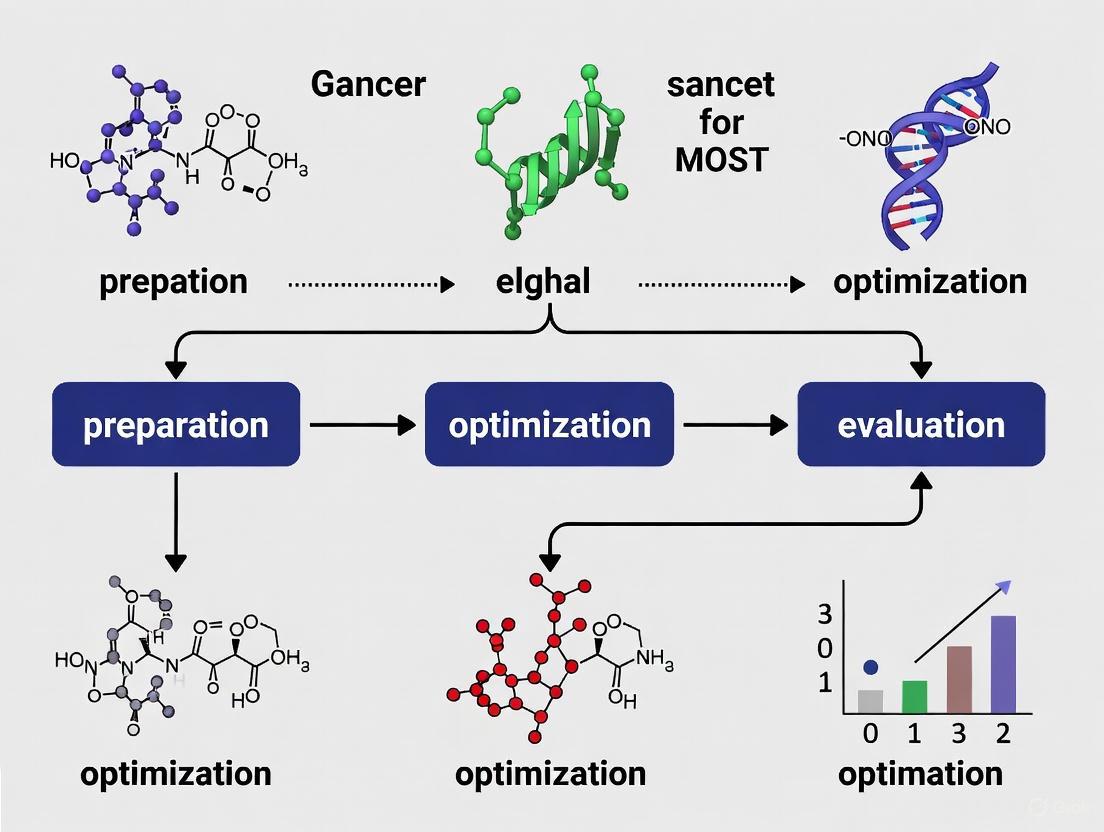
The Multiphase Optimization Strategy (MOST) is an engineering-inspired framework for developing, optimizing, and evaluating multicomponent interventions, offering a systematic alternative to the traditional 'bundled' randomized controlled trial.
Optimizing Cancer Control: A Comprehensive Guide to the Multiphase Optimization Strategy (MOST)
Abstract
The Multiphase Optimization Strategy (MOST) is an engineering-inspired framework for developing, optimizing, and evaluating multicomponent interventions, offering a systematic alternative to the traditional 'bundled' randomized controlled trial. This article details the application of MOST in cancer control, from behavioral interventions to implementation science and drug development. Tailored for researchers and drug development professionals, it covers the foundational principles of MOST, its methodological application through factorial designs, strategies for troubleshooting and optimization against real-world constraints, and the critical validation phase. By synthesizing current research and practical case studies, this guide provides a roadmap for creating more effective, efficient, economical, and scalable cancer interventions.
Understanding MOST: An Engineering Framework for Cancer Intervention Science
The Limitation of Bundled Interventions in Traditional Cancer RCTs
In traditional randomized controlled trials (RCTs) for cancer interventions, the dominant approach has been the "treatment package" methodology, wherein multiple intervention components are bundled together and evaluated against a control condition [1] [2]. This classical approach precludes the development of a robust evidence base about which specific components are most effective, for whom, and under what conditions, and provides only limited information about how components function in the presence or absence of one another [1]. While this bundled strategy has yielded many evidence-based interventions (EBIs), it creates significant challenges for implementation science and real-world cancer care optimization. The bundled approach fails to elucidate the individual contributions of component strategies, potentially resulting in inefficient, costly, and difficult-to-implement intervention packages that may contain inactive, minimally active, or even counterproductive elements [2]. This limitation is particularly problematic in cancer control, where the heterogeneity of cancer types, patient populations, and healthcare systems demands precisely tailored implementation strategies that maximize resource efficiency while maintaining effectiveness.
The multiphase optimization strategy (MOST) emerges as a principled framework to address these limitations by providing a systematic approach for developing, optimizing, and evaluating multicomponent interventions [1] [2]. Drawing on principles from engineering, behavioral science, and economics, MOST represents a paradigm shift from the traditional "package testing" approach to a more efficient process that strategically balances Effectiveness, Affordability, Scalability, and Efficiency (intervention EASE) [2]. In the context of cancer control interventions, this methodology enables researchers to identify which components actively contribute to desired outcomes, which can be eliminated to reduce burden and cost, and how components interact to produce synergistic or antagonistic effects [1].
Key Limitations of Traditional Bundled Intervention Approaches
Inability to Identify Active Intervention Components
The bundled intervention approach packages multiple components together and tests them as a single entity, which obscures understanding of each component's individual effect. This limitation has profound implications for cancer research and clinical application:
- Uncertain Component Efficacy: When a bundled intervention demonstrates effectiveness, researchers cannot determine which specific components drove the positive outcomes or whether some components were inactive or even counterproductive [2].
- Suboptimal Resource Allocation: Healthcare systems may implement entire bundles when perhaps only one or two components are truly effective, wasting limited resources that could be allocated to other evidence-based care aspects [1].
- Missed Optimization Opportunities: Without understanding individual component effects, researchers cannot refine or strengthen the most potent elements to enhance overall intervention impact [2].
Limited Understanding of Component Interactions
Bundled interventions prevent researchers from detecting how components interact, which is crucial for designing efficient and effective cancer control strategies:
- Synergistic Effects: Some components may work particularly well together, producing effects greater than the sum of their individual impacts, but these valuable interactions remain undetected in traditional RCTs [2].
- Antagonistic Effects: Conversely, some components may interfere with each other, diminishing overall effectiveness, yet these detrimental relationships go unrecognized in the bundled approach [1].
- Contextual Variability: Component interactions may differ across various cancer types, patient populations, or healthcare settings, but bundled designs cannot illuminate these important variations [3].
Implementation Challenges in Real-World Settings
The limitations of bundled interventions become particularly problematic when implementing evidence-based interventions in diverse cancer care settings:
- Reduced Scalability: Complex, multi-component bundles may be difficult to scale across diverse healthcare systems with varying resources and infrastructures [3] [1].
- Contextual Mismatch: Bundles developed in controlled research settings may not align with real-world constraints, necessitating ad hoc modifications that lack empirical justification [2].
- Implementation Resistance: Frontline clinicians may resist implementing complex bundles perceived as containing unnecessary elements, reducing adoption of otherwise effective interventions [3].
Table 1: Core Limitations of Bundled Interventions in Cancer RCTs
| Limitation Category | Specific Challenges | Impact on Cancer Control Research |
|---|---|---|
| Component Identification | Inability to determine active ingredients | Unable to refine or strengthen most effective elements |
| Uncertainty about redundant components | Potential waste of limited healthcare resources | |
| Interaction Effects | Undetected synergistic relationships | Missed opportunities for enhanced effectiveness |
| Unrecognized antagonistic effects | Potential reduction in overall intervention impact | |
| Implementation Barriers | Reduced scalability across settings | Limited dissemination in diverse healthcare systems |
| Contextual misfit with real-world constraints | Necessity for unsystematic adaptation | |
| Clinician resistance to complex bundles | Reduced adoption of evidence-based interventions |
The MOST Framework: An Innovative Alternative
Core Principles and Phases
The Multiphase Optimization Strategy (MOST) comprises three sequential phases designed to optimize interventions before proceeding to traditional evaluation:
- Preparation Phase: Researchers identify candidate intervention components through theoretical and empirical work, develop a conceptual model, conduct pilot studies, and specify optimization objectives based on implementation constraints [1] [2].
- Optimization Phase: Candidate components are empirically tested using highly efficient experimental designs (e.g., factorial experiments) to assess individual and combined effects on outcomes [1].
- Evaluation Phase: The optimized intervention, containing only empirically selected components, is tested against a suitable control condition in a standard RCT [2].
Key Methodological Advantages
MOST addresses the fundamental limitations of bundled interventions through several methodological innovations:
- Component Screening: MOST systematically evaluates each candidate component, enabling researchers to eliminate inactive, minimally active, or counterproductive elements [2].
- Interaction Detection: Through factorial experiments, MOST can identify synergistic or antagonistic relationships between components, allowing for strategic combinations that maximize effectiveness [1] [2].
- Resource Optimization: The framework explicitly considers affordability, scalability, and efficiency alongside effectiveness, ensuring that optimized interventions are feasible for real-world implementation [1] [2].
- Strategic Decision-Making: The optimization objective, defined in the preparation phase, provides clear criteria for selecting components based on balancing effectiveness with practical constraints [1].
Experimental Protocols for Optimization Research
Factorial Designs for Intervention Optimization
The factorial experimental design serves as a cornerstone methodology in the optimization phase of MOST, enabling efficient testing of multiple intervention components simultaneously:
Diagram 1: Factorial Experiment Framework for Intervention Optimization
Protocol Implementation:
- Component Selection: Identify 2-4 discrete implementation strategies based on theoretical rationale and preliminary evidence [2].
- Experimental Conditions: For k components, create 2^k experimental conditions representing all possible combinations of components being present or absent [2].
- Randomization: Randomly assign implementing units (e.g., clinics, providers) to experimental conditions.
- Outcome Measurement: Assess implementation outcomes (acceptability, feasibility, fidelity) and clinical outcomes relevant to cancer control [3] [2].
- Data Analysis: Use factorial ANOVA to examine main effects of each component and interaction effects between components [1].
- Optimization Decision: Apply the optimization objective to select components for the final intervention package [1].
Mixed-Methods Approaches for Intervention Development
A parallel mixed-methods design combines quantitative and qualitative approaches to comprehensively understand intervention mechanisms and contextual factors:
Diagram 2: Mixed-Methods Intervention Development Process
Protocol Implementation:
- Quantitative Strand:
- Use descriptive-analytical methods with large sample sizes (e.g., n=640 for 32-item measures) [4].
- Employ advanced statistical approaches like network analysis to identify symptom clusters and intervention targets [4].
- Validate measures in specific cancer populations (e.g., Memorial Symptom Assessment Scale) [4].
Qualitative Strand:
Integration:
- Analyze quantitative and qualitative data independently [4].
- Merge findings to develop comprehensive understanding of the intervention landscape.
- Identify convergent and divergent themes to inform intervention component selection.
Application in Cancer Control Research
Case Example: Optimizing Implementation Strategies for Cancer Screening
A hypothetical application of MOST in colorectal cancer screening illustrates the framework's utility:
Table 2: Optimization of CRC Screening Implementation Strategies
| Implementation Strategy | Targeted Mediator | Experimental Effect | Optimization Decision | Rationale |
|---|---|---|---|---|
| Educational Outreach | Knowledge of screening guidelines | Significant improvement in knowledge | Include | Addresses fundamental knowledge gaps |
| Patient Navigation | Self-efficacy for completing screening | Moderate effect on screening completion | Include with modifications | Effective but resource-intensive |
| Provider Audit & Feedback | Clinical adherence to protocols | No significant effect | Exclude | Limited impact in this setting |
| Financial Incentives | Perceived barriers to access | Significant effect in high-poverty areas | Context-dependent inclusion | Effective but cost-prohibitive for scale |
Advanced Applications: AI-Enhanced Personalized Treatment
Recent advances in cancer intervention research demonstrate the potential of AI-based approaches for personalizing treatment pathways:
Protocol for AI-Enhanced Intervention Implementation:
- Model Development: Using registry data from 18,403 colorectal cancer patients, develop and validate an AI-based risk prediction model with target performance metrics (e.g., AUROC >0.79) [5].
- Risk Stratification: Define clinical risk groups based on predicted outcomes (e.g., 1-year mortality risk groups: ≤1%, >1-5%, >5-15%, >15%) [5].
- Intervention Matching: Design personalized treatment pathways with intervention intensity matching predicted risk levels [5].
- Implementation Evaluation: Compare outcomes between pre-implementation and post-implementation cohorts using comprehensive metrics (complication indices, medical complications, cost-effectiveness) [5].
The Scientist's Toolkit: Research Reagent Solutions
Table 3: Essential Research Resources for Optimization Studies
| Research Tool | Application in Optimization Research | Key Features | Validation Requirements |
|---|---|---|---|
| Memorial Symptom Assessment Scale (MSAS) | Quantitative assessment of symptom clusters in cancer patients [4] | 32-item scale measuring frequency, intensity, and distress of symptoms | Established reliability (Cronbach's α=0.77) and validity in oncology populations [4] |
| Network Analysis (NA) | Identifying relationships between symptoms and symptom clusters [4] | Graph-based method using LASSO with EBIC model selection | Centrality indices (strength, betweenness, closeness, expected influence) for node importance [4] |
| Consolidated Framework for Implementation Research (CFIR) | Identifying implementation barriers and facilitators [1] | Comprehensive determinant framework across multiple domains | Qualitative and quantitative assessment of implementation context |
| Visual Treatment Timelines | Communicating complex cancer treatment paths to patients [6] | Pictogram-based visual aids for treatment communication | ANSI requirements: ≥85% recognition rate for visual elements [6] |
| AI-Based Risk Prediction Models | Stratifying patients for personalized intervention pathways [5] | Registry-based approach using multiple health domains | Validation against clinical outcomes (e.g., AUROC >0.79 in external validation) [5] |
The limitations of bundled interventions in traditional cancer RCTs represent a significant methodological challenge that impedes progress in cancer control research. The multiphase optimization strategy offers a rigorous, efficient, and principled alternative that addresses these limitations by systematically identifying active intervention components, detecting interaction effects, and strategically balancing effectiveness with practical implementation concerns. As cancer interventions grow increasingly complex and healthcare resources remain constrained, the adoption of optimization frameworks like MOST becomes essential for developing interventions that are not only effective but also affordable, scalable, and efficient. The experimental protocols and methodological approaches outlined in this article provide researchers with practical tools for advancing beyond the limitations of traditional bundled intervention paradigms toward more precise, personalized, and implementable cancer control strategies.
The Multiphase Optimization Strategy (MOST) is a principled framework for developing, optimizing, and evaluating multicomponent behavioral, biobehavioral, and implementation interventions [1]. It provides a systematic methodology to engineer interventions that achieve an optimal balance between Effectiveness, Affordability, Scalability, and Efficiency (EASE) [2]. In the context of cancer control, this framework is particularly valuable for optimizing both the interventions themselves and the strategies used to implement them in real-world clinical and community settings [7]. The MOST framework comprises three sequential phases: Preparation, Optimization, and Evaluation, each with distinct objectives and methodologies.
The Preparation Phase: Laying the Groundwork
The Preparation Phase is foundational, focusing on building the theoretical and empirical groundwork necessary for a successful optimization trial [1]. In cancer control research, this phase ensures that subsequent experimental work is conceptually sound, feasible, and contextually relevant.
Key Objectives and Activities
- Develop a Conceptual Model: A theoretically and empirically derived conceptual model serves as the blueprint for the intervention. It delineates the hypothesized relationships between implementation strategies, their target mediators (e.g., knowledge, self-efficacy), and the desired implementation outcomes (e.g., adoption, fidelity) [2]. For example, a model might specify how an "educational outreach" strategy targets "provider knowledge" to improve the "adoption" of a new cancer screening guideline.
- Identify Candidate Components: Select discrete implementation strategies or intervention components that are candidate elements for the optimized package. These are not yet definitive components; their inclusion will be determined by their performance in the optimization phase [1]. In cancer control, this could include strategies like audit and feedback, training sessions, or patient reminder systems.
- Conduct Pilot Work: Pilot testing assesses the acceptability, feasibility, and preliminary efficacy of the candidate components. This step is crucial for refining strategies to fit the local context of cancer care, such as oncology clinics or community screening centers, and for finalizing study protocols [1].
- Specify the Optimization Objective: The investigator must define how effectiveness will be strategically balanced against practical constraints like cost, staffing time, or scalability. This objective is the decision-making rule that will guide the selection of the final intervention package [1].
Application in Cancer Control: A Hypothetical Example
Consider optimizing a package of strategies to improve the adoption of an evidence-based smoking cessation intervention (EBI) in oncology clinics [1]. The preparation work would involve:
- Using frameworks like the Consolidated Framework for Implementation Research (CFIR) to identify context-specific barriers [1].
- Selecting candidate implementation strategies such as clinical training, treatment guides, workflow redesign, and supervision.
- Defining an optimization objective, for instance, to maximize adoption rates while keeping the total package cost below a specific threshold per clinic.
Figure 1: The Three-Phase Workflow of MOST. This diagram illustrates the sequential flow and key activities across the Preparation, Optimization, and Evaluation phases of the Multiphase Optimization Strategy.
The Optimization Phase: The Factorial Experiment
The Optimization Phase involves conducting a specially designed experiment, often a randomized controlled trial (RCT), to test the performance of the candidate components [1]. The goal is to gather empirical data on which components are effective, both independently and in combination.
The Optimization RCT
Contrary to the classical two-arm RCT that tests a full package against a control, an Optimization RCT uses efficient experimental designs to disaggregate the effects of multiple components [1] [2].
- Factorial Designs: The 2^k factorial design is a common and efficient choice for optimization trials [1] [2]. In this design, each of the
kcandidate components (or factors) is evaluated at two levels (e.g., present vs. absent, high vs. low intensity). This design allows investigators to test all possible combinations of the components. For example, with four candidate strategies, there are 2^4 = 16 unique experimental conditions. - Resource Management Principle: The factorial design is highly efficient because each study participant contributes data to the evaluation of every single component. This allows researchers to answer multiple scientific questions without a proportional increase in sample size, adhering to the resource management principle of MOST [1].
- Analysis: Data from a factorial experiment are analyzed using factorial analysis of variance (ANOVA) to estimate:
- Main Effects: The independent effect of a single component, averaged across the levels of all other components.
- Interaction Effects: The effect that occurs when the performance of one component depends on the presence or absence of another component [2].
Application in Cancer Control: Optimizing Implementation Strategies
The OPTICC (Optimizing Implementation in Cancer Control) center exemplifies the application of these principles in cancer research. It addresses critical barriers in the field, such as underdeveloped methods for prioritizing implementation determinants and underuse of strategies for optimizing implementation strategies themselves [7].
A factorial experiment can be applied in several scenarios relevant to cancer control, as illustrated in the table below.
Table 1: Scenarios for Applying Factorial Experiments in Implementation Science for Cancer Control
| Scenario | Description | Hypothetical Cancer Control Example |
|---|---|---|
| Developing New Multifaceted Strategies | Building an optimized package of discrete implementation strategies from the ground up. | Optimizing a package (e.g., educational outreach, technical assistance, expert shadowing) to increase teachers' use of "active breaks" (physical activity sessions) in a school-based cancer prevention program [2]. |
| Evaluating Strategy-Intervention Interactions | Assessing how implementation strategies interact with specific components of the evidence-based intervention. | Investigating if a "provider training" strategy interacts with a specific "counseling module" of a smoking cessation EBI to affect both implementation and patient outcomes [2]. |
| Deconstructing Established Packages | Isolating the active ingredients within a pre-existing, multifaceted implementation strategy. | Deconstructing a bundled strategy for increasing colorectal cancer screening to determine which discrete strategies (e.g., patient reminders, provider alerts, small financial incentives) are driving effectiveness [2]. |
Table 2: Example 2^3 Factorial Design for Optimizing a Smoking Cessation Implementation Package
| Experimental Condition | Training | Treatment Guide | Workflow Redesign | Supervision | Measurement: Clinic Adoption Rate |
|---|---|---|---|---|---|
| 1 | No | No | No | No | 15% |
| 2 | Yes | No | No | No | 28% |
| 3 | No | Yes | No | No | 20% |
| 4 | Yes | Yes | No | No | 45% |
| 5 | No | No | Yes | No | 25% |
| 6 | Yes | No | Yes | No | 52% |
| 7 | No | Yes | Yes | No | 38% |
| 8 | Yes | Yes | Yes | No | 65% |
| 9 | No | No | No | Yes | 30% |
| 10 | Yes | No | No | Yes | 48% |
| 11 | No | Yes | No | Yes | 35% |
| 12 | Yes | Yes | No | Yes | 60% |
| 13 | No | No | Yes | Yes | 42% |
| 14 | Yes | No | Yes | Yes | 70% |
| 15 | No | Yes | Yes | Yes | 55% |
| 16 | Yes | Yes | Yes | Yes | 80% |
The final selection of the optimized intervention is based on the results of the optimization RCT, data on resource requirements, and the pre-specified optimization objective [1]. For instance, an investigator might select a combination that delivers 90% of the maximum effectiveness at 50% of the cost of the most intensive package.
Figure 2: Logic of an Optimization Phase Factorial Experiment. This diagram outlines the process of testing implementation strategies in a factorial design, analyzing their main and interaction effects, and applying an optimization objective to select a final package.
The Evaluation Phase: Confirming Efficacy
Following optimization, the Evaluation Phase assesses the performance of the optimized intervention package against a suitable control condition in a standard RCT [1] [8]. This phase addresses the critical question: "Is the optimized intervention/implementation strategy more effective than the current standard of care or a relevant control?"
- Purpose: The evaluation RCT provides a definitive test of the efficacy of the optimized package. It strengthens the evidence base for the intervention and provides a clear understanding of what it would mean to implement it in practice [1].
- Design: This is typically a traditional two-arm randomized controlled trial, though cluster-randomized designs may be used if the intervention is delivered at the clinic or organization level [1].
- Context in Digital Health: A proof-of-concept study for digital mental health applications (DiGA) highlighted that while its scope was limited to the preparation and optimization phases, the evaluation phase is the necessary next step to confirm the effectiveness of the optimized implementation strategy in a rigorous trial [8].
The Scientist's Toolkit: Research Reagent Solutions
The following table details key methodological tools and resources essential for conducting research using the MOST framework in cancer control.
Table 3: Research Reagent Solutions for MOST in Cancer Control
| Tool / Resource | Function / Description | Application in MOST |
|---|---|---|
| Implementation Science Frameworks (e.g., CFIR, RE-AIM) | Provides structured guides to identify barriers, facilitators, and evaluation metrics for implementation. | In the Preparation Phase, used to build the conceptual model and identify key determinants to target with implementation strategies [1] [8]. |
| Factorial Experimental Design | An efficient RCT design that allows simultaneous testing of multiple intervention components. | The core of the Optimization Phase; used to estimate main and interaction effects of candidate components [1] [2]. |
| Optimization Objective | A pre-specified decision rule for selecting the final intervention package based on both effectiveness and constraints (e.g., cost, scalability). | The decision-making benchmark applied at the end of the Optimization Phase to select the final intervention package [1]. |
| Measures of Implementation Outcomes | Validated instruments to assess outcomes like adoption, fidelity, cost, and sustainability. | Used throughout all phases to measure the dependent variables and inform the optimization and evaluation process [7]. |
| Cancer Control Implementation Laboratory (I-Lab) | A network of diverse clinical and community partners for rapid implementation studies. | Provides a real-world setting for conducting MOST studies across the cancer care continuum, from prevention to treatment [7]. |
The Multiphase Optimization Strategy offers a rigorous, systematic, and resource-efficient framework for advancing cancer control research. By moving beyond the standard "package" approach, MOST empowers researchers to build interventions and implementation strategies that are not only effective but also affordable, scalable, and efficient. The phased process—beginning with rigorous preparation, moving through efficient optimization, and concluding with a definitive evaluation—provides a roadmap for developing cancer control programs with the greatest potential for real-world public health impact. As demonstrated by initiatives like OPTICC, integrating MOST into implementation science is a promising avenue for accelerating the delivery of evidence-based cancer care.
The Multiphase Optimization Strategy (MOST) is a comprehensive framework for developing, optimizing, and evaluating multicomponent behavioral, biomedical, and implementation interventions. Drawing from engineering principles, economics, and decision science, MOST provides a systematic process for empirically identifying interventions comprising components that positively contribute to desired outcomes within real-world constraints [9] [10]. In cancer control research, this approach enables investigators to move beyond the traditional "treatment package" paradigm where multi-component interventions are tested as bundled entities, making it difficult to identify active ingredients or synergistic relationships between components [9] [1].
MOST represents a paradigm shift in intervention science by introducing a principled approach to intervention optimization—the process of achieving a strategic balance of effectiveness, affordability, scalability, and efficiency (collectively termed intervention EASE) [10] [2]. This methodology is particularly valuable in cancer control, where complex interventions must demonstrate not only efficacy but also practical implementability across diverse healthcare settings [11]. The framework employs a three-phase structure: preparation, optimization, and evaluation, with each phase serving distinct functions in the development of optimized interventions [12] [1].
This application note focuses on three foundational elements of MOST—components, constraints, and the optimization criterion—and their specific relevance to cancer control research. Understanding these core concepts is essential for researchers aiming to develop interventions that maximize public health impact while respecting practical implementation limitations.
Core Terminology and Conceptual Foundations
Intervention Components
In MOST, components are discrete, conceptually distinct, and practically separable elements of an intervention that can be independently manipulated in an optimization trial [10] [2]. Components may correspond to specific treatment elements, implementation strategies, or features designed to promote adherence or engagement. The granularity of components can vary from macro-level elements (e.g., complete modules or sessions) to micro-level features (e.g., individual messages or prompts) [10].
In cancer control research, intervention components must be clearly specified and grounded in a conceptual model that outlines hypothesized mechanisms of action. For example, the EMPOWER trial for adolescent and young adult cancer survivors includes five distinct components: positive events/capitalizing/gratitude, mindfulness, positive reappraisal, personal strengths/goal-setting, and acts of kindness [13] [14]. Each component targets specific mechanisms to enhance psychological well-being, and the factorial design allows researchers to test each component's individual contribution to outcomes.
Table 1: Examples of Intervention Components in Cancer Control Research
| Component Type | Definition | Cancer Research Example |
|---|---|---|
| Core Treatment Components | Active ingredients directly addressing health outcomes | Positive reappraisal exercises in psychosocial interventions for cancer survivors [13] |
| Implementation Strategies | Methods to enhance adoption of evidence-based practices | Clinical reminders for hepatocellular carcinoma surveillance [12] |
| Engagement Components | Elements designed to maintain participant involvement | Tailored messaging for weight loss in cancer survivors [15] |
Constraints
Constraints represent practical limitations on intervention deployment, reflecting real-world boundaries on resources such as budget, personnel time, participant burden, or healthcare system capacity [10] [2]. In MOST, constraints are not methodological limitations to overcome but rather fundamental parameters that guide decision-making about intervention composition.
Cancer control interventions must operate within multiple constraint domains:
- Economic constraints: Budget limitations for intervention delivery
- Temporal constraints: Time limitations for providers or patients
- Burden constraints: Cognitive or physical load limitations for participants
- System constraints: Healthcare workflow or infrastructure limitations
For example, in developing implementation strategies for hepatocellular carcinoma (HCC) surveillance, researchers must consider constraints including clinician time for training, health system resources for electronic medical record integration, and patient capacity for completing recommended surveillance [12]. The explicit acknowledgment of these constraints during intervention development increases the likelihood of creating practically implementable cancer control strategies.
Optimization Criterion
The optimization criterion is a precisely defined objective that specifies how effectiveness will be balanced with constraints to guide decision-making about which components to include in the final intervention [10] [2]. This criterion operationalizes the strategic balance of intervention EASE (Effectiveness, Affordability, Scalability, and Efficiency) and serves as the decision rule for component selection following data collection in the optimization phase.
In cancer control research, common optimization criteria include:
- Maximizing effectiveness within a fixed budget
- Achieving a threshold of effectiveness with minimal resource requirements
- Balancing effectiveness and implementability for scaling across diverse settings
For instance, a research team might establish an optimization criterion requiring that an intervention must achieve at least a 0.5 standard deviation improvement in quality of life while requiring no more than 30 minutes of provider time per patient and costing less than $500 per participant [13]. This precise criterion then guides the selection of components from the optimization trial results.
Methodological Applications in Cancer Control
The Preparation Phase: Conceptual Foundation
The preparation phase of MOST lays the groundwork for optimization through theoretical development, pilot testing, and refinement of candidate components [10] [15]. In cancer control research, this phase typically includes:
- Conceptual model specification outlining hypothesized mechanisms linking components to outcomes
- Pilot testing to assess feasibility and acceptability of components
- Refinement of components and research protocols based on pilot data
For example, in the development of a messaging component for a weight loss intervention relevant to cancer survivors, Pfammatter et al. used the preparation phase to specify a conceptual model based on social cognitive theory, test message feasibility and acceptability, and refine the messaging system before inclusion in an optimization trial [15]. This systematic preparation ensured that the component was theoretically grounded and practically feasible before proceeding to the optimization phase.
Diagram 1: Preparation Phase Workflow
Factorial Experiments for Optimization
The optimization phase typically employs efficient experimental designs, most commonly factorial designs, to test the performance of intervention components [13] [2]. In a full factorial design, participants are randomized to all possible combinations of components, enabling estimation of:
- Main effects: The individual effect of each component
- Interaction effects: How components work in combination
The EMPOWER trial exemplifies this approach in psycho-oncology, using a 2⁵ full factorial design to evaluate five components with 32 experimental conditions [13] [14]. This design allows investigators to determine which components meaningfully contribute to improved positive affect in adolescent and young adult cancer survivors, enabling the assembly of an optimized intervention that includes only components that demonstrate significant effects.
Table 2: Factorial Design Applications in Cancer Control Research
| Design Feature | Application in Cancer Control | Research Example |
|---|---|---|
| Full Factorial | Testing all component combinations | EMPOWER trial testing 5 psychosocial components [13] |
| Fractional Factorial | Screening many components efficiently | Identifying active implementation strategies for HCC surveillance [12] |
| Sequential Factorial | Iterative optimization across stages | Adaptive interventions for smoking cessation in oncology [1] |
Decision-Making Frameworks
Following data collection in the optimization phase, researchers apply the predetermined optimization criterion to select components for inclusion in the final intervention package [10] [2]. This decision process integrates empirical results with practical constraints to identify the optimal intervention composition.
A hypothetical decision framework for a cancer control intervention might follow this logic:
Diagram 2: Optimization Decision Pathway
For example, in optimizing implementation strategies for clinician adherence to HCC surveillance guidelines, researchers might establish an optimization criterion requiring at least a 15% improvement in surveillance rates while requiring no more than 2 hours of initial training and 30 minutes of monthly maintenance [12]. Components would be selected based on their ability to contribute to this criterion within the specified constraints.
The Scientist's Toolkit: Research Reagent Solutions
Table 3: Essential Methodological Resources for MOST in Cancer Control
| Tool/Resource | Function in MOST | Application in Cancer Control |
|---|---|---|
| Conceptual Modeling Frameworks | Specifies hypothesized mechanisms | Using social cognitive theory to link message components to self-regulation in weight loss interventions [15] |
| Factorial Experimental Designs | Efficiently tests multiple components | 2⁵ factorial design to test psychosocial components in EMPOWER trial [13] |
| Implementation Science Frameworks | Identifies implementation determinants | Using CFIR to identify barriers to HCC surveillance guideline adoption [12] |
| Optimization Decision Algorithms | Applies optimization criteria to component selection | Selecting implementation strategies based on fidelity outcomes and resource constraints [2] |
| Cost Measurement Tools | Quantifies resource requirements | Assessing economic constraints in implementation strategy optimization [11] |
Detailed Experimental Protocol: Component Optimization in Psycho-Oncology
Study Design and Randomization
This protocol outlines the application of MOST to optimize a psychosocial intervention for cancer survivors, based on the EMPOWER trial [13] [14]:
Objective: To identify which of five psychosocial intervention components significantly improve positive affect in adolescent and young adult cancer survivors.
Design: A full 2⁵ factorial randomized controlled trial with 32 experimental conditions.
Participants: 352 post-treatment adolescent and young adult cancer survivors recruited from NCI-designated comprehensive cancer centers.
Components and Levels:
- Component A: Positive events, capitalizing, and gratitude (yes/no)
- Component B: Mindfulness (yes/no)
- Component C: Positive reappraisal (yes/no)
- Component D: Personal strengths and goal-setting (yes/no)
- Component E: Acts of kindness (yes/no)
Randomization: Participants are randomly assigned to one of 32 conditions representing all possible combinations of components. Each condition includes a core element plus the specific combination of components assigned.
Outcome Assessment and Statistical Analysis
Primary Outcome: Positive affect measured following the completion of each intervention component.
Assessment Timeline: Baseline (T0), after each component (T1-T5), and follow-up assessments (T6-T8).
Statistical Analysis:
- Mixed models adjusted for baseline values
- Main effects of each component
- Two-way interactions between components
- Moderation by demographic and clinical variables
- Mediation through coping self-efficacy and emotional support
Decision Rule: Components demonstrating statistically significant (p < 0.05) improvements in positive affect with effect sizes ≥ 0.3 SD will be considered for inclusion in the optimized intervention, subject to constraints regarding total intervention duration and participant burden.
The Multiphase Optimization Strategy provides a rigorous, systematic framework for developing cancer control interventions that are effective, efficient, and readily implementable in real-world settings. By precisely defining components, explicitly acknowledging constraints, and establishing clear optimization criteria, researchers can move beyond the limitations of the traditional treatment package approach.
The application of MOST in cancer control research—from psycho-oncology interventions to implementation strategies for cancer screening—represents a promising paradigm for accelerating the translation of evidence-based interventions into practice. Through the thoughtful application of these core principles, cancer researchers can develop interventions that maximize public health impact while respecting the practical realities of healthcare delivery systems.
The Continuous Optimization and Resource Management Principles
The Multiphase Optimization Strategy (MOST) represents a principled, engineering-inspired framework for developing, optimizing, and evaluating multicomponent behavioral, biobejaval, and biomedical interventions. Within cancer control research, MOST addresses the critical need for interventions that are not only effective but also efficient, affordable, and scalable—qualities collectively referred to as intervention EASE [1]. This methodology is particularly valuable for implementing complex cancer control interventions, where multiple implementation strategies are often required to promote the adoption of evidence-based practices (EBPs) in real-world clinical settings [1].
The conventional approach of packaging multiple intervention components and evaluating them as a whole in two-arm randomized controlled trials (RCTs) provides limited information about which components are active, for whom they work, and how they interact. MOST addresses this limitation through a systematic three-phase process that enables researchers to empirically identify the combination of components that produces the best expected outcome given specific implementation constraints [12] [1]. This article outlines the application of MOST and complementary resource management principles to advance the field of cancer control intervention research.
The MOST Framework: Core Components and Phases
The MOST framework comprises three sequential phases: preparation, optimization, and evaluation. Each phase serves a distinct purpose in the development and refinement of optimized intervention packages [12] [1].
Phase 1: Preparation
The preparation phase focuses on laying the groundwork for optimization. Key activities include developing a conceptual model based on theory and existing evidence, identifying candidate intervention components, conducting pilot work, and specifying the optimization objective [1]. In implementation science, this phase typically involves using frameworks like the Consolidated Framework for Implementation Research (CFIR) to systematically identify barriers and facilitators to implementing evidence-based cancer control practices [12]. For example, a study aimed at improving hepatocellular carcinoma (HCC) surveillance utilized CFIR to analyze barriers clinicians face in implementing HCC surveillance guidelines before developing implementation strategies [12].
Phase 2: Optimization
The optimization phase involves empirically testing candidate intervention components through a specialized optimization RCT. Unlike standard evaluation RCTs, optimization RCTs use experimental designs from the factorial family (e.g., full factorial, fractional factorial) to systematically assess the performance of individual components and their interactions [1]. These designs enable researchers to answer crucial questions about which components contribute meaningfully to outcomes, whether components interact with one another, and which combination provides the best results given specific constraints [1].
Phase 3: Evaluation
The evaluation phase involves testing the optimized intervention package, typically through a conventional RCT, to confirm its effectiveness when compared to an appropriate control condition [12] [1]. This phase provides the definitive test of the intervention's efficacy before broader implementation and scale-up.
Table 1: Phases of the Multiphase Optimization Strategy (MOST)
| Phase | Primary Objective | Key Activities | Outcomes |
|---|---|---|---|
| Preparation | Lay foundation for optimization | Develop conceptual model; Identify candidate components; Pilot testing; Specify optimization objective | Theoretical framework; Refined candidate components; Optimization criteria |
| Optimization | Empirical identification of optimal component set | Conduct optimization RCT (e.g., factorial design); Assess component performance & interactions | Data on component effects; Optimized intervention package |
| Evaluation | Confirm effectiveness of optimized package | Conduct standard RCT; Compare against control condition | Evidence of efficacy; Preparation for implementation |
Resource Management Principles for Cancer Control Research
Effective resource management is crucial for conducting efficient cancer control research, particularly within the optimization phase of MOST where multiple intervention components are being tested simultaneously. Principles from clinical trial management provide valuable guidance for allocating resources efficiently across research activities.
Protocol Complexity Assessment
The Ontario Protocol Assessment Level (OPAL) tool quantifies clinical trial complexity by analyzing factors such as trial phase, intervention type, and number of special procedures [16]. OPAL uses a pyramid scale from 1 to 8, with higher scores representing greater complexity. For example, non-treatment trials with low patient contact receive a score of 1, while complex Phase I trials receive a score of 8 [16]. The score considers multiple dimensions:
- Number of patient contacts and study visits
- Study type and phase
- Number of special procedures (e.g., imaging, biopsies, cognitive testing)
- Number of central processes (e.g., central laboratory reviews, central eligibility reviews)
Recent research has demonstrated that adapted OPAL scores significantly predict coordinator hours (β = 77.22; P = 0.01; R2 = 0.78), enabling better resource allocation and workload management [16].
Workload and Capacity Planning
Effective resource management requires quantifying both protocol complexity and personnel effort. The OPAL framework enables calculation of:
- Active Case Workload: (OPAL score) × (number of active participants on study intervention)
- Follow-up Case Workload: (OPAL score/2) × (number of participants in follow-up phase)
- Total Workload: Sum of active and follow-up case workloads [16]
This quantitative approach allows research managers to distribute work equitably among clinical research coordinators, justify budget needs, and prevent staff burnout—a critical concern in clinical research where high turnover adversely affects trial timeliness and quality [16].
Table 2: Resource Management Framework for Cancer Control Trials
| Dimension | Assessment Tool | Application in Research Planning | Impact on Trial Efficiency |
|---|---|---|---|
| Protocol Complexity | OPAL Score (1-8 scale) | Classifies trials by complexity; Informs resource allocation | Identifies high-resource trials; Guides budgeting and staffing |
| Coordinator Workload | Active & Follow-up Case Workload Calculations | Quantifies personnel effort; Enables equitable work distribution | Prevents burnout; Improves job satisfaction and retention |
| Financial Resource Allocation | Cost-per-component Analysis | Estimates resources required for each intervention component | Optimizes resource use within constraints; Informs optimization objectives |
| Trial Monitoring | Slow Accrual Guidelines | Identifies trials below projected accrual rates; Triggers corrective actions | Allows for timely protocol amendments; Reduces wasted resources |
Experimental Protocols for Optimization Research
Protocol 1: Identifying Implementation Barriers Using CFIR
Objective: To systematically identify barriers and facilitators to implementing an evidence-based cancer control intervention.
Methodology:
- Participant Recruitment: Purposively sample key stakeholders (clinicians, administrators, patients) involved in the target clinical setting [12]
- Data Collection: Conduct semi-structured interviews guided by the five CFIR domains (intervention characteristics, outer setting, inner setting, individual characteristics, implementation process) [12]
- Data Analysis: Use directed content analysis to code transcribed interviews to CFIR constructs; Identify prominent barriers and facilitators across domains
- Strategy Selection: Map identified barriers to implementation strategies using the Expert Recommendations for Implementing Change (ERIC) matching tool [12]
Applications: This protocol was used to identify barriers to hepatocellular carcinoma (HCC) surveillance implementation, revealing that clinician-related barriers significantly contribute to underutilization (approximately 24% in clinical practice) despite sufficient evidence supporting surveillance effectiveness [12].
Protocol 2: Optimization RCT Using Factorial Design
Objective: To identify the most effective combination of implementation components within resource constraints.
Methodology:
- Component Selection: Select 3-5 candidate implementation components based on preliminary research (e.g., audit and feedback, clinical reminders, workflow redesign) [1]
- Experimental Design: Use a 2^k factorial design where k = number of components; Each component is implemented at two levels (present/absent) [1]
- Randomization: Randomize units (clinics, providers, patients) to experimental conditions representing all possible combinations of components
- Outcome Measurement: Assess implementation outcomes (fidelity, adoption) and clinical outcomes (early detection rates, survival) using validated measures [12]
- Data Analysis: Use factorial ANOVA to examine main effects and interactions of components; Apply optimization objective to select best-performing package given constraints [1]
Applications: This approach enables efficient testing of multiple implementation strategies simultaneously, providing empirical evidence about individual strategy effectiveness and interactions before proceeding to large-scale evaluation.
Research Reagent Solutions and Essential Tools
Table 3: Essential Research Tools for Cancer Control Optimization Studies
| Tool/Resource | Function | Application in Optimization Research | Access Information |
|---|---|---|---|
| CFIR-ERIC Matching Tool | Links implementation barriers to evidence-based strategies | Guides selection of candidate implementation components during preparation phase | Publicly available online |
| NCI Data Catalog | Provides access to cancer genomic, imaging, and clinical data | Informs intervention development; Provides secondary data for modeling | Available via NCI website (open and controlled access) [17] |
| OPAL Scoring System | Quantifies protocol complexity | Guides resource allocation and capacity planning in multi-component trials | Adapted from published tools [16] |
| SPIRIT 2025 Guidelines | Standards for clinical trial protocols | Ensures comprehensive reporting of optimization trial methodology | Published in Nature Medicine [18] |
Visualizing Workflows and Relationships
MOST Framework Workflow
Resource Management and Protocol Complexity Assessment
The integration of the Multiphase Optimization Strategy with systematic resource management principles represents a methodological advancement in cancer control intervention research. By combining the rigorous, empirical approach of MOST with practical tools for managing research resources, investigators can develop interventions that are not only evidence-based but also efficient, scalable, and sustainable in real-world settings. The protocols and frameworks outlined in this article provide a roadmap for researchers seeking to optimize cancer control interventions while making the most effective use of limited research resources. As the field advances, continued integration of optimization principles with implementation science will accelerate the translation of research findings into practice, ultimately improving cancer outcomes across diverse populations and settings.
The multiphase optimization strategy (MOST) presents a rigorous framework for developing, optimizing, and evaluating multicomponent interventions in cancer control. This protocol outlines the application of MOST to achieve EASE—interventions that are Effective, Affordable, Scalable, and Efficient. We detail experimental protocols for identifying implementation determinants, testing strategy mechanisms, and optimizing intervention components using innovative methodologies such as the Merged Transition Map (MTM) for combinatorial target discovery and agile implementation science approaches. Structured for translational researchers, these protocols provide a pathway to overcome adaptive therapeutic resistance and improve the implementation of evidence-based interventions across diverse cancer care settings.
Cancer control faces a dual challenge: developing highly specific therapeutic interventions while ensuring their effective implementation across diverse populations and care settings. Traditional implementation approaches often deploy multi-component strategies as a package, evaluated through lengthy randomized controlled trials (RCTs). This "implementation as usual" paradigm has critical limitations: it fails to identify which strategy components drive effects, whether all components are necessary, how components interact, and which combinations are most cost-effective [7]. The result is often suboptimal implementation of evidence-based interventions (EBIs) that could reduce cervical cancer deaths by 90%, colorectal cancer deaths by 70%, and lung cancer deaths by 95% if widely and effectively deployed [7].
The MULTIPHASE OPTIMIZATION STRATEGY (MOST) provides an engineering-inspired framework to address these limitations through a systematic approach to intervention development, optimization, and evaluation. When applied to cancer control, MOST aims to achieve EASE:
- Effectiveness: Interventions demonstrate significant improvement in cancer-relevant outcomes
- Affordability: Resource requirements justify the health benefits achieved
- Scalability: Interventions maintain effectiveness across diverse populations and settings
- Efficiency: Intervention components are parsimonious without redundant elements
This protocol details the application of MOST through three sequential stages: (1) Preparation to identify implementation determinants and candidate strategies, (2) Optimization to refine strategy components and identify active mechanisms, and (3) Evaluation to test the optimized intervention against standard care.
Table 1: Core Principles of MOST Framework for Cancer Control
| Principle | Traditional Approach | MOST Approach | EASE Advantage |
|---|---|---|---|
| Component Testing | Tests packages of components | Tests individual components & interactions | Identifies essential elements for efficiency |
| Resource Allocation | Equal resources to all components | Resources proportional to component importance | Increases affordability & scalability |
| Decision Framework | Proceed based on significance testing | Proceed based on optimization objective | Ensures effectiveness within constraints |
| Implementation Focus | Focus on outcome alone | Focus on mechanisms & outcomes | Enhances scalability through mechanistic understanding |
Experimental Protocols for MOST Preparation Phase
Determinant Identification and Prioritization Protocol
Objective: Systematically identify and prioritize barriers and facilitators to implementing cancer control EBIs.
Materials:
- Data collection tools (interview/focus group guides, surveys)
- Recording and transcription equipment
- Qualitative analysis software (e.g., NVivo, Dedoose)
- Multimodal data integration platforms (e.g., MINDS framework) [19]
Procedure:
- Multimodal Data Acquisition: Collect qualitative and quantitative data on implementation context through:
- Semi-structured interviews with providers, administrators, and patients (45-60 minutes)
- Focus groups with clinical teams (6-8 participants per group)
- Direct observation of clinical workflows (minimum 20 hours)
- Extraction of clinical performance data from EHR systems
Determinant Coding: Apply established implementation frameworks (CFIR, TDF) to code qualitative data using a hybrid deductive-inductive approach.
- Deductive coding: Apply pre-defined framework constructs
- Inductive coding: Identify novel, context-specific determinants
- Inter-coder reliability: Achieve Cohen's κ > 0.8 through iterative calibration
Determinant Prioritization: Rank determinants using a mixed-methods approach:
- Frequency Analysis: Calculate prevalence across data sources
- Influence Rating: Stakeholders rate perceived impact on implementation (1-5 scale)
- Feasibility Assessment: Rate addressability within resource constraints (1-5 scale)
- Convergence Scoring: Calculate composite score (frequency × influence × feasibility)
Validation: Confirm determinant prioritization through:
- Member checking with key stakeholders
- Cross-validation with observational data
- Comparison with implementation outcomes from similar contexts
Table 2: Exemplar Determinant Prioritization Output for Cervical Cancer Screening
| Determinant | Framework Domain | Frequency (%) | Influence (1-5) | Feasibility (1-5) | Priority Score |
|---|---|---|---|---|---|
| Forgot to order during visit | TDF: Memory/Attention | 68% | 4.2 | 4.5 | 128.5 |
| Uncertain about follow-up for abnormal results | TDF: Knowledge | 45% | 3.8 | 3.2 | 54.7 |
| Lack of patient education materials | CFIR: Available Resources | 52% | 3.5 | 4.1 | 74.6 |
| Time constraints during visits | CFIR: Workload | 61% | 4.1 | 2.8 | 70.1 |
Network Biology Analysis for Combinatorial Target Identification
Objective: Identify synergistic molecular targets to overcome adaptive drug resistance using computational network analysis.
Materials:
- Boolean network models of cancer signaling pathways
- Asynchronous Boolean simulation software (e.g., BioLQM, BoolNet)
- High-performance computing resources
- Transcriptomic and proteomic datasets from relevant cancer models
Procedure:
- Network Model Construction:
- Define network nodes representing key signaling molecules
- Establish logical rules for node state transitions based on literature and experimental data
- Validate model against known pathway behaviors and attractor states
State Transition Analysis:
- Implement the Merged Transition Map (MTM) algorithm to extract essential dynamics [20]
- Simulate network behavior under single-target perturbation
- Identify frequently flipping nodes during state transitions to attractors
Synergistic Target Identification:
- Calculate state-flipping frequency for each node after perturbation
- Prioritize interconnecting nodes between multi-stable motifs that experience maximal state conflicts [20]
- Validate combinatorial targets through computational synergy metrics
Experimental Validation:
- Test predicted synergistic pairs in relevant cancer models
- Measure apoptosis induction and resistance markers
- Compare with single-target interventions for synergy quantification
Diagram 1: Network Analysis for Target Identification
Experimental Protocols for MOST Optimization Phase
Strategy-Mechanism Matching Protocol
Objective: Match implementation strategies to prioritized determinants based on hypothesized mechanisms of action.
Materials:
- Expert Recommendations for Implementing Change (ERIC) compilation
- Mechanism of Action (MoA) matrix
- Stakeholder rating forms
- Simulation modeling software
Procedure:
- Strategy Selection: Identify candidate strategies from ERIC compilation that potentially address prioritized determinants.
Mechanism Mapping: For each strategy-determinant pair:
- Specify hypothesized mechanism of action
- Identify preconditions required for mechanism activation
- Define proximal outcomes indicating mechanism activation
- Outline measurement approaches for proximal outcomes
Stakeholder Evaluation: Convene expert panels (n=8-12) including:
- Clinical implementers with context expertise
- Implementation scientists with methodological expertise
- Patients with lived experience of the cancer care context
Feasibility Assessment: Rate each strategy on:
- Technical complexity for implementation (1-5 scale)
- Resource requirements (staff time, costs, infrastructure)
- Alignment with organizational priorities and workflows
- Perceived acceptability to stakeholders
Preliminary Testing: Conduct micro-trials (n=20-30 participants) to:
- Assess feasibility of implementation procedures
- Evaluate measurement properties of proximal outcomes
- Gather preliminary evidence of mechanism activation
Table 3: Strategy-Mechanism Mapping for Audit & Feedback Implementation
| Determinant | Strategy | Hypothesized Mechanism | Preconditions | Proximal Outcome |
|---|---|---|---|---|
| Low awareness of performance gaps | Audit & Feedback | Cognitive dissonance creates motivation for change | Feedback perceived as credible | Performance gap recognition |
| Uncertain how to change practice | Clinical decision support | Cue to action at point of care | Integration with EHR workflow | Use of decision support tool |
| Limited team coordination | Learning collaboratives | Social learning through peer interaction | Leadership support for participation | Inter-team consultation |
Agile Optimization Using Factorial Experiments
Objective: Efficiently identify active strategy components and component interactions using highly fractional factorial designs.
Materials:
- Experimental design software (e.g., R, SAS)
- Online data collection platform
- Automated intervention delivery system
- Implementation outcome measures
Procedure:
- Experimental Design:
- Select 4-6 strategy components for testing
- Develop a 2^(k-p) highly fractional factorial design
- Determine resolution to ensure effect separability
- Randomize implementation units to experimental conditions
Component Implementation:
- Develop standardized implementation protocols for each component
- Train implementation staff using standardized procedures
- Establish fidelity monitoring systems with ≥80% adherence threshold
Data Collection:
- Measure proximal outcomes (mechanism activation)
- Assess implementation outcomes (fidelity, acceptability, appropriateness)
- Document resource utilization (time, cost, personnel)
- Collect unintended consequences and adaptations
Data Analysis:
- Estimate main effects for each strategy component
- Test two-way interactions between components
- Evaluate effect moderation by contextual factors
- Conduct cost-effectiveness analyses comparing components
Optimization Decision:
- Apply pre-specified optimization objective (e.g., maximize effectiveness within budget constraint)
- Select components for inclusion in optimized intervention
- Refine component delivery based on effect sizes and qualitative feedback
Diagram 2: Agile Optimization Process
The Scientist's Toolkit: Research Reagent Solutions
Table 4: Essential Research Tools for MOST Cancer Control Studies
| Tool Category | Specific Tool/Platform | Function in MOST Research | Key Features |
|---|---|---|---|
| Data Integration | MINDS (Multimodal Integration of Oncology Data System) [19] | Harmonizes disparate data sources for determinant identification | Patient-centric framework; 41,000+ cases; Cloud-native architecture |
| Network Analysis | Merged Transition Map (MTM) Algorithm [20] | Identifies synergistic combinatorial targets through state transition analysis | Reduces computational complexity; Quantifies flipping frequencies |
| Biomaterial Systems | Chitosan-based Hydrogel with Lipid-coated Microparticles [21] | Creates TLS-like structures for immunotherapy research | Controlled release of chemokines/cytokines; Biodegradable |
| AI-Assisted Diagnostics | EMIT (End-Motif Inspection via Transformer) [22] | Enables cancer detection from cfDNA end-motifs | Self-supervised learning; AUROC 0.895-0.996 across cancer types |
| Implementation Laboratory | OPTICC I-Lab Network [7] | Provides diverse clinical settings for rapid implementation studies | Network of clinical/community partners; Supports studies along cancer continuum |
| Cell Therapy Platform | cTRL Therapeutics IsoQore Platform [23] | Enables blood-based adoptive cell therapy development | Isolates circulating tumor-reactive lymphocytes; Less invasive than TIL |
Analytical Framework for EASE Assessment
Objective: Systematically evaluate optimized interventions against EASE criteria.
Materials:
- Cost accounting systems for healthcare delivery
- Implementation outcome measures (Feasibility of Intervention Measure, Acceptability of Intervention Measure)
- Effectiveness outcome measures (clinical endpoints, patient-reported outcomes)
- Scalability assessment tools (Scalability Assessment Tool)
Procedure:
- Effectiveness Analysis:
- Compare primary clinical outcomes between optimized intervention and control conditions
- Assess implementation outcomes (fidelity, penetration, sustainability)
- Analyze differential effectiveness across patient subgroups
Affordability Assessment:
- Document implementation costs (personnel, equipment, materials)
- Calculate cost per unit of effect improvement
- Compare with willingness-to-pay thresholds
- Assess budget impact on implementing organizations
Scalability Evaluation:
- Assess intervention adaptability across diverse settings
- Evaluate workforce requirements and training needs
- Analyze policy and infrastructure dependencies
- Assess readiness for scale across the OPTICC I-Lab network [7]
Efficiency Determination:
- Identify essential versus redundant components
- Assess component interdependence through mediation analysis
- Evaluate resource utilization relative to effect size
- Optimize delivery intensity through dose-response analysis
Table 5: EASE Assessment Criteria for Optimized Interventions
| EASE Dimension | Measurement Approach | Threshold for Success | Data Sources |
|---|---|---|---|
| Effectiveness | Primary clinical outcome effect size | Cohen's d ≥ 0.4 OR Relative Risk ≥ 1.2 | Clinical records, Patient surveys, Biomarker data |
| Affordability | Cost per QALY gained | < Institutional willingness-to-pay threshold | Cost accounting systems, Implementation logs |
| Scalability | SAT (Scalability Assessment Tool) score | ≥75% across all domains | Stakeholder interviews, Organizational surveys |
| Efficiency | Essential components:effect ratio | ≥80% of effect from ≤50% of components | Component-specific effect sizes, Mediation analyses |
The multiphase optimization strategy provides a systematic engineering-inspired framework for developing cancer control interventions that achieve the EASE criteria. By replacing "implementation as usual" with rigorous preparation, optimization, and evaluation phases, researchers can create interventions that are not only effective but also affordable, scalable, and efficient. The experimental protocols detailed herein—from network analysis for combinatorial target identification to agile optimization methods—provide researchers with practical methodologies to advance this approach. Through continued refinement and application of MOST across diverse cancer control contexts, we can accelerate progress toward reducing the cancer burden through optimally designed and implemented interventions.
Implementing MOST: Factorial Designs and Real-World Applications in Oncology
The Role of the Conceptual Model in Guiding Component Selection
In cancer control interventions, which are inherently complex and multicomponent, the conceptual model serves as an indispensable roadmap for developing effective and efficient therapies. The Multiphase Optimization Strategy (MOST) framework, an engineering-inspired approach for developing behavioral and biobehavioral interventions, explicitly relies on a theoretically and empirically derived conceptual model to guide component selection [24] [1]. This framework addresses critical limitations of traditional randomized controlled trials (RCTs), which evaluate interventions as "bundled" packages without discriminating which components are responsible for beneficial effects or how components interact [24]. Within MOST, the conceptual model functions as a blueprint for intervention construction, identifying key concepts and their relationships to target and providing the theoretical rationale for selecting candidate intervention components [24] [1]. This article details the role, application, and methodological protocols for employing conceptual models to guide component selection in cancer control intervention research, providing practical tools for researchers and drug development professionals.
Theoretical Foundations of the Conceptual Model
Definition and Core Functions
Within the MOST framework, a conceptual model is a schematic representation that outlines the hypothesized mechanisms through which an intervention produces its effects on outcomes of interest. It serves two primary functions: (1) to identify key concepts and relationships on which to intervene, and (2) to guide the selection of specific intervention components that target these concepts [24]. The model articulates the theoretical pathway from intervention components through mediating mechanisms to ultimate outcomes, making explicit the assumptions about how change occurs.
The conceptual model directly informs the optimization criterion—the pre-specified goal for what the optimized intervention should achieve under particular constraints (e.g., maximum effectiveness given a fixed cost per participant) [24] [25]. This criterion, determined during the Preparation Phase of MOST, ensures that component selection decisions are made with explicit consideration of practical implementation constraints relevant to cancer control, such as scalability in healthcare systems or affordability for patients [1].
Integration within the MOST Framework
The conceptual model is developed and refined during the Preparation Phase of MOST, preceding the Optimization and Evaluation phases [26] [1]. This sequential emphasis ensures that optimization trials are theoretically grounded and empirically informed before experimental testing begins. The model continues to evolve throughout the MOST cycle through iterative refinement informed by empirical data from optimization trials, embodying the continual optimization principle [24].
Table 1: Phases of the Multiphase Optimization Strategy (MOST)
| Phase | Primary Objective | Key Activities Related to Conceptual Model |
|---|---|---|
| Preparation | Lay foundation for optimization | Develop conceptual model; identify candidate components; specify optimization criterion [1] |
| Optimization | Empirical identification of active components | Test components via factorial designs; assess component performance against conceptual model predictions [24] |
| Evaluation | Confirm effectiveness of optimized intervention | Evaluate optimized intervention package in RCT; assess mediation pathways specified in conceptual model [25] |
Practical Application in Cancer Control Research
From Theoretical Constructs to Intervention Components
In cancer control research, conceptual models bridge abstract theoretical constructs and measurable intervention components. For example, a conceptual model for an early palliative care intervention might identify "enhancing patient-clinician communication about symptoms" as a key mechanism leading to improved quality of life. This construct would then be operationalized into specific, testable components such as:
- Symptom monitoring tools (e.g., patient-reported outcome tracking)
- Communication skills training for clinicians
- Family caregiver coaching in symptom reporting [24]
Each component represents a distinct, separable element that can be individually included or excluded in an optimization trial, allowing researchers to test which components actually contribute to improved outcomes rather than assuming all are necessary [24] [26].
Project CASCADE: A Case Example
Project CASCADE, a pilot factorial trial of an early palliative care intervention to enhance the decision support skills of advanced cancer family caregivers, provides a practical illustration of conceptual model application [24]. The conceptual model identified key determinants of effective caregiver decision support, including knowledge about illness trajectory, communication skills, and self-care practices. These determinants informed the selection of discrete intervention components that were subsequently tested in a factorial experiment to determine their individual and combined effects on caregiver and patient outcomes.
Diagram 1: Role of conceptual model in MOST. The conceptual model, developed in the Preparation Phase, identifies key determinants that directly inform the selection of specific intervention components for testing in optimization trials.
Experimental Protocols for Component Testing
Factorial Designs for Optimization Trials
The factorial experiment serves as the cornerstone experimental design in the Optimization Phase of MOST for evaluating intervention components [24] [1]. In a full factorial design, each candidate component is represented as an independent variable (factor) with two or more levels (e.g., present vs. absent, low intensity vs. high intensity). Participants are randomly assigned to experimental conditions representing all possible combinations of component levels.
Table 2: Example 2×2×2 Factorial Design for Testing Three Intervention Components
| Experimental Condition | Component A: Educational Materials | Component B: SMS Reminders | Component C: Coaching Calls |
|---|---|---|---|
| 1 | Absent | Absent | Absent |
| 2 | Present | Absent | Absent |
| 3 | Absent | Present | Absent |
| 4 | Present | Present | Absent |
| 5 | Absent | Absent | Present |
| 6 | Present | Absent | Present |
| 7 | Absent | Present | Present |
| 8 | Present | Present | Present |
This efficient design allows researchers to estimate both main effects (the independent effect of each component) and interaction effects (how components work in combination) using a sample size similar to that required for a traditional two-arm RCT [1]. For example, in a study protocol described by [26], researchers used a 2×2×2×2 factorial design to test four different implementation strategies for Family Navigation, resulting in 16 experimental conditions.
Statistical Analysis and Decision-Making
Analysis of data from factorial optimization trials typically employs factorial analysis of variance (ANOVA) with effect coding (-1, +1) to estimate main effects and interaction effects [1] [25]. The decision to include a component in the final optimized intervention is based not only on statistical significance but also on effect size estimates, cost considerations, and the pre-specified optimization criterion [24] [25].
Diagram 2: Component testing and decision workflow. The process begins with defining the optimization criterion and proceeds through experimental testing and analysis to inform evidence-based decisions about component inclusion.
The Scientist's Toolkit: Research Reagent Solutions
Table 3: Essential Methodological Tools for Intervention Optimization Research
| Tool Category | Specific Application | Function in Component Selection |
|---|---|---|
| Conceptual Modeling Tools | Causal pathway diagrams; Logic models | Visualize theoretical mechanisms; Identify potential intervention targets [24] |
| Experimental Design Platforms | Factorial designs; Sequential Multiple Assignment Randomized Trial (SMART) | Efficiently test multiple components simultaneously; Examine dynamic adaptation rules [1] [25] |
| Statistical Analysis Software | R, SAS, Python with specialized packages | Estimate main and interaction effects; Model cost-effectiveness [24] |
| Implementation Frameworks | Consolidated Framework for Implementation Research (CFIR) | Assess contextual factors influencing component effectiveness [26] |
| Measurement Systems | Patient-reported outcome measures; Adherence tracking | Assess component effects on primary and secondary outcomes [26] |
The conceptual model plays an indispensable role in guiding component selection within the Multiphase Optimization Strategy framework for cancer control interventions. By providing a theoretical blueprint that links intervention components to mechanistic pathways and ultimate outcomes, the conceptual model enables researchers to make principled decisions about which components to include in optimized interventions. The rigorous application of factorial experiments and related designs allows for efficient testing of these components, advancing the development of cancer control interventions that are not only effective but also efficient, economical, and scalable. As optimization approaches continue to evolve in complexity and sophistication, the conceptual model will remain foundational to ensuring these efforts remain theoretically grounded and clinically meaningful.
Within the framework of a Multiphase Optimization Strategy (MOST) for cancer control interventions, factorial designs provide a rigorous experimental methodology for optimizing multicomponent interventions by evaluating the individual and combined effects of various intervention components [2]. A factorial design is a type of designed experiment that allows researchers to study the effects that several factors can have on a response. When conducting an experiment, varying the levels of all factors at the same time instead of one at a time enables the study of interactions between factors, which is critical for understanding complex behavioral and biomedical interventions [27]. The MOST framework uses factorial experiments to develop multicomponent interventions that achieve intervention EASE by strategically balancing Effectiveness, Affordability, Scalability, and Efficiency [2].
In cancer control research, where interventions often comprise multiple behavioral, pharmacological, or delivery components, factorial designs help identify which components contribute meaningfully to desired outcomes, which can be omitted to reduce burden and cost, and how components interact with one another. For example, the EMPOWER trial for adolescent and young adult cancer survivors employs a full factorial design to evaluate five different intervention components, allowing researchers to determine which components have the strongest effects on psychological well-being with minimal resource consumption and participant burden [13].
Comparative Analysis of Full and Fractional Factorial Designs
Key Characteristics and Applications
Full factorial designs investigate all possible combinations of factors and their levels, providing comprehensive data on main effects and all possible interaction effects. In contrast, fractional factorial designs investigate only a carefully selected subset of these combinations, offering a more efficient screening approach when resource constraints exist or when higher-order interactions are assumed to be negligible [27] [28].
Table 1: Comparison of Full vs. Fractional Factorial Designs for Intervention Optimization
| Characteristic | Full Factorial Design | Fractional Factorial Design |
|---|---|---|
| Number of Runs | 2k for k factors at 2 levels [27] | 2k-p for a (1/2)p fraction [27] |
| Effects Estimated | All main effects and all interactions [29] | Main effects and lower-order interactions (higher-order interactions confounded) [27] |
| Resource Requirements | High (grows exponentially with factors) [29] | Significantly lower (often 1/2, 1/4, 1/8 of full factorial) [28] |
| Optimal Use Cases | Optimization phase with limited factors; when interaction effects are theoretically important [28] | Screening phase with many factors; when higher-order interactions are assumed negligible [27] |
| Information Completeness | Comprehensive | Balanced to preserve key information while reducing runs [28] |
| Complexity of Analysis | High, especially with many factors [29] | Reduced, focusing on main effects and select interactions [28] |
Quantitative Considerations for Design Selection
The choice between full and fractional factorial designs involves careful consideration of statistical power, resource constraints, and research objectives. For a study with 5 factors, each at 2 levels, a full factorial design would require 32 experimental conditions (25) [28]. A half-fraction factorial design (25-1) would require only 16 runs, while still allowing estimation of main effects and two-way interactions, though with some confounding with higher-order interactions [28].
Table 2: Run Requirements for 2-Level Factorial Designs with Varying Factors
| Number of Factors | Full Factorial Runs | Half-Fraction Runs | Quarter-Fraction Runs |
|---|---|---|---|
| 3 | 8 [30] | 4 | - |
| 4 | 16 | 8 | 4 |
| 5 | 32 [28] | 16 [28] | 8 [27] |
| 6 | 64 [27] | 32 | 16 |
| 7 | 128 | 64 | 32 |
| 8 | 256 | 128 | 64 |
| 9 | 512 [27] | 256 | 128 |
Fractional factorial designs are particularly valuable in the early phases of intervention development where many potential components need screening. As noted in implementation science, these designs allow researchers to "examine all possible combinations of candidate strategies" efficiently, with all participants contributing to the estimation of all effects [2].
Experimental Protocols for Factorial Trials
Protocol for a Full Factorial Experiment in Cancer Control Research
The following protocol outlines the key steps for implementing a full factorial design within a cancer control optimization trial, drawing from the EMPOWER trial methodology [13]:
Step 1: Define Experimental Factors and Levels
- Identify intervention components (factors) to be tested based on theoretical foundations and preliminary evidence
- For each factor, define two levels (e.g., present/absent, high/low intensity) that represent clinically meaningful variations
- Example: In the EMPOWER trial, five intervention components were defined: (1) positive events, capitalizing, & gratitude; (2) mindfulness; (3) positive reappraisal; (4) personal strengths & goal-setting; and (5) acts of kindness, each with "yes" or "no" levels [13]
Step 2: Determine Experimental Conditions and Randomization
- Create all possible combinations of factor levels (e.g., for 5 factors: 25 = 32 conditions)
- Randomly assign participants to conditions using a randomization schedule
- Ensure adequate sample size per condition to detect clinically meaningful effects
Step 3: Implement Intervention with Strict Protocol Adherence
- Deliver intervention components according to assigned conditions
- Maintain treatment fidelity through standardized protocols, training, and monitoring
- Blind outcome assessors to condition assignment when possible
Step 4: Measure Outcomes and Potential Mediators
- Collect data on primary and secondary outcomes at baseline, post-intervention, and follow-up periods
- Measure hypothesized mediators to understand mechanisms of action
- In the EMPOWER trial, the primary outcome is positive affect, with measures of potential mediators like coping self-efficacy [13]
Step 5: Analyze Data Using Appropriate Statistical Models
- Use linear mixed models to analyze primary outcomes, adjusting for baseline measures
- Test main effects of each factor and interaction effects between factors
- Conduct moderation analyses to identify subgroups for whom components are most effective
- Use mediation analyses to examine hypothesized mechanisms of action
Protocol for a Fractional Factorial Screening Experiment
Fractional factorial designs follow a similar protocol but with specific considerations for design selection and analysis:
Step 1: Identify Factors and Select Appropriate Fraction
- Select factors for screening based on preliminary evidence or theoretical importance
- Choose a fraction (e.g., 1/2, 1/4) that balances efficiency with the ability to estimate effects of interest
- Select a design resolution that ensures effects of interest are not confounded with each other
- Resolution V designs are preferred when possible, as they ensure that main effects and two-factor interactions are not confounded with each other [28]
Step 2: Generate Fractional Design Matrix
- Use statistical software to generate the appropriate fractional design
- Consider the principal fraction (where all signs are positive) unless specific design points are impractical [27]
- Document the generator(s) used to create the fraction and the resulting aliasing structure
Step 3: Implement Experiment with Randomization
- Randomly assign participants to the selected conditions
- Implement interventions with attention to fidelity across conditions
Step 4: Analyze Data with Attention to Aliasing
- Analyze main effects and lower-order interactions
- Interpret results considering the confounding pattern of the design
- Use results to identify promising components for further investigation in full factorial or optimization designs
The Scientist's Toolkit: Essential Materials and Methodological Components
Research Reagent Solutions for Factorial Experiments
Table 3: Essential Methodological Components for Factorial Experiments in Intervention Research
| Component | Function | Implementation Considerations |
|---|---|---|
| Randomization System | Assigns participants to experimental conditions without bias | Should ensure balance across conditions and conceal allocation sequence [13] |
| Intervention Protocols | Standardized procedures for delivering each intervention component | Must be manualized to ensure consistent implementation across participants and conditions [13] |
| Fidelity Assessment Tools | Measures adherence to intervention protocols | Critical for ensuring that observed effects are due to manipulated components rather than implementation variation |
| Outcome Measures | Validated instruments assessing primary and secondary outcomes | Should include both intervention outcomes (e.g., symptom reduction) and implementation outcomes (e.g., acceptability) [2] |
| Mediator Measures | Assess hypothesized mechanisms of component effects | Essential for understanding why components work and informing refinement [13] |
| Statistical Software | Analyzes complex factorial data and models interactions | Should include capabilities for mixed models, effect estimation, and graphical presentation of results |
Methodological Considerations for Cancer Control Applications
When implementing factorial designs in cancer control research, several unique considerations apply. First, ethical considerations must be addressed, particularly when withholding potentially active intervention components from participants in certain conditions. This is typically justified by the scientific necessity to identify truly effective components before widespread implementation [13]. Second, participant burden must be carefully managed, as complex multicomponent interventions may be particularly challenging for patients experiencing disease-related symptoms or treatment side effects.
Third, implementation contexts must be considered, as cancer interventions are often delivered within complex healthcare systems with varying resources and constraints. The MOST framework is particularly valuable here, as it considers dissemination and implementation from the outset rather than after efficacy is established [2]. Finally, measurement selection must account for the specific outcomes most meaningful to cancer patients, which may include clinical outcomes, patient-reported outcomes, and implementation outcomes like acceptability and feasibility.
Full and fractional factorial designs represent powerful methodological approaches for optimizing multicomponent interventions within the MOST framework for cancer control research. The selection between these designs involves trade-offs between comprehensiveness and efficiency, with full factorial designs providing complete information about all main and interaction effects, while fractional factorial designs offer practical efficiency for screening multiple intervention components. As the field of cancer intervention science advances, the strategic use of these experimental designs will be essential for developing interventions that are not only effective but also efficient, scalable, and affordable—key considerations for achieving population-level impact in cancer control.
The Multiphase Optimization Strategy (MOST) is an engineering-inspired framework for developing and optimizing behavioral interventions by empirically identifying active components and their optimal doses [25]. This case study details the application of the MOST framework in the Health-4-Families study, a feasibility pilot for a distance-based, 16-week lifestyle intervention designed for individuals with hereditary cancer syndromes (BRCA1/BRCA2 or mismatch repair pathogenic variants) and their family members [31] [32]. The intervention aimed to promote weight management, healthy diet, and increased physical activity via mHealth delivery strategies [32]. The study successfully demonstrated the feasibility of recruiting this target population and set the stage for a fully-powered factorial experiment to identify the most effective and efficient intervention components [31].
Individuals with hereditary cancer syndromes, such as Hereditary Breast and Ovarian Cancer (HBOC) and Lynch Syndrome (LS), face significantly elevated lifetime cancer risks [32]. These risks are exacerbated by modifiable lifestyle factors, including obesity, poor diet, and physical inactivity [32]. Despite reporting motivation to improve health behaviors, these behaviors remain prevalent among hereditary cancer families [32] [33]. The Health-4-Families study was conceived to address this need. Recognizing that families share behavioral patterns and can provide mutual support, the intervention targeted both pathogenic variant carriers and their family members [32]. Technology-based (mHealth) interventions offer a scalable solution for this geographically dispersed population, though a systematic approach is needed to identify which intervention components are most critical to success [32]. The MOST framework provides this systematic approach, aiming to build interventions that are effective, efficient, and ready for dissemination [25] [32].
The MOST Framework: Core Principles and Application
The MOST framework consists of three sequential phases: Preparation, Optimization, and Evaluation [25] [26].
Phases of the MOST Framework
- Preparation Phase: This initial phase involves defining the conceptual model, selecting intervention components with a theoretical basis, conducting pilot testing, and establishing optimization criteria (e.g., effectiveness, efficiency, cost) [25] [26]. For Health-4-Families, this involved selecting four mHealth components based on evidence and theory [32].
- Optimization Phase: The core of MOST, this phase uses a randomized factorial experiment to test individual intervention components and their interactions [25]. Health-4-Families employed a full-factorial design with 16 conditions to test its four components [31].
- Confirming Phase: The optimized intervention, comprising the selected components at their optimal doses, is evaluated in a standard randomized controlled trial (RCT) to confirm its efficacy as a package [25].
Table 1: Key Characteristics of the Health-4-Families Study within the MOST Framework
| Aspect | Description in Health-4-Families |
|---|---|
| MOST Phase | Optimization Phase (Feasibility Pilot) |
| Overall Objective | To identify feasible and acceptable mHealth components for a future fully-powered optimization trial [31] [32] |
| Study Design | 16-condition full-factorial randomized pilot study [31] |
| Target Population | Individuals with BRCA1/BRCA2 or MMR pathogenic variants and their adult family members [31] |
| Primary Outcomes | Feasibility and satisfaction with intervention components [31] |
| Intervention Duration | 16 weeks [32] |
Diagram 1: The Three Phases of the MOST Framework. The Health-4-Families study primarily represents the Optimization phase, informed by a Preparation phase and intended to lead to a Confirming phase RCT [25] [26].
Health-4-Families Study Protocol and Methodologies
Study Design and Participant Recruitment
Health-4-Families was designed as a full-factorial (16-condition) randomized pilot study [31]. Participants with known pathogenic variants were identified through clinic surveillance lists and advocacy organizations and were invited to nominate family members [31] [32]. Eligibility criteria required participants to meet at least one of the following: BMI ≥ 25 kg/m², consuming <5 daily fruit/vegetable servings, or getting <150 minutes of moderate-to-vigorous physical activity per week [31].
Table 2: Participant Recruitment and Baseline Completion in Health-4-Families
| Participant Group | Eligibility Rate | Informed Consent Rate | Baseline Completion |
|---|---|---|---|
| Individuals with Pathogenic Variants | 83% of screened | 86% of eligible | 79% (n=104) |
| Nominated Family Members | Not Applicable | Not Applicable | 49% (n=102 of 206 nominated) |
Experimental Intervention Components
The study investigated four mHealth intervention components, each with two levels, leading to 2⁴ = 16 unique experimental conditions [31] [32].
- Component 1: Social Networking. An online platform for participants to interact and share support.
- Component 2: Coaching Method. Personal coaching delivered either via telephone or email.
- Component 3: Text Messaging. Automated text messages for reminders and motivation.
- Component 4: Self-Monitoring. Tools for tracking weight, dietary intake, and physical activity.
The intervention content was based on an adapted Diabetes Prevention Program (DPP) curriculum, and messages were grounded in Social Cognitive Theory [32].
Diagram 2: Schematic of the 2x2x2x2 Full-Factorial Experimental Design. This design allows for the independent effect of each of the four components to be isolated and for interactions between components to be tested [31] [25].
The Scientist's Toolkit: Research Reagent Solutions
Table 3: Essential Methodological and Analytical "Reagents" for MOST-Informed Intervention Research
| Research 'Reagent' | Function & Purpose | Exemplar from Health-4-Families / Literature |
|---|---|---|
| Full-Factorial Experimental Design | To efficiently test multiple intervention components simultaneously and estimate both main effects and interaction effects [25]. | 2⁴ design testing 4 mHealth components [31]. |
| Conceptual Model | Provides a theoretical roadmap linking intervention components to hypothesized mechanisms of action and ultimate outcomes. | Model based on Social Cognitive Theory and adapted DPP curriculum [32]. |
| Multiphase Optimization Strategy (MOST) | The overarching framework that guides the process of intervention development, optimization, and evaluation [25]. | The organizing principle for the entire Health-4-Families study [31] [32]. |
| Feasibility & Satisfaction Metrics | Primary outcomes for a pilot study to determine if components and procedures are acceptable and practical for the target population. | Primary outcome of the Health-4-Families pilot [31]. |
| Consensus Methods | Structured processes for stakeholders to review empirical data and make decisions on the final composition of the optimized intervention. | Planned method for reviewing results to inform the fully-powered study [31] [26]. |
The Health-4-Families study protocol serves as a model for applying the MOST framework to optimize cancer control interventions. The high recruitment and baseline completion rates confirm that individuals with hereditary cancer risk and their families are highly motivated to engage in digital lifestyle interventions [31]. This feasibility pilot sets the stage for a subsequent, fully-powered factorial experiment. The ultimate goal is to engineer an optimized intervention that includes only the most effective and efficient components, thereby reducing participant burden, controlling costs, and enhancing scalability [25] [32]. This systematic approach to intervention development, moving beyond the traditional bundled RCT, holds significant promise for accelerating the translation of more potent behavioral interventions into practice for cancer prevention and control [25] [9].
The Multiphase Optimization Strategy (MOST) provides an engineering-inspired framework to develop, optimize, and evaluate multicomponent behavioral interventions through a principled, efficient process [24]. This framework is increasingly applied in cancer control research to create interventions that strategically balance Effectiveness, Affordability, Scalability, and Efficiency (EASE) [2] [1]. Family Navigation (FN) represents an evidence-based care management intervention designed to reduce disparities in access to care by providing families with tailored support and care coordination [34] [35]. This application note details how the MOST framework can be systematically applied to optimize FN for enhancing access to behavioral health services within a cancer control context.
Behavioral health disparities present significant challenges in oncology, where marginalized populations often face barriers to accessing psychosocial services, cancer screening, and symptom management interventions [36] [34]. FN addresses these challenges by employing trained navigators who assist families in overcoming systemic and patient-level barriers to care [35]. While FN has demonstrated effectiveness in improving service access, its implementation often varies across contexts and populations, necessitating optimization for specific clinical scenarios and resource constraints [34]. The MOST framework offers a rigorous methodology for identifying the most effective FN components while considering critical implementation constraints relevant to cancer control settings.
The MOST Framework: Foundation for Optimization
The MOST framework comprises three iterative phases: Preparation, Optimization, and Evaluation [1] [24]. This structured approach enables researchers to empirically identify intervention components that positively contribute to desired outcomes under real-world constraints, making it particularly valuable for complex, multicomponent interventions like FN [35].
Table 1: Phases of the Multiphase Optimization Strategy (MOST)
| Phase | Primary Objective | Key Activities | Outputs |
|---|---|---|---|
| Preparation | Lay foundation for optimization | Develop conceptual model; identify candidate components; conduct pilot work; specify optimization criterion | Conceptual model; refined components; optimization objective |
| Optimization | Empirical testing of components | Conduct optimization RCT using factorial design; assess component performance | Data on main effects and interactions; resource requirement data |
| Evaluation | Confirm effectiveness of optimized intervention | Evaluate optimized intervention vs. suitable control using RCT | Evidence of effectiveness for optimized intervention |
In the Preparation phase, investigators develop a conceptual model identifying key implementation strategies, their hypothesized mediators, and expected outcomes [2]. For FN, this involves specifying core components such as care coordination, motivational interviewing, and cultural brokering [34]. The Optimization phase employs efficient experimental designs, typically factorial experiments, to test which components contribute meaningfully to outcomes [1]. Finally, the Evaluation phase tests the optimized intervention against a suitable control condition in a randomized controlled trial [24].
The resource management principle is fundamental to MOST, requiring investigators to balance available resources efficiently in the quest for scientific information [24]. This principle acknowledges that real-world interventions must operate within constraints such as limited budgets, personnel time, and infrastructure [1]. The continuous optimization principle recognizes that intervention development is an iterative process, with subsequent cycles further refining the intervention based on new evidence and changing contexts [24].
Application of MOST to Family Navigation: Experimental Protocol
This section provides a detailed protocol for applying MOST to optimize FN, drawing from successful implementations in behavioral health and adapting them for cancer control contexts [35].
Preparation Phase Protocol
Step 1: Conceptual Model Development
- Objective: Create a theoretically and empirically grounded conceptual model depicting how FN components influence implementation outcomes.
- Procedure:
- Identify key implementation outcomes (e.g., time to service access, satisfaction, cost-effectiveness).
- Specify hypothesized mediators (e.g., knowledge, self-efficacy, perceived barriers) based on implementation frameworks like CFIR [1].
- Map discrete FN components to targeted mediators and outcomes.
- Output: Visual conceptual model (see Section 5.1) delineating pathways from components to outcomes.
Step 2: Candidate Component Selection
- Objective: Identify discrete FN implementation strategies for empirical testing.
- Procedure:
- Review evidence-based FN components from literature [34].
- Conduct stakeholder engagement (patients, providers, navigators) to identify priority components.
- Select 4-5 candidate components with two levels each (present/absent or high/low intensity).
- Output: Refined list of candidate components with operational definitions.
Step 3: Optimization Criterion Specification
- Objective: Define the goal of optimization based on implementation constraints.
- Procedure:
- Identify primary constraints (e.g., maximum cost per patient, navigator time availability).
- Establish threshold for effectiveness (e.g., minimum 30% improvement in service access).
- Define optimization algorithm for component selection.
- Output: Explicit optimization criterion guiding component selection post-optimization trial.
Optimization Phase Protocol: Factorial Trial Design
Step 4: Optimization RCT Implementation
- Objective: Empirically test FN components individually and in combination.
- Design: Full factorial design with 2^k conditions (where k = number of components) [35].
- Procedure:
- Recruit participants identified through behavioral health screening in oncology settings.
- Randomize participants to one of 2^k experimental conditions.
- Implement FN with components according to randomization.
- Measure primary and secondary outcomes at predetermined intervals.
Table 2: Example Factorial Design for FN Optimization (4 Components)
| Condition | Enhanced Care Coordination | Community-Based Delivery | Intensive Symptom Tracking | Structured Visits | Number of Participants |
|---|---|---|---|---|---|
| 1 | No | No | No | No | n = 19 |
| 2 | Yes | No | No | No | n = 19 |
| 3 | No | Yes | No | No | n = 19 |
| 4 | Yes | Yes | No | No | n = 19 |
| ... | ... | ... | ... | ... | ... |
| 16 | Yes | Yes | Yes | Yes | n = 19 |
| Total | N = 304 |
Sample Size Calculation: For a 2^4 factorial design with 80% power, alpha = 0.05, and medium effect size, target recruitment is 304 participants (19 per condition) [35].
Step 5: Data Collection
- Primary Outcome: Achievement of family-centered behavioral health goal within 90 days (binary) [35].
- Secondary Outcomes:
- Implementation outcomes (acceptability, feasibility, fidelity, cost) [35]
- Mediators (knowledge, self-efficacy, barriers)
- Moderators (ethnicity, socioeconomic status, cancer type)
- Cost Tracking: Document resource utilization for each component (time, materials, personnel).
Evaluation Phase Protocol
Step 6: Data Analysis and Optimization
- Objective: Identify optimized FN package based on empirical data and optimization criterion.
- Analytic Approach:
- Analyze main effects of each component on primary outcome using factorial ANOVA.
- Test two-way and higher-order interactions between components.
- Calculate cost-effectiveness ratios for significant components.
- Apply optimization algorithm to select components meeting predefined criterion.
- Output: Optimized FN package with evidence-based components.
Step 7: Stakeholder Consensus
- Objective: Review empirical data and finalize optimized FN implementation.
- Procedure: Convene stakeholder panel (researchers, clinicians, administrators, patients) to:
- Review optimization trial results.
- Consider practical implementation factors beyond empirical results.
- Reach consensus on final FN package for evaluation.
- Output: Finalized, optimized FN implementation strategy.
Key Methodological Considerations
Factorial Design Efficiency
The factorial experimental design provides exceptional efficiency for optimization trials [2]. In a 2^k factorial design, each participant contributes to the estimation of all main effects and interactions, allowing researchers to test multiple components without drastically increasing sample size [1]. This efficiency is particularly valuable for implementation science, where traditional approaches would require multiple sequential trials to test individual components [2].
Conceptual Model Specificity
A well-specified conceptual model is essential for guiding MOST applications [2]. The model should clearly articulate:
- Discrete implementation strategies being considered
- Target mediators (implementation barriers/facilitators) each strategy addresses
- Hypothesized mechanisms of change
- Expected outcomes at appropriate levels (individual, organizational) [2]
For FN in cancer control, relevant mediators may include cancer-specific knowledge, self-efficacy for managing treatment side effects, and perceived barriers to psychosocial care [36].
Contextual Adaptations
FN optimization must account for contextual factors influencing implementation [34]. Qualitative research with stakeholders (patients, navigators, providers) identifies critical adaptations needed for different populations and settings [34]. For cancer applications, considerations include:
- Disease-specific barriers (e.g., treatment scheduling, symptom burden)
- Cultural adaptations for diverse populations
- Integration with existing oncology care pathways
Visualization of MOST Framework and FN Application
MOST Framework Process Diagram
Diagram 1: MOST Framework Process Flow
Family Navigation Component Testing Diagram
Diagram 2: FN Optimization Experimental Design
The Scientist's Toolkit: Research Reagent Solutions
Table 3: Essential Research Materials and Measures for FN Optimization
| Tool Category | Specific Instrument | Application in FN Research | Measurement Properties |
|---|---|---|---|
| Screening Tools | Preschool Pediatric Symptom Checklist (PPSC) | Behavioral health detection ages 3-5 | Sensitivity: 83-91%, Specificity: 77-83% [35] |
| Pediatric Symptom Checklist-17 (PSC-17) | Behavioral health detection ages 6-12 | Sensitivity: 95%, Specificity: 68% [35] | |
| Implementation Outcome Measures | Acceptability of Intervention Measure (AIM) | Stakeholder perception of FN acceptability | 4-item, 5-point scale [35] |
| Feasibility of Intervention Measure (FIM) | Practicality of FN implementation | 4-item, 5-point scale [35] | |
| Fidelity Checklists | Adherence to FN protocol | Component-specific adherence metrics | |
| Cost Measurement | Micro-costing Inventory | Resource utilization tracking | Captures personnel time, materials, overhead [35] |
| Primary Outcome Measures | Goal Attainment Scaling | Family-centered goal achievement | Binary (achieved/not achieved) at 90 days [35] |
| Service Access Metrics | Time to behavioral service initiation | Days from referral to first appointment |
The application of MOST to optimize Family Navigation represents a methodological advancement in implementation science for cancer control. This systematic approach enables researchers to move beyond the traditional "package-based" intervention paradigm toward precisely optimized implementation strategies that maximize effectiveness within real-world constraints [2] [1]. The detailed protocols and methodologies presented in this application note provide researchers with a roadmap for applying this innovative framework to address critical disparities in behavioral health service access among cancer populations.
The integration of MOST principles with FN implementation creates an opportunity to develop more efficient, scalable, and equitable care delivery models in oncology settings. By empirically identifying the active ingredients of successful navigation and their optimal combinations, the field can accelerate the translation of evidence-based interventions into routine cancer care, ultimately reducing disparities and improving outcomes for underserved populations.
A profound gap persists in cancer care between the development of evidence-based interventions (EBIs) and their successful, widespread application in routine practice [11]. It is estimated that widely and effectively implemented EBIs could reduce cervical cancer deaths by 90%, colorectal cancer deaths by 70%, and lung cancer deaths by 95% [11]. However, the conventional approach to implementation often treats implementation strategies as bundled packages, making it difficult to identify the active ingredients responsible for success or failure [24]. The Multiphase Optimization Strategy (MOST) offers a principled, engineering-inspired framework to address this challenge systematically [37] [26]. MOST provides a method for optimizing and evaluating multicomponent interventions by strategically balancing Effectiveness, Affordability, Scalability, and Efficiency (EASE) [37]. While MOST has been extensively applied to behavioral interventions themselves, its power to optimize the implementation strategies that get these interventions into practice represents a critical frontier for accelerating the impact of cancer control research [8].
The MOST Framework: Core Principles and Phases
MOST is a comprehensive framework for developing, optimizing, and evaluating behavioral, biobehavioral, and implementation interventions. It stresses not only intervention effectiveness, but also intervention affordability, scalability, and efficiency [37]. The framework is built on two key principles: the resource management principle, which calls for the effective and efficient use of available resources in the quest for scientific information, and the continuous optimization principle, which views optimization as an iterative process toward a continuously improved intervention [24].
The MOST framework comprises three iterative phases:
- Preparation Phase: Groundwork is laid for optimization. This includes developing a conceptual model, identifying intervention components, conducting pilot testing, and, critically, defining the optimization criterion—the explicit goal that defines what constitutes an "optimized" intervention given specific constraints (e.g., cost, time, burden) [37] [24].
- Optimization Phase: The hallmark activity is an optimization trial (e.g., a factorial experiment) where identified components are systematically manipulated and their performance assessed. Data from this phase are used to construct the optimized intervention based on the pre-specified optimization criterion [37] [26].
- Evaluation Phase: The optimized intervention is evaluated against a suitable control condition in a randomized controlled trial (RCT) to confirm its efficacy [37] [25].
The following workflow diagram illustrates the sequential and iterative nature of the MOST framework:
Application Notes: MOST for Implementation Strategies in Cancer Control
Conceptual Shift: From Intervention Components to Implementation Strategy Components
Applying MOST to implementation science requires a conceptual shift where the "intervention" being optimized is the suite of implementation strategies themselves. In this context, an implementation strategy component is defined as "any distinct part of an implementation strategy that can meaningfully be separated out for study" [24]. Examples relevant to cancer care include:
- Training Modalities: Interactive workshops vs. self-directed online modules for educating clinicians about a new screening guideline.
- Audit and Feedback Methods: Frequency (weekly vs. monthly) and source (local champion vs. electronic health record) of performance feedback.
- Stakeholder Engagement: Type (virtual learning collaborative vs. in-person meetings) and intensity of engagement [11] [26].
Defining the Optimization Objective for Implementation
A critical step in the Preparation Phase is establishing the optimization criterion for implementation. This moves beyond a singular focus on effectiveness to include constraints critical to real-world adoption. For example, an optimization objective could be: "The most effective combination of implementation strategies, as measured by achieving >80% fidelity to the EBI, that can be implemented for ≤$250 per provider trained" [37] [24]. This explicit consideration of affordability and scalability from the outset increases the likelihood that the optimized strategy package will be sustainable and widely adopted [37].
Table 1: Exemplary Optimization Objectives for Cancer Implementation Strategies
| Cancer Care Domain | Primary Outcome | Exemplary Constraint | Optimization Objective |
|---|---|---|---|
| Screening Uptake | % of eligible population screened | Total cost per primary care clinic | Maximize screening rate within a budget of $5,000 per clinic per year |
| Palliative Care Referral | Timely referral rate | Clinical staff time | Maximize referrals with <2 hours/month of additional social work time |
| Clinical Guideline Adherence | Provider adherence score | Participant (provider) burden | Identify the most effective strategy requiring no more than 3 hours of initial training |
The Resource Management Principle in Action
The resource management principle is fundamental when optimizing for implementation. It necessitates that investigators effectively and efficiently balance available resources—such as money, time, and personnel—against the need for scientific information [24]. This principle directly guides the selection of experimental designs for the Optimization Phase. A highly fractional factorial design might be chosen when a large number of strategy components are being screened with limited resources, whereas a full factorial design is preferable when resources allow for precise estimation of both main effects and interactions between a smaller set of components [26] [25]. The diagram below visualizes this decision-making process:
Detailed Experimental Protocols
Protocol 1: Optimization Trial for a Multi-Component Implementation Strategy
This protocol outlines the application of a factorial experiment to optimize strategies for implementing a new colorectal cancer screening program in primary care clinics.
Background: Evidence-based interventions (EBIs) could reduce colorectal cancer deaths by 70% if widely and effectively implemented, yet uptake remains suboptimal [11]. The objective is to identify the most effective, efficient, and scalable package of implementation strategies.
Preparation Phase Activities:
- Conceptual Model: Guided by the Consolidated Framework for Implementation Research (CFIR) [26], identify key barriers (e.g., lack of reminder systems, patient awareness, provider time).
- Strategy Components: Select four distinct implementation strategy components to target these barriers:
- Clinical Reminders: Electronic health record (EHR) prompts for providers (Yes/No).
- Patient Outreach: Automated text messages to patients due for screening (Yes/No).
- Provider Incentives: Small financial bonus for achieving screening targets (Yes/No).
- Practice Facilitation: On-site support from a trained facilitator (Yes/No).
- Optimization Criterion: The combination of strategies that produces the highest screening rate, provided the total cost does not exceed $150 per patient screened.
- Pilot Testing: Conduct feasibility testing of each strategy component and data collection procedures in 2-3 clinics.
Optimization Phase Trial Design:
- Design: A 2⁴ full factorial design. This results in 16 experimental conditions, each representing a unique combination of the four strategy components (e.g., reminders only; outreach + incentives; all four strategies, etc.).
- Randomization: Randomly assign 80 primary care clinics to one of the 16 conditions (n=5 clinics per condition).
- Primary Outcome: Clinic-level colorectal cancer screening rate over a 12-month period.
- Data Analysis: Use a linear regression model with the screening rate as the dependent variable and the four components (each coded as 0=absent, 1=present) as independent variables. This model allows for estimation of the main effect of each component (the average change in the screening rate when that component is added, averaged across all levels of the other components) and interaction effects between components.
Protocol 2: Optimizing Digital Mental Health Application (DiGA) Implementation
This protocol is adapted from a proof-of-concept study evaluating the feasibility of MOST to assess implementation strategies for digital health uptake [8].
Background: Digital mental health applications (DiGA) are effective but have low uptake by healthcare professionals (HCPs). The goal is to optimize a strategy to increase HCP activations of a prescribed digital intervention for cancer-related distress.
Preparation Phase Activities:
- Conceptual Model: Based on surveys identifying barriers (e.g., lack of knowledge, technical difficulty) [8].
- Strategy Components:
- Informational Calls: Proactive telephone calls explaining DiGA benefits and procedures.
- Online Meetings: Virtual group demonstrations of the application.
- Arranged On-Site Meetings: Scheduled in-person visits to clinics.
- Walk-In On-Site Meetings: Availability for unscheduled, ad-hoc support.
- Optimization Criterion: The set of strategies that maximizes HCP activation rates while requiring less than 20 total person-hours of support staff time per 100 HCPs targeted.
Optimization Phase Trial Design:
- Design: A 2⁴ factorial design. Data from 24,817 HCPs were analyzed in a non-randomized, retrospective proof-of-concept [8].
- Procedure: HCPs are exposed to different combinations of the four implementation strategies. The number of DiGA activations per HCP is tracked.
- Analysis: Analysis of variance (ANOVA) or non-parametric equivalents to determine the main and interaction effects of each strategy on activation numbers. The proof-of-concept study found, for instance, that combinations of arranged and walk-in on-site meetings showed significantly higher activation numbers and observed a moderate positive correlation between the number of strategies used and activation numbers (r = 0.30, p < 0.001) [8].
Table 2: Research Reagent Solutions for MOST Implementation Studies
| Reagent/Tool Category | Specific Example | Function in MOST Research |
|---|---|---|
| Conceptual Frameworks | Consolidated Framework for Implementation Research (CFIR) [26] | Guides systematic identification of implementation determinants and potential strategy components in the Preparation Phase. |
| Experimental Design Software | R, Python (with DOE packages), SAS PROC FACTEX |
Supports the statistical design and randomization for factorial experiments in the Optimization Phase. |
| Outcome Measurement Tools | Pragmatic surveys, EHR data extraction protocols, cost-tracking tools | Measures primary outcomes (e.g., screening rates) and constraints (e.g., cost) for evaluating the optimization criterion. |
| Data Analysis Software | R, Stata, Mplus | Fits statistical models (e.g., linear regression, ANOVA) to estimate component effects and identify the optimized strategy. |
The adoption of the MOST framework for optimizing implementation strategies in cancer care represents a paradigm shift from a one-size-fits-all, bundled approach to a precise, strategic, and resource-efficient methodology. By treating implementation strategies as an optimization problem, researchers can systematically identify which strategies work, for whom, and under what constraints, thereby accelerating the translation of evidence into practice [37] [11]. Future directions for this field include greater integration of cost and affordability metrics directly into optimization criteria, the application of MOST to "de-implementation" of ineffective or low-value care practices, and the use of adaptive optimization designs like the Sequential Multiple Assignment Randomized Trial (SMART) for time-varying implementation strategies [25] [38]. As the field of implementation science in cancer control matures, MOST offers a rigorous and practical path to ensuring that our vast investments in cancer research yield their full potential for public health impact.
Linking MOST with Dose Optimization in Oncology Drug Development (Project Optimus)
Oncology drug development is undergoing a paradigm shift from the historical Maximum Tolerated Dose (MTD) approach toward patient-centric dose optimization that balances efficacy with tolerability [39] [40]. The FDA's Project Optimus initiative champions this reform, urging a move away from the cytotoxic chemotherapy-based dosing model that often leads to poorly characterized doses for modern targeted therapies [39] [41]. Concurrently, the Multiphase Optimization Strategy (MOST) provides an engineering-inspired framework for developing, optimizing, and evaluating multicomponent interventions [24] [25]. Integrating MOST's systematic methodology with Project Optimus's objectives offers a rigorous, efficient pathway to identify optimal biologic doses that maximize therapeutic benefit while minimizing toxicity, ultimately advancing cancer control interventions.
Table: Core Definitions and Synergies
| Concept | Definition | Relevance to Oncology Dose Optimization |
|---|---|---|
| Project Optimus | FDA OCE initiative to reform dose optimization and selection in oncology drug development [39] | Shifts focus from Maximum Tolerated Dose (MTD) to doses optimizing therapeutic index [40] |
| MOST Framework | Comprehensive framework with three phases (Preparation, Optimization, Evaluation) for developing behavioral/biobehavioral interventions [24] [25] | Provides systematic methodology for identifying optimal dosing regimens amid multiple variables [24] |
| Dose Optimization Component | Any distinct aspect of dosing (e.g., dose level, schedule, titration strategy) separable for empirical testing [24] | Enables precise evaluation of individual dosing factors and their interactions [42] |
| Optimization Criterion | Prespecified goal balancing effectiveness with key constraints (resources, patient burden, cost) [24] | Defines successful dose selection (e.g., "most effective dose implementable under $X cost per patient") [24] |
Experimental Protocols and Application Notes
Phase 1: Preparation – Establishing Conceptual Foundations
Objective: Build conceptual model defining key dosing components, relationships, and optimization criteria for the oncology therapeutic.
Methodology:
- Define Conceptual Model: Develop a pharmacometric model integrating dose-exposure-response relationships for efficacy and toxicity. Identify critical knowledge gaps regarding dose optimization for the specific agent [42].
- Identify Intervention Components: Select distinct dosing components for evaluation. These represent the "factors" in a factorial experiment and may include:
- Dose levels (e.g., 200mg BID, 400mg QD, 600mg QD)
- Schedule (e.g., continuous vs. intermittent)
- Titration strategy (e.g., start high then reduce vs. start low then increase) [41]
- Formulation (e.g., tablet vs. capsule impacting bioavailability)
- Food effects (e.g., fasting vs. fed administration)
- Establish Optimization Criterion: Define success parameters incorporating:
- Primary Efficacy Endpoint (e.g., Objective Response Rate)
- Tolerability Threshold (e.g., ≤30% rate of Grade 3+ adverse events)
- Practical Constraints (e.g., maximum feasible development timeline, budget) [24]
- Conduct Pilot Testing: Execute small-scale studies (N=10-20 patients) assessing feasibility, acceptability, and preliminary estimates of effect sizes for selected components [24].
Application Note: For a novel CDK4/6 inhibitor, the preparation phase might contrast a high continuous dose (MTD-equivalent) against a lower intermittent dose, with the optimization criterion being non-inferior progression-free survival with ≥20% improvement in patient-reported quality of life.
Phase 2: Optimization – Comparative Dose Evaluation
Objective: Empirically identify the most promising dose components and their combinations using efficient experimental designs.
Methodology:
- Select Optimization Trial Design: Implement a randomized factorial design [24] [26]. A 2×2×2 factorial evaluating three dichotomous components (e.g., Dose Level: high vs. low; Schedule: continuous vs. intermittent; Formulation: A vs. B) creates eight experimental conditions in a single, efficient trial [24] [25].
- Participant Recruitment: Enroll patients with the target malignancy, ensuring representation across relevant subgroups (e.g., prior lines of therapy, biomarker status) [26].
- Intervention Implementation: Randomly assign participants to experimental conditions. All participants receive the core drug intervention but with variations according to their assigned component levels.
- Data Collection: Systematically gather:
- Efficacy Data: Tumor response assessments per RECIST criteria, progression-free survival [42]
- Safety/Tolerability Data: Adverse event monitoring, dose reductions/discontinuations [39] [41]
- Pharmacokinetic/Pharmacodynamic Data: Drug exposure levels, target engagement biomarkers [42] [40]
- Patient-Reported Outcomes: Quality of life measures, symptom burden [40]
- Data Analysis: Employ factorial ANOVA to isolate:
- Main Effects: Individual impact of each component (e.g., effect of dose level on efficacy)
- Interaction Effects: How components work in combination (e.g., whether schedule effect differs by formulation) [24]
Application Note: A factorial trial can simultaneously test whether a lower dose with extended schedule provides similar efficacy to the MTD with reduced toxicity, potentially identifying multiple viable dosing strategies for different clinical contexts.
Phase 3: Evaluation – Confirmatory Testing of Optimized Regimen
Objective: Conduct definitive randomized controlled trial (RCT) comparing the optimized dosing regimen identified in Phase 2 against standard of care.
Methodology:
- Finalize Optimized Intervention: Based on Optimization Phase results, define the single best dosing strategy considering efficacy, safety, and practical constraints [24] [25].
- Design Confirmatory RCT: Implement traditional two-arm RCT comparing the optimized regimen against appropriate control (standard therapy or previously approved dose) [24].
- Power Calculation: Determine sample size based on pre-specified clinically meaningful difference in primary endpoint.
- Outcome Assessment: Evaluate comprehensive endpoints including:
- Primary Efficacy (e.g., overall survival)
- Secondary Endpoints (e.g., quality of life, time to deterioration)
- Safety Profile (e.g., serious adverse events) [42]
- Regulatory Submission: Compile data from all three MOST phases to support regulatory approval and labeling claims.
Application Note: The confirmatory trial might demonstrate that the optimized dose (identified via factorial experiments) provides non-inferior survival with superior tolerability compared to the traditional MTD, potentially changing the standard of care.
Visualizing the Integrated Workflow
Diagram 1: Integrated MOST-Project Optimus workflow for oncology dose optimization, showing preparation, optimization, and evaluation phases with Project Optimus oversight.
Quantitative Data Framework
Table: Data Collection Domains for Dose Optimization Trials
| Domain | Specific Metrics | Collection Timepoints | Analysis Approach |
|---|---|---|---|
| Efficacy | Objective Response Rate (ORR), Progression-Free Survival (PFS), Depth of Response | Baseline, every 6-8 weeks until progression, End of treatment | Longitudinal modeling, Survival analysis, Responder analysis |
| Safety/Tolerability | Incidence of Grade ≥3 Adverse Events, Dose reductions/interruptions, Treatment discontinuation due to AEs | Continuous throughout treatment, 30-day follow-up | Time-to-event analysis, Prevalence rates, Exposure-adjusted incidence |
| Pharmacokinetics | C~max~, C~min~, AUC, T~max~, Accumulation ratio | Cycle 1 Day 1, Cycle 1 Day 15, Cycle 2 Day 1, Steady state | Population PK modeling, Exposure-response analysis |
| Pharmacodynamics | Target engagement biomarkers, Pathway modulation, Circulating tumor DNA | Baseline, Cycle 1 Day 1-15, Cycle 2 Day 1, Disease progression | Dynamic change analysis, Correlation with exposure and efficacy |
| Patient-Reported Outcomes | Quality of Life (EORTC QLQ-C30), Symptom burden (PRO-CTCAE), Treatment satisfaction | Baseline, every 2-4 cycles, End of treatment, 30-day follow-up | Mixed models for repeated measures, Time to definitive deterioration |
The Scientist's Toolkit: Essential Research Reagents and Solutions
Table: Key Reagents and Methodologies for Dose Optimization Studies
| Tool Category | Specific Examples | Application in Dose Optimization |
|---|---|---|
| Pharmacometric Modeling Software | NONMEM, Monolix, R/phoenix | Develops quantitative framework integrating exposure, efficacy, and toxicity data to simulate various dosing scenarios [42] |
| Statistical Analysis Platforms | SAS, R, Python | Performs factorial ANOVA, longitudinal data analysis, and interaction effect testing to identify optimal component combinations [24] |
| Biomarker Assay Platforms | Immunoassays, PCR, NGS, LC-MS/MS | Measures pharmacodynamic biomarkers and drug concentrations to establish exposure-response relationships and therapeutic windows [42] |
| Clinical Outcome Assessments | RECIST criteria, PRO-CTCAE, EORTC QLQ-C30 | Provides standardized efficacy, safety, and patient-reported outcome measures for comparing different dosing regimens [42] [40] |
| Trial Management Systems | Electronic data capture (EDC), Interactive Web Response System (IWRS) | Manages complex randomization schemes in factorial designs and ensures data integrity across multiple experimental conditions [26] |
| Dose Optimization Frameworks | Project Optimus guidelines, MOST methodology | Provides regulatory and methodological frameworks for designing comprehensive dose optimization strategies [39] [24] |
Integrating the Multiphase Optimization Strategy with Project Optimus creates a powerful, systematic approach to oncology dose optimization. This synergy enables drug developers to move beyond the traditional MTD paradigm toward identifying doses that optimally balance efficacy, safety, and quality of life. Through careful preparation, efficient factorial experiments in optimization, and rigorous confirmatory trials, this integrated framework promises to accelerate the development of better-tolerated, more effective cancer therapies that improve patient outcomes. As the field advances, these methodologies will be essential for realizing the full potential of targeted therapies and immunotherapies in cancer control.
Navigating Challenges and Strategic Optimization in Complex Cancer Studies
Within the framework of the Multiphase Optimization Strategy (MOST), defining the optimization criterion is a foundational step that moves beyond solely maximizing effectiveness. MOST is a framework designed to develop multicomponent interventions that achieve intervention EASE, strategically balancing Effectiveness, Affordability, Scalability, and Efficiency [2]. In the context of cancer control interventions, this means making deliberate choices about which combination of intervention or implementation components will yield the most desirable outcome when all these critical factors are considered simultaneously [2]. The optimization criterion is the formal definition of this "best" outcome, serving as the objective function that guides decision-making during the optimization phase. This document provides detailed application notes and protocols for defining this criterion in cancer control research.
Theoretical Framework: The Principle of Intervention EASE
The optimization criterion must be framed around the principle of intervention EASE. The following table defines the core components of this principle.
Table 1: Components of the Intervention EASE Principle
| Component | Definition | Consideration in Cancer Control |
|---|---|---|
| Effectiveness | The effect of the intervention or implementation strategy on the primary health or implementation outcome [2]. | e.g., Reduction in cancer incidence, increase in screening uptake, improvement in provider fidelity to guidelines. |
| Affordability | The total cost of the intervention must be within a predefined budget [2]. | e.g., Costs of training community health workers, developing digital health platforms, or patient navigation services must fit within health system budgets. |
| Scalability | The potential for the intervention to be broadly applied across diverse populations and settings [2]. | e.g., A tobacco cessation program must be adaptable for rural clinics, urban centers, and low-resource countries. |
| Efficiency | The optimization of resource allocation to avoid waste and ensure sustainability [2]. | e.g., Eliminating redundant implementation strategies that consume resources without enhancing effectiveness. |
Application in Cancer Control: Defining the Criterion
In cancer control research, the optimization criterion must be a quantitative function that reflects a balance between the desired outcomes and the constraints of the real-world context where the intervention will be deployed [43].
Scenario-Based Application Notes
- Scenario A: Optimizing a Multifaceted Implementation Strategy. When developing a package of strategies to increase uptake of an evidence-based intervention (EBI), the criterion might be: Maximize the adoption rate of colorectal cancer screening among primary care clinics, subject to the constraints that the total cost of the implementation strategy package is below \$X per clinic and the package includes no more than 3 discrete strategies [2].
- Scenario B: Balancing Implementation and Effectiveness. When testing interactions between program components and implementation strategies, the criterion could be: Maximize 12-month smoking abstinence rates, subject to the constraint that the combined intervention and implementation package maintains affordability for statewide scale-up and achieves a minimum level of acceptability among counselors of 80% [2] [43].
Experimental Protocol for Resource-Constrained Optimization
This protocol outlines the steps for conducting a factorial experiment to identify an optimized intervention that meets a pre-specified optimization criterion.
Phase 1: Preparation
- Identify Candidate Components: Select discrete intervention or implementation components (factors) based on prior pilot work and theory. Example: For a cervical cancer screening promotion program, components may include: (A) Patient reminders, (B) Small incentives, (C) Provider audit and feedback.
- Define the Optimization Objective: Specify the goal based on the EASE principle.
- Objective Example: "To identify the most affordable and effective combination of components that increases screening uptake by at least 15 percentage points compared to standard care."
- Set Quantitative Constraints:
- Budget Constraint: Determine the maximum allowable cost per participant or per unit of delivery (e.g., \$50 per patient).
- Burden Constraint: Define the maximum acceptable number of components or patient/provider time commitment.
- Performance Floor: Set a minimum threshold for effectiveness (e.g., at least a 10% improvement).
- Finalize the Optimization Criterion: Formally state the criterion. Example: "Select the component combination that yields the highest screening uptake, provided its total cost is ≤\$50 per patient and it utilizes no more than two components."
Phase 2: Optimization via Factorial Experiment
- Experimental Design: Employ a full or fractional factorial design. For 3 components (A, B, C), a 2³ design creates 8 experimental conditions, each representing a unique combination of components (on/off) [2].
- Data Collection: Collect data on:
- Primary Outcome(s): The key health or implementation outcome (e.g., screening completion, cost per participant, provider feasibility ratings).
- Mediators: Measured to understand the mechanism of action (e.g., patient knowledge, provider self-efficacy) [2].
- Resource Use: Detailed cost data for each component and its delivery.
- Data Analysis:
- Model Fitting: Fit a regression model with the primary outcome as the dependent variable and the components (and their interactions) as independent variables.
- Decision Analysis: Use the fitted model to predict the outcome and cost for all possible component combinations.
- Apply the Criterion: Systematically evaluate each predicted combination against the pre-defined optimization criterion and constraints to identify the one or few best-performing sets.
Visualization of the Optimization Workflow
The following diagram illustrates the sequential decision-making process for defining and applying the optimization criterion.
The Scientist's Toolkit: Research Reagent Solutions
The following table details essential "research reagents" for conducting optimization studies in implementation science.
Table 2: Essential Reagents for MOST in Cancer Control Research
| Item | Function in Optimization Research |
|---|---|
| Factorial Experimental Design | An efficient experimental design that allows for the testing of multiple intervention components (factors) simultaneously. It enables estimation of both the main effects of each component and their interactions, providing the data needed to make optimization decisions [2]. |
| Discrete Implementation Strategies | The building blocks of multifaceted implementation strategies. These are single, specific strategies (e.g., audit and feedback, educational outreach) that are treated as factors in a factorial experiment to determine their individual and combined value [2]. |
| Conceptual Model | A diagrammatic tool developed in the preparation phase of MOST. It specifies the hypothesized relationships between the components (implementation strategies), their target mediators (e.g., knowledge, self-efficacy), and the ultimate implementation outcomes, guiding the selection of factors and measures [2]. |
| Resource Costing Tool | A standardized protocol for collecting cost data associated with the delivery of each intervention component. This is non-negotiable for assessing Affordability and Efficiency, and for applying a resource-constrained optimization criterion [2]. |
| Implementation & Effectiveness Outcomes | Dual sets of validated measures. Implementation outcomes (e.g., acceptability, feasibility) and behavioral/health outcomes (e.g., screening rate, quit rate) are both crucial for defining a balanced optimization criterion in hybrid studies [2] [43]. |
Identifying and Managing Logistical and Methodological Hurdles
The translation of evidence-based cancer interventions into real-world practice is fraught with challenges that undermine their public health impact. The multiphase optimization strategy (MOST) offers a principled framework for addressing these challenges by systematically developing, optimizing, and evaluating multicomponent interventions to achieve an optimal balance of effectiveness, affordability, scalability, and efficiency (intervention EASE) [1]. This framework is particularly valuable in cancer control, where interventions often involve complex implementation strategies and face significant logistical burdens. Cancer researchers increasingly recognize that testing packages of implementation strategies in conventional two-arm randomized controlled trials (RCTs) provides limited information about which components drive effectiveness or how they interact [1] [2]. This application note examines key logistical and methodological hurdles in cancer control research and provides detailed protocols for applying the MOST framework to overcome these challenges.
Logistical Hurdles in Cancer Intervention Research
The Burden of "Logistic Toxicity" in Cancer Care
Cancer treatment imposes substantial logistical demands on patients that extend far beyond clinical encounters. Logistic toxicity encompasses the time, effort, and organizational burdens patients experience when navigating cancer care, including scheduling and attending appointments, pharmacy visits, insurance paperwork, transportation, and wait times [44]. Qualitative research reveals that these burdens create significant conflicts with everyday life priorities and disproportionately affect patients with competing responsibilities such as employment or childcare [44].
Table 1: Components of Logistic Toxicity in Cancer Care
| Component | Description | Impact on Research |
|---|---|---|
| Appointment Burden | Multiple clinical visits, treatments, follow-ups | Increases participant dropout, limits trial accessibility |
| Administrative Load | Insurance paperwork, pre-authorizations, financial applications | Creates barriers to participation, especially for vulnerable populations |
| Travel Demands | Transportation to specialized centers, parking, navigation | Reduces willingness to participate in multi-site trials |
| Coordination Complexity | Managing multiple providers, treatments, and schedules | Complicates protocol adherence and data collection |
| Temporal Requirements | Time away from work, family, and other responsibilities | Impacts participant availability for research assessments |
Systemic and Individual Factors Amplifying Burdens
Logistical burdens arise from both system-level factors (e.g., chronically delayed labs, protocol-centered bureaucratic requirements) and individual circumstances (e.g., employment status, caregiver responsibilities) [44]. The subjective experience of these burdens varies significantly, with highest distress occurring among patients experiencing multiple simultaneous sources of burden. This complexity necessitates careful consideration in research design, as logistical demands may disproportionately exclude certain populations from participation, potentially biasing study results and limiting generalizability.
Methodological Hurdles in Optimization Research
Limitations of Conventional Trial Designs
Traditional RCT designs face significant limitations when evaluating multifaceted implementation strategies for cancer control interventions. The standard approach of packaging multiple implementation strategies and comparing them to usual care in a two-arm RCT precludes understanding of which strategies drive effects, their mechanisms of action, or potential interactions between components [1] [2]. This "black box" approach provides limited guidance for adapting strategies to new contexts or resource-constrained settings.
Measurement and Fidelity Challenges
Implementation science in cancer control faces particular challenges in measuring fidelity and implementation outcomes across diverse care settings. Traditional metrics often fail to capture the complex interplay between intervention components, implementation strategies, and contextual factors that influence outcomes. Furthermore, conventional approaches offer limited insight into how to adapt interventions when faced with resource constraints or how to identify essential core components versus adaptable elements [2].
Table 2: Methodological Challenges and MOST Solutions in Cancer Control Research
| Methodological Challenge | Traditional Approach | MOST Optimization Solution |
|---|---|---|
| Multicomponent Interventions | Package and test as a bundle | Factorial designs to test components independently and in combination |
| Resource Intensity | Standardized protocols regardless of cost | Explicit optimization objectives balancing effectiveness with affordability and scalability |
| Contextual Adaptation | Post-hoc modifications | Systematic evaluation of components across contexts in preparation phase |
| Implementation Strategy Selection | Based on convention or convenience | Empirical testing of discrete strategies against implementation outcomes |
| Mechanism Understanding | Focus on overall effectiveness | Mediator analysis to understand how strategies work |
Application Notes: MOST Framework for Cancer Control
The Three Phases of MOST
The multiphase optimization strategy comprises three sequential phases: preparation, optimization, and evaluation [1] [12]. In the preparation phase, researchers develop a conceptual model based on theory and empirical evidence, identify candidate intervention components, conduct pilot work, and specify optimization objectives. The optimization phase employs efficient experimental designs (e.g., factorial, sequential multiple assignment randomized trial [SMART], microrandomized trial [MRT]) to test candidate components and identify the optimal combination given constraints. The evaluation phase assesses the optimized intervention in a standard RCT [1].
Defining Optimization Objectives
A critical step in the preparation phase is establishing clear optimization objectives that specify how effectiveness will be balanced against practical constraints such as cost, scalability, and efficiency [1]. For cancer control interventions, common optimization objectives might include maximizing early detection rates within a fixed screening budget, or improving survivorship care adherence while minimizing provider time requirements. These objectives guide decision-making throughout the optimization process and ensure the resulting intervention is feasible for real-world implementation.
Experimental Protocols for Optimization Research
Protocol 1: Barrier Identification Using CFIR
Purpose: To systematically identify implementation barriers for cancer control interventions using the Consolidated Framework for Implementation Research (CFIR) [12].
Materials: Audio recording equipment, transcription services, CFIR interview guide, qualitative analysis software.
Procedure:
- Participant Recruitment: Identify key stakeholders (clinicians, administrators, patients) involved in the target cancer control process.
- Data Collection: Conduct semi-structured interviews exploring barriers across five CFIR domains: intervention characteristics, outer setting, inner setting, individual characteristics, and implementation process.
- Data Analysis:
- Transcribe interviews verbatim
- Code transcripts using CFIR codebook
- Analyze themes within and across domains
- Prioritize barriers based on frequency and perceived impact
- Strategy Mapping: Use CFIR-ERIC matching tool to link identified barriers to potential implementation strategies [12].
Output: Comprehensive list of prioritized barriers mapped to candidate implementation strategies for testing in optimization phase.
Protocol 2: Optimization RCT Using Factorial Design
Purpose: To efficiently test multiple implementation strategies and their interactions using a factorial experimental design [2].
Materials: Randomization system, implementation strategy materials, outcome assessment tools.
Procedure:
- Component Selection: Select 3-4 discrete implementation strategies identified from preparation phase.
- Experimental Design: Create 2^k factorial design where k = number of strategies, with each strategy represented as a factor with two levels (present/absent).
- Randomization: Randomly assign participants (individuals or clusters) to one of the 2^k experimental conditions.
- Implementation: Deliver implementation strategies according to assigned condition.
- Data Collection: Measure implementation outcomes (e.g., fidelity, acceptability) and hypothesized mediators.
- Data Analysis:
- Use factorial ANOVA to examine main effects and interactions
- Evaluate cost and resource requirements for each strategy
- Apply optimization objective to identify optimal strategy combination
Output: Empirical data on performance of individual strategies and their interactions, informing selection of optimized strategy package.
Protocol 3: Logistic Burden Assessment
Purpose: To quantify and characterize logistic burdens experienced by patients in cancer control interventions [44].
Materials: Logistic burden interview guide, time-tracking diaries, burden assessment scales.
Procedure:
- Mixed-Methods Data Collection:
- Conduct qualitative interviews focusing on time, effort, and energy requirements
- Administer quantitative measures of travel time, wait times, and out-of-pocket costs
- Collect time-use diaries documenting cancer care activities
- Burden Characterization:
- Categorize burdens as structural, financial, or administrative
- Map burden distribution across the care continuum
- Identify peak burden periods
- Intervention Co-Design:
- Engage patients in identifying burden reduction strategies
- Prototype and test burden mitigation approaches
- Integrate successful approaches into optimized intervention
Output: Comprehensive assessment of logistic burdens with prioritized targets for intervention.
The Scientist's Toolkit: Research Reagent Solutions
Table 3: Essential Methodological Resources for Optimization Research
| Research Resource | Function | Application Context |
|---|---|---|
| Consolidated Framework for Implementation Research (CFIR) | Systematic assessment of implementation barriers and facilitators | Preparation phase to identify determinants of implementation success [12] |
| Factorial Experimental Design | Efficient testing of multiple intervention components simultaneously | Optimization phase to evaluate main effects and interactions between components [1] [2] |
| Expert Recommendations for Implementing Change (ERIC) | Compendium of implementation strategies with definitions | Matching identified barriers to potential implementation strategies [12] |
| Treatment Burden Questionnaire (TBQ) | Assessment of patient-perceived treatment burden | Quantifying logistic toxicity and evaluating burden reduction strategies [44] |
| Multiphase Optimization Strategy (MOST) Framework | Comprehensive framework for developing and optimizing behavioral interventions | Guiding overall research approach from preparation through evaluation [1] [12] |
| Sequential Multiple Assignment Randomized Trial (SMART) | Adaptive intervention design for sequential decision-making | Optimization of adaptive implementation strategies [1] |
Analysis and Data Visualization Protocols
Data Analysis Plan for Optimization RCT
Primary Analysis:
- Factorial ANOVA to examine main effects and interactions
- Model contrast-coded variables (-1, +1) for proper effect estimation
- Examination of simple effects for significant interactions
Mediation Analysis:
- Path analysis to test hypothesized mechanisms
- Assessment of whether strategies change targeted mediators
- Evaluation of mediator-outcome relationships
Optimization Decision-Making:
- Application of optimization objective to empirical results
- Consideration of resource requirements and constraints
- Selection of optimized component set based on empirical data and constraints
Addressing logistical and methodological hurdles is essential for advancing cancer control intervention research. The MOST framework provides a systematic approach for developing interventions that are not only effective but also affordable, scalable, and efficient. By applying rigorous optimization methods and directly addressing logistic toxicity, researchers can create cancer control strategies that achieve greater public health impact. The protocols and tools presented in this application note offer practical guidance for implementing this approach across diverse cancer control contexts.
In the field of cancer control intervention research, a significant challenge lies in determining which components within a multifaceted intervention truly drive its effectiveness. Traditional research approaches, particularly the randomized controlled trial (RCT), typically evaluate interventions as bundled packages, making it difficult to definitively assess which elements are essential, which are inactive, and how components interact with one another [9]. This limitation is particularly acute in implementation science, where multiple strategies are often deployed simultaneously to promote the adoption of evidence-based interventions (EBIs) in cancer care [45].
The Multiphase Optimization Strategy (MOST) provides a principled framework to address this challenge. MOST is a comprehensive methodology that uses a systematic process to empirically identify intervention components that positively contribute to desired outcomes under real-world constraints [9] [46]. Developed through the integration of perspectives from engineering, statistics, and behavioral science, MOST aims to achieve intervention EASE—a strategic balance of Effectiveness, Affordability, Scalability, and Efficiency [2]. For cancer control researchers, this framework offers an innovative approach to move beyond the "package-based" evaluation of interventions and toward a more nuanced understanding of component performance.
The MOST Framework: Principles and Phases
The MOST framework consists of three sequential phases: preparation, optimization, and evaluation. Each phase serves a distinct purpose in the process of developing and refining optimized interventions for cancer control.
Phase 1: Preparation
The preparation phase establishes the foundation for optimization. During this phase, researchers identify candidate intervention components through literature review, clinical experience, and previous data [46]. A crucial step involves creating a detailed conceptual model that maps how the intervention components are hypothesized to create change, often specifying target mediators and their relationships to outcomes [2]. In cancer control research, this might involve using frameworks like the Consolidated Framework for Implementation Research (CFIR) to identify barriers clinicians face in implementing cancer screening guidelines [47]. Researchers also define optimization criteria—explicit benchmarks for deciding which components to retain or discard in subsequent phases. These criteria may focus on efficiency, cost, time, or a combination of factors relevant to cancer control settings [46].
Phase 2: Optimization
The optimization phase empirically tests candidate components to identify the most effective combination. This typically involves an optimization RCT, often using factorial designs (e.g., a 2^k factorial experiment where k represents the number of components being tested) [45] [2]. In such designs, participants are randomly assigned to different combinations of components, enabling researchers to assess each component's individual effect (main effects) and how components work in combination (interaction effects) [2]. For example, in developing an implementation strategy for hepatocellular carcinoma surveillance, researchers might test components like educational outreach, audit and feedback, and clinical reminders in various combinations across different clinical sites [47]. The data from this phase, combined with information on resource requirements, inform the selection of components for the optimized intervention package.
Phase 3: Evaluation
The final phase involves evaluating the optimized intervention, typically through a randomized controlled trial. This RCT compares the performance of the optimized intervention package against a suitable control condition [46]. While this phase resembles traditional intervention testing, it benefits from the preceding optimization work by focusing resources on an intervention that has already been empirically refined for efficiency and effectiveness [45]. The evaluation phase provides definitive evidence of the optimized intervention's value in real-world cancer control settings.
The diagram below visualizes the logical workflow and decision points throughout the three phases of the MOST framework:
Methodological Approaches for Component Assessment
Factorial Designs for Isolating Component Effects
Factorial experiments represent the cornerstone methodological approach for isolating active, inactive, and synergistic components within the MOST framework. In a 2^k factorial design, each of k components (or factors) is tested at two levels (present vs. absent), creating 2^k experimental conditions [45]. This design enables efficient estimation of both main effects (the independent effect of each component) and interaction effects (how the effect of one component changes depending on the presence or absence of another) [2].
For cancer researchers, this approach provides unparalleled efficiency. As noted in the literature, "all participants contribute to the estimation of all effects, and a researcher can add additional candidate strategies without increasing the required number of participants in the experiment" [2]. This is particularly valuable in cancer control research, where participant recruitment can be challenging and resource-intensive.
Quantitative Measures for Component Performance
Robust assessment of component performance requires careful measurement across multiple dimensions. The table below outlines key quantitative measures used to evaluate component performance in optimization trials:
Table 1: Key Quantitative Measures for Component Performance Assessment
| Measure Type | Specific Metrics | Assessment Purpose | Data Collection Methods |
|---|---|---|---|
| Effectiveness Outcomes | Fidelity rates [47], Behavioral outcomes (e.g., screening rates) [11], Clinical outcomes (e.g., early diagnosis rates) [47] | Determine component impact on primary targets | Patient-reported data [47], Medical records, Clinical assessments |
| Implementation Outcomes | Acceptability, Feasibility, Adoption [2] | Assess component practicality in real-world settings | Provider surveys, Administrative data, Observation |
| Resource Metrics | Cost per participant [46], Staff time requirements [46], Training requirements | Evaluate component affordability and scalability | Cost tracking, Time-motion studies, Resource inventories |
| Mechanistic Measures | Knowledge tests [2], Self-efficacy scales [2], Implementation climate | Identify component mechanisms of action | Surveys, Interviews, Psychometric assessments |
Statistical analysis of data from optimization trials typically employs methods such as factorial analysis of variance (ANOVA), independent samples t-tests, χ² tests, Wilcoxon rank sum tests, and multiple logistic regression analyses [47]. These analyses test specific hypotheses about main effects and interaction effects, with statistical significance levels typically set at α = 0.05 [47].
Experimental Protocols for Cancer Control Applications
Protocol 1: Optimizing Implementation Strategies for Hepatocellular Carcinoma Surveillance
Background: Hepatocellular carcinoma (HCC) is the third leading cause of cancer-related mortality worldwide, yet utilization of evidence-based surveillance remains limited, at approximately 24% in clinical practice [47]. This protocol outlines the application of MOST to develop and optimize implementation strategies for promoting clinicians' adherence to HCC surveillance guidelines.
Study Design: The protocol follows the MOST framework, beginning with a preparation phase that uses the Consolidated Framework for Implementation Research (CFIR) to identify barriers clinicians face in implementing HCC surveillance guidelines [47]. This involves semistructured interviews and literature reviews to systematically map implementation barriers.
Optimization Phase Methodology:
- Candidate Components: Based on barrier analysis, select four candidate implementation strategies for testing
- Experimental Design: Implement a 2^4 factorial design with 16 experimental conditions
- Participant Allocation: Randomize clinical sites or individual providers to different combinations of implementation strategies
- Outcome Measurement: Primary outcome is fidelity to HCC surveillance guidelines, assessed through patient-reported data and medical record review [47]
- Data Analysis: Use factorial ANOVA to examine main effects and interaction effects of implementation strategies
Evaluation Phase: The optimized implementation strategy package is evaluated in a randomized controlled trial comparing the optimized package to usual care [47].
Protocol 2: Optimizing a Digital Mental Health Implementation Strategy
Background: Despite the effectiveness of digital mental health interventions, uptake by healthcare professionals remains low. This proof-of-concept study evaluated the feasibility of using MOST to assess implementation strategies for digital mental health application (DiGA) activations in Germany [8].
Study Design: The study employed a 2^4 exploratory retrospective factorial design using existing data from 24,817 healthcare professionals [8]. This design enabled researchers to test the feasibility of the MOST framework in a non-randomized setting.
Methodological Approach:
- Candidate Components: Four implementation strategies were tested: (1) calls, (2) online meetings, (3) arranged on-site meetings, and (4) walk-in on-site meetings
- Data Collection: Retrospective data on DiGA activations were analyzed for each combination of implementation strategies
- Statistical Analysis: Non-parametric tests including χ² tests and Wilcoxon rank sum tests were used to examine differences in activation numbers between groups [8]
- Synergy Assessment: Correlation analysis examined the relationship between number of strategies used and activation numbers
Findings: The results demonstrated the feasibility of applying MOST to evaluate implementation strategies, with combinations of arranged and walk-in on-site meetings showing significantly higher activation numbers (Z = 10.60, p < 0.001) [8]. A moderate positive correlation was found between the number of strategies used and activation numbers (r = 0.30, p < 0.001), suggesting potential additive effects [8].
The Scientist's Toolkit: Research Reagent Solutions
Table 2: Essential Research Reagents and Methodological Tools for MOST Studies
| Tool Category | Specific Tool/Technique | Function in Component Assessment | Application Example |
|---|---|---|---|
| Conceptual Frameworks | Consolidated Framework for Implementation Research (CFIR) [47] | Identifies and categorizes implementation barriers and facilitators | Mapping clinician barriers to HCC surveillance guidelines [47] |
| Experimental Designs | Full factorial designs [2], Fractional factorial designs | Tests all possible combinations of components efficiently | Evaluating multiple implementation strategies simultaneously [8] |
| Optimization Criteria | Efficiency criterion [46], Cost criterion [46], Time criterion [46] | Provides decision rules for component selection | Selecting components that maximize effectiveness within budget constraints |
| Statistical Analysis Tools | Factorial ANOVA [45], Multiple logistic regression [47] | Quantifies main effects and interaction effects | Determining significance of component contributions to outcomes |
| Implementation Strategy Compilations | Expert Recommendations for Implementing Change (ERIC) [45] | Provides taxonomy of discrete implementation strategies | Selecting candidate strategies for optimization trials |
Analysis and Interpretation of Component Effects
Classifying Component Performance
In MOST, component effects are systematically classified into three categories:
Active Components: These elements demonstrate statistically significant main effects, meaning they contribute meaningfully to desired outcomes regardless of other components' presence. For example, in a study optimizing implementation strategies for digital mental health applications, arranged on-site meetings were identified as an active component, significantly increasing activation numbers [8].
Inactive Components: These elements show no statistically significant main effects and do not contribute meaningfully to outcomes. In an online smoking cessation intervention, components like message tone, website navigation autonomy, and email reminders showed no significant effects on smoking abstinence and were candidates for exclusion from optimized interventions [46].
Synergistic Elements: These represent significant interaction effects where the combined effect of two or more components differs from the sum of their individual effects. In the digital mental health implementation study, combinations of arranged and walk-in on-site meetings showed synergistic effects, with the combination producing significantly better outcomes than either component alone [8].
Decision-Making for Intervention Optimization
The process of selecting components for the final optimized intervention involves balancing empirical findings with practical constraints. The diagram below illustrates the decision-making workflow for classifying and selecting intervention components based on factorial experiment results:
The Multiphase Optimization Strategy provides a rigorous, systematic framework for assessing component performance in cancer control interventions. By isolating active, inactive, and synergistic elements through efficient experimental designs like factorial trials, MOST enables researchers to develop interventions that are not only effective but also affordable, scalable, and efficient. The methodology represents a significant advancement over traditional package-testing approaches, offering cancer control researchers a powerful tool for building interventions that maximize resource utilization and public health impact.
As optimization methodology continues to evolve, emerging frontiers include incorporating multiple outcome variables in decision-making, balancing cost considerations more systematically, and integrating equitability as a criterion for selecting optimized interventions [48]. These advances promise to further enhance the precision and impact of cancer control research, ultimately accelerating the translation of evidence-based interventions into practice.
In the development of cancer control interventions, combination therapies are paramount for enhancing efficacy and overcoming drug resistance. The multiphase optimization strategy (MOST) provides an engineering-inspired framework for systematically building and evaluating multicomponent interventions, treating each intervention component as a candidate for inclusion based on empirical performance data [24] [25]. Within this framework, accurately distinguishing between additive, synergistic, and antagonistic effects becomes critical for optimizing intervention packages. Synergistic interactions occur when the combined effect of two or more components exceeds the sum of their individual effects, potentially allowing for dose reduction and minimized toxicity [49] [50]. Additive effects arise when the combined effect equals the sum of individual effects, while antagonistic interactions manifest when the combined effect is inferior to the sum of individual effects, potentially compromising therapeutic outcomes [51] [50]. This protocol details quantitative methods and experimental approaches for characterizing these interactions, with specific application to optimizing cancer interventions within the MOST paradigm.
Quantitative Frameworks for Assessing Drug Interactions
Core Principles and Definitions
The assessment of drug interactions is grounded in the principles of dose equivalence and effect additivity. The concept of dose equivalence, originally proposed by Loewe, is based on the idea that reducing one drug concentration can be compensated for by increasing the other drug concentration to achieve the same effect [52]. Alternatively, the multiplicative survival principle, associated with Bliss, assumes independent drug action and combines viability effects to estimate additive lethal effects [52]. These foundational concepts enable researchers to establish expected additive effects, against which experimentally observed combination effects can be compared to identify synergism or antagonism.
Key Quantitative Methods
Table 1: Summary of Major Quantitative Methods for Drug Interaction Analysis
| Method | Theoretical Basis | Output Metric | Interpretation | Key Advantages |
|---|---|---|---|---|
| Combination Index (Chou-Talalay) [51] [52] | Dose-effect relationship and mass-action law | Combination Index (CI) | CI < 1: SynergismCI = 1: AdditiveCI > 1: Antagonism | Comprehensive; provides quantitative index across effect levels |
| Bliss Independence [49] [52] | Probability independent action | Bliss Synergy Score | Score > 0: SynergyScore = 0: AdditiveScore < 0: Antagonism | Intuitive probabilistic interpretation; does not require dose-response curves |
| Isobolographic Analysis [53] | Dose equivalence | Isobole position | Point below isobole: SynergismPoint on isobole: AdditivePoint above isobole: Antagonism | Visual representation; historically validated |
The Combination Index (CI) method, developed by Chou and Talalay, remains one of the most widely used approaches for quantifying drug interactions [51]. The CI is calculated as (CA,x/ICx,A) + (CB,x/ICx,B), where CA,x and CB,x are the concentrations of drug A and drug B used in combination to achieve x% effect, and ICx,A and ICx,B are the concentrations for each drug alone to achieve the same effect [49]. This method has been successfully applied in diverse contexts, including the analysis of traditional Chinese medicine formulations like Xuebijing, where it revealed both synergistic and antagonistic interactions among active components targeting TLR4 signaling in sepsis [51].
The Bliss Independence model calculates expected additive effects under the assumption that drugs act independently through different mechanisms [49]. The Bliss synergy score is derived as S = EA+B - (EA + EB), where EA+B represents the combined effect of drugs A and B, while EA and EB represent their individual effects [49]. A positive S indicates synergy, while a negative S suggests antagonism. This approach was applied in a re-evaluation of in vivo drug synergy studies, demonstrating concordance with statistical methods for identifying synergistic combinations [52].
Isobolographic analysis provides a graphical approach for assessing drug interactions [53]. The isobole represents the set of dose pairs expected to produce a specified effect level under additivity. A linear isobole is expressed by the equation a/A + b/B = 1, where a and b are the doses of drug A and B in combination, and A and B are the doses of each drug alone that produce the specified effect [53]. Experimentally derived dose combinations that plot below this line indicate synergism, while points above the line indicate antagonism.
Experimental Protocols for Interaction Analysis
In Vitro Assessment of Drug Interactions
Protocol: Chou-Talalay Method for Combination Index
Purpose: To quantitatively determine synergism, additivity, or antagonism between two compounds in an in vitro system.
Materials:
- Cell line relevant to cancer type (e.g., BV-2 microglial cells for neuroinflammation studies)
- Compounds for testing
- Cell culture reagents and equipment
- Effect measurement system (e.g., NO production assay for inflammatory response) [51]
Procedure:
- Dose-Response Curves: Treat cells with serial dilutions of each drug alone to establish individual dose-effect relationships. Include a minimum of 5 data points across the effect range.
- Combination Treatments: Prepare a fixed ratio mixture of the two drugs based on their IC50 values (e.g., 1:1 IC50 ratio). Treat cells with serial dilutions of this mixture.
- Effect Measurement: Quantify the therapeutic effect using an appropriate endpoint (e.g., inhibition of NO production for anti-inflammatory effects [51], cell viability for cytotoxicity).
- Data Analysis:
- Calculate IC50 values for each drug alone and the combination.
- Compute the Combination Index (CI) using the formula: CI = (CA,x/ICx,A) + (CB,x/ICx,B)
- Generate CI values at multiple effect levels (e.g., ED50, ED75, ED90) to comprehensively characterize the interaction.
- Interpretation: Classify interactions as: CI < 1 (synergism), CI = 1 (additive), or CI > 1 (antagonism) [51].
Protocol: Bliss Independence Assessment
Purpose: To evaluate drug interactions using the multiplicative survival principle.
Procedure:
- Single Agent Effects: Treat cells with individual drugs at fixed concentrations and measure the fractional effect (e.g., percentage of viability reduction or inhibition).
- Combination Treatment: Treat cells with the same fixed concentrations of both drugs simultaneously.
- Expected Effect Calculation: Calculate the expected additive effect under Bliss independence: EExp = EA + EB - (EA × EB), where EA and EB are the fractional effects of drugs A and B alone.
- Synergy Determination: Compare the experimentally observed combination effect (EObs) with EExp. The Bliss synergy score = EObs - EExp.
- Statistical Analysis: Perform appropriate statistical tests (e.g., t-tests) to determine if the observed synergy score significantly differs from zero [52].
In Vivo Assessment of Drug Interactions
Purpose: To evaluate drug interactions in animal models, accounting for pharmacokinetics and tissue distribution.
Special Considerations:
- The choice between dose equivalence and multiplicative survival metrics affects experimental design and animal requirements [52].
- Dose-equivalence methods (e.g., CI method) require full dose-response curves, greatly increasing the number of animals needed [52].
- Multiplicative survival methods (e.g., Bliss) can be applied with fixed doses, reducing animal use but providing less comprehensive interaction characterization.
Procedure:
- Experimental Design: Select a tumor model relevant to the cancer type under investigation.
- Dosing Strategy: Administer single agents and combinations at predetermined doses, ideally based on preliminary pharmacokinetic data.
- Endpoint Measurement: Monitor tumor volume regularly, noting that synergy may manifest during specific treatment phases [52].
- Data Analysis Challenges:
- Account for potential heteroscedastic variance over time due to variable drug accumulation.
- Address the limited lifespan of control groups, which may require extrapolation at later time points.
- Apply both quantitative (e.g., Bliss score) and statistical assessments at individual time points to capture temporal interactions [52].
Integration with Multiphase Optimization Strategy (MOST)
The MOST framework provides a systematic approach for optimizing multicomponent interventions through three distinct phases: preparation, optimization, and evaluation [24] [26] [25]. Within this framework, rigorous assessment of component interactions is essential during the optimization phase.
Diagram 1: Integration of interaction analysis within the Multiphase Optimization Strategy (MOST) framework for cancer intervention development. The optimization phase specifically tests for synergistic, additive, and antagonistic effects among components to inform the selection of an optimized intervention package [24] [25].
Decision Analysis for Intervention Value Efficiency (DAIVE)
Recent advances in MOST have introduced DAIVE, a decision-making framework that enables selection of optimized interventions based on multiple valued outcomes [54]. DAIVE employs a systematic process:
- Effect Estimation: Use Bayesian factorial ANOVA to estimate main and interaction effects for all factors on multiple outcomes.
- Expected Outcome Calculation: Use posterior distributions to estimate expected outcomes for all possible intervention versions.
- Value Function Application: Scale and combine outcomes using a linear value function with predetermined weights reflecting relative importance.
- Optimized Intervention Selection: Identify the intervention that maximizes the value function [54].
This approach was successfully applied to optimize an information leaflet for supporting medication adherence in breast cancer patients, incorporating three different outcomes with differential weighting based on clinical importance [54].
Advanced Computational Approaches
Table 2: Computational Methods for Predicting Drug Interactions
| Method | Data Inputs | Algorithm Type | Key Features | Application Context |
|---|---|---|---|---|
| DeepSynergy [49] | Compound structures, gene expression, cell line information | Deep Neural Network | Pearson correlation: 0.73; AUC: 0.90 | Anti-cancer drug screening |
| AuDNNsynergy [49] | Genomic data with other omics integration | Advanced Deep Neural Network | Utilizes autoencoders and multi-omics | Precision oncology |
| DrugComboExplorer [49] | Multi-omics data (genomics, transcriptomics, proteomics) | Network-based integration | Equal weighting of different omics data | Cancer pathway analysis |
Computational approaches for predicting drug interactions have evolved significantly, with AI-based methods now capable of integrating multi-omics data to forecast synergistic and antagonistic combinations [49]. These methods typically employ three key components: data input strategies, feature extraction and selection methods, and validation approaches [49].
Data Integration Strategies:
- Single omics with supplementary data: Primary use of one data type (e.g., genomic) with limited integration of other omics information.
- Comprehensive multi-omics integration: Equal weighting of different omics data types for holistic analysis.
- Network-based integration: Biological pathways and information networks guide the prediction process [49].
Validation Approaches: Computational predictions require experimental validation using the quantitative methods described in Section 3. The DREAM Drug Sensitivity Prediction Challenge demonstrated the superior predictive power of genomic features, establishing benchmarks for model performance [49].
Diagram 2: Integrated workflow for computational prediction and experimental validation of drug interactions in cancer research. AI models process multi-omics data to generate testable predictions, which are then validated through experimental assays [49].
Research Reagent Solutions
Table 3: Essential Research Reagents for Drug Interaction Studies
| Reagent/Category | Specific Examples | Function in Interaction Studies | Application Notes |
|---|---|---|---|
| Cell-Based Assay Systems | BV-2 microglial cells [51] | In vitro model for studying anti-inflammatory effects | Measure NO production inhibition as effect endpoint |
| Pathway Reporter Systems | LPS-induced TLR4 signaling [51] | Model system for inflammatory pathway inhibition | Relevant for sepsis and cancer-related inflammation |
| Natural Product Compounds | Danshensu, Salvianolic acid B, Ligustilide [51] | Bioactive components for combination studies | Representative of complex natural product interactions |
| Computational Tools | DeepSynergy, AuDNNsynergy, DrugComboExplorer [49] | AI-based prediction of drug interactions | Require multi-omics data input for optimal performance |
| Animal Tumor Models | MDA-MB-231, U87MG xenografts [52] | In vivo assessment of drug combinations | Enable evaluation of pharmacokinetic interactions |
Accurate distinction between additive, synergistic, and antagonistic effects is fundamental to optimizing cancer intervention strategies. The quantitative frameworks and experimental protocols outlined here provide researchers with robust methods for characterizing component interactions within the MULTIPHASE OPTIMIZATION STRATEGY. Integration of computational prediction approaches with rigorous experimental validation creates a powerful pipeline for identifying optimal combination therapies. As the field advances, methodologies like DAIVE that incorporate multiple valued outcomes will enhance our ability to select intervention packages that maximize therapeutic benefit while respecting resource constraints. The continued refinement of these approaches promises to accelerate the development of more effective and efficient cancer control interventions.
The Multiphase Optimization Strategy (MOST) is an engineering-inspired framework that provides a systematic approach for developing, optimizing, and evaluating multicomponent behavioral and biobehavioral interventions in cancer control research [24]. Unlike traditional randomized controlled trials (RCTs) that treat interventions as "bundled" packages, MOST employs factorial designs to empirically identify which intervention components actively contribute to desired outcomes under real-world constraints [24]. This methodology addresses a critical limitation in cancer intervention science by determining not only whether an intervention works but also which components are responsible for its effects, their optimal configuration, and their individual performance on target outcomes [24]. The framework operates through three sequential phases: preparation, optimization, and evaluation, guided by the principles of continuous optimization and resource management to develop interventions that are effective, efficient, economical, and scalable [24].
The MOST framework has particular relevance for cancer control research, where interventions often comprise multiple components targeting complex behaviors such as treatment adherence, lifestyle modification, and mental health management [24] [32]. For example, a comprehensive palliative care intervention might include educational content, symptom monitoring, counseling sessions, and caregiver support elements bundled together. Traditional RCTs cannot definitively determine which of these components drive improvement or whether components interact synergistically or antagonistically [24]. MOST addresses this limitation through its optimization phase, which uses factorial experiments to evaluate individual components and their interactions, thereby building an empirical basis for intervention optimization before proceeding to conclusive RCTs in the evaluation phase [24].
Project CASCADE: A Feasibility Trial in Cascade Genetic Testing
Background and Rationale
Project CASCADE (Cancer SCreening Awareness Detection And GEnetics) represents an innovative application of feasibility assessment within hereditary cancer prevention [55]. Cascade testing—the process of offering genetic testing to at-risk relatives (ARRs) of individuals with identified cancer-associated pathogenic variants—represents a powerful strategy for cancer prevention and early detection [55]. However, historical studies indicate that cascade testing uptake rates remain at 30% or less when using traditional family-mediated notification approaches [55] [56]. This implementation gap has significant public health implications, as an estimated 98% of individuals with Lynch syndrome and many with hereditary breast and ovarian cancer syndrome remain unidentified [55]. Project CASCADE addressed this challenge by testing a novel, facilitated approach to cascade testing that combined direct contact by the medical team with telecounseling and mailed saliva-based testing to reduce barriers to participation [55].
The trial was grounded in evidence that alternative care models allowing direct relative contact can improve testing rates to 50-60%, and that cascade testing is most successful when convenience is maximized [55]. Previous research demonstrated that US clinicians often feel a sense of duty to their patients' relatives, with 63% of genetic counselors and 69% of medical geneticists reporting feeling an obligation to notify at-risk relatives [56]. However, structural and logistical barriers within the US healthcare system have limited the implementation of direct notification approaches. Project CASCADE therefore aimed to test a feasible, straightforward, and low-cost strategy that could be readily implemented within existing healthcare systems to promote early cancer detection and reduce cancer mortality [55].
Experimental Protocol and Methodology
Table 1: Project CASCADE Facilitated Cascade Testing Protocol
| Protocol Component | Detailed Procedure | Personnel Responsible |
|---|---|---|
| Proband Enrollment | Newly diagnosed patients with pathogenic variants meeting with genetics team to review family history and create pedigree; identification of ARRs; consent for contact | Genetics physician, genetics team navigator |
| Direct ARR Contact | Genetics team directly contacting ARRs by telephone using a standardized script; three contact attempts made for each ARR | Genetics physician |
| Telephone Genetic Counseling | Offering pre-test genetic counseling by telephone to interested ARRs; completion of informed consent | Genetics physician |
| Mailed Saliva Kit Testing | Mailing saliva-based genetic test kits to ARRs interested in testing; single-site testing for familial variant offered free of charge | Study coordination team |
| Results Disclosure & Counseling | Telephone disclosure of results by genetics physician; post-test telephone genetic counseling by certified genetic counselor | Genetics physician, certified genetic counselor |
| Results Sharing & Follow-up | Sharing genetic results and guideline-based prevention recommendations with ARR's primary care physician; 6-month follow-up on prevention utilization | Entire genetics team |
Source: Adapted from "Prospective Feasibility Trial of a Novel Strategy for Cascade Testing" [55]
The Project CASCADE trial employed a prospective, single-arm feasibility design with the following participant criteria [55]:
- Proband Eligibility: Patients (probands) were eligible if they were ≥18 years old and diagnosed with an autosomal dominant hereditary cancer syndrome within the preceding 12 months at a single academic institution.
- ARR Eligibility: At-risk relatives were eligible if the proband granted permission for contact, they were ≥18 years old, and lived in the United States.
The primary outcome was feasibility, defined by completion of genetic testing among ARRs. Secondary outcomes included uptake of genetic counseling, reasons for declining services, test results, uptake of cancer surveillance and risk-reducing surgery, and patient-reported outcomes (satisfaction, anxiety, depression, distress, and uncertainty) measured at baseline and 6-month follow-up using validated instruments including the Hospital Anxiety and Depression Scale, Satisfaction With Decision Scale, and Multidimensional Impact of Cancer Risk Assessment questionnaire [55].
Quantitative Outcomes and Feasibility Assessment
Table 2: Project CASCADE Feasibility Outcomes
| Outcome Measure | Result | Statistical Significance |
|---|---|---|
| Probands enrolled | 30 | - |
| ARRs identified | 114 | - |
| ARRs successfully contacted | 95/102 (93%) | - |
| ARRs agreeing to participate | 95/95 (100%) | - |
| ARRs completing genetic counseling | 92/95 (97%) | - |
| ARRs agreeing to genetic testing | 82/95 (86%) | - |
| ARRs completing genetic testing | 66/95 (70%) | - |
| Overall testing uptake (all identified ARRs) | 66/114 (58%) | P < 0.001 vs. historical 30% rate |
| Pathogenic variant carriers identified | 27/66 (41%) | - |
| ARRs with children completing testing | 77% vs 55% (without children) | P = 0.036 |
| ARRs undergoing surveillance/surgery at 6 months | 11/27 (41%) | - |
Source: Adapted from "Prospective Feasibility Trial of a Novel Strategy for Cascade Testing" [55]
Project CASCADE demonstrated exceptional feasibility, with 83% of all designated ARRs successfully contacted and 70% of contacted ARRs completing genetic testing [55]. The overall testing uptake of 58% among all identified ARRs was significantly higher than historical rates of approximately 30% (P < 0.001) [55]. The study identified that ARRs with living children were significantly more likely to complete testing (77% vs. 55%, P = 0.036), suggesting that perceived responsibility to subsequent generations may motivate testing participation [55]. The facilitated approach also proved efficient in identifying unaffected carriers, with 41% of tested ARRs found to carry the familial pathogenic variant, 41% of whom had undergone genetically targeted cancer surveillance or risk-reducing surgery at 6-month follow-up [55].
Patient-reported outcomes demonstrated high satisfaction with the decision to undergo testing and low levels of anxiety, depression, distress, and uncertainty at both baseline and 6-month follow-up, supporting the psychological acceptability of the approach [55]. The study authors concluded that facilitated cascade testing with telephone counseling and mailed saliva kits represents a "straightforward, low-cost, easily implemented strategy with significant potential to promote early detection for affected ARRs and reduce cancer mortality" worthy of evaluation in larger-scale clinical trials [55].
Digital Mental Health Interventions: Efficacy and Optimization Approaches
Current Evidence Base and Efficacy
Digital mental health interventions (DMHIs) represent a promising approach for addressing the substantial psychiatric and psychosocial burden affecting cancer patients, with 35-40% exhibiting diagnosable psychiatric disorders [57]. Recent comprehensive analyses including umbrella reviews and network meta-analyses have evaluated the efficacy of these interventions across multiple delivery modalities including websites, smartphone applications, virtual reality, and telecounseling [58] [57] [59].
Table 3: Efficacy of Digital Mental Health Interventions for Cancer Patients
| Intervention Type | Psychological Distress | Quality of Life | Depression | Anxiety | Fatigue | Insomnia | Fear of Recurrence |
|---|---|---|---|---|---|---|---|
| Digital CBT | Significant reduction [59] | Significant improvement [59] | Significant reduction [59] | Significant reduction [59] | Significant reduction [59] | Significant reduction [59] | Not significant |
| Virtual Reality Therapy | Significant reduction [59] | Significant improvement [59] | Significant reduction [59] | Significant reduction [59] | Significant reduction [59] | Not significant | Not significant |
| Health Education | Significant reduction [59] | Not significant | Not significant | Not significant | Not significant | Not significant | Not significant |
| Narrative Interventions | Not significant | Significant improvement [59] | Not significant | Not significant | Not significant | Not significant | Not significant |
| Psychoeducation | Not significant | Not significant | Not significant | Significant reduction [59] | Significant reduction [59] | Not significant | Not significant |
| Mindfulness-Based | Not significant | Not significant | Not significant | Not significant | Not significant | Not significant | Significant reduction [59] |
A recent network meta-analysis of 136 randomized controlled trials with 23,154 participants found that digitally-delivered cognitive behavioral therapy (CBT) and virtual reality therapy (VRT) were particularly effective options for reducing psychological distress and enhancing quality of life [59]. However, an independent systematic review and meta-analysis reported substantial heterogeneity (I² > 90%) in overall effects, with pooled analyses showing nonsignificant effects on depression (SMD -0.48, 95% CI -1.00 to 0.03; P = .07) and anxiety (SMD -0.61, 95% CI -1.29 to 0.06; P = .08) when considering all digital intervention types collectively [57]. This suggests that specific intervention characteristics rather than digital delivery per se may drive efficacy.
Subgroup analyses have revealed that intervention duration may be a critical moderator of efficacy. One meta-analysis found that shorter interventions (<1 month) significantly reduced anxiety (SMD -0.73, 95% CI -1.42 to -0.04; P = .04), while interventions of intermediate duration (1-2 months) significantly reduced depression (SMD -0.18, 95% CI -0.35 to -0.01; P = .04) [57]. This duration-dependent response pattern suggests that anxiety and depression may require different intervention timeframes, with anxiety responding more rapidly to digital support and depression requiring more sustained intervention [57].
MOST Applications in Digital Mental Health Intervention Development
The Multiphase Optimization Strategy provides a rigorous framework for addressing the heterogeneity in digital mental health intervention efficacy by systematically identifying optimal intervention components [24]. The MOST framework comprises three phases [24]:
- Preparation Phase: Conceptual model development, pilot testing, and establishment of the optimization criterion
- Optimization Phase: Component screening using factorial designs to identify active components
- Evaluation Phase: Traditional RCT of the optimized intervention
An exemplary application of MOST in digital health is the Health-4-Families study, which employed a full-factorial (16-condition) randomized pilot to optimize an mHealth lifestyle intervention for hereditary cancer families [32]. This study tested four intervention components—social networking, coaching modality (telephone vs. email), text messaging, and self-monitoring—to identify the most effective and efficient combination for promoting weight management, healthy diet, and physical activity among individuals with BRCA1/BRCA2 or mismatch repair pathogenic variants and their family members [32]. The factorial design enabled researchers to test not only main effects of each component but also interaction effects between components, providing a robust empirical basis for intervention optimization before proceeding to a larger trial [32].
Integrated Research Toolkit for MOST-Based Cancer Intervention Development
Table 4: Essential Research Reagent Solutions for MOST-Based Cancer Intervention Development
| Research Tool Category | Specific Instrument/Resource | Application in MOST Framework |
|---|---|---|
| Methodological Quality Assessment | AMSTAR-2 (Assessing Methodological Quality of Systematic Reviews-2) [58] | Critical appraisal of existing evidence in preparation phase |
| Feasibility Assessment Metrics | Proband and ARR recruitment rates, contact success, testing uptake [55] | Establishing feasibility benchmarks for optimization criterion |
| Mental Health Outcome Measures | Hospital Anxiety and Depression Scale (HADS) [55], Multidimensional Impact of Cancer Risk Assessment [55] | Quantifying primary outcomes in optimization and evaluation phases |
| Process Evaluation Tools | Satisfaction With Decision Scale [55], intervention adherence metrics, cost tracking | Informing optimization criterion considering efficiency and economy |
| Digital Intervention Platforms | Websites, smartphone apps, virtual reality systems, telehealth platforms [58] [57] | Intervention component delivery in optimization experiments |
| Statistical Analysis Frameworks | Factorial ANOVA, component screening algorithms, optimization criterion application [24] | Data analysis in optimization phase to identify active components |
| Conceptual Modeling Tools | Logic models, intervention mapping templates, behavioral theory frameworks [24] [32] | Guiding component selection and optimization strategy in preparation phase |
The successful application of MOST in cancer intervention development requires both methodological rigor and practical research tools. The preparation phase should include comprehensive evidence synthesis using rigorous quality assessment tools like AMSTAR-2 [58], which was employed in an umbrella review of digital health interventions for mental health in cancer care to evaluate the quality of 78 systematic reviews [58]. Feasibility metrics from pilot studies such as Project CASCADE provide valuable benchmarks for establishing realistic optimization criteria, particularly for recruitment, retention, and intervention uptake targets [55].
Digital intervention platforms serve as essential "reagents" for implementing multifactorial optimization trials, with recent evidence supporting websites and smartphone applications as the most commonly used delivery modalities [58]. The selection of appropriate outcome measures is critical, with both clinical endpoints (e.g., anxiety, depression) and implementation outcomes (e.g., acceptability, feasibility, cost) necessary to inform the optimization criterion [24] [55] [57]. Statistical approaches must accommodate the analysis of main effects and interaction effects in factorial designs, with careful attention to power calculations that account for multiple component tests while efficiently utilizing research resources through the resource management principle [24].
Pilot testing and feasibility assessments provide essential foundations for developing effective, efficient, and scalable cancer control interventions. Project CASCADE demonstrates how well-designed feasibility trials can generate preliminary evidence for innovative care models while establishing implementation benchmarks for future optimization [55]. The Multiphase Optimization Strategy offers a rigorous engineering-inspired framework for systematically developing and optimizing multicomponent interventions, with applications spanning cascade testing, digital mental health support, and lifestyle interventions for cancer populations [24] [32].
The evolving evidence base for digital mental health interventions in cancer care highlights both promise and complexity, with efficacy varying substantially by intervention type, duration, and target outcome [58] [57] [59]. Rather than seeking universally effective "bundled" interventions, researchers should employ optimization frameworks like MOST to identify the right components for the right outcomes under real-world constraints [24]. Future research should prioritize the development of personalized digital intervention approaches that can be adaptively tailored to individual patient characteristics, preferences, and evolving needs throughout the cancer care continuum [58] [57].
The integration of rigorous feasibility assessment with systematic optimization frameworks represents a promising path forward for cancer control intervention research, potentially accelerating the translation of scientific evidence into clinical practice while maximizing the efficient use of healthcare resources [24] [55]. As digital health technologies continue to evolve, MOST provides a principled approach for harnessing their potential while avoiding the proliferation of inefficient, ineffective, or unsustainable intervention models [24] [32].
Evaluating Impact: Validation, Comparative Analysis, and Future Directions
The confirming phase represents the critical final stage of the Multiphase Optimization Strategy (MOST) framework, wherein an optimized intervention package is evaluated using a randomized controlled trial (RCT) to confirm efficacy and justify implementation. Within cancer control research, this phase addresses the fundamental question of whether the intervention, consisting of empirically selected components delivered at optimal doses, produces effects substantial enough for broader dissemination. This application note provides researchers with comprehensive protocols for designing and executing confirming phase RCTs, including methodological considerations, data synthesis techniques, and specialized approaches for rare cancers and small populations. By implementing rigorous confirming phase RCTs, cancer intervention scientists can generate high-quality evidence demonstrating that their optimized interventions represent efficient, potent, and scalable approaches to reducing cancer burden.
The Multiphase Optimization Strategy (MOST) is an engineering-inspired framework for developing, optimizing, and evaluating behavioral, biobehavioral, and biomedical interventions [25] [24]. MOST comprises three systematic phases: preparation, optimization, and confirmation. The confirming phase serves as the culmination of this rigorous process, where the intervention package—previously refined and optimized in earlier phases—undergoes definitive efficacy testing in a standard RCT [25]. Unlike traditional RCTs that evaluate "bundled" interventions without empirical knowledge of active components, the RCT in the confirming phase tests an intervention comprising components with demonstrated effectiveness during the optimization phase [24].
In the context of cancer control, the confirming phase addresses critical questions about the optimized intervention package: Is this multicomponent intervention efficacious as a complete package? Is the intervention effect size clinically meaningful and practically significant? Does the benefit justify the resources required for implementation in real-world settings? [25] The answering of these questions provides the necessary evidence to support decisions about broader dissemination and implementation in diverse cancer care settings, from prevention and screening to treatment and survivorship.
Core Principles and Methodological Framework
The Role of Confirming Phase RCTs Within MOST
The confirming phase RCT differs fundamentally from traditional RCTs in its purpose and positioning within the intervention development pipeline. Table 1 contrasts the key characteristics of traditional RCTs with confirming phase RCTs within the MOST framework.
Table 1: Comparison of Traditional RCTs and Confirming Phase RCTs in MOST
| Characteristic | Traditional RCT | Confirming Phase RCT in MOST |
|---|---|---|
| Intervention Composition | A priori bundled components | Empirically optimized component selection and dosage |
| Primary Question | Is the intervention package effective compared to control? | Is the optimized intervention effective and worthy of dissemination? |
| Preceding Development Work | Often limited pilot testing | Systematic optimization via factorial experiments |
| Knowledge of Active Components | Limited or speculative | Empirical evidence from prior optimization phase |
| Resource Allocation | Major investment in potentially suboptimal package | Strategic investment in empirically optimized intervention |
| Basis for Future Refinement | Often post-hoc analyses | Empirical optimization data guiding subsequent iterations |
The confirming phase employs a standard RCT design, typically comparing the optimized intervention against an appropriate control condition [25]. What distinguishes this phase is that it follows a systematic process of component screening and refining, ensuring that the intervention tested contains only components that contribute meaningfully to desired outcomes while excluding those that are inactive, counterproductive, or inefficient [24]. This approach aligns with the resource management principle of MOST, which emphasizes the efficient use of research resources by first identifying which components warrant inclusion in a multicomponent intervention before investing in a large-scale efficacy trial [24].
Logical Flow Within the MOST Framework
The confirming phase occupies a specific position in the sequential logic of the MOST framework. The following diagram illustrates the workflow and decision points throughout the MOST process, culminating in the confirming phase:
Application in Cancer Control Research
Special Considerations for Cancer Interventions
Cancer control interventions present unique challenges that must be addressed in the confirming phase RCT. These interventions often target complex behaviors across the cancer continuum—from prevention and early detection to treatment adherence and survivorship care—and frequently involve multiple components addressing different theoretical constructs or implementation challenges [24]. The confirming phase RCT must therefore be designed to account for this complexity while maintaining methodological rigor.
For behavioral and psychosocial interventions in oncology, confirmatory RCTs should specify whether the intervention is fixed (all components delivered consistently to all participants) or adaptive (components vary based on participant characteristics or ongoing assessment) [25]. Adaptive interventions may require specialized trial designs, such as Sequential Multiple Assignment Randomized Trials (SMART), even in the confirming phase, to evaluate decision rules for tailoring intervention components [25].
In palliative care cancer research, where multicomponent "bundled" interventions are common, the confirming phase provides essential evidence about whether the optimized intervention improves patient-centered outcomes such as symptom burden, quality of life, and healthcare utilization [24]. Similarly, for family caregiver interventions in oncology, confirming phase RCTs can evaluate whether optimized support packages effectively reduce caregiver burden and improve both caregiver and patient outcomes.
Protocol Development for Confirming Phase RCTs
Well-structured protocols are essential for rigorous confirming phase RCTs in cancer research. The following diagram outlines key protocol development considerations:
Experimental Design and Methodological Protocols
Standard RCT Designs for Confirmation
The confirming phase typically employs a standard two-group parallel RCT design, randomizing participants to either the optimized intervention condition or an appropriate control condition [25]. The fundamental stages of this RCT design follow a systematic sequence:
Table 2: Key Methodological Requirements for Confirming Phase RCTs
| Requirement | Application in Confirming Phase | Common Pitfalls to Avoid |
|---|---|---|
| Eligibility Criteria | Clearly defined population representative of intended implementation setting | Overly restrictive criteria limiting generalizability |
| Randomization | Adequate concealment mechanism; possible stratification based on effect modifiers identified in optimization phase | Procedures that allow foreknowledge of assignment |
| Blinding | Outcome assessors blinded to group assignment; participants blinded when feasible | Unblinded assessment of subjective outcomes |
| Sample Size | Justified by effect sizes from optimization phase with adequate power for primary outcome | Underpowered for clinically meaningful effects |
| Primary Outcome | Aligned with optimization criterion from preparation phase; valid and reliable measure | Multiple primary outcomes without multiplicity adjustment |
| Analysis Plan | Pre-specified intention-to-treat analysis; appropriate handling of missing data | Post-hoc exclusion of participants; per-protocol analyses as primary |
Alternative Trial Designs for Specific Contexts
While standard parallel-group RCTs are most common in the confirming phase, certain cancer research contexts may benefit from alternative designs. For rare cancers or specific subpopulations where patient numbers are limited, small randomised clinical trials require specialized methodological approaches [60]. Table 3 summarizes alternative trial designs that may be appropriate for confirming phase RCTs in specific cancer control contexts.
Table 3: Alternative Trial Designs for Confirming Phase RCTs in Specific Contexts
| Trial Design | Key Characteristics | Advantages | Application in Cancer Research |
|---|---|---|---|
| Factorial Design | Tests multiple intervention components simultaneously through full crossing of factors | Highly efficient; can examine interactions between components | Ideal for confirming optimized multicomponent interventions with potential synergistic effects |
| Crossover Design | Participants receive both intervention and control in sequenced periods | Requires fewer participants; controls for within-participant variability | Suitable for stable conditions with short-term outcomes (e.g., symptom management interventions) |
| Sequential Design | Allows for multiple interim analyses with early stopping rules | Ethical and efficient; may conclude trial earlier than fixed sample designs | Appropriate when preliminary evidence strongly suggests efficacy or harm |
| Adaptive Design | Modifies trial aspects based on accumulating data while preserving validity | Flexibility to respond to emerging information during trial | Useful in rapidly evolving treatment contexts or when considerable uncertainty exists about optimal parameters |
The factorial design is particularly relevant to MOST, as it may be used in both the optimization and confirming phases. While full factorial experiments are typically employed in the optimization phase to test multiple components efficiently, fractional factorial or partial factorial designs may sometimes be appropriate in the confirming phase to address specific questions about component interactions or to enhance efficiency [25] [26].
Data Synthesis and Evaluation Methods
Quantitative Analysis Approaches
Data analysis in confirming phase RCTs should follow pre-specified statistical analysis plans that align with the trial's primary objectives. The primary analysis typically compares the intervention and control groups on the pre-specified primary outcome using an intention-to-treat approach, where all randomized participants are analyzed in their originally assigned groups regardless of adherence or protocol deviations [61].
For continuous outcomes commonly used in cancer control research (e.g., quality of life scales, symptom burden scores), analysis of covariance (ANCOVA) is often appropriate, adjusting for baseline scores to improve precision [62]. For binary outcomes (e.g., screening completion, smoking cessation), logistic regression models typically provide the primary treatment effect estimate, expressed as an odds ratio or relative risk with corresponding confidence intervals [62].
When meta-analysis approaches are warranted—either to synthesize results across multiple confirming trials or to combine phase III results with earlier development phases—fixed effects models are appropriate when low heterogeneity exists (I² < 25%), while random effects models should be used when moderate heterogeneity is present (I² between 25% and 70%) [62]. Considerable heterogeneity (I² ≥ 70%) may preclude quantitative synthesis, necessitating narrative description of findings instead.
Evaluation of Implementation Outcomes
Beyond establishing efficacy, confirming phase RCTs in cancer control should assess key implementation outcomes that inform future dissemination. These include fidelity (was the intervention delivered as intended?), acceptability (was the intervention satisfactory to stakeholders?), feasibility (can the intervention be successfully implemented in real-world settings?), and cost (what resources are required for implementation?) [26]. Mixed methods approaches, combining quantitative measures with qualitative interviews, can provide comprehensive insights into these implementation constructs [26].
The evaluation of cost is particularly crucial in the confirming phase, as it directly addresses whether the intervention provides sufficient benefit to justify investment in implementation [24]. Economic evaluations conducted alongside confirming phase RCTs can include cost-effectiveness analyses, cost-utility analyses, and budget impact analyses to inform healthcare decision-makers about the value of implementing the optimized intervention [62].
The Scientist's Toolkit: Research Reagent Solutions
Table 4: Essential Methodological Tools for Confirming Phase RCTs
| Tool Category | Specific Instrument/Approach | Function in Confirming Phase RCT |
|---|---|---|
| Randomization Systems | Computer-generated allocation with concealed sequence | Ensures unbiased group assignment; prevents selection bias |
| Outcome Assessment Tools | Validated patient-reported outcome measures; blinded assessment protocols | Provides reliable and valid measurement of primary endpoints |
| Fidelity Monitoring Systems | Structured observation checklists; audio/video recording with rating | Verifies consistent intervention delivery according to protocol |
| Data Management Platforms | Electronic data capture systems with audit trails; REDCap | Ensures data quality, security, and regulatory compliance |
| Statistical Analysis Software | R, SAS, SPSS with pre-specified analysis scripts | Enables rigorous, reproducible analysis of trial outcomes |
| Bias Assessment Tools | Cochrane Risk of Bias tool; blinding success assessment | Identifies potential threats to internal validity |
| Implementation Outcome Measures | Acceptability of Intervention Scale; Feasibility of Intervention Measure | Assesses potential for real-world implementation success |
The confirming phase represents the essential culmination of the MOST framework, providing definitive evidence about whether an optimized intervention package warrants broader implementation. In cancer control research, where interventions are often complex and resource-intensive, this phase ensures that only interventions with demonstrated efficacy and efficiency advance to widespread dissemination. By employing rigorous RCT methodologies tailored to the unique context of optimized interventions, researchers can generate high-quality evidence to guide clinical and public health practice in oncology. The structured approach outlined in this application note provides researchers with practical guidance for designing, conducting, and interpreting confirming phase RCTs that effectively bridge the gap between intervention optimization and real-world implementation in cancer control.
The increasing complexity of behavioral and public health interventions, particularly in cancer control, necessitates advanced methodological frameworks that move beyond the traditional randomized controlled trial (RCT). This analysis compares the Multiphase Optimization Strategy (MOST) with traditional RCTs and standard implementation frameworks. MOST represents a paradigm shift through its systematic, engineering-inspired approach to intervention development and optimization. By integrating preparation, optimization, and evaluation phases, MOST enables researchers to identify active intervention components, determine optimal dosages, and construct efficient, evidence-based interventions. Within cancer control research, this framework offers particular promise for developing multilevel interventions that address complex challenges from prevention to survivorship care.
Theoretical Foundations and Conceptual Frameworks
The Multiphase Optimization Strategy (MOST)
MOST is a comprehensive framework grounded in engineering principles that emphasizes efficiency in intervention development [25]. It systematically employs randomized experimentation to build interventions comprising components and doses that have been empirically demonstrated to improve outcomes [9]. The framework consists of three sequential phases: (1) Preparation, where conceptual models are developed, components are identified, and pilot testing occurs; (2) Optimization, where factorial designs empirically test components to identify optimal combinations; and (3) Evaluation, where the optimized intervention is tested in a standard RCT [26] [8]. The primary objective is to develop interventions that are not only effective but also efficient, resource-conscious, and readily scalable [25].
Traditional Randomized Controlled Trials (RCTs)
The RCT is widely regarded as the gold standard for establishing causal inference in clinical research [63]. This methodology minimizes bias through random allocation of participants to treatment and control groups, enabling researchers to isolate the effect of an intervention when delivered as a complete package [63] [64]. While RCTs excel at determining whether a "bundled" intervention works overall, they typically cannot disentangle the effects of individual components within complex, multicomponent interventions [64]. This limitation has prompted methodological innovations to address the complex nature of contemporary health interventions.
Standard Implementation Science Frameworks
Implementation science frameworks such as the Consolidated Framework for Implementation Research (CFIR) and RE-AIM provide structured approaches for translating evidence-based interventions into routine practice [8]. These frameworks help identify barriers and facilitators to implementation and evaluate implementation success across multiple dimensions [65] [8]. While invaluable for guiding implementation processes, these frameworks typically do not provide quantitative methods for directly comparing the effects of different implementation strategies or their combinations [8].
Table 1: Core Characteristics of Methodological Approaches
| Feature | MOST | Traditional RCT | Implementation Frameworks (CFIR/RE-AIM) |
|---|---|---|---|
| Primary Purpose | Optimize multi-component interventions | Test efficacy of bundled interventions | Guide and evaluate implementation processes |
| Methodological Approach | Sequential experimentation (preparation, optimization, evaluation) | Parallel-group comparison | Determinant evaluation, process modeling |
| Key Strength | Identifies active components and optimal doses | High internal validity for overall effect | Identifies contextual factors influencing uptake |
| Component Analysis | Direct empirical testing of individual components | Limited ability to disentangle components | Qualitative and mixed-methods analysis |
| Resource Emphasis | Explicit focus on efficiency and resource constraints | Less emphasis on efficiency during development | Focus on implementation resource requirements |
| Typical Output | Optimized intervention package | Evidence for/against bundled intervention | Implementation strategy recommendations |
Comparative Methodological Analysis
Philosophical and Practical Distinctions
Traditional RCTs approach interventions as complete packages, making it difficult to determine which elements are essential and which could be eliminated without compromising effectiveness [9]. In contrast, MOST conceptualizes interventions as compilations of distinct components that can be systematically tested and refined [25]. This component-level analysis is particularly valuable for complex cancer control interventions that typically address multiple behavioral, social, and environmental determinants simultaneously [43] [66].
The MOST framework demonstrates particular strength in resource optimization, explicitly acknowledging that healthcare systems operate under fixed constraints [26]. By identifying the most efficient combination of intervention elements, MOST facilitates the development of interventions that maximize impact within real-world resource limitations [8]. This efficiency focus addresses critical challenges in cancer control implementation, especially in low-resource settings where the cancer burden is increasing most rapidly [43].
Methodological Advantages of MOST for Complex Interventions
Factorial experiments employed in MOST's optimization phase enable researchers to test multiple intervention components simultaneously while maintaining statistical power to detect main effects [25]. This approach provides significant advantages over sequential testing methods that require substantially larger sample sizes and longer timeframes [26]. Additionally, factorial designs allow detection of interaction effects between components—identifying synergies where components enhance each other's effects or antagonisms where they interfere [25].
For cancer control research, which increasingly focuses on multilevel interventions addressing individual, community, and policy levels [66], MOST offers a structured approach to determine which intervention elements at which levels drive effectiveness. This capability is particularly relevant for addressing cancer disparities and developing culturally appropriate interventions for underserved populations [66].
Diagram 1: MOST vs. Traditional RCT Workflow Comparison. MOST employs a systematic, sequential approach while traditional RCTs typically require iterative refinement cycles.
Application in Cancer Control Research
Addressing Cancer Control Implementation Challenges
Cancer control research faces particular implementation challenges, especially in low- and middle-income countries (LMICs) where the cancer burden is increasing most rapidly [43]. Table 1 outlines key risk factors and system-level barriers that complicate cancer control implementation in these settings. MOST provides a methodological approach to develop interventions that can effectively address these complex, multilevel challenges while remaining feasible within resource-constrained environments [43].
Table 2: Cancer Control Implementation Challenges Addressable by MOST
| Challenge Domain | Specific Challenges | MOST Application Potential |
|---|---|---|
| Individual Risk Factors | Tobacco use, infectious agents, harmful alcohol use, unhealthy diet, physical inactivity | Optimize multi-component prevention programs targeting multiple risk factors |
| Systems-Level Barriers | Limited access to cancer control information, poor availability of screening services, cancer disparities | Test implementation strategies to improve reach and equity of evidence-based interventions |
| Social/Cultural Factors | Stigma, delayed care-seeking, cultural beliefs | Develop and optimize culturally appropriate intervention components |
| Policy Implementation | Weak enforcement of cancer control policies | Test policy implementation strategies at organizational and systems levels |
Illustrative Cancer Control Applications
Family Navigation interventions represent a promising application of MOST in cancer control [26]. These complex, multicomponent interventions designed to reduce disparities in cancer care access incorporate multiple elements including motivational interviewing, problem-solving, education, and care coordination [26]. Using MOST, researchers can determine which navigation components, delivery methods (clinic-based, home visits, telehealth), and intensity levels produce the best outcomes for specific populations and settings [26].
Digital mental health interventions for cancer patients represent another area where MOST shows significant promise [8]. As cancer centers increasingly implement digital health applications to address the psychological needs of patients, MOST can optimize implementation strategies to increase uptake by healthcare professionals and patients [8]. This application is particularly relevant given the high rates of mental health conditions among cancer patients and limited access to traditional mental health services.
Experimental Protocols and Methodologies
MOST Optimization Phase Protocol: Factorial Design Implementation
The optimization phase represents the core innovative element of MOST, typically employing a factorial experimental design [25] [26]. The following protocol outlines a standard approach for implementing this phase in cancer control research:
Step 1: Component Selection
- Identify 3-5 candidate intervention components based on prior research, theory, and preliminary studies
- Define operational parameters for each component (presence/absence, dose levels, delivery mode)
- Example: For a smoking cessation intervention, components may include: (1) outcome expectation messages (present/absent); (2) efficacy expectation messages (present/absent); (3) message framing (positive/negative); (4) testimonials (present/absent) [25]
Step 2: Experimental Design
- Implement a full or fractional factorial design that enables testing of all selected components and their interactions
- For 4 components with 2 levels each, this creates 16 experimental conditions (2^4)
- Randomly assign participants to each experimental condition
- Ensure adequate power for detecting main effects and potentially important interactions [25] [26]
Step 3: Data Collection and Analysis
- Measure primary outcomes relevant to cancer control objectives (behavior change, service uptake, clinical outcomes)
- Analyze data using factorial ANOVA to estimate main effects and interaction effects for each component
- Apply decision rules to select components for the optimized intervention (statistical significance, effect size thresholds, cost-effectiveness) [25]
Step 4: Optimization Decision
- Select components that demonstrate significant positive effects exceeding predetermined thresholds
- Consider resource constraints and cost-effectiveness in component selection
- Construct the "optimized intervention" comprising the selected components [26]
Traditional RCT Protocol for Comparison
For comparative purposes, a standard RCT protocol evaluating a multicomponent cancer control intervention would include:
Step 1: Intervention Packaging
- Develop a complete intervention package based on theory, prior research, and clinical expertise
- Define standard implementation protocols for all intervention components
Step 2: Randomization and Implementation
- Randomly assign participants to intervention or control groups
- Implement the complete intervention package with all components delivered according to protocol
Step 3: Outcome Assessment
- Compare primary outcomes between intervention and control groups
- Conduct secondary analyses to explore potential mediators and moderators of intervention effects [63]
The critical limitation of this approach emerges in the interpretation phase: when the intervention shows significant effects, researchers cannot definitively determine which components drove the effects; when null effects are observed, they cannot identify which components failed or were counterproductive [25] [64].
Diagram 2: MOST Optimization Phase Protocol. The factorial design enables simultaneous testing of multiple intervention components to identify the most effective and efficient combination.
The Scientist's Toolkit: Research Reagent Solutions
Table 3: Essential Methodological Tools for Intervention Optimization Research
| Research Tool | Function | Application Context |
|---|---|---|
| Factorial Experimental Designs | Simultaneously tests multiple intervention components while maintaining statistical power | MOST optimization phase to identify active intervention components and interactions |
| Implementation Frameworks (CFIR, RE-AIM) | Identifies contextual factors influencing implementation success | Preparation phase to understand implementation context; evaluation phase to assess implementation outcomes |
| Randomized Controlled Trials | Provides high-internal-validity assessment of intervention efficacy | MOST evaluation phase to test optimized intervention package; traditional approach for bundled interventions |
| Mixed-Methods Approaches | Integrates quantitative and qualitative data to understand intervention effects and implementation processes | Throughout MOST phases to comprehensively assess intervention optimization and implementation |
| Systematic Screening and Assessment Tools | Standardized measurement of primary outcomes and potential moderators | Cancer control studies to reliably measure behavior change, service uptake, and clinical outcomes |
| Cost-Effectiveness Analysis Methods | Evaluates economic efficiency of intervention components | Informing decision rules for component selection in optimization phase |
Integration with Implementation Science Frameworks
An important advancement in methodology is the integration of MOST with established implementation science frameworks [26] [8]. This hybrid approach leverages the strengths of both methodologies: MOST's rigorous component testing and optimization capabilities combined with implementation frameworks' systematic attention to contextual factors influencing adoption and sustainability [8].
For example, researchers have combined MOST with the Consolidated Framework for Implementation Research (CFIR) to optimize implementation strategies while systematically assessing contextual barriers and facilitators [26]. This integrated approach is particularly valuable for cancer control interventions that must be both scientifically optimized and contextually appropriate for diverse populations and settings [43] [66].
In digital mental health applications for cancer patients, this integration enables researchers to simultaneously optimize both the technological intervention components and the implementation strategies needed to support adoption by healthcare providers and patients [8]. This comprehensive approach addresses both intervention efficacy and implementation effectiveness, increasing the likelihood of successful translation into routine cancer care.
The Multiphase Optimization Strategy represents a significant methodological advancement over traditional RCTs for developing complex interventions in cancer control research. By systematically testing intervention components and their interactions, MOST enables the development of interventions that are not only effective but also efficient and resource-conscious. This approach addresses critical challenges in cancer control implementation, particularly the need for evidence-based interventions that can be effectively implemented within real-world constraints.
For cancer control researchers, MOST offers a structured framework to address the field's most pressing challenges, including multilevel interventions, cancer disparities, and implementation in resource-limited settings. By integrating MOST with established implementation science frameworks, researchers can optimize both intervention content and implementation strategies, accelerating the translation of evidence into practice and ultimately reducing the global cancer burden.
Defining and measuring success is paramount in cancer control intervention research. A multiphase optimization strategy (MOST) provides a rigorous framework for building, optimizing, and evaluating multicomponent interventions. This framework relies on the precise assessment of three pillars: primary clinical outcomes, which confirm an intervention's effect; implementation fidelity, which ensures the intervention is delivered as intended; and cost-effectiveness, which determines the economic value for healthcare systems. This application note synthesizes current evidence and provides detailed protocols for the integrated assessment of these success metrics, equipping researchers with the tools needed to conduct robust cancer control intervention studies.
Core Concepts and Current Evidence
Primary Outcomes in Cancer Intervention Research
Primary outcomes are the key indicators used to determine whether an intervention provides a clinically meaningful benefit. In cancer care, these typically revolve around patient-centered, clinical, and healthcare utilization metrics.
Table 1: Primary Outcomes from Recent Cancer Intervention Trials
| Trial / Intervention | Cancer Type / Context | Primary Outcome(s) | Result | Citation |
|---|---|---|---|---|
| Danish ePRO RCTs | Mixed, during active therapy | Symptom control, hospitalizations, overall survival | No significant impact on primary outcomes | [67] |
| ESMO Guideline ePRO Studies | Mixed, during active therapy | Symptom control, unplanned healthcare use, overall survival | Significant improvement in primary outcomes | [67] |
| CANAssess2 (NAT-C) | Active cancer in primary care | ≥1 moderate-to-severe unmet need (SCNS-SF34) at 3 months | No evidence of benefit at 3 months; potential benefit at 6 months | [68] |
| CAPTURE (EPAT+) | Cancer pain in outpatient services | Feasibility of trial procedures; pain management outcomes | Protocol; results pending | [69] |
The discrepancy in primary outcomes between the Danish and ESMO ePRO studies highlights the influence of implementation factors. The ESMO studies, which largely incorporated designated staff to manage the ePRO systems, demonstrated significant improvements, whereas the Danish trials, which mostly lacked this resource, did not [67]. This underscores that the intervention itself is not merely the technology (e.g., the ePRO platform) but includes the surrounding support system required for it to function effectively.
The Role of Implementation Fidelity
Implementation fidelity refers to the degree to which an intervention is delivered as conceived by its developers. It is a critical moderator between an intervention and its intended outcomes.
Key Dimensions of Fidelity: The CAPTURE trial protocol outlines a comprehensive approach to assessing fidelity, which includes [69]:
- Adherence: The extent to which each component of the intervention (e.g., pain screening, assessment, planning, reassessment) is delivered as planned.
- Dosage: The frequency and duration of intervention exposure.
- Quality of Delivery: The manner in which the intervention is delivered by healthcare professionals.
- Participant Responsiveness: The level of engagement and response from both patients and clinicians.
- Program Differentiation: Ensuring the core components of the intervention are distinguishable from usual care.
Evaluating Cost-Effectiveness
Economic evaluations are essential for informing the allocation of scarce healthcare resources. Cost-effectiveness is typically expressed as an Incremental Cost-Effectiveness Ratio (ICER), representing the additional cost per unit of health gain (e.g., per Quality-Adjusted Life Year [QALY] gained) compared to the next best alternative.
Table 2: Cost-Effectiveness Evidence in Cancer Control
| Intervention / Technology | Context | Cost-Effectiveness Finding | Evidence Quality | Citation |
|---|---|---|---|---|
| Mammography Screening | Women aged 50-69, Europe | EUR 3,000 - 8,000 per QALY (Consistently cost-effective) | High | [70] |
| MRI Screening | High-risk populations, Europe | EUR 18,201 - 33,534 per QALY (Cost-effective) | Moderate | [70] |
| Genomic Medicine (GM) | Breast & ovarian cancer prevention/early detection | Likely cost-effective | Convergent Evidence | [71] |
| Genomic Medicine (GM) | Breast & blood cancer treatment | Highly likely cost-effective | Convergent Evidence | [71] |
| Genomic Medicine (GM) | Advanced non-small cell lung cancer | Likely cost-effective | Convergent Evidence | [71] |
Experimental Protocols
Protocol 1: Assessing Implementation Fidelity in a Cluster-Randomized Trial
This protocol is adapted from the CAPTURE study to measure the fidelity of a complex intervention in an oncology outpatient setting [69].
I. Objective To evaluate the fidelity of delivering a complex intervention (e.g., EPAT+, a structured pain assessment and management tool) across multiple clinical sites.
II. Materials and Reagents
- Case Report Forms (CRFs): Customized electronic or paper forms for quantitative fidelity data.
- Digital Audio Recorder: For recording semi-structured interviews.
- Interview Guides: Separate guides for intervention deliverers (healthcare professionals) and recipients (patients).
- Transcription Service: For verbatim transcription of audio recordings.
- Qualitative Data Analysis Software: e.g., NVivo or MAXQDA.
III. Procedure
- Training Fidelity:
- Document the number and proportion of designated staff who complete the intervention training.
- Record the duration and content of training sessions.
- Administer a pre- and post-training knowledge assessment to evaluate training effectiveness.
Adherence and Dosage:
- Data Collection: Use CRFs completed by research nurses or clinicians at each site to record:
- Whether each core intervention component was delivered (Yes/No).
- The frequency of delivery (e.g., number of pain screenings completed per eligible patient).
- Data Source: Direct observation or audit of patient health records.
- Data Collection: Use CRFs completed by research nurses or clinicians at each site to record:
Quality of Delivery and Participant Responsiveness:
- Study Design: Conduct a convergent parallel mixed-methods study.
- Qualitative Data Collection:
- Recruit a purposive sample of healthcare professionals and patients post-intervention.
- Conduct semi-structured interviews exploring experiences, perceived barriers, and facilitators.
- Quantitative Data Collection:
- Administer validated scales to clinicians (e.g., Acceptability of Intervention Measure, Feasibility of Intervention Measure) [69].
- Collect patient-reported experience measures (e.g., surveys on satisfaction and interpersonal care).
Data Integration and Analysis:
- Quantitatively summarize adherence and dosage data descriptively (e.g., percentages, means).
- Thematically analyze qualitative interview data using a framework approach (e.g., the Framework of Acceptability) [69].
- Integrate quantitative and qualitative findings to provide a comprehensive explanation of fidelity. For example, low adherence quantified in CRFs can be explained by qualitative themes such as "time burden" or "system integration issues."
Protocol 2: Conducting a Cost-Effectiveness Analysis Alongside a Pragmatic Trial
This protocol is modeled on the CANAssess2 and genomic medicine reviews, suitable for analysis alongside a pragmatic trial [68] [71].
I. Objective To determine the incremental cost-effectiveness of a new cancer control intervention compared to usual care.
II. Materials and Reagents
- Cost Data Collection Forms: Tailored to capture resource use from the chosen analytical perspective (e.g., health system, societal).
- Patient-Level Outcome Data: Primary clinical outcome data and quality of life measures (e.g., EQ-5D-5L) collected during the trial.
- Costing Databases: National or local unit cost lists (e.g., cost per hospitalization day, cost per drug dose, staff hourly rates).
- Statistical and Economic Modeling Software: e.g., R, Stata, TreeAge, or Microsoft Excel with appropriate add-ins.
III. Procedure
- Define the Analysis Framework:
- Perspective: Choose the perspective for the analysis (e.g., healthcare payer). This determines which costs are included.
- Comparator: Define the control condition (e.g., usual care).
- Time Horizon: Align with the trial follow-up period. For longer-term projections, consider decision analytic modeling.
Measure Resource Use and Costs:
- Intervention Costs: Identify all resources required to deliver the intervention, including:
- Personnel time (e.g., for dedicated ePRO staff, trainers).
- Materials and equipment (e.g., software licenses, tablets).
- Overheads (e.g., space, utilities).
- Healthcare Utilization Costs: Collect data on resource use in both trial arms, including:
- Hospitalizations (number and length of stay).
- Emergency department visits.
- Outpatient and primary care consultations.
- Medications.
- Valuation: Multiply the recorded resource use by its unit cost.
- Intervention Costs: Identify all resources required to deliver the intervention, including:
Measure Health Outcomes:
- Effectiveness: Use the primary clinical outcome of the trial (e.g., reduction in moderate-to-severe unmet needs).
- Cost-Utility Analysis: To generate QALYs:
- Collect health-related quality of life data using a generic instrument like the EQ-5D-5L at baseline and follow-up points [68].
- Calculate the area under the curve for utility over time for each patient.
Calculate Cost-Effectiveness:
- Compute mean costs and mean outcomes for both the intervention and control groups.
- Calculate the Incremental Cost-Effectiveness Ratio (ICER):
- ICER = (Mean Cost~Intervention~ - Mean Cost~Control~) / (Mean Effect~Intervention~ - Mean Effect~Control~)
- Uncertainty Analysis:
- Perform bootstrapping (e.g., 10,000 replications) to generate a cloud of cost-effect pairs on the cost-effectiveness plane.
- Plot a cost-effectiveness acceptability curve (CEAC) to show the probability of the intervention being cost-effective across a range of willingness-to-pay thresholds.
Visualization of Workflows
Multiphase Optimization Strategy (MOST) for Intervention Development
This diagram illustrates the role of success metrics within the MOST framework, guiding the development of effective and efficient interventions.
Implementation Fidelity Assessment Workflow
This diagram outlines the mixed-methods approach for a comprehensive fidelity evaluation, as described in Protocol 1.
The Scientist's Toolkit: Research Reagent Solutions
Table 3: Essential Tools for Measuring Success in Intervention Research
| Tool / Reagent | Function / Application | Example Use Case | Key Reference |
|---|---|---|---|
| Validated PRO/QoL Questionnaires (e.g., SCNS-SF34, ESAS-r, EQ-5D-5L) | Quantifies patient-reported unmet needs, symptoms, and health-related quality of life for primary outcomes and QALY calculation. | Measuring the primary outcome (unmet needs) in the CANAssess2 trial. | [68] |
| Case Report Forms (CRFs) for Fidelity | Standardized data collection on the delivery of intervention components (adherence, dosage). | Tracking the delivery of EPAT+ pain assessment components in the CAPTURE study. | [69] |
| Implementation Determinant Surveys (e.g., CFIR-based surveys) | Measures contextual factors (barriers, facilitators) that influence implementation success. | Assessing organizational readiness and perceived intervention characteristics pre- and post-implementation. | [72] |
| Acceptability & Feasibility Scales (e.g., AIM, IAM, FIM) | Quantifies end-user perceptions of the intervention, which is a key aspect of fidelity and sustainability. | Evaluating healthcare professional perceptions of a new ePRO system. | [69] |
| Economic Evaluation Software (e.g., R, TreeAge) | Conducts cost-effectiveness analysis, bootstrapping, and generates cost-effectiveness acceptability curves. | Calculating the ICER for a genomic testing strategy versus standard of care. | [71] |
The imperative to accelerate the translation of evidence-based interventions into routine practice is particularly acute in cancer control, where interventions could reduce cervical cancer deaths by 90%, colorectal cancer deaths by 70%, and lung cancer deaths by 95% if widely and effectively implemented [11]. The Multiphase Optimization Strategy (MOST) provides a principled, engineering-inspired framework for developing and optimizing behavioral, biobehavioral, and biomedical interventions [35]. However, to achieve population-level impact in cancer control, optimized interventions must be successfully implemented and sustained in real-world settings. This creates a compelling rationale for integrating MOST with established implementation science frameworks—specifically the Consolidated Framework for Implementation Research (CFIR) and RE-AIM (Reach, Effectiveness, Adoption, Implementation, Maintenance).
MOST comprises three phases: Preparation, Optimization, and Evaluation [35] [8]. The framework uses factorial experiments to efficiently test multiple intervention components simultaneously, enabling researchers to identify the most effective, efficient, and scalable version of an intervention [35]. While MOST excels at intervention optimization, it does not inherently address the contextual factors that influence implementation success in real-world healthcare settings. CFIR provides a comprehensive taxonomy of implementation determinants across five domains: Innovation, Outer Setting, Inner Setting, Individuals, and Implementation Process [73]. RE-AIM offers a planning and evaluation framework focused on key dimensions of public health impact [74] [75]. Together, these frameworks can complement MOST by addressing crucial implementation considerations throughout the optimization process.
Table 1: Core Framework Components and Their Complementary Functions
| Framework | Primary Focus | Key Components/Phases | Role in Integrated Approach |
|---|---|---|---|
| MOST | Intervention optimization | Preparation, Optimization, Evaluation | Provides systematic methodology for developing efficient, effective interventions |
| CFIR | Implementation determinants | Innovation, Outer Setting, Inner Setting, Individuals, Process | Identifies contextual factors influencing implementation success |
| RE-AIM | Implementation outcomes and impact | Reach, Effectiveness, Adoption, Implementation, Maintenance | Evaluates and plans for real-world impact and sustainability |
Conceptual Integration: A Synergistic Framework
The integration of MOST, CFIR, and RE-AIM creates a comprehensive approach that bridges intervention optimization and implementation. This synergy addresses critical gaps in the traditional research pipeline, where optimized interventions often fail during implementation due to contextual barriers not considered during development [11]. The integrated model positions CFIR and RE-AIM as essential complements to each MOST phase, ensuring that implementation considerations inform optimization decisions.
CFIR's determinant framework provides the "why" behind implementation outcomes, while RE-AIM provides the "who, what, where, how, and when" of implementation outcomes [75]. When used together throughout the MOST process, they ensure that optimized interventions are both effective and implementable. For example, during MOST's Preparation phase, CFIR can guide the assessment of contextual determinants that might influence intervention feasibility, while RE-AIM criteria can inform decisions about which outcome measures will ultimately indicate implementation success [75] [76]. During optimization, both frameworks can help determine which intervention components balance efficacy with practicality for real-world settings.
This integrated approach is particularly valuable for cancer control interventions, which often face complex implementation challenges including workflow integration, multidisciplinary coordination, and diverse care settings [76] [11]. The combination allows researchers to simultaneously answer two critical questions: "What is the most effective and efficient version of this intervention?" and "How can we ensure it will be successfully implemented and sustained in cancer care settings?"
Phase-Specific Application Protocols
MOST Preparation Phase: CFIR-Informed Determinant Assessment
The Preparation Phase establishes the conceptual and methodological foundation for optimization. Integrating CFIR at this stage ensures that contextual determinants are systematically identified and prioritized before designing optimization trials. The protocol involves three key activities guided by the updated CFIR technical guide [73]:
First, conduct a multi-stakeholder barrier and facilitator assessment using CFIR-based interviews or surveys. This should include cancer care providers, administrators, implementation staff, and patients. The assessment should specifically target CFIR domains most relevant to the cancer control intervention being optimized, such as Innovation characteristics (e.g., complexity, relative advantage), Inner Setting (e.g., implementation climate, readiness), and Outer Setting (e.g., patient needs, external policies) [73] [76]. Second, analyze and prioritize determinants using established methods like the CFIR-ERIC Matching Tool or stakeholder rating exercises. This prioritization should focus on determinants with greatest potential to influence implementation success, not just those most easily addressed [76] [11]. Third, define RE-AIM optimization criteria that specify thresholds for success across all five RE-AIM dimensions, establishing quantitative criteria that will guide decision-making during optimization [75] [77].
For cancer control interventions, this phase should pay particular attention to determinants related to care coordination, workflow integration, and multidisciplinary team functioning, as these consistently emerge as critical factors in cancer care implementation [76] [78]. The output should be a determinant-informed optimization plan that specifies which contextual factors will be considered when selecting and refining intervention components.
MOST Optimization Phase: RE-AIM-Informed Experimental Design
The Optimization Phase uses factorial experiments to test intervention components identified during preparation. Integrating RE-AIM at this stage ensures that implementation outcomes are measured alongside efficacy outcomes during component testing. The experimental protocol involves these key activities:
First, design a factorial experiment that includes both efficacy and implementation outcomes. While the primary optimization objective typically focuses on clinical outcomes, measuring RE-AIM dimensions during component testing provides crucial data about implementability [35] [8]. For example, a 2×2×2 factorial experiment testing three cancer screening intervention components would measure not only screening rates (effectiveness) but also participant enrollment (reach), provider engagement (adoption), and delivery consistency (implementation) across experimental conditions [35].
Second, measure RE-AIM dimensions quantitatively throughout the experiment. The RE-AIM scoring instrument provides guidance on specific metrics to capture across all five dimensions [77]. For cancer control interventions, this should include assessing representativeness of participants (reach), intervention impact on quality of life or potential negative outcomes (effectiveness), setting and staff characteristics (adoption), fidelity and adaptations (implementation), and preliminary sustainability indicators (maintenance) [74] [77].
Third, analyze component effects on both efficacy and implementation outcomes. This dual focus enables identification of components that optimize both clinical impact and implementability. For instance, in optimizing a patient-reported outcomes system for cancer rehabilitation, analyses might reveal that while in-person training produces slightly better patient outcomes than virtual training, the virtual option achieves substantially higher reach and adoption with minimal effectiveness tradeoffs [76].
Table 2: RE-AIM Metrics for Optimization Phase Factorial Experiments
| RE-AIM Dimension | Sample Metrics for Cancer Control Interventions | Data Collection Methods |
|---|---|---|
| Reach | Percentage of eligible patients participating; Representativeness compared to target population | Screening logs; Participant demographic surveys |
| Effectiveness | Clinical outcomes (e.g., screening rates, symptom reduction); Quality of life measures; Potential negative effects | Clinical data abstraction; Patient surveys; Adverse event monitoring |
| Adoption | Percentage of approached providers/settings participating; Representativeness of adopters | Provider surveys; Setting characteristic forms |
| Implementation | Fidelity to intervention protocols; Consistency of delivery; Adaptations made; Delivery cost | Fidelity checklists; Staff interviews; Cost tracking |
| Maintenance | Sustainability planning; Institutionalization indicators; Long-term cost projections | Administrator interviews; Policy document review; Budget projections |
MOST Evaluation Phase: CFIR and RE-AIM Integrated Assessment
The Evaluation Phase tests the optimized intervention in a randomized controlled trial. Integrating both CFIR and RE-AIM at this stage provides a comprehensive understanding of both implementation outcomes and the contextual factors that explain them. The assessment protocol involves these key activities:
First, implement a mixed-methods evaluation that combines quantitative RE-AIM measures with qualitative CFIR-informed data collection. This approach enables researchers to not only document what outcomes were achieved across RE-AIM dimensions but also understand why certain outcomes occurred through CFIR-based explanation [75] [78]. Second, apply CFIR retrospectively to analyze implementation outcomes. Using the CFIR interview guide, conduct semi-structured interviews with implementation stakeholders to identify which determinants ultimately influenced implementation success or failure [73]. Third, synthesize findings to develop implementation guidance for the optimized intervention. This should specify which CFIR constructs emerged as critical barriers or facilitators and how they related to RE-AIM outcomes [75] [78].
For cancer control interventions, this phase should pay particular attention to how intervention characteristics interact with cancer care workflows and system characteristics. The CAPABLE implementation study demonstrates how tracking RE-AIM outcomes alongside CFIR-informed contextual assessment over multiple years can identify both generalizable implementation principles and context-specific adaptations needed for different settings [78].
Experimental Protocols and Methodologies
Factorial Experimental Design for Intervention Optimization
The factorial design represents the core methodological approach for the MOST Optimization Phase. This protocol details the application of factorial designs to optimize cancer control interventions while simultaneously assessing implementation considerations:
Participant Recruitment and Setting: The study should be conducted in settings representative of the ultimate implementation contexts. For cancer control interventions, this typically includes diverse settings such as primary care clinics, cancer centers, and community-based organizations [11]. Participants should include both implementation agents (e.g., clinicians, navigators) and end-users (e.g., patients, survivors) to assess both delivery and receipt of intervention components.
Randomization Procedure: Using a full or fractional factorial design, randomize participants to different combinations of intervention components. For example, in optimizing a Family Navigation intervention for cancer screening, components might include: (1) enhanced care coordination technology vs. usual care, (2) community/home-based delivery vs. clinic-based delivery, (3) intensive symptom tracking vs. usual tracking, and (4) individually tailored vs. structured visits [35]. This creates 16 (2×2×2×2) experimental conditions.
Data Collection: Collect outcome measures at multiple time points: baseline, immediately post-intervention, and at least one longer-term follow-up (e.g., 6-12 months). Measures should include both primary clinical outcomes (e.g., cancer screening completion, stage at diagnosis) and implementation outcomes across RE-AIM dimensions (see Table 2). Additionally, collect cost data for economic evaluations.
Analysis Plan: Conduct two primary sets of analyses: (1) component effects on clinical outcomes to identify the most effective component combination, and (2) component effects on implementation outcomes to identify the most implementable combination. Where possible, conduct cost-effectiveness analyses comparing different component combinations. Use appropriate statistical models (e.g., linear mixed models, generalized estimating equations) that account for the factorial design and potential clustering effects.
Mixed-Methods Evaluation Protocol
The Evaluation Phase requires a mixed-methods approach that quantitatively assesses RE-AIM outcomes while qualitatively exploring CFIR determinants. This protocol specifies the methodology:
Quantitative RE-AIM Assessment: Implement the RE-AIM scoring instrument to quantitatively evaluate all five dimensions [77]. For cancer control interventions, key metrics include: (1) Reach - proportion and representativeness of participants; (2) Effectiveness - impact on primary clinical outcomes and quality of life; (3) Adoption - proportion and representativeness of settings and staff; (4) Implementation - fidelity, consistency, adaptations, and costs; and (5) Maintenance - sustainability at both setting and individual levels. Collect data through surveys, clinical records, implementation logs, and cost records.
Qualitative CFIR Assessment: Conduct semi-structured interviews and focus groups using the CFIR Interview Guide Tool [73]. Develop interview guides that probe all five CFIR domains, with particular emphasis on domains most relevant to the specific cancer control intervention. For example, for a digital health intervention, important domains might include Intervention Characteristics (e.g., complexity, design quality), Inner Setting (e.g., implementation climate, compatibility with workflow), and Characteristics of Individuals (e.g., self-efficacy, knowledge) [76]. Sample participants across different implementation roles (e.g., leaders, frontline staff, support staff) and settings to capture diverse perspectives.
Integration and Analysis: Use a convergent mixed-methods design where quantitative and qualitative data are collected concurrently, analyzed separately, then integrated to develop comprehensive understanding. Create a joint display table that maps RE-AIM quantitative outcomes against CFIR qualitative explanations to identify patterns and relationships. For example, low implementation fidelity (RE-AIM) might be explained by CFIR-identified barriers related to workflow compatibility or available resources [75] [78].
The Scientist's Toolkit: Research Reagent Solutions
Table 3: Essential Methodological Resources for Integrated Approaches
| Resource | Function | Application Context |
|---|---|---|
| CFIR Technical Guide & Interview Tools | Standardized data collection on implementation determinants | Identifying and assessing contextual barriers and facilitators during Preparation and Evaluation phases |
| RE-AIM Scoring Instrument | Quantitative assessment of implementation outcomes | Measuring Reach, Effectiveness, Adoption, Implementation, and Maintenance dimensions during Optimization and Evaluation |
| CFIR-ERIC Matching Tool | Linking identified determinants to implementation strategies | Selecting implementation strategies to address contextual barriers during Preparation phase |
| Factorial Experimental Designs | Efficient testing of multiple intervention components | Optimization Phase experiments to identify active intervention components |
| Implementation Outcomes Taxonomy | Defining and measuring implementation success | Specifying implementation outcomes throughout all MOST phases |
Discussion and Future Directions
The integration of MOST with CFIR and RE-AIM represents a methodological advancement that addresses critical limitations in traditional intervention development and implementation approaches. By considering implementation determinants and outcomes throughout the optimization process, this integrated approach increases the likelihood that optimized interventions will be both effective and implementable in real-world cancer control settings.
This integration is particularly relevant for complex cancer control interventions that require coordination across multiple systems and providers. For example, implementing psychosocial distress screening in cancer centers involves complex processes including policy development, workflow integration, staff training, and documentation systems [74]. An integrated approach would optimize both the clinical components of distress screening and the implementation strategies needed to support it, while considering contextual factors across diverse cancer care settings.
Future methodological developments should focus on several key areas. First, more efficient methods are needed for identifying and prioritizing implementation determinants, as current approaches often identify more determinants than can be practically addressed [11]. Second, greater understanding of implementation strategy mechanisms is needed to effectively match strategies to determinants [11]. Third, improved measures of implementation constructs would enhance rigor and comparability across studies [11]. Finally, adaptive optimization designs that can sequentially refine both intervention components and implementation strategies represent a promising direction for increasing the efficiency and effectiveness of cancer control intervention research.
As implementation science continues to evolve, the integration of optimization methodologies with implementation frameworks will play an increasingly important role in accelerating the translation of evidence into practice. For cancer control, where the gap between evidence and practice directly impacts mortality, such methodological advances are not merely academic—they are essential for achieving population-level impact.
Conceptual Framework: The MOST Approach to Cancer Control
The Multiphase Optimization Strategy (MOST) is a comprehensive framework for developing, optimizing, and evaluating behavioral, biomedical, and implementation interventions. Drawn from engineering principles, MOST emphasizes efficiency through a systematic process that identifies active intervention components and determines their optimal doses before proceeding to traditional confirmatory trials [25].
MOST addresses critical limitations in conventional intervention development. Traditional approaches typically evaluate interventions as complete packages in randomized controlled trials (RCTs), providing limited insight into which components drive effectiveness or whether different components might be interacting to reduce overall potency. This approach often leads to a slow, inefficient cycle of intervention revision and re-evaluation based on post-hoc analyses that are susceptible to bias [25].
MOST comprises three sequential phases, each with distinct objectives and methodological approaches:
- Screening Phase: Efficiently identifies which intervention components are active and contribute positively to outcomes versus those that are inactive or counterproductive
- Refining Phase: Fine-tunes the selected components, investigating questions of optimal dosage and potential moderators
- Confirming Phase: Evaluates the optimized intervention package in a standard randomized confirmatory trial [25]
This structured approach is particularly valuable for complex cancer control interventions, which often involve multiple interacting components addressing behavioral, clinical, and implementation factors. By systematically testing and optimizing individual components before package evaluation, MOST increases the likelihood of developing potent, efficient interventions for cancer prevention, screening, treatment, and survivorship.
Application Notes: MOST for National Cancer Control Planning
Strategic Implementation Context
The integration of MOST into national cancer control planning addresses several persistent challenges in translating evidence into practice. Despite the existence of evidence-based interventions (EBIs) that could reduce cervical cancer deaths by 90%, colorectal cancer deaths by 70%, and lung cancer deaths by 95% if widely and effectively implemented, implementation often remains suboptimal [11]. MOST provides a methodological framework to optimize these implementations systematically.
Cancer control spans the entire care continuum from prevention through survivorship, requiring interventions that are both effective and feasible for broad dissemination. The RE-AIM framework (Reach, Effectiveness, Adoption, Implementation, Maintenance) provides useful criteria for evaluating cancer control interventions, emphasizing the importance of both individual-level effectiveness and broader public health impact [25].
Emergency Department Cancer Screening Adaptation
The application of MOST principles can be illustrated through adapting evidence-based cancer screening programs for emergency department (ED) settings. EDs serve as a safety net for underserved populations, potentially reaching patients with disproportionate needs for preventive services like cancer screening. However, the unpredictable ED environment demands carefully tailored implementation approaches [79].
Table: Principles for ED-Based Cancer Screening Programs Adaptable via MOST
| Principle | Application to MOST Framework | Implementation Considerations |
|---|---|---|
| Evidence-based practices from trusted sources | Screening phase identifies evidence-based components from proven programs | Select program elements from National Cancer Institute's Evidence-Based Cancer Control Programs (EBCCP) [79] |
| Consider local epidemiology | Refining phase tailors components to specific population needs | Conduct needs assessment of ED patient population; collaborate with oncologists and epidemiologists [79] |
| Transparency and communication | Strategy optimization includes stakeholder engagement | Obtain patient and community feedback during development/adaptation [79] |
| Appropriate follow-up systems | Confirming phase tests implementation sustainability | Establish reliable referral pathways for screen-positive patients [79] |
| Financial sustainability | Economic efficiency is built into optimization criteria | Determine insurance coverage for ED-based screening; minimize patient costs [79] |
| Preservation of ED functions | Implementation strategies minimize clinical disruption | Monitor wait times, length of stay, and impact on quality metrics [79] |
| Minimal staff burden | Component selection prioritizes feasible delivery | Utilize patient navigators or non-clinical staff rather than clinical ED staff [79] |
A practical application involved adapting breast cancer screening programs from the National Cancer Institute's Evidence-Based Cancer Control Programs (EBCCP) repository for ED implementation. Expert evaluation scored 23 EBCCP breast cancer programs on adaptability to ED settings, addressing disparities, and quality. The highest-rated programs included "Increasing Mammography Among Long-term Non-compliant Medicare Beneficiaries," which could be adapted through EHR-triggered eligibility identification and patient education materials distributed during ED visits [79].
Quantitative Framework for Evaluating Multi-Cancer Testing
MOST principles can guide the evaluation of emerging technologies like multi-cancer early detection tests. A quantitative framework has been developed to assess potential benefits and harms of such tests, focusing on three key metrics [80]:
- Expected numbers of individuals exposed to unnecessary confirmation (EUC)
- Cancers detected (CD)
- Lives saved (LS)
The mathematical formulation for a two-cancer test illustrates how these metrics interrelate:
EUC = N · [ρA · PA(T+) · (1 - LA(T+)) + ρB · PB(T+) · (1 - LB(T+)) + (1 - ρA - ρB)(1 - Sp)]
CD = N · (ρA · MSA + ρB · MSB)
LS = N · (mA · MSA · RA + mB · MSB · RB)
Where:
- N = number of individuals tested
- ρA, ρB = prevalence of cancers A and B
- PA(T+), PB(T+) = test sensitivity for cancers A and B
- LA(T+), LB(T+) = correct localization probability
- MSA, MSB = marginal sensitivities (PA(T+) · LA(T+) and PB(T+) · LB(T+))
- Sp = test specificity
- mA, mB = probability of cancer death without screening
- RA, RB = mortality reduction among those detected by test [80]
Table: Harm-Benefit Tradeoffs in Multi-Cancer Testing by Age and Cancer Type
| Cancer Combination | Specificity | EUC/CD at Age 50 | EUC/CD at Age 60 | EUC/CD at Age 70 |
|---|---|---|---|---|
| Breast + Lung | 99% | 1.1 | 0.9 | 0.7 |
| Breast + Liver | 99% | 1.3 | 1.1 | 0.9 |
| Breast + Colorectal | 99% | 1.5 | 1.2 | 1.0 |
| Breast + Ovary | 99% | 2.1 | 1.8 | 1.5 |
| Breast + Pancreatic | 99% | 2.8 | 2.3 | 1.9 |
This framework demonstrates that harm-benefit tradeoffs improve when tests prioritize more prevalent and/or lethal cancers for which curative treatments exist. The findings highlight the importance of considering disease characteristics and efficacy of early treatment when evaluating the population impact of multi-cancer testing [80].
Experimental Protocols
MOST Protocol for Cancer Control Intervention Development
Objective: To develop, optimize, and evaluate a multicomponent cancer control intervention using the MOST framework.
Phase I: Screening Protocol
- Design: Factorial experiments (e.g., 2^k factorial designs) or fractional factorial designs for efficiency
- Components Tested: 4-8 candidate intervention components (program content, delivery mode, intensity, etc.)
- Participants: Target population representative of intended implementation setting
- Procedure:
- Randomly assign participants to experimental conditions encompassing all combinations of components
- Implement components according to experimental assignment
- Measure primary outcomes (e.g., behavior change, clinical endpoints) and secondary outcomes (e.g., mediators, acceptability)
- Analyze main effects and interactions of components
- Apply decision rules (statistical significance, effect size, cost-effectiveness) to select components for refinement
- Decision Criteria: Select components demonstrating significant effects on primary outcomes with effect sizes exceeding pre-specified thresholds [25]
Phase II: Refining Protocol
- Design: Optimization trials such as response surface methodology, sequential multiple assignment randomized trials (SMART), or dose-finding designs
- Focus: Determine optimal dosage, timing, or sequencing of components selected in Phase I
- Participants: Similar to Phase I, with attention to potential moderators
- Procedure:
- Systematically vary dosage parameters (intensity, frequency, duration) of selected components
- Test for interaction effects with participant characteristics (e.g., demographics, risk factors)
- Identify optimal values for each component parameter
- Develop "final draft" intervention package
- Decision Criteria: Parameter values that maximize effectiveness while considering cost, burden, and potential differential effects across subgroups [25]
Phase III: Confirming Protocol
- Design: Standard randomized controlled trial
- Intervention: Optimized "final draft" package from Phase II
- Comparison: Appropriate control condition (placebo, active control, standard care)
- Participants: Larger sample representative of target population
- Procedure:
- Randomize participants to optimized intervention or control condition
- Implement intervention according to finalized protocol
- Assess primary outcomes, secondary outcomes, and potential adverse effects
- Conduct cost-effectiveness analyses if appropriate
- Decision Criteria: Intervention demonstrates significant improvement on primary outcomes compared to control with effect size justifying implementation investment [25]
Adaptive Intervention Protocol Using SMART Designs
Objective: To build time-varying adaptive interventions for cancer control that tailor treatment based on individual response or changing needs.
Background: Adaptive interventions operationalize clinical decision rules that specify whether, how, when, or for whom to alter intervention intensity, type, or delivery [25]. The Sequential Multiple Assignment Randomized Trial (SMART) provides an empirical methodology for developing such interventions.
SMART Design Protocol:
- Participants: Patients or populations eligible for the adaptive intervention
- Initial Randomization: Participants randomly assigned to initial intervention options
- Response Assessment: Define and measure response/non-response criteria at pre-specified decision points
- Re-randomization: Non-responders (and potentially responders) are re-randomized to subsequent intervention options
- Tailoring Variables: Identify baseline or time-varying variables that may inform adaptation decisions
- Primary Outcome: Ultimate endpoint of interest (e.g., cancer screening adherence, smoking cessation)
- Sample Size Considerations: Account for multiple randomizations and potential intermediate outcomes; typically requires larger samples than standard RCTs [25]
Implementation Context: A SMART design could optimize adaptive therapy for cancer treatment, particularly for metastatic castrate-resistant prostate cancer (mCRPC), where treatment is adapted based on biomarker response (e.g., PSA levels). The control strategy involves:
- Continuous monitoring of tumor burden (e.g., through PSA levels, liquid biopsy, imaging)
- Predefined decision rules for modifying treatment based on tumor response
- Treatment interruption when biomarker declines below threshold (e.g., 50% decline from baseline)
- Treatment re-initiation when biomarker recovers to or exceeds baseline [81]
Implementation Optimization Protocol
Objective: To systematically optimize implementation strategies for evidence-based cancer control interventions using the Optimizing Implementation in Cancer Control (OPTICC) three-stage approach [11].
Stage I: Identify and Prioritize Determinants
- Methods: Mixed-methods assessment combining:
- Traditional approaches (surveys, interviews, focus groups) using implementation frameworks (CFIR, TDF)
- Novel methods (direct observation, ethnographic approaches, network analysis)
- Data-driven approaches (EHR data mining, organizational metrics)
- Prioritization: Use discrete choice experiments, conjoint analysis, or prioritization matrices to identify determinants with greatest potential impact
Stage II: Match Strategies to Determinants
- Approach: Mechanism-based matching linking strategy mechanisms to determinant characteristics
- Process:
- Identify hypothesized mechanisms of action for implementation strategies
- Map strategy mechanisms to determinant characteristics
- Select strategies with mechanisms most likely to address prioritized determinants
- Resources: Expert Recommendations for Implementing Change (ERIC) compilation, Theory and Implementation Science Guide
Stage III: Optimize Strategies
- Methods: Application of optimization research methodologies:
- Multiphase Optimization Strategy (MOST): For optimizing multi-component implementation strategies
- Fractional factorial designs: To efficiently test multiple strategy components
- Sequential Multiple Assignment Randomized Trials (SMART): For adaptive implementation strategies
- Micro-randomized trials: For just-in-time adaptive interventions
- Evaluation: Assess strategy effectiveness, efficiency, and cost-effectiveness
The Scientist's Toolkit: Research Reagent Solutions
Table: Essential Methodological Resources for MOST Cancer Control Research
| Tool/Resource | Function | Application Context |
|---|---|---|
| Factorial Designs | Efficiently test multiple intervention components simultaneously | MOST Screening Phase to identify active components [25] |
| SMART Designs | Develop adaptive interventions through sequential randomization | Building dynamic treatment regimens in cancer control [25] |
| EBCCP Repository | Repository of evidence-based cancer control programs | Source of intervention components for adaptation and optimization [79] |
| Implementation Laboratory (I-Lab) | Network of diverse clinical and community research sites | Conducting rapid, relevant implementation studies across cancer continuum [11] |
| Quantitative Harm-Benefit Framework | Mathematical models to estimate tradeoffs in cancer screening | Evaluating multi-cancer early detection tests and other screening technologies [80] |
| CFIR (Consolidated Framework for Implementation Research) | Determinants framework for implementation context | Identifying barriers and facilitators in implementation optimization [11] |
| ERIC (Expert Recommendations for Implementing Change) | Compilation of implementation strategy definitions | Selecting and specifying implementation strategies for optimization [11] |
Conclusion
The Multiphase Optimization Strategy represents a paradigm shift in cancer control research, moving beyond the evaluation of bundled interventions to the empirical identification of efficient, potent, and scalable intervention packages. By systematically preparing, optimizing, and validating multicomponent strategies, MOST enables researchers to make informed decisions about which elements to retain, revise, or reject, directly addressing real-world constraints of cost, burden, and scalability. The future of cancer intervention science lies in this strategic, resource-conscious approach. Widespread adoption of MOST promises to accelerate the development of interventions that are not only statistically effective but also truly optimized for real-world impact, ultimately enhancing the quality and reach of cancer care and prevention globally.
References
- 1. Integrating implementation science and intervention optimization [https://implementationscience.biomedcentral.com/articles/10.1186/s13012-025-01457-0]
- 2. Optimization of implementation strategies using the ... [https://pmc.ncbi.nlm.nih.gov/articles/PMC12466312/]
- 3. Implementation research on common cancers (lung, breast ... [https://pmc.ncbi.nlm.nih.gov/articles/PMC12634338/]
- 4. A multiphase study protocol of identifying, and predicting ... [https://pmc.ncbi.nlm.nih.gov/articles/PMC11066191/]
- 5. Clinical implementation of an AI-based prediction model for ... [https://www.nature.com/articles/s41591-025-03942-x]
- 6. Communicating cancer treatment with pictogram-based ... [https://pmc.ncbi.nlm.nih.gov/articles/PMC11833489/]
- 7. Optimizing Implementation in Cancer Control (OPTICC) [https://pmc.ncbi.nlm.nih.gov/articles/PMC8062945/]
- 8. Evaluating the feasibility of using the Multiphase ... [https://www.frontiersin.org/journals/digital-health/articles/10.3389/fdgth.2025.1509415/full]
- 9. Applying the Multiphase Optimization Strategy for ... [https://www.sciencedirect.com/science/article/pii/S0885392420308861]
- 10. Intervention optimization: A paradigm shift and its potential ... [https://pmc.ncbi.nlm.nih.gov/articles/PMC11245367/]
- 11. Optimizing Implementation in Cancer Control (OPTICC) [https://implementationsciencecomms.biomedcentral.com/articles/10.1186/s43058-021-00117-w]
- 12. Applying the multiphase optimisation strategy to develop and ... [https://pmc.ncbi.nlm.nih.gov/articles/PMC12587942/]
- 13. Design and methods of the EMPOWER full factorial trial [https://www.sciencedirect.com/science/article/abs/pii/S1551714424003665]
- 14. Optimization of a digital health intervention to enhance well ... [https://scholars.uky.edu/en/publications/optimization-of-a-digital-health-intervention-to-enhance-well-bei/]
- 15. Using the Preparation Phase of the Multiphase Optimization ... [https://formative.jmir.org/2020/5/e16297/]
- 16. Resource management and capacity planning for clinical trial ... [https://pmc.ncbi.nlm.nih.gov/articles/PMC12279055/]
- 17. NCI Data Catalog [https://www.cancer.gov/about-nci/organization/cbiit/catalog]
- 18. SPIRIT 2025 statement: updated guideline for protocols of ... [https://www.nature.com/articles/s41591-025-03668-w]
- 19. Building Flexible, Scalable, and Machine Learning-Ready ... [https://pubmed.ncbi.nlm.nih.gov/38475170/]
- 20. Reducing State Conflicts between Network Motifs Synergistically... [https://pmc.ncbi.nlm.nih.gov/articles/PMC11010870/]
- 21. Moffitt Study Reveals Way to Spark Immune Hotspots That ... [https://www.moffitt.org/newsroom/news-releases/moffitt-study-reveals-way-to-spark-immune-hotspots-that-attack-tumors/]
- 22. Development of a deep learning model for cancer ... [https://www.nature.com/articles/s41698-024-00635-5]
- 23. Moffitt Cancer Center and cTRL Therapeutics Partner To ... [https://www.moffitt.org/newsroom/news-releases/moffitt-cancer-center-and-ctrl-therapeutics-partner-to-develop-next-generation-cell-therapies-for-cancer-patients/]
- 24. Applying the Multiphase Optimization Strategy for ... [https://pmc.ncbi.nlm.nih.gov/articles/PMC8274323/]
- 25. The Multiphase Optimization Strategy (MOST) and ... [https://pmc.ncbi.nlm.nih.gov/articles/PMC2062525/]
- 26. Using the Multiphase Optimization Strategy (MOST ... - Trials [https://trialsjournal.biomedcentral.com/articles/10.1186/s13063-019-3853-y]
- 27. Factorial and fractional factorial designs - Minitab - Support [https://support.minitab.com/en-us/minitab/help-and-how-to/statistical-modeling/doe/supporting-topics/factorial-and-screening-designs/factorial-and-fractional-factorial-designs/]
- 28. Full Factorial vs Fractional Factorial Designs [https://www.benchmarksixsigma.com/forum/topic/39424-full-factorial-vs-fractional-factorial-designs/]
- 29. Full Factorial Design: Comprehensive Guide for Optimal ... [https://www.6sigma.us/six-sigma-in-focus/full-factorial-design/]
- 30. 5.3.3.3.1. Two-level full factorial designs [https://www.itl.nist.gov/div898/handbook/pri/section3/pri3331.htm]
- 31. Study protocol for a multiphase optimization strategy feasibility ... [https://pubmed.ncbi.nlm.nih.gov/34971795/]
- 32. Optimization of an mHealth lifestyle intervention for families ... [https://www.sciencedirect.com/science/article/abs/pii/S1551714421003980]
- 33. Google New Color Palette [https://www.color-hex.com/color-palette/51381]
- 34. a qualitative study with parents and navigators | BMC Primary ... [https://bmcprimcare.biomedcentral.com/articles/10.1186/s12875-023-02072-y]
- 35. Using the Multiphase Optimization Strategy (MOST ... [https://pmc.ncbi.nlm.nih.gov/articles/PMC6915979/]
- 36. The role of navigation services in supporting mental health ... [https://www.sciencedirect.com/science/article/pii/S2949923224000424]
- 37. One view of the next decade of research on behavioral and ... [https://pmc.ncbi.nlm.nih.gov/articles/PMC8634530/]
- 38. Science & Society Ensuring the Value of Cancer Research [https://www.sciencedirect.com/science/article/abs/pii/S2405803320302776]
- 39. Project Optimus | FDA [https://www.fda.gov/about-fda/oncology-center-excellence/project-optimus]
- 40. FDA's Project Optimus: What Pharma and Biotech Need to Know [https://www.precisionformedicine.com/blog/fdas-project-optimus-what-pharma-and-biotech-need-to-know]
- 41. Project Optimus, an FDA initiative: Considerations for cancer drug development internationally, from an academic perspective - PMC [https://pmc.ncbi.nlm.nih.gov/articles/PMC10020863/]
- 42. Realizing the promise of Project Optimus: Challenges and emerging opportunities for dose optimization in oncology drug development - PubMed [https://pubmed.ncbi.nlm.nih.gov/37969061/]
- 43. Implementation Science in Cancer Prevention and Control [https://pmc.ncbi.nlm.nih.gov/articles/PMC4221499/]
- 44. Logistic burdens of cancer care: A qualitative study - PMC [https://pmc.ncbi.nlm.nih.gov/articles/PMC10994350/]
- 45. Integrating implementation science and intervention ... [https://pmc.ncbi.nlm.nih.gov/articles/PMC12495652/]
- 46. (MOST) - GOV.UK Multiphase optimisation strategy [https://www.gov.uk/guidance/multiphase-optimization-strategy-most]
- 47. Applying the multiphase to develop and... optimisation strategy [https://pubmed.ncbi.nlm.nih.gov/41248332/]
- 48. A conversation with Dr. Jillian Strayhorn [https://www.sbm.org/publications/outlook/issues/spring-2024/a-glimpse-into-the-future-of-multiphase-optimization-strategy-most-a-conversation-with-dr-jillian-strayhorn/full-article]
- 49. Computational frameworks transform antagonism to synergy ... [https://pmc.ncbi.nlm.nih.gov/articles/PMC11743742/]
- 50. Synergy, Additive Effects, and Antagonism of Drugs with ... [https://www.mdpi.com/2813-2998/4/1/4]
- 51. Quantitative analysis of drug–drug interactions among ... [https://www.nature.com/articles/s41598-025-95994-9]
- 52. Challenges to determine synergistic drug interactions in mice [https://www.nature.com/articles/s41467-025-62618-9]
- 53. Quantitative Methods for Assessing Drug Synergism - PMC [https://pmc.ncbi.nlm.nih.gov/articles/PMC3379564/]
- 54. Decision-making in the multiphase optimization strategy [https://pmc.ncbi.nlm.nih.gov/articles/PMC11282575/]
- 55. Prospective Feasibility Trial of a Novel Strategy ... [https://pmc.ncbi.nlm.nih.gov/articles/PMC7193751/]
- 56. Feasibility, acceptability, and limited efficacy of health system ... [https://pilotfeasibilitystudies.biomedcentral.com/articles/10.1186/s40814-022-01142-9]
- 57. Digital Interventions and Mental Health Outcomes in Patients ... [https://cancer.jmir.org/2025/1/e64754]
- 58. Digital Health Interventions to Improve Mental Health in ... [https://pmc.ncbi.nlm.nih.gov/articles/PMC11890151/]
- 59. Are digital psychological interventions for ... [https://www.sciencedirect.com/science/article/abs/pii/S0272735824001417]
- 60. Experimental designs for small randomised clinical trials [https://pmc.ncbi.nlm.nih.gov/articles/PMC3635911/]
- 61. Randomised Controlled Trial - Quantitative study designs [https://deakin.libguides.com/quantitative-study-designs/rct]
- 62. SUMMARY OF EVIDENCE AND DATA SYNTHESIS - NCBI [https://www.ncbi.nlm.nih.gov/books/NBK361833/]
- 63. Randomized controlled trial [https://en.wikipedia.org/wiki/Randomized_controlled_trial]
- 64. Understanding and misunderstanding randomized controlled ... [https://pmc.ncbi.nlm.nih.gov/articles/PMC6019115/]
- 65. Module 2: Theories, Models, and Frameworks [https://cancercontrol.cancer.gov/is/training-education/training-in-cancer/TIDIRC-open-access/module-2]
- 66. Study Design and Methods Consideration [https://cancercontrol.cancer.gov/hd/research-emphasis/design-methods]
- 67. Insights from using patient-reported outcomes as an ... [https://pmc.ncbi.nlm.nih.gov/articles/PMC12462033/]
- 68. Clinical effectiveness and cost-effectiveness of the Needs ... [https://www.sciencedirect.com/science/article/pii/S3050514325000317]
- 69. Acceptability, fidelity and implementation of systematic ... [https://pmc.ncbi.nlm.nih.gov/articles/PMC12207156/]
- 70. A Systematic Review of the Cost-Effectiveness of Screening ... [https://pmc.ncbi.nlm.nih.gov/articles/PMC12606780/]
- 71. The Cost Effectiveness of Genomic Medicine in Cancer ... [https://link.springer.com/article/10.1007/s40258-025-00949-w]
- 72. protocol for a large cluster-randomized implementation study [https://pmc.ncbi.nlm.nih.gov/articles/PMC12335780/]
- 73. The Consolidated Framework for Implementation Research ... [https://implementationscience.biomedcentral.com/articles/10.1186/s13012-025-01450-7]
- 74. Using the RE-AIM framework for dissemination and ... [https://pmc.ncbi.nlm.nih.gov/articles/PMC6639138/]
- 75. Planning for Implementation Success Using RE-AIM and CFIR ... [https://pmc.ncbi.nlm.nih.gov/articles/PMC7063029/]
- 76. Use of implementation mapping to develop a multifaceted ... [https://pmc.ncbi.nlm.nih.gov/articles/PMC11446052/]
- 77. RE-AIM Scoring Instrument [https://ebccp.cancercontrol.cancer.gov/reAim.do]
- 78. A 5-year examination of CAPABLE implementation using ... [https://www.frontiersin.org/journals/public-health/articles/10.3389/fpubh.2025.1569320/full]
- 79. Adapting Evidence-Based Cancer Control Programs for the ... [https://www.sciencedirect.com/science/article/abs/pii/S0736467925003828]
- 80. A Quantitative Framework to Study Potential Benefits and ... [https://pmc.ncbi.nlm.nih.gov/articles/PMC8755582/]
- 81. Adaptive Control of Tumor Growth - PMC [https://pmc.ncbi.nlm.nih.gov/articles/PMC10832444/]