Single-Cell Epigenomic Profiling in Cancer: Decoding DNA Methylation for Precision Oncology
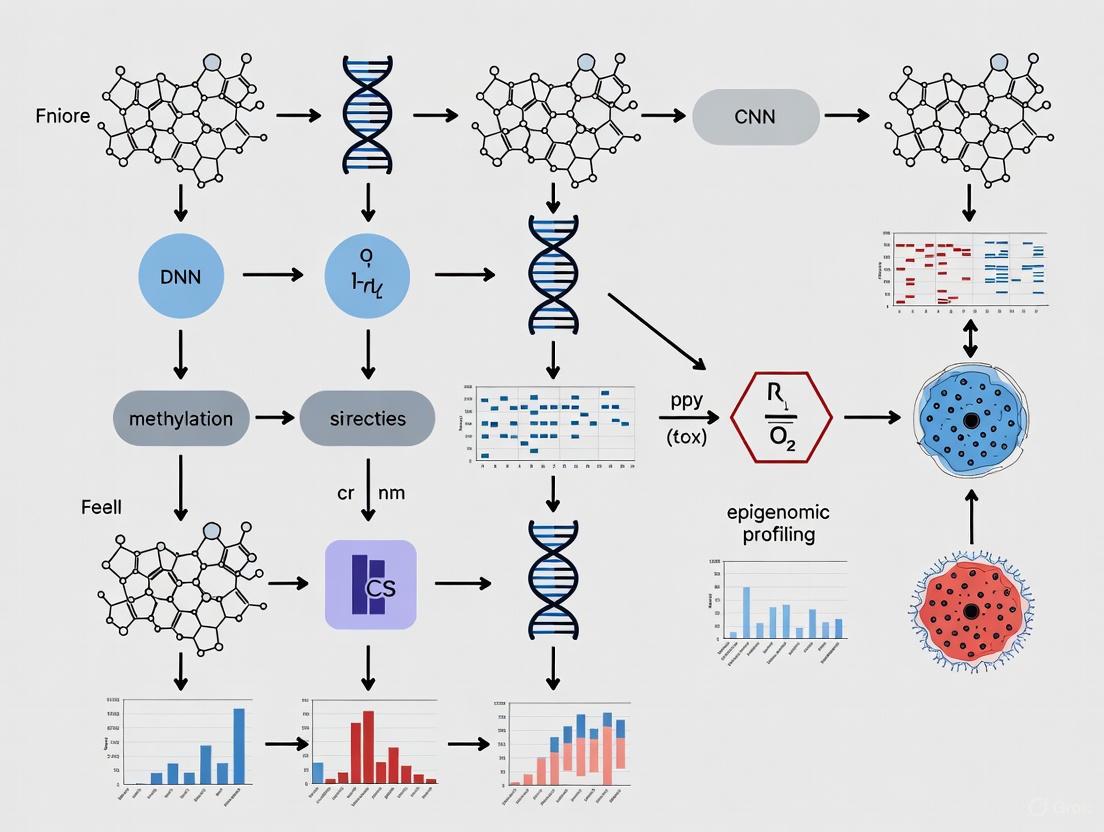
This article explores the transformative impact of single-cell epigenomic profiling on cancer research and drug development.
Single-Cell Epigenomic Profiling in Cancer: Decoding DNA Methylation for Precision Oncology
Abstract
This article explores the transformative impact of single-cell epigenomic profiling on cancer research and drug development. It covers the foundational role of DNA methylation in tumorigenesis and cellular heterogeneity, examines cutting-edge methodologies like scDEEP-mC and scEpi2-seq, and addresses key technical and analytical challenges. The content also evaluates the validation of findings and comparative performance of various technologies, highlighting clinical applications in biomarker discovery, liquid biopsies, and novel therapeutic strategies. Aimed at researchers and drug development professionals, this review synthesizes how single-cell resolution of the cancer epigenome is paving the way for unprecedented precision in diagnosis and treatment.
The Epigenetic Landscape of Cancer: Unveiling Heterogeneity and Dysregulation at Single-Cell Resolution
DNA methylation is a fundamental epigenetic mechanism involving the transfer of a methyl group onto the C5 position of cytosine to form 5-methylcytosine (5mC), primarily at CpG dinucleotides [1]. This modification regulates gene expression by recruiting proteins involved in gene repression or by inhibiting transcription factor binding to DNA, serving as a crucial layer of transcriptional control without altering the underlying DNA sequence [1] [2]. In mammalian genomes, DNA methylation patterns are dynamically established and maintained during development, resulting in unique, stable methylation patterns in differentiated cells that regulate tissue-specific gene expression [1]. The precise regulation of DNA methylation is essential for normal cognitive function, and when altered through developmental mutations or environmental risk factors, mental impairment and cancer can result [1] [3].
Molecular Mechanisms of DNA Methylation and Demethylation
The DNA Methylation and Demethylation Cycle
The establishment, maintenance, and removal of DNA methylation marks involve a coordinated enzymatic cascade. The de novo methyltransferases DNMT3A and DNMT3B establish initial methylation patterns during embryonic development, while DNMT1, in complex with UHRF1, maintains methylation patterns through cell divisions by recognizing hemi-methylated DNA at replication forks [2]. The recently discovered TET (ten-eleven translocation) proteins catalyze the oxidation of 5mC to 5-hydroxymethylcytosine (5hmC), which can be further oxidized to 5-formylcytosine (5fC) and 5-carboxylcytosine (5caC) [2]. These oxidized methylcytosines are then excised and replaced with unmodified cytosines via the base excision repair (BER) pathway involving thymine DNA glycosylase (TDG), completing the active demethylation cycle [2].
Table 1: Core Enzymatic Machinery of DNA Methylation Turnover
| Enzyme | Classification | Primary Function | Associated Cofactors/Partners |
|---|---|---|---|
| DNMT3A/B | De novo methyltransferase | Establishes initial methylation patterns during development | DNMT3L [1] |
| DNMT1 | Maintenance methyltransferase | Copies methylation patterns during DNA replication | UHRF1 (NP95) [2] |
| TET family | Dioxygenase | Oxidizes 5mC to 5hmC, 5fC, and 5caC | Fe²⁺, α-ketoglutarate [2] |
| TDG | Glycosylase | Excises oxidized cytosine derivatives | Base excision repair machinery [2] |
Visualizing the 5mC Metabolic Pathway
The following diagram illustrates the complete pathway of DNA methylation and demethylation, showing the enzymatic conversions between different cytosine states:
Diagram 1: The 5mC Metabolic Pathway illustrates enzymatic conversion between cytosine states.
Genomic Distribution and Functional Consequences
CpG Islands and Genomic Context
The distribution of DNA methylation throughout the genome is non-random and closely linked to functional genomic elements. CpG islands (CGIs) are regions with high frequency of CpG dinucleotides that are often located at promoter regions of housekeeping genes or other frequently expressed genes [4]. While CpG poor regions are typically methylated, CGIs are generally protected from DNA methylation in somatic cells [2]. The effects of DNA methylation on transcriptional regulation are highly location-dependent [2].
Table 2: Genomic Distribution and Functional Impact of DNA Methylation
| Genomic Region | Typical Methylation Status | Functional Consequence | Associated Histone Modifications |
|---|---|---|---|
| CpG Island Promoters | Hypomethylated | Permissive for gene transcription | H3K4me3, H3K27ac [5] |
| Repetitive Elements | Hypermethylated | Maintains genomic stability | H3K9me3 [6] |
| Gene Bodies | Hypermethylated | Prevents spurious transcription initiation; stimulates elongation [4] [2] | H3K36me3 [6] |
| CGI Shores | Variable, tissue-specific | Tissue-specific differentiation | Varies by cell type |
| Enhancer Elements | Hypomethylated (active) | Enables transcription factor binding | H3K4me1, H3K27ac [5] |
The location of methylation within the transcriptional unit determines its functional effect. Promoter methylation typically blocks gene expression by preventing transcription factor binding and recruiting repressive complexes, whereas gene body methylation may actually stimulate transcription elongation and prevent spurious initiation of transcription [4] [2]. Most methylation changes in regulatory regions occur not within CGIs themselves but in flanking regions known as "CGI shores" located within 2kb of CGIs, which show tissue-specific methylation patterns [4].
Single-Cell Epigenomic Profiling Technologies
Advanced Methodologies for Methylation Analysis
Recent technological advances have enabled high-resolution analysis of DNA methylation at single-cell resolution, revealing unprecedented epigenetic heterogeneity in cancer and development. The following table summarizes key experimental platforms for single-cell methylome analysis:
Table 3: Single-Cell Epigenomic Profiling Technologies
| Technology | Resolution | Key Applications | Throughput | Multi-omic Capability |
|---|---|---|---|---|
| scEpi2-seq [7] [6] | Single-cell, single-molecule | Simultaneous profiling of DNA methylation and histone modifications | Thousands of cells | H3K27me3, H3K9me3, H3K36me3 + 5mC |
| scDEEP-mC [8] | Single-cell, base resolution | High-resolution methylation mapping, epigenetic clocks, X-inactivation | High efficiency | 5mC with replication timing |
| 450k Array [4] | Bulk population, 480,000 CpG sites | Cancer methylation profiling, biomarker discovery | Population-level | Methylation only |
| CUT&Tag [5] | Single-cell (chromatin) | Histone modification profiling, transcription factor binding | Thousands of cells | Multiple histone marks |
scEpi2-seq Workflow for Multi-omic Profiling
The scEpi2-seq method represents a cutting-edge approach for simultaneous detection of DNA methylation and histone modifications in single cells. The following diagram illustrates the complete experimental workflow:
Diagram 2: scEpi2-seq Workflow for simultaneous profiling of histone marks and DNA methylation.
This innovative method enables researchers to study epigenetic interactions directly by providing coupled readouts of histone modifications and DNA methylation from the same single cell. The TAPS (TET-assisted pyridine borane sequencing) component converts methylated cytosine to uracil while leaving barcoded adaptors intact, unlike traditional bisulfite approaches that can damage DNA [6].
The Scientist's Toolkit: Essential Research Reagents
Successful single-cell epigenomic profiling requires carefully selected reagents and materials. The following table details essential research reagent solutions for scEpi2-seq and related methodologies:
Table 4: Essential Research Reagents for Single-Cell Epigenomic Profiling
| Reagent/Material | Function | Specific Application Notes |
|---|---|---|
| pA-MNase fusion protein | Tethers to histone modifications via antibodies; cleaves target regions | Critical for targeted chromatin fragmentation in scEpi2-seq [6] |
| TET enzyme | Oxidizes 5mC to 5hmC in TAPS | Enables gentle chemical conversion without DNA damage [6] |
| Pyridine borane | Converts 5hmC to uracil in TAPS | Alternative to bisulfite treatment with higher DNA preservation [6] |
| Histone modification antibodies | Specific recognition of epigenetic marks | H3K27me3, H3K9me3, H3K36me3 for chromatin state determination [6] [5] |
| Barcoded adaptors with UMIs | Single-cell indexing and unique molecular identifiers | Enables multiplexing and duplicate removal in scEpi2-seq [6] |
| Illumina Hyperactive CUT&Tag Kit | Commercial platform for chromatin profiling | Used in histone modification studies in shrimp embryogenesis [5] |
| Sodium bisulfite | Conventional cytosine conversion | Gold standard for bulk methylation analysis (450k array) [4] |
| DNMT inhibitors (5-azacytidine) | Experimental DNMT inhibition | Used in functional studies of methylation dynamics [1] |
Application in Cancer Research: Protocol for Identifying Cancer-Specific Methylation Changes
Integrative Methylation Mapping in B-cell Malignancies
Recent research has revealed that only 2-3% of DNA methylation changes in B-cell cancers are disease-driven, with the majority being proliferation-associated changes also present in normal memory B-cells [3]. The following protocol outlines the bioinformatic approach for distinguishing true cancer-specific methylation changes:
Protocol: Identification of Functionally Relevant Cancer-Associated DMRs
Sample Collection and Data Processing
- Obtain genome-wide DNA methylation data from malignant and normal B-cell populations (minimum n=995 recommended) [3]
- Process raw data using standard pipelines (e.g., DMRcate for DMR identification) [3]
- Apply thresholds: average beta-value difference >0.2 across DMR, minimum 2 CpG sites, p<0.0001 [3]
Integrative Methylation Mapping
- Generate DMR datasets comparing:
- B-cell malignancies (ALL, CLL, MCL, DLBCL, PCNSL) vs. B-cell progenitors
- Normal memory B-cells vs. B-cell progenitors [3]
- Classify DMRs into four categories:
- Proliferation-driven: Shared between cancer and memory B-cells
- Differentiation-driven: Present in specific B-cell subsets
- True disease-specific: Unique to malignant cells
- Cancer-absent: Present in memory B-cells but absent in cancer [3]
- Generate DMR datasets comparing:
Functional Annotation and Validation
- Use SeSAMe package for genomic feature enrichment analysis [3]
- Perform chromatin state annotation (ChromHMM) and TFBS enrichment [3]
- Validate candidate genes through lentiviral re-expression and functional assays [3]
- Assess apoptosis (Annexin V/PI staining, Caspase-Glo 3/7) and cell growth post-modulation [3]
This approach successfully identified SLC22A15 as a novel tumor suppressor in acute lymphoblastic leukemia, demonstrating the power of integrative methylation mapping to distinguish driver from passenger methylation events in cancer [3].
DNA Methylation Biomarkers for Cancer Stratification
In papillary thyroid carcinoma (PTC), DNA methylation profiling of 7217 CpG islands identified 329 differentially methylated regions (DMRs) that stratified patients into two distinct prognostic groups [9]. The PTC1 subgroup showed hypermethylation of developmental genes, particularly in HOXA and HOXB clusters, and demonstrated worse overall survival compared to PTC2 [9]. This methylation-based classification system has been adapted for clinical use through quantitative methylation-specific PCR (qMSP) on fine-needle aspiration biopsy samples, enabling preoperative risk assessment and surgical planning [9].
DNA methylation represents a dynamic and reversible epigenetic mark fundamental to gene regulatory programs in development and disease. The advancement of single-cell multi-omic technologies like scEpi2-seq now enables unprecedented resolution in mapping the complex interplay between DNA methylation, histone modifications, and gene expression in heterogeneous cell populations. As these tools continue to evolve and become more widely adopted, they will accelerate the discovery of disease-specific epigenetic drivers and enable development of targeted epigenetic therapies for cancer and other disorders. The integration of high-resolution methylome profiling with other omics datasets will be essential for deciphering the full complexity of epigenetic regulation in health and disease.
DNA methylation is a fundamental epigenetic mechanism involving the addition of a methyl group to the 5' position of cytosine, primarily at CpG dinucleotides, forming 5-methylcytosine (5mC). This modification regulates gene expression and chromatin structure without altering the underlying DNA sequence [10] [11]. In cancer cells, this process becomes profoundly dysregulated, manifesting as two complementary hallmarks: global hypomethylation and promoter-specific hypermethylation [12] [11].
Global hypomethylation refers to a genome-wide loss of DNA methylation, particularly in intergenic and intronic regions. This loss can activate oncogenes and promote genomic instability by encouraging chromosomal rearrangements and mutations [11]. Conversely, promoter hypermethylation involves the acquisition of methylation in the CpG-rich regions of gene promoters, which are typically unmethylated in healthy cells. This aberrant methylation leads to the transcriptional silencing of critical tumor suppressor genes (TSGs), disrupting normal cellular growth controls [12] [11]. The simultaneous occurrence of these two events is a common feature across human cancers, working in concert to drive tumorigenesis [11].
Fundamental Mechanisms and Biological Consequences
Enzymatic Regulation of DNA Methylation
The establishment and maintenance of DNA methylation patterns are controlled by a family of DNA methyltransferases (DNMTs) [11].
- DNMT1 is primarily responsible for maintaining pre-existing methylation patterns during DNA replication, ensuring the methylation profile is passed to daughter cells [12] [11].
- DNMT3A and DNMT3B are de novo methyltransferases that establish new methylation patterns during development and cell differentiation [11].
- DNMT3L, though lacking methyltransferase activity itself, regulates DNA methylation by assisting DNMT3A and DNMT3B [11].
DNA demethylation is an active process catalyzed by Ten-eleven translocation (TET) family enzymes. TET enzymes oxidize 5mC to 5-hydroxymethylcytosine (5hmC), initiating a pathway that leads to the eventual removal of the methyl mark. The loss of TET function is associated with various malignancies [11] [13].
Table 1: Key Enzymes in DNA Methylation Dysregulation
| Enzyme | Role/Family | Expression in Cancer | Functional Consequence in Cancer |
|---|---|---|---|
| DNMT1 | Maintenance Methyltransferase | Upregulated [11] | Perpetuates aberrant hypermethylation of TSG promoters [12] |
| DNMT3A & DNMT3B | De Novo Methyltransferases | Upregulated [11] | Establishes new, pathological methylation marks [11] |
| TET | Demethylase | Downregulated/Mutated [11] | Leads to a global increase in methylation and silencing of genes [14] |
| UHRF1 | DNMT1 Cofactor | Highly Expressed [15] | Guides DNMT1 to maintain hypermethylation, acts as an oncogene [15] |
Hallmark 1: Promoter Hypermethylation and TSG Silencing
Promoter hypermethylation is a key mechanism for inactivating tumor suppressor genes in cancer. This process is functionally equivalent to inactivating mutations or deletions [11]. The hypermethylated DNA recruits methyl-CpG-binding domain (MBD) proteins, which in turn recruit other proteins, such as histone modifiers, to form compact, transcriptionally silent heterochromatin [11]. This effectively blocks the expression of genes critical for preventing uncontrolled cell growth. Examples of genes frequently silenced by promoter hypermethylation include those involved in cell cycle regulation, DNA repair, and apoptosis [12].
Hallmark 2: Global Hypomethylation and Genomic Instability
In contrast to localized hypermethylation, cancer cells exhibit widespread loss of DNA methylation across the genome. This global hypomethylation primarily affects repetitive DNA sequences and latent genomic regions [11]. The consequences are severe:
- Activation of Oncogenes: Hypomethylation can lead to the inappropriate expression of growth-promoting genes and proto-oncogenes [12] [11].
- Genomic Instability: Loss of methylation in repetitive elements and pericentromeric regions can promote chromosomal rearrangements, translocations, and general chromosome instability, a common feature of advanced cancers [11] [14].
The following diagram illustrates the coordinated dysregulation of these two hallmarks in a cancer cell.
Single-Cell Multi-Omic Profiling: The scEpi2-seq Protocol
Understanding the interplay between hypermethylation and hypomethylation requires analyzing both marks within the same cell. Recent advances have yielded scEpi2-seq (single-cell Epi2-seq), a method that simultaneously profiles histone modifications and DNA methylation at single-cell and single-molecule resolution [6] [7]. This protocol is particularly powerful for dissecting epigenetic heterogeneity and interactions within tumor populations.
Detailed Experimental Workflow
The following diagram and detailed steps outline the core scEpi2-seq protocol.
Step-by-Step Protocol:
- Cell Preparation and Permeabilization: Isolate and permeabilize single cells to allow antibody entry [6].
- Antibody Incubation: Incubate cells with antibodies specific to a target histone modification (e.g., H3K27me3, H3K9me3, H3K36me3) [6].
- pA-MNase Tethering: A protein A-micrococcal nuclease (pA-MNase) fusion protein is tethered to the antibody-bound histone marks [6].
- Single-Cell Sorting: Single cells are sorted into individual wells of a 384-well plate using fluorescence-activated cell sorting (FACS). Plates contain reagents for subsequent steps [6].
- MNase Digestion: Initiate targeted chromatin cleavage by adding Ca2+, the essential cofactor for MNase. This releases DNA fragments bound to the specific histone mark [6].
- Fragment End Repair and A-Tailing: The released DNA fragments are repaired and A-tailed to prepare them for adaptor ligation [6].
- Barcoded Adaptor Ligation: Adaptors containing a unique cell barcode, a unique molecular identifier (UMI), a T7 promoter, and Illumina sequencing handles are ligated to the fragments. This step tags every molecule from a single cell with the same barcode [6].
- TET-assisted Pyridine Borane (TAPS) Conversion: Material from all wells is pooled and subjected to TAPS. This chemical conversion selectively changes methylated cytosines (5mC) to uracil, while leaving the barcoded adaptors intact—a key advantage over traditional bisulfite sequencing, which can degrade DNA [6].
- Library Preparation: The converted DNA undergoes in vitro transcription (IVT), reverse transcription, and PCR amplification to generate the final sequencing library [6].
- Sequencing: The library is sequenced using paired-end sequencing on an Illumina platform [6].
- Data Analysis:
- Histone Modification Data: Read mapping identifies genomic locations of histone modifications.
- DNA Methylation Data: C-to-T conversions in the sequence reads identify methylated cytosines.
- Duplicate Removal: UMIs are used to correct for PCR and sequencing duplicates.
- Nucleosome Spacing: Distances between sequencing read starts can infer nucleosome spacing patterns [6].
Key Applications and Validation
Application of scEpi2-seq in K562 and RPE-1 hTERT FUCCI cell lines has demonstrated its ability to reconstruct the dynamics of epigenomic maintenance. Key validation metrics and findings include [6]:
- High-Quality Data: Detection of >50,000 CpGs per single cell with high C-to-T conversion rates (~95%) and high fraction of reads in peaks (FRiP: 0.72–0.88) [6].
- Distinct Chromatin Contexts: Revealed significantly lower DNA methylation levels in regions marked by repressive histone modifications (H3K27me3, H3K9me3: 8-10%) compared to active marks (H3K36me3: ~50%) [6].
- Epigenomic Coordination: Provided direct evidence of how DNA methylation maintenance is influenced by the local chromatin context during the cell cycle and cell type specification [6].
The Scientist's Toolkit: Research Reagent Solutions
Table 2: Essential Reagents for Single-Cell Multi-Omic Epigenetic Profiling
| Reagent / Material | Function / Application | Key Characteristics |
|---|---|---|
| pA-MNase Fusion Protein | Tethers to histone modification-specific antibodies to cleave and tag target chromatin. | Core component for mapping histone marks in scEpi2-seq and related methods [6]. |
| TET-assisted Pyridine Borane (TAPS) Kit | Chemical conversion of 5mC to uracil for methylation detection. | Preserves DNA integrity better than bisulfite treatment, crucial for single-cell workflows [6]. |
| Infinium HumanMethylationEPIC BeadChip | Genome-wide methylation array for profiling ~850,000 CpG sites. | Standard for bulk cell analyses; used in biomarker discovery and validation studies [16] [14]. |
| Anti-Histone Modification Antibodies | Specific recognition of epigenetic marks (e.g., H3K27me3, H3K9me3). | High specificity and low background are critical for clean ChIC-seq/CUT&Tag data [6] [12]. |
| DNMT Inhibitors (DNMTi) | Small molecule inhibitors (e.g., Azacitidine, Decitabine) that reverse hypermethylation. | Used clinically (for blood cancers) and in research to reactivate silenced TSGs [12] [11]. |
| UHRF1-Targeting Reagents | Experimental reagents (e.g., mSTELLA peptide) to block UHRF1 and disrupt methylation maintenance. | Emerging therapeutic strategy to target epigenetic maintenance in solid tumors [15]. |
Clinical and Translational Applications
DNA Methylation as Biomarkers in Liquid Biopsies
The stability and cancer-specificity of DNA methylation patterns make them ideal biomarkers for non-invasive liquid biopsies. Aberrant methylation can be detected in circulating tumor DNA (ctDNA) from blood, urine, or other body fluids, enabling applications in early detection, prognosis, and monitoring treatment response [10] [14].
- Early Detection and Diagnosis: Tests like GRAIL's Galleri use targeted methylation sequencing of ctDNA and machine learning to detect over 50 cancer types and predict the tissue of origin [10] [14]. FDA-approved tests, such as Epi proColon, detect methylated SEPT9 in blood for colorectal cancer screening [10] [14].
- Prognostic Stratification: Specific methylation signatures in blood or tissue can predict disease recurrence risk. For example, a study on BRCA-wild-type breast cancer patients identified differential methylation in genes like FGFR2 and RUFY1 in blood cells that was associated with recurrence risk [16].
- Therapy Response Prediction: DNA methylation patterns can indicate sensitivity or resistance to treatments. For instance, DNMT1 overexpression has been linked to radioresistance in head and neck squamous cell carcinoma [14].
Therapeutic Targeting of Epigenetic Hallmarks
The reversible nature of epigenetic marks makes them attractive therapeutic targets [12] [11].
- Epigenetic Drugs: DNMT inhibitors (DNMTi) and histone deacetylase inhibitors (HDACi) are approved for use in hematological malignancies and are under investigation for solid tumors [12] [13]. These drugs aim to reverse aberrant epigenetic silencing and reactivate tumor suppressor genes.
- Novel Therapeutic Strategies: Research is focused on developing more targeted epigenetic therapies. For example, targeting the UHRF1 protein, which guides DNMT1 to replication sites, with a mouse STELLA-derived peptide has shown promise in impairing colorectal tumor growth in preclinical models [15].
- Combination with Immunotherapy: Epigenetic therapies can remodel the tumor microenvironment and enhance anti-tumor immunity. Combinations of DNMTi or EZH2 inhibitors with immune checkpoint blockers are being evaluated in clinical trials to improve response rates [13].
Table 3: Analysis of Key Methodologies in Cancer Epigenetics
| Methodology | Key Features | Primary Application | Advantages | Limitations |
|---|---|---|---|---|
| scEpi2-seq | Simultaneous profiling of histone mods and DNA methylation in single cells. | Studying epigenetic heterogeneity and interplay in complex tissues/tumors. | Single-cell resolution, multi-omic, uses TAPS for gentle conversion. | Technically complex, lower coverage per cell than bulk methods. |
| Whole-Genome Bisulfite Sequencing (WGBS) | Comprehensive mapping of 5mC at single-base resolution genome-wide. | Gold standard for discovery of novel methylation biomarkers. | Unbiased, base-resolution, high coverage. | High DNA input, bisulfite-induced degradation, computationally intensive. |
| Illumina MethylationEPIC Array | Interrogates methylation at >850,000 CpG sites. | Large cohort studies, biomarker validation, clinical diagnostics. | Cost-effective for many samples, well-established analysis pipelines. | Limited to pre-defined CpG sites, not genome-wide. |
| Liquid Biopsy Methylation Panels | Targeted detection of cancer-specific methylation in ctDNA. | Non-invasive cancer screening, monitoring, and recurrence detection. | Minimally invasive, high potential for clinical translation. | Low ctDNA fraction in early-stage disease can limit sensitivity. |
Intratumoral heterogeneity (ITH) represents a fundamental challenge in cancer therapeutics, extending beyond genetic diversity to encompass epigenetic variation among cancer cells. DNA methylation heterogeneity (DNAmeH), particularly of 5-methylcytosine (5mC), arises from cancer epigenome heterogeneity and diverse cell compositions within the tumor microenvironment (TME) [17]. Unlike genetic mutations, epigenetic modifications are reversible and dynamically maintained, creating cellular plasticity that contributes to drug resistance and tumor evolution [18]. Single-cell epigenomic profiling technologies now enable researchers to deconvolute this complexity, revealing rare cell subpopulations and lineage trajectories that drive tumor progression and therapeutic resistance. These approaches are transforming our understanding of cancer biology by providing unprecedented resolution into the cellular origins and epigenetic states that underlie tumor heterogeneity.
Quantitative Frameworks for Assessing Epigenetic Heterogeneity
Metrics for Quantifying DNA Methylation Heterogeneity
Advanced computational approaches enable quantitative assessment of DNAmeH. The table below summarizes key quantitative metrics and computational methods used to evaluate epigenetic heterogeneity at single-cell resolution.
Table 1: Quantitative Methods for Assessing Epigenetic Heterogeneity
| Method Category | Specific Metrics/Methods | Application in Heterogeneity Assessment | Technical Considerations |
|---|---|---|---|
| Distance-Based Metrics | Wasserstein metric/Earth-Mover's Distance (EMD) [19] | Quantifies structural alteration in cell distance distributions before and after dimensionality reduction | Captures maximum variability; scales linearly with separation of distribution means |
| Correlation Measures | Pearson correlation of unique distances [19] | Measures preservation of unique cell-cell distances following dimension reduction | Evaluates global structure preservation in high-dimensional data |
| Neighborhood Preservation | K nearest-neighbor (Knn) graph preservation [19] | Quantifies percentage of local neighborhood structures maintained after embedding | Intuitively higher for continuous cellular distributions (e.g., differentiation gradients) |
| Dimensionality Reduction | t-SNE, UMAP, SIMLR, PCA [19] | Enables visualization and interpretation of high-dimensional single-cell data | Performance varies by input cell distribution; UMAP tends to compress local distances more than t-SNE |
| Mutation-Mapping Approaches | SCOOP (Single-cell Cell Of Origin Predictor) [20] | Leverages somatic mutation patterns and chromatin accessibility to predict cellular origins | Uses XGBoost algorithm; combines WGS data with scATAC-seq profiles |
Factors Influencing DNA Methylation Heterogeneity
Multiple biological factors contribute to DNAmeH patterns within tumors. Research has identified that cell cycle phase, tumor mutational burden (TMB), cellular stemness, copy number variation (CNV), tumor subtype, stage, hypoxia, and tumor purity significantly influence epigenetic heterogeneity [17]. These factors create a complex interplay between genetic and epigenetic regulation, where epigenetic alterations may serve as a common mechanism linking genetic mutations to cancer phenotypes [18]. The reversible nature of epigenetic modifications further enables dynamic adaptation to therapeutic pressures, contributing to the emergence of resistant clones [18].
Advanced Single-Cell Multi-Omic Technologies
Experimental Workflow for Single-Cell Multi-Omic Profiling
The following diagram illustrates the integrated experimental workflow for simultaneous profiling of DNA methylation and histone modifications using scEpi2-seq technology:
Diagram Title: scEpi2-seq Multi-omic Profiling Workflow
Research Reagent Solutions for Single-Cell Epigenomics
The table below outlines essential research reagents and their applications in single-cell epigenomic studies:
Table 2: Essential Research Reagents for Single-Cell Epigenomic Profiling
| Reagent/Chemical | Function | Application Notes |
|---|---|---|
| Tn5 Transposase | Tags accessible chromatin regions | Core enzyme in scATAC-seq; inserts adapters into open chromatin [21] |
| Protein A-MNase Fusion | Tethers to histone modifications | Key component in scEpi2-seq; antibody-directed chromatin cleavage [6] |
| TET-assisted Pyridine Borane | Chemical conversion of 5mC | Gentler alternative to bisulfite sequencing; converts 5mC to uracil [6] |
| Histone Modification Antibodies | Target specific epigenetic marks | H3K27me3, H3K9me3, H3K36me3 most commonly profiled [6] |
| Unique Molecular Identifiers (UMIs) | Barcodes for duplicate removal | Essential for accurate quantification in single-cell sequencing [21] |
| Cell Barcodes | Tags individual cells | Enables multiplexing and single-cell resolution [21] |
| MACS Beads | Magnetic cell separation | Simpler, cost-effective alternative to FACS [21] |
Detailed Experimental Protocols
Protocol: scEpi2-seq for Simultaneous DNA Methylation and Histone Modification Profiling
Day 1: Cell Preparation and Labeling
- Cell Isolation: Isolate single cells using FACS, MACS, or microfluidic technologies into 384-well plates [21]. Ensure high viability (>90%) through proper tissue dissociation.
- Cell Permeabilization: Permeabilize cells with digitonin-containing buffer (0.01% digitonin in PBS) for 10 minutes on ice to enable antibody access while maintaining nuclear integrity.
- Antibody Incubation: Incubate with primary antibodies against specific histone modifications (e.g., anti-H3K27me3, anti-H3K9me3, anti-H3K36me3) at 1:100 dilution in antibody buffer for 60 minutes at 4°C with gentle rotation.
- pA-MNase Tethering: Add pA-MNase fusion protein (10 nM final concentration) and incubate for 60 minutes at 4°C to tether the enzyme to antibody-bound nucleosomes.
Day 2: Library Preparation
- MNase Digestion: Initiate digestion by adding CaCl₂ (2 mM final concentration) and incubating for 10 minutes at 37°C. Stop reaction with EGTA (5 mM final concentration).
- Fragment Recovery: Collect supernatant containing released chromatin fragments. Perform fragment repair and A-tailing using standard molecular biology protocols.
- Adapter Ligation: Ligate adapters containing cell barcodes, UMIs, T7 promoter, and Illumina handles using T4 DNA ligase (100 U/reaction) overnight at 16°C.
- TAPS Conversion: Pool material from all wells and perform TET-assisted pyridine borane sequencing to convert methylated cytosines to uracils while preserving adapter integrity.
Day 3: Amplification and Sequencing
- In Vitro Transcription: Perform IVT using T7 RNA polymerase to amplify material while maintaining strand specificity.
- Reverse Transcription: Convert RNA to cDNA using reverse transcriptase with template-switching oligonucleotides.
- PCR Amplification: Amplify final libraries with 12-14 cycles using Illumina-compatible primers.
- Quality Control and Sequencing: Assess library quality (Bioanalyzer) and sequence on Illumina platform (PE150 recommended).
Quality Control Parameters:
- Minimum 50,000 CpGs per cell [6]
- FRiP scores >0.7 for histone modification data [6]
- TAPS conversion rates >95% [6]
- Minimum 50,000 reads per cell for both modalities
Protocol: SCOOP Analysis for Cellular Origin Prediction
Data Integration Phase
- Process WGS Data: Aggregate single-nucleotide variant (SNV) count profiles from patient WGS samples in 1 Mb bins across the genome [20].
- Process scATAC-seq Data: Similarly bin scATAC-seq aggregate profiles from normal cell subsets spanning relevant tissues.
- Feature Selection: Select the 500 most variable features (genes or genomic regions) to reduce dimensionality while preserving biological signal [19].
Machine Learning Implementation
- Model Training: Implement XGBoost algorithm to predict mutation density of a given cancer type using binned scATAC-seq profiles as features [20].
- Backward Feature Selection: Iteratively reduce the set of scATAC-seq cell features to identify the most informative cell subset representing the predicted cell of origin.
- Validation: Perform 100 SCOOP runs with different train/test splits and random seeds to assess prediction robustness and generate confidence metrics.
Interpretation Guidelines:
- Feature importance scores indicate relative contribution of each cell type to prediction
- Consensus across multiple runs indicates robust predictions
- Comparison to known anatomical origins validates approach
Applications in Cancer Research and Therapeutic Development
Revealing Cellular Origins and Lineage Trajectories
Single-cell epigenomic approaches have revolutionized our understanding of cellular origins across cancer types. The SCOOP framework, combining 3,669 whole genome sequencing patient samples with 559 single-cell chromatin accessibility profiles, has predicted cell of origin for 37 cancer subtypes with high robustness and accuracy [20]. Notably, this approach challenged the long-held theory that small cell lung cancer (SCLC) arises primarily from pulmonary neuroendocrine cells, instead revealing a predominantly basal cell origin [20]. This finding was subsequently validated in independent studies using genetically-engineered mouse models [20]. Similarly, for gastrointestinal cancers, these approaches have identified a metaplastic-like stomach goblet cell as the origin for five different cancer types, indicating convergent cellular trajectories during tumorigenesis [20].
Clinical Implications for Cancer Diagnostics and Therapeutics
The dissection of epigenetic heterogeneity has profound implications for clinical oncology. Rare tumor cells with unique and reversible epigenetic states may drive drug resistance, and the degree of epigenetic ITH at diagnosis may predict patient outcome [18]. Single-cell multi-omics enables identification of immune cell subsets and states associated with immune evasion and therapy resistance [21], facilitating development of more effective immunotherapeutic strategies. Additionally, the ability to trace lineage relationships and identify pre-malignant cell states creates opportunities for early detection and interception of tumor development [20]. As these technologies mature, they are poised to become central to precision oncology, facilitating truly personalized therapeutic interventions based on the unique epigenetic architecture of each patient's tumor [21].
Emerging evidence underscores the pivotal role of epigenetic alterations as initiating events in tumorigenesis, often preceding genetic mutations and malignant transformation. This application note explores the landscape of early epigenetic drivers in precancerous states, with a focus on DNA methylation dynamics. We detail advanced single-cell epigenomic protocols for profiling these alterations, present quantitative benchmarks for identifying pathogenic shifts, and provide a curated research toolkit. Designed for cancer researchers and therapeutic developers, this resource supports the investigation of epigenetic events that confer neoplastic potential and offers strategies for early interception.
Cancer development is a multi-step process historically attributed to the accumulation of genetic driver mutations. However, recent pan-cancer analyses reveal that epigenetic dysregulation is a fundamental hallmark and often an early event in oncogenesis [22] [23]. These alterations—including DNA methylation, histone modifications, and chromatin remodeling—orchestrate gene expression programs that enable the acquisition of malignant traits such as unchecked proliferation, invasion, and metabolic reprogramming without altering the underlying DNA sequence [23] [24]. In many cases, particularly in pediatric and certain solid tumors, extensive epigenomic reprogramming is present despite a relative lack of recurrent genetic mutations, positioning epigenetic mechanisms as potential initiating drivers [22].
The reversibility of epigenetic marks presents a profound therapeutic opportunity distinct from targeting genetic alterations. The term "epigenetics" encompasses heritable, reversible changes in gene activity mediated by a complex machinery of "writer," "eraser," and "reader" proteins [22]. Dysregulation at any of these levels can initiate and sustain tumorigenesis. This note focuses on DNA methylation in precancerous states, detailing the methodologies to capture its dynamics at single-cell resolution, which is critical for deciphering intratumoral heterogeneity and identifying the earliest events in cellular transformation.
Molecular Mechanisms: DNA Methylation as an Early Driver
DNA methylation, involving the addition of a methyl group to the 5-carbon of cytosine in CpG dinucleotides, is the most extensively studied epigenetic modification in cancer. The process is catalyzed by DNA methyltransferases (DNMTs), with DNMT3A and DNMT3B establishing de novo patterns and DNMT1 maintaining them during replication [25] [22]. In carcinogenesis, a paradoxical pattern emerges: global genomic hypomethylation coexists with focal hypermethylation at specific CpG islands.
- CpG Island Hypermethylation: Promoter-associated CpG islands, typically unmethylated in healthy cells, frequently undergo hypermethylation in early neoplasia. This silences tumor suppressor genes (TSGs) and differentiation genes, leading to loss of cellular identity and acquisition of malignant potential [25] [22]. A pan-cancer analysis of clinical samples established that hypermethylation is particularly enriched at promoters normally regulated by the Polycomb Repressive Complex 2 (PRC2) during development, suggesting these loci are epigenetically primed for aberrant silencing [26]. The number of commonly hypermethylated CpG islands varies significantly across tumor types, underscoring tissue-specific vulnerabilities [26].
- Global Hypomethylation: Widespread loss of DNA methylation in gene-poor and repetitive regions leads to genomic instability, activation of transposable elements, and potential oncogene activation, further propelling tumor evolution [25] [22].
- Interplay with Genetic Lesions: Epigenetic and genetic alterations cooperate during tumor evolution. In non-small cell lung cancer (NSCLC), for instance, DNA methylation heterogeneity correlates with somatic copy number alteration heterogeneity and intratumoral expression distance, indicating a convergent role in shaping tumor biology [27]. Parallel convergent evolution events, where TSGs are independently inactivated by copy number loss or promoter hypermethylation in different tumor regions, are observed, especially in lung squamous cell carcinomas [27].
Table 1: Key DNA Methylation Alterations in Early Tumorigenesis
| Alteration Type | Molecular Consequence | Functional Impact in Precancer | Example Genes/Regions |
|---|---|---|---|
| CpG Island Hypermethylation | Silencing of gene promoters | Loss of tumor suppressor function, blocked differentiation | Developmental genes (e.g., HOX genes, SOX family), canonical TSGs [27] [26] |
| Global Hypomethylation | Chromosomal instability, oncogene activation | Increased mutation rate, proliferation | Repetitive elements, gene-poor regions [25] [22] |
| Enhancer Remodeling | Altered expression of associated genes | Activation of pro-proliferative, invasive programs | Metastasis-associated transcription factor binding sites [23] |
Technical Approaches: Single-Cell and Multi-Omics Profiling
Single-Cell DNA Methylation Profiling
Bulk profiling obscures the cellular heterogeneity inherent in precancerous lesions. Single-cell technologies are therefore critical for deconvoluting the earliest epigenetic events in individual cells.
- scATAC-seq for Cell of Origin (COO): The SCOOP (Single-cell Cell Of Origin Predictor) tool leverages single-cell Assay for Transposase-Accessible Chromatin (scATAC-seq) data from normal cells and whole-genome sequencing from tumors. It exploits the principle that somatic mutations accumulate preferentially in closed chromatin regions of a cancer's cell of origin. This approach has successfully predicted COO for 37 cancer types at cellular subset resolution, confirming AT2 cells as the origin for lung adenocarcinoma (LUAD) and basal cells for lung squamous cell carcinoma (LUSC) [20].
- Single-Cell Multi-Omics: Integrating scATAC-seq with single-cell RNA sequencing (scRNA-seq) reveals the link between chromatin accessibility and gene expression programs driving progression. In a Kras/p53-driven LUAD mouse model, this integration uncovered an epigenomic state transition where cells lost accessibility for the lung lineage factor NKX2-1 and progressively gained activity for the pro-metastatic transcription factor RUNX2 [23].
Genome-Scale Methylation Analysis
For genome-wide DNA methylation mapping, several bisulfite sequencing-based methods are employed, each with distinct advantages.
- Whole Genome Bisulfite Sequencing (WGBS): Provides single-base resolution methylation levels across the entire genome, ideal for discovering novel loci [25] [26].
- Reduced Representation Bisulfite Sequencing (RRBS): A cost-effective method that enriches for CpG-dense regions, suitable for profiling a large number of samples [27] [25]. Its application has been extended to low-input clinical samples like formalin-fixed paraffin-embedded (FFPE) tissues and cell-free DNA (cfDNA) [28].
- Cell-free RRBS (cfRRBS): Adapted for plasma-derived cfDNA, this method enables non-invasive "liquid biopsy" for early cancer detection and monitoring. Studies on lung cancer patients have successfully generated methylomes from 6-10 ng of cfDNA, identifying discriminatory methylation markers between malignant and non-malignant conditions [28].
Diagram Title: Workflow for Tracing Early Epigenetic Alterations
Quantitative Data and Biomarker Discovery
Robust quantitative analysis is essential for distinguishing driver epigenetic events from passenger alterations. Large-scale studies provide benchmarks for the scope and cancer-type specificity of DNA methylation changes.
- Pan-Cancer Hypermethylation Landscape: An analysis of 9,433 clinical samples across 26 tumor types identified a core set of 1,579 "pan-cancer hyper CGIs" commonly targeted in multiple cancers. These are highly enriched for PRC2-regulated promoters [26]. The number of hypermethylated CpG islands per tumor type varies widely, from >3000 in T-cell acute lymphoblastic leukemia (T-ALL) to as few as 14 in thyroid carcinoma, reflecting differing epigenetic vulnerabilities [26].
- Biomarkers for High-Risk Cancers: Integrated analysis of DNA methylation profiles and comorbidity patterns for five low-survival-rate cancers (pancreatic, esophageal, liver, lung, and brain) identified key methylation biomarker genes, including ALX3, HOXD8, IRX1, HOXA9, and TRIM58. A combination of ALX3, NPTX2, and TRIM58 achieved a 93.3% accuracy in predicting these cancers [29].
- Intratumoral Methylation Heterogeneity (ITMH): In NSCLC, an Intratumoral Methylation Distance (ITMD) metric was developed to quantify epigenetic heterogeneity. ITMD correlates significantly with somatic copy number alteration heterogeneity and intratumoral expression distance, linking epigenetic diversity to clonal evolution [27].
Table 2: Quantitative Benchmarks of DNA Methylation Alterations in Human Tumors
| Cancer Type / Context | Key Metric | Quantitative Finding | Technical & Analytical Approach |
|---|---|---|---|
| Pan-Cancer (26 types) | Number of Hyper-methylated CpG Islands | 1,579 pan-cancer hyper CGIs; range from 14 (THCA) to >3,000 (T-ALL) per type [26] | TCGA 450k/850k array data; common hyper-CGIs defined in ≥30% of types [26] |
| Non-Small Cell Lung Cancer (NSCLC) | Intratumoral Methylation Distance (ITMD) | 25-fold increase in inter-patient vs normal heterogeneity; correlation with SCNA-ITH (LUAD R=0.47, LUSC R=0.66) [27] | Multi-region RRBS; CAMDAC deconvolution; Pearson distance calculation [27] |
| Five Low-Survival Cancers | Diagnostic Accuracy of Methylation Biomarkers | 93.3% prediction accuracy using ALX3, NPTX2, TRIM58 panel [29] | TCGA 450k data; comorbidity pattern integration; machine learning [29] |
| Liquid Biopsy (Lung Cancer) | Detection from Plasma cfDNA | Successful detection from 6-10 ng cfDNA; discriminatory regions for early vs late stage [28] | Cell-free RRBS (cfRRBS); deep-learning deconvolution [28] |
The Scientist's Toolkit: Research Reagent Solutions
Table 3: Essential Reagents and Kits for Epigenetic Driver Discovery
| Product / Reagent | Primary Function | Application Note |
|---|---|---|
| scATAC-seq Kits (e.g., 10x Genomics) | Profiling chromatin accessibility in single cells | Identifies cell of origin and regulatory states in precancerous lesions; essential for SCOOP-type analysis [20] |
| Bisulfite Conversion Kits | Deaminates unmethylated cytosine to uracil | Critical pre-processing step for WGBS, RRBS, and targeted bisulfite sequencing; requires optimization for cfDNA [25] [28] |
| Methylated DNA Standards & Controls | Bisulfite conversion efficiency and quantification calibration | Vital for accurate β-value measurement in differential methylation analysis and assay validation [29] |
| DNMT/TET Inhibitors | Functional perturbation of methylation dynamics | Tools for establishing causality of methylation events (e.g., 5-Azacytidine for DNMT inhibition) [22] [30] |
| CRISPR-based Methylation Editors (dCas9-DNMT3A/TET1) | Locus-specific methylation manipulation | Determines functional impact of hyper/hypomethylation at specific candidate driver loci [28] |
| CpG Methylation Arrays (Infinium MethylationEpic) | Interrogation of >850,000 CpG sites | Cost-effective for large cohort screening; platform used in TCGA and biomarker discovery studies [25] [29] |
| TET Antibodies & 5hmC Detection Kits | Immunodetection of oxidative methylation derivatives | Assessing active demethylation pathways; IHC shows 5hmC loss correlates with tumor aggressiveness in bladder cancer [28] |
Critical Experimental Protocols
Protocol: Multi-region RRBS for Intratumoral Heterogeneity (ITH) Analysis
This protocol is adapted from the TRACERx NSCLC study to map methylation heterogeneity while accounting for tumor purity and copy number variations [27].
- Sample Preparation: Collect multiple spatially separated regions from a fresh tumor specimen and matched normal adjacent tissue (NAT). Extract high-molecular-weight DNA.
- Library Preparation & Sequencing:
- Digest 100-500 ng genomic DNA with MspI (restriction enzyme that cuts CCGG sites). Perform size selection to enrich for 150-400 bp fragments.
- Treat fragments with bisulfite conversion using a commercial kit (e.g., EZ DNA Methylation-Lightning Kit). Converted DNA is then used to construct sequencing libraries.
- Sequence on an Illumina platform to a recommended coverage of >5 million reads per sample.
- Bioinformatic Analysis:
- Align reads to a bisulfite-converted reference genome using tools like Bismark or BSMAP.
- Employ CAMDAC (Copy number-Aware Methylation Deconvolution Analysis of Cancers) or a similar tool to deconvolve pure tumor methylation rates from bulk data, correcting for tumor purity and copy number aberrations [27].
- Calculate Intratumoral Methylation Distance (ITMD): Compute pairwise Pearson correlation distances of methylation rates (β-values) across all CpG sites between every region pair within a tumor. Average these distances to generate an ITMD score per patient [27].
- Identify subclonal methylation events by detecting CpG sites with high variance in methylation rates across regions from the same tumor.
Protocol: Cell-free RRBS (cfRRBS) for Liquid Biopsy
This protocol enables methylation profiling from low-input plasma cfDNA for early detection applications [28].
- cfDNA Extraction: Isolve cell-free DNA from 1-4 mL of patient plasma using a circulating nucleic acid kit. Elute in a low-volume buffer (e.g., 20-40 µL).
- Library Construction:
- Use 5-20 ng of cfDNA as input. The low yield often requires a whole-genome amplification step prior to restriction digest, or the use of ultra-low-input library preparation methods.
- Perform MspI digestion and size selection as in standard RRBS, but with adjustments for shorter cfDNA fragment sizes.
- Proceed with bisulfite conversion and library amplification with a minimal number of PCR cycles to avoid duplication biases.
- Downstream Analysis:
- Process sequencing data through a standard RRBS pipeline, then apply machine learning or deep-learning models for tissue deconvolution and cancer classification.
- Perform differential methylation analysis between case and control plasma samples to identify regions highly discriminatory for early-stage cancer.
Diagram Title: Signaling Pathway of Methylation-Driven Early Tumorigenesis
The systematic identification of epigenetic drivers in precancerous states is transforming our understanding of tumorigenesis. The integration of single-cell multi-omics, liquid biopsy technologies, and sophisticated bioinformatic deconvolution provides an unprecedented ability to trace the earliest molecular events leading to cancer. The protocols and benchmarks outlined here provide a framework for researchers to investigate these dynamics. The future of this field lies in leveraging these tools to develop targeted epigenetic interception therapies and validate non-invasive methylation biomarkers for early detection, ultimately shifting the paradigm of cancer care from late-stage treatment to early prevention and cure.
The emergence of single-cell epigenomic profiling technologies has revolutionized our ability to decipher the gene regulatory networks that control cellular identity in development and disease. Single-cell Assay for Transposase-Accessible Chromatin using sequencing (scATAC-seq) and single-cell RNA sequencing (scRNA-seq) provide complementary views of cellular states: scATAC-seq maps accessible chromatin regions that represent potential regulatory elements, while scRNA-seq captures the resulting gene expression outputs [31]. The integration of these modalities enables researchers to construct causal relationships between regulatory elements and gene expression, offering unprecedented insights into the mechanisms governing cell-type-specific regulation in healthy tissues and cancer [32].
In cancer research, single-cell multi-omic approaches can reveal how epigenetic reprogramming drives tumor evolution, metastasis, and therapy resistance. The ability to simultaneously profile chromatin accessibility and gene expression in the same cells has been particularly transformative, allowing direct linkage of regulatory element activity to transcriptional outputs in malignant cells [33]. This protocol details computational and experimental frameworks for integrating scATAC-seq and scRNA-seq data to reconstruct cell-type-specific regulatory networks, with special emphasis on applications in cancer epigenomics.
Key Technologies and Methodological Considerations
Experimental Technologies for Multi-Omic Profiling
Several experimental platforms enable coupled profiling of chromatin accessibility and gene expression. The 10x Genomics Multiome kit simultaneously measures scATAC-seq and scRNA-seq from the same nuclei, providing naturally paired epigenome and transcriptome data [32]. While this approach offers direct correspondence between modalities, it requires nuclei isolation and shows slightly reduced sensitivity in chromatin accessibility profiling compared to standalone scATAC-seq [34] [32]. Emerging spatial co-profiling technologies, such as spatial ATAC-RNA-seq, enable genome-wide joint profiling of chromatin accessibility and gene expression on the same tissue section, preserving crucial spatial context that is often disrupted in cancer progression [33].
For DNA methylation analysis in cancer research, scEpi2-seq represents a significant advancement by enabling simultaneous detection of histone modifications and DNA methylation at single-cell resolution [6] [7]. This is particularly valuable for studying epigenetic interactions in tumor heterogeneity, as DNA methylation and histone modifications encode complementary epigenetic information that is frequently dysregulated in cancer.
Computational Frameworks for Data Integration
Computational methods for integrating scATAC-seq and scRNA-seq data generally follow two strategies: the first transforms scATAC-seq features into gene activity matrices based on prior knowledge of regulatory relationships, while the second directly models original omics features using neural networks with alignment techniques [35].
Table 1: Computational Methods for scATAC-seq and scRNA-seq Integration
| Method | Strategy | Key Features | Applications in Cancer Research |
|---|---|---|---|
| scNCL [35] | Transfer learning with contrastive learning | Uses neighborhood contrastive learning to preserve scATAC-seq neighborhood structure; combines projection regularization and feature alignment | Accurate label transfer from scRNA-seq to scATAC-seq; detection of novel cell types in tumor microenvironments |
| scPairing [36] | Deep learning (CLIP-inspired) | Embeds different modalities into common space; generates multi-omic data from unimodal data | Overcoming limitations of true multi-omic data scarcity in clinical cancer samples |
| BOM (Bag-of-Motifs) [37] | Motif-based representation | Represents regulatory elements as unordered motif counts; uses gradient-boosted trees | Prediction of cell-type-specific enhancers in cancer subtypes; identification of dysregulated transcription factors |
| Seurat/SCIM [35] | Feature transformation vs. direct alignment | Either transforms ATAC to gene activity or uses adversarial training | General-purpose integration; identifying cancer-specific regulatory programs |
The scNCL framework exemplifies a sophisticated approach that addresses key computational challenges. It begins by transforming scATAC-seq data into gene activity matrices, then introduces neighborhood contrastive learning to preserve the neighborhood structure of scATAC-seq cells that might be lost during feature transformation [35]. This method employs four loss functions: projection regularization loss to regularize the latent space, feature alignment loss to harmonize embeddings between scRNA-seq and scATAC-seq, cross-entropy loss for supervised learning on scRNA-seq data, and neighborhood contrastive loss to maintain scATAC-seq neighborhood structures [35].
Diagram 1: scNCL computational framework for cross-modal integration.
Protocol: Integrative Analysis of scATAC-seq and scRNA-seq Data
Experimental Design and Sample Preparation
Materials:
- Fresh tumor tissue or PBMCs from cancer patients
- Nuclei isolation kit (e.g., 10x Genomics Nuclei Isolation Kit)
- Single Cell Multiome ATAC + Gene Expression kit (10x Genomics)
- Barcoded beads and partitioning system
- Library preparation reagents
- Sequencing platform (Illumina recommended)
Procedure:
- Nuclei Isolation: Isolate intact nuclei from fresh or frozen tumor tissues using standardized protocols. For FFPE samples, optimize extraction conditions to balance yield and quality.
- Quality Control: Assess nuclei integrity and count using automated cell counters. Aim for >80% viability and minimal clumping.
- Multiome Library Preparation: Follow the 10x Genomics Multiome kit instructions for simultaneous scATAC-seq and scRNA-seq library preparation. This involves:
- Tagmentation of accessible chromatin regions
- Capturing mRNA transcripts using poly-dT primers
- Partitioning nuclei into droplets with barcoded beads
- Reverse transcription and library construction
- Sequencing: Sequence libraries on Illumina platforms. Recommended sequencing depth: 20,000-50,000 read pairs per cell for scATAC-seq and 30,000-60,000 read pairs per cell for scRNA-seq.
Computational Data Processing
Software Requirements:
- Cell Ranger ARC (10x Genomics) or PUMATAC [34] for initial processing
- Signac for scATAC-seq analysis [35]
- Seurat for scRNA-seq analysis
- scNCL or scPairing for integration [35] [36]
Data Preprocessing Steps:
- Quality Control and Filtering:
- Remove cells with low unique fragment counts (<1,000 for scATAC-seq) or low gene counts (<500 for scRNA-seq)
- Exclude cells with high mitochondrial read percentage (>20%) indicating stress/death
- Filter scATAC-seq data based on TSS enrichment score (>4) and nucleosomal banding pattern
Modality-Specific Processing:
- For scATAC-seq: call peaks using MACS3; create count matrices for peak regions
- For scRNA-seq: normalize using SCTransform; remove cell cycle effects if necessary
Multi-Omic Data Integration:
- Option 1 (scNCL): Transform scATAC-seq peaks to gene activity scores; apply neighborhood contrastive learning to integrate with scRNA-seq data
- Option 2 (scPairing): Embed both modalities into shared space using contrastive learning; generate paired multi-omic profiles
Table 2: Benchmarking of scATAC-seq Technologies for Cancer Applications
| Technology | Cells Recovered | Median Fragments per Cell | TSS Enrichment | Cell-Type Discrimination | Cost per Cell |
|---|---|---|---|---|---|
| 10x Multiome [34] [32] | 3,000-10,000 | 5,000-15,000 | 8-15 | Good for major types | $$ |
| 10x scATAC-seq v2 [34] | 5,000-15,000 | 10,000-25,000 | 10-20 | Excellent | $$ |
| s3-ATAC [34] | 1,000-5,000 | 3,000-10,000 | 6-12 | Moderate | $ |
| HyDrop [34] | 2,000-8,000 | 4,000-12,000 | 7-14 | Good | $$ |
Regulatory Network Inference
Once data is integrated, follow these steps to infer cell-type-specific regulatory networks:
Identify Cell Clusters: Perform clustering on the integrated embedding to define cell populations. In cancer samples, this typically reveals malignant, immune, and stromal compartments.
Define Cell-Type-Specific Regulatory Elements:
- Perform differential accessibility analysis between cell clusters
- Identify transcription factor motif enrichment in accessible regions using tools like HOMER or ChromVAR [37]
- Link regulatory elements to target genes based on correlation and genomic proximity
Construct Regulatory Networks:
- Build gene regulatory networks using SCENIC or BOM framework [37]
- Validate regulator-target relationships using paired expression and accessibility data
- Identify master regulator transcription factors driving cancer cell states
Diagram 2: Experimental workflow from sample to regulatory networks.
Table 3: Key Research Reagent Solutions for scATAC-seq and scRNA-seq Integration
| Reagent/Resource | Function | Example Products | Application Notes |
|---|---|---|---|
| Nuclei Isolation Kits | Release intact nuclei from tissue | 10x Genomics Nuclei Isolation Kit, Miltenyi Neural Tissue Kit | Critical first step; optimize for tissue type (tumors often require customized protocols) |
| Multiome Kits | Simultaneous scATAC-seq and scRNA-seq | 10x Genomics Single Cell Multiome ATAC + Gene Expression | Enables naturally paired epigenome and transcriptome data from same cells |
| Barcoded Beads | Cell indexing in droplet-based systems | 10x Gel Beads | Each bead contains oligonucleotides with cell barcode and UMIs |
| Tn5 Transposase | Tagmentation of accessible chromatin | Illumina Tagment DNA TDE1 Enzyme | Engineered transposase that fragments and tags accessible genomic regions |
| Poly-dT Primers | mRNA capture | 10x Barcoded Poly-dT Primers | Capture mRNA for transcriptome analysis; include cell barcodes and UMIs |
| Library Prep Kits | Sequencing library construction | 10x Library Construction Kit | Prepare scATAC-seq and scRNA-seq libraries for Illumina sequencing |
| Bioinformatics Tools | Data analysis pipelines | Cell Ranger ARC, Signac, Seurat, Scanny | Essential for processing raw sequencing data into interpretable formats |
Application in Cancer Research: Key Insights and Protocols
Identifying Epigenetic Drivers of Tumor Heterogeneity
The integration of scATAC-seq and scRNA-seq has revealed that cancer cells exhibit extensive epigenetic heterogeneity, which drives phenotypic diversity and therapy resistance. To identify epigenetic drivers in your cancer model:
- Profile therapy-resistant and sensitive populations from patient-derived xenografts or clinical samples
- Identify differentially accessible regions between resistant and sensitive cells using integrative analysis
- Link accessibility changes to expression of key resistance genes
- Validate candidates using CRISPR-based epigenetic editing in relevant models
A recent application in multiple myeloma demonstrated how multi-omic profiling identified both genetic inactivation and epigenetic silencing of regulatory elements underlying resistance to monoclonal antibody therapy [32].
Mapping Cancer-Specific Gene Regulatory Networks
The BOM (Bag-of-Motifs) framework has shown exceptional performance in predicting cell-type-specific cis-regulatory elements across diverse tissues [37]. To apply this approach in cancer:
- Collect scATAC-seq data from tumor samples encompassing multiple cell types
- Train BOM models to identify cancer-cell-specific enhancers based on motif composition
- Validate predictions by testing synthetic enhancers assembled from predictive motifs
- Integrate with scRNA-seq to link enhancer activity to oncogene expression
This approach has been successfully applied to create a pan-cancer map of epigenetic programs involved in metastasis, revealing shared and tumor-type-specific regulatory networks [32].
Troubleshooting and Quality Control
Common Challenges and Solutions:
- Low scATAC-seq library complexity: Increase cell input; optimize tagmentation time; verify nuclei integrity
- Batch effects between modalities: Use harmony integration; apply scPairing to align datasets [36]
- Poor linkage between regulatory elements and genes: Incorporate Hi-C data for improved connectivity predictions; use activity-by-contact models
- Difficulty identifying novel cell states: Apply scNCL's novel cell type detection capability [35]
Quality Metrics for Success:
- scATAC-seq: TSS enrichment >5, fraction of reads in peaks >15%, nucleosomal patterning visible
- scRNA-seq: >500 genes/cell, mitochondrial reads <20%, clear separation of major cell types
- Integration: Conservation of biological variance while removing technical effects; ability to transfer labels with >90% accuracy [35]
This integrated approach to scATAC-seq and scRNA-seq analysis provides a powerful framework for deciphering the epigenetic mechanisms underlying cancer development, progression, and treatment resistance, offering new opportunities for therapeutic intervention.
Advanced Technologies and Translational Applications: From scDEEP-mC to Clinical Biomarkers
Single-cell epigenomic profiling has revolutionized our understanding of cellular heterogeneity in cancer biology. These techniques enable researchers to decipher the epigenetic landscape of individual tumor cells, revealing mechanisms of tumor progression, drug resistance, and metastatic potential that are obscured in bulk analyses. This article details three breakthrough technologies—scDEEP-mC, scEpi2-seq, and scBS-seq—that provide unprecedented resolution for studying DNA methylation in cancer research. We present comprehensive application notes, experimental protocols, and analytical frameworks to guide their implementation in oncological studies.
Technology Comparison and Quantitative Performance
The following table summarizes the key characteristics and performance metrics of the three profiled techniques, providing researchers with critical data for experimental planning.
Table 1: Technical specifications and performance metrics of single-cell epigenomic profiling methods
| Feature | scDEEP-mC | scEpi2-seq | scBS-seq |
|---|---|---|---|
| Primary Application | High-coverage DNA methylation profiling | Simultaneous DNA methylation & histone modification profiling | Genome-wide DNA methylation assessment |
| CpG Coverage | ~30% of CpGs at 20M reads/cell [38] | >50,000 CpGs per cell [6] | Up to 48.4% of CpGs (at saturation) [39] [40] |
| Technical Basis | Improved post-bisulfite adapter tagging (PBAT) | TET-assisted pyridine borane sequencing (TAPS) with sortChIC | Post-bisulfite adapter tagging (PBAT) |
| Multimodality | DNA methylation + copy number variation | DNA methylation + multiple histone marks | DNA methylation only |
| Bisulfite Conversion Efficiency | High (>97%) CpY conversion [38] | ~95% C-to-T conversion [6] | Minimum 97.7% [40] |
| Mapping Efficiency | Very high alignment rates [38] | High mappability [6] | ~24.6% (improved with poly-T trimming) [40] |
| Unique Applications in Cancer | Replication dynamics, X-inactivation, hemimethylation [38] [8] | Chromatin context of methylation maintenance, epigenetic interactions [6] | Epigenetic heterogeneity, rare cell identification [40] |
Methodological Protocols
scDEEP-mC: High-Coverage Single-Cell DNA Methylation Profiling
Experimental Workflow
Diagram 1: scDEEP-mC experimental workflow
Detailed Protocol Steps
Cell Sorting and Bisulfite Conversion: Sort individual cells directly into small volumes of high-concentration sodium-bisulfite-based cytosine conversion buffer. Incubate to achieve simultaneous DNA fragmentation and conversion of unmethylated cytosines to uracils [38] [41].
Dilution and First-Strand Synthesis: Dilute the bisulfite reaction until NaHSO₃ concentration is sufficiently low for polymerase activity. Perform first-strand synthesis using seven rounds of random priming with custom tagged random nonamers (49% A, 20% C, 30% T, 1% G in CpG context) [38].
Purification and Second-Strand Synthesis: Digest single-stranded fragments with exonuclease followed by solid phase reverse immobilization (SPRI) cleanup. Conduct second-strand synthesis using tagged nonamers with complementary composition (30% A, 20% G, 49% T, 1% C in CpG context) [38].
Library Preparation and Sequencing: Perform a second SPRI cleanup to remove small fragments. Amplify tagged molecules with indexing PCR. Sequence on Illumina platforms with recommended depth of 20 million reads per cell for optimal coverage [38] [8].
Key Applications in Cancer Research
- Replication Dynamics: Identify actively replicating single cancer cells and profile DNA methylation maintenance during and after DNA replication [38] [41].
- X-Inactivation Analysis: Generate whole-chromosome X-inactivation epigenetic profiles in female cancer cells [8].
- Tumor Heterogeneity: Resolve subtle differences between individual cancer cells and rare cell subpopulations through high-resolution mapping [8].
scEpi2-seq: Multi-omic Histone and DNA Methylation Profiling
Experimental Workflow
Diagram 2: scEpi2-seq multi-omic workflow
Detailed Protocol Steps
Cell Preparation and Histone Modification Capture: Permeabilize single cells and tether pA-MNase fusion proteins to specific histone modifications (H3K9me3, H3K27me3, H3K36me3) using antibodies. Sort single cells into 384-well plates by fluorescence-activated cell sorting [6] [7].
MNase Digestion and Fragment Processing: Initiate MNase digestion by adding Ca²⁺. Repair resulting fragments and A-tail. Ligate adaptors containing single-cell barcodes, unique molecular identifiers, T7 promoter, and Illumina handles [6].
TAPS Conversion for DNA Methylation: Pool material from 384-well plate and perform TET-assisted pyridine borane sequencing conversion. This converts methylated cytosine to uracil while leaving barcoded adaptors intact [6] [7].
Library Preparation and Sequencing: Perform in vitro transcription, reverse transcription, and PCR amplification. Conduct paired-end sequencing to simultaneously map histone modification positions and identify methylated cytosines through C-to-T conversions [6].
Key Applications in Cancer Research
- Epigenetic Interaction Mapping: Reveal how DNA methylation maintenance is influenced by local chromatin context in cancer cell lines [6].
- Cell Type Specification: Profile H3K27me3 and DNA methylation interactions during intestinal cell differentiation and transformation [6] [7].
- Facultative Heterochromatin Regulation: Identify how CpG methylation provides additional regulatory control beyond H3K27me3 marking in cancer heterochromatin [6] [7].
scBS-seq: Genome-Wide Single-Cell Bisulfite Sequencing
Experimental Workflow
Diagram 3: scBS-seq standard workflow
Detailed Protocol Steps
Single-Cell Isolation and Bisulfite Treatment: Handpick individual cells or use FACS sorting. Perform bisulfite treatment first, resulting in simultaneous DNA fragmentation and conversion of unmethylated cytosines [39] [40].
Complementary Strand Synthesis: Prime complementary strand synthesis using custom oligos containing Illumina adapter sequences and 3' stretches of nine random nucleotides. Repeat this step five times to maximize tagging efficiency [40].
Adapter Integration and Amplification: Capture tagged strands and integrate second adapter similarly. Perform PCR amplification with indexed primers to enable multiplexing of multiple single-cell libraries [40].
Sequencing and Analysis: Sequence on Illumina HiSeq platforms (100bp paired-end recommended). Process data through analytical pipelines like MethSCAn for optimal resolution of methylation heterogeneity [40] [42].
Key Applications in Cancer Research
- Epigenetic Heterogeneity: Assess 5mC heterogeneity within tumor populations across the entire genome [40].
- Rare Cell Identification: Detect rare cell types within heterogeneous tumor populations, including cancer stem cells [40].
- Dynamic Methylation Mapping: Identify genomic features with dynamic DNA methylation during tumor progression, particularly distal regulatory elements [40].
Analytical Framework and Data Processing
Computational Analysis Pipeline
Effective analysis of single-cell epigenomic data requires specialized computational approaches:
MethSCAn Implementation: Utilize MethSCAn toolkit for read-position-aware quantitation, which uses shrunken mean of residuals to improve signal-to-noise ratio compared to simple averaging [42].
Variably Methylated Region Identification: Focus analysis on variably methylated regions rather than fixed tiles to enhance discriminative power between cell types [42].
Iterative PCA: Employ iterative principal component analysis to handle sparse data matrices where many cells lack reads in specific intervals [42].
Differential Methylation Analysis: Apply specialized statistical methods to detect differentially methylated regions between cancer cell subpopulations [42].
Quality Control Metrics
Table 2: Essential quality control parameters for single-cell methylation data
| QC Parameter | Target Value | Importance in Cancer Research |
|---|---|---|
| Bisulfite Conversion Efficiency | >97.7% [40] | Ensures accurate methylation calling in tumor samples |
| CpG Coverage per Cell | >1.8M CpGs [40] | Enables detection of rare epigenetic variants |
| Mapping Efficiency | >24.6% [40] | Maximizes usable data from limited input |
| Mitochondrial DNA Methylation | Monitor for patterns | Potential cancer biomarker [40] |
| Duplicate Rate | Minimize | Indicates library complexity essential for heterogeneous samples |
| Empty Well Contamination | Orders of magnitude fewer reads [6] | Ensures single-cell resolution |
Research Reagent Solutions
The following table outlines essential materials and reagents required for implementing these single-cell epigenomic profiling techniques.
Table 3: Key research reagents and their applications in single-cell epigenomics
| Reagent Category | Specific Examples | Function | Technology Application |
|---|---|---|---|
| Bisulfite Conversion Kits | Sodium-bisulfite-based conversion buffer | Converts unmethylated cytosines to uracils | scDEEP-mC, scBS-seq [38] [40] |
| Tagged Random Primers | Custom nonamers (variable composition) | Primer for strand synthesis after bisulfite conversion | scDEEP-mC [38] |
| TET Enzymes | TET-assisted pyridine borane sequencing reagents | Converts 5mC to uracil without DNA damage | scEpi2-seq [6] |
| Histone Modification Antibodies | H3K9me3, H3K27me3, H3K36me3 specific antibodies | Tethers pA-MNase to specific histone marks | scEpi2-seq [6] [7] |
| pA-MNase Fusion Protein | Protein A-micrococcal nuclease fusion | Digests DNA around targeted histone modifications | scEpi2-seq [6] |
| SPRI Beads | Solid phase reverse immobilization beads | Cleanup and size selection of DNA fragments | scDEEP-mC, scBS-seq [38] |
| Indexed PCR Primers | Illumina-compatible indexed primers | Adds barcodes for multiplexing and sequencing | All methods |
| Cell Permeabilization Reagents | Digitonin, Triton X-100 variants | Enables antibody access to intracellular epitopes | scEpi2-seq [6] |
The advancement of single-cell epigenomic profiling technologies represents a paradigm shift in cancer research. scDEEP-mC, scEpi2-seq, and scBS-seq each offer unique capabilities for deciphering the epigenetic architecture of tumors at unprecedented resolution. scDEEP-mC provides superior coverage for detecting subtle methylation differences in rare cell populations; scEpi2-seq enables the correlation of DNA methylation with histone modifications in the same cell; and scBS-seq remains a versatile tool for genome-wide methylation assessment. Together, these techniques are accelerating our understanding of epigenetic heterogeneity in cancer, enabling the identification of novel biomarkers, and revealing new therapeutic targets for precision oncology. As these methods continue to evolve and integrate with other single-cell omics approaches, they will undoubtedly uncover deeper insights into the epigenetic drivers of tumorigenesis and treatment resistance.
In cancer research, epigenetic mechanisms such as DNA methylation and histone modifications are fundamental regulators of gene expression, influencing tumorigenesis, cellular heterogeneity, and therapeutic response [43] [44]. While single-cell technologies have advanced our understanding of these marks individually, their interplay within the same cell has remained largely unexplored due to technical limitations. The recent development of single-cell Epi2-seq (scEpi2-seq) bridges this critical gap, enabling simultaneous mapping of histone modifications and DNA methylation from the same single cell [6] [7]. This Application Note details the protocols and applications of this integrated profiling approach within the context of single-cell cancer epigenomics, providing researchers with a framework to decipher the coordinated epigenetic regulation driving tumor biology.
The following tables consolidate key performance metrics and biological findings from seminal studies utilizing multi-omic epigenetic profiling.
Table 1: Performance Metrics of scEpi2-seq in Validation Studies
| Parameter | K562 Cells (n=1,981 cells post-QC) | RPE-1 hTERT Cells (n=1,716 cells post-QC) |
|---|---|---|
| Histone Marks Profiled | H3K9me3, H3K27me3, H3K36me3 | H3K9me3, H3K27me3, H3K36me3 |
| CpGs Detected per Cell | >50,000 | Similar coverage to K562 (exact number not specified) |
| Fraction of Reads in Peaks (FRiP) | 0.72 – 0.88 | High (exact range not specified, similar to K562) |
| TAPS Conversion Rate | ~95% | Not specified |
| Cells Passing QC | 60.2% - 77.9% | 35.4% - 40.6% |
Data derived from Geisenberger et al. (2025) [6]
Table 2: DNA Methylation Levels in Different Chromatin Contexts
| Histone Modification | Chromatin Context | Average DNA Methylation Level |
|---|---|---|
| H3K36me3 | Active gene bodies | ~50% |
| H3K27me3 | Facultative heterochromatin | 8-10% |
| H3K9me3 | Repressive heterochromatin | 8-10% |
Data derived from Geisenberger et al. (2025), consistent across K562 and RPE-1 hTERT cell lines [6]
Experimental Protocols
Core Workflow: Single-Cell Epi2-seq (scEpi2-seq)
scEpi2-seq leverages TET-assisted pyridine borane sequencing (TAPS) for bisulfite-free DNA methylation detection, combined with antibody-tethered MNase for mapping histone modifications [6].
Detailed Step-by-Step Protocol:
Cell Preparation and Permeabilization:
- Harvest and wash cells using standard phosphate-buffered saline (PBS) protocols.
- Permeabilize cells to allow antibody and enzyme access to the nucleus. Critical: Optimize permeabilization time and detergent concentration to maintain cell integrity.
Antibody Binding:
- Incubate cells with validated, specific primary antibodies against the target histone modification (e.g., H3K27me3, H3K9me3, H3K36me3).
- Use a protein A-Micrococcal Nuclease (pA-MNase) fusion protein, which binds to the primary antibody. Note: Antibody quality is paramount for specificity and low background noise [43].
Single-Cell Sorting:
- Isolate single cells into individual wells of a 384-well plate using Fluorescence-Activated Cell Sorting (FACS). Plates should be pre-loaded with a lysis buffer.
MNase Digestion and Fragmentation:
- Initiate targeted chromatin digestion by adding Ca²⁺, the essential cofactor for MNase activity. This step cleaves DNA surrounding the nucleosomes with the antibody-bound histone mark.
- Tip: Titrate MNase concentration and digestion time for each cell type to avoid over-digestion (which reduces fragment size and yield) or under-digestion [43].
Fragment End-Repair and A-Tailing:
- Repair the ends of the MNase-cleaved DNA fragments using a combination of T4 DNA Polymerase and Klenow Fragment to create blunt ends.
- Add a single 'A' base to the 3' ends of the blunt fragments using Klenow Fragment (exo-), preparing them for adapter ligation.
Adapter Ligation:
- Ligate specialized adapters containing a single-cell barcode, Unique Molecular Identifier (UMI), T7 promoter, and Illumina sequencing handles to the A-tailed fragments. The cell barcode assigns all subsequent reads to a single cell of origin, while the UMI corrects for PCR duplicates.
Pooling and TAPS Conversion:
- Pool material from all wells and perform TAPS conversion. TAPS enzymatically converts 5-methylcytosine (5mC) to uracil, while leaving unmodified cytosine intact, unlike harsh bisulfite treatment which can degrade barcoded adapters [6].
Library Preparation and Sequencing:
- Perform in vitro transcription (IVT) using the T7 promoter to amplify the material.
- Carry out reverse transcription and a final PCR to generate the sequencing library.
- Sequence using Illumina paired-end sequencing.
Downstream Computational Integration Pipeline
Following sequencing, data integration requires a multi-step bioinformatic process to extract and correlate the two modalities.
The Scientist's Toolkit
Table 3: Essential Research Reagent Solutions for scEpi2-seq
| Item | Function/Description | Critical Considerations |
|---|---|---|
| pA-MNase Fusion Protein | Enzyme fusion that binds antibodies and cleaves adjacent DNA. | Core reagent for targeted chromatin fragmentation. Requires titration for optimal activity [6]. |
| Validated Histone Modification Antibodies | Specific primary antibodies (e.g., anti-H3K27me3). | Key for specificity. Use high-quality, ChIP-seq validated antibodies to minimize background [43]. |
| TAPS Conversion Kit | Enzymatic mix for bisulfite-free conversion of 5mC to U. | Preserves adapter integrity for higher-quality libraries compared to bisulfite treatment [6]. |
| Single-Cell Barcoded Adapters | Adapters with cell barcode and UMI for multiplexing and duplicate removal. | Essential for assigning reads to single cells and accurate quantification [6]. |
| MOFA+ | Factor analysis tool for multi-omic integration. | Identifies latent factors that capture co-variation across DNA methylation and histone marks [45]. |
| Seurat v4/5 | R toolkit for single-cell analysis, including weighted nearest-neighbor integration. | Useful for integrating and clustering cells based on combined epigenetic profiles [45]. |
Data Integration and Analysis Pathways
The power of simultaneous profiling is realized by linking specific chromatin states with DNA methylation patterns. A primary analysis involves examining methylation levels within genomic domains defined by specific histone marks, as summarized in Table 2.
In cancer research, this integrated approach can reveal how epigenetic dysregulation contributes to tumorigenesis. For example, the loss of H3K27me3 in a genomic region coupled with aberrant hypermethylation could silence a tumor suppressor gene, providing a multi-layered mechanism for its inactivation [44]. Tools like MOFA+ and Seurat can be used to identify these co-varying patterns across thousands of single cells from a tumor sample, uncovering novel epigenetic subtypes [45].
Application in Cancer Research: A Case Study on Intratumoral Heterogeneity
The protocol can be applied to dissect the epigenetic architecture of a tumor biopsy. The expected outcome is the identification of distinct cell subpopulations based on their combined epigenetic signatures, which may correlate with drug resistance or metastatic potential.
Procedure:
- Sample Processing: Dissociate a fresh tumor sample into a single-cell suspension.
- scEpi2-seq Profiling: Perform scEpi2-seq targeting H3K27me3 and DNA methylation on the tumor cells.
- Bioinformatic Analysis:
- Cluster cells based on their integrated epigenetic profiles.
- Identify Differentially Methylated Regions (DMRs) and regions of differential histone enrichment between clusters.
- Perform gene ontology analysis on genes associated with these epigenetic alterations.
Significance: This approach moves beyond transcriptomic classifications to reveal the regulatory mechanisms underlying cellular states in cancer. It can identify rare subpopulations, such as cancer stem cells, that are defined by a specific epigenetic code (e.g., low methylation in promoters of pluripotency genes marked by H3K27me3), offering potential new targets for therapy aimed at eradicating these resistant cells [46] [44].
Circulating tumor DNA (ctDNA) methylation has emerged as a leading epigenetic biomarker in oncology, offering a non-invasive method for cancer detection, monitoring, and prognosis. ctDNA refers to DNA fragments shed into the bloodstream by tumor cells through apoptosis, necrosis, or active secretion [47]. These fragments typically range from 150 to 200 base pairs and carry cancer-specific molecular signatures, including characteristic DNA methylation patterns that reflect their tissue of origin [47]. The analysis of ctDNA methylation in liquid biopsies provides several advantages over traditional tissue biopsies: it is minimally invasive, enables real-time monitoring of tumor dynamics due to ctDNA's short half-life, and captures tumor heterogeneity [47] [10].
DNA methylation involves the addition of a methyl group to the 5' position of cytosine, primarily at CpG dinucleotides, resulting in 5-methylcytosine (5mC). This epigenetic modification regulates gene expression and chromatin structure without altering the underlying DNA sequence [10]. In cancer, DNA methylation patterns are frequently altered, with tumors typically displaying both genome-wide hypomethylation and focal hypermethylation of CpG-rich gene promoters [10]. These methylation alterations often occur early in tumorigenesis and remain stable throughout tumor evolution, making them ideal biomarkers for early cancer detection and monitoring [10].
The application of ctDNA methylation analysis extends beyond blood to other body fluids, including urine, saliva, and cerebrospinal fluid, offering diverse sources for non-invasive cancer diagnostics [47] [48]. This Application Note explores the methodologies, applications, and recent advancements in detecting ctDNA methylation in blood and urine, with particular emphasis on their integration with single-cell epigenomic profiling in cancer research.
Technical Approaches for ctDNA Methylation Detection
Detection Platforms and Methodologies
Multiple technological platforms are available for analyzing ctDNA methylation, each with distinct advantages and limitations. The table below summarizes the key characteristics of major detection methods:
Table 1: Comparison of Major ctDNA Methylation Detection Methods
| Method | Principle | Resolution | Advantages | Limitations | Best Applications |
|---|---|---|---|---|---|
| Whole-Genome Bisulfite Sequencing (WGBS) | Bisulfite conversion of unmethylated cytosine to uracil | Single-base pair, genome-wide (~28 million CpGs) | Comprehensive coverage; gold standard for discovery [48] [49] | High cost; computational complexity; DNA damage [48] | Biomarker discovery; comprehensive methylome profiling [48] |
| Reduced Representation Bisulfite Sequencing (RRBS) | MspI restriction enzyme digestion + bisulfite sequencing | 2-4.5 million CpGs (CpG islands) | Cost-effective; focuses on CpG-rich regions [49] | Limited to CpG islands; misses regulatory elements | Targeted discovery; cost-effective screening [49] |
| BeadChip Microarrays | Hybridization to methylation-specific probes | ~850,000 CpGs (EPIC array) | High throughput; low cost; well-established [49] | Limited to predefined CpG sites; no novel discovery | Large cohort studies; clinical validation [49] |
| Methylation-Specific ddPCR | Target-specific PCR amplification after bisulfite conversion | Locus-specific (5-10 markers typically) | High sensitivity; absolute quantification; cost-effective [50] | Limited multiplexing; requires prior knowledge of markers | Treatment monitoring; MRD detection; validation [50] |
| Nanopore Sequencing | Direct detection of modified bases via current changes | Single-base pair; long reads | No bisulfite conversion; detects multiple modifications [49] | Higher error rate; optimizing basecalling [49] | Epigenetic heterogeneity; modification phasing |
Bioinformatic Tools for Data Analysis
The analysis of ctDNA methylation data requires specialized bioinformatic tools. MethGET is a web-based bioinformatics software specifically designed to correlate genome-wide DNA methylation data with gene expression, supporting analyses in CG, CHG, and CHH contexts [51]. Other commonly used tools include Bismark for aligning bisulfite sequencing data and various packages for differential methylation analysis [49]. The integration of methylation data with other omics layers, such as gene expression, is crucial for understanding the functional impact of methylation changes in cancer.
Blood-Based ctDNA Methylation Analysis
Plasma as a Liquid Biopsy Source
Blood, particularly plasma, is the most commonly used source for ctDNA methylation analysis due to its systemic circulation through virtually all tissues, making it a reservoir for cancer-specific material shed from tumors regardless of their anatomical location [10]. Plasma is preferred over serum for ctDNA analysis because it has less contamination from genomic DNA released by lysed blood cells and provides higher stability for ctDNA [10]. The concentration of cell-free DNA (cfDNA) in healthy adult plasma is typically below 10 ng/mL, with ctDNA representing a variable fraction that depends on tumor type, stage, and burden [47].
Experimental Protocol: Plasma ctDNA Methylation Analysis Using WGBS
Sample Collection and Processing:
- Blood Collection: Collect peripheral blood (typically 10-20 mL) in EDTA or specialized cell-free DNA blood collection tubes.
- Plasma Separation: Centrifuge blood at 2,000 × g for 10 minutes within 4 hours of collection to separate plasma from cellular components.
- Secondary Centrifugation: Transfer supernatant to a new tube and centrifuge at 10,000 × g for 10 minutes to remove remaining cellular debris.
- Storage: Aliquot plasma and store at -80°C until DNA extraction [48].
ctDNA Extraction:
- Extraction Kit: Use commercial cfDNA extraction kits (e.g., QIAsymphony DSP Circulating DNA Kit).
- Optional Spike-in: Add exogenous spike-in DNA fragments (e.g., CPP1) to monitor extraction efficiency [50].
- Elution: Elute DNA in 20-60 μL of appropriate elution buffer.
- Quality Control: Assess cfDNA concentration and fragment size using bioanalyzer or ddPCR assays targeting short and long genomic fragments [50].
Whole-Genome Bisulfite Sequencing:
- Bisulfite Conversion: Treat extracted DNA with bisulfite using commercial kits (e.g., EZ DNA Methylation-Lightning Kit), converting unmethylated cytosines to uracils while leaving methylated cytosines unchanged.
- Library Preparation: Prepare sequencing libraries using post-bisulfite adapter tagging methods to minimize DNA loss.
- Sequencing: Perform high-throughput sequencing on an Illumina or similar platform to achieve adequate coverage (typically 20-30x).
- Bioinformatic Analysis: Process sequencing data through alignment (e.g., using Bismark) and methylation calling pipelines [48] [49].
Performance and Applications in Cancer Detection
Blood-based ctDNA methylation analysis has demonstrated significant potential across various cancer types. The table below summarizes key performance metrics from recent studies:
Table 2: Performance of Blood-Based ctDNA Methylation Detection Across Cancer Types
| Cancer Type | Detection Sensitivity | Specificity | Key Methylation Markers | Clinical Applications |
|---|---|---|---|---|
| Lung Cancer | 38.7-46.8% (non-metastatic); 70.2-83.0% (metastatic) [50] | High (exact values not specified) | HOXA9 and 4 other markers identified via 450K arrays [50] | Early detection, treatment monitoring, MRD [50] |
| Pancreatic Ductal Adenocarcinoma | Subset detection (10/35 patients) [48] | 100% (no false positives) | Differential methylation in intergenic regions [48] | Distinguishing cancerous from non-cancerous samples [48] |
| Colorectal Cancer | Superior to traditional markers [47] | High (specific values not provided) | Multiple methylation markers (ColonSecure test) [47] | Early screening; FDA-approved tests available [47] |
| Multiple Cancers | Varies by cancer type and stage [10] | High | Cancer-type specific panels | Early screening (Galleri test); molecular subtyping [10] |
The ctDNA to Monitor Treatment Response (ctMoniTR) Project demonstrated that in advanced non-small cell lung cancer patients treated with tyrosine kinase inhibitors, those whose ctDNA levels dropped to undetectable within 10 weeks had significantly better overall survival and progression-free survival [52]. This highlights the utility of ctDNA methylation monitoring for treatment response assessment and as a potential early endpoint in clinical trials.
Urine-Based ctDNA Methylation Analysis
Urine as an Alternative Liquid Biopsy Source
Urine offers a completely non-invasive sampling method for liquid biopsy, making it particularly attractive for frequent monitoring and screening programs. Unlike blood, urine collection can be performed repeatedly without discomfort, potentially improving patient compliance [48]. For urological cancers, such as bladder and prostate cancer, urine is especially valuable as these tumors shed cellular material directly into the urinary tract, resulting in higher concentrations of tumor-derived biomarkers compared to blood [10]. However, for non-urological cancers like pancreatic ductal adenocarcinoma, urine may contain lower levels of ctDNA, presenting detection challenges [48].
Experimental Protocol: Urine ctDNA Methylation Analysis
Sample Collection and Processing:
- Urine Collection: Collect 50-100 mL of first-void morning urine in sterile containers.
- Preservation: Add commercial urine preservative stabilizers immediately after collection to prevent DNA degradation.
- Processing: Centrifuge at 2,000 × g for 10 minutes to separate cellular debris from supernatant.
- Storage: Aliquot supernatant and store at -80°C until DNA extraction [48].
ctDNA Extraction from Urine:
- Concentration: Concentrate urine cfDNA using centrifugal filter units with appropriate molecular weight cut-off.
- Extraction: Use specialized urine cfDNA extraction kits optimized for low-concentration samples.
- Elution: Elute in 15-20 μL of elution buffer to maximize DNA concentration.
- Quality Control: Assess DNA quality and quantity using high-sensitivity methods (e.g., Bioanalyzer High Sensitivity DNA assay) [48].
Downstream Methylation Analysis: Due to typically lower ctDNA concentrations in urine, more sensitive detection methods are often required:
- Targeted Bisulfite Sequencing: Focus on specific methylation markers to increase sensitivity.
- Methylation-Specific ddPCR: Provides highly sensitive absolute quantification of specific methylated loci.
- Enhanced WGBS Protocols: Use library preparation methods optimized for low-input DNA [48].
Performance Comparison: Blood vs. Urine
Recent studies have directly compared the performance of blood and urine for ctDNA methylation detection:
Table 3: Comparison of Blood vs. Urine for ctDNA Methylation Detection
| Parameter | Blood (Plasma) | Urine | Implications |
|---|---|---|---|
| Invasiveness | Minimally invasive (venipuncture) | Completely non-invasive | Urine better for frequent sampling [48] |
| ctDNA Concentration | Higher, especially in advanced cancer | Generally lower, more variable | Blood more sensitive for low-shedding tumors [48] |
| Tumor Proximity Advantage | Systemic distribution | Direct contact for urological cancers | Urine superior for bladder cancer detection [10] |
| PDAC Detection | Effective for distinguishing cancer from controls [48] | Limited differential methylation [48] | Blood preferred for pancreatic cancer |
| Biomarker Stability | High with proper processing | Requires immediate stabilization | Blood more robust pre-analytically [48] |
| Representative Example | TERT mutations: 7% sensitivity in plasma [10] | TERT mutations: 87% sensitivity in urine [10] | Urine clearly superior for bladder cancer |
A study on pancreatic ductal adenocarcinoma demonstrated that while plasma ctDNA methylation profiles effectively distinguished cancerous from non-cancerous samples, urine ctDNA showed limited differential methylation and could not reliably distinguish between groups [48]. This suggests that for non-urological cancers, urine may currently have limited utility compared to blood-based approaches.
Integration with Single-Cell Epigenomic Profiling
Advanced Single-Cell Methylation Technologies
Single-cell epigenomic approaches are revolutionizing our understanding of tumor heterogeneity and cellular diversity in cancer. Recent methodological advances enable high-resolution methylation profiling at the single-cell level:
scDEEP-mC is an improved technique that comprehensively profiles DNA methylation in single cells, allowing direct comparisons between cells without averaging signals from cell populations [8]. This method can identify subtle differences between individual cells, including early DNA methylation changes in cells transitioning to malignancy, and supports analyses such as epigenetic clocks and whole-chromosome X-inactivation profiles [8].
scEpi2-seq represents a breakthrough in single-cell multi-omics, enabling simultaneous detection of DNA methylation and histone modifications in the same single cell [6] [7]. This technique leverages TET-assisted pyridine borane sequencing (TAPS) for multi-omic readout, providing insights into how DNA methylation maintenance is influenced by local chromatin context and revealing epigenetic interactions during cell type specification [6].
Research Reagent Solutions
Table 4: Essential Research Reagents for ctDNA Methylation Studies
| Reagent/Category | Specific Examples | Function/Application | Considerations |
|---|---|---|---|
| Blood Collection Tubes | EDTA tubes; Cell-free DNA blood collection tubes | Sample stabilization and preservation | Processing within 4 hours for EDTA tubes; longer stability for specialized tubes [50] |
| Nucleic Acid Extraction Kits | QIAsymphony DSP Circulating DNA Kit; Urine cfDNA kits | Isolation of high-quality cfDNA from plasma or urine | Urine kits optimized for lower DNA concentrations [48] |
| Bisulfite Conversion Kits | EZ DNA Methylation-Lightning Kit | Chemical conversion of unmethylated cytosine to uracil | DNA damage during conversion can be limitation [50] |
| Library Preparation | Post-bisulfite adapter tagging (PBAT) reagents | Library construction after bisulfite conversion | Minimizes DNA loss from fragmented ctDNA [49] |
| Methylation Standards | In vitro methylated spike-ins; CPP1 spike-in | Quality control; conversion efficiency monitoring | Essential for quantifying technical variability [50] |
| Antibodies for Multi-omics | H3K27me3, H3K9me3, H3K36me3 antibodies | Histone modification detection in multi-omics approaches | Used in scEpi2-seq for joint profiling [6] |
Correlation Analysis Between Methylation and Gene Expression
Understanding the functional consequences of DNA methylation changes requires correlation with gene expression patterns. MethGET provides a specialized bioinformatics solution for integrating DNA methylation data with gene expression profiles [51]. This web-based tool allows researchers to:
- Perform correlation analyses between genome-wide DNA methylation and gene expression
- Investigate relationships in different sequence contexts (CG, CHG, CHH)
- Analyze methylation patterns across genomic regions (promoters, gene bodies, exons, introns)
- Compare methylation and expression patterns between sample groups [51]
Such integrated analyses are crucial for identifying functional regulatory elements affected by methylation changes in cancer and understanding their impact on gene expression programs driving tumorigenesis.
The detection of ctDNA methylation in blood and urine represents a transformative approach in cancer diagnostics and monitoring. Blood-based approaches currently offer higher sensitivity across multiple cancer types, while urine-based methods provide a completely non-invasive alternative that is particularly powerful for urological cancers. The integration of these liquid biopsy approaches with emerging single-cell epigenomic technologies enables unprecedented resolution in analyzing tumor heterogeneity and epigenetic dynamics.
Future developments in this field will likely focus on increasing detection sensitivity through improved assay designs, expanding the validation of urine-based biomarkers for non-urological cancers, and establishing standardized protocols for clinical implementation. The combination of multiple analyte types—including mutations, methylation patterns, and fragmentomics—in multi-modal approaches will further enhance the diagnostic potential of liquid biopsies. As single-cell multi-omic technologies continue to advance, they will provide deeper insights into cancer biology and enable more precise, personalized cancer management strategies.
Global cancer incidence is predicted to rise to over 35 million new cases annually by 2050, creating an urgent need for improved diagnostic strategies [10]. Current screening methods for colorectal, breast, and prostate cancers face significant limitations, including invasiveness, variable sensitivity, and poor patient compliance. Liquid biopsies—the analysis of tumor-derived material in blood and other biofluids—offer a promising minimally invasive alternative for early cancer detection [10]. Among various biomarker types, DNA methylation has emerged as particularly advantageous for liquid biopsy applications due to its early emergence in tumorigenesis, stability in circulating cell-free DNA (cfDNA), and high tissue specificity [10].
This Application Note details the discovery and validation of DNA methylation biomarker panels for colorectal, breast, and prostate cancers, with a specific focus on their development within single-cell epigenomic profiling research frameworks. We provide comprehensive experimental protocols and analytical workflows to facilitate the implementation of these approaches in cancer research and diagnostic development.
DNA Methylation Biomarker Panels for Major Cancers
Colorectal Cancer Methylation Biomarkers
Table 1: DNA Methylation Biomarker Panels for Colorectal Cancer (CRC) Detection
| Biomarker Panel | Sample Source | Detection Technology | Performance Metrics | References |
|---|---|---|---|---|
| TriMeth (C9orf50, KCNQ5, CLIP4) | Plasma | Methylation-specific ddPCR | Sensitivity: 85% overall (Stage I: 80%); Specificity: 99%; AUC: 0.86-0.91 per marker | [53] |
| 3-Gene Combination (ADHFE1, ADAMTS5, MIR129-2) | Tissue & Blood | Machine learning on methylation arrays | F1-score: 0.9; Matthews Correlation Coefficient: >0.85 | [54] |
| Commercial Tests (Epi proColon, Shield) | Plasma/Stool | Targeted methylation analysis | FDA-approved for CRC detection | [10] |
The TriMeth panel represents a rigorously validated approach for blood-based CRC detection. The discovery process involved analyzing DNA methylation profiles from over 5,000 tumors and blood cell populations, identifying markers hypermethylated in CRC but unmethylated in peripheral blood leukocytes [53]. This extensive screening ensured high cancer specificity and minimal background signal from blood cells, which is crucial for achieving high specificity in clinical applications.
Breast Cancer Methylation Biomarkers
Table 2: DNA Methylation Biomarkers for Breast Cancer Detection and Subtyping
| Biomarker Category | Representative Genes | Biological Function | Detection Method | Clinical Utility | |
|---|---|---|---|---|---|
| Tumor Suppressor Genes | BRCA1, ITIH5, RASSF1A | Cell cycle regulation, apoptosis | ddPCR, Targeted NGS | Early detection, risk assessment | [55] |
| Subtype-Specific Markers | FOXC1, MLPH, FOXA1 | Transcription factors, cell signaling | Microarrays, ML classification | TNBC identification, treatment stratification | [56] |
| Multi-Omic Integration | ERBB2, ESR1, SFRP1 | Hormone response, Wnt signaling | Transcriptomics & Methylation | Prognostic prediction, biosensor development | [56] |
Breast cancer methylation biomarkers demonstrate particular utility in addressing limitations of conventional mammography, especially in women with dense breast tissue [55]. DNA methylation alterations frequently precede genetic mutations in breast tumorigenesis, making them particularly valuable for early detection applications [55]. Furthermore, distinct methylation signatures can differentiate aggressive subtypes like triple-negative breast cancer (TNBC), enabling improved patient stratification [55].
Prostate Cancer Methylation Biomarkers
Table 3: DNA Methylation Biomarkers for Prostate Cancer (PCa) Diagnosis and Prognosis
| Biomarker Type | Representative Genes | Methylation Status in PCa | Diagnostic Performance (AUC) | Clinical Application | |
|---|---|---|---|---|---|
| Well-Validated Genes | GSTP1, APC, RASSF1 | Hypermethylation | GSTP1: 0.939; Combination: 0.937 | Primary diagnosis, ConfirmMDx test | [57] [58] |
| Novel Diagnostic Panels | CBX5, CCDC8, CYBA, EFEMP1, KCNH2, SOSTDC1 | Hypermethylation | Individual AUCs ≥0.91 | Tissue and liquid biopsy | [57] |
| Prognostic Markers | CCK, CD38, CYP27A1, EID3, LRRC4, LY6G6D, HABP2 | Hypermethylation (except HABP2) | N/A | Risk stratification, BCR prediction | [57] |
Prostate cancer biomarkers address the critical clinical need to distinguish indolent from aggressive disease, potentially reducing overtreatment of low-risk cancers [58]. GSTP1 hypermethylation represents one of the most consistent epigenetic alterations in PCa, with demonstrated utility in both tissue and liquid biopsies [57]. The stability of DNA methylation patterns in formalin-fixed paraffin-embedded (FFPE) tissue further enhances the practical implementation of these biomarkers in clinical pathology workflows [58].
Experimental Protocols for Biomarker Discovery and Validation
Comprehensive Workflow for Methylation Biomarker Development
Figure 1: Comprehensive Workflow for DNA Methylation Biomarker Development from Discovery to Clinical Implementation
Sample Preparation and DNA Extraction Protocol
Materials:
- Blood collection tubes (EDTA or Streck Cell-Free DNA BCT)
- Plasma separation filters
- QIAamp Circulating Nucleic Acid Kit (Qiagen) or similar
- Quantification instruments (Qubit fluorometer, TapeStation)
Procedure:
- Blood Collection and Processing:
- Collect venous blood into appropriate collection tubes
- Process within 2-4 hours of collection (depending on tube type)
- Centrifuge at 1600-2000 × g for 10 minutes at 4°C to separate plasma
- Transfer supernatant to microcentrifuge tubes
- Perform second centrifugation at 16,000 × g for 10 minutes to remove residual cells
cfDNA Extraction:
- Use commercial cfDNA extraction kits following manufacturer's protocols
- Elute in low-EDTA TE buffer or nuclease-free water
- Quantify using fluorometric methods (avoid spectrophotometry)
- Assess fragment size distribution using microfluidic electrophoresis
DNA Bisulfite Conversion:
- Use EZ DNA Methylation kits (Zymo Research) or equivalent
- Input 20-100 ng cfDNA depending on available material
- Follow conversion protocol with recommended thermocycling conditions
- Desalt and elute converted DNA in appropriate buffer
- Calculate conversion efficiency using control DNA
Critical Considerations: Maintain cold chain during sample processing, use DNA lo-bind tubes to minimize adsorption, and include appropriate controls (negative, positive, conversion efficiency) in each batch.
Methylation Analysis Techniques
Table 4: DNA Methylation Detection Methods for Biomarker Studies
| Method | Coverage | DNA Input | Sensitivity | Best For | Cost | |
|---|---|---|---|---|---|---|
| Whole-Genome Bisulfite Sequencing (WGBS) | Whole genome, single-base | ≥100 ng | High (~99%) | Comprehensive discovery | $$$$ | [55] |
| Reduced Representation Bisulfite Sequencing (RRBS) | CpG-rich regions | ≥30 ng | Moderate | Cost-effective discovery | $$$ | [55] |
| Infinium MethylationEPIC | 930,000 CpG sites | ≥250 ng | Moderate | Large-scale studies | $$ | [55] |
| Methylation-Specific ddPCR | Targeted CpGs | 1-10 ng | Very High (<0.1%) | Validation, clinical testing | $ | [53] |
| Enzymatic Methylation Sequencing (EM-seq) | Whole genome | ≥10 ng | High | Bisulfite-free profiling | $$$$ | [55] |
Methylation-Specific ddPCR Protocol (for TriMeth Validation):
- Assay Design:
- Design primers and probes targeting bisulfite-converted methylated sequences
- Include cytosine-free control assay for total cfDNA quantification
- Test specificity against unmethylated genomic DNA
Reaction Setup:
- Prepare ddPCR reaction mix with 4500 copies of bisulfite-converted DNA
- Set up duplex reactions (e.g., C9orf50 with KCNQ5, CLIP4 with CF control)
- Generate droplets using automated droplet generator
Amplification and Analysis:
- Perform PCR amplification with optimized cycling conditions
- Read plates using droplet reader
- Analyze using quantification software with appropriate threshold settings
- Calculate methylated copies/mL plasma using the formula: (methylated copies/μL × total reaction volume) / plasma volume extracted
Advanced Data Analysis and Machine Learning Approaches
Machine Learning Integration for Biomarker Discovery
Figure 2: Machine Learning Workflow for DNA Methylation Biomarker Selection and Validation
Modern biomarker development increasingly relies on machine learning approaches to identify optimal marker combinations from high-dimensional methylation data [54] [59]. Successful implementations include:
Elastic Net Regression Pipeline:
- Feature Selection: Filter top 10% of CpG sites with highest mutual information with target
- Data Splitting: 85:15 training:testing split
- Model Training: Elastic net linear regression with multiple alpha values (0.01, 0.1, 0.5, 1)
- Model Selection: Optimize for lowest mean squared error
- Secondary Validation: Apply XGBoost if ENET correlation <0.2 in testing set
This approach has successfully generated Epigenetic Biomarker Proxies (EBPs) for over 1,600 clinical, metabolomic, and proteomic measurements, demonstrating the power of methylation signatures to capture diverse physiological states [60].
Functional Clustering Analysis:
- Calculate Gene Ontology term similarity using semantic similarity measures
- Compute gene similarity using equation:
Sim(A,B) = (#BP×SimBP + #CC×SimCC + #MF×SimMF) / #AllGOtermsofAandB - Apply Ward's method for hierarchical clustering
- Select representative biomarkers from different functional clusters to ensure biological diversity [54]
The Scientist's Toolkit: Essential Research Reagents and Solutions
Table 5: Essential Research Reagents for DNA Methylation Biomarker Studies
| Category | Specific Products/Solutions | Function | Application Notes | |
|---|---|---|---|---|
| Sample Collection | Streck Cell-Free DNA BCT tubes, PAXgene Blood cDNA tubes | Stabilize nucleated blood cells, prevent genomic DNA contamination | Critical for reliable plasma cfDNA yields; process within 72-96 hours | [10] |
| Nucleic Acid Extraction | QIAamp Circulating Nucleic Acid Kit, MagMAX Cell-Free DNA Isolation Kit | Isate high-quality cfDNA from plasma/body fluids | Minimize fragment loss; elute in low-EDTA TE buffer | [53] |
| Bisulfite Conversion | EZ DNA Methylation Kit (Zymo Research), Epitect Fast DNA Bisulfite Kit (Qiagen) | Convert unmethylated cytosines to uracils | Assess conversion efficiency with control DNA; optimize input amount | [53] |
| Library Preparation | Accel-NGS Methyl-Seq DNA Library Kit, KAPA HyperPrep Kit with bisulfite conversion | Prepare sequencing libraries from bisulfite-converted DNA | Handle fragmented DNA carefully; use methylation-aware adapters | [55] |
| Targeted Methylation Analysis | ddPCR Supermix for Probes (Bio-Rad), PyroMark PCR Kit (Qiagen) | Quantitative methylation analysis at specific loci | Design assays targeting multiple CpGs per region; validate specificity | [53] |
| Bioinformatics | R packages: ChAMP, minfi, methylumi; Python: GOntoSim | Data preprocessing, normalization, differential analysis | Implement rigorous quality control; address batch effects | [54] [59] |
The development of DNA methylation biomarker panels for colorectal, breast, and prostate cancers represents a transformative approach to cancer detection and management. The protocols and applications detailed in this document provide a roadmap for implementing these cutting-edge methodologies in research settings. As the field advances, key areas for continued development include:
- Multi-omics Integration: Combining methylation data with transcriptomic, proteomic, and metabolomic profiles to enhance biomarker performance [60]
- Single-Cell Methylation Profiling: Resolving intratumoral heterogeneity and identifying rare cell populations [55]
- Liquid Biopsy Source Optimization: Exploring local biofluids (urine, saliva, bile) for cancers where they may offer superior signal-to-noise ratios compared to blood [10]
- Machine Learning Advancements: Implementing foundation models like MethylGPT and CpGPT for improved biomarker discovery and generalization [59]
The integration of these approaches with robust experimental protocols and analytical workflows will accelerate the translation of DNA methylation biomarkers from research discoveries to clinically impactful tools for cancer management.
The efficacy of cancer immunotherapy is largely dictated by the complex interactions between tumor cells and the surrounding tumor immune microenvironment (TIME). A key mechanism enabling tumors to evade immune destruction is epigenetic reprogramming, which dynamically controls gene expression without altering the DNA sequence itself [61] [62]. Among these regulatory mechanisms, DNA methylation has emerged as a master regulator of tumor immunogenicity and immune cell function [63] [64].
DNA methylation involves the addition of a methyl group to the 5-carbon of cytosine residues (5mC), primarily at cytosine-guanine dinucleotides (CpG sites) [61] [65]. This process is catalyzed by DNA methyltransferases (DNMTs), including DNMT1, which maintains methylation patterns during DNA replication, and DNMT3A/B, which establish de novo methylation [61]. In cancer, global hypomethylation coincides with localized hypermethylation, particularly at promoter regions of tumor suppressor and immune-related genes, contributing significantly to immune evasion mechanisms [63] [64] [65].
The emergence of single-cell epigenomic technologies now enables researchers to dissect this heterogeneity with unprecedented resolution, revealing how distinct methylation patterns across cellular subpopulations within the TIME influence immunotherapy response and resistance [6] [66].
Core Mechanisms of Epigenetic Immune Evasion
DNA methylation facilitates tumor immune escape through multiple interconnected mechanisms, which are quantifiable and targetable. The table below summarizes the primary pathways and their functional consequences.
Table 1: Mechanisms of DNA Methylation-Mediated Immune Evasion in Cancer
| Mechanism | Key Methylated Targets | Functional Consequence | Therapeutic Opportunity |
|---|---|---|---|
| Impaired Antigen Presentation | NLRC5, HLA genes, B2M, TAP1, CIITA [64] | Reduced MHC molecule expression; decreased CD8+ T cell recognition and killing [64] [62] | DNMT inhibitors restore MHC expression and T cell cytotoxicity [64] |
| Silencing of Tumor Antigens | Cancer-Testis Antigens (e.g., MAGE family, NY-ESO-1) [64] | Reduced tumor immunogenicity and "cold" tumor phenotype [63] [64] | Hypomethylating agents induce CTA expression for immune targeting [64] |
| Upregulation of Immune Checkpoints | PD-L1, TIM-3, LAG-3 [62] | Inhibition of T cell function and enhanced immune suppression [63] [62] | Combined DNMTi + ICIs synergize to overcome resistance [63] [67] |
| Viral Mimicry Suppression | Endogenous Retroviruses (ERVs) [64] | Blunted interferon response and innate immune activation [64] | DNMTi induces dsRNA sensing via MDA-5/MAVS pathway and Type I/III IFN production [64] |
| Immune Cell Dysregulation | Genes in T cells, TAMs [68] | Skewing toward immunosuppressive phenotypes (Tregs, M2 TAMs) [63] [68] | Epigenetic drugs can "re-educate" immune cells to anti-tumor states [62] [68] |
Single-Cell Multi-Omic Profiling of the Epigenetic TIME
Understanding the cellular heterogeneity of the TIME requires techniques that can simultaneously capture multiple epigenetic layers at single-cell resolution. The recently developed single-cell Epi2-seq (scEpi2-seq) bridges this critical gap by providing a joint readout of histone modifications and DNA methylation in individual cells [6].
scEpi2-seq Workflow and Protocol
The following diagram illustrates the integrated workflow for simultaneous profiling of histone modifications and DNA methylation.
Detailed Experimental Protocol: scEpi2-seq for Multi-omic Epigenetic Profiling
- Cell Preparation and Fixation
- Input: 2,000-5,000 single cells (e.g., K562, RPE-1 hTERT, or dissociated tumor cells).
- Procedure: Harvest cells and wash with cold PBS. Resuspend in permeabilization buffer (0.1% Triton X-100) and incubate on ice for 5 minutes. Quench with 1% BSA in PBS.
- Antibody Binding and MNase Tethering
- Reagents: Specific primary antibodies (e.g., anti-H3K27me3, anti-H3K9me3, anti-H3K36me3), protein A-micrococcal nuclease (pA-MNase) fusion protein.
- Procedure: Incubate fixed cells with primary antibodies for 30 minutes on ice. Wash away unbound antibody. Incubate with pA-MNase fusion protein for 30 minutes on ice.
- Single-Cell Sorting and Digestion
- Procedure: Sort single cells into individual wells of a 384-well plate containing a small volume of buffer using FACS. Initiate MNase digestion by adding CaCl₂ to a final concentration of 1-2 mM. Incubate at 37°C for 30 minutes to release antibody-bound chromatin fragments. Stop the reaction with EGTA.
- Library Construction for Methylation
- Procedure: Perform end repair and A-tailing of the released DNA fragments. Ligate adapters containing a unique cell barcode, a unique molecular identifier (UMI), a T7 promoter, and Illumina sequencing handles.
- TET-Assisted Pyridine Borane Sequencing (TAPS)
- Principle: TAPS chemically converts 5mC to uracil, leaving unmethylated cytosines intact. This is gentler than bisulfite sequencing and preserves the adapter sequences.
- Procedure: Pool material from the 384-well plate. Perform TAPS conversion. Following conversion, proceed with in vitro transcription (IVT) to amplify the library, reverse transcribe to cDNA, and perform final PCR amplification.
- Sequencing and Data Analysis
- Sequencing: Perform paired-end sequencing on an Illumina platform.
- Bioinformatic Processing:
- Demultiplexing: Assign reads to cells based on barcodes.
- Histone Mods: Map reads and call peaks for the targeted histone mark (e.g., using MACS3).
- DNA Methylation: Identify C-to-T conversions to call methylated CpG sites.
- Integration: Correlate histone modification patterns with DNA methylation levels in the same single cell [6].
Key Reagent Solutions for scEpi2-seq
Table 2: Essential Research Reagents for Single-Cell Multi-omic Epigenetic Profiling
| Reagent / Tool | Function | Application Note |
|---|---|---|
| pA-MNase Fusion Protein | Tethers micrococcal nuclease to specific histone modifications via antibodies for targeted chromatin cleavage. | Critical for achieving high specificity (FRiP >0.7) and low background in histone modification profiling [6]. |
| TAPS Conversion Kit | Chemically converts 5-methylcytosine (5mC) to uracil for methylation detection, preserving adapter sequences. | Superior to bisulfite treatment for single-cell multi-omics due to higher DNA recovery and integrity [6]. |
| Barcoded Adapter Oligos | Contains cell-specific barcodes and UMIs for multiplexing and PCR duplicate removal. | Enables pooling of thousands of single cells, making the protocol scalable and cost-effective [6]. |
| Histone Modification-Specific Antibodies | High-specificity antibodies for marks like H3K27me3, H3K9me3, H3K36me3. | Antibody quality is paramount; validate with ChIP-seq or known cell line controls before use [6]. |
| Fluorescence-Activated Cell Sorter (FACS) | Precisely deposits one cell into each well of a 384-well plate. | Ensures the single-cell origin of the resulting data, preventing confounding doublets [6]. |
Application Note: Targeting the Methylation-Immune Axis for Therapy
The insights gained from single-cell epigenomic profiling directly inform rational therapeutic combinations. A leading strategy, termed "epi-immunotherapy," combines DNA methyltransferase inhibitors (DNMTis) with immune checkpoint inhibitors (ICIs) to reverse immune evasion [62].
Protocol: Preclinical Evaluation of DNMTi + ICI Combination
Objective: To assess the efficacy of combining a DNMT inhibitor with an anti-PD-1 antibody in a murine tumor model.
- In Vivo Therapy Model
- Animals: C57BL/6 mice.
- Tumor Model: Subcutaneously implant MC38 (colorectal adenocarcinoma) or B16 (melanoma) cells.
- Dosing Groups:
- Vehicle control
- Anti-PD-1 monotherapy (200 µg, i.p., every 3 days for 4 doses)
- DNMTi (Azacitidine or Decitabine, 0.5-1 mg/kg, i.p., daily for 5 days)
- DNMTi + anti-PD-1 combination
- Endpoint Metrics: Tumor volume measurement 2-3 times weekly, overall survival.
- Ex Vivo Immune Monitoring
- Tumor Processing: At endpoint, harvest tumors, digest to single-cell suspension, and isolate immune cells via Percoll gradient.
- Flow Cytometry Analysis: Stain for CD8+ T cells (CD3+, CD8+), T cell activation markers (CD69, CD44), exhaustion markers (PD-1, TIM-3), and intracellular cytokines (IFN-γ, TNF-α) after PMA/ionomycin stimulation.
- Expected Outcome: The combination therapy should show increased infiltration of activated CD8+ T cells and reduced exhausted T cells compared to monotherapies [63] [64] [62].
The molecular mechanism of this combination therapy is illustrated below, showing how DNMT inhibition reverses key immune evasion pathways to enhance ICI efficacy.
Single-cell epigenomic profiling has unequivocally revealed DNA methylation as a central regulator of the tumor immune microenvironment. The mechanisms of evasion—spanning antigen presentation, immune checkpoint expression, and intrinsic interferon signaling—are not merely concurrent but are co-regulated by a shared epigenetic landscape. The development of sophisticated tools like scEpi2-seq provides the necessary resolution to deconvolute this complexity, moving beyond bulk analyses to identify the specific cellular subpopulations that dictate therapy response and resistance. By integrating these detailed molecular insights with targeted epigenetic therapies, such as DNMT inhibitors, researchers and drug developers can rationally design combination immunotherapies aimed at definitively overcoming immune evasion and improving patient outcomes.
Navigating Technical Challenges: From Sample Processing to Data Analysis
In single-cell epigenomic profiling, particularly for cancer research, the quantity and quality of input DNA present a significant technical challenge. Clinical samples such as tumor biopsies, circulating free DNA, or archival formalin-fixed paraffin-embedded (FFPE) specimens often yield minimal amounts of DNA that are degraded or damaged [6] [69]. Overcoming these limitations is crucial for generating robust and meaningful data to understand DNA methylation dynamics in cancer. This application note details advanced strategies and protocols for the successful amplification and library preparation of low-input DNA, enabling powerful single-cell multi-omic studies in cancer research.
Comprehensive Strategies for Low-Input DNA Workflows
DNA Amplification and Library Preparation Methods
Table 1: Comparison of Low-Input DNA Library Preparation Methods
| Method Name | Minimum Input | Key Technology | Applications | Key Advantages |
|---|---|---|---|---|
| Ampli-Fi HiFi Protocol [70] | 1 ng DNA | KOD Xtreme Hot Start DNA Polymerase | HiFi sequencing of ultra-limited samples (e.g., single insects, tumor tissue) | Reduced PCR bias in high-GC regions; supports genomes up to 3 Gb |
| In-Solution OS-Seq [69] | 10 ng DNA | Oligonucleotide-Selective Sequencing | Targeted sequencing of cancer gene panels from FFPE samples | Efficient single-stranded adapter ligation; minimal PCR amplification |
| Illumina DNA Prep [71] | 1 ng DNA | On-bead tagmentation | Whole-genome sequencing with low input | No library quantification needed; fast turnaround (~3-4 hours) |
| scEpi2-seq [6] | Single-Cell | TET-assisted pyridine borane sequencing (TAPS) | Single-cell multi-omic profiling of DNA methylation and histone modifications | Simultaneous detection of 5mC and histone marks; single-molecule resolution |
Critical Considerations for Method Selection
Choosing the appropriate strategy requires balancing input requirements, data quality, and research objectives. For targeted sequencing of specific cancer gene panels from challenging FFPE samples, in-solution OS-Seq demonstrates robust performance, achieving high on-target coverage (over 2700X mean coverage with 10 ng input) and effectively detecting sequence variants [69]. For whole-genome applications requiring high accuracy and completeness from ultra-low inputs, the Ampli-Fi protocol enables HiFi sequencing from just 1 ng of DNA, making it suitable for precious tumor samples [70]. Most significantly, for single-cell multi-omic profiling that captures the interplay between DNA methylation and histone modifications—critical for understanding epigenetic regulation in cancer—scEpi2-seq provides an integrated solution that simultaneously measures both epigenetic layers in the same single cell [6].
Detailed Experimental Protocols
Day 1: DNA Preparation and Amplification (Hands-on time: ~2 hours)
DNA Quantification and Quality Control: Precisely quantify input DNA using fluorometric methods (e.g., Qubit dsDNA HS Assay) for accurate measurement of low-concentration samples. Verify DNA integrity if sufficient material is available.
Universal Adapter Ligation: Ligate universal PCR adapters to 8-10 kb DNA fragments using the SMRTbell Prep Kit 3.0. Use 1-50 ng of input gDNA in a 50 µL reaction.
PCR Amplification: Set up a single amplification reaction using KOD Xtreme Hot Start DNA Polymerase to minimize PCR bias, especially in high-GC regions. Cycling conditions:
- Initial Denaturation: 94°C for 2 minutes
- 25-30 cycles of:
- Denaturation: 98°C for 10 seconds
- Annealing: 60°C for 30 seconds
- Extension: 68°C for 8 minutes
- Final Extension: 68°C for 10 minutes
- Hold at 4°C
Day 2: Library Preparation and Sequencing (Hands-on time: ~1.5 hours)
Purification: Clean up amplified DNA using SPRI beads (0.8X ratio).
Library Quantification: Quantify the final library using fluorometric methods.
Sequencing: Load onto Revio or Vega systems for HiFi sequencing following manufacturer's recommendations.
Day 1: Cell Preparation and Antibody Binding (Hands-on time: ~3 hours)
Cell Isolation and Permeabilization: Isolate single cells from tumor samples using fluorescence-activated cell sorting (FACS). Permeabilize cells to enable antibody access to nuclear antigens.
Antibody Incubation: Incubate cells with antibodies targeting specific histone modifications (e.g., H3K9me3, H3K27me3, H3K36me3) conjugated to protein A-micrococcal nuclease (pA-MNase) fusion protein.
Single-Cell Sorting: Sort single cells into 384-well plates containing lysis buffer using FACS.
Day 2: MNase Digestion and Library Preparation (Hands-on time: ~4 hours)
MNase Digestion: Initiate digestion by adding Ca2+ (final concentration 2 mM) and incubate at 4°C for 30 minutes. Stop reaction with EGTA.
Fragment Processing: Repair DNA ends and A-tail fragments using Klenow exo- polymerase.
Adapter Ligation: Ligate adapters containing single-cell barcodes, unique molecular identifiers (UMIs), T7 promoter, and Illumina handles.
TET-Assisted Pyridine Borane Sequencing (TAPS): Perform TAPS conversion to detect methylated cytosines without the DNA damage associated with bisulfite treatment.
Day 3: Library Amplification and Sequencing (Hands-on time: ~2 hours)
In Vitro Transcription: Perform IVT to amplify RNA from the T7 promoter.
Reverse Transcription and PCR: Convert RNA to cDNA and amplify with 12-15 PCR cycles.
Quality Control and Sequencing: Assess library quality using Bioanalyzer and sequence on Illumina platforms (paired-end recommended).
Research Reagent Solutions
Table 2: Essential Research Reagents for Low-Input Epigenomic Studies
| Reagent / Kit | Function | Application Context |
|---|---|---|
| KOD Xtreme Hot Start DNA Polymerase [70] | High-fidelity PCR amplification with reduced bias | Ampli-Fi protocol; crucial for maintaining representation in high-GC regions |
| SMRTbell Prep Kit 3.0 [70] | Library preparation for long-read sequencing | Compatible with Ampli-Fi protocol; reduced costs |
| Illumina DNA Prep [71] | Library preparation with on-bead tagmentation | Whole-genome sequencing from low-input DNA (1-500 ng) |
| Protein A-MNase Fusion Protein [6] | Targeted digestion of nucleosomes with specific histone marks | scEpi2-seq for mapping histone modifications |
| TAPS Reagents [6] | Chemical conversion of 5mC to uracil without DNA degradation | scEpi2-seq for gentle detection of DNA methylation |
| Single-Cell Barcodes and UMIs [6] | Cell multiplexing and duplicate removal | Single-cell protocols to track individual cells and eliminate PCR duplicates |
Workflow Visualization
The advancing methodologies for low-input DNA amplification and library preparation are revolutionizing single-cell epigenomic research in cancer biology. The strategies outlined herein—from the ultra-low input Ampli-Fi protocol to the multi-omic scEpi2-seq method—provide researchers with powerful tools to overcome sample limitations inherent in clinical cancer research. By selecting the appropriate method based on sample availability and research questions, scientists can now generate comprehensive epigenetic profiles from even the most challenging specimens, accelerating our understanding of DNA methylation dysregulation in cancer development and progression.
In single-cell epigenomic profiling for cancer research, DNA methylation analysis provides crucial insights into the regulatory mechanisms underlying tumor heterogeneity, drug resistance, and metastatic potential. Bisulfite conversion remains the gold-standard technique for discriminating between methylated and unmethylated cytosines, enabling researchers to map the cancer methylome at single-base resolution [72] [73]. This chemical process exploits the differential reactivity of cytosine and 5-methylcytosine with bisulfite salt, whereby unmethylated cytosines are deaminated to uracil while methylated cytosines remain unchanged [73]. Subsequent PCR amplification and sequencing then reveal the methylation status based on C-to-T transitions in the sequence data.
However, the technique presents two significant challenges that are particularly problematic when working with the scarce DNA quantities available from single cancer cells: DNA degradation and incomplete conversion [74] [75]. The harsh reaction conditions required for bisulfite conversion—including low pH, high temperature, and extended incubation times—inevitably fragment DNA molecules [76] [75]. Meanwhile, incomplete conversion of unmethylated cytosines can lead to overestimation of methylation levels, while inappropriate conversion of methylated cytosines results in underestimation [77]. For cancer researchers investigating subtle methylation changes in rare cell populations—such as circulating tumor cells or therapy-resistant subclones—these artifacts can compromise data quality and lead to erroneous biological conclusions. This application note provides detailed protocols and analytical frameworks to manage these artifacts effectively within the context of single-cell DNA methylation cancer studies.
Understanding Bisulfite Conversion Artifacts
The bisulfite conversion mechanism involves three sequential chemical reactions: sulphonation, hydrolytic deamination, and alkali desulphonation [73]. Sulphonation adds a bisulfite ion to the 5-6 double bond of cytosine, creating a cytosine-bisulphite derivative. Hydrolytic deamination then converts this intermediate to a uracil-bisulphite derivative. Finally, alkali desulphonation removes the sulphonate group to yield uracil. Critically, 5-methylcytosine reacts much more slowly with bisulfite due to the electron-donating methyl group, creating the basis for discrimination [73].
Two primary types of conversion errors occur during this process:
- Failed conversion: Unmethylated cytosines resist deamination and are misinterpreted as methylated cytosines in downstream analysis, leading to overestimation of methylation levels [77].
- Inappropriate conversion: Methylated cytosines (5-methylcytosine) undergo deamination to thymine, causing underestimation of true methylation levels [77].
Research indicates that inappropriate conversion events occur predominantly on DNA molecules that have already attained complete or near-complete conversion, suggesting that extended bisulfite treatment times may increase this error type [77].
Impact of Artifacts on Single-Cancer-Cell Methylation Data
In single-cell cancer epigenomics, conversion artifacts present particularly acute challenges. Tumor heterogeneity means that individual cells within the same tumor may display distinct methylation patterns, and technical artifacts can obscure these biologically important differences. Incomplete conversion can falsely suggest CpG island hypermethylation—a hallmark of cancer epigenetics—potentially leading to misclassification of tumor subtypes or erroneous association with clinical outcomes [78]. Meanwhile, DNA degradation reduces the already limited genomic material available from single cells, decreasing coverage and increasing stochastic sampling effects [74].
The table below summarizes how these artifacts manifest in single-cell methylation data and their potential impact on cancer research interpretations:
Table 1: Impact of Bisulfite Conversion Artifacts on Single-Cell Cancer Methylation Studies
| Artifact Type | Effect on Data | Consequence for Cancer Research |
|---|---|---|
| DNA Degradation | Reduced library complexity; lower mapping rates; uneven genomic coverage | Inability to detect rare metastatic clones; biased representation of genomic regions |
| Incomplete Conversion | Overestimation of methylation levels at CpG islands | False positive identification of tumor suppressor gene silencing |
| Inappropriate Conversion | Underestimation of methylation levels | Missed detection of global hypomethylation common in cancer genomes |
| Artifact Combinations | Introduces false heterogeneity in methylation patterns | Overestimation of tumor cell diversity and misinterpretation of clonal evolution |
Quantitative Comparison of Conversion Artifacts Across Methods
Recent methodological comparisons have quantified the performance characteristics of different conversion approaches, providing cancer researchers with evidence-based selection criteria. Both traditional bisulfite conversion and emerging enzymatic methods have distinct advantages and limitations for single-cell applications.
Table 2: Performance Comparison of Bisulfite vs. Enzymatic Conversion Methods for DNA Methylation Analysis
| Parameter | Bisulfite Conversion | Enzymatic Conversion | Implication for Single-Cancer-Cell Analysis |
|---|---|---|---|
| Conversion Efficiency | 99-100% [75] [79] | 97.1-99.9% [75] [79] | Both methods provide high-fidelity conversion suitable for detecting methylation in rare cells |
| DNA Recovery | 61-81% [75] | 5-47% [75] | Higher DNA recovery with bisulfite conversion provides more template for low-input samples |
| DNA Fragmentation | High fragmentation; reduced fragment sizes [75] [79] | Longer fragments preserved; minimal fragmentation [75] [79] | Enzymatic conversion maintains DNA integrity but recovery issues may limit single-cell applications |
| Optimal DNA Input | 5-50 ng for repeated elements [80] | 10-200 ng [79] | Bisulfite conversion accommodates lower inputs critical for single-cell studies |
| Protocol Duration | 1.5-16 hours [76] [79] | 4.5 hours [79] | Enzymatic conversion offers faster turnaround for high-throughput single-cell screens |
The following diagram illustrates the procedural workflow and key fragmentation differences between these two conversion methods:
Figure 1: Workflow comparison of bisulfite and enzymatic conversion methods highlighting fragmentation differences.
Optimized Protocols for Managing Conversion Artifacts
Standardized Bisulfite Conversion Protocol for Low-Input Cancer Samples
Based on methodological evaluations across multiple studies, the following protocol optimizes conversion efficiency while minimizing artifacts in precious cancer samples:
Reagents and Equipment:
- High-quality sodium metabisulfite (freshly prepared)
- Quinol (10 mM) or other antioxidant
- NaOH (3M)
- Ammonium acetate (pH 7.0)
- tRNA carrier (10 mg/ml)
- Ethanol (100%, ice-cold)
- Thermal cycler or water bath with precise temperature control
- Desalting columns (e.g., Promega Wizard Clean-up columns)
Step-by-Step Procedure:
- DNA Preparation: Prepare samples by incubating genomic DNA with bisulfite DNA Lysis Buffer (2 μg tRNA, 280 ng/μl Proteinase K, 1% SDS) in a total volume of 18 μl for 1 hour at 37°C. This step is crucial for maximal bisulfite conversion, especially with DNA from clinical samples where residual proteins may interfere [73].
DNA Denaturation: Denature 2 μg DNA by adding 2 μl of freshly prepared 3M NaOH (final concentration 0.3M). Incubate at 37°C for 15 minutes, followed by 90°C for 2 minutes. Immediately place tubes on ice for 5 minutes [73].
Bisulfite Deamination:
- Prepare fresh solutions of 10 mM Quinol and saturated sodium metabisulphite pH 5.0 (7.6 g Na₂S₂O₅ with 464 μl of 10 M NaOH, made up to 15 ml with water) [73].
- Add 208 μl of saturated metabisulphite and 12 μl of 10mM Quinol to the denatured DNA (20 μl), achieving final concentrations of 2.31M bisulphite/0.5mM Quinol, pH 5.0 [73].
- Overlay samples with 200 μl mineral oil and incubate at 55°C in the dark for 4-16 hours. For degraded DNA from FFPE tissues, limit incubation to 4 hours [73].
Desalting and Desulphonation:
- Remove free bisulphite ions using desalting columns, eluting in 50 μl of water [73].
- Desulphonate by adding 5.5 μl of freshly prepared 3M NaOH (final concentration 0.3M) and incubating at 37°C for 15 minutes [73].
- Add 1 μl tRNA (10 mg/ml), neutralize with 33 μl ammonium acetate (pH 7.0), and ethanol-precipitate with 330 μl ice-cold 100% ethanol at -20°C for 1 hour to overnight [73].
- Centrifuge at 14,000 × g for 15 minutes at 4°C, air dry the pellet, and resuspend in 50 μl of 0.1 TE or H₂O [73].
Single-Cell Specific Modifications
For single-cell cancer methylome studies, these specific modifications are recommended:
- Input DNA Adjustment: Scale down reaction volumes proportionally while maintaining critical reagent concentrations. For single-cells, start with 5-50 ng DNA to ensure complete conversion of repetitive elements [80].
- Incubation Time Optimization: For high-quality single-cell DNA, extend incubation to 8-12 hours to ensure complete conversion of structured regions. For potentially degraded DNA from circulating tumor cells, limit to 4-6 hours [77].
- Antioxidant Supplementation: Always include Quinol or other antioxidants to prevent oxidative damage during conversion, which is particularly critical for the limited DNA from single cells [73].
Quality Control and Validation Strategies
Post-Conversion Quality Assessment
Robust quality control is essential for ensuring reliable methylation data in cancer studies. Implement these QC measures:
Quantitative Conversion Efficiency Assessment:
- Use ddPCR with Chr3 and MYOD1 assays, where Chr3 detects unconverted DNA and MYOD1 detects converted DNA [75]. Conversion efficiency should exceed 99% [75].
- For targeted approaches, include control reactions with known unmethylated sequences (e.g., beta-actin or GAPDH promoters that avoid CpG sites) to verify complete conversion [76].
DNA Quality and Quantity Assessment:
- Measure converted DNA using fluorescence-based methods appropriate for single-stranded DNA (similar to RNA quantification methods) [76].
- Evaluate fragment size distribution using Bioanalyzer or TapeStation systems to assess degradation [75].
Lineage-Specific Controls:
- Include control DNA from cancer cell lines with established methylation patterns (e.g., RKO for colorectal cancer) in parallel conversions [75].
- Spike-in synthetic oligonucleotides with known methylation patterns to monitor conversion efficiency and detect bias [74].
The Scientist's Toolkit: Essential Reagents for Reliable Conversion
Table 3: Research Reagent Solutions for Managing Bisulfite Conversion Artifacts
| Reagent/Category | Specific Examples | Function in Workflow | Considerations for Single-Cancer-Cell Studies |
|---|---|---|---|
| Bisulfite Kits | Methylamp DNA Modification Kit, EpiTect Plus DNA Bisulfite Kit, BisulFlash kits [76] | Standardized conversion with optimized reagents | Select based on input requirements (some work with ≤100 pg) and compatibility with downstream single-cell applications |
| Enzymatic Conversion Kits | NEBNext Enzymatic Methyl-seq Conversion Module [75] [79] | Gentle, fragmentation-minimizing alternative to bisulfite | Superior for preserving long fragments but lower DNA recovery may limit single-cell use |
| Magnetic Beads | AMPure XP, NEBNext Sample Purification Beads, SPRIselect [75] | Cleanup and size selection of converted DNA | Test different bead-to-sample ratios (1.8x-3.0x) to optimize recovery of scarce converted DNA |
| Conversion Controls | Synthetic oligonucleotides with known methylation patterns, in vitro methylated DNA [77] [74] | Monitoring conversion efficiency and detecting bias | Essential for validating single-cell protocols; use spike-ins to normalize data |
| Antioxidants | Quinol, hydroquinone [73] | Preventing oxidative damage during conversion | Critical for protecting limited DNA in single-cell preps; always prepare fresh |
| Desalting Methods | Promega Wizard columns, Zymo-Spin columns [73] | Removing bisulfite salts after conversion | Column efficiency dramatically impacts recovery of precious single-cell DNA |
Advanced Applications in Single-Cell Cancer Methylomics
Integration with Emerging Single-Cell Technologies
The careful management of bisulfite conversion artifacts enables robust integration with cutting-edge single-cell approaches in cancer research:
Multi-Omics Profiling: Bisulfite-free methods like epi-gSCAR demonstrate how methylation-sensitive restriction enzymes can provide simultaneous genome-wide analysis of DNA methylation and genetic variants in single cells [74]. This approach captures up to 506,063 CpGs and 1,244,188 single-nucleotide variants from single acute myeloid leukemia-derived cells, enabling direct correlation of methylation states with mutational status in tumor subpopulations [74].
Computational Solutions: New bioinformatics tools like Amethyst—a comprehensive R package specifically designed for single-cell methylation analysis—help mitigate technical artifacts through sophisticated normalization and batch correction algorithms [81]. This enables deconvolution of non-CG methylation patterns in heterogeneous brain tumor samples, challenging the notion that this form of methylation is principally relevant to neurons [81].
Special Considerations for Circulating Tumor DNA Analysis
Analysis of circulating cell-free tumor DNA (ctDNA) presents unique challenges for bisulfite conversion due to the already fragmented nature of the starting material. A recent comparative study found that while enzymatic conversion produces longer DNA fragments, bisulfite conversion provides higher DNA recovery (61-81% vs. 34-47% for enzymatic conversion)—a critical advantage when working with scarce ctDNA [75]. For cancer liquid biopsy applications, this higher recovery often makes bisulfite conversion the preferred method despite its greater fragmentation, particularly when analyzing established biomarkers like BCAT1 in colorectal cancer [75].
Effective management of bisulfite conversion artifacts is essential for generating reliable DNA methylation data in single-cell cancer epigenomics. The protocols and quality control frameworks presented here provide cancer researchers with strategies to balance the competing demands of conversion efficiency, DNA preservation, and applicability to scarce clinical samples. As single-cell methylation technologies continue to evolve, careful attention to these fundamental methodological considerations will remain crucial for extracting biologically meaningful insights from tumor heterogeneity and advancing our understanding of cancer epigenetics.
Single-cell methylome (scMethylome) analysis represents a transformative approach in epigenomic research, enabling the dissection of epigenetic heterogeneity within complex tissues and tumors. In cancer research, understanding DNA methylation at single-cell resolution is critical for identifying rare cell subpopulations, tracing cell lineage origins, and uncovering epigenetic drivers of tumorigenesis that are obscured in bulk analyses [8]. The fidelity of these biological insights is fundamentally dependent on robust bioinformatic pipelines capable of processing sparse, complex single-cell data. This application note provides a comprehensive framework for the key computational steps in scMethylome analysis—alignment, normalization, and imputation—with specific consideration for cancer epigenomics applications. We detail experimental protocols, provide structured comparisons of methodological approaches, and visualize core workflows to support researchers in implementing these analyses effectively.
Analysis Workflows and Data Processing
The computational analysis of scMethylome data involves multiple specialized steps to transform raw sequencing data into biologically interpretable methylation calls. The workflow progresses through primary sequencing analysis, data quality control, normalization to address technical variability, and finally, imputation to handle missing data characteristic of single-cell protocols.
Alignment and Primary Data Processing
Alignment of scMethylome sequencing data requires specialized tools that account for bisulfite conversion or enzymatic treatment of DNA, which introduces specific sequence changes. The fundamental goal is to map sequencing reads to a reference genome while correctly interpreting cytosine conversion patterns to deduce methylation states.
Table 1: Key Methods for scMethylome Data Generation and Primary Analysis
| Method | Technology Principle | Methylation Resolution | Typical CpGs/Cell | Primary Analysis Considerations |
|---|---|---|---|---|
| scBS-seq [6] | Bisulfite sequencing | Single-base | ~2-3 million | Traditional BS-seq aligners (Bismark, BSMAP); high DNA degradation |
| scEpi2-seq [6] [7] | TET-assisted pyridine borane sequencing (TAPS) | Single-base | >50,000 | TAPS conversion (5mC→T); standard alignment; better DNA preservation |
| scDEEP-mC [8] | Not specified in detail | Single-base | Very high (unspecified) | Enables direct cell-to-cell comparison; profiles X-chromosome inactivation |
| Spatial-DMT [82] | Enzymatic methyl-seq (EM-seq) + spatial barcoding | Single-base | ~136,000-281,000 per pixel | Spatial barcode demultiplexing; integration with transcriptome data |
The following workflow diagram outlines the core steps in primary data processing following alignment, which includes quality control metrics particularly crucial for single-cell methylome data:
Normalization Strategies
Normalization addresses technical variations in scMethylome data arising from differences in sequencing depth, bisulfite conversion efficiency, and cell-to-cell variation in DNA content. The choice of normalization method depends on the technology platform and the specific biological question.
For microarray-based scMethylome data (e.g., adapted Illumina Infinium platforms), the standard approach involves background correction and between-array normalization. The minfi R package provides established workflows where raw intensity data (methylated and unmethylated signals) are processed using functional normalization or subset-quantile within-array normalization (SWAN) to remove technical biases while preserving biological variation [83].
For sequencing-based scMethylome data, normalization strategies include:
- Read-depth normalization: Adjusting for varying sequencing coverage across cells
- Reference-based normalization: Using spike-in controls or housekeeping genomic regions
- Latent factor correction: Removing unwanted variation using statistical methods
A critical consideration in cancer research is ensuring that normalization does not remove biologically meaningful epigenetic heterogeneity, which is often the primary target of investigation.
Imputation Methods for Missing Data
scMethylome data is characterized by substantial missingness (typically >50% of CpGs per cell) due to limited genomic coverage in individual cells. Imputation methods reconstruct missing methylation values based on patterns observed in other cells or genomic contexts.
Table 2: Comparison of Imputation Methods for scMethylome Data
| Method | Principle | Data Requirements | Advantages | Limitations |
|---|---|---|---|---|
| OSMI [84] [85] | Spatial genomic proximity of CpGs | Single sample | Fast; low memory; preserves sample-specific patterns | Lower accuracy if multi-sample data available |
| KNNimpute | k-nearest neighbors across cells | Multiple samples | Leverages cell-to-cell similarity | Assumes homogeneous cell populations |
| MethyLImp [84] | Linear regression | Multiple samples | High accuracy with similar samples | Requires multiple samples; population bias |
| missForest [84] | Random forests | Multiple samples | Handles complex interactions | Computationally intensive |
The recently developed OSMI (One-Sample Methyl Imputation) method is particularly valuable for personalized medicine applications in cancer research, as it operates on individual samples without requiring population-level data [84] [85]. OSMI leverages the observation that DNA methylation levels are correlated at nearby CpG sites, replacing missing values with measurements from the closest genomic neighbor on the same chromosome strand. When CpG island information is incorporated, OSMI's accuracy improves further, with reported average imputation accuracy of RMSE = 0.2713 in β-value units based on 450K BeadChip data [84].
Experimental Protocols
Protocol 1: Comprehensive scMethylome Analysis Using scEpi2-seq
Sample Preparation and Library Construction
- Cell Preparation and Permeabilization: Isolate single cells using fluorescence-activated cell sorting (FACS) into 384-well plates. Permeabilize cells to enable antibody access [6].
- Antibody Binding: Incubate with histone modification-specific antibodies (e.g., H3K9me3, H3K27me3, H3K36me3) conjugated to protein A-Micrococcal Nuclease (pA-MNase) fusion protein [6].
- MNase Digestion: Initiate digestion by adding Ca²⁺ to activate MNase, generating fragments bound to histone modifications.
- Fragment Processing: Repair DNA ends and A-tail fragments. Ligate adapters containing cell barcodes, unique molecular identifiers (UMIs), T7 promoter, and Illumina handles [6].
- TAPS Conversion: Perform TET-assisted pyridine borane sequencing to convert 5-methylcytosine to thymine while leaving adapters intact [6].
- Library Preparation: Conduct in vitro transcription, reverse transcription, and PCR amplification before paired-end sequencing [6].
Bioinformatic Processing
- Demultiplexing: Assign reads to cells based on barcode sequences.
- Alignment: Map reads to reference genome using TAPS-aware aligners.
- Multi-omic Extraction: From mapped reads, extract: (a) histone modification locations from read positions; (b) methylation status from C-to-T conversions; (c) nucleosome spacing from distance between read starts [6].
- Quality Control: Filter cells based on unique reads, average methylation level, and fraction of reads in peaks (FRiP > 0.7 recommended) [6].
Protocol 2: Spatial Methylome-Transcriptome Co-Profiling
Spatial-DMT Workflow [82]
- Tissue Preparation: Collect fixed frozen tissue sections (e.g., mouse embryo, postnatal brain).
- Histone Removal: Treat with HCl to disrupt nucleosomes and improve Tn5 accessibility.
- Spatial Barcoding: Perform microfluidic in situ barcoding with two perpendicular sets of barcodes (A1-A50 and B1-B50) to create a 2D grid of 2,500 pixels.
- Dual Library Preparation: Separately process DNA and RNA from the same tissue section:
- DNA: Tn5 tagmentation, EM-seq conversion, splint ligation, library construction
- RNA: mRNA capture with biotinylated dT primers, reverse transcription, template switching
- Sequencing: High-throughput sequencing of both libraries.
Data Integration Analysis
- Pixel-level Processing: Generate methylation matrices (β-values) and gene expression matrices (UMI counts) for each spatial pixel.
- Integration Analysis: Correlate spatial methylation patterns with transcriptional activity across tissue regions.
- Developmental Dynamics: Reconstruct epigenetic and transcriptional trajectories across developmental stages (e.g., E11 to E13 mouse embryos) [82].
The Scientist's Toolkit
Table 3: Essential Research Reagents and Computational Tools for scMethylome Analysis
| Category | Item | Specification/Function | Application Examples |
|---|---|---|---|
| Wet Lab Reagents | pA-MNase fusion protein | Tethers to antibodies for targeted chromatin digestion | scEpi2-seq [6] |
| TAPS conversion reagents | Enzymatic conversion of 5mC to T for methylation detection | scEpi2-seq [6] | |
| Histone modification antibodies | Specific to H3K9me3, H3K27me3, H3K36me3 | Chromatin state mapping [6] | |
| EM-seq conversion kit | TET2 and APOBEC enzymes for chemical-free methylation detection | Spatial-DMT [82] | |
| Computational Tools | minfi R package | Preprocessing, normalization, and analysis of methylation array data | Array-based normalization [83] |
| OSMI algorithm | Single-sample missing value imputation based on genomic proximity | Personalized medicine applications [84] [85] | |
| Bismark/BWA-meth | Alignment of bisulfite-converted sequencing reads | Primary read mapping [59] | |
| DMRcate | Identification of differentially methylated regions | Cancer biomarker discovery [83] |
Workflow Integration and Visualization
The following diagram illustrates the complete integrated bioinformatic pipeline for scMethylome data analysis, highlighting the critical steps from raw data processing through to biological interpretation in cancer research:
The advancing methodologies for scMethylome analysis, including the recent development of multi-omic and spatially resolved techniques, provide unprecedented opportunities to decipher epigenetic regulation in cancer biology. Successful implementation requires careful consideration of each bioinformatic step—alignment that accounts for specific conversion chemistry, normalization that preserves biological heterogeneity, and imputation that appropriately handles sparse single-cell data. The protocols and workflows detailed in this application note provide a foundation for researchers to leverage these powerful technologies in cancer research, with particular relevance for understanding tumor heterogeneity, cancer development, and therapeutic resistance. As single-cell methylation technologies continue to evolve, bioinformatic pipelines must similarly advance to fully exploit the rich epigenetic information contained within individual cells.
In single-cell epigenomic profiling, particularly for DNA methylation cancer research, the integrity of downstream analysis and biological interpretation hinges on effective quality control (QC). The fundamental challenge lies in distinguishing true biological signal, such as the cellular heterogeneity of a tumor, from technical noise introduced during sample preparation and sequencing. Technical artifacts can masquerade as biological phenomena, potentially leading to the misidentification of cell types or epigenetic states. This document outlines standardized metrics and protocols to ensure that the data entering your analysis pipeline robustly represents single-cell biology, enabling reliable insights into cancer mechanisms and therapeutic targets.
Core Quality Control Metrics for Single-Cell Epigenomics
Effective quality control requires the simultaneous evaluation of multiple covariates. Relying on a single metric can lead to the inadvertent removal of viable cell populations or the retention of poor-quality data. The following key metrics provide a composite view of cell health and data quality [86] [87].
Table 1: Core QC Metrics for Single-Cell Data
| Metric | Description | Common Thresholds | Biological/Technical Interpretation |
|---|---|---|---|
| Count Depth | Total number of counts or UMIs per cell [88]. | Data-dependent; often 500+ UMIs [87]. | Low: Poor cell capture, dying cell, empty droplet [87]. High: Potential multiplet (multiple cells) [87]. |
| Feature Count | Number of genes or genomic features detected per cell [88]. | Data-dependent; MAD-based thresholds are common [86]. | Low: Poor-quality cell, empty droplet. High: Potential multiplet [87]. |
| Mitochondrial Read Fraction | Proportion of reads mapping to the mitochondrial genome [86]. | Often <5-20%; cell-type dependent [86] [87]. | High: Broken cell membrane, cellular stress [87]. |
| FRiP (for Chromatin Data) | Fraction of reads in peaks for assays like scCUT&Tag or scChIC-seq [6]. | >0.5 is generally good [6]. | Low: Excessive enzyme digestion, poor antibody specificity, or low-quality cell [6]. |
| CpG Coverage (for Methylation Data) | Number of CpG sites with sufficient read coverage per cell [7] [89]. | Varies by protocol; ~50,000 in scEpi2-seq [7]. | Low: Incomplete conversion, poor library preparation, or low-input cell. |
These metrics should be assessed jointly through visualizations like violin plots, scatter plots, and distributions. For instance, plotting total counts against the number of features colored by mitochondrial fraction can reveal populations of low-quality cells [86]. Thresholds are not universal; they must be adjusted for the specific biological sample, cell type, and technology used. A best practice is to begin with permissive filtering and iteratively refine criteria based on downstream analysis outcomes [87].
Detailed Protocol: Quality Control for scEpi2-seq Multi-Omic Profiling
The scEpi2-seq technique allows for the simultaneous profiling of histone modifications and DNA methylation in single cells, providing a powerful tool for studying epigenetic interactions in cancer [7] [6]. The following protocol details the QC steps for data generated with this method.
The scEpi2-seq workflow begins with single-cell isolation, followed by antibody-based tethering of a pA-MNase fusion protein to specific histone modifications. After MNase digestion, the fragments are barcoded and subjected to TET-assisted pyridine borane sequencing (TAPS), which converts methylated cytosine to uracil for subsequent detection. The final library is sequenced, and information on histone mark location and DNA methylation status is extracted from the reads [6].
Step-by-Step QC Analysis
Initial Metric Calculation: Using a toolkit like Scanpy, calculate per-cell QC metrics. For scEpi2-seq, this includes:
nCount_RNA: Total number of reads (or UMIs) per cell.nFeature_RNA: Number of unique genomic fragments detected per cell.pct_counts_mt: Percentage of reads mapping to the mitochondrial genome (use "^MT-" for human, "^mt-" for mouse).FRiP(Fraction of Reads in Peaks): Calculate using peak calls from a tool like MACS3. This measures signal-to-noise for the histone modification [6].avg_methylation: The average methylation level (β-value) across all detected CpGs in the cell.
Threshold Setting and Cell Filtering: Apply filters based on the calculated metrics to remove low-quality cells and outliers. The example thresholds below are illustrative and must be optimized for each dataset.
- Filter by unique read count: Retain cells with a number of unique reads above a lower threshold (e.g., the median absolute deviation (MAD) from the median) to remove under-sequenced cells and empty droplets [6].
- Filter by FRiP score: Remove cells with a low FRiP score (e.g., < 0.5), which indicates poor enrichment for the target histone mark, potentially due to failed antibody binding or excessive MNase digestion [6].
- Filter by mitochondrial count: Filter out cells with an extreme percentage of mitochondrial reads (e.g., >3 MADs above the median), which indicates cellular stress or apoptosis [86].
- Filter by average methylation: Exclude cells with average methylation levels that are extreme outliers, as this can indicate failed TAPS conversion or other technical artifacts [7].
Visual Inspection: Generate diagnostic plots to assess the overall quality of the dataset and the impact of filtering.
- Violin plots: Visualize the distribution of
nCount_RNA,nFeature_RNA, andpct_counts_mtbefore and after filtering. - Scatter plots: Plot
total_countsvs.n_genes_by_counts, colored bypct_counts_mtto identify low-quality cell clusters [86]. - UMAP/t-SNE projections: After initial clustering, project the QC metrics onto the cell embeddings to check for associations between technical metrics and cluster identity.
- Violin plots: Visualize the distribution of
Table 2: scEpi2-seq QC Metrics and Filtering Criteria from Published Data [6]
| QC Metric | Reported Value/Range | Filtering Purpose |
|---|---|---|
| Cell Barcode Retrieval | High | Confirms successful single-cell isolation and barcoding. |
| TAPS Conversion Rate | ~95% | Validates efficient chemical conversion for methylation calling. |
| Unique Reads per Cell | >50,000 CpGs detected per cell | Ensures sufficient coverage for robust methylation and chromatin analysis. |
| FRiP Score | 0.72 - 0.88 (K562 cells) | Measures specificity of histone modification profiling. |
| Cells Passing QC | 35.4% - 77.9% | Final yield of high-quality single-cell multi-ome profiles. |
The Scientist's Toolkit: Essential Reagents and Materials
Table 3: Key Research Reagent Solutions for Single-Cell Multi-Omic QC
| Reagent / Material | Function in Protocol |
|---|---|
| pA-MNase Fusion Protein | Enzyme tethered by antibodies to specific histone marks; cleaves nucleosomal DNA for profiling [6]. |
| Histone Modification-Specific Antibodies | Binds to target epigenetic mark (e.g., H3K27me3, H3K9me3); critical for assay specificity [6]. |
| Fully Methylated Barcoded Adapters | Contains methylated cytosines to resist TAPS conversion, preserving barcode information during sequencing [89]. |
| TETS-assisted Pyridine Borane (TAPS) Kit | Enzymatic conversion chemistry; converts 5mC to uracil while causing less DNA damage than bisulfite [6]. |
| Single-Stranded DNA Binding (SSB) Protein | Enhances efficiency of adapter ligation in some protocols (e.g., sciMETv2), improving coverage [89]. |
Data Interpretation and Decision Pathways
The ultimate goal of QC is to make informed, defensible decisions about which cells to include in the analysis. The following logic provides a framework for this process.
Key Decision Points:
- Threshold Setting: Use robust statistical methods like Median Absolute Deviation (MAD) to automatically set thresholds for large datasets, as manual cutoff selection becomes impractical and subjective [86]. A typical approach is to flag cells that are more than 3-5 MADs from the median for a given metric.
- Biology-Aware Filtering: After initial clustering, investigate whether any clusters are driven by technical metrics. For example, a cluster of cells with high mitochondrial read fraction may represent a genuine stressed subpopulation in a tumor microenvironment, not just technical artifacts. Filtering should be conservative to avoid losing biologically relevant states [87].
- Batch Integration: When working with multiple samples, perform QC on each sample individually before integration. Check that cell type-specific QC metric distributions are consistent across batches to identify and mitigate technical batch effects.
In single-cell epigenomic profiling for cancer research, the integration of multi-omic datasets presents unprecedented opportunities to decipher the molecular complexity of tumor heterogeneity. However, two fundamental technical challenges consistently impede robust biological interpretation: batch effects and data sparsity [90]. Batch effects introduce non-biological variations arising from different experimental processing times, laboratory conditions, or technical platforms, potentially obscuring true biological signals and leading to erroneous conclusions. Data sparsity, particularly pronounced in single-cell methylome profiling where typical methods capture only 2-10% of CpG sites per cell, creates significant analytical hurdles for detecting meaningful patterns across omic layers [6]. This Application Note provides detailed protocols and analytical frameworks to address these challenges, with specific emphasis on single-cell epigenomic applications in cancer research, including DNA methylation profiling and chromatin state analysis.
The integration of data from various omic technologies—including genomics, transcriptomics, proteomics, epigenomics, and metabolomics—requires navigating their distinct data characteristics. The table below summarizes the key omic components relevant to single-cell cancer epigenomics:
Table 1: Omic Technologies in Cancer Research: Characteristics and Challenges
| Omic Component | Description | Pros | Cons | Cancer Applications |
|---|---|---|---|---|
| Genomics | Study of the complete set of DNA, including all genes | Provides comprehensive view of genetic variation; identifies mutations, SNPs, CNVs; foundation for personalized medicine | Does not account for gene expression or environmental influence; large data volume and complexity | Disease risk assessment; identification of genetic disorders; pharmacogenomics [91] |
| Epigenomics | Study of heritable changes in gene expression not involving changes to the underlying DNA sequence | Explains regulation beyond DNA sequence; connects environment and gene expression; identifies potential drug targets for epigenetic therapies | Epigenetic changes are tissue-specific and dynamic; complex data interpretation; influenced by external factors | Cancer research; developmental biology; environmental impact studies [91] |
| Transcriptomics | Analysis of RNA transcripts produced by the genome | Captures dynamic gene expression changes; reveals regulatory mechanisms; aids in understanding disease pathways | RNA is less stable than DNA; snapshot view, not long-term; requires complex bioinformatics tools | Gene expression profiling; biomarker discovery; drug response studies [91] |
| Proteomics | Study of the structure and function of proteins | Directly measures protein levels and modifications; links genotype to phenotype | Proteins have complex structures and dynamic ranges; proteome is much larger than genome; difficult quantification | Biomarker discovery; drug target identification; functional studies [91] |
Multi-omics integration methodologies are broadly categorized by their approach to data combination. Vertical integration (N-integration) incorporates different omics from the same samples, providing concurrent observations of different functional levels. Horizontal integration (P-integration) combines studies of the same molecular level from different subjects to increase sample size. Integration timing also varies: early integration concatenates raw measurements before analysis, while late integration combines separately analyzed results [92].
Protocols for Batch Effect Resolution
Protocol: Experimental Design for Batch Effect Minimization
Principle: Implement strategic experimental design to minimize batch effects at source rather than computational correction.
Materials:
- Single-cell suspension from tumor tissue (viability >80%)
- Single-cell multi-ome kit (e.g., 10x Genomics Multiome ATAC + Gene Expression)
- Platform for single-cell profiling (e.g., scEpi2-seq [6] or nanoCAM-seq [93])
- Balanced experimental design spreadsheet
Procedure:
- Sample Randomization: Process samples from different experimental conditions across all sequencing batches and lanes
- Control Spike-ins: Include reference cell lines (e.g., HEK293T, K562) in each batch at 5-10% concentration
- Technical Replicates: Split particularly valuable samples for processing across multiple batches
- Batch Size Standardization: Limit processing to 4-8 samples per batch to maintain consistency
- Reagent Batching: Use the same lot numbers of all critical reagents (enzymes, antibodies, buffers) across all batches
Technical Notes: For single-cell epigenomic protocols like scEpi2-seq, which simultaneously profiles histone modifications and DNA methylation, consistent cell handling is critical as epigenomic marks can be sensitive to processing time and temperature fluctuations [6].
Protocol: Computational Batch Effect Correction
Principle: Apply statistical methods to remove technical variance while preserving biological heterogeneity.
Materials:
- R or Python computational environment
- Batch correction tools (ComBat, Harmony, Seurat, or scVI)
- High-performance computing resources (>16GB RAM for single-cell datasets)
Procedure:
- Data Preprocessing:
- Generate raw count matrices for each omic layer
- Perform basic quality control (remove cells with <500 genes/cell or >10% mitochondrial reads)
- Normalize within each batch using appropriate methods (SCTransform for transcriptomics, TF-IDF for epigenomics)
Batch Effect Assessment:
- Perform PCA visualization coloring points by batch
- Calculate batch separation metrics (PC regression, LISI score)
- Confirm batch effects explain more variance than biological conditions
Correction Implementation:
- For homogeneous cell types: Use ComBat with empirical Bayes framework
- For heterogeneous cancer samples: Apply Harmony with PCA embedding
- For complex multi-omic integration: Utilize multi-omic variational autoencoders
Validation:
- Verify batch mixing via visualization (UMAP/t-SNE)
- Confirm biological signals are preserved through known marker expression
- Validate with negative controls where no biological difference is expected
Table 2: Batch Effect Correction Algorithms for Single-Cell Multi-Omic Data
| Method | Principle | Best For | Limitations | Implementation |
|---|---|---|---|---|
| ComBat | Empirical Bayes framework | Homogeneous cell populations; known batch variables | Assumes balanced design; may over-correct with small sample sizes | R/sva package |
| Harmony | Iterative clustering and integration | Heterogeneous tumor samples; multiple batches | Requires substantial computational resources for large datasets | R/harmony package |
| scVI | Variational autoencoder | Complex multi-omic integration; missing data | Steep learning curve; requires GPU acceleration | Python/scvi-tools |
| Seurat CCA | Canonical correlation analysis | Transcriptomic-focused integration; identifying shared programs | Less effective for epigenomic-only integration | R/Seurat package |
Protocols for Addressing Data Sparsity
Protocol: Experimental Design for Enhanced Feature Detection
Principle: Optimize experimental techniques to maximize molecular capture efficiency in single-cell epigenomics.
Materials:
- High-viability single-cell suspension (>90%)
- scEpi2-seq reagents for simultaneous histone modification and DNA methylation profiling [6]
- nanoCAM-seq reagents for chromatin interactions, accessibility, and methylation [93]
- Methylation screening array (MSA) for targeted CpG enrichment [94]
Procedure:
- Cell Preparation Optimization:
- Minimize cell loss through gentle centrifugation (300-400g for 5 minutes)
- Use wide-bore pipette tips to prevent mechanical shearing
- Maintain cells at 4°C during processing to preserve epigenetic states
Molecular Capture Enhancement:
- For DNA methylation: Implement TET-assisted pyridine borane sequencing (TAPS) instead of bisulfite conversion to reduce DNA damage [6]
- For multi-omic profiling: Utilize scEpi2-seq with optimized MNase digestion time (titrate 5-30 minutes)
- For chromatin architecture: Apply nanoCAM-seq with controlled fragmentation to preserve long-range interactions
Targeted Enrichment Strategies:
- Employ methylation screening arrays (MSA) with 284,317 probes targeting trait-associated CpG sites [94]
- Utilize panel-based sequencing for cancer-relevant epigenetic loci
- Implement molecular indexing to reduce PCR amplification bias
Technical Notes: The recently developed scEpi2-seq method achieves detection of >50,000 CpGs per single cell while simultaneously capturing histone modifications (H3K9me3, H3K27me3, H3K36me3), significantly reducing data sparsity compared to previous techniques [6].
Protocol: Computational Imputation for Sparse Epigenomic Data
Principle: Leverage statistical and machine learning approaches to infer missing values while preserving biological truth.
Materials:
- Sparse single-cell methylation matrix (rows=cells, columns=CpG sites)
- High-performance computing cluster
- Imputation tools (MAGIC, scImpute, DeepCpG, or SAUCIE)
Procedure:
- Data Preprocessing:
- Filter cells with <1,000 detected CpG sites
- Remove CpG sites detected in <1% of cells
- Convert to methylation probability values (0-1)
Imputation Method Selection:
- For low sparsity (<50% missing): Apply k-nearest neighbors (k-NN) with k=15-30
- For moderate sparsity (50-80% missing): Use network-based diffusion (MAGIC)
- For high sparsity (>80% missing): Implement deep learning models (DeepCpG)
- For multi-omic integration: Apply multi-modal variational autoencoders
Parameter Optimization:
- Perform cross-validation using held-out non-zero values
- Optimize smoothing parameters to avoid over-imputation
- Validate with known methylation patterns from bulk datasets
Quality Assessment:
- Verify biological patterns are enhanced, not created
- Check that imputed values follow expected bimodal distribution
- Confirm known differentially methylated regions remain significant
Table 3: Computational Methods for Addressing Data Sparsity in Single-Cell Multi-Omics
| Method | Approach | Data Type | Advantages | Considerations |
|---|---|---|---|---|
| MAGIC | Markov affinity-based graph imputation | Transcriptomics, Methylation | Enhances biological patterns; preserves data structure | Can over-smooth rare cell populations |
| DeepCpG | Deep neural networks | DNA methylation | Specifically designed for CpG methylation; handles high sparsity | Requires substantial training data; computational intensive |
| scImpute | Statistical model and clustering | Transcriptomics | Preserves dropout characteristics; fast implementation | Less effective for epigenomic data |
| Multi-Omic VAE | Variational autoencoder | Multi-omic integration | Leverages correlations across omic layers; handles missing data | Complex implementation; requires careful tuning |
Integrated Workflow for Multi-Omic Analysis in Cancer
Protocol: End-to-End Multi-Omic Integration for Cancer Subtyping
Principle: Combine batch-corrected, sparsity-addressed multi-omic data to identify molecularly distinct cancer subtypes.
Materials:
- Processed multi-omic data (genomic, epigenomic, transcriptomic)
- High-performance computing environment
- Multi-omic integration tools (MOFA+, Schema, mixOmics)
- Visualization platforms (R/Shiny, Python/Dash)
Procedure:
- Data Preparation:
- Apply previously described protocols for batch correction and sparsity imputation
- Standardize all omic datasets to have zero mean and unit variance
- Annotate features with genomic coordinates and functional information
Multi-Omic Integration:
- Implement MOFA+ to identify latent factors representing biological and technical variance
- Use non-negative matrix factorization for pattern discovery in epigenomic data
- Apply integrative clustering (IntNMF, CIMLR) for patient stratification
Biological Validation:
- Associate identified subtypes with clinical outcomes (survival, treatment response)
- Validate with orthogonal methods (IHC, functional assays)
- Confirm findings in independent cohorts where available
Mechanistic Insight:
- Perform enrichment analysis for subtype-specific epigenetic signatures
- Identify master regulator transcription factors
- Construct regulatory networks linking epigenetic modifications to gene expression
The Scientist's Toolkit: Essential Research Reagents and Platforms
Table 4: Essential Research Reagent Solutions for Single-Cell Multi-Omic Profiling
| Reagent/Platform | Function | Key Features | Applications in Cancer Research |
|---|---|---|---|
| scEpi2-seq | Simultaneous profiling of histone modifications and DNA methylation | Single-cell, single-molecule resolution; detects H3K9me3, H3K27me3, H3K36me3 with >50,000 CpGs/cell | Studying epigenetic heterogeneity in tumor populations; identifying rare subclones [6] |
| nanoCAM-seq | Integrated profiling of chromatin interactions, accessibility, and endogenous CpG methylation | Single-molecule technique; reveals coordinated dynamics of chromatin architecture and epigenetic modifications | Mapping multi-enhancer transcriptional coordination in cancer cells [93] |
| Methylation Screening Array (MSA) | Targeted profiling of 5mC and 5hmC at trait-associated CpG sites | 284,317 probes; ternary methylation code detection; cost-effective for large cohorts | Population-scale cancer epigenetics; biomarker discovery; epigenetic clock development [94] |
| TAPS (TET-assisted pyridine borane sequencing) | Bisulfite-free DNA methylation detection | Preserves DNA integrity; compatible with single-cell applications; distinguishes 5hmC/5mC with modifications | High-quality methylome libraries from limited clinical material [6] |
| Multi-Omic Integration Algorithms (MOFA+, etc.) | Computational integration of diverse omic datasets | Identifies latent factors; handles missing data; extracts coordinated signals across omic layers | Identifying master regulators in cancer pathways; integrative subtype discovery [92] [90] |
Effective resolution of batch effects and data sparsity is fundamental to robust integration of multi-omic datasets in single-cell cancer epigenomics. The protocols presented here provide a comprehensive framework spanning experimental design, computational correction, and integrative analysis. As single-cell technologies continue to evolve, with methods like scEpi2-seq and nanoCAM-seq offering increasingly comprehensive molecular profiling, the importance of rigorous analytical approaches to address these technical challenges becomes ever more critical. Implementation of these protocols will enable researchers to extract biologically meaningful insights from complex multi-omic data, ultimately advancing our understanding of cancer biology and therapeutic opportunities.
Benchmarking and Clinical Translation: Validating Findings and Assessing Clinical Utility
DNA methylation is a fundamental epigenetic mark that is frequently dysregulated in cancer, influencing gene expression and genomic stability without altering the underlying DNA sequence [65]. The advent of single-cell DNA methylation (scMethylation) profiling has revolutionized cancer epigenomics by enabling the resolution of cellular heterogeneity within tumors. However, validating these nascent single-cell technologies against established bulk methods like Whole-Genome Bisulfite Sequencing (WGBS) and Methylation Microarrays is crucial for ensuring data reliability and clinical translation [95].
Cross-platform validation serves to verify that scMethylation data accurately recapitulates known methylation patterns, ensuring that observed heterogeneity reflects biology rather than technical artifacts. This process is particularly vital in cancer research, where precise epigenetic profiling can inform diagnosis, prognosis, and therapeutic strategies [96]. This Application Note provides a structured framework and detailed protocols for correlating scMethylation data with bulk WGBS and microarray platforms, specifically tailored for cancer research applications.
Quantitative Comparison of Methylation Profiling Platforms
Table 1: Technical Specifications of Methylation Profiling Platforms
| Parameter | Bulk WGBS | Methylation Microarrays | Single-Cell Methylation (scDEEP-mC) | Single-Cell Multi-omics (scEpi2-seq) |
|---|---|---|---|---|
| Resolution | Single-base | Predefined CpG sites (850K-930K) | Single-base | Single-base (5mC) + Nucleosome positioning |
| CpG Coverage | Genome-wide | ~850,000-930,000 sites | High per-cell (~80% genome coverage aggregated) | ~50,000 CpGs per cell |
| Input Material | Bulk tissue/cells | Bulk tissue/cells | Single cells | Single cells |
| Multiplexing Capability | Low | High | Medium (384-well format) | Medium (384-well format) |
| Cost per Sample | High | Medium | Very High | Very High |
| Technical Validation | Considered gold standard | FDA-approved platforms | Validation against bulk WGBS required | Validation against ENCODE ChIP-seq & WGBS |
| Best Applications | Reference methylome, novel biomarker discovery | Clinical screening, large cohort studies | Cellular heterogeneity, rare cell identification | Coordinated epigenetic mechanisms, chromatin state dynamics |
Table 2: Performance Metrics from Cross-Platform Validation Studies
| Validation Aspect | Correlation Metric | Reported Values | Experimental Context |
|---|---|---|---|
| scEpi2-seq vs WGBS | Pearson's correlation (single-CpG) | >0.8 [6] | K562 cells, pseudobulk comparison |
| scEpi2-seq vs WGBS | Correlation (10-kb bins) | High for isogenic cell lines [6] | K562, HepG2, H1, GM12878 cells |
| Bisulfite Sequencing vs Microarray | Spearman correlation (beta values) | Strong sample-wise correlation [95] | Ovarian cancer tissues and cervical swabs |
| Bisulfite Sequencing vs Microarray | Agreement in diagnostic clustering | Broadly preserved [95] | Benign vs malignant classification |
| scDEEP-mC Data Quality | Cell-to-cell comparison capability | Enabled without imputation [41] [8] | Direct analysis without clustering or binning |
Experimental Protocols for Cross-Platform Validation
Protocol 1: Correlating scMethylation with Bulk WGBS
This protocol outlines the procedure for validating single-cell methylation data against bulk WGBS, using scEpi2-seq as an example of a recently developed multi-omic approach [6].
Sample Preparation and Library Generation
- Cell Line Selection and Culture: Utilize appropriate cancer cell lines (e.g., K562, RPE-1 hTERT) with available reference epigenomic data.
- Single-Cell Processing:
- Permeabilize cells for antibody access
- Incubate with histone modification-specific antibodies (e.g., H3K9me3, H3K27me3, H3K36me3)
- Sort single cells into 384-well plates using FACS
- Perform MNase digestion to release histone-bound fragments
- Multi-omic Library Preparation:
- Repair fragments and A-tail ends
- Ligate adaptors containing cell barcodes, UMIs, and Illumina handles
- Perform TET-assisted pyridine borane sequencing (TAPS) for methylation conversion
- Prepare libraries via in vitro transcription, reverse transcription, and PCR
- Bulk WGBS Reference:
- Perform parallel bulk WGBS on aliquots of the same cell population
- Use established protocols with bisulfite conversion and library preparation
Data Processing and Quality Control
- Sequencing Data Processing:
- Demultiplex reads based on cell barcodes
- Map to reference genome and extract methylation information
- Calculate methylation states (β-values) for individual CpGs
- Quality Control Metrics:
- Assess C-to-T conversion rates (>95% for TAPS)
- Determine unique reads per cell
- Calculate fraction of reads in peaks (FRiP >0.7)
- Filter cells based on unique reads and average methylation levels
- Pseudobulk Generation:
- Aggregate single-cell methylation data across all cells
- Create composite methylation profile for comparison with bulk WGBS
Correlation Analysis
- Genomic Region Selection:
- Focus on CpG-dense regions, promoters, and enhancers
- Include regions with variable methylation states
- Correlation Calculation:
- Compute Pearson correlation coefficients for 10-kb bins genome-wide
- Calculate single-CpG correlations in high-confidence regions
- Compare methylation levels across different chromatin contexts (H3K9me3, H3K27me3, H3K36me3)
Protocol 2: Validating scMethylation Against Methylation Microarrays
This protocol adapts the approach from a recent ovarian cancer study comparing bisulfite sequencing with methylation arrays [95], tailored for single-cell applications.
Targeted Panel Design and Sample Processing
- Custom Panel Design:
- Select 23 diagnostically relevant CpG sites (internal targets)
- Include 60 literature-based cancer-related regions (external targets)
- Design primers covering approximately 650 CpG sites total
- Sample Collection:
- Utilize fresh-frozen cancer tissues and less invasive materials (e.g., cervical swabs)
- Extract DNA using standardized kits (e.g., Maxwell RSC Tissue DNA Kit)
- Parallel Processing:
- Split samples for both microarray and sequencing analysis
- Perform bisulfite conversion using optimized kits (e.g., EZ DNA Methylation Kit)
- Platform-Specific Processing:
- Microarray: Hybridize to Infinium Methylation EPIC array (v1 or v2)
- Sequencing: Prepare libraries using targeted methyl panel (e.g., QIAseq Targeted Methyl Custom Panel)
Data Normalization and Quality Control
- Microarray Data Processing:
- Process using
minfipackage in R - Perform functional normalization with
preprocessFunnorm - Remove probes with detection p-value >0.01
- Filter out SNP-affected and cross-reactive probes
- Process using
- Sequencing Data Processing:
- Process using customized workflow in CLC Genomics Workbench
- Apply coverage filter (>30x) for high-confidence calls
- Remove CpG sites with <30x coverage in >50% of samples
- Beta Value Calculation:
- Use standardized β-value calculation: methylated intensity / (methylated + unmethylated intensity)
Concordance Assessment
- Site-Specific Comparison:
- Extract overlapping CpG sites between platforms
- Calculate Spearman correlation for β-values across samples
- Perform Bland-Altman analysis to assess agreement
- Diagnostic Concordance:
- Compare sample clustering patterns by diagnosis
- Assess preservation of benign vs. malignant classification
- Evaluate consistency in differential methylation calls
Workflow Visualization
Figure 1: Cross-platform validation workflow for single-cell methylation technologies, illustrating parallel processing of single-cell and bulk samples from the same source toward correlation analysis.
Figure 2: Deep learning imputation workflow for enhancing single-cell methylation data, enabling improved detection of differentially methylated regions (DMRs) and downstream validation.
The Scientist's Toolkit: Essential Reagents and Computational Tools
Table 3: Key Research Reagent Solutions for Cross-Platform Methylation Analysis
| Reagent/Tool | Category | Function | Example Products/Platforms |
|---|---|---|---|
| Bisulfite Conversion Kits | Chemical Processing | Converts unmethylated cytosines to uracils | EZ DNA Methylation Kit (Zymo), EpiTect Bisulfite Kit (QIAGEN) |
| Single-Cell Library Prep Kits | Library Preparation | Enables methylation profiling from single cells | scDEEP-mC, scEpi2-seq protocols |
| Methylation Arrays | Platform | High-throughput methylation screening | Infinium MethylationEPIC v1/v2 (Illumina) |
| Targeted Methyl Panels | Platform | Cost-effective validation of specific targets | QIAseq Targeted Methyl Custom Panel |
| TAPS Reagents | Chemical Processing | Bisulfite-free methylation conversion | TET enzyme, pyridine borane |
| pA-MNase Fusion Protein | Molecular Biology | Tethers to histone modifications for multi-omics | scEpi2-seq component |
| scMeFormer | Computational Tool | Deep learning imputation for sparse single-cell data | Transformer-based model |
Analysis and Interpretation Guidelines
Evaluating Correlation Results
When interpreting cross-platform validation data, researchers should consider the following benchmarks:
- High-Quality Validation: Pearson correlations >0.8 at single-CpG level or in 10-kb bins indicate strong agreement between scMethylation and bulk WGBS [6].
- Sample-Type Considerations: Tissue samples typically show stronger cross-platform correlations than cervical swabs or other liquid biopsies due to higher DNA quality and quantity [95].
- Chromatin Context Matters: Methylation levels vary significantly by chromatin context, with H3K36me3 regions typically showing higher methylation (~50%) than H3K27me3 and H3K9me3 regions (8-10%) [6]. These differences should be considered when interpreting validation results.
Addressing Technical Challenges
- Coverage Disparities: Implement deep learning imputation methods like scMeFormer to address sparse coverage in single-cell data, which can improve detection of disease-relevant differentially methylated regions [97].
- Batch Effects: Include technical replicates and reference samples across batches to control for platform-specific biases.
- Cell Type Effects: Account for cell cycle effects and cellular differentiation states, as methods like EpiTrace have shown that mitotic age influences chromatin accessibility at clock-like loci [98].
Cross-platform validation establishes essential methodological rigor for single-cell methylation technologies in cancer research. The protocols outlined herein provide a standardized approach for correlating emerging scMethylation platforms with established bulk methods, ensuring data reliability and enhancing reproducibility. As single-cell epigenomics continues to advance toward clinical applications, robust validation frameworks will be crucial for translating epigenetic discoveries into improved cancer diagnostics and therapeutics.
In the field of single-cell epigenomic profiling, rigorous assessment of analytical performance is paramount for generating biologically meaningful and reliable data, particularly in cancer research where subtle epigenetic alterations can have profound clinical implications. The core metrics of sensitivity, specificity, and reproducibility form the foundation for evaluating and validating technological platforms and experimental workflows. Sensitivity refers to the ability of a method to detect true positive epigenetic marks, such as low-abundance methylated cytosines in a heterogeneous cell population. Specificity denotes the method's capacity to correctly identify true negative signals and avoid false positives from non-specific binding or technical artifacts. Reproducibility encompasses both technical replication (consistent results when repeating the same experiment) and biological replication (consistent findings across different samples and studies) [99] [100].
For cancer research, these metrics are especially critical due to the inherent heterogeneity of tumors and the potential for rare cell populations with distinct methylation patterns to drive disease progression and therapeutic resistance. Single-cell DNA methylation analysis has emerged as a powerful approach to deconvolute this complexity, moving beyond the averaged profiles obtained from bulk sequencing [66]. However, this technological advancement introduces new challenges in performance validation. This application note details standardized protocols and metrics for evaluating the performance of single-cell DNA methylation methodologies in cancer epigenomics, providing researchers with frameworks to ensure data quality and interpretability.
Quantitative Performance Metrics for Single-Cell Methylation Analysis
The performance of single-cell epigenomic methods can be quantified using several key metrics. The table below summarizes typical performance ranges for established and emerging technologies:
Table 1: Key Performance Metrics for Single-Cell DNA Methylation Technologies
| Performance Metric | Definition | Typical Range/Benchmark | Relevance to Cancer Research |
|---|---|---|---|
| CpG Sites per Cell | Number of CpG sites with measurable coverage per single cell | 50,000+ (scEpi2-seq) [6] | Enables detection of rare methylated alleles in subclones |
| Fraction of Reads in Peaks (FRiP) | Proportion of sequencing reads falling in peak regions (for histone integration) | 0.72 - 0.88 (scEpi2-seq) [6] | Measures specificity in mapping regulatory regions |
| Conversion Efficiency | Efficiency of cytosine conversion (in TAPS/BS-based methods) | ~95% (TAPS) [6] | Critical for accurate 5mC quantification; low efficiency causes false positives |
| Cell Quality Rate | Percentage of cells passing quality control thresholds | 35.4% - 77.9% [6] | Impacts cost-efficiency and power for heterogeneous tumor analysis |
| Technical Reproducibility | Correlation between technical replicates | Pearson's r > 0.8 at single-CpG level [6] | Essential for distinguishing true biological variation from noise |
| Cross-Tissue Concordance | Correlation of methylation patterns between different tissues | Varies; requires validation [99] | Important for liquid biopsy applications using blood vs. tumor tissue |
In practice, these metrics are interdependent. For example, the scEpi2-seq method, which allows for simultaneous detection of histone modifications and DNA methylation, demonstrates how multi-omic approaches can achieve high sensitivity (detecting over 50,000 CpGs per cell) while maintaining specificity (FRiP scores of 0.72-0.88) across different histone marks in K562 cells [6]. In cancer studies, sensitivity must be sufficient to detect methylation patterns in circulating tumor cells (CTCs), where the relatively low abundance of ctDNA in peripheral blood presents particular challenges, especially in early-stage tumors [66] [101].
Experimental Protocol: Assessing Method Performance
This protocol outlines the procedure for validating single-cell DNA methylation analysis workflows using the scEpi2-seq method as a primary example, with additional considerations for other platforms.
Reagent Preparation and Cell Processing
Materials:
- Single-cell suspension from tumor tissue or cell line (e.g., K562, RPE-1 hTERT FUCCI)
- Permeabilization buffer
- Antibodies against histone modifications (e.g., H3K9me3, H3K27me3, H3K36me3)
- pA-MNase fusion protein
- Calcium chloride (CaCl₂) for MNase digestion initiation
- TET-assisted pyridine borane sequencing (TAPS) reagents [6]
- ʙᴀʀᴄᴏᴅᴇᴅ adaptors (384-well plate format)
- Library preparation reagents (IVT, reverse transcription, PCR)
Procedure:
- Cell Permeabilization and Labeling: Prepare a single-cell suspension from dissociated tumor tissue or cultured cells. Permeabilize cells to allow antibody access. Incubate with specific antibodies targeting histone modifications, followed by pA-MNase fusion protein tethering.
- Single-Cell Sorting: Sort individual cells into a 384-well plate containing lysis buffer using fluorescence-activated cell sorting (FACS). Include empty wells as negative controls to assess background signal [6].
- MNase Digestion: Initiate targeted chromatin digestion by adding CaCl₂ to each well. Optimize incubation time and temperature to maximize fragment yield while minimizing over-digestion.
- Library Construction: Repair and A-tail the digested fragments. Ligate barcoded adaptors containing unique molecular identifiers (UMIs), a T7 promoter, and Illumina handles. Pool material from the 384-well plate.
- DNA Methylation Conversion: Perform TAPS conversion on the pooled library. Unlike bisulfite sequencing, TAPS converts methylated cytosine (5mC) to uracil while leaving barcoded adaptors intact, thereby preserving sample information [6].
- Amplification and Sequencing: Perform in vitro transcription (IVT), followed by reverse transcription and PCR amplification to generate the final sequencing library. Subject the library to paired-end sequencing.
Quality Control and Metric Calculation
- Bioinformatic Processing:
- Demultiplexing: Assign reads to individual cells based on their well-specific barcodes.
- Mapping and UMI Deduplication: Map sequencing reads to the reference genome and remove PCR duplicates using UMIs to ensure quantitative accuracy [6].
- Metric Extraction:
- Calculate CpG Coverage: Determine the number of unique CpG sites with ≥1x coverage per cell. Filter out low-quality cells with coverage below a defined threshold (e.g., <10,000 CpGs).
- Assess Specificity (FRiP): For the histone modification data, call peaks using MACS3. Calculate the Fraction of Reads in Peaks (FRiP) for each cell. Cells with low FRiP scores indicate poor antibody specificity or excessive MNase digestion [6].
- Determine Conversion Efficiency: Use in vitro methylated spike-in controls to calculate the C-to-T conversion rate. A rate of ~95% indicates efficient TAPS conversion [6].
- Evaluate Reproducibility: Compare pseudobulk methylation profiles (e.g., average β values in 10-kb bins) with existing bulk reference data like ENCODE WGBS. A high correlation (Pearson's r > 0.8) indicates technical reproducibility [6].
Performance Benchmarking and Validation
- Cross-Platform/Cross-Study Validation:
- Pseudobulk Comparison: Aggregate single-cell data to create a pseudobulk profile. Correlate this profile with orthogonal bulk data (e.g., ENCODE ChIP-seq for histone marks, WGBS for DNA methylation) from the same cell type [6].
- Differential Methylation Analysis: Identify Differentially Methylated Regions (DMRs) between case and control samples (e.g., tumor vs. normal). Use meta-analysis tools like SumRank to assess the reproducibility of findings across multiple independent datasets. This is crucial for neurodegenerative disease and cancer studies where individual study results may vary [100].
- Predictive Power Assessment: Evaluate the predictive power of identified methylation signatures by testing their ability to classify case-control status in held-out validation datasets, for example, by calculating the Area Under the Curve (AUC) [100].
The Scientist's Toolkit: Essential Research Reagents and Materials
Successful single-cell epigenomic profiling relies on a suite of specialized reagents and tools. The following table details key components and their functions in a typical workflow.
Table 2: Essential Research Reagents and Tools for Single-Cell Methylation Profiling
| Reagent/Tool | Function | Example/Note |
|---|---|---|
| pA-MNase Fusion Protein | Tethers to antibodies; digests nucleosome DNA at specific histone marks | Critical for targeted chromatin fragmentation in scEpi2-seq [6] |
| TET-assisted pyridine borane (TAPS) Reagents | Converts 5mC to uracil for methylation detection | Gentler on DNA than bisulfite, preserves adapters [6] |
| UMI Barcoded Adapters | Uniquely tags molecules pre-amplification | Enables accurate PCR duplicate removal and UMI-based error correction [6] |
| Methylated Spike-in Control DNA | In vitro methylated non-native DNA | Added to sample to calculate conversion efficiency and detect false positives [6] |
| Amethyst R Package | Bioinformatics tool for single-cell methylation data analysis | Enables clustering, annotation, and DMR calling in R [81] |
| ALLCools Python Package | Alternative bioinformatics pipeline for methylation analysis | Comprehensive analysis of snmC-seq data [81] |
| Facet Python Helper Package | Calculates aggregate methylation over feature sets | Works with Amethyst for efficient handling of base-level calls [81] |
Computational Workflow for Data Analysis and Metric Validation
The analysis of single-cell methylation data requires a robust computational pipeline to transform raw sequencing data into interpretable biological insights while simultaneously calculating performance metrics.
The workflow begins with raw sequencing data, which is demultiplexed to assign reads to individual cells. Following mapping and UMI deduplication, methylation levels are aggregated over genomic features such as 100 kb windows or variably methylated regions (VMRs). Dimensionality reduction and clustering are then performed to identify cell populations [81]. Throughout this process, performance metrics are calculated. Key steps include:
- Coverage-based QC: The number of unique CpGs per cell is calculated after mapping, filtering out low-coverage cells.
- Specificity Assessment: The FRiP score is computed after feature counting to assess signal-to-noise ratio.
- Reproducibility Check: Pseudobulk profiles from clustered cells are correlated with external reference datasets (e.g., ENCODE) to validate technical reproducibility [6] [81].
Troubleshooting and Optimization Guidelines
Common challenges in single-cell epigenomic assays include low cell quality rates, poor reproducibility, and suboptimal specificity. The table below outlines frequent issues and recommended solutions.
Table 3: Troubleshooting Guide for Single-Cell Methylation Assays
| Problem | Potential Cause | Solution |
|---|---|---|
| Low CpG Coverage per Cell | Excessive DNA degradation, inefficient conversion/library prep | Optimize cell lysis conditions; use fresh TAPS reagents; include QC checks for DNA integrity [6] |
| Low FRiP Score | Low antibody specificity or titer; excessive MNase digestion | Titrate antibodies; optimize CaCl₂ concentration and digestion time; include negative control wells [6] |
| Poor Inter-study Reproducibility | Biological heterogeneity; small sample sizes; technical batch effects | Employ meta-analysis methods (e.g., SumRank); increase sample size; use batch correction tools (e.g., Harmony) [100] [81] |
| High Background in Negative Controls | Non-specific antibody binding or adapter contamination | Include control wells without primary antibody; purify adapters to prevent ligation of free adapters [6] |
| Inconsistent DMR Results | High technical variation; confounding cell type composition | Use pseudobulk approaches per cell type; integrate multiple datasets; confirm with orthogonal validation [100] |
A specific issue observed in scEpi2-seq data from RPE-1 hTERT cells was the appearance of a cell population with lower FRiP and aberrant per-cell 5mC levels, likely resulting from excessive MNase activity. This was resolved by optimizing MNase digestion conditions and implementing stricter quality control filters based on the number of unique cut sites and FRiP scores, which successfully excluded these over-digested cells [6]. For broader reproducibility challenges, as seen in Alzheimer's disease studies where over 85% of differentially expressed genes from one dataset failed to replicate in others, leveraging non-parametric meta-analysis methods like SumRank can significantly improve the identification of robust epigenetic alterations by prioritizing consistent signals across datasets [100].
In single-cell cancer epigenomics, precise DNA methylation mapping is crucial for unraveling tumor heterogeneity, identifying rare cell subpopulations, and understanding therapeutic resistance. The choice of profiling technology significantly impacts data quality and biological insights [66]. For decades, bisulfite sequencing has been the gold standard for single-base resolution methylation detection. Recently, enzymatic conversion methods and third-generation sequencing platforms have emerged as powerful alternatives, each offering distinct advantages and limitations for single-cell cancer research [102] [103]. This application note provides a comparative analysis of these three technologies, focusing on their performance in single-cell DNA methylation analysis within cancer research.
Bisulfite Sequencing
Bisulfite conversion relies on chemical treatment to deaminate unmethylated cytosines to uracils, which are read as thymines during sequencing, while methylated cytosines remain protected and are read as cytosines [102]. This process enables single-base resolution mapping of 5-methylcytosine (5mC) but cannot distinguish between 5mC and 5-hydroxymethylcytosine (5hmC) [102]. A significant limitation is substantial DNA degradation caused by the harsh reaction conditions (high temperature, extreme pH), leading to DNA fragmentation, loss of sequence complexity, and biased coverage [102] [104]. This is particularly problematic for scarce clinical samples like circulating tumor DNA (ctDNA) and formalin-fixed paraffin-embedded (FFPE) tissues [102].
Enzymatic Methyl Sequencing (EM-seq)
Enzymatic methods use enzyme cocktails to detect cytosine modifications. The NEBNext EM-seq workflow employs TET2 to oxidize 5mC and 5hmC to 5-carboxylcytosine (5caC), while T4-BGT glucosylates 5hmC, protecting both modifications from subsequent APOBEC3A deamination that converts unmodified cytosines to uracils [105] [104]. This purely enzymatic approach achieves the same base-resolution identification of 5mC and 5hmC as bisulfite methods but with superior DNA preservation [104].
Third-Generation Sequencing
Pacific Biosciences (PacBio) and Oxford Nanopore Technologies (ONT) enable direct detection of DNA modifications without conversion. PacBio SMRT sequencing detects methylation through polymerase kinetics, where modified bases exhibit altered interpulse durations [106]. Nanopore sequencing identifies modifications by characteristic disruptions in electrical current as DNA passes through protein nanopores [103] [106]. Both platforms produce long reads that can span complex genomic regions and preserve native DNA modification states.
Table 1: Fundamental Principles of DNA Methylation Profiling Technologies
| Technology | Core Principle | Detection Mechanism | Modified Bases Detected |
|---|---|---|---|
| Bisulfite Sequencing | Chemical deamination of unmodified C | C→U conversion; 5mC/5hmC protected | 5mC + 5hmC (combined) |
| Enzymatic Sequencing (EM-seq) | Enzymatic conversion of unmodified C | APOBEC3A deamination; 5mC/5hmC protected via TET2/T4-BGT | 5mC + 5hmC (combined) |
| PacBio SMRT | Native DNA sequencing | Altered polymerase kinetics | 6mA, 4mC, 5mC |
| Oxford Nanopore | Native DNA sequencing | Current disruption patterns | 5mC, 5hmC, 6mA |
Performance Comparison in Single-Cell Cancer Research
Technical Performance Metrics
Recent comparative studies reveal distinct performance profiles across key metrics relevant to single-cell cancer epigenomics:
Table 2: Performance Comparison of Methylation Profiling Technologies
| Performance Metric | Bisulfite Sequencing | Enzymatic Sequencing | Third-Generation Sequencing |
|---|---|---|---|
| DNA Integrity | Severe fragmentation due to harsh chemistry [102] | Minimal damage; preserves high molecular weight DNA [102] [104] | No conversion; maintains full DNA integrity [103] |
| Input DNA Requirements | High inputs needed (≥100ng); challenging for rare cells [104] | Effective with low inputs (as low as 100pg) [104] | Requires high inputs (~1μg); challenging for single-cell [103] |
| CpG Coverage | ~80% of CpGs; gaps due to fragmentation [103] | More uniform coverage; increased CpGs in genomic features [104] | Comprehensive including repetitive regions [106] |
| Mapping Rates | Reduced due to low sequence complexity [102] | Higher unique reads; better mapping efficiency [102] | Variable; lower for some platforms [103] |
| Single-Cell Compatibility | Established (scBS-seq) but with coverage limitations [42] | Promising for low-input cancer samples [102] | Emerging; limited by input requirements [103] |
| Multi-Omic Integration | Compatible with parallel transcriptomics [42] | Compatible with multi-omic approaches | Native detection of modifications with sequence |
| Detection of 5hmC | Cannot distinguish from 5mC [102] | Can be combined with 5hmC-specific protocols [105] | Direct detection possible [103] |
Application in Cancer Research Context
In single-cell cancer methylome analysis, each technology offers distinct advantages:
Tumor Heterogeneity: Single-cell bisulfite sequencing (scBS-seq) has enabled lineage tracing in chronic lymphocytic leukemia, revealing subclonal dynamics and treatment responses [66]. However, scBS-seq data requires careful analysis with tools like MethSCAn to address sparse coverage and avoid signal dilution through read-position-aware quantitation [42].
Rare Cell Populations: Enzymatic conversion shows superior performance with low-input samples such as circulating tumor DNA, enabling detection of rare metastatic cells [102] [104]. The preserved DNA integrity provides more uniform coverage across genomic regions important in cancer, including CpG islands and enhancers [103].
Multi-omic Profiling: Novel approaches like scEpi2-seq combine enzymatic conversion (TAPS) with histone modification profiling in single cells, revealing how DNA methylation and histone modifications interact in cancer-relevant contexts [6]. This simultaneous profiling provides unprecedented insight into epigenetic regulation in tumor subpopulations.
Structural Variants and Methylation: Long-read technologies enable simultaneous detection of methylation patterns and structural variants in cancer genomes, including complex rearrangements and repeat expansions in regions difficult to assess with short-read technologies [106].
Experimental Protocols
Single-Cell Bisulfite Sequencing (scBS-seq)
Workflow:
- Single-Cell Isolation: Use fluorescence-activated cell sorting (FACS) or microfluidics to isolate individual cells into 96- or 384-well plates.
- DNA Denaturation: Incubate with alkaline solution (0.1M NaOH) to denature DNA.
- Bisulfite Conversion: Treat with sodium bisulfite solution (3.5-4M) at 55°C for 4-16 hours in the dark.
- Desalting and Cleanup: Use commercial cleanup kits (e.g., Zymo Research) to remove bisulfite salts.
- Whole-Genome Amplification: Perform multiple displacement amplification (MDA) with bisulfite-converted DNA.
- Library Preparation: Fragment amplified DNA, ligate Illumina adapters with methylated bases, and size select.
- Sequencing: Sequence on Illumina platforms (typically 150bp paired-end).
Critical Considerations:
- Include lambda phage DNA spike-ins to monitor conversion efficiency [42].
- Implement unique molecular identifiers (UMIs) to address PCR duplicates.
- Use post-bisulfite adapter tagging (PBAT) to minimize DNA loss [102].
Enzymatic Methyl-seq for Low-Input Cancer Samples
Workflow:
- Cell Lysis and DNA Extraction: Use gentle lysis conditions to preserve DNA integrity.
- Enzymatic Conversion:
- Step 1: Incubate with TET2 reaction buffer (containing α-ketoglutarate, Fe(II), and ascorbate) at 37°C for 1 hour to oxidize 5mC and 5hmC.
- Step 2: Add T4-BGT with UDP-glucose and incubate at 37°C for 1 hour to glucosylate 5hmC.
- Step 3: Add APOBEC3A and incubate at 37°C for 2-3 hours to deaminate unmodified cytosines.
- Library Preparation: Use commercial EM-seq kits (e.g., NEBNext EM-seq) with adapter ligation and PCR amplification.
- Sequencing: Sequence on Illumina platforms.
Critical Considerations:
- For single-cell applications, incorporate cell barcodes during adapter ligation.
- Include internal controls to verify complete enzymatic conversion.
- Optimize reaction times for low-input samples to ensure complete conversion while minimizing bias [104].
Long-Read Methylation Profiling of Cancer Genomes
Nanopore Sequencing Workflow:
- DNA Extraction: Use high-molecular-weight DNA extraction methods (e.g., Nanobind kits) to maintain long fragments.
- Library Preparation:
- End-repair and dA-tailing of genomic DNA.
- Ligation of ONT adapters containing motor proteins.
- For methylation detection, no bisulfite or enzymatic conversion is needed.
- Sequencing: Load onto Nanopore flow cells (R9.4.1 or R10.4.1) and sequence for up to 72 hours.
Critical Considerations:
- Use higher DNA inputs (≥1μg) than conversion-based methods.
- Select appropriate basecalling models (e.g., Dorado) that include modification detection [107].
- For cancer applications, target ≥20x coverage for confident methylation calling.
Visualized Workflows
DNA Methylation Profiling Technology Workflows
The Scientist's Toolkit
Essential Research Reagents and Kits
Table 3: Key Research Reagents for DNA Methylation Analysis
| Product Name | Supplier | Technology Type | Key Applications |
|---|---|---|---|
| NEBNext EM-seq Kit | New England Biolabs | Enzymatic Conversion | Whole-genome methylation sequencing with minimal DNA damage [105] |
| EZ DNA Methylation Kit | Zymo Research | Bisulfite Conversion | Gold-standard bisulfite conversion for various input types |
| Nanopore Ligation Kit | Oxford Nanopore | Third-Generation Sequencing | Direct methylation detection with long reads |
| SMRTbell Prep Kit | Pacific Biosciences | Third-Generation Sequencing | SMRT sequencing for kinetic detection of modifications |
| Methylated Adaptors | Various | Universal | Library preparation for bisulfite/enzymatic sequencing |
| T4-BGT | New England Biolabs | Enzymatic Conversion | Specific protection of 5hmC in EM-seq protocols [105] |
| APOBEC3A | New England Biolabs | Enzymatic Conversion | Deamination of unmodified cytosines in EM-seq [104] |
Bioinformatic Tools for Single-Cell Methylation Analysis
- MethSCAn: Comprehensive toolkit for scBS-seq data analysis that implements read-position-aware quantitation and identifies variably methylated regions to improve signal-to-noise ratio in sparse single-cell data [42].
- Dorado: Nanopore basecaller with integrated modification detection for 5mC and 5hmC, showing high accuracy in bacterial studies [107].
- Nanodisco: Tool for de novo modification detection and methylation type prediction in bacteria from Nanopore data [107].
- Seurat/Signac: Adaptable frameworks for integrating single-cell methylation data with transcriptomic and chromatin accessibility data.
The optimal DNA methylation profiling technology depends on specific research questions and sample types in single-cell cancer epigenomics. Bisulfite sequencing remains widely adopted with extensive analytical tools, despite its DNA damage limitations. Enzymatic conversion methods provide superior DNA preservation and library complexity, particularly valuable for low-input clinical samples like ctDNA and FFPE tissues. Third-generation sequencing offers unique advantages for detecting methylation in context with structural variants and repetitive regions, though current input requirements challenge single-cell applications. Emerging multi-omic approaches that combine enzymatic conversion with histone modification profiling represent the future of single-cell cancer epigenomics, promising unprecedented insights into epigenetic heterogeneity and regulation throughout tumor evolution.
Independent cohort validation represents a critical phase in the development of robust and clinically applicable DNA methylation biomarkers in cancer research. By leveraging multi-cohort data from public repositories like The Cancer Genome Atlas (TCGA) and Gene Expression Omnibus (GEO), supplemented with institution-specific clinical samples, researchers can develop classifiers with enhanced generalizability and clinical translation potential. This approach addresses the significant challenge of molecular heterogeneity in cancers, particularly in complex diagnostic scenarios such as Tumors of Unknown Origin (TUO) and cancers with similar morphological patterns [108] [109]. The integration of machine learning with DNA methylation profiling has demonstrated remarkable utility in cancer classification, subtyping, and prognosis, enabling precise diagnostic capabilities across diverse cancer types [110]. This protocol outlines a standardized framework for conducting independent validation studies using integrated cohorts to accelerate the development of epigenetic biomarkers for cancer diagnostics.
Key Principles of Multi-Cohort Validation
The validation strategy rests upon several foundational principles that ensure research rigor and clinical relevance. Tissue specificity of DNA methylation patterns provides the biological basis for cancer classification, as these epigenetic marks remain stable throughout tumor evolution and emerge early in tumorigenesis [10] [108]. Multi-cohort integration mitigates platform-specific biases and population stratification effects that often limit the generalizability of single-cohort studies [110]. Clinical annotation quality directly impacts model performance, requiring careful pathological review and standardized diagnostic criteria across sample sources [108]. Finally, statistical robustness must be maintained through appropriate sample sizes, cross-validation techniques, and confidence metrics for predictions, such as probability scores that indicate classification reliability [108] [110].
Experimental Design and Cohort Selection
Cohort Composition Strategy
A tiered validation approach utilizing distinct cohorts for discovery, validation, and clinical application provides the most rigorous assessment of classifier performance. The optimal cohort composition should include:
- Training Cohort: TCGA samples (primary tumors) with comprehensive clinical annotations.
- Primary Validation Cohort: Independent samples from GEO databases representing diverse patient populations.
- Clinical Validation Cohort: Fresh or archival in-house clinical samples, including challenging diagnostic cases (e.g., metastatic samples, TUO) to assess real-world performance [108].
Sample Size Considerations
While larger sample sizes improve model robustness, practical constraints often necessitate strategic compromises. For initial discovery phases, approximately 70 samples per major cancer type can yield stable models, as demonstrated in NSCLC recurrence prediction research [111]. Larger-scale implementations have successfully utilized thousands of samples across dozens of cancer types, such as a TUO classifier trained on 3,690 samples and validated on 2,633 additional samples [108].
Table 1: Representative Cohort Composition in Published Studies
| Study Focus | Training Cohort | Validation Cohort | Clinical Samples | Performance (Accuracy) |
|---|---|---|---|---|
| TUO Classification [108] | 3,690 primary and metastatic tumors | 2,633 samples from TCGA/GEO | 400 metastatic samples | 97.2% (primary), 91.5% (metastatic) |
| Pancreato-Biliary Tumors [109] | 399 iCCA and PAAD samples | 361 external samples | 72 in-house samples | 95.45%-99.07% |
| NSCLC Prognosis [111] | 73 stage I-III surgically treated patients | 30 independent surgical patients | N/A | Significant RFS prediction (log-rank P = 0.00032) |
| GBM Methylation Signature [112] | 69 TCGA samples | 69 TCGA samples + GEO dataset | N/A | Prognostic validation (p = 0.02 in TCGA, 0.012 in GEO) |
Computational Methods and Workflow
Data Preprocessing and Harmonization
The initial phase involves rigorous data preprocessing to ensure cross-platform compatibility and minimize technical artifacts:
- Data Acquisition: Download level 3 DNA methylation data (beta values) from TCGA portal and corresponding platforms from GEO. For in-house samples, process raw intensity data through standard pipelines specific to the platform (e.g., Illumina Infinium platforms) [113] [114].
- Quality Control: Remove probes with detection p-values > 0.01, probes overlapping with known SNPs, and cross-reactive probes. Exclude samples with high missing rate (>5%) or poor intensity signals [110] [114].
- Normalization: Apply platform-specific normalization methods (e.g., SWAN for Illumina BeadChips) to correct for technical variation between batches and platforms [110].
- Batch Effect Correction: Implement ComBat or similar algorithms to mitigate non-biological technical variation between different datasets and processing batches [110].
Feature Selection and Model Training
Feature selection strategies must balance biological relevance with computational efficiency:
- Differential Methylation Analysis: Identify differentially methylated regions (DMRs) or CpG sites using criteria such as mean beta value difference > 0.4 between tumor and normal samples [114] or statistical thresholds (e.g., FDR < 0.001) [113].
- Probe Filtering: Select top informative probes based on variable importance measurement. Studies have successfully utilized 10,000 methylation probes selected by decision tree importance for random forest models [108].
- Model Training: Implement machine learning algorithms appropriate for high-dimensional methylation data. Random forest classifiers have demonstrated high accuracy (up to 97%) in multiple cancer classification tasks [108] [109].
- Cross-Validation: Employ k-fold cross-validation (typically 10-fold) during training to optimize hyperparameters and prevent overfitting [113] [108].
Figure 1: Independent Cohort Validation Workflow
Validation Framework and Performance Assessment
A structured validation framework assesses model generalizability across distinct patient populations:
- Primary Validation: Apply trained model to independent TCGA and GEO samples not used in training.
- Clinical Validation: Test classifier performance on in-house clinical samples, including challenging diagnostic cases.
- Performance Metrics: Calculate accuracy, sensitivity, specificity, and area under the curve (AUC). For prognostic models, use Kaplan-Meier survival analysis and Cox regression [111].
- Probability Calibration: Implement logistic regression recalibration or similar methods to generate reliable probability scores for clinical interpretation [108].
Table 2: Essential Computational Tools for Methylation Analysis
| Tool Category | Specific Software/Packages | Application | Key Features |
|---|---|---|---|
| Quality Control | Minfi (R), SeSAMe (R) | Preprocessing of Illumina array data | Detection p-values, bead count thresholds, normalization |
| Differential Methylation | DMRcate, bumphunter | Identification of DMRs | Region-based analysis, accounting for spatial correlation |
| Machine Learning | glmnet, randomForest, xgboost | Classifier development | Handles high-dimensional data, feature importance metrics |
| Survival Analysis | survival, survminer (R) | Prognostic model validation | Kaplan-Meier curves, Cox proportional hazards models |
| Visualization | ggplot2, ComplexHeatmap | Data exploration and result presentation | Publication-quality figures, methylation heatmaps |
Case Studies in Cancer Diagnostics
Tumor of Unknown Origin Classification
A random forest classifier for TUO demonstrated the power of integrated cohort analysis when trained on 3,690 samples from TCGA, GEO, and internal sources [108]. The model achieved 97.2% accuracy on primary tumors and 91.5% on metastatic samples in validation cohorts. Key success factors included:
- Comprehensive Class Design: 46 distinct classes based on tissue of origin and molecular subtypes, surpassing TCGA project designations.
- Clinical Annotation: Integration of pathologist expertise with unsupervised clustering (t-SNE) to define biologically relevant classes.
- Probability Scoring: 85.2% of validation samples received high-confidence scores (≥0.9), enabling clinical utility.
- Biological Validation: Correlation of classifier-defined groups with differential survival and mutational profiles validated biological relevance.
Intrahepatic Pancreato-Biliary Tumor Differentiation
Differentiating intrahepatic cholangiocarcinoma (iCCA) from pancreatic ductal adenocarcinoma (PAAD) metastases represents a significant diagnostic challenge. A multi-center study developed three machine learning models (neural network, support vector machine, random forest) using 690 samples from public databases [109]. The approach featured:
- Multi-Algorithm Comparison: Direct performance comparison across different ML approaches.
- Anomaly Detection Filtering: Implementation of filtering mechanisms to exclude low-confidence predictions, increasing accuracy to 99.07%.
- External Validation: 95.45% accuracy on an internal cohort of 72 samples confirmed real-world applicability.
Non-Small Cell Lung Cancer Prognostic Model
A LASSO Cox regression model for predicting postoperative recurrence in NSCLC patients utilized a discovery cohort of 73 patients and an independent validation cohort of 30 patients [111]. The EMRL (Early to Mid-term NSCLC Recurrence LASSO) score incorporated five differentially methylated regions and significantly predicted recurrence-free survival (log-rank P = 0.00032). Multivariate Cox regression confirmed the model as an independent prognostic factor (HR = 0.35, 95% CI 0.20-0.61, P < 0.001).
Figure 2: Analytical Pipeline for Methylation-Based Classifiers
Research Reagent Solutions
Table 3: Essential Research Reagents and Platforms for Methylation Studies
| Reagent/Platform | Manufacturer | Application | Key Features |
|---|---|---|---|
| Infinium MethylationEPIC v2.0 | Illumina | Genome-wide methylation profiling | Coverage of >935,000 CpG sites, enhanced content |
| QIAamp Circulating Nucleic Acid Kit | Qiagen | cfDNA extraction from liquid biopsies | Optimized for low-concentration samples |
| ELSA-seq | Burning Rock Biotech | Targeted methylation sequencing | Ultrasensitive detection for liquid biopsies |
| NovaSeq 6000 | Illumina | High-throughput sequencing | Scalable output for large cohort studies |
| Single-cell bisulfite sequencing kits | Multiple providers | Single-cell methylation profiling | Cellular resolution of epigenetic heterogeneity |
Technical Notes and Troubleshooting
Batch Effect Management
Batch effects represent the most significant technical challenge in multi-cohort analyses. Implementation strategies include:
- Proactive Design: Whenever possible, process samples randomly across batches rather than by group affiliation.
- Statistical Correction: Apply established algorithms like ComBat, removing unwanted variation (RUV), or surrogate variable analysis (SVA) while preserving biological signals [110].
- Post-Correction Validation: Verify that batch correction maintains biological heterogeneity by visualizing data distribution before and after correction.
Tumor Purity Considerations
Tumor purity significantly impacts methylation-based classification accuracy. Address this through:
- Computational Estimation: Utilize tools like ESTIMATE or InfiniumPurify to infer tumor purity from methylation data.
- Stratified Analysis: Evaluate classifier performance across different purity thresholds.
- Experimental Enrichment: For low-purity samples, consider tumor cell enrichment techniques (e.g., laser capture microdissection) when feasible [108].
Single-Cell Methylation Profiling
Emerging single-cell methylation technologies (e.g., scBS-seq, sci-MET) address tumor heterogeneity but present unique analytical challenges:
- Sparse Data Handling: Develop imputation strategies for missing methylation calls characteristic of single-cell data.
- Cell Type Identification: Integrate methylation clustering with reference datasets for cell type annotation.
- Multi-Omic Integration: Correlate methylation patterns with parallel transcriptomic or genomic measurements from the same cells [110] [115].
The strategic integration of TCGA, GEO, and in-house clinical samples provides a powerful framework for developing and validating DNA methylation biomarkers with genuine clinical utility. This approach addresses key translational challenges by assessing generalizability across diverse populations and platforms while maintaining biological relevance through careful clinical annotation. As single-cell epigenomic technologies advance, these validation principles will become increasingly critical for translating complex methylation patterns into reliable diagnostic, prognostic, and therapeutic biomarkers for precision oncology.
Single-cell epigenomic profiling represents a transformative approach in cancer research, moving beyond bulk tissue analysis to reveal the epigenetic heterogeneity within tumors. DNA methylation, a key epigenetic mark, is frequently dysregulated in cancer and offers a stable, heritable biomarker for diagnostic applications [10]. The advent of high-resolution techniques like scEpi2-seq, which allows for the simultaneous detection of DNA methylation and histone modifications in single cells, and scDEEP-mC, which provides high-resolution DNA methylation maps, has enabled unprecedented insight into epigenetic dynamics during carcinogenesis [6] [8]. These methods are uncovering how DNA methylation maintenance is influenced by local chromatin context and how distinct epigenetic patterns govern cell type specification during tumor evolution [6]. For diagnostic developers, integrating these advanced profiling technologies with a clear regulatory strategy is paramount for successful translation of novel methylation-based biomarkers from research to clinical practice.
Regulatory Framework for Diagnostic Devices
Risk-Based Classification and Pathways
In the United States, the Food and Drug Administration (FDA) classifies medical devices, including in vitro diagnostics (IVDs), into three regulatory classes based on risk, with corresponding pathways to market [116].
Table 1: FDA Regulatory Pathways for Medical Devices
| Pathway | Device Class | Key Requirement | Examples of Methylation Diagnostics |
|---|---|---|---|
| Premarket Notification [510(k)] | Class II | Substantial Equivalence (SE) to a legally marketed predicate device [116]. | |
| De Novo Classification | Class I or II | Novel devices without a predicate, but with sufficiently understood safety profile [116]. | |
| Premarket Approval (PMA) | Class III | Scientific evidence demonstrating safety and effectiveness for life-supporting/sustaining or high-risk devices [116]. | Epi proColon, Shield (for colorectal cancer detection) [10]. |
| Humanitarian Device Exemption (HDE) | - | Devices for diseases affecting <4,000 patients/year in the U.S. [116]. |
Accelerated Access Pathways
The Breakthrough Devices Program (BDP) is a voluntary program designed to expedite the development and review of devices that provide more effective treatment or diagnosis of life-threatening or irreversibly debilitating diseases [117]. From 2015 to 2024, the FDA granted Breakthrough designation to 1,041 devices, with 128 subsequently receiving marketing authorization [117]. Data show this program significantly accelerates review times:
- 510(k): 152 days (vs. standard timeline)
- De Novo: 262 days (vs. 338-day standard)
- PMA: 230 days (vs. 399-day standard) [117]
For a methylation-based diagnostic aimed at early cancer detection or a difficult-to-diagnose malignancy, pursuing Breakthrough designation can facilitate iterative FDA feedback and prioritize review.
Critical Considerations for Clinical Evidence Generation
Liquid Biopsy Source Selection
The choice of liquid biopsy source is a foundational decision that impacts biomarker concentration and background noise [10].
Table 2: Comparison of Liquid Biopsy Sources for Methylation Biomarkers
| Source | Advantages | Disadvantages | Cancer Applications |
|---|---|---|---|
| Blood (Plasma) | Minimally invasive; systemic circulation captures material from all tissues [10]. | Low concentration of tumor-derived material; high background from hematopoietic cells [10]. | Multi-cancer early detection (e.g., Galleri test) [10]. |
| Local Fluids (e.g., Urine, CSF) | Higher local concentration of tumor biomarkers; reduced background noise [10]. | Limited to cancers in contact with or shedding into the specific fluid [10]. | Bladder cancer (urine), Central Nervous System tumors (CSF) [10]. |
Analytical Validation and Bioinformatic Considerations
For single-cell methylation assays, analytical validation must demonstrate sensitivity, specificity, and reproducibility at the single-cell level. Key parameters include:
- Cell Integrity and Purity: Ensuring high-quality, intact single cells.
- Bisulfite Conversion Efficiency: Typically >99% for accurate methylation calling.
- Coverage Uniformity: Ensuring even coverage across the genome to avoid bias.
- Cell Barcode Retrieval and Mappability: High rates are essential for reliable single-cell data [6].
Machine learning (ML) and artificial intelligence (AI) are increasingly critical for analyzing complex DNA methylation data. Conventional supervised methods (e.g., support vector machines, random forests) and deep learning models (e.g., convolutional neural networks) are used for tumor classification and origin prediction [59]. Emerging foundation models like MethylGPT and CpGPT, pretrained on vast methylome datasets, show promise for improved generalization and efficiency in clinical applications [59].
Experimental Protocols for Single-Cell Methylation Analysis
Protocol: scEpi2-seq for Multi-Omic Profiling
Principle: This protocol enables joint profiling of histone modifications (H3K27me3, H3K9me3, H3K36me3) and DNA methylation in single cells by combining antibody-tethered pA-MNase cleavage with TET-assisted pyridine borane sequencing (TAPS) [6].
Workflow Diagram: scEpi2-seq Experimental Procedure
Detailed Steps:
- Cell Preparation and Sorting: Isolate and permeabilize single cells. Incubate with histone modification-specific primary antibody. After washing, tether pA-MNase fusion protein. Sort single cells into 384-well plates via FACS [6].
- Chromatin Digmentation: Initiate MNase digestion by adding Ca2+. This cleaves chromatin around the antibody-bound nucleosomes [6].
- Library Construction and Multi-omic Barcoding: Repair and A-tail the resulting fragments. Ligate adapters containing a single-cell barcode, Unique Molecular Identifier (UMI), T7 promoter, and Illumina handle. Pool material from all wells [6].
- DNA Methylation Detection via TAPS: Perform TET-assisted pyridine borane sequencing (TAPS) on the pooled library. TAPS chemically converts 5-methylcytosine (5mC) to uracil, leaving the barcoded adapters intact, unlike traditional bisulfite sequencing [6].
- Sequencing and Multi-omic Decoding: Prepare the final library via in vitro transcription (IVT), reverse transcription, and PCR. Following paired-end sequencing, extract three pieces of information from each read: i) genomic location of histone modifications, ii) CpG methylation status from C-to-T conversions, and iii) nucleosome spacing from distances between sequencing read starts [6].
Protocol: scDEEP-mC for High-Resolution DNA Methylation Mapping
Principle: scDEEP-mC is a highly efficient single-cell DNA methylation technique designed for high-resolution mapping, enabling direct comparison between individual cells and revealing subtle differences such as replication-associated methylation states [8].
Key Advantages and Applications:
- Allows direct comparison of methylation between single cells, avoiding the obscuring of subtle differences that occurs when averaging signals from cell groups [8].
- Can identify early DNA methylation changes in single cells that may become cancerous [8].
- Supports estimation of cellular age (epigenetic clocks), analysis of hemimethylation, and whole-chromosome X-inactivation profiling [8].
The Scientist's Toolkit: Essential Research Reagent Solutions
Table 3: Key Reagents for Single-Cell Methylation Analysis
| Research Reagent / Material | Function | Example Use Case |
|---|---|---|
| pA-MNase Fusion Protein | Enzyme tethered by antibodies to specific histone modifications for targeted chromatin cleavage [6]. | scEpi2-seq for mapping histone marks and associated DNA methylation [6]. |
| Histone Modification-Specific Antibodies | Immunoenrichment of chromatin bearing specific epigenetic marks (e.g., H3K27me3, H3K9me3) [6]. | scEpi2-seq; scCUT&TAG [6]. |
| TAPS Reagents | Enzymatic conversion of 5mC to uracil for methylation detection, offering an alternative to bisulfite that preserves DNA integrity better [6]. | scEpi2-seq methylation readout [6]. |
| Bisulfite Conversion Reagents | Chemical conversion of unmethylated cytosine to uracil for methylation detection at single-base resolution [59]. | scBS-seq; post-processing in some single-cell protocols [59]. |
| Single-Cell Barcoded Adapters | Oligonucleotides containing cell-specific barcodes and UMIs for multiplexing and tracking unique molecules [6]. | All single-cell sequencing methods (scEpi2-seq, scDEEP-mC) to pool cells [6] [8]. |
| Epigenetic Enzyme Inhibitors | Small molecules that inhibit DNMTs (e.g., 5-azacytidine) or HDACs to study causal relationships in epigenetic regulation [30]. | Functional validation of methylation-dependent mechanisms in cancer models [30]. |
Integrated Strategy for Clinical Trial Readiness
Regulatory, Quality, and Clinical Interdependence Successful commercialization requires the interdependent alignment of regulatory strategy, quality management, and clinical evidence generation [118]. A Regulatory Pathway Assessment (RPA) should be conducted early, defining the intended use, target population, and mechanism of action. Engaging regulators via the Q-Submission process is critical to align on the required evidence and data analysis plan, especially for novel products [118]. A phased approach to clinical evidence, starting with early feasibility studies and progressing to larger validation trials, builds a compelling compendium of evidence while managing risk and resource allocation [118].
Navigating the Translational Gap Despite the promise, the transition from research to clinical practice remains challenging. To bridge this gap, developers should:
- Focus on Clinical Utility: Demonstrate that the test provides information that leads to a net improvement in patient outcomes [10].
- Ensure Robust Validation: Use well-characterized clinical sample series in both discovery and validation phases to ensure accuracy and reproducibility [10].
- Plan for Reimbursement: Consider the requirements of payers (e.g., Centers for Medicare & Medicaid Services) during trial design, such as including representative patient populations, to facilitate future coverage decisions [117].
The pathway to regulatory approval for methylation-based diagnostics is a multidisciplinary endeavor, requiring deep integration of cutting-edge single-cell epigenomic technologies, robust clinical study design, and a proactive regulatory strategy. As single-cell methods continue to reveal the intricate dynamics of DNA methylation in cancer, they provide a powerful foundation for the next generation of clinical diagnostics. By adhering to a structured framework that emphasizes analytical rigor, clinical relevance, and regulatory alignment, researchers can successfully navigate the journey from concept to clinic, ultimately delivering precise diagnostic tools that improve patient care.
Conclusion
Single-cell epigenomic profiling has fundamentally shifted our understanding of cancer biology, moving beyond averaged population data to reveal the intricate, cell-specific DNA methylation patterns that drive tumor heterogeneity, evolution, and therapy resistance. Methodological advancements are rapidly overcoming previous technical limitations, enabling multi-omic views of epigenetic regulation. The successful translation of these discoveries into clinically viable liquid biopsy tests and the exploration of novel epi-drug combinations highlight a promising trajectory. Future efforts must focus on standardizing protocols, expanding the profiling of diverse cancer types and populations, and integrating single-cell epigenomic data with clinical outcomes to fully realize the potential of precision oncology and deliver on the promise of personalized cancer care.
References
- 1. DNA Methylation and Its Basic Function [https://www.nature.com/articles/npp2012112]
- 2. 5-methylcytosine turnover: Mechanisms and therapeutic ... [https://pmc.ncbi.nlm.nih.gov/articles/PMC9428128/]
- 3. Deconvolution of haematological cancer methylation ... [https://www.nature.com/articles/s41416-025-03239-3]
- 4. DNA methylation data analysis and its application to cancer ... [https://pmc.ncbi.nlm.nih.gov/articles/PMC4525706/]
- 5. Dynamic epigenomic landscape and gene regulatory ... [https://epigeneticsandchromatin.biomedcentral.com/articles/10.1186/s13072-025-00615-4]
- 6. Single-cell multi-omic detection of DNA methylation and ... [https://www.nature.com/articles/s41592-025-02847-4]
- 7. Single-cell multi-omic detection of DNA methylation and ... [https://pubmed.ncbi.nlm.nih.gov/40999097/]
- 8. Van Andel Institute scientists develop technique for high- ... [https://www.vai.org/article/van-andel-institute-scientists-develop-technique-for-high-resolution-single-cell-epigenetic-analysis/]
- 9. Epigenomic profiling of papillary thyroid carcinoma reveals ... [https://pmc.ncbi.nlm.nih.gov/articles/PMC12065858/]
- 10. a roadmap for DNA methylation biomarkers in liquid biopsies [https://www.nature.com/articles/s41388-025-03624-5]
- 11. The role of epigenetics in cancer: From pathways to the clinic [https://pmc.ncbi.nlm.nih.gov/articles/PMC12488171/]
- 12. Cancer epigenetics: from laboratory studies and clinical ... [https://www.nature.com/articles/s41420-024-01803-z]
- 13. The epigenetic hallmarks of immune cells in cancer [https://molecular-cancer.biomedcentral.com/articles/10.1186/s12943-025-02255-4]
- 14. a review on advances in pan-cancer detection and precision ... [https://epigeneticsandchromatin.biomedcentral.com/articles/10.1186/s13072-025-00595-5]
- 15. Scientists Identify New Epigenetic Approach to Target ... [https://www.hopkinsmedicine.org/news/newsroom/news-releases/2025/01/scientists-identify-new-epigenetic-approach-to-target-colorectal-cancer]
- 16. Impact of Epigenome-Wide Methylation and Breast Cancer ... [https://pmc.ncbi.nlm.nih.gov/articles/PMC12524240/]
- 17. DNA methylation heterogeneity in complex tumor ... [https://www.sciencedirect.com/science/article/pii/S2352304225003216]
- 18. Intratumoral heterogeneity of the epigenome - PMC [https://pmc.ncbi.nlm.nih.gov/articles/PMC4852161/]
- 19. A Quantitative Framework for Evaluating Single-Cell Data ... [https://pmc.ncbi.nlm.nih.gov/articles/PMC7305633/]
- 20. Learning the cellular origins across cancers using single ... [https://www.nature.com/articles/s41467-025-63957-3]
- 21. Single-cell multi-omics in cancer immunotherapy: from tumor ... [https://pmc.ncbi.nlm.nih.gov/articles/PMC12376342/]
- 22. Epigenetic regulators in cancer therapy and progression [https://www.nature.com/articles/s41698-025-01003-7]
- 23. The roles of epigenetics in cancer progression and metastasis [https://pmc.ncbi.nlm.nih.gov/articles/PMC8524384/]
- 24. Epigenetics: Mechanisms, potential roles, and therapeutic ... [https://www.sciencedirect.com/science/article/pii/S2352304223002775]
- 25. Advance and challenge of DNA methylation as cancer ... [https://pmc.ncbi.nlm.nih.gov/articles/PMC12010373/]
- 26. Direct genetic transformation bypasses tumor-associated DNA ... [https://genomebiology.biomedcentral.com/articles/10.1186/s13059-025-03650-2]
- 27. DNA methylation cooperates with genomic alterations ... [https://www.nature.com/articles/s41588-025-02307-x]
- 28. Clinical cancer epigenetics - PMC - PubMed Central - NIH [https://pmc.ncbi.nlm.nih.gov/articles/PMC12516827/]
- 29. DNA methylation biomarker analysis from low-survival-rate ... [https://www.frontiersin.org/journals/bioinformatics/articles/10.3389/fbinf.2025.1523524/full]
- 30. Progress in epigenetic research of breast cancer [https://pmc.ncbi.nlm.nih.gov/articles/PMC12446028/]
- 31. Characterizing cis-regulatory elements using single-cell ... [https://pmc.ncbi.nlm.nih.gov/articles/PMC9771884/]
- 32. 10x Genomics Multiome vs. scRNA-seq and scATAC-seq [https://www.scdiscoveries.com/blog/10x-genomics-multiome-vs-scrna-seq-and-scatac-seq/]
- 33. Spatial epigenome–transcriptome co-profiling of ... [https://www.nature.com/articles/s41586-023-05795-1]
- 34. Systematic benchmarking of single-cell ATAC-sequencing ... [https://www.nature.com/articles/s41587-023-01881-x]
- 35. scNCL: transferring labels from scRNA-seq to scATAC-seq ... [https://pmc.ncbi.nlm.nih.gov/articles/PMC10457667/]
- 36. Single-cell multiomics data integration and generation with ... [https://www.sciencedirect.com/science/article/pii/S2667237525002474]
- 37. Motif-based models accurately predict cell type-specific ... [https://www.nature.com/articles/s41467-025-65362-2]
- 38. High-coverage allele-resolved single-cell DNA methylation ... [https://www.nature.com/articles/s41467-025-61589-1]
- 39. Single-cell genome-wide bisulfite sequencing for ... [https://www.nature.com/articles/nmeth.3035]
- 40. Single-Cell Genome-Wide Bisulfite Sequencing for ... [https://pmc.ncbi.nlm.nih.gov/articles/PMC4117646/]
- 41. High-coverage allele-resolved single-cell DNA methylation ... [https://pubmed.ncbi.nlm.nih.gov/40624041/]
- 42. Analyzing single-cell bisulfite sequencing data with ... [https://www.nature.com/articles/s41592-024-02347-x]
- 43. A hitchhiker's guide to single‐cell epigenomics: Methods and ... [https://pmc.ncbi.nlm.nih.gov/articles/PMC12628037/]
- 44. Single cell cancer epigenetics [https://www.sciencedirect.com/science/article/pii/S2405803322001339]
- 45. A Guide to Multi-omics Integration Strategies [https://frontlinegenomics.com/a-guide-to-multi-omics-integration-strategies/]
- 46. Applications of single-cell sequencing in cancer research [https://jhoonline.biomedcentral.com/articles/10.1186/s13045-021-01105-2]
- 47. Circulating tumor DNA methylation detection as biomarker ... [https://pmc.ncbi.nlm.nih.gov/articles/PMC11550092/]
- 48. Plasma and Urine Circulating Tumor DNA Methylation ... [https://pmc.ncbi.nlm.nih.gov/articles/PMC12155191/]
- 49. Experimental and Bioinformatic Approaches to Studying DNA ... [https://pmc.ncbi.nlm.nih.gov/articles/PMC8773752/]
- 50. Development and validation of a methylation-specific ... [https://www.nature.com/articles/s41598-025-15228-w]
- 51. MethGET: web-based bioinformatics software for correlating ... [https://bmcgenomics.biomedcentral.com/articles/10.1186/s12864-020-6722-x]
- 52. Drug Discovery News — ctDNA monitoring is providing a ... [https://friendsofcancerresearch.org/news/drug-discovery-news-ctdna-monitoring-is-providing-a-smarter-way-to-track-and-treat-cancer/]
- 53. Novel DNA methylation biomarkers show high sensitivity and ... [https://clinicalepigeneticsjournal.biomedcentral.com/articles/10.1186/s13148-019-0757-3]
- 54. DNA Methylation Biomarker Discovery for Colorectal ... [https://pmc.ncbi.nlm.nih.gov/articles/PMC12033546/]
- 55. DNA methylation in breast cancer: early detection and ... [https://pmc.ncbi.nlm.nih.gov/articles/PMC12020129/]
- 56. Biomarker discovery for early breast cancer diagnosis ... [https://www.sciencedirect.com/science/article/pii/S0010482525009357]
- 57. The Years 2015–2025 as a Prospective Decade for the ... [https://pmc.ncbi.nlm.nih.gov/articles/PMC12467249/]
- 58. Advances in Prognostic Methylation Biomarkers for ... [https://pmc.ncbi.nlm.nih.gov/articles/PMC7602626/]
- 59. DNA methylation and machine learning - PubMed Central - NIH [https://pmc.ncbi.nlm.nih.gov/articles/PMC12512482/]
- 60. Leveraging DNA methylation to create Epigenetic Biomarker ... [https://pmc.ncbi.nlm.nih.gov/articles/PMC11643242/]
- 61. Epigenetic regulation in the tumor microenvironment [https://www.nature.com/articles/s41392-023-01480-x]
- 62. Epi‐Immunotherapy in Cancer Treatment: Mechanisms ... [https://pmc.ncbi.nlm.nih.gov/articles/PMC12460071/]
- 63. Frontiers | DNA and immune evasion in triple-negative... methylation [https://www.frontiersin.org/journals/oncology/articles/10.3389/fonc.2025.1534055/full]
- 64. in melanoma DNA : mechanisms and... methylation immunotherapy [https://clinicalepigeneticsjournal.biomedcentral.com/articles/10.1186/s13148-025-01865-5]
- 65. Methylomics and cancer: the current state of methylation ... [https://cancerci.biomedcentral.com/articles/10.1186/s12935-023-03074-7]
- 66. Single-Cell DNA Methylation Analysis in Cancer - PMC [https://pmc.ncbi.nlm.nih.gov/articles/PMC9777108/]
- 67. Harnessing Epigenetic Mechanisms to Overcome Immune ... [https://pmc.ncbi.nlm.nih.gov/articles/PMC11526807/]
- 68. The epigenetic landscape of tumor-associated macrophages [https://www.sciencedirect.com/science/article/pii/S0304383525005415]
- 69. A robust targeted sequencing approach for low input and ... [https://pmc.ncbi.nlm.nih.gov/articles/PMC5768874/]
- 70. New Ampli-Fi ultra-low-input protocol will support HiFi ... [https://www.pacb.com/blog/new-ampli-fi-ultra-low-input-protocol-will-support-hifi-sequencing-from-as-little-as-1-ng-of-dna/]
- 71. DNA Library Preparation [https://www.illumina.com/techniques/sequencing/ngs-library-prep/dna.html]
- 72. A Comparative Overview of Epigenomic Profiling Methods [https://pmc.ncbi.nlm.nih.gov/articles/PMC8340004/]
- 73. DNA Methylation: Bisulphite Modification and Analysis - PMC [https://pmc.ncbi.nlm.nih.gov/articles/PMC3227193/]
- 74. Bisulfite-free epigenomics and genomics of single cells ... [https://www.nature.com/articles/s42003-021-01661-w]
- 75. Comparison of enzymatic and bisulfite conversion of ... [https://clinicalepigeneticsjournal.biomedcentral.com/articles/10.1186/s13148-025-01901-4]
- 76. A Researcher's Guide to Successful DNA Bisulfite Conversion [https://www.whatisepigenetics.com/a-researchers-guide-to-successful-dna-bisulfite-conversion/]
- 77. Errors in the bisulfite conversion of DNA [https://pmc.ncbi.nlm.nih.gov/articles/PMC2602783/]
- 78. The common bisulfite-conversion-based techniques to ... [https://pmc.ncbi.nlm.nih.gov/articles/PMC11234524/]
- 79. Comparative performance evaluation of bisulfite- and enzyme ... [https://clinicalepigeneticsjournal.biomedcentral.com/articles/10.1186/s13148-025-01855-7]
- 80. Standardization of DNA amount for bisulfite conversion for ... [https://journals.plos.org/plosone/article?id=10.1371/journal.pone.0256254]
- 81. Single-cell DNA methylation analysis tool Amethyst ... [https://www.nature.com/articles/s42003-025-08859-2]
- 82. Spatial joint profiling of DNA methylome and transcriptome ... [https://www.nature.com/articles/s41586-025-09478-x]
- 83. DNA Methylation: Array Workflow [https://nbis-workshop-epigenomics.readthedocs.io/en/latest/content/tutorials/methylationArray/Array_Tutorial.html]
- 84. One-sample missing DNA-methylation value imputation [https://bmcbioinformatics.biomedcentral.com/articles/10.1186/s12859-025-06154-9]
- 85. One-sample missing DNA-methylation value imputation [https://pubmed.ncbi.nlm.nih.gov/40450203/]
- 86. 6. Quality Control [https://www.sc-best-practices.org/preprocessing_visualization/quality_control.html]
- 87. Common Considerations for Quality Control Filters ... [https://www.10xgenomics.com/analysis-guides/common-considerations-for-quality-control-filters-for-single-cell-rna-seq-data]
- 88. Single-cell RNA-seq: Quality Control Analysis - GitHub Pages [https://hbctraining.github.io/scRNA-seq/lessons/04_SC_quality_control.html]
- 89. High-throughput robust single-cell DNA methylation ... [https://www.nature.com/articles/s41467-022-35374-3]
- 90. Challenges in AI-driven multi-omics data analysis for ... [https://www.sciencedirect.com/science/article/pii/S2352914825000681]
- 91. Navigating Cancer Complexity: Integrative Multi-Omics ... [https://pmc.ncbi.nlm.nih.gov/articles/PMC12553891/]
- 92. Methods for multi-omic data integration in cancer research [https://www.frontiersin.org/journals/genetics/articles/10.3389/fgene.2024.1425456/full]
- 93. Single-molecule chromatin profiling reveals cell type- ... [https://www.sciencedirect.com/science/article/pii/S1673852725002759]
- 94. Ternary-code DNA methylation dynamics: A new era for ... [https://pmc.ncbi.nlm.nih.gov/articles/PMC12534697/]
- 95. Comparative Performance of Methylation Array and ... [https://pmc.ncbi.nlm.nih.gov/articles/PMC12589796/]
- 96. Artificial Intelligence in cancer epigenomics: a review on ... [https://pmc.ncbi.nlm.nih.gov/articles/PMC12166640/]
- 97. Deep learning imputes DNA methylation states in single ... [https://www.sciencedirect.com/science/article/pii/S2666979X25000308]
- 98. Tracking single-cell evolution using clock-like chromatin ... [https://www.nature.com/articles/s41587-024-02241-z]
- 99. Strengthening Rigor and Reproducibility in Epigenome-Wide ... [https://pmc.ncbi.nlm.nih.gov/articles/PMC12009779/]
- 100. Improving reproducibility of differentially expressed genes ... [https://www.nature.com/articles/s41467-025-62579-z]
- 101. Advancements in DNA methylation technologies and their ... [https://pmc.ncbi.nlm.nih.gov/articles/PMC12309559/]
- 102. Comprehensive comparison of enzymatic and bisulfite DNA ... [https://pmc.ncbi.nlm.nih.gov/articles/PMC12495756/]
- 103. Comparison of current methods for genome-wide DNA ... [https://epigeneticsandchromatin.biomedcentral.com/articles/10.1186/s13072-025-00616-3]
- 104. Enzymatic methyl sequencing detects DNA methylation at ... [https://pmc.ncbi.nlm.nih.gov/articles/PMC8256858/]
- 105. Enzymatic Conversion for DNA Methylation Analysis [https://www.neb.com/en-us/products/epigenetics/methylation-analysis/enzymatic-conversion-methylation?srsltid=AfmBOophDtTZ1vvAzhGbt7WixC8mLt0hB2TTrvROXXhMCqOkvEobykOo]
- 106. The third generation sequencing: the advanced approach to ... [https://pmc.ncbi.nlm.nih.gov/articles/PMC7237973/]
- 107. Comprehensive comparison of the third-generation ... [https://www.nature.com/articles/s41467-025-59187-2]
- 108. Accurate identification of primary site in tumors of unknown ... [https://www.nature.com/articles/s41698-025-00805-z]
- 109. DNA methylation-based classifier differentiates intrahepatic ... [https://www.sciencedirect.com/science/article/pii/S2352396423002220]
- 110. DNA methylation and machine learning - Clinical Epigenetics [https://clinicalepigeneticsjournal.biomedcentral.com/articles/10.1186/s13148-025-01967-0]
- 111. Identification and validation of a DNA methylation-block ... [https://bmccancer.biomedcentral.com/articles/10.1186/s12885-025-14382-8]
- 112. Integrative analysis of DNA methylation and gene ... [https://www.aging-us.com/article/102139/text]
- 113. The integration of single-cell sequencing, TCGA, and GEO ... [https://pmc.ncbi.nlm.nih.gov/articles/PMC9539251/]
- 114. A suite of DNA methylation markers that can detect most ... [https://pmc.ncbi.nlm.nih.gov/articles/PMC5836970/]
- 115. Van Andel scientists develop improved single-cell DNA ... [https://cancerletter.com/clinical-roundup/20250725_8d/]
- 116. Step 3: Pathway to Approval [https://www.fda.gov/patients/device-development-process/step-3-pathway-approval]
- 117. Regulatory landscape of accelerated approval pathways for ... [https://pmc.ncbi.nlm.nih.gov/articles/PMC12119601/]
- 118. Regulatory, Clinical, and Quality Considerations for Device ... [https://www.advarra.com/blog/regulatory-clinical-and-quality-considerations-for-device-research/]