Visualizing Metastasis: How 3D Microenvironment Chambers are Revolutionizing Cancer Research
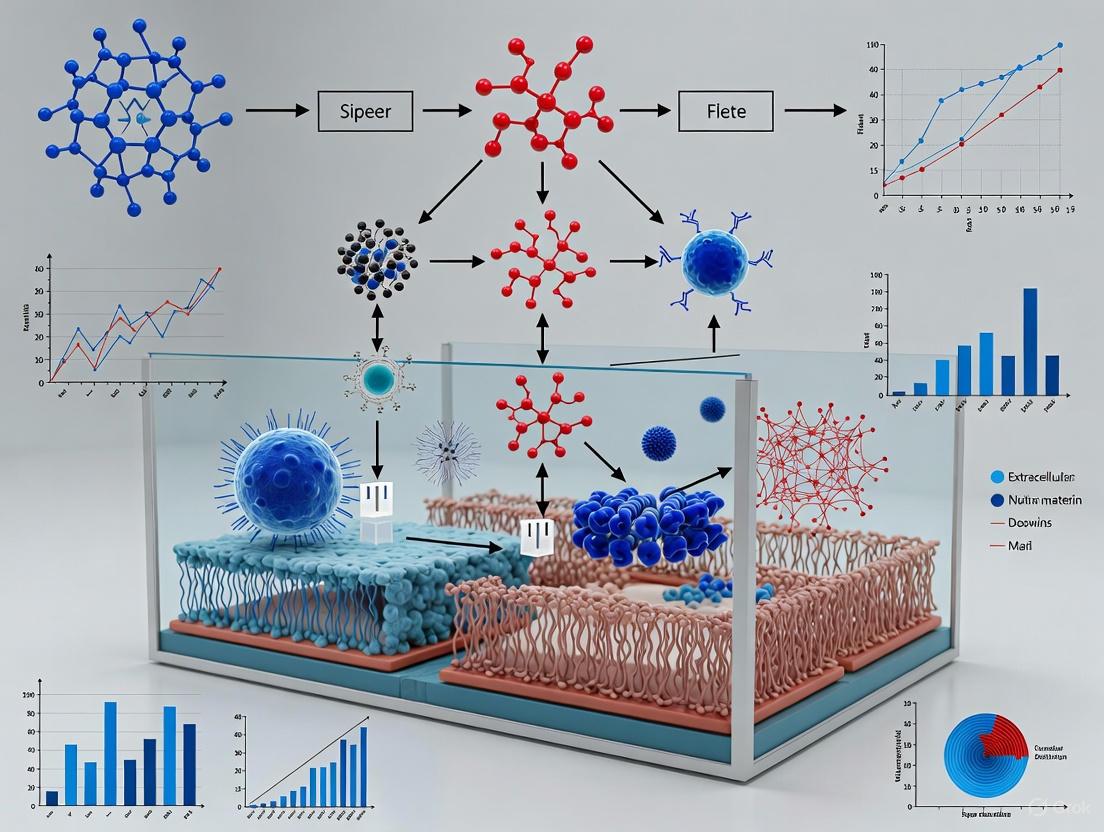
This article explores the transformative role of advanced 3D microenvironment chambers, such as the 3MIC, in visualizing and understanding the early stages of cancer metastasis.
Visualizing Metastasis: How 3D Microenvironment Chambers are Revolutionizing Cancer Research
Abstract
This article explores the transformative role of advanced 3D microenvironment chambers, such as the 3MIC, in visualizing and understanding the early stages of cancer metastasis. Aimed at researchers, scientists, and drug development professionals, it covers the foundational principles of recapitulating the tumor microenvironment, detailed methodologies for chamber setup and application, strategies for troubleshooting and model optimization, and rigorous validation through comparative analysis with other spatial and omics technologies. By providing a platform for the direct, real-time observation of nascent metastatic events under controlled, pathophysiologically relevant conditions, these models bridge a critical gap between traditional 2D cultures and in vivo studies, offering unprecedented insights for mechanistic discovery and therapeutic screening.
The Metastatic Niche Unveiled: Why 3D Microenvironments are Essential
The Critical Challenge of Observing Early Metastasis In Vivo
Metastasis is the leading cause of cancer-related mortality, accounting for over 90% of cancer deaths [1]. Despite its clinical significance, observing the initial stages of metastasis within a living organism (in vivo) remains a formidable challenge in cancer biology. The process is highly stochastic, with metastatic cells arising deep within ischemic tumor regions that are virtually inaccessible to conventional microscopy [2]. Furthermore, early metastatic events involve rare cellular subpopulations that are difficult to detect against the complex background of the tumor microenvironment [3].
The 3D Microenvironmental Ischemic Chamber (3MIC) has emerged as a powerful ex vivo model that bridges the gap between traditional in vitro cultures and complex in vivo systems. By recreating the critical metabolic gradients found in solid tumors—including hypoxia, nutrient scarcity, and lactic acid buildup—the 3MIC enables direct visualization of nascent metastatic features while allowing systematic perturbation of microenvironmental factors [4] [2]. This application note details how the 3MIC platform, combined with advanced imaging and molecular techniques, addresses the critical challenge of observing early metastatic events.
Quantitative Insights into Metastatic Progression
Table 1: Quantitative Findings on Metastatic Drivers from the 3MIC Model
| Metastatic Feature | Experimental Condition | Quantitative Measurement | Biological Significance |
|---|---|---|---|
| Cell Migration | Ischemic conditions | Significant increase in migratory activity | Demonstrates emergence of invasive phenotype [2] |
| Matrix Degradation | Ischemic conditions | Increased enzymatic digestion of ECM | Reveals enhanced invasive capability [2] |
| Metastasis Segmentation | Deep learning on cryo-images | 0.8645 ± 0.0858 sensitivity; 0.9738 ± 0.0074 specificity | Enables automated quantification of micrometastases [5] |
| Drug Resistance | Ischemic vs. Normoxic cells | True resistance to Taxol observed in ischemic cells | Separates biological from biophysical resistance factors [4] |
| Pro-Metastatic Cue Strength | Acidification vs. Hypoxia | Medium acidification > Hypoxia (HIF1A signaling) | Identifies acidification as a stronger driver of invasion [4] [2] |
Table 2: Imaging and Analysis Platforms for Metastasis Detection
| Technology Platform | Spatial Resolution | Key Advantage | Throughput Limitation |
|---|---|---|---|
| Cryo-imaging | 5-10 μm (single cell) | Co-registered color anatomy & fluorescence for whole mouse | ~120 GB/data set; manual analysis >12 hours/mouse [5] |
| Intravital Microscopy (IVM) | Subcellular | Real-time tracking in live animals | Limited field of view; expensive instrumentation [2] |
| Light Sheet Microscopy (with tissue clearing) | Cellular | 3D visualization in thick tissues | Complex processing (1-2 weeks); signal loss issues [5] |
| 3MIC Model | High (live cell imaging) | Direct visualization of ischemic cells; affordable | Ex vivo system (complements in vivo findings) [2] |
| AI-Driven Segmentation | N/A (analysis method) | Reduces human intervention from >12h to ~2h/mouse | Requires expert validation [5] |
Integrated Experimental Protocols
Protocol 1: Establishing the 3MIC for Visualizing Early Metastatic Features
The 3MIC system is designed to recreate the ischemic tumor microenvironment while enabling high-resolution imaging of cellular adaptations.
Materials:
- 3MIC apparatus (3D-printed, design available in [2])
- Tumor cells of interest (e.g., lung adenocarcinoma, breast cancer cells)
- Fetal Bovine Serum (FBS) and cell culture media
- Collagen extracellular matrix
- Hypoxia-inducible factor (HIF) activators (e.g., dimethyloxalylglycine, cobalt chloride)
- Macrophages (differentiated from mouse bone marrow)
- Glass coverslips
- Confocal microscope
Method Details:
- 3MIC Assembly: Sterilize 3D-printed 3MIC parts with UV light and fit with glass coverslips [2].
- Spheroid Generation: Use the hanging drop method to create compact tumor spheroids:
- Prepare cell suspensions in appropriate media.
- Place drops on a petri dish lid and invert.
- Incubate for 96 hours to form spheroids [4].
- Matrix Embedding: Place spheroids on a collagen extracellular matrix layer inside the 3MIC chamber.
- Metabolic Gradient Formation: Allow spheroids to spontaneously generate ischemic conditions through nutrient consumption and waste product accumulation.
- Live-Cell Imaging: Capture cell movements and interactions over time using confocal microscopy.
- Matrix Degradation Assay: Embed spheroids in fluorescence-tagged gelatin or collagen matrices to quantify invasive potential through fluorescence loss [4] [2].
Key Applications:
- Direct observation of metastatic adaptations in ischemic cells
- Testing anti-metastatic drugs under different metabolic conditions
- Studying tumor-stroma interactions (e.g., with macrophages, endothelial cells)
Protocol 2: In Vivo CRISPR Screening for Metastasis Genes
This protocol identifies genes essential for metastatic progression using pooled CRISPR screening in mouse models.
Materials:
- Custom sgRNA library
- Endura electrocompetent cells
- Lentiviral packaging system (Lipofectamine 2000, HEK-293T cells)
- Puromycin for selection
- Nude mice (BALB/c, female, 6-8 weeks)
- D-luciferin for in vivo imaging
- Tumor dissociation kit (human)
- QIAquick kits for PCR purification and gel extraction
- Proteinase K for tissue digestion
- MAGeCK software package for analysis [6]
Method Details:
- sgRNA Library Design: Design and clone sgRNA library targeting genes of interest into lentiviral vectors.
- Lentiviral Production: Produce lentivirus in HEK-293T cells; concentrate and titer using Lenti-X GoStix.
- Cell Transduction: Transduce tumor cells (e.g., ovarian cancer ES-2 cells) at low MOI to ensure single sgRNA integration.
- Selection: Treat with puromycin to select successfully transduced cells.
- Mouse Model Establishment:
- Inject transduced cells intraperitoneally or orthotopically into nude mice.
- Monitor tumor growth and metastasis via bioluminescent imaging.
- Tissue Collection and gDNA Extraction:
- Harvest primary tumors and metastatic organs (liver, lungs).
- Extract high-quality gDNA using high-salt precipitation method with STE buffer [6].
- sgRNA Amplification and Sequencing:
- Amplify sgRNA regions from gDNA using NEBNext high-fidelity PCR master mix.
- Sequence amplified libraries using next-generation sequencing.
- Bioinformatic Analysis:
- Process sequencing data with MAGeCK pipeline to identify enriched/depleted sgRNAs.
- Perform functional validation of candidate genes (e.g., NMNAT1) via western blot and metastasis assays.
Protocol 3: Deep Learning-Based Metastasis Quantification in Whole Mice
This protocol enables automated detection and quantification of micrometastases in high-resolution cryo-image data.
Materials:
- Cryo-imaging system
- GFP-labeled cancer cells (e.g., 4T1 breast cancer, KPC-GFP pancreatic cancer)
- MATLAB software with custom CITAP algorithms
- High-performance computing resources (≥120 GB RAM recommended) [5]
Method Details:
- Sample Preparation:
- Generate metastatic mouse models via tail vein, orthotopic, or intra-cardiac injection.
- Perfuse and freeze mice for cryo-imaging.
- Image Acquisition:
- Section and image entire mouse at 10×10×50 μm resolution.
- Acquire co-registered color anatomy and fluorescence images (~120 GB/data set).
- Automated Metastasis Segmentation:
- Exclude Exterior: Mask out cryo-gel, skin, and fur using color and fluorescence thresholds.
- Segment Large Metastases: Apply marker-controlled 3D watershed algorithm to down-sampled data.
- Segment Small Metastases: Use multi-scale Laplacian of Gaussian filtering with Otsu segmentation on full-resolution data.
- False-Positive Reduction:
- Classify candidates using random forest classifier with multi-scale CNN features.
- Incorporate hand-crafted intensity and morphology features.
- Manual Correction:
- Use expert-guided correction in CITAP software (reduces time from >12h to ~2h/mouse).
- Generate final quantification of metastasis number, size, and distribution.
Visualization Tools and Diagrams
3MIC Experimental Workflow and Metastatic Activation
Diagram 1: 3MIC Workflow and Metastatic Activation (100 chars)
Molecular Mechanisms of Metastasis in Ischemic Microenvironments
Diagram 2: Molecular Mechanisms in Ischemic Microenvironments (100 chars)
Research Reagent Solutions
Table 3: Essential Research Reagents and Materials for Metastasis Research
| Reagent/Material | Function/Application | Specific Examples & Notes |
|---|---|---|
| 3MIC Apparatus | Ex vivo modeling of tumor microenvironment | 3D-printed chamber; enables live imaging of ischemic cells [2] |
| CRISPR/sgRNA Library | High-throughput gene function screening | Identifies metastasis drivers in native contexts; use with lentiviral delivery [6] |
| Extracellular Matrix | 3D cell culture and invasion assays | Collagen matrices; fluorescence-tagged gelatin for degradation assays [4] |
| Cryo-Imaging System | Whole-mouse metastasis quantification | Single-cell resolution (~5 μm); provides ground-truth data [5] |
| HIF Activators | Modeling hypoxic responses | Dimethyloxalylglycine, cobalt chloride; induce HIF1A signaling [4] |
| Fluorescent Protein Tags | Cell tracking and segmentation | GFP-labeled cancer cells; essential for automated metastasis detection [5] |
| Metabolic Assay Kits | Quantifying tumor microenvironment | Measure lactate, glucose, oxygen levels; validate ischemic conditions [2] |
| Stromal Cell Cultures | Studying tumor-stroma interactions | Macrophages (from mouse bone marrow); endothelial cells [4] |
The 3MIC platform represents a significant advancement in our ability to observe and interrogate the early stages of metastatic progression. By recreating the ischemic conditions of the tumor microenvironment while maintaining compatibility with high-resolution live imaging, this system directly addresses the critical challenge of visualizing nascent metastases. When integrated with complementary approaches—including in vivo CRISPR screening, advanced cryo-imaging, and deep learning analytics—researchers can now systematically dissect the molecular mechanisms driving metastasis and evaluate potential therapeutic strategies under conditions that more faithfully recapitulate the pathophysiological context of human tumors.
The tumor microenvironment (TME) is a complex ecosystem that plays a paradoxical role in cancer progression, with the capacity to both suppress and promote malignancy [7]. Within this ecosystem, three key microenvironmental drivers—hypoxia, acidosis, and nutrient starvation—emerge from dysregulated tumor metabolism and insufficient vascular perfusion. These factors collectively induce adaptive responses in cancer cells that increase their invasive potential, drive metastatic dissemination, and contribute to therapeutic resistance [4]. The transition of tumor cells from a relatively passive state to a migratory, invasive one typically occurs deep within tumor tissues where these conditions are most severe, making direct observation challenging [8]. Recent advances in 3D model systems, particularly the 3D Microenvironmental Ischemic Chamber (3MIC), now enable direct visualization of how these drivers initiate metastatic features, providing unprecedented insights into this critical phase of cancer progression [4] [8].
Quantitative Analysis of Key Microenvironmental Drivers
The following tables summarize the quantitative effects and experimental measurements associated with hypoxia, acidosis, and nutrient starvation in the TME.
Table 1: Quantitative Parameters of Key Microenvironmental Drivers in Experimental Models
| Microenvironmental Driver | Experimental Measurement | Quantitative Value/Impact | Associated Metastatic Features |
|---|---|---|---|
| Hypoxia | Oxygen concentration in self-generating gradient system [9] | As low as 2.0 x 10⁻³ bar (0.2% O₂) in central regions | Increased motility, aerotaxis, and therapeutic resistance [9] [8] |
| Acidosis | Extracellular pH (pHe) in melanoma and breast cancer models [10] [11] | pH 5.8 - 7.2 (vs. physiological 7.4); specific study at pH 6.7 | Selection for senescence-like, migratory subpopulations; increased ECM-digesting enzyme activity [4] [11] |
| Nutrient Starvation | Metabolic demand vs. supply in 3MIC model [4] | Depletion of glucose, amino acids; lactic acid buildup | Decreased cell adhesion, increased matrix degradation, dispersal abilities [4] |
Table 2: Interrelationship and Combined Impact of Microenvironmental Drivers
| Parameter | Hypoxia | Acidosis | Nutrient Starvation |
|---|---|---|---|
| Primary Inducer | Poorly perfused vasculature; rapid cell proliferation [9] | Glycolytic shift, lactate/H⁺ accumulation [10] [11] | High metabolic demand, inadequate delivery [4] |
| Key Sensor/Signaling Pathway | HIF-1α stabilization [4] | p53/p21 activation; proton-sensing receptors [11] | AMPK/mTOR signaling [4] |
| Synergistic Effect | Indirectly promotes invasion via acidification [4] [8] | Directly stimulates invasion; enhanced by hypoxia [4] | Creates selective pressure for aggressive subclones [4] |
| Therapeutic Resistance Link | Physical barrier (poor drug penetration) and biological adaptation [12] [8] | Selection of resistant subpopulations; altered drug uptake/efficacy [11] | Biological resistance (e.g., true Taxol resistance in 3MIC) [4] [8] |
Experimental Models and Protocols for Studying the TME
The 3D Microenvironmental Ischemic Chamber (3MIC)
The 3MIC is an ex vivo model designed to replicate the ischemic core of solid tumors by incorporating hypoxia, nutrient scarcity, and lactic acid buildup within a controllable setup [4]. Its design allows for real-time imaging of metastatic transitions, which are typically hidden in vivo.
Protocol: Assembling and Using the 3MIC Model
- Fabricate the Chamber: Design and 3D-print the 3MIC chamber using a biocompatible resin. Cure parts in ultraviolet light and sterilize before use [4].
- Prepare Tumor Spheroids: Use the hanging drop method to create compact cell clusters (spheroids). Place cell suspensions in drops on a petri dish lid and incubate for 96 hours to form spheroids [4].
- Establish Extracellular Matrix (ECM): Fit the chamber with glass coverslips and coat with a collagen-based extracellular matrix layer [4].
- Embed Spheroids: Place the prepared spheroids onto the collagen layer within the chamber [4].
- Induce Ischemic Conditions: Culture the spheroids in conditions that mimic nutrient deprivation and lactic acid buildup. The chamber's geometry will naturally create oxygen and nutrient gradients [4] [8].
- Live-Cell Imaging and Analysis: Use confocal microscopy to capture fluorescent signals and cell movements over time. Analyze data with MATLAB simulations and appropriate statistical tests [4].
Modeling Self-Generating Tumor Hypoxia
This protocol uses phosphorescence-based O₂ sensing to visualize hypoxia development in real time, creating a more physiologically relevant model than standard hypoxic chambers [9].
Protocol: Real-Time Imaging of Hypoxia Development
- Synthesize O₂-Sensing Film:
- Dissolve PtTFPP (5 mg per g of PFPE prepolymer) in dichloromethane (DCM).
- Add ABVN thermal initiator (0.5% w/w relative to pre-polymer) and stir until homogeneous.
- Spin-coat the solution onto 25 mm glass coverslips (1000 RPM for 30 s).
- Cure films at 75°C for 10 hours under nitrogen to induce cross-linking [9].
- Calibrate Phosphorescent Films: Generate a calibration curve by measuring phosphorescence lifetime at known O₂ concentrations [9].
- Prepare Acrylic Hypoxia Plug:
- Design a circular array of 100 μm-diameter holes, spaced 100 μm center-to-center.
- Apply a 100 μm-thick adhesive film to a 25 mm-diameter acrylic plug.
- Use a laser cutter to create the hole pattern in the adhesive, forming pillars that act as physical spacers [9].
- Assemble the System: Place the calibrated O₂-sensing film beneath a gas-permeable dish containing adherent cancer cells (e.g., PC3-GFP). Gently position the acrylic plug over the cell monolayer [9].
- Image Hypoxia Development: Use time-lapse microscopy with a Plan Fluor 4X objective to capture phosphorescence signals. Monitor O₂ consumption by cells at the center of the plug and inward diffusion from the perimeter over approximately 16 hours [9].
- Spatially Map O₂ Gradients: Process the acquired images using MATLAB or ImageJ to generate spatial maps of O₂ distribution [9].
Investigating Acidosis-Driven Phenotypic Plasticity
This protocol details how to establish long-term acidosis conditions to study the formation of reversible, senescence-like, and migratory subpopulations in melanoma [11].
Protocol: Isolating Acidosis-Induced Senescent Subpopulations
- Establish Acidotic Conditions:
- Culture melanoma cells (e.g., MEL-JUSO, SK-MEL-28) in medium buffered with sodium bicarbonate to stabilize at extracellular pH (pHe) = 6.7.
- Maintain control cells at physiological pHe = 7.4.
- Conduct long-term treatment (LT NaHCO₃) for several days to weeks [11].
- Assess Senescence Markers:
- Perform SA-β-Galactosidase (SA-β-Gal) staining to detect senescence-associated β-galactosidase activity.
- Analyze gene and protein expression of cell cycle inhibitors (e.g., p21CIP1/WAF1) via qRT-PCR and western blotting [11].
- Isolate Subpopulations via FACS:
- Stain cells with C12FDG (5-dodecanoylaminofluorescein di-β-D-galactopyranoside), a β-galactosidase-dependent fluorescent substrate.
- Use Fluorescent-Activated Cell Sorting (FACS) to isolate the highest (C12FDGʰⁱᵍʰ) and lowest (C12FDGⁿᵉᵍ) 2% of stained cells from both control and acidotic cultures [11].
- Test Phenotype Reversibility:
- Reintroduce sorted C12FDGʰⁱᵍʰ subpopulations to medium at physiological pH (pHe = 7.4) for 96 hours to 14 days.
- Re-assess SA-β-Gal activity, proliferation rates (via live-cell imaging and clonogenic assays), and migratory behavior [11].
- Conduct Transcriptomic Analysis: Perform RNA-sequencing (RNA-seq) on sorted subpopulations. Use Gene Set Enrichment Analysis (GSEA) to identify enriched pathways, comparing against senescence-related gene sets in databases like MSigDB [11].
Signaling Pathways and Cellular Workflows
The following diagrams, generated using DOT language, illustrate the interconnected signaling pathways and experimental workflows central to studying these microenvironmental drivers.
Diagram 1: Signaling pathways of microenvironmental drivers. This diagram illustrates the convergent cellular adaptations triggered by hypoxia, acidosis, and nutrient starvation, leading to metastatic features and therapeutic resistance.
Diagram 2: Experimental workflow for TME stress studies. This workflow outlines the key steps for investigating how tumor cells respond to microenvironmental stressors, from initial culture to final analysis of metastatic potential.
The Scientist's Toolkit: Research Reagent Solutions
Table 3: Essential Reagents and Materials for TME Metastasis Research
| Reagent/Material | Function/Application | Example Source/Catalog |
|---|---|---|
| PtTFPP/PFPE Phosphorescent Film | O₂-sensing film for real-time, spatial mapping of hypoxia in live-cell imaging [9] | Custom synthesis; PtTFPP from Frontier Specialty Chemicals #PtT975 [9] |
| C12FDG (5-Dodecanoylaminofluorescein di-β-D-galactopyranoside) | Fluorescent substrate for β-galactosidase; used to isolate senescence-like cells via FACS [11] | Commercial reagent for flow cytometry |
| Sodium Bicarbonate Buffer System | Physiological buffer for maintaining long-term acidic extracellular conditions (e.g., pH 6.7) in cell culture [11] | Standard cell culture reagent |
| 3MIC (3D Microenvironmental Ischemic Chamber) | 3D-printed ex vivo model to recreate tumor ischemia (hypoxia, nutrient lack, acidification) and study emergent metastasis [4] [8] | Custom design and fabrication |
| Iopamidol (Isovue370) | Iodinated contrast agent used as a pH-responsive probe for in vivo tumor acidosis imaging with MRI-CEST [10] | Bracco Imaging SpA |
| CRISPR/Cas9 System | Gene editing tool for knocking out genes of interest (e.g., HIF1A) to study their role in stress adaptation [4] | Various commercial suppliers |
Hypoxia, acidosis, and nutrient starvation are not merely passive conditions within the tumor microenvironment but are active drivers of metastatic progression. Through integrated experimental approaches—including advanced 3D models like the 3MIC, real-time hypoxia mapping, and single-cell analyses of acidosis-induced plasticity—researchers can now directly visualize and quantify how these drivers confer aggressive, therapy-resistant traits upon cancer cells. The protocols and tools detailed in this document provide a roadmap for exploring this critical interface between tumor metabolism and metastasis, offering promising avenues for identifying novel therapeutic targets to prevent cancer spread.
Application Notes and Protocols
Beyond Hypoxia: The Potent Pro-Metastatic Role of Medium Acidification
Within solid tumors, ischemic conditions such as hypoxia and nutrient starvation are established drivers of metastasis. However, these factors rarely occur in isolation. As nutrients and oxygen diffuse into the tumor mass, metabolic by-products like lactic acid accumulate, leading to extracellular acidification [13]. This medium acidification is increasingly recognized as a potent, standalone cue that directly promotes the acquisition of metastatic features in cancer cells. Research utilizing advanced ex vivo models, such as the 3D Microenvironment Chamber (3MIC), has enabled the direct visualization of this phenomenon, revealing that acidosis increases cell migration, invasion, and interaction with stromal cells [14] [13]. These Application Notes detail the quantitative evidence, underlying molecular mechanisms, and practical protocols for investigating the pro-metastatic role of tumor acidosis within a 3D research context.
Quantitative Evidence of Acidosis-Driven Metastasis
Data from both in vivo and ex vivo studies consistently demonstrate a strong correlation between an acidic microenvironment and key hallmarks of metastasis. The following tables summarize quantitative findings on how acidification impacts metastatic potential and cellular metabolism.
Table 1: Impact of Acidification on Metastatic Potential In Vivo and In 3D Models
| Metric | Experimental Finding | Model System | Citation |
|---|---|---|---|
| Extracellular pH | More aggressive tumors (4T1, TS/A) exhibited significantly more acidic pH (≈6.8-7.0) compared to less aggressive tumors (TUBO). | Murine Breast Cancer Models (in vivo) | [15] |
| Lung Metastases | A significant correlation was observed between increased tumor acidity and a higher number of lung metastases. | Murine Breast Cancer Models (in vivo) | [15] |
| Cell Migration & Invasion | Acidification was identified as one of the strongest pro-metastatic cues, significantly increasing migration and invasion. | 3MIC Ex Vivo Model | [14] [13] |
| Lactate Production | 3D cultures showed elevated lactate production, indicating a enhanced glycolytic/Warburg effect under metabolic stress. | Tumor-on-Chip 3D Model (U251-MG, A549) | [16] |
Table 2: Metabolic and Proliferative Responses to Acidic Conditions in 2D vs. 3D Cultures
| Parameter | Observation in 2D Culture | Observation in 3D Culture | Citation |
|---|---|---|---|
| Proliferation under Glucose Restriction | Strong, rapid decrease in cell proliferation and viability. | Reduced but sustained proliferation; cells survive longer by activating alternative metabolic pathways. | [16] |
| Glucose Consumption | Uniform nutrient access. | Increased per-cell glucose consumption; fewer but more metabolically active cells. | [16] |
| Glutamine Metabolism | Not specifically highlighted. | Elevated glutamine consumption under glucose restriction. | [16] |
Molecular Mechanism of Acidosis-Induced EMT
A key mechanism by which acidity promotes metastasis is the induction of the Epithelial-Mesenchymal Transition (EMT). In lung adenocarcinoma A549 cells, adaptation to acidic conditions (pH 6.8) triggers a specific molecular cascade.
- miR-193b-3p Downregulation: Prolonged exposure to acidity (3-14 days) causes a significant decrease in the expression of microRNA miR-193b-3p, which functions as a tumor suppressor in this context [17].
- TGFβ2 Upregulation: The downregulation of miR-193b-3p relieves its suppression on Transforming Growth Factor Beta 2 (TGFβ2), leading to a marked increase in TGFβ2 expression [17].
- EMT Activation: The increased TGFβ2 level activates the TGF-β signaling pathway, a central inducer of EMT. This leads to:
- Upregulation of transcription factors (e.g., SNAIL, TWIST, ZEB).
- Downregulation of epithelial markers (e.g., E-cadherin).
- Upregulation of mesenchymal markers (e.g., N-cadherin, Vimentin) [17].
- Prometastatic Phenotype: These molecular changes result in enhanced cell motility, invasion, and the acquisition of other pro-metastatic characteristics [17].
The following diagram illustrates this signaling pathway.
Experimental Protocols
This section provides a detailed methodology for leveraging the 3MIC system to visualize and quantify the effects of medium acidification.
Protocol: Visualizing Pro-Metastatic Features in the 3MIC
Principle: The 3D Microenvironment Chamber (3MIC) is designed to model the metabolic gradients of a tumor. A dense monolayer of "consumer cells" creates ischemic-like conditions, including acidification, within the chamber, allowing for direct observation of tumor cell behavior under metabolic stress [13].
Workflow:
Materials:
- 3MIC Setup: Comprising a chamber with a single media access port, and a coverslip for cell growth [13].
- Consumer Cells: A dense monolayer of cells (e.g., fibroblasts) to consume nutrients and create gradients.
- Tumor Cells: Cells of interest, e.g., A549, 4T1, or patient-derived cells.
- Extracellular Matrix (ECM): Matrigel or Collagen-based hydrogel for 3D embedding.
- Culture Medium: Appropriate medium, potentially buffered with HEPES.
- Live-Cell Imaging System: Confocal or epifluorescence microscope with an environmental chamber.
Procedure:
- Chamber Assembly: Sterilize and assemble the 3MIC according to manufacturer specifications [13].
- Consumer Cell Seeding: Seed a high-density monolayer of consumer cells on the upper coverslip of the chamber. Culture until a confluent, dense layer is formed.
- ECM & Tumor Cell Embedding: Mix tumor cells of interest with a liquid ECM (e.g., Collagen I) at a concentration of 1-5 x 10⁵ cells/mL. Pipette the cell-ECM mixture into the main chamber and allow it to polymerize.
- Gradient Formation: Add culture medium to the reservoir. Incubate the chamber for 24-48 hours to allow the consumer cells to establish stable nutrient and pH gradients (acidic in the deep chamber).
- Live-Cell Imaging: Place the chamber on the microscope stage. Image tumor cell behavior (migration, invasion, spheroid formation) over 24-72 hours. For acidification studies, use pH-sensitive fluorescent dyes (e.g., pH-Xtra [15]).
- Post-Processing & Analysis: Quantify metrics such as migration speed, invasion distance, spheroid dispersal, and changes in EMT markers via immunofluorescence.
Protocol: Inducing and Assessing EMT via Acid Adaptation
Principle: This method describes the long-term culture of cancer cells in acidic medium to directly study the molecular mechanisms of acid-induced EMT, as outlined in the molecular pathway above [17].
Materials:
- Cell Line: A549 human lung adenocarcinoma cells.
- Acidic Medium: DMEM, adjusted to pH 6.8 with HCl/NaOH and buffered with 10mM HEPES.
- Control Medium: DMEM at standard pH 7.4, buffered with 10mM HEPES.
- Transfection Reagents: Lipofectamine RNAiMAX, miR-193b-3p mimic/inhibitor and corresponding negative controls.
- TGF-β Pathway Inhibitor: SB431542.
Procedure:
- Cell Culture & Adaptation: Maintain A549 cells in control (pH 7.4) or acidic (pH 6.8) medium for up to 12 weeks, with regular passaging. Confirm adaptation by monitoring growth rates.
- Genetic Manipulation (Optional): To probe mechanism, transfect cells with a miR-193b-3p mimic (to restore its function) or inhibitor (to knock it down further) using Lipofectamine RNAiMAX according to manufacturer protocol.
- Pharmacological Inhibition (Optional): Treat cells with the TGF-β receptor inhibitor SB431542 (e.g., 10 µM) to confirm the pathway's involvement.
- Functional Assay - Wound Healing:
- Seed cells in 12-well plates and culture until confluent.
- Scratch the monolayer with a 200 µL pipette tip.
- Wash with PBS and add fresh medium (pH 7.4 or 6.8).
- Image the scratch at 0, 48, and 72 hours. Calculate the migration rate as the percentage of wound closure relative to the initial scratch area.
- Molecular Analysis:
- Western Blot: Analyze protein lysates for EMT markers (E-cadherin downregulation, N-cadherin, Vimentin upregulation) and TGFβ2 expression.
- qPCR: Quantify mRNA levels of miR-193b-3p, TGFβ2, and EMT transcription factors (SNAIL, ZEB1).
The Scientist's Toolkit: Research Reagent Solutions
Table 3: Essential Reagents for Acidosis and Metastasis Research
| Reagent/Material | Function/Application | Example Use Case |
|---|---|---|
| 3MIC Ex Vivo Model | Models tumor metabolic gradients for direct visualization of metastatic features under ischemia/acidosis. | Core platform for protocols in section 3.1 [13]. |
| HEPES-buffered Medium (pH 6.8) | Maintains a stable acidic extracellular environment to mimic the tumor microenvironment. | Long-term adaptation of A549 cells to study acid-induced EMT [17]. |
| miR-193b-3p Mimic/Inhibitor | Tool to manipulate (overexpress or knock down) key miRNA regulating the acid-EMT axis. | Investigating mechanistic role of miR-193b-3p in acid-induced TGFβ2 upregulation [17]. |
| SB431542 (TGF-β Receptor Inhibitor) | Selective inhibitor of the TGF-β type I receptor, blocking downstream SMAD signaling. | Validation that acid-induced EMT is dependent on the TGF-β pathway [17]. |
| pH-Xtra / MRI-CEST pH Imaging | Non-invasive measurement of extracellular pH (pHe) in vitro or in vivo. | Quantifying tumor acidosis in cell cultures [15] or murine models [15]. |
| Anti-EMT Antibodies (E-cadherin, N-cadherin, Vimentin) | Detect protein-level changes associated with EMT via Western Blot or Immunofluorescence. | Confirming mesenchymal phenotype in acid-adapted or 3MIC-cultured cells [17]. |
The metastatic cascade is the primary cause of cancer-related mortality, and its initiation within the deep layers of the tumor remains a profoundly challenging process to observe directly. Central to this process is the dynamic reciprocity between neoplastic cells and the stromal components of the tumor microenvironment (TME), particularly tumor-associated macrophages (TAMs) and cancer-associated fibroblasts (CAFs) [18] [19]. These cells form a pro-invasive axis, driving immune evasion, matrix remodeling, and the acquisition of migratory capabilities in cancer cells [18] [20]. The development of advanced ex vivo models, specifically the 3D Microenvironment Chamber (3MIC), now allows for the direct visualization of these emergent metastatic features under controlled, nutrient-starved conditions that mirror the core of solid tumors [2] [13] [8]. This Application Note details the protocols and analytical frameworks for leveraging this model to dissect the TAM-CAF interplay that fuels cancer invasion, providing researchers with methodologies to quantify these critical interactions and screen for novel therapeutic interventions.
Key Quantitative Findings from 3MIC and Related Models
Research utilizing the 3MIC and complementary 3D models has yielded quantitative data on how metabolic stress and stromal interactions promote invasion. The tables below summarize key metrics and the associated functional outcomes.
Table 1: Pro-Metastatic Effects of Ischemic Conditions in 3D Models
| Metabolic Stressor | Experimental Model | Quantitative Effect on Invasion/Migration | Key Measured Outputs |
|---|---|---|---|
| Microenvironment Acidosis (Low pH) | 3MIC [2] [13] | One of the strongest pro-metastatic cues; induces dramatic change in tumor cluster shape | Increased cell migration; Generation of migratory cell streams |
| Integrated Ischemia (Hypoxia/Nutrient Starvation) | 3MIC [2] [13] | Significant increase in migration and invasion | Enhanced degradation of ECM; Loss of epithelial features |
| Co-culture with Stromal Cells (Macrophages/Fibroblasts) | 3MIC [2] [13] | Amplified pro-metastatic effects of ischemia | Increased tumor cell motility and collective invasion |
Table 2: Quantifying Invasion in 3D Organotypic Models using Optical Coherence Tomography
| Parameter Measured | Measurement Technique | Correlation with Invasion | Application |
|---|---|---|---|
| Planimetric Analysis | Optical Coherence Tomography (OCT) [21] | Strong correlation with histomorphometric data | 2D measurement of invasive area spread |
| Volumetric Analysis | 3D OCT Image Reconstruction [21] | Reveals internal structural alterations | Comparative evaluation of invasion across cell types and conditions |
| Invasiveness Parameter (OCT-derived) | Deep Learning-based segmentation [21] | Strong correlation with gold-standard data | Quantitative, non-invasive longitudinal monitoring |
Experimental Protocols
Protocol 1: Assembling the 3MIC for Stromal Co-Culture
This protocol enables the direct observation of nascent metastases under ischemic conditions [2] [13].
Key Materials:
- 3MIC Chamber: 3D-printed chamber with a unique geometry that restricts nutrient and oxygen access from all sides but one [8].
- Consumer Cells: A dense monolayer of cells (e.g., fibroblasts or non-metastatic cancer cells) grown upside down on a coverslip to act as nutrient and oxygen sinks.
- Stromal Cells: Fluorescently labelled macrophages (e.g., HMC3 microglial cells [22]) and CAFs (e.g., patient-derived or commercially available lines).
- Tumor Spheroids: Fluorescently labelled tumor cells of interest, pre-formed into spheroids.
Procedure:
- Consumer Cell Seeding: Seed a high-density monolayer of consumer cells onto a sterile coverslip and culture until a confluent layer is formed.
- Chamber Assembly: Assemble the 3MIC chamber according to its design, positioning the consumer cell-coated coverslip at the top to create a nutrient sink.
- Stromal-Tumor Cell Loading: In the main chamber, embed the fluorescently labelled tumor spheroids and stromal cells (TAMs and CAFs) within a suitable extracellular matrix (ECM) like Matrigel or collagen I.
- Media Addition: Fill the reservoir with complete cell culture medium, which will act as the sole source of nutrients and oxygen, establishing a diffusion-based gradient.
- Incubation and Imaging: Place the assembled 3MIC in a live-cell imaging system maintained at 37°C and 5% CO₂. Image using confocal or multiphoton microscopy over 72-96 hours to track cell migration and interactions [2] [13].
Protocol 2: Targeting the TAM-CAF Axis in a 3MIC Co-Culture
This protocol outlines how to use the established 3MIC model for therapeutic screening [2] [8].
Key Materials:
- Assembled 3MIC co-culture (from Protocol 1).
- Therapeutic agents: e.g., CSF-1R inhibitor (to target TAMs), TGF-β trapping agent (to target CAFs), or a drug of interest [18] [19].
- Live-cell imaging setup.
Procedure:
- Establish Baselines: After assembling the 3MIC, acquire initial baseline images to document the pre-treatment state of tumor spheroids and stromal cells.
- Therapeutic Intervention: Introduce the therapeutic agent into the media reservoir at the desired concentration. A vehicle control should be run in parallel.
- Longitudinal Imaging: Continue time-lapse imaging at regular intervals (e.g., every 6-12 hours) for the duration of the experiment.
- Quantitative Analysis:
- Migration Tracking: Use tracking software to quantify the speed and distance of tumor cell migration from the spheroid core.
- Invasion Area: Measure the planimetric area of the invasive region over time.
- Stromal Proximity: Analyze the proximity and contact time between fluorescently labelled TAMs, CAFs, and tumor cells.
Signaling Pathways and Cellular Workflows
The following diagrams, generated using DOT language, illustrate the core signaling pathways and experimental workflows detailed in this note.
Diagram 1: TAM-CAF Crosstalk Signaling. This diagram illustrates the bidirectional signaling between M2-like Tumor-Associated Macrophages (TAMs) and myofibroblastic Cancer-Associated Fibroblasts (myCAFs). Hypoxia drives TAM polarization, leading to TGF-β secretion which activates CAFs. Activated myCAFs then recruit more TAMs via the JAK/STAT pathway, creating a feed-forward loop that promotes matrix remodeling and immune suppression [18] [23] [19].
Diagram 2: 3MIC Experimental Workflow. This workflow outlines the key steps for using the 3D Microenvironment Chamber (3MIC). The process begins with seeding nutrient-consuming cells and assembling the chamber, followed by loading the tumor-stromal co-culture. Live-cell imaging captures the emergence of invasive behavior, which can be quantified. For drug screening, therapeutic intervention is introduced followed by further longitudinal imaging [2] [13].
The Scientist's Toolkit: Essential Research Reagents
The table below lists key reagents and their functions for studying TAM-CAF interactions in 3D models.
Table 3: Essential Reagents for Stromal Interaction Research
| Reagent / Material | Function / Application | Specific Example / Target |
|---|---|---|
| CSF-1R Inhibitor [19] | Depletes or repolarizes TAMs; blocks macrophage recruitment and survival. | PLX3397; BLZ945 |
| TGF-β Trapping Agent [18] [23] | Inhibits CAF activation and differentiation into myCAF subset. | Fresolimumab; soluble TGFβRII-Fc fusion |
| CCL2 Antagonist [19] | Inhibits monocyte recruitment to the TME, reducing TAM influx. | Bindarit; anti-CCL2 mAb |
| α-SMA Antibody [18] [23] | Identifies activated myCAFs in immunohistochemistry/immunofluorescence. | Marker for myCAF detection |
| FAP Antibody [20] | Labels a key functional subset of CAFs for detection and isolation. | Marker for a pro-tumorigenic CAF subset |
| Collagen I / Matrigel [21] | Provides a physiological 3D extracellular matrix for cell invasion assays. | ECM for 3D cell culture |
| HIF-1α Inhibitor | Targets cellular response to hypoxia, a key driver of TAM-CAF crosstalk. | PX-478; Echinomycin |
The transition from traditional two-dimensional (2D) to three-dimensional (3D) cell culture models represents a fundamental shift in cancer research, enabling more accurate investigation of tumor cell behavior and drug response. In 2D cultures, cells grow as a monolayer on a flat plastic surface, which fails to recapitulate the complex architecture and cellular interactions found in human tumors [24]. This simplified environment significantly alters cell morphology, polarity, division, gene expression, and responsiveness to therapeutic agents [24]. In contrast, 3D culture systems better mimic the in vivo tumor microenvironment (TME), including cell-cell and cell-extracellular matrix (ECM) interactions, nutrient and oxygen gradients, and the presence of diverse cell types [25] [26]. These models have demonstrated striking similarities to the morphology and behavior of cells growing in actual tumor masses, providing invaluable tools for studying tumorigenesis, metastasis, and drug resistance [24].
Fundamental Differences Between 2D and 3D Architecture
The architectural differences between 2D and 3D culture systems create fundamentally distinct microenvironments that profoundly influence tumor cell biology. The table below summarizes the key comparative characteristics.
Table 1: Key Differences Between 2D and 3D Tumor Cell Culture Systems
| Characteristic | 2D Culture | 3D Culture | Biological Impact |
|---|---|---|---|
| Spatial Structure | Monolayer; flat, rigid surface | Multi-layered structures (e.g., spheroids, organoids) | 3D structure mimics in vivo tissue morphology and cell packing [24] [26] |
| Cell-Matrix Interactions | Limited, unnatural attachment to plastic | Complex, physiologically relevant interactions with ECM | Influences cell signaling, survival, and differentiation [24] [26] |
| Cell Polarity | Altered or lost | Maintained | Affects secretion, signaling, and response to apoptosis [24] |
| Access to Nutrients/Oxygen | Uniform, unlimited access | Creates metabolic gradients (hypoxic cores) | Mimics in vivo nutrient availability and drives heterogeneity [24] |
| Gene Expression & Splicing | Altered compared to in vivo | Closer resemblance to in vivo profiles | Impacts drug target expression and metabolic pathways [24] [26] |
| Drug Penetration | No barrier; direct exposure | Limited diffusion; creates physical barrier | Mimics in vivo drug resistance mechanisms [25] |
| Proliferation | Uniform, rapid | Heterogeneous; often slower in core | Recapitulates the proliferative gradient of real tumors [24] |
These architectural differences translate directly into variations in cellular behavior and therapeutic response. Cells in 3D cultures exhibit different patterns of gene expression, including the upregulation of genes associated with drug resistance, stemness, and ECM remodeling [24] [26]. The presence of nutrient and oxygen gradients in 3D spheroids leads to the formation of heterogeneous cell populations, including quiescent or necrotic cells in the core, which are highly relevant for studying therapy-resistant cell populations [24].
Quantitative Impact of 3D Architecture on Drug Response
The 3D architecture of tumors significantly influences drug efficacy and resistance mechanisms. Quantitative studies consistently demonstrate that cells in 3D models require higher drug concentrations for a therapeutic effect compared to 2D cultures.
Table 2: Quantitative Impact of 3D Architecture on Drug Response and Tumor Properties
| Parameter | 2D Culture Findings | 3D Culture Findings | Implications |
|---|---|---|---|
| General Drug IC50 Values | Lower concentrations effective | Often 10-1000x higher concentrations required [26] | 3D models identify in vivo-relevant resistance |
| Drug Penetration Efficiency | Not applicable (direct exposure) | Limited diffusion; <50% penetration in dense spheroids [25] | Physical barrier reduces drug efficacy |
| Cancer Stem Cell (CSC) Enrichment | Low proportion of CSCs | Higher proportion of therapy-resistant CSCs in hypoxic cores [24] | Models clinically relevant resistant subpopulations |
| Microregion Size (in vivo) | N/A | Small (<0.22 mm²), Medium (0.22-2.17 mm²), Large (>2.17 mm²) [27] | Size correlates with layer depth and metabolic heterogeneity |
| Metastatic Microregions | N/A | 16.3% large microregions in metastases vs. 3.2% in primary tumors [27] | Larger, denser structures in metastases |
The increased drug resistance observed in 3D models stems from multiple factors: (1) Limited drug penetration due to physical barriers created by dense cellular packing and ECM; (2) Altered cellular physiology in response to 3D cell-cell and cell-ECM contacts; (3) Presence of hypoxia and nutrient gradients that induce quiescence and upregulate survival pathways; and (4) Enhanced activation of pro-survival signaling pathways [25] [26]. These factors collectively make 3D models superior for preclinical drug screening and validation.
Advanced 3D Visualization and Analysis Techniques
Advanced imaging technologies are crucial for analyzing complex 3D tumor architectures and their relationship with the microenvironment. The following table summarizes key methodologies for 3D visualization and analysis of tumors.
Table 3: Advanced Techniques for 3D Tumor Visualization and Analysis
| Technique | Spatial Resolution | Key Applications | Protocol Highlights |
|---|---|---|---|
| Computed Microtomography (micro-CT) | ~1-5 μm³ voxel size [28] | Non-destructive 3D visualization of tumor invasion patterns; vascular relationships | Iodine or phosphotungstic acid staining; paraffin embedding; preserves native tissue microarchitecture [28] |
| Light Sheet Fluorescence Microscopy (LSFM) | ~1.2 μm lateral; ~3 μm axial [29] | Tracking metastatic clones in whole organs (e.g., lung lobes); vascular interactions | Tissue clearing (PACT); vessel casting with BSA-Alexa 647; multicolor cell barcoding (LeGO system) [29] |
| Spatial Transcriptomics (Visium ST) | 55 μm spot center-to-center [27] | Mapping gene expression in spatial context; identifying tumor subclones and immune niches | 10 μm cryosections on patterned slides; H&E imaging; RNA sequencing; integration with CODEX protein imaging [27] |
| Cryo-Imaging | ~5-10 μm resolution [5] | Whole-body metastasis mapping in mice; single-cell detection possible | Mouse embedding in cryo-gel; serial sectioning at -80°C; autofluorescence management; CNN-based metastasis segmentation [5] |
These techniques have revealed critical insights into tumor biology. For instance, micro-CT has demonstrated that tumor buds, which appear as isolated clusters in 2D histology, are often connected to the main tumor mass in 3D reconstructions, challenging traditional interpretations of invasion [28]. Similarly, light sheet microscopy of optically cleared lungs has enabled the quantification of clonal relationships between metastases and their proximity to blood vessels, providing new insights into metastatic seeding [29].
Diagram 1: 3D culture workflow from sample to analysis.
Detailed Experimental Protocols
Protocol: Establishing 3D Tumor Spheroids Using the Hanging Drop Method
Principle: The hanging drop method uses gravity to aggregate dispersed cells at the bottom of a droplet of medium, enabling formation of uniform spheroids without artificial scaffolds [25].
Materials:
- Single-cell suspension of tumor cells (cancer cell line or primary cells)
- Complete cell culture medium
- Low-melting-point agarose (for prevention of cell adhesion)
- 150 mm sterile Petri dishes
- Inverted microscope with camera
Procedure:
- Prepare a low-melting-point agarose solution (1-2% in PBS) and coat the bottom of 150 mm Petri dishes. Let it solidify at 4°C for 30 minutes.
- Create a single-cell suspension of tumor cells at a concentration of 1.0-2.5 × 10^4 cells/mL in complete medium.
- Pipette 20-25 μL droplets of the cell suspension onto the lid of the agarose-coated Petri dish.
- Carefully invert the lid and place it on the bottom dish, creating "hanging drops."
- Culture the cells for 3-7 days in a humidified incubator at 37°C with 5% CO₂.
- Monitor spheroid formation daily using an inverted microscope. Compact, spherical structures should form within 3 days.
- For drug testing, carefully transfer spheroids using wide-bore pipette tips to 96-well ultra-low attachment plates.
- Allow spheroids to stabilize for 24 hours before treatment with compounds.
Troubleshooting Tips:
- If spheroids do not form, increase cell density or use centrifugation (500 × g for 10 minutes) to promote aggregation.
- For irregular shapes, ensure the incubator is level and free from vibrations.
- To prevent evaporation, place a small dish of sterile water in the incubator [25] [24].
Protocol: 3D Microenvironment Analysis via Spatial Transcriptomics
Principle: Spatial transcriptomics (Visium ST) enables genome-wide expression profiling while preserving spatial localization information, allowing mapping of gene expression to tissue morphology [27].
Materials:
- Fresh frozen or OCT-embedded tumor tissue specimens
- Visium Spatial Tissue Optimization Slide & Kit (10x Genomics)
- Visium Spatial Gene Expression Slide & Kit (10x Genomics)
- Cryostat capable of sectioning at 10 μm thickness
- Standard H&E staining reagents
- High-quality RNA sequencing reagents
Procedure: Tissue Preparation and Sectioning:
- Snap-freeze tumor tissue in liquid nitrogen-cooled isopentane and embed in OCT.
- Cut 10 μm-thick sections using a cryostat and mount on Visium slides.
- Store slides at -80°C until use.
Spatial Gene Expression Library Preparation:
- Fix tissue sections on slides with methanol followed by H&E staining and imaging.
- Permeabilize tissue to determine optimal permeabilization time using the Tissue Optimization slide.
- For Gene Expression slides, permeabilize tissue to release mRNA.
- Perform reverse transcription using barcoded primers bound to the slide surface.
- Synthesize second-strand cDNA, amplify, and prepare sequencing libraries.
- Sequence libraries on an Illumina platform following manufacturer's recommendations.
Data Analysis:
- Align sequencing reads to the reference genome and count transcripts per spot.
- Map spot data back to H&E image using positional barcodes.
- Cluster spots based on gene expression and correlate with histological features.
- Identify spatially variable genes and characterize tumor microregions [27].
Protocol: 3D Vascular Niche Analysis via Light Sheet Microscopy
Principle: This protocol combines fluorescent vessel casting, tissue clearing, and light sheet microscopy to visualize the spatial relationship between tumor cells and vasculature in 3D [29].
Materials:
- Mice with established tumors or metastases
- BSA-conjugated Alexa 647 (2 mg/mL in PBS)
- Paraformaldehyde (4% in PBS)
- Passive Clarity Technique (PACT) reagents: acrylamide, bis-acrylamide, VA-044 initiator
- Clearing solution: 4% SDS in borate buffer (pH 8.5)
- Refractive index matching solution (RIMS)
- Light sheet microscope (e.g., Zeiss Z.1)
Vessel Casting and Tissue Clearing:
- Anesthetize mouse and perfuse transcardially with 20 mL PBS followed by 10 mL BSA-Alexa 647 solution.
- Perfuse with 20 mL 4% PFA and dissect organs of interest.
- Post-fix tissues in 4% PFA overnight at 4°C.
- Infuse tissues with hydrogel solution (4% acrylamide, 0.05% bis-acrylamide, 0.25% VA-044) and polymerize at 37°C for 3 hours.
- Extract lipids by incubating in clearing solution at 37°C for 5-7 days with gentle shaking.
- Wash tissues in PBS with 0.1% Triton X-100 and incubate in RIMS for 2 days.
Image Acquisition and Analysis:
- Mount cleared tissue on light sheet microscope and acquire z-stacks.
- Use Ilastik software for machine learning-based segmentation of metastases and vessels.
- Calculate metastasis volumes, vessel diameters, and edge-to-edge distances using custom Python scripts.
- Classify metastatic clones based on fluorescent barcode combinations [29].
The Scientist's Toolkit: Essential Research Reagents and Materials
Table 4: Essential Research Reagents and Materials for 3D Tumor Studies
| Category/Reagent | Function/Application | Key Examples & Notes |
|---|---|---|
| Scaffolding Materials | Provide 3D structural support mimicking ECM | Matrigel: Basement membrane extract for epithelial cells [24]. Collagen I: For stromal and invasive cancer models [26]. Synthetic hydrogels (PEG): Defined chemistry, tunable stiffness [25]. |
| Cell Sources | Origin of cells for 3D models | Established cell lines: Cost-effective, reproducible (e.g., MDA-MB-231, MCF-7) [24]. Patient-Derived Organoids (PDOs): Retain patient-specific genetics and drug response [25] [26]. |
| Imaging Agents | Enable visualization of structures and cells | BSA-Alexa 647: Vessel casting [29]. Lentiviral LeGO vectors: Combinatorial fluorescent barcoding for clonal tracking [29]. Iodine/PTA: Contrast agents for micro-CT [28]. |
| Tissue Processing | Preparation for advanced imaging | PACT/PARS: Aqueous-based clearing for light sheet microscopy [29]. RIMS: Refractive index matching solution for optical clarity [29]. |
| Analysis Software | Quantitative 3D data extraction | Ilastik: Machine learning-based segmentation [29] [5]. Fiji/ImageJ: Image processing with 3D plugins [29]. Custom Python scripts: For distance mapping and volume quantification [29]. |
Signaling Pathways Modulated by 3D Architecture
The 3D architectural context activates specific signaling pathways that are not properly engaged in 2D cultures. These pathways significantly influence tumor cell behavior and therapeutic responses.
Diagram 2: Signaling pathways in 3D architecture influencing drug resistance.
Spatial transcriptomic studies of human tumors have revealed that spatial subclones with distinct genetic alterations display differential oncogenic pathway activities. For instance, the MYC pathway shows variable activity across different spatial subclones within the same tumor, contributing to regional variations in proliferation and metabolism [27]. Additionally, metabolic activity increases at the center of tumor microregions, while antigen presentation is enhanced along the leading edges, demonstrating how architectural position dictates cellular function [27].
Integrin-mediated signaling is particularly sensitive to 3D architecture, as cell-ECM interactions in a 3D context differ fundamentally from 2D adhesion. This engagement activates mechanosensitive pathways, including the Hippo pathway effectors YAP and TAZ, which shuttle to the nucleus and regulate genes controlling proliferation, survival, and stemness [26]. The resulting phenotypic changes contribute to the increased drug resistance observed in 3D models and clinical tumors.
The transition from 2D to 3D models represents more than a technical improvement—it constitutes a fundamental shift in how we study cancer biology. The evidence clearly demonstrates that 3D architecture profoundly influences tumor cell behavior, signaling pathway activation, metabolic heterogeneity, and drug response. The integration of advanced 3D culture techniques with sophisticated imaging technologies and spatial omics approaches provides unprecedented insights into tumor biology and microenvironmental interactions.
Future developments in this field will likely focus on increasing model complexity through incorporation of multiple cell types (immune cells, fibroblasts, endothelial cells) to better mimic the tumor microenvironment [25] [26]. Additionally, technological advances in high-throughput 3D screening, automated image analysis, and computational modeling will further bridge the gap between in vitro models and clinical reality. These improvements will enhance the predictive power of preclinical drug testing and accelerate the development of more effective cancer therapies.
Building a Metastasis-in-a-Dish: A Guide to 3MIC and Related Technologies
Core Design Principles of the 3D Microenvironment Chamber (3MIC)
The 3D Microenvironment Chamber (3MIC) is an ex vivo model specifically engineered to dissect the complexity of the tumor microenvironment for the direct observation and perturbation of tumor cells during the early metastatic process [2]. Metastasis initiation is a stochastic process, making it challenging to predict when and where a metastatic clone will emerge. Traditional methods, including in vivo imaging and 3D organoids, often fail to provide easy access to ischemic tumor cells buried within structures, posing a significant observation challenge [2]. The 3MIC overcomes this by offering a unique geometry that spontaneously creates metabolic gradients, allowing for the real-time visualization of nascent metastatic features under different metabolic conditions with high spatial and temporal resolution. This platform models key tumor features, including the infiltration of stromal cells and the formation of metabolic gradients that mimic the ischemic conditions deep within solid tumors, which are critical drivers of metastasis [2]. Its design provides an affordable and highly amenable system for live imaging, enabling researchers to study the transition of poorly motile primary tumor cells into migratory metastatic-like cells.
Core Design Principles and Technical Specifications
The foundational principle of the 3MIC is its ability to replicate the ischemic-like conditions found within solid tumors, such as hypoxia, nutrient starvation, and acidosis, while remaining fully accessible for high-resolution imaging [2]. Unlike traditional 3D models where ischemic cells are buried, the 3MIC's design ensures that imaging these cells is as straightforward as imaging well-nurtured cells. The system facilitates the study of complex interactions between tumor cells and stromal components, such as macrophages and endothelial cells, which are known to increase pro-metastatic effects [2].
A key operational feature is the spontaneous formation of reproducible metabolic gradients across the cell monolayer. This design allows researchers to directly observe how gradients of stressors like medium acidification—identified as one of the strongest pro-metastatic cues—drive cellular changes [2]. Furthermore, the acquisition of metastatic features within the 3MIC has been shown to be reversible, suggesting these changes can occur without clonal selection [2]. The platform's utility extends to pre-clinical drug testing, as it can be used to assess how local metabolic conditions influence tumor cell responses to anti-metastatic drugs [2].
Table 1: Key Pro-Metastatic Features Driven by 3MIC Ischemic Conditions
| Metabolic Stressor | Observed Pro-Metastatic Effect | Reversibility |
|---|---|---|
| Medium Acidification | One of the strongest drivers of increased migration and invasion [2] | Yes |
| Nutrient Starvation | Increases cell migration and invasion [2] | Yes |
| Hypoxia | Increases cell migration and invasion [2] | Yes |
| Interaction with Stromal Cells | Amplifies pro-metastatic effects of ischemia [2] | Information Not Specified |
Quantitative Characterization of the 3MIC
The 3MIC enables quantitative analysis of critical metastatic behaviors. The platform allows for the direct measurement of increased cell migration and invasion under ischemic conditions compared to control environments [2]. Furthermore, the model facilitates the observation of extracellular matrix (ECM) degradation and the loss of epithelial features, both hallmarks of metastatic progression [2]. The system's design also makes it suitable for performing high-throughput quantitative analysis of drug efficacy, similar to other advanced 3D microfluidic models [30] [31]. This can include quantifying the inhibition effects on both cell numbers and migration, providing rich, quantitative data for robust pre-clinical assessment.
Diagram 1: 3MIC operational logic and quantitative outputs.
Experimental Protocols
Protocol 1: Establishing the 3MIC and Metabolic Gradients
This protocol details the assembly of the 3MIC and the establishment of the metabolic gradients that drive the emergence of metastatic features.
- Primary Objective: To create a reproducible ex vivo system that spontaneously generates ischemic gradients for the observation of early metastatic events.
- Workflow Overview: The process involves chamber preparation, cell seeding, and a stabilization period for gradient formation, as illustrated below.
Diagram 2: Workflow for establishing the 3MIC.
Materials:
- 3MIC Device: The core chamber, designed for optimal gradient formation and high-resolution imaging [2].
- Tumor Cells: Poorly motile primary tumor cells (e.g., MDA-MB-231 for breast cancer) [2] [31].
- Stromal Cells: (Optional) Macrophages or endothelial cells for co-culture experiments [2].
- Culture Medium: Standard medium appropriate for the chosen cell lines.
Step-by-Step Procedure:
- Chamber Preparation: Ensure the 3MIC device is sterile and ready for cell seeding.
- Cell Seeding: Seed the tumor cell suspension into the chamber at the desired density. The specific density may require optimization for different cell types.
- Stromal Co-culture: If studying tumor-stroma interactions, add stromal cells (e.g., macrophages) at this stage [2].
- Stabilization and Gradient Formation: Place the chamber in a standard cell culture incubator (37°C, 5% CO2). Allow the system to stabilize for 24-48 hours. During this time, metabolic consumption by the cells will spontaneously generate reproducible gradients of ischemia, including hypoxia, nutrient starvation, and medium acidification [2].
- Quality Control: The system is ready for experimentation when metastatic features, such as increased migration, begin to manifest in response to the established gradients.
Protocol 2: Assessing Metastatic Features and Drug Response
This protocol outlines the methods for quantifying metastasis-associated phenotypes and testing anti-metastatic drugs within the 3MIC.
- Primary Objective: To quantify migration, invasion, and other metastatic features, and to evaluate drug efficacy under different metabolic conditions.
Workflow Overview: After the 3MIC is established, live imaging is conducted to track cellular behaviors, followed by endpoint analysis and data quantification.
Materials:
- Live-Cell Imaging System: Microscope equipped with environmental control (37°C, 5% CO2) for time-lapse imaging.
- Analysis Software: Software capable of tracking cell migration and quantifying fluorescence intensity (e.g., ImageJ, Imaris).
- Anti-metastatic Compounds: Drugs of interest for screening.
- Viability Stains: (Optional) Propidium iodide or Calcein-AM to assess cell viability.
- Fixation and Staining Reagents: (Optional) Paraformaldehyde and phalloidin for F-actin staining, or antibodies for immunofluorescence [30] [32].
Step-by-Step Procedure:
- Experimental Setup: Following Protocol 1, establish the 3MIC cultures.
- Drug Treatment (if applicable): Introduce the anti-metastatic compound to the culture medium. The 3MIC allows testing of how local metabolic conditions affect drug response [2].
- Live-Cell Imaging: Mount the chamber on the live-cell imaging system. Acquire time-lapse images at regular intervals (e.g., every 10-30 minutes for 24-72 hours) to track:
- Cell Migration: Track the movement of individual cells or the collective invasion of cell clusters.
- Morphological Changes: Observe the loss of epithelial, rounded morphology and the acquisition of a migratory, mesenchymal-like shape [2].
- Endpoint Analysis:
- Fixation: At the end of the live imaging, fix cells with 4% paraformaldehyde for 15-20 minutes at room temperature.
- Immunofluorescence: Permeabilize cells with 0.1% Triton X-100, then stain with antibodies against metastatic markers (e.g., vimentin) or phalloidin to visualize the actin cytoskeleton [32].
- Viability Assay: If no live imaging was performed, a viability stain can be applied to quantify live/dead cells in response to drug treatment.
- Data Quantification:
- Migration Analysis: Use tracking software to calculate metrics such as total distance traveled, velocity, and directionality of cells.
- Invasion Quantification: Measure the area of ECM degradation or the distance of collective cell invasion from spheroid cores.
- Drug Efficacy: Quantify the inhibition of cell numbers and migration in drug-treated conditions compared to controls, similar to high-throughput analyses performed in other microfluidic platforms [31].
Table 2: Key Parameters for 3MIC Experimentation
| Parameter | Specification / Measurement | Significance |
|---|---|---|
| Imaging Modality | Live-cell, time-lapse microscopy [2] | Enables direct observation of dynamic metastatic processes |
| Key Readout: Migration | Cell velocity, total distance traveled [2] | Quantifies increased motility, a hallmark of metastasis |
| Key Readout: Invasion | ECM degradation, distance of invasion [2] | Measures ability to break down and move through matrix |
| Key Readout: Morphology | Loss of epithelial features [2] | Indicates epithelial-to-mesenchymal transition |
| Drug Testing | Quantification of inhibition of cell numbers and migration [2] [31] | Evaluates therapeutic efficacy in a physiologically relevant context |
The Scientist's Toolkit: Essential Research Reagents and Materials
Table 3: Essential Research Reagent Solutions for the 3MIC
| Item | Function / Application | Specific Examples / Notes |
|---|---|---|
| Primary Tumor Cells | Core component to study metastatic transition [2] | Poorly motile primary tumor cell lines (e.g., MDA-MB-231-RFP [31]) |
| Stromal Cells | To model tumor-stroma interactions that amplify metastasis [2] | Macrophages, endothelial cells, fibroblasts [2] |
| 3D ECM Scaffold | Provides in vivo-like structural support and context for cell migration [31] | Collagen I (e.g., at 5.0 mg/ml) [31] |
| Pro-Metastatic Stimuli | To create ischemic conditions that drive metastasis [2] | Spontaneously formed gradients of acidosis, hypoxia, nutrient starvation [2] |
| Fluorescent Tags / Reporters | Enables live-cell tracking and visualization of cellular structures [30] | RFP-labeled cell lines (e.g., MDA-MB-231-RFP [31]); immunofluorescence staining [32] |
| Anti-Metastatic Compounds | For drug screening and evaluation of therapeutic efficacy [2] [31] | Compounds targeting migration or invasion pathways |
Applications in Metastatic Visualization Research
The 3MIC platform provides a robust toolset for advancing metastasis research, with several key applications:
- Dissecting the Role of Metabolic Stress: The 3MIC allows researchers to directly correlate specific metabolic stressors with the acquisition of metastatic behaviors. For instance, it has been used to demonstrate that medium acidification is a stronger pro-migratory cue than hypoxia alone [2].
- Studying Tumor-Stroma Interactions: The platform facilitates the incorporation of stromal components, enabling the direct observation of how macrophages and endothelial cells interact with tumor cells under ischemic conditions to promote invasion [2].
- Pre-Clinical Drug Screening and Validation: A critical application is the ability to test anti-metastatic drugs on tumor cells experiencing the full complexity of the tumor microenvironment. This allows for the identification of compounds that are effective under physiologically relevant, ischemic conditions, which may be missed in traditional 2D screens [2] [31].
In contemporary cancer research, the limitations of traditional two-dimensional (2D) cell cultures are increasingly apparent. These models fail to replicate the critical three-dimensional (3D) architecture and complex cellular interactions that characterize the tumor microenvironment (TME) in vivo [33] [34]. This discrepancy is a significant factor in the high attrition rate of new anticancer drugs in clinical development, as models lacking physiological relevance offer poor predictive accuracy for human therapeutic responses [35] [36].
The fabrication of reproducible 3D tumor-tissue constructs addresses this gap by providing a platform that mimics the in vivo TME, incorporating essential elements such as extracellular matrix (ECM) components, multiple cell types, and spatial gradients of oxygen and nutrients [34] [36]. This application note details a standardized protocol for creating such constructs using 3D bioprinting, a technique distinguished by its affordability, flexibility, and high reproducibility [35]. The constructs produced are particularly valuable for studying tumor biology, metastasis, and for preclinical drug screening, serving as a crucial bridge between conventional 2D cultures and animal models [33] [35].
Key Principles of the 3D Tumor Microenvironment
A foundational understanding of the TME is essential for fabricating representative tumor constructs. The TME is a complex ecosystem composed of both cellular and non-cellular elements that collectively influence tumor progression, metastasis, and treatment resistance [36].
- Cellular Components: These include cancer cells, cancer-associated fibroblasts (CAFs), immune cells, and endothelial cells [36]. The interactions between these diverse cell types are pivotal in regulating tumor behavior.
- Non-Cellular Components: The extracellular matrix (ECM) is a primary non-cellular component. It is a complex network of fibrous proteins (e.g., collagen, elastin), glycoproteins (e.g., fibronectin), proteoglycans, and growth factors [33] [34]. The ECM provides structural support and biochemical cues that directly affect cell behavior, identity, and function [33].
- Physiological Gradients: 3D constructs spontaneously develop gradients of oxygen, nutrients, and metabolic waste. This results in a heterogeneous distribution of proliferating, quiescent, and necrotic cells, mirroring the conditions found in vivo tumors and contributing to drug resistance mechanisms that are poorly modeled in 2D cultures [33] [34].
The following diagram illustrates the key components and interactions within a typical tumor microenvironment that must be recapitulated in a 3D construct.
Materials and Equipment
Research Reagent Solutions
The following table catalogues the essential materials required for the biofabrication workflow.
Table 1: Essential Research Reagents and Materials for 3D Tumor Construct Fabrication
| Item Category | Specific Examples | Function and Application Notes |
|---|---|---|
| Base Hydrogel (Natural) | Collagen, Gelatin Methacryloyl (GelMA), fibrin, Matrigel | Provides a biomimetic scaffold that mimics the native extracellular matrix (ECM). Supports cell adhesion, proliferation, and 3D organization [37] [34]. |
| Cell Sources | Patient-derived cancer cells, established cancer cell lines (e.g., for colorectal, breast, glioma), Cancer-Associated Fibroblasts (CAFs), endothelial cells | Creates a heterogeneous tumor model. The choice depends on the cancer type under investigation (e.g., colorectal, breast, glioma) [38] [35]. |
| Culture Media | Serum-free media for stem cell enrichment; cell-type specific media | Supports cell viability and growth. Specific formulations are used to enrich for cancer stem/progenitor cells in tumorsphere assays [39]. |
| Viability & Staining Agents | Calcein AM/EthD-1 (Live/Dead), phalloidin (F-actin), DAPI (nuclei), immunofluorescence antibodies (e.g., Ki67, Caspases) | Used for quality control and post-printing analysis. Assesses cell viability, proliferation, apoptosis, and morphology within the 3D construct [37]. |
| Specialized Assay Kits | Annexin-V apoptosis kits, caspase 3/7 activity assays, metabolic activity assays (e.g., AlamarBlue) | Enables deep phenotypic characterization of tumor construct response to therapies, differentiating between apoptosis and necrosis [37]. |
Essential Laboratory Equipment
- 3D Bioprinter: An extrusion-based bioprinter is the most common system for this application, offering versatility in bioinks and design [35].
- Sterile Laminar Flow Hood: For all aseptic procedures.
- Cell Culture Incubator: Maintained at 37°C with 5% CO₂.
- Inverted Microscope with camera capabilities for routine monitoring.
- Confocal Microscope: Essential for high-resolution imaging of 3D constructs.
- Analysis Software: Image analysis software (e.g., ImageJ) and, optionally, AI/Machine Learning tools for automated segmentation and analysis of large 3D image datasets [37].
Step-by-Step Fabrication Protocol
The entire process, from design to final analysis, follows a structured workflow to ensure construct reproducibility and relevance.
Pre-Printing Procedures
Step 1: Digital Design of the Construct
- Utilize computer-aided design (CAD) models or medical imaging data (e.g., from CT scans) to define the 3D architecture of the tumor construct [35].
- This digital design is critical for ensuring spatial accuracy and reproducibility across multiple print runs.
Step 2: Bioink Preparation and Cell Seeding
- Prepare the bioink by mixing the base hydrogel (e.g., GelMA, collagen) with crosslinking agents as per manufacturer instructions.
- Trypsinize and count the desired cancer cells and stromal cells (e.g., CAFs).
- Resuspend the cell pellet in the bioink solution at a pre-defined density (e.g., 5-10 million cells/mL). Gently mix to achieve a homogeneous cell distribution without introducing bubbles.
- Keep the cell-laden bioink on ice to prevent premature crosslinking.
Table 2: Bioink Formulation Guidelines for Common Cancer Types
| Cancer Type | Recommended Base Bioink | Key Considerations and Rationale |
|---|---|---|
| Colorectal Cancer (CRC) | Laminin-rich ECM (e.g., Matrigel), Collagen-I | Supports expression of relevant genotypes/phenotypes; models ECM-controlled signaling (e.g., EGFR, MAPK pathways) [33] [34]. |
| Breast Cancer | Fibrin-based bioinks, Human mammary-derived ECM hydrogels | Promotes formation of organoids/tumoroids; ideal for modeling patient-specific therapy responses [38] [35]. |
| Glioma/Glioblastoma | GelMA, Fibrin-based bioinks | Effectively models the aggressive and therapy-resistant nature of these tumors in a 3D context [38] [35]. |
Bioprinting and Post-Processing
Step 3: The Bioprinting Process
- Load the cell-laden bioink into a sterile printing cartridge.
- Set the bioprinter parameters based on optimized values. The following table provides a reference for key parameters that require optimization.
Table 3: Critical Bioprinting Parameters and Optimization Targets
| Parameter | Typical Range | Impact on Construct Quality |
|---|---|---|
| Nozzle Diameter (Gauge) | 25G - 30G | Smaller diameters increase shear stress, potentially reducing cell viability [37]. |
| Printing Pressure | 20 - 80 kPa | Must be optimized with nozzle size and bioink viscosity to ensure continuous filament formation without excessive stress. |
| Print Speed | 5 - 15 mm/s | Affects filament resolution and deposition accuracy. |
| Print Bed Temperature | 15-20°C (for some bioinks) | Helps maintain structural integrity before final crosslinking. |
- Initiate the printing process based on the digital design. The construct is typically deposited layer-by-layer.
Step 4: Post-Printing Crosslinking (Curing)
- Immediately after printing, induce final crosslinking of the bioink.
- The method depends on the bioink: UV light exposure (for GelMA, ~5-30 seconds), temperature shift (for collagen, to 37°C), or ionic crosslinking (e.g., CaCl₂ for alginate).
- This step is critical for achieving the final mechanical stability of the construct.
Culture and Analysis
Step 5: Long-Term Maintenance and Culture
- Transfer the crosslinked constructs into cell culture plates.
- Submerge in appropriate cell culture medium and place in a 37°C, 5% CO₂ incubator.
- Change the medium every 2-3 days. Constructs can be cultured for several weeks to study long-term processes like invasion and drug response.
Step 6: Quality Control and Validation
- Viability Assessment (24-72 hours post-printing): Use a live/dead viability assay (e.g., Calcein AM for live cells, Ethidium Homodimer-1 for dead cells) and image using confocal microscopy. Viability >80-90% is a common benchmark for success [37].
- Morphological and Phenotypic Analysis:
- Use immunofluorescence staining for markers like Ki67 (proliferation), Caspases (apoptosis), and cell-specific markers (e.g., E-cadherin for epithelial cells) to validate the phenotype [37].
- For metastasis research, F-actin staining (e.g., phalloidin) is crucial for visualizing cytoskeletal rearrangements and cell invasion [37].
- Advanced and AI-Enhanced Analysis:
- AI and machine learning algorithms, particularly Convolutional Neural Networks (CNNs), can be employed to automate the segmentation and analysis of large 3D image datasets, quantifying metrics like cell number, viability, and spatial distribution with high throughput and reproducibility [37].
Application in Metastasis Research
The 3D tumor constructs fabricated using this protocol are particularly powerful for modeling key stages of the metastatic cascade. A primary application is the invasion assay, which can be performed by bioprinting a core of cancer cells surrounded by a stromal-rich bioink. Over time in culture, the migratory capacity of invasive cancer cells can be quantified by measuring the distance cells move from the core into the surrounding matrix [34].
This setup recapitulates critical in vivo events, including:
- Epithelial-to-Mesenchymal Transition (EMT): The construct's 3D geometry and cell-matrix interactions promote this fundamental process for cell migration [34].
- Cell-ECM Remodeling: Migrating cells interact with and proteolytically remodel the surrounding ECM, which can be analyzed by staining for ECM components and proteases [34].
- Gradient-Driven Behavior: The spatial gradients within the construct influence the direction and extent of cell invasion.
The following diagram outlines the key biological processes within the 3D construct that can be studied to understand metastasis.
Troubleshooting and Best Practices
- Poor Structural Integrity/Robustness: This often results from suboptimal bioink concentration or crosslinking. Increase polymer concentration or extend crosslinking time. Ensure the bioink is thoroughly mixed and free of bubbles.
- Low Post-Printing Cell Viability: High shear stress during extrusion is a common cause. To mitigate, optimize printing parameters: increase nozzle diameter, reduce printing pressure, or use a bioink with lower viscosity [37].
- Inconsistent Construct Architecture: Ensure the bioink viscosity is uniform and that the printing platform is perfectly leveled. Calibrate the printer regularly.
- High Background in 3D Staining: The ECM can trap dyes, causing background signal. Include thorough washing steps after staining. Consider using genetically engineered fluorescent reporter cells to bypass dye penetration issues [37].
By meticulously following this protocol and adhering to these best practices, researchers can reliably generate high-fidelity, reproducible 3D tumor-tissue constructs that significantly advance the study of cancer metastasis and therapeutic intervention.
Within the field of cancer metastasis research, there is a growing need to move beyond traditional two-dimensional cell culture models, which fail to recapitulate the critical three-dimensional (3D) physical and biochemical constraints of the in vivo tissue microenvironment. The extracellular matrix (ECM) presents a complex, dynamic scaffold that influences all stages of the metastatic cascade, from local invasion to distant colonization. Engineered hydrogels have emerged as indispensable tools for mimicking this ECM, providing a tunable 3D platform to study cell-matrix interactions with high biological relevance. A principal advantage of these systems is their ability to model ischemic microenvironments—characterized by hypoxia, nutrient starvation, and acidosis—which are potent drivers of metastasis yet difficult to observe in vivo due to their location deep within tumor masses [13]. This application note provides a structured guide for researchers to select, characterize, and utilize hydrogel-based 3D microenvironments, with a specific focus on applications in metastatic visualization.
Table 1: Key Hydrogel Properties for Metastasis Research and Their Biological Impact
| Hydrogel Property | Physiological Relevance | Impact on Metastatic Phenotypes |
|---|---|---|
| Stiffness (Elastic Modulus) | Mimics tissue compliance vs. fibrosis | Regulates invasion potential, epithelial-mesenchymal transition (EMT), and cell migration |
| Degradation Kinetics | Models ECM remodeling by tumor proteases | Enables cell spreading, invasion, and creation of migration tracks |
| Ligand Presentation (e.g., RGD) | Provides integrin-binding sites for adhesion | Influences cell survival, proliferation, and metastatic outgrowth |
| Pore Size / Mesh Size | Controls nutrient diffusion and physical confinement | Affects cell motility mode (mesenchymal vs. amoeboid) and invasion rate |
| Stimuli-Responsiveness | Recapitulates dynamic in vivo conditions (e.g., pH, enzymes) | Allows on-demand manipulation of the niche to study adaptive cell behaviors |
Hydrogel Selection: Material Options for a Physiologically Relevant Niche
The choice of polymer is the foundational step in designing an ECM-mimetic platform. Materials can be broadly categorized as natural, synthetic, or hybrid, each offering distinct advantages for specific research questions.
Natural Polymer Hydrogels
Derived from biological sources, these hydrogels boast innate biocompatibility, bioactivity, and the presence of native cell-adhesion motifs.
- Collagen: A major component of the native ECM, collagen hydrogels support robust cell adhesion and allow for extensive cell-driven remodeling, making them excellent for studying invasive migration [40].
- Fibrin: Often used as a model for the provisional matrix during wound healing and cancer, it is highly cell-adhesive and degradable.
- Hyaluronic Acid (HA): A key glycosaminoglycan in the tumor stroma. HA can be modified (e.g., methacrylated for photocrosslinking) to create hydrogels that mimic the desmoplastic response common in many carcinomas [40] [41].
- Alginate: A biologically inert polysaccharide that can be ionically crosslinked. Its bioinert nature is a drawback for cell adhesion but also an advantage; it can be functionalized with specific peptides (e.g., RGD) to create precisely defined adhesion landscapes, isolating the effect of specific integrin signaling [42] [41].
Synthetic and Smart Hydrogels
Synthetic hydrogels, such as those based on poly(ethylene glycol) (PEG), offer unparalleled control over mechanical properties, degradation, and biochemical functionalization without batch-to-batch variability [40]. The development of "smart" or responsive hydrogels further enhances their physiological relevance.
- Photo-responsive Hydrogels: Systems incorporating photocleavable proteins (e.g., PhoCl) enable precise, spatiotemporal control over hydrogel mechanical properties using light. This allows researchers to dynamically mimic the softening or stiffening of the matrix in real-time [43].
- Enzyme-Sensitive Hydrogels: Crosslinked with peptides that are substrates for matrix metalloproteinases (MMPs) allow cells to proteolytically degrade the matrix in a manner that directly mimics the invasive process in vivo [40].
- Self-healing Hydrogels: Often based on host-guest supramolecular interactions (e.g., cyclodextrin and adamantane), these hydrogels are injectable and can recover from mechanical damage, which is useful for injection into 3D microenvironment chambers [41].
Table 2: Comparison of Primary Hydrogel Types for Metastasis Research
| Material Type | Key Advantages | Key Limitations | Ideal Application |
|---|---|---|---|
| Collagen | Native bioactivity, excellent cell adhesion, fully remodelable | Batch variability, low mechanical stiffness, fast degradation | Studying proteolytic, mesenchymal invasion |
| Hyaluronic Acid (MeHA) | Mimetic of cancer stroma, tunable mechanics via crosslinking | Often requires functionalization for cell adhesion | Modeling stroma-rich cancers (e.g., pancreatic, breast) |
| PEG-based | Highly tunable mechanics and biochemistry, highly reproducible | Inert, requires biofunctionalization (e.g., RGD, MMP sites) | Reductionist studies of specific ECM cues (ligand density, stiffness) |
| Shape Memory Hydrogels | Can be implanted minimally invasively and expand to fill a defect | Complex synthesis and characterization | Creating complex 3D shapes for implantation studies [44] |
Experimental Protocols: From Hydrogel Fabrication to Metastatic Visualization
Protocol: Fabricating a Tunable PEG-Based Hydrogel for 3D Cell Culture
This protocol outlines the creation of a biofunctionalized PEG hydrogel, a versatile system for studying the isolated effects of matrix stiffness and adhesiveness.
Reagents and Equipment:
- 4-arm PEG-Maleimide (PEG-Mal, 20 kDa)
- MMP-degradable crosslinking peptide (e.g., KCGPQG↓IWGQCK)
- Cell-adhesive peptide (e.g., RGD, GCGYGRGDSPG)
- Phosphate-buffered saline (PBS)
- Reducing agent (e.g., TCEP)
- Centrifugal filters (3k MWCO)
- Sterile pipettes and tubes
Procedure:
- Precursor Preparation:
- Dissolve PEG-Mal in PBS at the desired concentration (e.g., 5-10% w/v).
- Dissolve the crosslinking peptide and RGD peptide in PBS. A typical molar ratio is 1:2 (PEG-Mal : crosslinker), with RGD added at 1-2 mM final concentration.
- If using suspended cells, resuspend the cell pellet in the PEG-Mal solution at the desired density (e.g., 1-5 million cells/mL).
- Gelation:
- Rapidly mix the PEG-Mal solution (with or without cells) with the peptide solution.
- Pipette the mixture into the desired mold or directly into a 3D microenvironment chamber (3MIC) [13].
- Incubate at 37°C for 15-30 minutes to allow for complete gel formation via Michael-type addition reaction.
Protocol: Visualizing Metastatic Features in a 3D Microenvironment Chamber (3MIC)
The 3MIC system is specifically designed to study how metabolic gradients drive metastasis, allowing for direct observation of ischemic cells [13].
Reagents and Equipment:
- Prepared hydrogel (from Protocol 3.1)
- 3MIC device [13]
- Confocal or fluorescence microscope with live-cell imaging capability
- Fluorescent dyes (e.g., CellTracker, DAPI, pH-sensitive dyes)
- Culture medium
Procedure:
- Chamber Assembly:
- Following the design in Figure 1, assemble the 3MIC. A dense monolayer of "consumer cells" is grown upside down on a coverslip at the top of the chamber to consume nutrients and oxygen.
- The chamber is filled with the hydrogel containing the tumor cells of interest.
- Gradient Formation and Imaging:
- Connect the chamber opening to a large reservoir of fresh culture medium. This establishes a diffusion-based gradient of nutrients and oxygen from the opening inward.
- Incubate the chamber to allow for the spontaneous formation of ischemic conditions (hypoxia, acidosis) within the hydrogel, distal to the media source.
- For visualization, use fluorescent reporters for viability, pH (e.g., SNARF), or hypoxia (e.g., pimonidazole). Perform time-lapse imaging to track cell migration, morphological changes, and matrix degradation in real-time.
Figure 1: Experimental workflow for visualizing metastatic features in a 3MIC system.
Protocol: Fluorescence-Based Characterization of Hydrogel Microarchitecture
Understanding the microarchitecture of the fabricated hydrogel is critical, as pore size and fiber organization directly guide cell migration.
Reagents and Equipment:
- Hydrogel sample
- Fluorescent dye (e.g., 5-(4,6-dichlorotriazinyl) aminofluorescein (DTAF) for covalent labeling, or Rhodamine-conjugated phalloidin for actin staining)
- Confocal Laser Scanning Microscope (CLSM)
- Image analysis software (e.g., ImageJ, Imaris)
Procedure:
- Labeling:
- For synthetic hydrogels (e.g., PVA), covalently label the polymer backbone with DTAF prior to gelation by reacting with primary hydroxyl groups [45].
- For cell-loaded hydrogels, after culture and fixation, permeabilize cells and stain F-actin with Phalloidin and nuclei with DAPI.
- Image Acquisition and Analysis:
- Using a CLSM, acquire z-stacks of the hydrogel at multiple random locations.
- For 3D reconstruction, use the software to compile z-stacks into a 3D volume.
- To quantify pore size and fiber thickness, apply thresholding and analyze the binarized images. The mesh size can be inferred from fluorescence recovery after photobleaching (FRAP) experiments, which track molecular diffusion [45] [40].
The Scientist's Toolkit: Essential Reagents for Hydrogel-Based Metastasis Research
Table 3: Research Reagent Solutions for Hydrogel Engineering
| Reagent / Material | Function | Example Application |
|---|---|---|
| 4-arm PEG-Maleimide | Synthetic polymer backbone for hydrogel formation | Creating a tunable, bio-inert base network for functionalization [43] |
| MMP-Sensitive Peptide Crosslinker | Provides cell-mediated degradation sites | Enabling invasive cell migration through proteolytic hydrogel remodeling [40] |
| RGD Peptide | Confers cell adhesiveness by mimicking fibronectin | Studying integrin-mediated adhesion and signaling in a defined context [40] |
| DTAF (Fluorophore) | Covalent labeling of hydrogel polymers | Visualizing the 3D hydrogel microstructure via confocal microscopy [45] |
| Gelatin Methacryloyl (GelMA) | Photocrosslinkable, bioactive natural polymer | Creating biocompatible scaffolds for 3D cell culture and bioprinting [41] |
| PhoCl Protein | Photocleavable protein crosslinker | Dynamically softening hydrogels with light to study mechanotransduction [43] |
Data Analysis and Visualization: Interpreting the Metastatic Phenotype
The successful implementation of these protocols generates rich, multi-dimensional data. Key analytical approaches include:
- Migration and Tracking: Use manual tracking or automated software to quantify cell speed, persistence, and directionality from time-lapse data. Compare migration parameters in different regions of the 3MIC (e.g., ischemic vs. nutrient-rich) [13].
- Morphometric Analysis: Quantify cell morphology (e.g., aspect ratio, circularity, volume) in 3D to identify shifts towards a migratory phenotype.
- Network Analysis: For co-culture models with stromal cells (e.g., fibroblasts, macrophages), analyze the interaction networks between different cell types and their spatial correlation with metabolic gradients.
Figure 2: Signaling and response pathway of a tumor cell within an ischemic hydrogel microniche.
Within the framework of 3D microenvironment chamber (3MIC) metastatic visualization research, recapitulating the cellular complexity of the tumor microenvironment (TME) is paramount. The transition of primary tumor cells to a metastatic state is not an autonomous process but is critically influenced by dynamic crosstalk with stromal and immune cells [13]. While sophisticated in vivo imaging techniques exist, they are often prohibitively expensive and ill-suited for the direct, real-time observation of nascent metastatic events [13]. The development of advanced ex vivo systems like the 3MIC enables the direct visualization and perturbation of these processes by incorporating key TME components, such as cancer-associated fibroblasts (CAFs) and tumor-associated macrophages (TAMs), under metabolically relevant conditions [13]. This application note provides detailed protocols and data for establishing complex co-cultures within 3D systems to dissect the mechanisms driving metastasis.
The Critical Role of Co-culture in Metastatic Research
The TME is composed of tumor cells, stromal cells (e.g., fibroblasts, endothelial cells) and immune cells (e.g., macrophages). These components engage in a complex dialogue that promotes tumor progression and metastasis [13] [26]. For instance, in vivo studies have demonstrated that macrophages facilitate cancer cell migration and intravasation [13], while fibroblasts can create invasive tracks through the extracellular matrix (ECM) for cancer cells to follow [13]. Ischemic conditions deep within the tumor, such as hypoxia and acidosis, further modulate these interactions, driving the acquisition of pro-metastatic features [13].
Traditional 2D co-culture systems, such as Transwell assays, fail to capture the 3D architecture and cell-ECM interactions that define the in vivo TME [26]. Consequently, gene expression, metabolism, and drug response data from 2D models are often misleading [26]. The 3MIC and similar 3D culture technologies overcome these limitations by allowing tumor cells to form 3D structures that spontaneously establish metabolic gradients, thereby mimicking the ischemic core of a tumor while remaining fully accessible for high-resolution live imaging [13]. Integrating stromal and immune cells into these 3D models is essential for uncovering the cooperative mechanisms of metastasis.
Table 1: Impact of Co-culture on Drug Sensitivity in a 3D Lung Cancer Model [46]
| Drug Category | Specific Agents | Observation in 3D Co-culture vs. Monoculture |
|---|---|---|
| Chemotherapeutic Agents | Cisplatin, Paclitaxel, Vinorelbine, Gemcitabine | Reduced cytotoxicity induced by all agents |
| Tyrosine Kinase Inhibitors (TKIs) | Gefitinib, Afatinib | Reduced cytotoxicity induced by both agents |
Featured Protocol: Establishing a Tri-culture Model in 3MIC
This protocol details the integration of patient-derived conditionally reprogrammed lung cancer cells (CRLCs), cancer-associated fibroblasts (CAFs), and human umbilical vein endothelial cells (HUVECs) into a 3D hydrogel microbead system, adapted for compatibility with the 3MIC [46].
Materials and Reagents
Primary Cells:
- Conditionally reprogrammed lung cancer cells (CRLCs) isolated from patient tissue [46].
- Cancer-associated fibroblasts (CAFs) isolated from patient tissue [46].
- Human Umbilical Vein Endothelial Cells (HUVECs).
Hydrogel Components:
- Sodium Alginate (Alg)
- Hyaluronic Acid (HA)
Cell Culture:
- Appropriate growth media for each cell type (e.g., F-12K medium for CRLCs)
- Fetal Bovine Serum (FBS)
- Penicillin-Streptomycin
- Hydrocortisone, Insulin, Epithelial Growth Factor (for CRLC culture)
- Trypsin-EDTA for dissociation
Step-by-Step Methodology
- Hydrogel Precursor Preparation: Prepare a sterile solution of sodium alginate (Alg) and hyaluronic acid (HA) in a physiological buffer at a concentration suitable for cell encapsulation. Ensure the solution is homogenous [46].
- Cell Harvesting and Mixing:
- Harvest CRLCs, CAFs, and HUVECs separately using standard trypsinization techniques.
- Centrifuge the cells, aspirate the supernatant, and resuspend each cell pellet in the Alg-HA precursor solution.
- Combine the cell suspensions to achieve the desired final cell density and ratio (e.g., a 2:1:1 ratio of CRLCs:CAFs:HUVECs) within the hydrogel mixture [46].
- Microbead Generation:
- Transfer the cell-polymer suspension into a syringe equipped with a blunt-ended needle.
- Extrude the solution dropwise into a cross-linking bath containing a calcium chloride (CaCl₂) solution. The droplets will instantaneously form gel microbeads upon contact with calcium ions.
- Allow the microbeads to cure in the cross-linking bath for 10-15 minutes [46].
- Culture Establishment in 3MIC:
- Wash the cured microbeads thoroughly with culture medium to remove excess calcium ions.
- Seed the microbeads into the 3MIC chamber. The "consumer cells" pre-grown on the chamber's coverslip will create nutrient and oxygen sinks, leading to the formation of ischemic gradients across the 3D microbeads [13].
- Add co-culture medium, formulated to support the viability of all three cell types.
- Maintenance and Monitoring:
Key Analytical Workflows and Signaling Pathways
RNA sequencing analysis of the 3D tri-culture model reveals significant transcriptional changes compared to monocultures. Key upregulated pathways include ECM remodeling, cell adhesion molecules, ECM-receptor interactions, and the PI3K-Akt signaling pathway [46]. These pathways are critically involved in enhancing cell survival, stemness, and ultimately, drug resistance. The following workflow and pathway diagrams illustrate the experimental process and the underlying molecular mechanisms uncovered.
Diagram 1: 3D Co-culture Experimental Workflow
Diagram 2: Stemness and Drug Resistance Pathway
The Scientist's Toolkit: Essential Research Reagents
Table 2: Key Reagent Solutions for 3D Co-culture Models
| Reagent / Material | Function / Application | Example Usage in Protocol |
|---|---|---|
| Sodium Alginate (Alg) | Polysaccharide polymer that forms a gentle hydrogel in the presence of divalent cations (e.g., Ca²⁺), providing structural support for 3D culture. | Primary matrix component for 3D microbead formation [46]. |
| Hyaluronic Acid (HA) | A major glycosaminoglycan of the native ECM; promotes cell motility and signaling. | Co-polymer with Alg to enhance bioactivity and mimic tumor ECM [46]. |
| Conditionally Reprogrammed Cells (CRCs) | Primary patient-derived cells that can be rapidly expanded indefinitely in co-culture with feeder cells while retaining their original genotype/phenotype. | Source of patient-specific lung cancer cells (CRLCs) and CAFs for the co-culture model [46]. |
| Y-27632 (Rho Kinase Inhibitor) | Selective inhibitor of Rho-associated coiled-coil kinase (ROCK); enhances survival of primary epithelial cells. | Used in the conditional reprogramming culture system to facilitate the growth of CRLCs [46]. |
| Matrigel / Basement Membrane Extract | Complex protein mixture resembling the basement membrane; supports 3D cell growth and signaling. | A common alternative scaffold for 3D organoid and spheroid cultures [26]. |
| 3MIC (3D Microenvironment Chamber) | A custom ex vivo culture system designed to spontaneously generate metabolic gradients, allowing direct visualization of ischemic cells. | Platform for housing 3D co-cultures and imaging metastatic features in real-time [13]. |
The integration of stromal and immune cells into 3D models like the 3MIC is no longer an optional refinement but a necessity for meaningful metastatic research. The protocols and data presented herein demonstrate that such complexity directly impacts critical outcomes, from the upregulation of pro-survival pathways and stemness markers to the development of robust drug resistance. By adopting these advanced co-culture systems, researchers can bridge the gap between simplistic monocultures and in vivo physiology, thereby accelerating the development of more effective therapeutic strategies to combat metastatic disease.
Within the context of 3D microenvironment chamber (3MIC) metastatic visualization research, quantifying the functional readouts of cell migration, invasion, and matrix remodeling is paramount. These metrics provide direct, often label-free, insights into metastatic potential that complement molecular biomarker studies. The 3MIC platform and related technologies enable unprecedented observation of nascent metastases, allowing researchers to directly visualize how tumor cells acquire migratory and invasive properties under conditions that mimic the ischemic tumor microenvironment [2] [13]. This application note details standardized protocols for quantifying these critical functional metrics, enabling researchers to systematically categorize cells on the spectrum of metastasis based on phenotypic behavior rather than solely on tissue-specific biomarker expression [47].
The transition from localized tumor to metastatic disease involves a multi-step cascade beginning with local invasion into adjacent tissue, intravasation into vasculature, and eventual extravasation and colonization at distant sites. Functional assessment of the initial steps—migration and adhesion—provides powerful clinical relevancy for future predictive tools of cancer metastasis [47]. By recreating the complex conditions of the tumor microenvironment, including hypoxia, nutrient starvation, and stromal interactions, the 3MIC platform allows researchers to capture the dynamic process of metastasis as it unfolds [2] [13] [8].
Quantitative Metrics for Migration and Adhesion
Comparative Analysis of Functional Metrics Across Cancer Cell Lines
Research demonstrates that a single functional metric is insufficient to categorize cancer cell aggression; multiple complementary assays are necessary to accurately place cells on the spectrum of metastasis. The table below summarizes quantitative findings from a comprehensive comparison of wound closure migration velocity and cell detachment for three pairs of epithelial cancer cell lines with varying metastatic potential [47].
Table 1: Functional Metrics of Migration and Adhesion Across Cancer Cell Lines
| Tissue Origin | Cell Line | Metastatic Potential | Wound Closure Migration Velocity | Cell Detachment (% at defined shear) |
|---|---|---|---|---|
| Breast | MCF-7 | Low | Higher relative aggression | Lower relative detachment |
| Breast | MDA-MB-231 | High | Lower relative aggression | Higher relative detachment |
| Endometrium | Ishikawa | Low | Higher relative aggression | Lower relative detachment |
| Endometrium | KLE | High | Lower relative aggression | Higher relative detachment |
| Tongue (OSCC) | Cal-27 | Low | Higher relative aggression | Lower relative detachment |
| Tongue (OSCC) | SCC-25 | High | Lower relative aggression | Higher relative detachment |
This comparative analysis reveals an important trend: cell lines with low metastatic potential typically demonstrate more aggressive migration in wound closure assays, while highly metastatic lines show greater detachment in response to fluid shear stress. This pattern held true independent of tissue origin, suggesting a fundamental relationship between metastatic potential and the predominant type of cancer aggression [47].
Metabolic and Microenvironmental Drivers of Metastasis
The 3MIC platform enables researchers to quantify how specific metabolic conditions influence metastatic progression. Through direct visualization, researchers have confirmed that ischemic conditions (hypoxia, nutrient starvation) significantly increase cell migration and invasion. Interestingly, studies using this platform identified medium acidification as one of the strongest pro-metastatic cues, even more influential than hypoxia alone in some contexts [2] [13]. The platform also revealed that drugs effective under normal conditions often fail against resource-deprived tumor cells, suggesting that the metastatic microenvironment itself may confer therapeutic resistance [8].
Table 2: Pro-Metastatic Cues and Their Functional Effects in 3MIC Models
| Microenvironmental Cue | Effect on Migration/Invasion | Impact on Therapeutic Response | Additional Observations |
|---|---|---|---|
| Medium Acidification | Strong increase | Not specified | One of the strongest pro-metastatic cues identified |
| Hypoxia | Moderate increase | Reduced drug efficacy | Triggers metabolic adaptations |
| Nutrient Starvation | Moderate increase | Reduced drug efficacy | Promotes selection of aggressive clones |
| Stromal Cell Interactions | Enhanced increase | Not specified | Macrophages and endothelial cells augment pro-metastatic effects |
Experimental Protocols for Functional Assessment
3MIC-Based Metastasis Assay Protocol
The 3D Microenvironment Chamber (3MIC) enables direct visualization of emergent metastatic features under controlled metabolic conditions. Below is the standardized protocol for assessing metastatic transitions:
Protocol 1: 3MIC Metastatic Transition Assay
Chamber Setup:
- Assemble the 3MIC chamber according to manufacturer specifications, ensuring a dense monolayer of "consumer cells" is established upside down on the coverslip at the chamber top.
- Confirm the chamber design creates a single opening connecting to a large volume of fresh media, establishing a reproducible nutrient and oxygen gradient [2] [13].
Cell Seeding and Culture:
- Seed tumor spheroids in the appropriate compartment of the 3MIC chamber at a density of 50-100 spheroids per chamber.
- For co-culture experiments, add stromal cells (e.g., macrophages, fibroblasts, endothelial cells) at a 1:1 to 1:5 ratio (tumor:stromal cells).
- Culture cells for 24-48 hours to allow establishment of metabolic gradients.
Metabolic Gradient Validation:
Live Cell Imaging and Data Acquisition:
- Mount chamber on microscope stage with stage-top incubator maintaining physiological temperature, humidity, and gas composition.
- Acquire time-lapse images every 15-30 minutes for 24-72 hours using high-resolution microscopy.
- Maintain environmental controls throughout imaging: 37°C, 5% CO₂, and adjustable O₂ for hypoxia studies [48].
Quantitative Analysis:
- Track cell migration velocity using automated cell tracking software (e.g., ImageJ plugins, commercial tracking packages).
- Quantify invasion distance by measuring displacement from original spheroid border over time.
- Assess morphological changes associated with epithelial-to-mesenchymal transition (loss of cell-cell contacts, spindle-like morphology).
This protocol enables direct observation of the transition from poorly motile primary tumor cells to migratory metastatic-like cells under controlled metabolic conditions that mimic the in vivo tumor microenvironment [2] [13].
Wound Closure Migration Assay Protocol
The wound closure assay represents a straightforward method for quantifying 2D cell migration potential, particularly relevant to the local invasion stage of metastasis.
Protocol 2: Wound Closure Migration Assay
Cell Preparation:
- Culture cells to full confluence in 12-well or 24-well plates.
- For heterogeneous populations, co-culture multiple cell types at ratios relevant to your research question (e.g., 70% tumor cells, 30% fibroblasts) [47].
Wound Creation:
- Create a uniform scratch using a sterile pipette tip (200 µL size recommended for consistent width).
- Alternatively, use specialized migration inserts to create standardized wounds.
- Wash gently with PBS to remove dislodged cells and add fresh medium.
Image Acquisition:
- Acquire initial images immediately after wounding at 4x or 10x magnification.
- Continue imaging at regular intervals (every 2-6 hours) for 24-48 hours depending on cell type.
- Maintain environmental control throughout imaging (37°C, 5% CO₂) using stage-top incubators [48].
Data Analysis:
- Measure wound area at each time point using image analysis software.
- Calculate wound closure velocity as the rate of area reduction over time.
- Normalize values to initial wound area for cross-experiment comparisons.
This simple, inexpensive assay provides quantitative data on collective cell migration that correlates with invasive potential, particularly for the initial stages of local invasion [47].
Cell Adhesion Detachment Assay Protocol
Cell adhesion strength directly influences metastatic potential, with highly metastatic cells typically demonstrating reduced adhesion under shear stress.
Protocol 3: Parallel Plate Flow Chamber Adhesion Assay
Cell Preparation:
- Seed cells on appropriate culture surfaces (glass, collagen-coated, or fibronectin-coated) at 70-80% confluence.
- Allow cells to adhere for 12-24 hours under standard culture conditions.
Flow Chamber Setup:
- Assemble parallel plate flow chamber according to manufacturer instructions.
- Ensure secure mounting on microscope stage with proper sealing to prevent leaks.
- Connect to perfusion system with precise flow rate control.
Shear Stress Application:
- Initiate flow with physiological buffer at defined shear stress (typically 0.5-20 dyn/cm²).
- For metastatic potential assessment, apply incrementally increasing shear stress or use a single high stress level (15-20 dyn/cm²) for comparative studies.
- Maintain temperature at 37°C throughout the experiment.
Image Acquisition and Analysis:
- Record time-lapse images at 2-5 minute intervals during shear application.
- Quantify cell detachment by counting remaining adherent cells at each time point/shear stress level.
- Calculate percentage detachment relative to initial cell count.
This protocol quantifies adhesion strength, a functional metric particularly relevant to the intravasation step of metastasis where cells detach from the primary tumor and enter circulation [47].
Matrix Remodeling Assessment Protocol
Matrix remodeling represents a critical component of invasive behavior, with different migration modes employing distinct remodeling strategies.
Protocol 4: 3D Matrix Remodeling Assessment
Matrix Embedding:
- Prepare collagen or ECM hydrogel at physiological concentration (typically 2-4 mg/mL).
- Embed tumor spheroids or single cells in the matrix at appropriate density.
- Polymerize matrix according to manufacturer specifications (e.g., 37°C for 30-45 minutes for collagen).
Live Imaging Setup:
- Add culture medium carefully to avoid disturbing embedded samples.
- Mount samples on microscope with environmental control (37°C, 5% CO₂).
- For long-term imaging, use perfused systems like µ-Slide III 3D Perfusion to maintain nutrient and gas exchange [48].
Image Acquisition:
- Acquire z-stacks at regular intervals (30-60 minutes) for 24-72 hours.
- Use multiphoton microscopy for better penetration in dense matrices when possible.
Quantitative Analysis:
- Measure matrix deformation by tracking fiduciary marks or embedded beads.
- Quantify fiber alignment and density using image analysis tools.
- Assess proteolytic activity using FRET-based protease sensors or fluorescently-labeled matrix components.
This protocol enables researchers to distinguish between different modes of migration based on matrix remodeling patterns, such as MMP-dependent invasive migration versus integrin-mediated global remodeling [49] [50].
Signaling Pathways in Metastatic Progression
The following diagram illustrates the key signaling pathways and microenvironmental factors driving metastatic progression, integrating elements observed in 3MIC studies and functional assays.
Diagram 1: Signaling pathways in metastatic progression. This diagram integrates microenvironmental stimuli with intracellular signaling events and functional metastatic outcomes, highlighting the central role of EMT and metabolic adaptation.
Matrix Remodeling in Migration Modes
The following diagram illustrates how different matrix remodeling strategies correlate with distinct collective migration behaviors, a key consideration in invasion assessment.
Diagram 2: Matrix remodeling strategies in collective migration. This diagram illustrates how the localization and type of matrix remodeling activity regulates collective migration behaviors and resulting tissue structures.
The Scientist's Toolkit: Essential Research Reagents and Materials
Table 3: Essential Research Reagents and Materials for Metastasis Assays
| Category | Item | Specification/Example | Application Notes |
|---|---|---|---|
| Cell Lines | Paired metastatic models | MCF-7/MDA-MB-231 (breast), Ishikawa/KLE (endometrial), Cal-27/SCC-25 (oral) | Use validated pairs with differential metastatic potential for comparative studies [47] |
| 3D Culture Systems | 3MIC platform | Custom or commercial 3D microenvironment chambers | Enables direct visualization of ischemic cells with spatial and temporal resolution [2] [13] |
| Microscopy & Imaging | Stage-top incubator | ibidi Stage Top Incubator or equivalent | Maintains physiological conditions (37°C, 5% CO₂, humidity control) during live imaging [48] |
| Matrix Materials | Collagen I | Rat tail collagen, 2-4 mg/mL concentrations | Primary matrix for 3D embedding; concentration affects pore size and stiffness [50] [51] |
| Flow Systems | Parallel plate flow chamber | Custom or commercial systems with precise flow control | Applices defined shear stress for adhesion detachment assays [47] |
| Perfusion Systems | Microfluidic pumps | ibidi Pump System or equivalent | Provides controlled perfusion and stable shear stress in microfluidic devices [48] |
| Molecular Probes | Metal-tagged antibodies | IMC antibody panels (Standard BioTools) | Enables multiplexed detection of up to 40 markers in tissue contexts [52] [53] |
| Matrix Protease Sensors | FRET-based MMP substrates | Sensitive detection of localized protease activity | Identifies regions of MMP-mediated matrix remodeling [49] |
| Metabolic Probes | Hypoxia markers | Pimonidazole-based detection | Visualizes regions of low oxygen concentration in 3D models [2] [8] |
Data Analysis and Interpretation Guidelines
Integrating Multi-Parameter Functional Data
Effective interpretation of functional readouts requires integrated analysis of multiple parameters rather than reliance on single metrics. The table below provides guidance on interpreting combined functional data in the context of metastatic potential assessment.
Table 4: Integrated Interpretation of Functional Metastasis Metrics
| Migration Pattern | Adhesion Profile | Matrix Remodeling | Interpretation | Suggested Follow-up |
|---|---|---|---|---|
| High wound closure velocity | Low detachment under shear | Limited local proteolysis | Primarily proliferative, limited invasive potential | Assess EMT markers; evaluate growth factor dependence |
| Moderate migration | High detachment | Global integrin-mediated remodeling | Potential for collective migration modes | Evaluate for rotational collective migration; assess cadherin expression [49] |
| Individual cell migration | High detachment | Localized MMP activity | Mesenchymal/invasive phenotype | Check for EMT transcription factors; assess MMP inhibition sensitivity [49] |
| Migration enhanced under ischemia | Detachment increased by acidosis | Aligned collagen remodeling | Environmentally-responsive metastatic phenotype | Evaluate hypoxia-responsive genes; test metabolic inhibitors [2] [50] |
Advanced Technologies for Validation
Imaging Mass Cytometry (IMC) provides a powerful validation approach for functional studies, enabling multiplexed detection of up to 40 markers within tissue architecture. The technology uses metal-tagged antibodies detected by time-of-flight mass spectrometry, avoiding spectral overlap issues associated with fluorescence-based methods [52] [53]. For 3D assessment, the recently developed 3D IMC extends this capability to tissue volumes, providing single-cell resolution data in three dimensions that can reveal cellular and microenvironmental relationships not detectable in 2D [52].
Computational modeling approaches, particularly 3D vertex models coupled to fiber network models, provide quantitative frameworks for interpreting matrix remodeling data. These models can predict how spheroid rheology and matrix properties interact to influence invasion potential, with experimental validation showing that fluid-like spheroids densify and radially realign fiber networks more effectively than solid-like spheroids across specific stiffness ranges [50].
The functional quantification of migration, invasion, and matrix remodeling provides critical insights into metastatic potential that complement molecular approaches. The protocols and analytical frameworks presented here, particularly when implemented within advanced 3D microenvironment platforms like the 3MIC, enable researchers to capture the dynamic process of metastasis as it unfolds in conditions that mimic the in vivo tumor microenvironment. By employing integrated multi-parameter assessments rather than relying on single metrics, researchers can more accurately categorize cells on the spectrum of metastasis and identify novel therapeutic targets for preventing cancer spread.
The continuing refinement of these functional assays—through improved physiological mimicry, enhanced computational modeling, and advanced multiplexed validation technologies—promises to further bridge the gap between in vitro models and clinical reality, accelerating the development of effective anti-metastatic therapies.
Within the broader scope of 3D microenvironment chamber metastatic visualization research, this document outlines specific application notes and protocols for screening anti-metastatic compounds. The 3D Microenvironment Chamber (3MIC) is an ex vivo model designed to recreate the ischemic conditions (such as hypoxia, nutrient starvation, and acidosis) deep within solid tumors, which are critical drivers of metastasis [13]. This system allows for the direct observation and perturbation of tumor cells as they acquire migratory and invasive properties, providing a pathophysiologically relevant context for evaluating drug efficacy that is not possible with in vivo observations or standard 3D cultures [13]. The following sections detail the quantitative findings, experimental workflows, and essential reagents for implementing this advanced screening platform.
Key Quantitative Findings from 3MIC and Related Models
Research utilizing the 3MIC system and complementary models has yielded quantitative data critical for assessing the metastatic process and compound efficacy. The tables below summarize key morphological and drug-screening metrics.
Table 1: Quantitative Features of Metastatic Behavior Observed in the 3MIC System
| Feature | Measurement/Quantification | Experimental Condition | Biological Significance |
|---|---|---|---|
| Pro-Metastatic Cue Strength | Medium acidification identified as one of the strongest drivers [13] | Ischemic conditions within 3MIC | Mimics the metabolic by-product accumulation in poorly vascularized tumor regions. |
| Cell Migration & Invasion | Significant increase observed [13] | Exposure to ischemic-like conditions | Directly quantifies the acquisition of metastatic potential. |
| Stromal Cell Interaction | Amplification of pro-metastatic effects [13] | Co-culture with macrophages/endothelial cells | Models the critical role of the tumor microenvironment in metastasis. |
| Tumor Microregion Size | Large microregions (>2.17 mm²) predominant in metastases (16.3%) vs. primary (3.2%) [27] | Spatial transcriptomics of human tumors | Provides in vivo correlation for the structures modeled in 3MIC; larger, denser regions are associated with advanced disease. |
Table 2: Metrics for Anti-Metastatic Drug Screening and Validation
| Metric | Description | Application in PDX/3MIC Models |
|---|---|---|
| Metastasis Prediction Score (MPS) | Cancer-specific machine learning model for metastasis risk; associated with poor prognosis [54] | Stratifies tumor models for targeted drug testing; validates model pathophysiological relevance. |
| Global Metastasis Prediction Score (GMPS) | Cross-cancer metastasis prediction model; reflects immunosuppressive microenvironment [54] | Identifies compounds with broad-spectrum, pan-cancer potential. |
| Screening Test Sensitivity/Specificity | Improved via meta-analysis of multiple labs vs. single-measure, single-lab tests [55] | Enhances reliability of efficacy data from preclinical models like PDX and 3MIC. |
| Candidate Drug: Fostamatinib | Identified via drug repositioning framework targeting metastasis network [54] | Demonstrates broad-spectrum anti-metastatic potential across multiple cancers in silico. |
Experimental Protocols
Protocol 1: 3MIC Assembly and Culture for Metastasis Visualization
This protocol enables the direct observation of nascent metastatic features under pathophysiological conditions [13].
- Chamber Preparation: Utilize the custom 3MIC geometry, where a dense monolayer of "consumer cells" is grown upside down on a coverslip at the top of a small chamber. This chamber is restricted from nutrients and oxygen on all sides except one, which opens to a large volume of fresh media.
- Tumor Cell Seeding: Seed tumor cells of interest (e.g., patient-derived organoids, stable cell lines) into the chamber in a 3D extracellular matrix (ECM) gel to allow for spheroid formation.
- Gradient Formation: Incubate the assembled 3MIC. The consumer cells and tumor spheroids act as resource sinks, spontaneously generating reproducible metabolic gradients (ischemia, acidosis) from the media source inward.
- Stromal Co-culture (Optional): For enhanced pathophysiological context, incorporate stromal cells such as cancer-associated fibroblasts (CAFs), macrophages, or endothelial cells into the 3D culture system.
- Live-Cell Imaging: Place the entire 3MIC assembly on a live-cell imaging microscope. Due to the chamber's unique geometry, ischemic cells at the core of the metabolic gradient are as easy to image as peripheral cells.
Protocol 2: Testing Anti-Metastatic Compounds in the 3MIC
This protocol outlines the steps for perturbing the system with candidate therapeutics [13].
- Model Establishment: Allow tumor spheroids in the 3MIC to establish metabolic gradients and begin exhibiting nascent metastatic features (e.g., initial migration).
- Compound Application: Introduce the candidate anti-metastatic compound to the media reservoir. The drug will diffuse through the chamber, exposing cells to the compound under different metabolic conditions.
- Phenotypic Quantification: Use time-lapse imaging data to quantify the following endpoints in treated versus control (vehicle) 3MICs:
- Migration Velocity: Track the speed of individual or collective cell movement.
- Invasion Distance: Measure the distance cells move from the core spheroid into the surrounding matrix.
- Matrix Degradation: Use fluorescently-tagged ECM to quantify proteolytic activity.
- Viability Assessment: At endpoint, recover cells from the chamber to assess viability and proliferation, distinguishing cytotoxic from purely anti-migratory effects.
Protocol 3: Validation in Patient-Derived Xenograft (PDX) Models
The 3MIC serves as a medium-throughput ex vivo screen. Hits should be validated in vivo [55] [56].
- PDX Implantation: Implant patient-derived tumor fragments into immunocompromised mice to establish PDX models that retain the original tumor's histopathological and genetic characteristics.
- Treatment Cohorts: Once tumors are established, randomize mice into treatment groups (candidate drug vs. vehicle control).
- Tumor Growth Monitoring: Measure tumor volume via calipers every 3-4 days over a 21-day period, a standard duration for such studies.
- Endpoint Analysis: At study conclusion, harvest tumors and any suspected metastatic organs (e.g., lungs, liver) for:
- Histology: Confirm the presence of metastatic lesions and analyze tumor morphology.
- Molecular Analysis: Isolve RNA/DNA to validate that the drug target (e.g., from the metastasis network identified in pan-cancer studies) is engaged [54].
Signaling Pathways and Workflow Diagrams
The following diagrams, generated with Graphviz DOT language, illustrate the core experimental workflow and a key molecular network targeted in this research.
Diagram 1: Anti-Metastatic Drug Screening Workflow.
Diagram 2: EMT-Driven Metastasis Pathway and Drug Targeting.
The Scientist's Toolkit: Research Reagent Solutions
Table 3: Essential Materials and Reagents for 3MIC-based Screening
| Item | Function/Description | Application Note |
|---|---|---|
| 3MIC Chamber | Custom ex vivo culture system for generating metabolic gradients and imaging ischemic cells [13] | The core platform enabling direct visualization of nascent metastasis. |
| Consumer Cells | Dense monolayer of cells (e.g., fibroblasts) used to establish nutrient/oxygen sink in 3MIC [13] | Critical for creating the pathophysiological ischemic gradient. |
| 3D ECM Gel | Extracellular matrix (e.g., Matrigel, Collagen) to support 3D tumor spheroid formation and invasion. | Provides a physical barrier for cells to invade, mimicking tissue. |
| Stromal Cells | Co-culture components such as Cancer-Associated Fibroblasts (CAFs) or macrophages [54] [13] | Models tumor-stroma interactions that amplify pro-metastatic signals. |
| Live-Cell Imaging System | Microscope with environmental control for long-term, high-resolution time-lapse imaging. | Essential for quantifying dynamic metastatic phenotypes. |
| Patient-Derived Xenograft (PDX) Models | In vivo models that retain histopathological and molecular features of original human tumors [55] [56] | The gold standard for validating anti-metastatic efficacy identified in the 3MIC. |
| Metastasis Prediction Models (MPS/GMPS) | Machine learning-based scores derived from pan-cancer single-cell EMT features [54] | Used to stratify models and validate the pathophysiological relevance of findings. |
Mastering Your Model: Troubleshooting and Enhancing 3D Chamber Performance
Within the field of 3D cancer biology, the emergence of metastatic traits is a complex process driven by conditions within the tumor microenvironment (TME), such as ischemia—a combination of hypoxia, nutrient starvation, and acidosis [13]. Accessing and observing these nascent events in vivo or in traditional 3D models like spheroids and organoids is notoriously challenging, as the critical ischemic cells are buried deep within the tissue, inaccessible to direct visualization and perturbation [13] [57]. The 3D Microenvironment Chamber (3MIC) has been developed as an ex vivo model to overcome this hurdle, enabling the direct observation of how tumor cells acquire migratory and invasive properties [13] [58]. The very design of the 3MIC, which spontaneously generates metabolic gradients, makes the standardization of core parameters like cell density and matrix conditions not merely a best practice but an absolute prerequisite for achieving reproducible and quantifiable research on metastatic initiation.
Quantitative Foundations for Standardization
Accurate normalization and reporting of cell number are critical for reproducibility in 3D cultures, yet this issue is often neglected [57]. The transition from 2D to 3D culture systems introduces significant complexities in quantification. Table 1 summarizes the key challenges and the corresponding impact on data reproducibility, which must be addressed through rigorous standardization.
Table 1: Impact of 3D Culture Challenges on Reproducibility
| Challenge in 3D Culture | Impact on Experimental Readouts | Standardization Strategy |
|---|---|---|
| Inefficient cell dissociation from matrices [57] | Inaccurate cell counting and data normalization | Validate dissociation protocols; use DNA quantification for cross-comparison |
| Diffusional limitations of nutrients, gases, and reagents [57] | Formation of metabolic gradients (e.g., hypoxia, acidosis) leading to zones of viable, quiescent, and necrotic cells [13] | Standardize spheroid size; control nutrient access as in the 3MIC [13] |
| Variable cell number per sample [57] | Measured quantities (e.g., enzyme activity, RNA expression) are not comparable | Implement proxy measures (ATP content, DNA dye fluorescence) and report normalization method |
| Genetic and phenotypic drift over extended passages [59] | Loss of consistent cellular characteristics and responses | Limit passage number; maintain frozen seed stocks; routine authentication [59] |
The 3MIC system directly leverages the challenge of diffusional limitations to create a controlled ischemic gradient. Its geometry relies on a dense monolayer of "consumer cells" to deplete nutrients and oxygen, establishing a reproducible gradient from the open media source to the deepest parts of the chamber [13]. This makes the initial seeding density a critical independent variable that must be precisely controlled to ensure the experiment recapitulates the same metabolic stresses each time.
Experimental Protocol: Standardizing the 3MIC Assay
This protocol details the steps for establishing a reproducible 3MIC culture to study the emergence of metastatic features in tumor cells.
Materials and Equipment
- 3MIC device (3D-printed with geometry designed for imaging and gradient formation [58])
- Consumer cells (e.g., high-density fibroblast or tumor cell monolayer for nutrient consumption)
- Tumor cells of interest (e.g., lung cancer cell line [58])
- Stromal cells (e.g., macrophages, fibroblasts [13])
- Extracellular matrix (ECM) hydrogel (e.g., Matrigel or collagen I [57])
- Complete cell culture medium
- Live-cell imaging microscope (with environmental control)
Procedure
- Device Preparation: Sterilize the 3D-printed 3MIC device using an appropriate method (e.g., ethanol, UV exposure).
- Seeding Consumer Cells: On the upper coverslip of the chamber, seed a dense, standardized monolayer of consumer cells. The density must be sufficient to consume nutrients and create a detectable ischemic gradient. Allow cells to adhere fully.
- Preparing Tumor Cell-ECM Mixture:
- a. Harvest and count tumor cells. Use cells from a low passage number and a validated master cell bank to ensure genetic stability [59].
- b. Mix the tumor cells with a liquid ECM (e.g., Matrigel) on ice to prevent polymerization. The final cell density and ECM concentration are critical variables and must be documented precisely (e.g., 5 million cells/mL in 80% Matrigel).
- Loading the Chamber: Invert the chamber and pipette the tumor cell-ECM mixture into the main compartment. The unique geometry allows the mixture to be suspended from the consumer cell layer [13].
- Polymerization and Assembly: Return the chamber to its normal orientation and incubate at 37°C for 15-30 minutes to allow the ECM to polymerize, encapsulating the tumor cells in a 3D context.
- Media Addition and Culture Initiation: Carefully add complete medium to the reservoir connected to the chamber's open side. This side acts as the source of nutrients and oxygen.
- Live-Cell Imaging: Place the assembled 3MIC on a live-cell imaging microscope maintained at 37°C and 5% CO₂. Image the tumor cells over 48-72 hours to capture migratory events and morphological changes [58]. The system is designed for easy imaging of ischemic cells.
Key Experimental Variables to Control and Document
- Consumer cell type and density: Directly controls the steepness of the metabolic gradient.
- Tumor cell seeding density and viability: Impacts cell-cell interactions and cluster formation.
- ECM type and concentration: Influences mechanical properties and pore size, affecting cell migration and reagent diffusion.
- Passage number of all cell lines: Mitigates effects of genetic drift [59].
- Media composition and volume: Must be consistent to ensure reproducible nutrient availability.
Visualization of Workflows and Signaling
3MIC Experimental Workflow
The following diagram illustrates the key steps in assembling and using the 3MIC for metastatic visualization experiments.
Pro-Metastatic Signaling in Ischemic Niches
This diagram outlines the key signaling pathways and interactions driven by ischemic conditions within the 3MIC, leading to the acquisition of metastatic features.
The Scientist's Toolkit: Essential Research Reagents
Table 2: Key Reagent Solutions for 3MIC and 3D Metastasis Research
| Reagent / Material | Function in the Protocol | Standardization & Consideration |
|---|---|---|
| Basement Membrane Extract (e.g., Matrigel) | Provides a 3D extracellular matrix (ECM) environment for cell growth and invasion; mimics in vivo tissue architecture [57]. | Lot-to-lot variability is high. Use large, aliquoted lots for a single project. Pre-cool all tools and work rapidly on ice. |
| Consumer Cells (e.g., Fibroblasts) | Creates a metabolic sink by consuming nutrients and oxygen, establishing a reproducible ischemic gradient within the 3MIC [13]. | Seeding density and viability are critical. Use a standardized, validated protocol for preparation to ensure consistent gradient formation. |
| Chemically Defined, Serum-Free Media | Provides consistent nutrient composition, reducing batch variability and unknown factors introduced by serum [59]. | Supports more reproducible results. Optimize or select media specifically validated for the cell types used in the 3MIC. |
| Stromal Co-culture Cells (Macrophages, Fibroblasts) | Models tumor-stroma interactions that are critical drivers of metastasis, such as facilitating invasion and immune modulation [13]. | Authenticate all cell lines (e.g., STR profiling) and use low passage numbers to maintain stable phenotypes [59]. |
| Optical Clearing Reagents | Reduces light scattering in 3D samples, enabling improved imaging depth and resolution for fixed samples [60]. | Protocol-dependent. Evaluate different clearing methods using quantitative metrics (e.g., image quality metrics) to select the optimal one [60]. |
The 3MIC platform offers a powerful and visually accessible means to dissect the early, critical events in cancer metastasis. The fidelity and reproducibility of findings generated by this system are fundamentally dependent on the rigorous standardization of foundational parameters, chief among them being initial cell density and the composition of the extracellular matrix. By adhering to detailed protocols, maintaining vigilant control over cell line stability, and employing the essential reagent solutions outlined herein, researchers can leverage the 3MIC to yield robust, quantitative insights. This disciplined approach will accelerate the discovery of diagnostic markers and therapeutic targets aimed at interrupting the metastatic process at its inception.
Optimizing Metabolic Gradient Formation for Consistent Ischemic Cues
The initiation of metastasis is profoundly influenced by the ischemic tumor microenvironment, characterized by conditions such as hypoxia, nutrient starvation, and acidosis [2] [13]. These conditions arise from insufficient vascularization and excessive cell growth, creating metabolic stress deep within solid tumors. The 3D Microenvironment Chamber (3MIC) is an ex vivo model designed to overcome the significant challenge of observing these nascent metastatic events by enabling the direct visualization of tumor cells as they acquire pro-metastatic features under controlled, ischemic-like conditions [2] [13]. A critical prerequisite for the reliability of this system is the consistent formation of stable metabolic gradients. This protocol details the optimization of these gradients to provide reproducible and physiologically relevant ischemic cues.
Quantitative Optimization of 3MIC Culture Parameters
The formation of a usable metabolic gradient depends on several interdependent variables. The following data, synthesized from established methodologies, provides a guideline for achieving consistent conditions [2] [13].
Table 1: Optimization of Metabolic Gradient Formation in the 3MIC
| Parameter | Optimal Value or Condition | Effect on Gradient | Rationale |
|---|---|---|---|
| Initial Cell Seeding Density | ( 5 \times 10^6 ) to ( 1 \times 10^7 ) cells/mL | Forms a dense, contiguous consumer cell monolayer; essential for rapid resource depletion. | Prevents formation of "metabolic sinks" that disrupt gradient. |
| Oxygen Concentration (Source) | 20% (Atmospheric) | Establishes a hypoxic core (<1% O₂) within the chamber. | Mimics physiological diffusion from vasculature. |
| Glucose Concentration (Source) | 4.5 g/L (Standard) | Creates a nutrient gradient from high (source) to low (sink). | Starvation triggers metastatic pathways. |
| Gradient Stabilization Time | 24-48 hours | Allows for the establishment of a stable, quantifiable gradient. | Required for experimental reproducibility. |
| pH at Ischemic Core | ≤6.8 (Acidic) | One of the strongest pro-metastatic cues identified. | Drives invasion and migration. |
Table 2: Troubleshooting Common Issues in Gradient Formation
| Problem | Potential Cause | Solution |
|---|---|---|
| Weak or No Gradient | Cell seeding density too low. | Increase seeding density; verify cell viability. |
| Unstable Gradient | Chamber seal is not airtight. | Check gaskets and seal integrity. |
| High Experiment-to-Experiment Variability | Inconsistent cell preparation or media volume. | Standardize cell counting and media dispensing protocols. |
| Poor Pro-Metastatic Response | Gradient conditions too mild. | Increase consumer cell number or reduce source media volume. |
Experimental Protocol: Establishing and Validating the 3MIC
This section provides a step-by-step protocol for assembling the 3MIC and generating a stable, pro-metastatic metabolic gradient.
Chamber Assembly and Cell Seeding
- Sterilize all components of the 3MIC (coverslip, gaskets, chamber body) using 70% ethanol or autoclaving where appropriate.
- Prepare Consumer Cell Suspension: Trypsinize and resuspend a fibroblast cell line (e.g., NIH/3T3) or other metabolically active cells in complete medium at a high density of ( 8 \times 10^6 ) cells/mL.
- Seed the Chamber: Invert the chamber and pipette the cell suspension onto the top coverslip. Allow cells to settle and attach for 15-30 minutes in a humidified incubator (37°C, 5% CO₂).
- Re-orient and Fill: Carefully return the chamber to its upright position. Fill the chamber with the culture medium for the experimental tumor cells, ensuring no air bubbles are trapped.
- Connect to Media Source: Attach the chamber's opening to a large reservoir of fresh culture media. This opening acts as the source of nutrients and oxygen.
- Incubate for Gradient Stabilization: Place the assembled system in the incubator and allow it to rest for 24-48 hours to establish a stable metabolic gradient before introducing tumor spheroids.
- Generate Tumor Spheroids: Form spheroids from your tumor cell line of interest using a hanging-drop method or by culturing in U-bottom, low-adhesion plates for 72 hours.
- Introduce Spheroids: After the gradient is stabilized, carefully inject pre-formed tumor spheroids into the center of the 3MIC chamber.
- Incorporate Stromal Components (Optional): To model tumor-stroma interactions, co-inject macrophages or endothelial cells with the tumor spheroids. Research shows these interactions amplify the pro-metastatic effects of ischemia [2] [13].
- Initiate Live-Cell Imaging: Place the chamber on a confocal or two-photon microscope stage equipped with an environmental control chamber (37°C, 5% CO₂). Begin time-lapse imaging to track cell migration, invasion, and morphological changes.
Visualization of Metabolic and Signaling Pathways
The metabolic crisis within the gradient triggers a defined signaling cascade that promotes metastasis. The following diagram illustrates the key pathways involved.
Diagram 1: Ischemic-driven pro-metastatic signaling.
The experimental workflow, from chamber setup to data acquisition, is outlined below.
Diagram 2: 3MIC setup and experimental workflow.
The Scientist's Toolkit: Research Reagent Solutions
Table 3: Essential Materials and Reagents for the 3MIC Protocol
| Item | Function / Rationale | Example |
|---|---|---|
| 3MIC Chamber | Custom ex vivo culture system that enables direct visualization of ischemic cells. | Lab-fabricated chamber [2] [13]. |
| Metabolically Active Consumer Cells | Consume nutrients/O₂ to generate metabolic gradients. | Fibroblasts (NIH/3T3). |
| Low-Adhesion Plates | For consistent generation of 3D tumor spheroids. | U-bottom spheroid plates. |
| Fluorescent Cell Trackers | For live tracking of tumor and stromal cell migration. | CM-Dil, CFSE. |
| Extracellular Matrix (ECM) | Provides a 3D scaffold for studying invasive migration. | Matrigel, Collagen I. |
| Hypoxia Reporter Dyes | Visualize and quantify regions of low oxygen within the chamber. | Image-iT Green Hypoxia Reagent. |
| pH Indicator Dyes | Monitor medium acidification, a key pro-metastatic cue. | SNARF-1, pHrodo. |
| Live-Cell Imaging Microscope | Essential for direct observation of metastatic features over time. | Confocal or Two-Photon Microscope. |
In the study of cancer metastasis, a significant obstacle is the direct observation of nascent metastatic events. These events are primarily driven by ischemic conditions—such as hypoxia, nutrient starvation, and acidosis—that arise deep within the complex three-dimensional (3D) architecture of solid tumors [2] [13]. In vivo, these critical regions are often inaccessible to light microscopy, and traditional 3D culture models, like organoids, bury the very cells of interest, making high-resolution live imaging virtually impossible [2] [13]. This application note details the use of the 3D Microenvironment Chamber (3MIC), an ex vivo system designed to overcome these barriers. The 3MIC spontaneously generates physiological ischemic gradients while uniquely positioning the affected cells for direct, high-resolution visualization, enabling researchers to dissect the early steps of metastatic progression [2].
Comparative Analysis of Model Systems for Deep Layer Imaging
The following table summarizes the key challenges and advantages of different model systems used in metastasis research, highlighting the specific problem the 3MIC aims to solve.
Table 1: Comparison of Model Systems for Visualizing Deep Tumor Layers
| Model System | Dimensionality | Ability to Mimic Deep Ischemia | Ease of Visualizing Deep Layers | Key Imaging Limitations |
|---|---|---|---|---|
| In Vivo Models | 3D | High (Physiological) | Very Difficult | Sophisticated, expensive intravital microscopy required; stochastic and unpredictable emergence of metastases [2] [13]. |
| Organoids / 3D Spheroids | 3D | High | Very Difficult | Ischemic cells are buried within the structure; light scattering and penetration issues preclude clear imaging of the core [2] [61]. |
| 2D Cell Cultures | 2D | Low (No physiological gradients) | Trivial | Does not recapitulate the 3D tissue context, cell-ECM interactions, or physiological metabolic stress [61]. |
| 3MIC (3D Microenvironment Chamber) | 3D | High (Controlled, reproducible gradients) | High | Unique geometry places ischemic cells in an easily imageable plane, bypassing light penetration issues of traditional 3D models [2] [13]. |
The 3MIC Principle and Experimental Protocol
The 3MIC is designed to create a nutrient and oxygen sink, generating a stable, linear metabolic gradient from the media source to the distal end of the chamber where tumor spheroids are embedded.
Key Protocol: Establishing the 3MIC for Metastatic Visualization
Objective: To culture tumor cells in a 3D matrix under self-generated ischemic gradients and directly observe the acquisition of pro-metastatic features.
Materials:
- Consumer Cells: A dense monolayer of rapidly dividing cells (e.g., fibroblasts).
- Tumor Cells: The cancer cell line of interest, fluorescently labeled for live imaging.
- Stromal Cells: (Optional) Fluorescently tagged macrophages or endothelial cells for co-culture.
- Extracellular Matrix (ECM): Matrigel or Collagen I for 3D embedding.
- 3MIC Chamber: A custom chamber with a single opening to a media reservoir.
- Live-Cell Imaging System: A confocal or spinning-disk microscope with an environmental chamber.
Methodology:
- Chamber Assembly: Sterilize the 3MIC chamber and components.
- Consumer Cell Seeding: Plate a high-density monolayer of "consumer cells" onto the upper coverslip of the chamber. These cells will consume oxygen and nutrients, driving gradient formation [13].
- Tumor Spheroid Embedding: a. Harvest and concentrate the fluorescently labeled tumor cells. b. Mix the tumor cells with a liquid, chilled ECM solution (e.g., Matrigel) to a final concentration of 5-10 million cells/mL. c. Carefully pipette the cell-ECM mixture into the main chamber body, ensuring it contacts the base. Polymerize at 37°C for 30-60 minutes.
- Media Introduction: Connect the chamber to a large reservoir of fresh culture medium via the single opening, establishing the source-sink system.
- Gradient Establishment: Incubate the assembled 3MIC at 37°C, 5% CO₂ for 24-48 hours to allow for the spontaneous formation of stable metabolic gradients (oxygen, pH, nutrients) from the opening inward [2].
- Live-Cell Imaging: Mount the chamber on a live-cell imaging system. Image the tumor spheroids located in the deep, ischemic zones using time-lapse microscopy to track migration, invasion, and morphological changes. The unique geometry allows for imaging with the same ease as a 2D monolayer [2] [13].
Workflow for 3MIC-based Investigation of Metastasis
The following diagram outlines the logical workflow for a complete experiment using the 3MIC to study metastasis.
The Scientist's Toolkit: Essential Reagents and Materials
Table 2: Key Research Reagent Solutions for 3MIC Experiments
| Item | Function/Application in the 3MIC | Example/Notes |
|---|---|---|
| Matrigel | Basement membrane matrix for 3D tumor spheroid embedding. | Provides a physiologically relevant ECM for invasion studies; kept on ice during handling. |
| Collagen I | An alternative ECM scaffold for 3D culture. | Suitable for modeling stromal-rich tumor environments. |
| Fluorescent Cell Labeling Dyes (e.g., CM-Dil, CFSE) | Track tumor and stromal cell populations over time via live imaging. | Enables quantitative analysis of cell migration and cell-cell interactions in the deep layer. |
| pH-Sensitive Fluorophores (e.g., SNARF, pHrodo) | Directly visualize and quantify medium acidification in the ischemic zone. | Confirms gradient establishment; links low pH to pro-metastatic cues [2]. |
| Hypoxia Reporters (e.g., Pimonidazole) | Chemically label hypoxic regions for post-hoc validation. | Can be used to fix and stain the chamber after live imaging. |
| Anti-Metastatic Compounds | Perturbation tool to test drug efficacy under different metabolic conditions. | The 3MIC allows testing if drug response is altered in ischemic vs. nourished cells [2]. |
| Primary Macrophages / Fibroblasts | Stromal co-culture components to study tumor-host interactions. | Added to the 3D matrix or consumer layer to model the tumor microenvironment [2] [62]. |
Data Acquisition and Analysis Workflow
The process from image capture to data interpretation involves several critical steps to ensure robust and quantitative conclusions.
By implementing the 3MIC system and the associated protocols outlined in this document, researchers can directly visualize and perturb the critical early events of metastasis, bridging a significant gap between traditional 2D cultures and in vivo models.
Balancing Throughput with Complexity for High-Content Screening
High-content screening (HCS) generates rich, multiparametric data from cellular systems, playing a pivotal role in modern drug discovery and disease research [63]. A significant challenge emerges when screening complex, physiologically relevant models like the 3D Microenvironment Chamber (3MIC), which is designed to visualize the emergence of metastatic features under ischemic conditions [2] [13] [8]. This application note details protocols and analytical frameworks designed to balance the high-throughput demands of drug screening with the intricate complexity of advanced 3D cell culture models for metastatic visualization.
Quantitative Landscape of HCS Applications
The selection of an appropriate screening model involves careful consideration of throughput, physiological relevance, and operational complexity. The table below summarizes these factors for common screening platforms, highlighting the position of the 3MIC model.
Table 1: Comparison of High-Content Screening Model Systems
| Screening Model | Throughput Potential | Key Strengths | Key Limitations | Primary Applications |
|---|---|---|---|---|
| 2D Cell Culture-Based HCS | High (Conventional method, excellent reproducibility) [63] | Simple procedure, lower reagent cost, suitable for high-throughput [63] | Low physiological relevance, does not mimic in vivo conditions [63] | Primary screening, target validation [64] |
| 3D Cell Culture-Based HCS (e.g., Spheroids, Organoids) | Medium (Emerging technique with superior biological relevance) [63] | Mimics tissue/organ structures, studies complex cell-cell interactions [63] [65] | Higher cost, more complex data analysis, lower throughput [63] | Secondary screening, toxicity studies, disease modeling [64] [63] |
| 3MIC Ex Vivo Model | Medium (Designed for direct visualization of ischemic niches) [2] [13] | Recreates metabolic gradients (hypoxia, acidosis), enables direct imaging of nascent metastases [2] [8] | Specialized setup, requires 3D printing and precise cell culture [8] | Investigating early metastatic processes and drug response under ischemia [2] [13] |
The global HCS market, valued at USD 1.52 billion in 2024 and projected to reach USD 2.19-3.12 billion by 2030-2034, reflects a shift toward these more complex models [64] [63]. This growth is supported by technological advancements, including the integration of Artificial Intelligence (AI) and machine learning, which are crucial for managing the data analysis burden of complex assays [66] [63].
Experimental Protocols for 3MIC-Based High-Content Screening
This section provides a detailed methodology for implementing a high-content screen using the 3MIC platform to study metastasis.
Protocol 1: 3MIC Assembly and Tumor Spheroid Setup
Objective: To establish a 3D tumor microenvironment that spontaneously generates metabolic gradients for observing metastatic transitions [2] [13].
Materials:
- 3MIC chamber: Fabricated via 3D printing with a specific geometry to restrict nutrient access from all but one side [8].
- Consumer cells: (e.g., dense monolayer of fibroblasts) to consume nutrients and create gradients [13].
- Tumor cells: Fluorescently labeled cancer cells of interest (e.g., lung cancer cells) [8].
- Stromal cells: (Optional) Fluorescently tagged macrophages or fibroblasts for co-culture studies [2].
- Extracellular matrix (ECM): Matrigel or collagen matrix to support 3D growth.
Procedure:
- Chamber Preparation: Sterilize the 3D-printed 3MIC chamber using 70% ethanol and UV exposure.
- Consumer Cell Seeding: Seed a dense monolayer of "consumer cells" onto a coverslip that forms the top of the chamber. These cells are cultured upside-down and act as a nutrient and oxygen sink [13].
- Tumor Spheroid Embedding:
- Harvest and resuspend tumor cells in a neutral pH, nutrient-rich medium.
- Mix the cell suspension with ECM material (e.g., Matrigel) on ice.
- Pipette the cell-ECM mixture into the main chamber and allow it to polymerize.
- System Assembly: Carefully place the coverslip with the consumer cell monolayer onto the chamber, ensuring a sealed environment.
- Culture Initiation: Connect the chamber's single opening to a large reservoir of fresh culture medium, which acts as the sole source of nutrients and oxygen [13].
- Incubation: Culture the assembled 3MIC at 37°C with 5% CO₂ for 24-72 hours to allow for the establishment of metabolic gradients (hypoxia, acidosis) within the tumor spheroid [2] [8].
Protocol 2: High-Content Imaging of Metastatic Features
Objective: To automatically acquire high-resolution, time-lapse images of tumor cells acquiring migratory and invasive properties under ischemic conditions.
Materials:
- High-content imaging system: A confocal-capable system (e.g., Thermo Fisher Scientific CX7 or ImageXpress HCS.ai) [67] [68].
- Automated live-cell incubation system: To maintain 37°C and 5% CO₂ during extended imaging.
- Analysis software: AI-powered software for image analysis (e.g., Thermo Fisher Scientific HCS Studio or equivalent) [67].
Procedure:
- System Calibration: Calibrate the HCS instrument for fluorescence imaging according to the manufacturer's instructions. For the 3MIC, ensure the Z-plane resolution is optimized for 3D samples [69].
- Plate Loading: Transfer the 3MIC chamber to a compatible microplate carrier. An automated robotic system (e.g., PreciseFlex 400) can be used for walkaway efficiency in larger screens [67].
- Image Acquisition Setup:
- Set up a time-lapse experiment with imaging intervals of 15-30 minutes over 48-72 hours.
- Define multiple imaging sites within the 3MIC to capture both well-nourished and ischemic regions.
- Use a 10x or 20x objective lens suitable for 3D imaging.
- For confocal imaging, set appropriate Z-stack parameters (e.g., 5-10 µm steps) to capture the entire volume of tumor cell invasion [69].
- Unattended Operation: Initiate the automated screening workflow. The integrated system can process up to 40 microtiter plates in 2 hours without manual intervention [67].
- Data Storage: Configure the software to automatically save raw images and metadata to a secure server or cloud-based storage for subsequent analysis.
Protocol 3: Multiparametric AI-Driven Data Analysis
Objective: To extract quantitative, multiparametric data on metastatic phenotypes from high-content images.
Materials:
- AI/ML-based analysis software: (e.g., Genedata AG or BioTek Instruments software with AI capabilities) [63].
- High-performance computing cluster or cloud-based analysis platform.
Procedure:
- Image Preprocessing: Use the software to perform flat-field correction, background subtraction, and channel alignment across all acquired images.
- AI-Powered Cell Segmentation:
- Train a deep learning model on a subset of manually annotated images to accurately identify and segment individual tumor cells, even in dense, clustered regions.
- Apply the trained model to the entire dataset for batch processing.
- Phenotypic Feature Extraction: For each segmented cell, extract multiple quantitative features, including:
- Morphological: Cell area, perimeter, eccentricity.
- Motility: Track displacement, velocity, and directionality of cell movement over time.
- Intensity: Levels of fluorescent reporters for hypoxia (e.g., HIF-1α) or acidosis [2].
- Data Stratification and Hit Identification:
- Stratify cells based on their position within the metabolic gradient (e.g., high-nutrient vs. low-nutrient regions).
- Use unsupervised machine learning (e.g., clustering) to identify distinct phenotypic subgroups.
- Define "hits" in a drug screen as compounds that significantly reduce the proportion of cells in the migratory/invasive phenotypic cluster.
The following workflow diagram summarizes the key steps from assay setup to data analysis.
The Scientist's Toolkit: Essential Research Reagents & Materials
Successful implementation of a 3MIC-based HCS campaign requires a carefully selected set of reagents and instruments. The following table catalogs key solutions.
Table 2: Essential Research Reagent Solutions for 3MIC-based HCS
| Item | Function/Application | Key Features for HCS |
|---|---|---|
| Validated HCS Antibodies [69] | Detection of phosphorylation, cleavage, and subcellular localization of proteins in metastatic pathways (e.g., HIF-1α, EMT markers). | Extensive validation for immunofluorescence; thousands available for high-content imaging; ensure reproducible, quantitative data. |
| Fluorescent Antibody Conjugates [69] | Multiplexed staining of up to 5 targets in a single sample within the 3MIC. | Pre-validated conjugates simplify assay development; custom conjugation services are available for unique targets. |
| 3MIC Chamber [2] [8] | 3D-printed ex vivo model to culture tumor cells under ischemic gradients. | Unique geometry creates reproducible nutrient/oxygen gradients; enables direct visualization of deep ischemic cells. |
| High-Content Imaging Platform (e.g., ImageXpress HCS.ai, Thermo Fisher CX7) [67] [68] | Automated, high-speed confocal imaging of 3MIC samples. | Confocal capability for 3D samples; AI integration; walkaway automation for high-throughput; live-cell environmental control. |
| AI/ML-Based Analysis Software [63] | Automated segmentation and phenotypic analysis of complex cellular images from 3MIC screens. | Reduces analysis time by up to 30%; enables deep phenotypic profiling; manages large, multiparametric datasets. |
| Automated Liquid Handler (e.g., Beckman Coulter Biomek i7) [67] | Precise dispensing of cells, matrix, and compounds into 3MIC or microplates. | Critical for assay reproducibility and miniaturization; integrates with robotic workcells for end-to-end automation. |
Data Analysis and Visualization Framework
The complex, multiparametric data generated from a 3MIC screen requires a structured analysis pipeline to translate images into biological insights, particularly regarding the emergence of metastasis.
- Pathway Visualization: The following diagram illustrates the pro-metastatic signaling pathways engaged in the ischemic niche of the 3MIC, and the points where HCS measures phenotypic outcomes.
- Data Integration: The final step involves correlating the quantified phenotypic features with the metabolic conditions and treatment variables. AI/ML-based analysis tools are particularly valuable here for identifying subtle, complex patterns that predict metastatic behavior or drug response [63]. This integrated approach, from pathway activation to phenotypic measurement, allows for the identification of novel targets and compounds that disrupt the early metastatic process within a physiologically relevant context.
Adapting Protocols for Patient-Derived Cells and Diverse Cancer Types
Application Notes: Integrating Patient-Derived Models with the 3MIC Platform
The 3D Microenvironment Chamber (3MIC) is an ex vivo model designed to overcome the fundamental challenge of observing the earliest stages of metastasis, a process that typically originates in deeply buried, ischemic tumor regions that are virtually impossible to access and visualize in vivo or with standard 3D organoids [2] [13]. This system spontaneously generates metabolic gradients (e.g., hypoxia, nutrient starvation, and acidosis) that mimic the conditions within solid tumors, which are critical drivers of metastatic features like increased cell migration, invasion, and extracellular matrix degradation [2].
Integrating Patient-Derived Cancer Cells (PDCCs) into the 3MIC platform provides a powerful tool for personalized therapeutic testing. Unlike traditional 2D cell lines, PDCCs retain the genetic and phenotypic heterogeneity of the original patient tumor, offering a more physiologically relevant model for drug discovery and validation [70]. The 3MIC's unique geometry allows for the direct, high-resolution live imaging of how these patient-specific cells acquire pro-metastatic behaviors in response to controlled ischemic stress and stromal interactions, bridging a critical gap between laboratory models and clinical reality [2] [13].
Table 1: Comparative Analysis of Patient-Derived Cancer Cell (PDCC) Culture Models
| Model Type | Key Characteristics | Advantages for Cancer Research | Limitations | Compatibility with 3MIC |
|---|---|---|---|---|
| 2D Monolayers [70] | Flat, adherent cell culture; simplest method. | Easy to manipulate, rapid proliferation, suitable for large-scale drug screens. | Lacks 3D architecture; loss of tumor heterogeneity and native cell-matrix interactions. | Limited; does not recapitulate 3D ischemic gradients. |
| 3D Tumor Spheroids [70] | Free-floating aggregates of cells; basic 3D model. | Simple 3D structure; better model for drug penetration and some cell-cell interactions. | Often lacks the complex morphology and cellular diversity of advanced models. | Good; spheroids can be incorporated to study metastasis. |
| Patient-Derived Organoids (PDOs) [70] [71] | 3D structures derived from patient tissue that recapitulate organ architecture. | Retains genetic and phenotypic features of the source tumor; high clinical relevance for drug testing. | Generation from non-surgical specimens (e.g., biopsies) can be challenging; stromal components may be missing. | Excellent; can serve as the primary tumor unit to study emergent metastatic features. |
| Co-culture Systems & Assembloids [70] | PDOs cultured with other cell types (e.g., cancer-associated fibroblasts (CAFs), immune cells). | Incorporates critical tumor-stroma interactions; more accurately models the tumor microenvironment. | Increased complexity in culture establishment and maintenance. | Ideal; enables study of how stromal cells (e.g., macrophages) enhance pro-metastatic effects of ischemia [2]. |
Experimental Protocols
Protocol: Establishing the 3D Microenvironment Chamber (3MIC) with Patient-Derived Organoids
This protocol details the assembly of the 3MIC system and the integration of patient-derived organoids to visualize the emergence of metastatic features under ischemic conditions [2] [13].
I. Materials
- Consumer Cells (e.g., dense monolayer of fibroblasts or other metabolically active cells) [13].
- Patient-Derived Organoids (PDOs): Generated from surgical specimens, biopsies (EUS-FNB, PLB), or liquid biopsies (ascites, pleural fluid) as per established protocols [70] [71].
- Extracellular Matrix (ECM): Commercially available basement membrane extract (e.g., Matrigel).
- 3MIC Chamber: A custom chamber with a single opening for nutrient access [13].
- Culture Medium: Appropriate medium for the PDO type (e.g., DMEM with necessary supplements).
II. Method
- Chamber Setup and Consumer Cell Seeding:
- Grow a dense, confluent monolayer of "consumer cells" upside down on a coverslip placed at the top of the 3MIC chamber. These cells act as a resource sink, consuming nutrients and oxygen [13].
- PDO Embedding:
- Mix the PDOs with a suitable ECM hydrogel.
- Plate the PDO-ECM mixture into the main compartment of the 3MIC chamber, ensuring contact with the consumer cell layer.
- Culture Initiation:
- Connect the chamber's opening to a large reservoir of fresh culture medium, which acts as the sole source of nutrients and oxygen.
- Incubate the assembled 3MIC under standard conditions (e.g., 37°C, 5% CO₂).
- Gradient Formation and Monitoring:
Protocol: Assessing Metastatic Features and Drug Response in the 3MIC
This protocol outlines the process for quantifying metastasis-associated phenotypes and testing drug efficacy within the 3MIC platform.
I. Live-Cell Imaging of Metastatic Features:
- Use time-lapse microscopy to directly visualize and quantify the following in PDOs located in ischemic zones [2]:
- Cell Migration: Track the speed and distance of cells invading the surrounding matrix.
- Morphological Changes: Document the loss of epithelial morphology and acquisition of a migratory phenotype.
- Matrix Degradation: Use fluorescently-labeled ECM to monitor local degradation.
II. Co-culture with Stromal Cells:
- To model tumor-stroma interactions, incorporate stromal cells such as:
III. Drug Testing Under Different Metabolic Conditions:
- Apply anti-metastatic drugs to the culture medium reservoir.
- Compare drug response in PDOs experiencing different metabolic conditions (well-nourished vs. ischemic) within the same chamber [2].
- Quantify changes in metastatic features (migration, invasion) as indicators of drug efficacy.
Signaling Pathways and Experimental Workflows
The Scientist's Toolkit: Research Reagent Solutions
Table 2: Essential Materials for 3MIC and Patient-Derived Cell Research
| Item | Function/Description | Application Note |
|---|---|---|
| Basement Membrane Extract (BME) | A hydrogel that provides a 3D scaffold for organoid growth and invasion assays. | Critical for embedding PDOs in the 3MIC to support 3D structure and cell-ECM interactions [70]. |
| Defined Culture Media | Serum-free media formulations tailored to specific cancer types to support PDO growth. | Essential for maintaining the phenotypic stability of PDCCs and PDOs in long-term 3MIC cultures [70] [71]. |
| pH Indicator Dyes | Chemical sensors (e.g., phenol red) or fluorescent probes to monitor medium acidification. | Used to validate the formation of acidosis gradients in the 3MIC, a key pro-metastatic cue [2]. |
| Live-Cell Imaging Dyes | Fluorescent labels for nuclei, cytoskeleton, or viability for time-lapse microscopy. | Enables direct visualization of cell migration, death, and morphological changes in live PDOs within the 3MIC [2]. |
| Fluorescently-Tagged ECM | Extracellular matrix proteins (e.g., collagen, laminin) conjugated to fluorophores. | Allows for real-time quantification of matrix degradation and remodeling by invasive PDO cells in the 3MIC [2]. |
Benchmarking and Future Directions: Validating 3D Chambers Against Gold Standards
Within metastasis research, a significant challenge lies in reconciling molecular profiles with cellular spatial context. Correlative validation, the process of integrating complementary spatial datasets, addresses this by providing a multifaceted view of the tumor microenvironment (TME). This approach is pivotal for 3D microenvironment chamber (3MIC) research, an ex vivo model designed to visualize the emergence of metastatic features in tumor cells under controlled, ischemic-like conditions [2]. While the 3MIC allows for direct observation of pro-metastatic behaviors like migration and invasion, its full potential is unlocked by validating these observations with spatial biology techniques that map the underlying molecular drivers [2]. This Application Note details the protocols for correlating 3MIC findings with spatial transcriptomics and multiplexed imaging data, creating a robust framework for validating metastatic mechanisms.
The Scientist's Toolkit: Research Reagent Solutions
The following table catalogues essential reagents and materials required for the experiments described in this protocol.
Table 1: Key Research Reagents and Materials
| Item Name | Function/Application | Brief Explanation |
|---|---|---|
| Visium Spatial Slide | Spatial Transcriptomics | Glass slide with spotted barcoded oligos for genome-wide RNA capture from tissue sections [27]. |
| CODEX Antibody Panel | Multiplexed Protein Imaging | Antibody conjugates for visualizing over 100 protein targets in a single formalin-fixed paraffin-embedded (FFPE) sample [27] [72]. |
| Matrigel | 3D Cell Culture & Stiffness | Basement membrane extract hydrogel providing a physiologically relevant 3D scaffold for cell growth [73]. |
| PACT Passive Clarity Kit | Tissue Clearing | Aqueous-based reagents for rendering tissues optically transparent for 3D imaging via light sheet microscopy [29]. |
| Ilastik Software | Image Analysis & Segmentation | Open-source machine learning tool for pixel classification and cell segmentation in large imaging datasets [29]. |
Quantitative Spatial Signatures for Validation
Spatial signatures are computationally defined characteristics derived from the analysis of spatial omics data, describing the organization of molecules and cells. They provide quantitative metrics for validating observations from 3MIC assays, such as increased cell migration under acidosis [2]. The table below summarizes key spatial signatures across different scales.
Table 2: A Multi-Scale Framework of Spatial Signatures in Cancer Biology
| Scale | Signature Type | Description | Biological Insight & Validation Role |
|---|---|---|---|
| Univariate | Position Preference | Non-random location of a single cell type or molecule [72]. | Identifies cell types enriched in specific microregions (e.g., macrophages at tumor boundaries [27]), validating observed cell localization in the 3MIC. |
| Univariate | Spatial Expression Gradient | Gradual change in gene or protein expression across space [72]. | Reveals metabolic zonation (e.g., increased metabolic activity at the center of tumor microregions [27]), correlating with metabolic gradients in the 3MIC. |
| Bivariate | Spatial Colocalization | Significant proximity between two distinct cell types or molecules [72]. | Quantifies cell-cell interactions (e.g., between cancer cells and fibroblasts) observed in the 3MIC that drive invasion [2]. |
| Bivariate | Spatial Avoidance | Significant segregation between two distinct cell types or molecules [72]. | Highlights exclusion zones (e.g., T cell "cold" niches), validating immune evasion phenotypes seen in ex vivo models. |
| Higher-Order | Cell Community/Niche | Recurrent, spatially coherent multicellular structures [72]. | Defines "tumor habitats" (e.g., immune-hot vs. immune-cold neighborhoods [27]), providing a systemic context for 3MIC findings on clonal-immune interactions. |
Experimental Protocols
Protocol 1: Integration of 3MIC with Spatial Transcriptomics
This protocol describes how to process 3MIC-cultured samples for Visium spatial transcriptomics to correlate observed metastatic behaviors with genome-wide transcriptional maps.
Key Reagents: Visium Spatial Gene Expression Slide & Reagent Kit, 3MIC-cultured cells in Matrigel, Standard histology reagents (e.g., O.C.T. compound, ethanol, xylene, haematoxylin, eosin).
Procedure:
- Sample Harvest and Preparation: At the endpoint of the 3MIC experiment, carefully extract the Matrigel construct containing the cells. Embed the construct in O.C.T. compound and snap-freeze in liquid nitrogen-cooled isopentane. Store at -80°C.
- Cryosectioning: Serially section the frozen block at a thickness of 10 µm. Thaw-mount sections directly onto the capture areas of the pre-cooled Visium Spatial Slide.
- Histological Staining and Imaging: Stain the mounted tissue sections with Haematoxylin and Eosin (H&E) according to standard protocols. Image the H&E-stained slide at 20x magnification using a brightfield microscope. This high-resolution image is critical for subsequent spatial analysis and spot selection.
- Permeabilization and cDNA Synthesis: Follow the manufacturer's instructions for the Visium kit. Briefly, permeabilize the tissue to allow mRNA to migrate from the cells onto the spatially barcoded oligos on the slide. Synthesize cDNA from the captured mRNA.
- Library Construction and Sequencing: Construct sequencing libraries from the barcoded cDNA. The libraries are then sequenced on an Illumina platform to generate paired-end reads containing both transcript sequence information and spatial barcodes.
- Data Co-Registration and Analysis: Use the Visium spatial analysis software to align the H&E image with the sequencing data, assigning gene expression counts to specific spatial barcodes (spots) on the slide. These data can be used to identify "tumour microregions" and "spatial subclones" with distinct transcriptional activities, as described in large-scale spatial studies [27].
The workflow for this integrated analysis is depicted below.
Protocol 2: Correlation with Multiplexed Imaging via CODEX
This protocol outlines the process for validating spatial transcriptomics findings and visualizing the tumor immune microenvironment at a single-cell resolution using CODEX (CO-Detection by indexing) on a serial section from the same 3MIC sample.
Key Reagents: Validated antibody panel conjugated with CODEX DNA barcodes, CODEX instrument or automated fluidics system, 3MIC-cultured sample.
Procedure:
- Sample Preparation: For a 3MIC sample parallel to the one used for Visium, perform standard FFPE processing and sectioning. Mount a consecutive section on a CODEX sample chamber.
- Antibody Staining: Incubate the sample with the pre-validated, DNA-barcoded antibody cocktail. Panels typically include markers for immune cells (e.g., CD3, CD8, CD68), stromal cells, and functional states (e.g., exhaustion markers like PD-1).
- Cyclic Imaging: Load the sample into the CODEX instrument. The system performs automated, multi-round fluorescence imaging. In each round, fluorescent reporters hybridize to a subset of antibody barcodes, are imaged, and then are cleaved off.
- Image Processing and Data Generation: After all imaging rounds are complete, the CODEX software deconvolutes the image stack to generate a single, high-plex image where each pixel contains data for all protein targets. Cell segmentation is performed to assign protein expression data to individual cells.
- Correlative Analysis: Integrate the CODEX protein data with the Visium transcriptomic data from the adjacent section. This co-registration allows for the identification of "immune hot and cold neighbourhoods" and can reveal enhanced immune exhaustion markers surrounding specific 3D subclones identified in the model [27]. This validates the functional immune context of metastatic niches observed in the 3MIC.
The logical relationship between the 3MIC model, spatial technologies, and analytical outcomes is summarized in the following diagram.
The study of cancer metastasis, the process responsible for most cancer-related deaths, requires models that accurately mimic the complex in vivo microenvironment. Traditional two-dimensional (2D) cell cultures have significant limitations as they lack cell-cell and cell-matrix interactions, altering gene expression profiles and drug response patterns compared to in vivo conditions [74]. To bridge this gap, three-dimensional (3D) models have emerged as powerful tools that better replicate tumor architecture, heterogeneity, and microenvironmental complexity. Among these, the 3D Model of Breast Cancer Micrometastasis in a Three-Dimensional Liver Spheroid (3MIC) represents a specialized approach for investigating the earliest stages of metastatic colonization. This application note provides a detailed comparison of 3MIC with other established 3D models—spheroids, organoids, and microfluidic Microphysiological Systems (MPS)—focusing on their technical specifications, applications in metastatic visualization research, and experimental implementation.
Comparative Analysis of 3D Model Systems
Table 1: Technical Comparison of 3D Model Systems for Metastasis Research
| Feature | Spheroids | Organoids | Microfluidic MPS (Organ-on-Chip) | 3MIC Model |
|---|---|---|---|---|
| Structural Complexity | Low to Moderate: Spherical aggregates [75] | High: Self-organized, resembles organ structure/function [75] [76] | Variable: Engineered microenvironment with perfusion [77] | Moderate: Heterotypic liver spheroid with tumor cells [78] |
| Cellular Source | Cell lines, primary cells, multicellular mixtures [75] | Adult stem cells, pluripotent stem cells, tumor tissues [75] [77] | Various cell types (primary, stem cell-derived) [77] | Differentiated tumor cell lines combined with primary liver cells [78] |
| Key Microenvironmental Features | Cell-cell contacts, nutrient/gradient formation [75] | Retains tumor heterogeneity, some TME components [75] | Dynamic flow, shear stress, mechanical cues, multi-tissue integration [77] [79] | Contains all main normal liver cell types, replicates liver metastatic niche [78] |
| Throughput | High (scaffold-free methods) [75] | Moderate [75] | Low to Moderate (increasing with technological advances) [77] | Moderate |
| Primary Applications in Metastasis Research | Drug screening, study of metabolic gradients [75] | Tumor modeling, personalized medicine, drug development [75] | Metastasis mechanisms, immune-tumor interactions, vascular extravasation [74] [80] | Specifically models the transition from micrometastasis to macrometastasis [78] |
| Relative Cost | Low | Moderate | High | Moderate |
Table 2: Functional Comparison for Specific Research Applications
| Application | Spheroids | Organoids | Microfluidic MPS | 3MIC Model |
|---|---|---|---|---|
| High-Throughput Drug Screening | Excellent [75] | Good [75] | Limited, but improving [77] | Suitable for targeted drug validation |
| Personalized Medicine | Limited | Excellent (can be biobanked) [75] | Good (patient-derived cells) [80] | Not its primary design |
| Studying Tumor-Stroma Interactions | Limited | Moderate (can include some TME) [75] | Excellent (designed for co-culture) [77] [81] | Good (focus on liver-specific metastatic niche) [78] |
| Modeling Early-Stage Metastasis (Micrometastasis) | Limited | Limited | Good (extravasation models) [78] | Excellent (specific design purpose) [78] |
| RNA/Advanced Therapeutic Testing | Moderate | Good | Good (perfused systems) [79] | Excellent for liver-metabolized prodrugs and RNA therapeutics [78] |
The 3MIC Model: A Focused Protocol for Micrometastasis
Principle and Workflow
The 3MIC model is specifically engineered to address a critical gap in metastasis research: the transition of dormant, differentiated cancer cells that have seeded a distant organ (micrometastasis) into actively proliferating secondary tumors (macrometastases). This rate-limiting stage is a promising yet underexplored target for antimetastatic therapy [78]. The model creates a heterotypic 3D liver spheroid containing all major native liver cell types, providing a physiologically relevant microenvironment for studying breast cancer liver metastasis.
Detailed Experimental Protocol
Background: The protocol was validated using T47D human breast cancer cells and primary liver cells from C57BL/6 mice to model breast cancer liver metastasis, demonstrating the efficacy of miRNA-based therapeutics [78].
Materials and Reagents
- Biological Materials: T47D human breast cancer cells (ATCC HTB-133), primary hepatocytes/non-parenchymal liver cells from C57BL/6 mice (8-12 weeks old) [78].
- Key Reagents:
- Dulbecco's Modified Eagle's Medium (DMEM) and other standard cell culture supplements.
- Recombinant Human IL-6: Used to induce tumor cell dedifferentiation and proliferation within the spheroid.
- Agarose: For creating non-adherent molds for spheroid formation.
- Poly-L-lysine: For coating surfaces to enhance cell attachment where needed.
- Lentiviral Vectors: For engineering fluorescently labeled tumor cell lines (e.g., containing RFP).
- Equipment:
- Fluorescence-Activated Cell Sorter (FACS): For isolating pure populations of differentiated tumor cells.
- Inverted Fluorescence Microscope with capabilities for intravital microscopy.
- ImageJ Software: For quantitative analysis of fluorescent images.
Step-by-Step Methodology
Generation of Fluorescent Tumor Cell Line:
- Engineer a stable fluorescently labeled tumor cell line (e.g., T47D) using lentiviral transduction with an RFP plasmid to enable tracking.
FACS of Differentiated Tumor Cells:
- Use FACS to isolate a pure population of differentiated (non-stem-like) tumor cells based on specific surface markers or low activity in stemness reporter assays. This is crucial for modeling the micrometastatic dormant cell state.
Preparation of Liver Cell Suspension:
- Isolate primary hepatocytes and non-parenchymal cells from the liver of a C57BL/6 mouse using standard perfusion and dissociation techniques. Create a single-cell suspension.
Formation of 3D Liver Spheroid:
- Use agarose micro-molds to form the initial liver spheroid. The non-adherent nature of agarose promotes the self-assembly of liver cells into a 3D spheroid structure.
- Plate the liver cell suspension into the agarose molds and culture until a compact spheroid forms.
Incorporation of Tumor Cells & Induction of Metastasis:
- Introduce the sorted, differentiated fluorescent tumor cells to the pre-formed liver spheroid, allowing them to incorporate into the structure.
- Add recombinant IL-6 to the culture medium to stimulate the dedifferentiation and proliferation of the quiescent tumor cells, mimicking the "escape from dormancy" that characterizes the transition to macrometastasis.
Imaging and Analysis:
- Monitor the spheroids over time using intravital fluorescence microscopy to track the growth and proliferation of RFP-labeled tumor cells within the liver spheroid.
- Acquire time-lapse images and z-stacks to visualize the 3D structure.
- Use ImageJ software for quantitative analysis of fluorescence intensity, tumor area, and spheroid volume to objectively measure the progression from micrometastasis to macrometastasis and the inhibitory effects of tested therapeutics.
Research Reagent Solutions
Table 3: Essential Reagents and Resources for 3MIC and Related 3D Models
| Reagent/Resource | Function in the Protocol | Example/Specification |
|---|---|---|
| Basement Membrane Matrix | Provides a scaffold for scaffold-based 3D culture; supports complex organoid growth [75] [74]. | Matrigel, Geltrex |
| Synthetic Hydrogels | Defined, reproducible scaffold for 3D culture; tunable mechanical properties [30]. | Hyaluronic acid, PEG-based hydrogels |
| Agarose | Forms non-adherent molds for scaffold-free spheroid formation [78]. | Low-melting point agarose |
| Recombinant Cytokines | Induce specific cellular responses like dedifferentiation and proliferation in metastasis models [78]. | Recombinant Human IL-6 |
| Lentiviral Vectors | Enable stable fluorescent labeling of cells for tracking in co-culture and imaging [78]. | RFP/Lentiviral plasmids |
| Primary Cells | Recreate a physiologically relevant tissue microenvironment in heterotypic models. | Primary mouse or human hepatocytes |
| Microfluidic Chips | Provide a platform for dynamic, perfused culture in MPS models [77] [79]. | Commercially available or custom-fabricated chips |
Discussion and Comparative Workflow
The choice of 3D model is dictated by the specific research question. The 3MIC model occupies a unique niche by enabling the focused study of the dormant micrometastasis stage within a organ-specific context, a process difficult to model in other systems [78]. Its strength lies in its ability to test therapeutics, especially RNA-based drugs or prodrugs activated by liver metabolism, that aim to prevent metastatic outgrowth rather than initial dissemination [78]. However, for studies requiring high-throughput drug screening, simpler spheroid models might be preferable, while investigations into complex tumor-immune interactions might benefit from the perfused, multi-channel architecture of microfluidic MPS.
Advanced 3D models like spheroids, organoids, microfluidic MPS, and the specialized 3MIC system have significantly enhanced our ability to model cancer metastasis in vitro. Each model offers distinct advantages and limitations, making them complementary tools in metastatic visualization research. The 3MIC protocol provides a robust, reproducible method for investigating the critical transition from micrometastasis to macrometastasis, offering a valuable platform for the preclinical evaluation of novel antimetastatic therapies, particularly those targeting dormant disease. As the field progresses, the integration of these various models—such as incorporating organoids into microfluidic devices—holds the promise of creating even more physiologically relevant systems to accelerate drug discovery.
Linking In Vitro Phenotypes to In Vivo Metastatic Outcomes
A significant challenge in metastasis research is the difficulty of observing the earliest stages of the process within a living organism. The initiation of metastasis is a stochastic process, making it unpredictable when and where a metastatic clone will emerge [13] [2]. Furthermore, ischemic conditions such as hypoxia, nutrient starvation, and acidosis, which are critical drivers of metastasis, arise deep within tumor tissues, making them exceedingly challenging to access and observe in vivo [13] [2]. Consequently, there is a pressing need for advanced experimental models that can bridge the gap between traditional 2D cell cultures and complex in vivo animal studies.
The 3D Microenvironment Chamber (3MIC) represents a novel ex vivo model designed to overcome these limitations. This system allows for the direct observation and perturbation of tumor cells as they acquire pro-metastatic features by spontaneously creating ischemic-like conditions in a 3-dimensional context [13] [2]. This application note details how the 3MIC system, complemented by other modern techniques, can be used to link in vitro phenotypes directly to in vivo metastatic outcomes, providing researchers with a powerful tool for dissecting the complexity of the tumor microenvironment.
Key Quantitative Data from Metastasis Models
The following tables summarize critical quantitative findings from recent research on the tumor microenvironment and its role in metastasis, highlighting the evidence that connects in vitro observations with in vivo consequences.
Table 1: Pro-Metastatic Effects of Microenvironmental Stressors in 3D Models
| Stress Factor | Observed In Vitro Phenotype (3MIC) | Impact on In Vivo Metastatic Potential | Key Supporting Evidence |
|---|---|---|---|
| Medium Acidification | One of the strongest cues for increased migration and invasion [13] [2]. | Promotes a metastatic phenotype; reversible upon stressor removal, suggesting environmental selection [13] [2]. | Direct observation of cell migration and ECM degradation in the 3MIC system [13]. |
| Neuronal Co-culture | Increased mitochondrial respiration in cancer cells (basal, maximal, and spare capacity) [82]. | Cancer cells receiving neuronal mitochondria show selective enrichment at metastatic sites [82]. | Fate mapping with MitoTRACER reporter in vivo; significant reduction in invasive lesions upon denervation [82]. |
| Tumor Microregion Size | N/A (A spatial transcriptomics finding) | Larger and deeper microregions are predominantly found in metastases compared to primary tumors [27]. | Analysis of 131 tumor sections across 6 cancer types; metastases had 16.3% large microregions vs. 3.2% in primary tumors [27]. |
Table 2: Metabolic and Functional Consequences of Nerve-Cancer Interactions
| Parameter Measured | Experimental Model | Quantitative Change | Biological Implication |
|---|---|---|---|
| Mitochondrial DNA Load | SVZ-NSCs co-cultured with cancer cells [82]. | Increased from ~16 to ~226 mtDNA/nuclear DNA copies per neuron [82]. | Cancer-induced neuronal differentiation involves a metabolic shift to support mitochondrial transfer. |
| Incidence of Invasion | Human DCIS xenograft model with BoNT/A denervation [82]. | Reduced from 55% (control) to 12% (denervated) [82]. | Nerve withdrawal impairs the transition from in situ to invasive cancer, a critical step in metastasis. |
| Pathway Enrichment | Transcriptomic profiling of denervated breast cancer [82]. | Significant downregulation of metabolic processes, notably the TCA cycle [82]. | Confirms a nerve-dependent metabolic reprogramming in cancer cells that favors efficient energy production. |
Experimental Protocols
Protocol 1: Assembling the 3D Microenvironment Chamber (3MIC) for Live Imaging of Metastatic Features
Principle: The 3MIC is designed to model the resource gradients found in solid tumors. A dense monolayer of "consumer cells" is grown in a restricted chamber, creating a gradient of nutrients and oxygen that mimics the ischemic core of a tumor. Test cells (e.g., tumor spheroids) are co-cultured in this gradient, allowing for direct visualization of their response [13] [2].
Materials:
- Custom-built 3MIC chamber (design detailed in [13])
- Coverslips
- Consumer cells (e.g., high-density fibroblasts or primary tumor cells)
- Test cells (e.g., GFP-labeled tumor spheroids)
- Complete cell culture medium
- Live-cell imaging microscope with environmental control (37°C, 5% CO₂)
Procedure:
- Chamber Preparation: Sterilize the 3MIC chamber and associated coverslips according to standard cell culture protocols.
- Seeding Consumer Cells: Seed a dense monolayer of consumer cells onto the top coverslip of the chamber. The density is critical and must be optimized to form a detectable metabolic gradient.
- Assembly: Invert the coverslip with the attached consumer cells and assemble it as the top of the chamber, creating a configuration where the consumer cells are upside-down.
- Introducing Test Spheroids: Seed tumor spheroids or other test structures into the bottom of the chamber, where they will be subjected to the gradient established by the consumer cells.
- Media Addition: Fill the chamber with culture medium, ensuring it connects to the large media reservoir on one side to maintain the source-sink dynamic.
- Live-Cell Imaging: Place the assembled 3MIC on a live-cell imaging microscope. Acquire time-lapse images over 24-72 hours to monitor spheroid dispersal, cell migration, and invasion.
- Perturbation (Optional): To test drug efficacy, add anti-metastatic compounds to the media reservoir and compare metastatic behaviors under different metabolic conditions [13].
Protocol 2: Tracking Mitochondrial Transfer from Neurons to Cancer Cells and In Vivo Fate Mapping
Principle: This protocol uses the MitoTRACER system to permanently label cancer cells that have acquired mitochondria from donor neurons, enabling the tracking of their fate in vivo and their metastatic potential [82].
Materials:
- Neuronal Stem Cells (NSCs, e.g., from mouse subventricular zone)
- Cancer cells (e.g., 4T1 murine breast carcinoma cells)
- Lentiviral constructs for MitoTRACER and fluorescent mitochondrial markers (e.g., CCO-GFP)
- Cell culture materials for co-culture
- Seahorse XF Analyzer or similar for metabolic analysis
- Immunocompromised mice for in vivo transplantation
Procedure: Part A: In Vitro Co-culture and Metabolic Analysis
- Cell Engineering: genetically label NSC mitochondria with CCO-GFP. Engineer cancer cells to express the MitoTRACER recipient reporter system.
- Neuronal Differentiation and Co-culture: Plate NSCs and allow them to differentiate into neurons in the presence of cancer cells. Cancer cells secrete factors that induce neuronal differentiation and increase mitochondrial mass in neurons [82].
- Isolate Cancer Cells: After 5-7 days of co-culture, use fluorescence-activated cell sorting (FACS) to isolate cancer cells that are positive for the MitoTRACER signal, indicating they have received neuronal mitochondria.
- Metabolic Profiling: Analyze the sorted cancer cells using a Seahorse XF Analyzer to measure their Oxygen Consumption Rate (OCR). Expect to see upregulated mitochondrial respiration, including increased basal and maximal respiration [82].
Part B: In Vivo Fate Mapping
- Transplantation: Transplant the MitoTRACER-positive cancer cells (recipients) and MitoTRACER-negative control cells into the primary tumor site (e.g., mammary fat pad) of mouse models.
- Metastasis Monitoring: Allow tumors to grow and metastasize over several weeks.
- Tissue Collection and Analysis: At endpoint, collect primary tumors and common metastatic organs (e.g., lungs, liver). Process tissues for histology.
- Imaging and Quantification: Use fluorescence microscopy to identify MitoTRACER-labeled cells. Quantify the enrichment of these cells in metastatic sites compared to the primary tumor. This demonstrates the enhanced metastatic capacity of mitochondria-receiving cells [82].
Signaling Pathways and Workflows
The following diagrams, generated using Graphviz DOT language, illustrate the key signaling interactions and experimental workflows discussed in this note.
Diagram 1: Key pro-metastatic signaling interactions. The diagram illustrates how ischemic stress in the primary tumor and mitochondrial transfer from neurons drive the acquisition of metastatic capabilities in cancer cells, linking microenvironmental cues to in vivo outcomes.
Diagram 2: Experimental workflow for linking in vitro phenotypes to metastatic outcomes. The core workflow using the 3MIC system (top) can be complemented by the MitoTRACER fate-mapping approach (dashed box) to directly validate the in vivo fate of cells exhibiting specific in vitro phenotypes.
The Scientist's Toolkit: Research Reagent Solutions
Table 3: Essential Reagents and Tools for Metastasis Microenvironment Research
| Item | Function/Application | Justification |
|---|---|---|
| 3MIC Chamber | Ex vivo 3D culture system to model tumor metabolic gradients and observe nascent metastases. | Enables direct visualization of ischemic cells with high spatial and temporal resolution, bridging a critical gap between 2D cultures and in vivo models [13] [2]. |
| MitoTRACER Genetic Reporter | A permanent genetic label for cells that have received mitochondria from donor cells. | Allows for definitive fate mapping of recipient cells, proving their selective enrichment at metastatic sites and linking mitochondrial transfer directly to in vivo outcomes [82]. |
| CCO-GFP / mito-DsRed | Fluorescent tags targeted to the mitochondrial matrix for visualizing mitochondria. | Essential for live-cell imaging of mitochondrial dynamics, morphology, and transfer between co-cultured cells [82]. |
| Seahorse XF Analyzer | Instrument for real-time measurement of cellular metabolic phenotypes (Glycolysis and OXPHOS). | Quantifies the functional metabolic changes in cancer cells following interactions with stromal cells like neurons (e.g., increased spare respiratory capacity) [82]. |
| Botulinum Neurotoxin A (BoNT/A) | A chemical denervating agent. | Used in vivo to ablate intratumoral nerves, allowing researchers to study the metabolic and metastatic dependencies of cancer cells on nerves [82]. |
| Visium Spatial Transcriptomics | Technology for capturing full transcriptome data while preserving spatial context in tissue sections. | Identifies "tumor microregions" and "spatial subclones," revealing differential pathway activities (e.g., metabolism, immune response) across the tumor architecture [27]. |
The study of metastasis has been revolutionized by the convergence of advanced three-dimensional (3D) culture systems and high-resolution single-cell omics technologies. Traditional two-dimensional (2D) cultures and bulk sequencing methods have failed to capture the complex spatial, cellular, and molecular interactions that drive metastatic progression. The development of sophisticated 3D microenvironment chambers (3MIC) now enables researchers to directly observe nascent metastatic features under controlled conditions that mimic key aspects of the tumor microenvironment, including ischemia, nutrient gradients, and stromal interactions [13]. When these experimental platforms are combined with single-cell and spatial omics technologies, they create a powerful synthetic approach for visualizing and analyzing the dynamic process of metastasis with unprecedented resolution. This integrated methodology provides a more physiologically relevant system for investigating tumor-immune interactions, clonal evolution, and therapeutic responses within a spatial context, ultimately accelerating the development of targeted anti-metastatic therapies [27] [83].
Key Quantitative Findings in Metastatic Research
Table 1: Quantitative Spatial Characteristics of Tumor Microregions Across Cancer Types
| Cancer Type | Average Microregion Depth (Layers) | Tumor Fraction | Predominant Microregion Size |
|---|---|---|---|
| BRCA | 2.1 | Moderate | Small (66.3% in primary) |
| CRC | 2.9 | Moderate | Large |
| PDAC | 2.37 | Low | Small |
| RCC | Not specified | High | Not specified |
| Metastases (all types) | 3.4 | Variable | Medium (43.2%) and Large (16.3%) |
Spatial transcriptomic analyses across six cancer types (breast, colorectal, pancreatic, renal, uterine, and cholangiocarcinoma) have revealed fundamental differences in tumor organization between primary and metastatic lesions. Primary tumors predominantly contain small microregions (<0.22 mm²), while metastases exhibit significantly deeper microregions (3.4 vs. 1.9 layers in primary) and a higher proportion of medium-sized (0.22-2.17 mm²) and large (>2.17 mm²) structures [27]. These spatial patterns correlate with functional differences in metabolic activity, with increased metabolic processes observed at the center of microregions and enhanced antigen presentation along their leading edges. Immune cell distributions also show distinct spatial patterning, with T cells demonstrating variable infiltration within microregions and macrophages predominantly residing at tumor boundaries [27].
Table 2: Single-Cell and Spatial Omics Technologies for Metastasis Research
| Technology | Key Application in Metastasis Research | Spatial Resolution | Multiplexing Capacity |
|---|---|---|---|
| scRNA-seq | Identification of metastatic cell states and heterogeneity | Single-cell | Whole transcriptome (10,000+ genes) |
| Spatial Transcriptomics (Visium) | Mapping gene expression in intact tissue sections | 50-100 μm spots | Whole transcriptome |
| CODEX/MIBI | High-parameter protein imaging in tissue context | Single-cell | 40-60 proteins |
| CITE-seq | Combined transcriptome and surface protein profiling | Single-cell | 100+ proteins alongside transcriptome |
| scATAC-seq | Epigenetic regulation of metastatic processes | Single-cell | Genome-wide accessible chromatin |
The integration of these technologies has enabled the discovery of conserved metastatic cell states across multiple organ sites and revealed the dynamic rewiring of oncogenic pathways, such as MYC signaling, in spatially distinct subclones [27] [83]. Furthermore, advanced computational platforms like VR-Omics now facilitate the reconstruction and analysis of 3D tumor architectures from serial sections, providing unprecedented insights into the spatial organization and heterogeneity of tumors [84].
Experimental Protocols
Protocol 1: 3D Microenvironment Chamber (3MIC) for Metastatic Visualization
The 3MIC system models key tumor features including immune cell infiltration and spontaneous formation of metabolic gradients that mimic conditions within solid tumors [13].
Procedure:
- Chamber Assembly: Prepare the 3MIC device consisting of a small cell culture chamber restricted from nutrient and oxygen access on all sides except one, which connects to a media reservoir.
- Consumer Cell Seeding: Grow a dense monolayer of "consumer cells" upside down on a coverslip at the top of the chamber to establish nutrient and oxygen sinks.
- Tumor-Stromal Co-culture: In the lower chamber, seed tumor cells alone or in combination with stromal cells (e.g., macrophages, endothelial cells) in a 3D extracellular matrix (ECM).
- Gradient Establishment: Allow the system to equilibrate for 24-48 hours, during which metabolic gradients (oxygen, nutrients, pH) spontaneously form.
- Live-Cell Imaging: Directly image ischemic cells and their interactions with stromal components using time-lapse microscopy with unprecedented temporal and spatial resolution.
- Endpoint Processing: Harvest cells from specific microenvironmental niches for downstream single-cell omics analysis.
Key Applications:
- Visualization of tumor cell migration and invasion under different metabolic conditions
- Testing anti-metastatic drugs on cells experiencing different metabolic conditions
- Studying tumor-stromal interactions in pro-metastatic niches
Protocol 2: Integrated Single-Cell and Spatial Analysis of Metastatic Niches
This protocol details the integration of single-cell RNA sequencing with spatial transcriptomics to map cellular heterogeneity and interactions within metastatic microenvironments [27] [83] [85].
Procedure:
- Tissue Processing:
- For single-cell sequencing: Generate high-viability (>90%) single-cell suspensions using optimized enzymatic digestion (Collagenase II for dense tissues) and mechanical dissociation.
- For spatial transcriptomics: Preserve tissue architecture through optimal cutting temperature (OCT) compound embedding and cryosectioning.
Single-Cell RNA Sequencing:
- Load cells onto preferred platform (10x Genomics Chromium, Drop-seq, or plate-based systems)
- Perform library preparation following manufacturer protocols with incorporation of sample multiplexing hashtags
- Sequence to appropriate depth (typically 20,000-50,000 reads per cell)
Spatial Transcriptomics:
- Mount tissue sections on Visium slides
- Perform histological staining and imaging
- Conduct spatial barcoding and library preparation
- Sequence using recommended parameters
Data Integration and Analysis:
- Process scRNA-seq data using standard pipelines (Cell Ranger, Seurat, or Scanpy)
- Integrate with spatial data using computational methods (StabMap, Harmony)
- Identify spatially variable genes and cell-cell communication networks
- Reconstruct spatial organization of cell types and states
Troubleshooting Tips:
- For fragile tissues, use cold dissociation methods to minimize stress-induced gene expression changes
- When working with clinical samples, consider nuclear RNA sequencing (snRNA-seq) for archived frozen specimens
- Employ balanced experimental designs to mitigate batch effects across samples and processing dates
Signaling Pathways and Molecular Networks
The following diagrams illustrate key signaling pathways and experimental workflows identified through the integration of 3D chambers and single-cell omics in metastasis research.
Diagram 1: Pro-Metastatic Signaling Network. This pathway illustrates how ischemic stress in the tumor microenvironment activates key molecular programs that drive metastatic progression. Integrated analysis of 3D chambers and single-cell omics has revealed how metabolic adaptation, activation of oncogenic pathways like MYC, and immune modulation collectively promote metastasis [27] [13] [83].
Diagram 2: Integrated Experimental Workflow. This workflow outlines the sequential process of combining 3D microenvironment chambers with single-cell and spatial omics technologies to investigate metastatic mechanisms. The approach enables direct correlation of cellular behaviors observed in live imaging with molecular profiles from omics data [13] [83] [84].
The Scientist's Toolkit: Essential Research Reagents and Platforms
Table 3: Research Reagent Solutions for Integrated Metastasis Studies
| Category | Specific Reagents/Platforms | Function in Research |
|---|---|---|
| 3D Culture Systems | 3MIC (3D Microenvironment Chamber) | Models ischemic tumor conditions for direct visualization of metastatic behaviors |
| Extracellular Matrix (ECM) Hydrogels | Provides physiological 3D context for cell migration and invasion studies | |
| Single-Cell Technologies | 10x Genomics Chromium | High-throughput single-cell RNA sequencing of heterogeneous cell populations |
| CITE-seq Antibody Panels | Simultaneous profiling of transcriptome and surface proteins at single-cell resolution | |
| Satial Omics Platforms | Visium Spatial Gene Expression | Whole transcriptome mapping in intact tissue sections |
| CODEX/MIBI Multiplexed Imaging | High-parameter protein spatial mapping in tissue context | |
| Computational Tools | VR-Omics | 3D reconstruction and analysis of multi-slice spatial transcriptomics data |
| scGPT Foundation Model | Cross-species cell annotation and in silico perturbation modeling | |
| StabMap | Mosaic integration of datasets with non-overlapping features |
The integration of these tools creates a powerful ecosystem for metastasis research, enabling researchers to bridge the gap between experimental model systems and clinical observations. Platforms like VR-Omics democratize spatial data analysis by providing biologist-friendly interfaces for 3D reconstruction and analysis of complex multi-slice datasets [84]. Foundation models such as scGPT, pretrained on over 33 million cells, demonstrate exceptional capabilities for cross-species cell annotation and perturbation response prediction, significantly enhancing the analytical power of single-cell studies [86].
The synthesis of 3D microenvironment chambers with single-cell omics technologies represents a transformative approach in metastasis research, enabling unprecedented resolution of the spatial, cellular, and molecular dynamics that drive metastatic progression. This integrated methodology allows researchers to directly visualize and molecularly characterize metastatic behaviors under controlled conditions that mimic key aspects of the tumor microenvironment. As these technologies continue to evolve—with advancements in resolution, multiplexing capacity, and computational integration—they promise to uncover novel therapeutic vulnerabilities and biomarkers for early detection of metastatic disease. The future of this field lies in further refining the physiological relevance of 3D culture systems, increasing the spatial resolution of omics technologies to subcellular levels, and developing more sophisticated computational frameworks for integrating multi-modal datasets across biological scales. These advances will ultimately accelerate the translation of basic research findings into clinical applications for preventing and treating metastatic cancer.
The transition from traditional two-dimensional (2D) cell cultures to advanced three-dimensional (3D) models represents a paradigm shift in preclinical cancer research. While 2D cultures offer cost-effectiveness and high-throughput capabilities, they fail to accurately replicate the tumor microenvironment (TME), leading to altered gene expression and compromised predictive accuracy for clinical drug responses [26]. Advanced 3D models, including patient-derived organoids (PDOs), 3D bioprinted constructs, and specialized microenvironment chambers, have emerged as transformative platforms that bridge the gap between conventional in vitro models and in vivo patient responses [87] [26]. This application note delineates standardized protocols and validation metrics for establishing these sophisticated models, with particular emphasis on their demonstrated correlation with clinical outcomes in drug response prediction. By preserving critical aspects of native tumor architecture—including histological complexity, cellular heterogeneity, and extracellular matrix (ECM) interactions—these platforms provide unprecedented accuracy in predicting patient-specific chemosensitivity, thereby enabling more reliable personalized treatment strategies [87] [88] [26].
Established 3D Platforms and Clinical Predictive Value
Predictive Accuracy of Advanced 3D Models
Table 1: Clinical Predictive Power of 3D Preclinical Models
| 3D Model Type | Cancer Type | Key Predictive Findings | Correlation with Clinical Response | Time to Result | Reference |
|---|---|---|---|---|---|
| 3D Bioprinted Gastric Cancer (3DP-GC) | Gastric Cancer | 82.5% success rate in model establishment (33/40 patients); preserved parental tumor histology & genetics | Significant correlation between model drug sensitivity and actual clinical efficacy | ~1 week | [87] [88] |
| Patient-Derived Organoids (PDOs) | Various Solid Tumors | Retain structural/functional characteristics and heterogeneity of parental tumors | High predictive accuracy for histopathological response to neoadjuvant therapy | Several weeks | [26] |
| 3D Microenvironment Chamber (3MIC) | Metastasis Research | Direct visualization of pro-metastatic behavior (migration, invasion) under ischemic stress | Enables study of early metastatic features and drug testing under different metabolic conditions | N/Reported | [2] [13] |
| Patient-Derived Xenograft (PDX) | Various | Considered historical gold standard; complex physiological TME | High clinical predictive value but limited by cost, time, and throughput | Several months | [87] [26] |
Technical Advantages of 3D Systems
The enhanced predictive power of 3D models stems from their ability to recapitulate critical TME features. The 3DP-GC platform utilizes optimized bioinks to create a supportive ECM mimic, maintaining cell viability above 85% and preserving patient-specific pathological subtypes [87] [88]. The 3MIC system enables direct observation of nascent metastatic features under controlled metabolic gradients, revealing that medium acidification serves as one of the strongest pro-metastatic cues [2] [13]. Compared to traditional PDX models, which require several months and suffer from compromised immune systems, 3D bioprinting platforms can generate hundreds of reproducible models for high-throughput drug screening within approximately one week, offering substantial advantages in speed, cost, and standardization [87].
Experimental Protocols
Protocol 1: Establishment of 3D Bioprinted Gastric Cancer (3DP-GC) Models for Drug Screening
Primary Cell Isolation and Bioink Preparation
- Reagents: Patient-derived GC tissue samples, Gelatin methacryloyl (GelMA), Hyaluronic acid methacrylate (HAMA), Digestion enzyme cocktail.
- Procedure:
- Tissue Processing: Mechanically dissociate fresh surgical GC tissues into 1-2 mm³ fragments using sterile scalpels.
- Enzymatic Digestion: Incubate tissue fragments with digestion enzymes at 37°C for 30-60 minutes with gentle agitation. Use batch digestion to minimize cell viability loss.
- Cell Suspension Preparation: Neutralize enzymes, filter cell suspension through 70-100 µm cell strainers, and centrifuge to pellet cells. Assess viability (>85% target) via Trypan Blue exclusion.
- Bioink Formulation: Resuspend cell pellet at 5-10x10⁶ cells/mL in pre-cooled 6.25% GelMA/0.5% HAMA bioink. Mix gently to ensure homogeneity without introducing air bubbles [87] [88].
3D Bioprinting and Culture
- Equipment: Extrusion-based 3D bioprinter, 37°C incubator, UV crosslinking system.
- Parameters:
- Nozzle Temperature: 18-22°C
- Printing Bed Temperature: 4-10°C
- Printing Speed: 5-10 mm/s
- Extrusion Pressure: Optimized for consistent filament formation (varies by bioink viscosity)
- Printing & Crosslinking: Print structures layer-by-layer into multi-well plates. Immediately post-printing, expose constructs to UV light (365 nm, 5-10 mW/cm²) for 60-120 seconds for photopolymerization [87].
- Culture: Submerge crosslinked 3DP-GC models in appropriate GC organoid culture medium. Change medium every 2-3 days. By day 10 post-printing, models develop organoid-like structures reflective of parental tumor pathology (e.g., glandular structures in intestinal-type, loose clusters in diffuse-type) [87] [88].
Drug Sensitivity Testing and Correlation Analysis
- Drug Treatment: At day 10, treat 3DP-GC models with clinical chemotherapeutic agents (e.g., Platinum-based regimens) across a concentration range (typically 0.1-100 µM). Include DMSO vehicle controls.
- Incubation: Incubate for 72-96 hours.
- Viability Assessment: Quantify cell viability using ATP-based assays (e.g., CellTiter-Glo 3D). Normalize luminescence values to untreated controls.
- Dose-Response Curves: Generate curves and calculate IC₅₀ values.
- Clinical Correlation: Compare in vitro IC₅₀ values with the patient's clinical response to the same agents (e.g., tumor shrinkage via RECIST criteria, progression-free survival). Perform statistical analysis (e.g., Pearson correlation) to validate predictive power [87] [88].
Protocol 2: Utilizing the 3MIC for Metastatic Behavior Analysis and Drug Testing
3MIC Assembly and Cell Seeding
- Reagents: Tumor cells (e.g., primary tumor spheroids, cell lines), stromal cells (e.g., macrophages, endothelial cells), ECM proteins (e.g., Collagen I), culture media.
- Chamber Setup:
- Assemble the 3MIC chamber according to manufacturer/system specifications.
- Prepare a dense monolayer of "consumer cells" (e.g., fibroblasts) on the upper coverslip. These cells will consume nutrients and oxygen to generate metabolic gradients [2] [13].
- In the lower chamber, embed tumor cells (and optional stromal cells) within a 3D ECM gel (e.g., 4 mg/mL Collagen I) at a high cell density (e.g., 1-5x10⁶ cells/mL).
- Assemble the chamber, ensuring the consumer cell layer is directly above the 3D tumor cell-ECM mixture.
Induction and Monitoring of Pro-Metastatic Features
- Gradient Formation: Culture the assembled 3MIC for 24-48 hours. The metabolic activity of the consumer cells spontaneously establishes reproducible gradients of ischemia (hypoxia, nutrient starvation, acidosis) from the opening to the deep part of the chamber [2] [13].
- Live-Cell Imaging: Place the 3MIC on a live-cell imaging microscope equipped with environmental control (37°C, 5% CO₂). Use time-lapse microscopy (e.g., acquiring images every 10-30 minutes for 24-72 hours) to track:
- Cell Migration: Track movement speed and directionality of tumor cells.
- Matrix Invasion: Monitor protrusive activity and degradation of the fluorescently-labeled ECM.
- Morphological Changes: Document loss of epithelial morphology and acquisition of mesenchymal features.
- Perturbation Experiments: To test anti-metastatic drugs, add compounds to the culture medium after gradients are established. Compare migration/invasion metrics in treated vs. control chambers [2] [13].
Signaling Pathways and Experimental Workflows
Logical Workflow for Validating 3D Model Predictive Power
Key Signaling Pathways in the TME Influencing Drug Response
The Scientist's Toolkit: Research Reagent Solutions
Table 2: Essential Reagents and Materials for 3D Predictive Model Development
| Item | Function/Application | Examples & Key Characteristics |
|---|---|---|
| GelMA/HAMA Hydrogels | Serve as the foundational bioink for 3D bioprinting. Provide tunable mechanical properties and excellent biocompatibility, mimicking the native ECM. | 6.25% GelMA / 0.5% HAMA formulation; exhibits shear-thinning for printability and supports >85% cell viability [87] [88]. |
| Matrigel/ECM Proteins | Natural scaffold for organoid and 3D culture. Provides a complex mixture of ECM proteins and growth factors essential for cell differentiation and organization. | Corning Matrigel; used for embedding PDOs. Batch-to-batch variability is a noted challenge [26]. |
| Patient-Derived Cells | Primary cells isolated from patient tumors used to create models that retain genetic and phenotypic heterogeneity of the original tumor. | Fresh tumor tissue digested to create cell suspensions for 3DP-GC or PDOs. Success rate of 82.5% reported [87] [26]. |
| Consumer Cells (for 3MIC) | A dense monolayer of cells (e.g., fibroblasts) used in the 3MIC system to consume nutrients and oxygen, thereby generating metabolic gradients. | Critical for creating ischemic conditions (hypoxia, acidosis) that drive pro-metastatic features in the adjacent tumor cell chamber [2] [13]. |
| ATP-based Viability Assays | Gold-standard for quantifying cell viability in 3D cultures post-drug treatment. Luciferase reaction produces luminescence proportional to ATP content. | Promega CellTiter-Glo 3D; designed to penetrate 3D structures and generate a signal proportional to live cell number [87]. |
| Live-Cell Imaging Dyes | Fluorescent probes for monitoring cell viability, death, migration, and metabolic status in real-time within 3D models like the 3MIC. | Calcein AM (viability), Propidium Iodide (death), CellTracker dyes (migration), pH-sensitive probes (acidosis) [2] [13]. |
Conclusion
3D microenvironment chambers represent a paradigm shift in metastasis research, moving beyond static 2D cultures to offer a dynamic, spatially organized, and physiologically relevant model of the tumor niche. The synthesis of insights from these platforms confirms that metastatic initiation is driven by a complex interplay of metabolic stressors—with acidosis emerging as a particularly strong cue—and critical stromal interactions. While challenges in standardization and integration remain, the proven utility of these chambers for direct visualization and high-content drug screening solidifies their role as an indispensable preclinical tool. The future of this field lies in the deeper integration of these models with cutting-edge spatial biology techniques, patient-derived cells, and computational approaches, ultimately accelerating the discovery of novel therapeutic strategies to halt metastasis, the primary cause of cancer mortality.
References
- 1. Invasion and metastasis in cancer: molecular insights and ... [https://www.nature.com/articles/s41392-025-02148-4]
- 2. Direct visualization of emergent metastatic features within ... [https://www.life-science-alliance.org/content/8/1/e202403053]
- 3. Quantitative cell imaging approaches to metastatic state ... [https://pmc.ncbi.nlm.nih.gov/articles/PMC9640958/]
- 4. Understanding Metastasis : 3 Model of Tumor D Microenvironment [https://www.azolifesciences.com/news/20241104/3D-Tumor-Microenvironment-Model-Highlights-Role-of-Ischemia-and-Acidification-in-Cancer-Spread.aspx]
- 5. Quantitative analysis of metastatic breast cancer in mice ... [https://www.nature.com/articles/s41598-021-96838-y]
- 6. In vivo CRISPR screening protocol to identify metastasis ... [https://pmc.ncbi.nlm.nih.gov/articles/PMC12478239/]
- 7. regulation of tumor progression and Microenvironmental metastasis [https://pubmed.ncbi.nlm.nih.gov/24202395/]
- 8. 3D-Printed Tumor Model Recreates Cancer Metastasis [https://www.technologynetworks.com/cancer-research/news/3d-printed-tumor-model-recreates-cancer-metastasis-392479]
- 9. Protocol to model tumor hypoxia in vitro using real-time ... [https://pmc.ncbi.nlm.nih.gov/articles/PMC12597275/]
- 10. In vivo imaging of the spatial heterogeneity of intratumoral ... [https://pmc.ncbi.nlm.nih.gov/articles/PMC12183868/]
- 11. Acidic melanoma microenvironment selects for a ... [https://www.nature.com/articles/s41420-025-02806-0]
- 12. Insights from 3D hypoxic cell culture models in treatment ... [https://www.sciencedirect.com/science/article/pii/S1896112624000415]
- 13. Direct visualization of emergent metastatic features within ... [https://pmc.ncbi.nlm.nih.gov/articles/PMC11487089/]
- 14. Direct visualization of emergent metastatic features within an ... [https://pubmed.ncbi.nlm.nih.gov/39419548]
- 15. Tumour acidosis evaluated in vivo by MRI-CEST pH ... [https://www.nature.com/articles/s41416-020-01173-0]
- 16. 2D versus 3D tumor-on-chip models to study the impact of ... [https://www.nature.com/articles/s41598-025-03504-8]
- 17. Adaptation to acidic conditions that mimic the tumor ... [https://journals.plos.org/plosone/article?id=10.1371/journal.pone.0318811]
- 18. The prognostic role of tumor-associated macrophage and ... [https://pmc.ncbi.nlm.nih.gov/articles/PMC12639559/]
- 19. Dual roles and therapeutic targeting of tumor-associated ... [https://www.nature.com/articles/s41392-025-02325-5]
- 20. Crosstalk between heterogeneous cancer-associated ... [https://jeccr.biomedcentral.com/articles/10.1186/s13046-025-03527-z]
- 21. Quantitative and longitudinal monitoring of cancer cell ... [https://www.nature.com/articles/s41598-025-28471-y]
- 22. Multicellular tumor-stromal interactions recapitulate aspects of ... [https://pmc.ncbi.nlm.nih.gov/articles/PMC12454143/]
- 23. Fibroblasts in the tumor microenvironment: heterogeneity ... [https://link.springer.com/article/10.1007/s13402-025-01108-y]
- 24. 2D and 3D cell cultures – a comparison of different types of ... [https://pmc.ncbi.nlm.nih.gov/articles/PMC6040128/]
- 25. 3D tumor cultures for drug resistance and screening ... [https://pmc.ncbi.nlm.nih.gov/articles/PMC11927140/]
- 26. Bridging the gap: the role of 3D cell cultures in mimicking ... [https://www.frontiersin.org/journals/bioengineering-and-biotechnology/articles/10.3389/fbioe.2025.1498141/full]
- 27. Tumour evolution and microenvironment interactions in 2D ... [https://www.nature.com/articles/s41586-024-08087-4]
- 28. Advanced Visualization of Cancer Invasion and Metastasis ... [https://pmc.ncbi.nlm.nih.gov/articles/PMC11988112/]
- 29. LeGO-3D: 3D imaging of lung metastases and ... [https://www.nature.com/articles/s44303-025-00111-0]
- 30. Harnessing 3D cell models and high-resolution imaging to ... [https://pmc.ncbi.nlm.nih.gov/articles/PMC12277333/]
- 31. 3D collagen microchamber arrays for combined ... [https://pmc.ncbi.nlm.nih.gov/articles/PMC9812516/]
- 32. From morphology to single-cell molecules: high-resolution 3D ... [https://molecular-cancer.biomedcentral.com/articles/10.1186/s12943-025-02240-x]
- 33. Implications of Three-Dimensional Cell Culture in Cancer ... [https://pmc.ncbi.nlm.nih.gov/articles/PMC9133474/]
- 34. Scaffold-based 3D cell culture models in cancer research [https://jbiomedsci.biomedcentral.com/articles/10.1186/s12929-024-00994-y]
- 35. 3D bioprinting of cancer models: A game-changer in drug ... [https://www.sciencedirect.com/science/article/abs/pii/S0378517325007525]
- 36. Breaking the mold: 3D cell cultures reshaping the future of ... [https://www.frontiersin.org/journals/cell-and-developmental-biology/articles/10.3389/fcell.2024.1507388/full]
- 37. advances in imaging and analysis for 3D-bioprinted tissues [https://pmc.ncbi.nlm.nih.gov/articles/PMC12187805/]
- 38. 3D Bioprinting and Artificial Intelligence for Tumor ... [https://pmc.ncbi.nlm.nih.gov/articles/PMC12505267/]
- 39. In vitro Tumorsphere Formation Assays [https://bio-protocol.org/exchange/protocoldetail?id=325&type=0]
- 40. A Beginner's Guide to the Characterization of Hydrogel ... [https://pmc.ncbi.nlm.nih.gov/articles/PMC9498492/]
- 41. Smart hydrogels for in situ tissue drug delivery [https://jbiomedsci.biomedcentral.com/articles/10.1186/s12929-025-01166-2]
- 42. Recent Advancements in Smart Hydrogel-Based Materials ... [https://www.mdpi.com/1996-1944/18/11/2576]
- 43. Hydrogels With Tunable Mechanical Properties Based on ... [https://pmc.ncbi.nlm.nih.gov/articles/PMC6997547/]
- 44. Shape memory hydrogels in tissue engineering [https://www.sciencedirect.com/science/article/pii/S2452199X25003627]
- 45. Fluorescence microscopic visualization of functionalized ... [https://www.nature.com/articles/s41427-022-00376-6]
- 46. Development of a 3D-3 co-culture microbead consisting of ... [https://pmc.ncbi.nlm.nih.gov/articles/PMC12261251/]
- 47. Functional assessment of migration and adhesion to quantify ... [https://pubs.rsc.org/en/content/articlehtml/2025/sm/d4sm01351d]
- 48. From Tumor Microenvironment to Microscope: Capturing ... [https://ibidi.com/content/1203-from-tumor-microenvironment-to-microscope-capturing-cancer-in-motion]
- 49. Global versus local matrix remodeling drives rotational ... [https://www.sciencedirect.com/science/article/pii/S1534580724007214]
- 50. Enhanced extracellular matrix remodeling due to ... [https://pmc.ncbi.nlm.nih.gov/articles/PMC12242829/]
- 51. The role of dynamic reciprocity in 3D cell migration [https://www.nature.com/articles/s44341-025-00027-1]
- 52. Three-dimensional imaging mass cytometry for highly ... [https://www.nature.com/articles/s43018-021-00301-w]
- 53. From surfing to diving into the tumor microenvironment ... [https://www.frontiersin.org/journals/immunology/articles/10.3389/fimmu.2025.1544844/full]
- 54. Construction of Metastasis Prediction Models and ... [https://www.mdpi.com/1422-0067/26/23/11582]
- 55. Improved drug-screening tests of candidate anti-cancer drugs ... [https://pmc.ncbi.nlm.nih.gov/articles/PMC12176186/]
- 56. The latest progress of personalized drug screening and ... [https://www.sciencedirect.com/science/article/pii/S2095177925000425]
- 57. Current strategies with implementation of three- ... [https://pmc.ncbi.nlm.nih.gov/articles/PMC9372643/]
- 58. Tiny Tumor Model Recreates Cancer Metastasis [https://www.nyu.edu/about/news-publications/news/2024/october/cancer-metastasis-3mic.html]
- 59. Optimizing Cell Line Stability for Long-Term Research [https://cellculturecompany.com/optimizing-cell-line-stability-for-long-term-research/]
- 60. A quantitative metric for the comparative evaluation of ... [https://www.sciencedirect.com/science/article/pii/S2001037021000441]
- 61. Bridging the gap: the role of 3D cell cultures in mimicking ... [https://pmc.ncbi.nlm.nih.gov/articles/PMC12378905/]
- 62. Decoding metastatic microenvironments through single-cell ... [https://journals.plos.org/plosbiology/article?id=10.1371/journal.pbio.3003299]
- 63. High Content Screening Market Forecast 2025 to 2034 ... [https://www.towardshealthcare.com/insights/high-content-screening-market-sizing]
- 64. High Content Screening Market Global Forecasts 2025-2030 [https://www.globenewswire.com/de/news-release/2025/05/07/3076232/28124/en/High-Content-Screening-Market-Global-Forecasts-2025-2030-with-Danaher-Revvity-BD-Carl-Zeiss-Merck-and-Thermo-Fisher-Scientific-Dominating-the-2-19-Billion-Market.html]
- 65. High Content Screening Market Size & Outlook 2025 to 2035 [https://www.futuremarketinsights.com/reports/high-content-screening-market]
- 66. High Throughput Screening Market Forecast, 2025-2032 [https://www.coherentmarketinsights.com/industry-reports/high-throughput-screening-market]
- 67. Lab Automation for High Content Screening (HCS) [https://www.moleculardevices.com/service-support/lab-automation-solutions/lab-automation-for-high-content-screening]
- 68. HCS and HCA Resources [https://www.thermofisher.com/us/en/home/life-science/cell-analysis/cellular-imaging/hcs-hca/resources.html]
- 69. High-Content Imaging [https://www.cellsignal.com/applications/immunofluorescence/high-content-imaging?srsltid=AfmBOoqYCvjUtngpaO4ySzEi4Uty-a9jqvd1-xSrnI992ieX4__KWXiP]
- 70. Advancements and challenges in culturing patient-derived ... [https://www.frontiersin.org/journals/lab-on-a-chip-technologies/articles/10.3389/frlct.2025.1663420/full]
- 71. Protocol for generation and utilization of patient-derived ... [https://pubmed.ncbi.nlm.nih.gov/40833858/]
- 72. Quantifying and interpreting biologically meaningful spatial ... [https://pmc.ncbi.nlm.nih.gov/articles/PMC11897387/]
- 73. Three-Dimensional in Vitro Cell Culture Models in Drug ... [https://www.frontiersin.org/journals/pharmacology/articles/10.3389/fphar.2018.00006/full]
- 74. and three‑dimensional culture systems in tumor models ... [https://www.spandidos-publications.com/10.3892/ijmm.2025.5626]
- 75. and Organoid Tumor Models: Techniques and Applications... Spheroid [https://pmc.ncbi.nlm.nih.gov/articles/PMC7922036/]
- 76. Recent progress on the organoids: Techniques ... [https://www.sciencedirect.com/science/article/pii/S0753332225001362]
- 77. Frontiers | Organoids -on-a-chip: microfluidic technology enables... [https://www.frontiersin.org/journals/bioengineering-and-biotechnology/articles/10.3389/fbioe.2025.1515340/full]
- 78. A Model of Breast Cancer Micrometastasis in a Three-Dimensional... [https://bio-protocol.org/en/bpdetail?id=5454&type=0]
- 79. Recent advances in 3 models for multiparametric blood–brain barrier... D [https://pubs.rsc.org/en/content/articlehtml/2025/tb/d4tb02499k]
- 80. Innovative organ-on-a-chip platforms for exploring ... [https://pmc.ncbi.nlm.nih.gov/articles/PMC12269115/]
- 81. Accelerate Cancer Drug Discovery with 3D Tumor Models [https://www.mimetas.com/oncology]
- 82. Nerve-to-cancer transfer of mitochondria during ... [https://www.nature.com/articles/s41586-025-09176-8]
- 83. Decoding metastatic microenvironments through single-cell ... [https://pmc.ncbi.nlm.nih.gov/articles/PMC12273945/]
- 84. Automated integration of multi-slice spatial transcriptomics ... [https://genomebiology.biomedcentral.com/articles/10.1186/s13059-025-03630-6]
- 85. Approaches for single-cell RNA sequencing across tissues ... [https://pmc.ncbi.nlm.nih.gov/articles/PMC10807473/]
- 86. Transformative advances in single-cell omics - PubMed Central [https://pmc.ncbi.nlm.nih.gov/articles/PMC12560279/]
- 87. Exploring personalized prediction of clinical chemotherapy ... [https://pmc.ncbi.nlm.nih.gov/articles/PMC12522304/]
- 88. Exploring personalized prediction of clinical chemotherapy ... [https://molecular-cancer.biomedcentral.com/articles/10.1186/s12943-025-02466-9]