Research Articles
Managing Background Wild-Type DNA: From Contamination Control to Therapeutic Targeting in Biomedical Research
This comprehensive review addresses the critical challenge of managing background wild-type DNA across biomedical research and therapeutic development.
Optimizing Droplet Digital PCR for Fragmented DNA: A Guide for Robust Quantification in Biomedical Research
Accurate analysis of fragmented DNA is a critical challenge in fields from forensic science to cancer diagnostics and biotherapeutic safety.
Overcoming ddPCR Droplet Generation Challenges: From Microfluidic Design to Clinical Validation
This article provides a comprehensive analysis of droplet generation issues in droplet digital PCR (ddPCR) systems, addressing critical challenges researchers face in achieving reliable, monodisperse droplets for absolute nucleic acid...
Optimizing ctDNA Extraction: A Comprehensive Method Comparison for Precision Oncology Research
The analysis of circulating tumor DNA (ctDNA) has emerged as a transformative tool in oncology, enabling non-invasive cancer diagnosis, treatment selection, and response monitoring.
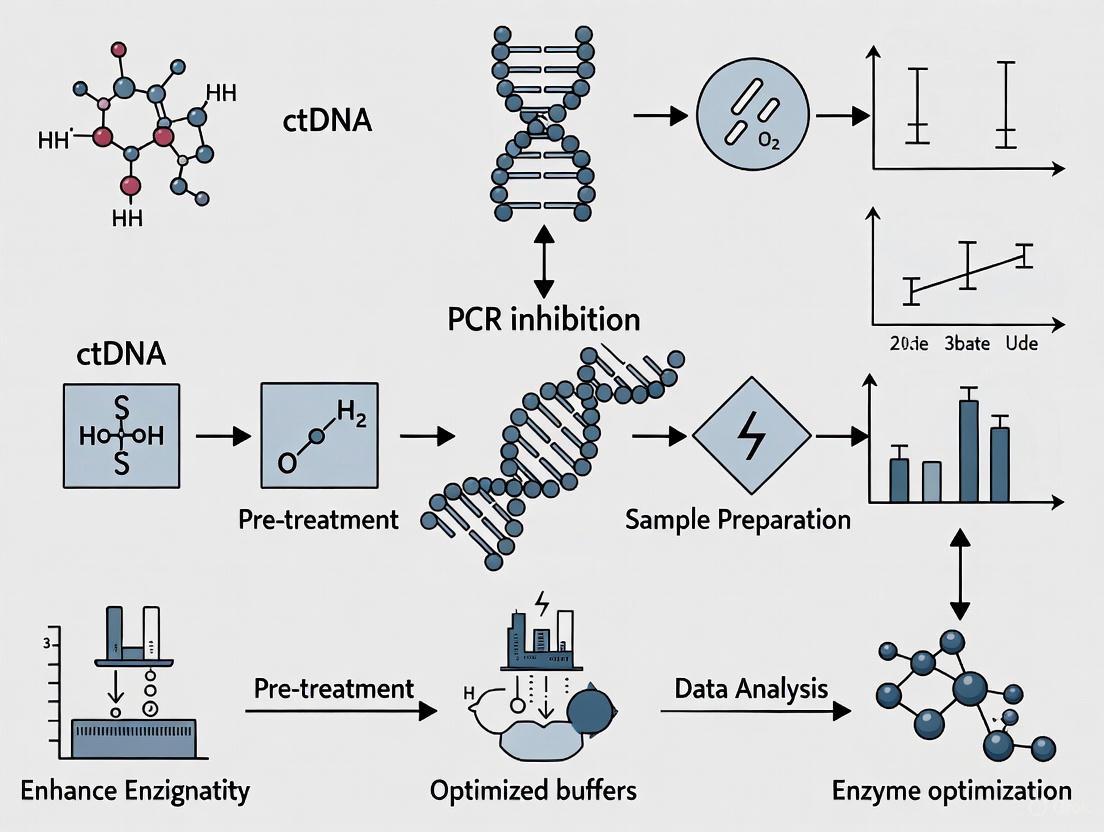
Overcoming PCR Inhibition in ctDNA Analysis: Advanced Strategies for Sensitive Liquid Biopsy in Precision Oncology
The analysis of circulating tumor DNA (ctDNA) via PCR-based methods is fundamental to liquid biopsy but is critically limited by PCR inhibition and the ultra-low abundance of target DNA, which...

Managing Hemolyzed Samples in ctDNA Analysis: A Comprehensive Guide for Robust Liquid Biopsy Workflows
Hemolysis presents a significant pre-analytical challenge in circulating tumor DNA (ctDNA) testing, potentially compromising assay sensitivity and specificity by releasing wild-type genomic DNA from lysed blood cells.

Mastering Preanalytical Variables in Liquid Biopsy: A Comprehensive Guide for Robust Research and Clinical Translation
This article provides a systematic examination of preanalytical variables in liquid biopsy, a critical yet often overlooked factor determining the success of cancer research and precision oncology.
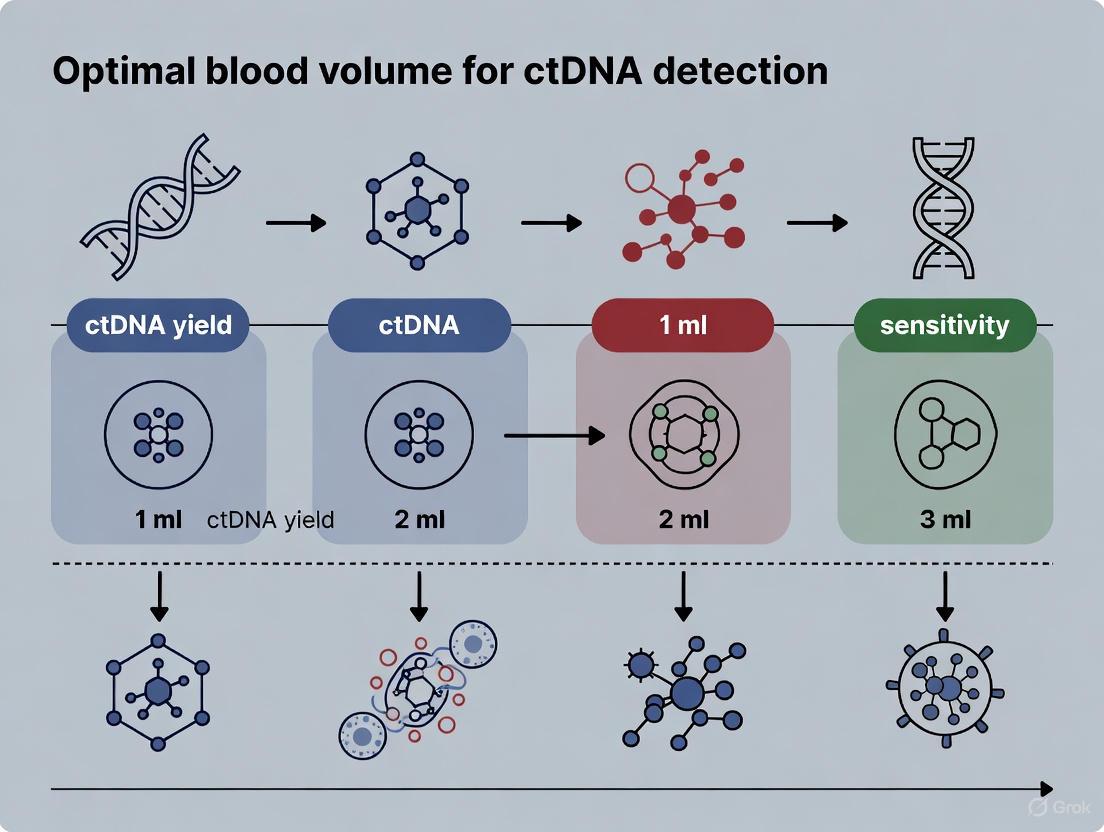
Optimizing Blood Volume for ctDNA Detection: A Comprehensive Guide for Enhanced Sensitivity in Cancer Diagnostics and Monitoring
The detection of circulating tumor DNA (ctDNA) is revolutionizing cancer management, but its low abundance in early-stage disease remains a significant challenge.
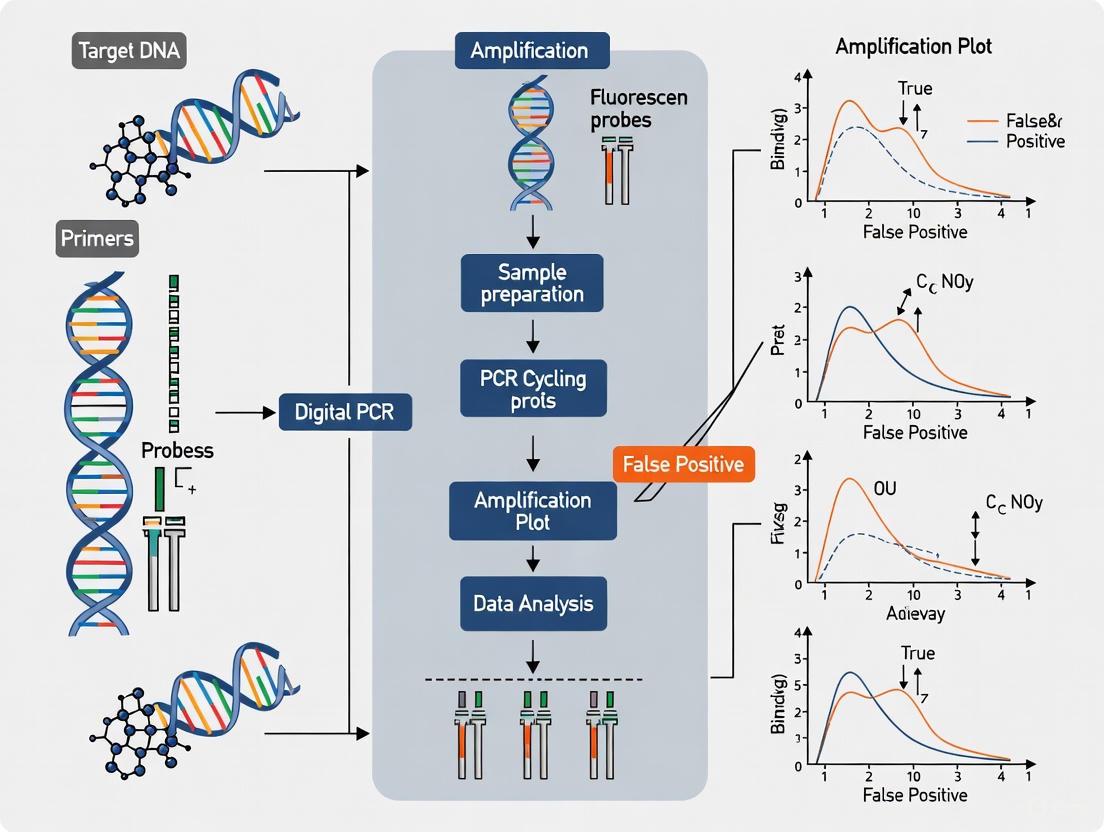
Strategies for Reducing False Positives in Digital PCR: A Comprehensive Guide for Researchers
Digital PCR (dPCR) offers exceptional sensitivity for applications from oncology to infectious disease diagnostics, but its accuracy can be compromised by false positives.
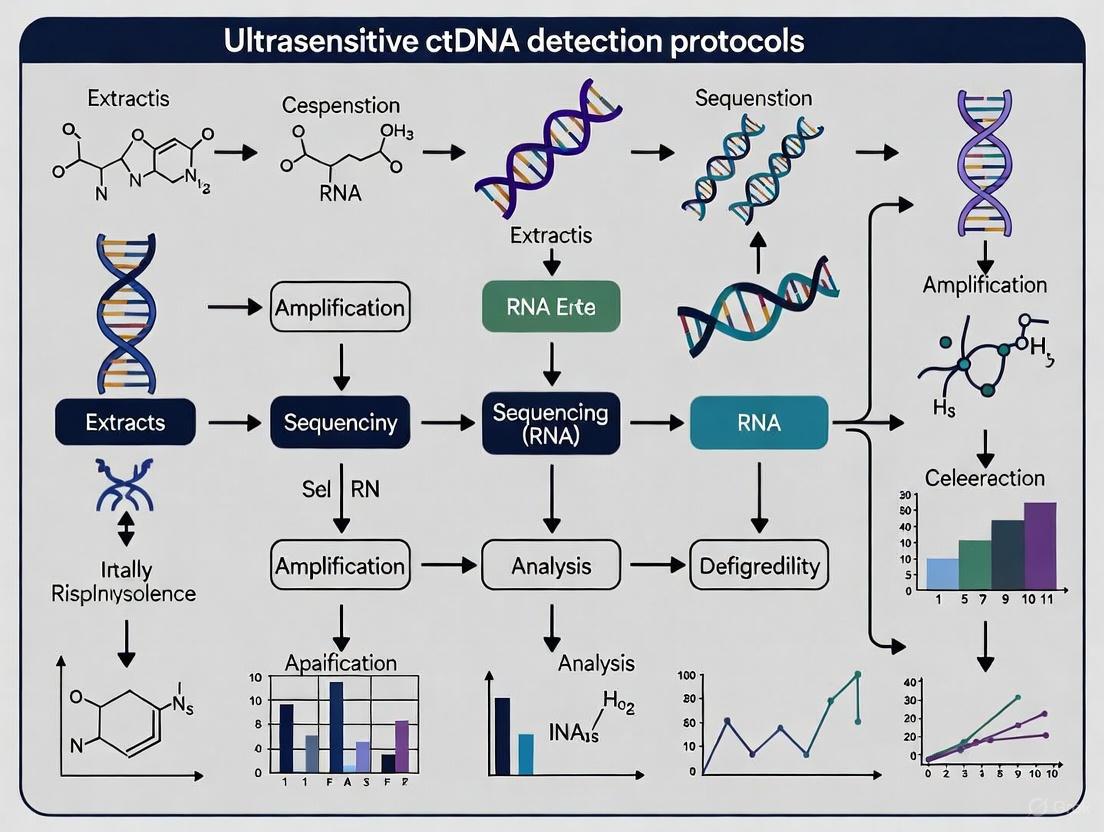
Ultrasensitive ctDNA Detection Protocols: Advanced Methods for Early Cancer Monitoring and MRD Assessment
This article comprehensively examines cutting-edge ultrasensitive circulating tumor DNA (ctDNA) detection technologies transforming cancer management.